Mapping the Epigenetic Landscape: Mechanisms and Models in Regenerative Biology
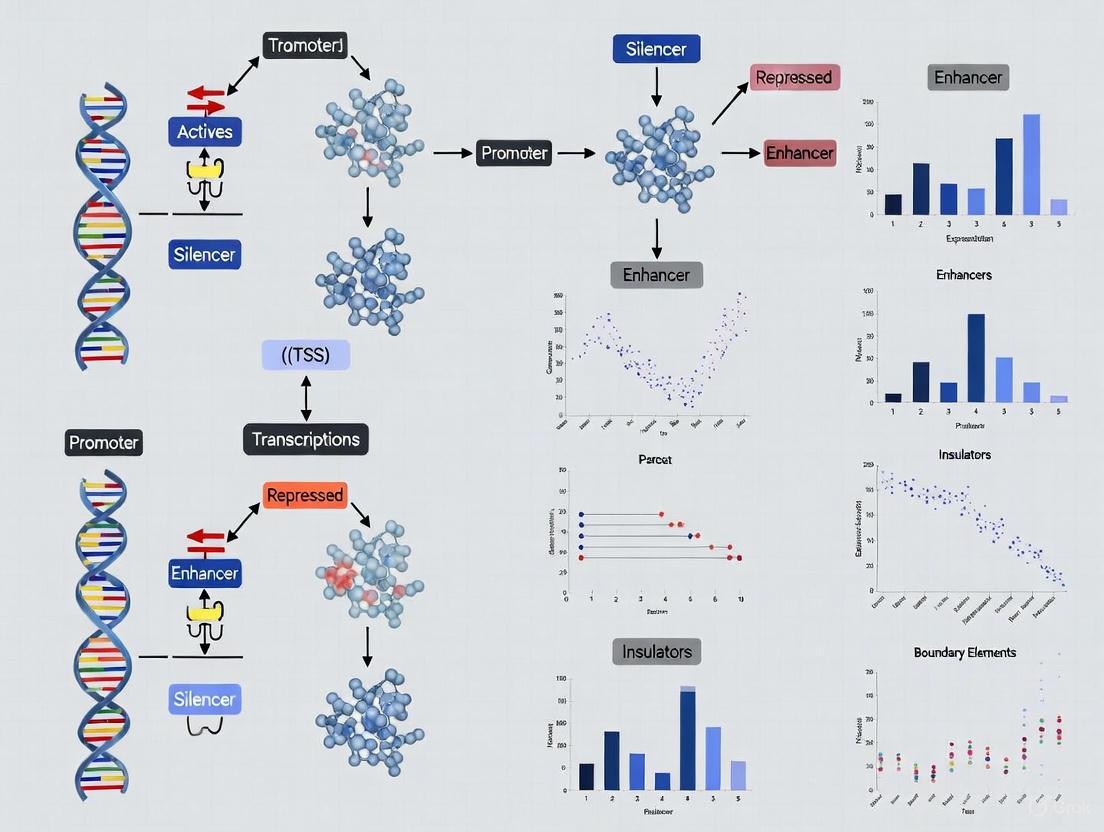
This article explores the dynamic role of the epigenetic landscape in guiding cellular reprogramming and tissue regeneration in model organisms.
Mapping the Epigenetic Landscape: Mechanisms and Models in Regenerative Biology
Abstract
This article explores the dynamic role of the epigenetic landscape in guiding cellular reprogramming and tissue regeneration in model organisms. It synthesizes foundational concepts, from Waddington's original metaphor to modern epigenomic profiles, with cutting-edge methodological approaches for analyzing chromatin states. The content provides a critical evaluation of troubleshooting strategies in epigenetic manipulation and offers a comparative analysis of regenerative capabilities across species. Aimed at researchers and drug development professionals, this review highlights how deciphering epigenetic controls in regenerative models can unlock novel therapeutic paradigms for human disease and tissue repair.
The Blueprint of Regeneration: Core Epigenetic Concepts and Landscape Dynamics
Conrad Waddington's epigenetic landscape, conceived in the 1940s and iconically depicted in 1957, provides a powerful metaphor for cellular development, picturing a cell's differentiation path as a ball rolling through a terrain of branching valleys [1] [2]. Each branch point represents a cell fate decision where a cell chooses between alternative developmental paths. While this visual metaphor has profoundly influenced developmental biology, recent efforts have focused on converting this concept into quantitative, testable models that can predict cellular behavior [1]. This transition from metaphor to mathematical framework is particularly relevant in regenerative medicine, where understanding and controlling cell fate is paramount. Modern revisitation of the landscape integrates insights from gene regulatory networks (GRNs), dynamical systems theory, and catastrophe theory, providing a foundation for analyzing cell fate decisions in developing and regenerating tissues [1]. This review explores how this quantitative reframing of Waddington's landscape offers new principles for understanding cellular potency and fate decisions in regenerative model organisms.
Theoretical Foundations: The Mathematics of Cell Fate Decisions
The modern interpretation of Waddington's landscape is grounded in dynamical systems theory, where cell fates correspond to attractors—stable steady states of the underlying GRN [1]. The landscape itself is described by a potential function, where valleys represent basins of attraction toward these fates, and ridges represent barriers between them.
Formalizing the Landscape: Gradient Systems and Dynamics
In quantitative terms, the landscape is not merely a height function but a gradient system defined by both a potential function (F) and a Riemannian metric (G). The system's dynamics are given by the differential equation: ẋ = -Gâ»Â¹âˆ‡F [1]. Crucially, the metric G influences the paths cells take through the landscape (their differentiation trajectories) without altering the stable states themselves. This explains why cells with identical genetic potential can follow different developmental paths under different environmental conditions—a concept fundamental to regenerative processes where microenvironmental cues direct differentiation.
Decision Archetypes: Binary Fate Choices
Theoretical analysis reveals that binary cell fate decisions conform to a small number of archetypes. In a progenitor cell (state P) choosing between two successor fates (A and B), two primary decision mechanisms exist:
- All-or-Nothing Decision: Three attractors (P, A, B) are linearly arranged, with the precursor P situated between A and B. An inductive signal triggers a local bifurcation, eliminating the P basin and forcing cells to commit to either A or B [1]. The choice is determined by which saddle point collides with P during this landscape reshaping.
- Distributed Allocation: The P attractor is connected to both A and B via specific trajectories. Cells are distributed between fates A and B based on their initial positions within the P basin and noise-induced variability, without the progenitor state being eliminated [1].
These decision structures provide a classification scheme for cell fate decisions that is independent of the specific molecular details of the underlying GRNs, suggesting universal design principles in developmental systems.
Table 1: Fundamental Cell Fate Decision Archetypes
| Decision Archetype | Topological Structure | Key Dynamics | Developmental Context |
|---|---|---|---|
| All-or-Nothing | Linearly arranged attractors (A-P-B) | Local bifurcation eliminates progenitor state | Signal-induced commitment; unidirectional differentiation |
| Distributed Allocation | Progenitor (P) basin connected to multiple fates | Initial conditions and noise determine fate proportion | Heterogeneous progenitor populations; stochastic fate choice |
Figure 1: Waddington Landscape Topology. Cell fates (A, B) as attractors connected via saddle points (S1, S2).
Quantitative Modeling of Epigenetic Landscapes
Computational Tools and Approaches
Translating the Waddington metaphor into predictive models requires specialized computational tools. NetLand is an open-source software designed for this purpose, enabling quantitative modeling and 3D visualization of Waddington's epigenetic landscape for GRNs of any complexity [3]. This tool facilitates the simulation of kinetic dynamics and allows researchers to explore stem cell differentiation and reprogramming scenarios in silico.
A Practical Workflow for Landscape Construction
A practicable analytical strategy has emerged for constructing quantitative landscape models from experimental data:
- Data Acquisition: Utilize single-cell expression data (e.g., from scRNA-seq) to capture transcriptional states of differentiating cells.
- State Space Reconstruction: Employ dimensionality reduction techniques to map single-cell data onto a low-dimensional state space.
- Potential Function Inference: Calculate a probabilistic potential from the data, which defines the topography of the Waddington landscape. This potential (U) relates to the probability density (P) of cells in state space by U(x) = -log P(x) [3].
- Trajectory and Decision Point Mapping: Identify attractors (cell states), saddles (decision points), and their connecting manifolds (differentiation trajectories) [1].
This approach is "dimension-agnostic," meaning it can infer landscape structure regardless of the original data's dimensionality, directly addressing the challenge posed by genome-wide profiling technologies [1].
Table 2: Key Signaling Molecules and Their Roles in Lung Development
| Molecule/Regulator | Functional Category | Role in Lung Development | Experimental Evidence |
|---|---|---|---|
| DNMT1 | DNA Methyltransferase | Maintenance methylation; essential for early branching morphogenesis and proximal cell fate [4]. | Dnmt1 null mice: embryonic lethality by E11.0; branching defects in lung [4]. |
| TET2 | DNA Demethylase | Active demethylation; highly expressed in late murine lung development [4]. | Expression profiling during murine lung development [4]. |
| VEGF-A | Growth Factor | Vascular growth of cardiopulmonary system; regulated by promoter methylation [4]. | CpG island methylation in promoter in fetal distal lung epithelial cells [4]. |
| Apaf-1 | Apoptotic Factor | Embryonic morphogenesis; methylation regulates its expression [4]. | Methylation observed in human embryonic lung cells; inhibition upregulates expression [4]. |
The Experimentalist's Guide to Mapping Cell Fate Landscapes
Core Methodologies for Landscape Analysis
Mapping the epigenetic landscape in a developing or regenerating system requires the integration of specific experimental and computational methodologies.
- Single-Cell RNA Sequencing (scRNA-seq): This is the foundational technology for modern landscape reconstruction. It provides the high-resolution data on cellular heterogeneity needed to identify distinct cell states and transitional populations. The protocol involves: (1) tissue dissociation into a single-cell suspension; (2) capturing individual cells and barcoding their transcripts; (3) library preparation and sequencing; and (4) bioinformatic analysis to cluster cells by transcriptional similarity and order them along pseudotemporal trajectories.
- Live-Cell Imaging and Lineage Tracing: To validate predicted fate choices and dynamics, live imaging of fluorescent reporter cell lines is essential. This allows direct observation of a cell's journey through the landscape. Combined with inducible genetic lineage tracing, this methodology definitively maps the fate potential and outcomes of progenitor populations in their native tissue context.
- Perturbation Experiments: Testing landscape models requires perturbation of hypothesized key regulators (e.g., transcription factors, signaling molecules). This can be achieved via CRISPR-Cas9 knockout, RNAi knockdown, or small molecule inhibitors. A robust model should accurately predict how the landscape and cell fate probabilities shift in response to these perturbations.
Figure 2: Experimental Workflow for Landscape Mapping.
The Scientist's Toolkit: Essential Reagents for Landscape Studies
Table 3: Research Reagent Solutions for Cell Fate Studies
| Research Reagent | Function in Experiment | Example Application |
|---|---|---|
| SOX2 Antibodies [2] | Immunofluorescent detection and quantification of SOX2 protein, a core pluripotency factor. | Identifying and localizing pluripotent stem cells in culture or tissue sections during reprogramming. |
| OCT4/OCT3/4 Antibodies [2] | Marker for pluripotent state; essential for reprogramming to iPSCs. | Confirming the successful generation of induced pluripotent stem cells (iPSCs). |
| KLF4 Antibodies [2] | Detection of KLF4, one of the Yamanaka reprogramming factors. | Assessing expression levels of key transcription factors during cell fate conversion. |
| LIN28 Antibodies [2] | Marker for pluripotency; used in alternative reprogramming factor combinations. | Validating pluripotent stem cell identity via Western Blot (WB) analysis. |
| DNMT1 Inhibitors | Chemical perturbation of DNA methylation patterns. | Experimentally altering the epigenetic landscape to test its role in fate restriction. |
| 6-Methylnona-4,8-dien-2-one | 6-Methylnona-4,8-dien-2-one|Research Chemical | |
| 2,9-Dimethyldecanedinitrile | 2,9-Dimethyldecanedinitrile|C14H24N2|For Research | High-purity 2,9-Dimethyldecanedinitrile for research applications. This product is for laboratory research use only (RUO) and not for human use. |
Case Study: Epigenetic Landscapes in Lung Development
The developing lung serves as an exemplary model for applying the Waddington landscape framework to a complex, branching organ. Lung development involves the progressive differentiation of a foregut endodermal rudiment into numerous specialized epithelial, mesenchymal, and endothelial cell types [4].
DNA Methylation Directs Branching Morphogenesis
DNA methylation, mediated by DNMT1, plays a critical role in the branching morphogenesis of the lung. Dnmt1 deficiency in mouse models leads to severe developmental defects, including disrupted epithelial polarity, failed proximal endodermal specification, and premature differentiation of distal alveolar type 2 cells [4]. This demonstrates that the proper topographic structure of the landscape—specifically, the maintenance of progenitor valleys and the suppression of premature differentiation paths—requires DNMT1-mediated methylation. Furthermore, stage-specific methylation of promoters like VEGF-A and Apaf-1 ensures the correct temporal execution of vascular growth and morphogenetic programs [4].
Non-Coding RNAs as Landscape Modulators
Non-coding RNAs (ncRNAs), including microRNAs (miRNAs) and long non-coding RNAs (lncRNAs), function as critical modulators of the epigenetic landscape during lung development [4]. They fine-tune the expression of key transcription factors and signaling components within the GRN, thereby shaping the slopes and valleys of the landscape and guiding cells through canalicular, saccular, and alveolar stages.
Implications and Future Directions in Regenerative Medicine
The quantitative reframing of Waddington's landscape has profound implications for regenerative medicine. First, it provides a conceptual and practical framework for reprogramming cell fates. The generation of induced pluripotent stem cells (iPSCs) can be visualized as pushing a ball (a somatic cell) back up the landscape and over a high barrier to return it to the pluripotent plateau [2]. Similarly, trans-differentiation (direct conversion between somatic cell types) corresponds to moving a cell from one valley to another across a ridge, without first returning to the pluripotent state [2].
Future research must focus on several key challenges:
- Spatiotemporal Control: Can we manipulate epigenetic marks precisely in a spatiotemporal and locus-specific manner to sculpt desired landscape topographies? [4]
- Global Bifurcations: Most research has focused on local bifurcations. Understanding global bifurcations—which alter large-scale connection topology between states—will be crucial for comprehending complex reprogramming phenomena [1].
- Integration of Microenvironment: How do microenvironmental cues link to epigenetic alterations to reshape the local landscape within tissues? [4]
In conclusion, Waddington's landscape has evolved from a static metaphor into a dynamic, quantitative framework for understanding cellular decision-making. By integrating dynamical systems theory with high-resolution molecular data, this revisited landscape provides a powerful paradigm for guiding regenerative strategies, offering the promise of rationally directing cell fate for therapeutic purposes.
Epigenetics encompasses the study of heritable changes in gene function that occur without alteration to the underlying DNA sequence [5]. These dynamic and reversible modifications provide a crucial regulatory layer that controls gene expression patterns during development, in response to environmental cues, and in disease states [5] [6]. The three fundamental pillars of epigenetic regulation—DNA methylation, histone modifications, and non-coding RNAs (ncRNAs)—collectively establish the chromatin landscape that determines cellular identity and function [5] [7]. In the context of regenerative biology, epigenetic mechanisms assume particular significance as they orchestrate the complex processes of cellular reprogramming, differentiation, and tissue morphogenesis that enable remarkable regenerative capabilities in certain model organisms [8] [9].
Research in various regenerative model systems, including botryllid ascidians, zebrafish, and axolotl, has revealed that epigenetic regulation underpins the cellular plasticity necessary for whole-body regeneration [8] [9]. The dynamic interplay between DNA methylation, histone modifications, and ncRNAs establishes gene expression programs that guide the regeneration of complex structures from minimal cellular material [8]. Understanding these epigenetic mechanisms in highly regenerative organisms provides invaluable insights that may inform therapeutic strategies for enhancing regenerative capacity in humans and address the challenges of therapeutic resistance in diseases like cancer [7].
DNA Methylation: Establishment and Maintenance of Methylation Patterns
DNA methylation involves the covalent addition of a methyl group to the fifth carbon of cytosine bases, primarily within CpG dinucleotides in mammals, forming 5-methylcytosine (5mC) [5] [6]. This epigenetic mark is established and maintained by a family of DNA methyltransferases (DNMTs) with specialized functions [6]. DNMT3A and DNMT3B serve as de novo methyltransferases that initiate methylation patterns during embryonic development and gametogenesis, while DNMT1 functions as the maintenance methyltransferase that preserves methylation patterns during DNA replication [6]. DNMT3L, though catalytically inactive, acts as a crucial cofactor that stimulates de novo methylation by DNMT3A [6].
The interpretation of DNA methylation marks is mediated by methyl-CpG-binding domain proteins (MBD family), which recognize methylated DNA and recruit additional chromatin-modifying complexes such as histone deacetylases (HDACs) to reinforce transcriptional repression [6]. DNA methylation dynamics play pivotal roles in various biological processes, including transcriptional silencing, genomic imprinting, X-chromosome inactivation, and suppression of transposable elements [5] [6]. During spermatogenesis, for instance, male germ cells undergo waves of global DNA demethylation and remethylation, with precise regulation being essential for fertility [6].
Table 1: DNA Methyltransferases and Their Functions in Mammalian Systems
| Enzyme | Type | Primary Function | Consequence of Loss-of-Function |
|---|---|---|---|
| DNMT1 | Maintenance methyltransferase | Maintains methylation patterns during DNA replication | Apoptosis of germline stem cells; hypogonadism and meiotic arrest [6] |
| DNMT3A | De novo methyltransferase | Establishes new methylation patterns during development | Abnormal spermatogonial function [6] |
| DNMT3B | De novo methyltransferase | Establishes new methylation patterns during development | Fertility with no distinctive phenotype [6] |
| DNMT3C | De novo methyltransferase | Specialized for transposable element silencing | Severe defect in DNA repair and homologous chromosome synapsis during meiosis [6] |
| DNMT3L | Cofactor (catalytically inactive) | Stimulates de novo methylation by DNMT3A | Decrease in quiescent spermatogonial stem cells [6] |
The dynamic nature of DNA methylation is further regulated by TET (ten-eleven translocation) family enzymes, which catalyze the oxidation of 5mC to 5-hydroxymethylcytosine (5hmC) and further derivatives, initiating DNA demethylation pathways [6]. This active demethylation process creates additional complexity in the epigenetic landscape and provides a mechanism for rapid changes in gene expression patterns in response to developmental and environmental signals.
Histone Modifications: The Histone Code and Chromatin States
Histone modifications represent a second fundamental pillar of epigenetic regulation, comprising post-translational chemical modifications to histone proteins that alter chromatin structure and function [7] [10]. These modifications include acetylation, methylation, phosphorylation, ubiquitination, and an expanding repertoire of newly discovered chemical groups such as crotonylation, succinylation, and 2-hydroxyisobutyrylation [7]. The combinatorial nature of these modifications has led to the "histone code" hypothesis, which proposes that specific combinations of histone modifications determine functional outcomes for associated genomic regions [10].
The establishment and interpretation of histone modifications are mediated by specialized classes of enzymes often categorized as "writers," "erasers," and "readers" [7]. Writers, such as histone acetyltransferases (HATs) and histone methyltransferases (HMTs), add modifying groups; erasers, including histone deacetylases (HDACs) and histone demethylases (KDMs), remove these modifications; and reader proteins containing specialized domains (e.g., bromodomains, chromodomains) recognize specific modifications and recruit effector complexes to execute downstream functions [7]. Different histone modifications are associated with distinct chromatin states and transcriptional outcomes as summarized in Table 2.
Table 2: Major Histone Modifications and Their Functional Associations
| Histone Modification | Chromatin Association | Transcriptional Correlation | Primary Genomic Locations |
|---|---|---|---|
| H3K4me3 | Active chromatin | Positive | Promoters of transcribed genes [10] |
| H3K4me1 | Primed/enhancer chromatin | Variable (enhancer activity) | Enhancer regions [10] |
| H3K27ac | Active chromatin | Positive | Active enhancers and promoters [10] |
| H3K27me3 | Facultative heterochromatin | Negative | Developmentally regulated gene promoters [10] |
| H3K9me3 | Constitutive heterochromatin | Negative | Repetitive elements, silent regions [7] |
| H3K36me3 | Active transcription | Positive | Gene bodies of actively transcribed genes [7] |
During embryonic development of the Pacific white shrimp (Litopenaeus vannamei), specific histone modifications demonstrate dynamic changes that correlate with transcriptional states [10]. H3K4me3 marks promoters of actively transcribed genes, H3K4me1 identifies enhancer regions, H3K27ac distinguishes active enhancers and promoters, while H3K27me3 is associated with transcriptional repression of key developmental genes [10]. The balance between activating and repressing histone modifications changes progressively through developmental stages, reflecting the dynamic chromatin landscape that guides embryogenesis [10].
Non-Coding RNAs: Diverse Regulators of Epigenetic States
Non-coding RNAs (ncRNAs) constitute a heterogeneous class of RNA molecules that do not encode proteins but function as crucial regulators of gene expression at transcriptional and post-transcriptional levels [11] [7]. These molecules include microRNAs (miRNAs), long non-coding RNAs (lncRNAs), piwi-interacting RNAs (piRNAs), circular RNAs (circRNAs), and various other subtypes that differ in length, structure, biogenesis, and mechanisms of action [11] [12]. The diverse functions of ncRNAs position them as integral components of the epigenetic regulatory network, with particular significance in fine-tuning gene expression patterns during development and disease [12].
ncRNAs participate in epigenetic regulation through multiple mechanisms. miRNAs, typically 20-22 nucleotides in length, primarily function by binding to complementary sequences in target mRNAs, leading to translational repression or mRNA degradation [12]. In T lymphocytes, specific miRNAs such as miR-21, miR-148a, and miR-155 show increased expression in autoimmune conditions, where they promote proinflammatory responses by regulating the abundance of DNA methyltransferases and signaling molecules [12]. Conversely, decreased expression of miR-146a, GAS5, and IL21AS1 is associated with aberrant epigenetic patterns in autoimmunity [12].
lncRNAs, generally defined as transcripts longer than 200 nucleotides, employ more diverse mechanisms including: serving as scaffolds for chromatin-modifying complexes; functioning as decoys that sequester transcription factors or miRNAs; guiding ribonucleoprotein complexes to specific genomic loci; and facilitating the formation of nuclear compartments [13] [12]. A notable example is Fos ecRNA (extra-coding RNA), which directly inhibits DNMT3A activity in neurons, leading to hypomethylation of the FOS gene and contributing to long-term fear memory formation [13]. This inhibition occurs through binding of Fos ecRNA to the tetramer interface of DNMT3A, modulating its activity in a manner that can be restored by interaction with DNMT3L [13].
Figure 1: Non-Coding RNA Mechanisms in Epigenetic Regulation. ncRNAs regulate gene expression through diverse mechanisms including mRNA targeting, chromatin complex recruitment, and direct modulation of epigenetic enzymes.
Experimental Methods for Epigenetic Analysis
DNA Methylation Detection Methods
Bisulfite sequencing remains the gold standard technique for mapping DNA methylation patterns at single-nucleotide resolution [5]. This method relies on the selective deamination of unmethylated cytosines to uracils by sodium bisulfite treatment, while methylated cytosines remain protected from conversion [5]. Subsequent PCR amplification and sequencing reveal methylation status based on C-to-T transitions in the resulting sequences [5]. Various bisulfite-based approaches have been developed to address different research needs:
Whole-Genome Bisulfite Sequencing (WGBS) provides the most comprehensive analysis, covering nearly all CpG sites in the genome but requiring high sequencing depth and being resource-intensive [5]. Reduced Representation Bisulfite Sequencing (RRBS) offers a cost-effective alternative by using restriction enzymes to enrich for CpG-rich regions, making it suitable for large-cohort studies though with more limited genome coverage [5]. Ultrafast Bisulfite Sequencing (UBS-Seq) was developed to overcome limitations of conventional BS-seq, particularly DNA fragmentation and incomplete conversion issues [5].
Alternative methods include enzymatic methyl sequencing approaches that avoid bisulfite-induced DNA damage, and third-generation sequencing technologies (nanopore and SMRT sequencing) that enable direct detection of modified bases without chemical pretreatment [5]. The selection of an appropriate method depends on the specific research question, required resolution, genome coverage needs, and available resources.
Histone Modification Profiling Techniques
Chromatin Immunoprecipitation followed by sequencing (ChIP-seq) has been the traditional method for genome-wide mapping of histone modifications and transcription factor binding sites [10]. However, CUT&Tag (Cleavage Under Targets and Tagmentation) has emerged as a superior alternative with several advantages, including higher signal-to-noise ratio, greater sensitivity, reduced experimental time, and lower cell requirements [10]. The CUT&Tag method utilizes a protein A-Tn5 transposase fusion protein targeted to specific chromatin features by antibodies, enabling simultaneous cleavage and adapter incorporation specifically at sites of interest [10].
In practice, CUT&Tag has been successfully applied to profile histone modifications during embryonic development in the Pacific white shrimp, revealing dynamic changes in H3K4me1, H3K4me3, H3K27ac, and H3K27me3 patterns across developmental stages from blastula to nauplius [10]. This approach has provided insights into the epigenetic regulation of key developmental processes such as zygotic genome activation, molting, body segmentation, and neurogenesis [10].
Figure 2: CUT&Tag Workflow for Histone Modification Profiling. This method uses antibody-directed tagmentation for high-resolution mapping of histone marks.
Non-Coding RNA Analysis Methods
Comprehensive analysis of ncRNAs typically involves RNA sequencing (RNA-seq) approaches tailored to specific RNA classes. Small RNA sequencing specializes in capturing miRNAs and other small RNAs, while total RNA-seq or ribosomal RNA-depleted RNA-seq enables detection of lncRNAs and circRNAs [12]. Single-cell RNA sequencing provides resolution at the individual cell level, revealing cell-to-cell heterogeneity in ncRNA expression [12]. For functional studies, techniques such as single-molecule fluorescent in situ hybridization (smFISH) allow visualization of individual ncRNA transcripts within cells, providing spatial information about their expression and localization [13].
Table 3: Key Research Reagents and Solutions for Epigenetic Studies
| Reagent Type | Specific Examples | Primary Applications | Key Considerations |
|---|---|---|---|
| Methylation-sensitive restriction enzymes | MspI (for RRBS) | Reduced Representation Bisulfite Sequencing | Enzyme specificity determines genomic coverage [5] |
| Anti-histone modification antibodies | Anti-H3K4me3, Anti-H3K27ac, Anti-H3K27me3 | ChIP-seq, CUT&Tag, immunostaining | Specificity validation is critical [10] |
| Bisulfite conversion kits | EZ DNA Methylation kits | Bisulfite sequencing | Conversion efficiency impacts data quality [5] |
| DNMT inhibitors | 5-azacytidine, decitabine | Functional studies of DNA methylation | Cytotoxicity and off-target effects [7] |
| HDAC inhibitors | Vorinostat, trichostatin A | Functional studies of histone acetylation | Pan-inhibitors vs. class-specific [7] |
| CUT&Tag kits | Hyperactive Universal CUT&Tag Assay Kit | Histone modification profiling | Cell number requirements (~50,000 nuclei) [10] |
Epigenetic Regulation in Regenerative Model Organisms
Regenerative model organisms exhibit extraordinary capabilities to regenerate complex tissues, organs, or entire bodies, processes governed by sophisticated epigenetic reprogramming [8] [9]. The colonial tunicate Botrylloides leachi, for example, demonstrates whole-body regeneration (WBR) from minute fragments of blood vessels, a process classified as Type 1 regeneration that relies on pluripotent adult stem cells and follows a somatic-embryogenesis mode of development [8]. This regenerative strategy contrasts with Type 2 regeneration seen in organisms like salamanders, which utilize fate-restricted stem cells and blastema-mediated regeneration [8].
Epigenetic mechanisms facilitate the cellular plasticity required for regeneration by enabling dramatic changes in gene expression programs. In botryllid ascidians, regeneration involves dynamic DNA methylation changes, histone modification shifts, and ncRNA activity that collectively reprogram somatic cells to regenerate entirely new organisms from vascular fragments [8]. Similarly, in zebrafish, epigenetic reprogramming enables the regeneration of complex structures like fins and heart tissue through the activation of developmental gene regulatory networks [9].
The comparison of regenerative capabilities across closely related species provides powerful insights into the epigenetic basis of regeneration. Studies comparing zebrafish and medaka, for instance, have revealed significant differences in regenerative potential despite their phylogenetic proximity, with variations in epigenetic regulation contributing to distinct regenerative outcomes [9]. Similarly, within tunicates, different species exhibit remarkably varied regenerative capacities despite shared ancestry, suggesting frequent evolutionary gains and losses of regenerative ability linked to changes in epigenetic regulation [9].
The integrated activities of DNA methylation, histone modifications, and non-coding RNAs establish the complex epigenetic landscape that governs gene expression patterns during development, tissue homeostasis, and regeneration. Continued advances in epigenetic technologies—including improved bisulfite sequencing methods, CUT&Tag for histone modification profiling, and single-cell multi-omics approaches—are providing unprecedented resolution for studying these dynamic processes [5] [10].
In regenerative biology, future research should prioritize comparative studies across regenerative models to identify conserved epigenetic modules that enable exceptional regenerative capabilities [9]. The integration of multi-omics datasets through computational approaches and artificial intelligence will be essential for deciphering the complex interactions between different epigenetic layers [5] [7]. Furthermore, translating insights from highly regenerative organisms to mammalian systems holds promise for developing novel therapeutic strategies that enhance regenerative capacity in humans, potentially addressing conditions such as tissue damage, degenerative diseases, and aging [8] [9].
As epigenetic editing technologies such as CRISPR-based systems continue to advance, researchers will gain increasingly precise tools for manipulating the epigenetic landscape to probe functional relationships and potentially direct regenerative outcomes [5]. These approaches, combined with a deeper understanding of natural epigenetic variation across regenerative models, will accelerate progress toward harnessing epigenetic mechanisms for therapeutic applications in regenerative medicine.
The enduring regenerative capacity of model organisms is governed by robust epigenetic mechanisms that establish and maintain defined cellular states. This whitepaper explores the concept of epigenetic attractors—stable, self-reinforcing states within the epigenetic landscape that lock cells into specific fates during regeneration. We provide a comprehensive analysis of the core epigenetic modifications that constitute these attractors, summarize quantitative data on their dynamics, detail experimental protocols for their interrogation, and visualize the complex regulatory networks. Understanding these principles is paramount for developing novel regenerative and anti-cancer therapies aimed at reprogramming cellular identities.
The term "epigenetic landscape" was introduced by Conrad Hal Waddington in the 1940s as a visual metaphor for cellular differentiation during embryonic development [14]. In this metaphor, a cell is represented by a marble rolling down a rugged hillside towards its final fate, with the valleys symbolizing distinct, stable cellular states [15]. The modern interpretation of this landscape is shaped by molecular processes that confer cellular memory, enabling the inheritance of gene expression patterns without changes to the DNA sequence itself [16]. These processes include DNA methylation, histone modifications, and non-coding RNA activity [7] [15].
In the context of regenerative model organisms, this landscape is exceptionally plastic, allowing for the dedifferentiation and reprogramming of cells to replace lost or damaged tissues. Epigenetic attractors are the deep, stable valleys in this landscape that represent terminal cell fates, such as being a hepatocyte or a neuron. Regeneration requires a controlled destabilization of these attractors and a guided transition to new ones. Dysregulation of these same mechanisms, particularly the stability of these attractor states, is a hallmark of cancer, where cells become trapped in a pathological, proliferative state [7]. The following sections dissect the molecular components that define these attractors and provide a toolkit for their experimental manipulation.
Core Molecular Mechanisms of Epigenetic Attractors
Epigenetic attractors are established and maintained by a complex, self-reinforcing network of molecular regulators. These modifications are dynamically added and removed by specialized enzymes, often termed "writers," "erasers," and "readers" [7].
DNA Methylation and Hydroxymethylation
DNA methylation involves the addition of a methyl group to the 5-carbon of cytosine, primarily in CpG dinucleotides, forming 5-methylcytosine (5mC). This modification typically leads to transcriptional repression by recruiting proteins that promote chromatin compaction [7]. In regenerative contexts and the brain, 5mC can be oxidized to 5-hydroxymethylcytosine (5hmC) by the TET family of enzymes. 5hmC is often associated with active gene expression and is a key intermediate in DNA demethylation pathways [15]. This active demethylation process is crucial for the dramatic epigenetic reprogramming required for regeneration.
Histone Post-Translational Modifications
Histones are subject to a wide array of reversible chemical modifications, including acetylation, methylation, phosphorylation, and ubiquitination. These modifications alter chromatin structure and serve as docking sites for other regulatory proteins [7].
- Histone Acetylation: Generally associated with open, transcriptionally active chromatin.
- Histone Methylation: Can be associated with either activation or repression, depending on the specific lysine residue methylated and the degree of methylation (e.g., H3K4me3 for activation, H3K27me3 for repression). More novel modifications, such as citrullination, crotonylation, and succinylation, are continually being discovered and linked to specific biological processes and disease states [7].
Non-Coding RNAs and RNA Modifications
Non-coding RNAs (ncRNAs), including microRNAs (miRNAs) and long non-coding RNAs (lncRNAs), are pivotal regulators of epigenetic states. They can guide chromatin-modifying complexes to specific genomic loci to silence or activate genes [7] [16]. Furthermore, chemical modifications to RNA itself, such as N6-methyladenosine (m6A), influence RNA stability, translation, and are critically involved in cell fate decisions and cancer progression [7].
Quantitative Profiling of Epigenetic Modifications
A comprehensive understanding of epigenetic attractors requires quantitative data on the prevalence and dynamics of these modifications. The following tables summarize key quantitative aspects relevant to regenerative studies.
Table 1: Common DNA Methylation and Hydroxymethylation Levels in Mammalian Tissues
| Tissue/Cell Type | Average % 5mC (CpG context) | Average % 5hmC (CpG context) | Notes |
|---|---|---|---|
| Embryonic Stem Cells | 70-80% | 0.1-0.2% | Dynamic, low 5hmC |
| Adult Liver | ~80% | 0.3-0.5% | Stable, differentiated state |
| Adult Brain | ~70% | 0.5-1.5% | Highest 5hmC levels in body |
| Hepatocellular Carcinoma | Highly Variable (Global hypomethylation) | Often Reduced | Loss of attractor stability |
Table 2: Key Histone Modifications and Their Functional Correlates
| Histone Mark | Common Function/Association | Enzymes (Writers/Erasers) |
|---|---|---|
| H3K4me3 | Active gene promoters | COMPASS complex / LSD1, KDM5B |
| H3K27ac | Active enhancers | p300/CBP / HDAC1-3 |
| H3K36me3 | Actively transcribed gene bodies | SETD2 / - |
| H3K27me3 | Facultative heterochromatin, gene repression | PRC2 / KDM6A (UTX), KDM6B |
| H3K9me3 | Constitutive heterochromatin | SUV39H1/2 / - |
Experimental Protocols for Mapping Epigenetic States
To define epigenetic attractors, researchers must profile the genomic distribution of various modifications. Below are detailed protocols for key methodologies.
Whole-Genome Bisulfite Sequencing (WGBS) for 5mC Detection
Principle: Bisulfite treatment converts unmethylated cytosines to uracils (read as thymines in sequencing), while methylated cytosines remain unchanged. This allows for single-base resolution mapping of 5mC [15].
Protocol:
- DNA Extraction: Isolate high-molecular-weight genomic DNA from target tissues (e.g., regenerating limb, liver).
- DNA Fragmentation: Shear DNA to ~200-300 bp fragments via sonication.
- Bisulfite Conversion: Treat fragmented DNA with sodium bisulfite using a commercial kit (e.g., EZ DNA Methylation-Lightning Kit). Optimize incubation time and temperature to ensure complete conversion while minimizing DNA degradation.
- Library Preparation & Sequencing: Prepare a sequencing library from the converted DNA using adapters compatible with your sequencing platform (e.g., Illumina). Amplify and sequence to a minimum coverage of 30x.
- Bioinformatic Analysis: Align sequences to a bisulfite-converted reference genome using tools like Bismark or BSMAP. Calculate methylation percentage for each cytosine.
Oxidative Bisulfite Sequencing (oxBS-seq) for 5hmC Detection
Principle: This method combines bisulfite treatment with selective chemical oxidation of 5hmC to 5-formylcytosine (5fC), which is then converted to uracil by bisulfite. Comparing standard BS-seq (detects 5mC+5hmC) to oxBS-seq (detects only 5mC) allows precise quantification of 5hmC [15].
Protocol:
- Split Sample: Divide the same fragmented genomic DNA sample into two aliquots.
- Oxidation Reaction: Treat one aliquot with potassium perruthenate (KRuO~4~) to oxidize 5hmC to 5fC. The second aliquot is an untreated control.
- Bisulfite Conversion: Subject both aliquots to standard bisulfite treatment.
- Library Prep & Sequencing: Process both libraries independently and sequence.
- Bioinformatic Analysis: Align reads from both libraries. The subtraction of methylation levels in the oxBS-seq dataset from the BS-seq dataset yields the 5hmC level at each base.
Chromatin Immunoprecipitation Sequencing (ChIP-seq)
Principle: Antibodies specific to a histone modification (e.g., H3K27ac) or chromatin-associated protein are used to immunoprecipitate cross-linked DNA-protein complexes. The associated DNA is then sequenced to map the binding sites or modification patterns genome-wide.
Protocol:
- Cross-linking: Treat cells or tissue with 1% formaldehyde for 10 minutes at room temperature to cross-link proteins to DNA.
- Chromatin Shearing: Lyse cells and sonicate chromatin to fragments of 200-600 bp.
- Immunoprecipitation: Incubate chromatin with a validated, specific antibody. Use Protein A/G beads to capture the antibody-chromatin complex.
- Washing & Elution: Wash beads stringently to remove non-specific binding. Elute the immunoprecipitated chromatin.
- Reverse Cross-linking & Purification: Heat eluate to reverse cross-links and digest proteins with Proteinase K. Purify the DNA.
- Library Prep & Sequencing: Prepare a sequencing library from the purified DNA.
Visualizing Regulatory Networks and Workflows
The following diagrams, generated using DOT language, illustrate the core concepts and experimental workflows described in this whitepaper.
Diagram 1: A simplified view of the Waddington landscape, depicting stable attractor states (cell fates) and the key molecular mechanisms that reinforce them.
Diagram 2: A proposed experimental workflow for profiling and validating dynamic changes to the epigenetic landscape during regeneration in model organisms.
The following table details key reagents and tools essential for experimental research in epigenetic regulation of regeneration and cell fate.
Table 3: Research Reagent Solutions for Epigenetic Studies
| Reagent / Tool | Function / Application | Example Specifics |
|---|---|---|
| TET Enzyme Inhibitors (e.g., Bobcat339) | Selectively inhibits TET1, reducing 5hmC production. Used to probe the functional role of active DNA demethylation in reprogramming. | Cell-permeable small molecule. |
| DNMT Inhibitors (e.g., 5-Azacytidine, Decitabine) | Incorporate into DNA and inhibit DNMT1, causing global DNA hypomethylation. Used to test stability of epigenetic attractors. | Used in clinical oncology and research. |
| BET Bromodomain Inhibitors (e.g., JQ1) | Displaces "reader" proteins from acetylated histones, disrupting enhancer-driven gene expression programs. | Useful for studying super-enhancers in cell identity. |
| Validated ChIP-grade Antibodies | Essential for specific and efficient pull-down in ChIP-seq experiments for histone marks (e.g., H3K27ac, H3K4me3, H3K27me3). | Critical to use validated antibodies (e.g., from CIP, Diagenode). |
| Bisulfite Conversion Kits | High-efficiency conversion of unmethylated cytosine for downstream sequencing (WGBS). | EZ DNA Methylation series (Zymo Research). |
| Single-Cell Multi-omics Platforms | Allows simultaneous profiling of chromatin accessibility (scATAC-seq), DNA methylation (scBS-seq), and transcriptome (scRNA-seq) from the same cell. | 10x Genomics Multiome, other emerging technologies. |
The remarkable regenerative capabilities of model organisms such as axolotls, zebrafish, and planarians provide a fundamental window into the cellular processes that could revolutionize regenerative medicine. Underpinning these complex morphological transformations is the epigenetic landscape, a dynamic regulatory layer that controls gene expression without altering the underlying DNA sequence. Characterization of this epigenome provides the essential baseline for discerning the regulatory mechanisms that enable regeneration, a process that declines with age in mammals. This whitepaper details the core techniques and methodologies for profiling the foundational epigenetic state, with a specific focus on DNA methylation, the most common epigenetic modification in both prokaryotic and eukaryotic genomes. A precise understanding of these baseline states is the critical first step in developing potential therapeutic applications for human tissue repair and age-related regenerative decline [17] [18].
Quantitative Profiling of Global DNA Methylation
While sequencing techniques can map methylation sites to specific genomic locations, global methylome analysis provides a rapid, cost-effective, and quantitative overview of the total methylation burden in a sample. This approach is invaluable for initial screenings and comparing multiple samples or conditions before undertaking more resource-intensive sequencing projects [19] [20].
Mass Spectrometry-Based Quantification
Liquid chromatography coupled with high-resolution mass spectrometry (LC-MS) enables the direct, sensitive, and absolute quantification of methylated nucleobases independent of their sequence context. A recently established method using acid hydrolysis with hydrochloric acid (HCl) offers a robust alternative to enzymatic digestion, which can be inefficient for highly methylated DNA [19].
Table 1: Key Steps in Acid Hydrolysis and UHPLC-HRMS for Global DNA Methylation Analysis [19]
| Step | Description | Key Parameters |
|---|---|---|
| DNA Hydrolysis | Chemical breakdown of DNA into individual nucleobases using HCl. | Avoids formic acid to prevent formylated side-products; superior for highly methylated DNA. |
| Chromatography | Separation of hydrolyzed products via Ultra-High-Performance Liquid Chromatography (UHPLC). | Enables resolution of 5-methylcytosine (5mC), 6-methyl adenine (6mA), and their unmodified counterparts. |
| Detection & Quantification | Analysis using High-Resolution Mass Spectrometry (HRMS) with an Orbitrap mass analyzer. | Provides high sensitivity and accuracy; allows for absolute quantification using internal standards. |
| Data Analysis | Calculation of the global degree of methylation. | Uncomplicated analysis facilitates quick comparison across biological contexts. |
This method has been successfully applied in a proof-of-principle study to identify changes in methylation signatures in the marine macroalga Ulva mutabilis, demonstrating its utility in ecological and developmental epigenetics [19].
Comparison with Sequencing-Based Techniques
The choice between global quantification and sequencing depends on the research question. The table below summarizes the core differences.
Table 2: Comparison of DNA Methylation Analysis Techniques [19]
| Feature | Global Analysis (UHPLC-HRMS) | Bisulfite Sequencing | Long-Read Sequencing (SMRT, Nanopore) |
|---|---|---|---|
| Information | Quantitative data on the overall degree of methylation. | Location of 5mC in a genomic context. | Indirect detection of multiple DNA modifications in a genomic context. |
| Throughput | Rapid, high-throughput. | Time-consuming. | Time-consuming. |
| Cost | Cost-efficient. | Expensive. | Expensive. |
| DNA Amount | Requires only small amounts of DNA. | Requires more DNA. | Requires high amounts of high-quality DNA. |
| Bioinformatics | Not dependent on lengthy bioinformatic analyses. | Relies on complex bioinformatic data analysis. | Requires complex bioinformatic data analysis. |
| Key Limitation | No locus-specific information. | Harsh conditions; misidentification of 4mC. | Relies on databases for known modifications; challenging for novel modifications. |
Experimental Protocol: Acid Hydrolysis and UHPLC-HRMS
The following section provides a detailed methodology for the quantitative analysis of global DNA methylation, based on the protocol established for profiling the methylome of Ulva mutabilis [19].
Reagents and Equipment
- Analytical Standards: Cytosine, 5-methylcytosine, 2ˈ-deoxycytidine, 2ˈ-deoxy-5-methylcytidine. Internal standards: 2ˈ-deoxycytidine-13C1,15N2 and 2ˈ-deoxy-5-methylcytidine-13C1,15N2.
- DNA Standards: Commercially available DNA with 100% unmodified or methylated cytosines for calibration and validation.
- Hydrolysis Agent: Hydrochloric acid (HCl).
- Instrumentation: Ultra-High-Performance Liquid Chromatography system coupled to a High-Resolution Mass Spectrometer equipped with an Orbitrap mass analyzer.
Step-by-Step Procedure
- DNA Preparation: Extract and purify genomic DNA from the target model organism (e.g., regenerating tissue from axolotl or zebrafish) using a standard phenol-chloroform protocol or commercial kit. Determine DNA concentration and purity via spectrophotometry.
- Acid Hydrolysis:
- Aliquot a defined amount of DNA (e.g., 100-500 ng) into a hydrolysis-resistant vial.
- Add a specific volume of HCl to achieve optimal hydrolysis conditions (e.g., 2M HCl at 100°C for 30 minutes). Note: Conditions must be optimized for different sample types.
- After hydrolysis, neutralize the reaction and centrifuge to remove any precipitate.
- UHPLC-HRMS Analysis:
- Inject the hydrolyzed sample into the UHPLC system.
- Chromatography: Use a reverse-phase C18 column. Employ a water-methanol or water-acetonitrile gradient with a volatile buffer (e.g., formic acid or ammonium acetate) to separate the nucleobases.
- Mass Spectrometry: Operate the HRMS in positive electrospray ionization (ESI+) mode. Set the Orbitrap mass analyzer to a high resolution (e.g., >60,000 FWHM) for accurate mass detection. Use Selected Ion Monitoring (SIM) or parallel reaction monitoring (PRM) for high sensitivity quantification of the target masses: cytosine (111.0553 m/z) and 5-methylcytosine (125.0709 m/z).
- Quantification and Data Analysis:
- Use calibration curves generated from the analytical standards for absolute quantification.
- Employ stable isotope-labeled internal standards (e.g., 2ˈ-deoxycytidine-13C1,15N2) to correct for sample loss and matrix effects during analysis.
- Calculate the global DNA methylation percentage as:
[5mC / (5mC + C)] × 100.
The following workflow diagram illustrates the complete experimental and analytical process.
Emerging Paradigms: Sequence-Driven DNA Methylation
A groundbreaking study using the plant model Arabidopsis thaliana has revealed a paradigm shift in understanding the origins of epigenetic patterns. While it was previously understood that DNA methylation is regulated by pre-existing epigenetic features, this research discovered a new mode of targeting driven by genetic sequences themselves [18].
Specific transcription factors, named RIMs (a subset of REPRODUCTIVE MERISTEM proteins), were found to dock at specific DNA sequences and recruit the CLASSY3 protein to establish new DNA methylation patterns in reproductive tissues. This finding that the DNA itself can instruct de novo methylation provides a crucial mechanistic insight into how novel epigenetic patterns can arise during development and regeneration, opening new paths for precise epigenetic engineering [18].
The following diagram illustrates this novel mechanism for establishing new DNA methylation patterns.
The Scientist's Toolkit: Essential Research Reagents
This table details key reagents and materials essential for conducting the epigenetic profiling experiments described in this guide.
Table 3: Research Reagent Solutions for Epigenomic Profiling
| Item | Function / Application | Example / Note |
|---|---|---|
| DNA Methylation Standards | Absolute quantification via calibration curves. | Cytosine, 5-methylcytosine, 2ˈ-deoxy-5-methylcytidine (Zymo Research) [19]. |
| Isotope-Labeled Internal Standards | Correct for sample loss and matrix effects in MS. | 2ˈ-deoxycytidine-13C1,15N2; 2ˈ-deoxy-5-methylcytidine-13C1,15N2 (Toronto Research Chemicals) [19]. |
| Control DNA | Method validation and quality control. | DNA with 100% unmodified or methylated cytosines [19]. |
| UHPLC-HRMS System | Separation and highly sensitive detection of nucleobases. | System equipped with Orbitrap mass analyzer for high mass accuracy [19]. |
| CLASSY & RIM Protein Antibodies | Investigating novel DNA methylation targeting mechanisms. | For immunoprecipitation or imaging in plant and cross-species studies [18]. |
| Model Organism Resources | Source for biologically relevant study systems. | Axolotl, zebrafish, planarians, Ulva mutabilis, Arabidopsis thaliana [19] [17] [18]. |
| 1-tert-Butoxyoctan-2-ol | 1-tert-Butoxyoctan-2-ol, CAS:86108-32-9, MF:C12H26O2, MW:202.33 g/mol | Chemical Reagent |
| 3-Methylfluoranthen-8-OL | 3-Methylfluoranthen-8-OL | 3-Methylfluoranthen-8-OL is a high-purity fluoranthene derivative for research applications. This product is for Research Use Only (RUO). Not for human or veterinary use. |
The comprehensive characterization of the epigenome in regenerative model organisms demands a multifaceted analytical approach. While sequencing technologies provide invaluable locus-specific information, mass spectrometry-based global methylome analysis offers an indispensable tool for rapid, quantitative, and cost-effective profiling. The recent discovery of sequence-driven DNA methylation further enriches our understanding of how these patterns originate. Together, these methodologies and insights form a robust foundation for profiling the baseline epigenetic state, a critical prerequisite for unlocking the mechanisms that govern regeneration and for informing future epigenetic engineering strategies with profound implications for medicine and agriculture.
Decoding the Regenerative Code: Advanced Profiling and Intervention Techniques
Regenerative biology seeks to understand the remarkable capacity of certain organisms to restructure damaged or worn-out organs and tissues. Central to processes like blastema formation in axolotls and transdifferentiation in zebrafish is a substantial reprogramming of the epigenome, which modifies local genome activity without changing the underlying DNA sequence [21] [22]. This epigenetic reprogramming enables dedifferentiated cells to regain developmental plasticity, a fundamental requirement for restoring complex structures [21]. To unravel these dynamics, researchers rely on powerful epigenomic tools that map the regulatory landscape of cells. This whitepaper provides an in-depth technical guide to three cornerstone technologies—ATAC-seq, ChIP-seq, and Whole-Genome Bisulfite Sequencing—framed within the context of discovering the epigenetic basis of regeneration.
Assay for Transposase-Accessible Chromatin with Sequencing (ATAC-seq)
2.1.1 Principle and Applications ATAC-seq identifies regions of open, accessible chromatin genome-wide, which typically correspond to active regulatory elements such as enhancers and promoters [23]. During regenerative processes, such as limb or heart regeneration, chromatin accessibility must be dynamically altered to activate embryonic gene programs; ATAC-seq is the premier tool for profiling these changes [24].
2.1.2 Detailed Experimental Protocol The ATAC-seq protocol is renowned for its simplicity and low cell number requirements [23].
- Nuclei Isolation: Cells or tissues are homogenized, and nuclei are isolated and collected. Critical note: For tissues involved in regeneration (e.g., blastemas), careful dissociation is required to obtain a clean nuclear preparation.
- Tagmentation: The purified nuclei are incubated with the Tn5 transposase, which has been pre-loaded with sequencing adapters. The Tn5 enzyme simultaneously fragments accessible DNA and ligates the adapters in a single "tagmentation" step. The tightly packed nucleosomal DNA is inaccessible to Tn5, whereas DNA in open chromatin regions is preferentially fragmented and tagged [23].
- Purification and Amplification: The tagmented DNA is purified, and PCR is performed with barcoded primers to create the final sequencing library.
- Sequencing and Analysis: The libraries are sequenced on a high-throughput platform. Subsequent bioinformatic analysis identifies peaks of signal, which correspond to regions of open chromatin.
The key innovation of ATAC-seq lies in the use of the hyperactive Tn5 transposase, which streamlines library preparation into an efficient two-step process [23]. It is crucial to acknowledge that Tn5 transposase exhibits sequence-dependent binding bias, though computational tools have been developed for correction [23].
Chromatin Immunoprecipitation with Sequencing (ChIP-seq)
2.2.1 Principle and Applications ChIP-seq directly identifies the genomic binding sites of specific DNA-associated proteins, such as transcription factors (TFs) or histone modifications with specific chemical marks (e.g., H3K27ac) [23] [25]. In regeneration research, it is used to pinpoint how key transcription factors bind to regeneration enhancer elements or how histone modifications are reprogrammed to facilitate gene expression changes during dedifferentiation [26].
2.2.2 Detailed Experimental Protocol The traditional ChIP-seq technique is a multi-step process designed to capture DNA bound to specific proteins [23].
- Cross-linking: DNA and proteins are cross-linked in situ using formaldehyde to fix their interactions.
- Chromatin Fragmentation: The cross-linked chromatin is fragmented, typically via sonication, into small fragments of 200–600 base pairs.
- Immunoprecipitation: An antibody specific to the protein or histone mark of interest is used to pull down the DNA-protein complexes. This step is critical and requires a high-quality, validated antibody to ensure specificity.
- Reversal of Cross-linking and Purification: The immunoprecipitated complexes are de-crosslinked, and the bound DNA is purified.
- Library Preparation and Sequencing: The released DNA undergoes standard library preparation steps (end repair, adapter ligation) and is sequenced [23] [25].
A key experimental control is the use of 'input DNA'—non-immunoprecipitated, fragmented genomic DNA—which helps identify and adjust for sequencing biases [25]. A limitation of traditional ChIP-seq is its requirement for a considerable number of cells (10^5 to 10^7), which can be a hurdle when working with limited blastema material. However, low-cell-number and single-cell methods (e.g., scChIP-seq, ULI-NChIP) have been developed to overcome this [23].
Whole-Genome Bisulfite Sequencing (WGBS)
2.3.1 Principle and Applications WGBS is the gold-standard method for profiling DNA methylation at single-base-pair resolution across the entire genome [22]. It is based on the differential sensitivity of cytosines to bisulfite conversion. DNA methylation is a key epigenetic mark involved in cell fate commitment, and its large-scale reprogramming is a hallmark of regenerative processes [21] [24]. WGBS can reveal these genome-wide methylation dynamics.
2.3.2 Detailed Experimental Protocol The WGBS protocol hinges on the chemical conversion of DNA by sodium bisulfite [22] [25].
- DNA Extraction and Fragmentation: Genomic DNA is isolated and fragmented.
- Bisulfite Conversion: The DNA is treated with sodium bisulfite. This chemical reaction converts unmethylated cytosines to uracil by deamination, while methylated cytosines (5-methylcytosine) remain unconverted.
- Purification and Amplification: The bisulfite-treated DNA is purified. During subsequent PCR amplification, uracil residues are converted to thymine.
- Sequencing and Analysis: The resulting library is sequenced. By comparing the resulting sequence to the original genomic reference, researchers can identify cytosines that were protected from conversion (methylated) versus those that were converted to thymine (unmethylated) [22].
A significant challenge is the reduced sequence complexity after bisulfite conversion, which complicates read alignment. Furthermore, standard bisulfite treatment cannot distinguish between 5mC and its oxidation derivative 5hmC; specialized protocols like OxBS-seq or TAB-seq are required for this discrimination [22].
Comparative Analysis of Epigenomic Technologies
The selection of an appropriate epigenomic toolkit depends on the research question, experimental constraints, and desired outcomes. The table below provides a direct comparison of the three core technologies.
Table 1: Comparative overview of ATAC-seq, ChIP-seq, and Whole-Genome Bisulfite Sequencing
| Parameter | ATAC-seq | ChIP-seq | Whole-Genome Bisulfite Sequencing (WGBS) |
|---|---|---|---|
| Primary Application | Mapping open chromatin regions, nucleosome positioning, and inference of transcription factor binding [23] | Direct identification of specific DNA-protein interactions (Transcription Factors, Histone Modifications) [23] | Genome-wide profiling of DNA methylation at single-base resolution [22] |
| Key Output | Genome-wide accessibility landscape (peaks) | Genome-wide binding sites for protein of interest (peaks) | Methylation status of each cytosine in context (e.g., CpG) |
| Resolution | ~ single-base (for footprinting) to nucleosome-scale | Defined by antibody and peak-calling, typically 100-1000 bp | Single-base pair [22] |
| Sample Input | Low (500–5,000 cells) [23] | High (10âµâ€“10â· cells for standard protocol) [23] | Varies; can be performed on low-input samples with optimization [22] |
| Protocol Duration | Fast (~1 day) | Lengthy (3-5 days) | Moderate, bisulfite conversion step is time-sensitive |
| Key Strengths | Simple protocol, low input, identifies multiple chromatin features simultaneously | Direct measurement of specific protein-DNA interactions, well-established | Gold standard for methylation, provides comprehensive, unbiased coverage |
| Key Limitations | Sequence bias of Tn5 transposase, indirect inference of TF binding | Antibody-dependent quality and specificity, high cell input required | High cost, complex data analysis, DNA degradation during conversion [22] |
The Power of Multi-Omic Integration
While each technology is powerful alone, combining them provides a more comprehensive and profound understanding of the chromatin regulatory landscape during regeneration [23]. For instance:
- ATAC-seq + ChIP-seq: ATAC-seq can identify differentially accessible enhancers in a regenerating tissue. Subsequent ChIP-seq for specific histone marks (e.g., H3K27ac) or transcription factors can validate and functionally annotate these regions, confirming their active status and revealing which TFs drive the regenerative gene program [23].
- ATAC-seq/WGBS + RNA-seq: Integrating chromatin accessibility or DNA methylation data with transcriptomic profiles (RNA-seq) allows researchers to directly link regulatory changes to the expression of key regeneration genes.
Public data-mining suites like ChIP-Atlas 3.0 are invaluable resources for such integrative analyses. This platform provides pre-analyzed data from over 376,000 public ChIP-seq, ATAC-seq, and other epigenomic experiments, allowing researchers to explore and overlay these datasets with regulatory elements and genetic variants [27]. Furthermore, specialized databases like the Regeneration Roadmap systematically collect high-throughput sequencing data from regeneration experiments across multiple species and tissues, providing a dedicated resource for the field [26].
The Scientist's Toolkit: Essential Research Reagents
Successful execution of epigenomic assays requires careful selection of critical reagents. The following table details essential materials and their functions.
Table 2: Key Research Reagent Solutions for Epigenomic Workflows
| Reagent / Material | Function | Technical Considerations |
|---|---|---|
| Tn5 Transposase | Enzyme that fragments accessible DNA and ligates sequencing adapters in ATAC-seq [23]. | Hyperactive form is standard; commercial kits ensure high activity. Exhibits sequence bias that may require computational correction [23]. |
| Specific Antibodies | Binds and immunoprecipitates the target protein or histone modification in ChIP-seq [23] [25]. | The most critical factor for ChIP-seq quality. Must be validated for ChIP-seq application, with high specificity and immunoprecipitation efficiency. |
| Sodium Bisulfite | Chemical agent that deaminates unmethylated cytosine to uracil in WGBS, enabling methylation detection [22] [25]. | Reaction conditions must be optimized to ensure complete conversion while minimizing DNA degradation. Commercial kits are widely used. |
| Cellular Barcodes | Short DNA sequences used to label individual cells or nuclei in single-cell protocols. | Enables pooling of samples, reducing batch effects and costs. Essential for single-cell epigenomic applications (scATAC-seq, scChIP-seq). |
| Methylation Controls | DNA with known methylation status. | Used as a positive control to monitor the efficiency and completeness of the bisulfite conversion reaction. |
| 1-Octen-4-ol, 2-bromo- | 1-Octen-4-ol, 2-bromo-, CAS:83650-02-6, MF:C8H15BrO, MW:207.11 g/mol | Chemical Reagent |
| 2-Cyano-2-phenylpropanamide | 2-Cyano-2-phenylpropanamide | High-purity 2-Cyano-2-phenylpropanamide for life sciences research. This product is For Research Use Only. Not for human or veterinary use. |
ATAC-seq, ChIP-seq, and Whole-Genome Bisulfite Sequencing form an indispensable toolkit for deconstructing the epigenetic logic of regeneration. By mapping chromatin accessibility, protein-DNA interactions, and DNA methylation, these technologies allow researchers to move beyond correlation toward mechanistic insights into how epigenetic reprogramming controls cellular plasticity and tissue restoration. As the field advances, the integration of these datasets, supported by public resources and the development of low-input methods, will be pivotal for translating discoveries from highly regenerative models into novel therapeutic paradigms for regenerative medicine.
Regenerative biology seeks to understand the remarkable capacity of certain organisms to repair and replace damaged tissues, a process governed not by changes in the DNA sequence itself, but by dynamic epigenetic reprogramming. Single-cell epigenomics has emerged as a transformative approach for deconstructing the heterogeneity of regenerating tissues, enabling researchers to map the regulatory landscapes of individual cells as they transition through states of quiescence, activation, proliferation, and differentiation. This technical guide explores how modern single-cell technologies are illuminating the epigenomic principles underlying regeneration, with profound implications for therapeutic development in regenerative medicine. Unlike bulk sequencing methods that average signals across cell populations, single-cell epigenomic methods capture the nuanced variation between cells, revealing rare progenitor populations, transient intermediate states, and divergent lineage trajectories that would otherwise be obscured [28]. The integration of these tools with spatial transcriptomics and computational modeling is creating an unprecedented view of how cellular identity is reprogrammed during tissue repair, offering new paradigms for understanding the epigenetic circuitry that controls regenerative capacity.
Technological Foundations of Single-Cell Epigenomics
Core Methodological Approaches
The study of epigenomics at single-cell resolution requires specialized methodologies capable of capturing different layers of epigenetic regulation from limited input material. Several powerful approaches have been developed, each focusing on distinct epigenetic features and offering unique insights into the regulatory architecture of individual cells.
Table 1: Core Single-Cell Epigenomic Technologies
| Technology | Target Epigenetic Feature | Key Principle | Resolution | Applications in Regeneration |
|---|---|---|---|---|
| scATAC-seq | Chromatin accessibility | Tn5 transposase integration into open chromatin regions | ~500-50,000 loci per cell | Identification of regenerative enhancers, trajectory inference |
| scDNA-methyl-seq | DNA methylation | Bisulfite conversion of unmethylated cytosines | ~10-50% of CpG sites | Stability of cell identity, silencing of alternative fates |
| scChIP-seq | Histone modifications | Antibody-based enrichment of modified histones | Limited by antibody specificity | Mapping active/repressive regulatory elements |
| scNOME-seq | Nucleosome positioning + DNA methylation | GpC methyltransferase treatment + bisulfite sequencing | Combined chromatin accessibility and methylation | Multi-modal profiling of chromatin states |
| scHi-C | 3D chromatin architecture | Proximity ligation of interacting chromatin regions | 0.1-1Mb resolution | Changes in nuclear organization during regeneration |
The application of scATAC-seq (single-cell Assay for Transposase-Accessible Chromatin using sequencing) has been particularly transformative, as it maps genome-wide chromatin accessibility at single-cell resolution, revealing active regulatory elements including promoters, enhancers, and insulators. This method utilizes a hyperactive Tn5 transposase that simultaneously fragments and tags accessible genomic regions with sequencing adapters in an approach called "tagmentation" [28]. When applied to regenerating tissues, scATAC-seq can identify cell-type-specific regulatory elements that become dynamically accessible during different phases of the repair process, pointing to key transcriptional regulators that drive cellular reprogramming.
Single-cell bisulfite sequencing (scBS-seq) provides a complementary view of the epigenome by mapping DNA methylation patterns across the genome. This method employs post-bisulfite adapter tagging (PBAT) to overcome the substantial DNA degradation caused by bisulfite conversion, enabling measurement of methylation at up to 50% of CpG sites in a single cell [28]. In regeneration research, this approach can reveal how methylation patterns are erased and re-established during cellular reprogramming, potentially identifying epigenetic barriers that limit regenerative capacity in non-regenerative species.
Multimodal Single-Cell Approaches
A critical advancement has been the development of multimodal assays that simultaneously capture multiple molecular layers from the same single cell. Techniques like scM&T-seq enable parallel profiling of the methylome and transcriptome from individual cells, allowing direct correlation of epigenetic states with gene expression patterns [28]. Similarly, methods like SNARE-seq combine scATAC-seq with RNA-seq to link chromatin accessibility to transcriptional outputs. These integrated approaches are particularly powerful for studying regeneration, as they can reveal how epigenetic changes directly influence gene expression programs that control cell fate decisions during tissue repair.
Analytical Frameworks for Single-Cell Epigenomic Data
Computational and Topological Approaches
The high-dimensionality and sparsity of single-cell epigenomic data present substantial analytical challenges that require specialized computational frameworks. Topological data analysis (TDA) has emerged as a powerful mathematical approach for capturing the intrinsic shape of complex single-cell datasets, complementing traditional statistical methods. TDA tools like persistent homology and the Mapper algorithm can detect subtle, multiscale patterns including rare cell populations, transitional states, and branching trajectories that are often obscured by conventional approaches [29]. These methods are particularly suited for identifying continuous biological processes like cellular differentiation during regeneration, as they can model the gradual epigenomic changes that occur as cells transition between states without imposing discrete clustering boundaries.
Single-Cell Epigenomics Analysis Workflow
Spatial Mapping of Epigenomic States
A significant frontier in single-cell epigenomics is the integration of spatial context, which is particularly critical for understanding tissue regeneration where cellular position often determines fate potential. Methods like CMAP (Cellular Mapping of Attributes with Position) enable precise mapping of single cells to their spatial locations by integrating single-cell epigenomic data with spatial transcriptomics [30]. This approach uses a divide-and-conquer strategy with three levels: spatial domain division to assign cells to broad tissue regions, optimal spot alignment to map cells to specific locations, and precise location assignment to determine exact coordinates within the tissue context. Such spatial mapping reveals how the tissue microenvironment influences epigenomic states during regeneration and how cellular heterogeneity is organized within the regenerating tissue architecture.
Experimental Design and Protocols
A Framework for scATAC-seq in Regenerating Tissues
The successful application of single-cell epigenomics to regenerating tissues requires careful experimental design from tissue dissociation to library preparation and bioinformatic analysis. Below is a detailed protocol for scATAC-seq tailored to the unique challenges of regenerative models:
Sample Preparation and Nuclei Isolation
- Tissue Dissociation: Gently dissociate regenerating tissue using mechanical disruption followed by enzymatic digestion optimized to preserve nuclear integrity. Avoid over-digestion that can damage chromatin accessibility patterns.
- Nuclei Extraction: Lyse cells in ice-cold lysis buffer (10mM Tris-HCl, 10mM NaCl, 3mM MgCl2, 0.1% IGEPAL CA-630) for 3-5 minutes on ice. Centrifuge at 500-800g for 5 minutes at 4°C to pellet nuclei.
- Nuclei Quality Control: Assess nuclei integrity and concentration using automated cell counters or fluorescence microscopy with DAPI staining. Aim for >80% intact nuclei with minimal cytoplasmic contamination.
Tagmentation and Library Preparation
- Tagmentation Reaction: Combine 10,000-50,000 nuclei with Tagment DNA Buffer and Tn5 transposase (Illumina Tagment DNA TDE1 Enzyme and Buffer Kits). Incubate at 37°C for 30 minutes with gentle mixing.
- DNA Cleanup: Purify tagmented DNA using MinElute PCR Purification Kit (Qiagen) or SPRI beads. Elute in 10-20μL Elution Buffer.
- Library Amplification: Amplify libraries with 10-12 cycles of PCR using barcoded primers to index samples. Use SYBR Green to monitor amplification and stop reactions before saturation.
Quality Control and Sequencing
- Library QC: Assess library quality using Bioanalyzer High Sensitivity DNA chips (Agilent) or Fragment Analyzer. Expect a nucleosomal pattern with fragments multiples of ~200bp.
- Sequencing: Sequence on Illumina platforms (NovaSeq 6000, NextSeq 2000) with paired-end sequencing (2×50bp recommended). Target 25,000-100,000 read pairs per cell depending on genome size and complexity.
Integrating scATAC-seq with Spatial Transcriptomics
To contextualize epigenomic states within the tissue architecture during regeneration, scATAC-seq can be integrated with spatial transcriptomic methods:
Parallel Sample Processing
- Split regenerating tissue samples into adjacent sections for scATAC-seq and spatial transcriptomics (10x Genomics Visium, Xenium, or Slide-seq).
- Process matched samples in parallel to enable cross-modality integration.
Computational Integration
- Utilize tools like CMAP to map single-cell epigenomic profiles to spatial locations [30].
- Apply harmony, Seurat, or Signac for integration of scATAC-seq with spatial transcriptomics datasets.
- Validate spatial mapping using known marker genes and histological landmarks.
Table 2: Key Research Reagents for Single-Cell Epigenomics
| Reagent/Category | Specific Examples | Function in Experimental Pipeline |
|---|---|---|
| Nuclei Isolation | IGEPAL CA-630, Triton X-100, DAPI | Cell membrane lysis while preserving nuclear integrity; nuclei quantification |
| Tagmentation | Tn5 Transposase (Illumina Tagment DNA TDE1) | Simultaneous fragmentation and adapter tagging of accessible chromatin |
| Library Prep | NEBNext High-Fidelity 2X PCR Master Mix, SPRIselect beads | Amplification and size selection of tagmented fragments |
| Single-Cell Platform | 10x Genomics Chromium Controller, Fluidigm C1 | Partitioning of individual cells/nuclei into nanoliter reactions |
| Sequencing | Illumina sequencing reagents (NovaSeq, NextSeq 2000) | High-throughput sequencing of barcoded libraries |
| Spatial Mapping | Visium Spatial Gene Expression Slide, Xenium reagents | Tissue context preservation and spatial coordinate assignment |
Applications in Regenerative Model Organisms
Case Study: Limb Regeneration in Axolotl
The application of single-cell epigenomics to highly regenerative organisms like the axolotl has revealed fundamental principles of epigenetic reprogramming during complex tissue regeneration. scATAC-seq analyses of regenerating limbs have identified:
- Blastema-specific enhancers: Accessible chromatin regions that emerge specifically in the regenerating blastema, often linked to genes involved in pattern formation and proliferation.
- Epigenetic memory: Preservation of chromatin accessibility patterns from the original tissue identity that may guide appropriate regeneration of specific structures.
- Dynamic accessibility changes: Rapid reconfiguration of chromatin landscape during the transition from wound healing to regenerative outgrowth.
These findings suggest that successful regeneration requires both the erasure of differentiation-associated epigenetic marks to enable cellular plasticity and the preservation of positional information to guide appropriate pattern formation.
Case Study: Heart Regeneration in Zebrafish
Zebrafish possess a remarkable capacity for cardiac regeneration, and single-cell epigenomic approaches have illuminated how cardiomyocytes reprogram their epigenome to re-enter the cell cycle and regenerate damaged tissue. Key insights include:
- Partial dedifferentiation signatures: Chromatin accessibility changes in regenerating cardiomyocytes that resemble developmental states but maintain certain mature characteristics.
- Enhancer reactivation: Re-emergence of embryonic cardiac enhancers that drive expression of proliferation-associated genes in adult cardiomyocytes after injury.
- Metabolic-epigenetic coupling: Changes in chromatin accessibility at metabolic gene regulators that may facilitate the shift from oxidative to glycolytic metabolism necessary for proliferation.
These epigenomic dynamics highlight the therapeutic potential of selectively manipulating chromatin states to unlock regenerative capacity in mammalian systems.
Future Directions and Technical Challenges
Emerging Technologies and Multimodal Integration
The field of single-cell epigenomics is rapidly advancing, with several emerging technologies poised to deepen our understanding of regeneration:
Long-Read Epigenomic Sequencing
- Pacific Biosciences and Oxford Nanopore technologies now enable simultaneous detection of genetic variation, DNA methylation, and chromatin accessibility from the same DNA molecule.
- Application to regeneration could reveal how epigenetic changes are coordinated across large genomic regions, including gene clusters and regulatory domains.
Single-Cell Histone Modification Profiling
- Advances in scCUT&Tag and scChIP-seq now enable mapping of specific histone modifications in single cells.
- In regeneration, this could reveal how combinations of histone marks establish distinct chromatin states that determine cellular competence for different fates.
Spatial Epigenomic Technologies
- Emerging methods like spatial-ATAC-seq aim to directly map chromatin accessibility in tissue sections without single-cell dissociation.
- This would preserve spatial context while revealing epigenomic states, crucial for understanding positional identity in regeneration.
Computational Challenges and Solutions
As single-cell epigenomic datasets grow in size and complexity, several computational challenges must be addressed:
Scalability and Integration
- Development of efficient algorithms capable of processing millions of cells while integrating multiple data modalities (accessibility, methylation, transcription).
- Methods like SOLO and BROCKMAN represent early approaches for integrative analysis of multi-omic single-cell data.
Dynamic Modeling of Epigenomic States
- Computational frameworks for modeling the temporal evolution of epigenomic landscapes during regeneration.
- Hidden Markov models and continuous-time random processes show promise for reconstructing epigenetic trajectories from snapshot data.
Multi-Omic Integration in Regeneration Research
Single-cell epigenomics provides an unprecedented window into the regulatory programs that govern cellular identity and plasticity in regenerating tissues. By mapping the dynamic changes in chromatin accessibility, DNA methylation, and histone modifications at single-cell resolution, researchers can now reconstruct the epigenetic trajectories that enable certain organisms to regenerate complex structures. The integration of these approaches with spatial transcriptomics, computational modeling, and functional perturbation is creating a comprehensive framework for understanding how epigenetic information is read, rewritten, and remembered during tissue repair. As these technologies continue to advance, they hold tremendous promise for identifying the epigenetic barriers that limit regenerative capacity in humans and developing strategies to overcome them, ultimately bringing us closer to the goal of regenerative medicine.
Epigenetic modulators, particularly DNA methyltransferase (DNMT) and histone deacetylase (HDAC) inhibitors, have emerged as powerful pharmacological tools for directing cellular differentiation and reprogramming cell fate. These compounds target the fundamental epigenetic machinery that governs gene expression patterns without altering DNA sequences. Within regenerative biology, manipulating the epigenetic landscape offers promising strategies for controlling stem cell differentiation and potentially enhancing innate regenerative capacities across model organisms. This technical guide examines the molecular mechanisms, experimental applications, and translational potential of DNMT and HDAC inhibitors, with particular emphasis on their utility in regenerative model organism research. We provide comprehensive methodological frameworks for implementing these compounds in experimental settings, along with visualizations of key signaling pathways and their effects on cellular reprogramming.
Epigenetic modifications play a central role in governing embryo development and somatic cell reprogramming by dynamically regulating transcription activity and chromatin remodeling [31]. The reversible nature of epigenetic modifications offers unprecedented therapeutic opportunities for directing cell fate decisions in regenerative contexts [32]. Two of the most extensively characterized epigenetic mechanisms—DNA methylation and histone modification—serve as critical regulators of cellular identity and differentiation potential.
DNA methylation typically results in gene silencing when occurring in promoter regions, while histone deacetylation condenses chromatin structure and similarly represses transcription [33] [34]. The dynamic interplay between these epigenetic marks establishes a complex regulatory network that determines cellular phenotype and function. In regenerative model organisms, the manipulation of these epigenetic pathways through pharmacological intervention provides a powerful approach to investigating the fundamental principles of cell fate determination and potentially enhancing regenerative outcomes.
Molecular Mechanisms of DNMT and HDAC Inhibitors
DNA Methyltransferase (DNMT) Inhibitors
DNMT inhibitors function by targeting enzymes responsible for adding methyl groups to cytosine residues in DNA, primarily in CpG regions [33] [35]. The hypermethylation of tumor suppressor genes represents a common epigenetic abnormality in cancer, but similarly, controlled methylation dynamics are essential for proper cellular differentiation during development and regeneration.
Table 1: Classes and Mechanisms of DNMT Inhibitors
| Name | Chemical Nature | Mechanism of Action | Key Characteristics |
|---|---|---|---|
| Azacitidine | Ribonucleoside analogue | Incorporates into RNA and DNA; traps DNMTs leading to their degradation | Targets DNMT1; approved for MDS treatment; causes DNA hypomethylation at low doses [33] [35] |
| Decitabine | Deoxyribonucleoside analogue | Incorporates exclusively into DNA; traps DNMTs during replication | Decreases DNMT1 and DNMT3A expression; effective in MDS and AML [33] [35] |
| Zebularine | Deoxyribonucleoside analogue | Cytidine analog lacking amino group at position 4 of pyrimidine ring | High stability and low toxicity; suitable for oral administration [35] |
| MG98 | Non-nucleoside analogue | Antisense oligonucleotide targeting 3' UTR of DNMT1 | Causes decreased methylation in cell lines and animal models [33] |
| Procainamide | Non-nucleoside analogue | Reduces DNMT1 affinity for DNA and S-adenosyl-methionine | Decreases DNA methylation through allosteric inhibition [33] |
At low concentrations, DNMT inhibitors reverse epimutations by reactivating silenced genes through promoter hypomethylation, while higher concentrations facilitate cytotoxicity through the formation of irreversible covalent enzyme-DNA adducts that stall replication forks [33] [35]. This dual functionality makes them particularly valuable for both directing differentiation processes and eliminating unwanted cell populations in regenerative contexts.
Histone Deacetylase (HDAC) Inhibitors
HDAC inhibitors target enzymes that remove acetyl groups from lysine residues on histone tails and various non-histone proteins [34] [36]. By inhibiting deacetylation, these compounds promote an open chromatin configuration that facilitates transcription factor access and gene expression.
Table 2: Classification and Properties of HDAC Inhibitors
| HDAC Class | Members | Cellular Localization | Key Functions | Example Inhibitors |
|---|---|---|---|---|
| Class I | HDACs 1, 2, 3, 8 | Nucleus | Most abundant and ubiquitously expressed; regulate core transcription | Vorinostat, Romidepsin [34] |
| Class IIa | HDACs 4, 5, 7, 9 | Nucleus/Cytoplasm (shuttling) | Tissue-specific expression; signal transduction regulators | Vorinostat [34] |
| Class IIb | HDACs 6, 10 | Cytoplasm | Characterized by two deacetylase domains; regulate non-histone proteins | Vorinostat [34] |
| Class IV | HDAC 11 | Nucleus | Least characterized; immune regulation | Vorinostat [34] |
HDAC inhibitors exert pleiotropic effects through both histone and non-histone protein acetylation. Notably, they stabilize transcription factors (e.g., RUNX3, p53), modulate chaperone function (e.g., HSP90), and influence signaling mediators (e.g., Stat3) [34]. The net effect is the coordinated regulation of genes involved in critical cellular processes including cell cycle progression, apoptosis, differentiation, and immune recognition.
Signaling Pathways Modulated by Epigenetic Inhibitors
The following diagram illustrates key signaling pathways through which DNMT and HDAC inhibitors influence cell fate decisions:
Figure 1: Key signaling pathways modulated by epigenetic inhibitors. DNMT inhibitors reactivate tumor suppressors like PTEN, which inhibits the PI3K/Akt pathway, promoting differentiation and apoptosis. HDAC inhibitors stabilize transcription factors like RUNX3, driving cell fate decisions.
Experimental Applications and Methodologies
In Vitro Cell Fate Differentiation Protocols
Human Pluripotent Stem Cell (hPSC) Differentiation System:
The FUCCI (fluorescent ubiquitination-based cell cycle indicator) reporter system enables cell cycle-synchronized hPSC differentiation, allowing precise investigation of epigenome dynamics during lineage commitment [37]. The methodology involves:
- Cell Synchronization: Isolate hESCs in early G1 phase using FACS sorting with the FUCCI reporter system [37].
- Differentiation Induction: Plate synchronized EG1-hPSCs in defined endoderm differentiation conditions following established protocols [37].
- Time-Course Sampling: Collect samples at critical time points: 12h (Early/Late G1), 24h (S/G2/M of first cycle), 36h (S/G2/M of second cycle), 48h (end of second cycle), and 60-72h (G1 of third cycle) for multi-omics analyses [37].
- Molecular Analyses: Perform RNA-seq, ATAC-seq, and histone modification ChIP-seq (H3K4me3, H3K27me3, H3K27ac, H3K4me1, H3K36me3) to track transcriptional and epigenetic changes [37].
This approach revealed that key differentiation markers are transcribed before cell division, while chromatin accessibility changes rapidly inhibit alternative cell fates early in the process [37].
T Cell Modulation for Immunotherapy Applications:
- T Cell Isolation: Isolate splenic CD4+ and CD8+ T cells by negative selection using MojoSort Mouse CD4+ and CD8+ T Cell Isolation Kits [32].
- T Cell Activation: Plate isolated cells at 2×10^6 per mL in complete media and stimulate with plate-bound anti-CD3 (3μg/ml) and soluble anti-CD28 (5μg/ml) for 2 days [32].
- HDAC Inhibitor Treatment: Treat activated T cells with clinical-stage HDAC inhibitors (e.g., Romidepsin at 2-30nM or Vorinostat at 0.5-10μM) for 1-3 days [32].
- Functional Assessment: Analyze gene expression changes by microarray/qPCR, and evaluate cytotoxicity in DC-T cell coculture assays [32].
This methodology demonstrates that HDAC inhibition enhances T cell effector function through increased TNFα and IFNγ expression while simultaneously elevating exhaustion markers, highlighting the complex immunomodulatory potential of these compounds [32].
DNMT Inhibitor Chemosensitization Protocol
- Cell Line Selection: Utilize cancer cell lines with documented PTEN hypermethylation (e.g., prostate, bladder, or glioblastoma models) [33].
- Pretreatment Conditions: Apply low-dose DNMT inhibitors (e.g., 5-Aza at demethylating concentrations) for 48-72 hours prior to chemotherapy exposure [33].
- Chemotherapeutic Challenge: Administer standard chemotherapeutic agents (e.g., doxorubicin, temozolomide) at predetermined IC50 concentrations [33].
- Mechanistic Validation: Assess PTEN promoter methylation status by bisulfite sequencing, monitor PI3K/Akt pathway activity through Western blotting for phospho-Akt, and evaluate apoptosis via flow cytometry with Annexin V staining [33].
This approach capitalizes on the ability of DNMT inhibitors to reverse epigenetic silencing of tumor suppressor genes, thereby restoring intrinsic apoptotic pathways and enhancing chemosensitivity [33].
The Scientist's Toolkit: Essential Research Reagents
Table 3: Key Research Reagents for Epigenetic Cell Fate Studies
| Reagent/Category | Specific Examples | Function/Application | Experimental Context |
|---|---|---|---|
| DNMT Inhibitors | Azacitidine, Decitabine, Zebularine | Induce DNA hypomethylation; reactivate silenced genes | hPSC differentiation, chemosensitization studies [33] [35] |
| HDAC Inhibitors | Vorinostat, Romidepsin, Trichostatin A | Promote histone acetylation; open chromatin structure | T cell modulation, differentiation studies [34] [32] |
| Cell Cycle Reporters | FUCCI system | Visualize and isolate cells in specific cell cycle phases | Synchronized differentiation studies [37] |
| Cell Isolation Kits | MojoSort Mouse CD4+/CD8+ T Cell Isolation Kits | Negative selection of specific immune cell populations | T cell functional assays [32] |
| Epigenomic Analysis Tools | ATAC-seq, ChIP-seq for histone modifications | Map chromatin accessibility and epigenetic landscapes | Comprehensive epigenomic profiling [37] |
| 6-Chloro-2-methylhept-2-ene | 6-Chloro-2-methylhept-2-ene|C8H15Cl|80325-37-7 | 6-Chloro-2-methylhept-2-ene (CAS 80325-37-7) is a chemical intermediate for research. This product is For Research Use Only. Not for human or veterinary use. | Bench Chemicals |
| Dimethylnitrophenanthrene | Dimethylnitrophenanthrene|High-Purity Reference Standard | Bench Chemicals |
Regenerative Biology Context and Model Organisms
The investigation of epigenetic regulation in regenerative model organisms provides invaluable insights into conserved mechanisms of cell fate plasticity. Regenerative capacity varies dramatically across the animal kingdom, with select organisms exhibiting remarkable abilities to reconstruct complete body structures [8] [9].
Botryllid ascidians, invertebrate chordates, demonstrate extraordinary whole-body regeneration (WBR) capabilities from minute vascular fragments, presenting a unique model for studying epigenetic regulation in regenerative contexts [8]. These colonial marine organisms regenerate entire organisms from small fragments of blood vessels, employing circulating multipotent stem cells and systemic induction processes that culminate in complete organismal restoration [8]. The phylogenetic distribution of WBR among basal metazoans, including sponges, cnidarians, and chordates, suggests both deeply conserved and independently evolved regenerative mechanisms [8] [9].
The experimental workflow for studying regeneration in these models is illustrated below:
Figure 2: Experimental workflow for investigating epigenetic regulation in regenerative model organisms. This systematic approach enables the dissection of molecular mechanisms by which epigenetic inhibitors influence regenerative outcomes.
Comparative studies across regenerative species have revealed both shared and distinct molecular pathways, highlighting the importance of epigenetic investigation in multiple model systems [9]. The combination of DNMT and HDAC inhibitors with regenerative model organisms offers powerful opportunities to dissect the epigenetic control of cellular reprogramming and tissue restoration.
DNMT and HDAC inhibitors represent sophisticated pharmacological tools for manipulating cell fate decisions through epigenetic reprogramming. Their applications span from directing stem cell differentiation in vitro to modulating immune cell function for therapeutic purposes. In regenerative biology contexts, these compounds offer unprecedented opportunities to investigate the epigenetic underpinnings of cellular plasticity and potentially enhance innate regenerative capacities across model organisms.
The continued refinement of epigenetic interventions—including optimized dosing schedules, combination strategies, and tissue-specific delivery approaches—will undoubtedly expand their utility in both basic research and translational applications. As our understanding of epigenetic regulation in regenerative models deepens, these pharmacological interventions may ultimately facilitate the development of novel regenerative therapies that harness the innate plasticity of cellular systems.
The epigenetic landscape serves as a critical interface between the static genome and dynamic environmental cues, playing a fundamental role in development, aging, and disease. In regenerative model organisms research, understanding and controlling this landscape offers unprecedented opportunities for manipulating cellular identity and function. The advent of CRISPR/dCas9-based epigenetic editing technologies has revolutionized this field by providing precise tools for targeted rewriting of epigenetic marks without altering the underlying DNA sequence. These systems leverage a catalytically dead Cas9 (dCas9) that retains its programmable DNA-binding capability but lacks nuclease activity, serving as a targeting platform for epigenetic effector domains [38]. When fused to various "writer" or "eraser" domains, dCas9 can be directed to specific genomic loci to deposit or remove epigenetic marks, thereby modulating the chromatin state and gene expression patterns [39]. This technical guide explores the mechanisms, applications, and methodologies of CRISPR/dCas9 epigenetic editing tools, framing them within the context of reprogramming for regenerative medicine and fundamental research into age-related epigenetic deterioration.
Core Technology: The dCas9 Epigenetic Engineering Platform
From CRISPR/Cas9 to CRISPR/dCas9
The foundational CRISPR/Cas9 system, derived from bacterial adaptive immunity, creates double-strand breaks in DNA at sites specified by a guide RNA (gRNA). While powerful for gene editing, this DNA cleavage activity is undesirable for epigenetic applications where permanent genomic changes are not wanted. The innovation of dCas9 emerged from the discovery that point mutations in the RuvC and HNH nuclease domains of the Cas9 protein abolish its cleavage activity while preserving its ability to bind DNA guided by gRNA [38] [40]. This nuclease-deficient Cas9 (dCas9) thus serves as a programmable DNA-binding module that can be fused to various epigenetic effector domains, creating a versatile platform for precision epigenome engineering [38] [39].
Major Classes of CRISPR/dCas9 Epigenetic Effectors
CRISPR/dCas9 epigenetic tools are broadly categorized into transcriptional activators (CRISPRa) and repressors (CRISPRi), each employing distinct effector domains to modulate gene expression [38].
Table 1: Major CRISPR/dCas9 Epigenetic Editing Systems
| Tool Category | Specific Effector | Epigenetic Mechanism | Effect on Gene Expression | Primary Target Elements |
|---|---|---|---|---|
| CRISPRi | dCas9-KRAB | Recruits histone methyltransferases that deposit H3K9me3 | Transcriptional repression | Promoters, Enhancers |
| dCas9-DNMT3A | Catalyzes DNA methylation at CpG sites | Transcriptional repression | Promoters | |
| dCas9-HDAC | Promotes histone deacetylation | Transcriptional repression | Enhancers | |
| CRISPRa | dCas9-VP64 | Recruits transcriptional activation machinery | Transcriptional activation | Promoters |
| dCas9-VPR | Strong synthetic activator (VP64-p65-Rta) | Transcriptional activation | Promoters | |
| dCas9-p300 | Catalyzes histone acetylation (H3K27ac) | Transcriptional activation | Promoters, Enhancers | |
| dCas9-dMSK1 | Phosphorylates histone H3 at serine 28 | Transcriptional activation | Promoters |
The specificity of these tools is governed by the guide RNA sequence, which directs the dCas9-effector fusion to target loci through complementary base pairing, while the fused epigenetic domain determines the nature of the chromatin modification [38] [39]. This modular architecture enables researchers to mix and match targeting and effector components for diverse applications.
Current Research and Experimental Applications
Intervening in Epigenetic Aging
Epigenetic clocks based on DNA methylation patterns have emerged as powerful biomarkers of biological aging. Recent research has employed CRISPR/dCas9 tools to investigate whether targeted editing at age-associated CpG sites can modulate the aging process. A 2025 study demonstrated that targeted epigenetic editing at individual age-associated CpGs in the PDE4C gene using dCas9-DNMT3A or CRISPRoff (which combines dCas9 with DNMT3A-DNMT3L and KRAB) not only induced site-specific methylation changes but also evoked genome-wide bystander effects that were highly reproducible and enriched at other age-associated regions [41]. Notably, these bystander modifications occurred at CpGs with the highest correlations with chronological age, suggesting that epigenetic editing can extensively modulate the interconnected epigenetic aging network [41].
Complementary approaches have explored reversing age-associated epigenetic information. A landmark 2020 study showed that expression of Oct4, Sox2, and Klf4 (OSK) in mouse retinal ganglion cells restored youthful DNA methylation patterns and transcriptomes, promoted axon regeneration after injury, and reversed vision loss in a mouse model of glaucoma and in aged mice [42]. This reprogramming approach, which requires DNA demethylases TET1 and TET2, demonstrates that mammalian tissues retain a record of youthful epigenetic information that can be accessed to improve tissue function and promote regeneration [42].
Novel Delivery Platforms for Transient Epigenome Editing
The clinical translation of epigenetic editing faces challenges related to the large size of CRISPR/dCas9 constructs and delivery efficiency. Recent advances in delivery platforms have focused on transient delivery methods that minimize off-target effects and potential immunogenicity. The 2025 RENDER platform enables robust enveloped delivery of epigenome-editor ribonucleoproteins (RNPs) using engineered virus-like particles (eVLPs) derived from retroviruses [43].
This system packages preassembled dCas9-epigenetic effector RNPs into eVLPs, which are then delivered to target cells. The RENDER platform has successfully delivered various epigenetic repressors (CRISPRi, DNMT3A-3L-dCas9, CRISPRoff) and the activator TET1-dCas9 into human cells, including primary T cells and stem cell-derived neurons [43]. After a single treatment, RENDER induced durable epigenetic silencing that persisted for weeks, demonstrating the potential of hit-and-run epigenome editing strategies that do not require sustained expression of editing components [43].
Expanding the Epigenetic Editing Toolkit
The CRISPR/dCas9 toolbox continues to expand with the development of editors targeting increasingly diverse epigenetic marks. A recent study created a novel epigenetic editor by fusing the peptidyl arginine deiminase (PAD) PPAD from Porphyromonas gingivalis with dCas9 [44]. This citrullination editor enables site-specific manipulation of histone H3 arginine residues at target human gene loci, resulting in locus-specific gene activation or suppression [44]. The epigenetic effects were both specific and sustained, providing a new tool for exploring gene regulation by histone citrullination.
Concurrently, protein engineering efforts have identified novel sites within Cas9 for domain integration. A 2025 study identified a C-terminal region (residues 1242-1263) of Streptococcus pyogenes Cas9 that can be replaced with foreign functional domains without compromising structural integrity or function [40]. As a proof of concept, researchers replaced this segment with the evolved E. coli tRNA adenosine deaminase (TadA), creating a compact base editor with efficiency comparable to conventional editors [40]. This internal domain replacement strategy offers new avenues for developing more precise and versatile genome editing tools with potentially improved delivery characteristics.
Experimental Protocols and Methodologies
Protocol for Targeted Epigenetic Repression Using CRISPR/dCas9
The following protocol outlines the methodology for inducing targeted epigenetic repression using the CRISPR/dCas9 system, based on recent literature [43] [41]:
Step 1: Guide RNA Design and Validation
- Design 2-3 gRNAs targeting the promoter region of your gene of interest (typically within -500 to +100 bp relative to the transcription start site)
- Validate gRNA specificity using Cas-OFFinder or similar tools to minimize off-target binding
- Include appropriate controls: non-targeting gRNA and gRNA targeting a known silenced locus
Step 2: Delivery System Selection and Preparation
- For transient delivery: Use the RENDER platform with eVLPs packaging dCas9-effector RNPs [43]
- For stable expression: Employ lentiviral vectors encoding the dCas9-effector fusion and gRNA
- Select effector based on desired durability: KRAB for transient repression, DNMT3A-3L/KRAB (CRISPRoff) for durable silencing [43] [41]
Step 3: Cell Transduction and Editing
- Transduce cells at 50-70% confluence with appropriate viral particles or RNP complexes
- For eVLP-RNP delivery: Incubate cells with concentrated eVLPs for 24 hours, then replace with fresh media [43]
- For lentiviral delivery: Apply virus with polybrene (8 μg/mL), spinfect at 800 × g for 30-60 minutes at 32°C
Step 4: Validation of Epigenetic Modifications
- 72 hours post-transduction: Assess initial gene expression changes by RT-qPCR
- 7-14 days post-transduction: Evaluate epigenetic marks by bisulfite sequencing (for DNA methylation) or ChIP-qPCR (for histone modifications) [41]
- Monitor persistence of repression over multiple cell divisions (up to 100 days for stability assessment) [41]
Step 5: Functional Assessment
- Measure downstream phenotypic effects (e.g., protein levels by Western blot, functional assays)
- For in vivo applications: Assess tissue-specific effects and potential off-target editing by whole-genome bisulfite sequencing
Protocol for Assessing Genome-Wide Bystander Effects
Recent findings indicate that targeted epigenetic editing can evoke genome-wide bystander effects, particularly at age-associated CpGs [41]. To comprehensively assess these effects:
Step 1: Experimental Design
- Include both targeted and non-targeted control gRNAs
- Use multiple biological replicates (n≥3) for statistical power
- Plan for time-course analysis to assess stability of effects
Step 2: Genome-Wide Epigenetic Profiling
- Perform Illumina EPIC BeadChip analysis or whole-genome bisulfite sequencing 14 days post-editing
- Compare DNA methylation changes in edited vs. control cells
- Identify significantly differentially methylated regions (abs. diff. β > 0.1 and p < 0.05)
Step 3: Analysis of Bystander Effects
- Test for enrichment of bystander modifications at age-associated CpGs using published epigenetic clock datasets
- Analyze sequence context of bystander CpGs for characteristic flanking nucleotides (GC enrichment at -1/+1 positions)
- Perform 4C-sequencing at edited sites to identify changes in chromatin interactions
Step 4: Validation
- Validate key bystander hits by pyrosequencing or bisulfite amplicon sequencing
- Assess transcriptional consequences of bystander methylation by RNA-seq
The Scientist's Toolkit: Essential Research Reagents
Table 2: Key Research Reagent Solutions for CRISPR/dCas9 Epigenetic Editing
| Reagent Category | Specific Examples | Function/Application | Key Characteristics |
|---|---|---|---|
| dCas9 Effector Fusions | dCas9-KRAB, dCas9-DNMT3A, dCas9-p300, CRISPRoff | Core editing machinery; determines epigenetic modification type | Specific epigenetic activity; varying sizes; different persistence |
| Delivery Systems | Lentiviral vectors, AAV vectors, eVLPs (RENDER platform) | Deliver editing components to target cells | Varying cargo capacity, tropism, and persistence; RENDER enables transient RNP delivery |
| Guide RNA Systems | Single gRNAs, Multiplexed gRNA arrays | Target specificity through complementary base pairing | Determines genomic targeting; can be arrayed for multiplexed editing |
| Validation Tools | Bisulfite sequencing, ChIP-qPCR, RNA-seq, EPIC BeadChip | Assess editing efficiency and specificity | Genome-wide or locus-specific; varying resolution and throughput |
| Cell Type-Specific Tools | Cell-specific promoters, AAV serotypes with specific tropism | Enable cell-type restricted editing in complex systems | Critical for in vivo applications; reduces off-target effects |
| 9-Allylideneaminoacridine | 9-Allylideneaminoacridine, CAS:85304-06-9, MF:C16H12N2, MW:232.28 g/mol | Chemical Reagent | Bench Chemicals |
| 9-(2-Bromoethoxy)anthracene | 9-(2-Bromoethoxy)anthracene|High-Purity Research Chemical | 9-(2-Bromoethoxy)anthracene is a high-purity anthracene derivative for organic electronics and synthesis research. For Research Use Only. Not for human or veterinary use. | Bench Chemicals |
Future Directions and Concluding Remarks
The field of CRISPR/dCas9-mediated epigenetic editing is rapidly advancing toward clinical applications while continuing to reveal fundamental insights into epigenetic regulation. Future developments will likely focus on improving specificity and reducing off-target effects, particularly in light of recent findings about genome-wide bystander modifications [41]. The development of more compact epigenetic editors through internal domain replacement strategies [40] and improved delivery systems like RENDER [43] will enhance translational potential. Additionally, the combination of multiple epigenetic modalities—targeting both DNA methylation and histone modifications simultaneously—may yield more robust and durable reprogramming outcomes.
The application of these tools in regenerative model organisms research provides unprecedented opportunities to investigate the causal relationships between specific epigenetic marks, gene expression, and functional outcomes in aging and regeneration. As demonstrated by the OSK-mediated rejuvenation of retinal ganglion cells [42], accessing latent youthful epigenetic information represents a promising strategy for restoring tissue function. The continued refinement of CRISPR/dCas9 epigenetic editors will undoubtedly accelerate both basic research and therapeutic development in the evolving field of epigenetic reprogramming.
Navigating Roadblocks: Overcoming Instability and Off-Target Effects in Epigenetic Manipulation
The emergence of distinct, stable cell types from a single genome is a fundamental achievement in biology, central to both development and regeneration. The concept of an "epigenetic landscape," first proposed by Waddington, visualizes cell states as valleys representing stable fates [45]. In regenerative biology, understanding how to lock cells into desired epigenetic states is crucial for controlling cell identity and function. While gene regulatory networks (GRNs) have traditionally been viewed as the primary stabilizers of cell identity, chromatin-based memory mechanisms provide essential self-stabilizing influences that reinforce these states [45]. This technical guide explores the molecular strategies and experimental methodologies for establishing and maintaining heritable epigenetic states, with particular emphasis on applications in regenerative model organisms.
Chromatin-based memory enables initially unstable cell states to become stable through pervasive, local feedback loops [45]. This perspective broadens our view of Waddington's epigenetic landscape from a static surface with pre-determined valleys to a "plasticine surface" that can be molded by experience [45]. In regenerative model organisms—from botryllid ascidians capable of whole-body regeneration to classic models like zebrafish—the stabilization of epigenetic states represents a critical mechanism for maintaining cellular identity after the dramatic reprogramming events that accompany regeneration [8] [9].
Theoretical Foundations of Epigenetic Stability
The Mathematical Basis of Bistability in Epigenetic Systems
The stability of epigenetic states can be understood through mathematical modeling of stochastic reaction networks. Bistability—the capacity to exist in two distinct, stable states—requires not only positive feedback but also nonlinearity in the feedback loop [46]. A fundamental kinetic model captures this principle through reactions representing recruited (nonlinear) and thermalized (noisy) conversions:
Recruited Conversion (Nonlinear): X + X + Y → 3X Y + Y + X → 3Y
Thermalized Conversion (Noisy): X → Y Y → X [46]
In this model, the recruited conversion is bimolecular in one nucleosome type and unimolecular in the other, producing the necessary nonlinearity for bistability in the deterministic system. Stochastic noise enables transitions between these stable attractors, representing epigenetic switching events [46]. This framework can be analyzed using a second-quantization approach based on the SU(2) algebra, which naturally accommodates the constraint of a fixed number of nucleosomes [46]. The time evolution follows an imaginary time Schrödinger equation: ∂t|ψ(t)〉 = -H|ψ(t)〉, where H is the Hamiltonian operator representing the system dynamics [46].
Network and Chromatin Memory Systems
Eukaryotic cells employ two primary memory systems for maintaining cell identity:
- Network-based memory (trans or global memory): Stabilized through transcription factor networks with extensive autoregulatory and cross-regulatory feedback loops [45].
- Chromatin-based memory (cis or local memory): Encoded through modifications to DNA and histones that participate in self-reinforcing feedback loops [45].
These systems operate cooperatively, with positive feedback enabling systems to bifurcate and establish divergent states (bistability), while negative feedback buffers against deviation from homeostasis [45]. The extensive feedback loops in chromatin regulation create circular logic that makes establishing causative relationships challenging but provides remarkable stability to established states.
Table 1: Quantitative Parameters from Epigenetic Stability Models
| Parameter | Mathematical Representation | Biological Significance |
|---|---|---|
| Recruited conversion rate | câ‚ | Strength of positive feedback loop |
| Thermalized conversion rate | câ‚‚ | Level of stochastic noise in the system |
| Total nucleosome number | N = 2j | System size constraint |
| Particle number operator | n̂x⎮n〉 = n⎮n〉 | Measurement of modified nucleosomes |
| Rising and lowering operators | J+⎮n〉 = (2j-n)⎮n+1〉; J-⎮n〉 = n⎮n-1〉 | Transition between epigenetic states |
Molecular Strategies for Epigenetic Stabilization
DNA Methylation Dynamics
DNA methylation at CpG sites represents a well-characterized epigenetic mark correlated with gene expression. CpG islands—dense regions of CpG sites—often exist in either fully methylated or fully unmethylated states, indicating bistable dynamics with coordinated methylation activity [47]. This coordination occurs through a process where CpG sites protect others from becoming methylated, thereby reinforcing bistable dynamics [47]. The local cooperation between adjacent CpG sites creates a protective mechanism that stabilizes both the methylated and unmethylated states against stochastic fluctuations.
Experimental Protocol 1: Analyzing DNA Methylation Stability
- Sample Preparation: Isolate genomic DNA from target cells or tissues using standard phenol-chloroform extraction.
- Bisulfite Conversion: Treat DNA with sodium bisulfite to convert unmethylated cytosines to uracils while leaving methylated cytosines unchanged.
- Library Preparation: Prepare sequencing libraries using appropriate kits (e.g., Illumina TruSeq DNA Methylation Kit).
- Sequencing: Perform whole-genome bisulfite sequencing on an appropriate platform (Illumina recommended).
- Data Analysis:
- Map sequencing reads to a bisulfite-converted reference genome.
- Calculate methylation percentages at individual CpG sites.
- Identify differentially methylated regions (DMRs) using statistical packages (e.g., DMRichR or methylKit) [48].
- Analyze spatial correlation of methylation states to assess cooperative effects.
For cancer methylation studies, databases such as MethCancer and MethSurv provide valuable reference data and survival analysis tools [49].
Histone Modification Circuits
The MLL/Trithorax-Polycomb axis represents a paradigmatic example of gene-specific epigenetic memory in metazoans [45]. Both complexes participate in complex positive feedback loops:
PRC2-mediated Silencing:
- PRC2 is activated by the histone modification (H3K27me3) that it deposits
- This auto-activation increases spreading to adjacent genomic regions
- Creates a self-reinforcing repressive domain [45]
MLL/Trithorax-mediated Activation:
- Trithorax-group proteins maintain active gene states
- Counteract Polycomb-mediated repression
- Participate in positive feedback loops that sustain transcription [45]
These systems are mutually antagonistic, creating a bistable switch that resists transition to the alternative state once established [45]. Experimental evidence demonstrates that transient perturbation of PRC2 function can lead to permanent changes in cell identity, as approximately 30% of genes that change upon PRC2 inhibition fail to return to their initial state upon restoration of PRC2 function [45].
Heterochromatin Stabilization
At the global scale, the euchromatin-heterochromatin axis represents a bistable system where each state is initiated and maintained by self-reinforcing positive feedback loops [45]. In budding yeast, the Sir2/Sir3/Sir4 complex provides a well-characterized model for heterochromatin formation:
Sir Complex Recruitment and Spreading:
- Initial recruitment to telomeric TG-repeats or silencers via sequence-specific factors (Rap1, Abf1, ORC)
- Sir2 deacetylates histone H4 K16 on neighboring nucleosomes
- Creates high-affinity binding sites for Sir3
- Sir3 binding facilitates further Sir complex recruitment
- Repressive structure propagates along chromatin fiber [50]
The N-terminus of Sir4 plays a critical role in stabilizing epigenetic states by protecting linker DNA and strengthening SIR-chromatin interactions [50]. Phosphorylation of the Sir4 N-terminus at cyclin-dependent kinase consensus sites (e.g., S63, S84) provides a regulatory mechanism that can destabilize silencing in response to cell cycle cues or stress [50].
Figure 1: Heterochromatin Assembly via Sir Complex Positive Feedback
Experimental Approaches in Regenerative Model Systems
Utilizing Emerging Regenerative Models
Regenerative model organisms provide unique insights into epigenetic stabilization during dramatic cellular reprogramming events. Different models offer distinct advantages:
Table 2: Epigenetic Analysis in Regenerative Model Organisms
| Organism | Regenerative Capacity | Key Epigenetic Features | Experimental Tools |
|---|---|---|---|
| Botrylloides ascidians | Whole-body regeneration from vascular fragments [8] | Accessible chordate system with vertebrate-like epigenetics | Single-cell RNA-seq, chromatin accessibility assays |
| Zebrafish (Danio rerio) | Fin, heart, CNS regeneration [9] | Conserved epigenetic mechanisms with mammals | Transgenics, small molecule inhibitors, CRISPR/Cas9 |
| Hydra | Whole-body regeneration from tissue fragments [9] | Stem cell maintenance and patterning | Gene knockdown, transgenic lines |
| Axolotl (Ambystoma mexicanum) | Limb, brain, heart regeneration [9] | Complex tissue and organ regeneration | Genomic resources, limb blastema assay |
Experimental Protocol 2: Tracking Epigenetic Stability During Regeneration
- Induce Regeneration: Perform controlled amputation of the structure of interest (e.g., limb, fin, or tissue fragment).
- Time-Course Sampling: Collect tissue samples at multiple time points post-amputation (0h, 6h, 12h, 24h, 48h, 72h, 1 week).
- Multi-Omics Profiling:
- Chromatin Accessibility: ATAC-seq to map open chromatin regions
- Histone Modifications: ChIP-seq for H3K4me3 (active), H3K27me3 (repressive), H3K27ac (enhancer)
- DNA Methylation: Whole-genome bisulfite sequencing
- Transcriptomics: RNA-seq to correlate epigenetic changes with gene expression
- Data Integration: Use tools like ELMER to integrate DNA methylation and gene expression data [48].
For chromatin state analysis during regeneration, the nfcore/chipseq pipeline provides a standardized workflow for ChIP-seq data analysis [48].
The Scientist's Toolkit: Essential Reagents and Databases
Table 3: Research Reagent Solutions for Epigenetic Stabilization Studies
| Category | Tool/Reagent | Function | Example Application |
|---|---|---|---|
| DNA Methylation Analysis | DMRichR [48] | Statistical analysis and visualization of differentially methylated regions | Identifying stable epigenetic marks during regeneration |
| CpG_Me [48] | WGBS pipeline from FastQ to CpG count matrix | Processing whole-genome bisulfite sequencing data | |
| RnBeads [48] | Comprehensive analysis of DNA methylation data from arrays and BS-seq | Analyzing methylation patterns across multiple samples | |
| Chromatin Analysis | nfcore/chipseq [48] | Standardized pipeline for ChIP-seq data analysis | Mapping histone modifications during cell fate stabilization |
| MACS [48] | Model-based analysis of ChIP-seq for peak calling | Identifying transcription factor binding sites | |
| deepTools [48] | Suite for ChIP-seq data analysis and visualization | Generating coverage plots and correlation matrices | |
| Data Resources | IHEC Data Portal [49] | Access to 7,000+ epigenomic reference datasets from 600+ tissues | Comparative epigenomics across cell types |
| Blueprint Data Analysis Portal [49] | Reference epigenomes for hematopoietic cell lineages | Benchmarking hematopoietic differentiation | |
| eFORGE [48] [49] | Analysis of EWAS data with cell-type specific signals | Identifying relevant cell types for differential methylation | |
| Trideca-2,4,7-trien-1-ol | Trideca-2,4,7-trien-1-ol, CAS:85514-73-4, MF:C13H22O, MW:194.31 g/mol | Chemical Reagent | Bench Chemicals |
| Hepta-4,6-dienal | Hepta-4,6-dienal, CAS:79280-39-0, MF:C7H10O, MW:110.15 g/mol | Chemical Reagent | Bench Chemicals |
Computational and Mathematical Modeling Approaches
Quantitative Analysis of Epigenetic Landscapes
The second-quantization approach to analyzing epigenetic stability provides a powerful mathematical framework. The methodology can be summarized as:
Key Mathematical Steps:
- Formulate Master Equation: Describe the stochastic temporal evolution of the system's configurational probability
- Second Quantization Reformulation: Recast the master equation as an imaginary time Schrödinger equation: ∂t|ψ(t)〉 = -H|ψ(t)〉
- SU(2) Algebra Application: Use operators satisfying [Jz, J±] = ±J± to naturally handle fixed nucleosome number constraint
- Path Integral Expression: Compute transition probabilities between epigenetic states
- Landscape Construction: Identify emergence of bistability and most probable paths between steady states [46]
This approach allows analytical solutions that are more convenient for evaluating robustness with respect to model parameters compared to computationally demanding numerical simulations [46].
Figure 2: Mathematical Modeling of Epigenetic Bistability
Data Integration and Quality Control
Rigorous quality control is essential for reliable epigenetic analysis, particularly when integrating multiple assay types:
Quality Control Metrics:
- Bisulfite Sequencing: Conversion efficiency >99%, mapping quality scores, coverage uniformity
- ChIP-seq: FRiP score (fraction of reads in peaks) >1%, cross-correlation analysis, IDR for replicates
- ATAC-seq: TSS enrichment score >10, nucleosomal periodicity, fragment size distribution
- Multi-omics Integration: Batch effect correction, dimension alignment, concordance validation [51]
The comprehensive quality control workflow outlined by [51] provides metrics and mitigative actions for 11 different epigenetics and transcriptomics assays, enabling accurate discovery of biological signatures.
Stabilizing epigenetic states requires harnessing the inherent bistability of chromatin systems through strategic manipulation of positive feedback mechanisms. The mathematical principles underlying epigenetic bistability provide a framework for designing interventions to lock cells in desired states, while regenerative model organisms offer powerful systems for testing these strategies in biologically relevant contexts.
Future directions in epigenetic stabilization research will likely focus on:
- Precision Epigenetic Editing: Using engineered systems (dCas9-epigenetic editors) to rewrite epigenetic memory at specific loci
- Dynamic Control: Developing inducible systems that can stabilize or destabilize epigenetic states on demand
- Cross-scale Integration: Connecting molecular-level epigenetic modifications with tissue-level outcomes in regeneration
- Computational Prediction: Developing models that can predict epigenetic stability from sequence features and chromatin architecture
As the field progresses, the strategic stabilization of epigenetic states will become increasingly important for controlling cell identity in regenerative medicine, disease modeling, and therapeutic development.
The precision of epigenetic interventions is a cornerstone of their therapeutic potential, especially in the context of regenerative biology where the goal is to recapitulate complex developmental processes without introducing erroneous modifications. Off-target effects pose a significant challenge, potentially leading to unintended gene expression changes, cellular mis-identity, and compromised therapeutic safety. This whitepaper details the primary sources of off-target activity in epigenetic editing and synthesizes a comprehensive strategy to enhance specificity. By integrating advanced engineered editors, predictive computational models, and insights from highly regenerative model organisms, researchers can significantly improve the precision of epigenetic tools. The following sections provide a technical guide to the current best practices, experimental protocols, and reagent solutions designed to minimize off-target effects and pave the way for reliable clinical applications in regenerative medicine and drug development.
The manipulation of the epigenetic landscape holds immense promise for regenerative medicine, offering the potential to direct cell fate, activate endogenous repair programs, and restore tissue function. Central to this endeavor is the use of programmable systems, most notably the Clustered Regularly Interspaced Short Palindromic Repeats (CRISPR) platform. By fusing a catalytically deactivated Cas protein (dCas9) to epigenetic effector domains (e.g., methyltransferases, acetyltransferases), researchers can target specific genomic loci to alter their chromatin state and gene activity [52]. This approach, broadly termed Epi-CRISPR, enables precise manipulation of DNA methylation and histone modifications without changing the underlying DNA sequence [52].
However, the fidelity of these tools is compromised by off-target effects, which can arise from several mechanisms:
- Cas Protein Misfiring: The guide RNA (gRNA) can facilitate binding of the Cas complex to genomic sites with sequence similarity to the intended target, a primary source of off-target editing [52].
- Spontaneous Effector Domain Activity: The tethered epigenetic enzyme (e.g., DNMT, HAT) may occasionally modify chromatin in the vicinity of the off-target site or even exhibit un-tethered, global activity [52].
- Endogenous Network Disruption: The introduction of an epigenetic editor can disrupt the native, finely balanced epigenetic regulatory network, leading to indirect and widespread changes in the epigenome [7] [52].
The epigenetic landscape of the target cell itself is a critical, often overlooked factor. Pre-existing chromatin states, such as DNA methylation and repressive histone marks, can impede the binding efficiency of CRISPR systems, while open chromatin facilitates it. This creates a bidirectional interplay, or a "CRISPR-Epigenetics Regulatory Circuit," where CRISPR can rewrite epigenetic states, and the pre-existing epigenetic context constrains or facilitates CRISPR activity [52]. Understanding this circuit is essential for predicting and minimizing off-target effects.
Technical Approaches to Enhance Specificity
Engineered Editor Systems
The foundation of specificity lies in the precision of the CRISPR-based targeting system. Advancements in protein engineering have yielded several generations of Cas effectors with improved fidelity.
Table 1: Engineered Cas Variants for Improved Specificity
| Editor System | Key Feature | Mechanism for Reducing Off-Targets | Considerations |
|---|---|---|---|
| High-Fidelity Cas9 (e.g., SpCas9-HF1) | Point mutations in key domains | Reduces non-specific interactions with the DNA backbone, strengthening reliance on precise gRNA:DNA complementarity. | May trade some on-target efficiency for vastly improved specificity. |
| Hypercompact Cas Systems (e.g., CasMINI) | Drastically reduced protein size | Engineered for better delivery and compatibility; often derived from non-traditional Cas proteins with novel PAM preferences, expanding targetable space [52]. | Being newly discovered, their off-target profiles are still under extensive characterization. |
| dCas12a-based Systems | Uses a single crRNA and T-rich PAM | The requirement for a T-rich PAM and different crRNA structure can offer an alternative targeting landscape with potentially lower off-target effects in some genomic contexts compared to Cas9 [52]. | Editing efficiency can be variable and requires optimization. |
Computational and gRNA Design Strategies
The design of the gRNA is arguably the most critical factor in determining specificity. Sophisticated computational models now integrate multiple data layers to predict and minimize off-target activity.
- Sequence-Based Prediction: Early algorithms focused on identifying genomic sites with partial complementarity to the gRNA. Modern tools have expanded on this by incorporating epigenetic features.
- Epigenetic-Aware Design: Machine learning models, such as EPIGuide, demonstrate that integrating data on chromatin accessibility (e.g., ATAC-seq) and histone modification states (e.g., H3K27ac for active enhancers) can improve the prediction of gRNA efficacy and specificity by 32–48% over sequence-based models alone [52]. This allows for the selection of target sites within open chromatin regions, which are more accessible and thus require lower, more specific dosing.
Table 2: Key Epigenetic Features Influencing Editing Specificity
| Epigenetic Feature | Impact on Editing | Experimental Assay for Assessment | Interpretation for Specificity |
|---|---|---|---|
| DNA Methylation (CpG islands) | High methylation can impair Cas9 binding and reduce editing efficiency [52]. | Whole-genome bisulfite sequencing (WGBS). | Avoid target sites within highly methylated regions; hypomethylated regions are preferred. |
| Histone Modification H3K27me3 | A repressive mark associated with compacted heterochromatin; hinders Cas9 access [52]. | Chromatin Immunoprecipitation Sequencing (ChIP-seq). | Target sites marked by H3K27me3 will have lower efficiency, potentially requiring higher, less specific editor concentrations. |
| Histone Modification H3K27ac | An active mark associated with open, accessible chromatin (enhancers, promoters). | Chromatin Immunoprecipitation Sequencing (ChIP-seq). | Preferred target landscape; editors show higher efficiency and specificity in these regions. |
| Chromatin Accessibility | Directly measures the physical openness of chromatin. | Assay for Transposase-Accessible Chromatin with high-throughput sequencing (ATAC-seq). | The primary indicator of a favorable target site; high accessibility correlates with high specificity. |
Experimental and Delivery Optimizations
Beyond design, wet-lab protocols and delivery strategies are crucial levers for enhancing specificity.
- Transient Delivery: The duration of editor expression is directly correlated with off-target risk. Utilizing transient delivery methods such as ribonucleoprotein (RNP) complexes (pre-formed gRNA and Cas protein) or mRNA instead of plasmid DNA ensures a short, defined window of activity, drastically reducing off-target events.
- Titration of Components: A critical yet often neglected step is the empirical titration of the editor components. Using the lowest effective concentration of both the gRNA and the Cas-effector fusion is essential to saturate only the intended on-target sites without overwhelming the system and promoting misfiring.
- Dual-Targeting Strategies: For applications requiring high-fidelity activation or repression, a dual-targeting approach can be employed. This involves using two distinct gRNAs that bind adjacent to each other at the same genomic locus, recruiting two copies of the epigenetic effector. This synergistic effect at the intended target allows for lower effective concentrations of each individual editor, thereby increasing specificity.
The Regenerative Biology Context
The study of highly regenerative model organisms like axolotls and zebrafish provides a native blueprint for controlled epigenetic reprogramming. During regeneration, cells near the injury site undergo dedifferentiation and blastema formation, processes accompanied by a substantial restructuring of the epigenome to confer cellular plasticity [21] [24]. This endogenous reprogramming is remarkably precise and localized, offering key insights:
- Precise Spatial and Temporal Control: Regenerative reprogramming is confined to specific cells at the wound site and occurs within a strict temporal window, resolving once the new structure is patterned [21] [24]. This contrasts with the constitutive expression common in many epigenetic editing setups.
- Epigenetic "Poising": In regenerating species, key developmental genes may remain in a "poised" epigenetic state (e.g., bivalent chromatin marks), ready for rapid activation upon injury [21]. Targeting similarly poised loci in human cells could require less forceful editing, potentially reducing collateral effects.
- Defined Component Processes: Regeneration can be deconstructed into discrete, sequential processes—wound healing, dedifferentiation, blastema formation, morphogenesis, and differentiation [24]. Epigenetic therapies can be designed to mimic this sequence with transient, stage-specific interventions rather than a single, sustained modification, aligning with the principle of transient delivery to improve specificity.
The Scientist's Toolkit: Research Reagent Solutions
Table 3: Essential Reagents for High-Specificity Epigenetic Editing
| Reagent / Tool | Function | Key Consideration |
|---|---|---|
| High-Fidelity dCas9 Vector | Catalytically dead Cas9 backbone for fusing epigenetic effectors while minimizing non-specific DNA binding. | Select variants like SpCas9-HF1 for a balance of efficiency and specificity. |
| dCas9-Effector Fusions (e.g., dCas9-p300, dCas9-DNMT3A) | Directly catalyzes specific epigenetic modifications (acetylation, methylation) at the target locus. | Bewance of catalytic activity; overly potent effectors can increase off-target noise. |
| Chemically Modified sgRNA | The guide RNA with chemical modifications (e.g., 2'-O-methyl) to enhance stability and reduce innate immune responses. | Increased stability can allow for lower dosing, improving specificity. |
| Ribonucleoprotein (RNP) Complexes | Pre-complexed dCas9-effector protein and sgRNA for direct transient delivery. | The gold standard for minimizing persistence and off-target effects. |
| Chromatin Accessibility Data (ATAC-seq) | Genome-wide map of open chromatin regions from the target cell type. | Critical for the informed selection of target sites with high predicted efficiency and specificity. |
| gRNA Design Software (e.g., with EPIGuide integration) | Computational tool to design highly specific sgRNAs, incorporating epigenetic context. | Non-negotiable for modern, rigorous experimental design. |
Detailed Experimental Protocol: A Workflow for Specific Locus Demethylation
Aim: To specifically demethylate the promoter of a target gene in a human fibroblast model using a dCas9-TET1 fusion protein, with minimal off-target effects.
Materials:
- dCas9-TET1 expression plasmid or mRNA
- Chemically modified sgRNA designed using an epigenetic-aware algorithm (e.g., from Table 2)
- Human fibroblast cell line
- Transfection reagent (for plasmid) or electroporation device (for RNP)
- Reagents for Bisulfite Sequencing PCR (BSP) or whole-genome bisulfite sequencing (WGBS)
Procedure:
- Target Selection & gRNA Design:
- Identify the target promoter region using reference genomes.
- Perform ATAC-seq on your fibroblast cell line to map open chromatin.
- Use a gRNA design tool that integrates ATAC-seq data to select a guide targeting an accessible region within the promoter. Validate the chosen guide for minimal off-target sites via the software's genome-wide search.
Editor Delivery (RNP Method Recommended):
- In vitro, complex purified dCas9-TET1 protein with the synthesized, modified sgRNA at a molar ratio of 1:2 to form the RNP complex. Incubate for 10-20 minutes at room temperature.
- Harvest fibroblasts and resuspend in electroporation buffer.
- Mix the cell suspension with the pre-formed RNP complex and electroporate using optimized parameters for your cell type.
- Include controls: a non-targeting sgRNA RNP complex and an untreated sample.
Validation and Specificity Assessment (48-72 hours post-delivery):
- On-Target Efficiency:
- Genomic DNA Extraction: Isolate genomic DNA from treated and control cells.
- Bisulfite Conversion: Treat DNA with bisulfite to convert unmethylated cytosines to uracils, while leaving methylated cytosines unchanged.
- Locus-Specific Analysis: Perform Bisulfite Sequencing PCR (BSP) on the target promoter region. Clone the PCR products and Sanger sequence multiple clones (or use deep sequencing) to quantify the percentage of methylation at each CpG site. Successful editing will show a significant reduction in methylation specifically in the dCas9-TET1 + target sgRNA sample.
- Genome-Wide Off-Target Assessment:
- Whole-Genome Bisulfite Sequencing (WGBS): For a comprehensive, unbiased analysis of the global methylome, subject DNA from treated and control cells to WGBS. This allows for the identification of any significant hypomethylation or hypermethylation events occurring away from the intended target site.
- Data Analysis: Align sequencing reads to the reference genome and call methylation levels. Differentially methylated region (DMR) analysis between the treated and control groups will reveal off-target sites.
- On-Target Efficiency:
Visualizing Workflows and Interactions
The following diagrams, generated using the specified color palette and contrast rules, illustrate the core concepts and experimental workflows described in this guide.
Minimizing off-target epigenetic modifications is not a single-step solution but a multi-faceted strategy that spans from computational design to experimental execution. By adopting high-fidelity editors, leveraging epigenetic data for gRNA selection, utilizing transient delivery methods like RNP, and drawing inspiration from the precise epigenetic reprogramming observed in regenerative model organisms, researchers can achieve a new level of specificity. As the field progresses, the development of more sophisticated predictive models and the continued exploration of the CRISPR-Epigenetics Regulatory Circuit will be paramount. Adherence to the rigorous protocols and validation standards outlined in this guide will ensure the generation of reliable, interpretable data, accelerating the translation of precise epigenetic editing into transformative regenerative therapies.
The interplay between cellular reprogramming, oncogenic transformation, and cellular senescence represents a critical frontier in regenerative medicine. Reprogramming somatic cells to induced pluripotent stem cells (iPSCs) via Yamanaka factors (OCT4, SOX2, KLF4, MYC) offers unprecedented potential for regenerative therapies but faces significant challenges regarding tumorigenicity and senescence barriers. Within the context of epigenetic landscapes in regenerative model organisms, this technical guide examines mechanistic insights and experimental protocols for navigating these competing risks. Emerging strategies including partial reprogramming, senolytic interventions, and senomorphic approaches provide promising avenues to harness regenerative potential while mitigating oncogenic and senescent fates, ultimately supporting safer therapeutic translation.
Cellular reprogramming and cellular senescence represent two fundamentally intertwined processes that profoundly influence aging, regeneration, and cancer [53]. The revolutionary discovery that somatic cells can be reprogrammed to pluripotency using defined factors (OCT4, SOX2, KLF4, MYC - collectively OSKM) opened new frontiers in regenerative medicine but also revealed significant safety challenges [53]. The reprogramming process must carefully balance between achieving complete epigenetic resetting while avoiding two major pitfalls: (1) oncogenic transformation potentially leading to teratoma formation or malignant transformation, and (2) cellular senescence acting as a barrier to reprogramming that can also create pro-tumorigenic microenvironments [53].
This paradoxical relationship is particularly evident in the context of regenerative model organisms, which demonstrate remarkable capacities for whole-body regeneration (WBR) without malignant consequences [8]. For instance, botryllid ascidians (such as Botrylloides leachi) display extraordinary regenerative capabilities, regenerating entire organisms from small vascular fragments through processes involving circulating multipotent stem cells and systemic induction [8]. These organisms provide valuable insights into naturally evolved mechanisms that balance reprogramming with controlled growth, offering potential pathways for therapeutic innovation in mammalian systems.
Molecular Mechanisms and Signaling Pathways
The Senescence-Reprogramming Interface
Cellular senescence is characterized by irreversible cell-cycle arrest and development of a senescence-associated secretory phenotype (SASP) [54]. While initially functioning as a tumor-suppressive mechanism that prevents proliferation of damaged cells, senescent cells accumulate with age and create a pro-inflammatory, pro-tumorigenic microenvironment that paradoxically can promote malignancy [53]. The SASP comprises pro-inflammatory cytokines (e.g., IL-6), chemokines, and matrix-degrading enzymes that remodel tissue microenvironments and influence aging progression, immune surveillance, and pathophysiological outcomes [54].
Table 1: Key Signaling Pathways in Senescence and Reprogramming
| Pathway | Role in Senescence | Role in Reprogramming | Therapeutic Implications |
|---|---|---|---|
| p53-p21CIP1 | Primary cell cycle arrest pathway | Barrier to reprogramming; activation limits efficiency | Transient inhibition enhances reprogramming but increases cancer risk |
| p16INK4A-Rb | Alternative senescence pathway | Potent reprogramming barrier | Inhibition improves iPS generation; requires careful control |
| NF-κB | Regulates SASP expression | Paracrine enhancement of plasticity | SASP modulation may improve reprogramming microenvironment |
| DNA Damage Response (DDR) | Triggers senescence via persistent damage | Barrier to reprogramming; OSKM activation triggers DDR | Antioxidants may reduce DDR during reprogramming |
| TGF-β | SASP component; reinforces arrest | Context-dependent effects on plasticity | Targeted inhibition may benefit certain cell types |
Accumulating evidence reveals that senescence and reprogramming are mechanistically intertwined rather than mutually exclusive [53]. Induction of reprogramming factors in vivo often triggers senescence in a subset of cells, while successfully reprogrammed neighboring cells emerge in parallel. In mouse models, OSKM activation led some cells to undergo senescence and secrete SASP factors like IL-6, which paradoxically enhanced reprogramming of nearby cells through paracrine signaling [53]. This creates a complex biological scenario where senescence acts both as a barrier to reprogramming at the cellular level while potentially facilitating it at the tissue level through secretory signaling.
Epigenetic Landscape Modulations
The epigenetic landscape serves as a critical determinant in balancing reprogramming outcomes. During reprogramming, cells undergo extensive epigenetic remodeling, including DNA demethylation, histone modification changes, and chromatin reorganization. Senescent cells exhibit characteristic epigenetic alterations, including heterochromatinization, senescence-associated heterochromatin foci (SAHF), and DNA methylation changes that reinforce the arrested state [54]. These epigenetic barriers must be overcome for successful reprogramming while maintaining genomic stability.
Regenerative model organisms such as botryllid ascidians and planarians demonstrate natural mastery of epigenetic reprogramming without oncogenic consequences, providing valuable insights for therapeutic development [8] [9]. These organisms employ tightly regulated epigenetic mechanisms that enable extensive cellular plasticity while maintaining perfect pattern formation and avoiding tumorigenesis, suggesting possible strategies for safe manipulation of mammalian cells.
Diagram 1: Signaling Pathways in Reprogramming Balance. This diagram illustrates the competing cellular pathways activated by reprogramming factors, leading to successful reprogramming, senescence, or oncogenic transformation. Dashed lines indicate paracrine effects.
Experimental Protocols and Methodologies
Quantitative Assessment of Senescence and Transformation Markers
Rigorous monitoring of senescence and transformation markers is essential throughout reprogramming experiments. The following protocols enable quantitative assessment of these competing outcomes:
Protocol 1: Multiparameter Senescence Detection
- SA-β-Gal Staining: Culture cells in 3% CO₂ at 37°C, fix with 2% formaldehyde/0.2% glutaraldehyde, and incubate with X-gal solution (1 mg/mL) at pH 6.0 overnight. Senescent cells show blue cytoplasmic staining [54].
- SASP Factor Quantification: Collect conditioned media at 72-hour intervals. Analyze IL-6, IL-8, and MMP-3 using ELISA (R&D Systems) according to manufacturer protocols. Normalize to total cellular protein [54] [53].
- Nuclear Analysis: Immunostain for p53 (Cell Signaling, #2524), p21 (Abcam, ab109199), and p16 (BD Biosciences, #551153) with DAPI counterstain. Quantify positive cells across 10 random fields at 20x magnification.
- Flow Cytometry: Fix and permeabilize cells, then stain with anti-p16-PE and anti-p21-FITC antibodies. Analyze using BD FACSDiva with appropriate isotype controls.
Protocol 2: Transformation Risk Assessment
- Soft Agar Colony Formation: Seed 1x10ⴠreprogramming cells in 0.35% agar over 0.5% base agar layer. Culture for 4 weeks with weekly medium refreshment. Score colonies >50μm diameter as transformed.
- Teratoma Assay: Inject 1x10ⶠputative iPSCs subcutaneously into NOD/SCID mice. Monitor weekly for 12 weeks, then harvest and section tumors for H&E staining assessing all three germ layers.
- Karyotype Analysis: Treat cells with 0.1 μg/mL colcemid for 2 hours, hypotonic shock with 0.075M KCl, fix in 3:1 methanol:acetic acid, and Giemsa band. Analyze 20 metaphase spreads for chromosomal abnormalities.
Table 2: Key Analytical Methods for Balancing Reprogramming
| Method | Parameters Measured | Experimental Readout | Interpretation Guidelines |
|---|---|---|---|
| SA-β-Gal Staining | Lysosomal β-galactosidase activity at pH 6.0 | Percentage of blue-stained cells | >15% positive indicates significant senescence |
| SASP Cytokine Array | IL-6, IL-1α, IL-8, MCP-1 levels | pg cytokine/μg cellular protein | 2-fold increase over baseline indicates SASP activation |
| Immunofluorescence Microscopy | p53, p21, p16, γ-H2AX foci | Fluorescence intensity and localization | Nuclear p21/p16 co-expression confirms senescence |
| RNA Sequencing | Pluripotency and senescence gene signatures | Transcripts per million (TPM) | High NANOG/OCT4 with low p16 indicates successful reprogramming |
| DNA Methylation Analysis | Epigenetic clock and pluripotency markers | Percentage methylation at specific loci | Embryonic pattern indicates complete reprogramming |
Strategies for Balanced Reprogramming
Protocol 3: Transient Reprogramming Methodology
- Inducible System Design: Utilize doxycycline-inducible OSKM lentiviral vectors with rtTA advanced transactivator (Addgene #20342). Include fluorescent reporters (GFP/mCherry) for tracking.
- Pulse Administration: Treat primary human fibroblasts with 2μg/mL doxycycline for 10-15 days. Monitor daily for morphological changes and marker expression.
- Partial Reprogramming Validation: Assess epigenetic age using Horvath's clock via pyrosequencing of CpG sites. Confirm maintenance of lineage identity through immunostaining for cell-type specific markers.
- Senescence Monitoring: Quantify SA-β-Gal positive cells daily from day 5 onward. Implement senolytic intervention (100nM Dasatinib + 10μM Quercetin) if senescence exceeds 20%.
Protocol 4: Senescence Bypass Strategies
- p53 Transient Suppression: Introduce shRNA against p53 (TRCN0000003753) during initial reprogramming phase (days 3-7). Confirm restoration of p53 expression post-day 10.
- Antioxidant Supplementation: Add 100μM N-acetylcysteine to culture medium to mitigate ROS-induced DDR and senescence [54].
- SASP Neutralization: Include IL-6 receptor antibody (tocilizumab, 10μg/mL) or JAK inhibitor (ruxolitinib, 1μM) to block paracrine senescence effects.
- Metabolic Optimization: Culture in physiological oxygen (5% Oâ‚‚) with 5mM galactose substitution for glucose to reduce oxidative stress.
The Scientist's Toolkit: Research Reagent Solutions
Table 3: Essential Research Reagents for Reprogramming Balance Studies
| Reagent/Category | Specific Examples | Function/Application | Key Considerations |
|---|---|---|---|
| Reprogramming Factors | CytoTune-iPS 2.0 Sendai Kit (Thermo), OSKM lentiviral vectors | Delivery of OCT4, SOX2, KLF4, MYC | Sendai virus is non-integrating; lentiviral offers stable integration |
| Senescence Detectors | SA-β-Gal Staining Kit (Cell Signaling), p16INK4a ELISA (Abcam) | Identification and quantification of senescent cells | Multiple markers recommended for confirmation |
| SASP Modulators | Recombinant IL-6 (R&D Systems), Tocilizumab (IL-6R Ab) | SASP induction or inhibition | Context-dependent effects on reprogramming |
| Senolytic Compounds | Dasatinib (Selleckchem), Quercetin (Sigma), Fisetin (Cayman) | Selective elimination of senescent cells | Timing critical to avoid damaging reprogramming cells |
| Epigenetic Modulators | 5-Azacytidine (DNA methyltransferase inhibitor), Trichostatin A (HDAC inhibitor) | Facilitating epigenetic resetting | Low concentrations to avoid genomic instability |
| DNA Damage Inhibitors | NU7441 (DNA-PK inhibitor), KU-0060648 (DNA-PK/PI3K inhibitor) | Reducing DDR-induced senescence | Monitor for increased transformation risk |
| Pluripotency Validators | TRA-1-60 Antibody (Millipore), Nanog Reporter Constructs | Confirmation of successful reprogramming | Multiple pluripotency markers recommended |
Therapeutic Applications and Future Directions
The strategic balance between reprogramming, senescence, and transformation holds significant promise for regenerative medicine. Partial or transient reprogramming approaches have demonstrated potential to rejuvenate aged cells and restore function without complete dedifferentiation, thereby reducing tumorigenic risk [53]. In aging tissues, transient reprogramming has been shown to erase senescence markers and restore cellular function without inducing tumorigenesis, representing a novel strategy to combat age-related degeneration [53].
The emerging understanding of the senescence-reprogramming axis suggests several promising therapeutic avenues:
- Senolytic Cocktails: Following reprogramming, targeted elimination of senescent cells using dasatinib and quercetin combinations can reduce SASP-mediated bystander effects and improve functional outcomes.
- Epigenetic Editing: CRISPR-based targeted epigenetic remodeling without genetic alteration offers precise control over pluripotency network activation while maintaining lineage commitment.
- SASP Modulation: Temporal control of SASP components may create a permissive microenvironment for reprogramming while minimizing pro-tumorigenic signaling.
Comparative studies across regenerative model organisms continue to provide valuable insights into evolutionarily conserved mechanisms that successfully balance plasticity with controlled growth [8] [9]. The field is progressing toward combined approaches that harness the potential of reprogramming for regenerative applications while implementing robust safeguards against its associated risks.
Diagram 2: Strategic Balance for Safe Reprogramming. This workflow illustrates integrated approaches to navigate between senescence barriers and transformation risks during cellular reprogramming, leading to optimized outcomes.
The efficacy of in vivo research, particularly in the burgeoning field of epigenetic landscape in regenerative model organisms, is fundamentally constrained by the ability to deliver molecular tools efficiently and specifically to target cells. While regenerative model organisms such as botryllid ascidians and zebrafish offer unparalleled insights into whole-body regeneration and epigenetic reprogramming, these advances are moot without robust delivery systems to interrogate these processes [8] [9]. The primary challenge lies in overcoming biological barriers to achieve sufficient transduction efficiency while minimizing off-target effects and immune responses. This guide synthesizes current strategies for optimizing delivery vectors and protocols, with a specific focus on applications in epigenetic and regenerative research. The integration of these optimized delivery methods is accelerating our ability to map and manipulate the epigenome in complex in vivo environments, thereby unlocking new therapeutic paradigms.
Vector Systems for In Vivo Delivery
Selecting the appropriate vector is the cornerstone of any successful in vivo experiment. The choice involves a careful balance between payload capacity, tropism, immunogenicity, and the desired duration of expression.
Recombinant Adeno-Associated Virus (rAAV) Vectors
rAAV vectors have emerged as a leading platform for in vivo gene delivery due to their favorable safety profile, high tissue specificity, and ability to sustain long-term transgene expression without integrating into the host genome [55]. A significant limitation is their constrained packaging capacity of less than 4.7 kb, which complicates the delivery of large CRISPR-Cas systems or multiple epigenetic editors simultaneously [55].
Innovative strategies to overcome rAAV size constraints include:
- Compact Cas Orthologs: Utilizing smaller nucleases like Staphylococcus aureus Cas9 (SaCas9) or the even smaller Cas12f enables packaging of the entire CRISPR system within a single rAAV vector [55].
- Dual-rAAV Vector Systems: For full-sized CRISPR components, splitting the Cas9 nuclease and its guide RNA across two separate rAAV vectors co-infects the same cell to reconstitute functional machinery [55].
- Base and Prime Editors: These precision editing tools, which can be deployed via rAAV, facilitate direct epigenetic modifications without double-strand breaks, enhancing specificity [55].
Physical Transfection Methods
Physical methods force molecules into cells by temporarily disrupting the cell membrane and are valued for their simplicity and minimal vector-related concerns.
- Electroporation: This technique applies electrical pulses to create transient pores in cell membranes. It is particularly effective in structured tissues. For instance, in vivo electroporation in mouse seminiferous tubules has achieved successful transfection in multilayered cell tissues [56]. Optimization involves tuning pulse number, duration, and voltage.
- Intramyocardial Injection: Direct injection into tissue, such as the heart, is a straightforward method. However, it often results in patchy and localized gene expression, typically limited to a few millimeters from the injection site. Furthermore, high injection volumes can lead to significant vector spillage into the systemic circulation, reducing specificity [57].
Table 1: Comparison of Major In Vivo Delivery Vectors and Methods
| Vector/Method | Packaging Capacity | Key Advantages | Key Limitations | Ideal for Epigenetic Studies Involving |
|---|---|---|---|---|
| rAAV (All-in-one) | < 4.7 kb | Low immunogenicity; long-term expression; high tissue tropism | Limited payload capacity; potential pre-existing immunity | Delivery of compact editors (e.g., SaCas9, base editors) to stable cell populations. |
| Dual-rAAV | ~9-10 kb | Enables delivery of full-sized CRISPR-Cas systems | Lower effective titer; requires co-delivery | Complex editing requiring full-sized SpCas9 or multiple gRNAs. |
| Electroporation | N/A | Rapid application; good safety profile; no packaging limits | Technically challenging; inconsistent efficiency in some tissues | Transfecting cells in structured tissues (e.g., testis, certain brain regions) [56]. |
| Intramyocardial Injection | N/A | Simple and safe; percutaneous delivery possible | Highly regional transduction; significant inflammatory response | Localized delivery to easily accessible tissue regions [57]. |
Quantitative Optimization of Delivery Protocols
Efficiency is not solely dependent on the vector but is critically influenced by the delivery protocol's parameters. Systematic optimization is required to maximize target engagement while minimizing toxicity.
Optimizing Electroporation Conditions
Recent studies on in vivo transfection in mouse testes provide a template for quantitative optimization. Using the EGFP-N1 plasmid as a reporter, researchers have standardized protocols that significantly increase transfection efficiency [56]. Key optimized parameters include:
- Pulse Protocol: Administering 8 pulses at a rate of 50 ms per pulse has been demonstrated as effective for testicular tissue [56].
- Delivery Format: Transfection efficiency can be assessed and compared using different molecular formats, including plasmid DNA, mRNA, ribonucleoprotein (RNP), and protein complexes.
Dosage and Volume Considerations for Direct Injection
For direct injection methods like intramyocardial delivery, a non-linear relationship exists between the injected dose/volume and efficiency.
- Saturation Kinetics: Gene expression often follows a saturation curve. Increasing the DNA dose beyond a certain threshold (e.g., 200 μg per site) does not yield more recombinant protein [57].
- Volume Retention: Studies in porcine models show that low injection volumes (e.g., 10 μL) result in better retention within the target tissue. In contrast, larger volumes (e.g., 100 μL) see most of the injectate lost to systemic circulation, reducing efficiency and specificity [57].
Table 2: Key Parameters for Optimizing Physical Delivery Methods
| Method | Critical Parameter | Optimized Condition (Example) | Impact on Efficiency |
|---|---|---|---|
| Electroporation | Pulse Number | 8 pulses | Ensures sufficient membrane permeabilization without excessive cell death [56]. |
| Pulse Duration | 50 ms per pulse | Balances pore formation and cell viability [56]. | |
| Molecular Format | RNP (Ribonucleoprotein) | Enables rapid editing and reduces off-target effects compared to plasmid DNA [56]. | |
| Direct Injection | Injection Volume | 10 μL (vs. 100 μL) | Dramatically improves retention in the target tissue (e.g., myocardium) [57]. |
| Injection Sites | Multiple sites in a grid pattern | Attempts to overcome patchy expression, but efficacy remains limited [57]. | |
| Vector Serotype | rAAV9 for liver/heart; rAAV5 for retina | Serotype selection is critical for targeting specific tissues and cell types [55]. |
The Scientist's Toolkit: Essential Reagents and Materials
Successful in vivo delivery relies on a suite of specialized reagents and tools. The following table details key components for a typical experiment involving rAAV-mediated in vivo delivery and epigenetic analysis.
Table 3: Research Reagent Solutions for In Vivo Delivery and Epigenetic Analysis
| Item | Function/Description | Example Application |
|---|---|---|
| rAAV Vector (specific serotype) | Engineered viral capsid for gene delivery; serotype determines tissue tropism (e.g., AAV9 for systemic/liver, AAV5 for retina) [55]. | Targeted delivery of epigenetic editors to specific organs. |
| Compact Cas Ortholog (e.g., SaCas9) | A smaller Cas protein that fits within the rAAV packaging limit, enabling all-in-one vector delivery [55]. | In vivo genome editing where a single vector system is desired. |
| Base Editor (e.g., ABE8e) | A fusion protein that enables precise single-nucleotide changes without causing double-strand breaks, improving safety [55]. | Introducing specific epigenetic point mutations or correcting disease-associated SNPs. |
| Ribonucleoprotein (RNP) Complex | Pre-assembled complex of Cas9 protein and guide RNA; allows for rapid, transient activity and reduces off-target effects [56]. | Direct delivery via electroporation for highly efficient, short-term editing. |
| ECM 830 Square Wave Electroporator | A device used to apply controlled electrical pulses for in vivo physical transfection [56]. | Transfecting hard-to-reach or multi-layered tissues in living animals. |
| DMRichR / RnBeads | R packages for the statistical analysis and visualization of differentially methylated regions (DMRs) from whole-genome bisulfite sequencing data [48]. | Downstream bioinformatic analysis of DNA methylation changes post-intervention. |
| ChAMP / Minfi | Bioconductor (R) packages for comprehensive quality control and analysis of DNA methylation data from Illumina Infinium arrays [48]. | Processing and normalizing large-scale epigenome-wide association study (EWAS) data. |
Experimental Workflow: From Delivery to Epigenetic Analysis
A robust experimental pipeline integrates optimized delivery with state-of-the-art epigenomic analysis to draw meaningful conclusions. The following diagram visualizes a generalized workflow for an in vivo epigenetic perturbation experiment.
In Vivo Epigenetic Editing Workflow
Detailed Methodologies for Key Stages:
- Stage 2: Vector Preparation: For rAAV, this involves plasmid design with tissue-specific promoters, vector packaging, and purification. Titer must be accurately determined (e.g., via qPCR). For RNP delivery, the complex is formed by incubating purified Cas9 protein with synthetically produced sgRNA at an optimized molar ratio prior to delivery [56] [55].
- Stage 3: In Vivo Delivery (Sample Protocol for Testicular Electroporation):
- Anesthetize the mouse until unresponsive to external stimuli with stable vitals.
- Expose the testis through a small abdominal incision and place it on sterile, saline-moistened filter paper.
- Clamp the efferent ductules and inject the vector/RNP solution using a glass needle.
- Apply electrode forceps on both sides of the testis and deliver electroporation (e.g., 8 pulses, 50 ms per pulse) [56].
- Stage 5: Epigenomic Assay: Collected tissues are processed for high-quality genomic DNA or chromatin. Key assays include:
- Whole-Genome Bisulfite Sequencing (WGBS): The gold standard for base-resolution DNA methylation analysis. Tools like CpG_Me pipeline process raw WGBS data into methylation call matrices [48].
- ChIP-seq (Chromatin Immunoprecipitation Sequencing): For mapping histone modifications or transcription factor binding. The nf-core/chipeq pipeline provides a standardized analysis workflow [48].
- Stage 6: Bioinformatic Analysis: This is critical for interpreting epigenetic data. For DNA methylation, the DMRichR package in R can be used to identify statistically significant differentially methylated regions (DMRs) from WGBS data, perform gene ontology enrichment analysis, and generate publication-quality visualizations [48].
The optimization of delivery vectors and protocols is a dynamic and critical frontier in biomedical research, directly enabling the precise manipulation of the epigenetic landscape in regenerative models. The convergence of vector engineering (e.g., novel rAAV capsids, ultra-compact effectors like IscB and TnpB), refined physical methods, and sophisticated computational epigenomic tools is creating an unprecedented capacity to interrogate gene regulation in vivo [8] [48] [55]. As these tools mature, they will not only deepen our understanding of fundamental biology in model organisms like Botrylloides and zebrafish but also accelerate the translation of epigenetic therapies into the clinical realm, offering new hope for treating a wide array of human diseases rooted in epigenetic dysregulation.
Cross-Species Insights: Validating Mechanisms and Contrasting Regenerative Capacities
Regenerative biology seeks to understand the molecular mechanisms that enable some species to fully restore lost or damaged tissues and organs. While mammals possess limited regenerative capacities, species like the zebrafish (Danio rerio) and axolotl (Ambystoma mexicanum) demonstrate extraordinary abilities to regenerate complex structures, including limbs, heart tissue, and spinal cord. Emerging evidence indicates that epigenetic regulation—the layer of heritable control mechanisms that operate beyond the DNA sequence itself—plays a pivotal role in orchestrating these regenerative processes. This whitepaper synthesizes current research to benchmark the epigenetic hallmarks associated with high regenerative capacity across model organisms, with particular focus on comparative analyses of DNA methylation, histone modifications, and non-coding RNA regulation. By examining the conserved and species-specific epigenetic mechanisms that govern regenerative responses, we aim to establish a foundational framework for understanding how epigenetic landscapes might be therapeutically manipulated to enhance regenerative outcomes in mammalian systems, ultimately informing novel approaches in regenerative medicine and drug development.
The capacity for complex tissue regeneration is distributed unevenly across the animal kingdom. While mammals exhibit limited regenerative abilities, certain vertebrate species demonstrate remarkable capabilities for regenerating entire appendages and organs. The axolotl, a urodele amphibian, stands as a premier model for vertebrate regeneration, capable of regenerating limbs, gills, tail, heart, brain, and lungs with perfect fidelity [58]. Similarly, zebrafish display robust regenerative capacities in fins, heart, and kidney tissues [59] [60]. These species provide invaluable comparative models for deciphering the molecular pathways that enable regeneration.
Epigenetic mechanisms represent a critical regulatory layer that controls gene expression patterns without altering the underlying DNA sequence. These mechanisms—including DNA methylation, histone modifications, and non-coding RNA-mediated regulation—collectively establish chromatin states that determine cellular identity and function by modulating access to genetic information [18]. During regeneration, epigenetic controls guide the cellular reprogramming necessary for tissue restoration, potentially recapitulating developmental pathways [61]. Recent evidence suggests that regenerative species have evolved specialized epigenetic regulatory networks that enable the precise spatial and temporal gene expression patterns required for successful tissue restoration.
The fundamental question driving current research is whether highly regenerative species possess unique epigenetic signatures that facilitate their remarkable capabilities. This whitepaper synthesizes cutting-edge findings from zebrafish and axolotl studies to identify conserved epigenetic hallmarks of high regenerative capacity, with the ultimate goal of informing therapeutic strategies for enhancing regenerative outcomes in humans.
Model Organisms and Their Regenerative Capabilities
The Axolotl: A Champion of Vertebrate Regeneration
The axolotl has emerged as a powerful model organism due to its extraordinary ability to repair or replace tissues after injury or amputation [58]. This neotenic salamander retains larval characteristics throughout its life while achieving sexual maturity, and can undergo complete and faithful regeneration of complex structures including limbs, tail, heart, brain, and lungs [58]. Axolotls employ epimorphic regeneration, characterized by the formation of a proliferative blastema at the injury site, which subsequently differentiates to recreate the lost structure [58]. Notably, axolotls exhibit remarkable resistance to cancer and maintain their regenerative capacities throughout their lives, although regeneration rate declines with age [62].
Research milestones in axolotl regeneration include the initial documentation of tail and limb regeneration in 1768 by Spallanzani, with cultivation in laboratory settings since 1864 [58]. Recent advances include the complete sequencing of the axolotl genome (32 GB distributed across 14 chromosome pairs—the largest genome ever sequenced at 10 times the size of the human genome) and the development of genetic tools such as CRISPR-Cas9 for creating genetically modified axolotls [58]. Between 2000 and 2024, PubMed records show 435 publications mentioning "regeneration" and "axolotl," with limb regeneration studies being the most predominant [58].
The Zebrafish: A High-Throughput Regeneration Model
Zebrafish serve as an excellent model organism for studying complex tissue regeneration due to their extraordinary capacity to regenerate a wide range of tissues after injury [60]. Adult zebrafish can regenerate their caudal fins through robust epithelial repair within individual nephrons occurring alongside neonephrogenesis [59]. Upon caudal fin amputation, zebrafish initiate a highly orchestrated process involving wound closure via epidermal cell migration, followed by dedifferentiation, migration, and proliferation of multiple cell types at the proximal region, culminating in recreation of the lost fin structures [60].
Zebrafish have become particularly valuable for high-throughput studies and single-cell genomic approaches due to their external development, optical transparency during embryonic stages, and genetic tractability. Recent single-cell multiomic studies have enabled unprecedented resolution in mapping the transcriptomic and epigenomic dynamics during fin regeneration [60].
Comparative Regenerative Capacities
Table 1: Regenerative Capabilities Across Model Organisms
| Tissue/Structure | Axolotl | Zebrafish | Mammals |
|---|---|---|---|
| Limbs/Appendages | Complete regeneration throughout life [58] | Complete fin regeneration [60] | Limited to digit tips in mice [58] |
| Heart | Regeneration of cardiac tissue [58] | Robust regeneration capacity [60] | Limited to neonatal period in mice [58] |
| Kidney | Not specified | Neonephrogenesis in adults [59] | Limited repair, fibrosis common [59] |
| Spinal Cord | Complete regeneration [58] | Significant regeneration capacity | Limited regeneration, scar formation |
| Lens | Complete regeneration [58] | Not specified | No regeneration |
| Brain | Regeneration of brain tissue [58] | Not specified | Limited neurogenesis |
Key Epigenetic Mechanisms in Regeneration
DNA Methylation Dynamics
DNA methylation, involving the addition of methyl groups to cytosine bases, represents a fundamental epigenetic mechanism for gene silencing and genome regulation. Recent groundbreaking research has revealed that DNA methylation patterns can be regulated by genetic mechanisms in addition to epigenetic factors [18]. In plants, scientists have discovered that specific DNA sequences, recognized by proteins called RIMs (acting with CLASSY proteins), can direct methylation machinery to specific genomic locations, establishing a paradigm shift in our understanding of how novel methylation patterns arise during development and regeneration [18].
While this sequence-driven DNA methylation was discovered in Arabidopsis thaliana, the principles may extend to animal systems. The ability to establish new methylation patterns is particularly relevant for regeneration, where cellular reprogramming requires dramatic changes in gene expression profiles. In axolotls, DNA methylation has been identified as a key epigenetic modification involved in regulating regenerative processes, though the specific mechanisms are still being elucidated [58].
Histone Modifications
Histone modifications—including acetylation, methylation, phosphorylation, and ubiquitination—alter chromatin structure and accessibility, thereby influencing gene expression patterns. In regenerating systems, dynamic histone modifications help establish temporal and spatial control of gene expression during different phases of regeneration.
In zebrafish fin regeneration, single-cell multiomic analyses have revealed dramatic changes in chromatin accessibility during regeneration, with distinct patterns across cell types and regenerative stages [60]. Researchers observed "a marked increase in the accessibility of chromatin regions associated with regenerative and developmental processes at 1 dpa, followed by a gradual closure across major cell types at later stages" [60]. This pattern of epigenetic regulation differs from transcriptomic dynamics, suggesting a complex regulatory hierarchy.
Non-Coding RNA Regulation
Non-coding RNAs, particularly microRNAs (miRNAs), serve as important epigenetic regulators in regeneration. In axolotls, miRNA regulation has emerged as a key component of the epigenetic control mechanisms governing regeneration [58]. These small RNA molecules can fine-tune gene expression patterns by targeting specific mRNAs for degradation or translational repression, allowing for precise control of regenerative processes.
The specific miRNAs involved in axolotl regeneration are still being characterized, but their importance is underscored by the complex regulatory networks required to coordinate the multiple stages of regeneration, from wound healing to pattern formation and differentiation.
Single-Cell Multiomic Insights into Regenerative Epigenetics
Recent technological advances have enabled unprecedented resolution in studying epigenetic dynamics during regeneration. Single-cell multiomic approaches—which simultaneously measure transcriptomic and epigenomic features in the same cells—have been particularly transformative for understanding the regulatory logic of regeneration.
Zebrafish Fin Regeneration Atlas
A comprehensive single-cell multiomic study of zebrafish caudal fin regeneration generated detailed maps of both gene expression and chromatin accessibility across multiple time points (1, 2, 4, and 6 days post-amputation) [60]. This approach identified major cell types involved in regeneration, including superficial epithelial cells, intermediate epithelial cells, basal epithelial cells, epidermal mucous cells, hematopoietic cells, mesenchymal cells, pigment cells, endothelial cells, and metaphocytes [60].
The study revealed both shared and cell-type-specific regeneration programs. Consensus analysis identified 781 genes that exhibited expression changes during regeneration across all major cell types [60]. These genes clustered into two main modules: genes in shared module 1 were predominantly downregulated after injury and included antiproliferative factors like btg2 and klf4, while genes in shared module 2 were upregulated and included pro-regenerative factors such as mdka, inhbaa, nrp1a, and anxa1c [60].
Table 2: Key Epigenetic Regulatory Elements in Zebrafish Fin Regeneration
| Element Type | Representative Examples | Function in Regeneration | Regulatory Mechanism |
|---|---|---|---|
| Regeneration-Responsive Enhancers | lepb, inhbaa upstream enhancers [60] | Modulate gene expression in response to injury | Increased chromatin accessibility |
| Transcription Factors | fosl1a, vdra [60] | Orchestrate regenerative response | Bind regulatory elements |
| Shared Module Genes | btg2, klf4 (module 1); mdka, inhbaa (module 2) [60] | Coordinate cross-cell type responses | Differential expression |
| Cell-Type-Specific Regulators | Varies by cell population | Execute cell-type-specific functions | Cell-type-specific chromatin accessibility |
Chromatin Accessibility Dynamics
The zebrafish fin regeneration study demonstrated that chromatin accessibility dynamics follow distinct patterns from transcriptomic changes during regeneration. While gene expression typically shows waves of upregulation and downregulation, chromatin accessibility peaks early in regeneration (at 1 dpa) and gradually returns to baseline [60]. This suggests that epigenetic reprogramming establishes a permissive environment for gene expression changes early in the regenerative process, with transcriptional dynamics becoming more refined during later stages.
Experimental Workflow for Single-Cell Multiomic Analysis
The following diagram illustrates a typical experimental workflow for single-cell multiomic analysis of regeneration:
Figure 1: Experimental workflow for single-cell multiomic analysis of regenerating tissues. The approach simultaneously captures transcriptomic (snRNA-seq) and epigenomic (snATAC-seq) information from the same nuclei, enabling integrated analysis of gene expression and chromatin accessibility patterns.
Comparative Transcriptomics of Regenerative Capacity
Cross-species comparative analyses provide powerful insights into the conserved and species-specific aspects of regenerative epigenetics. A recent comparative transcriptomics study incorporated RNA-seq data from zebrafish, axolotl, and spiny mouse models alongside human and traditional mouse models of acute kidney injury (AKI) [59]. This expanded cross-species comparison revealed distinct transcriptional programs in each species during AKI, including both shared and species-specific responses [59].
Notably, zebrafish showed differential expression of apolipoproteins, molecules of increasing interest in nephrology [59]. In recovery settings, animals with regenerative capacity demonstrated both conserved and divergent transcriptional programs [59]. The study implemented sophisticated batch effect correction methods using mixed-effects models to account for technical variations across studies, highlighting the importance of appropriate computational approaches in comparative transcriptomics [59].
Conserved Injury Response Programs
The comparative analysis revealed both homogenous and heterogeneous aspects of differentially expressed genes in response to injury across species [59]. While each species exhibited distinct transcriptional programs, certain core injury response pathways appeared conserved, potentially representing fundamental components of the tissue damage response.
Regeneration-Associated Transcriptional Programs
In recovery phases, regenerating species showed activation of specific transcriptional programs associated with successful tissue restoration. These programs included genes involved in extracellular matrix organization, morphogenesis of epithelium, and regulation of cell population proliferation [59]. The identification of these regeneration-associated programs provides crucial insights into the molecular basis of regenerative success versus the fibrotic responses typically seen in mammalian systems.
The Scientist's Toolkit: Essential Research Reagents and Methodologies
Key Research Reagent Solutions
Table 3: Essential Research Reagents for Epigenetic Studies of Regeneration
| Reagent/Method | Specific Examples | Application in Regeneration Research |
|---|---|---|
| Single-Cell Multiome | 10x Genomics Chromium Single-Cell Multiome ATAC + Gene Expression [60] | Simultaneous profiling of transcriptome and chromatin accessibility in single nuclei |
| Gene Editing | CRISPR-Cas9 systems [58] | Genetic manipulation (knock-in/knock-out) of regeneration-associated genes |
| Gene Modulation | Electroporation-based gene overexpression/knockdown [58] | Functional studies of specific genes in regeneration |
| Epigenetic Mapping | snATAC-seq, bisulfite sequencing, ChIP-seq | Mapping chromatin accessibility, DNA methylation, histone modifications |
| Transcriptomic Profiling | RNA-seq, scRNA-seq, snRNA-seq [59] [60] | Gene expression analysis during regeneration |
| Bioinformatic Tools | DESeq2, clusterProfiler, biomaRt [59] | Differential expression, GO enrichment, ortholog mapping |
Experimental Models and Assays
Several specialized experimental models have been developed to study regeneration mechanisms:
Accessory Limb Model (ALM): The ALM is a powerful regenerative assay in axolotls that demonstrates three fundamental requirements for limb regeneration: (1) wound epithelium, (2) nerve signaling, and (3) cells from different limb axes [62]. This model enables "gain-of-function" studies of specific regeneration requirements.
Caudal Fin Amputation: In zebrafish, caudal fin amputation serves as a well-established model for studying epimorphic regeneration, with highly reproducible stages of wound healing, blastema formation, outgrowth, and patterning [60].
Acute Kidney Injury Models: Various AKI models across species enable comparative studies of renal repair mechanisms, highlighting differences between regenerative (zebrafish, spiny mouse) and non-regenerative (human, traditional mouse) responses [59].
Epigenetic Regulatory Networks in Regeneration
The following diagram illustrates the interplay between epigenetic regulatory layers during tissue regeneration:
Figure 2: Integrated epigenetic regulation of regeneration. Injury signals trigger epigenetic reprogramming through multiple mechanisms, leading to chromatin remodeling, transcription factor activation, and ultimately cellular reprogramming and tissue restoration.
Future Directions and Therapeutic Implications
The benchmarking of epigenetic hallmarks across highly regenerative species provides a roadmap for several promising research directions and potential therapeutic applications:
Epigenetic Engineering for Regenerative Medicine
Recent discoveries that DNA methylation can be guided by specific DNA sequences open exciting possibilities for epigenetic engineering [18]. The ability to precisely target DNA methylation patterns "could inform future epigenetic engineering strategies aimed at generating methylation patterns predicted to repair or enhance cell function, with many potential applications in medicine" [18]. Similar approaches might be developed for manipulating histone modifications or utilizing non-coding RNAs to establish pro-regenerative epigenetic states in mammalian cells.
Conserved Regenerative Pathways
Comparative studies continue to identify conserved genetic and epigenetic pathways that enable regeneration across species. Understanding these evolutionarily conserved mechanisms may reveal targets for enhancing regenerative capacity in mammals. The identification of "both conserved and regeneration-specific programs during injury and recovery phases" [59] provides a foundation for distinguishing between general injury response pathways and those specifically associated with regenerative success.
Single-Cell Multiomic Applications
The application of single-cell multiomic technologies to additional regenerative contexts and species will continue to expand our understanding of regenerative epigenetics. These approaches enable the construction of detailed regulatory networks for specific cell types and stages of regeneration, providing unprecedented insights into the control logic of tissue restoration [60]. As these technologies become more accessible, they will likely reveal additional layers of complexity in epigenetic regulation during regeneration.
The comparative analysis of epigenetic regulation in highly regenerative model organisms such as zebrafish and axolotl reveals both conserved principles and species-specific adaptations that enable remarkable tissue restoration capabilities. Through single-cell multiomic approaches, researchers have begun to map the complex regulatory landscapes that govern regeneration, identifying dynamic changes in chromatin accessibility, DNA methylation, histone modifications, and non-coding RNA expression that collectively enable cellular reprogramming and tissue restoration.
The emerging paradigm suggests that highly regenerative species possess specialized epigenetic regulatory networks that establish permissive environments for gene expression changes required for regeneration. These networks enable precise spatial and temporal control of pro-regenerative gene programs while suppressing pathways that lead to fibrosis and scar formation. By benchmarking these epigenetic hallmarks across species, researchers can identify the most promising targets for therapeutic intervention aimed at enhancing regenerative capacity in humans.
As epigenetic engineering technologies advance, the insights gained from zebrafish and axolotl studies may eventually enable the design of targeted epigenetic interventions that could reprogram mammalian cells to activate latent regenerative programs. This approach holds significant promise for addressing the profound medical challenges associated with tissue loss and organ failure, potentially revolutionizing regenerative medicine in the coming decades.
Regenerative capacity varies dramatically across the animal and plant kingdoms, yet emerging evidence suggests that deep evolutionary conservation exists within the epigenetic machinery governing cellular reprogramming. This whitepaper synthesizes current research to distinguish universal epigenetic regulators of regeneration from those exhibiting species-specific functions. By comparing mechanisms across model organisms—including planarians, hydra, Arabidopsis, and mammals—we identify conserved roles for specific histone modifications, DNA methylation dynamics, and chromatin remodeling complexes. The analysis reveals that while core epigenetic principles are shared, their implementation often diverges through lineage-specific adaptations. Technical recommendations and experimental workflows are provided to guide future comparative studies, with significant implications for therapeutic regenerative strategies targeting epigenetic pathways.
The term "epigenetic landscape" was originally coined by Conrad Waddington to describe the processes by which developmental decisions are made [15]. In modern regenerative biology, this concept has been revitalized to understand how cells navigate fate transitions during tissue repair. Regeneration involves massive reprogramming of gene expression profiles without changes to the underlying DNA sequence, a process fundamentally governed by epigenetic mechanisms [63] [64]. These mechanisms include DNA methylation, histone modifications, non-coding RNAs, and chromatin remodeling, which collectively determine cellular identity and plasticity.
Different model organisms exhibit remarkable variation in regenerative capability, from the whole-body regeneration of planarians and hydra to the more limited tissue regeneration in mammals. Despite this variation, evidence suggests that core epigenetic regulators may function universally across species. For instance, the COMPASS family of histone methyltransferases, including MLL3/4, demonstrates conserved tumor suppressor functions in stem cells from planarians to mammals [65]. Similarly, dynamics of histone H3 lysine 27 trimethylation (H3K27me3) play pivotal roles in controlling pluripotency genes across diverse species [63] [64]. Understanding which components are conserved versus species-specific provides not only fundamental evolutionary insights but also practical guidance for developing epigenetic therapies that modulate human regenerative capacity.
Universal Epigenetic Regulators in Regeneration
Conserved Histone Modifications and Their Enzymes
Histone modifications serve as key epigenetic marks that dynamically regulate gene expression during regeneration. Comparative studies reveal remarkable conservation of specific modifications and their catalytic enzymes across diverse species.
Table 1: Conserved Histone-Modifying Enzymes in Regeneration
| Enzyme/Complex | Epigenetic Mark | Function in Regeneration | Conservation Evidence |
|---|---|---|---|
| MLL3/4 (COMPASS) | H3K4me1/me3 | Promotes enhancer activity; stem cell maintenance | Planarians to mammals [65] |
| Polycomb Repressive Complex 2 (PRC2) | H3K27me3 | Represses somatic genes; maintains stem cell pluripotency | Plants (Arabidopsis) to animals [63] [64] |
| ATX4/TRX | H3K4me3 | Activates regeneration-associated genes | Arabidopsis, planarians [64] |
| LDL3 | H3K4me2 demethylation | Promotes shoot regeneration by fine-tuning gene expression | Arabidopsis [64] |
| ATXR2 | H3K36me3 | Promotes callus formation; inhibits shoot regeneration | Arabidopsis [64] |
The MLL3/4 complex exemplifies deep evolutionary conservation. In planarians, MLL3/4 orthologs are expressed in neoblasts (pluripotent stem cells) and are essential for proper regeneration [65]. Knockdown of these genes leads to differentiation defects and tissue outgrowths, reminiscent of tumor suppressor functions in mammalian systems. Similarly, PRC2-mediated H3K27me3 deposition maintains somatic cell repression in both plant and animal stem cells during regeneration [63]. In Arabidopsis, PRC2 components CURLY LEAF (CLF) and SWINGER (SWN) inhibit somatic embryogenesis while promoting appropriate callus formation from leaves [64].
DNA Methylation Dynamics
DNA methylation undergoes dynamic changes during regeneration across species, though its specific functions may vary. In plants, DNA methylation in CG, CHG, and CHH contexts (where H is A, T, or C) is catalyzed by different DNA methyltransferases and plays crucial roles in regeneration [63]. During cotton regeneration, decreased CHH methylation occurs specifically at the embryonic calli stage but not at nonembryonic stages [63]. Similarly, Arabidopsis methyltransferases (MET1, CMT3, DRM2) and demethylases (ROS1, DME) show dynamic expression during callus proliferation [63].
In mammalian systems, DNA methylation age (DNAmAGE) serves as a proxy for biological age. Remarkably, resident satellite cell-dependent muscle regeneration in aged mice can precipitously decrease DNAmAGE of muscle tissue—by up to 68% depending on the clock used—suggesting that regeneration can reverse epigenetic age signatures [66]. This finding indicates that modulation of DNA methylation patterns represents a conserved aspect of regenerative processes.
Species-Specific Adaptations in Epigenetic Regulation
Lineage-Specific Modifications and Functions
Despite conserved mechanisms, significant species-specific adaptations exist in epigenetic regulation of regeneration. These adaptations often reflect unique biological constraints or regenerative strategies.
In hydra, continuous tissue dynamics and regenerative capacity involve specialized epigenetic regulation. Hydra lacks DNA methylation machinery, suggesting that histone modifications bear greater regulatory burden [67]. The chromatin of hydra shows abundant bivalent domains with both H3K4me3 and H3K27me3 marks, maintaining genes in a transcriptionally poised state that may facilitate rapid response to injury [67].
In plants, unique aspects of regeneration epigenetics include the role of H3K27me3 in somaclonal variation—phenotypic variations observed in tissue culture-generated plants [63]. Additionally, plant-specific DNA methylation patterns influence regenerative capability between cultivars, as seen in japonica versus indica rice and different cotton varieties [63].
Mammalian systems exhibit tissue-specific epigenetic constraints on regeneration. In skeletal muscle, Pax7+ satellite cells demonstrate unique DNA methylation aging patterns that remain "younger" than other tissues, possibly explaining their robust regenerative capacity even in aged organisms [66]. Similarly, planarian stem cells express specialized genes such as Piwi and Tert that enable their exceptional regenerative capabilities [66].
Divergent Functions of Conserved Regulators
Some epigenetic regulators exhibit divergent functions across species despite conservation of the proteins themselves. For example, while H3K27me3 generally acts as a repressive mark in both plants and animals, its specific target genes and developmental functions differ. In Arabidopsis, H3K27me3 directly represses somatic embryogenesis by targeting genes like SAW1, SAW2, ATH1, and TCP10 [64]. In mammals, H3K27me3 similarly maintains stem cell pluripotency but through different gene targets and in coordination with different transcription factors.
Similarly, DNA methylation patterns during regeneration show species-specific genomic distributions. In Arabidopsis, changes during the leaf-to-callus transition predominantly occur in transposable element regions, sparing genic regions [63]. In contrast, regenerated rice plants show loss of DNA methylation enriched in gene promoters [63]. These differences reflect distinct genomic architectures and transposable element burdens across species.
Experimental Approaches and Methodologies
Profiling Epigenetic Landscapes During Regeneration
Advanced omics technologies enable comprehensive mapping of epigenetic changes during regeneration across species. The following experimental workflows represent best practices for comparative epigenetics studies.
DNA Methylation Analysis Workflow:
- Tissue Collection: Collect regenerating tissues at multiple time points post-injury
- DNA Extraction: Use kits that preserve methylation patterns (e.g., with minimal shearing)
- Bisulfite Conversion: Treat DNA with bisulfite to convert unmethylated cytosines to uracils
- Whole-Genome Bisulfite Sequencing (WGBS): Perform high-coverage sequencing (>30X)
- Bioinformatic Analysis: Map sequencing reads, calculate methylation levels, identify differentially methylated regions
Histone Modification Profiling:
- Chromatin Immunoprecipitation (ChIP): Cross-link proteins to DNA, fragment chromatin, immunoprecipitate with specific histone modification antibodies
- ChIP-Seq Library Preparation: Prepare sequencing libraries from immunoprecipitated DNA
- Sequencing and Alignment: Sequence libraries and align to reference genome
- Peak Calling: Identify significantly enriched regions compared to input controls
- Integration with Transcriptome: Correlate histone modification changes with gene expression data from RNA-seq
For quantitative comparison of ChIP-Seq experiments across conditions or species, recent methodologies recommend internal standardization using proportionality factors derived from internal parameters of biochemical, PCR amplification, and sequencing steps rather than spike-in controls [68]. This approach allows more accurate comparison of epigenetic landscapes under different biological conditions.
Functional Validation Approaches
Genetic Manipulation:
- RNA Interference (RNAi): Effectively used in planarians, hydra, and plants to knock down epigenetic regulators [65] [67]
- CRISPR-Cas9: Enables targeted knockout of epigenetic enzymes in various model organisms
- Chemical Inhibition: Small molecule inhibitors of DNA methyltransferases (e.g., 5-azacytidine) or histone deacetylases (e.g., trichostatin A)
Phenotypic Assessment:
- Regeneration Assays: Quantify timing and morphology of regenerated structures
- Stem Cell Tracking: Lineage tracing to determine cell fate changes
- Molecular Readouts: Transcriptomic and epigenomic profiling to assess downstream effects
Figure 1: Experimental workflow for identifying conserved epigenetic regulators of regeneration
The Scientist's Toolkit: Essential Research Reagents
Table 2: Key Research Reagents for Epigenetic Regeneration Studies
| Reagent Category | Specific Examples | Applications | Considerations |
|---|---|---|---|
| Histone Modification Antibodies | Anti-H3K27me3, Anti-H3K4me3, Anti-H3K27ac | ChIP-seq, Immunofluorescence, Western Blot | Validate species cross-reactivity; check specificity |
| DNA Methylation Kits | Bisulfite Conversion Kits, Methylated DNA Immunoprecipitation Kits | WGBS, MeDIP-seq | Optimize conversion efficiency; control for incomplete conversion |
| Epigenetic Inhibitors | 5-Azacytidine (DNMT inhibitor), Trichostatin A (HDAC inhibitor) | Functional studies in vivo and in vitro | Titrate concentration to minimize toxicity |
| Single-Cell Omics Kits | scATAC-seq, scRNA-seq kits | Profiling heterogeneous regenerating tissues | Address cell viability and nucleus integrity |
| Model Organism Resources | Planarian (S. mediterranea), Hydra, Arabidopsis ecotypes | Comparative regeneration studies | Consider husbandry requirements and genetic tools |
Visualization of Conserved Epigenetic Pathways
The MLL3/4 complex represents a deeply conserved epigenetic regulator of stem cell function and regeneration. The following diagram illustrates its conserved pathway across species:
Figure 2: Conserved MLL3/4 epigenetic pathway in regeneration across species
The comparative analysis of epigenetic regulation across regenerative models reveals a core set of conserved mechanisms, particularly involving H3K27me3-mediated repression of somatic fate, MLL3/4-driven enhancer activation, and dynamic DNA methylation reprogramming. These universal regulators represent promising targets for therapeutic intervention in human regenerative medicine. However, significant species-specific adaptations highlight the importance of contextual factors in epigenetic control, suggesting that successful translation will require careful consideration of tissue and species constraints.
Future research should prioritize single-cell multiomics approaches to resolve cellular heterogeneity during regeneration, develop more precise epigenetic editing tools for functional validation, and establish standardized cross-species comparison frameworks. The integration of mathematical modeling with experimental data, particularly through concepts like Waddington's epigenetic landscape [69] [15], will further enhance our ability to predict and control regenerative outcomes. As epigenetic technologies advance, the distinction between conserved and species-specific mechanisms will increasingly guide the development of universal regenerative therapies that can be optimized for specific clinical contexts.
A common metaphor for describing development is a rugged "epigenetic landscape" where cell fates are represented as attracting valleys resulting from a complex regulatory network [70]. This landscape picture, inspired by Waddington's pioneering work, requires several key features to be consistent with experimental observations: all cell fates must be robust attractors, yet allow cells to change fate through rare stochastic transitions as in cellular reprogramming experiments [70]. In mammals, this landscape is characterized by increasing stability and rigidity as development progresses, creating barriers that restrict regenerative capacity.
While highly regenerative organisms like planarians and salamanders maintain plastic landscapes that allow tissue regeneration, mammalian landscapes become canalized into stable valleys corresponding to differentiated states. This review examines the specific epigenetic mechanisms constituting these barriers within the broader context of regenerative biology, exploring how understanding these constraints in limited regenerators like mice and humans might inform therapeutic strategies in regenerative medicine.
Molecular Mechanisms of Epigenetic Barriers
DNA Methylation Machinery
DNA methylation involves the covalent transfer of a methyl group to the C-5 position of cytosine by DNA methyltransferases (DNMTs) and represents a fundamental epigenetic barrier in mammals [71] [72]. The preservation of DNA methylation during cell division is catalyzed primarily by DNMT1, which has strong preference for hemimethylated DNA and is believed to copy DNA methylation patterns to the daughter strand during DNA replication [71] [72]. De novo methylation is carried out by DNMT3A and DNMT3B, with assistance from DNMT3L [72].
In mammalian somatic cells, DNA methylation patterns are generally stable and heritable, with reprogramming (demethylation/remethylation) occurring primarily during two developmental stages: in germ cells and in preimplantation embryos [71]. This maintenance creates a stable epigenetic memory that reinforces cellular identity and presents a significant barrier to cellular reprogramming and regeneration.
Table 1: Key DNA Methylation Machinery in Mammalian Cells
| Component | Type | Primary Function | Role in Regenerative Barrier |
|---|---|---|---|
| DNMT1 | Maintenance methyltransferase | Copies methylation patterns during DNA replication | Preserves differentiated cell state |
| DNMT3A/B | De novo methyltransferase | Establishes new methylation patterns | Stabilizes cell fate decisions |
| TET1-3 | Demethylase | Oxidizes 5mC to initiate demethylation | Promotes epigenetic plasticity |
| MBD2 | Methyl-DNA binding protein | Binds methylated DNA and recruits repressive complexes | Reinforces gene silencing |
Histone Modification Systems
Histone modifications constitute another critical layer of epigenetic regulation that establishes barriers to regeneration. The best-characterized modification is acetylation at the ε-amino group of specific lysine residues, which is generally associated with transcriptional activation and is regulated by the balance between histone acetyl transferases (HATs) and histone deacetylases (HDACs) [72]. HDACs belong to four classes: class I-IV, with class I HDACs being ubiquitous proteins with high deacetylase activity toward histones, while class II HDACs display tissue expression specificity [72].
Additionally, histone methylation plays crucial roles in maintaining epigenetic barriers. For instance, H3K27 trimethylation (H3K27me3) deposited by Polycomb repressive complex 2 (PRC2) maintains developmental genes in a transcriptionally silent state, while H3K4 methylation is generally associated with active transcription [73]. The dynamics of these modifications create chromatin states that either permit or restrict access to regenerative programs.
Table 2: Major Histone-Modifying Enzymes and Their Roles
| Enzyme Family | Representative Members | Catalytic Activity | Impact on Chromatin State |
|---|---|---|---|
| HDAC I | HDAC1, 2, 3, 8 | Deacetylates lysine residues | Chromatin compaction |
| HDAC II | HDAC4, 5, 6, 7, 9, 10 | Deacetylates lysine residues | Context-dependent regulation |
| HAT | p300/CBP, PCAF | Acetylates lysine residues | Chromatin relaxation |
| HMT | EZH2 (PRC2), G9a | Methylates lysine/arginine | Repressive (H3K27me3) or active marks |
| HDM | KDM6A/B, LSD1 | Demethylates lysine/arginine | Removes repressive or active marks |
Key Epigenetic Barriers in Mammalian Systems
The Maturation Barrier in Neuronal Development
Recent research has identified an epigenetic developmental programme that sets the timing of human neuronal maturation, acting as a cell-intrinsic clock [73]. This barrier holds transcriptional maturation programmes in a poised state that is gradually released to ensure the prolonged timeline of human cortical neuron maturation. The slow maturation pace in human neurons is limited by the retention of specific epigenetic factors, including EZH2, EHMT1, EHMT2, and DOT1L [73].
Experimental evidence demonstrates that loss of function of these factors in cortical neurons enables precocious maturation. Furthermore, transient inhibition of these factors at the progenitor stage primes newly born neurons to rapidly acquire mature properties upon differentiation [73]. This reveals that the rate at which human neurons mature is set well before neurogenesis through the establishment of an epigenetic barrier in progenitor cells, representing a significant constraint on neuronal plasticity in mammals.
Figure 1: Epigenetic Barrier Controlling Neuronal Maturation Timeline. Barrier factors (EZH2, EHMT1/2, DOT1L) in progenitor cells slow maturation; their inhibition accelerates the process.
Chromatin Accessibility and Cell Identity Maintenance
Comprehensive investigations of epigenetic landscapes in endothelial cells have revealed that broad H3K4me3 domains and super-enhancers co-exist at super active chromatin domains that mark cell identity genes [74]. These regions appear to be super active chromatin domains where genes show increased transcription compared to genes in other regions. In endothelial cells, these epigenetic signatures specifically mark positive regulators of endothelial cell identity, including the transcription factor MECOM [74].
The MECOM locus in endothelial cells is marked with broad H3K4me3 as well as a super-enhancer with broad H3K4me1 and broad H3K27ac [74]. Importantly, the MECOM promoter in embryonic stem cells exists as a bivalent domain marked by both H3K27me3 and H3K4me3, which is known to mark somatic cell lineage factors [74]. During differentiation, the H3K27me3 mark diminishes while the H3K4me3 domain lengthens, illustrating how epigenetic transitions lock in cell fate decisions and create barriers to alternative identities.
Age-Associated Epigenetic Deterioration
Aging is associated with numerous epigenetic changes that create barriers to regeneration. In skeletal muscle, a tissue with some regenerative capacity, epigenetic dysregulation increases with age [66]. However, recent surprisingly findings demonstrate that resident satellite cell-dependent muscle regeneration in aged murine muscle can alter predicted DNA methylation age (DNAmAGE), with up to 68% reduction in epigenetic age after injury depending on the DNAmAGE clock used [66].
This epigenetic rejuvenation after injury represents one of the largest reported reductions in epigenetic age apart from epigenetic reprogramming by Yamanaka factors [66]. The findings suggest a differential pace of aging depending on cell type within a tissue, with stem cells potentially maintaining a "younger" epigenetic state than the overall tissue. This provides evidence that epigenetic barriers to regeneration in aged tissues may be more malleable than previously suspected.
Experimental Approaches for Characterizing Epigenetic Barriers
Mapping the Epigenetic Landscape
A framework for explicitly constructing epigenetic landscapes combines genomic data with techniques from spin-glass physics [70]. This approach models each cell fate as a dynamic attractor and can explain how partially reprogrammed cells emerge as a natural consequence of high-dimensional landscapes. The model predicts that partially reprogrammed cells should be hybrids that co-express genes from multiple cell fates, a prediction verified by reanalysis of existing datasets [70].
This mathematical modeling approach reproduces known reprogramming protocols and identifies candidate transcription factors for reprogramming to novel cell fates, suggesting epigenetic landscapes are a powerful paradigm for understanding cellular identity [70]. The model was constructed using data from 601 mouse whole genome microarrays, resulting in gene expression data for 1,337 transcription factors across 63 cell fates, demonstrating the data-intensive nature of comprehensive epigenetic landscape mapping.
Epigenetic Editing Technologies
Epigenetic editing aims to reprogram gene expression by rewriting epigenetic signatures without editing the genome sequence [75]. Initially facing major concerns regarding efficacy and specificity, this approach has demonstrated successes in animal models of various diseases, with the first clinical trials now initiated [75]. Key technologies include:
- Zinc finger proteins fused to epigenetic modifiers for site-selective DNA methylation [75]
- TALE-TET1 fusion proteins for targeted DNA demethylation and activation of endogenous genes [75]
- CRISPR-based systems for locus-specific editing of histone modifications at endogenous enhancers [75]
These technologies enable researchers to directly test the functional significance of specific epigenetic marks in maintaining barriers to regeneration, moving beyond correlation to causation.
Table 3: Experimental Models for Studying Epigenetic Barriers in Regeneration
| Experimental System | Key Features | Epigenetic Insights | Limitations |
|---|---|---|---|
| Planarian regeneration | Extreme regenerative capacity | Epigenetic rejuvenation of aged tissues | Evolutionary distance from mammals |
| Mouse skeletal muscle injury | Satellite cell-dependent regeneration | DNA methylation age reduction after injury | Limited to specific tissue type |
| hPSC-derived neuronal differentiation | Synchronized maturation system | Identification of EZH2/EHMT barrier | In vitro system may not fully recapitulate in vivo |
| Heterochronic parabiosis | Age environment exchange | Youthful systemic factors can revitalize aged stem cells | Complex systemic factors |
Research Reagent Solutions for Epigenetic Barrier Studies
Table 4: Essential Research Reagents for Epigenetic Barrier Investigation
| Reagent Category | Specific Examples | Primary Application | Key Function |
|---|---|---|---|
| HDAC inhibitors | Trichostatin A (TSA) | Chromatin relaxation | Increases histone acetylation, enhances neurite outgrowth [72] |
| DNMT inhibitors | 5-Azacytidine, Decitabine | DNA demethylation | Reduces DNA methylation, promotes plasticity |
| Epigenetic editors | dCas9-DNMT3A, dCas9-TET1 | Targeted epigenome editing | Site-specific DNA methylation or demethylation [75] |
| Synchronized differentiation systems | DAPT (Notch inhibitor) | Neuronal maturation studies | Produces homogeneous neuronal populations for maturation studies [73] |
| Methylation array platforms | EPICv2, 450K arrays | DNA methylation profiling | Genome-wide methylation analysis across tissues [66] [75] |
| Chromatin accessibility | ATAC-Seq | Open chromatin mapping | Identifies accessible regulatory regions |
| Histone modification | H3K27ac, H3K4me3 ChIP | Active enhancer/promoter mapping | Defines active regulatory elements [74] |
The emerging picture from studies of limited regenerators reveals that epigenetic barriers in mammals exist at multiple levels: the maintenance of differentiation status through stable epigenetic memories, the control of maturation timing through epigenetic braking systems, and age-associated epigenetic deterioration that further restricts plasticity. However, research also reveals unexpected plasticity within these constraints, such as the dramatic reduction in epigenetic age observed in regenerated aged muscle [66].
Understanding these barriers within the conceptual framework of Waddington's landscape provides powerful insights for regenerative medicine [70] [76]. The demonstration that somatic cells can be reprogrammed to pluripotency through overexpression of specific transcription factors proved that epigenetic barriers are ultimately reversible [76]. Future research focusing on how to safely modulate these epigenetic constraints in specific therapeutic contexts holds promise for enhancing regenerative capacity in humans while avoiding the risks of complete dedifferentiation. The increasing sophistication of epigenetic editing technologies [75] provides tools to test specific hypotheses about barrier function and develop novel therapeutic approaches for regenerative medicine.
The regenerative capabilities of organisms vary dramatically across the animal kingdom, from the limited wound healing in mammals to the whole-body regeneration observed in certain invertebrate chordates. Understanding the molecular mechanisms that enable some species to regenerate complete body structures remains a fundamental challenge in regenerative biology. Emerging evidence positions epigenetic regulation as a central controller of these processes, acting as an interface between environmental cues, cellular identity, and regenerative potential. The functional validation of specific epigenetic marks in correlating with—and potentially driving—successful tissue and organ regrowth represents a critical frontier in developing novel regenerative therapies.
Epigenetic modifications, including DNA methylation and histone modifications, create a molecular "record" of cellular age, identity, and history. Recent research has demonstrated that these modifications not only mark chronological aging but also track mitotic age—the cumulative number of cell divisions a tissue has undergone [77]. In highly regenerative organisms, the precise manipulation of this epigenetic landscape may enable the recapitulation of developmental programs in response to injury. This technical guide examines current methodologies for correlating specific epigenetic marks with functional regenerative outcomes across model systems, providing researchers with frameworks for validating epigenetic biomarkers and mechanisms in regeneration research.
Epigenetic Clocks as Biomarkers of Cellular Age and Regenerative Potential
DNA Methylation-Based Age Predictors in Tissue Regeneration
DNA methylation (DNAm) patterns have emerged as powerful biomarkers for tracking biological aging processes across tissues. The development of tissue-specific epigenetic clocks has revealed that aging-related methylation changes exhibit both tissue-common and tissue-specific characteristics, with implications for understanding regenerative capacity [78]. These epigenetic clocks can accurately predict chronological age with mean absolute errors of approximately 5.11 years in human tissues, but more importantly, they track biological age deviations that may reflect regenerative potential [78].
Table 1: Characteristics of Tissue-Specific vs. Tissue-Common Epigenetic Aging Markers
| Characteristic | Tissue-Specific Markers | Tissue-Common Markers |
|---|---|---|
| Aging Direction | Predominantly negative aging markers (methylation decreases with age) | Predominantly positive aging markers (methylation increases with age) |
| Genomic Location | Often located in CpG shore regions | Frequently located in CpG island regions |
| Evolutionary Conservation | Less evolutionarily conserved regions | More evolutionarily conserved regions |
| Biological Interpretation | Potentially tissue-specific functions and regulation | Likely fundamental cellular aging processes |
The construction of tissue-specific age prediction models involves analyzing methylation array data (e.g., Illumina 27K or 450K arrays) from normal samples across multiple tissue types [78]. The standard workflow includes:
- Data Collection: Acquisition of publicly available datasets from sources like TCGA (The Cancer Genome Atlas) and GEO (Gene Expression Omnibus)
- Normalization: Application of quantile normalization to combine different datasets using the "quantile_transform" function in Scikit-learn
- Feature Selection: Performing association tests (linear regression with F-tests) to identify age-related CpG sites
- Model Validation: Independent testing on separate datasets to verify prediction accuracy
stemTOC: An Epigenetic Counter for Mitotic Age
A significant advancement in epigenetic biomarkers is the development of stemTOC (Stochastic Epigenetic Mitotic Timer of Cancer), a pan-tissue epigenetic counter designed to track total mitotic age in normal and precancerous tissues [77]. This clock is particularly relevant for regeneration research as it measures the cumulative number of stem cell divisions—a process fundamental to tissue renewal and regeneration.
The stemTOC counter was constructed using a rigorous multi-step process:
- Initial CpG Selection: 30,257 promoter-associated CpGs that are constitutively unmethylated across 13 fetal/neonatal tissue types
- Cell Line Validation: Identification of 629 "vitro-mitCpGs" that hypermethylate with increased population doublings but not under cell-cycle inhibition
- In Vivo Confirmation: Refinement to 371 "vivo-mitCpGs" that show age-associated hypermethylation in blood DNAm datasets with adjustment for cell-type heterogeneity
- Stochasticity Accounting: Implementation of a 95% upper quantile approach to capture the mitotic age of dominant subclones within tissue mosaics
Validation studies demonstrated that stemTOC's mitotic age proxy increases in precancerous lesions and normal tissues exposed to major cancer risk factors, establishing it as a sensitive marker of replicative history [77]. For regeneration research, this epigenetic counter provides a tool to measure the "resetting" of cellular age during regenerative processes.
Figure 1: stemTOC Development and Application Workflow. The pipeline shows the multi-stage development of the stemTOC epigenetic counter and its application to measuring epigenetic reset during regenerative processes.
Model Organisms in Epigenetic Regeneration Research
Whole-Body Regeneration in Invertebrate Chordates
The study of regenerative model organisms provides invaluable insights into the epigenetic mechanisms enabling extreme regenerative capabilities. Botryllid ascidians, a group of invertebrate chordates, demonstrate whole-body regeneration (WBR) from minute fragments of blood vessels, representing a remarkable example of regenerative potential [8]. These organisms are particularly valuable for epigenetic studies as they possess chordate tissue complexity while demonstrating accessibility for experimental manipulation.
Table 2: Model Organisms for Epigenetic Regeneration Studies
| Organism | Regenerative Capability | Key Epigenetic Insights | Experimental Advantages |
|---|---|---|---|
| Botrylloides ascidians | Whole-body regeneration from vascular fragments | Systemic induction processes; circulating multipotent stem cells [8] | Chordate tissue complexity; accessible vascular system |
| Mammalian models | Limited organ-specific regeneration | Partial reprogramming with Yamanaka factors; epigenetic age reversal [79] | Clinical relevance; genetic tools available |
| Zebrafish | Fin, heart, CNS regeneration | Conserved molecular pathways with mammals [9] | High-throughput screening; transgenic lines |
| Axolotl | Limb regeneration | Dedifferentiation and transdifferentiation mechanisms [9] | Complex structure regeneration; large tissue samples |
The regenerative process in Botrylloides involves several distinct phases characterized by specific epigenetic events:
- Wound Healing Phase: Initial closure and activation of conserved molecular players (FGF and Wnt signaling pathways)
- Systemic Induction: Activation of regeneration programs across multiple sites
- Stem Cell Activation: Mobilization of circulating multipotent stem cells
- Morphological Patterning: Re-establishment of body axes and tissue organization
- Functional Integration: Restoration of physiological function and reproductive capacity
Comparative studies between closely related species with different regenerative capacities have proven particularly valuable. For example, research comparing zebrafish and medaka (Oryzias latipes) has revealed significant differences in neural stem cell regenerative responses despite their close phylogenetic relationship [9]. Such comparisons help distinguish conserved epigenetic mechanisms from species-specific adaptations.
Epigenetic Reprogramming Approaches in Mammalian Systems
While mammals generally exhibit limited regenerative capabilities compared to invertebrate models, recent advances in epigenetic reprogramming have demonstrated the potential for enhancing regenerative capacity in mammalian systems. Partial reprogramming using the Yamanaka factors (OCT4, SOX2, KLF4, and c-MYC, abbreviated OSKM) has emerged as a promising strategy for reversing age-related epigenetic changes without completely altering cellular identity [79].
In physiologically aged mice, long-term cyclic induction of OSKM has been shown to restore youthful multi-omics signatures—including DNA methylation, transcriptomic, and lipidomic profiles—across multiple organs such as the spleen, liver, skin, kidney, lung, and skeletal muscle [79]. This epigenetic rejuvenation is accompanied by functional improvements in tissue regeneration, including enhanced muscle repair and reduced fibrosis in both muscle and skin wound healing models.
However, significant challenges remain in translating these approaches to clinical applications. Different cell types in different tissues have different requirements and restrictions for partial reprogramming, and inappropriate application can lead to cell death, tissue dysfunction, and cancer [79]. The development of precise spatiotemporal control over reprogramming will be essential to minimize these risks while preserving therapeutic benefits.
Experimental Methodologies for Functional Validation
DNA Methylation Analysis Workflow
The functional validation of epigenetic marks in regeneration requires a comprehensive methodological pipeline that connects epigenetic measurements with functional outcomes. The following protocol outlines a standardized approach for correlating DNA methylation patterns with regenerative success:
Protocol 1: DNA Methylation Analysis in Regenerating Tissues
Sample Collection and Preparation
- Collect tissue samples at multiple time points during regeneration (e.g., 0, 24, 72, 168 hours post-injury)
- Include control samples from uninjured tissues and non-regenerating conditions
- Preserve samples immediately in RNAlater or flash-freeze in liquid nitrogen
- Isolate genomic DNA using silica-membrane based kits with bisulfite conversion compatibility
DNA Methylation Profiling
- Perform bisulfite conversion using EZ DNA Methylation kits (Zymo Research)
- Utilize Illumina Infinium MethylationEPIC BeadChip arrays for genome-wide coverage
- Alternatively, employ targeted bisulfite sequencing for candidate region analysis
- Include both technical replicates and control samples to ensure data quality
Bioinformatic Analysis
- Process raw intensity data using R packages such as minfi or SeSAMe
- Normalize data using quantile normalization or BMIQ to address technical variations
- Annotate CpG sites to genomic features (promoters, enhancers, CpG islands/shores)
- Perform differential methylation analysis using limma or DMRcate packages
- Calculate epigenetic age using established clocks (e.g., Horvath's pan-tissue clock, stemTOC)
Functional Correlation
- Integrate methylation data with transcriptomic profiles from the same samples
- Correlate specific methylation changes with histological markers of regeneration
- Validate candidate regions using targeted approaches in functional assays
Figure 2: Experimental Workflow for Epigenetic Analysis in Regeneration. The pipeline integrates molecular profiling with functional validation to establish causal relationships between epigenetic marks and regenerative outcomes.
Functional Validation Through Epigenetic Editing
To move beyond correlation and establish causality, epigenetic editing approaches provide powerful tools for directly manipulating specific epigenetic marks and assessing their functional consequences in regeneration models.
Protocol 2: CRISPR-based Epigenetic Editing in Regeneration Models
Target Selection and gRNA Design
- Identify candidate regulatory regions showing differential methylation during regeneration
- Design 3-5 gRNAs targeting each region of interest using optimized algorithms
- Include control gRNAs targeting non-functional genomic regions
Editor Construction
- Clone gRNAs into lentiviral vectors expressing dCas9 epigenetic effectors
- Select appropriate effector domains based on desired modification:
- DNMT3A for targeted DNA methylation
- TET1 for targeted DNA demethylation
- p300 for histone acetylation
- KRAB for histone methylation-mediated repression
- Validate editor functionality in cell culture before in vivo application
In Vivo Delivery
- Utilize lentiviral or AAV vectors for efficient in vivo delivery
- Employ tissue-specific promoters to restrict editing to relevant cell types
- Optimize delivery timing relative to injury induction
- Include control vectors expressing dCas9 without effector domains
Phenotypic Assessment
- Quantify regeneration efficiency using morphological measurements
- Assess histological organization and tissue maturation
- Evaluate functional recovery through behavioral or physiological tests
- Verify targeted epigenetic modifications using bisulfite sequencing or CUT&RUN
The Scientist's Toolkit: Essential Research Reagents
Table 3: Essential Research Reagents for Epigenetic Regeneration Studies
| Reagent Category | Specific Products | Application in Regeneration Research |
|---|---|---|
| DNA Methylation Profiling | Illumina Infinium MethylationEPIC BeadChip | Genome-wide DNA methylation analysis across >850,000 CpG sites |
| Bisulfite Conversion | EZ DNA Methylation kits (Zymo Research) | Conversion of unmethylated cytosines to uracils for methylation detection |
| Epigenetic Editing | dCas9-DNMT3A/dCas9-TET1 constructs | Targeted DNA methylation or demethylation of specific genomic loci |
| Histone Modification Analysis | CUT&RUN/CUT&TAG kits | Genome-wide mapping of histone modifications in low-input samples |
| Single-Cell Epigenomics | 10x Genomics Multiome ATAC + Gene Expression | Simultaneous profiling of chromatin accessibility and gene expression |
| Cell Type Deconvolution | EpiDISH, CIBERSORTx | Computational estimation of cell-type proportions from bulk data |
| Age Prediction | stemTOC, Horvath's clock algorithms | Estimation of mitotic age and biological age from DNAm data |
| Data Analysis | SeSAMe, minfi, DMRcate R packages | Processing, normalization, and analysis of DNA methylation data |
Data Integration and Interpretation Framework
The functional validation of epigenetic marks in regeneration requires careful integration of multiple data types and consideration of potential confounding factors. Cell-type heterogeneity represents a particular challenge, as regeneration often involves dynamic changes in cellular composition that can obscure intrinsic epigenetic changes. Advanced computational methods such as EpiDISH and CIBERSORTx enable the estimation of cell-type proportions from bulk DNA methylation data, allowing researchers to adjust for these compositional changes [77].
When interpreting epigenetic data in regeneration studies, several key principles should guide analysis:
- Directionality Assessment: Determine whether methylation changes represent increased or decreased regulation, noting that hypermethylation in promoter regions typically suppresses gene expression while hypomethylation enhances it.
- Genomic Context: Consider the genomic location of significant CpG sites—those in CpG islands versus shores exhibit different relationships with gene expression.
- Temporal Dynamics: Analyze the progression of epigenetic changes throughout the regeneration time course to distinguish early initiating events from late maintenance signals.
- Evolutionary Conservation: Compare findings across model organisms to identify deeply conserved epigenetic regulators versus lineage-specific mechanisms.
The integration of epigenetic data with other molecular profiles (transcriptomic, proteomic, metabolomic) through multi-omics approaches provides a more comprehensive understanding of how epigenetic changes translate to functional outcomes in regeneration. Tools such as MOFA+ enable the identification of shared and unique sources of variation across different data modalities, highlighting key regulatory networks.
The functional validation of epigenetic marks represents a crucial step toward understanding and ultimately harnessing the molecular mechanisms underlying tissue and organ regeneration. The approaches outlined in this technical guide provide researchers with robust methodologies for correlating specific epigenetic modifications with successful regenerative outcomes across diverse model systems. As the field advances, several emerging areas promise to enhance our capabilities in epigenetic regeneration research.
Single-cell multi-omics technologies will enable the dissection of epigenetic heterogeneity within regenerating tissues, identifying rare cell populations with enhanced regenerative potential. The development of more precise epigenetic editing tools with reduced off-target effects will facilitate causal validation of specific epigenetic marks. Additionally, the integration of epigenetic clocks into regeneration studies provides a quantitative framework for assessing the rejuvenation potential of various interventions.
As research progresses, the translation of epigenetic insights into therapeutic applications represents the ultimate goal. Early-stage clinical developments, such as Life Biosciences' ER-100 partial epigenetic reprogramming technology scheduled for clinical trials in 2026, highlight the growing translational potential of this research [80]. However, significant challenges remain in achieving precise spatiotemporal control over epigenetic modifications while avoiding potential risks such as tumorigenesis. The continued functional validation of epigenetic marks in regeneration models will be essential for overcoming these challenges and realizing the promise of epigenetic therapies for regenerative medicine.
Conclusion
The study of the epigenetic landscape in regenerative model organisms provides a unifying framework for understanding the profound plasticity required for complex tissue restoration. Insights gleaned from foundational principles, advanced methodologies, and cross-species comparisons converge on a central theme: regeneration is an epigenetically directed process. Successfully navigating the challenges of stability and specificity in epigenetic manipulation will be paramount. The future of this field lies in leveraging these insights to develop epigenetic drugs and therapies that can reprogram human cells to overcome regenerative barriers, offering transformative potential for treating degenerative diseases, traumatic injuries, and age-related decline.
References
- 1. Dynamical landscapes of cell fate decisions - PMC [https://pmc.ncbi.nlm.nih.gov/articles/PMC9184965/]
- 2. Cell fate commitment and the Waddington landscape model [https://www.ptglab.com/news/blog/cell-fate-commitment-and-the-waddington-landscape-model/?srsltid=AfmBOoo-FMQuG_AC495VqaAb54_qAfzHTtp5lXTKFoiSEGKZOtDpIDpf]
- 3. NetLand: Quantitative Modeling and Visualization of ... [https://pubmed.ncbi.nlm.nih.gov/28108450/]
- 4. Emerging roles of epigenetic regulators during lung ... [https://www.nature.com/articles/s41419-025-07823-6]
- 5. From DNA Methylation and Histone Modifications to Non- ... [https://www.mdpi.com/2076-3417/15/18/9940]
- 6. Epigenetic regulation by DNA methylation, histone ... [https://pmc.ncbi.nlm.nih.gov/articles/PMC12500515/]
- 7. Targeting epigenetic regulators as a promising avenue to ... [https://www.nature.com/articles/s41392-025-02266-z]
- 8. From fragment to form: whole-body regeneration in a ... [https://www.nature.com/articles/s41536-025-00423-0]
- 9. Editorial: Emerging research organisms in regenerative ... [https://www.frontiersin.org/journals/ecology-and-evolution/articles/10.3389/fevo.2022.1127607/full]
- 10. Dynamic epigenomic landscape and gene regulatory ... [https://epigeneticsandchromatin.biomedcentral.com/articles/10.1186/s13072-025-00615-4]
- 11. Epigenetic and experimental approaches influencing non- ... [https://pubmed.ncbi.nlm.nih.gov/40543917/]
- 12. The Role of microRNAs and Long Non-coding RNAs in ... [https://www.frontiersin.org/journals/immunology/articles/10.3389/fimmu.2025.1695894/full]
- 13. Mechanism of non-coding RNA regulation of DNMT3A [https://epigeneticsandchromatin.biomedcentral.com/articles/10.1186/s13072-025-00574-w]
- 14. The epigenetic landscape: An evolving concept [https://www.frontiersin.org/journals/epigenetics-and-epigenomics/articles/10.3389/freae.2023.1176449/full]
- 15. Epigenetic Landscape - an overview [https://www.sciencedirect.com/topics/psychology/epigenetic-landscape]
- 16. Molecular Signals of Epigenetic States - PMC - PubMed Central [https://pmc.ncbi.nlm.nih.gov/articles/PMC3772643/]
- 17. Regeneration: Insights from Model Organisms [https://www.nature.com/collections/egafeiehdg]
- 18. Discovery of sequence-driven DNA methylation offers new ... [https://www.news-medical.net/news/20251122/Discovery-of-sequence-driven-DNA-methylation-offers-new-path-for-epigenetic-engineering.aspx]
- 19. Global DNA-methylation in quantitative epigenetics [https://www.frontiersin.org/journals/molecular-biosciences/articles/10.3389/fmolb.2025.1681568/full]
- 20. Global DNA-methylation in quantitative epigenetics [https://pubmed.ncbi.nlm.nih.gov/41078603/?utm_source=FeedFetcher&utm_medium=rss&utm_campaign=None&utm_content=1vkCYaq0ZPJkG_Z5GHiEaoY9lBpKHYcuSxH32-44OLcLvM_g4w&fc=None&ff=20251112012924&v=2.18.0.post22+67771e2]
- 21. Regeneration and Reprogramming - Introduction to Epigenetics [https://www.ncbi.nlm.nih.gov/books/NBK585715/]
- 22. A Comparative Overview of Epigenomic Profiling Methods [https://pmc.ncbi.nlm.nih.gov/articles/PMC8340004/]
- 23. ChIP-seq vs. ATAC-seq [https://www.cd-genomics.com/resource-chip-seq-vs-atac-seq.html]
- 24. Enduring questions in regenerative biology and the search ... [https://www.nature.com/articles/s42003-023-05505-7]
- 25. What are ChIP-seq and bisulfite sequencing? [https://frontlinegenomics.com/what-are-chip-seq-and-bisulfite-sequencing/]
- 26. Regeneration Roadmap: database resources for ... [https://pubmed.ncbi.nlm.nih.gov/34591960/]
- 27. ChIP-Atlas 3.0: a data-mining suite to explore chromosome ... [https://pmc.ncbi.nlm.nih.gov/articles/PMC11223792/]
- 28. Single-cell epigenomics: powerful new methods for ... [https://genomebiology.biomedcentral.com/articles/10.1186/s13059-016-0944-x]
- 29. Topological data analysis in single cell biology - PMC [https://pmc.ncbi.nlm.nih.gov/articles/PMC12436302/]
- 30. High-resolution mapping of single cells in spatial context [https://www.nature.com/articles/s41467-025-61667-4]
- 31. Epigenetic regulation of cell fate transition: learning from early ... [https://pmc.ncbi.nlm.nih.gov/articles/PMC9310515/]
- 32. HDAC inhibitors directly modulate T cell gene expression ... [https://pmc.ncbi.nlm.nih.gov/articles/PMC10872871/]
- 33. Biological rationale for the use of DNA methyltransferase ... [https://pmc.ncbi.nlm.nih.gov/articles/PMC3001713/]
- 34. Histone deacetylase inhibitors: molecular mechanisms of ... [https://pmc.ncbi.nlm.nih.gov/articles/PMC3056563/]
- 35. DNA methyltransferase inhibitors combination therapy for the ... [https://clinicalepigeneticsjournal.biomedcentral.com/articles/10.1186/s13148-021-01154-x]
- 36. Histone deacetylase inhibitors: molecular mechanisms of ... [https://www.nature.com/articles/1210620]
- 37. Epigenetic and transcriptional regulations prime cell fate ... [https://www.nature.com/articles/s41467-023-36116-9]
- 38. CRISPR/dCas9 Tools: Epigenetic Mechanism and ... [https://pmc.ncbi.nlm.nih.gov/articles/PMC10573330/]
- 39. CRISPR/Cas9-based engineering of the epigenome - PMC [https://pmc.ncbi.nlm.nih.gov/articles/PMC6205890/]
- 40. Structural and functional insights into internal domain ... [https://www.nature.com/articles/s41598-025-25367-9]
- 41. Epigenetic editing at individual age-associated CpGs ... [https://www.nature.com/articles/s43587-025-00841-1]
- 42. Reprogramming to recover youthful epigenetic information ... [https://pmc.ncbi.nlm.nih.gov/articles/PMC7752134/]
- 43. Programmable epigenome editing by transient delivery of ... [https://www.nature.com/articles/s41467-025-63167-x]
- 44. A programmable CRISPR/dCas9-based epigenetic editing ... [https://www.sciencedirect.com/science/article/pii/S1673852724001231]
- 45. Chromatin-based memory as a self- stabilizing influence on cell identity [https://genomebiology.biomedcentral.com/articles/10.1186/s13059-024-03461-x]
- 46. Quantifying Epigenetic with Minimum Action Paths - PMC Stability [https://pmc.ncbi.nlm.nih.gov/articles/PMC7412882/]
- 47. of Stabilization of CpG islands by local... | CoLab epigenetic states [https://colab.ws/articles/10.1039%2Fc6mb00044d]
- 48. Epigenetic Tools and Databases for Bioinformatic Analyses [https://epigenie.com/epigenetic-tools-and-databases/]
- 49. Summary of Epigenetic Databases | CD Genomics Blog [https://www.cd-genomics.com/blog/summary-of-epigenetic-databases/]
- 50. Regulating Repression: Roles for the Sir4 N-Terminus... | PLOS Genetics [https://journals.plos.org/plosgenetics/article?id=10.1371/journal.pgen.1002727]
- 51. Comprehensive guide for epigenetics and transcriptomics ... [https://www.sciencedirect.com/science/article/pii/S2666166725000139]
- 52. CRISPR-epigenetic crosstalk: From bidirectional regulation ... [https://pmc.ncbi.nlm.nih.gov/articles/PMC12595283/]
- 53. The interplay of cellular senescence and reprogramming ... [https://www.frontiersin.org/journals/cell-and-developmental-biology/articles/10.3389/fcell.2025.1593096/full]
- 54. Reprogramming cellular senescence and aging clocks for ... [https://pmc.ncbi.nlm.nih.gov/articles/PMC12492661/]
- 55. innovations and challenges in rAAV vector-based CRISPR ... [https://www.nature.com/articles/s41434-025-00573-2]
- 56. Optimization of in vivo delivery methods and their applications ... [https://pmc.ncbi.nlm.nih.gov/articles/PMC12341149/]
- 57. Optimization of Gene Delivery Techniques In Vivo - PMC [https://pmc.ncbi.nlm.nih.gov/articles/PMC2865214/]
- 58. The Genetic Odyssey of Axolotl Regeneration: Insights and ... [https://ijdb.ehu.eus/article/240111yl]
- 59. A comparative transcriptomics analysis of mammalian and ... [https://www.frontiersin.org/journals/cell-and-developmental-biology/articles/10.3389/fcell.2025.1653967/full]
- 60. Common and specific gene regulatory programs in zebrafish ... [https://pmc.ncbi.nlm.nih.gov/articles/PMC11789645/]
- 61. Can Regenerative Medicine Learn From Development? [https://www.frontiersin.org/research-topics/19613/epigenetics-and-regeneration-can-regenerative-medicine-learn-from-development/magazine]
- 62. Advancements to the axolotl model for regeneration and ... [https://pmc.ncbi.nlm.nih.gov/articles/PMC7214127/]
- 63. The roles of epigenetic regulators in plant regeneration [https://pmc.ncbi.nlm.nih.gov/articles/PMC10980418/]
- 64. Recent advances in understanding of the epigenetic ... [https://pmc.ncbi.nlm.nih.gov/articles/PMC10199984/]
- 65. Conservation of epigenetic regulation by the MLL3/4 ... [https://www.nature.com/articles/s41467-018-06092-6]
- 66. Regenerate to “Rejuvenateâ€: Insights From Adult Resident ... [https://pmc.ncbi.nlm.nih.gov/articles/PMC12611277/]
- 67. Epigenetic Regulation in Hydra: Conserved and Divergent ... [https://www.frontiersin.org/journals/cell-and-developmental-biology/articles/10.3389/fcell.2021.663208/full]
- 68. A new approach for quantifying epigenetic - PMC landscapes [https://pmc.ncbi.nlm.nih.gov/articles/PMC7681020/]
- 69. [2309.08064] Mathematical modeling of heterogeneous stem cell... [https://arxiv.org/abs/2309.08064]
- 70. Epigenetic Landscapes Explain Partially Reprogrammed ... [https://pmc.ncbi.nlm.nih.gov/articles/PMC4133049/]
- 71. Epigenetic mechanisms in mammals - PMC - PubMed Central [https://pmc.ncbi.nlm.nih.gov/articles/PMC2780668/]
- 72. Advances and Limitations of Current Epigenetic Studies ... [https://pmc.ncbi.nlm.nih.gov/articles/PMC6095777/]
- 73. An epigenetic barrier sets the timing of human neuronal ... [https://www.nature.com/articles/s41586-023-06984-8]
- 74. Epigenetic landscape reveals MECOM as an endothelial ... [https://www.nature.com/articles/s41467-023-38002-w]
- 75. Epigenetic editing: from concept to clinic [https://www.nature.com/articles/s41573-025-01323-0]
- 76. Mammalian epigenetics in biology and medicine - PMC [https://pmc.ncbi.nlm.nih.gov/articles/PMC3539369/]
- 77. An improved epigenetic counter to track mitotic age in ... [https://www.nature.com/articles/s41467-024-48649-8]
- 78. Development of Tissue-Specific Age Predictors Using DNA ... [https://pmc.ncbi.nlm.nih.gov/articles/PMC6896025/]
- 79. A Review of the Present State of Epigenetic ... [https://www.fightaging.org/archives/2025/10/a-review-of-the-present-state-of-epigenetic-reprogramming-to-treat-aging/]
- 80. ARDD 2025: Hitting rewind, not reset, for in vivo rejuvenation [https://www.bioworld.com/articles/723608-ardd-2025-hitting-rewind-not-reset-for-in-vivo-rejuvenation]