Breaking the Age Barrier: Strategies to Enhance Reprogramming Efficiency in Aged Somatic Cells
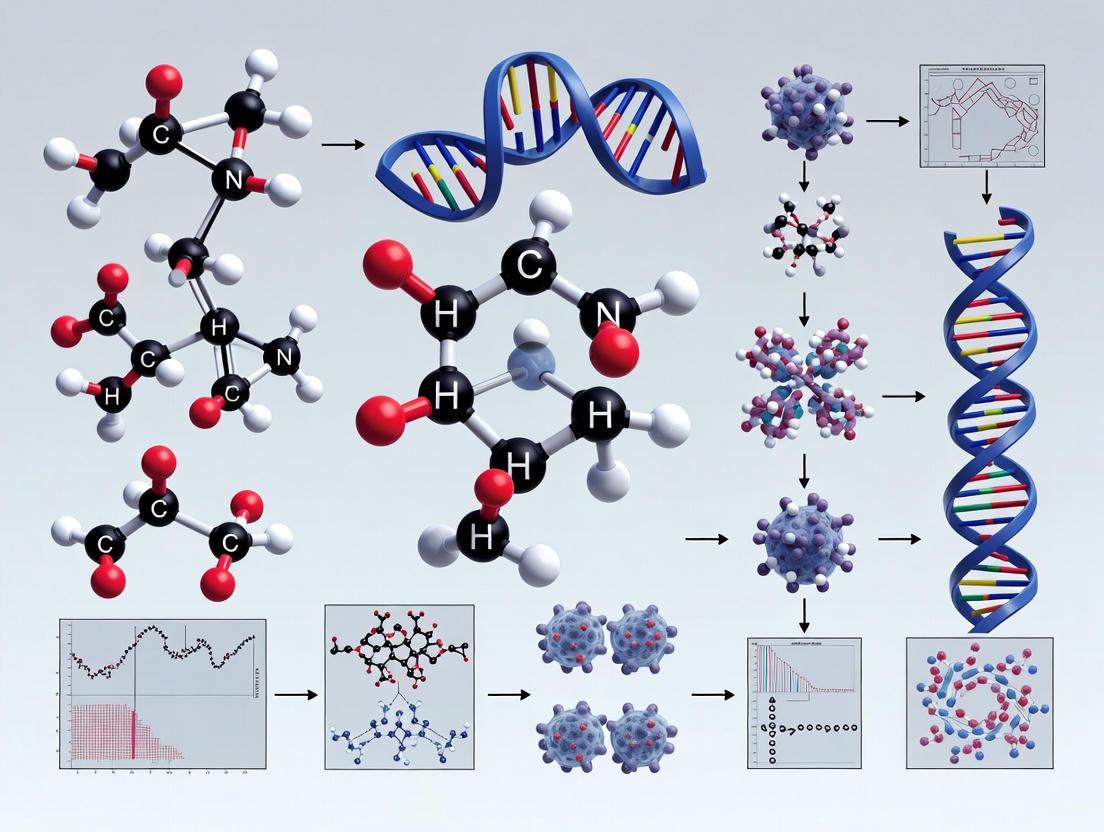
Reprogramming aged somatic cells into induced pluripotent stem cells (iPSCs) faces significant efficiency challenges due to entrenched aging hallmarks.
Breaking the Age Barrier: Strategies to Enhance Reprogramming Efficiency in Aged Somatic Cells
Abstract
Reprogramming aged somatic cells into induced pluripotent stem cells (iPSCs) faces significant efficiency challenges due to entrenched aging hallmarks. This article provides a comprehensive analysis for researchers and drug development professionals, exploring the intrinsic molecular barriers in elderly cells, such as epigenetic alterations and senescence. It details cutting-edge methodological advances, from novel transcription factors to non-integrative delivery systems like exosomes and chemical cocktails. The content further covers systematic troubleshooting and optimization protocols, including the inhibition of specific barriers and culture condition refinement. Finally, it examines rigorous validation frameworks using epigenetic clocks and functional assays, offering a holistic roadmap to overcome the recalcitrance of aged cells for regenerative medicine and disease modeling.
The Inherent Hurdles: Understanding Why Aged Cells Resist Reprogramming
Aging is characterized by a progressive loss of physiological integrity, leading to impaired cellular function and increased vulnerability to death. This deterioration represents the primary risk factor for major human pathologies, including cancer, diabetes, cardiovascular disorders, and neurodegenerative diseases [1] [2]. Contemporary aging research has identified several interconnected hallmarks that represent common denominators of aging across different organisms, with special emphasis on mammalian systems [3].
For researchers investigating reprogramming efficiency in aged cells, understanding these hallmarks is paramount. The aging microenvironment presents significant barriers to effective cellular reprogramming, from increased genomic instability to the persistent presence of senescent cells with their characteristic secretory phenotype [4] [5]. This technical support center provides targeted guidance for overcoming these challenges in experimental settings, with specific troubleshooting approaches and reagent solutions designed to enhance research outcomes in aged cell models.
The Hallmarks of Aging: A Technical Reference
The hallmarks of aging represent a framework for understanding the complex molecular and cellular processes that drive functional decline. These hallmarks fulfill three key premises: their age-associated manifestation, the acceleration of aging by experimentally accentuating them, and the opportunity to decelerate, stop, or reverse aging by therapeutic interventions [3]. The original nine hallmarks have recently been expanded to twelve, providing a more comprehensive landscape of aging biology [3].
Figure 1: The Twelve Hallmarks of Aging Categorized by Type. Primary hallmarks (red) are the triggering events, antagonistic hallmarks (blue) are compensatory responses that become deleterious, and integrative hallmarks (green) directly affect tissue homeostasis [3] [5].
Quantitative Measures of Cellular Aging
Researchers can employ several quantitative methods to assess cellular aging in experimental models. The following table summarizes key biomarkers and assessment methods relevant to reprogramming studies.
Table 1: Quantitative Biomarkers and Assessment Methods for Cellular Aging
| Biomarker Category | Specific Markers/Assays | Measurement Output | Technical Considerations |
|---|---|---|---|
| Epigenetic Clocks | DNA methylation patterns (e.g., Horvath clock) [6] | Epigenetic age (eAge) | Requires bisulfite sequencing; high correlation with chronological age |
| Transcriptomic Age | Genome-wide expression profiles [6] | Transcriptional age | RNA-seq needed; reflects functional age more than chronological age |
| Telomere Length | qPCR, TRF, STELA, Flow-FISH [1] | Telomere age | High variability between cells; average length decreases with replication |
| Cellular Senescence | SA-β-Gal, p16INK4A, p21CIP1, SASP factors [4] | Senescence burden | Heterogeneous populations; context-dependent markers |
| Mitochondrial Function | ROS production, OCR, ETC activity [4] | Metabolic age | Functional assessment; reflects oxidative stress capacity |
| DNA Damage | γ-H2AX foci, 53BP1 staining [7] [8] | Genomic instability | Direct measure of damage; sensitive but transient signal |
| Proteostasis | Protein aggregation assays, ubiquitin-proteasome activity [1] | Proteostatic competence | Functional capacity declines with age |
Troubleshooting Guides for Aged Cell Reprogramming
FAQ: Common Challenges in Aged Cell Research
Q1: Why does reprogramming efficiency decline significantly in cells from aged donors?
Aged cells accumulate multiple hallmarks that create barriers to reprogramming. These include:
- Epigenetic barriers: Aged cells exhibit accumulated epigenetic alterations that create a chromatin landscape resistant to reprogramming factors [5]. The epigenetic landscape becomes more rigid with age, requiring more potent or prolonged reprogramming stimulus.
- Energetic limitations: Mitochondrial dysfunction in aged cells reduces ATP production, limiting the energy-intensive reprogramming process [4]. Reactive oxygen species (ROS) from dysfunctional mitochondria can also damage reprogramming factors or signaling components.
- Senescence burden: Aged cell populations contain more senescent cells that resist reprogramming due to permanent cell cycle arrest and the pro-inflammatory SASP [4] [5]. The SASP creates a local microenvironment that inhibits productive reprogramming of neighboring cells.
Q2: How can I distinguish between truly rejuvenated cells and partially reprogrammed cells in aged cultures?
Several validation strategies can confirm successful rejuvenation:
- Aging clock assessment: Apply epigenetic or transcriptomic aging clocks to demonstrate reduction in biological age [6]. Truly rejuvenated cells should show age reversal across multiple clock algorithms.
- Functional assays: Assess restoration of youthful functions such as mitochondrial respiration, nutrient sensing, and protein homeostasis [5] [8]. Functional improvement should correlate with molecular age reduction.
- Identity preservation: Verify that rejuvenated cells maintain their lineage-specific identity through marker expression and functional tests [6]. Partial reprogramming may alter cellular identity without full pluripotency induction.
Q3: What strategies can overcome the heightened genomic instability in aged cells during reprogramming?
- Antioxidant supplementation: Include N-acetylcysteine or other antioxidants to reduce ROS-induced DNA damage during reprogramming [5].
- Senolytics pre-treatment: Use senolytic agents (e.g., Navitoclax/ABT263, Venetoclax) to clear senescent cells before reprogramming initiation [4]. This reduces SASP-mediated damage and inflammation.
- DDR pathway modulation: Temporarily inhibit hyperactive DNA damage response pathways that may impede reprogramming, but with careful timing to avoid increasing mutation load [1].
Q4: How does the aged extracellular matrix impact reprogramming efficiency and how can this be addressed?
The aged ECM exhibits increased stiffness and altered composition that can impede reprogramming through mechanotransduction pathways. Strategies include:
- ECM remodeling: Use MMPs or other ECM-modifying enzymes to rejuvenate the matrix [5].
- Soft substrate culture: Culture aged cells on hydrogels with youthful stiffness (0.5-2 kPa) to provide appropriate mechanical cues [5].
- Integrin signaling modulation: Adjust integrin engagement through RGD peptide presentation or other matrix cues to overcome age-related mechanosignaling dysfunction.
Technical Troubleshooting Guide
Table 2: Troubleshooting Common Problems in Aged Cell Reprogramming
| Problem | Potential Causes | Solutions | Preventive Measures |
|---|---|---|---|
| Low reprogramming efficiency in aged cells | High senescence burden, epigenetic barriers, mitochondrial dysfunction [4] [5] | Pre-treat with senolytics (e.g., Navitoclax), use epigenetic modifiers, extend reprogramming timeframe [4] | Use early-passage aged cells, optimize donor selection criteria, pre-condition with metabolic stimuli |
| Increased differentiation in reprogrammed cultures | Incomplete epigenetic resetting, persistent age-related transcriptional noise [9] [5] | Optimize reprogramming factor stoichiometry, include small molecules to stabilize pluripotency, improve colony picking precision [9] | Use defined matrices, optimize culture conditions, implement sequential reprogramming protocol |
| Genomic instability in reprogrammed clones | Age-associated DNA damage carryover, replication stress during reprogramming [1] [2] | Include antioxidants, optimize cell cycle synchronization, implement rigorous genomic quality control [2] | Use non-integrating reprogramming methods, limit passage number, perform regular karyotyping |
| Heterogeneous reprogramming outcomes | Stochastic nature of aged cell reprogramming, donor-to-donor variability [6] [8] | Single-cell cloning, optimized bulk culture conditions, donor-specific protocol adjustments | Standardize donor screening, use pooled cells from multiple donors when possible |
| Poor cell survival during reprogramming | Age-related apoptosis sensitivity, metabolic insufficiency, proteostatic failure [1] [5] | Optimize nutrient composition, use caspase inhibitors temporarily, employ gradual reprogramming protocols | Pre-condition with pro-survival factors, use gentle dissociation methods, optimize seeding density |
Experimental Protocols for Aging and Rejuvenation Research
Assessing Cellular Age: The NCC Assay Protocol
The Nucleocytoplasmic Compartmentalization (NCC) assay provides a quantitative measure of cellular aging based on the well-conserved deterioration of nuclear integrity in aged cells [8].
Principle: Aging and cellular senescence are accompanied by substantial reorganization of the nuclear envelope and breakdown in nucleocytoplasmic trafficking, including altered expression and degradation of Lamin B1 and formation of cytoplasmic chromatin fragments [8].
Protocol Steps:
- Reporter Construction: Generate lentiviral vectors containing mCherry-NLS (nuclear localization signal) and eGFP-NES (nuclear export signal) constructs.
- Cell Transduction: Transduce target cells (e.g., human fibroblasts from young and old donors) with the NCC reporter system using standard lentiviral transduction protocols.
- Image Acquisition: Culture cells in low serum conditions to suppress cell division and image using confocal microscopy with standardized exposure settings.
- Quantitative Analysis: Calculate Pearson correlation coefficient between mCherry and eGFP signals. Young, healthy cells show distinct separation (low correlation), while aged/senescent cells exhibit significant colocalization (high correlation) [8].
Validation: Compare fibroblasts from young (22-year-old) and old (94-year-old) donors, as well as Hutchinson-Gilford progeria syndrome (HGPS) patients as accelerated aging models [8].
Partial Reprogramming Protocol for Age Reversal
Partial reprogramming using transient expression of Yamanaka factors can reverse cellular aging without erasing cellular identity [6] [8].
Figure 2: Partial Reprogramming Workflow for Cellular Age Reversal. The critical window of 3-13 days represents the optimal period for age reprogramming without permanent loss of cellular identity [6].
Key Parameters:
- Factor Selection: OCT4, SOX2, KLF4 (OSK) without c-MYC for reduced oncogenic risk, or novel AI-engineered variants with enhanced efficiency [7] [8].
- Expression Duration: 3-13 days represents the "critical window" for age reprogramming with minimal identity loss [6]. Beyond 13 days, rejuvenation effects may diminish due to accumulating senescence markers.
- Delivery Method: Non-integrating methods preferred (episomal vectors, mRNA, proteins, or small molecules) especially for aged cells with compromised DNA repair [7] [8].
Validation Metrics:
- Molecular Age: Epigenetic clocks (DNA methylation patterns) and transcriptomic age [6].
- Functional Rejuvenation: Restoration of mitochondrial function, reduced DNA damage markers (γ-H2AX foci), improved nutrient sensing [7] [8].
- Identity Retention: Lineage-specific marker expression and functional capacity maintenance [6].
Chemical Reprogramming Protocol for Age Reversal
Recent advances have identified chemical cocktails that can reverse cellular aging without genetic manipulation [8].
Six Chemical Cocktails Identified: Through high-throughput screening using transcription-based aging clocks and the NCC assay, researchers have identified six chemical cocktails that restore youthful transcript profiles in less than one week without compromising cellular identity [8].
Implementation Strategy:
- Baseline Assessment: Establish transcriptomic age and NCC status before treatment.
- Cocktail Application: Apply chemical cocktails for 4-7 days in optimized concentrations.
- Validation: Assess rejuvenation through transcriptomic analysis, functional assays, and NCC improvement.
Advantages: Lower safety concerns compared to genetic approaches, potentially lower costs, and easier translational application [8].
The Scientist's Toolkit: Research Reagent Solutions
Table 3: Essential Research Reagents for Aged Cell Reprogramming Studies
| Reagent Category | Specific Examples | Function in Aging Research | Application Notes |
|---|---|---|---|
| Reprogramming Factors | Wild-type OSKM, RetroSOX/RetroKLF (AI-engineered) [7] | Induce pluripotency or partial reprogramming | AI-engineered variants show >50x higher expression of reprogramming markers [7] |
| Senescence Modulators | Navitoclax (ABT263), Venetoclax, Fisetin, Quercetin [4] | Clear senescent cells prior to reprogramming | Navitoclax reverses immunosuppression in tumor microenvironment [4] |
| Epigenetic Modifiers | TET activators, HDAC inhibitors, DNMT inhibitors [10] [8] | Facilitate epigenetic remodeling during reprogramming | Essential for resetting age-related epigenetic marks |
| Age Assessment Tools | Methylation clock assays, Transcriptomic arrays, NCC reporter systems [6] [8] | Quantify biological age pre/post intervention | NCC systems distinguish young from old cells based on nuclear integrity [8] |
| Cell Culture Matrices | Vitronectin XF, Laminin-521, Synthetic hydrogels [9] | Provide age-appropriate mechanical and biochemical cues | Matrix stiffness significantly influences aged cell behavior |
| Metabolic Optimizers | Antioxidants (NAC), Mitochondrial nutrients, AMPK activators [5] | Address age-related metabolic dysfunction | Critical for supporting energy-intensive reprogramming |
| DNA Repair Enhancers | NAD+ precursors, Sirtuin activators [1] [2] | Mitigate age-related genomic instability | Particularly important for maintaining genome integrity in reprogrammed aged cells |
Advanced Applications: AI-Engineered Reprogramming Factors
Recent breakthroughs in AI-assisted protein engineering have created enhanced variants of Yamanaka factors with dramatically improved efficiency [7].
RetroSOX and RetroKLF Development:
- Design Process: GPT-4b micro, a specialized AI model, was trained on protein sequences with evolutionary and functional context to design novel variants [7].
- Efficiency Gains: Over 30% of AI-proposed SOX2 variants outperformed wild-type, with some differing by more than 100 amino acids [7].
- Performance: Combined RetroSOX/RetroKLF cocktails produced >50x higher expression of pluripotency markers with accelerated onset [7].
Functional Advantages:
- Enhanced Rejuvenation: Reduced DNA damage (γ-H2AX intensity) more effectively than wild-type factors [7].
- Broader Compatibility: Effective across multiple delivery methods (viral, mRNA) and cell types, including mesenchymal stromal cells from middle-aged donors [7].
- Faster Kinetics: Late pluripotency markers appeared several days sooner than with wild-type OSKM [7].
Understanding the interconnected hallmarks of aging provides a strategic framework for optimizing reprogramming protocols for aged cells. The progressive accumulation of cellular damage across multiple domains - genomic, epigenetic, proteostatic, and metabolic - creates a compounded barrier to reprogramming that requires multi-faceted approaches [1] [3] [5].
Successful reversal of aging phenotypes in experimental models demonstrates that the aged epigenome retains a "back-up copy" of youthful information that can be reset through partial reprogramming [6] [8]. Both genetic (OSK expression) and purely chemical approaches can achieve this resetting without erasing cellular identity, offering complementary paths forward for therapeutic development [8].
The emerging toolkit for aged cell reprogramming - from senolytics to clear resistant populations, to AI-engineered factors with enhanced efficiency, to chemical cocktails that avoid genetic manipulation - provides researchers with increasingly sophisticated methods to overcome the specialized challenges of working with aged cellular material [4] [7] [8]. As these technologies mature, they promise to accelerate progress in regenerative medicine for age-related diseases.
Cellular Senescence and Reprogramming: A Complex Interplay Cellular senescence and cellular reprogramming represent two fundamentally intertwined processes that profoundly influence aging and cancer [11]. Senescence is characterized by permanent cell-cycle arrest and the development of a senescence-associated secretory phenotype (SASP), which encompasses a diverse collection of secreted cytokines, chemokines, growth factors, and proteases [11] [12]. While initially serving as a tumor-suppressive mechanism, the chronic accumulation of senescent cells contributes significantly to tissue dysfunction, aging, and age-related diseases by creating a pro-inflammatory, pro-tumorigenic environment [11]. Conversely, induced reprogramming of somatic cells—exemplified by the introduction of Yamanaka factors (OSKM: Oct4, Sox2, Klf4, c-Myc)—resets cellular age and epigenetic marks, offering potential to rejuvenate aged cells [11].
This technical support article addresses the formidable challenges that cellular senescence and the SASP pose to reprogramming efficiency, particularly in the context of aged cells. We provide researchers with targeted troubleshooting guidance, experimental protocols, and strategic approaches to overcome these barriers, framed within the broader thesis of improving reprogramming outcomes for regenerative medicine and drug development.
FAQs: Critical Questions on Senescence and Reprogramming
Q1: How exactly does cellular senescence act as a barrier to reprogramming?
Senescence creates multiple barriers to successful reprogramming through both cell-autonomous and non-autonomous mechanisms. The irreversible proliferation arrest prevents the cell division required for epigenetic remodeling during reprogramming [12]. Additionally, senescent cells exhibit profound epigenetic resetting characterized by formation of senescence-associated heterochromatin foci (SAHF), redistribution of histone modifications (H3K9me3, H3K27me3), and deposition of histone variants (H3.3, H2A.J) that create a chromatin landscape resistant to reprogramming factors [13]. The SASP further creates a hostile microenvironment through secretion of pro-inflammatory cytokines that can inhibit reprogramming in both autocrine and paracrine fashions [11].
Table: Key Senescence Barriers to Reprogramming
| Barrier Type | Specific Mechanisms | Impact on Reprogramming |
|---|---|---|
| Cell Cycle Arrest | p53/p21 and p16/Rb pathway activation | Prevents cell division needed for epigenetic resetting |
| Epigenetic Landscape | SAHF formation, histone variant deposition (H3.3, H2A.J) | Creates chromatin resistance to reprogramming factors |
| Secretory Phenotype | SASP (IL-6, IL-8, MMPs, growth factors) | Creates inflammatory microenvironment inhibitory to reprogramming |
| Metabolic Changes | Altered nutrient sensing, mitochondrial dysfunction | Disrupts energy metabolism required for reprogramming |
Q2: Can senescent cells be reprogrammed, and if so, what strategies can overcome this barrier?
Yes, evidence confirms that bona fide iPSC lines can be derived from cells of old donors, including centenarians [14]. However, reprogramming efficiency declines with donor age—studies in mice show a 2-5 fold reduction in fibroblasts from old versus young mice [14]. Successful strategies to overcome this barrier include:
- Senolytic pre-treatment: Removing senescent cells prior to reprogramming attempts using senolytics like ABT263 (Navitoclax) [15]
- SASP modulation: Using JAK2/STAT3 inhibitors (e.g., ruxolitinib) to suppress immunosuppressive SASP components while preserving immunostimulatory factors [16] [17]
- Partial reprogramming approaches: Transient expression of reprogramming factors that rejuvenates cells without complete dedifferentiation [18]
- p53 pathway modulation: Transient inhibition of p53 can enhance reprogramming efficiency but requires careful control due to safety concerns [18]
Q3: What are the most reliable methods for detecting and quantifying senescence in reprogramming experiments?
Accurate detection of senescence is crucial for troubleshooting reprogramming experiments. The table below summarizes key methodologies organized by analytical level:
Table: SASP and Senescence Detection Methods
| Analysis Level | Method | Sample Types | Key Applications |
|---|---|---|---|
| RNA | qRT-PCR | Cell culture, tissue | IL-6/IL-8 in senescent fibroblasts [12] |
| RNA-seq | Cell culture, tissue | SASP Atlas; diversity across cell types [12] | |
| Protein | ELISA | Cell culture, plasma | IL-6, IL-8 in OIS fibroblasts [12] |
| Western Blotting | Cell culture, tissue lysate | IL-1α; mTOR phosphorylation [12] | |
| Multiplex Assays (Luminex, MSD) | Cell culture, tissue, plasma | Multiple cytokines in MSCs, senescent ECs [12] | |
| Functional & Spatial | SA-β-Galactosidase staining | Cells, tissue sections | Gold standard senescence detection [16] |
| Immunofluorescence | Cells, tissues | IL-6 in stromal fibroblasts; spatial localization [12] |
A multiparametric approach is essential, combining at least one method from each category. For instance, SA-β-Galactosidase staining with SASP protein quantification (ELISA/MSD) and transcriptomic analysis provides comprehensive senescence characterization [12].
Experimental Protocols
Protocol: SASP Modulation to Enhance Reprogramming Efficiency
This protocol adapts the SASP reprogramming strategy from [16] for improving reprogramming efficiency in aged cells.
Principle: The JAK2/STAT3 inhibitor ruxolitinib reduces immunosuppressive SASP components (GM-CSF, M-CSF, IL-10, IL-13) while preserving immunostimulatory SASPs (ICAM-1, CCL5, MCP-1) that may support reprogramming.
Materials:
- Senescence inducer: Alisertib (Aurora kinase inhibitor) [16]
- SASP modulator: Ruxolitinib (JAK2/STAT3 inhibitor) [16]
- Reprogramming factors: OSKM (Oct4, Sox2, Klf4, c-Myc)
- Aged primary fibroblasts (e.g., from human donors >60 years)
- Appropriate cell culture media and reagents
Procedure:
- Cell Preparation: Plate aged primary fibroblasts at 5,000 cells/cm²
- Senescence Induction (Optional): Treat with 100 nM alisertib for 72 hours to establish senescence baseline [16]
- SASP Modulation: Add 1 μM ruxolitinib to culture media 24 hours pre-reprogramming
- Reprogramming Initiation: Introduce OSKM factors via preferred method (lentiviral transduction, mRNA)
- Continuous SASP Modulation: Maintain ruxolitinib throughout early reprogramming phase (7-10 days)
- Efficiency Assessment: Quantify iPSC colonies at day 21-28 using pluripotency markers (e.g., alkaline phosphatase, Nanog)
Troubleshooting:
- If reprogramming efficiency remains low, consider:
- Testing alternative SASP modulators (BAY 11-7082 for NF-κB inhibition, SB203580 for p38MAPK inhibition) [16]
- Pre-treatment with senolytics (e.g., 100 nM navitoclax for 48 hours) to clear senescent cells pre-reprogramming [15]
- Optimizing ruxolitinib concentration (test 0.5-5 μM range) for specific cell type
Protocol: Quantitative SASP Profiling for Reprogramming Experiments
Comprehensive SASP characterization is essential for understanding reprogramming barriers.
Materials:
- Conditioned media from reprogramming experiments
- Multiplex cytokine assay (Luminex or MSD) panels including IL-6, IL-8, IL-1α, GM-CSF, MCP-1
- RNA extraction kit
- qRT-PCR reagents
Procedure:
- Conditioned Media Collection:
- Culture cells in serum-free media for 24 hours
- Collect conditioned media and centrifuge (500 × g, 5 min) to remove cells/debris
- Aliquot and store at -80°C
Protein-Level SASP Quantification:
- Use multiplex immunoassay per manufacturer's protocol
- Include standards and quality controls
- Measure at least: IL-6, IL-8, IL-1α, GM-CSF, MCP-1 [12]
RNA-Level SASP Analysis:
- Extract RNA from cell pellets
- Perform qRT-PCR for SASP factor transcripts
- Use GAPDH or 18S rRNA as reference genes
Data Interpretation:
- Compare SASP profiles between young vs. aged donor cells
- Correlate specific SASP factors with reprogramming efficiency
- Identify which SASP components are most predictive of reprogramming success
Research Reagent Solutions
Table: Essential Reagents for Overcoming Senescence Barriers in Reprogramming
| Reagent Category | Specific Examples | Function/Application |
|---|---|---|
| Senescence Inducers | Alisertib (Aurora kinase inhibitor) [16] | Establish senescence models for screening |
| SASP Modulators | Ruxolitinib (JAK2/STAT3 inhibitor) [16] | Suppress immunosuppressive SASP components |
| BAY 11-7082 (NF-κB inhibitor) [16] | Alternative SASP modulation pathway | |
| Senolytics | ABT263 (Navitoclax) [15] | Eliminate senescent cells pre-reprogramming |
| Venetoclax [15] | BCL-2 inhibitor for senescent cell clearance | |
| Reprogramming Factors | OSKM (Oct4, Sox2, Klf4, c-Myc) [11] | Standard reprogramming factor combination |
| OSK (excluding c-Myc) [18] | Reduced risk of teratoma formation | |
| Partial Reprogramming | 7c chemical cocktail [18] | Non-genetic alternative for rejuvenation |
| Detection Reagents | SA-β-Galactosidase kit [16] | Gold standard senescence detection |
| Multiplex cytokine panels [12] | Comprehensive SASP profiling |
Signaling Pathways and Workflows
Diagram: Senescence Barriers and Intervention Points. This pathway illustrates how senescence inducers trigger multiple barriers to reprogramming and strategic interventions to overcome them.
Diagram: Strategic SASP Reprogramming with JAK2 Inhibition. Selective suppression of immunosuppressive SASP components while preserving immunostimulatory factors creates a favorable microenvironment for reprogramming.
The interplay between cellular senescence and reprogramming represents both a formidable challenge and a therapeutic opportunity. While senescence creates multiple barriers to reprogramming—including cell cycle arrest, epigenetic resistance, and SASP-mediated inflammatory signaling—strategic approaches can overcome these obstacles. The development of senotherapeutics (senolytics and senomorphics) combined with partial reprogramming protocols offers promising avenues to enhance reprogramming efficiency in aged cells.
Future directions should focus on tissue-specific reprogramming strategies, given that senescence manifests differently across tissues [18]. Additionally, chemical reprogramming approaches that avoid genetic integration present exciting opportunities for clinical translation [18]. As the field advances, integrating aging clock technologies with senescence modulation will enable more precise monitoring of reprogramming efficacy and safety [15].
By systematically addressing the barriers outlined in this technical support guide, researchers can develop more effective strategies for cellular rejuvenation, with significant implications for regenerative medicine, age-related disease modeling, and therapeutic development.
Technical Support & Troubleshooting Hub
This section addresses common experimental challenges in aging and epigenetic reprogramming research, providing targeted solutions to enhance reproducibility and efficacy.
Frequently Asked Questions & Troubleshooting Guides
Q1: Our in vivo partial reprogramming experiment in aged mice shows no rejuvenation effects and instead has led to significant toxicity. What could be the cause?
- Potential Cause 1: Inappropriate Reprogramming Dosage and Timing. Excessive or prolonged expression of reprogramming factors can lead to teratoma formation or tissue dysfunction [19] [18].
- Troubleshooting:
- Titrate Factor Expression: Utilize a doxycycline-inducible system and empirically determine the shortest effective exposure time (e.g., a 1-2 day "pulse" followed by a 5-7 day "chase" has been effective in studies) [18].
- Monitor Early Senescence Markers: Check for upregulation of p53, p21, and p16INK4A before and during treatment. Sustained activation indicates excessive stress.
- Exclude c-Myc: Consider using only OSK (Oct4, Sox2, Klf4) factors, as omitting c-Myc has been shown to reduce tumorigenic risk while still extending lifespan in wild-type mice [18].
- Potential Cause 2: Inefficient or Off-Target Vector Delivery. The delivery method may not be efficiently targeting the desired tissues or may be affecting non-target organs.
- Troubleshooting:
- Validate Delivery System: Use AAV9 capsids for broad tissue tropism or tissue-specific promoters for targeted delivery. Quantify vector biodistribution post-mortem.
- Employ Chemical Reprogramming: As a non-genetic alternative, explore small molecule cocktails (e.g., the "7c" cocktail) which can offer easier delivery and potentially a better safety profile [18].
Q2: We observe inconsistent epigenetic clock reversal in our partially reprogrammed human fibroblast lines. How can we improve the consistency and validation of rejuvenation?
- Potential Cause 1: Heterogeneous Cell Population and "Mesenchymal Drift". Aged cell populations are often heterogeneous and undergo a transcriptomic shift towards a mesenchymal state, which may respond variably to reprogramming [20].
- Troubleshooting:
- Characterize Pre-Treatment Heterogeneity: Perform single-cell RNA sequencing (scRNA-seq) on your starting fibroblast population to identify distinct subpopulations.
- Monitor Mesenchymal Markers: Use flow cytometry or RT-qPCR to track the expression of mesenchymal genes (e.g., CDH2, VIM, SNAI2) before and after reprogramming. Successful reprogramming should reverse this drift [20].
- Potential Cause 2: Incomplete Multi-Omic Validation. Relying on a single epigenetic clock metric may not capture the full scope of rejuvenation.
- Troubleshooting:
- Implement Multi-Omic Aging Clocks: Correlate DNA methylation age with transcriptomic and proteomic aging clocks.
- Assess Functional Rejuvenation: Move beyond molecular clocks to functional assays, such as mitochondrial ROS production, metabolomic profiling (e.g., restoration of NAD+ levels), and SASP factor secretion (e.g., reduction of IL-6, TNF-α) [21] [18].
Q3: When attempting to reprogram aged somatic cells, we face extremely low efficiency. What are the key molecular barriers, and how can we overcome them?
- Potential Cause: Age-Related Chromatin Locking via AP-1 and Loss of Pro-Youthfulness TFs. The chromatin in aged cells becomes progressively inaccessible at youth-associated gene loci while becoming hyper-accessible at senescence-promoting loci, largely driven by the pioneer factor AP-1 [22].
- Troubleshooting:
- Target the AP-1 Complex: Co-express reprogramming factors with inhibitors of AP-1 components (e.g., JUN, FOS). Research shows that FOXM1 can repress AP-1 and reset chromatin to a more youthful state [22].
- Modulate Upstream Pathways: Enhance the expression or activity of TEAD and FOXM1, which are pro-youthfulness transcription factors whose binding site accessibility is lost with aging.
- Experiment with Small Molecule Adjuvants: Utilize molecules that modulate the p53 pathway (e.g., transient inhibition) or chromatin-modifying enzymes (e.g., HDAC inhibitors) to create a more permissive chromatin environment [18] [23].
Core Signaling Pathways & Workflows
The diagrams below illustrate the key molecular pathways and a standard experimental workflow for partial reprogramming.
Figure 1. Molecular Pathway of Aging and Reprogramming. This diagram illustrates the antagonistic relationship between pro-aging (AP-1) and pro-youthfulness (FOXM1/TEAD) transcription factors, and the point of intervention for reprogramming therapies [20] [22].
Figure 2. Partial Reprogramming Experimental Workflow. A standard protocol for inducing and validating cellular rejuvenation, highlighting the critical cyclic induction and multi-level assessment [18] [20].
Key Experimental Data & Protocols
Quantitative Data on Reprogramming and Rejuvenation
Table 1. Key Findings from In Vivo Partial Reprogramming Studies in Mice
| Reprogramming Factor | Delivery Method | Animal Model | Key Outcome | Reference |
|---|---|---|---|---|
| OSKM (cyclic) | Dox-inducible transgene | Progeria (LAKI) mice | 33% median lifespan increase; Reduced mitochondrial ROS | [18] |
| OSK (cyclic) | AAV9 gene therapy | Wild-type mice (124 weeks old) | 109% remaining lifespan extension; Improved frailty index | [18] |
| OSKM (cyclic) | Dox-inducible transgene | Wild-type mice | Rejuvenated transcriptome & metabolome; Enhanced skin regeneration | [18] |
| Two-chemical cocktail | N/A | C. elegans | 42.1% lifespan increase; Reduced DNA damage & oxidative stress | [18] |
Table 2. Age-Associated Chromatin Accessibility Changes in Human Dermal Fibroblasts (HDFs) [22]
| Chromatin Feature | Neonatal-Specific (Open) | Elderly-Specific (Open) | Functional Implication |
|---|---|---|---|
| Enriched Transcription Factor Motifs | TEAD1-4, FOXM1, FOXO3 | AP-1 complex (JUN, FOS, JUNB, ATF3) | Youthful state vs. Senescence activation |
| Number of Accessible Regions | 18,377 sequences | 39,611 sequences | Global loss of youthful identity |
| Genomic Location | Primarily distal enhancer-like elements | Primarily distal enhancer-like elements | Altered long-range gene regulation |
Detailed Experimental Protocol: Partial Reprogramming of Aged Human Fibroblasts
This protocol is adapted from multiple studies demonstrating successful epigenetic rejuvenation in vitro [18] [22] [24].
Objective: To reverse age-associated epigenetic marks and restore functional parameters in aged human dermal fibroblasts (HDFs) without inducing pluripotency.
Materials:
- Cells: Early-passage HDFs from aged (e.g., >60 years) and neonatal donors.
- Reprogramming Factor Delivery:
- Option A (Genetic): Doxycycline-inducible lentivirus expressing polycistronic OKSM (Addgene #20328).
- Option B (Chemical): Commercially available small molecule cocktails.
- Culture Media: Standard fibroblast growth medium (e.g., DMEM + 10% FBS) and induction medium.
- Key Reagents: Doxycycline hyclate, Polybrene, Puromycin.
Procedure:
- Cell Preparation: Seed aged HDFs at a density of 2.5 x 10^4 cells per well in a 6-well plate. Allow cells to adhere for 24 hours.
- Viral Transduction (For Genetic Approach):
- Pre-treat cells with a suitable volume of virus-containing supernatant and 8 µg/mL Polybrene.
- Centrifuge the plate at 800 x g for 45 minutes at 32°C (spinfection).
- Replace the transduction medium with fresh growth medium and culture for another 24 hours.
- Select transduced cells with appropriate antibiotics (e.g., 1-2 µg/mL Puromycin) for 3-5 days.
- Partial Reprogramming Induction:
- Cyclic Induction Protocol: Treat cells with 2 µg/mL doxycycline for 48 hours to "pulse" the expression of reprogramming factors.
- Remove doxycycline and maintain cells in standard medium for the next 5 days (the "chase" period).
- Repeat this cycle 3-4 times. Crucially, monitor daily for any morphological changes indicative of dedifferentiation.
- Validation and Analysis:
- Epigenetic Clock Analysis: Harvest genomic DNA and perform bisulfite sequencing (e.g., using the Illumina EPIC array) to calculate DNA methylation age.
- Chromatin Accessibility: Perform ATAC-seq on treated and control cells to assess the reversal of age-related chromatin closure, specifically checking for reduced accessibility at AP-1 binding sites.
- Functional Assays:
- SASP: Quantify secretion of IL-6 and IL-8 via ELISA.
- Metabolic Health: Measure mitochondrial membrane potential and ROS production using JC-1 and MitoSOX dyes, respectively.
The Scientist's Toolkit: Research Reagent Solutions
Table 3. Essential Research Reagents for Epigenetic Rejuvenation Studies
| Reagent / Tool | Category | Primary Function in Research | Example Use Case |
|---|---|---|---|
| Inducible OSKM Cassette | Genetic Tool | Allows controlled, transient expression of Yamanaka factors for partial reprogramming. | In vivo rejuvenation studies in transgenic mice [18]. |
| AAV9 Vectors | Delivery System | Efficient in vivo gene delivery vehicle with broad tissue tropism. | Delivering OSK factors to wild-type mice for systemic rejuvenation [18]. |
| 7c Chemical Cocktail | Small Molecules | Non-genetic method to induce partial reprogramming and epigenetic reset. | Rejuvenating human fibroblasts in vitro; potential for therapeutic development [18]. |
| DNA Methylation Clock | Analytical Tool | A multi-CpG site algorithm to accurately predict biological age pre- and post-intervention. | Quantifying the degree of epigenetic rejuvenation in treated cells/tissues [21] [18]. |
| AP-1 Inhibitors | Small Molecules | Chemically inhibits the senescence-associated pioneer factor AP-1. | Testing synergy with reprogramming factors to enhance rejuvenation efficiency [22]. |
| FOXM1 Expression Vector | Genetic Tool | Enables overexpression of a pro-youthfulness transcription factor that antagonizes AP-1. | Resetting aged chromatin profiles to a more youthful state in human fibroblasts [22]. |
Molecular Mechanisms: How do p53, p21, and INK4a/ARF function as roadblocks in cellular reprogramming?
The proteins p53, p21, and those encoded by the INK4a/ARF locus (p16INK4a and p14ARF/p19ARF) constitute a major defense network that somatic cells activate in response to the stress of reprogramming. Their activation leads to outcomes that are antagonistic to the acquisition of pluripotency, such as apoptosis, senescence, and cell-cycle arrest [25].
The p53-p21 Axis: The tumor suppressor p53 is a central node in the DNA damage response. Upon activation, it transcriptionally upregulates p21 (a cyclin-dependent kinase inhibitor encoded by the CDKN1A gene) [26] [27]. p21 enforces a stable cell cycle arrest by inhibiting cyclin E-CDK2 complexes, preventing the phosphorylation of the retinoblastoma protein (pRB) and halting the G1 to S phase transition [28] [29]. This arrest limits the proliferation necessary for successful reprogramming [25].
The INK4a/ARF Locus: This unique genetic locus encodes two distinct tumor suppressors through alternative reading frames: p16INK4a and p14ARF (p19ARF in mice) [30] [29].
- p16INK4a directly inhibits CDK4 and CDK6, which also leads to hypophosphorylated, active pRB and G1 cell cycle arrest [29] [27].
- p14/p19ARF stabilizes p53 by binding to and inhibiting MDM2, the primary ubiquitin ligase responsible for p53 degradation. This leads to the activation of the p53-p21 pathway described above [30] [29].
These pathways are integrated through regulatory feedback loops and are potently activated by the stresses inherent to reprogramming, including DNA damage and oncogenic signaling from factors like c-Myc [25].
Diagram 1: The core signaling pathways of key molecular roadblocks.
Quantitative Evidence: What is the experimental data showing the impact of these roadblocks?
Inhibition of the p53 pathway and the INK4a/ARF locus significantly enhances reprogramming efficiency and kinetics across various experimental models. The quantitative data below summarizes key findings from foundational studies.
Table 1: Impact of p53 and INK4a/ARF Pathway Inhibition on Reprogramming Efficiency
| Experimental Manipulation | Cell Type | Reprogramming Factors Used | Key Effect on Reprogramming | Reference |
|---|---|---|---|---|
| p53 Knockout | Mouse embryonic fibroblasts | Oct4, Sox2, Klf4 (without c-Myc) | Enhanced efficiency | [25] |
| p53 Knockout | Terminally differentiated mouse T cells | Oct4, Sox2, Klf4 | Enabled iPS cell generation from terminally differentiated cells | [25] |
| p19ARF Knockdown (low expression) | Primary mouse fibroblasts | Oct4, Sox2, Klf4, c-Myc | Up to 3-fold faster kinetics and higher efficiency | [25] |
| p53/ARF Pathway Knockout | Immortal mouse fibroblasts (lack intact pathway) | Oct4, Sox2, Klf4, c-Myc | Reprogrammed with near-unit efficiency | [25] |
| p21 Overexpression | Mouse/Human fibroblasts | Oct4, Sox2, Klf4, c-Myc | Suppressed iPS cell generation, mimicking p53 effect | [25] |
| MDM2 Overexpression | Mouse/Human fibroblasts | Oct4, Sox2, Klf4, c-Myc | Enhanced iPS cell generation, mimicking p53 suppression | [25] |
Protocols & Troubleshooting: What are the specific methodologies for targeting these roadblocks?
A. Genetic Silencing via RNA Interference
This protocol details the transient knockdown of p53 to enhance reprogramming efficiency, a method particularly useful when permanent genetic modification is undesirable.
- Step 1: Design and Selection of siRNA. Select validated siRNA sequences targeting the p53 mRNA transcript. A non-targeting scrambled siRNA with the same nucleotide composition should be used as a negative control.
- Step 2: Cell Seeding and Transfection. Plate somatic cells (e.g., human dermal fibroblasts) at an optimal density (e.g., 5 x 10^4 cells per well in a 6-well plate) 24 hours before transfection to achieve 30-50% confluency at the time of transfection. Transfect cells with the p53-specific or control siRNA using a lipid-based transfection reagent suitable for the cell type, following the manufacturer's protocol.
- Step 3: Validation of Knockdown. 48-72 hours post-transfection, harvest a subset of cells to validate p53 knockdown efficiency. This can be done via:
- Western Blotting: To assess reduction in p53 protein levels.
- qPCR: To quantify reduction in p53 mRNA levels.
- Step 4: Initiation of Reprogramming. Initiate reprogramming on the transfected cells, typically 48 hours post-transfection, using your method of choice (e.g., lentiviral transduction with OSKM factors). The reprogramming process should be conducted in parallel on control siRNA-treated cells.
- Step 5: Monitoring and Analysis. Monitor for the emergence of iPSC colonies. Quantify reprogramming efficiency by counting alkaline phosphatase (AP)-positive colonies or Tra-1-60-positive colonies 3-4 weeks post-reprogramming induction. Compare the number and appearance kinetics of colonies between p53-knockdown and control groups [25].
Troubleshooting Note: A common issue is low transfection efficiency, which leads to inconsistent knockdown and variable reprogramming outcomes. To mitigate this, optimize transfection conditions for your specific cell type and consider using high-efficiency transfection reagents or viral delivery (e.g., shRNA) for more stable knockdown, bearing in mind that this is less transient.
B. Pharmacological Inhibition of p53
This protocol uses a small molecule inhibitor of MDM2 to transiently activate p53, which can suppress the senescence-associated secretory phenotype (SASP) in senescent cells, providing a "senomorphic" effect.
- Step 1: Senescence Induction. Induce senescence in primary human fibroblasts (e.g., IMR90 cells) using a defined stressor such as 10 Gy of ionizing radiation or 10 µM etoposide.
- Step 2: Inhibitor Treatment. Four days after senescence induction, treat cells with a low dose of the MDM2 inhibitor RG7388 (e.g., 12.5 nM) or a vehicle control (e.g., DMSO). The treatment medium should be refreshed every 2-3 days.
- Step 3: Confirmation of Senomorphic Effect. After 5-7 days of treatment, assess key senescence and SASP markers to confirm the effect.
- CCF Formation: Analyze by immunofluorescence staining for γH2A.X in the cytoplasm. MDM2i treatment should suppress CCF formation.
- SASP Analysis: Quantify expression of key SASP factors (e.g., IL-8) via qPCR or ELISA. MDM2i treatment should suppress the inflammatory SASP.
- Cell Cycle Arrest: Confirm that the senescence-associated cell cycle arrest is not reversed by performing an EdU incorporation assay. MDM2i at this dose is senomorphic, not senolytic [31].
- Step 4: Application in Reprogramming. For reprogramming experiments, this pharmacological suppression of the SASP and related inflammatory signals can be applied during the early stages of reprogramming, particularly when using aged or pre-senescent donor cells, to create a more permissive microenvironment for reprogramming.
Troubleshooting Note: The concentration and timing of inhibitor treatment are critical. High doses may induce apoptosis or other off-target effects. It is essential to perform a dose-response curve to identify the minimal effective dose that achieves the desired senomorphic effect without causing cell death.
Diagram 2: Experimental workflow for enhancing reprogramming by targeting p53.
The Scientist's Toolkit: Research Reagent Solutions
Table 2: Essential Reagents for Investigating Reprogramming Roadblocks
| Reagent / Tool | Function / Mechanism | Example Application in Research |
|---|---|---|
| p53-Targeting siRNA/shRNA | Induces transient or stable knockdown of p53 mRNA, reducing protein levels and its pathway activity. | Used to demonstrate the direct role of p53 in limiting reprogramming efficiency in wild-type somatic cells [25]. |
| p53/MDM2 Interaction Inhibitors (e.g., RG7388) | Small molecule that blocks MDM2 from binding p53, leading to p53 stabilization and activation. Used at low doses for senomorphic effect. | Suppresses CCF formation and the inflammatory SASP in senescent cells without reversing cell cycle arrest [31]. |
| p21 (CDKN1A) Antibodies | Detect and quantify p21 protein levels via Western Blot or immunofluorescence. A key downstream effector of p53. | Used to validate activation of the p53-p21 pathway during failed reprogramming attempts and to confirm its suppression after experimental intervention. |
| p16INK4a Antibodies | A specific marker for detecting senescent cells in culture or tissue sections. | Identifying and quantifying the fraction of pre-senescent or senescent cells in a starting somatic cell population, which are notoriously difficult to reprogram [29]. |
| Ink4a/ARF Locus Knockout Cells | Primary cells derived from genetically engineered mice where the entire Cdkn2a locus (encoding p16Ink4a and p19Arf) is deleted. | Used to dissect the individual and combined contributions of p16 and p19 to the reprogramming barrier, independent of p53 [25]. |
FAQs on Molecular Roadblocks and Reprogramming
Q1: Why does inhibiting p53, a tumor suppressor, improve reprogramming efficiency? Reprogramming somatic cells into iPSCs is a highly stressful process that activates DNA damage and stress signals. The p53 pathway is primed to respond to such stress by initiating cell cycle arrest, apoptosis, or senescence to prevent the propagation of damaged cells. While this is a beneficial tumor-suppressive mechanism in vivo, it becomes a major roadblock in vitro by eliminating cells undergoing reprogramming. Inhibiting p53 allows stressed cells to survive and continue the reprogramming process, thereby increasing efficiency [25].
Q2: What is the difference between a "senolytic" and a "senomorphic" strategy in this context? A senolytic strategy aims to selectively kill and eliminate senescent cells from the population (e.g., using dasatinib and quercetin). A senomorphic strategy, in contrast, does not kill senescent cells but instead modifies their phenotype, typically by suppressing the pro-inflammatory SASP. For example, low-dose MDM2 inhibitors can act as senomorphics by activating p53 to enhance DNA repair and suppress CCF-driven inflammation, making the cellular environment more conducive to reprogramming without clearing the cells [31].
Q3: Can we completely remove p53 to achieve perfect reprogramming efficiency? While complete genetic ablation of p53 (e.g., using p53-null cells) dramatically improves reprogramming efficiency and even allows reprogramming of terminally differentiated cells, it is not a clinically viable strategy. Permanent p53 loss poses a significant cancer risk due to genomic instability. Furthermore, studies show that p53 plays a role in maintaining genomic integrity during reprogramming; its absence can lead to iPSCs with elevated mutation loads. Therefore, the field is moving towards transient inhibition (e.g., using RNAi or small molecules) rather than permanent deletion [25].
Q4: How does donor age influence the impact of these molecular roadblocks? Aging is associated with an increased burden of senescent cells and higher basal expression of roadblock proteins like p16INK4a and activators of p53. Studies in mice consistently show that fibroblasts from old mice reprogram less efficiently than those from young mice. This is linked to the upregulation of the INK4a/ARF locus during aging. Therefore, targeting these age-associated pathways becomes increasingly critical for the successful reprogramming of cells from older donors [14] [25].
Troubleshooting Guides
FAQ: How does age-related metabolic dysregulation specifically impact cellular reprogramming efficiency?
Aging introduces significant metabolic and functional declines in somatic cells that create barriers to reprogramming. The table below summarizes the key metabolic and functional changes in aged cells and their direct impact on the reprogramming process.
Table: Impact of Aged Cell Characteristics on Reprogramming
| Aged Cell Characteristic | Impact on Reprogramming Process | Supporting Evidence |
|---|---|---|
| General Metabolic Decline [14] | Contributes to a less supportive cellular environment for the energetically demanding reprogramming process. | Observed as a general functional decline in cells and tissues [14]. |
| Impaired Glucose Metabolism [32] | Disrupts the quiescent state and impedes the ability of old Neural Stem Cells (NSCs) to activate and proliferate, a key step in reprogramming. | Knockout of glucose transporter gene Slc2a4 (GLUT4) identified as a top intervention to boost old NSC activation [32]. |
| Mitochondrial Dysfunction [14] [33] | Fails to meet the high bioenergetic demands of reprogramming, potentially through reduced oxidative phosphorylation and increased ROS. | Listed as a core hallmark of aging targeted by rejuvenation therapies; includes accumulation of mitochondrial ROS [14] [18] [33]. |
| Reduced Proliferative Capacity [34] | Slows down or stalls the cell divisions that are essential for the epigenetic remodeling during reprogramming. | Aged cells experience replicative senescence and a slowed cell cycle [34]. |
FAQ: What experimental strategies can counteract metabolic barriers in aged cells?
Several targeted strategies can be employed to overcome the metabolic deficiencies of aged cells and improve reprogramming outcomes.
Table: Strategies to Counteract Metabolic Barriers in Aged Cells
| Strategy | Methodology | Rationale |
|---|---|---|
| Partial Reprogramming [18] | Cyclic Induction: Transient expression of Yamanaka factors (OSKM or OSK) using a doxycycline-inducible system in vivo (e.g., 2-day on/5-day off cycles).Chemical Reprogramming: Use of small molecule cocktails (e.g., 7c cocktail) to reset epigenetic age without full pluripotency. | Avoids the full, stressful process of complete reprogramming. Resets epigenetic age and restores mitochondrial function, potentially by allowing metabolic reset without immediate high energy demand [18]. |
| Modulating Metabolic Pathways [32] | Genetic Knockout: Use CRISPR-Cas9 to knockout genes that impair old cell function (e.g., glucose transporter Slc2a4).Nutrient Manipulation: Transient glucose starvation of aged NSCs in culture. | Directly targets and removes identified metabolic bottlenecks specific to aged cells, such as dysregulated glucose uptake, which can restore a more youthful functional state [32]. |
| Optimizing Culture Conditions [34] | Using Young ECM: Seeding aged induced cardiomyocytes (iCMs) onto a young extracellular matrix (ECM). | The young ECM provides a more supportive microenvironment and metabolic cues, which can rejuvenate quiescent aged cells and enhance functional parameters [34]. |
FAQ: How can I verify if metabolic issues are affecting my reprogramming experiment?
A systematic approach, from design to validation, is crucial for diagnosing and resolving metabolic-related inefficiencies in reprogramming aged cells.
Design & Controls:
- Test Multiple Guides: When using CRISPR-based interventions, test 2-3 different guide RNAs per target to find the most efficient one [35].
- Include Young Controls: Always perform parallel reprogramming experiments with cells from a young donor. This provides a baseline for optimal efficiency and allows you to quantify the age-related deficit [14].
- Use Ribonucleoproteins (RNPs): Deliver the Cas9 protein pre-complexed with guide RNA as an RNP. This method leads to high editing efficiency, reduces off-target effects, and is a "DNA-free" method that can be beneficial for sensitive primary cells [35].
Monitor Metabolic and Aging Phenotypes:
- Measure Metabolic Output: Use indirect calorimetry to track oxygen consumption (VO₂) and carbon dioxide production (VCO₂) in culture, which can indicate shifts in metabolic capacity [36].
- Assess Mitochondrial Health: Quantify mitochondrial ROS and oxidative phosphorylation capacity [18] [34].
- Check Senescence Markers: Monitor expression of markers like p16, p21, and β-galactosidase activity (SA-β-gal) before and after intervention [34].
Validate Editing and Efficiency:
- Confirm Genomic Edits: After CRISPR manipulation, extract genomic DNA and sequence the target locus to confirm the introduction of indels or precise edits [36] [37].
- Check Protein Expression: Validate knockout or overexpression at the protein level via western blot or immunofluorescence. Be aware that alternative splicing can create protein isoforms; ensure your CRISPR target is in a constitutive exon [37].
- Quantify Reprogramming Efficiency: Use standardized metrics beyond colony counts, such as flow cytometry for pluripotency markers (e.g., alkaline phosphatase, Nanog) and functional assays like teratoma formation or directed differentiation [14].
Experimental Protocols
Detailed Protocol: In Vivo Partial Reprogramming to Ameliorate Age-Related Metabolic Decline
This protocol is based on studies that have successfully reversed age-related metabolic and functional declines in wild-type mice using cyclic, inducible expression of Yamanaka factors [18].
Objective: To reverse age-related metabolic dysregulation in an aged animal model to create a more favorable cellular environment for subsequent reprogramming experiments.
Materials:
- Subjects: Aged wild-type mice (e.g., 124-week-old).
- Key Reagents:
- AAV9 vectors carrying reverse tetracycline-controlled transactivator (rtTA) and TRE-OSK (doxycycline-responsive element driving Oct4, Sox2, Klf4). c-Myc is excluded to minimize tumorigenic risk [18].
- Doxycycline (dox) chow or injectable solution.
- Equipment for metabolic phenotyping (indirect calorimetry system, DXA scanner).
Workflow:
Procedure:
- Vector Delivery: Systemically administer AAV9-TRE-OSK and AAV9-rtTA to the aged mice via a suitable route (e.g., tail vein injection) to ensure broad tissue distribution [18].
- Cyclic Induction: Initiate the cyclic induction protocol after allowing time for viral expression.
- Pulse: Provide doxycycline for 1 day to induce OSK expression.
- Chase: Remove doxycycline for 6 days, allowing the cells to recover and avoid full dedifferentiation.
- Repeat: Continue this cycle for multiple weeks (e.g., 10+ cycles) to achieve a sustained rejuvenation effect [18].
- Metabolic Assessment: During and after the cycling protocol, monitor key metabolic parameters.
- Use indirect calorimetry to measure Oxygen Consumption (VO₂), Carbon Dioxide Production (VCO₂), and calculate the Respiratory Exchange Ratio (RER) and Energy Expenditure. An improvement indicates a shift towards a more youthful metabolic state [36].
- Use Dual-Energy X-ray Absorptiometry (DXA) to track changes in body composition (lean mass, fat mass) [36].
- Conduct glucose and insulin tolerance tests to assess insulin sensitivity [36].
- Tissue Collection & Analysis: After the final cycle, sacrifice the animals and isolate tissues/cells of interest.
- Analyze epigenetic aging clocks (e.g., DNA methylation) and transcriptomic profiles to confirm a reversal of aging signatures [18].
- Isulate primary fibroblasts or other somatic cells for subsequent reprogramming experiments.
Detailed Protocol: CRISPR-Cas9 Screen to Identify Metabolic Regulators of Aged Cell Function
This protocol outlines a high-throughput screening approach to systematically identify genes whose knockout can enhance the function of aged cells, such as neural stem cells (NSCs) [32].
Objective: To perform a genome-wide CRISPR-Cas9 knockout screen in primary aged NSCs to discover metabolic regulators that act as barriers to NSC activation.
Materials:
- Cells: Primary quiescent Neural Stem Cells (qNSCs) isolated from the subventricular zone (SVZ) of aged (e.g., 18-21 month) Cas9-expressing transgenic mice.
- Key Reagents:
- Lentiviral sgRNA library (genome-wide, ~10 sgRNAs/gene).
- Growth factors for NSC culture (EGF, FGF-2).
- Antibodies for FACS (e.g., anti-Ki67).
- Reagents for next-generation sequencing (NGS).
Workflow:
Procedure:
- Cell Preparation and Transduction: Expand and then induce quiescence in primary aged qNSCs from Cas9-expressing mice. Transduce a large population of these qNSCs (e.g., >400 million cells) with the lentiviral sgRNA library at a low MOI to ensure most cells receive only one sgRNA. Maintain high coverage of the library (e.g., 500x) [32].
- Phenotypic Selection: After transduction, activate the qNSC culture by adding growth factors (EGF and FGF-2). Allow the cells to proliferate for a set period (e.g., 4-14 days).
- Cell Sorting and Analysis:
- At 4 days post-activation: Harvest cells and use Fluorescence-Activated Cell Sorting (FACS) to isolate the population of successfully activated NSCs, gating for a proliferation marker like Ki67 [32].
- At 14 days post-activation: Harvest the entire population, which will be enriched for cells with knockouts that confer a long-term growth or survival advantage.
- Sequencing and Hit Identification: Extract genomic DNA from the selected populations and the original library pool. Amplify the integrated sgRNA sequences and subject them to high-throughput sequencing. Use bioinformatic tools (e.g., CasTLE analysis) to compare sgRNA abundance between selected populations and the starting pool. Significantly enriched sgRNAs indicate gene knockouts that promote aged NSC activation [32].
- Hit Validation: Select top candidate genes (e.g., those involved in glucose transport or cilium organization) and individually validate them by creating specific knockouts in a new batch of aged NSCs, then reassessing the activation phenotype [32].
The Scientist's Toolkit: Research Reagent Solutions
Table: Essential Reagents for Investigating Metabolism in Aged Cell Reprogramming
| Research Reagent / Tool | Function in Experiment | Specific Examples & Notes |
|---|---|---|
| Inducible Reprogramming Systems | Allows for transient, controlled expression of reprogramming factors to avoid full dedifferentiation and teratoma formation. | Dox-inducible OSKM or OSK cassettes (AAV or transgenic). Exclusion of c-Myc reduces cancer risk [18]. |
| CRISPR-Cas9 Screening Libraries | Enables systematic, genome-wide identification of genes that enhance or impede the function of aged cells. | Genome-wide lentiviral sgRNA libraries (e.g., ~10 sgRNAs/gene for ~23,000 genes) [32]. |
| Chemically Modified Guide RNAs | Increases stability and editing efficiency of CRISPR components while reducing cellular immune responses and toxicity. | Alt-R CRISPR-Cas9 guide RNAs with proprietary modifications (e.g., 2'-O-methyl at terminal residues) [35]. |
| Metabolic Phenotyping Platforms | Quantifies the physiological metabolic status of cells or organisms, providing key data on energy metabolism. | Indirect Calorimetry (measures VO₂/VCO₂), DXA (body composition), Glucose/Insulin Tolerance Tests [36]. |
| Senescence and Aging Biomarkers | Measures cellular aging and the effectiveness of rejuvenation interventions at the molecular level. | SA-β-gal staining, p16/p21 expression (IF/WB), DNA methylation clocks (epigenetic aging), Telomere length analysis [14] [34]. |
Advanced Reprogramming Toolkits: From Yamanaka Factors to Chemical Cocktails
The generation of induced pluripotent stem cells (iPSCs) represents a pivotal technology for regenerative medicine, disease modeling, and drug screening. The foundational method, involving the forced expression of OCT4, SOX2, KLF4, and c-MYC (OSKM), faces significant challenges including low efficiency and protracted timelines. These hurdles are particularly pronounced when working with aged somatic cells, where the accumulated burdens of aging create substantial reprogramming barriers. To overcome these limitations, researchers have identified a class of "enhancer factors," such as GLIS1, FOXH1, and SALL4, which can dramatically improve the reprogramming process. This technical support center provides troubleshooting guidance and detailed protocols for incorporating these potent enhancers into your reprogramming workflow, specifically within the context of aging research.
FAQs: Enhancer Factors and Aging Cell Reprogramming
Q1: Why is reprogramming efficiency lower in aged somatic cells, and how can enhancer factors help?
A1: Aging is associated with the accumulation of various cellular deficits, including genomic instability, telomere erosion, mitochondrial dysfunction, and profound epigenetic alterations. These changes establish formidable barriers to reprogramming. In mice, studies have consistently shown an age-dependent decline in reprogramming efficiency, with cells from old mice generating significantly fewer iPSC colonies than those from young counterparts [14]. Enhancer factors like GLIS1 and FOXH1 help overcome these age-related barriers by activating pro-reprogramming pathways, facilitating key processes like mesenchymal-to-epithelial transition (MET), and directly modulating the expression of pluripotency genes, thereby effectively boosting the likelihood of successful reprogramming even in aged cell populations [38] [39].
Q2: What are the key differences in how GLIS1 and FOXH1 enhance reprogramming?
A2: While both are potent enhancers, GLIS1 and FOXH1 act at distinct stages and through different mechanisms:
- GLIS1: Primarily functions during the early phases of reprogramming. It physically interacts with the OSK complex to activate pro-reprogramming target genes. Its mechanism is independent of the p53 pathway and involves stimulating Wnt signaling and genes related to MET [38] [39].
- FOXH1: Acts predominantly at the late stages of reprogramming. It facilitates the completion of MET in TRA-1-60+ intermediate cells, a critical step for achieving full pluripotency. Inhibition of FOXH1 has been shown to block iPSC generation, underscoring its importance [38].
Q3: Can enhancer factors replace core Yamanaka factors in reprogramming aged cells?
A3: Certain enhancer factors have demonstrated the capacity to replace specific core factors, which is a significant advantage for reducing the oncogenic potential of the reprogramming cocktail (e.g., omitting c-MYC). For instance, members of the Fox transcription factor family, including FOXH1, FOXD3, FOXD4, and FOXG1, have been shown to effectively replace OCT4 in combination with SOX2 and KLF4 to generate fully pluripotent iPSCs [40]. This suggests that a strategic combination of enhancer factors could potentially be used to create non-canonical, safer reprogramming cocktails for aged cells.
Q4: Beyond genetic factors, are there alternative strategies to enhance reprogramming in aged cells?
A4: Yes, partial reprogramming and chemical reprogramming are highly promising alternatives. Partial reprogramming using short, cyclic expression of Yamanaka factors (OSK or OSKM) has been shown to reverse epigenetic age, restore youthful gene expression patterns, and improve cellular function in vivo without fully erasing cellular identity [18] [8]. Furthermore, recent advances have identified specific chemical cocktails that can reverse transcriptomic aging signatures without any genetic manipulation, offering a potentially safer and more controllable path toward rejuvenating aged cells [8].
Troubleshooting Guides
Problem: Consistently Low Reprogramming Efficiency in Fibroblasts from Aged Donors
Potential Causes and Solutions:
- Cause 1: Heightened Senescence and Apoptotic Responses. Aged cells have elevated levels of tumor suppressors like p53, which act as a potent reprogramming barrier.
- Solution: Consider transiently inhibiting the p53 pathway using RNA interference (siRNA) or small molecules. However, exercise caution due to the associated cancer risks and use this as a last resort [38].
- Cause 2: Failure to Initiate MET. The initial phase of reprogramming requires a mesenchymal-to-epithelial transition, which can be impaired in aged fibroblasts.
- Cause 3: Stubborn Epigenetic Barriers. The epigenome of aged cells is more locked into a somatic state, resisting the activation of pluripotency networks.
Problem: Incomplete Reprogramming and Poor Quality of Resulting iPSC Colonies
Potential Causes and Solutions:
- Cause 1: Inadequate Activation of Endogenous Pluripotency Network.
- Solution: Ensure your enhancer factor combination effectively targets the core pluripotency circuitry. SALL4 is a known core regulator that interacts with OCT4, SOX2, and NANOG. Its inclusion can help reinforce the pluripotency network [41]. Other factors like GBX2 and NANOGP8 have also been identified to play roles in maintaining pluripotency and can be tested [42] [41].
- Cause 2: Persistent Expression of Somatic or Senescence Genes.
- Solution: Perform rigorous quality control. Use RNA-sequencing to compare your iPSC lines' transcriptome to established ESC standards. Verify the silencing of the reprogramming transgenes and the endogenous activation of core pluripotency genes like OCT4 and NANOG [42].
Experimental Protocols
Protocol 1: Enhancing Reprogramming with GLIS1
Objective: To significantly increase the efficiency of iPSC generation from human dermal fibroblasts (including aged donors) by incorporating GLIS1 into the OSK reprogramming cocktail.
Materials:
- Table: Key Research Reagents for GLIS1 Protocol
| Item | Function in Protocol |
|---|---|
| Human dermal fibroblasts (HDFs) | Somatic cell source for reprogramming |
| Lentiviral vectors for OSK | Core reprogramming factors |
| Lentiviral vector for GLIS1 | Pro-reprogramming enhancer factor |
| p53 siRNA (optional) | Temporary inhibition of a major reprogramming barrier |
| Fibroblast culture medium | Expansion and maintenance of HDFs |
| iPSC/ESC culture medium | Supports the growth and maintenance of pluripotent stem cells |
Methodology:
- Cell Preparation: Culture and expand your target HDFs. It is critical to perform experiments at low passage numbers to avoid replicative senescence.
- Viral Transduction: Co-transduce HDFs with lentiviral vectors carrying OCT4, SOX2, KLF4 (OSK), and GLIS1 (OSKG). Include control groups transduced with OSK only.
- Optional p53 Knockdown: If efficiency remains low, especially with aged cells, consider transiently transfecting cells with p53 siRNA 24-48 hours post-transduction.
- Plating and Culture: After 48-72 hours, re-plate the transduced cells onto Matrigel-coated plates and switch to iPSC culture medium.
- Colony Monitoring and Analysis: Monitor for the emergence of embryonic stem cell-like colonies from day 10 onwards. The number of alkaline phosphatase-positive colonies in the OSKG group should be compared to the OSK control. GLIS1 has been reported to increase colony formation up to 30-fold relative to OSK alone [38] [39].
Protocol 2: Identifying Novel Enhancer Factors via RNA-Seq
Objective: To identify novel transcription factors that enhance reprogramming efficiency by analyzing differentially expressed genes in iPSCs generated from donor cells with high innate reprogramming capacity.
Materials:
- High-quality RNA from parent somatic cells and derived iPSC lines.
- RNA-sequencing library prep kit and access to a sequencing platform (e.g., Illumina HiSeq).
- Bioinformatics software for differential gene expression analysis (e.g., CLC Genomics Workbench).
Methodology:
- Generate and Characterize iPSCs: Reprogram somatic cells from multiple donors (e.g., healthy, diseased, aged) using a standard method (e.g., OSKM). Note any donors that show exceptionally high reprogramming efficiency.
- RNA Extraction and Sequencing: Isolate high-quality RNA (RIN > 8) from the parent somatic cells and the resulting iPSC lines. Prepare and sequence RNA-seq libraries.
- Bioinformatic Analysis: Map reads to the reference genome and perform differential gene expression analysis. Identify transcription factors that are significantly upregulated in iPSCs, particularly those derived from the high-efficiency donor.
- Validation: Select candidate TFs (e.g., GBX2, SP8, ZIC1) for functional validation by testing their ability to enhance reprogramming efficiency when added to the OSKM cocktail in a new round of reprogramming experiments [42] [41].
Signaling Pathways and Workflows
The following diagram illustrates the coordinated action of enhancer factors in overcoming age-related barriers during reprogramming, highlighting the distinct stages at which key factors like GLIS1 and FOXH1 operate.
Research Reagent Solutions
Table: Key Research Reagents for Exploring Reprogramming Enhancers
| Reagent Category | Specific Examples | Primary Function in Reprogramming |
|---|---|---|
| Core Factors | OCT4, SOX2, KLF4 | Foundational induction of pluripotency. |
| Enhancer Factors | GLIS1, FOXH1, SALL4 | Boost efficiency; act at early/late stages; replace core factors. |
| Novel Enhancer TFs | GBX2, NANOGP8, SP8, PEG3, ZIC1 | Potential new tools to enhance efficiency, identified via transcriptomics [42] [41]. |
| Fox Family TFs | FOXD3, FOXD4, FOXG1 | Can replace OCT4 in mouse reprogramming with SOX2 and KLF4 [40]. |
| Small Molecules | Vitamin C, Pitstops 1 & 2 | Modulate epigenetics and signaling pathways to enhance reprogramming [38]. |
| Barrier Inhibitors | p53 siRNA, p21 siRNA | Transiently silence key senescence pathways to improve efficiency [38]. |
Troubleshooting Common Delivery Issues
FAQ: Overcoming Key Experimental Hurdles
Q1: My non-viral delivery system shows high cytotoxicity. What could be the cause and how can I mitigate it?
- Cause: High cytotoxicity is often linked to the positive surface charge of cationic carriers, which can disrupt cell membranes [43]. The length of the polycationic chain (e.g., PLL) is directly correlated with cell viability; longer chains typically show higher toxicity [43].
- Solution:
- Optimize polymer structure: Use carriers with shorter polycationic blocks. For instance, a PLL block with a degree of polymerization (DP) of 20 (PNL-20) demonstrated higher transfection efficiency with minimal cytotoxicity compared to longer chains [43].
- Incorporate shielding groups: Modify the surface with hydrophilic polymers like Polyethylene Glycol (PEG) to provide "stealth" properties, reducing unwanted interactions with cell membranes and blood proteins [43] [44].
- Consider self-immolative carriers: New systems like Discrete Immolative Guanidinium Transporters (DIGITs) are designed to irreversibly neutralize their charge at physiological pH, enhancing cargo release and reducing toxic interactions [45].
Q2: The transfection efficiency of my plasmid DNA (pDNA) is low. How can I improve it?
- Cause: Low pDNA efficiency can stem from poor cellular uptake, inefficient endosomal escape, and degradation before nuclear entry [46] [43] [47].
- Solution:
- Enhance complexation and release: Use copolymers that balance tight pDNA condensation with efficient intracellular release. For example, the copolymer PNL-20 effectively condensed pDNA into stable polyplexes (60-90 nm) and showed the highest transfection efficiency in its series [43].
- Promote endosomal escape: Formulate delivery systems with components that facilitate endosomal escape via the "proton sponge effect" (e.g., ionizable lipids, PEI) or membrane fusion (e.g., helper lipid DOPE) [44].
- Optimize physical parameters: For electroporation-based methods like Tissue Nanotransfection (TNT), carefully optimize electrical pulse parameters (voltage, duration, interval) to maximize delivery without compromising cell viability [46].
Q3: I am not achieving the desired organ/cell specificity. What strategies can enhance targeting?
- Cause: Standard non-viral vectors, like many LNPs, naturally accumulate in the liver and spleen due to clearance by the mononuclear phagocyte system (MPS) [44] [48].
- Solution:
- Exploit novel chemical transporters: Systems like DIGITs can be tuned through structural variations to selectively target organs like the lung (94% selectivity) or spleen (98% selectivity) upon intravenous administration [45].
- Utilize targeted ligands: Functionalize vectors with targeting ligands (e.g., aptamers, peptides, antibodies) that recognize specific cell surface receptors [47] [44].
- Employ "don't-eat-me" signals: Modify nanoparticle surfaces with CD47-derived peptides to evade phagocytic clearance, increasing circulation time and opportunity to reach target tissues [44].
Q4: The protein expression from my mRNA is lower than expected. What steps should I take?
- Cause: Rapid degradation by ubiquitous RNases and failure to escape endosomes are primary obstacles [49] [44].
- Solution:
- Optimize mRNA chemistry: Incorporate nucleotide modifications (e.g., pseudouridine-Ψ, 5-methylcytidine-m5C) to enhance stability and reduce immunogenicity, which can otherwise suppress translation [50] [49].
- Ensure efficient delivery: Use proven LNP systems that protect mRNA and facilitate endosomal escape. Ionizable lipids in LNPs are protonated in acidic endosomes, promoting disruptive endosomal escape via the proton sponge effect [44].
- Verify mRNA integrity: Use high-quality, purified IVT mRNA with optimized 5' cap and 3' poly(A) tail structures to maximize stability and translational efficiency [49].
Quantitative Data Comparison
Table 1: Comparison of Non-Viral Delivery Systems for Nucleic Acids
| Delivery System | Nucleic Acid Type | Key Characteristics | Typical Efficiency/Performance | Primary Target Organs/Cells | Key Advantages |
|---|---|---|---|---|---|
| Lipid Nanoparticles (LNPs) [49] [44] [48] | mRNA, siRNA, pDNA | - Ionizable lipids, PEG-lipids, cholesterol, phospholipids.- Size: ~80-100 nm. | - High efficiency for mRNA vaccines.- siRNA therapy (Patisiran) approved. | Liver, spleen, lung (standard formulations). | - Proven clinical success.- Scalable production.- Protects RNA from nucleases. |
| Discrete Immolative Guanidinium Transporters (DIGITs) [45] | mRNA, circRNA, pDNA | - Discrete guanidinium-containing esters.- Synthesized in 4 steps.- Charge neutralization at pH 7.4. | - Selective organ targeting: Lung (94%), Spleen (98%).- Reticulocyte transfection: 12%. | Lung, spleen, immature red blood cells. | - Organ selectivity.- Minimal toxicity and inflammatory response.- Simple formulation. |
| Polymer-Based Polyplexes (e.g., PLL-PEG Copolymers) [43] | Plasmid DNA | - Cationic polymer (PLL) blocks of varying length.- PEG grafts for stealth.- Size: 60-90 nm. | - Transfection efficiency is PLL length-dependent.- PNL-20 showed highest efficiency with low cytotoxicity. | Cancer cell lines (in vitro studies). | - Biocompatible.- Tunable architecture.- Stable polyplex formation. |
| Tissue Nanotransfection (TNT) [46] | Plasmid DNA, mRNA, CRISPR/Cas9 | - Silicon nanochip with hollow needles.- Localized nanoelectroporation. | - Efficient in vivo reprogramming and transfection. | Localized to application site (e.g., skin). | - High specificity.- Non-integrative.- Minimal cytotoxicity. |
Detailed Experimental Protocols
Protocol 1: In Vitro Transfection Using (PNIPAm-graft-PEG)-block-PLL Copolymers
This protocol details the formation and use of polyplexes for plasmid DNA delivery to cancer cells, based on research demonstrating the importance of balancing polyplex stability and cargo release [43].
1. Materials
- Copolymers: (PNIPAm)77-graft-(PEG)9-block-(PLL)z, where z is the degree of polymerization of the PLL block (e.g., 10, 20, 40, 65) [43].
- Plasmid DNA: Purified, endotoxin-free pDNA encoding the gene of interest (e.g., GFP for efficiency tracking).
- Cell Line: Relevant cancer cell lines (e.g., HeLa, HEK293).
- Cell Culture Media: Appropriate medium (e.g., DMEM) supplemented with fetal bovine serum (FBS).
- Serum-Free Medium: For polyplex formation.
- Characterization Equipment: Dynamic Light Scattering (DLS) for particle size and zeta potential measurement.
2. Polyplex Formation via Temperature-Modulated Complexation - Step 1: Prepare separate solutions of the copolymer and pDNA in a serum-free buffer at a temperature below the Lower Critical Solution Temperature (LCST) of PNIPAm (e.g., 4°C). The concentration of pDNA is typically 20-40 µg/mL. - Step 2: Mix the two solutions by pipetting or vortexing. The mixture is then incubated at a temperature above the LCST (e.g., 37°C) for 20-30 minutes to allow for the formation of stable, well-defined nanoparticles (polyplexes). - Step 3: Characterize the formed polyplexes. Measure the hydrodynamic diameter (target 60-90 nm) and zeta potential (target +10 to +20 mV) using DLS. The N/P ratio (amine groups on copolymer to phosphate groups on DNA) should be optimized; a ratio of 10-20 is often effective.
3. Cell Transfection - Step 1: Seed cells in a 24-well or 48-well plate 24 hours before transfection to achieve 60-80% confluency. - Step 2: Prior to transfection, replace the growth medium with fresh serum-containing or serum-free medium, as required by the experimental design. - Step 3: Add the prepared polyplex solution to the cells. A final pDNA concentration of 0.5-1.0 µg/well in a 24-well plate is a common starting point. - Step 4: Incubate cells with the polyplexes for 4-6 hours at 37°C in a CO₂ incubator. - Step 5: Replace the transfection medium with fresh, complete growth medium. - Step 6: Assay for transfection efficiency 24-48 hours post-transfection using flow cytometry (for reporter genes like GFP) or Western blot/ELISA (for specific proteins).
4. Key Notes for Reprogramming Aged Cells - When using pDNA encoding reprogramming factors (e.g., OSKM), consider using partial reprogramming protocols with transient expression to avoid complete dedifferentiation and minimize tumorigenic risk [46] [50]. - Monitor cellular senescence markers post-transfection to assess the impact on aged cells.
Protocol 2: In Vivo mRNA Delivery Using DIGITs for Organ-Selective Targeting
This protocol describes the formulation and intravenous administration of DIGIT/mRNA complexes for targeted delivery, based on a recently developed platform showing high organ selectivity [45].
1. Materials
- DIGITs: Discrete Immolative Guanidinium Transporters, e.g., 10G9 or other variants from the library [45].
- mRNA: Modified mRNA (e.g., pseudouridine-Ψ) encoding the protein of interest, dissolved in nuclease-free water.
- Animals: Female mice (e.g., C57BL/6), 6-8 weeks old.
- Formulation Buffer: Saline or citrate buffer (pH ~4.0-5.5) for complex formation.
- Syringe and Needle: For retro-orbital intravenous injection.
2. DIGIT/mRNA Complex Formation - Step 1: Prepare the mRNA solution in a low-pH formulation buffer (e.g., 25 mM sodium acetate, pH 4.5) to ensure efficient complexation with the cationic DIGITs. - Step 2: Dissolve the DIGIT compound in the same low-pH buffer. - Step 3: Rapidly mix the DIGIT solution with the mRNA solution at a predetermined optimal weight/weight ratio (e.g., 10:1 DIGIT:mRNA). Vortex immediately for a few seconds. - Step 4: Incubate the mixture for 15-20 minutes at room temperature to form stable complexes.
3. In Vivo Administration and Analysis - Step 1: Load the formulated DIGIT/mRNA complexes into a syringe. A typical mRNA dose for mice is 1-5 µg per animal. - Step 2: Administer the complexes via retro-orbital intravenous injection under appropriate anesthesia. - Step 3: After a predetermined period (e.g., 6-24 hours post-injection), euthanize the animals and harvest target organs (lung, spleen, liver) and blood. - Step 4: Analyze protein expression: - Organ Homogenates: Homogenize tissue samples and quantify protein expression using luciferase assays or ELISA. - Flow Cytometry for Blood Cells: Isolate red blood cells (RBCs) from peripheral blood. Use antibodies against surface markers (e.g., CD71 for reticulocytes) and intracellular staining for the encoded protein to identify transfected cell populations. - Step 5: Assess biodistribution and selectivity by comparing protein expression levels across different organs.
4. Key Notes for Reprogramming Research - For targeting aged cells in vivo, validate the presence of target cell populations (e.g., senescent cells) in the selected organ. - Consider using mRNA encoding rejuvenation factors (e.g., partial reprogramming factors) instead of full OSKM to reverse aging markers without altering cell identity [46].
Visualization of Concepts and Workflows
Diagram 1: Non-Viral Delivery Workflow for Cellular Reprogramming
Diagram 2: Key Barriers and Solutions in mRNA Delivery
The Scientist's Toolkit: Research Reagent Solutions
Table 2: Essential Reagents for Non-Viral Delivery Experiments
| Item | Function/Description | Example Use Case in Reprogramming |
|---|---|---|
| Ionizable Lipids [44] | Key component of LNPs; neutral at pH 7.4, protonated in endosomes to enable escape via "proton sponge effect". | Formulating LNPs for efficient mRNA delivery of reprogramming factors (e.g., OSKM mRNA) to aged cells. |
| Poly(L-lysine) (PLL) Copolymers [43] | Cationic polymer that condenses nucleic acids via electrostatic interactions; block copolymers can optimize biocompatibility and release. | Creating stable polyplexes with pDNA encoding partial reprogramming factors for in vitro transfection of senescent cells. |
| Discrete Immolative Guanidinium Transporters (DIGITs) [45] | Discrete, tunable carriers that complex mRNA at low pH and release it upon charge-neutralizing cyclization at physiological pH. | Achieving organ-selective mRNA delivery (e.g., to spleen or lung) for in vivo reprogramming studies. |
| Polyethylene Glycol (PEG) [43] [44] | Hydrophilic polymer used to "shield" delivery vehicles, reducing protein adsorption and MPS clearance, prolonging circulation. | PEGylating LNPs or polyplexes to improve pharmacokinetics and reduce nonspecific uptake. |
| Helper Lipid DOPE [44] | Dioleoylphosphatidylethanolamine; promotes formation of inverted hexagonal phase in lipoplexes, facilitating membrane fusion and endosomal escape. | Added to LNP formulations to enhance the release of mRNA into the cytoplasm of target aged cells. |
| Modified Nucleotides (e.g., Ψ) [50] [49] | Nucleoside analogs (e.g., Pseudouridine) incorporated into IVT mRNA to reduce immunogenicity and enhance translational stability. | Generating mRNA for reprogramming factors that minimizes innate immune activation in aged, potentially immunosenescent, environments. |
| Tissue Nanotransfection (TNT) Device [46] | A nanochip that uses localized electroporation to deliver genetic cargo (pDNA, mRNA) directly into tissues in vivo. | Localized delivery of reprogramming factors to a specific area of aged tissue for regenerative purposes. |
Scientific Background: Exosomes as Natural Messengers in Senescence
Why Use Exosomes for Senescent Cells? Exosomes are small, lipid-bilayer extracellular vesicles (30-150 nm) naturally secreted by cells that play a crucial role in intercellular communication by transferring proteins, lipids, and nucleic acids between cells [51] [52]. In the context of senescence, research has revealed that exosomes released from senescent cells—part of the Senescence-Associated Secretory Phenotype (SASP)—contain specific cargo that can propagate senescence to neighboring cells (secondary senescence) and influence tissue aging [51] [53]. A 2025 study identified approximately 1,300 exosome proteins released by senescent primary human lung fibroblasts, with significant changes in proteins related to extracellular matrix remodeling and inflammation [51]. This makes exosomes both key players in senescence biology and ideal engineered delivery vehicles for targeting senescent cells.
Their natural composition provides high biocompatibility, low immunogenicity, and the ability to cross biological barriers that synthetic vectors cannot, including potentially penetrating the dense microenvironment of senescent cell clusters [52] [54]. Furthermore, exosomes can be engineered with surface markers to specifically target senescent cells, offering a precision tool for research and therapeutic applications in aging studies [55].
Key Experimental Workflows & Protocols
Exosome Isolation and Characterization from Cell Culture
Workflow: Sequential Size-Exclusion Chromatography with Ultrafiltration (SEC/UF)
This optimized protocol yields highly enriched, contaminant-reduced exosomes suitable for downstream senescence studies [51].
Step 1: Cell Culture and Senescence Induction
- Culture primary human fibroblasts (e.g., IMR90) and induce senescence using:
- Irradiation (IR): 10 Gy to cause double-stranded DNA breaks.
- Doxorubicin (doxo): 100-250 nM for 24-48 hours to induce DNA cross-linking.
- Antimycin A: 50-100 nM to induce Mitochondrial Dysfunction-Associated Senescence (MiDAS).
- Confirm senescence 5-7 days post-induction using β-galactosidase staining and p21/p16 immunoblotting.
- Culture primary human fibroblasts (e.g., IMR90) and induce senescence using:
Step 2: Collection of Conditioned Media
- Culture senescent cells in exosome-depleted FBS media for 48 hours.
- Collect conditioned media and perform sequential centrifugation:
- 300 × g for 10 min to remove cells.
- 2,000 × g for 20 min to remove dead cells.
- 10,000 × g for 30 min to remove cell debris.
Step 3: Size-Exclusion Chromatography (SEC)
- Concentrate the supernatant using a 100-kDa ultrafiltration device.
- Load the concentrate onto a SEC column (e.g., qEVoriginal).
- Elute with phosphate-buffered saline (PBS) and collect 1-mL fractions.
Step 4: Exosome Pooling and Concentration
- Identify exosome-rich fractions (typically eluting in the first 10 mL) via spectrophotometry or nanoparticle tracking.
- Pool these fractions and concentrate using a 100-kDa ultrafiltration device to a final volume of 100-200 µL.
Step 5: Quality Control and Characterization
- Nanoparticle Tracking Analysis (NTA): Use qNano Gold to determine particle size and concentration (should yield ~1×10^10 particles/mL) [51].
- Immunoblotting: Confirm presence of exosomal markers (CD9, CD63, CD81, TSG101) and absence of negative markers (e.g., GM130).
- Transmission Electron Microscopy (TEM): Validate vesicle morphology and bilayer structure.
Cargo Loading for Gene Transfer
Multiple strategies exist for loading nucleic acids (siRNA, miRNA, plasmid DNA) into exosomes for gene transfer in senescent cells. The table below compares the most common techniques.
Table 1: Comparison of Cargo Loading Methods for Exosomes
| Method | Principle | Optimal Cargo | Efficiency | Pros/Cons |
|---|---|---|---|---|
| Incubation | Passive diffusion through membrane | Small hydrophobic molecules, proteins | Low to Moderate | Pros: Simple, maintains vesicle integrityCons: Low efficiency for nucleic acids [52] |
| Electroporation | Electrical field creates transient pores in membrane | siRNA, miRNA, mRNA | Moderate to High | Pros: Versatile for nucleic acidsCons: Potential cargo aggregation, membrane damage [52] [56] |
| Sonication | Physical disruption via ultrasonic energy | Proteins, nucleic acids | High | Pros: High loading capacityCons: Can compromise membrane integrity, may alter surface markers [52] |
| Transfection | Transfect parental cells to package cargo during exosome biogenesis | Plasmid DNA, miRNA mimics/inhibitors | Variable | Pros: Natural loading processCons: Efficiency depends on parental cell transfection [54] [56] |
Recommended Protocol: Electroporation for siRNA/miRNA
- Isolate 1×10^10 exosome particles via SEC/UF.
- Mix exosomes with 2-5 µg of target siRNA or miRNA in electroporation buffer.
- Electroporate at 150-200 V and 450-500 µF using a 2-mm cuvette.
- Incubate on ice for 30 minutes to allow membrane recovery.
- Remove unencapsulated cargo by ultrafiltration or SEC.
Targeting Exosomes to Senescent Cells
Senescent cells often exhibit specific surface markers (e.g., β-galactosidase, uPAR) that can be exploited for targeting. Engineer exosomes by modifying their surface with targeting ligands.
Protocol: Ligand Conjugation via Click Chemistry
- Metabolic Labeling: Incubate parental cells with 50 µM Ac4ManNAz (an azide-modified sugar analog) for 3 days. This incorporates azide groups onto exosome surface glycoproteins.
- Ligand Synthesis: Conjugate a cyclooctyne (DBCO) group to your targeting ligand (e.g., a peptide that binds to senescent cell markers).
- Click Reaction: Incubate azide-labeled exosomes with the DBCO-ligand conjugate (10:1 molar ratio) for 2 hours at room temperature.
- Purification: Remove excess ligand using SEC.
Visualizing the Senescence-Exosome Pathway and Workflow
The following diagram illustrates the central role of exosomes in the senescence-associated secretory phenotype (SASP) and the conceptual framework for using engineered exosomes to deliver genetic cargo to senescent cells.
Diagram 1: Exosome-Mediated Gene Transfer in Senescence. This figure illustrates the dual role of exosomes in propagating senescence naturally and their potential as engineered vectors for targeted gene therapy to modulate the senescent phenotype.
The experimental workflow for implementing this strategy, from exosome isolation to functional validation, is outlined below.
Diagram 2: Experimental Workflow for Exosome-Mediated Gene Delivery. This flowchart summarizes the key steps for preparing and testing engineered exosomes for gene transfer in senescent cells.
The Scientist's Toolkit: Essential Reagents and Materials
Table 2: Key Research Reagent Solutions for Exosome Studies in Senescence
| Reagent/Material | Function/Application | Example & Notes |
|---|---|---|
| Size-Exclusion Chromatography Columns | High-purity exosome isolation from conditioned media or plasma. | qEVoriginal / qEVsingle columns (Izon Science): Effectively separate exosomes from contaminating proteins [51]. |
| Ultrafiltration Devices | Concentrate exosome samples post-isolation. | Amicon Ultra-15 Centrifugal Filters (100 kDa MWCO, Millipore): Compatible with SEC for SEC/UF workflow [51]. |
| Nanoparticle Tracking Analyzer | Determine exosome particle size distribution and concentration. | qNano Gold (Izon Science): Uses tunable resistive pulse sensing (TRPS) for high-resolution data [51]. |
| Exosomal Marker Antibodies | Validate exosome identity and purity via immunoblotting. | Anti-CD9, Anti-CD63, Anti-TSG101: Positive markers. Anti-GM130 (Golgi marker): Negative control for cell debris [51] [57]. |
| Senescence Induction Reagents | Generate senescent cells for experiments. | Doxorubicin HCl (Sigma): DNA damage-induced senescence. Antimycin A (Sigma): MiDAS inducer [51]. |
| Electroporation System | Load nucleic acids into pre-formed exosomes. | Gene Pulser Xcell (Bio-Rad): Standard system for exosome electroporation [52]. |
| Click Chemistry Reagents | Chemically conjugate targeting ligands to exosome surface. | DBCO-PEG4-NHS Ester (Click Chemistry Tools): For ligand functionalization. Ac4ManNAz (Sigma): For metabolic labeling of exosomes [54]. |
Troubleshooting Guide & FAQs
Frequently Asked Questions
Q1: My exosome yield from senescent cell cultures is low. How can I improve it? A: Senescent cells can have altered metabolism and secretion profiles.
- Confirm Senescence: First, verify that your cells are truly senescent (e.g., >70% SA-β-Gal positive).
- Optimize Media: Use exosome-depleted FBS (ultracentrifuged at 100,000 × g overnight or commercial) to reduce background. Extend the collection period from 48 to 72 hours.
- Check Secretion: Some senescence inducers (like Antimycin A) may affect general secretion. Try a different inducer (e.g., irradiation) as a control [51].
Q2: After electroporation, my exosomes appear to aggregate. What is the cause and solution? A: Aggregation is a common issue due to membrane disruption and cargo nature.
- Optimize Parameters: Lower the voltage or capacitance. Use a specialized exosome electroporation buffer (e.g., with trehalose) instead of standard buffers.
- Post-Treatment: Always incubate on ice after electroporation for membrane recovery. Perform a gentle SEC step after electroporation to remove aggregates and unencapsulated cargo [52] [56].
Q3: The gene knockdown in senescent cells using my siRNA-loaded exosomes is inefficient. How can I enhance efficacy? A: Senescent cells can be resistant to transduction.
- Verify Cargo Loading: Use a fluorescently labeled siRNA to confirm loading and uptake via microscopy or flow cytometry.
- Enhance Targeting: Implement a targeting strategy (e.g., ligand conjugation) to improve specific binding and internalization into senescent cells.
- Cargo Design: Ensure your siRNA/miRNA target is relevant and highly expressed in your senescent model. Consider using a cocktail of targets that act synergistically on senescence pathways [54] [56].
Q4: How can I distinguish the effect of my engineered exosomes from the background effect of natural SASP exosomes? A: This is critical for data interpretation.
- Use Controls: Always include a control of native (unloaded) exosomes from senescent cells. This accounts for the biological effect of the exosome itself.
- Label Your Cargo: Use fluorescent labels or a unique, traceable tag (e.g., GFP mRNA) in your engineered cargo to track only the delivered molecules.
- Functional Assays: Measure functional outcomes specific to your genetic cargo's goal, such as the reduction of a specific SASP factor that your siRNA targets, beyond general senescence markers [51] [53].
Q5: Are there safety concerns regarding using exosomes, particularly their potential role in cancer? A: The relationship between exosomes and cancer is nuanced.
- Source Matters: Exosomes derived from healthy stem cells (e.g., MSC, pluripotent) have shown anti-tumor potential in studies, while tumor-derived exosomes can promote cancer progression [58] [55].
- For Research: Use exosomes from well-characterized, non-malignant cell sources (e.g., primary fibroblasts, MSCs). For therapeutic development, rigorous biodistribution and tumorigenicity studies are essential [54] [58].
Chemical reprogramming represents a transformative approach in regenerative medicine, utilizing defined small-molecule cocktails to reverse cell fate without genetic integration. This method offers a promising alternative to transcription factor-based reprogramming (such as OSKM: Oct4, Sox2, Klf4, c-Myc) by providing a more precise, flexible, and clinically viable strategy for generating pluripotent stem cells. For researchers focusing on aged cells, this technology is particularly powerful for ameliorating aging hallmarks like genomic instability, epigenetic alterations, and cellular senescence, thereby opening new paths for therapeutic interventions in age-related diseases [59] [60].
FAQs & Troubleshooting Guide
Q1: What are the primary advantages of using chemical reprogramming over genetic methods for aged cell research?
Chemical reprogramming offers several key benefits for working with aged somatic cells:
- Reduced Tumorigenic Risk: By bypassing the integration of oncogenes like c-Myc and Klf4, small molecule cocktails present a safer profile [59] [60].
- Precise Temporal Control: The activity of small molecules can be finely tuned by concentration and treatment duration, allowing for controlled, partial reprogramming that rejuvenates cells without fully erasing their identity [59].
- Amelioration of Aging Hallmarks: Short-term treatment has been shown to reverse key drivers of aging in aged human dermal fibroblasts, including reducing DNA damage (γH2AX), alleviating cellular senescence, and countering oxidative stress [59].
Q2: My reprogramming efficiency in aged human fibroblasts is low. What small molecule combinations are most effective?
Efficiency can vary based on cell source and health. Research has identified optimized cocktails that function effectively:
- A seven-compound (7c) cocktail—containing CHIR99021, DZNep, Forskolin, TTNPB, Valproic Acid (VPA), Repsox, and Tranylcypromine (TCP)—has been successfully used for partial reprogramming (6-day treatment) in aged human dermal fibroblasts, showing significant improvement in aging hallmarks [59].
- A simplified two-compound (2c) cocktail derived from the 7c mix has also demonstrated efficacy in rejuvenating aged human cells in vitro and extended healthspan and lifespan in vivo in C. elegans models [59].
Table 1: Common Small Molecules in Reprogramming Cocktails
| Small Molecule | Primary Function / Target | Key Effect in Reprogramming |
|---|---|---|
| CHIR99021 | GSK-3β Inhibitor | Activates Wnt signaling, promotes self-renewal |
| Valproic Acid (VPA) | HDAC Inhibitor | Modifies epigenetics, opens chromatin structure |
| Tranylcypromine (TCP) | LSD1 Inhibitor | Demethylates H3K4me, promotes epigenetic plasticity |
| Repsox | TGF-β Inhibitor | Suppresses differentiation, supports mesenchymal-to-epithelial transition |
| Forskolin | cAMP Activator | Modulates cell signaling pathways |
| DZNep | H3K27me3 Demethylase Inhibitor | Reprograms epigenetic memory |
| TTNPB | Retinoic Acid Receptor Agonist | Regulates developmental signaling pathways |
Q3: Can I use chemical reprogramming on easily accessible human blood cells?
Yes, recent advances have established robust protocols for generating human chemically induced pluripotent stem (hCiPS) cells from blood cells. This includes using mononuclear cells from cord blood or peripheral blood. The procedure has been shown to work with cryopreserved samples and even finger-prick samples, greatly facilitating the creation of patient-specific cell lines for regenerative medicine [61].
Q4: How can I improve the precision of genome editing when combining CRISPR with reprogramming in stem cells?
While not direct reprogramming molecules, certain small molecules can enhance the Homology-Directed Repair (HDR) pathway, which is crucial for precise CRISPR/Cas9-mediated genome editing in stem cells. A mix of small molecules known as the "CRISPY mix" has been shown to increase precise editing efficiency. Table 2: Small Molecules to Modulate Genome Editing Outcomes
| Small Molecule | Primary Target/Pathway | Effect on Genome Editing |
|---|---|---|
| NU7026 | DNA-PK Inhibitor (NHEJ) | Increases HDR efficiency by inhibiting NHEJ |
| Trichostatin A | HDAC Inhibitor (Epigenetics) | Increases HDR efficiency by relaxing chromatin |
| MLN4924 | NEDD8 Activator | Modulates DNA repair pathway choice |
| SCR7 | DNA Ligase IV Inhibitor (NHEJ) | Reported to inhibit NHEJ, though effects can be cell-type specific |
| B02 | RAD51 Inhibitor (HDR) | Decreases HDR efficiency; useful for negative controls |
It is critical to note that the effects of these molecules can be cell-type specific. Systematic screening is recommended to identify the optimal combination and concentration for your specific cell line [62].
Q5: What are the key molecular pathways targeted by chemical reprogramming?
The small molecules in reprogramming cocktails typically target three broad categories of biological processes to overcome barriers to plasticity, especially in aged cells:
- Epigenetic Modulation: Inhibitors of histone deacetylases (HDACs) and DNA methyltransferases (DNMTs) help reverse age-related and lineage-specific epigenetic marks, opening the chromatin landscape [59].
- Cell Signaling Pathways: Molecules that modulate Wnt/β-catenin, TGF-β, and cAMP pathways help control cell fate decisions and promote a regenerative state [59].
- Metabolic Regulation: Shifting cellular metabolism from oxidative phosphorylation towards glycolysis is often supportive of the pluripotent state, and small molecules can facilitate this change [59].
The following diagram illustrates the core mechanisms by which small molecules facilitate reprogramming in aged cells.
Experimental Protocols
Protocol 1: Partial Chemical Reprogramming of Aged Human Fibroblasts
This protocol is adapted from studies demonstrating rejuvenation of aged human cells [59].
Key Reagents:
- Primary aged human dermal fibroblasts (HDFs)
- Seven-compound (7c) cocktail: CHIR99021 (GSK-3β inhibitor), DZNep (EZH2 inhibitor), Forskolin (adenylyl cyclase activator), TTNPB (RAR agonist), Valproic acid (VPA, HDAC inhibitor), Repsox (TGF-β inhibitor), Tranylcypromine (TCP, LSD1 inhibitor).
- Fibroblast culture medium
Methodology:
- Cell Preparation: Plate aged HDFs at an appropriate density (e.g., 10,000-20,000 cells/cm²) in standard fibroblast culture medium and allow to adhere overnight.
- Small Molecule Treatment: Replace the medium with fresh medium containing the 7c cocktail. Each compound should be used at its pre-optimized concentration.
- Incubation: Treat the cells continuously for 6 days. Refresh the medium and compounds every 48 hours to ensure stable concentration and activity.
- Analysis: Post-treatment, assay for key aging hallmarks:
- Genomic Instability: Immunostaining for γH2AX foci (DNA double-strand break marker).
- Cellular Senescence: Senescence-associated β-galactosidase (SA-β-Gal) staining.
- Epigenetic Alterations: Analysis of heterochromatin markers (e.g., H3K9me3) via immunostaining.
- Oxidative Stress: Measure Reactive Oxygen Species (ROS) levels using a fluorescent probe.
Protocol 2: Rapid Chemical Reprogramming of Human Blood Cells
This protocol summarizes the breakthrough in generating hCiPS cells from accessible blood sources [61].
Key Reagents:
- Human peripheral blood mononuclear cells (hPBMCs) from fresh or frozen samples.
- Specialized expansion medium for erythroid progenitor cells (EPCs).
- A defined sequential combination of small molecule cocktails (details specified in the original research [61]).
Methodology:
- Cell Isolation and Expansion: Isolate hPBMCs from whole blood using density gradient centrifugation. Culture the isolated cells in EPC expansion medium to increase the progenitor cell population.
- Adhesion Induction: Transfer the expanded cells to a new culture vessel with a specific small molecule cocktail designed to transition cells from suspension to an adherent state.
- Reprogramming Phase: Once adherent colonies form, replace the medium with a second, defined small molecule cocktail to initiate and sustain the reprogramming process towards pluripotency.
- hCiPS Cell Culture: After 30-40 days, pick and expand emerging hCiPS cell colonies on feeder layers in defined human pluripotent stem cell medium.
- Validation: Confirm pluripotency by:
- Immunocytochemistry for core pluripotency transcription factors (OCT4, SOX2, NANOG).
- Flow cytometry for surface markers (TRA-1-60, TRA-1-81).
- In vitro differentiation into cells of all three germ layers.
- Karyotype analysis to ensure genomic integrity.
The Scientist's Toolkit: Key Research Reagents
Table 3: Essential Reagents for Chemical Reprogramming Research
| Reagent / Material | Function / Application | Key Considerations for Aged Cells |
|---|---|---|
| CHIR99021 | GSK-3β inhibitor; activates Wnt signaling, enhances self-renewal. | Can improve proliferation potential in slow-cycling aged cells. |
| Valproic Acid (VPA) | Broad-spectrum HDAC inhibitor; induces epigenetic plasticity. | Helps reverse age-related heterochromatin loss and epigenetic drift. |
| Tranylcypromine (TCP) | LSD1 inhibitor; promotes epigenetic reprogramming. | Targets age-associated epigenetic barriers to reprogramming. |
| RepSox | TGF-β receptor inhibitor; supports mesenchymal-to-epithelial transition. | Can overcome stiffness and signaling in aged fibroblast microenvironment. |
| Aged Human Fibroblasts | Primary cell model for aging research. | Early passage cells are recommended to maintain relevance to in vivo aging. |
| Human PBMCs | Accessible somatic cell source for patient-specific reprogramming. | Donor age and health status can impact reprogramming efficiency. |
| NU7026 | DNA-PKcs inhibitor; boosts precise genome editing by suppressing NHEJ. | Useful for introducing genetic corrections in aged or diseased hiPSCs [62]. |
FAQs: PI3K-AKT Signaling in Reprogramming
1. What is the core function of the PI3K-AKT pathway in maintaining pluripotency? The PI3K-AKT pathway is a central regulator that maintains the self-renewal of pluripotent stem cells by restraining pro-differentiation signaling pathways. It actively suppresses the Raf/Mek/Erk and canonical Wnt signaling pathways, which otherwise promote differentiation. When PI3K/Akt is active, it establishes conditions where factors like Activin A/Smad2,3 perform a pro-self-renewal function by activating target genes, including the critical pluripotency factor NANOG [63]. This pathway is constitutively active during preimplantation development and supports the expression of key pluripotency transcription factors [64].
2. How does PI3K-AKT signaling influence cell fate specification in early embryos? Research in mouse embryos shows that PI3K/AKT signaling is essential for forming a functional inner cell mass (ICM) capable of giving rise to both the epiblast (Epi) and primitive endoderm (PrE) lineages. It maintains the expression of the transcription factor NANOG (specifying the Epi) and concurrently confers responsiveness to FGF4, which is essential for PrE specification. Inhibition of PI3K impedes the differentiation of ICM progenitors into these lineages [64].
3. Why is modulating PI3K-AKT signaling particularly relevant for reprogramming aged cells? Aged cells accumulate damage and exhibit reduced regenerative capacity. The PI3K/AKT pathway is crucial for the maintenance of pluripotency in stem cells, and its proper function is likely compromised in aged cellular environments [5]. Furthermore, emerging rejuvenation strategies based on reprogramming, such as partial reprogramming with Yamanaka factors, aim to restore a more youthful cellular state. Understanding and controlling the PI3K-AKT pathway is key to improving the efficiency of these reprogramming protocols in aged somatic cells [18] [5].
4. What are the primary risks associated with manipulating the PI3K-AKT pathway in cells? The most significant risk is dysregulation leading to tumorigenesis. The PI3K/AKT pathway is a well-known proto-oncogene, and its constitutive activation can promote cell survival, proliferation, and growth, potentially culminating in cancer [65]. In the specific context of cellular reprogramming, over-activation can also lead to a loss of cellular identity or incorrect cell fate decisions. Therefore, precise spatiotemporal control over pathway modulation is essential for safe application [18] [19].
Troubleshooting Guides
Table: Common Experimental Issues and Solutions
| Problem Phenotype | Potential Root Cause | Recommended Solution | Key References |
|---|---|---|---|
| Poor reprogramming efficiency in aged somatic cells | Low PI3K/AKT activity failing to suppress differentiation signals | Co-supplement with IGF-1 or heregulin in the culture medium to activate PI3K/AKT signaling. Consider testing a constitutively active Akt (myr.AKT) construct. | [63] |
| Spontaneous differentiation in hESC cultures | Inadequate PI3K/AKT signaling, leading to unconstrained Erk/Wnt activity | Optimize concentrations of PI3K-activating factors (e.g., IGF-1). Validate pathway activity via phospho-S6 (Ser235/236) western blot. Avoid prolonged passaging without quality control. | [64] [63] |
| Failure to specify Primitive Endoderm (PrE) lineage in vitro | PI3K/AKT inhibition impairs competence to respond to FGF4 | Ensure PI3K/AKT pathway is active during the specification window. Use pharmacological inhibitors (e.g., LY294002) as a control to confirm the phenotype is PI3K-dependent. | [64] |
| Teratoma formation after in vivo reprogramming | Uncontrolled OSKM expression and potential crosstalk with oncogenic pathways like PI3K/AKT | Utilize cyclic, transient induction protocols (e.g., 2-day ON, 5-day OFF). Exclude c-Myc from the reprogramming cocktail. Employ non-integrating delivery methods (e.g., mRNA, AAV). | [18] [19] |
| Experimental Context | Intervention / Measurement | Key Quantitative Outcome | Significance |
|---|---|---|---|
| hESC Self-Renewal [63] | Omission of Igf-1/heregulin (PI3K activators) | Upregulation of mesendoderm markers (Eomes, MixL1) within 2 days; Decline of pluripotency markers (NANOG, OCT4) by day 4. | Demonstrates that PI3K/AKT activity is required to block differentiation. |
| Mouse Preimplantation Development [64] | Pharmacological inhibition of PI3K | Impaired differentiation of ICM progenitors; inability to properly specify GATA6+ primitive endoderm. | Identifies PI3K/AKT as an upstream regulator of both Epi and PrE specification in vivo. |
| hESC Self-Renewal [63] | Expression of constitutively active Akt (myr.AKT) | Blocked up-regulation of Eomes, Gsc, and MixL1 transcripts following loss of endogenous PI3K activity. | Confirms Akt as the major effector of PI3K's pro-pluripotency function. |
| In Vivo Reprogramming [18] | Cyclic induction of OSKM factors | Restored youthful transcriptome, lipidome, and metabolome in multiple tissues; enhanced regeneration without teratoma formation. | Highlights the therapeutic potential of transient pathway activation for rejuvenation. |
Experimental Protocols
Protocol 1: Assessing PI3K/AKT Pathway Activity in Pluripotent Cells
Purpose: To quantitatively measure the activity of the PI3K/AKT pathway in cultured pluripotent stem cells or during reprogramming. Materials:
- Pluripotent stem cells (hESCs, hiPSCs) or reprogramming cultures.
- Lysis Buffer (RIPA buffer with protease and phosphatase inhibitors).
- Antibodies: Phospho-Akt (Ser473), Phospho-Akt (Thr308), Total Akt, Phospho-S6 Ribosomal Protein (Ser235/236), Total S6 Ribosomal Protein [64] [65]. Method:
- Cell Lysis: Lyse cells in ice-cold lysis buffer for 30 minutes. Centrifuge at 14,000 x g for 15 minutes at 4°C to collect the supernatant.
- Protein Quantification: Determine protein concentration using a BCA or Bradford assay.
- Western Blotting: Separate 20-30 μg of total protein by SDS-PAGE and transfer to a PVDF membrane.
- Immunoblotting: Block the membrane with 5% BSA in TBST for 1 hour. Incubate with primary antibodies diluted in blocking buffer overnight at 4°C.
- Detection: Incubate with HRP-conjugated secondary antibodies for 1 hour at room temperature. Develop using enhanced chemiluminescence (ECL) substrate and visualize. Interpretation: High levels of pAkt (Ser473/Thr308) and pS6 (Ser235/236) relative to total protein indicate active PI3K/AKT signaling.
Protocol 2: Modulating PI3K/AKT to Improve Reprogramming Efficiency
Purpose: To enhance the reprogramming efficiency of aged human dermal fibroblasts by activating the PI3K/AKT pathway. Materials:
- Aged human dermal fibroblasts.
- Reprogramming factors (OSKM via non-integrating method).
- PI3K/AKT pathway activators: IGF-1 (50-100 ng/mL), Heregulin (10-50 ng/mL).
- PI3K inhibitor: LY294002 (10-20 μM) for control groups.
- Defined culture medium (e.g., StemPro hESC SFM). Method:
- Cell Preparation: Plate aged fibroblasts at a defined density.
- Reprogramming Initiation: Transduce with OSKM factors. For the test group, supplement the medium with IGF-1 and Heregulin from day 1.
- Maintenance: Culture cells, refreshing media with growth factors every day.
- Control Groups: Include a group with OSKM only and a group with OSKM + LY294002.
- Analysis: At day 7-10, assess for nascent iPSC colonies by immunostaining for NANOG and OCT4. Quantify the number of alkaline phosphatase-positive colonies. Expected Outcome: Co-supplementation with IGF-1 and Heregulin should increase the number and quality of reprogrammed colonies compared to the OSKM-only control, while LY294002 should abolish reprogramming [63].
Signaling Pathway and Experimental Workflow Diagrams
PI3K-AKT Pathway in Pluripotency
Reprogramming Workflow with PI3K-AKT Modulation
The Scientist's Toolkit: Research Reagent Solutions
Table: Essential Reagents for PI3K-AKT Research in Reprogramming
| Reagent | Function / Target | Example Application | Key Considerations |
|---|---|---|---|
| IGF-1 & Heregulin | Activates receptor tyrosine kinases, upstream of PI3K. | Added to culture medium to enhance PI3K/AKT signaling and support self-renewal or improve reprogramming efficiency [63]. | Use in a defined concentration range (e.g., IGF-1 at 50-100 ng/mL). |
| LY294002 | Small molecule inhibitor of PI3K. | Used as a negative control to inhibit the pathway and confirm PI3K-dependence of an observed phenotype [63]. | Can induce differentiation and apoptosis; use appropriate controls. |
| Akti-1/2 | Allosteric inhibitor of Akt1/2. | To specifically inhibit Akt activity and dissect its role from other PI3K effectors. | More specific than broad PI3K inhibitors like LY294002. |
| Phospho-Akt (Ser473) Antibody | Detects Akt phosphorylated at Ser473, a marker of full activation. | Readout for pathway activity via Western blot or immunostaining [65]. | Confirm specificity with Akt knockout cells or inhibitor-treated controls. |
| Phospho-S6 Ribosomal Protein (Ser235/236) Antibody | Detects a downstream target of Akt/mTORC1/S6K signaling. | Excellent and sensitive readout for PI3K/AKT pathway activity in cells and tissues (e.g., mouse embryos) [64] [65]. | A common and robust marker for pathway activity. |
| Constitutively Active myr.Akt | A membrane-targeted, always-active form of Akt. | Used in overexpression experiments to demonstrate sufficiency of Akt activation for a phenotype (e.g., maintaining pluripotency without growth factors) [63]. | Requires genetic manipulation (transfection, viral transduction). |
Boosting Efficiency: Practical Strategies to Overcome Age-Related Reprogramming Inefficiency
Frequently Asked Questions (FAQs)
Q1: Why are p53 and Mbd3 considered major barriers to cellular reprogramming?
p53 and Mbd3 are fundamental roadblocks that safeguard somatic cell identity. p53 acts as a "guardian of the genome" by activating DNA damage response pathways, leading to cell cycle arrest (via p21) or apoptosis in cells undergoing the stressful reprogramming process, thereby eliminating potentially unstable intermediates [66] [67]. Mbd3, a core component of the NuRD (Nucleosome Remodeling and Deacetylase) complex, enforces differentiation by maintaining repressive chromatin states at pluripotency gene loci, such as OCT4 and NANOG, making it difficult for reprogramming factors to activate the embryonic gene network [68] [69].
Q2: What is the evidence that inhibiting these barriers improves reprogramming in aged cells?
Research specifically in the context of aged systems shows that senescent cells, which accumulate with age, exhibit dysregulated p53 signaling [15]. Targeting this pathway can rejuvenate the cellular environment. For instance, in old mice, a novel senolytic agent (BI01) that upregulates p53 activity by inhibiting its binding to the negative regulator MDM2 reduced senescent cell burden, enhanced muscle regeneration, and improved satellite cell function [70]. This demonstrates that modulating the p53 pathway can improve the adaptability of aged tissues, a principle that extends to reprogramming aged somatic cells.
Q3: What are the risks of inhibiting p53 during reprogramming?
The primary risk is increased genomic instability and potential tumorigenicity. p53 is a critical tumor suppressor, and its inhibition can permit the survival and proliferation of cells with DNA damage [66] [67]. This is a significant concern for clinical applications, as resulting induced pluripotent stem cells (iPSCs) could harbor mutations. Strategies to mitigate this risk include using transient inhibition methods (e.g., short-hairpin RNA or small molecule inhibitors for a limited time) rather than permanent knockout [68].
Q4: How can I confirm that the reprogramming barriers have been successfully targeted?
Confirmation requires a combination of functional and molecular assays:
- Functional Assay: The most direct metric is a significant increase in the number of alkaline phosphatase-positive colonies or Tra-1-60-positive cells compared to a non-targeted control [71].
- Molecular Assays:
- For p53 inhibition: Monitor downregulation of p53 target genes like p21 (CDKN1A) and PUMA via qPCR or a drop in p21 protein levels via western blot [66].
- For Mbd3 inhibition: Use chromatin immunoprecipitation (ChIP) to show reduced Mbd3 occupancy at pluripotency gene promoters, coupled with increased activating histone marks like H3K4me3 at these loci [69].
Q5: Can I combine the inhibition of p53 and Mbd3?
Yes, combined inhibition is a powerful strategy. Evidence suggests that a "combined method of inhibition of roadblocks and application of enhancing factors may yield the most reliable and effective approach in pluripotent reprogramming" [68] [72]. Since p53 and Mbd3 act through distinct mechanisms—one primarily through cell cycle control and apoptosis and the other through epigenetic repression—their simultaneous inhibition can synergistically enhance reprogramming kinetics and efficiency.
Troubleshooting Guides
Low Reprogramming Efficiency Despite Barrier Inhibition
| Problem Description | Possible Cause | Recommended Solution |
|---|---|---|
| Low iPSC colony yield after p53/Mbd3 knockdown. | Incomplete barrier knockdown. | - Validate knockdown efficiency with qPCR/western blot.- Use a combination of siRNAs/shRNAs.- For p53, consider using validated small molecule inhibitors (e.g., MDM2 antagonists) as an alternative. |
| Cell death overwhelming reprogramming. | - Optimize the timing of barrier inhibition. Initiate inhibition 24-48 hours before or concurrently with reprogramming factor delivery.- Use caspase inhibitors (e.g., Z-VAD-FMK) at low concentration during the early phase to temporarily block apoptosis. | |
| Inefficient delivery of reprogramming factors. | - Use a different viral system (e.g., switch from retrovirus to Sendai virus) [71].- Optimize transfection/transduction efficiency for your specific cell type. | |
| The somatic cell source is recalcitrant (e.g., aged donor cells). | - Pre-treat cells with antioxidants (e.g., Vitamin C) to reduce oxidative stress [67].- Use a combination of small molecules that target multiple pathways (see Table 2). |
Poor Clearance of Viral Reprogramming Factors
| Problem Description | Possible Cause | Recommended Solution |
|---|---|---|
| Sendai virus (SeV) vectors persist in established iPSC lines beyond passage 10 [71]. | The viral genome is not being diluted through cell division. | - Ensure cells are passaged regularly and at a sufficiently low density to promote active proliferation.- For CytoTune 2.0 kits, perform a temperature shift. Incubate cells at 38-39°C for 5 days only after confirming the Klf4 vector is absent via RT-PCR [71]. |
| The iPSC clones were not adequately screened. | - Routinely check for viral clearance using RT-PCR with primers specific for the exogenous reprogramming genes or TaqMan Sendai Gene Expression Assays [71].- Select clones that show no detectable virus for expansion and banking. |
Experimental Protocols
Protocol: Enhancing Reprogramming of Human Aged Fibroblasts via p53 Suppression
Objective: To significantly increase the efficiency of iPSC generation from aged human dermal fibroblasts (HDFs) by transiently suppressing the p53 pathway.
Materials:
- Aged HDFs (e.g., from a geriatric donor or progeria model).
- Complete fibroblast medium.
- p53 inhibitor: e.g., 10µM Pifithrin-α (a small molecule inhibitor) or lentiviral particles encoding a p53-specific shRNA.
- Reprogramming factors: CytoTune-iPS 2.0 Sendai Reprogramming Kit (OSKM) or equivalent [71].
- iPSC culture medium and Matrigel-coated plates.
Methodology:
- Day -1: Seed aged HDFs at a density of 50,000–100,000 cells per well of a 6-well plate to achieve 50-80% confluency at the time of transduction [71].
- Day 0: Initiate p53 suppression.
- Small Molecule Group: Add 10µM Pifithrin-α to the culture medium.
- Genetic Knockdown Group: Transduce cells with p53-shRNA lentivirus.
- Day 1: Transduce the cells with the CytoTune-iPS 2.0 Sendai Virus vectors according to the manufacturer's instructions [71].
- Day 2: Replace the transduction medium with fresh fibroblast medium containing the p53 inhibitor (if using). Continue this for 5-7 days total.
- Day 7: Trypsinize the transduced cells and re-seed them onto Matrigel-coated plates in iPSC culture medium. This is considered Day 0 of reprogramming.
- Day 10 onwards: Change the medium daily with fresh iPSC medium. Monitor for the emergence of compact, ES-like colonies.
- Days 18-28: Pick and expand individual iPSC colonies. Confirm pluripotency and clearance of Sendai virus.
Protocol: Mbd3 Knockdown to Accelerate Reprogramming Kinetics
Objective: To shorten the time to iPSC colony appearance and improve efficiency by de-repressing pluripotency genes via Mbd3 knockdown.
Materials:
- Target somatic cells (e.g., MEFs or human fibroblasts).
- Mbd3-specific siRNA or shRNA constructs.
- Transfection reagent (e.g., Lipofectamine 3000).
- Reprogramming factors.
Methodology:
- Day -1: Seed cells to achieve 30-50% confluency at the time of transfection.
- Day 0: Co-transfect cells with a mixture of Mbd3-siRNA and the first set of reprogramming factors (e.g., OSK if using a sequential protocol).
- Day 2: Perform a second transfection with Mbd3-siRNA to ensure sustained knockdown.
- Day 3: If using viral vectors for the remaining factors, transduce the cells.
- Culture and Analysis: Continue culture as per standard reprogramming protocols. Expect to see the first iPSC-like colonies 3-5 days earlier than the control. Validate Mbd3 knockdown and observe increased H3K4me3 marks at the OCT4 promoter via ChIP-qPCR [69].
Signaling Pathway Diagrams
Diagram 1: p53 Signaling as a Reprogramming Barrier
Diagram 2: Mbd3-NuRD Epigenetic Repression Barrier
Data Presentation Tables
Table 1: Quantitative Impact of Barrier Inhibition on Reprogramming Efficiency
| Barrier Targeted | Inhibition Method | Cell Type | Reprogramming Factors | Efficiency Enhancement | Key References |
|---|---|---|---|---|---|
| p53/p21 | Knockdown/Inhibition | Human & Mouse Fibroblasts | OSKM | Significantly Increased [69] | Banito et al. 2009 [69] |
| p53-MDM2 Interaction | Small Molecule (BI01) | Old Mouse Muscle Progenitor Cells | N/A (In vivo regeneration) | Enhanced regeneration & satellite cell function [70] | PMC10828311 [70] |
| Mbd3/NuRD | Knockdown | Mouse Embryonic Fibroblasts (MEFs) | OSKM, OKM | Markedly Increased [69] | dos Santos et al. 2014 [69] |
| p16Ink4a/p19Arf | Inhibition | Human & Mouse Fibroblasts | OSKM | Increased [69] | Li et al. 2009 [69] |
Table 2: Research Reagent Solutions for Targeting Reprogramming Barriers
| Reagent / Tool | Function / Mechanism | Example Product / Identifier | Key Consideration for Aged Cell Research |
|---|---|---|---|
| p53 shRNA Lentivirus | Genetic knockdown of p53 transcript. | TRC shRNA clones (e.g., TRCN0000003753) | Use transient transduction to minimize genomic instability risk. |
| MDM2 Antagonist | Small molecule inhibitor that disrupts p53-MDM2 binding, stabilizing p53. | BI01 [70], Nutlin-3a | Can have a senolytic effect, beneficial for clearing aged, senescent somatic cells [70]. |
| Mbd3 siRNA/sgRNA | Genetic knockdown or knockout of Mbd3. | Silencer Select siRNA, CRISPR sgRNA | Co-deliver with reprogramming factors for synchronized action. |
| CytoTune Sendai Kit | Non-integrating viral vector for OSKM delivery. | Thermo Fisher Cat. No. A16517/A16518 [71] | Ideal for aged cells where genomic integrity is a priority; ensures factor clearance. |
| Valproic Acid (VPA) | Histone deacetylase (HDAC) inhibitor; epigenetic enhancer. | Sigma Aldrich P4543 | Enhances OSK (non-Myc) reprogramming; less effective with SeV systems [71] [69]. |
| Senolytic Cocktails | Eliminate senescent cells from the starting population. | Dasatinib + Quercetin (D+Q) | Pre-treatment of aged cell cultures can improve the quality of the reprogramming pool [70] [15]. |
Troubleshooting Guides
Low Reprogramming Efficiency in Aged Somatic Cells
| Problem | Potential Cause | Solution | Reference Support |
|---|---|---|---|
| Low yield of iPSCs | Inherent aged cell resistance: Aged somatic cells have higher barriers to reprogramming. | Use a small molecule combination (e.g., 8-Br-cAMP with Valproic Acid) to increase efficiency up to 6.5-fold. [50] | [50] |
| Use of oncogenic factors: The c-Myc factor increases tumorigenic risk. | Substitute c-Myc with L-Myc or use the OSNL (OCT4, SOX2, NANOG, LIN28) factor combination to reduce risks. [50] | [50] | |
| Non-physiological culture substrate: Traditional plastic/glass disrupts cell metabolism. | Culture cells on physiological stiffness PDMS substrates (20 kPa) to promote a metabolic state conducive to reprogramming. [73] [74] | [73] [74] | |
| Poor cell survival post-reprogramming | Metabolic stress from the high energy demand of fate conversion. | Precondition cells or use media that supports a glycolytic metabolic state, which is often utilized by reprogramming cells. [73] [75] | [73] [75] |
Inconsistent Maturation and Function of Differentiated Cells
| Problem | Potential Cause | Solution | Reference Support |
|---|---|---|---|
| Differentiated cells display immature, fetal-like characteristics. | Non-physiological substrate stiffness. | For cardiac maturation, use PDMS substrates with 20 kPa stiffness (mimicking healthy heart) to promote adult-like metabolic profiles favoring fatty acid oxidation over glycolysis. [73] [74] | [73] [74] |
| High variability in differentiation outcomes between batches. | Inconsistent metabolic conditions. | Implement controlled hypoxia (1-5% O2) during differentiation to enhance maturation and function, as seen in Mesenchymal Stem Cell studies. [75] | [75] |
Frequently Asked Questions (FAQs)
Q1: Why should I avoid using traditional tissue culture plastic for reprogramming and cardiac differentiation studies?
A: Research shows that the extreme stiffness of plastic (1-70 GPa) pushes cells into a pathological metabolic state. iPSC-derived cardiomyocytes cultured on plastic show significantly greater glucose utilization and lactic acid efflux, indicative of aerobic glycolysis—a metabolic signature of disease. Using physiologically soft substrates (e.g., 20 kPa PDMS) promotes a healthier, more representative metabolic profile. [73] [74]
Q2: What is the most accessible somatic cell source for generating iPSCs from aged donors, and what is the best reprogramming method?
A: Peripheral blood mononuclear cells (PBMCs) are highly recommended. The collection is minimally invasive, and numerous frozen samples are available from blood banks. For safety and efficiency, chemical reprogramming using small molecule combinations is a promising next-generation technology that avoids the risks of genetic integration. Episomal plasmids or Sendai virus are also common non-integrating vector choices. [76] [61]
Q3: How can I quickly screen for small molecules that enhance reprogramming efficiency?
A: Utilizing a dual reporter cell line (e.g., fibroblasts with OCT4-EGFP and NANOG-tdTomato) in conjunction with High-Content Screening (HCS) in 96- or 384-well plates provides a scalable platform. Focusing on early markers like NANOG allows for rapid quantification of reprogramming efficiency around day 9, far quicker than traditional colony counting. [77]
Q4: Can culture conditions really reverse age-associated declines in cell function for regenerative purposes?
A: Yes, preconditioning strategies like hypoxia (1-5% O2) can mimic aspects of a youthful niche. For Mesenchymal Stem Cells, this enhances their proliferative, migratory, and paracrine activities, effectively "rejuvenating" their therapeutic potential. This is mediated by metabolic reprogramming and the stabilization of HIF-1α. [75]
Impact of Substrate Stiffness on Cardiomyocyte Metabolism
The table below summarizes key metabolic parameters for iPSC-derived Cardiomyocytes (iPSC-CMs) cultured on substrates of different stiffness, as revealed by mass spectrometry and extracellular flux analysis. [73] [74]
| Substrate | Stiffness | Glucose Utilization | Lactic Acid Efflux | Primary Metabolic State | Physiological Relevance |
|---|---|---|---|---|---|
| Plastic/Glass | 1-70 GPa | High | High | Aerobic Glycolysis | Pathological (Diseased Heart) |
| PDMS | 130 kPa | Intermediate | Intermediate | Mixed | Fibrotic Myocardium |
| PDMS | 20 kPa | Low | Low | Fatty Acid Oxidation | Healthy Myocardium |
Small Molecules for Enhancing Reprogramming
| Small Molecule | Function/Effect | Reported Increase in Efficiency | Key Context |
|---|---|---|---|
| Valproic Acid (VPA) | Histone Deacetylase Inhibitor | Up to 6.5-fold (with 8-Br-cAMP) [50] | Epigenetic remodeling |
| 8-Br-cAMP | Activates cAMP signaling pathway | 2-fold (alone) [50] | Signaling activation |
| Sodium Butyrate | Histone Deacetylase Inhibitor | Enhanced robustness [50] | Epigenetic remodeling |
| RepSox | TGF-β inhibitor, replaces SOX2 | Can replace a core factor [50] | Factor substitution |
Detailed Experimental Protocols
Protocol: Fabricating Physiological PDMS Substrates for Cell Culture
This protocol is for creating PDMS substrates with stiffnesses mimicking healthy (20 kPa) and fibrotic (130 kPa) myocardium. [73]
Key Research Reagent Solutions:
- Sylgard 527 Silicone Dielectric Gel: The main component for creating soft gels.
- Sylgard 184 Elastomer Kit: Used as a crosslinker to fine-tune the final stiffness.
- Geltrex or similar ECM coating: Essential for cell adhesion to the PDMS surface.
Methodology:
- Substrate Preparation: Mix Sylgard 184 and Sylgard 527 at specific mass ratios to achieve the desired stiffness.
- For 20 kPa (Healthy): Use a 1:10 ratio of Sylgard 184: Sylgard 527.
- For 130 kPa (Fibrotic): Use a 1:5 ratio of Sylgard 184: Sylgard 527.
- Curing: Pour the mixture into culture plates and cure overnight at 65°C.
- Sterilization and Hydration: Wash the cured PDMS gels with PBS, then sterilize with 70% ethanol for 1 hour at room temperature. Perform additional PBS washes to remove all traces of ethanol and unreacted precursors.
- Surface Coating: Coat the PDMS surfaces with Geltrex at a dilution of 1:100 to enable cell attachment.
- Cell Plating: Plate cells (e.g., iPSC-CMs) onto the coated PDMS substrates as required for your experiment.
Protocol: High-Content Screening for Reprogramming Enhancers
This protocol uses a dual reporter cell line for efficient screening of small molecules that boost reprogramming. [77]
Key Research Reagent Solutions:
- ON-FCs (OCT4-EGFP / NANOG-tdTomato Fibroblastic Cells): Dual reporter cell line for monitoring pluripotency induction.
- Episomal Vectors: For non-integrating delivery of reprogramming factors (e.g., OSKM).
- Small Molecule Library: The collection of compounds to be screened.
Methodology:
- Cell Seeding and Reprogramming Initiation: Seed ON-FCs into 96-well or 384-well plates optimized for imaging. Introduce reprogramming factors via electroporation of episomal vectors.
- Small Molecule Application: Two days after seeding, add the small molecules from your library to the culture media.
- Incubation and Monitoring: Culture the cells and monitor the emergence of fluorescence, which indicates the expression of pluripotency markers.
- Fixation and Staining: On reprogramming day 9, fix the cells and stain nuclei with Hoechst to identify all live cells.
- High-Content Imaging and Analysis: Use an HCS system to automatically image each well. Quantify the reprogramming efficiency by calculating the ratio of NANOG-tdTomato-positive cells to the total number of Hoechst-positive live cells.
Signaling Pathways and Workflow Diagrams
Substrate Stiffness Impacts Cell Metabolism
Chemical Reprogramming Workflow for Blood Cells
High-Content Screening for Small Molecules
Partial Reprogramming is a controlled, transient application of reprogramming factors aimed at reversing age-related cellular changes without altering the cell's original identity. The goal is rejuvenation, not identity conversion [18] [78].
Full Reprogramming involves sustained factor expression until a cell completely dedifferentiates into an induced pluripotent stem cell (iPSC). This process resets both age and identity, creating a pluripotent state capable of generating any cell type but carrying risks like teratoma formation [78] [79].
The central challenge is to harness the age-reversing benefits of reprogramming while strictly maintaining the original cell fate, a balance critical for developing safe and effective rejuvenation therapies [18].
Comparative Analysis: Partial vs. Full Reprogramming at a Glance
Table 1: Key Characteristics of Partial and Full Reprogramming
| Feature | Partial Reprogramming | Full Reprogramming |
|---|---|---|
| Definition | Transient, incomplete reprogramming; a "pulse" of factor expression [78] | Sustained, complete reprogramming to pluripotency [60] |
| Primary Goal | Cellular rejuvenation; reversal of aging hallmarks [59] | Complete cell fate conversion; generation of iPSCs [80] |
| Cell Identity | Maintained or rapidly regained [18] | Erased and replaced with pluripotent identity [60] |
| Key Outcomes | - Reversal of epigenetic age [18] [78]- Improved tissue function [18]- Extended healthspan [78] [59] | - Reset of all aging markers [78]- Acquisition of self-renewal capacity- Pluripotency [60] |
| Major Risks | - Incomplete rejuvenation- Potential for identity drift if over-treated [18] | - Teratoma/tumor formation [79] [60]- Genomic instability [79] |
| Therapeutic Potential | In vivo rejuvenation therapies; treating age-related diseases [18] [78] | Disease modeling; cell replacement therapies [80] [79] |
Table 2: Quantitative Data from Key In Vivo Studies
| Study Model | Reprogramming Factors | Intervention Regimen | Key Outcomes |
|---|---|---|---|
| Progeric Mice [18] | Doxycycline-inducible OSKM | Cyclic (2-day pulse, 5-day chase) | 33% median lifespan increase; reduced mitochondrial ROS; restored H3K9me levels |
| Wild-type Mice [18] | AAV9-delivered OSK | Cyclic (1-day pulse, 6-day chase) | 109% remaining lifespan extension in 124-week-old mice; improved frailty index |
| C. elegans [59] | 2-compound chemical cocktail (2c) | Continuous chemical treatment | >42% median lifespan extension; improved stress resistance and healthspan |
Experimental Protocols: Detailed Methodologies
In Vivo Partial Reprogramming via Doxycycline-Inducible OSKM
This protocol is used for cyclic reprogramming in transgenic mouse models to achieve systemic rejuvenation [18].
Key Reagents:
- Genetically engineered mouse with tetracycline-responsive OSKM transgene (e.g., "LAKI" mouse model)
- Doxycycline (dox) in drinking water or diet for induction
Workflow:
- Induction Pulse: Administer dox to mice for a short, defined period (e.g., 2 days) to initiate OSKM expression [18].
- Chase/Washout Period: Remove dox for a longer interval (e.g., 5 days) to allow factor expression to cease and cells to regain normal function [18].
- Cycle Repetition: Repeat this pulse-chase cycle multiple times (e.g., 35+ cycles over several months) for sustained rejuvenative effects [18].
- Validation: Assess outcomes using DNA methylation clocks, transcriptomic analysis, and physiological tests (e.g., frailty index, wound healing assays) [18] [78].
Chemical-Induced Partial Reprogramming in Human Fibroblasts
This non-genetic method uses small molecules to rejuvenate aged human cells in culture [59].
Key Reagents:
- 7c Cocktail: CHIR99021 (GSK-3β inhibitor), DZNep (EZH2 inhibitor), Forskolin (adenylyl cyclase activator), TTNPB (retinoic acid receptor agonist), Valproic acid (HDAC inhibitor), Repsox (TGF-β inhibitor), Tranylcypromine (LSD1 inhibitor) [59].
- 2c Cocktail: A reduced combination demonstrating efficacy, often containing TTNPB and Tranylcypromine [59].
Workflow:
- Cell Culture: Plate aged primary human dermal fibroblasts (e.g., from aged donors) in standard culture conditions.
- Chemical Treatment: Treat cells with the 7c or 2c cocktail for a defined period (e.g., 6 days) [59].
- Phenotypic Analysis: Post-treatment, assess multiple hallmarks of aging:
- Genomic Instability: Quantify DNA damage markers like γH2AX via immunofluorescence [59].
- Cellular Senescence: Measure activity of Senescence-Associated Beta-Galactosidase (SA-β-Gal) [59].
- Epigenetic Alterations: Analyze heterochromatin marks like H3K9me3 [59].
- Oxidative Stress: Detect levels of Reactive Oxygen Species (ROS) [59].
Signaling Pathways in Reprogramming and Rejuvenation
The efficiency and safety of reprogramming are governed by key molecular pathways that can act as barriers or enhancers.
The Scientist's Toolkit: Essential Research Reagents
Table 3: Key Reagent Solutions for Reprogramming Experiments
| Reagent / Tool | Function / Purpose | Key Considerations |
|---|---|---|
| Yamanaka Factors (OSKM) [18] [78] | Core transcription factors for inducing pluripotency. | c-Myc omission reduces tumor risk [18]; delivery method is critical (viral vs. mRNA) [79]. |
| Chemical Cocktails (7c, 2c) [59] | Non-genetic method for reprogramming; modulates epigenetics & signaling. | Lower tumorigenicity risk; easier delivery; distinct pathway from OSKM (e.g., p53 response) [59]. |
| Doxycycline-Inducible System [18] | Allows precise temporal control over transgene expression in vivo. | Enables cyclic "pulse-chase" regimens fundamental to partial reprogramming [18]. |
| AAV9 Vectors [18] | Efficient in vivo gene delivery vehicle with broad tissue tropism. | Non-integrating; suitable for gene therapy approaches; allows OSK delivery to wild-type animals [18]. |
| Senescence Assays (SA-β-Gal, γH2AX) [59] | Quantify key aging hallmarks in cells post-treatment. | Essential for validating rejuvenation at the cellular level. |
| Epigenetic Clocks [18] [78] | Biomarkers to measure biological age reversal via DNA methylation. | Critical for confirming that the treatment has indeed reduced biological age [18]. |
Frequently Asked Questions: Troubleshooting Guide
Q1: My partial reprogramming experiment led to teratoma formation. What went wrong? A: The most likely cause is prolonged factor expression, pushing cells beyond the partial state into full pluripotency [79] [60]. To troubleshoot:
- Shorten Induction Time: Systematically reduce the duration of OSKM expression. The boundary between partial and full reprogramming is narrow [18].
- Modify the Factor Cocktail: Exclude the potent oncogene c-Myc from the cocktail (use OSK instead) to significantly reduce tumorigenic risk while retaining rejuvenative potential [18] [79].
- Validate with Identity Markers: Use cell-specific surface markers and transcriptional analysis to confirm that cell identity is maintained throughout the process [18].
Q2: I am not observing a significant rejuvenation effect. How can I improve efficiency? A: Low efficiency can stem from strong reprogramming barriers in aged cells.
- Inhibit Barriers: The p53 pathway is a major roadblock. Transiently inhibiting p53 (genetically or with small molecules) can dramatically enhance reprogramming efficiency [38]. However, monitor for increased genomic instability.
- Augment with Enhancers: Co-express reprogramming enhancers like GLIS1 or FOXH1. GLIS1 acts early by activating pro-reprogramming pathways, while FOXH1 facilitates the late-stage Mesenchymal-to-Epithelial Transition (MET) [38].
- Optimize Delivery Method: If using viral vectors, ensure high infection efficiency. Consider switching to highly efficient, non-integrating methods like Sendai virus or mRNA reprogramming, though these require careful optimization to avoid immune responses and achieve uniform delivery [79].
Q3: What are the best methods for delivering reprogramming factors in vivo with minimal risk? A: The choice involves a trade-off between efficiency, safety, and translational potential.
- For Maximum Safety & Translational Potential: Use chemical reprogramming cocktails (e.g., 7c or 2c). These small molecules are non-genetic, pose a lower tumorigenic risk, and are easier to deliver systemically [59].
- For High Efficiency & Control in Research Models: Use AAV9 vectors for in vivo delivery. They offer broad tissue tropism and are non-integrating, reducing long-term mutagenesis risk compared to retro/lentiviruses [18].
- For Precise Temporal Control: Use a doxycycline-inducible system in transgenic mice. This is the gold standard for research as it allows exact control over the timing and duration of factor expression, which is crucial for establishing safe partial reprogramming windows [18].
Q4: How do I conclusively prove that my cells are rejuvenated and not dedifferentiated? A: This requires a multi-faceted validation strategy focusing on both age and identity markers.
- Confirm Rejuvenation:
- Confirm Identity Maintenance:
- Lineage Markers: Perform RT-qPCR or immunostaining for key transcripts and proteins specific to the original cell type (e.g., Col1A1 for fibroblasts). These should remain expressed [18].
- Functional Assays: The gold standard. Demonstrate that the rejuvenated cells retain or have enhanced normal function. For example, rejuvenated muscle stem cells should successfully contribute to muscle regeneration in vivo [18].
Frequently Asked Questions (FAQs)
FAQ 1: Why are older cells often more susceptible to reprogramming? Older, senescent cells have accumulated age-related damage and exhibit profound alterations in their epigenetic landscape and signaling pathways. This altered state makes their cellular identity less stable compared to younger, more robust cells. When reprogramming factors are introduced, this instability can lower the barriers to dedifferentiation, making it easier to reset the cell's program. Furthermore, the use of aging clocks, which quantify biological age through metrics like DNA methylation, can help identify cell populations with the highest rejuvenation potential, thereby improving overall reprogramming efficiency [4] [19].
FAQ 2: What are the primary molecular pathways involved in senescence that can be exploited? The two cardinal pathways regulating cellular senescence are the p53-p21CIP1 and the p16INK4A-Rb pathways. These mediate irreversible cell cycle arrest, a hallmark of senescence. Additionally, the Senescence-Associated Secretory Phenotype (SASP), driven by signaling pathways like NF-κB and p38 MAPK, remodels the tissue microenvironment. Exploiting these pathways involves strategies to either modulate their activity or leverage the altered state of senescent cells to facilitate epigenetic resetting [4].
FAQ 3: What are the main safety challenges when reprogramming aged cells? The most significant challenge is the risk of tumorigenicity. Both administered and in vivo-generated induced pluripotent stem cells (iPSCs) can form teratomas. This is particularly concerning when using the Yamanaka factors, as prolonged or unregulated expression of oncogenes like c-MYC can lead to cancer. Other challenges include loss of cellular identity in partially reprogrammed cells and tissue-specific failures, such as liver or intestinal dysfunction. Fine-tuning the dose and duration of reprogramming factor expression is critical to mitigating these risks [60] [19].
Troubleshooting Guides
Issue 1: Low Reprogramming Efficiency in Aged Cell Cultures
Problem: Despite using proven protocols, the yield of successfully reprogrammed iPSCs from an aged donor cell population remains low.
Solution:
- Verify Senescent Cell Population: First, confirm that your starting cell population contains a high fraction of senescent cells. Use biomarkers like SA-β-Galactosidase activity, elevated p16INK4A or p21CIP1 expression, and DNA damage markers (e.g., γ-H2AX) [4].
- Optimize Reprogramming Factor Cocktail: For aged cells, consider adjusting the ratio of the Yamanaka factors. Some studies suggest that reducing the reliance on potent oncogenes like c-MYC and focusing on OCT4 and SOX2 can improve safety and efficiency in aged contexts [60] [19].
- Modulate Culture Conditions: Supplementing the media with antioxidants (e.g., Vitamin C) can be beneficial. Vitamin C has been shown to improve reprogramming efficiency by reducing the expression of tumor suppressors p53 and p21, which are often upregulated in senescent cells [19].
- Utilize Small Molecules: Explore the use of small molecule cocktails that can replace transcription factors. These molecules can modulate signaling pathways that act as barriers to reprogramming in aged cells, such as those involved in inflammation and stress response [60].
Issue 2: High Incidence of Teratoma Formation or Apoptosis
Problem: Following reprogramming, experiments result in either the formation of teratomas (suggesting over-reprogramming) or widespread cell death (apoptosis).
Solution:
- Fine-Tune Induction Time: This is the most critical parameter for partial reprogramming. The exposure to reprogramming factors must be long enough to achieve epigenetic rejuvenation but short enough to prevent full dedifferentiation into pluripotent cells. Implement a cyclic, transient induction protocol (e.g., 1-week on/off cycles) rather than continuous expression [19].
- Employ a Senolytic Strategy: Consider a pre-treatment with senolytic agents (e.g., ABT263/Navitoclax) to clear the senescent cell population before initiating reprogramming. This can reduce the pro-inflammatory SASP, which may contribute to genomic instability and aberrant reprogramming outcomes [4].
- Monitor Epigenetic and Telomere Status: Use quantitative measures like DNA methylation clocks to ensure you are achieving rejuvenation without complete epigenetic reset. Simultaneously, monitor telomere length; a significant elongation suggests a shift toward pluripotency and increased tumorigenic risk [4] [19].
Key Signaling Pathways in Senescence and Reprogramming
The diagram below illustrates the core pathways inducing senescence and how they are targeted during reprogramming.
Experimental Workflow for Aged Cell Reprogramming
This workflow outlines a generalized protocol for exploiting the susceptibility of older cells to reprogramming, incorporating key troubleshooting checkpoints.
The tables below summarize key inducers of cellular senescence and essential reagents for reprogramming experiments.
Table 1: Primary Inducers of Cellular Senescence
| Inducer Type | Key Components/Mechanisms | Resulting Senescence Program |
|---|---|---|
| Replicative Senescence [4] | Telomere shortening, DNA Damage Response (DDR) | p53/p21-mediated cell cycle arrest |
| Oncogene-Induced Senescence (OIS) [4] | Activated RAS, RAF; Inactivated PTEN; Replication stress, DDR | p53/p21 and/or p16/Rb pathways |
| Oxidative Stress-Induced Senescence [4] | Reactive Oxygen Species (ROS), DNA/base oxidation | p53/p21-mediated cell cycle arrest |
| Therapy-Induced Senescence [4] | Chemotherapy, Radiation, DDR | Context-dependent p53 or p16 activation |
| Paracrine Senescence [4] | SASP factors (e.g., IL-6, IL-8) from neighboring senescent cells | Bystander senescence via inflammatory signals |
Table 2: Research Reagent Solutions for Reprogramming
| Reagent | Function in Reprogramming | Application Note |
|---|---|---|
| Yamanaka Factors (OSKM) [60] [19] | Core transcription factors (OCT4, SOX2, KLF4, c-MYC) for inducing pluripotency. | Use inducible systems (doxycycline) for transient expression to avoid tumorigenesis. |
| Vitamin C [19] | Improves reprogramming efficiency by acting as an antioxidant and reducing p53/p21 expression. | Add to culture medium; particularly useful for enhancing iPS generation from aged cells. |
| ABT263 (Navitoclax) [4] | Senolytic agent; inhibits BCL-2 family proteins to selectively eliminate senescent cells. | Pre-treatment can clear senescence burden; post-treatment can prevent SASP-related issues. |
| Epigenetic Modulators | Small molecules (e.g., HDAC inhibitors) that open chromatin structure to facilitate reprogramming. | Can be used in cocktail-based, non-integrative reprogramming protocols. |
| Aging Clock Assays [4] | Multi-omics models (e.g., DNA methylation) to quantify biological age and rejuvenation. | Critical for validating the success of partial reprogramming without full dedifferentiation. |
Donor variability in aged cell populations presents a significant challenge in regenerative medicine and aging research, particularly for applications like reprogramming to induced pluripotent stem cells (iPSCs). Aged cells exhibit increased heterogeneity that can dramatically impact experimental outcomes, therapy development, and manufacturing consistency. This technical support center provides targeted troubleshooting guides and FAQs to help researchers identify, manage, and overcome these challenges within the context of improving reprogramming efficiency in aged cells research.
FAQs: Understanding Donor Variability in Aged Cell Populations
Q1: Why is there increased variability in reprogramming efficiency when using fibroblasts from aged donors?
A1: Research shows that fibroblast cultures from old mice exhibit increased variability in iPSC reprogramming efficiency between individuals. This variability is driven by a shift in fibroblast composition, where cultures from aged donors contain "activated fibroblasts" that secrete inflammatory cytokines. The proportion of these activated fibroblasts in a culture correlates with its reprogramming efficiency.
- Key Evidence: A 2019 study demonstrated that extrinsic factors secreted by activated fibroblasts, particularly inflammatory cytokines like TNF, underlie a significant portion of the observed variability between aged individuals in reprogramming efficiency [81].
- Connection to Aging: This phenomenon reflects "inflammaging" - age-associated chronic inflammation that is a central hallmark of aging. The varying degrees of inflammaging between aged individuals contributes to their distinct stochastic aging trajectories [81].
Q2: What are the practical implications of donor variability for research on aged cells?
A2: Donor variability impacts both basic research and therapeutic applications:
- Research Reproducibility: Increased inter-donor variability in aged populations makes achieving consistent experimental results more challenging [81].
- Manufacturing Challenges: In therapeutic contexts, donor variability drives variability in manufacturing processes and final cell products, making standardization difficult [82].
- Functional Outcomes: Variability affects not only reprogramming efficiency but also functional characteristics like wound healing rates in vivo [81].
Q3: What pre-collection factors contribute to variability in aged cell populations?
A3: Multiple fixed factors inherent to the donor influence the starting cellular material:
- Donor Demographics: Age and ethnicity significantly impact cellular characteristics [83].
- Clinical History: Prior treatments, disease history, and specific clinical indications affect cellular profiles [82].
- Biological Stress: High stress conditions can alter cellular composition, similar to how high-stress births increase total nucleated cell counts and CD34+ cells in cord blood collections [83].
Troubleshooting Guides: Addressing Common Experimental Challenges
Challenge 1: Inconsistent Reprogramming Outcomes with Aged Fibroblasts
Potential Causes and Solutions:
| Cause | Solution | Reference |
|---|---|---|
| Variable proportions of activated fibroblasts | Implement pre-screening to characterize fibroblast subpopulations using surface markers and cytokine secretion profiling. | [81] |
| Inflammatory cytokine secretion | Add cytokine blocking antibodies (e.g., anti-TNF) to culture medium or use conditioned medium swapping to identify specific inhibitory factors. | [81] |
| Underlying donor-specific aging trajectories | Increase sample size to account for inter-individual variability or use longitudinal sampling from the same donor. | [81] |
Experimental Protocol for Characterizing Aged Fibroblast Heterogeneity:
- Culture Setup: Establish fibroblast cultures from young and old donors
- Multi-omics Profiling: Perform transcriptomic and proteomic analysis on each culture
- Secretory Analysis: Measure inflammatory cytokine secretion (TNF, IL-6, others) using ELISA or multiplex assays
- Reprogramming Assay: Conduct parallel iPSC generation experiments
- Correlation Analysis: Identify relationships between activated fibroblast proportion, cytokine levels, and reprogramming efficiency [81]
Challenge 2: High Day-to-Day Variability in Flow Cytometry Results with Aged Cells
Potential Causes and Solutions:
| Cause | Solution | Reference |
|---|---|---|
| Varying cell viability | Check cell culture conditions to ensure consistency; use viability dyes to exclude dead cells. | [84] |
| Instrument calibration drift | Perform regular cytometer calibration using standardized beads. | [84] |
| Antibody batch variations | Maintain consistency in antibody batches, particularly for tandem dyes. | [84] |
| High autofluorescence in aged cells | Include unstained controls and use viability dyes to exclude autofluorescent dead cells. | [84] |
Challenge 3: Managing Variability in Cell Manufacturing Processes
Potential Causes and Solutions:
| Cause | Solution | Reference |
|---|---|---|
| Heterogeneous starting population | Implement sequential processing steps to gradually reduce variability and enrich target cells. | [82] |
| Non-target cellular contaminants | Understand both target and contaminant populations; use density gradient separation where effective. | [82] |
| Process-induced variability | Standardize methods through automation to reduce inter- and intra-observer variation. | [82] |
| Diminishing returns on collection | Balance collection duration against patient tolerance and procedural efficiency. | [82] |
Strategic Approaches to Managing Donor Variability
Three primary strategies can reduce variability to ensure products meet specifications:
Selection
Rigorous donor and input material selection based on critical quality attributes represents the first line of defense against variability.
- Pre-screening: Implement comprehensive characterization of incoming cellular materials for parameters like total nucleated cell count, CD34+ expression, and functional potency assays [83].
- Donor Stratification: Account for donor demographics (age, ethnicity) and procurement variables (collection methods) that impact cellular quality [83].
Automation of the Design Space
Automated processes with Quality by Design (QbD) principles can effectively manage variability:
- Process Control: Automation reduces human-dependent variability in laborious processes [83].
- QbD Framework: Implement Quality by Design to test the impact of variability and ensure processes reproducibly achieve target product profiles [83].
- Design Space Exploration: Characterize input products and process parameters to understand how they interrelate and affect critical quality attributes [83].
The relationship between variability sources and mitigation strategies can be visualized as follows:
Rejection
Despite best efforts, some cellular materials may exceed acceptable variability limits and require rejection.
- Functional Assessment: Characterization alone doesn't guarantee function; implement functional potency assays (e.g., colony forming unit assays) to verify critical quality attributes [83].
- Quality Gates: Establish clear acceptance criteria at multiple process stages to identify and remove suboptimal products early [83].
Research Reagent Solutions for Aged Cell Studies
| Reagent/Category | Function in Aged Cell Research | Example Applications |
|---|---|---|
| Cytokine Blocking Antibodies | Neutralize inflammatory cytokines that inhibit reprogramming | Anti-TNF to improve iPSC generation from aged fibroblasts [81] |
| Viability Dyes | Identify and exclude dead cells in analysis | PI or 7-AAD for flow cytometry with aged cells [84] |
| Senescence-Associated β-galactosidase | Detect senescent cells in aged populations | Quantifying senescence burden in fibroblast cultures [34] |
| Fc Receptor Blocking Reagents | Reduce non-specific antibody binding | Improve signal-to-noise in flow cytometry of immune cells [84] |
| Chemical Reprogramming Cocktails | Non-genetic approach to reprogramming | 7c cocktail for partial reprogramming of aged cells [18] |
Pathway Diagram: Inflammaging Impact on Reprogramming
The relationship between inflammaging and reprogramming variability can be visualized as follows:
Donor variability in aged cell populations represents a significant but manageable challenge in aging research and regenerative medicine. By understanding the sources of this variability - particularly the role of inflammaging and heterogeneous cell subpopulations - researchers can implement targeted strategies to improve reproducibility. Combining careful donor selection, process automation, and robust functional characterization creates a framework for success. As the field advances, continued refinement of these approaches will be essential for developing effective therapies that address age-related diseases and harness the potential of cellular reprogramming.
Measuring Success: Epigenetic Clocks, Functional Assays, and Translational Potential
Technical Support Center
Troubleshooting Guide: Epigenetic Age Analysis
This guide addresses common challenges researchers face when quantifying epigenetic rejuvenation in aged cell reprogramming experiments.
Table 1: Troubleshooting DNA Methylation Analysis in Rejuvenation Studies
| Problem Area | Specific Issue | Potential Causes | Recommended Solutions |
|---|---|---|---|
| Sample Quality | High DNA degradation | Apoptosis in senescent cells; improper handling [85] | Use plasma over serum; check genomic DNA contamination; employ enzymatic conversion (EM-seq) over bisulfite [85] [86]. |
| Data Quality | Poor clock prediction accuracy | Low cell count in early embryos; batch effects [87] [88] | Apply multi-tissue rDNAm clocks for low-input samples; use harmonization techniques for multi-platform data [87] [88]. |
| Reprogramming | Low rejuvenation efficiency | Persistent senescence-associated methylation; high oxidative stress [89] [4] | Pre-treat with senolytics (e.g., Navitoclax); use non-viral delivery of Yamanaka factors; culture in low-oxygen conditions [90] [4]. |
| Data Interpretation | Inconsistent age acceleration metrics | Discrepancy between chronological and biological age; clock non-linearity [88] | Establish a internal baseline (e.g., pre-treatment iPSCs); use multiple clock models; track individual CpG site dynamics [88]. |
| Validation | Poor correlation with functional aging | Epigenetic changes precede phenotype; SASP not fully suppressed [89] [4] | Correlate with functional assays (e.g., SA-β-Gal, mitochondrial function); measure SASP factors (IL-6, TNF-α) [4]. |
Frequently Asked Questions (FAQs)
Q1: Our lab has observed a significant decrease in epigenetic age in reprogrammed cells, but the cells still express senescence markers. Is this common, and what does it indicate?
Yes, this is a documented phenomenon. The dissociation between epigenetic age reversal and the senescence-associated secretory phenotype (SASP) highlights the multi-layered nature of rejuvenation [4]. The p53-p21 and p16-Rb pathways governing cell cycle arrest can persist even as genome-wide methylation patterns revert to a more youthful state [4]. We recommend:
- Combination Therapy: Follow epigenetic reprogramming with senolytic agents (like Navitoclax) to clear persistently senescent cells [90] [4].
- Extended Culture: Allow more time post-reprogramming for the cells to re-establish youthful secretory profiles.
- Multi-Omics Validation: Confirm results with transcriptomic and proteomic analyses of SASP factors [4].
Q2: What is the most appropriate epigenetic clock to use for quantifying rejuvenation during partial reprogramming in mouse models?
The optimal clock depends on your experimental design. For a standard study involving multiple tissues, a multi-tissue ribosomal DNAm (rDNAm) clock is highly recommended [88]. Its advantages include:
- Robustness in Low-Input Samples: It performs well with RRBS, WGBS, and even pseudo-bulk single-cell sequencing data, which is common in developmental and reprogramming studies [88].
- High Accuracy: It has demonstrated high accuracy (r ≥ 0.8) in predicting age and is sensitive to age-related interventions [88].
- Conserved Dynamics: It has successfully revealed the conserved rejuvenation event in early mouse and human embryogenesis [88].
Q3: When analyzing DNA from partially reprogrammed cells, we get inconsistent results from different methylation detection techniques. How can we ensure data consistency?
Inconsistencies often arise from the technical limitations of each method [87] [85].
- For Discovery Phase: Use whole-genome bisulfite sequencing (WGBS) or RRBS for comprehensive, single-base resolution [87] [85]. Consider Enzymatic Methyl-sequencing (EM-seq) to avoid DNA degradation from bisulfite conversion [85] [86].
- For Validation and Repetitive Measurements: Use targeted, highly quantitative methods like pyrosequencing or digital PCR (dPCR) on a pre-identified panel of clock CpG sites [85].
- Critical Step: Always include the same internal control sample (e.g., a well-characterized cell line) across all your sequencing runs or arrays to correct for technical batch effects [87].
Q4: Can epigenetic clocks perfectly predict the metabolic health or functional rejuvenation of a cell population after reprogramming?
Not perfectly, no. While epigenetic clocks are powerful predictors of biological age, recent evidence suggests they are not perfectly coupled to all aspects of metabolic health [90]. A study found that after a weight loss intervention, changes in epigenetic clocks were not significantly related to most measurements of metabolic health [90]. Therefore, a multi-faceted validation approach is crucial:
- Correlate clock data with functional assays like mitochondrial respiration, autophagy flux, and nucleocytoplasmic protein compartmentalization.
- Do not rely on a single metric. Epigenetic age should be one of several key performance indicators (KPIs) for rejuvenation.
The Scientist's Toolkit: Essential Research Reagents
Table 2: Key Reagent Solutions for Rejuvenation Research
| Item | Primary Function | Application Notes |
|---|---|---|
| Bisulfite Conversion Kits | Chemically converts unmethylated cytosines to uracils for sequencing. | The gold standard, but can degrade DNA; use high-quality kits for precious low-input samples [91] [85]. |
| EM-seq Kit | Enzymatic conversion for methylation profiling, preserving DNA integrity. | Superior alternative to bisulfite for fragile samples like cell-free DNA or sorted cells [85] [86]. |
| Infinium Methylation BeadChip | Genome-wide methylation profiling via microarray. | Cost-effective for large-scale studies (e.g., 450K, EPIC arrays); ideal for clock building/application [87]. |
| Senescence Detection Kits | Detect SA-β-Galactosidase activity, a hallmark of senescence. | Essential for validating that epigenetic rejuvenation correlates with a reduction in senescent cells [4]. |
| DNMT/TET Inhibitors | Modulate global DNA methylation (e.g., 5-Azacytidine). | Research tools to probe the role of active methylation/demethylation in the reprogramming process [89]. |
| Recombinant Yamanaka Factors | Proteins for non-integrating cellular reprogramming. | Critical for inducing pluripotency and epigenetic resetting without genetic modification [89] [90]. |
Experimental Workflows and Signaling Pathways
Diagram: Senescence and Reprogramming Signaling Network
Diagram: DNA Methylation Analysis Workflow for Rejuvenation
Troubleshooting Guides and FAQs
Proliferation Assessment
Q: My fProTracer mouse model shows no GFP+ cells after tamoxifen induction. What could be wrong?
A: A lack of signal can stem from several issues in the genetic system or induction protocol. First, verify the functionality of your tissue-specific Cre driver (e.g., Alb-CreER for hepatocytes, Krt5-CreER for basal epithelial cells) with a separate reporter line like R26-L-tdT [92]. Ensure the tamoxifen administration protocol is correct; common parameters include a dose of 2-4 mg/20g body weight for 3-5 consecutive days. Confirm the genotypes of all mouse lines involved: Ki67-L-Dre, R26-RL-GFP, and your tissue-specific Cre [92]. As a control, include mice with the genotype Cre;R26-RL-GFP (without the Ki67-L-Dre allele) treated with tamoxifen; these should also show no GFP+ cells, confirming the system is not leaky [92].
Q: The proliferation signal in my fProTracer model is lower than expected. How can I optimize the detection?
A: Low signal can be due to insufficient tracing time or issues with tissue processing. The fProTracer system records proliferation cumulatively; allow more time after tamoxifen induction for GFP+ cells to accumulate (e.g., 2-10 weeks for hepatocyte studies) [92]. For flow cytometry, use validated antibodies for tissue-specific surface markers (e.g., CD29HiCD24+ for mammary basal cells) to gate on the correct population before analyzing GFP [92]. For immunohistochemistry, optimize antigen retrieval methods for GFP. Ensure your analysis accounts for zonal patterns; in liver, for instance, proliferation is preferentially higher in mid-lobular zone 2 [92].
Metabolic Function Assessment
Q: How can I accurately model the tissue-specific metabolic state of my reprogrammed cells in silico?
A: Use the CORDA (Cost Optimization Reaction Dependency Assessment) algorithm to build a context-specific metabolic network [93]. CORDA generates a functional, non-parsimonious model that avoids physiologically unlikely alternative pathways. The key steps are:
- Define a High-Confidence Reaction Core: Compile a list of metabolic reactions with strong experimental support for your cell type from transcriptomic/proteomic data and literature [93].
- Run CORDA: The algorithm uses Flux Balance Analysis (FBA) to assess reaction dependencies and builds a tissue-specific reconstruction [93].
- Validate Model Functionality: Ensure the model can perform essential metabolic functions, such as producing key metabolites.
Table: Key Features of CORDA for Metabolic Network Reconstruction
| Feature | Description | Advantage |
|---|---|---|
| Algorithm Type | Pruning method with a flexible core [93] | Includes reactions with strong evidence while maintaining network functionality. |
| Computational Method | Relies on Flux Balance Analysis (FBA) and Linear Programming (LP) [93] | Faster than methods requiring Mixed Integer Linear Programming (MILP). |
| Output | A concise but comprehensive tissue-specific metabolic model [93] | Predicts physiologically accurate flux distributions, avoiding unrealistic shortcuts. |
| Application | Can generate a library of models for healthy and cancerous tissues [93] | Enables comparative studies to identify disease-specific metabolic pathways. |
Q: How can I predict metabolic vulnerabilities in cancer cells derived from reprogramming studies?
A: Graph deep learning models like DeepMeta can systematically predict metabolic dependencies. DeepMeta uses transcriptome data and metabolic network information to identify dependent metabolic genes [94]. The process involves:
- Input: Feed the transcriptomic profile of your cancer cell sample into the DeepMeta model [94].
- Prediction: The model analyzes the data within the context of the metabolic network to output a list of vulnerable metabolic pathways [94].
- Validation: Experimentally test predicted vulnerabilities, such as with inhibitors of purine/pyrimidine metabolism, which have shown dependency in cancers with CTNNB1 mutations [94].
Tissue-Specific Function and Reprogramming
Q: I am using partial reprogramming (OKSM) to rejuvenate aged cells. How do I validate that youthful function is restored without losing cell identity?
A: This is a critical challenge. A multi-faceted validation strategy is required:
- Proliferation: Use tools like fProTracer to confirm that the rejuvenated cells have regained their capacity to proliferate in a tissue-specific manner [92].
- Epigenetic Clocks: Measure DNA methylation patterns using established epigenetic clocks (e.g., Horvath clock) to confirm a reduction in biological age [95].
- Transcriptomic Analysis: Perform RNA-seq to verify that youthful gene expression programs are reactivated while key lineage-specific markers are maintained.
- Functional Assays: Conduct assays specific to the cell type (e.g., albumin production for hepatocytes, contractile force for cardiomyocytes).
Q: What is a key molecular mechanism by which OKSM factors reset aging markers?
A: OKSM factors work primarily through epigenetic remodeling. They act as pioneer transcription factors that open chromatin and reset age-associated epigenetic marks [95]. OCT4 and SOX2 directly bind to chromatin and initiate the opening of previously inaccessible regions, reactivating genes related to cellular repair and youthful function [95]. This process erases accumulated DNA methylation patterns and histone modifications that characterize the aged state, effectively resetting the epigenetic clock [95].
Figure 1: OKSM reprograms aged cells through epigenetic remodeling.
Signaling Pathways in Functional Restoration
Q: Can you outline a key signaling pathway I should investigate when studying the restoration of proliferation in rejuvenated cells?
A: The WNT/β-catenin signaling pathway is a crucial regulator of proliferation in many stem and progenitor cell populations [92]. For example, in mammary gland basal epithelial cells, β-catenin is required for homeostasis and proliferation.
Figure 2: WNT/β-catenin pathway role in proliferation.
The Scientist's Toolkit: Research Reagent Solutions
Table: Essential Reagents for Functional Validation in Reprogramming
| Reagent / Tool | Function / Application | Key Considerations |
|---|---|---|
| fProTracer Mouse Model [92] | Genetic system for long-term, continuous recording of cell proliferation in vivo. | Compatible with any Cre driver; enables simultaneous gene deletion (using floxed alleles) and proliferation tracking. |
| CORDA Algorithm [93] | Computationally builds tissue-specific metabolic models from omics data. | Generates functional, non-minimalistic models; more efficient and accurate than previous algorithms. |
| DeepMeta Model [94] | Graph deep learning model to predict metabolic vulnerabilities from transcriptomic data. | Identifies druggable metabolic pathways, especially for cancers with "undruggable" driver mutations. |
| OKSM Factors (Oct4, Sox2, Klf4, c-Myc) [95] [96] | Core transcription factors for full or partial cellular reprogramming to reset epigenetic age. | c-Myc is oncogenic; use transient induction protocols or OSK-only for safer partial reprogramming. |
| Tamoxifen [92] | Inducer of CreER recombinase activity in inducible genetic systems like fProTracer. | Dose and administration schedule must be optimized for each tissue and Cre driver. |
| Yamanaka Factor Delivery Tools (mRNA, Sendai virus) [96] | Non-integrating methods for transient expression of reprogramming factors. | Critical for reducing the risk of genomic integration and tumorigenesis in clinical applications. |
Comparative Analysis of In Vivo Models for Aging Research
The selection of an appropriate in vivo model is crucial for evaluating therapeutic potential in age-related disease contexts. Different models offer unique advantages for studying specific aspects of aging biology and testing interventions.
Table 1: Key In Vivo Models for Aging and Age-Related Disease Research
| Model Organism | Typical Lifespan | Key Research Applications | Advantages | Limitations |
|---|---|---|---|---|
| Nematode (C. elegans) | 2-3 weeks | Genetic screening of longevity pathways, oxidative stress studies, drug screening [97] | Short lifespan, well-mapped genetics, low maintenance cost | Limited organ complexity, no adaptive immune system |
| Fruit Fly (D. melanogaster) | 60-80 days | Nutrient-sensing pathways (IIS), neuro-degeneration, innate immunity [97] | Complex organ systems, genetic tractability, medium throughput | Lack of mammalian physiology, small size |
| Mouse (C57BL/6, HET) | 2-3 years | Preclinical testing of senolytics, dietary restriction, cognitive decline, frailty [97] | Genetic similarity to humans, well-characterized aging phenotypes, available tools | Long experimental timeline, high cost |
| Accelerated Senescence Mouse (SAMP8) | ~12 months | Age-related cognitive decline, sarcopenia, oxidative stress [97] | Rapid onset of aging phenotypes, model for specific pathologies | May not represent natural aging processes |
| Non-Human Primate | Decades (species-dependent) | Cognitive aging, neurodegenerative diseases, translational therapeutic testing [97] | Closest to human physiology and aging, complex cognitive measures | Very long lifespan, extreme cost, ethical concerns |
Table 2: Model Organisms in the Study of Conserved Longevity Pathways
| Pathway | Key Components | C. elegans | D. melanogaster | Mouse |
|---|---|---|---|---|
| Insulin/IGF-1 Signaling (IIS) | Insulin receptor, FOXO transcription factors | daf-2, daf-16 | InR, dFOXO | Igf1r, Foxo1/3a |
| mTOR Signaling | mTOR complex 1 & 2, downstream effectors | let-363, rsks-1 | dTOR, dS6K | Mtor, S6k1 |
| Sirtuin Pathway | NAD+-dependent deacylases | sir-2.1 | dSir2 | Sirt1, Sirt6 |
| AMPK Signaling | Energy sensor, metabolic regulator | aak-1, aak-2 | dAMPK | Prkaa1, Prkaa2 |
| Dietary Restriction Response | Nutrient-sensing networks | eat-2 mutant | Dietary dilution | Caloric restriction |
Frequently Asked Questions (FAQs) and Troubleshooting
FAQ 1: What is the most suitable mammalian model for initial testing of a novel senolytic compound?
Answer: The Heterogeneous mouse (HET) model, developed and utilized by the NIA Interventions Testing Program (ITP), is considered one of the most suitable rodent models for this purpose. This model is particularly valuable because it helps control for strain-specific effects, thereby increasing the translational potential of findings [97]. For more focused studies on specific age-related pathologies, the accelerated-senescence SAMP8 mouse model is also widely used, especially for research on cognitive decline [97].
FAQ 2: Our research aims to improve reprogramming efficiency in cells from aged donors. Can in vivo models inform this process?
Answer: Yes, in vivo models are crucial for understanding the age-related barriers to reprogramming. Research has shown that genetic mutations driving premature aging, such as those in the LMNA gene (which produces progerin) in Hutchinson-Gilford progeria syndrome, can be modeled. iPSCs derived from such models, upon differentiation, recapitulate age-associated markers like DNA damage and increased mitochondrial ROS, providing a system to test interventions to improve reprogramming [34]. Furthermore, studies manipulating the extracellular matrix (ECM) in engineered heart tissues have shown that the aged ECM can induce aging markers in young cells, while a young ECM can rejuvenate aged cells. This highlights the critical role of the systemic and extracellular environment, which can only be fully studied in an in vivo context [34].
FAQ 3: We observed inconsistent lifespan extension results with a DR-mimetic drug between C. elegans and mouse models. What are potential explanations?
Answer: Discrepancies between invertebrate and mammalian models are common and can arise from several factors:
- Metabolic Complexity: Mammals have more complex regulatory systems for energy homeostasis, including additional hormonal controls and tissue-specific metabolic responses, which are absent in worms [97].
- Pharmacokinetics/Pharmacodynamics: The drug's absorption, distribution, metabolism, and excretion (ADME) are vastly different in a mammal compared to a simple organism, potentially leading to ineffective tissue concentrations or the generation of different active metabolites [97].
- Strain and Sex Specificity: Interventions in mice are often sex and strain-specific. Variations in mean lifespan of up to 20% have been attributed to the sex and strain of the mouse used in the study [34].
FAQ 4: How can we model the chronic, low-grade inflammation ("inflammaging") seen in humans in a shorter-lived organism?
Answer: One effective strategy is to use models where senescence and inflammation are accelerated. This can be achieved through:
- Genetic Models: Using progeroid models like the SAMP8 mouse or models that overexpress progerin [34] [98].
- Induction Methods: Exposing animals to ROS-inducing agents, ionizing radiation, or a high-fat diet can accelerate the accumulation of senescent cells and the development of a pro-inflammatory environment [34] [98].
- Senescence Transplantation: Introducing senescent cells into a young host animal (a "senescence transplant") and observing the resultant paracrine senescence and systemic inflammatory response [15].
Experimental Protocols for Key Assessments
Protocol 1: Evaluating Senolytic Drug Efficacy in a Mouse Model
Objective: To assess the ability of a candidate senolytic compound to clear senescent cells and ameliorate age-related pathology in vivo.
Materials:
- Aged mice (e.g., 24-month-old C57BL/6 or HET mice)
- Candidate senolytic drug and vehicle control
- reagents for immunohistochemistry (e.g., antibodies against p16INK4a, p21, SASP factors)
- RNA extraction kit and qPCR reagents for SASP factor analysis
- Tissues of interest (e.g., liver, kidney, fat)
Methodology:
- Treatment: Administer the senolytic drug or vehicle control to aged mice via an appropriate route (e.g., oral gavage, intraperitoneal injection) for a defined period (e.g., 2-4 weeks).
- Tissue Collection: Euthanize mice and collect target tissues. Preserve one portion in formalin for paraffin embedding and another portion by freezing in liquid nitrogen for RNA/protein analysis.
- Senescence Burden Quantification:
- Perform immunohistochemistry (IHC) on tissue sections for senescence markers like p16INK4a and p21. Quantify the number of positive cells per field using image analysis software.
- Isolate RNA from frozen tissue and perform qRT-PCR to measure the expression levels of key SASP factors (e.g., Il6, Tnfα, Mmp3).
- Functional Assessment: Conduct functional tests relevant to the tissue being studied. For example, perform a grip strength test for neuromuscular function or a novel object recognition test for cognitive function before and after treatment.
- Data Analysis: Compare the senescent cell burden, SASP expression, and functional improvements in the drug-treated group versus the vehicle control group.
Protocol 2: Inducing and Validating an Accelerated Aging Phenotype in iPSC-Derived Cells
Objective: To rapidly generate an aged cellular model from rejuvenated iPSCs for high-throughput screening of reprogramming enhancers.
Materials:
- Human iPSCs derived from aged donor
- Cell culture reagents for differentiation
- Lentiviral vectors for progerin overexpression
- ROS detection dye (e.g., MitoSOX Red)
- Antibodies for γ-H2AX and DNA damage analysis
- SA-β-Gal staining kit
Methodology:
- Differentiation: Differentiate the iPSCs into the desired cell lineage (e.g., neurons, fibroblasts, cardiomyocytes) using established protocols.
- Aging Induction:
- Phenotype Validation:
- Senescence-Associated β-Galactosidase (SA-β-Gal): Perform SA-β-Gal staining according to the manufacturer's protocol. An increase in blue staining indicates increased lysosomal activity associated with senescence.
- DNA Damage Response: Immunostain for γ-H2AX foci, a marker of DNA double-strand breaks. Count the number of foci per nucleus.
- Oxidative Stress: Load cells with MitoSOX Red to measure mitochondrial superoxide production via flow cytometry or fluorescence microscopy.
- Gene Expression: Analyze mRNA levels of senescence markers (CDKN2A/p16, CDKN1A/p21) and SASP factors via qRT-PCR.
- Application: Use this validated "aged" cellular model to test compounds or genetic manipulations designed to improve reprogramming efficiency.
The Scientist's Toolkit: Key Research Reagents
Table 3: Essential Reagents for Investigating Aging and Reprogramming
| Reagent / Resource | Function/Application | Example Use in Aging Research |
|---|---|---|
| Senolytic Drugs (e.g., Navitoclax/ABT263) | Induces apoptosis in senescent cells by targeting BCL-2 family proteins [15]. | Testing clearance of senescent cells in aged mouse models to improve tissue function. |
| SASP Antibody Panels | Detect and quantify secreted cytokines and factors (e.g., IL-6, TNF-α, MMPs) via ELISA or IHC [99] [15]. | Measuring the burden of senescent cells and chronic inflammation in tissue extracts or serum. |
| Yamanaka Factor Constructs | Deliver OCT4, SOX2, KLF4, c-MYC for cellular reprogramming [100] [23]. | Rejuvenating aged somatic cells to iPSCs; studying epigenetic resetting. |
| MitoSOX Red / DCFDA | Fluorescent dyes for detecting mitochondrial and cellular reactive oxygen species (ROS) [34]. | Quantifying oxidative stress, a key aging hallmark, in cells or tissues. |
| p16INK4a/p21 Antibodies | Specific markers for detecting senescent cells in tissue sections (IHC) or by flow cytometry [34] [15]. | Gold-standard for quantifying senescent cell burden in vivo. |
| Epigenetic Clock Kits | Measure DNA methylation age to assess biological vs. chronological age [98] [15]. | Evaluating the rejuvenating effect of an intervention in vivo. |
| Heterogeneous (HET) Mouse Stock | Genetically diverse mouse model for aging intervention studies [97]. | The preferred model for the NIA ITP to avoid strain-specific results. |
Visualizing Model Selection and Experimental Workflows
Model Selection Logic
In Vivo Senolytic Testing Workflow
Key Signaling Pathways in Aging
This technical support center is designed for researchers working on cellular reprogramming to rejuvenate aged cells. It provides a direct comparison between two leading techniques: genetic reprogramming using the Yamanaka factors (OSKM) and chemical reprogramming using a small molecule cocktail (7c). The content includes troubleshooting guides, FAQs, and detailed protocols to help you optimize efficiency and overcome common experimental challenges.
Technical Comparison Tables
Table 1: Core Characteristics and Molecular Outcomes
| Feature | Genetic Reprogramming (OSKM) | Chemical Reprogramming (7c Cocktail) |
|---|---|---|
| Key Components | Oct4, Sox2, Klf4, c-Myc (OSKM) [18] | CHIR99021, VPA, RepSox, Forskolin, TTNPB, DZNep, Tranylcypromine [59] [101] |
| Delivery Method | Lentivirus, mRNA, Doxycycline-inducible systems [18] | Direct addition to cell culture media [59] |
| Reprogramming Efficiency | < 0.1% for human adult fibroblasts [102] | Efficient rejuvenation; precise quantification in progress [59] |
| Effect on Epigenetic Clock | Reversal demonstrated [18] | Reversal demonstrated in mouse fibroblasts [101] |
| Effect on Transcriptome | Ameliorates aging mouse transcriptome [18] | Widescale changes; upregulation of mitochondrial OXPHOS [101] |
| Effect on Metabolism | Ameliorates aging mouse metabolome [18] | Reduction in aging-associated metabolites [101] |
| Key Functional Improvement | Restores visual function in mice [18] | Rescues cellular respiration & mitochondrial membrane potential [101] |
Table 2: Practical Considerations and Troubleshooting
| Aspect | Genetic Reprogramming (OSKM) | Chemical Reprogramming (7c Cocktail) |
|---|---|---|
| Primary Advantage | Potent, well-studied reprogramming [18] | Non-genetic integration; easier delivery [59] |
| Major Safety Concern | Teratoma formation; oncogenic potential of factors (esp. c-Myc) [18] [59] | Lower tumorigenic risk reported; long-term safety under investigation [59] |
| Primary Technical Hurdle | Precise control of factor expression & delivery efficiency [18] | Optimizing cocktail concentration & exposure duration [59] |
| Impact on Cell Identity | Risk of dedifferentiation and loss of cellular identity [18] | Cellular identity largely preserved during partial reprogramming [59] |
| Ideal Use Case | In vivo studies with tight control systems (e.g., inducible transgenes) [18] | In vitro rejuvenation studies & future translational therapies [59] [101] |
Troubleshooting Guides and FAQs
Frequently Asked Questions
Q1: How do I choose between OSKM and the 7c cocktail for my rejuvenation experiment? Your choice should be guided by your experimental goals and constraints. Use OSKM-based reprogramming when you need the most potent and well-characterized system, and when your model system (e.g., transgenic mice) allows for precise temporal control, such as with doxycycline-inducible promoters [18]. Opt for the 7c chemical cocktail when your priority is a non-integrative method that avoids the risk of genomic mutations and simplifies delivery, which is particularly advantageous for future therapeutic translation [59]. Chemical reprogramming also demonstrates a strong upregulation of mitochondrial oxidative phosphorylation (OXPHOS), making it an excellent choice if your research focuses on metabolic rejuvenation [101].
Q2: We are observing very low reprogramming efficiency with OSKM in aged human fibroblasts. What are the main barriers and how can we overcome them? Low efficiency in aged somatic cells is expected and is often below 0.1% [102]. This is due to robust cell-autonomous barriers that maintain somatic cell identity.
- Identify and Target Barriers: Recent CRISPR screens have identified specific epigenetic factors that act as barriers. For example, knocking out USP22, a chromatin-associated factor, can increase reprogramming efficiency up to 3-fold in human fibroblasts [102].
- Use Epigenetic Modulators: Combining OSKM expression with small molecule inhibitors of epigenetic barriers can have an additive effect. For instance, using a DOT1L inhibitor (EPZ004777) alongside USP22 knockout led to a more than 10-fold increase in efficiency [102].
Q3: The 7c cocktail has many components. Is it possible to use a simplified formula? Yes, research indicates that a simplified cocktail can be effective. The full 7c cocktail includes CHIR99021, DZNep, Forskolin, TTNPB, Valproic Acid (VPA), Repsox, and Tranylcypromine (TCP) [59]. However, studies have shown that a reduced two-compound (2c) cocktail is sufficient to ameliorate key aging hallmarks like cellular senescence, genomic instability, and oxidative stress in human cells. This simplified version also extended healthspan and lifespan in C. elegans [59]. Start with the full cocktail for maximum effect, but if you encounter toxicity or wish to simplify, systematically test reduced combinations.
Q4: What is the most critical safety concern with in vivo OSKM reprogramming and how can it be mitigated? The most critical concern is teratoma formation due to uncontrolled reprogramming and the oncogenic potential of the factors, particularly c-Myc [18] [59].
- Use Cyclic, Short-Term Induction: Avoid continuous expression. Protocols using short "pulses" of OSKM expression (e.g., 2-days on, 5-days off) have successfully rejuvenated tissues in progeric mice without reported teratomas [18].
- Exclude c-Myc: Several successful in vivo studies have used only OSK (omitting c-Myc) to significantly reduce cancer risk while still achieving rejuvenation and lifespan extension [18].
- Employ Non-Integrating Delivery Methods: To prevent genomic integration and permanent activation of reprogramming factors, use methods such as mRNA or sendai virus vectors [18].
The Scientist's Toolkit: Research Reagent Solutions
| Reagent / Material | Function in Reprogramming |
|---|---|
| Doxycycline (Dox) | Inducer for Tet-On systems to control the timing and duration of OSKM transgene expression [18]. |
| CHIR99021 | A GSK-3β inhibitor and component of the 7c/2c cocktails. It activates Wnt signaling, promoting self-renewal and reprogramming [59] [101]. |
| Valproic Acid (VPA) | A histone deacetylase (HDAC) inhibitor in the 7c cocktail. It opens chromatin structure, facilitating epigenetic remodeling [59] [101]. |
| RepSox | A TGF-β receptor inhibitor in the 7c cocktail. It supports reprogramming by overcoming mesenchymal barriers and promoting a mesenchymal-to-epithelial transition (MET) [59] [101]. |
| DOT1L Inhibitor (EPZ004777) | Small molecule that inhibits histone H3K79 methylation. It enhances reprogramming efficiency by disrupting a key epigenetic barrier [102]. |
| Lentiviral Vectors (OSKM, rtTA) | Common method for delivering and integrating the reprogramming factors and the reverse tetracycline-controlled transactivator into the host cell genome [101]. |
| Geltrex / Matrigel | A basement membrane matrix used to coat culture dishes, providing a supportive substrate for the growth and colony formation of reprogramming cells and iPSCs [101]. |
Detailed Experimental Protocols
Protocol 1: Partial OSKM Reprogramming of Aged Human Fibroblasts
Objective: To rejuvenate aged human fibroblasts through cyclic, partial reprogramming with OSKM factors without inducing full pluripotency.
Materials:
- Aged Human Fibroblasts: Isolated from patient dermal tissue.
- Lentiviruses: One containing a polycistronic OSKM cassette (e.g., Addgene #20328), and another containing the reverse tetracycline transactivator (rtTA, e.g., Addgene #20342) [101].
- Culture Media: Fibroblast growth media (DMEM/F12, 10% FBS, 1X Antibiotic-Antimycotic, 1X Non-essential amino acids).
- Induction Media: Fibroblast growth media supplemented with 2 µg/mL Doxycycline.
- Polybrene: To enhance viral transduction efficiency.
- Geltrex: Coating solution for culture dishes.
Method:
- Cell Seeding: Seed fibroblasts in a 6-well plate at a density of 100,000 cells per well and incubate for 24 hours.
- Viral Transduction: Co-transduce cells with the OSKM and rtTA lentiviruses in the presence of 8 µg/mL polybrene for 3-4 days.
- Matrix Coating: Trypsinize transduced cells and plate them onto Geltrex-coated dishes. Incubate for 48 hours.
- Cyclic Induction: Replace the media with Induction Media containing doxycycline to begin OSKM expression. For a partial reprogramming protocol, apply a cyclic regimen (e.g., 2 days of doxycycline exposure followed by 5 days in standard media without doxycycline). Repeat for multiple cycles as needed [18].
- Analysis: After several cycles, assay for rejuvenation markers. This includes a reduction in senescence-associated β-galactosidase activity, DNA damage markers (γH2AX), and analysis of epigenetic clocks. Crucially, monitor for the absence of pluripotency markers (e.g., NANOG) to confirm partial, not full, reprogramming.
Protocol 2: Chemical Rejuvenation with the 7c Cocktail
Objective: To reduce the biological age of aged mouse or human fibroblasts using a small molecule cocktail.
Materials:
- Aged Fibroblasts: Isolated from mouse ears/tails or human tissue.
- 7c Cocktail Components: CHIR99021, DZNep, Forskolin, TTNPB, Valproic acid (VPA), Repsox, and Tranylcypromine (TCP). Prepare stock solutions as per manufacturer guidelines [59] [101].
- Basal Culture Media: Appropriate for the fibroblast type (e.g., DMEM/F12 with 10% FBS).
Method:
- Cell Preparation: Seed fibroblasts and allow them to adhere until they are ~70% confluent.
- Treatment: Replace the media with fresh media containing the complete 7c cocktail. The original protocol suggests a continuous treatment for 6 days [59].
- Media Change: Refresh the 7c-containing media every 48 hours to ensure stable compound activity.
- Post-Treatment Analysis: After treatment, assay for key hallmarks of rejuvenation.
- Genomic Instability: Perform immunostaining for γH2AX foci; a significant decrease should be observed [59].
- Metabolic Function: Measure mitochondrial membrane potential (using TMRM dye) and cellular respiration (via Seahorse Analyzer); both should show significant increases [101].
- Biological Age: Utilize epigenetic clocks (DNA methylation) or transcriptomic clocks to confirm a reduction in biological age [101].
Signaling Pathways and Workflows
Diagram 1: OSKM vs 7c Reprogramming Pathways
Diagram 2: Troubleshooting Low Efficiency
Frequently Asked Questions (FAQs)
Q1: What are the primary safety concerns when using pluripotent stem cells in regenerative medicine, particularly for research on aged cells? The two primary safety concerns are teratoma formation and genomic instability. Teratomas, which are tumors containing tissues from all three germ layers, can form if even a small number of undifferentiated pluripotent stem cells persist in a differentiated cell therapy product [103] [104]. Genomic instability, including DNA damage and copy number alterations, can arise during the reprogramming of aged somatic cells and during subsequent cell culture, potentially compromising the function and safety of the derived cells [105] [106].
Q2: Which reprogramming method is associated with lower genomic instability for generating iPSCs from aged somatic cells? Studies indicate that non-viral, integration-free methods, such as episomal vectors, are associated with lower genomic instability compared to viral methods like Sendai virus. Research shows that all Sendai virus (SV)-derived iPS cell lines exhibited copy number alterations (CNAs) during reprogramming, while only 40% of episomal vector (Epi)-derived iPS cells showed such alterations. Furthermore, single-nucleotide variations (SNVs) were observed exclusively in SV-derived cells during passaging and differentiation [106].
Q3: What is the gold standard assay for testing the pluripotency and tumorigenic potential of stem cells? The teratoma formation assay is a widely used in vivo gold standard. It involves transplanting pluripotent stem cells into immunodeficient mice (e.g., NOD/SCID mice) and assessing the formation of teratomas, which demonstrate the cells' ability to differentiate into all three germ layers (pluripotency) but also their tumorigenic risk [107].
Q4: Are there pharmacological strategies to purge residual undifferentiated stem cells before transplantation? Yes, pharmacological purging is a viable strategy. The survivin inhibitor YM155 has been shown to efficiently kill human induced pluripotent stem cells (hiPSCs) without toxicity to differentiated cells like human CD34+ hematopoietic stem cells. In studies, hiPSC purge by YM155 fully eradicated teratoma formation in immune-deficient mice [104]. This is a critical safety step when producing cell therapy products.
Q5: What advanced molecular techniques can detect genomic instability in manufactured cell products? Next-generation sequencing (NGS) is a powerful tool for detecting microsatellite instability (MSI) and other genetic variations in a pan-cancer context [108]. For DNA damage detection, the comet assay (single-cell gel electrophoresis) is a high-resolution, multifunctional technique for evaluating DNA damage and repair capacity. Recent advancements include enzyme-modified comet assays (EMCA) and Comet-FISH [109].
Technical Troubleshooting Guides
Troubleshooting Teratoma Formation Assays
Problem: No teratoma formation after cell injection.
- Potential Cause 1: Low viability of the injected cell suspension.
- Solution: Ensure cells are prepared for transplantation gently. Replace culture medium 1 hour before dissociation, use an appropriate trypsin inhibitor to stop the reaction, and keep the cell suspension on ice until injection [107].
- Potential Cause 2: Immune rejection in the mouse model.
- Solution: Use severely immunocompromised mice, such as NOD/SCID or NSG mice. The testis is an advantageous injection site due to the testicular-blood barrier, which minimizes immune rejection [107].
- Potential Cause 3: Insufficient observation time.
- Solution: Note that teratomas can be observed as early as 4 weeks after injection of mouse iPSCs, but may take 10 weeks or longer for human iPSCs. Monitor mice for an extended period (e.g., up to 28 weeks) [107].
Problem: High rate of teratoma formation in a supposedly purified differentiated cell population.
- Potential Cause: Inefficient removal of residual undifferentiated pluripotent stem cells.
- Solution: Implement a purging step prior to transplantation. Treat the cell product with a selective agent like the survivin inhibitor YM155, which has been shown to eradicate teratoma-initiating cells without compromising the engraftment capacity of functional hematopoietic stem cells [104].
Troubleshooting Genomic Instability Detection
Problem: Inconsistent results in comet assay analysis.
- Potential Cause: Lack of standardization, leading to issues with reproducibility and inter-laboratory consistency.
- Solution: Adhere to the Minimum Information for Reporting Comet Assay (MIRCA) guidelines. Integrate automated imaging and machine learning-based analysis where possible to reduce variability [109].
Problem: Discordance between different methods for assessing microsatellite instability (MSI).
- Potential Cause: Traditional PCR-based panels may have limited performance for non-colorectal cancers.
- Solution: Employ NGS-based MSI detection methods, which can cover an expanded number of microsatellite loci and offer improved analytical performance for pan-cancer applications, including those derived from stem cell models [108].
Table 1: Comparison of Reprogramming Methods and Associated Genomic Instability
| Reprogramming Method | Copy Number Alterations (CNAs) during Reprogramming | Single-Nucleotide Variations (SNVs) during Passaging/Differentiation | Key Characteristics |
|---|---|---|---|
| Sendai Virus (SV) | 100% of cell lines affected [106] | SNVs observed [106] | Viral; integration-free; higher instability |
| Episomal Vectors (Epi) | 40% of cell lines affected [106] | No SNVs detected [106] | Non-viral; integration-free; lower instability |
Table 2: Efficacy of Teratoma Risk Mitigation Strategies
| Mitigation Strategy | Mechanism of Action | Efficiency in Killing hiPSCs | Toxicity on Human CD34+ HSCs | Impact on Teratoma Formation In Vivo |
|---|---|---|---|---|
| Survivin Inhibitor (YM155) | Induces apoptosis in survivin-dependent cells | High [104] | No toxicity observed [104] | Full eradication [104] |
| Suicide Gene (iCaspase-9/AP20187) | Drug-induced activation of caspase-9 | Dose-dependent, not full eradication [104] | Toxic effect observed [104] | Not reported (compromised HSC function) |
Detailed Experimental Protocols
Purpose: To assess the pluripotency and tumorigenicity of pluripotent stem cells.
Materials and Reagents:
- Pluripotent stem cells (at least 2 x 10^6 cells)
- NOD/SCID mice (8-12 weeks old)
- Trypsin-EDTA
- Phosphate-buffered saline (PBS)
- 25 µl Hamilton syringe
- 26-gauge needle
- Isoflurane anesthetic
- 70% ethanol
- 4% paraformaldehyde (PFA)
Procedure:
- Cell Preparation:
- Detach pluripotent stem cells using trypsin-EDTA.
- Neutralize trypsin and collect cells in a conical tube.
- Centrifuge at 200 x g for 5 minutes, then resuspend the cell pellet in PBS to a final concentration of 5 x 10^7 cells/ml.
- Keep the cell suspension on ice until injection.
- Surgical Injection:
- Anesthetize the mouse using isoflurane.
- Disinfect the surgical area with 70% ethanol.
- Make a ~1 cm incision on the dorsal side and carefully pull out the testis.
- Fill the Hamilton syringe with 20 µl of cell suspension (1 x 10^6 cells).
- Puncture the tunica albuginea of the testis with a 26-gauge needle.
- Insert the Hamilton syringe and slowly inject the 20 µl cell suspension.
- Slowly withdraw the needle to prevent backflow and return the testis to the abdominal cavity.
- Suture the wound.
- Post-Injection Monitoring and Analysis:
- Monitor mice for 4 to 28 weeks for teratoma development.
- Euthanize mice at the endpoint and dissect the injection site.
- Weigh any resulting teratomas.
- Fix teratomas in 4% PFA, embed in paraffin, section, and stain with hematoxylin and eosin (H&E) for histological analysis of the three germ layers.
Purpose: To evaluate DNA damage (strand breaks) and repair capacity at the single-cell level.
Key Technical Considerations:
- The comet assay has evolved into a high-resolution technique that can detect DNA damage, repair capacity, and even epigenetic modifications.
- Standardization is critical. Follow the Minimum Information for Reporting Comet Assay (MIRCA) guidelines.
- For enhanced analysis, consider specialized formats:
- Enzyme-Modified Comet Assay (EMCA): Uses specific enzymes to detect oxidized bases.
- Comet-FISH: Fluorescence in situ hybridization combined with the comet assay to assess DNA damage in specific genomic sequences.
- High-Throughput Platforms: Enable screening of large sample numbers.
Signaling Pathways and Experimental Workflows
Diagram 1: Teratoma and Genomic Instability Risks in Cell Reprogramming
Diagram 2: Purging Strategy to Eliminate Residual Pluripotent Cells
The Scientist's Toolkit: Essential Research Reagents
Table 3: Key Reagents for Safety Profiling Experiments
| Reagent / Assay | Function / Application | Key Details |
|---|---|---|
| NOD/SCID Mice | In vivo model for teratoma formation assays | Provides an immunodeficient environment for engrafting human cells; the testis is a common injection site [107]. |
| Survivin Inhibitor (YM155) | Pharmacological purging of residual pluripotent cells | selectively induces apoptosis in hiPSCs, which are highly dependent on the survivin protein, without harming differentiated CD34+ hematopoietic cells [104]. |
| Comet Assay Kit | Detection of DNA strand breaks at single-cell level | A versatile technique for assessing genotoxicity; advanced versions (EMCA, Comet-FISH) provide additional specificity [109]. |
| Next-Generation Sequencing (NGS) | Comprehensive genomic analysis, MSI detection, SNV and CNA identification | Offers a broad, unbiased view of genomic instability. NGS-based MSI detectors (e.g., MSIsensor) are highly concordant with traditional methods [108] [106]. |
| Episomal Vectors | Non-viral, integration-free reprogramming | A method for generating iPSCs with lower observed rates of genomic instability (CNAs and SNVs) compared to viral methods [106]. |
| Soft Agar Colony Formation (SACF) & Growth in Low Attachment (GILA) Assays | In vitro assays for tumorigenicity potential | Used as part of a battery of tests to assess the malignant potential of cell therapy products without using animals [103]. |
Conclusion
The journey to efficiently reprogram aged cells is rapidly advancing, moving from understanding fundamental barriers to deploying sophisticated toolkits that combine genetic, chemical, and biophysical strategies. The collective evidence underscores that no single approach is sufficient; instead, a multi-pronged strategy that simultaneously targets epigenetic, senescent, and metabolic roadblocks holds the greatest promise. Key takeaways include the efficacy of partial reprogramming in restoring youthful function without loss of cellular identity, the transformative potential of non-integrative delivery methods for clinical translation, and the critical role of advanced biomarkers like epigenetic clocks in quantifying success. Future directions must focus on refining the specificity and safety of these interventions, developing more precise temporal control over the reprogramming process, and advancing targeted in vivo delivery systems. The successful optimization of reprogramming in aged cells will not only revolutionize personalized regenerative medicine and disease modeling but also open profound new avenues for directly targeting the aging process itself, ultimately extending human healthspan.
References
- 1. The hallmarks of aging [https://pubmed.ncbi.nlm.nih.gov/23746838/]
- 2. The Hallmarks of Aging - PMC [https://pmc.ncbi.nlm.nih.gov/articles/PMC3836174/]
- 3. Hallmarks of aging: An expanding universe [https://www.sciencedirect.com/science/article/pii/S0092867422013770]
- 4. Reprogramming cellular senescence and aging clocks for ... [https://pmc.ncbi.nlm.nih.gov/articles/PMC12492661/]
- 5. Emerging Strategies to Rejuvenate Aging Cells and Tissues [https://pmc.ncbi.nlm.nih.gov/articles/PMC8070588/]
- 6. Age reprogramming: cell rejuvenation by partial ... [https://pmc.ncbi.nlm.nih.gov/articles/PMC9845736/]
- 7. Accelerating life sciences research [https://openai.com/index/accelerating-life-sciences-research-with-retro-biosciences/]
- 8. Chemically induced reprogramming to reverse cellular aging [https://www.aging-us.com/article/204896/text]
- 9. Troubleshooting Guide for hPSC Culture [https://www.stemcell.com/troubleshooting-tips-for-hpsc-culture.html]
- 10. Epigenetic reprogramming as a key to reverse ageing and ... [https://www.sciencedirect.com/science/article/pii/S1568163724000229]
- 11. The interplay of cellular senescence and reprogramming ... [https://pmc.ncbi.nlm.nih.gov/articles/PMC12066513/]
- 12. Measuring the Senescence-Associated Secretory Phenotype [https://pmc.ncbi.nlm.nih.gov/articles/PMC12467123/]
- 13. The Histone Code of Senescence - PMC - PubMed Central [https://pmc.ncbi.nlm.nih.gov/articles/PMC7072776/]
- 14. Aging and reprogramming: a two-way street - PMC [https://pmc.ncbi.nlm.nih.gov/articles/PMC3540161/]
- 15. Reprogramming cellular senescence and aging clocks for ... [https://molecular-cancer.biomedcentral.com/articles/10.1186/s12943-025-02459-8]
- 16. Reprogramming cellular senescence in the tumor ... [https://pmc.ncbi.nlm.nih.gov/articles/PMC11529718/]
- 17. Reprogramming cellular senescence in the tumor ... [https://pubmed.ncbi.nlm.nih.gov/39485841/]
- 18. The long and winding road of reprogramming-induced ... [https://www.nature.com/articles/s41467-024-46020-5]
- 19. A Review of the Present State of Epigenetic ... [https://www.fightaging.org/archives/2025/10/a-review-of-the-present-state-of-epigenetic-reprogramming-to-treat-aging/]
- 20. Prevalent mesenchymal drift in aging and disease is ... [https://www.sciencedirect.com/science/article/abs/pii/S0092867425008530]
- 21. Epigenetic pharmacology in aging: from mechanisms to ... [https://pmc.ncbi.nlm.nih.gov/articles/PMC12611946/]
- 22. FOXM1 expression reverts aging chromatin profiles ... [https://www.nature.com/articles/s41467-025-57503-4]
- 23. Age reprogramming: Innovations and ethical ... [https://www.spandidos-publications.com/10.3892/br.2025.1974]
- 24. A ride through the epigenetic landscape: aging reversal by ... [https://link.springer.com/article/10.1007/s11357-021-00358-6]
- 25. The role of p53 in limiting somatic cell reprogramming [https://www.nature.com/articles/cr2009121]
- 26. Mechanisms and functions of cellular senescence - PMC [https://pmc.ncbi.nlm.nih.gov/articles/PMC5873888/]
- 27. Hallmarks of cellular senescence: biology, mechanisms, ... [https://www.nature.com/articles/s12276-025-01480-7]
- 28. Mechanisms of Cellular Senescence: Cell Cycle Arrest and ... [https://www.frontiersin.org/journals/cell-and-developmental-biology/articles/10.3389/fcell.2021.645593/full]
- 29. The Senescence Markers p16INK4A, p14ARF/p19ARF, and ... [https://pmc.ncbi.nlm.nih.gov/articles/PMC9221567/]
- 30. Review The ARF/p53 pathway [https://www.sciencedirect.com/science/article/abs/pii/S0959437X99000386]
- 31. p53 enhances DNA repair and suppresses cytoplasmic ... [https://www.nature.com/articles/s41467-025-57229-3]
- 32. CRISPR–Cas9 screens reveal regulators of ageing in ... [https://www.nature.com/articles/s41586-024-07972-2]
- 33. Age reprogramming: Innovations and ethical considerations ... [https://pmc.ncbi.nlm.nih.gov/articles/PMC12035601/]
- 34. Strategies for modeling aging and age-related diseases [https://www.nature.com/articles/s41514-024-00161-5]
- 35. 5 tips when starting a CRISPR-Cas9 experiment | IDT [https://www.idtdna.com/page/support-and-education/decoded-plus/quick-tips-when-starting-a-crispr-experiment/]
- 36. Physiological and metabolic features of mice with CRISPR ... [https://www.aging-us.com/article/103242/text]
- 37. Irregular Protein Expression After CRISPR Edits [https://www.synthego.com/blog/crispr-irregular-protein-expression/]
- 38. Reprogramming barriers and enhancers: strategies to ... [https://pmc.ncbi.nlm.nih.gov/articles/PMC4642739/]
- 39. GLIS1-3: emerging roles in reprogramming, stem and ... [https://sci.amegroups.org/article/view/16771/html]
- 40. Forkhead box family transcription factors as versatile ... [https://pmc.ncbi.nlm.nih.gov/articles/PMC8249537/]
- 41. Identification of potential transcription factors that enhance ... [https://www.nature.com/articles/s41598-020-78932-9]
- 42. Identification of potential transcription factors that enhance ... [https://pmc.ncbi.nlm.nih.gov/articles/PMC7738555/]
- 43. Plasmid DNA Delivery to Cancer Cells with Poly(L-lysine) [https://pmc.ncbi.nlm.nih.gov/articles/PMC12389523/]
- 44. Nonviral targeted mRNA delivery: principles, progresses, and ... [https://pmc.ncbi.nlm.nih.gov/articles/PMC11695212/]
- 45. Discrete Immolative Guanidinium Transporters deliver ... [https://www.nature.com/articles/s41467-025-62200-3]
- 46. Tissue nanotransfection and cellular reprogramming in ... [https://www.frontiersin.org/journals/bioengineering-and-biotechnology/articles/10.3389/fbioe.2025.1558735/full]
- 47. Enhancing non-viral DNA delivery systems [https://www.sciencedirect.com/science/article/pii/S0168365924008459]
- 48. The State and Future of Viral, Nonviral Vectors for Gene ... [https://www.ajmc.com/view/the-state-and-future-of-viral-non-viral-vectors-for-gene-therapy]
- 49. Progress and prospects of mRNA-based drugs in pre- ... [https://www.nature.com/articles/s41392-024-02002-z]
- 50. Advances in Induced Pluripotent Stem Cell Reprogramming ... [https://pmc.ncbi.nlm.nih.gov/articles/PMC12577567/]
- 51. Exosomes released from senescent cells and circulatory ... [https://pmc.ncbi.nlm.nih.gov/articles/PMC12422824/]
- 52. Current Strategies for Exosome Cargo Loading and Targeting ... [https://pmc.ncbi.nlm.nih.gov/articles/PMC10216928/]
- 53. The Role of Extracellular Vesicles in Senescence [https://www.sciencedirect.com/science/article/pii/S1016847823001309]
- 54. Strategies to overcome the main challenges of the use of ... [https://cancerci.biomedcentral.com/articles/10.1186/s12935-022-02743-3]
- 55. Bridging the gap between cellular senescence and cancer ... [https://pubmed.ncbi.nlm.nih.gov/40074065/]
- 56. Recent advances in exosome-mediated nucleic acid delivery ... [https://pmc.ncbi.nlm.nih.gov/articles/PMC9194774/]
- 57. Exosome-mediated metabolic reprogramming [https://www.nature.com/articles/s41392-020-00359-5]
- 58. A Guide to Exosome Therapy [https://stemaidinstitute.com/blog/guide-to-exosome-therapy.html]
- 59. Chemical reprogramming ameliorates cellular hallmarks of ... [https://pmc.ncbi.nlm.nih.gov/articles/PMC12340157/]
- 60. Current advances and future prospects of cell ... [https://www.frontiersin.org/journals/cell-and-developmental-biology/articles/10.3389/fcell.2025.1546423/full]
- 61. Chemical reprogramming of human blood cells to ... [https://www.sciencedirect.com/science/article/abs/pii/S1934590925002607]
- 62. Targeting repair pathways with small molecules increases ... [https://www.nature.com/articles/s41467-018-04609-7]
- 63. Signaling network cross-talk in human pluripotent cells [https://pmc.ncbi.nlm.nih.gov/articles/PMC3294294/]
- 64. PI3K/AKT signaling controls ICM maturation and proper ... [https://www.sciencedirect.com/science/article/abs/pii/S1534580724006014]
- 65. PI3K / Akt Signaling [https://www.cellsignal.com/pathways/pathways-akt-signaling?srsltid=AfmBOooh1ykstyO9VNJhFulMU28G1c8CwBpVbyqq8NCqsp9x-HOSTQfW]
- 66. Targeting p53 pathways: mechanisms, structures and ... [https://www.nature.com/articles/s41392-023-01347-1]
- 67. DNA damage responses and p53 in the aging process - PMC [https://pmc.ncbi.nlm.nih.gov/articles/PMC6839964/]
- 68. barriers and enhancers: strategies to enhance the... Reprogramming [https://pubmed.ncbi.nlm.nih.gov/26566431/]
- 69. Reprogramming Efficiency - an overview [https://www.sciencedirect.com/topics/engineering/reprogramming-efficiency]
- 70. Inhibition of p53-MDM2 binding reduces senescent cell ... [https://pmc.ncbi.nlm.nih.gov/articles/PMC10828311/]
- 71. CytoTune™-iPS 2.0 Sendai Reprogramming Kit, 3 Pack [https://www.thermofisher.com/order/catalog/product/A16518/faqs]
- 72. barriers and enhancers: strategies to enhance the... Reprogramming [https://cellregeneration.springeropen.com/articles/10.1186/s13619-015-0024-9]
- 73. Substrate stiffness-dependent metabolic reprogramming of ... [https://pmc.ncbi.nlm.nih.gov/articles/PMC12281380/]
- 74. Substrate stiffness-dependent metabolic reprogramming of ... [https://pubmed.ncbi.nlm.nih.gov/40704293/]
- 75. unlocking the regenerative potential of secreted factors [https://www.frontiersin.org/journals/cell-and-developmental-biology/articles/10.3389/fcell.2025.1609082/full]
- 76. Article Online - Genomics, Proteomics & Bioinformatics [http://gpb.big.ac.cn/articles/11/5]
- 77. Potential use of human pluripotency-related gene ... [https://www.bmbreports.org/journal/view.html?uid=2120&vmd=Full&]
- 78. Partial cellular reprogramming: A deep dive into an emerging ... [https://pmc.ncbi.nlm.nih.gov/articles/PMC10861195/]
- 79. The Challenges to Advancing Induced Pluripotent Stem ... [https://pmc.ncbi.nlm.nih.gov/articles/PMC10768945/]
- 80. Reprogramming of adult stem/progenitor cells into iPSCs ... [https://www.sciencedirect.com/science/article/pii/S2251729415000154]
- 81. Heterogeneity in old fibroblasts is linked to ... - PubMed [https://pubmed.ncbi.nlm.nih.gov/31645721/]
- 82. Addressing Variability in Donor Tissues and Cells - NCBI - NIH [https://www.ncbi.nlm.nih.gov/books/NBK544028/]
- 83. Strategies for Dealing with Donor Variability [https://www.insights.bio/cell-and-gene-therapy-insights/journal/article/278/Strategies-for-Dealing-with-Donor-Variability]
- 84. Flow Cytometry Troubleshooting [https://www.antibodies.com/applications/flow-cytometry/flow-cytometry-troubleshooting]
- 85. a roadmap for DNA methylation biomarkers in liquid biopsies [https://www.nature.com/articles/s41388-025-03624-5]
- 86. Epigenetics [https://www.neb.com/en-us/products/epigenetics?srsltid=AfmBOop5ZiIQFOGAtkr6ts1brgJliYIZpv72fqF-X7PGPbhoHxqN_2fG]
- 87. DNA methylation and machine learning - PubMed Central - NIH [https://pmc.ncbi.nlm.nih.gov/articles/PMC12512482/]
- 88. Epigenetic clocks reveal a rejuvenation event during ... [https://pmc.ncbi.nlm.nih.gov/articles/PMC8232908/]
- 89. Aging, Rejuvenation, and Epigenetic Reprogramming [https://pmc.ncbi.nlm.nih.gov/articles/PMC3336960/]
- 90. Rejuvenation Roundup September 2025 [https://www.lifespan.io/news/rejuvenation-roundup-september-2025/]
- 91. Epigenetics Support Center | Thermo Fisher Scientific - US [https://www.thermofisher.com/us/en/home/technical-resources/technical-reference-library/epigenetics-support-center.html]
- 92. Functional ProTracer identifies patterns of cell proliferation ... [https://www.nature.com/articles/s41536-023-00318-y]
- 93. Reconstruction of Tissue-Specific Metabolic Networks Using ... [https://journals.plos.org/ploscompbiol/article?id=10.1371/journal.pcbi.1004808]
- 94. Precise metabolic dependencies of cancer through deep ... [https://www.sciencedirect.com/science/article/pii/S2211124725007168]
- 95. Resetting the Biological Clock: OKSM and the Reversal of ... [https://www.pharmasalmanac.com/articles/resetting-the-biological-clock-oksm-and-the-reversal-of-aging]
- 96. Cell reprogramming: methods, mechanisms and applications [https://cellregeneration.springeropen.com/articles/10.1186/s13619-025-00229-x]
- 97. Experimental Models for Aging and their Potential for Novel ... [https://pmc.ncbi.nlm.nih.gov/articles/PMC6295931/]
- 98. The aging interactome: From cellular dysregulation to ... [https://www.sciencedirect.com/science/article/pii/S0925443925004089]
- 99. Therapeutic Potential of Extracellular Vesicles in Aging and ... [https://pmc.ncbi.nlm.nih.gov/articles/PMC9735639/]
- 100. PROGRAMMING AND REPROGRAMMING CELLULAR AGE ... [https://pmc.ncbi.nlm.nih.gov/articles/PMC4508309/]
- 101. Multi-omics characterization of partial chemical ... [https://pmc.ncbi.nlm.nih.gov/articles/PMC10327104/]
- 102. A chromatin-focused CRISPR screen identifies USP22 as a ... [https://www.nature.com/articles/s42003-025-07899-y]
- 103. Evaluating teratoma formation risk of pluripotent stem cell- ... [https://www.sciencedirect.com/science/article/pii/S146532492500684X]
- 104. Preventing Pluripotent Cell Teratoma in Regenerative ... [https://pmc.ncbi.nlm.nih.gov/articles/PMC5442801/]
- 105. Genomic instability during reprogramming by nuclear transfer ... [https://pubmed.ncbi.nlm.nih.gov/28263958/]
- 106. Tracing genomic instability in induced mesenchymal ... [https://www.nature.com/articles/s12276-025-01439-8]
- 107. Teratoma Formation Assay for Assessing Pluripotency and ... [https://en.bio-protocol.org/en/bpdetail?id=2518&type=0]
- 108. Applying next-generation sequencing to detect ... [https://www.nature.com/articles/s41698-025-01096-0]
- 109. A contemporary approach for detecting genomic instability [https://pubmed.ncbi.nlm.nih.gov/41037846/]