Decoding Cell Fate: A scRNA-seq Guide to Pluripotent Stem Cell Heterogeneity and Differentiation
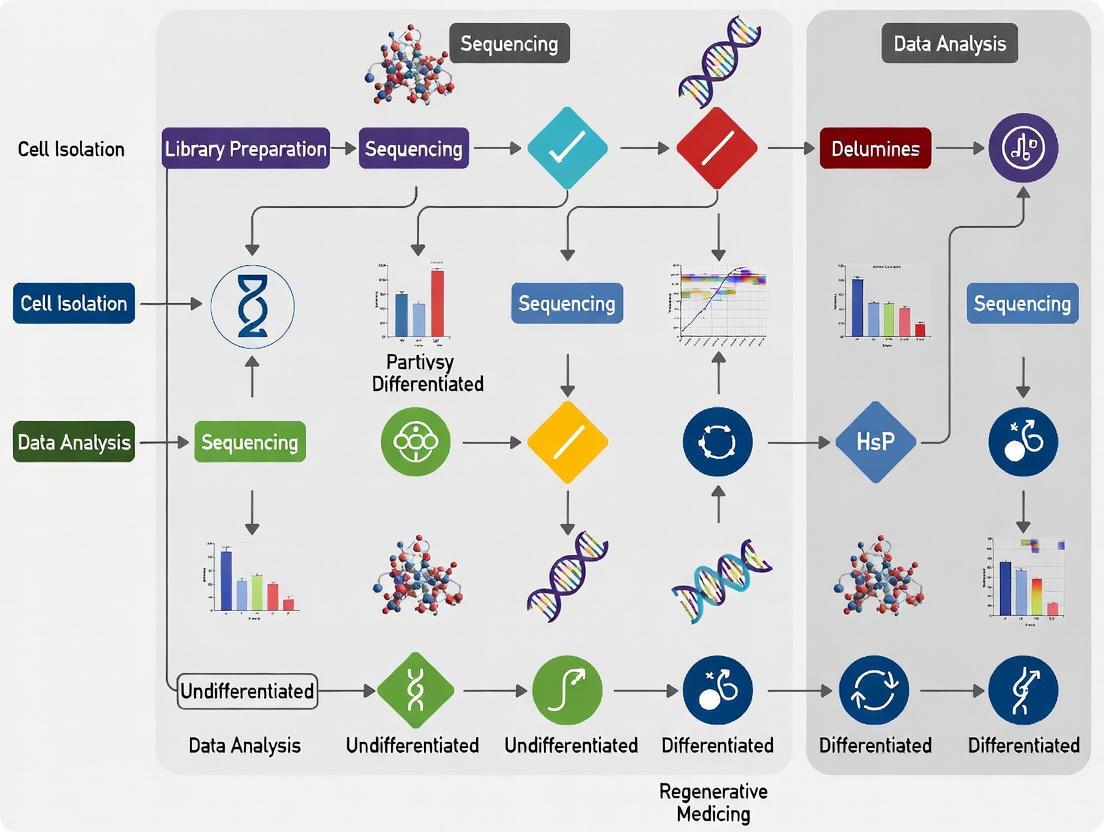
Single-cell RNA sequencing (scRNA-seq) has revolutionized our understanding of transcriptomic diversity within pluripotent stem cell populations and their differentiation trajectories.
Decoding Cell Fate: A scRNA-seq Guide to Pluripotent Stem Cell Heterogeneity and Differentiation
Abstract
Single-cell RNA sequencing (scRNA-seq) has revolutionized our understanding of transcriptomic diversity within pluripotent stem cell populations and their differentiation trajectories. This article provides a comprehensive resource for researchers and drug development professionals, exploring the foundational principles of stem cell heterogeneity revealed by scRNA-seq. It delves into advanced methodological applications, from protocol development to isoform-resolution analysis, and offers practical guidance for troubleshooting common experimental and analytical challenges. Furthermore, it examines the critical role of scRNA-seq in validating stem cell models for disease modeling and drug screening, positioning this technology as an indispensable tool for advancing regenerative medicine and precision therapeutics.
Unraveling the Transcriptomic Landscape of Pluripotency and Early Lineage Commitment
The journey from a single fertilized egg to a complex organism is governed by pluripotent stem cells, which possess the remarkable capacity to differentiate into any cell type. Within this broad potential, two distinct states of pluripotency have been characterized: the naive state, which resembles the pre-implantation epiblast, and the primed state, which corresponds to the post-implantation epiblast [1]. Understanding the precise transcriptional differences between these states is crucial for developmental biology, disease modeling, and regenerative medicine. Single-cell RNA sequencing (scRNA-seq) has emerged as a transformative technology that enables researchers to dissect this complexity at unprecedented resolution, moving beyond bulk population averages to reveal cell-to-cell variation, identify rare subpopulations, and map continuous transitional states [2] [3]. This technical guide explores how scRNA-seq has refined our understanding of naive and primed pluripotency, framing these insights within the broader context of transcriptomic diversity in stem cell biology.
Core Concepts: Naive and Primed Pluripotency
Biological Origins and Functional Significance
Naive and primed pluripotency represent sequential stages during early embryonic development. Naive pluripotency corresponds to the state of the inner cell mass (ICM) in the pre-implantation blastocyst, characterized by a broad developmental potential and the ability to contribute to both embryonic and extra-embryonic tissues in chimeric assays [1]. Conventional human embryonic stem cells (hESCs), traditionally considered "naive," are now understood to be developmentally more advanced, existing in a primed state analogous to the murine post-implantation epiblast or epiblast stem cells (EpiSCs) [1]. This distinction carries significant functional implications: naive cells exhibit greater lineage plasticity, while primed cells are considered more predisposed to commence differentiation along specific developmental trajectories.
Key Signaling Pathways and Culture Environments
The stability of each pluripotent state is maintained by distinct signaling requirements and culture conditions. Naive pluripotency is typically maintained with small molecule inhibitors that suppress differentiation-inducing signals. Key components often include inhibitors of the mitogen-activated protein kinase (MAPK/ERK) pathway (e.g., PD0325901) and glycogen synthase kinase-3 beta (GSK-3β) (e.g., CHIR99021), collectively known as "2i," supplemented with Leukemia Inhibitory Factor (LIF) [1]. Additional inhibitors, such as those targeting protein kinase C (PKC), may be added to further stabilize the naive state in systems like the t2iL+Gö culture condition [1]. In contrast, primed pluripotency thrives in media that activate transformative growth factor-beta (TGF-β) and Fibroblast Growth Factor (FGF) signaling pathways, such as the E8 medium formulation [1]. These distinct signaling environments establish and reinforce the unique transcriptional networks that define each pluripotent state.
scRNA-seq as a Tool for Dissecting Pluripotent Heterogeneity
The scRNA-seq Workflow: From Cells to Clusters
The standard scRNA-seq analysis pipeline involves multiple critical steps to transform raw sequencing data into biological insights. A generalized workflow is depicted below, illustrating the journey from single-cell suspension to cluster identification and interpretation.
Critical Steps in Data Processing and Analysis
Following the initial wet-lab steps, the computational analysis of scRNA-seq data requires meticulous attention to several key stages. Quality control (QC) is paramount, where cells are filtered based on metrics like count depth (number of counts per barcode), number of genes detected per barcode, and the fraction of mitochondrial counts. Barcodes with low counts/genes and high mitochondrial content often represent dying cells or empty droplets, while those with exceptionally high counts may be multiplets (doublets) [3]. Subsequent normalization (e.g., count depth scaling to 10,000 counts per cell) and log-transformation (e.g., using ln(cp10k + 1)) account for technical variation between cells [4]. Dimensionality reduction techniques, most commonly Principal Component Analysis (PCA), are applied to highly variable genes to reduce data complexity while preserving biological signal. Finally, clustering algorithms group cells based on transcriptional similarity, and the results are visualized using methods like t-distributed Stochastic Neighbor Embedding (t-SNE) or Uniform Manifold Approximation and Projection (UMAP), enabling the identification of distinct subpopulations and states [4] [3].
Transcriptional Signatures of Naive and Primed Pluripotency
Marker Genes and Functional Annotations
scRNA-seq studies have systematically defined the gene expression programs that distinguish naive and primed pluripotent states. The table below summarizes key marker genes and their associated biological functions.
Table 1: Key Marker Genes for Naive and Primed Pluripotency
| Pluripotency State | Marker Genes | Associated Biological Functions |
|---|---|---|
| Naive | KLF17, DPPA5, DNMT3L, DPPA3, KLF4, KLF5, ALPG, TFAP2C, LIN28B [1] [5] | Pluripotency regulation, epigenetic reprogramming, germ cell function, metabolic processes |
| Primed | ZIC2, ZIC3, SFRP2, SOX11, CD24, OTX2, DUSP6, PTPRZ1 [1] [5] | Neuronal development, embryonic morphogenesis, regulation of signaling pathways |
| Shared Pluripotency | POU5F1 (OCT4), SOX2, NANOG [1] | Core pluripotency network maintenance |
The separation between naive and primed states is the dominant source of variation in scRNA-seq data, readily observable on the first principal component of a PCA plot [1]. Naive cells are defined by a gene expression signature that includes not only established core pluripotency factors but also genes involved in meiotic progression (e.g., HORMAD1) and regulators of imprinting (e.g., KHDC3L) [1]. Primed cells, conversely, upregulate genes associated with later developmental processes, such as neuronal development (SOX11) and chondrogenesis (CYTL1) [1].
Signaling Pathways and Regulatory Networks
Beyond discrete marker genes, naive and primed states are characterized by distinct signaling dependencies and regulatory networks. Naive pluripotency is associated with strong co-regulatory relationships between lineage markers and epigenetic regulators, relationships that are not observed in the primed state [1]. Furthermore, pseudotime analysis of the transition from primed to naive pluripotency has revealed that the process is not a simple binary switch but a structured progression. This journey involves the sequential activation of gene clusters, beginning with core naive regulators (e.g., NANOG, TFAP2C), followed by genes related to embryonic development and protein modification, and finally, metabolic genes and markers like ALPG and UTF1 [5]. The diagram below illustrates the key stages and molecular events in this transition.
Heterogeneity Within Pluripotent States
Subpopulation Diversity and Transitional Cells
A key revelation from scRNA-seq is that ostensibly homogeneous cultures of pluripotent stem cells contain significant transcriptional heterogeneity. While both naive and primed populations are largely homogeneous overall, scRNA-seq can detect nuanced substructures. For instance, a distinct intermediate subpopulation within naive cells exhibits a primed-like expression profile [1]. A separate study on human induced pluripotent stem cells (hiPSCs) identified four transcriptionally distinct subpopulations: a core pluripotent group (48.3%), a proliferative population (47.8%), and smaller fractions of cells that were early primed (2.8%) and late primed (1.1%) for differentiation [2]. This demonstrates the existence of rare transitional states that may serve as reservoirs for differentiation potential.
Lineage Priming and Developmental Bias
The heterogeneity within pluripotent cultures is not merely noise; it often reflects a phenomenon known as lineage priming, where individual cells exhibit biased expression of genes associated with specific future lineages. During the primed-to-naive transition, scRNA-seq has revealed the transient appearance of subpopulations that express signatures of primitive endoderm (PrE) and trophectoderm (TE) [5]. These intermediates are not dead-end artifacts; they possess functional capacity, being able to give rise to extra-embryonic endoderm and trophoblast stem cell lines, respectively [5]. This suggests that the path to naive pluripotency involves a re-activation of broader developmental potential, including a transient window of competence for extra-embryonic lineages.
Methodological Guide: Key scRNA-seq Protocols and Reagents
Experimental Workflow for Pluripotency Studies
Successfully profiling naive and primed stem cells requires careful experimental design from cell culture through data analysis. The schematic below outlines a standard protocol used in foundational studies, from cell preparation to sequencing.
Table 2: Key Research Reagent Solutions for scRNA-seq of Pluripotent States
| Reagent/Resource | Function | Example/Description |
|---|---|---|
| Culture Media | Maintain naive or primed pluripotent state | Naive: t2iL+Gö [1] or 5iLAF [5]. Primed: E8 medium [1] or mTeSR1 [4]. |
| Dissociation Agent | Generate single-cell suspension | Accutase [4] or TrypLE [4]. |
| Cell Sorting | Isolate viable single cells | Fluorescence-Activated Cell Sorting (FACS) [1]. |
| Library Prep Kit | Generate sequencing-ready libraries | Nextera XT [1] or Kapa Hyper Prep Kit [4]. |
| scRNA-seq Protocol | Full-length cDNA amplification | Smart-seq2 [1] [4] for high sensitivity. |
| Analysis Software | Process and analyze sequencing data | Seurat [4] or Scanpy [3] for dimensionality reduction and clustering. |
The application of scRNA-seq to naive and primed pluripotency has fundamentally shifted our understanding of these states from static, homogeneous entities to dynamic, heterogeneous systems. The technology has enabled the precise definition of transcriptional signatures, revealed rare transitional intermediates, and uncovered lineage-priming events that were previously obscured in bulk analyses. As the field progresses, the integration of scRNA-seq with other single-cell modalities—such as ATAC-seq for chromatin accessibility [5] and proteomics—will provide a more multi-dimensional view of pluripotency regulation. Furthermore, the analysis of repeat elements using complete telomere-to-telomere (T2T) genome assemblies represents a new frontier in understanding the role of the "dark genome" in early development [4]. These insights and resources are invaluable for advancing fundamental developmental biology and for refining the protocols needed to generate specific cell types for disease modeling, drug screening, and regenerative therapies.
The journey from a pluripotent stem cell to a differentiated specialized cell type is a cornerstone of developmental biology, and understanding this process is critical for advancing regenerative medicine and drug development. Pluripotent stem cells possess the remarkable capacity to self-renew and differentiate into all derivatives of the three primary germ layers: ectoderm, mesoderm, and endoderm. Recent advances in single-cell RNA-sequencing (scRNA-seq) have revolutionized our ability to deconstruct the heterogeneity within pluripotent stem cell populations and map the transcriptional trajectories that underlie lineage specification [6] [7] [8]. This technical guide synthesizes current research to provide a detailed roadmap of germ layer diversification, framing the process within the context of transcriptomic diversity revealed by scRNA-seq. We will explore the distinct subpopulations within pluripotent cultures, the signaling pathways and gene regulatory networks (GRNs) that guide fate decisions, and the experimental methodologies used to capture and analyze these complex biological processes.
Transcriptomic Diversity in Pluripotency: A Scattering of Possible Fates
Contrary to being a homogeneous state, pluripotency encompasses a spectrum of distinct transcriptional subpopulations, each with unique functional biases. A large-scale scRNA-seq study of 18,787 human induced pluripotent stem cells (hiPSCs) identified four distinct subpopulations through an unsupervised high-resolution clustering (UHRC) method [6].
Table 1: Transcriptomically Distinct Subpopulations within Pluripotent Cultures
| Subpopulation | Prevalence | Key Functional Characteristics | Representative Genes/Pathways |
|---|---|---|---|
| Core Pluripotent | 48.3% | Ground state pluripotency | High expression of core pluripotency factors (e.g., POU5F1/OCT4, SOX2, NANOG) |
| Proliferative | 47.8% | High cycling capacity | Enriched for cell cycle-related genes and pathways |
| Early Primed | 2.8% | Initial priming for differentiation | Up-regulation of early differentiation markers |
| Late Primed | 1.1% | Advanced priming for differentiation | Further up-regulation of lineage-specific genes |
This heterogeneity is a critical feature of the pluripotent state, representing a reservoir of cells at varying degrees of readiness to exit pluripotency and commit to specific lineages [6]. The identification of these states was made possible by developing a multigenic machine learning prediction method based on 165 unique predictor genes, which significantly increased the accuracy of classifying single cells into these subpopulations [6].
Experimental Methodologies for Inducing and Analyzing Germ Layer Differentiation
Directed Differentiation Protocols
In vitro differentiation of pluripotent stem cells aims to mimic the signaling environments of the early embryo. The following protocols are adapted from established methods for directing mouse and human pluripotent stem cells toward the primary germ layers.
Definitive Endoderm Differentiation from Human iPSCs: A widely used protocol involves a 3 to 4-day differentiation campaign. Cells are collected at key time points: day 0 (iPSC), day 1, day 2, and day 3 post-induction [7] [8]. The success of differentiation is typically validated by the loss of the pluripotency surface marker TRA-1-60 and the acquisition of the endoderm marker CXCR4, which can be quantified by FACS. By day 3, an average of 49% of cells are typically CXCR4(+) [7]. scRNA-seq analysis reveals the expected temporal dynamics: downregulation of pluripotency genes like POU5F1 and NANOG and sequential upregulation of genes such as CER1, EOMES, GATA6, LEFTY1, and CXCR4 [8].
Generation of Organized Germ Layers from a Single Mouse ESC: A novel method for generating spatially organized germ layers involves culting a single mouse Embryonic Stem Cell (mESC) in a soft 3D fibrin matrix (90 Pa) without Leukemia Inhibitory Factor (LIF) [9]. After 5 days, the colony self-organizes into three distinct layers: a Gata6-positive endoderm at the inner layer, a Sox1-positive ectoderm at the middle layer, and a Brachyury (T)-positive mesoderm at the outer layer. This organization is mechanically regulated, as disrupting cell-matrix interactions (e.g., with an αvβ3 antagonist) or cell-cell adhesion (e.g., with anti-E-cadherin antibodies) abrogates the proper patterning [9].
Single-Cell RNA-Sequencing Workflow and Data Analysis
ScRNA-seq provides an unbiased means to profile differentiating cell populations. A typical workflow involves [7] [8]:
- Cell Preparation and Sorting: Differentiated cells are pooled and prepared for sequencing. Viability and key surface markers (e.g., TRA-1-60, CXCR4) can be assessed by FACS.
- Library Preparation and Sequencing: Full-length transcriptome libraries are prepared using platforms like Smart-Seq2.
- Quality Control and Demultiplexing: Low-quality cells are filtered out based on metrics like the number of genes detected and mitochondrial gene content. In pooled designs, the cell line of origin for each cell is determined by leveraging the genotype of each line as a unique barcode [7].
- Dimensionality Reduction and Clustering: Cells are projected into a low-dimensional space using techniques like PCA or UMAP. Unsupervised clustering methods (e.g., UHRC [6]) identify distinct cell states.
- Pseudotime and Trajectory Inference: Tools like Slingshot or Wave-Crest are used to reconstruct the differentiation trajectory of cells from pluripotency to differentiated fates, ordering cells along a "pseudotime" axis based on transcriptional similarity [10] [8].
- Differential Expression and Regulatory Network Analysis: Stage-specific genes are identified, and GRN inference methods (correlation, regression, dynamical systems) are applied to pinpoint key regulators [8] [11].
Diagram 1: scRNA-seq Workflow for Germ Layer Analysis. The process from directed differentiation of pluripotent cells through single-cell sequencing to computational data analysis.
Molecular Mechanisms Governing Germ Layer Specification
Signaling Pathways and Gene Regulatory Networks
The specification of germ layers is controlled by an evolutionarily conserved set of signaling pathways and downstream GRNs. In ascidian embryos, a model for chordate development, the GRN for germ layer specification at the 32-cell stage has been dissected with single-cell resolution and represented as Boolean logic functions [12]. For example, the genes Lhx3/4, Neurogenin, and Dickkopf are activated in specific blastomeres by the logical function Foxd ⋀ Fgf9/16/20 ⋀ β-catenin, representing the synergistic action of these upstream factors [12].
In mammalian systems, key pathways include:
- NODAL and WNT Signaling: These pathways are consistently enriched and crucial for the specification of the definitive endoderm and mesendoderm [8] [13]. GO analysis of a DE-specific transcriptional signature highlighted the significant enrichment of the NODAL signaling pathway and regulation of the WNT receptor signaling pathway [8].
- Metabolic Pathways: The metabolic state of the cell also influences lineage decisions. The DE signature is enriched for "energy reserve metabolic processes," and manipulation of oxygen tension (hypoxia) has been shown to enhance DE marker expression [8].
Identification and Validation of Novel Regulators
ScRNA-seq time-course experiments are powerful for identifying novel regulators of cell fate transitions. By applying trajectory inference tools like Wave-Crest to cells transitioning from pluripotency through mesendoderm to DE, researchers can pinpoint genes that are dynamically expressed at critical junctures [8]. For instance, the transition from Brachyury (T)+ mesendoderm to CXCR4+/SOX17+ DE is a key developmental window. Focusing on this window led to the identification of KLF8 as a novel pioneer regulator of this transition [8]. Functional validation using a T-2A-EGFP knock-in reporter line and CRISPR/Cas9 demonstrated that KLF8 knockdown delayed differentiation, while its overexpression enhanced DE marker expression without affecting mesodermal genes, indicating a specific role in the endoderm lineage [8].
Table 2: Key Research Reagents for Studying Germ Layer Diversification
| Reagent / Tool | Function / Application | Example Use Case |
|---|---|---|
| WTC-CRISPRi hiPSC Line | Parental iPSC line with inducible dCas9-KRAB for transcriptional repression. | Used for large-scale scRNA-seq to define pluripotency subpopulations [6]. |
| T-2A-EGFP Reporter Line | mESC or iPSC line with EGFP knocked into the Brachyury (T) locus, reporting mesendoderm. | Allows FACS sorting and live tracking of mesendoderm cells; used to validate novel regulators like KLF8 [8]. |
| Soft Fibrin Gel (90 Pa) | A 3D culture matrix that mimics the soft mechanical niche of the early embryo. | Enables self-organization of a single mESC into an embryoid colony with spatially organized germ layers [9]. |
| ROCK Inhibitor (Y-27632) | Small molecule inhibitor of Rho-associated kinase, reduces cellular tension and apoptosis. | Used to demonstrate the role of cortical tension in germ layer organization [9]. |
| Anti-E-cadherin Antibodies | Antibodies that block E-cadherin mediated cell-cell adhesion. | Experimental disruption of cell-cell adhesion abrogates germ layer organization, highlighting its critical role [9]. |
| Integrated Human Embryo Reference | A curated scRNA-seq reference integrating data from human zygote to gastrula stages. | Serves as a universal benchmark for authenticating stem cell-derived embryo models and differentiated cell types [10]. |
Advanced Applications and Future Directions
Genetic Mapping in Dynamic Differentiation
ScRNA-seq of differentiating cells from a diverse panel of donors enables the mapping of genetic variants that influence gene expression dynamically. This approach has identified expression Quantitative Trait Loci (eQTL) that are specific to different stages of endoderm differentiation (iPSC, mesendoderm, definitive endoderm) [7]. Over 30% of these eQTLs are stage-specific, and some exhibit "lead switching," where different genetic variants are the lead eQTL for the same gene at different stages, often accompanied by changes in the epigenetic landscape [7]. This reveals the dynamic impact of genetic variation on the transcriptional landscape during development.
As stem cell-based embryo models become more sophisticated, there is a growing need to benchmark them against a gold standard. A comprehensive integrated human embryo scRNA-seq reference has been developed, spanning development from the zygote to the gastrula stage (Carnegie Stage 7) [10]. This resource, which includes annotations for epiblast, hypoblast, trophoblast lineages, and gastrula derivatives like primitive streak, mesoderm, and definitive endoderm, provides an essential tool for assessing the fidelity of in vitro models [10].
Diagram 2: Signaling Pathways in Germ Layer Specification. Key pathways and regulators guiding the transition from pluripotency through mesendoderm to the three definitive germ layers.
The integration of scRNA-seq with advanced differentiation protocols and computational tools has provided an unprecedented view of germ layer diversification. We now understand pluripotency not as a monolithic state, but as a dynamic equilibrium of transcriptomically distinct subpopulations, each potentially biased toward different fate choices. The molecular mechanisms driving lineage specification involve core signaling pathways, intricate GRNs, and surprisingly, mechanical forces from the cellular microenvironment. The continued development of robust experimental methodologies—from 3D culture systems that recapitulate spatial organization to pooled differentiation screens—coupled with comprehensive in vivo reference atlases and sophisticated computational inference, provides a powerful toolkit for researchers. This deeper understanding is essential for refining differentiation protocols to generate pure populations of functional cell types for drug screening, disease modeling, and ultimately, regenerative therapies.
The ability to differentiate pluripotent stem cells (PSCs) into specific lineages in vitro has revolutionized developmental biology, disease modeling, and regenerative medicine. However, a fundamental question persists: to what extent do in vitro-derived cell types truly recapitulate their in vivo counterparts? Single-cell RNA sequencing (scRNA-seq) has emerged as a powerful technology to address this question systematically by enabling comprehensive transcriptional comparisons at cellular resolution. This technical guide outlines a rigorous framework for benchmarking in vitro differentiation against in vivo development through the construction and comparative analysis of scRNA-seq atlases, specifically contextualized within the broader thesis of understanding transcriptomic diversity in pluripotent stem cell research.
The core challenge lies in the inherent biological and technical variability of both model systems. In vitro differentiation protocols, while highly controlled, often produce heterogeneous populations with varying degrees of maturity and purity. In vivo tissues, though biologically authentic, exhibit natural individual-to-individual variation and complex microenvironmental influences that are difficult to fully replicate in culture. The benchmarking strategy we describe leverages reference mapping algorithms [14] [15] to objectively quantify transcriptional fidelity, enabling researchers to identify specific discrepancies and rationally improve protocol efficiency and output quality. For drug development professionals, this approach provides critical quality control metrics, ensuring that cellular models used for toxicity testing and drug screening accurately represent target human tissues.
Core Benchmarking Framework and Experimental Design
Foundational Concepts and a Workflow for Transcriptional Benchmarking
The conceptual foundation for benchmarking in vitro models was effectively demonstrated in a study of intestinal organoids [16]. Researchers established a generalizable framework that utilizes massively parallel scRNA-seq to compare cell states found in vivo with those from in vitro models like organoids. Crucially, they showed that leverageing identified discrepancies enables the rational improvement of model fidelity. Using Paneth cells as an exemplar, the study uncovered fundamental gene expression differences in lineage-defining genes between in vivo cells and the standard organoid model. This information was used to nominate a molecular intervention that significantly improved the physiological fidelity of the in vitro Paneth cells, as validated through transcriptomic, cytometric, morphologic, proteomic, and functional analyses [16].
The following diagram illustrates the comprehensive workflow for a benchmarking study, from experimental design through to functional validation:
Critical Experimental Design Considerations
Robust benchmarking requires careful experimental planning to ensure biologically meaningful comparisons. Key considerations include:
Reference Selection: The in vivo reference should ideally encompass the complete developmental spectrum of the target cell type, including progenitor states. For human studies, this may require integrating data from multiple donors to capture natural biological variation [17].
Platform Selection: Droplet-based technologies (e.g., 10X Genomics) are currently the de facto standard due to their throughput and low cost per cell, while plate-based methods (e.g., Smart-seq2) provide whole-transcript coverage, which is useful for splicing analysis [18]. The choice involves a trade-off between cell throughput and sequencing depth.
Replication Strategy: Individual cells are not biological replicates. The experimental design must include multiple biological replicates (derived from replicate donors or independent differentiations) for each condition to account for biological variability [18].
Cell Number and Sequencing Depth: For typical droplet-based experiments, capturing 10,000-100,000 cells sequenced at 1,000-10,000 UMIs per cell provides a good balance, with the exact numbers dependent on whether the focus is on rare subpopulation discovery (more cells) or quantifying subtle differences (more depth) [18].
Computational Analysis: From Data Processing to Reference Mapping
Data Processing and Quality Control
The initial processing of scRNA-seq data requires careful attention to technical considerations. The quantification process differs by protocol, but the goal is to generate a count matrix of genes (rows) by cells (columns) [18]. For 10X Genomics data, the Cellranger software suite is commonly used, while pseudo-alignment methods like alevin offer faster alternatives. A critical first step is rigorous quality control to filter out:
- Low-quality cells with high mitochondrial read percentages
- Doublets (multiple cells sequenced as one)
- Empty droplets and background noise [17]
Following quality control, standard preprocessing includes normalization (e.g., SCTransform) and feature selection to identify highly variable genes that drive biological heterogeneity.
Reference Mapping with Transfer Learning
Reference mapping algorithms transform the benchmarking process from an unsupervised clustering problem to a supervised classification task. The core computational strategy involves:
Building a Reference Atlas: A unified in vivo scRNA-seq dataset is processed through a data transformation model that projects cells into a low-dimensional space where biological states are grouped together, correcting for technical batch effects [15].
Mapping Query Data: The in vitro-derived scRNA-seq data (the "query") is projected into this same reference-defined space using algorithms such as scArches (single-cell Architectural Surgery) [14], Symphony [15], or Seurat [15].
Annotation Transfer: Query cells are annotated based on their similarity to the nearest reference cells, allowing for automated cell type identification and classification accuracy assessment.
The scArches method is particularly powerful as it uses transfer learning and parameter optimization to map query datasets onto a reference without requiring raw data sharing. This approach efficiently contextualizes new datasets with existing references while preserving biological state information and removing batch effects [14]. The following diagram illustrates the core computational process of reference mapping:
Key Analytical Metrics for Benchmarking Fidelity
Quantitative Assessment Metrics
A comprehensive benchmarking analysis should evaluate multiple dimensions of transcriptional fidelity. The table below summarizes key quantitative metrics that can be derived from the reference mapping output:
Table 1: Key Quantitative Metrics for Benchmarking In Vitro Models
| Metric Category | Specific Metric | Interpretation | Ideal Outcome |
|---|---|---|---|
| Annotation Accuracy | Cell Type Classification Score | Proportion of in vitro cells confidently assigned to expected cell type | High percentage (>80%) |
| Transcriptome Similarity | Correlation with In Vivo Counterparts | Pearson/Spearman correlation of average expression profiles | High correlation coefficient (>0.7) |
| Population Purity | Cluster Purity Index | Homogeneity of in vitro populations relative to reference | High purity (low mixed identities) |
| Developmental State | Pseudotime Alignment | Position along reference developmental trajectory | Appropriate maturation stage |
| Protocol Efficiency | Target Cell Type Proportion | Percentage of desired cell type in final population | High yield with minimal contaminants |
In addition to these global metrics, differential expression analysis between in vitro-derived cells and their in vivo counterparts identifies specific genes and pathways that are dysregulated in the model system. This analysis should focus on:
- Lineage-defining genes critical for cellular identity and function
- Functional pathway enrichment in discrepantly expressed genes
- Regulatory network analysis using tools like SCENIC to infer transcription factor activity [17]
Multi-Omics Extensions for Enhanced Resolution
While scRNA-seq forms the core of the transcriptional benchmarking approach, integrating additional molecular modalities can provide deeper insights into regulatory mechanisms:
- scATAC-seq: Reveals differences in chromatin accessibility that may underlie transcriptional discrepancies [17]
- Metabolic RNA Labeling: Techniques like scNT-seq or scSLAM-seq incorporate nucleoside analogs (4sU, 5EU) to measure RNA synthesis and degradation dynamics, providing temporal resolution to transcriptional differences [19]
- Spatial Transcriptomics: Contextualizes findings by preserving the spatial organization of cells in native tissues [17]
Multi-omics integration creates a more comprehensive fidelity assessment, moving beyond transcript abundance to understand the regulatory mechanisms driving observed differences.
Successful implementation of a benchmarking study requires both wet-lab reagents and computational tools. The following table outlines essential components of the experimental and analytical pipeline:
Table 2: Essential Research Reagents and Computational Resources for scRNA-seq Benchmarking
| Category | Item | Function/Application | Examples/Notes |
|---|---|---|---|
| Wet-Lab Reagents | Stem Cell Differentiation Kits | Generate target cell types in vitro | Commercially available or custom protocols |
| Single-Cell Library Prep Kits | Convert RNA to sequencing libraries | 10X Genomics, Parse Biosciences | |
| Nucleoside Analogs | Metabolic labeling for RNA dynamics | 4-thiouridine (4sU), 5-ethynyluridine (5EU) [19] | |
| Computational Tools | Reference Mapping Algorithms | Project query data to reference | scArches [14], Symphony [15] |
| Data Integration Tools | Batch correction and alignment | Seurat [15], SCALEX | |
| Differential Expression | Identify transcriptional discrepancies | DESeq2, MAST, Wilcoxon test | |
| Reference Data | Cell Atlases | In vivo reference for comparison | Human Cell Atlas, Single Cell Atlas [17] |
Functional Validation of Transcriptional Findings
Transcriptional benchmarking identifies discrepancies, but functional validation is essential to confirm their biological significance. The intestinal organoid study provides a exemplary framework [16], where transcriptomic findings led to:
- Morphological Assessment: Comparing cellular structures and ultrastructure between in vitro and in vivo cells
- Proteomic Analysis: Validating that protein levels correspond to transcriptional differences
- Functional Assays: Testing cell-specific functions (e.g., antimicrobial activity for Paneth cells, electrophysiology for neurons)
- Protocol Optimization: Using discrepancy information to improve differentiation conditions
This validation cycle transforms the benchmarking study from an observational analysis to an engine for model improvement.
Benchmarking in vitro differentiation against in vivo development through scRNA-seq atlas comparison provides a powerful, systematic approach to quantify and improve the fidelity of stem cell-derived models. By implementing the framework outlined in this guide—from careful experimental design through computational reference mapping to functional validation—researchers can objectively assess transcriptional fidelity, identify specific limitations in their differentiation protocols, and rationally engineer improved conditions. For the broader field of pluripotent stem cell research, the widespread adoption of such benchmarking standards will enhance reproducibility, enable more meaningful comparison across protocols and laboratories, and ultimately yield more physiologically relevant models for basic research and drug development.
As single-cell technologies continue to evolve, incorporating multi-omic measurements and spatial context, the resolution and comprehensiveness of these benchmarking approaches will correspondingly increase. The integration of these advanced methodologies promises to further narrow the gap between in vitro models and in vivo biology, accelerating discoveries in developmental biology and improving the predictive power of cellular models in therapeutic applications.
Within the context of pluripotent stem cell research, understanding the transition from a pluripotent state to differentiated lineages represents a fundamental challenge in developmental biology. Single-cell RNA sequencing (scRNA-seq) has revealed remarkable transcriptomic diversity during differentiation, highlighting the complex regulatory networks that orchestrate cell fate decisions. Transcription factors (TFs) sit at the apex of these regulatory hierarchies, functioning as master switches that activate lineage-specific gene expression programs while suppressing alternative fates. Historically, the "master regulator" concept suggested that single TFs could unilaterally determine cell fate [20]. However, emerging research demonstrates that cell identity emerges from collaborative interactions between multiple TFs that establish cell-specific binding sites and epigenetic landscapes [21]. This technical guide examines state-of-the-art methodologies for identifying key lineage regulators, with particular emphasis on applications within pluripotent stem cell scRNA-seq research, providing drug development professionals and researchers with both theoretical frameworks and practical experimental protocols.
Theoretical Framework: Beyond Master Regulators to Collaborative TF Networks
The Evolution of Transcriptional Regulation Paradigms
The traditional master regulator paradigm posited that individual TFs could single-handedly dictate cell fate. While this model successfully identified critical TFs like PU.1 (macrophages), MyoD (muscle), and OCT3/4 (pluripotency), it failed to capture the complexity of fate establishment and maintenance. Research now reveals that most cell identities require combinatorial TF expression, where "simple combinations of lineage-determining transcription factors can specify the genomic sites ultimately responsible for both cell identity and cell type-specific responses" [21]. For example, in CD4+ T cell differentiation, stable co-expression of seemingly opposing lineage-specifying TFs (T-bet, GATA3, RORγt, BCL6, and FOXP3) creates functional diversity and phenotypic flexibility rather than fixed identities [20].
Transcriptional Mechanisms of Fate Specification
Lineage-specifying TFs collaborate through several mechanistic principles:
- Pioneer factor activity: Certain TFs like PU.1 can initially access closed chromatin, initiate nucleosome remodeling, and enable subsequent binding of additional factors [21]
- Collaborative complex formation: TFs co-localize extensively at genomic sites, with macrophage-specific PU.1 binding regions significantly co-enriched for motifs of macrophage-restricted factors including C/EBP and AP-1 family members [21]
- Epigenetic landscape modification: TF binding initiates deposition of enhancer marks like H3K4me1, creating beacons for additional regulatory proteins [21]
- Dose-dependent effects: TF concentration influences both the level of gene expression and the set of targeted genes, creating additional regulatory complexity [22]
Experimental Approaches for Identifying Lineage Regulators
High-Throughput Transcription Factor Screening
Unbiased TF screening enables systematic discovery of fate regulators without prior assumptions about their identity. Recent advances have dramatically improved the scale and resolution of these approaches:
Iterative Pooled TF Screening: An optimized method for identifying TF combinations for specialized cell differentiation involves sequential rounds of screening [23]. The protocol begins with selecting candidate TFs based on literature review of the target cell's development, epigenetics, and gene regulatory networks. Researchers clone each TF into a doxycycline-inducible vector with unique nucleotide barcodes, then transfect the pooled TF library into human induced pluripotent stem cells (iPSCs) at optimized DNA concentrations to achieve single-digit copy numbers. After puromycin selection for TF-integrated cells, differentiation is induced with doxycycline for 4 days. Cells are then sorted based on lineage-specific surface markers and subjected to scRNA-seq alongside TF barcode sequencing to identify which TFs most effectively drive target gene expression.
Single-Cell Transcription Factor Sequencing (scTF-seq): This novel technique induces barcoded, doxycycline-inducible TF overexpression and quantifies TF dose-dependent transcriptomic changes at single-cell resolution [22]. The method involves constructing a doxycycline-inducible lentiviral open reading frame library of TFs, each tagged with a unique barcode near the 3' UTR. After arrayed lentiviral packaging and transduction into target cells, scRNA-seq captures both transcriptomic changes and TF barcode counts, which serve as a proxy for exogenous TF expression level. This enables systematic investigation of how TF dose influences reprogramming outcomes, identifying both dose-dependent and stochastic cell state transitions.
Perturbation-Based Network Mapping
Perturb-seq Optimization in Stem Cell Systems: Perturb-seq combines CRISPR interference (CRISPRi) with scRNA-seq to analyze effects of thousands of genetic perturbations [24]. For stem cell applications, researchers have engineered pluripotent stem cells with stably integrated dCas9-KRAB repressors at genomic safe harbor loci (e.g., CLYBL) to ensure consistent expression during differentiation. The optimized protocol involves designing sgRNA libraries targeting promoters and enhancers of interest, delivering sgRNAs via lentivirus, PiggyBac transposition, or recombinase integration, then performing scRNA-seq during differentiation to capture perturbation effects. Quality control steps monitor differentiation efficiency and library coverage throughout the multi-week procedure.
NetProphet Algorithm: This computational approach maps functional TF networks from gene expression data by combining coexpression analysis with differential expression following TF perturbation [25]. The algorithm computes a confidence score for each potential TF-target interaction based on both the ability to predict target expression from TF expression levels (LASSO regression) and the significance of differential expression when the TF is perturbed. This integrated approach identifies direct, functional regulatory interactions more accurately than protein-DNA interaction measurements alone, as it focuses specifically on functional relationships rather than binding without regulatory consequence.
Computational Approaches for Network Inference
FateCompass Pipeline: This integrative computational pipeline estimates TF activity dynamics from scRNA-seq data and predicts lineage-specific regulators [26]. Unlike methods that rely solely on correlation between TF expression and target genes, FateCompass incorporates RNA velocity to model regulatory dynamics, facilitating reconstruction of the cascade of TF interactions during differentiation.
Gene Regulatory Network Analysis: Advanced computational methods analyze scRNA-seq data to predict cooperating TF regulons required for specific lineage commitments [27]. These approaches combine gene expression patterns with motif analysis to identify TFs that co-regulate target genes and work together to establish cell identity.
Experimental Protocols: Detailed Methodologies
Iterative Transcription Factor Screening for Microglia Differentiation
Table 1: Key Reagents for Iterative TF Screening
| Reagent | Function | Specifications |
|---|---|---|
| pBAN2 Vector | TF expression | PiggyBac transposon system, doxycycline-inducible |
| Nucleofector | Cell transfection | High-efficiency delivery to iPSCs |
| Puromycin | Selection | Eliminates non-transfected cells |
| Doxycycline | Induction | Triggers TF expression (typically 1-2 μg/mL) |
| FACS Marker Antibodies | Cell sorting | Target lineage surface proteins (e.g., CX3CR1, P2RY12) |
Protocol Details:
- Library Design: Select 40-50 candidate TFs based on literature review of target cell development and gene regulatory networks [23]
- Vector Construction: Clone each TF into pBAN2 PiggyBac vector with 20-nucleotide barcodes between stop codon and poly-A sequence to distinguish exogenous from endogenous transcripts
- Cell Transfection: Transfect 600,000 iPSCs with TF library at 4:1 mass ratio between TF and transposase DNA, using 5μg total DNA to achieve optimal single-digit copy numbers
- Selection and Differentiation: Treat with puromycin (concentration optimized for cell line) to select TF-integrated cells, then induce differentiation with 1-2μg/mL doxycycline for 4 days
- Cell Sorting: Sort TRA-1-60 negative cells (differentiated) and analyze by scRNA-seq alongside 10% spike-in of non-induced iPSCs as undifferentiated control
- TF Identification: Quantify exogenous TF expression through amplicon sequencing of co-amplified TF and cell barcodes, rank TFs based on ability to induce target lineage gene expression
scTF-seq for Dose-Dependent Effects
Table 2: Key Reagents for scTF-seq
| Reagent | Function | Specifications |
|---|---|---|
| Dox-inducible Lentiviral Library | TF overexpression | 384+ mouse TFs, each with unique barcode |
| C3H10T1/2 Cells | Multipotent stromal cells | Model for lineage specification |
| RNAscope Probes | Validation | Multiplex RNA in situ hybridization |
| 10x Genomics Platform | scRNA-seq | Single-cell transcriptome profiling |
Protocol Details:
- Library Construction: Build doxycycline-inducible lentiviral ORF library of 419 TFs, each with unique barcode near 3' UTR [22]
- Viral Production: Package each vector individually (arrayed) to avoid barcode recombination and ensure controllable TF overexpression
- Cell Transduction: Transduce mouse multipotent stromal cells (C3H10T1/2) at high multiplicity of infection (MOI) to generate broad viral copy number variation
- Induction and Sequencing: Induce with doxycycline, profile transcriptomes using droplet-based scRNA-seq while enriching for TF barcodes
- Data Integration: Assign TF barcodes to cells, perform batch effect correction, and use TF barcode UMI counts as proxy for TF dose
- Analysis: Focus on G0/G1 cells for lineage specification analysis, identify "non-functional" TF-overexpressing cells as those transcriptomically similar to controls
Optimized Neuronal Differentiation with NGN2
Protocol for Consistent iGluNeuron Generation:
- iPSC Quality Control: Employ SNP Infinium array (560,000 probes) to detect genomic rearrangements in iPSC clones beyond standard karyotyping resolution [28]
- Homogeneous Lineage Selection: Use "all-in-one Tet-on" vector with NGN2 linked to GFP via T2A sequence, then FACS sort subpopulation with median, homogeneous GFP expression to ensure consistent NGN2 levels [28]
- Neuronal Progenitor Banking: Incorporate intermediate freezing step during neuronal differentiation to store neuronal progenitors, reducing experimental variability
- Differentiation and Validation: Differentiate sorted iPSCs into glutamatergic neurons, validate maturation through single-cell and network electrophysiological recordings
Data Analysis and Interpretation
Quantitative Assessment of TF Activity
Table 3: Reprogramming TF Classification by Capacity and Dose Sensitivity
| TF Category | Reprogramming Efficiency | Dose Sensitivity | Representative TFs |
|---|---|---|---|
| Low-Capacity | <15% cells reprogrammed | Variable | Many orphan TFs |
| High-Capacity, Dose-Sensitive | >40% cells at high dose | Strong dose-response relationship | Key lineage specifiers |
| High-Capacity, Dose-Insensitive | >40% cells across doses | Minimal dose dependence | Pioneer factors |
Data derived from scTF-seq analysis of 384 mouse TFs in multipotent stromal cells [22]
Network Validation Approaches
- Motif Enrichment Analysis: Compare predicted targets to presence of TF binding motifs in regulatory regions [25]
- Functional Validation: Test top candidate TFs in differentiation assays, measuring both marker expression and functional properties of resulting cells [23]
- Cross-Species Conservation: Verify fate-stabilizing function in human primary cells (e.g., fibroblasts, endothelial cells) across multiple lineages (cardiac, neural, iPSC) [29]
- Epigenetic Confirmation: Integrate with ATAC-seq or ChIP-seq to confirm TF binding at predicted regulatory sites
Research Reagent Solutions
Table 4: Essential Research Reagents for TF Network Studies
| Reagent/Category | Function in Experiment | Key Examples/Specifications |
|---|---|---|
| Inducible Expression Systems | Controlled TF expression | Doxycycline-inducible PiggyBac [23], Tet-on lentiviral [28] |
| Barcoding Systems | Tracking TF expression | 20nt barcodes in 3' UTR [23], unique molecular identifiers |
| CRISPRi Systems | Targeted gene repression | dCas9-KRAB at safe harbor loci (CLYBL) [24] |
| scRNA-seq Platforms | Single-cell transcriptomics | 10x Genomics, with TF barcode enrichment [22] |
| Delivery Methods | Introducing genetic elements | Lentivirus, PiggyBac transposition, PA01 recombinase [24] |
| Lineage Reporters | Tracking cell fate | Cell surface proteins (CX3CR1, P2RY12) [23], fluorescent proteins |
Signaling Pathways and Experimental Workflows
Diagram 1: Iterative TF screening workflow for identifying lineage regulators. The process begins with pluripotent stem cells and identifies optimal TF combinations through sequential screening and validation steps.
Diagram 2: TF collaboration mechanism and barrier factors. Lineage-specifying TFs work collaboratively to establish enhancers and activate gene expression programs, while barrier TFs oppose this process through chromatin regulation.
Diagram 3: Multi-omics integration for TF network inference. Combining diverse data types through computational algorithms enables reconstruction of functional gene regulatory networks driving cell fate decisions.
The identification of key lineage regulators has evolved from searching for single master transcription factors to mapping complex collaborative networks that establish and maintain cell identity. Integration of high-throughput perturbation screens with single-cell multi-omics technologies now enables systematic dissection of these networks, revealing how TF combinations, relative concentrations, and collaborative interactions determine fate outcomes. For pluripotent stem cell research and drug development applications, these advances provide increasingly precise tools for controlling differentiation, modeling disease states, and developing regenerative strategies. Future directions will likely focus on quantitative modeling of TF network dynamics, enhancing reprogramming efficiency through barrier ablation [29], and developing more precise temporal control over differentiation processes. As these methodologies continue to mature, they will further illuminate the fundamental principles governing transcriptomic diversity and cell fate establishment in developmental and regenerative contexts.
The process of cellular differentiation from pluripotent stem cells is not a simple binary switch but a continuous journey through a landscape of transcriptional states. Within this landscape, rare transitional progenitor populations represent critical decision points where lineage fate is determined. These ephemeral states, though transient and often scarce, hold the key to understanding the fundamental principles of developmental biology and harnessing the therapeutic potential of stem cells for regenerative medicine. Within the broader context of transcriptomic diversity in pluripotent stem cell scRNA-seq research, capturing these fleeting populations presents both a significant challenge and a tremendous opportunity. The ability to identify and characterize these states provides a window into the molecular machinery driving cell fate decisions, enabling researchers to refine differentiation protocols, model developmental diseases, and ultimately generate higher-fidelity cell types for drug screening and cell-based therapies.
Single-cell RNA sequencing has revolutionized our capacity to observe these transitions by moving beyond bulk population averages that obscure cellular heterogeneity. When applied to differentiating pluripotent stem cell systems, this technology enables the deconstruction of lineage trajectories at unprecedented resolution, revealing the molecular signatures of even the most transient intermediate states that would otherwise remain invisible [30] [8]. This technical guide provides a comprehensive framework for the experimental design, computational analysis, and functional validation necessary to characterize these rare transitional states within pluripotent stem cell differentiation systems.
Technical Foundations: scRNA-seq Methodologies for Capturing Transient States
Platform Selection and Experimental Design
The choice of scRNA-seq platform significantly impacts the ability to resolve rare transitional states. High-throughput droplet-based methods (e.g., 10X Genomics Chromium) enable profiling of tens of thousands of cells, which is crucial for capturing low-abundance populations [31] [32]. For deeper transcriptional coverage of each cell, full-length transcript methods (e.g., Smart-seq2) provide superior detection of isoforms and splicing variants, though at lower throughput [33]. The experimental timeline must be designed with sufficient temporal resolution to intercept transient states; rather than collecting samples at multi-day intervals, daily or even twice-daily sampling during critical differentiation windows significantly enhances the likelihood of capturing transitional populations [8].
For studying human pluripotent stem cell differentiation, specific quality control measures are paramount. Cells should be meticulously checked for maintenance of pluripotency markers (e.g., POU5F1, NANOG) prior to differentiation induction and monitored for genomic stability throughout the process [30]. Sample multiplexing using cell hashing or genetic barcoding technologies allows pooling of samples from multiple time points or conditions, reducing batch effects and enabling more robust identification of transitional populations across experimental conditions [30].
Critical Computational and Analytical Approaches
The computational analysis of scRNA-seq data from differentiation time courses requires specialized approaches to resolve transitional states:
Pseudotime Analysis: Tools such as Monocle, Slingshot, and Wave-Crest reconstruct the underlying temporal sequence of cells based on transcriptional similarity, ordering individual cells along differentiation trajectories without reliance on experimental collection time [31] [8]. This approach is particularly powerful for identifying cells in transitional states that may exist only briefly in actual time but are captured computationally across the pseudotemporal continuum.
RNA Velocity: This method leverages the ratio of unspliced to spliced mRNAs to predict the future transcriptional state of individual cells, effectively providing a directional vector of gene expression changes [32]. When applied to pluripotent stem cell differentiation, RNA velocity can predict transitional states before they become transcriptionally distinct, offering truly predictive insights into lineage commitment.
Transition-Specific Marker Identification: Specialized statistical tools like SCPattern can identify genes that exhibit stage-specific expression patterns across time courses, pinpointing precise molecular markers for transitional populations [8]. These markers both validate the transitional nature of populations and provide candidate regulators for functional validation.
Table 1: scRNA-seq Platform Comparison for Capturing Transitional States
| Platform Type | Cell Throughput | Genes Detected per Cell | Isoform Resolution | Best Use Case |
|---|---|---|---|---|
| Droplet-based (10X Genomics) | 10,000-100,000 cells | 1,000-5,000 genes | Limited | Identifying rare populations in heterogeneous samples |
| Full-length (Smart-seq2) | 100-10,000 cells | 5,000-10,000 genes | Excellent | Deep characterization of known transitional states |
| Single-nucleus (sNuc-Seq) | 10,000-100,000 nuclei | 500-3,000 genes | Moderate | Difficult-to-dissociate tissues or frozen samples |
| Spatial transcriptomics | Limited by region size | Varies by resolution | Limited | Correlating transitional states with spatial location |
Key Signaling Pathways Governing Transitions
The journey from pluripotency to differentiated lineages is guided by conserved signaling pathways that create permissive or restrictive environments for specific transitional states. Understanding these pathways provides both insight into developmental mechanisms and practical tools for manipulating differentiation efficiency.
WNT Signaling
The WNT/β-catenin pathway plays stage-specific roles throughout differentiation. During early mesendoderm specification, WNT activation (e.g., via CHIR99021) promotes emergence of Brachyury (T)+ mesendodermal progenitors from pluripotency [30] [8]. In developing kidney systems, WNT9B/β-catenin signaling specifically promotes the transition of "self-renewing" nephron progenitors to a "primed" state competent for epithelial differentiation [34]. The precise level and timing of WNT activation is critical, as dysregulated signaling can divert cells toward alternative lineages.
Cell Cycle Regulation
Transitional states often exhibit distinctive cell cycle signatures that may facilitate or result from fate commitment. In developing mouse kidney, "primed" nephron progenitors show increased expression of cell cycle-related genes Birc5, Cdca3, Smc2, and Smc4 compared to their "self-renewing" counterparts [34]. Similarly, in human epidermal differentiation, transitional basal stem cells occupying positions between basal and suprabasal layers express distinct cell cycle markers including PTTG1, CDC20, RRM2, and HELLS [32]. These findings suggest that cell cycle regulation is not merely a permissive requirement for differentiation but an active participant in fate transitions.
Metabolic Pathways
Metabolic state represents an emerging dimension of transitional state regulation. Analysis of definitive endoderm differentiation revealed enrichment of energy reserve metabolic processes in the transitional signature, suggesting that metabolic reprogramming may be a prerequisite rather than a consequence of certain fate decisions [8]. Hypoxia-mediated stabilization of HIF1α can enhance definitive endoderm formation, demonstrating how metabolic sensing interfaces with traditional lineage-specifying pathways [8].
Experimental Workflow for Characterizing Transitional States
A robust workflow for capturing and validating transitional states integrates careful experimental design with multiple computational and spatial validation approaches.
Computational Identification and Validation
The initial identification of transitional states begins with unsupervised clustering of scRNA-seq data followed by pseudotime analysis to position cells along differentiation trajectories [31] [32]. Transitional populations typically appear as intermediate clusters positioned between known stable states or as cells distributed along trajectory branches. RNA velocity analysis can provide independent validation of these transitional states by demonstrating directional flow from one state to another through these populations [32]. In mammary epithelial cell differentiation, such approaches revealed a continuous spectrum of luminal differentiation with gradual transitions between clusters, challenging discrete categorization and highlighting the truly transitional nature of these populations [31].
Differential gene expression analysis of transitional populations compared to their origin and destination states identifies candidate regulator genes. These analyses should employ statistical methods designed for time course data (e.g., SCPattern) that can distinguish transiently expressed genes from those stably upregulated in destination populations [8]. For rare transitional states, it is particularly important to use methods that account for low cell numbers, such as pseudobulk approaches or mixed models that leverage information across similar cells.
Spatial Localization of Transitional Populations
Validation of computationally identified transitional states requires demonstration of their existence in physical space. Multiplexed RNA fluorescence in situ hybridization (FISH) or immunohistochemistry for transitional state markers can confirm both the existence and spatial distribution of these populations [32]. In human epidermal differentiation, transitional basal stem cells marked by PTTG1 and CDC20 were found to occupy a unique spatial position "between the basal and suprabasal layers," with cell bodies and nuclei residing in either compartment [32]. Similarly, in developing kidney, different nephron progenitor subpopulations localized to distinct anatomical niches despite similar transcriptional profiles [34].
Table 2: Characteristic Features of Transitional States Across Biological Systems
| Biological System | Transitional State | Key Markers | Spatial Location | Functional Role |
|---|---|---|---|---|
| Human Epidermis [32] | Transitional Basal Stem Cells | PTTG1, CDC20, RRM2 | Interface between basal and suprabasal layers | Delamination and stratification |
| Mouse Kidney [34] | "Primed" Nephron Progenitors | Birc5, Cdca3, Smc2, Smc4 | Cap mesenchyme | Competence for epithelial differentiation |
| Mammary Epithelium [31] | Luminal Progenitors (Lp) | Aldh1a3, Tspan8 | Basal compartment | Bifurcation to secretory or hormone-sensing lineages |
| Definitive Endoderm [8] | Mesendoderm to DE Transition | CXCR4, SOX17, KLF8 | Emerges 36-48h after differentiation | Segregation from mesodermal fate |
Case Studies: Successful Capture of Transitional States
Epidermal Differentiation
In human interfollicular epidermis, scRNA-seq revealed four distinct basal stem cell populations, two of which (BAS-I and BAS-II) represented transitional states characterized by expression of cell cycle markers PTTG1, CDC20, RRM2, HELLS, UHRF1, and PCLAF [32]. These populations occupied a unique spatial position with cells "in the process of delaminating from the basal layer," representing a caught-in-action transitional state between basal stemness and suprabasal differentiation. The essential role of these transitional populations was functionally validated through manipulation of their marker genes, which resulted in "severe thinning of human skin equivalents" when disrupted [32].
Definitive Endoderm Specification
Time course scRNA-seq of definitive endoderm differentiation from human pluripotent stem cells identified a critical transitional window 36-48 hours after differentiation induction, characterized by co-expression of Brachyury (mesendoderm marker) and CXCR4/SOX17 (definitive endoderm markers) [8]. Application of the computational tool Wave-Crest to this time course enabled reconstruction of the differentiation trajectory and identification of KLF8 as a novel regulator of the mesendoderm to definitive endoderm transition. Functional validation using a T-2A-EGFP knock-in reporter line demonstrated that KLF8 knockdown delayed differentiation while its overexpression enhanced definitive endoderm marker expression, confirming its role in this critical transitional process [8].
Mammary Epithelial Hierarchy
scRNA-seq analysis of mammary epithelial cells across four developmental stages (nulliparous, gestation, lactation, post-involution) revealed a continuous spectrum of differentiation within the luminal compartment rather than discrete stable states [31]. Diffusion map analysis identified a bifurcation point with luminal progenitor cells (marked by Aldh1a3) giving rise to either secretory alveolar cells or hormone-sensing cells through intermediate transitional states. This continuous differentiation trajectory was supported by the identification of 456 genes showing pseudotime-dependent expression with the same directionality along both differentiation branches, including transcription factors CREB5, HMGA1, and FOSL1 not previously associated with luminal differentiation [31].
The Scientist's Toolkit: Essential Research Reagents
Table 3: Key Research Reagent Solutions for Characterizing Transitional States
| Reagent/Category | Specific Examples | Function/Application | Considerations |
|---|---|---|---|
| Pluripotent Stem Cell Lines | WTC CRISPRi line [30], H1 and H9 hESCs [8] | Provide isogenic background for differentiation studies | Karyotype stability, differentiation efficiency, regulatory compliance |
| Lineage Reporters | T-2A-EGFP (mesendoderm) [8], CXCR4/SOX17 (definitive endoderm) [8] | Enable tracking and isolation of transitional populations | Endogenous tagging preferred to avoid overexpression artifacts |
| Signaling Modulators | CHIR99021 (WNT activator) [30], BMP4, VEGF [30] | Manipulate pathway activity at specific differentiation stages | Concentration and timing critical for specific effects |
| Cell Surface Markers | EpCAM (epithelial cells) [31], CD52 (hematopoietic) [34] | Isolation of specific populations by FACS | May not exist for all transitional states |
| scRNA-seq Platform | 10X Genomics Chromium [31] [32], Smart-seq2 [33] | High-throughput transcriptomic profiling | Throughput vs. depth trade-offs |
| Computational Tools | SoptSC [32], Wave-Crest [8], SCPattern [8] | Identify and characterize transitional states | Multiple methods should be used for validation |
The systematic characterization of rare transitional states during pluripotent stem cell differentiation represents a frontier in developmental biology and regenerative medicine. As scRNA-seq technologies continue to evolve toward higher throughput and spatial resolution, our ability to intercept and define these ephemeral populations will correspondingly improve. The integration of multi-omic approaches—including chromatin accessibility, protein expression, and metabolic profiling—at single-cell resolution will provide a more comprehensive understanding of the molecular drivers of fate transitions.
For the field of drug development, understanding transitional states has particular relevance for disease modeling and toxicity testing. Many developmental disorders and disease processes likely involve dysregulation of these critical transition points rather than the stable states themselves. Similarly, off-target effects in differentiation protocols often result from cells becoming trapped in or passing through incorrect transitional states. By mapping the normal trajectory of these transitions, we establish a reference framework for identifying pathological deviations.
The future of pluripotent stem cell research will increasingly focus on steering differentiation by manipulating these transitional states rather than merely the starting and ending populations. This paradigm shift—from thinking about discrete cell types to continuous differentiation trajectories—will enable the generation of higher-fidelity cell types for therapy and provide deeper insights into the fundamental principles of human development.
Advanced scRNA-seq Applications for Protocol Development and Disease Modeling
The journey from a pluripotent stem cell to a differentiated somatic cell is a complex, multi-stage process, meticulously coordinated by signaling pathways. However, traditional bulk RNA sequencing methods, which average gene expression across thousands of cells, obscure a critical reality: even within putatively homogeneous pluripotent cultures, there exists a striking degree of transcriptional heterogeneity. Single-cell RNA sequencing (scRNA-seq) has revolutionized our ability to observe this diversity, revealing that standard differentiation protocols often produce a mosaic of desired cell types alongside significant "off-target" populations [6] [35]. This heterogeneity is not merely noise; it reflects distinct cellular states and divergent lineage commitments. For researchers and drug development professionals, this presents both a challenge and an opportunity. The challenge lies in the inefficient production of pure, therapeutically viable cell populations. The opportunity, which this guide will address, is that scRNA-seq provides an unprecedented, high-resolution lens to directly observe and iteratively optimize the manipulation of signaling pathways, thereby steering cells more reliably toward a desired fate.
The scRNA-seq Workflow for Protocol Optimization
Employing scRNA-seq as a benchmarking tool requires a structured workflow that moves from experimental design to data-driven protocol refinement. The process begins with a well-defined differentiation experiment, incorporating the signaling pathway modulations to be tested. Cells are collected at critical time points throughout the differentiation process to capture transitional states.
Critical Pre-processing and Quality Control
Prior to analysis, raw scRNA-seq data must undergo rigorous pre-processing to ensure the integrity of downstream interpretations. Key steps include [3]:
- Quality Control (QC): Filtering out low-quality cells based on metrics like count depth (number of reads per cell), the number of genes detected per cell, and the fraction of mitochondrial counts. High mitochondrial counts can indicate stressed or dying cells, while unexpectedly high gene counts may signal doublets (multiple cells sequenced as one) [3].
- Normalization: Accounting for technical variations in sequencing depth between cells. Methods like
scranandsctransformhave been shown to provide consistent performance for subsequent analyses [36]. - Batch Effect Correction: When integrating data from multiple experiments or batches, methods such as ZINB-WaVE, scVI, or Seurat v3 can be applied. However, benchmarking studies indicate that for downstream differential expression analysis, directly modeling batch as a covariate in statistical tests often outperforms using batch-corrected data, especially with large batch effects [37].
Analytical Steps for Differentiation Benchmarking
Once the data is pre-processed, the following analytical steps are crucial for evaluating the differentiation protocol:
- Dimensionality Reduction and Clustering: Techniques like PCA (Principal Component Analysis) and UMAP (Uniform Manifold Approximation and Projection) are used to visualize cells in a two-dimensional space. Unsupervised clustering algorithms (e.g., Louvain clustering) then group transcriptionally similar cells, revealing distinct subpopulations within the differentiating culture [6] [3].
- Differential Expression Analysis: This identifies genes that are significantly upregulated or downregulated between clusters or between experimental conditions. For scRNA-seq data, methods like
limmatrend,MAST, andDESeq2(with batch covariate modeling for multi-sample experiments) have shown strong performance [37]. - Trajectory Inference (Pseudotime Analysis): This suite of tools (e.g., Monocle, PAGA) computationally reconstructs the developmental path of cells as they transition from one state to another, ordering cells along a pseudotemporal continuum. This allows researchers to identify branching points where lineage decisions are made and to pinpoint the genes associated with those fate choices [6] [35].
- Pathway Activity Analysis: Transforming gene-level data into pathway or gene set activity scores helps in the functional interpretation of cell states. Tools like
Pagoda2andPLAGEhave been benchmarked to perform well in accurately capturing cell-type-specific heterogeneity from a biological process perspective [36].
The following diagram illustrates this iterative feedback loop for protocol optimization.
Signaling Pathways as Levers for Fate Control
The precise manipulation of key developmental signaling pathways is fundamental for directing cell fate. scRNA-seq provides a molecular report card on the effectiveness of these manipulations. The following table summarizes the primary pathways, their roles, and common modulators used in differentiation protocols.
Table 1: Key Signaling Pathways in Stem Cell Differentiation
| Signaling Pathway | Primary Role in Differentiation | Common Agonists/Activators | Common Antagonists/Inhibitors |
|---|---|---|---|
| WNT/β-catenin | Mesoderm induction, patterning, and cell fate specification [38] | CHIR99021 (GSK3i), Wnt3a | Wnt-C59, IWP-2, XAV939 |
| TGF-β/BMP | Governs mesoderm formation; BMP often promotes lateral plate mesoderm, while TGF-β inhibition aids paraxial mesoderm [38] | BMP4, Activin A, TGF-β1 | SB431542, LDN-193189, Noggin |
| FGF | Supports pluripotency exit and promotes paraxial mesoderm and syndetome specification [38] | FGF2, FGF4 | BGJ398, PD173074 |
| Hedgehog (SHH) | Critical for sclerotome specification from somites, a precursor for axial tendons [38] | Purmorphamine, SAG | Cyclopamine, Vismodegib |
| Notch | Regulates somite segmentation and patterning through oscillatory gene expression [6] | DLL1, DLL4 (ligands) | DAPT (γ-secretase inhibitor) |
The power of scRNA-seq is in revealing how these pathways interact dynamically. For instance, a study differentiating human induced pluripotent stem cells (hiPSCs) into tenogenic (tendon) lineage cells used scRNA-seq to discover that sustained WNT signaling was driving a significant portion of cells toward an off-target neural phenotype. Informed by this data, the authors introduced the WNT inhibitor Wnt-C59 at the somite stage, which successfully eliminated the neural population and increased the efficiency of syndetome-like cell induction [38]. This exemplifies the data-driven refinement process.
The diagram below maps how these pathways are sequentially manipulated to guide cells from pluripotency to a target somatic lineage, such as syndetome.
A Case Study: Refining Tenogenic Differentiation
A reviewed preprint in eLife provides a compelling case study of this optimization paradigm [38]. The goal was to derive syndetome-like cells from human iPSCs through a stepwise protocol mimicking embryonic development: Presomitic Mesoderm (PSM) → Somite (SM) → Sclerotome (SCL) → Syndetome (SYN).
- Initial Protocol & ScRNA-seq Revelation: The initial differentiation used chemically defined media with small molecules to activate WNT and FGF while inhibiting BMP/TGF-β to induce PSM. Subsequent steps modulated SHH, BMP, and WNT to drive progression. scRNA-seq analysis at the final stage revealed a critical flaw: a substantial population of cells had branched off into a neural lineage instead of the target syndetome.
- Data-Driven Intervention: Interrogation of the differential expression data from the off-target neural cluster showed an overexpression of WNT pathway genes. This led to the hypothesis that inhibiting WNT after the somite stage could prevent this fate bifurcation.
- Outcome: The addition of the WNT inhibitor Wnt-C59 at the SM stage and onwards resulted in the complete removal of the neural off-target population and a marked increase in the efficiency of syndetome induction.
The Scientist's Toolkit: Essential Reagents and Computational Tools
Success in this optimized approach relies on a combination of wet-lab reagents and dry-lab computational tools.
Table 2: Research Reagent Solutions for scRNA-seq-Informed Differentiation
| Category | Item | Function in Protocol |
|---|---|---|
| Pathway Modulators | CHIR99021 (GSK3i) | Activates WNT signaling by inhibiting GSK-3β [38] |
| SB431542 | Inhibits TGF-β/Activin signaling pathways [38] | |
| LDN-193189 | Inhibits BMP type I receptors [38] | |
| Wnt-C59 | Potent, small-molecule WNT inhibitor [38] | |
| Critical Assays | scRNA-seq Library Prep | Captures genome-wide transcriptome of individual cells |
| RT-qPCR | Validates expression of key markers during protocol development | |
| Immunofluorescence | Confirms protein-level expression of lineage markers |
Table 3: Key Computational Tools for scRNA-seq Analysis
| Analysis Stage | Tool Options | Utility |
|---|---|---|
| General Platforms | Seurat, Scanpy | Comprehensive environments for data pre-processing, normalization, clustering, and visualization [3] |
| Differential Expression | limmatrend, MAST | High-performance methods for identifying differentially expressed genes in single-cell data [37] |
| Trajectory Inference | Monocle, PAGA | Reconstructs developmental lineages and orders cells in pseudotime [35] |
| Pathway Analysis | Pagoda2, PLAGE | Transforms gene-level data into pathway activity scores for functional interpretation [36] |
| Batch Correction | scVI, RISC, limma_BEC | Integrates data from multiple batches while preserving biological variation [37] |
The integration of scRNA-seq into differentiation protocol development marks a shift from empirical, population-averaged optimization to a precise, data-driven engineering discipline. By providing a high-resolution map of transcriptional heterogeneity and fate decisions, scRNA-seq empowers researchers to identify the specific signaling nodes that control lineage bifurcations. This enables the rational refinement of protocol parameters—the timing and concentration of pathway modulators—to suppress off-target fates and enhance the purity and efficiency of target cell production. As this approach becomes standard practice, it will significantly accelerate the development of robust and clinically relevant cell populations for regenerative medicine and drug discovery.
The journey from pluripotency to specialized cell fates is governed by a complex interplay of extracellular signaling pathways. Among these, WNT, BMP, and VEGF emerge as critical regulators that orchestrate lineage specification through stage-specific activation and inhibition. This whitepaper delineates the distinct and collaborative functions of these pathways across diverse developmental contexts, supported by evidence from high-resolution single-cell RNA sequencing (scRNA-seq) studies. By integrating quantitative data and experimental methodologies, we provide a technical guide for researchers aiming to harness these pathways for directed differentiation and therapeutic development, firmly framing the discussion within the context of transcriptomic diversity in pluripotent stem cells.
Pluripotent stem cell (PSC) cultures are inherently heterogeneous, consisting of subpopulations with varied differentiation potentials. This transcriptomic diversity is not mere noise but a functional characteristic that enables flexible responses to developmental cues [39]. The WNT, BMP, and VEGF signaling pathways act as key interpreters of the extracellular environment, transmitting signals that reshape the gene regulatory networks (GRNs) governing cell identity. Their influence is dynamic and context-dependent, often displaying biphasic effects where the same pathway promotes distinct outcomes at different developmental stages. Dissecting these complex interactions is crucial for advancing regenerative medicine and understanding the fundamental principles of cell fate determination.
Pathway Fundamentals: Canonical Mechanisms and Key Components
WNT Signaling
The WNT pathway is categorized into canonical (β-catenin-dependent) and non-canonical (β-catenin-independent) branches [40].
- Canonical WNT/β-catenin Pathway: In the absence of WNT ligands, a destruction complex containing Axin, APC, GSK3β, and CK1α phosphorylates β-catenin, marking it for proteasomal degradation. Upon WNT binding to Frizzled (Fzd) receptors and LRP5/6 co-receptors, this complex is disrupted. This leads to β-catenin stabilization, its nuclear translocation, and subsequent activation of target genes with TCF/LEF transcription factors [40].
- Non-canonical WNT Pathways: The WNT/PCP pathway regulates cell polarity and movement via Rho/Rac GTPases and JNK. The WNT/Ca2+ pathway influences cell adhesion and migration through the release of intracellular calcium ions [40].
BMP Signaling
As part of the TGF-β superfamily, BMP signaling is initiated when dimeric ligands bind to a receptor complex comprising type I and type II serine/threonine kinase receptors. This leads to the phosphorylation of receptor-regulated SMADs (R-SMADs: SMAD1/5/8), which then form a complex with the common mediator SMAD4. This complex translocates to the nucleus to regulate the transcription of target genes [41]. The pathway is tightly modulated by extracellular antagonists, such as members of the DAN family (e.g., Gremlin, Noggin), which bind to ligands and prevent receptor activation [41].
VEGF Signaling
The VEGF pathway primarily mediates angiogenesis through its key receptor VEGFR2 (Flk1/KDR). VEGF binding to VEGFR2 triggers receptor dimerization and auto-phosphorylation, initiating downstream signaling cascades such as MAPK/ERK and PI3K/AKT. These pathways promote endothelial cell proliferation, survival, and migration [42]. While classically associated with vascular development, VEGF signaling also exhibits non-angiogenic functions, directly influencing the behavior of other cell types during development and regeneration [42].
Pathway Crosstalk in Lineage Specification
The WNT, BMP, and VEGF pathways do not operate in isolation; they form an integrated signaling network that collectively guides lineage choices. The following table summarizes their dynamic roles during the specification of key lineages.
Table 1: Stage-Specific Roles of WNT, BMP, and VEGF in Lineage Specification
| Lineage/Process | Developmental Stage | WNT Role | BMP Role | VEGF Role | Key Interactions |
|---|---|---|---|---|---|
| Hematopoiesis [43] | Primitive Streak Induction | Required (with Nodal) | Not required; posteriorizes streak | Not reported | BMP4 induces posterior streak via Wnt3/Nodal upregulation |
| Flk1+ Mesoderm Formation | Required | Required | Required (induces Flk1) | All three pathways regulate this stage | |
| Hematopoietic Progenitor Specification | Required for primitive erythroid lineage | Not required | Required | Wnt is essential for primitive erythroid commitment | |
| Cardiogenesis [44] | Early Mesoderm Induction | Promotive (via CHIR99021) | Promotive (via BMP4) | Not required in Becn1-deficient cells | Coordinated activation of Wnt and BMP enhances mesoderm |
| Cardiac Progenitor Specification | Inhibitory (requires suppression) | Promotive (sustained activation) | Exogenous factor in protocols | Becn1 knockdown alters Wnt/BMP dynamics for enhanced cardiogenesis | |
| Limb Regeneration [42] | Blastema Formation | Not reported | Not reported | Required for proliferation | Promotes proliferation of vascular and non-vascular cells |
| Angiogenesis | Not reported | Not reported | Required (classic role) | Essential for vascularization during regeneration | |
| Oligodendrocyte Differentiation [35] | OPC Maturation | Not primary focus | Not primary focus | Not primary focus | mTOR/cholesterol pathways implicated in maturation |
The interplay between these pathways is visually summarized in the following diagram, which maps their temporal activity and key interactions during directed cardiac differentiation, a well-characterized model system:
Experimental Dissection Using Single-Cell Transcriptomics
Resolving Cellular Heterogeneity
scRNA-seq has been instrumental in moving beyond population averages to reveal the transcriptomic diversity of pluripotent cultures. A study of 18,787 human induced PSCs (hiPSCs) identified four distinct subpopulations: a core pluripotent state (48.3%), a proliferative state (47.8%), and subpopulations primed for differentiation (collectively 3.9%) [6]. This resolution allows researchers to track how signaling pathways differentially influence each subpopulation's trajectory toward specific lineages.
Tracing Lineage Trajectories
Pseudotime analysis uses scRNA-seq data to reconstruct developmental trajectories, ordering cells along a continuum of differentiation. This approach has revealed, for instance, that PDGFRα-positive progenitor cells can bifurcate into either oligodendrocyte or astrocyte lineages, with distinct regulatory genes marking each branch point [35]. Similarly, analyzing hiPSC exit from pluripotency has uncovered transcription factors associated with priming for different germ layers [39].
Mapping Pathway Activity
By correlating the expression of pathway-specific target genes with pseudotime trajectories, researchers can infer dynamic activity of WNT, BMP, and VEGF signaling. This computational inference provides a high-resolution view of when and in which cells these pathways are active, revealing critical windows for therapeutic intervention.
Detailed Methodologies for Pathway Modulation
Cardiac Differentiation from Pluripotent Stem Cells
This protocol leverages the biphasic role of WNT signaling to efficiently generate cardiomyocytes [44].
- Cell Lines: Human ESCs (e.g., H7) or hiPSCs (e.g., WTC).
- Maintenance Culture: mTeSR1 medium on appropriate matrices.
- Differentiation Protocol:
- Day 0 - Mesoderm Induction: Replace medium with RPMI 1640 supplemented with B-27 minus insulin. Add CHIR99021 (a GSK3β inhibitor that activates WNT signaling) at 10 µM to induce mesoderm formation.
- Day 2 - WNT Withdrawal: Replace medium with B-27 minus insulin containing IWR-1 (5 µM, a WNT pathway inhibitor that stabilizes Axin) to suppress WNT signaling and promote cardiac progenitor specification.
- Day 5 Onwards - Maturation: Continue culture in B-27 minus insulin, replacing the medium every other day. Spontaneously contracting cardiomyocytes typically appear between days 8-10.
- Key Modulators: Becn1 knockdown has been shown to enhance cardiomyocyte yield by altering the dynamics of WNT and BMP signaling, potentially reducing the need for precise exogenous pathway manipulation [44].
Hematopoietic Differentiation in Serum-Free Conditions
This protocol delineates the requirements for specific signaling pathways at three distinct developmental stages [43].
- Cell Lines: Murine or human ESCs with relevant reporters (e.g., GFP-Bry for Brachyury).
- Base Medium: Serum-free formulations like IMDM/Ham's F-12 with supplements (N-2, B-27, Ascorbic Acid, etc.).
- Stage-Specific Modulation:
- Stage 1: Primitive Streak Induction. Requires Activin/Nodal and WNT signaling. BMP4 is not required but posteriorizes the streak. Inhibitors: DKK1 (WNT inhibitor), SB-431542 (Activin/Nodal/TGF-β inhibitor).
- Stage 2: Flk1+ Mesoderm Formation. Requires all three pathways: Activin A, BMP4, and WNT.
- Stage 3: Hematopoietic Progenitor Specification. Requires VEGF (binds Flk1) and WNT (for primitive erythroid lineage). BMP and Activin/Nodal are not required at this stage.
The Scientist's Toolkit: Essential Research Reagents
Table 2: Key Reagents for Pathway Modulation and Cell Isolation
| Reagent Name | Category | Function / Mechanism of Action | Example Application |
|---|---|---|---|
| CHIR99021 | Small Molecule Agonist | GSK-3β inhibitor; stabilizes β-catenin to activate canonical WNT signaling | Mesoderm induction in cardiac differentiation [44] |
| IWR-1 | Small Molecule Antagonist | Tankyrase inhibitor; stabilizes Axin to promote β-catenin degradation and inhibit WNT signaling | Cardiac progenitor specification [44] |
| BMP4 | Recombinant Protein | Ligand; binds BMP receptors to activate SMAD1/5/8 signaling | Induction of Flk1+ mesoderm [43] |
| VEGF | Recombinant Protein | Ligand; binds VEGFR2 (Flk1) to activate MAPK/PI3K pathways | Hematopoietic specification from Flk1+ mesoderm [43] |
| DKK1 | Recombinant Protein | Extracellular antagonist; binds LRP5/6 to inhibit WNT ligand/receptor interaction | Inhibition of primitive streak formation [43] |
| SB-431542 | Small Molecule Inhibitor | Inhibits TGF-β/Activin/Nodal type I receptors (ALK4/5/7) | Inhibition of primitive streak formation [43] |
| PDGFRα IAP Reporter | Genetically Engineered Cell Line | Enables identification and purification of oligodendrocyte progenitor cells (OPCs) | Isolation of human OPCs for scRNA-seq [35] |
| Anti-Thy1.2 Microbeads | Antibody-based Purification | Enables magnetic-activated cell sorting (MACS) of reporter-tagged cells | Gentle, large-scale purification of PDGFRα+ OPCs [35] |
The strategic application of these reagents within a staged differentiation protocol, coupled with scRNA-seq analysis, creates a powerful workflow for dissecting cell fate decisions, as illustrated below:
The precise dissection of WNT, BMP, and VEGF signaling through advanced transcriptomic tools has transformed our understanding of lineage specification. It is now clear that these pathways form a dynamic, interconnected network whose temporal control is more critical than their mere activation or inhibition. The emerging paradigm emphasizes that mastering cell fate requires not just a list of factors, but a temporal code of signaling activities. This knowledge, grounded in the analysis of transcriptomic diversity, empowers the development of robust, clinically applicable differentiation protocols and provides a framework for understanding the molecular etiology of developmental disorders. Future work will undoubtedly focus on refining this temporal control and exploring the multifaceted crosstalk with other key pathways to achieve ultimate precision in stem cell engineering.
Alternative polyadenylation (APA) represents a crucial layer of post-transcriptional regulation that significantly expands transcriptomic diversity by generating multiple mRNA isoforms from single genes. In pluripotent stem cell research, where subtle changes in gene regulation dictate cell fate, understanding APA dynamics at single-cell resolution provides critical insights into differentiation mechanisms. This technical guide examines the implementation of SCALPEL, a novel Nextflow-based computational tool that enables precise quantification of transcript isoforms from standard 3' single-cell RNA sequencing (scRNA-seq) data. We present comprehensive performance benchmarks comparing SCALPEL against existing methods, detailed experimental protocols for implementation, and visualization of key workflows. Our analysis demonstrates that isoform-level resolution can reveal novel cell populations and regulatory mechanisms invisible to conventional gene expression analysis, advancing our understanding of transcriptomic diversity in pluripotent stem cells.
Alternative polyadenylation is a fundamental mechanism of post-transcriptional regulation that significantly contributes to the diversification of gene expression patterns under diverse physiological and pathological conditions [45]. APA defines the end of transcripts by selecting one of several available polyA sites (PAS) at the 3' end of genes, resulting in the generation of multiple mature RNA isoforms from the same pre-mRNA [45]. These isoforms may contain distinct 3' untranslated regions (3' UTRs) that harbor regulatory elements influencing mRNA stability, localization, and translational efficiency [45] [46].
In the context of pluripotent stem cell biology, APA assumes particular importance as a regulatory mechanism that operates alongside transcriptional networks to control cell fate decisions. Studies have demonstrated that APA is highly regulated in a tissue-specific manner [45] and plays a crucial role in various biological processes, including cellular differentiation [45] [47], development [45], and response to environmental cues [45]. The generation of induced pluripotent stem cells (iPSCs) from differentiated cells is accompanied by global 3' UTR shortening, while differentiation typically induces 3' UTR lengthening [47] [48]. This pattern suggests that APA regulation is intrinsically linked to cellular potency and differentiation status.
The development of high-throughput single-cell transcriptomics technologies (scRNA-seq) has enabled the characterization of transcriptomic profiles across thousands of individual cells [45]. While these methods are predominantly used to quantify gene expression, 3' tag-based scRNA-seq protocols such as Drop-seq or 10x Genomics provide unique opportunities to study 3' end isoform diversity [45] [46]. However, the full potential of these datasets for exploring APA regulation remains underutilized due to computational challenges and methodological limitations.
The SCALPEL Framework: Architecture and Innovations
Core Methodology and Workflow
SCALPEL (Single-Cell Alternative Polyadenylation Analysis Pipeline) is a Nextflow-based computational workflow designed specifically to quantify and characterize transcript isoforms from standard 3' scRNA-seq data [45]. The tool addresses critical limitations of existing methods, including insufficient sensitivity to detect polyadenylation sites with low read coverage and imprecision in pinpointing exact PAS locations, which lead to incomplete characterization of isoform diversity [45].
The SCALPEL workflow operates through three main modules:
Annotation Processing and Isoform Selection: Raw sequencing data and annotation files are processed to perform bulk quantification of annotated isoforms. These isoforms are subsequently truncated and collapsed, producing a set of distinct isoforms with different 3' ends optimized for single-cell resolution quantification [45].
Read Mapping and Filtering: scRNA-seq reads are mapped to the selected isoforms, with sophisticated filtering to discard reads originating from pre-mRNAs or resulting from internal priming events, a common artifact in 3' sequencing protocols [45].
Isoform Quantification and iDGE Generation: Isoforms are quantified in individual cells, generating an isoform digital gene expression matrix (iDGE) that facilitates downstream single-cell analyses including dimensionality reduction, clustering, marker discovery, and trajectory inference [45].
The key innovation of SCALPEL is its pseudocount assembly approach, which groups reads sharing the same cell barcode and unique molecular identifier (UMI). This strategy enables more accurate assignment of UMIs to individual isoforms by considering global transcript structure and jointly modeling the distance of reads with the same UMI to the 3' end of transcripts [45].
Workflow Visualization
The following diagram illustrates the complete SCALPEL analytical workflow from raw data input to biological interpretation:
Performance Benchmarks and Comparative Analysis
Evaluation Using Synthetic Datasets
SCALPEL's performance has been rigorously evaluated using synthetic single-cell isoform expression datasets simulating 6,000 cells across two distinct populations expressing 6,560 genes and 12,320 isoforms [45]. The synthetic data incorporated genes with changes in both expression and isoform usage across cell populations, with three datasets generated at varying dropout rates to mimic different sequencing depths [45].
In these controlled assessments, SCALPEL demonstrated superior correlation between simulated isoform abundances and its quantification outputs across all coverage conditions (Pearson correlation coefficient r ≥ 0.8) [45]. This robust performance across expression ranges highlights SCALPEL's particular advantage in detecting differential isoform usage (DIU) genes with low expression, where other methods show significantly reduced sensitivity [45].
Comparative Tool Performance
The table below summarizes the quantitative performance metrics of SCALPEL compared to existing APA analysis tools across synthetic datasets with different sequencing depths:
Table 1: Benchmarking Performance of APA Analysis Tools Across Synthetic Datasets
| Tool | Type | High Coverage DIU Detection | Medium Coverage DIU Detection | Low Coverage DIU Detection | Low Expression Gene Performance | Execution Resources |
|---|---|---|---|---|---|---|
| SCALPEL | Isoform-based | Highest | Highest | Highest | 57% (Q1 genes) | Medium |
| scUTRquant | Isoform-based | High | High | High | 19% (Q1 genes) | Most Efficient |
| scUTRquant* | Isoform-based | High | High | High | 22% (Q1 genes) | Medium-High |
| Sierra | Peak-based | Medium | Medium | Medium | Low | Medium |
| scAPA | Peak-based | Medium | Medium | Medium | Low | Medium |
| scAPAtrap | Peak-based | Medium | Medium | Medium | Low | Medium |
| SCAPTURE | Peak-based | Medium | Medium | Medium | Low | Medium |
| scDaPars | Peak-based | Low | Low | Low | Low | Medium |
When benchmarked against existing tools—including peak-based methods (Sierra, scAPA, scAPAtrap, SCAPTURE, scDaPars) and isoform-based approaches (scUTRquant)—SCALPEL consistently recovered the highest number of differentially used isoforms (DIU genes) across all simulated conditions [45]. The performance advantage was particularly pronounced for lowly expressed genes (bottom 50% expression), where SCALPEL correctly identified 57% of DIU genes among the lowest expression quartile (Q1) in low-coverage datasets, compared to 19% for scUTRquant and 22% for scUTRquant* [45].
Notably, SCALPEL maintains this performance advantage while utilizing computational resources comparable to most benchmarked tools, with only scUTRquant demonstrating superior speed and memory efficiency when provided with pre-processed 3' UTRome annotations [45].
Biological Validation in Real Datasets
SCALPEL's performance has been further validated using real-world scRNA-seq datasets, including mouse spermatogenesis data from 10x Genomics [45]. In this application, SCALPEL identified 51,767 isoforms across 17,525 genes, enabling the molecular characterization of novel cell populations undetectable through conventional gene expression analysis alone [45] [49].
Specifically, SCALPEL revealed RS6 cells, a previously morphologically described but molecularly uncharacterized population of round spermatids involved in flagellum elongation and differentiation [49]. This discovery demonstrates how isoform-level analysis can uncover biologically significant cell states that remain invisible to standard analytical approaches.
Experimental Implementation Guide
Successful implementation of SCALPEL for APA analysis requires specific computational resources and research reagents. The table below details the essential components of the experimental toolkit:
Table 2: Essential Research Reagent Solutions and Computational Resources for SCALPEL Implementation
| Category | Item | Specification/Function | Importance |
|---|---|---|---|
| Wet-Lab Resources | 3' tag-based scRNA-seq kit | 10x Genomics Chromium, Drop-seq, or similar | Critical: Provides 3' end sequence data essential for APA analysis |
| Library preparation reagents | Platform-specific kits for cDNA synthesis and library construction | Critical: Ensures high-quality input data with minimal bias | |
| Sequencing reagents | Appropriate sequencing kits for platform (Illumina recommended) | Critical: Generates sufficient read depth for isoform quantification | |
| Computational Resources | High-performance computing | Minimum 16GB RAM, multi-core processor | Essential: Handles memory-intensive single-cell data processing |
| Nextflow pipeline manager | Version 21.10.6 or higher | Mandatory: Core framework for SCALPEL workflow execution | |
| Container technology | Docker or Singularity | Recommended: Ensures reproducibility and environment consistency | |
| Reference annotations | GENCODE comprehensive gene annotation | Essential: Provides baseline isoform definitions for analysis | |
| Data Input Requirements | Cell Ranger/Drop-seq tools | Output files (BAM + digital gene expression matrix) | Mandatory: Primary input data for SCALPEL processing |
| Sample indexing | Appropriate cellular barcodes and UMIs | Critical: Enables single-cell resolution and molecule counting |
Step-by-Step Analytical Protocol
Input Data Preparation: Begin with aligned sequencing reads in BAM format and the corresponding digital gene expression matrix generated by standard scRNA-seq processing pipelines such as CellRanger or Drop-seq tools [45]. Ensure that data includes corrected cellular barcodes and unique molecular identifiers.
Reference Annotation Processing: Configure SCALPEL to use comprehensive gene annotations from GENCODE or similar databases. The workflow will automatically process these annotations to perform bulk quantification of annotated isoforms, followed by truncation and collapsing to generate distinct 3' end isoforms for single-cell resolution analysis [45].
Workflow Execution: Run the SCALPEL Nextflow pipeline with appropriate parameters for your dataset. The pipeline will automatically execute the three core modules: annotation processing, read mapping and filtering, and isoform quantification [45]. Utilize container technologies (Docker/Singularity) to ensure computational reproducibility.
Quality Control and Filtering: Monitor pipeline execution for key quality metrics, including the percentage of reads retained after internal priming filtering, the distribution of reads across isoform types, and the cellular barcode retention rate. SCALPEL incorporates sophisticated filtering to eliminate artifacts from pre-mRNAs and internal priming events [45].
Downstream Analysis: Utilize the output isoform digital gene expression matrix (iDGE) for subsequent biological interpretation. This includes standard single-cell analyses such as dimensionality reduction (PCA, UMAP), clustering, and differential expression testing, alongside specialized functions for differential isoform usage (DIU) and isoform coverage visualization provided in the SCALPEL repository [45].
Pseudocount Assembly Strategy
The following diagram illustrates SCALPEL's key innovation in UMI assignment, which enables more accurate isoform quantification:
Biological Applications in Pluripotent Stem Cell Research
The implementation of SCALPEL for APA analysis in pluripotent stem cell research enables several critical applications that advance our understanding of transcriptomic diversity and cell fate determination:
Characterization of Differentiation Trajectories: SCALPEL enables precise mapping of 3' UTR dynamics throughout stem cell differentiation, recapitulating known biological processes such as 3' UTR lengthening during cellular maturation [45] [47]. This application is particularly valuable for understanding phase-specific regulatory events in directed differentiation protocols.
Identification of Novel Cell States: As demonstrated by the discovery of RS6 spermatids in mouse spermatogenesis [49], SCALPEL can reveal previously unrecognized cell populations that emerge during stem cell differentiation through their distinct isoform usage patterns rather than differential gene expression alone.
Analysis of Post-Transcriptional Regulatory Networks: SCALPEL facilitates the identification of cell-type-specific miRNA signatures that regulate isoform expression [45], providing insights into the complex post-transcriptional networks that govern pluripotency and differentiation decisions.
Integration with Multi-Omics Approaches: SCALPEL's compatibility with paired long- and short-read scRNA-seq data enables enhanced isoform quantification and validation [45], creating opportunities for comprehensive transcriptomic characterization in complex stem cell systems.
SCALPEL represents a significant advancement in the computational toolkit for exploring transcriptomic diversity at single-cell resolution. Its robust performance in quantifying alternative polyadenylation, particularly for lowly expressed genes and across varying sequencing depths, positions it as an invaluable resource for pluripotent stem cell research. By moving beyond conventional gene-level expression analysis to isoform-resolution characterization, researchers can uncover novel regulatory mechanisms and cell states that underlie developmental processes and disease mechanisms. The implementation guidelines and performance benchmarks presented in this technical guide provide a foundation for researchers to incorporate isoform-level analysis into their single-cell transcriptomic studies, potentially revealing new dimensions of biological complexity in stem cell systems.
Developmental toxicity research aims to understand the potential adverse effects of environmental agents, pharmaceuticals, and chemicals on embryonic and fetal development [50]. Traditionally, this field has relied heavily on animal models, but significant ethical concerns and fundamental interspecies differences have prompted the exploration of more human-relevant alternatives [50] [51]. The limitations of traditional approaches are particularly evident in drug development, where current testing methods are time-consuming, expensive, and not amenable to high-throughput screening [52]. Furthermore, animal models often fail to accurately predict human-specific outcomes due to physiological differences, contributing to misidentified human teratogenicity [51]. For instance, in Long-QT syndrome studies, genetic ablation of KCNQ1 in mice did not produce a cardiac phenotype similar to that observed in human patients due to differences in potassium channel functions [52].
Human induced pluripotent stem cells (hiPSCs) have emerged as a transformative platform for addressing these challenges. These cells can be reprogrammed from patient somatic cells and differentiated into virtually any cell type, retaining the complete genetic background of the donor [53]. This capability enables researchers to construct highly accurate and controllable in vitro disease models that closely mimic human biology [53]. When combined with single-cell RNA sequencing (scRNA-seq) technologies, hiPSCs provide unprecedented insights into transcriptomic diversity during differentiation, allowing for detailed mapping of developmental trajectories and the detection of subtle toxicological effects that might be missed in traditional models [54] [30]. This technical guide explores the establishment of developmental toxicity tests using hiPSC-derived models within the broader context of transcriptomic diversity in pluripotent stem cell research.
hiPSC-Derived Model Systems for Developmental Toxicity Assessment
Two-Dimensional (2D) Models
Two-dimensional models remain valuable for high-throughput screening applications due to their ease of use, reproducibility, and scalability [50]. These systems are particularly useful for initial toxicity screening and mechanistic studies. Several standardized 2D assays have been developed for specific developmental toxicity endpoints:
- UKN2 Assay: Utilizes hiPSC-derived neural crest cells to measure migration inhibition after 24-hour compound exposure, identifying compounds that may pose risks for neural tube defects [50].
- UKN5 Assay: Employs hiPSC-derived dorsal root ganglia neurons to assess neurite outgrowth following 24-hour compound exposure [50].
- hN Initiation Assay: Measures neurite outgrowth using hiPSC-derived human glutamatergic cortical neurons with 48-hour compound exposure [50].
These 2D models have demonstrated sufficient predictivity for regulatory applications, with data being used to waive traditional developmental neurotoxicity (DNT) study guidelines in some cases [50]. However, a significant limitation of 2D models is their inability to capture the complex cellular interactions and tissue-level physiology of developing organs [50].
Three-Dimensional (3D) Organoid and Tissue Models
Three-dimensional models, including organoids and engineered tissues, offer more physiologically relevant platforms for developmental toxicity assessment by better mimicking the intricate tissue architecture, cell-cell interactions, and cellular diversity of in vivo organs [50] [52]. The table below compares the key characteristics of 2D and 3D hiPSC-derived model systems:
Table 1: Comparison of 2D and 3D hiPSC-Derived Models for Developmental Toxicity Assessment
| Feature | 2D Models | 3D Organoid Models |
|---|---|---|
| Physiological Relevance | Limited tissue architecture | Enhanced tissue organization and intercellular communication |
| Cellular Complexity | Typically limited to one or few cell types | Multiple cell types resembling native organ composition |
| Throughput | High-throughput screening amenable | Medium throughput, more complex analysis |
| Maturation State | Often limited maturation | Can achieve more advanced maturation states |
| Application in Toxicity Testing | Preliminary screening, mechanistic studies | Complex toxicity endpoints, organ-specific effects |
| Technical Complexity | Relatively simple culture and analysis | Requires advanced culture techniques and analysis methods |
| Cost Considerations | Lower cost per sample | Higher cost due to specialized materials and analysis |
The enhanced physiological relevance of 3D models makes them particularly valuable for studying complex developmental processes. For example, brain organoids exhibit key features of in vivo brain organogenesis, including structural complexity, cellular diversity, and longitudinal maturation, making them attractive models for studying developmental neurotoxicity [50]. Similarly, engineered heart tissues (EHTs) derived from hiPSCs can recapitulate functional cardiac properties, enabling assessment of compound effects on cardiac development and function [52].
Integration of CRISPR-Cas9 for Isogenic Controls
The combination of hiPSC technology with CRISPR-Cas9 gene editing has revolutionized developmental toxicity assessment by enabling the creation of precise isogenic disease models [53]. This approach involves introducing or repairing specific mutations in hiPSCs with identical genetic backgrounds, resulting in cell lines that differ only at the targeted genetic locus [53]. These isogenic pairs are particularly valuable for:
- Studying specific genetic vulnerabilities during development
- Disentangling genetic from environmental contributions to developmental toxicity
- Investigating gene-environment interactions in sensitive developmental periods
- Validating candidate toxicity mechanisms in controlled genetic contexts
For example, in neurological disease modeling, isogenic neuron models with mutations in genes such as APP, PSEN1, or LRRK2 have successfully reproduced early pathological changes observed in Alzheimer's and Parkinson's diseases [53]. Similarly, in cardiotoxicity assessment, cardiomyocytes with specific ion channel mutations (e.g., KCNQ1 or SCN5A) have been used for precise drug risk evaluation [53].
Experimental Design and Workflow for Developmental Toxicity Assessment
Core Experimental Pipeline
The following diagram illustrates the comprehensive workflow for establishing developmental toxicity tests using hiPSC-derived models:
hiPSC Differentiation Protocols
Robust differentiation of hiPSCs into target cell types is fundamental to developmental toxicity assessment. The table below summarizes key differentiation protocols for relevant lineages:
Table 2: Experimentally Validated Differentiation Protocols for hiPSC-Derived Models
| Target Lineage | Signaling Pathways Modulated | Key Markers | Maturation Time | Application in Developmental Toxicity |
|---|---|---|---|---|
| Cardiomyocytes | BMP, Wnt, TGF-β inhibition [52] | TNNT2, MYH7, NKX2.5 [52] | 80-100 days [52] | Cardiac malformations, functional defects |
| Neural Progenitors | Dual SMAD inhibition [50] | SOX1, PAX6, NESTIN [50] | 30-60 days [50] | Developmental neurotoxicity screening |
| Oligodendrocytes | PDGFRα signaling [35] | SOX10, OLIG2, MBP [35] | 80+ days [35] | Myelination disorders, white matter defects |
| Hepatocytes | BMP, FGF, HGF [53] | ALB, AFP, CYP3A4 [53] | 20-30 days [53] | Metabolic disorders, liver development defects |
| Airway Epithelium | TGF-β, BMP inhibition [55] | SCGB1A1, MUC5AC, FOXJ1 [55] | 30-50 days [55] | Respiratory developmental defects |
The efficiency and fidelity of differentiation can be monitored using stage-specific markers. For cardiomyocyte differentiation, markers include MIXL1 and BRY for mesoderm formation, ISL1 and MESP1 for cardiogenic mesoderm, GATA4, TBX5 and NKX2.5 for cardiac-specific progenitors, and TNNT2 and MYH7 for relatively mature cardiomyocytes [52]. Importantly, current differentiation protocols typically generate cells at neonatal or under-matured stages, requiring extended culture periods or specific maturation strategies to achieve adult-like phenotypes [52].
Key Signaling Pathways in Lineage Specification
Understanding the signaling pathways that govern lineage specification is crucial for designing appropriate developmental toxicity tests. The following diagram illustrates the core pathways involved in directing hiPSC differentiation toward key lineages relevant to developmental toxicity assessment:
Single-Cell Transcriptomic Approaches for Developmental Toxicity Assessment
scRNA-seq Workflow and Applications
Single-cell RNA sequencing (scRNA-seq) has emerged as a powerful tool for characterizing transcriptomic diversity in hiPSC-derived models, providing unprecedented resolution to detect subtle changes in cellular identities and states resulting from toxicant exposure [54]. The typical scRNA-seq workflow involves:
- Single-Cell Isolation: Using microfluidic systems, fluorescence-activated cell sorting (FACS), or other methods to isolate individual cells [54]
- Library Preparation: Reverse transcription, cDNA amplification, and sequencing library construction [54]
- High-Throughput Sequencing: Using platforms such as 10x Genomics Chromium [30]
- Computational Analysis: Including read quantification, quality control, dimensionality reduction, clustering, and trajectory inference [54]
When applied to developmental toxicity assessment, scRNA-seq enables researchers to:
- Identify novel cell types and states emerging during differentiation [54]
- Map developmental trajectories and detect deviations caused by toxicants [56]
- Identify specific cellular targets of developmental toxicants [35]
- Uncover molecular mechanisms underlying observed phenotypic changes [35]
Key Research Reagents and Solutions
The table below outlines essential research reagents and their applications in hiPSC-based developmental toxicity assessment:
Table 3: Essential Research Reagent Solutions for hiPSC-Based Developmental Toxicity Studies
| Reagent Category | Specific Examples | Function/Application | Considerations |
|---|---|---|---|
| Reprogramming Factors | OCT4, SOX2, KLF4, c-MYC [53] | Somatic cell reprogramming to hiPSCs | Integration-free methods preferred for clinical translation |
| CRISPR Components | Cas9 nuclease, gRNA, HDR donors [53] | Genetic modification for isogenic controls | High-fidelity Cas variants reduce off-target effects |
| Differentiation Inducers | CHIR99021 (Wnt activator), BMP4, VEGF [30] | Directed differentiation to target lineages | Concentration and timing critically affect outcomes |
| Cell Sorting Markers | Thy1.2, tdTomato (reporter tags) [35] | Purification of specific cell populations | Gentle sorting methods (MACS) preserve cell viability |
| Maturation Factors | T3 hormone, neurotrophins (BDNF, GDNF) [50] | Enhancing functional maturation of derived cells | Extended culture often required for full maturation |
| scRNA-seq Reagents | Chromium Single Cell 3' kits, hashing antibodies [30] | Single-cell transcriptomic profiling | Multiplexing enables cost-effective experimental designs |
Analysis of Transcriptomic Data
Computational analysis of scRNA-seq data from hiPSC-derived models typically involves multiple steps:
- Quality Control: Filtering cells based on unique molecular identifier (UMI) counts, detected genes, and mitochondrial content [30]
- Normalization and Integration: Accounting for technical variability and batch effects across samples [30]
- Dimensionality Reduction: Using principal component analysis (PCA) and uniform manifold approximation and projection (UMAP) to visualize high-dimensional data [56]
- Clustering Analysis: Identifying distinct cell states and populations using algorithms such as Seurat [54]
- Differential Expression Testing: Identifying genes with altered expression following toxicant exposure using tools like DESeq2 or MAST [54]
- Trajectory Inference: Reconstructing developmental pathways and identifying branch points using pseudotime analysis [35]
A key application of scRNA-seq in developmental toxicity is the identification of previously unrecognized cell subpopulations with distinct susceptibility to toxicants. For example, a recent study identified substantial transcriptional heterogeneity in PDGFRα+ human oligodendrocyte lineage cells, discovering subpopulations including a potential cytokine-responsive subset that may have differential vulnerability to toxic insult [35].
Implementation Considerations and Challenges
Protocol Standardization and Reproducibility
The implementation of hiPSC-derived models for developmental toxicity assessment faces several significant challenges. Protocol variability across different laboratories remains a substantial hurdle, as differentiation efficiency can be affected by numerous factors including cell line differences, culture conditions, and reagent batches [53]. This variability can lead to inconsistent results and limited reproducibility between laboratories. To address these challenges, researchers should:
- Implement rigorous quality control measures for hiPSC lines, including regular karyotyping and genetic stability assessment [35]
- Establish standardized differentiation protocols with clearly defined benchmarks [30]
- Use isogenic controls to minimize genetic background effects [53]
- Incorporate reference materials and positive controls in toxicity screening assays
Model Maturation and Functional Validation
Another significant challenge is the limited maturation of hiPSC-derived cells, which often retain fetal or neonatal characteristics rather than achieving full adult phenotypes [52]. This limitation is particularly relevant for developmental toxicity assessment, where the timing of exposure relative to developmental stage is critical. scRNA-seq studies have revealed that while hiPSC-derived models show high similarity to their in vivo counterparts during early differentiation stages, they may exhibit significant developmental deficits at later time points [56]. For example, one study observed depletion of neuronal and astrocyte functional genes in 6-month-old brain organoids, cautioning against their use for modeling late developmental stages without additional protocol optimization [56].
Functional validation of hiPSC-derived models remains essential for establishing their relevance to developmental toxicity assessment. For cardiac models, this includes measurements of contractility, electrophysiological properties, and calcium handling [52]. For neuronal models, functional assessment may include measurements of neurite outgrowth, synaptic activity, and network formation [50]. The integration of multimodal data—combining transcriptomic, functional, and structural information—provides the most comprehensive assessment of model fidelity and toxicological impact.
HiPSC-derived models represent a transformative approach for developmental toxicity assessment, offering human-relevant systems that can bridge the translational gap between traditional animal models and human outcomes. When combined with single-cell transcriptomic technologies, these models provide unprecedented insights into the molecular diversity of developing tissues and the subtle effects of toxicants on developmental processes. The integration of CRISPR-Cas9 gene editing further enhances the precision of these models by enabling the creation of isogenic controls and specific disease models.
While challenges remain in protocol standardization, model maturation, and functional validation, the rapid advances in this field are paving the way for more predictive, human-relevant developmental toxicity testing. As these technologies continue to evolve, they hold the promise of improving drug safety assessment, reducing reliance on animal models, and ultimately protecting against developmental toxicants that can have lifelong consequences for human health.
Patient-specific induced pluripotent stem cells (iPSCs) have revolutionized biomedical research by providing an unprecedented platform for studying human diseases in vitro. This technology enables researchers to reprogram somatic cells from patients into pluripotent stem cells, which can then be differentiated into various disease-relevant cell types, including neurons and cardiomyocytes [57]. The integration of single-cell RNA sequencing (scRNA-seq) transcriptomic datasets has further enhanced the precision of these models by enabling integrative analyses and comparison of variability across different cell populations [56]. This technical guide explores how patient-specific iPSCs are being leveraged to model neurological and cardiac disorders, framed within the broader context of transcriptomic diversity in pluripotent stem cell research. The ability to capture individual genetic backgrounds in these models provides a powerful system for untangling why some people develop specific diseases while others remain resistant, particularly for complex disorders like Alzheimer's disease that exhibit significant heterogeneity in their underlying causes and progression [58].
iPSC Generation and Characterization Methodologies
Reprogramming Strategies and Technical Considerations
The generation of human iPSCs was initially achieved through retroviral or lentiviral introduction of four transcription factors: Oct3/4, Sox2, c-MYC, and Klf4, into somatic cells such as dermal fibroblasts, keratinocytes, and lymphocytes [57]. Early characterization studies confirmed that despite different origins of parental cells, iPSCs share fundamental properties with human embryonic stem cells (hESCs), including comparable morphology, self-renewal capacity, telomerase activity, expression of stem cell genes, and developmental potential to differentiate into any of the three primary germ layers [57].
Significant efforts have been devoted to improving the safety and efficiency of iPSC generation. These advancements include:
Factor Optimization: Derivation of hiPSCs using only three of the four factors (excluding the c-MYC transgene) or replacing Klf4 and c-MYC with Lin28 and NANOG transgenes to reduce oncogenic potential [57].
Non-Integrating Methods: Utilization of non-integrating viral vectors (adenoviruses, Sendai virus) and physical gene transfer methods (electroporation of episomal plasmids) to avoid genomic integration [57].
Alternative Approaches: Development of transgene-free chemical methods using small molecules for stem cell induction, eliminating the need for genetic manipulation [57].
Comprehensive Characterization Pipeline
Validating complete reprogramming and confirming developmental functionality requires rigorous characterization due to the high percentage of incompletely reprogrammed cells [57]. Standard assays include:
- Initial selection based on hESC-like morphology
- Alkaline phosphatase staining
- Detection of pluripotency markers
- Assessment of DNA methylation status of pluripotent gene promoters
- Confirmation of retroviral silencing
- Cytogenetic analysis [57]
The definitive test for pluripotency involves in vivo teratoma formation assays, where iPSCs injected into immunocompromised mice must give rise to tumors containing cell types from all three germ layers [57].
Table 1: iPSC Characterization Methods and Their Applications
| Characterization Method | Key Parameters Assessed | Interpretation Guidelines |
|---|---|---|
| Morphological Analysis | Colony morphology, cell shape, nuclear-cytoplasmic ratio | hESC-like compact colonies with defined borders indicate proper reprogramming |
| Pluripotency Marker Staining | OCT4, NANOG, SOX2, SSEA-4, TRA-1-60 | >85% positive cells suggests successful reprogramming |
| Trilineage Differentiation | Expression of ectoderm, mesoderm, and endoderm markers | Successful differentiation into all three germ layers confirms developmental potential |
| Teratoma Formation | Histological evidence of three germ layers in vivo | Tissue structures from ectoderm, mesoderm, and endoderm demonstrate functional pluripotency |
| Karyotype Analysis | Chromosomal number and structure | Normal karyotype essential for downstream applications |
Neurological Disease Modeling with iPSCs
Brain Organoid Models and Transcriptomic Mapping
Three-dimensional iPSC-derived brain organoid models have emerged as powerful experimental systems for studying central nervous system development and disease. These models mitigate some drawbacks of two-dimensional systems but face challenges with organoid-to-organoid variability [56]. scRNA-seq transcriptome datasets have become indispensable tools for performing integrative analyses and comparing variability across organoids, though transcriptome studies focusing on late-stage neural functionality development have been underexplored [56].
A recent study combined and analyzed eight brain organoid transcriptome databases to investigate the correlation between differentiation protocols and resulting cellular functionality [56]. Researchers utilized dimensionality reduction methods including principal component analysis (PCA) and uniform manifold approximation and projection (UMAP) to identify and visualize cellular diversity among 3D models, subsequently employing gene set enrichment analysis (GSEA) and developmental trajectory inference to quantify neuronal behaviors such as axon guidance, synapse transmission, and action potential [56].
Key findings revealed high similarity in cellular composition, cellular differentiation pathways, and expression of functional genes in human brain organoids during induction and differentiation phases (up to 3 months in culture) [56]. However, during the maturation phase at 6-month timepoints, significant developmental deficits and depletion of neuronal and astrocytes functional genes were observed, cautioning against the use of organoids to model pathophysiology and drug response at advanced time points [56].
Patient-Specific Alzheimer's Disease Modeling
A groundbreaking approach to patient-specific neurological disease modeling has been developed for Alzheimer's disease (AD) research. Scientists from Brigham and Women's Hospital generated iPSC lines from over 50 individual subjects from the Religious Orders Study and Rush Memory and Aging Project at Rush University, for whom longitudinal clinical data, quantitative neuropathology data, and rich genetic and molecular profiling of brain tissue were available [58].
This innovative system demonstrated that different genetic backgrounds in humans generate different profiles of amyloid beta-protein (Aβ) and tau in stem cell-derived neurons, and these profiles have predictive value for clinical outcomes [58]. Specific Aβ and tau species were associated with levels of plaque and tangle deposition in the brain and the trajectory of cognitive decline, allowing researchers to predict from the Aβ and tau profiles some features of the cognitive status of the person—including their rate of cognitive decline and whether they developed AD [58].
Astrocyte Differentiation and scRNA-seq Analysis
Rapid and efficient generation of astrocytes from human iPSCs can be achieved through overexpression of transcription factors NFIB and SOX9, completing differentiation within 21 days [59]. A comprehensive scRNA-seq dataset of 64,736 cells provides a detailed atlas of NFIB/SOX9-directed astrocyte differentiation from human iPSCs, highlighting stepwise molecular changes throughout the differentiation process [59].
This dataset enables analysis of transcriptional states during astrogenesis and serves as a valuable reference for dissecting uncharacterized transcriptomic features of NFIB/SOX9-induced astrocytes and investigating lineage progression during astrocyte differentiation [59]. The scRNA-seq data collected at multiple timepoints (Day 0, 1, 3, 8, 14, and 21) facilitates delineation of the complete astrocyte differentiation path [59].
Diagram 1: Tenogenic differentiation pathway with WNT inhibition
Cardiac Disease Modeling with iPSCs
iPSC-Derived Cardiomyocytes for Disease Modeling
The generation of cardiomyocytes from human iPSCs provides a source of cells that accurately recapitulate human cardiac pathophysiology [60]. These cells enable modeling of cardiovascular diseases, offering novel understanding of human disease mechanisms and assessment of therapies [60]. Patient-specific iPSC-derived cardiomyocytes (iPSC-CMs) have been particularly valuable for modeling genetically heritable heart diseases such as arrhythmias and cardiomyopathies, providing platforms for new insights into disease mechanisms and drug discovery [61].
Protocols for differentiating hiPSCs to cardiomyocytes combine innovative tools including codon-optimized plasmids, chemically defined culture conditions to achieve high efficiencies of reprogramming and differentiation, and functional assessment methods such as calcium imaging for evaluating cardiomyocyte phenotypes [60]. This approach provides a complete guide to using patient cohorts on testable cardiomyocyte platforms for pharmacological drug assessment [60].
Personalized Cardiovascular Drugs and Therapeutics
Patient-specific iPSCs have opened new avenues for discovering personalized cardiovascular drugs and therapeutics [62]. These models allow for testing of pharmacological interventions on cells carrying the specific genetic background of individual patients, potentially revolutionizing personalized medicine approaches for cardiac disorders [62]. The ability to study patient-specific responses to cardiovascular drugs enhances drug safety profiling and efficacy testing before clinical administration.
Table 2: Quantitative Functional Assessment in iPSC-Derived Models
| Disease Area | Functional Assays | Key Measurable Parameters | Significance in Disease Modeling |
|---|---|---|---|
| Neurological Disorders | Action potential measurement | Peak amplitude, firing frequency | Quantifies neuronal excitability and network functionality [56] |
| Neurological Disorders | Synapse transmission assays | EPSC/IPSC frequency, amplitude | Evaluates synaptic connectivity and strength [56] |
| Neurological Disorders | Calcium imaging | Calcium transient duration, amplitude | Assesses neuronal signaling and network synchronization [56] |
| Cardiac Disorders | Calcium imaging | Calcium transient parameters, decay time | Measures cardiomyocyte electrophysiology and contractility [60] |
| Cardiac Disorders | Contractility analysis | Beat rate, force generation | Evaluates cardiomyocyte mechanical function [61] |
| Cardiac Disorders | Electrophysiology | Action potential duration, field potential | Assesses arrhythmogenic potential and drug effects [62] |
The Scientist's Toolkit: Essential Research Reagents
Table 3: Key Research Reagent Solutions for iPSC-Based Disease Modeling
| Reagent/Category | Specific Examples | Function in Experimental Workflow |
|---|---|---|
| Reprogramming Factors | Oct3/4, Sox2, c-MYC, Klf4, Lin28, NANOG | Induction of pluripotency in somatic cells [57] |
| Small Molecule Inhibitors/Activators | CHIR99021 (GSK3i), Y-27632 (ROCKi), VPA, IWR-endo-1 | Modulation of signaling pathways during differentiation [4] [38] |
| Growth Factors & Morphogens | bFGF, CNTF, BMP4, hbEGF, SHH, FGF | Directed differentiation toward specific lineages [38] [59] |
| Culture Media Formulations | mTeSR1, Essential 8, LCDM-IY, Neurobasal, DMEM/F12 | Maintenance of pluripotency or support of differentiation [4] [59] |
| Selection Agents | Puromycin, Hygromycin, G418 | Enrichment of successfully transduced cells [59] |
| Matrix Substrates | Matrigel, Poly-d-lysine, Laminin | Provision of appropriate extracellular environment for cell attachment and growth [59] |
Advanced Transcriptomic Technologies and Analysis
Single-Cell RNA Sequencing Methodologies
Single-cell transcriptomics has become an indispensable technology for characterizing stem cell-derived models, enabling researchers to understand precisely which cell types are present and how closely they recapitulate in vivo cells [63]. Smart-seq2-based scRNA-seq provides high-resolution transcriptomic analysis, allowing comparison of gene expression profiles between different pluripotent states and uncovering distinct subpopulations within cell types [4].
The standard workflow for scRNA-seq analysis includes:
- Quality Control: Assessment using tools like FastQC
- Alignment: Utilizing HISAT2 with GRCh38 or T2T reference genomes
- Normalization: Count depth scaling to 10,000 total counts per cell with log transformation
- Feature Selection: Identification of highly variable genes
- Dimensionality Reduction: Application of PCA and UMAP for visualization
- Clustering Analysis: Using algorithms like Seurat's FindClusters to identify cell populations [4]
Pseudotime Analysis and Trajectory Inference
Pseudotime analysis using tools like Monocle enables mapping of transition processes between cellular states, revealing critical molecular pathways involved in cell fate decisions [4]. This approach has been successfully applied to map the transition from primed pluripotency in ESCs to extended pluripotent states in ffEPSCs, aligning this transition with key stages of human early embryonic development [4].
Gene set enrichment analysis (GSEA) conducted through the fgsea R package allows assessment of whether predefined sets of genes exhibit statistically significant differences between biological states [4]. This analysis utilizes gene expression data ranked based on fold-change values and predefined gene sets derived from feature genes associated with various stages of development [4].
Diagram 2: scRNA-seq data analysis workflow
Patient-specific iPSCs have emerged as a transformative technology for modeling neurological and cardiac disorders, providing unprecedented opportunities to study human diseases in vitro. The integration of advanced transcriptomic technologies, particularly scRNA-seq, has enhanced the precision and predictive power of these models by enabling detailed characterization of cellular diversity and differentiation trajectories. As the field continues to evolve, further refinement of differentiation protocols, standardization of characterization methods, and expansion of patient-derived iPSC banks representing diverse genetic backgrounds will be essential for advancing personalized medicine approaches. These patient-specific models not only facilitate understanding of disease mechanisms but also provide powerful platforms for drug discovery and therapeutic development, ultimately bridging the gap between bench research and clinical applications.
Navigating Technical Challenges in Stem Cell scRNA-seq Experimental Design
Single-cell RNA sequencing (scRNA-seq) has revolutionized our understanding of cellular heterogeneity and gene regulatory networks governing pluripotent stem cell (PSC) biology [39]. This technology enables researchers to deconstruct the complex subpopulations and transitional states within PSC cultures that are masked in bulk analyses—providing unprecedented insights into the molecular mechanisms underlying self-renewal, differentiation, and reprogramming [39]. However, a significant technical challenge persists: many biologically valuable tissues, including those derived from stem cell models such as organoids and engineered tissues, are difficult to dissociate into viable single-cell suspensions without altering their transcriptional profiles [64] [65]. Within the context of pluripotent stem cell research, this limitation can obstruct the accurate characterization of differentiation protocols, disease models, and the very transcriptomic diversity that scRNA-seq aims to reveal.
The emergence of single-nucleus RNA sequencing (snRNA-seq) provides an alternative pathway to transcriptomic profiling when intact cell isolation is problematic [64] [66]. This technical guide examines the core differences between these approaches, provides a strategic framework for selection, and details experimental protocols tailored for researchers working with challenging samples in PSC research and drug development.
Fundamental Technical Differences Between Cell and Nuclei Sequencing
At the heart of the decision between scRNA-seq and snRNA-seq lies the fundamental difference in the biological material being sequenced. ScRNA-seq captures the full cytoplasmic transcriptome, including mature, processed mRNAs that have been exported from the nucleus for translation [66]. In contrast, snRNA-seq primarily targets the nuclear transcriptome, which is enriched with pre-mRNAs, nascent transcripts, and unprocessed RNAs that still contain intronic sequences [64] [66].
This distinction has profound implications for the data generated. A direct comparison of matched single neurons revealed that nuclear data contains a significantly higher proportion of intronic reads, while whole-cell data provides better coverage of exonic regions (Figure 1B) [66]. Consequently, snRNA-seq requires computational adjustments that account for gene length biases, as longer genes with extensive intronic regions tend to be overrepresented compared to shorter genes [66]. Systematic benchmarking studies have confirmed that while both approaches can accurately identify major cell types, they exhibit complementary strengths and weaknesses in transcript detection and cell type representation [67].
Table 1: Core Comparison of Single-Cell and Single-Nucleus RNA Sequencing
| Parameter | Single-Cell RNA-seq (scRNA-seq) | Single-Nucleus RNA-seq (snRNA-seq) |
|---|---|---|
| Transcripts Profiled | Mature cytoplasmic mRNA | Nascent nuclear RNA, pre-mRNA, unprocessed transcripts |
| Intronic Read Proportion | Low | High [66] |
| Gene Detection Bias | Toward shorter genes [66] | Toward longer genes with intronic regions [66] |
| Sample Input | Fresh, viable single-cell suspensions | Fresh or frozen tissue; fixed cells/nuclei |
| Tissue Dissociation | Requires gentle digestion to preserve cell integrity | Uses harsher conditions; no need for intact cells |
| Cellular Composition | May underrepresent fragile cell types [65] | May underrepresent small-nuclei cells (e.g., lymphocytes) [65] |
| Mitochondrial RNA | High (cytoplasmic origin) | Low (primarily nuclear-encoded genes) |
| Ideal Applications | Studies of mature transcript expression, cellular function | Complex/archived tissues, transcription regulation, nuclear processes |
When to Choose Nuclei Sequencing: Applications for Challenging Tissues
Technical and Biological Indicators for snRNA-seq
SnRNA-seq emerges as the superior approach in several specific scenarios common in stem cell research and drug development. Both experimental evidence and practical considerations support its application in the following contexts:
When working with frozen or archived tissues: Unlike scRNA-seq, which typically requires fresh, viable cells, snRNA-seq can be successfully applied to frozen tissue specimens [64] [66]. This capability is particularly valuable for leveraging valuable biobanks of stem cell-derived tissues and clinical repositories.
When tissues are difficult to dissociate: Tissues with extensive extracellular matrix, strong cell-cell adhesions, or complex architecture often resist gentle dissociation protocols. For neural tissues, heart, kidney, and pancreas—common targets in stem cell differentiation studies—snRNA-seq has proven particularly effective [64].
To minimize dissociation-induced stress responses: Warm enzymatic dissociation at 37°C can induce significant artificial stress responses, including immediate-early gene activation (Fos, Jun, Egr1) and heat shock protein expression [65]. SnRNA-seq avoids these artifacts by bypassing the need for extensive tissue digestion [64].
For studying large cells or specific nuclear processes: snRNA-seq enables profiling of cell types that are too large for microfluidic devices or particularly fragile during dissociation, such as neurons and myofibers [64] [64]. It also provides unique insights into transcriptional regulation and nascent RNA dynamics.
Limitations and Considerations for snRNA-seq
Despite its advantages, snRNA-seq has notable limitations that must inform experimental design:
Underrepresentation of certain cell types: Studies comparing cellular composition have revealed that snRNA-seq libraries may contain fewer T cells, B cells, and natural killer (NK) lymphocytes compared to scRNA-seq [65]. This may result from technical aspects of nuclear isolation or the intrinsic properties of these immune cells.
Reduced detection of cytoplasmic transcripts: Genes involved in mitochondrial respiration and other metabolic processes located in the cytoplasm are less efficiently captured in snRNA-seq [66]. This can limit investigations of cellular metabolism and energy production.
Lower RNA content per isolate: Individual nuclei typically contain less total RNA than intact cells, potentially affecting sequencing sensitivity and requiring adjustments in sequencing depth [67].
Experimental Design and Protocol Selection
Tissue Dissociation Strategies to Preserve Transcriptional Fidelity
The initial tissue processing steps are critical for generating high-quality single-cell data. For scRNA-seq, the dissociation protocol must balance cell yield with preservation of transcriptional states:
Cold-active protease dissociation: Digestion on ice using cold-active proteases minimizes stress-induced artifacts compared to traditional 37°C protocols [65]. This approach significantly reduces the expression of immediate-early genes (Fos, Jun, Junb) and heat shock proteins (Hspa1a, Hspa1b) that are characteristic of warm dissociation [65].
Cell type-specific sensitivity: Different cell populations exhibit varying sensitivity to dissociation conditions. Podocytes, mesangial cells, and endothelial cells show particular vulnerability to warm dissociation, resulting in their underrepresentation in final suspensions [65]. Conversely, some epithelial populations may require more vigorous dissociation for release.
Validation with stress markers: Monitoring stress response genes (Fos, Jun, Egr1, Hsp proteins) in bulk RNA-seq from dissociated samples provides quality control and helps optimize dissociation conditions for specific tissue types [65].
Table 2: Research Reagent Solutions for Single-Cell and Single-Nucleus Protocols
| Reagent/Tool | Function | Application Context |
|---|---|---|
| Cold-active protease | Tissue digestion on ice; minimizes stress responses | scRNA-seq from sensitive tissues [65] |
| Unique Molecular Identifiers (UMIs) | Barcodes for individual mRNA molecules; reduces PCR amplification bias | Both scRNA-seq and snRNA-seq [64] [68] |
| NeuN antibody | Fluorescence-activated nuclear sorting for neuronal nuclei | snRNA-seq from neural tissues [66] |
| 10X Chromium | Microfluidic platform for droplet-based single-cell partitioning | High-throughput scRNA-seq and snRNA-seq [67] [68] |
| Fluidigm C1 system | Automated microfluidic system for single-cell capture | Plate-based scRNA-seq [66] |
| ERCC spike-in RNA | External RNA controls for technical noise quantification | Quality control in both approaches [66] |
| scumi computational pipeline | Flexible pipeline for processing diverse scRNA-seq methods | Computational analysis across platforms [67] |
Sample Preservation Methods for Experimental Flexibility
When immediate processing is not feasible, appropriate preservation methods maintain sample integrity while introducing specific biases:
Cryopreservation: Freezing dissociated cells can cause significant loss of certain epithelial cell types, altering the original cellular composition of the tissue [65].
Methanol fixation: This approach better preserves cellular composition but suffers from ambient RNA leakage, potentially complicating downstream analysis [65].
Flash-freezing intact tissue: For snRNA-seq, rapid freezing of intact tissue without dissociation preserves transcriptional states most accurately, with nuclei isolated after thawing [64].
Decision Framework for Experimental Design
The following workflow diagram provides a systematic approach to selecting the appropriate transcriptomic profiling method based on sample characteristics and research objectives:
Applications in Pluripotent Stem Cell Research and Drug Development
Illuminating Transcriptional Dynamics During Stem Cell Differentiation
Single-cell technologies have provided unprecedented insights into the heterogeneity of pluripotent stem cell populations and their differentiation trajectories. In the context of PSC chondrogenesis, scRNA-seq has revealed unexpected off-target differentiation into neural cells and melanocytes, driven by specific WNT signaling pathways and MITF transcription factor activity [69]. This level of resolution enables refined differentiation protocols that yield more homogeneous populations of target cells for regenerative applications.
Similarly, studies of neural differentiation from human pluripotent stem cells have leveraged snRNA-seq to benchmark in vitro-derived neurons against their primary counterparts, identifying maturation deficits and opportunities for protocol optimization [70]. The ability to profile frozen samples makes snRNA-seq particularly valuable for longitudinal studies of stem cell differentiation, where samples collected at different time points can be batched for analysis.
Advancing Drug Discovery and Development
In pharmaceutical research, both scRNA-seq and snRNA-seq are transforming key stages of the drug development pipeline:
Target identification: Single-cell technologies enable the discovery of novel cell subtypes and disease-associated cellular states, revealing previously unrecognized therapeutic targets [68]. The ability to resolve rare cell populations within complex tissues is particularly valuable for identifying cell-type-specific drug targets.
Mechanism of action studies: Highly multiplexed functional genomics screens that incorporate scRNA-seq (such as Perturb-seq) provide insights into how genetic and chemical perturbations affect gene expression networks at single-cell resolution [68].
Preclinical model evaluation: Comparing single-cell profiles from stem cell-derived models to primary human tissues helps assess the physiological relevance of disease models and improves translational predictability [68].
Biomarker discovery: Single-cell approaches identify expression signatures that stratify patient populations or monitor treatment response, supporting precision medicine initiatives [68].
The choice between cell and nuclei sequencing for difficult-to-dissociate tissues is not merely a technical consideration but a fundamental decision that shapes experimental outcomes and biological interpretations. For pluripotent stem cell researchers, this decision must align with both sample constraints and scientific objectives—whether prioritizing complete transcriptome coverage through scRNA-seq or leveraging the sample flexibility of snRNA-seq.
As single-cell technologies continue to evolve, emerging methods that combine transcriptomic profiling with other molecular measurements (epigenetics, protein expression, spatial context) will further enhance our ability to deconstruct cellular heterogeneity. By strategically applying these complementary approaches, researchers can overcome the challenges posed by complex tissues and fully harness the power of single-cell resolution to advance both basic stem cell biology and therapeutic development.
In pluripotent stem cell research, single-cell RNA sequencing (scRNA-seq) has revolutionized our understanding of transcriptomic diversity, revealing previously obscured cellular populations and states within seemingly homogeneous cultures [6] [3]. However, a critical challenge persists: the dissociation process required to create single-cell suspensions can introduce significant artifacts that distort the very biological signals researchers seek to capture [71] [72]. When tissues or stem cell colonies are dissociated using enzymatic, mechanical, or chemical methods, cells experience profound stress, triggering rapid transcriptional changes that no longer reflect their native physiological state [72]. For pluripotent stem cell research, where subtle differences in transcriptomic states can signify divergent lineage commitments, these artifacts can lead to fundamentally flawed interpretations of cellular heterogeneity, differentiation trajectories, and regulatory networks [6] [69].
The pursuit of preserving native transcriptomic states is particularly crucial in scRNA-seq studies of human induced pluripotent stem cells (hiPSCs), where distinguishing true biological heterogeneity from technical artifacts enables accurate identification of pluripotent subpopulations [6]. Studies analyzing thousands of individual hiPSCs have revealed distinct subpopulations including core pluripotent, proliferative, and early primed for differentiation states—findings that could easily be compromised by dissociation-induced stress responses [6]. This technical guide provides comprehensive strategies to mitigate dissociation artifacts, preserving the authentic transcriptomic diversity essential for advancing pluripotent stem cell research and its therapeutic applications.
Understanding Dissociation Artifacts and Their Impact on Data Quality
Tissue dissociation into single-cell suspensions represents one of the greatest sources of technical variation in single-cell studies [71]. The process of breaking down extracellular matrix and cell-cell junctions inherently subjects cells to non-physiological conditions that can induce stress responses, alter gene expression, and compromise cellular viability [71] [72]. These artifacts manifest in several distinct forms that collectively threaten data integrity:
Transcriptional Stress Responses: Cells frequently respond to dissociation stress by rapidly inducing expression of immediate early genes and heat shock proteins (HSPs) [72]. These transcriptional changes can obscure native expression patterns and be misinterpreted as biologically relevant signals. For example, artificial microglia activation has been observed following dissociation of mouse hippocampus tissue, demonstrating how stress responses can generate misleading cellular phenotypes [72].
Reduced Cellular Viability: Overly aggressive dissociation approaches can compromise membrane integrity, leading to cell death and the release of intracellular contents that create background noise in scRNA-seq data [72]. The presence of excessive debris can be mistaken for viable cells during library preparation, resulting in false positives that artificially inflate cell numbers and compromise downstream analyses [72].
Altered Cellular Phenotypes: The very act of dissociation can transform cellular identities, as demonstrated by phenotypic changes observed in various cell types following enzymatic treatment and mechanical shearing [72]. Retention of in vivo cellular phenotypes is paramount for generating biologically relevant scRNA-seq data, yet dissociation conditions often introduce stressors not typically encountered in physiological environments.
Introduction of Technical Multiples: Insufficient dissociation can leave cell clumps intact, leading to multiple cells being captured together in single wells or droplets [3] [72]. These multiplets generate hybrid transcriptional profiles that may be misinterpreted as novel cell types or transitional states during data analysis [72]. In stem cell research, where continuous differentiation trajectories are often reconstructed from single-cell data, such artifacts can profoundly distort inferred developmental paths.
The impact of these artifacts is particularly acute in pluripotent stem cell research, where studies have identified distinct subpopulations based on subtle transcriptomic differences [6]. For instance, research on 18,787 individual WTC-CRISPRi human induced pluripotent stem cells revealed four transcriptionally distinct subpopulations distinguishable by their pluripotent state, including a core pluripotent population (48.3%), proliferative (47.8%), early primed for differentiation (2.8%), and late primed for differentiation (1.1%) [6]. Such nuanced classifications become impossible if dissociation artifacts introduce substantial noise or systematic biases into the transcriptomic measurements.
Comprehensive Strategies for Artifact Mitigation
Optimized Dissociation Methodologies
Enzymatic Dissociation Optimization Traditional enzymatic dissociation using collagenase, dispase, trypsin, or other proteases requires careful optimization to balance cell yield against preservation of transcriptomic integrity [71]. Key parameters include enzyme concentration, incubation time, and temperature. Recent advancements have demonstrated that shorter digestion times (as brief as 15 minutes in some optimized protocols) can significantly reduce stress responses while maintaining satisfactory cell yields [71]. For example, an optimized protocol for triple-negative human breast cancer tissue achieved 83.5% ± 4.4% viability while obtaining 2.4 × 10^6 viable cells [71]. Similarly, optimized dissociation of human skin biopsies yielded approximately 24,000 cells per 4mm biopsy punch with 92.75% viability, though requiring longer processing times of approximately 3 hours [71].
Mechanical Dissociation Advancements Novel automated mechanical dissociation devices have been developed to provide more consistent and controlled dissociation than manual approaches [71]. These systems typically integrate precise mechanical mincing with fluidics to disrupt tissue architecture while minimizing excessive shear forces that can damage cells. For murine tissues, such devices have demonstrated viable yields ranging from 1×10^5 to 1.5×10^6 cells depending on tissue type, with viability typically between 50%-80% [71]. The integration of cooling systems within these devices further helps reduce heat-induced stress during processing.
Emerging Non-Enzymatic Technologies Several innovative non-enzymatic dissociation approaches show promise for preserving native transcriptomic states:
Electrical Dissociation: Electric field-facilitated rapid dissociation technology can dissociate bovine liver tissue and triple-negative breast cancer cells in just 5 minutes while achieving 90% ± 8% viability and significantly higher cell yields compared to traditional methods (>5× higher for glioblastoma tissue) [71].
Ultrasonic Methods: Ultrasound-based dissociation, particularly high-frequency sonication, can effectively dissociate tissues while maintaining high viability (91%-98% for MDA-MB-231 cells) [71]. When combined with brief enzymatic treatment (sonication plus enzymatic), these approaches can achieve 72% ± 10% dissociation efficacy for bovine liver tissue [71].
Cold-Process Acoustic Methods: Enzyme-free, cold-process acoustic methods using bulk lateral ultrasound have been successfully applied to various murine tissues (heart, lung, brain, melanoma), achieving live cell yields of 1.4×10^4 to 2.0×10^5 live cells/mg tissue while completely avoiding enzymatic stress [71].
Microfluidic Dissociation Platforms Microfluidic technologies offer precisely controlled dissociation through miniature fluid channels that subject tissue fragments to optimal shear stresses [71]. These systems can process tissue samples in significantly shorter times (1-60 minutes) while maintaining high viability across multiple cell types [71]. For example, mixed modal microfluidic platforms have demonstrated dissociation efficacies of approximately 20,000, 1,700, and 900 cells/mg tissue for epithelial, leukocyte, and endothelial cells from mouse kidney, respectively, with viabilities ranging from 60%-95% depending on cell type [71].
Table 1: Comparison of Advanced Tissue Dissociation Technologies
| Technology | Dissociation Type | Processing Time | Viability | Tissue Applications |
|---|---|---|---|---|
| Automated Mechanical Device | Mechanical/Enzymatic | ~1 hour | 50%-80% | Mouse lung, kidney, heart |
| Mixed Modal Microfluidic Platform | Microfluidic/Mechanical/Enzymatic | 1-60 minutes | 50%-95% (varies by cell type) | Mouse kidney, breast tumor, liver, heart |
| Electric Field Facilitation | Electrical | 5 minutes | 80%-90% | Bovine liver, breast cancer, glioblastoma |
| Ultrasound High Frequency Sonication | Ultrasound/Enzymatic | 30 minutes | >90% | Bovine liver, breast cancer |
| Enzyme-Free Cold Acoustic Method | Ultrasound | Varies | 36.7% (heart) - higher for other tissues | Mouse heart, lung, brain, melanoma |
Quality Control and Validation Framework
Cell Viability Assessment Rigorous viability assessment is essential after dissociation to ensure cells remain representative of their native state [72]. Multiple approaches are available:
Trypan Blue Staining: This membrane-impermeable azo dye stains intracellular proteins in membrane-compromised cells blue, allowing simple identification of dead cells under brightfield microscopy [72]. While accessible and inexpensive, Trypan Blue also stains debris, potentially compromising quantitative accuracy [72].
Fluorescent Viability Stains: Advanced fluorescent staining approaches provide more precise viability assessment:
- Propidium Iodide (PI): This membrane-impermeable nucleic acid dye emits red fluorescence when bound to DNA in membrane-compromised cells [72].
- SYTO9/PI Combination: Using SYTO9 (green fluorescent DNA stain for all cells) with PI (red fluorescent stain for dead cells) enables clear distinction between viable (green) and non-viable (red) populations [72].
- Acridine Orange: This cell-permeable dye exhibits distinct emission properties when bound to DNA (green) versus RNA (orange), providing information about cell cycle status in addition to viability [72].
Cell Clumping Quantification Brightfield or confocal microscopy remains the most direct method for assessing cell clumping after dissociation [72]. Accurate cell counting is crucial to avoid overloading capture chips during scRNA-seq library preparation, which increases multiplet rates [72]. Automated cell counters can provide precise cell concentration measurements, enabling optimal loading densities that minimize multiplets while maintaining capture efficiency.
Stress Marker Detection Targeted detection of dissociation-induced stress markers provides direct assessment of transcriptional artifacts:
- Heat Shock Protein Expression: qPCR screening for HSP genes (e.g., HSPA1A, HSPA1B) can reveal dissociation-induced stress responses [72].
- Immediate Early Gene Induction: Monitoring FOS, JUN, and other immediate early genes can identify cells responding to dissociation stress [72].
- Single-Cell Stress Signature: Incorporating stress gene detection directly into scRNA-seq analysis pipelines allows explicit identification and potential exclusion of stressed cells from downstream analysis [72].
Table 2: Quality Control Metrics and Thresholds for Single-Cell Suspensions
| QC Parameter | Assessment Method | Optimal Threshold | Consequence of Deviation |
|---|---|---|---|
| Cell Viability | Trypan Blue, PI/SYTO9 staining | >70% (ideally >90%) | Increased background noise, reduced gene detection |
| Cell Clumping | Brightfield microscopy, cell counting | <5% doublets/triplets | Multiplets creating hybrid expression profiles |
| Stress Marker Expression | qPCR, scRNA-seq detection | Minimal induction | Artifactual expression masking native transcriptomes |
| Debris Content | Flow cytometry, microscopy | Minimal debris | False cell calls during library preparation |
Experimental Protocols for Preserving Native Transcriptomic States
Rapid Cold-Enzymatic Dissociation Protocol for Sensitive Tissues
This optimized protocol minimizes transcriptional stress during dissociation of pluripotent stem cell colonies and other sensitive tissues, based on recently developed methodologies [71] [72]:
Materials Required:
- Pre-chilled enzymatic dissociation solution (collagenase/dispase in cold-preservation buffer)
- Cold mechanical dissociation device (e.g., Singleron's PythoN i system)
- Temperature-controlled centrifuge maintained at 4°C
- Cold cell culture media supplemented with RNA stabilization agents
- Fluorescent viability stains (SYTO9/PI combination)
- Pre-cooled collection tubes and filtration systems
Procedure:
- Pre-cooling Phase: Pre-cool all solutions, instruments, and collection vessels to 4°C before beginning dissociation. Maintain this temperature throughout the procedure.
Minimal Mechanical Disruption:
- For pluripotent stem cell colonies: Gently scrape colonies using cold-friendly tools without trituration.
- For tissues: Use automated mechanical dissociation devices with cooling systems for no more than 15 minutes total processing time.
Cold Enzymatic Treatment:
- Incubate tissue fragments or colonies in cold enzymatic solution (4°C) for 15-30 minutes with gentle agitation.
- Avoid prolonged incubations, especially at 37°C, which dramatically increase stress responses.
Rapid Termination:
- Add cold-preservation media to stop enzymatic activity immediately after dissociation.
- Filter cell suspension through pre-cooled strainers (40μm then 20μm) to remove clumps and debris.
Immediate Processing:
- Proceed directly to scRNA-seq library preparation without intermediate culturing or extended holding periods.
- For platforms requiring specific cell concentrations, use pre-cooled centrifugation (300×g for 5 minutes at 4°C) for gentle concentration.
This protocol capitalizes on reduced enzymatic activity at lower temperatures to minimize stress induction while still achieving effective dissociation. Studies implementing similar approaches have demonstrated viabilities exceeding 90% with minimal induction of heat shock proteins and other stress markers [72].
Fixed Cell Preservation Methodology
For samples requiring storage or transportation before processing, fixation-based methods can preserve transcriptomic states while eliminating ongoing stress responses [73]:
Materials:
- Reversible crosslinking fixatives (e.g., dithio-bis(succinimidyl propionate) - DSP)
- Methanol-based fixation buffers (for ACME protocol)
- Permeabilization and reversal buffers
- Single-cell RNA preservation systems (e.g., HIVE technology)
Procedure:
- Rapid Fixation: Immediately following dissociation, incubate cells with reversible crosslinking fixative for 15 minutes at room temperature.
Quenching and Washing: Remove excess fixative through gentle centrifugation and washing with preservation buffer.
Storage or Transportation: Fixed cells can be stored for extended periods (up to 9 months with HIVE technology) without degradation of RNA quality [74].
Reversal and Processing: Reverse crosslinks immediately before scRNA-seq library preparation using specific reducing agents.
This approach essentially "freezes" the transcriptomic state at the moment of fixation, preventing both continued stress responses and RNA degradation during storage. Recent validation studies using HIVE technology with Plasmodium knowlesi samples recovered 22,345 high-quality single-cell transcriptomes with reproducible clustering regardless of sample preparation method, demonstrating the robustness of preservation approaches [74].
The Scientist's Toolkit: Essential Research Reagent Solutions
Table 3: Research Reagent Solutions for Minimizing Dissociation Artifacts
| Reagent/Technology | Function | Application Notes |
|---|---|---|
| Singleron PythoN i System | Automated tissue dissociation with integrated cooling | Maintains 90% viability, processes most tissues in 15-60 minutes [72] |
| HIVE CLX Technology | Single-cell capture with integrated RNA preservation | Enables sample storage for up to 9 months, ideal for field studies [74] |
| DSP (Dithio-bis(succinimidyl propionate)) | Reversible crosslinking fixative | Preserves transcriptomic state for later processing [73] |
| SYTO9/PI Viability Stain | Fluorescent viability assessment | Distinguishes live (green) and dead (red) cells for FACS sorting |
| Cold-Active Enzymes | Enzymatic dissociation at reduced temperatures | Minimizes stress responses while maintaining dissociation efficiency |
| Microfluidic Dissociation Chips | Controlled mechanical and enzymatic dissociation | Provides consistent shear forces with integrated temperature control [71] |
Integration with Single-Cell RNA Sequencing Workflows
Quality Control in scRNA-seq Data Analysis
After implementing optimized dissociation protocols, specific quality control measures should be applied during scRNA-seq data analysis to identify residual dissociation artifacts [3]:
QC Covariate Analysis:
- Count Depth: The number of counts per barcode—unexpectedly low counts may indicate compromised cells, while unusually high counts may suggest multiplets [3].
- Genes per Barcode: The number of detected genes per cell—cells with few detected genes may be dying or damaged, while those with very high gene counts may be doublets [3].
- Mitochondrial Gene Fraction: The fraction of counts from mitochondrial genes—elevated percentages (typically >10-20%) often indicate broken membranes and cytoplasmic mRNA leakage [3].
These QC covariates should be considered jointly when making filtering decisions, as considering them in isolation can lead to misinterpretation of cellular signals [3]. For example, cells with comparatively high mitochondrial counts may legitimately be involved in respiratory processes rather than representing dissociation damage [3].
Multiplet Detection: Computational tools such as DoubletDecon, Scrublet, and Doublet Finder offer specialized detection of multiplets that may have escaped physical separation during dissociation [3]. These tools should be routinely incorporated into scRNA-seq analysis pipelines, particularly when working with densely packed tissues or stem cell colonies prone to incomplete dissociation.
Stress Signature Identification in scRNA-seq Data
Even with optimized protocols, some cells may exhibit dissociation-induced stress signatures that should be identified during data analysis:
Stress Gene Module Scoring: Create a module of known dissociation-responsive genes (heat shock proteins, immediate early genes) and calculate module scores for each cell.
Subpopulation-Specific Stress: Assess whether stress responses affect specific subpopulations disproportionately, which could indicate selective vulnerability to dissociation.
Trajectory Artifact Detection: In pseudotime analyses, verify that putative differentiation trajectories aren't driven by stress gradients rather than biological processes.
In pluripotent stem cell research, where studies have successfully identified subtle subpopulations including core pluripotent (48.3%), proliferative (47.8%), and differentiation-primed subpopulations (2.8% early primed, 1.1% late primed), careful attention to these potential artifacts is essential for valid biological interpretation [6].
Visualizing the Dissociation Artifact Mitigation Workflow
Diagram 1: Comprehensive workflow for mitigating dissociation artifacts throughout the scRNA-seq process, from sample collection to data analysis.
Mitigating dissociation artifacts is not merely a technical concern but a fundamental requirement for achieving biologically accurate understanding of transcriptomic diversity in pluripotent stem cells. The strategies outlined in this guide—ranging from optimized dissociation methodologies and rigorous quality control to computational artifact detection—collectively enable researchers to preserve native transcriptomic states and minimize technical confounders. As single-cell technologies continue advancing, with studies now routinely profiling tens of thousands of individual cells [6] [74], the importance of faithful representation of in vivo states only grows more critical. By implementing these comprehensive approaches, researchers can ensure their findings reflect genuine biological heterogeneity rather than technical artifacts, accelerating the translation of pluripotent stem cell research toward therapeutic applications.
Single-cell RNA sequencing (scRNA-seq) has revolutionized our ability to dissect transcriptomic diversity in pluripotent stem cell research, enabling the resolution of heterogeneous populations during differentiation into complex organoids. However, a key confounder in applying organoids to disease modeling is technical variability. Reproducibility research has revealed that experimental differences exist not only across protocols but also between batches and cell lines, which can amplify error when studying subtle genetic effects in isogenic induced pluripotent stem cell (iPSC) lines [75]. Multiplexed experimental designs, which pool cells from different samples or conditions for a single scRNA-seq run, have emerged as powerful solutions to mitigate these batch effects while significantly reducing experimental costs [75] [76].
This technical guide examines two principal multiplexing approaches—genetic barcoding leveraging natural single nucleotide polymorphisms (SNPs) and Cell Hashing using barcoded antibodies—within the context of pluripotent stem cell research. We detail their methodologies, implementation protocols, and analytical frameworks, providing stem cell researchers with practical strategies to enhance data quality while maximizing resource efficiency in transcriptomic studies.
Core Multiplexing Technologies: Principles and Comparisons
Genetic Barcoding (Natural SNP Demultiplexing)
Genetic barcoding utilizes naturally occurring genetic variations as inherent cellular barcodes to distinguish samples after multiplexing. This method is particularly suited for studies involving cells from different genetic backgrounds, such as patient-specific iPSC lines or isogenic cell line panels.
- Mechanism of Action: The approach relies on detecting single nucleotide polymorphisms (SNPs) in the RNA-seq data. Cells from different donors carry distinct genetic fingerprints that can be computationally identified after sequencing [75] [76].
- Key Computational Tools:
- demuxlet: Identifies sample origin by comparing expressed SNPs to previously genotyped data [76] [77].
- Vireo: A reference-free method that demultiplexes cells without prior genotyping by inferring genotypes directly from scRNA-seq data [75].
- Souporcell: Another reference-free method that clusters cells based on their genetic profiles [78].
- Experimental Workflow: Donor cells with distinct genotypes are cultured separately, pooled together prior to scRNA-seq library preparation, and then computationally demultiplexed after sequencing [75].
Cell Hashing (Antibody-Based Multiplexing)
Cell Hashing uses oligonucleotide-conjugated antibodies against ubiquitously expressed surface proteins to uniquely label cells from different samples prior to pooling.
- Mechanism of Action: Cells from different samples are stained with unique barcoded antibody conjugates (Hashtag Oligos, HTOs) targeting common surface markers (e.g., CD45, CD98, CD44). These HTOs are sequenced alongside cellular transcripts, providing a sample-specific fingerprint for each cell [76].
- Key Reagents:
- Hashtag Oligos (HTOs): Antibody-oligonucleotide conjugates containing a unique barcode sequence for each sample.
- Ubiquitous Surface Marker Antibodies: Target proteins consistently expressed across cell types in the experiment.
- Experimental Workflow: Individual samples are labeled with unique HTOs, pooled in desired proportions, and processed through standard scRNA-seq workflows. Bioinformatic analysis then assigns cells to their original samples based on HTO expression patterns [76].
Table 1: Comparison of Multiplexing Approaches for scRNA-seq
| Feature | Genetic Barcoding | Cell Hashing |
|---|---|---|
| Basis of Discrimination | Natural genetic polymorphisms [75] | Antibody-tagged synthetic barcodes [76] |
| Sample Requirements | Genetically distinct donors [76] | Any sample, regardless of genotype [76] |
| Prior Genotyping Needed | Required for some tools (demuxlet) [76] | Not required [76] |
| Multiplet Identification | Robust detection of cross-sample multiplets [76] | Robust detection of cross-sample multiplets [76] |
| Compatibility | Fixed cells compatible [75] | Best with fresh, live cells [76] |
| Cost Considerations | Reduced sequencing costs through super-loading [77] | Reduced library prep costs through multiplexing [78] |
Experimental Design and Workflow Implementation
Hybrid Time-Series Designs for Organoid Differentiation
For studies investigating pluripotent stem cell differentiation dynamics, a hybrid approach combining multiplexed bulk and single-cell RNA sequencing enables cost-efficient time-series experimental designs. This strategy addresses the limitation of high costs or low temporal resolution in experiments relying exclusively on scRNA-seq [75].
The Vireo suite facilitates this approach through Vireo-bulk, a computational method that deconvolves pooled bulk RNA-seq data using genotype references. This allows researchers to quantify donor abundance over differentiation timecourses and identify differentially expressed genes among donors, while scRNA-seq of final differentiated organoids provides high-resolution cell type profiles [75].
Diagram 1: Multiplexed scRNA-seq Workflow
Protocol for Cell Hashing in Stem Cell Cultures
The following protocol adapts Cell Hashing for pluripotent stem cell-derived cultures:
Sample Preparation:
HTO Staining:
- Resuspend each sample in separate tubes with cold cell staining buffer.
- Add unique HTO to each sample at predetermined concentration (typically 0.5-2 µg per 100,000 cells).
- Incubate for 30 minutes on ice with occasional gentle mixing.
- Wash twice with excess buffer to remove unbound HTO.
Cell Pooling:
- Count cells from each sample and pool in desired proportions.
- For differentiation time courses, consider pooling based on equal cell numbers or weighting by expected population differences.
scRNA-seq Processing:
- Process the pooled sample through standard scRNA-seq workflows (10X Genomics, Drop-seq, etc.).
- Include HTO library preparation alongside cDNA amplification [76].
Sequencing:
- Allocate 5-10% of sequencing reads to HTO library for confident sample identification [76].
Cost-Benefit Analysis and Economic Considerations
Multiplexing strategies offer substantial cost savings through two primary mechanisms: reduced library preparation expenses and optimized sequencing utilization via "super-loading" of commercial platforms.
Table 2: Cost Efficiency Analysis of Multiplexing Strategies
| Multiplexing Approach | Cost Reduction Mechanism | Reported Efficiency | Key Considerations |
|---|---|---|---|
| Cell Hashing (8-plex) | Library prep cost sharing & super-loading [76] [77] | ~4x cost reduction compared to non-multiplexed design [77] | Requires optimization of HTO concentration and staining conditions [76] |
| Genetic Barcoding (8-plex) | Reduced number of scRNA-seq runs needed [77] | ~4x cost reduction for recovering 20,000 cells [77] | Dependent on genetic diversity between samples [75] |
| Hybrid Bulk/scRNA-seq | Strategic use of cheaper bulk RNA-seq for time series [75] | Enables dense temporal sampling within budget constraints [75] | Requires computational deconvolution of bulk data [75] |
| Prime-seq (Early Barcoding) | Early barcoding with pooled library prep [79] | 4x more cost-efficient than TruSeq, with 50x cheaper library costs [79] | 3' tagged sequencing only, lower per-read cost [79] |
The economic advantage of multiplexing becomes particularly evident when scaling experiments. For example, to recover 20,000 single cells with a low multiplet rate (<3%) without multiplexing requires spreading cells across six 10x Chromium runs at a cost of approximately $14,000. In contrast, multiplexing eight samples together in a single run achieves a comparable multiplet rate (2.9%) at a total cost of approximately $4,700—a fourfold reduction [77].
Analytical Frameworks for Demultiplexing and Data Integration
Bioinformatic Processing of Multiplexed Data
Successful implementation of multiplexing strategies requires specialized computational tools for demultiplexing and data integration:
Cell Hashing Analysis:
- HTO Counting: Extract HTO counts from sequencing data using tools like CITE-seq-Count.
- Sample Assignment: Classify cells using methods like:
- Multiplet Identification: Flag cells expressing multiple HTOs as multiplets for exclusion from downstream analysis [76].
Genetic Barcoding Analysis:
The Vireo Suite for Hybrid Experimental Designs
The Vireo suite enables sophisticated analysis of multiplexed experiments, particularly for stem cell differentiation studies:
- Vireo-bulk: Deconvolves pooled bulk RNA-seq data using genotype information to quantify donor proportions over time and identify differentially expressed genes between donors in coculture [75].
- Vireo-sc: Demultiplexes single-cell data with high accuracy, even with low sequencing coverage [75].
- Differential Expression Analysis: Enables detection of donor-specific gene expression patterns while controlling for batch effects through the multiplexed design [75].
Diagram 2: Vireo Suite Analytical Framework
Applications in Pluripotent Stem Cell Research and Drug Discovery
Multiplexed experimental designs offer particular advantages for investigating transcriptomic diversity in pluripotent stem cell systems:
Disease Modeling with iPSC-Derived Organoids
Multiplexed coculture is crucial to mitigate batch effects when studying genetic effects of disease-causing variants in differentiated iPSCs or organoids. For example, Vireo-bulk has been applied to model rare WT1 mutation-driven kidney disease with chimeric organoids, enabling quantification of donor abundance during differentiation and identification of mutation-specific differentially expressed genes [75].
Pharmacotranscriptomic Screening
Multiplexed scRNA-seq enables high-throughput pharmacotranscriptomic profiling for drug discovery. Live-cell barcoding with antibody-oligonucleotide conjugates allows pooling of drug-treated samples, facilitating screening of numerous compounds at single-cell resolution. This approach has been used to explore heterogeneous transcriptional landscapes of primary high-grade serous ovarian cancer cells after treatment with 45 drugs across 13 mechanism-of-action classes [80].
Resolving Developmental Heterogeneity
Single-cell transcriptomic analysis of developing human stem cell-derived oligodendrocyte lineage cells has revealed substantial transcriptional heterogeneity, discovering subpopulations of human oligodendrocyte progenitor cells including a potential cytokine-responsive subset [35]. Multiplexing approaches enable more powerful investigation of such developmental heterogeneity by reducing technical variability.
Essential Research Reagent Solutions
Table 3: Key Research Reagents for Multiplexing Experiments
| Reagent/Category | Function | Example Applications |
|---|---|---|
| Hashtag Oligos (HTOs) | Sample-specific barcoding via antibody conjugation [76] | Cell Hashing with 8-12plex designs [76] |
| Anti-Ubiquitous Surface Marker Antibodies | Target common proteins for HTO binding [76] | CD45, CD98, CD44 for immune cells; appropriate markers for stem cells [76] |
| Whole Skin Dissociation Kit | Tissue dissociation for single-cell suspension [78] | Processing skin biopsies for scRNA-seq [78] |
| GentleMACS Octo Dissociator | Mechanical and enzymatic tissue dissociation [78] | Standardized dissociation of organoids and tissues [78] |
| Prime-seq Reagents | Early barcoding for cost-efficient bulk RNA-seq [79] | Hybrid time-series designs with bulk and single-cell components [75] [79] |
| Vireo Suite Software | Computational demultiplexing and analysis [75] | Genetic demultiplexing of pooled bulk and single-cell data [75] |
Multiplexed experimental designs through Cell Hashing and genetic barcoding represent transformative approaches for pluripotent stem cell research, effectively addressing two major challenges in single-cell genomics: technical variability and cost constraints. By implementing these strategies, researchers can significantly enhance the statistical power and biological fidelity of their studies investigating transcriptomic diversity in stem cell differentiation, disease modeling, and drug discovery. As these methodologies continue to evolve and integrate with emerging multi-omics technologies, they will undoubtedly accelerate our understanding of cellular heterogeneity and its implications for regenerative medicine and therapeutic development.
Single-cell RNA sequencing (scRNA-seq) has revolutionized biological research by enabling the analysis of gene expression at the resolution of individual cells, providing unprecedented insights into cellular heterogeneity, transcriptional dynamics, and developmental trajectories. This technology is particularly valuable in pluripotent stem cell research, where it helps elucidate the diversity of cell states and differentiation pathways. However, a significant technical challenge persists: the prevalence of dropout events. These are technical zeros in the data where mRNA molecules fail to be detected despite being present in the cell, primarily due to the limited starting material and inefficient mRNA capture in single-cell protocols [81] [82].
The sparsity caused by dropouts is especially problematic for detecting low-abundance transcripts, which are crucial for understanding early lineage commitment and rare subpopulations in pluripotent stem cell cultures. This missing data can distort the true biological signals, obscuring crucial gene-gene and cell-cell relationships, and significantly impairing downstream analyses including cell clustering, trajectory inference, and differential expression studies [81]. In the context of pluripotent stem cell research, this limitation hinders our ability to fully characterize the spectrum of pluripotent states and transition phases during differentiation. Computational methods for recovering these missing values have therefore become essential tools for extracting meaningful biological insights from scRNA-seq data, particularly for studying transcriptomic diversity in pluripotent systems.
Computational Framework: Strategies for Handling ScRNA-seq Sparsity
Methodological Approaches to Dropout Imputation
The computational landscape for addressing dropouts in scRNA-seq data has evolved substantially, with methods now employing diverse statistical and machine learning approaches. These can be broadly categorized into several frameworks:
Statistical modeling methods utilize probabilistic frameworks to distinguish technical zeros from true biological zeros. For example, scImpute applies a gamma-Gaussian mixture model to impute missing values after identifying cell subpopulations, while SAVER constructs a Poisson-gamma mixture model and uses Poisson-lasso regression to estimate potential gene expression values [81]. These methods explicitly model the technical noise characteristics of scRNA-seq protocols.
Data smoothing methods operate on the principle of sharing information between similar cells. MAGIC conducts data diffusion based on Markov affinity matrices, allowing gene expression information to be propagated through a cell-cell similarity graph. Similarly, DrImpute performs multiple imputation by averaging the expression values of similar cells identified through clustering [81]. These approaches effectively denoise expression matrices but may oversmooth subtle biological variations.
Low-rank matrix methods assume that the true gene expression matrix has an underlying low-rank structure. Methods like scRMD (Robust Matrix Decomposition) and ALRA (Adaptive Low-Rank Approximation) use matrix factorization techniques to reconstruct the expression matrix while filtering out technical noise [81]. These approaches capture linear relationships between genes and cells but may miss complex nonlinear patterns.
Graph neural network (GNN) methods represent the latest advancement, leveraging deep learning on cellular similarity graphs. scGNN integrates iterative multi-modal autoencoders and aggregates cell-cell relationships with GNNs, while scTAG uses a topologically adaptive graph convolutional encoder for imputation [81]. These methods excel at capturing complex regulatory relationships but require substantial computational resources.
Embracing Dropouts: Alternative Perspectives
An emerging perspective challenges the conventional view of dropouts as merely a technical artifact to be corrected. Some researchers propose that dropout patterns themselves contain valuable biological information about cell identity and state. One innovative approach applies co-occurrence clustering to binarized scRNA-seq data (where non-zero values are set to 1), effectively leveraging the presence/absence patterns of genes across cells to identify cell populations [82]. This method has demonstrated that binary dropout patterns can be as informative as quantitative expression of highly variable genes for identifying major cell types in PBMC datasets [82].
This paradigm shift acknowledges that while dropouts introduce technical noise, their non-random distribution across cells reflects underlying biological heterogeneity, particularly for lowly expressed transcripts that might characterize rare subpopulations in pluripotent stem cell cultures. Rather than treating all zeros as missing data to be imputed, this approach recognizes that some zeros represent genuine biological silences, and the pattern of these silences can be diagnostically useful for cell typing.
Comparative Analysis of Computational Methods
Performance Evaluation of Imputation Algorithms
Table 1: Comparative Performance of scRNA-seq Imputation Methods
| Method | Underlying Approach | Key Features | Reported Performance Metrics | Limitations |
|---|---|---|---|---|
| scVGAMF | Variational Graph Autoencoder + Matrix Factorization | Integrates linear (NMF) and non-linear (VGAE) features; clusters cells via spectral clustering | Outperforms existing methods in gene expression recovery, cell clustering accuracy, differential gene identification | Computationally intensive; requires tuning of multiple parameters [81] |
| scIALM | Inexact Augmented Lagrange Multiplier | Uses sparse but clean data to recover unknown matrix entries | MSE: 4.5072; MAE: 0.765; PCC: 0.8701; CS: 0.8896; minimal sensitivity to 10-50% random masking [83] | Limited real-world validation across diverse cell types |
| SCnorm | Quantile Regression | Normalizes for systematic variation in count-depth relationship across genes | Improved fold-change estimation and DE gene identification compared to global scale factors [84] | Focused on normalization rather than imputation |
| MAGIC | Data Smoothing (Markov Affinity) | Shares information between similar cells via diffusion | Effective for recovering gene-gene relationships; enhances visualization of developmental trajectories | Risk of over-smoothing; may distort rare population signatures [82] |
| Co-occurrence Clustering | Binary Pattern Analysis | Clusters cells based on gene detection patterns without imputation | Identifies major cell types in PBMC data with performance comparable to HVG-based methods [82] | Discards quantitative expression information |
Method Selection Guidelines for Pluripotent Stem Cell Research
The choice of imputation method should be guided by the specific research question and the characteristics of the pluripotent stem cell system under investigation. For studies focusing on subtle heterogeneity within pluripotent cultures, methods that preserve cell-to-cell variation while accurately recovering low-abundance transcripts are essential. Methods like scVGAMF that integrate both linear and non-linear features may be particularly advantageous for capturing the complex regulatory networks that govern pluripotency and early lineage commitment [81].
When studying developmental trajectories during stem cell differentiation, methods that enhance continuous transitions without introducing artificial discontinuities are preferable. Data smoothing approaches like MAGIC can help reconstruct developmental pathways, though caution must be exercised to avoid creating artificial intermediate states [82]. For identifying rare subpopulations within pluripotent cultures, approaches that leverage dropout patterns directly may complement conventional imputation, as they can capture distinctive presence-absence signatures that might be smoothed over by aggressive imputation [82].
Recent benchmarking studies suggest that method combinations often yield superior results. A strategic approach involves using multiple complementary methods to assess the robustness of biological findings to different technical approaches. This is particularly important in pluripotent stem cell research, where conclusions about developmental potential and cellular identity must be protected against technical artifacts.
Experimental Framework for Method Validation
Protocol for Imputation Method Evaluation
Data Preprocessing and Quality Control Begin with raw count matrices from pluripotent stem cell scRNA-seq datasets. Apply rigorous quality control to remove low-quality cells based on metrics including total counts, detected genes, and mitochondrial percentage. For the human induced pluripotent stem cell (hiPSC) data, remove cells with high percentage of expressed mitochondrial and/or ribosomal genes, as demonstrated in the analysis of 18,787 WTC-CRISPRi hiPSCs [6]. Filter genes detected in at least a minimum number of cells (e.g., 10 cells) to reduce noise [84].
Normalization Strategy Apply specialized normalization methods that account for the unique characteristics of scRNA-seq data. SCnorm is particularly recommended as it normalizes for systematic variation in the relationship between transcript expression and sequencing depth across different genes, unlike global scale factor methods that can introduce artifacts [84]. This step is crucial before imputation to ensure that technical variations in sequencing depth do not confound downstream analyses.
Implementation of Imputation Methods Execute selected imputation methods using their standard parameters unless biological knowledge suggests modifications. For scVGAMF, the default approach involves identifying highly variable genes, grouping them (default: 2000 genes per group), applying spectral clustering to PCA results with cluster numbers ranging from 4-15, and selecting optimal clustering using Silhouette coefficients [81]. Compute both cell similarity matrices (integrating Pearson correlation, Spearman correlation, and Cosine similarity) and gene similarity matrices (using Jaccard similarity) to capture both linear and non-linear relationships in the data.
Validation Framework Assess imputation performance using both quantitative metrics and biological plausibility checks. For quantitative assessment, use mean squared error (MSE), mean absolute error (MAE), Pearson correlation coefficient (PCC), and cosine similarity (CS) when ground truth is available [83]. For biological validation, evaluate whether imputation enhances the identification of known pluripotency markers and developmental lineages without introducing artifactual structures.
Workflow Integration with Downstream Analyses
Table 2: Essential Research Reagents and Computational Tools
| Resource Type | Specific Examples | Function in Analysis | Application Context |
|---|---|---|---|
| Normalization Algorithms | SCnorm [84] | Corrects for technical variability in sequencing depth | Preprocessing step before imputation for all scRNA-seq datasets |
| Cell Type Identification Methods | Unsupervised High-Resolution Clustering (UHRC) [6] | Objectively assigns cells into subpopulations based on genome-wide transcript levels | Defining pluripotent states in hiPSC cultures |
| Differential Expression Tools | MAST [84] | Identifies differentially expressed genes between conditions | Validating biological discovery after imputation |
| Trajectory Analysis Methods | Pseudotime inference [6] [35] | Reconstructs developmental pathways from pluripotency to differentiation | Studying stem cell differentiation dynamics |
| Multi-omic Integration | CTMM (Cell Type-specific linear Mixed Model) [85] | Partitions expression variation across individuals into cell type-specific components | Population-scale studies of pluripotent cell variability |
Biological Applications in Pluripotent Stem Cell Research
Characterifying Pluripotent States
Computational methods for addressing sparsity have enabled more refined characterization of the transcriptional heterogeneity in pluripotent stem cell cultures. Analysis of 18,787 individual WTC-CRISPRi human induced pluripotent stem cells using unsupervised high-resolution clustering revealed four distinct subpopulations: a core pluripotent population (48.3%), proliferative cells (47.8%), early primed for differentiation (2.8%), and late primed for differentiation (1.1%) [6]. Each subpopulation was distinguishable by specific genes and pathways, with the method identifying four transcriptionally distinct predictor gene sets composed of 165 unique genes that denote specific pluripotency states [6].
This refined classification was enabled by computational approaches that could reliably capture the expression of low-abundance transcripts marking transitional states. The study further developed a multigenic machine learning prediction method to accurately classify single cells into each subpopulation, increasing prediction accuracy by 10% and specificity by 20% compared to established pluripotency markers alone [6]. Such advances demonstrate how sophisticated computational handling of sparse data can reveal previously obscured biological structure in pluripotent cultures.
Elucidating Differentiation Trajectories
During differentiation from pluripotency to specialized lineages, cells pass through transient states characterized by dynamic gene expression patterns, including many low-abundance transcription factors and signaling components. Computational recovery of these signals enables more accurate reconstruction of developmental trajectories. In studies of human stem cell-derived oligodendrocyte lineage cells, pseudotime trajectory analysis of scRNA-seq data defined developmental pathways from PDGFRα-expressing precursor cells to both oligodendrocytes and astrocytes, predicting differentially expressed genes between the two lineages [35].
The integration of imputation methods with trajectory analysis tools has proven particularly powerful for mapping the regulatory networks that govern cell fate decisions from pluripotency. These approaches have identified key pathways involved in maturation, including mTOR and cholesterol biosynthesis signaling in oligodendrocyte differentiation, which were subsequently validated through pharmacological interventions [35]. This demonstrates the tangible experimental insights generated through computational recovery of low-abundance transcripts in developmental systems.
Visualization of Analytical Workflows
Integrated Analysis Pipeline for Pluripotent Stem Cell scRNA-seq Data
Imputation Integration in scRNA-seq Analysis
This workflow illustrates how imputation methods integrate into a comprehensive scRNA-seq analysis pipeline for pluripotent stem cell research. The process begins with raw data quality control, followed by specialized normalization to address technical artifacts. Imputation methods then recover missing values using diverse mathematical frameworks, enabling more accurate downstream biological analyses including cell clustering, differential expression, and trajectory inference. The final validation step ensures that computational enhancements translate to biologically meaningful insights.
Future Perspectives and Emerging Methodologies
The field of computational methods for addressing scRNA-seq sparsity continues to evolve rapidly. Several promising directions are emerging that will particularly benefit pluripotent stem cell research. Multi-omic integration approaches that combine scRNA-seq with epigenetic data such as scATAC-seq (Assay for Transposase-Accessible Chromatin using sequencing) provide complementary information that can constrain imputation models [86] [87]. For instance, chromatin accessibility data can help distinguish true biological zeros (where the chromatin is closed) from technical dropouts (where accessible chromatin suggests active transcription) [86].
Cell type-specific mixed models represent another advancement, enabling the partitioning of interindividual variation into components shared across cell types versus specific to each cell type. The CTMM (Cell Type-specific linear Mixed Model) framework has demonstrated that almost all interindividual variation in differentiating hiPSCs is specific to developmental time points rather than shared uniformly across stages [85]. This approach illuminates developmental stage-specific variability that might be obscured in conventional analyses.
As single-cell technologies continue to advance, producing ever-larger datasets, computational methods must balance accuracy with scalability. The development of efficient algorithms that can handle millions of cells while preserving subtle biological signals remains an important challenge. For pluripotent stem cell research, where the precise characterization of rare transitional states is crucial for understanding developmental mechanisms, continued innovation in computational methods for recovering low-abundance transcripts will remain essential for unlocking the full potential of single-cell genomics.
In the field of pluripotent stem cell research, single-cell RNA sequencing (scRNA-seq) has become an indispensable tool for dissecting the profound transcriptomic diversity inherent in human pluripotent stem cell (hPSC) populations and their differentiating progeny. The ability to resolve this heterogeneity is crucial for understanding cell fate decisions, optimizing differentiation protocols, and ensuring the safety and efficacy of derived cell populations for therapeutic applications [69] [30]. However, the power of scRNA-seq to reveal meaningful biological variation is entirely dependent on the quality of the input data. Establishing robust, standardized quality control (QC) metrics is therefore not merely a preliminary step but a fundamental requirement for generating biologically accurate and interpretable results. Without rigorous QC benchmarks specifically tailored to pluripotent stem cell systems, researchers risk confounding technical artifacts with genuine biological signals, potentially misinterpreting cellular identities, differentiation trajectories, and regulatory networks [88]. This guide provides a comprehensive technical framework for establishing these essential QC benchmarks, framed within the broader context of understanding transcriptomic diversity in hPSC research.
Essential QC Metrics and Benchmarking Thresholds
Quality control for scRNA-seq data involves scrutinizing each cell's transcriptomic data against multiple metrics to distinguish high-quality cells from those compromised by technical issues. The following metrics form the cornerstone of a robust QC pipeline for pluripotent stem cell studies.
Table 1: Core QC Metrics and Recommended Thresholds for Pluripotent Stem Cell scRNA-seq Data
| QC Metric | Description | Typical Threshold (Human PSCs) | Indication of Problem |
|---|---|---|---|
| Count Depth | Total number of UMIs (Unique Molecular Identifiers) per cell [89] | Varies by protocol; set based on distribution | Low: Damaged cell, poor cDNA capture [88] |
| Detected Genes | Number of genes with at least one count per cell | Varies by protocol; set based on distribution | Low: Damaged cell [88] |
| Mitochondrial Rate | Percentage of counts derived from mitochondrial genes [88] | Typically <10-20% [88] | High: Apoptotic or dying cell [88] |
| Ribosomal Rate | Percentage of counts derived from ribosomal genes | Not a standard QC filter [88] | Biologically meaningful variation in PSCs [88] |
| Hemoglobin Gene Count | Expression of genes like HBB [88] | Near zero for most cell types | Contamination from red blood cells [88] |
| Doublet Rate | Presence of two cells labeled as one | Platform-dependent (~1% per 1,000 cells) [88] | High: Overly dense loading, false cell-type calls [88] |
The application of these thresholds is not universally absolute and requires consideration of the specific biological context. For instance, during certain stress responses or differentiation stages, transient increases in mitochondrial transcript percentages may be biologically meaningful rather than indicative of cell death. Furthermore, the "typical" thresholds for metrics like count depth and detected genes are highly dependent on the scRNA-seq platform used (e.g., 10x Genomics, Smart-seq2) and the specific protocol. Therefore, it is critical to examine the distribution of these metrics for each dataset to define appropriate, dataset-specific thresholds, often by identifying clear outliers from the main population of cells [88].
Experimental Design and Sample Preparation for High-Quality Data
The foundation of reliable scRNA-seq data is laid during experimental design and sample preparation. For pluripotent stem cell studies, this involves careful planning of differentiation time courses, inclusion of appropriate controls, and meticulous handling of cells to preserve RNA integrity.
Experimental Design Considerations
Prior to sequencing, several key factors must be defined [88]:
- Species: The analysis workflow, particularly for gene annotation and functional analysis, is specific to the species (e.g., human, mouse).
- Sample Origin: The cell source (e.g., iPSCs, embryonic stem cells, organoids, or in vivo-derived tissues) dictates the expected cell types and informs downstream annotation.
- Study Design: Case-control, cohort, or time-series designs require appropriate batch effect control and statistical models. For complex differentiation experiments, incorporating sample multiplexing techniques can enhance reproducibility and reduce batch effects [30].
Critical Steps in Sample Preparation
The wet-lab workflow is a major source of variation that can impact QC metrics [88]:
- Cell Dissociation: The enzymatic or mechanical process used to create a single-cell suspension can induce stress responses, altering the transcriptome and increasing the fraction of mitochondrial reads.
- Cell Viability: Dead or dying cells release RNA, contributing to ambient RNA contamination. Protocols should maximize viability before loading cells onto the scRNA-seq platform.
- Library Preparation: The choice of scRNA-seq protocol (e.g., plate-based or droplet-based) affects data sparsity, sensitivity, and technical noise.
A Standardized scRNA-seq Data Analysis Workflow
Following raw data processing (using tools like Cell Ranger or CeleScope), the analytical workflow for QC and beyond is typically implemented in R or Python environments. The flowchart below illustrates the standard workflow, highlighting the critical, iterative nature of the QC step.
Figure 1: scRNA-seq Analysis Workflow with QC Feedback Loop. The quality control step is iterative; after initial filtering and downstream analysis, results may necessitate a return to adjust QC parameters for optimal biological interpretation [88].
Advanced Analysis and Biological Interpretation Post-QC
Once a high-quality cell matrix is obtained, researchers can leverage advanced analytical techniques to explore the transcriptomic diversity of pluripotent stem cell systems.
- Dimensionality Reduction and Clustering: Techniques like PCA, t-SNE, and UMAP are used to visualize high-dimensional data in 2D or 3D, allowing for the identification of distinct cell populations or continuous trajectories. It is critical to understand that these methods involve a trade-off between preserving global data structure (relationships between distant clusters) and local structure (relationships between neighboring cells), which can be quantitatively evaluated using metrics like the Wasserstein metric [89]. The choice of method and its parameters can significantly impact biological interpretation, especially in continuous differentiation processes [89].
- Trajectory Inference: Pseudotime analysis tools (e.g., Monocle) can reconstruct the dynamic process of stem cell differentiation, ordering cells along a developmental continuum based on transcriptional similarity [69]. This is powerful for identifying branching points in lineage decisions, such as the divergence of neural and melanocyte lineages from a chondrogenic protocol [69].
- Cell-Cell Communication and Regulatory Networks: Inference of signaling interactions (e.g., WNT, BMP) and transcriptional regulatory networks can reveal the molecular drivers of cell fate and the impact of off-target cells on the desired population through heterocellular signaling [69].
Essential Research Reagent Solutions
The following table catalogues key reagents and their critical functions in generating high-quality scRNA-seq data from pluripotent stem cells.
Table 2: Key Research Reagent Solutions for scRNA-seq in Pluripotent Stem Cell Studies
| Reagent / Kit | Function | Application Note |
|---|---|---|
| CHIR99021 (GSK-3β inhibitor) [30] | Activates WNT signaling to direct mesendoderm differentiation from hiPSCs. | A key component in defined differentiation protocols. Concentration and timing are critical. |
| Cell Hashing Oligonucleotides (TotalSeq-A) [30] | Allows sample multiplexing by labeling cells from different samples with unique barcode antibodies. | Reduces batch effects and costs by enabling sequencing of multiple samples in a single library. |
| Barcoded GFP Constructs [30] | Enables stable, heritable labeling of individual isogenic hiPSC lines for multiplexing. | Useful for complex experimental designs with multiple perturbations and time points. |
| ROCK Inhibitor (Y-27632) [30] | Improves survival of dissociated hiPSCs during passaging and seeding for differentiation. | Essential for maintaining high cell viability, a key factor for scRNA-seq quality. |
| 4-Thiouridine (4sU) [19] | Metabolic RNA label for tracking newly synthesized transcripts in time-resolved scRNA-seq. | Enables study of RNA dynamics during cell state transitions, such as differentiation. |
| Iodoacetamide (IAA) & mCPBA/TFEA [19] | Chemicals for base conversion in metabolic labeling protocols (e.g., SLAM-seq, TimeLapse-seq). | Critical for detecting metabolically labeled RNA; conversion efficiency is a key QC parameter. |
Establishing rigorous, context-aware quality control benchmarks is a non-negotiable prerequisite for any scRNA-seq study aimed at deciphering the transcriptomic diversity of pluripotent stem cells. The metrics and workflows outlined in this guide provide a foundation for distinguishing technical artifacts from genuine biological variation, thereby ensuring the reliability of downstream analyses. When properly implemented, these QC practices transform scRNA-seq from a mere descriptive tool into a powerful engine for discovery. They enable researchers to accurately map differentiation trajectories, identify novel cell states, unravel the gene regulatory networks that govern cell fate, and ultimately design safer and more effective differentiation protocols for regenerative medicine. As the field progresses, the integration of standardized QC with advanced techniques like metabolic labeling [19] and spatial transcriptomics will further deepen our understanding of pluripotent stem cell biology.
Benchmarking Stem Cell Models and Translating Findings to Clinical Applications
The prescription of medications to pregnant women has increased over the past years, with nearly half of pregnant women using four or more drugs at some point during pregnancy, predominantly during the crucial first trimester organogenesis period [51]. Despite this trend, human teratogenicity data is missing for most approved drugs, as less than 10% have sufficient pregnancy-related data to determine fetal risk [51]. Traditional developmental toxicity assessment relies heavily on animal studies, which are complex, costly, time-consuming, and often not human-relevant due to species differences [90] [51]. This is particularly problematic for cardiac development, as severe cardiovascular dysfunction can be lethal to embryos at approximately 3-4 weeks of gestation, making it difficult to identify cardiac developmental toxicity through retrospective clinical data that only captures defects observed after birth [51].
To address these limitations, immense efforts have been made to develop novel in vitro testing systems based on pluripotent stem cells (PSCs), including human embryonic stem cells (hESCs) and human induced pluripotent stem cells (hiPSCs) [90] [51]. The ability to recapitulate human cardiomyogenesis in vitro provides an unprecedented opportunity to identify teratogens that specifically compromise cardiac development. This technical guide explores the establishment of a Developmental Cardiotoxicity Index using transcriptomic biomarkers derived from hiPSC models, framed within the broader context of transcriptomic diversity in pluripotent stem cell research.
The UKK2 Cardiotoxicity Test (UKK2-CTT): A Human-Relevant Testing Platform
Platform Foundation and Differentiation Protocol
The UKK2 cardiotoxicity test (UKK2-CTT) is a monolayer-based directed hiPSC differentiation protocol that recapitulates early embryonic development by activating Wnt/β-catenin signaling [90]. This system enables the specific prediction of teratogens affecting cardiac development through a standardized workflow:
- Day 0-1: hiPSCs in pluripotency state are treated with CHIR, a small molecule Wnt/β-catenin agonist, to initiate differentiation toward the three germ layers
- Day 1-2: CHIR is removed to allow spontaneous progression
- Day 2-4: IWP2, a Wnt/β-catenin small molecule inhibitor, is added to facilitate transition from mesodermal cells to cardiac progenitors
- Day 4: Aggregated forms begin emerging, forming a network of branches
- Day 8: Contractile activity appears at random spots
- Day 14: Entire cell monolayer network shows synchronous beating with >90% purity of cardiomyocytes [90]
This protocol capitalizes on the transcriptional heterogeneity inherent in pluripotent cultures, which has been comprehensively characterized through single-cell RNA sequencing (scRNA-seq) studies. Research on 18,787 individual WTC-CRISPRi hiPSCs revealed four distinct subpopulations based on biological function: a core pluripotent population (48.3%), proliferative (47.8%), early primed for differentiation (2.8%), and late primed for differentiation (1.1%) [6]. Understanding this heterogeneity is crucial for interpreting differentiation efficiency and teratogen response.
Compound Testing and Validation
The UKK2-CTT system was validated using 23 teratogens and 16 non-teratogens applied at two concentrations: the maximal plasma concentration (Cmax) and 20-fold Cmax [90]. Teratogens tested included retinoids, statins, antiepileptics, and well-known teratogens like thalidomide and valproic acid. Non-teratogens included compounds like ascorbic acid, folic acid, and common antibiotics [90].
Table 1: Selection of Tested Compounds in UKK2-CTT Validation
| Compound Type | Examples | Beating Outcome | CDI Score Range |
|---|---|---|---|
| Teratogens | 13-cis-retinoic acid, 9-cis-retinoic acid, Acitretin | Complete inhibition of beating | 1.0 |
| Teratogens | Atorvastatin, Carbamazepine, Valproic acid | Beating observed | 0.03-0.4 |
| Non-teratogens | Ascorbic acid, Folic acid, Ampicillin | Beating observed | 0-0.2 |
Among all tested compounds, three retinoids—13-cis-retinoic acid (isotretinoin), 9-cis-retinoic acid, and Acitretin—completely inhibited the cardiomyogenesis process, with no beating clusters or spontaneous beating areas observed, and absence of cardiac sarcomere [90].
The Developmental Cardiotoxicity Index (CDI31g): Quantification and Prediction
Identification of the Cardiomyogenesis Gene Signature
The core innovation of the UKK2-CTT platform is the identification of a specific cardiomyogenesis gene signature that serves as the foundation for the Developmental Cardiotoxicity Index. Through transcriptome analysis during directed differentiation of hiPSCs toward cardiomyocytes, researchers identified an early gene signature consisting of 31 genes and associated biological processes that are severely affected by teratogens, particularly retinoids [90].
This gene signature was identified by analyzing wide DNA microarray transcriptome data after exposing the differentiating cells to teratogens and non-teratogens. The 31-gene signature represents biological processes essential for proper cardiac development, allowing for the detection of compounds that disrupt cardiomyogenesis before morphological changes become apparent.
Calculation and Application of CDI31g
The Developmental Cardiotoxicity Index (CDI31g) was established to predict the inhibitory potential of teratogens and non-teratogens in the process of cardiomyogenesis. The CDI score is defined as the Cardiotoxicity Developmental Index, with a maximal value of 1, which is reached when all 31 genes in the signature are severely dysregulated [90].
Table 2: CDI31g Scoring Outcomes for Selected Compounds
| Compound | Abbreviation | Beating | CDI Score |
|---|---|---|---|
| Non-teratogens | |||
| Ascorbic acid | ASC | Yes | 0 |
| Folic acid | FOA | Yes | 0.03 |
| Sucralose | SUC | Yes | 0.2 |
| Teratogens | |||
| 13-cis-Retinoic acid | ISO | No | 1 |
| 9-cis-Retinoic acid | 9RA | No | 1 |
| Acitretin | ACI | No | 1 |
| Valproic acid | VPA | Yes | 0.4 |
| Thalidomide | THD | Yes | 0.3 |
| Carbamazepine | CMZ | Yes | 0.03 |
The CDI31g accurately differentiates teratogens from non-teratogens based on their impact on hiPSC differentiation to functional cardiomyocytes. Retinoids consistently achieve the maximum CDI score of 1, correlating with complete inhibition of beating cardiomyocyte formation, while other teratogens show variable scores, and non-teratogens typically show scores of 0.2 or lower [90].
Experimental Protocol: Implementing the UKK2-CTT
Cell Culture and Differentiation
Materials Required:
- hiPSC line (SBAD2 origin or equivalent)
- CHIR99021 (Wnt/β-catenin agonist)
- IWP2 (Wnt/β-catenin inhibitor)
- Appropriate cell culture media for maintenance and differentiation
- 6-well or 24-well tissue culture plates
Procedure:
- Culture hiPSCs under standard conditions until 70-80% confluent
- Initiate differentiation by adding CHIR99021 (typical concentration range: 3-6 μM) in differentiation media
- After 24 hours, remove CHIR-containing media and replace with differentiation media without CHIR
- At 48 hours (day 2), add IWP2 (typical concentration range: 2-5 μM) in differentiation media
- Continue culture with media changes every 2-3 days
- Monitor morphological changes and beating activity regularly [90]
Compound Testing and Transcriptome Analysis
Test Compound Preparation:
- Prepare stock solutions of test compounds at appropriate concentrations
- Dilute compounds to working concentrations in differentiation media (Cmax and 20× Cmax)
- Add compounds to differentiating cells at day 0 of differentiation
- Include vehicle controls and known teratogen/non-teratogen controls in each experiment
RNA Isolation and Transcriptome Analysis:
- Harvest cells at appropriate timepoints (typically day 1 or day 2 of differentiation)
- Extract total RNA using standard methods (e.g., column-based purification)
- Assess RNA quality and quantity (RIN >8.0 recommended)
- Perform whole genome-wide transcriptome analysis using DNA microarrays or RNA-seq
- Focus analysis on the 31-gene signature for CDI calculation [90]
CDI31g Calculation
- Normalize expression data using appropriate methods (e.g., RMA for microarrays)
- Calculate fold-changes for each of the 31 genes in the signature compared to vehicle control
- Apply predetermined thresholds for significant dysregulation for each gene
- Calculate CDI score based on the proportion of significantly dysregulated genes in the signature, weighted by their importance in the cardiomyogenic process
- Classify compounds as teratogenic or non-teratogenic based on CDI score threshold (typically >0.5 suggests teratogenic potential) [90]
The Scientist's Toolkit: Essential Research Reagents
Table 3: Key Research Reagents for Developmental Cardiotoxicity Assessment
| Reagent/Category | Specific Examples | Function/Application |
|---|---|---|
| hiPSC Lines | SBAD2, WTC-CRISPRi | Provide human-relevant cellular substrate for differentiation and testing |
| Wnt Pathway Modulators | CHIR99021 (agonist), IWP2 (inhibitor) | Direct differentiation toward mesodermal and cardiac lineages |
| Transcriptomics Technologies | DNA microarrays, RNA-seq, scRNA-seq | Comprehensive gene expression profiling |
| Known Teratogens | 13-cis-retinoic acid, Valproic acid, Thalidomide | Positive controls for assay validation |
| Known Non-teratogens | Ascorbic acid, Folic acid, Ampicillin | Negative controls for assay validation |
| Bioinformatics Tools | Custom scripts for CDI calculation, Seurat for scRNA-seq | Data analysis and index calculation |
Signaling Pathways in Cardiomyogenic Differentiation
Experimental Workflow for CDI31g Establishment
Integration with Broader Transcriptomic Diversity Research
The CDI31g development aligns with broader advances in understanding transcriptomic diversity in pluripotent stem cells. Single-cell RNA sequencing studies have revealed substantial heterogeneity in hiPSC cultures, identifying distinct subpopulations based on biological function [6]. This heterogeneity includes a core pluripotent population (48.3%), proliferative cells (47.8%), and subpopulations primed for differentiation (2.8% early primed, 1.1% late primed) [6].
New computational methods like SCALPEL further enhance our ability to quantify transcript isoforms at the single-cell level, providing higher sensitivity and specificity compared to existing tools [45]. These advances enable more precise characterization of the molecular events during cardiomyogenic differentiation and enhance the resolution of teratogen-induced disruptions.
The UKK2-CTT platform demonstrates how understanding transcriptomic diversity can be leveraged for predictive toxicology. By focusing on a specific 31-gene signature essential for cardiomyogenesis, the CDI31g provides a robust metric for teratogen prediction that accounts for biological variability while maintaining high accuracy (87-95% depending on the test system combination) [90].
The Developmental Cardiotoxicity Index represents a significant advancement in human-relevant safety assessment, moving away from animal models toward human stem cell-based systems that more accurately recapitulate human biology. The CDI31g provides a quantitative, mechanistically-based tool for predicting compounds that may disrupt human cardiac development.
Future developments in this field will likely focus on expanding the approach to other developmental pathways and endpoints, integrating multi-omics data, and further refining the biomarker signatures through advanced single-cell technologies. As these methodologies continue to evolve, they promise to transform developmental toxicity assessment, providing more human-relevant, ethical, and efficient approaches to protecting maternal and fetal health during drug therapy.
Single-cell RNA sequencing (scRNA-seq) has revolutionized our understanding of cellular heterogeneity, particularly in pluripotent stem cell research where it has revealed distinct subpopulations based on transcriptional states [6] [39]. However, transcriptomics alone provides an incomplete picture of cellular identity and function. Cross-modal validation—the integration of scRNA-seq with electrophysiological measurements and spatial transcriptomics—has emerged as an essential paradigm for linking molecular identity to cellular function and tissue context [91]. This approach is especially critical in pluripotent stem cell research, where understanding the relationship between transcriptional diversity and functional output is paramount for directing differentiation strategies and developing accurate disease models.
The fundamental challenge driving this integrative approach is the persistent gap between transcriptional classification and phenotypic manifestation. While scRNA-seq can identify putative cell types and states based on gene expression patterns, it cannot directly assess functional properties such as excitability, synaptic connectivity, or spatial organization within tissue niches [91]. This limitation is particularly relevant for excitable cells derived from pluripotent stem cells, including neurons and cardiomyocytes, where functional validation is essential for confirming cellular identity and maturity. Cross-modal validation addresses this challenge by creating unified frameworks that connect transcriptomic profiles with phenotypic readouts, enabling researchers to establish causal relationships between gene expression and cellular behavior [92] [91].
Core Concepts and Technological Foundations
The Complementary Nature of Multimodal Data
Each modality in the cross-validation framework provides complementary information about cellular states. scRNA-seq delivers comprehensive gene expression profiles but presents limitations including transcriptional noise, dropout effects, and the dissociation of cells from their native context [91] [93]. Electrophysiology provides high-temporal resolution measurements of functional properties such as action potential firing and synaptic transmission but offers limited molecular information [91]. Spatial transcriptomics bridges these domains by preserving geographical context while capturing transcriptomic data, though often at lower resolution or with targeted gene panels [94] [95].
The timescales of these measurements vary significantly—electrophysiology captures millisecond-level dynamics, calcium imaging tracks second-to-minute fluctuations, while transcriptomics reflects molecular states that may persist for hours to days [91]. This temporal disparity presents both challenges and opportunities for integration, as transcriptomic snapshots must be correlated with functional phenotypes that operate on fundamentally different timeframes.
Advanced Spatial Profiling Technologies
Spatial transcriptomics technologies have evolved rapidly, with methods such as Multiplexed Error-Robust Fluorescence In Situ Hybridization (MERFISH) enabling comprehensive mapping of transcriptomic cell types within anatomical frameworks [94]. These approaches allow researchers to visualize the spatial distribution of cell types identified through scRNA-seq, validating their positional identities within tissue architecture. For example, the whole mouse brain cell-type atlas hierarchically organized 5,322 transcriptomic clusters and mapped them to precise spatial locations using MERFISH [94]. Similarly, integrative analysis has been applied to the human spinal cord, identifying and spatially localizing 21 neuronal subclusters [96].
Table 1: Comparison of Primary Technologies in Cross-Modal Validation
| Technology | Key Output | Temporal Resolution | Throughput | Key Limitations |
|---|---|---|---|---|
| scRNA-seq | Genome-wide transcriptome per cell | Hours (snapshot) | High (thousands to millions of cells) | Loss of spatial context; destructive |
| Patch-seq (scRNA-seq + electrophysiology) | Combined electrophysiology and transcriptomics | Milliseconds (electrophys); hours (transcriptome) | Low (tens to hundreds of cells) | Technically challenging; specialized equipment |
| Spatial Transcriptomics (MERFISH, etc.) | Gene expression with spatial context | Hours (snapshot) | Medium (hundreds of thousands of cells) | Lower gene coverage (targeted panels) |
| In Situ Electro-Sequencing | Simultaneous electrical recording and sequencing | Milliseconds to hours | Medium | Emerging technology; complex implementation |
Methodological Approaches for Cross-Modal Integration
Integrating scRNA-seq with Electrophysiology: Patch-seq and Beyond
Patch-seq represents a groundbreaking technical achievement that physically combines patch-clamp electrophysiology with scRNA-seq from the same cell [91]. The methodology involves carefully patching a single cell to record its electrical characteristics (such as action potential waveforms, firing patterns, and synaptic currents), then aspirating the cellular contents into the patch pipette for subsequent RNA sequencing. This direct physical coupling ensures one-to-one correspondence between functional and transcriptomic measurements.
Critical to the success of Patch-seq is the preservation of RNA integrity during electrophysiological recordings. This requires optimized intracellular solutions that maintain physiological function while protecting RNA from degradation. Immediately following recording, cellular contents are expelled into RNA-stabilizing buffers for library preparation and sequencing [91]. The application of Patch-seq has revealed crucial relationships between ion channel expression and electrical behavior in diverse systems, including human stem cell-derived neurons and cardiomyocytes [92] [91].
For studies where physical coupling is not feasible, computational correlation approaches provide an alternative. Methods like NEUROeSTIMator use deep learning to estimate neuronal activation states from transcriptomic signatures alone [93]. This tool employs an autoencoder trained on 22 activity-dependent genes to derive an integrative activity score that correlates with electrophysiological features, effectively translating transcriptomic data into functional predictions.
Computational Integration of scRNA-seq and Spatial Transcriptomics
The integration of scRNA-seq with spatial transcriptomics addresses the critical limitation of spatial context in dissociative single-cell methods. Computational tools like SpateCV use conditional variational autoencoders (CVAE) to align similar cells from scRNA-seq and spatial data in a shared latent space [95]. This approach employs a clustering loss function to explicitly regularize the embedding alignment, ensuring that transcriptomically similar cells from different modalities occupy neighboring regions in the latent space.
The SpateCV framework processes both scRNA-seq and spatial gene expression matrices through an encoder that learns coherent embeddings in a shared latent space, regularized by KL divergence for stability [95]. Two decoders then reconstruct gene expression profiles using negative binomial and Poisson losses, while simultaneously reconstructing spatial covariance matrices to preserve local spatial context. Multi-head attention mechanisms facilitate feature learning across modalities, enabling the model to impute missing spatial genes with high accuracy.
Table 2: Performance Comparison of Spatial Integration Methods
| Method | Key Algorithm | Imputation Accuracy (PCC) | Spatial Pattern Preservation | Batch Effect Correction |
|---|---|---|---|---|
| SpateCV | Conditional VAE with clustering loss | 0.75-0.85 (ranked 1st on 7/12 datasets) | Excellent (reconstructs tissue-specific structures) | Superior (clear separation in UMAP) |
| Tangram | Probabilistic mapping | 0.65-0.75 | Good | Moderate |
| gimVI | Variational autoencoder | 0.60-0.72 | Moderate | Moderate |
| SpaGE | k-nearest neighbors | 0.55-0.68 | Variable | Limited |
| stPlus | Linear combination | 0.50-0.65 | Variable | Limited |
Validation of spatial integration methods involves multiple metrics including Pearson Correlation Coefficient (PCC) for gene expression accuracy, Structural Similarity Index (SSIM) for spatial pattern preservation, and clustering metrics (ARI, AMI) for cellular topological structure [95]. High-performing methods must balance numerical accuracy with biological fidelity, faithfully reconstructing both expression levels and spatial patterns of key marker genes.
Experimental Design and Workflow Considerations
Strategic Experimental Planning
Effective cross-modal validation requires careful consideration of experimental design factors. Timescale alignment is particularly critical—while transcriptomic states may represent hours of cellular history, electrophysiological measurements capture millisecond-scale events [91]. This discrepancy necessitates strategic timing of measurements, potentially capturing multiple timepoints to establish causal relationships.
Throughput and technical feasibility vary significantly across methods. Patch-seq remains low-throughput (tens to hundreds of cells) but provides direct one-to-one correspondence, while computational integration approaches can scale to thousands of cells but rely on statistical inference [91]. Experimental goals should dictate methodology selection: hypothesis generation may benefit from higher-throughput computational approaches, while mechanistic validation may require direct physical coupling.
Sample preparation must balance the conflicting requirements of different modalities. Electrophysiology requires healthy, accessible cells with intact membranes, while scRNA-seq benefits from dissociated single-cell suspensions. Spatial transcriptomics demands carefully preserved tissue sections. When physically coupling measurements, conditions must be optimized for the most technically demanding modality (typically electrophysiology), with subsequent adaptations to preserve molecular integrity [92] [91].
The Scientist's Toolkit: Essential Research Reagents and Platforms
Table 3: Essential Research Reagents and Platforms for Cross-Modal Studies
| Category | Specific Examples | Function/Application |
|---|---|---|
| Stem Cell Lines | WTC-CRISPRi hiPSCs [6]; PDGFRα-reporter hESCs [35] | Provide genetically tractable platforms for differentiation and purification |
| Differentiation Reagents | CHIR99021 (GSK3i) [38]; Doxycycline (for inducible systems) [6]; Wnt-C59 [38] | Direct pluripotent stem cell differentiation toward specific lineages |
| Cell Purification Tools | Thy1.2 MACS sorting [35]; FACS for fluorescent reporters [35] | Isolate specific cell populations for downstream analysis |
| Electrophysiology Reagents | Patch-clamp pipettes; Intracellular solutions with RNA stabilizers [91] | Enable functional characterization while preserving RNA integrity |
| Spatial Transcriptomics Platforms | 10x Genomics Visium; MERFISH [94]; STARmap [95] | Capture gene expression within tissue context |
| Computational Tools | SpateCV [95]; NEUROeSTIMator [93]; Seurat [93] | Analyze and integrate multimodal datasets |
Data Analysis and Interpretation Frameworks
Analytical Approaches for Multimodal Data
The analysis of integrated multimodal data requires specialized computational approaches. Unsupervised methods including principal component analysis (PCA) and UMAP are commonly used for initial exploration and visualization [91]. For correlative analysis between functional phenotypes and gene expression, non-parametric tests like Spearman correlation help mitigate issues with outlier genes, while mutual information can identify features with non-monotonic relationships [91].
Machine learning approaches bring powerful predictive capabilities to cross-modal analysis. Sparse regression models (such as Lasso) can identify minimal gene sets predictive of functional phenotypes, while more complex non-linear models including random forests or neural networks can capture higher-order relationships [91] [93]. For example, regularized generalized linear models have successfully predicted NEUROeSTIMator activity scores from electrophysiological features alone, demonstrating the bidirectional predictive power of these approaches [93].
Network-based analysis represents another valuable framework, leveraging correlation structures between gene modules to enhance predictive power [91]. By grouping genes into co-regulated modules rather than analyzing them individually, researchers can reduce dimensionality while capturing biologically meaningful patterns. This approach has proven particularly effective for linking transcriptomic signatures to complex functional phenotypes like calcium signaling dynamics [91].
Validation and Quality Control Considerations
Rigorous validation is essential for cross-modal studies, given the technical challenges and potential sources of artifact. For physically coupled methods like Patch-seq, quality control metrics should include RNA integrity measurements, amplification efficiency, and confirmation that the recorded cell was successfully sequenced [91]. For spatial integration, validation should assess both expression accuracy (through metrics like PCC) and spatial fidelity (through pattern reconstruction and clustering metrics) [95].
Batch effect correction represents a particular challenge when integrating data across different platforms or experimental sessions. Methods like SpateCV explicitly model batch effects in their architecture, using the latent space to separate biological signals from technical artifacts [95]. Independent validation through orthogonal methods remains the gold standard—for example, confirming transcriptomically predicted functional properties through direct electrophysiological measurement on a separate sample set.
Applications in Pluripotent Stem Cell Research
Elucidating Developmental Trajectories and Functional Maturation
In pluripotent stem cell research, cross-modal validation has proven invaluable for tracking developmental trajectories and assessing functional maturation. Studies have identified distinct subpopulations within cultured pluripotent stem cells, including core pluripotent, proliferative, and differentiation-primed states [6] [39]. By correlating these transcriptomic states with functional capabilities, researchers can better understand the lineage commitment process.
For stem cell-derived excitable cells, functional validation is particularly critical. Human stem cell-derived neurons and cardiomyocytes often exhibit immature or aberrant functional properties despite expressing appropriate marker genes [92]. Patch-seq and related approaches allow researchers to directly link transcriptional profiles to functional maturity, identifying genes and pathways that correlate with improved electrophysiological function. This feedback loop enables the refinement of differentiation protocols to produce more therapeutically relevant cell populations.
The integration of spatial context further enhances this application by reconstructing the tissue-level organization that emerges during stem cell differentiation. For example, spatial mapping of stem cell-derived oligodendrocyte lineage cells has revealed substantial transcriptional heterogeneity and identified subpopulations with distinct functional potential [35]. Similarly, spatial analysis of stem cell-derived tenogenic differentiation has identified off-target neural differentiation and enabled protocol optimization through WNT inhibition [38].
Disease Modeling and Drug Development Applications
Cross-modal approaches are transforming pluripotent stem cell-based disease modeling by connecting molecular perturbations to functional outcomes. In neurological disease models, researchers can now directly correlate disease-associated transcriptomic changes with altered electrophysiological phenotypes, providing mechanistic insights into disease pathophysiology [93]. Similarly, for cardiac diseases, combined transcriptomic and electrophysiological assessment of patient-specific stem cell-derived cardiomyocytes can reveal disease-specific signatures and identify potential therapeutic targets.
In drug development, these integrated approaches enable more comprehensive safety and efficacy assessment. Pharmaceutical companies can screen compounds for both transcriptomic and functional effects, identifying potential cardiotoxic or neurotoxic liabilities early in the development process. The ability to predict functional effects from transcriptomic signatures—as demonstrated by tools like NEUROeSTIMator—could eventually enable high-throughput functional screening based on transcriptomic readouts [93].
Future Perspectives and Concluding Remarks
Cross-modal validation represents a paradigm shift in transcriptomic research, moving beyond descriptive classification toward functional annotation and causal understanding. As technologies continue to advance, we anticipate increased throughput for physically coupled methods like Patch-seq, enhanced resolution for spatial transcriptomics, and more sophisticated computational integration frameworks [91] [94] [95].
The field is moving toward truly multimodal single-cell analyses that simultaneously capture transcriptomic, epigenomic, proteomic, and functional information from the same cells. Emerging technologies like in situ electro-sequencing, which combines flexible bioelectronics with spatial transcriptomics, promise to provide even more direct integration of functional and molecular profiling [92]. These advances will be particularly transformative for pluripotent stem cell research, where understanding the relationship between molecular state and functional output remains a fundamental challenge.
In conclusion, cross-modal validation represents an essential framework for modern transcriptomic science, particularly in the context of pluripotent stem cell research. By integrating scRNA-seq with electrophysiology and spatial transcriptomics, researchers can establish causal links between gene expression, cellular function, and tissue context—moving from correlation to causation in understanding cellular behavior. As these approaches become more accessible and widely adopted, they will undoubtedly accelerate both basic discovery and translational applications in stem cell biology and regenerative medicine.
The human cerebral cortex, responsible for our higher cognitive abilities, represents a pinnacle of biological complexity, comprising approximately 16.3 billion neurons that far surpass the counts in closely related species or model organisms [97]. Recent advances in single-cell transcriptomics have revolutionized our understanding of this cellular diversity, revealing that human-specific features extend beyond mere brain size to encompass specialized cell types, unique gene expression patterns, and divergent functional properties [98]. These human-specific elements not only contribute to our advanced cognitive capabilities but also create unique vulnerabilities to neurodevelopmental and neurodegenerative disorders [99] [97].
The identification and characterization of human-specific neural cell types is particularly crucial within the context of transcriptomic diversity in pluripotent stem cell single-cell RNA sequencing (scRNA-seq) research. Human induced pluripotent stem cell (iPSC)-derived models, including sophisticated 3D organoid systems, now enable researchers to probe aspects of human brain development and disease that were previously inaccessible [100] [101]. However, these models must be rigorously validated against native human tissue to ensure they faithfully recapitulate the relevant human-specific biology, especially since studies have revealed significant differences between homologous human and mouse cell types in their proportions, laminar distributions, gene expression, and morphology [98].
This technical guide synthesizes current knowledge on human-specific neural cell types, their transcriptomic signatures, disease associations, and experimental methodologies for their identification and characterization, with particular emphasis on approaches relevant to iPSC-based disease modeling and drug development.
Key Human-Specific Neural Cell Types and Markers
Identified Human-Specific Cell Types
Through comparative transcriptomic analyses across species, several human-specific neural cell types and subtypes have been identified, each with distinct marker profiles and functional implications.
Table 1: Human-Specific Neural Cell Types and Their Markers
| Cell Type | Key Marker Genes | Cortical Location | Species Comparison |
|---|---|---|---|
| Rosehip Neurons [98] | LAMP5, COL5A2, NDNF [98] | Layer 1 (superficial) [98] | Absent in mouse cortex [98] |
| Human-specific bRG [97] | HOPX, TNC, PTPRZ1 [97] | Outer Subventricular Zone [97] | Limited counterparts in rodents [97] |
| Exc L1-3 HPCAL1 NPY [102] | HPCAL1, NPY, DRD3 [102] | Layers 1-3 [102] | Novel excitatory type not found in mouse V1 [102] |
| OSTN+ Sensory Neurons [102] | OSTN, HPCAL1 [102] | Visual Cortex [102] | Primate-specific activity-dependent type [102] |
| Human-specific Microglia [97] | TMEM119, P2RY12, SALL1 [97] | Dorsolateral Prefrontal Cortex [97] | Specialized synaptic pruning function [97] |
Regional and Laminar Distribution Patterns
The spatial organization of human-specific cell types reveals important insights into their potential functional roles. Transcriptomic studies of the middle temporal gyrus (MTG) have revealed that unlike in mouse cortex, human excitatory neuron types often span multiple cortical layers rather than being strictly layer-restricted [98]. For instance, while three excitatory types are enriched specifically in layers 2-3, ten RORB-expressing types distribute across layers 3-6, and multiple FEZF2- and THEMIS-expressing types span layers 5-6 [98]. This widespread distribution suggests greater integration across cortical layers in human brains compared to rodent models.
The primary visual cortex (V1) exhibits additional human and primate-specific specializations, including an expanded layer 4 containing specialized excitatory neuron populations [102]. Unique laminar markers such as HPCAL1 (expressed in L2/3 and L6b) and NXPH4 (specific to L6b) help distinguish human cortical organization, with HPCAL1 showing enhanced expression in layer 2 of human dorsolateral prefrontal cortex [102]. These distribution patterns underscore the limitations of relying solely on laminar position to predict neuronal type in human cortex and highlight the need for molecular classification methods.
Disease Associations of Human-Specific Cell Types
Neurodevelopmental Disorders
Human-specific neural cell types and their molecular regulators demonstrate particular vulnerability to disruptions that lead to neurodevelopmental disorders. The discovery that human-specific genes SRGAP2B and SRGAP2C regulate synaptic development timing provides a compelling link between human brain evolution and neurodevelopmental disease [99]. When these genes are silenced in human neurons, synaptic development accelerates dramatically, reaching maturity equivalent to 5-10 year-old children within 18 months—a pattern mirroring the accelerated synapse development observed in certain autism spectrum disorders [99].
Furthermore, these human-specific genes interact directly with the SYNGAP1 gene, mutations in which cause intellectual disability and autism spectrum disorder [99]. The SRGAP2 proteins increase SYNGAP1 levels and can even reverse some defects in SYNGAP1-deficient neurons, revealing a human-specific regulatory mechanism that modifies neurodevelopmental disease pathways [99]. This discovery sheds light on why such disorders may be more prevalent in humans and suggests that human-specific gene products could represent innovative drug targets.
The prolonged migration of interneurons in human development, extending into postnatal periods, creates an extended window of vulnerability for neurodevelopmental insults [101]. iPSC-derived dorsal-ventral assembloid models that recapitulate this postnatal migration have revealed that late-born migratory interneurons form chains surrounded by astrocytes, a process requiring both intrinsic neuronal cues and specific neuron-astrocyte interactions [101]. Disruption of this carefully orchestrated process may contribute to conditions such as autism and epilepsy.
Table 2: Human-Specific Cell Types and Their Disease Associations
| Cell Type / Gene | Related Disorders | Pathogenic Mechanism | Model Systems |
|---|---|---|---|
| Rosehip Neurons [98] | Not yet determined | Circuit dysfunction | Postmortem human snRNA-seq [98] |
| SRGAP2-SYNGAP1 pathway [99] | Autism, Intellectual Disability | Disrupted synaptic timing | Human neurons in mouse brain [99] |
| Late-born CGE Interneurons [101] | Autism, Epilepsy | Disrupted migration | iPSC-derived assembloids [101] |
| NRXN1-mutant neurons [101] | Schizophrenia | Altered synaptic function | Village editing in iPSC neurons [101] |
| NTRK1-mutant DRG neurons [101] | HSAN IV (Congenital Insensitivity to Pain) | Lineage switching to glia | iPSC-derived DRG organoids [101] |
Neurodegenerative Diseases
Human-specific glial populations contribute significantly to neurodegenerative disease mechanisms. Microglia in human dorsolateral prefrontal cortex specialize in synaptic pruning and maintenance, diverging from the primarily immune-focused roles observed in non-human primates [97]. Similarly, human astrocytes express distinct calcium signaling pathways that enhance their ability to modulate neuronal activity, features that are absent even in closely related primates [97]. These enhanced astrocyte-microglia interactions, while crucial for normal brain function, may exacerbate neuroinflammatory responses in aging and Alzheimer's disease [97].
The application of integrated mouse and human single-cell RNA sequencing to map spatial cell type composition in normal and Alzheimer's human brains has successfully captured disease-specific cellular pattern changes [103]. These approaches have revealed that neuron-to-glia ratios correlate with established nuclei counts after accounting for changes in neural connectivity between regions, and these ratios further correlate with clinicopathological measurements of Alzheimer's progression [103].
Experimental Methods for Identification and Characterization
Single-Cell and Single-Nucleus RNA Sequencing
Single-cell transcriptomic technologies have been instrumental in discovering and characterizing human-specific neural cell types. The fundamental workflow involves several critical stages that must be carefully optimized for neural tissue.
Figure 1: scRNA-seq Workflow for Neural Cell Type Identification. This diagram outlines the key stages in single-cell RNA sequencing analysis of neural tissues, from sample preparation through computational identification of cell types.
For human brain tissue, single-nucleus RNA sequencing (snRNA-seq) has emerged as particularly valuable, as it enables transcriptional profiling of nuclei from frozen post-mortem specimens [98]. This approach has been successfully applied to human middle temporal gyrus, yielding 15,928 high-quality nuclei that revealed 75 transcriptomically distinct cell types, including 45 inhibitory neuron types, 24 excitatory neuron types, and 6 non-neuronal types [98]. The methodology involves:
- Tissue Processing and Nuclei Isolation: Human brain tissues are typically homogenized and subjected to density gradient centrifugation to isolate intact nuclei. Both postmortem and neurosurgical tissues can be utilized, with studies showing strong correlation between tissue types despite slight differences in gene detection [98].
- Library Preparation and Sequencing: Droplet-based microfluidic methods such as Drop-seq and inDrop enable high-throughput capture and barcoding of thousands of single cells or nuclei simultaneously [97]. These approaches use molecular barcoding to generate cDNA libraries from individual cells.
- Quality Control and Normalization: Nuclei are filtered based on quality metrics, including unique molecular identifier (UMI) counts and gene detection rates. Neuronal nuclei typically show higher gene detection (median ~9,046 genes) compared to non-neuronal cells (median ~6,432 genes) [98].
For cross-species comparisons, integrative computational approaches are essential. These include:
- Feature Selection: Identifying gene sets consistently expressed across species but differentially across cell types [103].
- Cross-Species Alignment: Methods like canonical correlation analysis (CCA) to align homologous cell types across different species [98].
- Differential Expression Testing: Rigorous statistical comparisons to identify species-specific gene expression patterns within homologous cell populations [98].
iPSC-Derived Models and Organoid Technologies
iPSC-derived models provide powerful platforms for investigating human-specific neural development and disease mechanisms. Several specialized protocols have been developed:
Brain Organoid Generation: The fundamental protocol involves differentiating human iPSCs into 3D cerebral organoids through serum-free embryoid body formation and quick reaggregation, followed by maturation in 3D culture conditions [100]. Key methodological considerations include:
- Stem Cell Source: Both embryonic stem cells (ESCs) and induced pluripotent stem cells (iPSCs) can be utilized, with iPSCs offering the advantage of patient-specific disease modeling [100].
- Matrix Embedding: Growth in Matrigel provides structural support and enhances self-organization [100].
- Agitation Culture: Using spinning bioreactors improves nutrient exchange and promotes larger organoid formation [100].
Assembloid Models for Migration Studies: To model interneuron migration—a process that extends postnatally in humans—iPSC dorsal-ventral assembloids can be generated by fusing dorsal and ventral organoids at day 120, with analysis continuing for up to 390 days in culture [101]. This extended timeline is necessary to capture late migratory events that correspond to postnatal human development.
DRG Organoids for Sensory Neuropathy: For modeling peripheral sensory neuropathy, human dorsal root ganglion (DRG) organoids can be established from iPSCs derived from patient urine samples [101]. These models enable the study of lineage specification defects in sensory neuron development, as seen in Hereditary Sensory and Autonomic Neuropathy Type IV (HSAN IV).
Village Editing for Genetic Background Studies: The "village editing" approach involves CRISPR/Cas9 gene editing in a cell village format, enabling the generation of isogenic knockout lines across multiple donor backgrounds simultaneously [101]. This method achieves high efficiency, with recovery of heterozygous (33.1%) and homozygous (28.4%) deletions for most donors, allowing researchers to disentangle mutation effects from genetic background influences.
Integrated Cross-Species Deconvolution Approaches
A significant challenge in human neuroscience is the scarcity of brain tissue. Integrative computational approaches that leverage model organism data can help address this limitation:
- Feature Selection Protocol: Identify conserved marker genes that differentiate cell types across species while minimizing platform-specific technical variance [103].
- Non-negative Matrix Factorization: Apply linear models to estimate cell type proportions in bulk tissue samples based on scRNA-seq-derived expression profiles [103].
- Spatial Mapping: Infer spatial distributions of cell types by deconvoluting bulk transcriptomic data from anatomically defined samples, such as those from the Allen Human Brain Atlas [103].
These approaches have been validated by demonstrating consistent spatial patterns of cell type distribution across multiple human brains and by capturing disease-specific changes in cellular composition in Alzheimer's brains [103].
The Scientist's Toolkit: Essential Research Reagents and Solutions
Table 3: Key Research Reagents for Studying Human-Specific Neural Cell Types
| Reagent/Solution | Application | Function | Example Use |
|---|---|---|---|
| Anti-Thy1.2 Microbeads [35] | Cell Purification | Magnetic-activated cell sorting of reporter cells | Isolation of PDGFRα+ OPCs from differentiation cultures [35] |
| IAP Reporter System [35] | Cell Tracking & Purification | Combines fluorescent tdTomato with surface Thy1.2 tag | Monitoring oligodendrocyte differentiation [35] |
| Matrigel [100] | 3D Cell Culture | Extracellular matrix substitute providing structural support | Cerebral organoid formation from iPSCs [100] |
| Neurobasal Medium [100] | Cell Culture | Serum-free medium optimized for neuronal cells | Supporting long-term organoid maturation [100] |
| AAV1.CAGGS.Flex.ChR2.tdTomato [104] | Optogenetic Identification | Cre-dependent channelrhodopsin expression | Cell-type specific activation for physiological characterization [104] |
| CRISPR/Cas9 Systems [101] | Genome Editing | Precise genetic modification | Generating isogenic controls and disease models [101] |
| Drop-seq Microfluidics [97] | Single-Cell RNA Sequencing | High-throughput single-cell capture and barcoding | Profiling cellular heterogeneity in neural tissues [97] |
Signaling Pathways and Molecular Mechanisms
SRGAP2-SYNGAP1 Regulatory Axis
The molecular pathway linking human-specific genes SRGAP2B and SRGAP2C with the neurodevelopmental disease gene SYNGAP1 represents a key mechanism influencing human synaptic development timing.
Figure 2: SRGAP2-SYNGAP1 Regulatory Axis. This diagram illustrates the relationship between human-specific SRGAP2 genes and the neurodevelopmental disease gene SYNGAP1 in controlling synaptic development timing.
The mechanism involves:
- Expression Enhancement: Human-specific SRGAP2B and SRGAP2C genes increase expression levels of SYNGAP1, a critical regulator of synaptic maturation [99].
- Developmental Timing Regulation: This enhanced SYNGAP1 expression slows the pace of synaptic development, contributing to the prolonged maturation timeline (neoteny) characteristic of human neurons [99].
- Pathogenic Disruption: When SRGAP2B/C are knocked out in human neurons, SYNGAP1 levels decrease and synaptic development accelerates dramatically, reaching maturity comparable to 5-10 year-old children within 18 months [99].
- Functional Rescue: Remarkably, SRGAP2 proteins can reverse some defects in SYNGAP1-deficient neurons, demonstrating their functional interaction in controlling human synaptic maturation [99].
mTOR and Cholesterol Biosynthesis in Oligodendrocyte Maturation
Pathway enrichment analysis followed by pharmacological intervention has confirmed that mTOR and cholesterol biosynthesis signaling pathways play crucial roles in human oligodendrocyte maturation from oligodendrocyte progenitor cells (OPCs) [35]. Single-cell transcriptomic analysis of developing human stem cell-derived oligodendrocyte lineage cells revealed substantial transcriptional heterogeneity, with pseudotime trajectory analysis defining developmental pathways from PDGFRα-expressing OPCs to mature oligodendrocytes [35]. Pharmacological modulation of these pathways validated their importance in human cells, confirming conservation with previously identified regulatory mechanisms in murine studies while also revealing human-specific aspects of oligodendrocyte development.
The identification and characterization of human-specific neural cell types represents a transformative advancement in neuroscience with profound implications for understanding human brain evolution, development, and disease. The integration of single-cell transcriptomic technologies with iPSC-derived model systems has enabled unprecedented resolution in mapping the molecular architecture of the human brain, revealing both conserved and species-specific elements.
Future research directions should prioritize:
- Functional Validation: Linking transcriptomically-defined cell types to specific physiological properties and circuit functions.
- Spatial Contextualization: Integrating single-cell transcriptomic data with spatial information to understand tissue organization.
- Developmental Trajectories: Mapping the origins and maturation pathways of human-specific cell types across the lifespan.
- Therapeutic Translation: Leveraging human-specific discoveries to develop more relevant disease models and targeted interventions.
As the field progresses, the continued refinement of human cellular models—including enhanced organoid systems, assembloids, and integrated multi-omics approaches—will be essential for capturing the full complexity of human-specific neural cell types and their roles in health and disease. These advances will ultimately enable more precise targeting of human-specific mechanisms in neurological and psychiatric disorders, potentially leading to transformative therapies that would not be discoverable using traditional model organisms alone.
Single-cell RNA sequencing (scRNA-seq) has revolutionized our understanding of cellular heterogeneity, particularly in pluripotent stem cell research where it has revealed previously unappreciated substates within seemingly homogeneous cultures [6]. However, a formidable translational gap—a "valley of death"—exists between identifying transcriptomic clusters and understanding their functional significance [105]. While scRNA-seq generates extensive lists of putative marker genes, the mere presence of a transcript does not confirm its functional role in cellular physiology [105]. This technical guide provides a structured framework for correlating transcriptomic clusters with physiological assessments, with specific emphasis on applications within pluripotent stem cell research and drug development.
The challenge is substantial: one analysis found that only four of six top-ranked tip endothelial cell markers from an scRNA-seq study actually demonstrated the predicted function upon experimental validation [105]. This underscores the critical need for robust functional validation pipelines to translate descriptive transcriptomics into biologically meaningful insights. The following sections detail systematic approaches for prioritizing targets, designing validation experiments, and integrating multimodal data to establish causal relationships between transcriptional signatures and physiological functions.
Methodological Framework: From Sequencing to Physiology
Target Prioritization Strategy
Before embarking on resource-intensive functional experiments, transcriptomic data must be rigorously analyzed to identify the most promising candidates for validation. The following workflow outlines a systematic prioritization approach:
Target Prioritization Workflow: Schematic overview of the process from scRNA-seq data to prioritized targets for functional validation.
Effective prioritization requires evaluating candidates against multiple criteria to maximize translational potential while minimizing resource expenditure. The Guidelines On Target Assessment for Innovative Therapeutics (GOT-IT) framework provides a structured approach for this process [105]. Key assessment blocks include:
- Target-Disease Linkage (AB1): Establish strong biological rationale connecting the marker to the cellular phenotype or disease process.
- Target-Related Safety (AB2): Evaluate potential safety concerns, excluding markers with genetic links to other diseases.
- Strategic Issues (AB4): Assess novelty, focusing on minimally characterized genes with fewer than 20 relevant publications.
- Technical Feasibility (AB5): Consider availability of perturbation tools, protein localization, and cell type specificity.
Application of this framework to tip endothelial cell markers reduced 50 candidate genes to 6 high-priority targets (CD93, TCF4, ADGRL4, GJA1, CCDC85B, and MYH9) for functional validation [105]. This rigorous prioritization enabled efficient resource allocation toward the most promising candidates.
Experimental Design for Functional Validation
Following target prioritization, a multi-tiered experimental approach is necessary to establish functional correlates. The table below outlines key physiological assays and their applications:
Table 1: Functional Assays for Transcriptomic Cluster Validation
| Assessment Type | Experimental Method | Measured Parameters | Application in Pluripotent Stem Cells |
|---|---|---|---|
| Proliferation | ³H-Thymidine incorporation | DNA synthesis rate | Assess self-renewal capacity of pluripotent subpopulations [6] |
| Migration | Wound healing assay | Cell movement into scratched area | Evaluate migratory potential of primed differentiation states [105] |
| Metabolic Function | Seahorse analyzer | Oxygen consumption rate, extracellular acidification rate | Characterize metabolic shifts during differentiation [59] |
| Calcium Signaling | GCaMP imaging | Spontaneous and evoked Ca²⁺ events | Identify functionally distinct astrocyte subtypes [106] |
| Angiogenic Potential | Sprouting assay | Vascular branch points, tube length | Validate tip endothelial cell identity [105] |
| Synaptic Modulation | Electrophysiology | Neuronal firing patterns | Assess astrocyte-neuron interactions in coculture [106] |
For pluripotent stem cell research, particular attention should be paid to transitions between cellular states. scRNA-seq of human induced pluripotent stem cells (hiPSCs) has identified distinct subpopulations including a core pluripotent population (48.3%), proliferative cells (47.8%), and cells primed for differentiation (3.9%) [6]. Functional validation of these states requires assays capable of capturing dynamic processes such as lineage commitment and self-renewal capacity.
Technical Protocols and Implementation
Knockdown Validation in Primary Cells
Gene perturbation remains a cornerstone of functional validation. The following protocol outlines an optimized approach for siRNA-mediated knockdown:
Materials and Reagents:
- Primary human umbilical vein endothelial cells (HUVECs) or relevant cell type [105]
- Three non-overlapping siRNAs per target gene [105]
- Transfection reagent appropriate for primary cells
- Validation primers for qRT-PCR
- Target-specific antibodies for protein confirmation
Procedure:
- Culture primary cells under standard conditions appropriate for the cell type.
- Transfect with three distinct siRNAs per target gene to control for off-target effects.
- Incubate for 48-72 hours to allow for protein turnover.
- Harvest cells for RNA and protein extraction.
- Validate knockdown efficiency using qRT-PCR (mRNA level) and western blot (protein level).
- Proceed with functional assays using the two most effective siRNAs.
This approach confirmed functional roles for tip endothelial cell markers, where siRNA-mediated knockdown impaired angiogenic functions in migration and sprouting assays [105].
Multimodal Integration for Astrocyte Subtype Validation
The validation of transcriptomically-defined astrocyte subtypes demonstrates the power of integrating multiple assessment modalities. The following diagram illustrates this integrative approach:
Multimodal Astrocyte Validation: Integration of transcriptomic data with functional and spatial assessments to define validated astrocyte subtypes.
Recent studies have employed this approach to identify specialized astrocyte subtypes, including:
- Juxtavascular astrocytes: Localized with somata at blood vessels with distinct channel composition [106]
- Glutamate-releasing astrocytes: Subpopulation competent for vesicular glutamate transporter-dependent release [106]
- Region-specialized astrocytes: Exhibit heterogeneous Ca²⁺ signaling across brain regions [106]
For pluripotent stem cell-derived astrocytes, the NFIB/SOX9 overexpression system generates astrocytes within 21 days, providing a robust platform for functional validation of transcriptomic clusters [59].
The Scientist's Toolkit: Essential Research Reagents
Table 2: Key Reagents for Functional Validation Experiments
| Reagent/Category | Specific Examples | Function in Validation | Technical Notes |
|---|---|---|---|
| Perturbation Tools | siRNA, CRISPRa/i, Small molecules | Modulate target gene expression | Use ≥3 non-overlapping siRNAs to control for off-target effects [105] |
| Cell Culture Models | HUVECs, iPSC-derived cells, Primary tissue-specific cells | Provide physiologically relevant context | Human iPSCs enable study of developmental transitions [6] [59] |
| Detection Antibodies | Phospho-specific, Cell surface markers, Transcription factors | Confirm protein expression and modification | Validate specificity with knockout controls |
| Reporter Systems | GCaMP (Ca²⁺), pH-sensitive fluorophores, FRET biosensors | Monitor real-time cellular activity | Enables live-cell imaging of signaling dynamics [106] |
| Sequencing Reagents | 10x Genomics Chromium, Single-cell library prep kits | Confirm transcriptional identity post-assay | Maintain cell viability >90% for optimal results [107] |
Data Integration and Analysis Strategies
Successful correlation of transcriptomic clusters with physiological assessments requires sophisticated data integration. The following approaches facilitate this process:
Cross-Modal Registration: Techniques such as neural network-based alignment can map functional properties onto transcriptomic clusters. For example, calcium signaling patterns can be correlated with gene expression modules to identify regulators of astrocyte activity [106].
Pseudotime Trajectory Analysis: Tools like Monocle or Slingshot can reconstruct cellular differentiation paths from scRNA-seq data [6]. Functional assays performed at multiple timepoints can then validate predicted transitions between states.
Pathway Enrichment Mapping: Functional validation outcomes should be mapped back to enriched pathways in transcriptomic clusters. For instance, ESWT treatment in diabetic wounds promoted reparative macrophage expansion and activated pro-regenerative fibroblast states, findings that were corroborated through functional assays [107].
The critical importance of this validation pipeline is underscored by findings that not all top-ranked scRNA-seq markers exert their predicted functions [105]. This emphasizes that while transcriptomics provides powerful descriptive insights, functional validation remains essential for establishing biological relevance and identifying translational targets worthy of further investment.
This technical guide has outlined a comprehensive framework for correlating transcriptomic clusters with physiological assessments, with specific application to pluripotent stem cell research. Through rigorous prioritization, multimodal validation, and integrative analysis, researchers can bridge the valley of death between transcriptional description and functional understanding.
The transition of pluripotent stem cells from a primed to a naïve or extended pluripotent state is not a synchronous process but a dynamic journey characterized by profound transcriptomic diversity. Bulk RNA sequencing approaches have historically averaged this heterogeneity, masking critical transitional states and rare subpopulations that may hold the key to understanding pluripotency regulation. The emergence of single-cell RNA sequencing (scRNA-seq) has revolutionized this landscape, enabling the deconvolution of cellular heterogeneity and providing an unprecedented view of the molecular underpinnings of pluripotency at single-cell resolution [4] [108]. This technical guide explores the pathway from scRNA-seq data generation to clinically actionable insights, with a specific focus on applications within pluripotent stem cell research. We detail experimental methodologies, analytical frameworks, and translational strategies that are transforming basic findings in transcriptomic diversity into diagnostic tools and therapeutic targets, creating a new paradigm for regenerative medicine and cell-based therapies.
Experimental Design and Workflow Optimization for Pluripotent Stem Cells
Critical Considerations for Pluripotent Cell Preparation
The unique characteristics of pluripotent stem cells necessitate careful optimization of the scRNA-seq workflow. Key factors include cell viability, dissociation methods that minimize stress responses, and the preservation of fragile RNA transcripts that may define pluripotent states.
Cell Dissociation and Viability: For human embryonic stem cells (ESCs) and feeder-free extended pluripotent stem cells (ffEPSCs), gentle dissociation using enzymes like Accutase or TrypLE is crucial to maintain membrane integrity and RNA quality. Studies have demonstrated that viability should exceed 85% to ensure high-quality data [4] [109].
Cell Sorting and Capture: Fluorescence-activated cell sorting (FACS) enables purification of specific pluripotent subpopulations using surface markers (e.g., CD34, CD133) prior to scRNA-seq. Alternatively, droplet-based systems like 10x Genomics Chromium facilitate high-throughput capture of thousands of cells without prior sorting, essential for capturing rare transitional states [109] [110].
Platform Selection: The choice between full-length transcript protocols (SMART-seq2) and 3'-end counting methods (10x Genomics) depends on research goals. For investigating splice variants in pluripotency regulation, full-length protocols are superior, while 3'-end methods enable larger cell numbers for comprehensive heterogeneity analysis [4] [111].
Comprehensive scRNA-seq Wet-Lab Protocol
The following detailed protocol is adapted from optimized methodologies for pluripotent stem cell analysis [4] [109]:
Step 1: Cell Preparation and Sorting
- Culture ESCs and ffEPSCs under standardized conditions on Matrigel-coated plates. For transition experiments, replace mTeSR1 medium with LCDM-IY formulation to induce extended pluripotency.
- Dissociate cells to single-cell suspension using TrypLE or Accutase. Quench enzyme activity with complete medium.
- For FACS sorting, stain cells with viability dye and appropriate surface markers. Sort live, single cells into collection tubes containing culture medium with RNase inhibitors.
- Centrifuge cells at 400× g for 5 minutes and resuspend in PBS containing 0.04% BSA. Assess viability and cell count using automated cell counters or trypan blue exclusion.
Step 2: Single-Cell Library Preparation
- For droplet-based systems (10x Genomics): Adjust cell concentration to 700-1,200 cells/μL. Load cell suspension onto Chromium Chip G with Single Cell 3' GEM, Library & Gel Bead Kit v3.1.
- Generate gel beads-in-emulsion (GEMs) where each droplet contains a single cell, barcoded bead, and reaction mix.
- Perform reverse transcription inside GEMs: 53°C for 45 minutes, then 85°C for 5 minutes. Break droplets and recover barcoded cDNA.
- Clean up cDNA with DynaBeads MyOne Silane Beads. Amplify cDNA: 98°C for 3 minutes; cycled: 98°C for 15 seconds, 67°C for 20 seconds, 72°C for 1 minute; 72°C for 1 minute.
- Fragment amplified cDNA and add adapters via end repair, A-tailing, and ligation. Incorporate sample indexes via PCR: 98°C for 45 seconds; cycled: 98°C for 20 seconds, 54°C for 30 seconds, 72°C for 20 seconds; 72°C for 1 minute.
Step 3: Library Quality Control and Sequencing
- Assess library quality using Bioanalyzer High Sensitivity DNA Kit (target size: 300-500 bp). Quantify with qPCR methods compatible with Illumina sequencing.
- Pool libraries at appropriate molar ratios. Sequence on Illumina NextSeq 1000/2000 or NovaSeq 6000 systems.
- Target sequencing depth: 50,000 reads per cell minimum. Configuration: Read 1: 28 cycles (cell barcode and UMI); Read 2: 90 cycles (transcript); i7 index: 10 cycles; i5 index: 10 cycles [109].
Table 1: Key Research Reagent Solutions for scRNA-seq in Pluripotent Stem Cell Research
| Reagent/Kit | Specific Function | Application in Pluripotency Research |
|---|---|---|
| Chromium Next GEM Single Cell 3' Kit (10x Genomics) | Droplet-based single cell partitioning and barcoding | High-throughput capture of heterogeneous pluripotent states |
| SMART-seq2 Reagents | Full-length cDNA amplification with template switching | Detection of splice variants and novel transcripts in pluripotency regulation |
| Matrigel Matrix | Extracellular matrix coating for cell culture | Maintenance of stem cell phenotype prior to dissociation |
| mTeSR1 Medium | Defined culture medium for pluripotent stem cells | Maintenance of primed pluripotency state |
| LCDM-IY Medium Formulation | Chemical cocktail for pluripotency expansion | Induction and maintenance of extended pluripotency state |
| Ficoll-Paque Density Gradient Medium | Separation of mononuclear cells from heterogeneous samples | Isolation of rare stem cell populations from mixed samples |
Computational Analysis: From Raw Data to Biological Insight
Primary Data Processing and Quality Control
The transformation of raw sequencing data into meaningful biological insights requires a rigorous computational pipeline. Initial processing begins with demultiplexing BCL files to FASTQ format using bcl2fastq or Cell Ranger mkfastq [109]. Subsequent alignment to reference genomes (GRCh38 for genes, T2T-CHM13 for repeat elements) is performed using optimized spliced aligners like HISAT2 [4].
Quality control represents a critical step, particularly for pluripotent stem cells where mitochondrial activity and stress responses can vary between states. Implement the following filtering thresholds:
- Remove cells with <200 or >2,500 detected genes
- Exclude cells where >5% of transcripts originate from mitochondrial genes
- Filter out cells with unusually high or low unique molecular identifier (UMI) counts indicative of doublets or empty droplets [109]
Post-quality control, normalization is performed using count depth scaling to 10,000 total counts per cell (cp10k) followed by natural log transformation: ln(cp10k + 1) [4].
Advanced Analytical Frameworks for Pluripotency
Dimensionality Reduction and Clustering Principal component analysis (PCA) on highly variable genes (4,500 genes typically selected) reduces dimensionality. The first 20 principal components feed into graph-based clustering algorithms (Louvain or Leiden) with resolution parameters optimized for detecting pluripotent subpopulations (typically 0.8-1.3) [4]. Uniform Manifold Approximation and Projection (UMAP) provides two-dimensional visualization of cell relationships, effectively capturing transitions between pluripotent states.
Pseudotime Analysis and Trajectory Inference The dynamic nature of pluripotency transitions makes trajectory analysis particularly valuable. Monocle2 and similar tools order cells along pseudotemporal trajectories based on transcriptomic similarity, reconstructing the progression from primed to extended pluripotent states [4]. This approach has revealed critical molecular pathways involved in pluripotency shifts, including metabolic reprogramming and signaling pathway activation.
Interpretable Machine Learning with scKAN Recent advances in interpretable machine learning, specifically Kolmogorov-Arnold Networks (scKAN), provide superior cell-type annotation while identifying cell-type-specific marker genes [112]. Unlike traditional clustering methods, scKAN uses learnable activation curves to model gene-to-cell relationships directly, offering enhanced interpretability for identifying pluripotency regulators.
Diagram 1: Comprehensive scRNA-seq workflow from sample preparation to clinical translation. The process begins with careful cell preparation and progresses through sequencing to computational analysis, ultimately yielding clinically actionable insights.
Translational Applications: From Data to Clinical Utility
Biomarker Discovery for Pluripotency Quality Control
scRNA-seq has identified precise molecular signatures that distinguish pluripotent states and predict differentiation potential. In comparative analysis of ESCs and ffEPSCs, differentially expressed genes (DEGs) were identified with average log fold-change >0.1 and p-value <0.05 [4]. These biomarkers enable quality control in stem cell manufacturing by:
- Identifying Contaminated Cultures: Detection of spontaneous differentiation in supposedly pure pluripotent cultures
- Assessing Pluripotency Stability: Molecular signatures predictive of long-term self-renewal capacity
- Batch Effect Monitoring: Identification of technical variations between different stem cell culture batches
Gene set enrichment analysis (GSEA) utilizing the fgsea R package has revealed stage-specific repeat elements and signaling pathways that regulate pluripotency transitions, providing additional biomarkers for characterizing stem cell populations [4].
Therapeutic Target Identification through Cellular Heterogeneity
The cell-type-specific gene expression patterns revealed by scRNA-seq enable precision target discovery. Novel frameworks like scKAN achieve a 6.63% improvement in macro F1 score over state-of-the-art methods for cell-type annotation while simultaneously identifying functionally coherent cell-type-specific gene sets [112]. This approach has been successfully applied to identify druggable targets in complex diseases including pancreatic ductal adenocarcinoma.
In pluripotent stem cells, target discovery follows a systematic process:
- Identify cell-type-specific marker genes through differential expression analysis
- Map expression quantitative trait loci (eQTLs) to connect genetic variation with gene regulation in specific cell types
- Integrate genome-wide association study (GWAS) data through summary-data Mendelian randomization (SMR) to prioritize causal genes
- Validate targets through functional studies in relevant model systems [113] [112]
Drug Repurposing and Screening Applications
scRNA-seq enables high-content drug screening by capturing cell-type-specific responses to compounds. Recent studies have demonstrated its utility in identifying novel indications for existing drugs through:
- Perturbation Mapping: Screening approximately 250,000 primary CD4+ T cells with cytokine perturbations to map regulatory element-to-gene interactions [114]
- Pathway Analysis: Identifying compounds that reverse disease-associated gene expression signatures in specific cell types
- Toxicity Prediction: Detecting cell population-specific toxic responses earlier than conventional methods
Large-scale datasets profiling 90 cytokine perturbations across 12 donors and 18 immune cell types have generated nearly 20,000 observed perturbations, creating rich resources for drug discovery [114]. Similar approaches can be applied to pluripotent stem cells to identify compounds that enhance reprogramming efficiency or direct differentiation.
Table 2: Quantitative Biomarker Signatures in Pluripotent Stem Cell Transitions
| Pluripotent State | Key Marker Genes | Enriched Pathways | Diagnostic Utility |
|---|---|---|---|
| Primed State (ESCs) | POU5F1, NANOG, SOX2 | TGF-β signaling, Wnt signaling | Quality control for differentiated lineages |
| Naïve State | KLF4, TBX3, DPPA3 | Glycolysis, STAT3 signaling | Enhanced reprogramming efficiency |
| Extended Pluripotency (ffEPSCs) | KLF5, DPPA4, EVX1 | Metabolic reprogramming, Repeat element activation | Bi-potential differentiation capability |
| Transitional State | MIXL1, EOMES, BMP4 | EMT, Chromatin remodeling | Predictive of differentiation trajectory |
Validation and Clinical Implementation
Functional Validation of Targets and Biomarkers
Candidates identified through scRNA-seq analysis require rigorous validation before clinical implementation. For pluripotency research, key validation approaches include:
- CRISPR Screening: Combining scRNA-seq with CRISPR perturbations to systematically map gene function in pluripotent states
- In Vitro Differentiation Assays: Testing whether putative markers predict functional differentiation potential
- In Vivo Transplantation: Assessing developmental potential in teratoma formation or chimera generation assays
- Molecular Validation: Orthogonal confirmation using RNA fluorescence in situ hybridization (FISH), immunocytochemistry, or quantitative PCR
Functional validation in mouse models has proven particularly valuable. Studies have demonstrated that genetic deficiency in pathways identified through scRNA-seq (e.g., TNF and IFNG) markedly exacerbates retinal ganglion cell loss in glaucoma models, confirming the functional relevance of discovered targets [113].
Pathway to Clinical Diagnostic Tools
The translation of scRNA-seq signatures into clinical diagnostics involves simplification of complex multi-gene signatures into practical assays. Implementation strategies include:
- Signature Minimization: Reducing multi-gene signatures to minimal sets (3-5 genes) that retain predictive power
- Platform Adaptation: Converting signatures to compatible formats for clinical platforms (RT-qPCR, Nanostring, or targeted RNA-seq)
- Threshold Establishment: Defining clinical cut-offs through receiver operating characteristic (ROC) analysis in validation cohorts
- Regulatory Considerations: Addressing CLIA/CAP requirements for laboratory-developed tests
For pluripotent stem cell applications, diagnostic tools are emerging for assessing differentiation potency, detecting residual undifferentiated cells in cell therapy products, and predicting individual-specific differentiation efficiency [111].
Diagram 2: Clinical translation pathway for scRNA-seq discoveries. The process begins with data generation from pluripotent cells, progresses through biomarker and target discovery, requires functional validation, and culminates in clinical assay development or therapeutic applications.
The translation of scRNA-seq signatures from pluripotent stem cell research into diagnostic tools and therapeutic targets represents a paradigm shift in regenerative medicine. Through optimized experimental workflows, advanced computational frameworks, and rigorous validation strategies, the profound transcriptomic diversity of pluripotent states is being transformed from a biological curiosity into clinically actionable knowledge. As standardization improves and analytical methods become more accessible, scRNA-seq is poised to transition from a research tool to a central technology in stem cell-based diagnostics and therapeutics, ultimately fulfilling the promise of precision medicine in regenerative applications.
Conclusion
The integration of scRNA-seq technology with pluripotent stem cell biology has fundamentally transformed our ability to deconstruct developmental processes and disease mechanisms at unprecedented resolution. By mapping the complete trajectory from pluripotency to specialized cell types, researchers can now identify critical regulatory checkpoints, develop more robust differentiation protocols, and establish predictive models for developmental toxicity. The future of this field lies in multi-omics integration, combining transcriptomic data with epigenetic, proteomic, and functional readouts to build comprehensive cellular fate maps. As standardized analytical frameworks emerge and costs continue to decrease, scRNA-seq is poised to become a cornerstone technology in regenerative medicine, enabling the development of patient-specific therapies and accelerating the discovery of novel therapeutics for a wide range of human disorders.
References
- 1. Transcriptional Heterogeneity in Naive and Primed Human ... [https://pmc.ncbi.nlm.nih.gov/articles/PMC6344340/]
- 2. Single-cell RNA-seq of human induced pluripotent stem ... [https://pubmed.ncbi.nlm.nih.gov/29752298/]
- 3. Current best practices in single‐cell RNA‐seq analysis [https://pmc.ncbi.nlm.nih.gov/articles/PMC6582955/]
- 4. High-resolution single-cell RNA-seq data and ... [https://www.nature.com/articles/s41597-025-05024-6]
- 5. Cell fate roadmap of human primed-to-naive transition ... [https://www.nature.com/articles/s41467-022-30924-1]
- 6. Single-cell RNA-seq of human induced pluripotent stem ... [https://pmc.ncbi.nlm.nih.gov/articles/PMC6028138/]
- 7. Single-cell RNA-sequencing of differentiating iPS ... [https://www.nature.com/articles/s41467-020-14457-z]
- 8. Single-cell RNA-seq reveals novel regulators of human ... [https://genomebiology.biomedcentral.com/articles/10.1186/s13059-016-1033-x]
- 9. Generation of organized germ layers from a single mouse ... [https://www.nature.com/articles/ncomms5000]
- 10. A comprehensive human embryo reference tool using ... [https://www.nature.com/articles/s41592-024-02493-2]
- 11. harnessing the power of single-cell multi-omic data [https://www.nature.com/articles/s41540-023-00312-6]
- 12. The gene regulatory system for specifying germ layers in early ... [https://pmc.ncbi.nlm.nih.gov/articles/PMC8189585/]
- 13. Lineage choice and differentiation in mouse embryos ... [https://www.sciencedirect.com/science/article/pii/S0012160603003907]
- 14. Mapping single-cell data to reference atlases by transfer ... [https://www.nature.com/articles/s41587-021-01001-7]
- 15. The future of rapid and automated single-cell data analysis ... [https://pmc.ncbi.nlm.nih.gov/articles/PMC11184658/]
- 16. Transcriptional benchmarking of in vitro cells to in vivo with ... [https://www.rna-seqblog.com/transcriptional-benchmarking-of-in-vitro-cells-to-in-vivo-with-single-cell-rna-seq/]
- 17. a single-cell multi-omics human cell encyclopedia | Genome ... [https://genomebiology.biomedcentral.com/articles/10.1186/s13059-024-03246-2]
- 18. Chapter 3 Getting scRNA-seq datasets [https://bioconductor.org/books/3.13/OSCA.intro/getting-scrna-seq-datasets.html]
- 19. Benchmarking metabolic RNA labeling techniques for high ... [https://pmc.ncbi.nlm.nih.gov/articles/PMC12215390/]
- 20. Master regulators or lineage-specifying? Changing views on ... [https://pmc.ncbi.nlm.nih.gov/articles/PMC3584691/]
- 21. Simple combinations of lineage-determining transcription ... [https://pmc.ncbi.nlm.nih.gov/articles/PMC2898526/]
- 22. Dissecting the impact of transcription factor dose on cell ... [https://www.nature.com/articles/s41588-025-02343-7]
- 23. Iterative transcription factor screening enables rapid ... [https://www.nature.com/articles/s41467-025-59596-3]
- 24. Benchmarking and optimizing Perturb-seq in differentiating ... [https://pmc.ncbi.nlm.nih.gov/articles/PMC11785042/]
- 25. Mapping functional transcription factor networks from gene ... [https://pmc.ncbi.nlm.nih.gov/articles/PMC3730105/]
- 26. Characterization of cell-fate decision landscapes by ... [https://www.sciencedirect.com/science/article/pii/S2667237523001418]
- 27. Gene regulatory network analysis predicts cooperating ... [https://www.sciencedirect.com/science/article/pii/S2211124723015802]
- 28. Optimization of Transcription Factor-Driven Neuronal ... [https://link.springer.com/article/10.1007/s12015-025-10845-4]
- 29. Conserved transcription factors promote cell fate stability ... [https://www.nature.com/articles/s41467-023-37256-8]
- 30. A pluripotent stem cell atlas of multilineage differentiation [https://www.nature.com/articles/s41597-025-05549-w]
- 31. Differentiation dynamics of mammary epithelial cells ... [https://www.nature.com/articles/s41467-017-02001-5]
- 32. Single cell transcriptomics of human epidermis identifies ... [https://www.nature.com/articles/s41467-020-18075-7]
- 33. Transcriptome-Powered Pluripotent Stem Cell Differentiation ... [https://pmc.ncbi.nlm.nih.gov/articles/PMC10217280/]
- 34. Single-cell RNA sequencing reveals differential cell cycle ... [https://pmc.ncbi.nlm.nih.gov/articles/PMC8599654/]
- 35. Single-cell transcriptomic reveals molecular diversity and ... [https://www.nature.com/articles/s41467-021-20892-3]
- 36. Benchmarking algorithms for pathway activity ... [https://pmc.ncbi.nlm.nih.gov/articles/PMC7642725/]
- 37. Benchmarking integration of single-cell differential ... [https://www.nature.com/articles/s41467-023-37126-3]
- 38. Single Cell Transcriptomics-Informed Induced Pluripotent ... [https://elifesciences.org/reviewed-preprints/89652]
- 39. Single cell transcriptomics of pluripotent stem cells [https://www.sciencedirect.com/science/article/abs/pii/S0959437X17300400]
- 40. Wnt signaling pathways in biology and disease [https://www.nature.com/articles/s41392-025-02142-w]
- 41. The DAN family: Modulators of TGF-β signaling and beyond [https://pmc.ncbi.nlm.nih.gov/articles/PMC4116650/]
- 42. VEGF signaling promotes blastema growth and ... [https://www.sciencedirect.com/science/article/abs/pii/S0012160625001538]
- 43. , Activin, and Wnt Regulate Distinct Stages in the... BMP Signaling [https://pmc.ncbi.nlm.nih.gov/articles/PMC2533280/]
- 44. Beclin1 deficiency unlocks cardiac lineage commitment through... [https://stemcellres.biomedcentral.com/articles/10.1186/s13287-025-04756-x]
- 45. Quantification of transcript isoforms at the single-cell level ... [https://www.nature.com/articles/s41467-025-61118-0]
- 46. Cell-type-specific analysis of alternative polyadenylation ... [https://pmc.ncbi.nlm.nih.gov/articles/PMC6821429/]
- 47. Analysis of alternative polyadenylation from single-cell ... [https://pmc.ncbi.nlm.nih.gov/articles/PMC8494218/]
- 48. Ubiquitously transcribed genes use alternative ... [https://genesdev.cshlp.org/content/27/21/2380.full]
- 49. SCALPEL: analyzing gene expression in high resolution [https://idibell.cat/en/2025/07/scalpel-analyzing-gene-expression-in-high-resolution/]
- 50. Pluripotent stem cells for target organ developmental toxicity ... [https://pmc.ncbi.nlm.nih.gov/articles/PMC11131012/]
- 51. The Path towards Humanized 3D Stem Cell-Based Models [https://www.mdpi.com/1422-0067/24/5/4857]
- 52. Application of hiPSC as a Drug Tester Via Mimicking ... [https://pmc.ncbi.nlm.nih.gov/articles/PMC9046785/]
- 53. CRISPR And iPSC Disease Modeling And Drug Screening [https://www.cellandgene.com/doc/crispr-and-ipsc-disease-modeling-and-drug-screening-0001]
- 54. Applications of single cell RNA sequencing to research ... [https://pmc.ncbi.nlm.nih.gov/articles/PMC6828599/]
- 55. Multimodal single-cell transcriptomics with patient-specific ... [https://www.sciencedirect.com/science/article/pii/S0753332225006705]
- 56. Transcriptomic Mapping of Neural Diversity, Differentiation ... [https://pubmed.ncbi.nlm.nih.gov/34943930/]
- 57. Modeling neurological diseases using patient-derived ... [https://pmc.ncbi.nlm.nih.gov/articles/PMC3125717/]
- 58. New brain model sheds patient-specific light on Alzheimer's ... [https://www.hsci.harvard.edu/news/new-brain-model-sheds-patient-specific-light-ad]
- 59. A single-cell transcriptomic dataset of pluripotent stem ... [https://www.nature.com/articles/s41597-024-03823-x]
- 60. Modeling Cardiovascular Diseases with Patient ... - PubMed [https://pubmed.ncbi.nlm.nih.gov/25690476/]
- 61. Cardiovascular Disease Modeling Using Patient-Specific ... [https://pubmed.ncbi.nlm.nih.gov/26274955/]
- 62. Patient and Disease–Specific Induced Pluripotent Stem ... [https://www.sciencedirect.com/science/article/pii/S0031699724009451]
- 63. A novel paradigm for single-cell annotation in stem cell ... [https://www.sciencedirect.com/science/article/pii/S221367112500311X]
- 64. Single‐cell RNA sequencing technologies and applications [https://pmc.ncbi.nlm.nih.gov/articles/PMC8964935/]
- 65. Systematic assessment of tissue dissociation and storage ... [https://genomebiology.biomedcentral.com/articles/10.1186/s13059-020-02048-6]
- 66. A comparative strategy for single-nucleus and single-cell ... [https://www.nature.com/articles/s41598-017-04426-w]
- 67. Systematic comparison of single-cell and single-nucleus RNA ... [https://pmc.ncbi.nlm.nih.gov/articles/PMC7289686/]
- 68. Applications of single-cell RNA sequencing in drug discovery ... [https://pmc.ncbi.nlm.nih.gov/articles/PMC10141847/]
- 69. Single cell transcriptomic analysis of human pluripotent ... [https://www.nature.com/articles/s41467-020-20598-y]
- 70. Single cell analysis of diversity in human stem cell-derived ... [https://pmc.ncbi.nlm.nih.gov/articles/PMC6260820/]
- 71. Recent advancements in tissue dissociation techniques for ... [https://pmc.ncbi.nlm.nih.gov/articles/PMC12622302/]
- 72. Quality controls after tissue dissociation for single cell RNA ... [https://singleron.bio/quality-controls-after-tissue-dissociation-for-single-cell-rna-sequencing/]
- 73. Establishing single cell RNA transcriptomics: a brief guide [https://pmc.ncbi.nlm.nih.gov/articles/PMC12403637/]
- 74. Novel single-cell preservation and RNA sequencing ... [https://www.nature.com/articles/s41598-025-08765-x]
- 75. Multiplexed bulk and single-cell RNA-seq hybrid enables ... [https://pmc.ncbi.nlm.nih.gov/articles/PMC11087505/]
- 76. Cell Hashing with barcoded antibodies enables multiplexing ... [https://genomebiology.biomedcentral.com/articles/10.1186/s13059-018-1603-1]
- 77. Cost Per Cell [https://satijalab.org/costpercell/]
- 78. A cost-effective protocol for single-cell RNA sequencing of ... [https://pmc.ncbi.nlm.nih.gov/articles/PMC11557338/]
- 79. Prime-seq, efficient and powerful bulk RNA sequencing [https://genomebiology.biomedcentral.com/articles/10.1186/s13059-022-02660-8]
- 80. A multiplex single-cell RNA-Seq pharmacotranscriptomics ... [https://www.nature.com/articles/s41589-024-01761-8]
- 81. scVGAMF: a novel imputation method for scRNA-seq data ... [https://pmc.ncbi.nlm.nih.gov/articles/PMC12554638/]
- 82. Embracing the dropouts in single-cell RNA-seq analysis [https://www.nature.com/articles/s41467-020-14976-9]
- 83. scIALM: A method for sparse scRNA-seq expression matrix ... [https://www.sciencedirect.com/science/article/pii/S2001037023005068]
- 84. SCnorm: robust normalization of single-cell RNA-seq data [https://pmc.ncbi.nlm.nih.gov/articles/PMC5473255/]
- 85. A robust model for cell type-specific interindividual ... [https://www.nature.com/articles/s41467-024-49242-9]
- 86. Parallel recovery of chromatin accessibility and gene ... [https://www.nature.com/articles/s41598-023-32256-6]
- 87. Using single-cell chromatin accessibility sequencing to ... [https://pmc.ncbi.nlm.nih.gov/articles/PMC10613658/]
- 88. Data analysis guidelines for single-cell RNA-seq in ... [https://mmrjournal.biomedcentral.com/articles/10.1186/s40779-022-00434-8]
- 89. A Quantitative Framework for Evaluating Single-Cell Data ... [https://pmc.ncbi.nlm.nih.gov/articles/PMC7305633/]
- 90. Transcriptome-based prediction of drugs, inhibiting ... [https://pmc.ncbi.nlm.nih.gov/articles/PMC10465524/]
- 91. Integrating single-cell transcriptomics with cellular phenotypes [https://pmc.ncbi.nlm.nih.gov/articles/PMC10937895/]
- 92. Multimodal charting of molecular and functional cell states ... [https://www.sciencedirect.com/science/article/pii/S0092867423002866]
- 93. Using deep learning to quantify neuronal activation from ... [https://www.nature.com/articles/s41467-023-44503-5]
- 94. A high-resolution transcriptomic and spatial atlas of cell ... [https://www.nature.com/articles/s41586-023-06812-z]
- 95. SpateCV: cross-modality alignment regularization of cell types ... [https://pmc.ncbi.nlm.nih.gov/articles/PMC12574271/]
- 96. Single-Cell Transcriptomics in Spinal Cord Studies [https://www.mdpi.com/2673-6411/5/2/16]
- 97. Mapping human brain cell type origin and diseases through single-cell transcriptomics - PMC [https://pmc.ncbi.nlm.nih.gov/articles/PMC12501371/]
- 98. Conserved cell types with divergent features in human versus ... [https://pmc.ncbi.nlm.nih.gov/articles/PMC6919571/]
- 99. Scientists discover unexpected link between genes involved ... [https://erc.europa.eu/news-events/news/scientists-discover-unexpected-link-between-genes-involved-human-brain-evolution]
- 100. Frontiers | Modeling neurodegenerative diseases with brain organoids: from development to disease applications [https://www.frontiersin.org/journals/cell-and-developmental-biology/articles/10.3389/fcell.2025.1663286/full]
- 101. Modeling Human Neural Development and Disease with iPSCs — International Society for Stem Cell Research [https://www.isscr.org/upcoming-programs/poster-award-webinar]
- 102. Identification of visual cortex cell types and species ... [https://www.nature.com/articles/s41467-022-34590-1]
- 103. Spatial cell type composition in normal and Alzheimers ... [https://www.nature.com/articles/s41598-020-74917-w]
- 104. A deep learning strategy to identify cell types across ... [https://www.sciencedirect.com/science/article/abs/pii/S0092867425001102]
- 105. Prioritization and functional validation of target genes from ... [https://www.nature.com/articles/s42003-023-05006-7]
- 106. Astrocyte diversity and subtypes: aligning transcriptomics with ... [https://pmc.ncbi.nlm.nih.gov/articles/PMC12420811/]
- 107. Single-cell transcriptome analysis profiles cellular ... [https://www.frontiersin.org/journals/physiology/articles/10.3389/fphys.2025.1693937/full]
- 108. Single-cell sequencing in molecular diagnostics [https://www.frontiersin.org/articles/10.3389/fgene.2025.1621081]
- 109. Optimizing single cell RNA sequencing of stem ... [https://www.frontiersin.org/journals/cell-and-developmental-biology/articles/10.3389/fcell.2025.1590889/full]
- 110. Applications and techniques of single-cell RNA ... [https://pmc.ncbi.nlm.nih.gov/articles/PMC12284766/]
- 111. Clinical application of single‐cell RNA sequencing in disease ... [https://pmc.ncbi.nlm.nih.gov/articles/PMC12576031/]
- 112. scKAN: interpretable single-cell analysis for cell-type-specific ... [https://genomebiology.biomedcentral.com/articles/10.1186/s13059-025-03779-0]
- 113. Single-cell RNA-seq reveals cell type-specific molecular ... [https://www.nature.com/articles/s41392-025-02438-x]
- 114. Single Cell Sequencing and The Future of Drug Discovery [https://www.parsebiosciences.com/blog/single-cell-sequencing-and-the-future-of-drug-discovery/]