Environmental Risk Assessment for GMO ATMPs in the EU: A Comprehensive Guide for Developers and Researchers
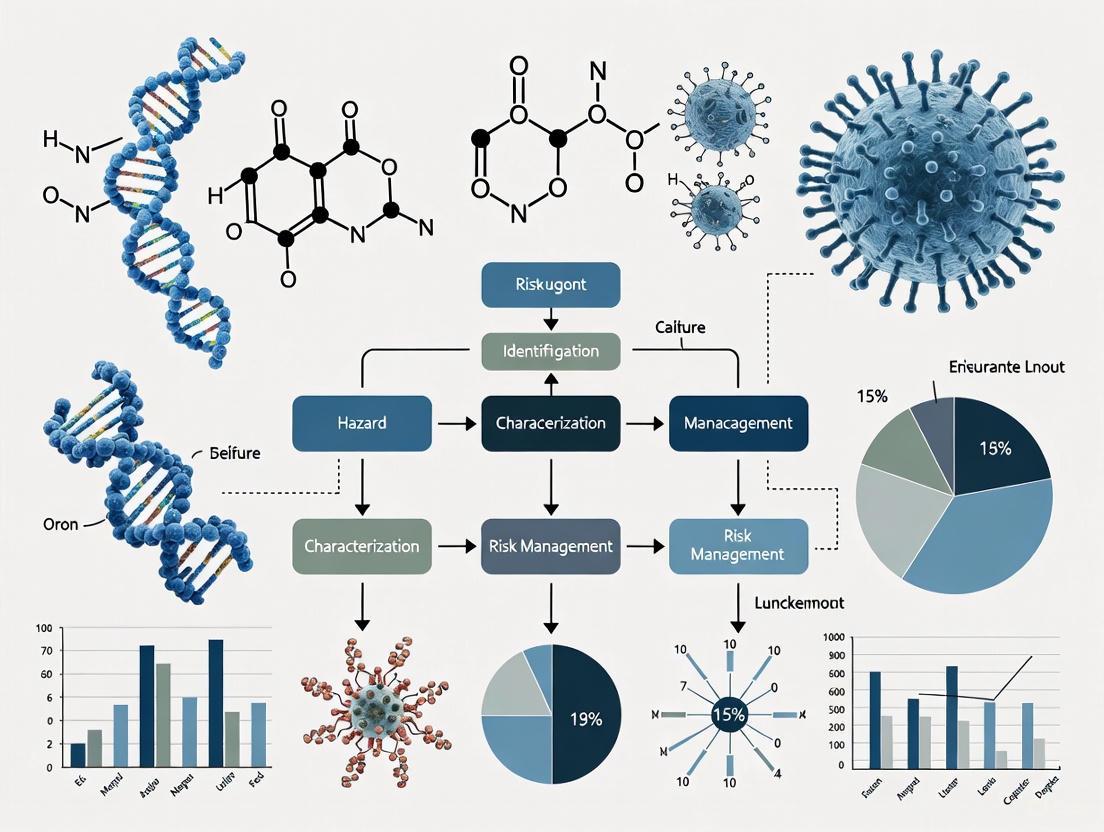
This article provides a detailed guide to the Environmental Risk Assessment (ERA) process for Advanced Therapy Medicinal Products (ATMPs) containing Genetically Modified Organisms (GMOs) in the European Union.
Environmental Risk Assessment for GMO ATMPs in the EU: A Comprehensive Guide for Developers and Researchers
Abstract
This article provides a detailed guide to the Environmental Risk Assessment (ERA) process for Advanced Therapy Medicinal Products (ATMPs) containing Genetically Modified Organisms (GMOs) in the European Union. Tailored for researchers, scientists, and drug development professionals, it covers the foundational regulatory framework, the step-by-step methodological approach for conducting an ERA, strategies to overcome common challenges in the fragmented regulatory landscape, and insights into the latest harmonization efforts and compliance validation. The content synthesizes the most current regulatory requirements, including the revised EMA guideline effective September 2024, to support the successful development and authorization of these innovative therapies.
Understanding GMO ATMPs and the EU's Regulatory Mandate for Environmental Safety
Defining GMO-based Advanced Therapy Medicinal Products (ATMPs)
Advanced Therapy Medicinal Products (ATMPs) represent a groundbreaking category of medicines for human use that are based on genes, cells, or tissues. Within this category, a significant subset consists of products that contain or consist of Genetically Modified Organisms (GMOs). These GMO-based ATMPs are developed through specific genetic modification techniques that alter the genetic material of an organism in a way that does not occur naturally [1]. The European Union has established a sophisticated regulatory framework to govern these complex products, balancing innovation with thorough assessment of their quality, safety, and efficacy, as well as their potential environmental impact [2] [3].
The development of GMO-based ATMPs requires navigating intersecting regulatory landscapes that address both medicinal product safety and environmental risk considerations. These products are subject to the standard medicinal product regulations alongside specific GMO requirements, creating a dual-track authorization process that varies across EU Member States [4] [3]. This framework aims to protect both patient health and the environment while facilitating the advancement of these promising therapies for conditions often lacking effective treatments, including genetic disorders, cancer, and tissue damage [2].
Classification and Regulatory Definitions
ATMP Categories under EU Regulation
The European Medicines Agency (EMA) classifies ATMPs into three main types, with gene therapy medicines and some somatic-cell therapies frequently falling under the GMO-based classification [2]. The table below outlines the core ATMP categories and their relationship to GMO definitions.
Table 1: Classification of ATMPs and GMO Considerations
| ATMP Category | Definition | GMO Relevance | Examples |
|---|---|---|---|
| Gene Therapy Medicines | Contain genes that lead to therapeutic, prophylactic or diagnostic effect by inserting recombinant DNA into the body [2] | High - most involve genetic modification using viral vectors or other nucleic acid delivery methods [1] | Treatments for genetic disorders, cancer, or long-term diseases using recombinant genes |
| Somatic-Cell Therapy Medicines | Contain cells or tissues that have been manipulated to change their biological characteristics [2] | Variable - depends on whether genetic modification is involved in the manipulation process [2] | Modified immune cells for cancer treatment; expanded stem cells for tissue repair |
| Tissue-Engineered Medicines | Contain cells or tissues that have been modified to repair, regenerate, or replace human tissue [2] | Variable - determined by the nature of modifications to cells or tissues | Cells embedded in biodegradable matrices or scaffolds for tissue reconstruction |
| Combined ATMPs | Incorporate one or more medical devices as an integral part of the medicine [2] | Variable - depends on the cellular or genetic components | Cells embedded in a biodegradable matrix or scaffold |
GMO Definition in the Context of ATMPs
According to UK Guidance Documents (which originated from EU Directives), a GMO is defined as an organism capable of replication or gene transfer that has been "altered in a way that does not occur naturally" [1]. Genetic modification occurs when the genetic material (DNA or RNA) is altered using specific technical methods, primarily:
- Recombinant nucleic acid techniques that create new genetic combinations by inserting nucleic acid molecules produced outside an organism into viruses, bacterial plasmids, or other vector systems [1]
- Direct introduction of heritable genetic material prepared outside an organism using methods such as micro-injection, macro-injection, or micro-encapsulation [1]
- Cell fusion or hybridization methods that produce live cells with new combinations of heritable genetic material through processes that do not occur naturally [1]
It is important to note that not all ATMPs are classified as GMOs. Some mRNA/gRNA-based therapies and gene-edited medicines (e.g., using CRISPR technology) are considered gene therapy medicinal products but may not necessarily fall under GMO regulations in all jurisdictions, highlighting the complexity of product classification [1].
Regulatory Framework for GMO-based ATMPs
EU Regulatory Structure and Key Institutions
The European Union has established a comprehensive regulatory framework for GMO-based ATMPs that involves multiple institutions and regulatory pathways. The cornerstone of this framework is the Advanced Therapy Medicinal Products Regulation (2001/83/EC and Regulation 726/2004/EC), which provides the central regulatory foundation [4] [3]. All advanced therapy medicines are authorized centrally via the European Medicines Agency (EMA), benefiting from a single evaluation and authorization procedure [2].
The Committee for Advanced Therapies (CAT) plays a pivotal role within EMA as a multidisciplinary expert committee responsible for assessing advanced therapy products [2] [3]. During the assessment procedure, the CAT prepares a draft opinion on the quality, safety, and efficacy of advanced therapy medicines, which it sends to the Committee for Medicinal Products for Human Use (CHMP). The CHMP then adopts an opinion recommending or opposing authorization, with the European Commission making the final decision [2].
For GMO-based ATMPs, additional regulatory frameworks apply, primarily consisting of the Contained Use Directive (2009/41/EC) and the Deliberate Release Directive (2001/18/EC) [1] [4]. These directives have been implemented differently across EU Member States, leading to a complex regulatory landscape where sponsors often need to submit separate applications for clinical trial authorization and GMO use authorization [4].
Regulatory Pathways and Timelines
The regulatory journey for GMO-based ATMPs involves multiple parallel processes that can significantly impact development timelines. The table below summarizes key regulatory pathways and their associated timelines.
Table 2: Regulatory Pathways and Designations for ATMP Development
| Regulatory Pathway | Purpose | Key Features | Impact on Timeline |
|---|---|---|---|
| Centralized Authorization | Mandatory marketing authorization for ATMPs in EU [2] | Single evaluation procedure across EU; EMA/CAT assessment | Standard timeline with clock stops for questions |
| PRIME Scheme | Accelerate development of therapies with major therapeutic advantages [4] | Early rapporteur nomination, enhanced SA meetings, accelerated assessment | Can reduce development time through early guidance |
| Clinical Trial Regulation | Harmonize clinical trial application process across EU [4] | Single Application via CTIS; simultaneous assessment by multiple NCAs | Streamlines multinational trial approvals |
| GMO Contained Use Authorization | Assess environmental and human health risks from GMOs [1] | Separate from clinical trial application; requires risk assessment and classification | Can delay trial commencement by up to 12 months [4] |
| Orphan Drug Designation | Encourage treatments for rare diseases (<200,000 patients) [4] | Protocol assistance, fee reductions, market exclusivity | Accelerates development through financial incentives |
| SME Support | Assist small and medium enterprises in ATMP development [2] | Fee reductions, certification of quality and non-clinical data | Reduces financial barriers to development |
The GMO authorization process represents a particular challenge, with industry position papers suggesting that GMO applications could delay trial commencement by up to 12 months due to duplicative processes and potential lack of expertise in GMO medicines among national authorities [4].
Environmental Risk Assessment Framework
Legal Basis and Core Requirements
Environmental Risk Assessment (ERA) for GMO-based ATMPs is governed by two main regulatory frameworks: the Contained Use Directive (2009/41/EC) and the Deliberate Release Directive (2001/18/EC) [4] [3]. The fundamental distinction in regulatory pathway depends on whether the GMO-ATMP is considered for contained use or deliberate release, with nearly all clinical applications falling under contained use regulations [1].
The EMA has developed specific guidelines for ERA of gene therapy medicinal products, including the "Guideline on scientific requirements for the environmental risk assessment of gene therapy medicinal products" (CHMP/GTWP/125491/06) [5]. These guidelines address the unique properties of biological medicinal products consisting of or containing GMOs and outline the data requirements for evaluating their potential environmental impact.
Risk Classification System
GMOs are classified into one of four risk classes based on their potential impact on human health and the environment, with most clinical studies involving GMOs falling into the lowest hazard categories (Class 1 and 2) [1]. The classification system is as follows:
- Class 1: Negligible risk
- Class 2: Low risk
- Class 3: Moderate risk
- Class 4: High risk
This classification is determined through a detailed risk assessment that considers the properties of the GMO, containment measures, and control procedures [1]. The classification directly impacts the regulatory requirements, with Class 1 activities facing the least stringent notification procedures and Class 3/4 activities requiring formal approval before commencement.
ERA Process Flow
Key Assessment Criteria
The environmental risk assessment for GMO-based ATMPs focuses on several critical factors:
- Shedding and Transmission Potential: Evaluation of the possibility that the GMO-ATMP or its genetic material could be released from patients through various bodily fluids or excreta [4]
- Horizontal Gene Transfer: Assessment of the risk that genetic material could transfer to other organisms in the environment [5]
- Persistence and Dissemination: Analysis of the GMO's ability to survive and spread in the environment [1]
- Pathogenicity and Toxicity: Evaluation of potential harmful effects on humans, animals, or ecosystems [1]
- Containment Measures: Review of physical, chemical, and biological barriers to prevent environmental release [1]
The EMA's "Guideline on safety and efficacy follow-up and risk management of advanced therapy medicinal products" (EMEA/149995/2008) provides comprehensive guidance on these assessment criteria, emphasizing the need for long-term monitoring and risk management strategies [5].
Experimental Protocols for ERA
Shedding Studies Protocol
Shedding studies are critical for assessing the potential release of GMO-based ATMPs from treated patients into the environment. The FDA mandates viral-vector-shedding data collection during clinical trials, focusing particularly on horizontal transmission risks [4].
Objective: To detect and quantify the presence of recombinant vectors or genetically modified cells in patient bodily fluids and excreta at various time points post-administration.
Materials and Reagents:
Table 3: Essential Research Reagents for Shedding Studies
| Reagent/Material | Function | Application Notes |
|---|---|---|
| qPCR Master Mix | Amplification and detection of vector-specific sequences | Select assays targeting unique vector regions (e.g., promoter, transgene) |
| Vector-Specific Primers/Probes | Specific detection of recombinant nucleic acids | Design to avoid cross-reactivity with endogenous sequences |
| RNA Extraction Kit | Isolation of viral RNA from clinical samples | For RNA viral vectors; ensure integrity preservation |
| DNA Extraction Kit | Isolation of genomic DNA from cells | High-quality DNA for integration site analysis |
| Cell Culture Media | Propagation and analysis of viable vectors | Assess vector replication competence |
| Positive Control Plasmids | Quantification standards for molecular assays | Contain target sequences for calibration curves |
| Nuclease-Free Water | Diluent for molecular biology reactions | Prevents nucleic acid degradation |
Methodology:
- Sample Collection: Collect appropriate patient samples based on vector type and administration route. For in vivo gene therapies, typically include saliva, urine, feces, blood, semen, and sometimes swabs from administration sites.
- Sample Processing: Process samples to isolate nucleic acids or viable vector particles using validated extraction methods that maintain sample integrity and prevent cross-contamination.
- Analytical Detection:
- Perform quantitative PCR (qPCR) or digital PCR (dPCR) using vector-specific primers to detect and quantify vector genomes
- Use plaque assays or cell culture infectivity assays for replication-competent vectors to assess viability
- Analyze samples at multiple time points (e.g., days 1, 3, 7, 14, 28, and months 3, 6) to establish shedding kinetics
- Data Analysis: Calculate shedding kinetics, including peak shedding concentration, duration of shedding, and total shedding profile. Compare to established thresholds of concern.
Interpretation: Positive shedding results do not necessarily indicate environmental risk but must be evaluated in the context of vector characteristics, including ability to persist, replicate, or transfer genetic material in the environment.
Biodistribution Studies Protocol
Biodistribution studies examine the trafficking and persistence of GMO-based ATMPs within the patient's body, which informs potential environmental exposure routes.
Objective: To determine the tissue distribution, persistence, and potential germline transmission of GMO-based ATMPs following administration.
Materials and Reagents:
- Tissue collection and preservation equipment
- Nucleic acid extraction kits optimized for various tissue types
- Vector-specific detection reagents (as in shedding studies)
- Histological staining materials
- In situ hybridization kits for tissue localization
Methodology:
- Study Design: Implement appropriate sampling schedules based on product characteristics, typically including early (1-2 weeks), intermediate (4-8 weeks), and late time points (12+ weeks) post-administration.
- Tissue Collection: Collect comprehensive tissue panels including gonads (to assess germline transmission potential), vector administration site, relevant organs for the disease, and distant tissues.
- Sample Analysis:
- Homogenize tissues and extract nucleic acids using validated methods
- Perform qPCR/dPCR with vector-specific assays to quantify vector copies per microgram of DNA
- Conduct integration site analysis if relevant using techniques like LAM-PCR or next-generation sequencing
- Perform in situ hybridization or immunohistochemistry to localize vector or transgene expression at the cellular level
- Germline Transmission Assessment: Specifically analyze gonadal tissues for vector presence and assess potential for incorporation into germ cells.
Interpretation: The ICH guideline S12 on nonclinical biodistribution considerations for gene therapy products provides framework for interpreting results and extrapolating to human trials [5]. Evidence of germline transmission would represent a significant environmental concern and require extensive additional evaluation.
Vector Transmission and Environmental Persistence Studies
Objective: To evaluate the potential for GMO-based ATMPs to transmit to non-target organisms or persist in the environment.
Materials and Reagents:
- Environmental simulation systems (aquatic, soil)
- Cell lines for co-culture transmission studies
- Culture media for various potential recipient organisms
- PCR and culture-based detection methods
Methodology:
- Horizontal Transmission Assessment:
- Set up co-culture systems with the GMO-ATMP and potential human or environmental recipient cells
- Assess gene transfer frequency under various conditions
- Evaluate whether transferred genes provide selective advantage
- Environmental Persistence Testing:
- Introduce the GMO-ATMP into simulated environmental systems (water, soil, waste systems)
- Monitor persistence using both molecular (PCR) and culture-based methods
- Assess potential for replication or propagation in environmental samples
- Inactivation Kinetics:
- Evaluate decay rates under various environmental conditions (temperature, pH, UV exposure)
- Test effectiveness of standard disinfectants and waste treatment procedures
Interpretation: These studies help define appropriate containment measures, waste handling procedures, and environmental monitoring requirements for clinical trials and commercial use of GMO-based ATMPs.
Regulatory Approval Process for GMO-based ATMPs
The Contained Use Authorization Pathway
For clinical trials with GMO-based ATMPs, the contained use pathway applies when specific physical, chemical, or biological barriers are used to limit contact with, and provide protection for, humans and the environment [1]. Nearly all cases of GMO-ATMP treatment within clinical settings in the UK and EU fall under the Contained Use Regulation [1].
The step-by-step contained use authorization process involves:
Table 4: Step-by-Step Contained Use Authorization Process
| Procedural Step | Description | Typical Timeline |
|---|---|---|
| Risk Assessment and Classification | Sponsor prepares detailed risk assessment covering risks to human health and environment; GMO classified as Class 1-4 [1] | 4-8 weeks |
| Premises Notification | Clinical site notifies HSE/HSENI if first GMO activity (all classes); adds site to public register [1] | 2-4 weeks |
| GMSC Review | Local Genetic Modification Safety Committee reviews and endorses risk assessment [1] | 4-8 weeks |
| Contained Use Application | Biological Safety Officer compiles application with risk assessment, SOPs, and submits to HSE/HSENI [1] | 2-4 weeks preparation |
| HSE/SAGCM Review | HSE registers submission; may refer to Scientific Advisory Committee for complex cases [1] | Class 1/2: 45 days; Class 3/4: up to 6 months |
| Decision/Commencement | Class 1/2: can start after GMSC sign-off and submission; Class 3/4: formal approval required [1] | Immediate to 4 weeks after approval |
| Post-Approval Maintenance | Site must notify significant changes; additional locations can be added as administrative notifications [1] | Ongoing |
Key Stakeholders and Institutional Responsibilities
The regulatory process for GMO-based ATMPs involves multiple stakeholders with distinct responsibilities:
- Health and Safety Executive (HSE): Serves as the competent authority overseeing the safe use of GMOs, assessing risk notifications, enforcing containment standards, and providing guidance [1]
- Biological Safety Officer (BSO): Coordinates GMO activities between clinicians and internal/external GMSCs, applies risk assessment measures, and engages with the sponsor's Regulatory Affairs Manager [1]
- Genetic Modification Safety Committee (GMSC): Multi-disciplinary committee (e.g., pharmacists, trial nurses, infection control staff, BSO, clinicians) that must risk-assess the product before any ATMP trial can proceed on hospital or university premises [1]
- Gene Therapy Advisory Committee (GTAC): Provides specialized ethics review for ATMP trials [1]
- Committee for Advanced Therapies (CAT): EMA committee responsible for scientific assessment of ATMP quality, safety, and efficacy [2]
GMO ATMP Regulatory Stakeholders
Recent Developments and Future Perspectives
The regulatory landscape for GMO-based ATMPs continues to evolve rapidly. Recent initiatives aim to address challenges identified in the development pathway while maintaining appropriate protections for patients and the environment.
The European Commission and EMA have implemented a joint action plan on ATMPs to streamline procedures and better address the specific requirements of ATMP developers [2] [3]. This includes updated procedural advice on ATMP evaluation and revised guidelines on safety and efficacy follow-up [2].
To facilitate multinational trials, several EU Member States have endorsed common application forms and good practice documents for specific product categories:
- AAV Vectors: A Good Practice document on the assessment of GMO-related aspects in clinical trials with AAV clinical vectors has been endorsed by 21 countries [3]
- Human Cells Genetically Modified: Similar harmonized approach developed for human cells genetically modified by viral vectors, endorsed by 23 countries [3]
- Oncolytic Viruses: A document on considerations for the evaluation of shedding from oncolytic viruses has been endorsed by multiple countries [3]
The EMA has also launched an ATMP pilot for academia and non-profit organizations to provide increased regulatory support, including guidance throughout the regulatory process and fee reductions, aiming to boost the number of advanced therapies reaching patients [2].
Looking forward, continued harmonization of GMO assessment requirements across Member States and further development of product-specific guidance are expected to facilitate more efficient development of GMO-based ATMPs while ensuring comprehensive assessment of their environmental and health impacts.
Advanced Therapy Medicinal Products (ATMPs), encompassing gene therapies, somatic-cell therapies, and tissue-engineered products, represent a transformative class of treatments for conditions ranging from genetic disorders to cancer [2]. The European Union has established a sophisticated regulatory framework to govern these innovative therapies, balancing the imperative of patient safety with the need to foster scientific innovation. The legal cornerstone for this framework is Directive 2001/83/EC, which provides the overarching legislation for medicinal products in the European Community [6]. This directive, particularly in its provisions for advertising and information, creates the foundation upon which specific ATMP regulations are built.
For ATMPs that consist of or contain Genetically Modified Organisms (GMOs), the regulatory landscape becomes increasingly complex. These products are subject to additional layers of oversight under Directive 2001/18/EC on the deliberate release of GMOs into the environment [7]. The integration of these directives creates a dual-track approval process where developers must navigate both medicinal product and environmental safety regulations. The first half of 2025 has seen significant sector growth, with Europe on track for 5-6 ATMP approvals and hosting 304 active clinical trials, underscoring the practical importance of this regulatory framework [8]. This application note delineates the legal basis provided by Directive 2001/83/EC, clarifies the roles of the European Medicines Agency (EMA) and national authorities, and provides detailed protocols for environmental risk assessment compliance within EU research contexts.
Legal Foundations: Directive 2001/83/EC and its Application to ATMPs
Core Provisions of Directive 2001/83/EC
Directive 2001/83/EC establishes the community code relating to medicinal products for human use, with specific provisions that directly impact ATMP development and commercialization. The Directive's definition of advertising is particularly broad, encompassing "any form of door-to-door information, canvassing activity or inducement designed to promote the prescription, supply, sale or consumption of medicinal products" [6]. For ATMPs, which often represent novel therapeutic paradigms with significant public interest, these provisions ensure that communication remains accurate, balanced, and scientifically valid.
Key elements of the Directive with specific relevance to ATMPs include:
- Marketing Authorization Requirement: Article 87 stipulates that no medicinal product may be advertised without a marketing authorization, and all advertising must comply with the particulars listed in the Summary of Product Characteristics (SmPC) [6]. This is especially critical for ATMPs, where the complexity of the mode of action requires precise communication to both healthcare professionals and patients.
- Restrictions on Direct-to-Consumer Advertising: Article 88 prohibits advertising to the general public for prescription-only medicines, including most ATMPs, though it does provide an exception for vaccination campaigns approved by competent authorities [6].
- Information Standards: Article 92 requires that all documentation used in the promotion of a medicinal product must be "accurate, up-to-date, verifiable and complete" and must faithfully reproduce any quotations from scientific works with precise sources indicated [6]. This supports the rigorous scientific discourse necessary for advanced therapies.
The ATMP Regulatory Framework and its Connection to Directive 2001/83/EC
The EU's specific regulation on advanced therapies operates within the broader context established by Directive 2001/83/EC, creating a specialized pathway for these complex products. The framework is designed to "ensure the free movement of advanced therapy products within Europe, to facilitate access to the EU market, and to foster the competitiveness of European companies in the field, while guaranteeing the highest level of health protection for patients" [3]. The regulation establishes four key elements that build upon the foundation of Directive 2001/83/EC: a centralized marketing authorization procedure, the Committee for Advanced Therapies (CAT) within the EMA, adapted technical requirements for these innovative products, and special incentives for small and medium-sized enterprises [3].
Table: Key Regulatory Milestones for ATMPs in the EU
| Date | Initiative | Purpose | Relevance to GMO-ATMPs |
|---|---|---|---|
| 2007 | ATMP Regulation (EC) No 1394/2007 | Establish a specialized framework for ATMPs | Creates centralized procedure for all ATMPs including GMO-based products |
| October 2017 | Joint Action Plan on ATMPs | Streamline procedures and address specific requirements of ATMP developers | Aims to reduce regulatory burdens while maintaining safety standards |
| November 2017 | GMP Guidelines for ATMPs | Provide specific Good Manufacturing Practice framework adapted to ATMP characteristics | Ensures manufacturing quality for complex GMO-ATMP products |
| October 2019 | GCP Guidelines for ATMPs | Provide specific Good Clinical Practice framework for ATMP clinical trials | Guides ethical and scientific standards for clinical research |
| September 2022 | ATMP Pilot for Academia | Provide increased regulatory support to non-profit ATMP developers | Offers fee reductions and guidance for developers targeting unmet needs |
Institutional Roles: EMA and National Authorities
The European Medicines Agency and the Committee for Advanced Therapies
The European Medicines Agency serves as the central coordinating body for the evaluation and supervision of ATMPs in the European Union. All ATMPs must be authorized through the centralized marketing authorization procedure, which provides a single evaluation and authorization valid across all member states [2]. This centralized approach is particularly valuable for GMO-ATMPs, ensuring consistent standards for environmental risk assessment and product quality throughout the EU market.
Within the EMA, the Committee for Advanced Therapies (CAT) plays a pivotal role in the scientific assessment of ATMPs. The CAT's responsibilities are multifaceted and essential for maintaining scientific rigor in the evaluation process [2]:
- Conducting the initial scientific assessment of marketing authorization applications for ATMPs and preparing draft opinions on their quality, safety, and efficacy
- Providing recommendations on the classification of borderline products as ATMPs
- Evaluating applications for certification of quality and non-clinical data for small and medium-sized enterprises
- Contributing scientific advice to ATMP developers during the research and development phase
- Advising on the conduct of efficacy follow-up, pharmacovigilance, and risk management systems for ATMPs
The CAT works closely with the Committee for Medicinal Products for Human Use (CHMP), which formally recommends whether a marketing authorization should be granted based on the CAT's scientific opinion [2]. This collaborative structure ensures that both product-specific expertise and broader medicinal product standards are applied to each ATMP application.
National Competent Authorities and their Responsibilities
While the EMA provides centralized authorization, National Competent Authorities (NCAs) implement and enforce pharmaceutical regulations at the member state level. Their responsibilities include overseeing clinical trial applications, monitoring compliance with Good Manufacturing Practice (GMP) and Good Clinical Practice (GCP), and enforcing the provisions of Directive 2001/83/EC regarding advertising and promotion [6]. The decentralized implementation of the Directive means that while the fundamental provisions are harmonized, there can be significant differences in how member states incorporate them into national law [6].
For GMO-ATMPs, national authorities have the critical responsibility of implementing GMO-specific regulations alongside medicinal product requirements. For example, the Paul-Ehrlich-Institut in Germany requires that for clinical trials with GMO-containing investigational products, "an environmental risk assessment (ERA) in accordance with Annex II of Directive 2001/18/EC needs to be submitted" [7]. The interface between medicinal product regulation and GMO regulation creates a complex landscape that requires careful navigation by researchers and developers.
Table: Key Stakeholders in GMO-ATMP Regulation and Their Roles
| Stakeholder | Role in GMO-ATMP Regulation | Relevant Responsibilities |
|---|---|---|
| European Medicines Agency (EMA) | Centralized scientific evaluation and supervision | Assess quality, safety, efficacy of ATMPs; provides EU-wide marketing authorization |
| Committee for Advanced Therapies (CAT) | Provide specialized ATMP expertise within EMA | Leads scientific assessment of ATMP applications; classifies borderline products |
| National Competent Authorities (NCAs) | Implement and enforce regulations at member state level | Monitor clinical trials, GMP compliance, and advertising rules per Directive 2001/83/EC |
| Health and Safety Executive (HSE) | Oversee GMO safety in certain member states (e.g., UK) | Assess risk notifications; enforce containment standards; classify GMOs [1] |
| Local Genetic Modification Safety Committees (GMSCs) | Institutional-level review and risk assessment | Advise on containment procedures, waste disposal, and biological safety practices [1] |
Environmental Risk Assessment for GMO-ATMPs: Protocols and Procedures
Legal Basis for Environmental Risk Assessment
The environmental risk assessment (ERA) for GMO-ATMPs is mandated under Directive 2001/18/EC on the deliberate release of genetically modified organisms into the environment [7]. This directive requires that any clinical trial involving investigational products which contain or are GMOs must undergo a comprehensive ERA to evaluate potential risks to human health and the environment. The legal requirement is separate from, but parallel to, the medicinal product regulations under Directive 2001/83/EC, creating a dual regulatory obligation for developers of GMO-ATMPs.
The definition of a GMO is critical in determining whether these additional requirements apply. According to implementing regulations, a GMO is defined as an organism "altered in a way that does not occur naturally" through specific techniques including recombinant nucleic acid methods, techniques that directly introduce heritable genetic material prepared outside an organism, and cell fusion methods that do not occur naturally [1]. Most gene therapy products and many cell therapies fall within this definition, though some gene-edited medicines using technologies like CRISPR may not be classified as GMOs depending on the specific modification [1].
Experimental Protocol for Environmental Risk Assessment
Protocol 1: ERA for GMO-ATMPs Under Contained Use
Purpose: To assess the environmental risks of GMO-ATMPs when used under contained conditions (typically clinical settings) as required by Directive 2001/18/EC and implemented by national competent authorities.
Materials and Reagents:
- Research Reagent Solutions:
- Nucleic Acid Extraction Kits: For isolating and quantifying vector DNA/RNA from environmental samples
- Cell Culture Media: Specifically formulated for maintaining potential environmental host cells that may have taken up GMO components
- PCR Reagents: For detecting presence of modified genetic sequences in environmental samples
- Viral Vector Quantification Assays: For measuring vector shedding and persistence
- Cell Viability Assays: To assess survival and replication potential of genetically modified cells in environmental conditions
Methodology:
- Characterization of the GMO-ATMP
- Determine the complete nucleotide sequence of the genetically modified sequences
- Identify the function of the inserted genetic material and its regulatory elements
- Characterize the vector system (viral/non-viral) and its replication competence
- Assess genetic stability and potential for horizontal gene transfer
Shedding Assessment
- Collect and analyze patient samples (blood, urine, feces, saliva) at multiple timepoints post-administration
- Use validated PCR-based methods to detect and quantify GMO material in samples
- Determine the duration and magnitude of shedding
- Assess the potential for secondary transmission
Persistence and Environmental Fate Studies
- Evaluate survival of genetically modified cells/vectors under various environmental conditions (temperature, pH, UV exposure)
- Assess potential for transfer of genetic material to environmental microorganisms
- Determine degradation kinetics of vector systems and nucleic acids
Hazard Characterization
- Evaluate potential toxic or pathogenic effects on non-target organisms
- Assess potential consequences of gene transfer to environmental microorganisms
- Determine the likelihood and consequences of integration into genomes of non-target species
Exposure Assessment
- Identify potential pathways of exposure for the general population and environment
- Quantify potential exposure levels under worst-case scenarios
- Evaluate the effectiveness of containment measures (personal protective equipment, waste management procedures)
Risk Characterization and Management
- Integrate hazard and exposure assessments to characterize overall risk
- Propose risk management strategies including containment measures, monitoring protocols, and emergency response plans
- Document all findings in a comprehensive ERA report for regulatory submission
Implementation Notes:
- The ERA must be conducted in parallel with clinical development activities
- Early consultation with national competent authorities is essential to determine specific data requirements
- For multi-center trials, the ERA should account for variations in local environmental conditions and implementation of containment measures
Compliance Pathways and Regulatory Strategy
Navigating the Dual Regulatory Framework
Successfully navigating the dual regulatory framework of medicinal product regulation (Directive 2001/83/EC) and GMO regulation (Directive 2001/18/EC) requires a strategic approach to compliance. The regulatory pathway for a GMO-ATMP involves parallel submissions to both medicinal product and GMO competent authorities, with authorization required from both before clinical trials can proceed or products can be marketed [1]. The diagram below illustrates this integrated regulatory pathway.
Practical Compliance Strategies for Researchers
For researchers and developers operating within the EU framework, several practical strategies can facilitate compliance with the complex regulatory requirements for GMO-ATMPs:
- Early Engagement with Regulatory Authorities: Utilize scientific advice procedures from the CAT and engage with national competent authorities during the research phase to align development strategies with regulatory expectations [2].
- Leverage Regulatory Support Mechanisms: Take advantage of specific initiatives such as the ATMP pilot for academia and non-profit organizations which provides dedicated regulatory guidance and fee reductions [2].
- Implement Integrated Risk Management: Develop a comprehensive risk management plan that addresses both medicinal product risks (quality, safety, efficacy) and GMO-specific environmental risks in a coordinated manner.
- Utilize Harmonized Application Forms: For multi-national clinical trials, use the common application forms developed at the European level for GMO-containing investigational products to streamline submissions across member states [3].
- Proactive Pharmacovigilance Planning: Design robust pharmacovigilance and environmental monitoring systems during the development phase, considering the long-term follow-up requirements for many ATMPs.
The regulatory framework for GMO-ATMPs in the European Union represents a carefully balanced system designed to promote innovation while ensuring patient safety and environmental protection. Directive 2001/83/EC provides the fundamental legal basis for medicinal product regulation, while Directive 2001/18/EC addresses the specific environmental considerations of GMOs. The EMA, through its Committee for Advanced Therapies, provides centralized scientific expertise and authorization, while national competent authorities implement and enforce regulations at the member state level.
For researchers and developers, successful navigation of this framework requires a comprehensive understanding of both medicinal product and GMO regulations, early and ongoing engagement with regulatory authorities, and meticulous attention to environmental risk assessment requirements. As the ATMP sector continues to evolve—with Europe projecting 5-6 approvals in 2025 and significant clinical progress in treating neurological disorders—the regulatory framework will continue to adapt to scientific advances while maintaining its fundamental commitment to public health and environmental safety [8]. By adhering to the protocols and strategies outlined in this application note, researchers can contribute to the advancement of these transformative therapies while ensuring full compliance with EU regulatory requirements.
Environmental Risk Assessment (ERA) is a mandatory and integral component of the development and authorisation process for Genetically Modified Organism-based Advanced Therapy Medicinal Products (GMO-ATMPs) in the European Union [9]. Advanced Therapy Medicinal Products (ATMPs) represent a innovative class of medicines for human use that include gene therapy medicines, somatic-cell therapy medicines, and tissue-engineered medicines [2]. When these therapies contain or consist of genetically modified organisms, they introduce unique environmental considerations that necessitate rigorous evaluation before they can be used in clinical trials or reach the market [10].
The mandatory nature of ERA stems from the fundamental precautionary principle in EU regulation, which aims to identify and mitigate potential adverse effects before they occur [11] [9]. Unlike chemical drugs, GMO-ATMPs involve living biological materials that may persist, spread, or interact with ecosystems in unpredictable ways. The European regulatory framework recognizes that even with contained use, potential pathways exist for environmental exposure through accidental dispersal during handling, administration, or via patient excreta [11] [10]. This application note examines the scientific and regulatory rationale making ERA mandatory, provides structured protocols for its implementation, and details the critical role it plays in safeguarding both ecosystems and public health within EU research contexts.
Regulatory Framework and Legal Basis
EU Regulatory Requirements
The legal foundation for mandatory ERA of GMO-ATMPs in the European Union is established through several interconnected directives and regulations. Directive 2001/18/EC governs the deliberate release of genetically modified organisms into the environment and forms the cornerstone of ERA requirements [10]. This is complemented by Regulation 1394/2007 (the ATMP Regulation), which establishes specific rules concerning the authorization, supervision, and pharmacovigilance of advanced therapy medicinal products [2] [12].
The European Medicines Agency (EMA) plays a central role in the evaluation process through its Committee for Advanced Therapies (CAT), which provides expertise on ATMP assessment including ERA evaluation [2]. For marketing authorization applications, the ERA must be included as Section 1.6.2 of the Module 1 dossier and is assessed as part of the centralized procedure [10]. The EMA has developed specific guidelines to assist developers in preparing adequate ERA submissions, including "Guideline on environmental risk assessments for medicinal products consisting of, or containing, genetically modified organisms (GMOs)" (EMEA/CHMP/BWP/473191/2006) and "Guideline on scientific requirements for the environmental risk assessment of gene therapy medicinal products" (CHMP/GTWP/125491/06) [5] [10].
Table 1: Regulatory Basis for ERA of GMO-ATMPs in the EU
| Regulatory Document | Key Provisions | Application Stage |
|---|---|---|
| Directive 2001/18/EC [10] | Framework for deliberate release of GMOs; Annex II outlines ERA principles | Clinical trials and marketing authorization |
| ATMP Regulation (EC) 1394/2007 [12] | Specific rules for ATMP authorization and supervision | Marketing authorization |
| Directive 2009/41/EC [10] | Regulates contained use of GMOs | Manufacturing and storage |
| EMA Guideline EMEA/CHMP/BWP/473191/2006 [5] [10] | Detailed guidance on ERA content and format | Marketing authorization |
Comparative Global Regulatory Approaches
The mandatory nature of ERA for GMO-ATMPs represents a distinctly comprehensive approach within global regulatory frameworks. While the EU requires complete ERA submissions prior to first-in-human trials, during clinical development, and for marketing authorization, the United States takes a more phased approach [10]. The US FDA generally grants categorical exclusions from ERA requirements for Investigational New Drug (IND) applications unless extraordinary circumstances exist, with most ERA evaluations occurring nearer to commercialization [10]. This regulatory divergence means EU developers must invest significantly more resources in early-stage environmental risk characterization than their US counterparts.
Japan's regulatory system occupies a middle ground, with requirements that differ from both EU and US approaches [9]. This regulatory heterogeneity creates significant challenges for global development programs, necessitating careful strategic planning for GMO-ATMPs intended for multiple markets. The EU's stringent position reflects its application of the precautionary principle, which prioritizes environmental protection even in the face of scientific uncertainty [9].
Scientific Rationale for Mandatory ERA
Potential Environmental Hazards of GMO-ATMPs
The mandatory ERA requirement for GMO-ATMPs is justified by several scientifically plausible pathways through which these advanced therapies could adversely impact ecosystems or public health. The predominant concern involves viral vectors, which constitute the delivery platform for approximately 20 of the 21 gene therapy products approved in the EU and US by 2023 [9]. These vectors, while typically engineered to be replication-deficient, retain certain biological properties that warrant careful environmental evaluation.
The primary risk pathways include:
- Horizontal gene transfer: The potential for genetic material to be transferred to environmental microorganisms or human commensal bacteria, potentially conferring new traits or functions [9]
- Pathogenicity restoration: Recombination events between viral vectors and wild-type viruses that could restore replication competence or alter host range [9]
- Tropism alteration: Modification of vector tropism through environmental interactions that could enable infection of non-target species [9]
- Ecological fitness enhancement: Unintended consequences if genetically modified organisms were to persist in ecosystems and outcompete native species [10]
These potential adverse effects necessitate thorough investigation as they could lead to irreversible ecological consequences or public health impacts beyond the intended patient population.
Exposure Pathways in Healthcare Settings
GMO-ATMPs present unique exposure pathways throughout their medication circuit in healthcare settings, justifying the comprehensive ERA requirement. A systematic review of environmental exposure assessment for ATMPs identified multiple critical points where environmental release could occur [11]:
Table 2: Potential Environmental Exposure Pathways for GMO-ATMPs
| Stage in Medication Circuit | Potential Exposure Route | Risk Level |
|---|---|---|
| Storage and Handling | Accidental spillage or breakage of containers | Moderate to High |
| Preparation/Reconstitution | Aerosolization during manipulation in pharmacy | Moderate |
| Administration | Leakage during intravenous infusion or direct tissue injection | Moderate |
| Patient Excretion | Shedding via feces, urine, saliva, or other bodily fluids | Variable |
| Waste Disposal | Inappropriate disposal of unused product or contaminated materials | Moderate |
Environmental shedding of viral vectors through patient excreta represents a particularly complex exposure pathway to quantify and manage. Studies have detected viral vectors in various bodily fluids for varying durations post-treatment, creating potential for environmental dissemination beyond controlled healthcare settings [9]. This justifies the mandatory requirement for shedding studies as part of the comprehensive ERA process.
ERA Methodology and Experimental Protocols
Six-Step ERA Framework
The ERA for GMO-ATMPs in the EU follows a structured six-step methodology as outlined in regulatory guidelines [11] [9]. This systematic approach ensures comprehensive evaluation of potential risks:
Diagram 1: The Six-Step ERA Process for GMO-ATMPs
Step 1: Hazard Identification
This initial phase involves detailed characterization of the GMO-ATMP's biological properties that could cause adverse effects [11]. Critical experiments include:
- Genetic characterization: Complete sequence analysis of the inserted genetic material, including regulatory elements and marker genes
- Phenotypic characterization: Assessment of novel traits expressed by the GMO compared to the parental organism
- Vector stability studies: Evaluation of genetic stability under environmental conditions
- Host range analysis: Investigation of the potential for infection or gene transfer to non-target species
Step 2: Hazard Characterization
This step evaluates the potential consequences of each identified adverse effect and their magnitude [11]. Protocol includes:
- Dose-response assessment: Relationship between exposure level and effect severity
- Pathogenicity testing: Assessment of disease-causing potential in model systems
- Ecological impact assessment: Evaluation of potential effects on ecosystem structure and function
Step 3: Exposure Assessment
This critical phase evaluates the likelihood of adverse effects occurring [11]. Key experimental approaches:
- Shedding studies: Quantitative analysis of GMO excretion routes, duration, and concentration in clinical trials
- Environmental persistence studies: Evaluation of GMO survival and stability in relevant environmental matrices
- Transmission studies: Assessment of potential for secondary spread to other individuals or species
Specific Experimental Protocols
Protocol 1: Viral Shedding Assessment
Objective: To quantitatively measure the excretion of viral vectors in various bodily fluids from treated patients.
Materials and Methods:
- Collect serial samples of saliva, urine, feces, semen, and blood at predetermined timepoints post-administration
- Use validated PCR-based assays (qPCR/ddPCR) to quantify vector genomes
- Assess vector infectivity in permissive cell lines when feasible
- Continue sampling until two consecutive timepoints show negative results
Data Analysis:
- Calculate peak shedding concentration and time to peak
- Determine mean duration of shedding for each matrix
- Establish elimination kinetics and time to clearance
Protocol 2: Environmental Persistence Testing
Objective: To evaluate the survival and stability of GMO-ATMPs in relevant environmental conditions.
Materials and Methods:
- Inoculate environmental samples (soil, water, surfaces) with known concentrations of the GMO-ATMP
- Incubate under controlled conditions simulating natural environments
- Sample at regular intervals to quantify viable GMO and genetic material
- Assess potential for replication or genetic transfer in environmental samples
Data Analysis:
- Determine decay rates and half-life in various matrices
- Model potential environmental accumulation under realistic use scenarios
Research Reagent Solutions for ERA Studies
Table 3: Essential Research Reagents for GMO-ATMP ERA Studies
| Reagent Category | Specific Examples | Application in ERA |
|---|---|---|
| Detection & Quantification | qPCR/ddPCR assays for vector genomes; TCID₅₀ assays for infectious titer | Shedding studies, environmental persistence testing [9] |
| Cell Culture Systems | Permissive cell lines for vector propagation; Reporter cell lines for infectivity assays | Host range studies, transmission potential assessment [9] |
| Environmental Matrices | Standardized soil, water, and surface samples; Natural environmental microcosms | Environmental persistence and transfer studies [11] |
| Molecular Biology Tools | Nucleic acid extraction kits; Sequencing reagents; Cloning systems | Genetic characterization, stability assessment [9] |
| Animal Models | Immunocompromised models; Relevant species for ecotoxicity | Pathogenicity, transmission, and tropism studies [9] |
Risk Management and Mitigation Strategies
The mandatory ERA process directly enables the development of targeted risk management strategies for GMO-ATMPs throughout their lifecycle. Based on ERA findings, specific containment measures are implemented to minimize environmental exposure [10].
For GMO-ATMPs with identified shedding potential, risk management typically includes:
- Environmental containment protocols in healthcare settings, including designated administration areas and specialized waste handling procedures [11]
- Patient monitoring and education regarding potential transmission risks to close contacts, with specific hygiene recommendations [9]
- Waste management systems designed to inactivate GMO-ATMPs before disposal, including validated decontamination procedures for materials contaminated with patient excreta [11]
- Long-term environmental monitoring plans for products with persistence concerns, particularly for those with demonstrated potential for horizontal gene transfer [10]
The implementation of these measures is monitored through the pharmacovigilance system as part of the overall risk management plan for each authorized GMO-ATMP [2]. This continuous monitoring allows for adaptive risk management as real-world experience with the product accumulates.
The mandatory Environmental Risk Assessment for GMO-ATMPs in the European Union represents a scientifically justified and precautionary approach to balancing therapeutic innovation with environmental protection and public health safety. The comprehensive six-step assessment framework ensures that potential risks are systematically identified, characterized, and managed throughout the product lifecycle. While creating additional development challenges compared to other regulatory jurisdictions, the EU's rigorous ERA requirements serve the critical function of safeguarding ecosystems from potential adverse effects of genetically modified therapies while maintaining public trust in emerging biomedical technologies. As the GMO-ATMP field continues to evolve with increasingly sophisticated genetic technologies, the ERA process will remain an essential component of responsible therapeutic development, requiring ongoing refinement to address new scientific challenges while maintaining its fundamental protective function.
Advanced Therapy Medicinal Products (ATMPs) represent a innovative class of medicines based on genes, cells, or tissues. In the European Union, ATMPs are classified into three main types, with specific regulations for those containing or consisting of Genetically Modified Organisms (GMOs). The regulatory framework for GMO-ATMPs is complex, integrating both medicinal product and environmental safety legislation, with the primary aim of ensuring patient safety, efficacy, and environmental protection [2] [13]. These therapies are subject to Regulation (EC) 1394/2007 on advanced therapy medicinal products, which establishes specific rules for authorization, supervision, and pharmacovigilance, alongside the general pharmaceutical rules of Directive 2001/83/EC [13]. The authorization pathway is centralized through the European Medicines Agency (EMA), providing a single evaluation procedure for all member states [2].
For GMO-ATMPs, developers must navigate additional requirements from Directive 2001/18/EC on the deliberate release of GMOs into the environment. This directive, designed to assess environmental risks, was originally intended for agricultural GMOs but also applies to medicinal products, creating a unique regulatory challenge [14]. The core of these additional requirements is the Environmental Risk Assessment (ERA), which evaluates potential risks to human health and the environment from the deliberate release of the GMO-containing investigational product [7]. The interplay between medicinal product regulations and GMO-specific requirements forms a comprehensive, albeit complex, framework that sponsors must successfully navigate to bring these innovative therapies from clinical trials to marketing authorization.
ATMP Classification and Regulatory Framework
ATMP Classification
The European regulatory framework categorizes ATMPs into distinct classes, each with specific characteristics and regulatory considerations as shown in Table 1 [2].
Table 1: Classification of Advanced Therapy Medicinal Products (ATMPs)
| ATMP Category | Definition | Key Characteristics | Examples |
|---|---|---|---|
| Gene Therapy Medicines | Contain genes that lead to a therapeutic, prophylactic or diagnostic effect [2]. | Work by inserting 'recombinant' genes into the body; DNA created in laboratory bringing together DNA from different sources [2]. | Treatments for genetic disorders, cancer, or long-term diseases [2]. |
| Somatic-Cell Therapy Medicines | Contain cells or tissues that have been manipulated to change their biological characteristics [2]. | Cells or tissues not intended for the same essential functions in the body; used to cure, diagnose or prevent diseases [2]. | Manipulated autologous or allogeneic cells. |
| Tissue-Engineered Medicines | Contain cells or tissues that have been modified to repair, regenerate or replace human tissue [2]. | Cells or tissues modified so they can be used to repair, regenerate or replace human tissue [2]. | Products for cartilage repair, skin regeneration. |
| Combined ATMPs | Contain one or more medical devices as an integral part of the medicine [2]. | Combination product where a device is essential to its function; typically cells embedded in a biodegradable matrix or scaffold [2]. | Cells embedded in a biodegradable matrix/scaffold. |
The Regulatory Framework and Key Institutions
The regulatory framework for ATMPs involves multiple EU institutions and legal instruments. The Committee for Advanced Therapies (CAT) is the central scientific committee within the EMA responsible for assessing the quality, safety, and efficacy of ATMPs [2]. During the assessment procedure, the CAT prepares a draft opinion on the ATMP, which it sends to the Committee for Medicinal Products for Human Use (CHMP). The CHMP then adopts an opinion recommending or not recommending the authorization of the medicine to the European Commission, which makes the final decision [2] [13].
The core legal framework consists of:
- Regulation (EC) No 1394/2007: The central regulation governing ATMPs, defining the various therapy types and establishing specific rules for authorization, supervision, and pharmacovigilance [13].
- Directive 2001/83/EC: The general community code relating to medicinal products for human use, which applies to ATMPs alongside the specific ATMP regulation [13].
- Directive 2001/18/EC: Governs the deliberate release of GMOs into the environment and is particularly relevant for gene therapy products and other ATMPs classified as GMOs [14].
The following diagram illustrates the relationships between these key institutions and legal frameworks in the ATMP regulatory pathway.
Figure 1: Key EU Institutions and Legal Framework for ATMP Regulation. This diagram illustrates the relationships between the European Commission, EMA, its scientific committees (CAT and CHMP), and National Competent Authorities, along with the core legal instruments governing ATMP development and authorization.
The Clinical Trial Authorization Pathway for GMO-ATMPs
Environmental Risk Assessment (ERA) Requirements
For any ATMP classified as a GMO, sponsors must conduct a comprehensive Environmental Risk Assessment (ERA) as part of the clinical trial authorization process. The ERA is mandated by Directive 2001/18/EC and must be submitted to the national competent authority, such as the Paul-Ehrlich-Institut in Germany [7]. The ERA evaluates the potential adverse effects of the GMO-ATMP on human health and the environment, focusing on the specific characteristics of the GMO and the receiving environment [14].
The ERA requirements include:
- Assessment of GMO Characteristics: Detailed analysis of the vector's biological properties, including its ability to replicate, transfer genetic material, and persist in the environment [14].
- Shedding Data: Information on the potential for the GMO to be excreted or released by patients (through secreta, excreta, skin, or bodily fluids), including the duration and magnitude of shedding [14].
- Exposure Assessment: Evaluation of potential exposure pathways for humans and the environment, including direct and indirect exposure [14].
- Risk Management Plan: Description of containment measures, waste disposal procedures, and emergency response plans in case of unintended release [7].
The European Commission has developed harmonized application forms, such as the "Common Application Form for investigational medicinal products that contain or consist of AAV vectors," to streamline the submission process. These forms combine the previously separate ERA and Annex IIIA requirements into a single document [14].
Clinical Trial Application Process
The clinical trial authorization process for GMO-ATMPs involves parallel submissions to both medicines regulatory authorities and GMO competent authorities. Since the implementation of the EU Clinical Trial Regulation, applications are submitted through the Clinical Trial Information System (CTIS), though it's important to note that ERA documents for GMO-ATMPs cannot be submitted via CTIS and must be sent directly to the national competent authority (e.g., Paul-Ehrlich-Institut in Germany) via the Common European Submission Platform (CESP) [7].
Key steps in the authorization process include:
- GMO Classification: The GMO-ATMP must be classified according to risk level (Class 1-4) based on the ERA [1].
- Premises Notification: Clinical sites must be notified to the national competent authority if they haven't previously hosted GMO activities [1].
- Parallel Reviews: The clinical trial application and GMO application are reviewed simultaneously but independently by different authorities [1].
- Public Disclosure: Information on clinical trials with GMO-containing investigational products must be published in the EU Commission's "GMO-register" according to Directive 2001/18/EG [7].
Table 2: Key Steps and Timeline for GMO-ATMP Clinical Trial Authorization in the EU
| Procedural Step | Description | Key Stakeholders | Typical Timeline |
|---|---|---|---|
| Risk Assessment & Classification | Sponsor prepares detailed risk assessment of GMO-ATMP activities covering human health and environmental risks [1]. | Sponsor, Principal Investigator, Local GMSC [1] | Varies (1-3 months) |
| Premises Notification | Clinical site must notify competent authority if not previously hosting GMO activities [1]. | Site Biological Safety Officer (BSO), HSE/HSENI [1] | 1-2 months |
| Prepare & Submit Applications | Submit CTA via CTIS and ERA documents via CESP to relevant national authorities [7] [1]. | Sponsor, Regulatory Affairs, BSO [1] | Preparation: 2-4 months |
| Local GMSC Review | Local Genetic Modification Safety Committee reviews and endorses risk assessment [1]. | GMSC (pharmacists, nurses, clinicians, BSO) [1] | 1-2 months |
| Competent Authority Review | HSE/HSENI checks risk assessment completeness; for Class 3/4, refers to SAGCM [1]. | HSE/HSENI, SAGCM [1] | Class 1/2: 45 days; Class 3/4: up to 6 months [1] |
| Decision & Commencement | Class 1 can start after GMSC sign-off; Class 2 after submission; Class 3/4 after formal approval [1]. | Sponsor, Investigational Sites [1] | Immediate to 2 weeks post-approval |
Marketing Authorization Application for ATMPs
Centralized Authorization Procedure
All ATMPs must be authorized through the centralized procedure at the European level, resulting in a single marketing authorization valid across all EU Member States [2] [13]. This process involves the European Commission making the final decision based on the CHMP's recommendation, which itself is informed by the CAT's scientific assessment of the product's quality, safety, and efficacy [2] [13].
The marketing authorization application must comprehensive data on:
- Quality Documentation: Comprehensive information on manufacturing processes, quality control, and characterization of the ATMP [2] [5].
- Non-Clinical Data: Results from pharmacological and toxicological studies [2] [5].
- Clinical Data: Evidence from clinical trials demonstrating safety and efficacy for the proposed indication [2] [5].
Post-Authorization Requirements
After receiving marketing authorization, holders of ATMP approvals have ongoing responsibilities:
- Pharmacovigilance: Implementation of a detailed risk management system and specific safety follow-up for patients who have received ATMPs [2].
- Product Changes Management: Following approved variation procedures for any changes to the manufacturing process or product characteristics [2].
- Periodic Safety Updates: Regular submission of safety reports throughout the product's lifecycle [2].
The EMA provides specific guidance on the safety and efficacy follow-up and risk management of ATMPs to ensure continued monitoring of their benefit-risk profile [2].
Experimental Protocols for Environmental Risk Assessment
Protocol for Shedding Studies
Objective: To assess the potential for transmission of the GMO-ATMP from treated patients to the environment or third parties through biological materials [14].
Materials:
- Sample collection kits (swabs, containers, etc.)
- Nucleic acid extraction kits
- PCR or qPCR instrumentation
- Appropriate viral vector detection assays
- Personal protective equipment (PPE)
- Biohazard waste containers
Procedure:
- Sample Collection: Collect patient samples (blood, urine, saliva, stool, semen) at predetermined timepoints post-administration [14].
- Sample Processing: Process samples using appropriate methods to concentrate and isolate the GMO material.
- Detection Analysis: Use validated nucleic acid amplification tests (NAAT) such as PCR to detect and quantify the presence of the GMO [14].
- Data Interpretation: Analyze the duration and magnitude of shedding, and assess the potential for environmental persistence.
- Risk Characterization: Evaluate the potential for transmission to untreated individuals and the environment.
Deliverable: A comprehensive shedding report that informs the need for risk mitigation measures, such as specific patient hygiene instructions or environmental containment procedures.
Protocol for Vector Mobilization and Transmission Studies
Objective: To evaluate the potential for recombination or transmission of the genetic modification to other organisms [14].
Materials:
- Cell cultures permissive to viral replication
- Assays for detecting replication-competent viruses (RCV)
- Nucleic acid sequencing capabilities
- In vitro models for assessing vector mobilization
- Antibody detection assays
Procedure:
- Recombination Assessment: Conduct studies to evaluate the potential for the vector to recombine with wild-type or endogenous viruses.
- Transmission Evaluation: Assess the potential for horizontal transmission using appropriate in vitro or in vivo models.
- Persistence Analysis: Evaluate the duration of vector persistence in relevant biological systems.
- Host Range Determination: Investigate the potential for the vector to infect non-target species.
Deliverable: A scientific report assessing the environmental persistence and potential for transmission of the genetic modification, forming the basis for the environmental risk classification.
Table 3: Research Reagent Solutions for GMO-ATMP Environmental Risk Assessment
| Research Reagent | Function in ERA | Application Example | Regulatory Reference |
|---|---|---|---|
| Nucleic Acid Amplification Tests (NAAT) | Detection and quantification of GMO in environmental and patient samples [14]. | Shedding studies to determine duration and magnitude of GMO release [14]. | Annex II of Directive 2001/18/EC [7] |
| Replication-Competent Virus (RCV) Assays | Detection of replication-competent viruses in vector preparations [14]. | Evaluating potential for vector mobilization and transmission [14]. | Guideline on environmental risk assessments for GMOs [5] |
| Cell-Based Biodistribution Models | Assessment of vector spread to non-target tissues and organs [14]. | Non-clinical biodistribution studies to inform ERA [14]. | ICH guideline S12 on nonclinical biodistribution [5] |
| Vector-Specific Detection Assays | Specific detection of the recombinant vector in various matrices [14]. | Environmental monitoring and shedding studies [14]. | Common Application Form for AAV vectors [14] |
Regulatory Considerations for Specific ATMP Categories
Gene Therapy Medicinal Products
Gene therapy products, particularly those using viral vectors such as adeno-associated virus (AAV), are subject to specific regulatory requirements. The overarching guideline for these products is the "Guideline on the quality, non-clinical and clinical aspects of gene therapy medicinal products" (EMA/CAT/80183/2014) [5]. Key considerations include:
- Vector Design and Characterization: Comprehensive documentation of the vector's genetic elements, including any modifications made to enhance safety or efficacy [5].
- Non-Clinical Studies: Specific studies required before first clinical use, including biodistribution and potential for germline transmission [5].
- Environmental Risk Assessment: Specific requirements for gene therapy products containing GMOs, including the potential for transmission to the environment [5] [14].
The following workflow diagram outlines the key regulatory stages and considerations specific to gene therapy medicinal products.
Figure 2: Regulatory Pathway for Gene Therapy Medicinal Products. This workflow illustrates the key stages and specific requirements for gene therapy products, highlighting the importance of product characterization, environmental risk assessment, and compliance with specific gene therapy guidelines throughout the development lifecycle.
Cell-Based and Tissue-Engineered ATMPs
Cell-based ATMPs, including somatic-cell therapies and tissue-engineered products, must comply with specific guidelines such as the "Guideline on human cell-based medicinal products" (EMEA/CHMP/410869/2006) [5]. Key requirements include:
- Potency Testing: Demonstration of biological activity through relevant potency assays, particularly for cell-based immunotherapy products for cancer treatment [5].
- Stem Cell Considerations: Specific requirements for stem cell-based products, including evaluation of tumorigenicity and appropriate characterization [2].
- Tissue Engineering Aspects: For tissue-engineered products, specific considerations regarding the structural and functional characteristics of the engineered tissue [5].
For ATMPs containing medical devices as integral components (combined ATMPs), additional requirements regarding the device component and its interaction with the biological component must be addressed [2].
Regulatory Support Initiatives
SME Support and Incentives
The EMA provides specific incentives and assistance for Small and Medium-sized Enterprises (SMEs) to reduce financial and administrative hurdles in the ATMP development process [15]. These include:
- Fee Reductions: 90% fee reduction for scientific advice, scientific services, and inspections [15].
- Certification Procedure: SME can apply for certification of quality and non-clinical data for ATMPs intended for human use [2] [15].
- Translation Assistance: The EMA provides translation of product information documents into all EU languages [15].
- Administrative Support: Dedicated assistance from the SME Office at the EMA throughout the regulatory process [15].
To be eligible, companies must meet the EU definition of micro, small, or medium-sized enterprises and submit a declaration of SME status to the SME Office [15].
Scientific Support and Classification
The EMA offers several mechanisms to support ATMP developers in navigating the regulatory framework:
- ATMP Classification: Developers can request a classification from the CAT to determine whether their product falls under the ATMP regulation [2].
- Scientific Advice: Prospective advice on the appropriate tests and studies for product development [2].
- Innovation Task Force (ITF): A multidisciplinary group that provides a forum for early dialogue with applicants developing emerging therapies and technologies [15].
- Priority Medicines (PRIME) Scheme: Enhanced support for medicines that target unmet medical needs [2].
Additionally, the EMA and European Commission published a joint action plan on ATMPs in October 2017, which aims to streamline procedures and better address the specific requirements of ATMP developers [2].
The Central Role of the Committee for Advanced Therapies (CAT)
The Committee for Advanced Therapies (CAT) is a multidisciplinary scientific committee within the European Medicines Agency (EMA), established in accordance with Regulation (EC) No 1394/2007 on Advanced Therapy Medicinal Products (ATMPs) [16] [17]. Comprising some of Europe's foremost experts, the CAT provides the specialized scientific expertise required to evaluate innovative gene therapy, somatic-cell therapy, and tissue-engineered medicinal products [16] [2]. For ATMPs containing or consisting of Genetically Modified Organisms (GMOs), the CAT plays a particularly critical role in ensuring that environmental risks are thoroughly assessed and managed throughout the product lifecycle—from clinical development through post-authorization monitoring [18] [19].
The centralization of ATMP assessment within the CAT creates a streamlined regulatory pathway that maintains the highest standards of health protection while fostering innovation in this rapidly advancing field [3]. This Application Note details the CAT's functions, the regulatory framework for GMO-based ATMPs, and provides specific methodological guidance for environmental risk assessment crucial for researchers and drug development professionals.
CAT Composition, Mandate, and Regulatory Framework
Committee Structure and Core Responsibilities
The CAT operates as a multidisciplinary committee, gathering some of the best available experts in Europe to address the complex scientific challenges presented by ATMPs [16]. Its monthly plenary meetings ensure consistent evaluation and regulatory oversight of these innovative therapies [16].
Table 1: Key Responsibilities of the Committee for Advanced Therapies (CAT)
| Responsibility Area | Specific Functions | Regulatory Impact |
|---|---|---|
| Marketing Authorization Evaluation | Prepares draft opinion on each ATMP application before CHMP adoption of final opinion [16] [2] | Direct influence on European Commission's final marketing authorization decision |
| ATMP Classification | Provides scientific recommendations on ATMP classification [16] [2] | Determines regulatory pathway and data requirements |
| Scientific Support | Contributes to scientific advice in cooperation with SAWP; supports SME certification [16] | Early guidance for developers on regulatory expectations |
| Environmental Risk Assessment | Evaluates ERA for ATMPs containing GMOs as part of marketing authorization [18] [19] | Ensures comprehensive environmental safety evaluation |
The Regulatory Framework for GMO-Containing ATMPs
ATMPs containing GMOs fall under a specific regulatory framework that addresses both medicinal product safety and environmental protection concerns [18]. The EU's Regulation on advanced therapies is designed to ensure the free movement of ATMPs within Europe while guaranteeing the highest level of health protection for patients [3]. For GMO-containing ATMPs, this includes:
- Centralized Marketing Authorization Procedure: All ATMPs undergo a single evaluation and authorization procedure via EMA, with CAT providing the specialized assessment [2] [3].
- Environmental Risk Assessment Requirements: Developers must submit an ERA that follows specific guidelines for medicinal products containing GMOs [18] [19].
- Adapted Technical Requirements: The regulatory framework recognizes the unique characteristics of ATMPs and provides adapted requirements, including specific Good Manufacturing Practice (GMP) and Good Clinical Practice (GCP) guidelines adopted in 2017 and 2019 respectively [3].
Table 2: Key Regulatory Milestones in ATMP Development in the EU
| Year | Regulatory Development | Significance |
|---|---|---|
| 2007 | Adoption of Regulation (EC) No 1394/2007 on ATMPs [17] | Established dedicated regulatory framework for advanced therapies |
| 2009 | Establishment of CAT [17] | Created specialized scientific committee for ATMP evaluation |
| 2012 | Approval of first gene therapy product (Glybera) [17] | Breakthrough for gene therapy approvals in Western world |
| 2013 | Approval of first combined tissue-engineered product (MACI) [17] | Milestone for combined ATMP category |
| 2017 | Adoption of GMP guidelines specific for ATMPs [3] | Provided manufacturing standards tailored to ATMP characteristics |
| 2019 | Adoption of GCP guidelines specific for ATMPs [3] | Established clinical trial standards for ATMP development |
| 2025 | EMA/HMA joint statement on risks of unregulated advanced therapies [2] | Recent regulatory action addressing patient safety concerns |
Methodologies for Environmental Risk Assessment of GMO ATMPs
Six-Step ERA Methodology for GMO-Containing ATMPs
The environmental risk assessment for ATMPs containing GMOs should include six methodical steps as outlined in EMA guidelines [19]:
Environmental Risk Assessment Workflow for GMO ATMPs
Step 1: Identification of Potential Adverse Effects
- Conduct comprehensive literature review on vector biology and parental characteristics
- Characterize the inserted genetic material (transgene sequence, regulatory elements)
- Evaluate potential for recombination, complementation, or mobilization
- Assess potential tropism and host range beyond intended patient [19]
Step 2: Evaluation of Consequences and Magnitude
- Categorize potential consequences based on severity (negligible, limited, moderate, major)
- Consider routes of exposure: handling and administration, patient excreta, waste disposal
- Evaluate potential effects on human populations beyond the patient
- Assess potential environmental impacts including ecosystem disruption [19]
Step 3: Evaluation of Likelihood of Occurrence
- Quantify probability of each identified adverse effect using available data
- Consider vector shedding data from preclinical and clinical studies
- Evaluate persistence and stability of the GMO in various environments
- Assess potential for transmission to other individuals or species [19]
Step 4: Estimation of Risk Level
- Combine consequence and likelihood assessments to determine risk level
- Prioritize risks requiring management strategies
- Document justification for risk estimations with supporting data [19]
Step 5: Application of Management Strategies
- Implement containment measures appropriate to risk level
- Develop handling procedures for healthcare settings
- Establish waste disposal protocols
- Create environmental monitoring plans where appropriate [19]
Step 6: Determination of Overall Risk
- Synthesize all risk assessments with management strategies
- Formulate overall conclusion on environmental risk
- Justify risk-benefit balance for the ATMP [19]
Experimental Protocols for ERA
Vector Shedding Assessment Protocol
Purpose: To detect and quantify the presence of recombinant vectors in patient body fluids and excreta following administration of GMO ATMPs.
Materials:
- Patient samples (saliva, urine, feces, blood, semen)
- DNA/RNA extraction kits suitable for viral vectors
- Quantitative PCR system with vector-specific primers
- Appropriate positive and negative controls
- Cell culture systems for infectious vector detection (if applicable)
Procedure:
- Collect baseline samples prior to ATMP administration
- Establish sampling schedule post-administration (e.g., days 1, 3, 7, 14, 28, 56)
- Process samples using validated extraction methods
- Perform qPCR analysis with vector-specific assays
- Include no-template controls and standard curves for quantification
- For replication-competent vectors, perform co-culture assays with permissive cell lines
- Analyze data to determine shedding kinetics and duration
Data Interpretation: Positive shedding is defined as detectable vector sequences above validated assay cutoff. Duration and magnitude of shedding inform containment requirements and risk management strategies [19].
Environmental Monitoring Protocol for ATMP Handling Areas
Purpose: To detect environmental contamination with GMO ATMPs in healthcare settings where these products are prepared, administered, or stored.
Materials:
- Surface sampling kits (swabs, wipes)
- Air sampling equipment
- Nucleic acid extraction reagents
- PCR reagents and vector-specific primers
- Personal protective equipment
Procedure:
- Identify critical sampling locations (biological safety cabinets, preparation surfaces, patient administration areas, waste handling areas)
- Establish sampling schedule (before, during, and after ATMP handling)
- Perform surface sampling using moistened swabs on defined surface areas
- Conduct air sampling during procedures with potential for aerosolization
- Extract nucleic acids from samples using validated methods
- Perform PCR analysis with appropriate controls
- Document and investigate positive findings
Data Interpretation: Regular environmental monitoring validates the effectiveness of containment measures and informs improvements in handling procedures [19].
The Scientist's Toolkit: Essential Research Reagent Solutions
Table 3: Key Research Reagents for GMO ATMP Environmental Risk Assessment
| Reagent/Category | Specific Examples | Application in ERA |
|---|---|---|
| Vector-Specific Detection Reagents | qPCR primers/probes for viral sequences (AAV, lentiviral, adenoviral) | Quantification of vector presence in patient samples and environment [19] |
| Nucleic Acid Extraction Kits | Commercial kits for DNA/RNA extraction from diverse sample matrices | Sample processing for molecular analysis of GMO presence [19] |
| Cell Culture Systems | Permissive cell lines for vector amplification and detection | Assessment of vector infectivity and replication competence [19] |
| Environmental Sampling Tools | Surface swabs, air samplers, collection media | Monitoring GMO contamination in healthcare settings [19] |
| Sequence Analysis Tools | Bioinformatics software for genetic element characterization | Identification of potential recombination sites and hazardous sequences [5] |
CAT Evaluation Process and Decision-Making
The CAT Evaluation Workflow for Marketing Authorization
The CAT follows a structured evaluation process for ATMP marketing authorization applications that integrates environmental risk assessment:
CAT Evaluation Process for ATMP Marketing Authorization
The CAT's evaluation occurs within a 210-day procedure for marketing authorization applications, with clock stops when additional information is required from applicants [17]. Throughout this process, the committee pays particular attention to:
- Completeness of Environmental Risk Assessment: Ensuring all six ERA steps are adequately addressed with appropriate scientific justification [18] [19]
- Risk Management Strategies: Evaluating the adequacy of proposed measures to manage identified environmental risks [19]
- Post-Authorization Monitoring: Assessing plans for ongoing evaluation of long-term environmental impacts [18]
CAT's Role in Addressing Unregulated ATMPs
The CAT has recently emphasized the risks of unregulated advanced therapies, particularly noting that these products are "often sold on websites or through social media channels as a last hope, exploiting the worries of patients and their families" [2]. In March 2025, the CAT and Heads of Medicines Agencies released a joint statement on these risks, providing practical advice for identifying unregulated ATMPs, including:
- Providers marketing products as experimental but using them outside authorized clinical trials
- Inability to confirm approval by EMA or national authorities
- Claims of benefits that exceed those of approved treatments without supporting medical literature [2]
This regulatory vigilance underscores the CAT's role in maintaining the integrity of the ATMP development pathway while encouraging legitimate innovation.
The Committee for Advanced Therapies plays an indispensable role in the European regulatory framework for advanced therapies, providing the scientific expertise necessary to evaluate these complex medicinal products while ensuring thorough assessment of environmental risks, particularly for GMO-containing ATMPs. The methodologies and protocols outlined in this Application Note provide researchers and drug development professionals with practical guidance for navigating the regulatory requirements for environmental risk assessment.
As the ATMP field continues to evolve, the CAT's role in streamlining procedures while maintaining rigorous safety standards will be crucial for facilitating patient access to these innovative therapies. The recent initiatives to support academia and non-profit organizations through dedicated pilots and training materials further demonstrate the committee's commitment to fostering legitimate ATMP development within a robust regulatory framework that fully considers environmental implications [2].
Executing a Compliant ERA: A Tiered Strategy from Phase I to Phase II
The European Medicines Agency (EMA) has introduced an updated Environmental Risk Assessment (ERA) Guideline, which became effective in September 2024 [20]. This revision marks a significant step in aligning the pharmaceutical sector with the European Union's broader environmental objectives, including the Green Deal goals, by imposing a more systematic and rigorous evaluation of the potential ecological impacts of human medicinal products [20]. The guideline underscores the growing expectation for environmental responsibility within the industry.
A primary driver for this update is the need for a standardized framework to evaluate the specific risks posed by Genetically Modified Organism Advanced Therapy Medicinal Products (GMO ATMPs). These products, which include gene therapies and genetically modified cell therapies, present unique environmental challenges due to their ability to persist, transfer genetic material, or interact with environmental organisms [21]. The revised guideline ensures that every Marketing Authorisation Application (MAA) for a human medicinal product, including centralized, decentralized, and mutual recognition procedures, must now be accompanied by a complete ERA dossier submitted as part of Module 1.6 of the eCTD [20]. This requirement also extends to Type II variations and applications for new indications that could potentially increase environmental exposure, making robust environmental risk assessment an integral part of the entire product lifecycle [20].
Key Changes in the September 2024 Revision
The revised EMA ERA guideline introduces several critical updates that developers of GMO ATMPs must incorporate into their regulatory strategies. The changes are designed to enhance the scientific depth of environmental evaluations and close previous gaps in the assessment of novel therapeutic modalities. The table below summarizes the core revisions:
Table 1: Key Changes in the Revised EMA ERA Guideline (Effective September 2024)
| Change Area | Previous Focus | 2024 Revision Update |
|---|---|---|
| Scope of Application | Sometimes waivable for certain applications. | Mandatory ERA for all MAAs (new, generic, hybrid) and for variations that increase exposure [20]. |
| PBT/vPvB Assessment | General assessment. | Strengthened assessment for Persistent, Bioaccumulative, and Toxic (PBT) and very Persistent, very Bioaccumulative (vPvB) substances. Requires discussion of risk mitigation in product labeling/SmPC [20]. |
| Alignment with 3Rs | Not explicitly emphasized. | Explicit encouragement for Replacement, Reduction, and Refinement of animal testing. Promotes data sharing and use of validated alternative models [20]. |
| Data Transparency | Reliance on applicant-generated data. | Encouragement to leverage existing literature and public databases to avoid duplicate studies, promoting ethical testing and faster approvals [20]. |
Expanded Scope and Mandatory Requirements
A fundamental change is the guideline's unambiguous mandate for an ERA across the board. This eliminates uncertainties regarding the necessity of an ERA for specific product types and ensures that environmental considerations are embedded from the earliest stages of application planning [20]. For GMO ATMPs, this universal requirement underscores the regulatory authority's view that these products warrant particular scrutiny due to their novel mechanisms and potential interactions with the environment.
Enhanced Focus on PBT and vPvB Properties
The assessment of substances for PBT and vPvB properties has been significantly reinforced. The guideline requires manufacturers to not only identify these hazardous characteristics but also to implement and document strategies to minimize environmental exposure. This may include specific risk mitigation measures detailed in the Summary of Product Characteristics (SmPC) or product labeling, providing clear information to healthcare professionals and patients on the safe disposal of the medicinal product [20]. For GMO ATMPs, which may involve viral vectors or engineered cells with potential for longevity in the environment, this focused assessment is particularly critical.
Promotion of Ethical and Efficient Testing
In line with evolving EU policies on animal welfare, the revised guideline actively promotes the 3Rs principle (Replacement, Reduction, and Refinement). It encourages applicants to use existing data and adopt validated alternative testing methods where possible [20]. This push for data reuse and ethical testing not only aligns with ethical standards but also aims to reduce regulatory delays by preventing unnecessary duplication of studies.
Application Notes for GMO ATMPs
Navigating the EU Regulatory Framework for GMO ATMPs
For developers of GMO ATMPs, the ERA is one layer of a complex, multi-faceted regulatory landscape. A primary challenge is that GMO ATMPs are subject to a dual regulatory framework: the standard pharmaceutical regulations for ATMPs and the specific GMO regulations that were originally designed for agricultural products [21] [1]. In the EU, GMO regulations are based on the contained use and deliberate release directives, and a significant hurdle is the lack of harmonization in how individual Member States interpret and implement these directives [21]. This can lead to divergent national requirements, complicating multi-country clinical trials.
- Contained Use: This classification applies when GMOs are used with specific physical, chemical, or biological barriers to limit their contact with the environment. Most GMO ATMPs administered in controlled clinical settings (e.g., hospitals) fall under this category [21] [1].
- Deliberate Release: This classification is for any intentional introduction of GMOs into the environment without specific containment measures. While rare for ATMPs, a product may be subject to this framework if its nature (e.g., high potential for replication or shedding) prevents effective containment [21].
The process for obtaining GMO authorization is separate and parallel to the Clinical Trial Application (CTA) under the Clinical Trials Regulation. Sponsors must manage both processes simultaneously, but approvals for both are required before a trial can commence [21] [1]. A major point of concern for the industry is that, unlike the centralized CTA process via the Clinical Trials Information System (CTIS), the GMO assessment procedure remains decentralized, requiring sponsors to navigate the specific requirements of each national competent authority [21].
Strategic Considerations for Compliance
- Early Engagement and Planning: Initiate dialogues with the Innovative Task Force (ITF) for informal guidance on product classification and with national competent authorities for formal advice, especially for borderline products [22]. For the GMO aspects, early contact with the Health and Safety Executive (HSE) in the UK or the equivalent national authority in EU Member States is crucial.
- Risk Assessment and Classification: Conduct a detailed GMO risk assessment covering risks to human health and the environment. In the UK, GMOs are classified into one of four classes (Class 1, negligible risk, to Class 4, high risk), and this classification determines the subsequent notification and approval pathway [1].
- Site Preparation: Ensure clinical trial sites are prepared for GMO work. Sites must typically notify the competent authority of their premises if they are new to GMO activities and must have a local Genetic Modification Safety Committee (GMSC) to review and endorse the risk assessment before submission to the national authority [1].
Table 2: Key Stakeholders in GMO ATMP Regulation
| Stakeholder | Role and Responsibility |
|---|---|
| European Medicines Agency (EMA) | Centralized assessment of marketing authorisation applications for ATMPs; provides scientific guidance [2]. |
| National Competent Authorities | Authorize clinical trials; provide national-level guidance on medicinal product and GMO regulations (e.g., MHRA in UK) [1]. |
| Health and Safety Executive (HSE) | UK competent authority for GMOs; assesses risk notifications and enforces containment standards for contained use [1]. |
| Genetic Modification Safety Committee (GMSC) | A local (often hospital-based) committee that must review and advise on the GMO risk assessment before work can proceed [1]. |
| Biological Safety Officer (BSO) | An on-site officer who coordinates GMO activities, applies risk assessment measures, and typically handles the submission to the HSE [1]. |
Experimental Protocols for ERA of GMO ATMPs
The Two-Phase Environmental Risk Assessment
The EMA guideline mandates a two-phase, stepwise approach to the ERA [20]. The workflow for this process, including the specific considerations for GMO ATMPs, is detailed in the diagram below.
Phase I: Screening Assessment
- Objective: To determine if a detailed Phase II assessment is necessary.
- Methodology:
- Calculate the Predicted Environmental Concentration (PEC). This initial calculation estimates the concentration of the active substance expected to be found in the aquatic environment.
- Compare PEC to Action Trigger. If the PEC exceeds 0.01 µg/L, the assessment must proceed to Phase II. Furthermore, substances with endocrine-disrupting, antibacterial, or antiparasitic activity must automatically proceed to Phase II, regardless of the PEC [20].
- GMO ATMP Specifics: For a GMO ATMP, the "active substance" includes the genetically modified vector or cell itself. The assessment must consider the potential for the GMO to survive, transfer genetic material, or establish in the environment.
Phase II: Comprehensive Environmental Risk Assessment
- Objective: To fully characterize the environmental fate and effects of the substance.
- Tier A Methodology:
- Environmental Fate Studies: These investigate the substance's persistence (e.g., biodegradability studies) and potential for bioaccumulation (e.g., determining the octanol-water partition coefficient, log Kow).
- Ecotoxicological Studies: These evaluate the effects of the substance on a set of representative organisms. Standard tests include:
- Effects on aquatic organisms (e.g., algae growth inhibition, daphnia immobilization, fish acute toxicity).
- Effects on terrestrial organisms (if relevant, e.g., soil microorganisms).
- GMO ATMP Specifics: For GMO ATMPs, Phase II requires a tailored assessment that goes beyond standard fate and effects tests. This should evaluate the potential for:
- Horizontal Gene Transfer: The potential for the genetically modified genetic material to be transferred to environmental microorganisms.
- Pathogenicity or Toxicity: The potential for the GMO itself to cause disease in non-target organisms.
- Shedding and Persistence: The duration and extent to which patients receiving the therapy excrete or release the GMO into the environment.
The Scientist's Toolkit: Essential Reagents and Materials
Successfully conducting an ERA for a GMO ATMP requires a combination of standard ecotoxicological reagents and specialized molecular biology tools.
Table 3: Research Reagent Solutions for GMO ATMP ERA
| Reagent/Material | Function in ERA |
|---|---|
| Standard Test Organisms (e.g., Daphnia magna, Pseudokirchneriella subcapitata) | Used in standardized ecotoxicity tests to assess the potential effects of the medicinal product or its residues on aquatic ecosystems [20]. |
| qPCR Assays and Primers/Probes | Essential for detecting, quantifying, and monitoring the persistence and potential spread of the genetically modified construct in environmental samples or in shedding studies from treated patients. |
| Cell Culture Systems for Infectivity Assays | Used to assess the potential for the GMO ATMP (e.g., a viral vector) to infect non-target cells, providing data on its host range and potential pathogenicity. |
| DNA/RNA Extraction Kits (Environmental Samples) | Designed to isolate nucleic acids from complex environmental matrices (e.g., water, soil, wastewater) to enable subsequent detection and analysis of the GMO. |
| Antibiotics and Selective Media | If the GMO contains an antibiotic resistance gene as a selectable marker, these reagents are used to study the potential for horizontal gene transfer to environmental bacteria. |
The revised EMA ERA Guideline effective September 2024 represents a significant tightening of the environmental regulatory framework for pharmaceutical products in the EU. For developers of GMO ATMPs, the changes are particularly impactful, demanding a more rigorous, comprehensive, and upfront evaluation of environmental risks. The key to successful navigation lies in early and strategic planning, recognizing that the ERA is no longer a peripheral concern but a central component of the development and authorization process. By integrating the ERA from the earliest stages of product design, leveraging existing data to meet 3Rs goals, and proactively engaging with regulatory bodies on both medicinal product and GMO aspects, developers can turn environmental risk management into a competitive advantage. This proactive approach not only facilitates a smoother regulatory pathway but also aligns with the industry's growing commitment to sustainability and environmental stewardship.
Within the environmental risk assessment (ERA) framework for Genetically Modified Advanced Therapy Medicinal Products (GMO ATMPs) in the EU, estimating exposure concentrations in aquatic systems is a critical initial step. The Predicted Environmental Concentration in surface water (PECsw) provides a quantitative foundation for evaluating potential ecological risks [23]. For GMO ATMPs, which include gene therapies and genetically modified somatic-cell therapies, this assessment is mandated under Directive 2001/18/EC and relevant European Medicines Agency (EMA) guidelines [2] [7] [23]. This document outlines the standardized protocols for Tier 1 PECsw calculation, utilizing conservative assumptions to ensure a protective screening-level assessment.
Regulatory Context and the PECsw in GMO ATMP Development
The development of GMO ATMPs, including gene therapy medicines and somatic-cell therapy medicines, requires a thorough ERA as part of the marketing authorization process via the centralized procedure in the EU [2] [23]. A key component of this assessment is the evaluation of potential exposure of the environment to the product. The PECsw is a cornerstone metric in this evaluation, serving as a prerequisite for higher-tier, more refined assessments [24]. The Committee for Advanced Therapies (CAT) is central to the scientific evaluation of these products, ensuring that expertise is applied to the specific challenges they present [2]. The Phase I PECsw calculation acts as a screening tool; if the resulting risk quotients indicate a potential risk, further investigation and more complex modeling are triggered [25].
Core Model and Input Parameters for Tier 1 PECsw Calculation
The Tier 1 PECsw model employs a simplified "edge-of-field" scenario, assuming a static water body adjacent to a treated area. This model is designed to be protective, typically overestimating exposure to ensure safety [26].
Standard Environmental Scenario
The canonical model for a standard water body is defined by the following parameters [26]:
- Dimensions: 100 m length, 1 m width
- Water Depth: 30 cm
- Sediment Layer: 5 cm depth, with a density of 1.3 g/cm³
- Assumption: The substance is evenly distributed throughout the water and sediment layers immediately after entry.
Key Input Parameters
The calculation requires specific data on the substance's properties and usage patterns. Key inputs are summarized in the table below.
Table 1: Essential Input Parameters for Tier 1 PECsw Calculation
| Parameter | Unit | Description | Tier 1 Default Source |
|---|---|---|---|
| Application Rate | g/ha | The highest proposed application rate of the active substance. | Good Agricultural Practice (GAP) |
| Drift Value | % | The fraction of the application rate that reaches the surface water via spray drift. | Rautmann et al, 2001 [26] |
| DT₅₀ Water | days | The longest dissipation half-life from the water phase of a water-sediment study (e.g., OECD 308). | Laboratory study [26] |
| DT₅₀ Sediment | days | The longest dissipation half-life from the sediment phase. | Laboratory study [26] |
| Kₚ Sediment | L/kg | The sediment-water partition coefficient. | Laboratory study [26] |
| Number of Applications | - | The maximum number of proposed applications. | GAP |
The following diagram illustrates the workflow and logical relationships in a Tier 1 PECsw assessment.
Diagram 1: Tier 1 PECsw Assessment Workflow.
Experimental Protocols for Key ERA Components
Protocol for Water-Sediment Degradation Study (OECD Test Guideline 308)
This study determines the degradation half-lives (DT₅₀) in water and sediment, critical for predicting the persistence of a substance [26].
1. Objective: To determine the rate and pathway of degradation of a test substance in an aquatic water-sediment system.
2. Materials and Reagents:
- Test Substance: Radiolabeled (e.g., ¹⁴C) substance is recommended for mass balance.
- Sediment and Water: Collected from a representative natural source. The water should be the same as that from the field site.
- System Setup: Glass or quartz flasks, maintained under controlled conditions (e.g., temperature, light cycle).
3. Procedure: a. System Preparation: The water-sediment mixture is prepared in test flasks and allowed to equilibrate. b. Application: The test substance is applied to the water phase of the system. c. Incubation: Systems are incubated in the dark at a constant temperature (e.g., 20°C ± 2°C). d. Sampling: At predetermined time points, replicate systems are sacrificed. The water and sediment phases are separated and analyzed. e. Analysis: The concentration of the parent substance and major transformation products is quantified in both phases using validated analytical methods (e.g., HPLC-MS/MS).
4. Data Analysis: The degradation data is fitted to appropriate kinetic models (e.g., first-order kinetics) to calculate the DT₅₀ in water and sediment separately.
Protocol for Determining Sediment-Water Partition Coefficient (Kₚ)
1. Objective: To measure the distribution of a substance between sediment and water phases at equilibrium.
2. Materials and Reagents:
- Test Substance
- Sediment: Characterized for organic carbon content.
- Water: Same as above.
3. Procedure: a. Batch Setup: A series of centrifuge tubes are filled with a known mass of sediment and a known volume of water. b. Spiking: The test substance is added to the system. c. Equilibration: Tubes are rotated end-over-end for a set time (e.g., 24h) to reach equilibrium. d. Phase Separation: Tubes are centrifuged to separate sediment and water phases. e. Analysis: The concentration of the substance in the water phase is measured. The concentration in the sediment is calculated by mass balance.
4. Data Analysis:
Kₚ is calculated as: Kₚ = C_sed / C_water, where C_sed is the concentration in sediment (mg/kg) and C_water is the concentration in water (mg/L).
The Scientist's Toolkit: Research Reagent Solutions
Table 2: Essential Materials and Reagents for ERA Studies
| Item | Function/Description | Application in PECsw Context |
|---|---|---|
| Radiolabeled Test Substance (e.g., ¹⁴C) | Allows for precise tracking and mass balance of the parent compound and its transformation products. | Critical for water-sediment degradation studies (OECD 308) to determine DT₅₀ values. |
| HPLC-MS/MS System | High-performance liquid chromatography coupled with tandem mass spectrometry for sensitive and specific quantification. | Used to measure concentrations of active substances and metabolites in complex environmental matrices like water and sediment. |
| Natural Sediment and Water | Environmental samples used to create laboratory microcosms that simulate natural conditions. | The medium for water-sediment studies; its properties (e.g., organic carbon content) influence Kₚ and degradation. |
| Standard CRM Solutions | Certified Reference Materials with known purity and concentration. | Essential for calibrating analytical instruments and validating analytical methods to ensure data accuracy. |
| PERSAM Software Tool | An EFSA-commissioned software tool for predicting environmental concentrations of chemicals in soil [24]. | While focused on soil, it represents the type of regulatory-accepted modeling tool used for concentration predictions in environmental compartments. |
Calculation Methodology and Data Presentation
Standard Spray Drift Values
The input of the substance into the surface water body is primarily modeled via spray drift. The following table provides standard drift values for different crop scenarios, as per Rautmann et al. (2001) [26].
Table 3: Standard Spray Drift Values (%) for Various Crop Groups
| Crop Group | Growth Stage / Condition | Standard Buffer Zone (0m) | With 20m Buffer Zone |
|---|---|---|---|
| Field Crops (e.g., cereals) | All stages | 2.43 | 0.46 |
| Fruit Crops (e.g., apples) | Early (up to BBCH 70) | 6.40 | 1.22 |
| Fruit Crops (e.g., apples) | Late (BBCH 71 onwards) | 3.67 | 0.70 |
| Vines | Early (up to BBCH 15) | 2.43 | 0.46 |
| Vines | Late (BBCH 16 onwards) | 4.93 | 0.94 |
| Hops | All stages | 7.90 | 1.50 |
PECsw and PECsed Calculation
The initial PECsw from spray drift is calculated as follows [26]:
PECsw_initial = Application Rate * (Drift Value / 100) / (Water Body Volume)
Where the water body volume is 100 m * 1 m * 0.3 m = 30 m³ = 30,000 L.
Subsequent calculations account for dissipation and multiple applications. The concentration in sediment (PECsed) is calculated based on the PECsw and the sediment-water partition coefficient (Kₚ). For multiple applications, the correct reduced percentile drift value must be used, and the calculation must be performed for both single and multiple applications, using the highest resulting PEC for the risk assessment [26].
The relationship between core parameters and exposure outcomes is complex. The following diagram maps these logical relationships, which underpin the calculation models.
Diagram 2: Logical Relationships between Input Parameters and Exposure Outcomes.
The Phase I calculation of the Predicted Environmental Concentration in surface water (PECsw) is a fundamental and regulatory-mandated step in the environmental risk assessment of GMO ATMPs in the EU [7] [23]. By employing a standardized, conservative model with well-defined input parameters, it serves as an efficient and protective screening tool. A thorough understanding of the underlying protocols for determining key input parameters, such as degradation half-lives and partition coefficients, is essential for generating reliable data. Adherence to this structured methodology ensures a consistent and scientifically robust approach to identifying potential environmental risks posed by advanced therapy medicinal products at an early stage, thereby protecting aquatic ecosystems and informing subsequent tiers of the assessment process.
Environmental Risk Assessment (ERA) for advanced therapy medicinal products (ATMPs) containing or consisting of genetically modified organisms (GMOs) follows a tiered approach within the European Union regulatory framework. Phase II represents the detailed, experimental stage of the ERA, which is triggered when the initial Phase I assessment indicates a potential environmental risk, specifically when the predicted environmental concentration in surface water (PECsw) is ≥ 0.01 μg/L [27]. Phase II is subdivided into two tiers: Tier A, which involves definitive experimental studies on the fate and effects of the active substance, and Tier B, which focuses on refining exposure calculations [27].
This application note provides detailed methodologies and protocols for conducting the experimental studies required under Phase II Tier A of the ERA for GMO-ATMPs, as stipulated in the revised EMA guideline which came into effect on 01 September 2024 [27]. The data generated in this phase are critical for characterizing potential risks to ecosystems and informing the need for risk mitigation measures.
Regulatory Context and Testing Strategy
The ERA is a legislative requirement for marketing authorization applications of medicinal products in the EU, governed by Article 8(3) of Directive 2001/83/EC [27]. For GMO-ATMPs, additional requirements for the ERA are outlined in Annex II of Directive 2001/18/EC [7]. The principal of a tiered approach to ERA is maintained in the revised 2024 guideline, with Phase II Tier A requiring comprehensive experimental studies to allow for a detailed fate and effects assessment [27].
The following workflow outlines the strategic placement of Phase II Tier A within the overall ERA process and its key components:
The overarching testing strategy follows a tiered approach where the outcomes of Tier A determine whether a Tier B assessment is necessary. Ultimately, the predicted environmental concentration (PEC) is compared to the predicted no-effect concentration (PNEC), and where risks are identified, a Tier B assessment is warranted [27].
Core Experimental Domains and Data Requirements
Phase II Tier A requires a comprehensive set of studies across multiple environmental compartments. The following table summarizes the core experimental domains and the key data points required.
Table 1: Core Experimental Domains and Data Requirements in Phase II Tier A ERA
| Experimental Domain | Key Parameters and Endpoints | Regulatory Trigger/Application |
|---|---|---|
| Physico-chemical Properties | Water solubility, partition coefficient (log Kow), dissociation constant (pKa), adsorption-desorption (Kd, Koc) [27] | Foundation for understanding environmental behavior and exposure; log Kow >4.5 triggers definitive PBT assessment [27] |
| Environmental Fate | Ready and inherent biodegradability (e.g., OECD 301, 310), hydrolysis, photodegradation, identification of metabolites [27] | Determines persistence (P) criterion for PBT assessment; informs potential for long-term environmental exposure [27] |
| Ecotoxicology - Aquatic | Acute toxicity to fish (e.g., OECD 203), daphnia (e.g., OECD 202), and algae (e.g., OECD 201); Chronic toxicity if acute effects are observed [27] | Calculation of PNEC for water; core data for risk characterization ratio (PEC/PNEC) [27] |
| Ecotoxicology - Sediment | Effects on sediment-dwelling organisms (e.g., OECD 218, 219) [27] | Required if the active substance is likely to partition into sediment [27] |
| Sewage Treatment Plant | Effects on microbial activity (e.g., OECD 209, 303A) [27] | Assesses potential impact on function of sewage treatment plants [27] |
| Secondary Poisoning | Bioaccumulation potential in fish (e.g., BCF), toxicity to predators [27] | Evaluates risk of accumulation through the food chain; triggered by log Kow >3 or other bioaccumulation indicators [27] |
Detailed Experimental Protocols
Protocol 1: Ready Biodegradability (Based on OECD Test Guideline 301)
Principle: This test determines the inherent biodegradability of the active substance by measuring the biological oxygen demand (BOD) in a closed respirometer over 28 days, or by chemical analysis for primary biodegradation [27].
Materials:
- Test substance (≥ 90% purity, radiolabeled if tracking mineralization)
- Mineral medium with essential inorganic nutrients
- Activated sewage sludge inoculum (pre-adapted if necessary)
- Respirometric apparatus (e.g., OxiTop system) or BOD bottles
- Analytical equipment (e.g., HPLC-MS/MS for specific analysis)
Procedure:
- Preparation: Dissolve the test substance in mineral medium to achieve a concentration of 10-100 mg/L of organic carbon. Add a defined volume of activated sludge inoculum (final concentration ~30 mg/L suspended solids).
- Incubation: Disperse the mixture into respirometer flasks or BOD bottles. Incubate in the dark at 20 ± 1 °C for 28 days.
- Control Setup: Include blank controls (inoculum only) and reference controls (with a readily biodegradable compound like aniline or sodium acetate) to validate inoculum activity.
- Monitoring: Measure BOD continuously or at regular intervals. Alternatively, use chemical analysis (e.g., HPLC) to track the disappearance of the parent compound at day 0 and day 28.
- Calculation: Calculate the percentage biodegradation based on BOD/ThOD (Theoretical Oxygen Demand) or percentage removal of the parent compound.
Data Interpretation: Biodegradation ≥ 60% (by BOD) within 10 days of the onset of degradation classifies the substance as "readily biodegradable." A result below this threshold indicates inherent persistence and may require further testing under inherent biodegradability conditions (e.g., OECD 310) [27].
Protocol 2: Acute Toxicity to Daphnia sp. (Based on OECD Test Guideline 202)
Principle: This test determines the acute immobilization effect of the active substance on young daphnids (Daphnia magna) over a 48-hour exposure period.
Materials:
- Test substance stock solution
- Daphnia magna (< 24 hours old at test start)
- Reconstituted standard freshwater (e.g., ISO 6341 medium)
- Test vessels (e.g., 50-mL glass beakers)
- Temperature-controlled incubator with light control (16h light:8h dark)
Procedure:
- Range-Finding Test: Conduct an initial test over a wide concentration range (e.g., 0.1 - 100 mg/L) to determine the approximate EC₅₀.
- Definitive Test: Prepare at least five test concentrations and a control (without test substance) in a geometric series based on the range-finding results. Use at least 10 daphnids per concentration, preferably in replicates.
- Exposure: Distribute one daphnid per vessel into 20 mL of test solution. Do not feed during the test.
- Incubation and Observation: Incubate at 20 ± 1 °C for 48 hours. Record the number of immobilized (non-swimming) daphnids after 24 and 48 hours.
- Validity Check: The immobilization in the control group must not exceed 10% at the end of the test.
Data Analysis: Calculate the 48-h EC₅₀ (median effective concentration) using a statistical method such as probit analysis or the Trimmed Spearman-Karber method. The EC₅₀ is used to calculate the PNEC for the aquatic compartment by applying an appropriate assessment factor [27].
Protocol 3: Bioaccumulation in Fish (Based on OECD Test Guideline 305)
Principle: This test determines the bioconcentration factor (BCF) in fish by exposing them to the test substance in water, followed by a depuration phase in clean water.
Materials:
- Test substance (preferably ¹⁴C- or ³H-labeled for accurate tracing)
- Juvenile fish of a standard species (e.g., common carp, rainbow trout)
- Flow-through or semi-static test aquaria with temperature control
- Water sampling and fish tissue homogenization equipment
- Liquid Scintillation Counter (LSC) for radiolabeled analysis or LC-MS/MS
Procedure:
- Uptake Phase: Expose groups of fish to a constant, sub-lethal concentration of the test substance in water. Maintain at least two exposure concentrations. The test duration is typically 28 days or until steady-state is reached.
- Depuration Phase: Transfer the exposed fish to clean, flowing water for the depuration phase.
- Sampling: Regularly sample water throughout the test. Sample fish at multiple time points during both the uptake and depuration phases. Analyze the concentration of the test substance in water and in the whole fish or specific tissues (e.g., liver, fat).
- Kinetic Analysis: Plot the concentration in fish over time. Determine the uptake (k₁) and depuration (k₂) rate constants.
Data Interpretation: Calculate the BCF at steady-state (BCFSS = Concentration in fish / Concentration in water) or the kinetic BCF (BCFK = k₁ / k₂). A BCF > 2,000 L/kg indicates that the substance is "bioaccumulative" (B), triggering a definitive PBT assessment [27].
The Scientist's Toolkit: Essential Research Reagents and Materials
Table 2: Key Research Reagent Solutions for Phase II Tier A Studies
| Tool/Reagent | Function/Application | Example Specifications |
|---|---|---|
| Standard Test Organisms | Living reagents for ecotoxicity testing; ensure reproducibility and regulatory acceptance. | Daphnia magna (neonates, <24h), Danio rerio (zebrafish embryos), Pseudokirchneriella subcapitata (algae culture) |
| Activated Sludge Inoculum | Source of microbial community for biodegradation and sewage treatment plant studies. | Collected from a municipal sewage treatment plant; TSS ~1.5-4 g/L; specific activity validated with reference compounds |
| OECD Standard Media | Provide consistent, defined water chemistry for aquatic tests, eliminating toxicity from variable water quality. | Reconstituted freshwater (e.g., according to ISO 6341 or OECD 203), Mineral salts medium for biodegradation tests |
| Reference Compounds | Validate test system performance and organism health/sensitivity in every study. | Potassium dichromate (Daphnia acute toxicity), Aniline or sodium acetate (biodegradation), Control soils/sediments |
| Analytical Standards | Enable accurate quantification of test substance concentrations in all matrices (water, tissue, soil). | Certified reference material of the active pharmaceutical ingredient; stable isotope-labeled internal standards for LC-MS/MS |
The data generated from Phase II Tier A studies are used to calculate Predicted No-Effect Concentrations (PNECs) for the various environmental compartments by applying assessment factors to the ecotoxicity endpoints. The general formula is:
PNEC = (Lowest EC₅₀ or NOEC) / Assessment Factor
The assessment factor accounts for interspecies variability, intra-species variability, short-term to long-term toxicity extrapolation, and laboratory-to-field extrapolation. These factors can range from 10 to 1,000 depending on the robustness and type of the available data [27].
The PEC/PNEC ratio, or Risk Characterization Ratio (RCR), is then calculated for each relevant compartment. An RCR > 1 indicates a potential environmental risk, which would necessitate proceeding to Phase II Tier B for exposure refinement or the implementation of specific risk mitigation measures, such as instructions for safe disposal in the product information [27].
The following diagram illustrates the decision-making logic following Phase II Tier A:
Furthermore, the results from the fate and effects studies feed directly into the definitive assessment of Persistence, Bioaccumulation, and Toxicity (PBT) or very Persistent and very Bioaccumulative (vPvB) properties, which follows the criteria defined under the REACH regulation (EC No 1907/2006) [27]. Identification as a PBT/vPvB substance has significant implications for risk management, as the long-term risks to the environment are considered unpredictable.
Environmental Risk Assessment (ERA) for Genetically Modified Organism Advanced Therapy Medicinal Products (GMO ATMPs) is a mandatory component of the marketing authorization application in the European Union [28]. The process occurs in two phases: Phase I determines whether an investigational product warrants further environmental testing, while Phase II involves detailed assessment [28]. Phase II Tier B represents the critical stage where initial Tier A findings are refined through targeted testing, and specific risk mitigation measures are developed and implemented. This application note provides detailed protocols and guidance for conducting Phase II Tier B assessments within the EU regulatory framework, specifically addressing the unique challenges posed by GMO ATMPs.
The European regulatory landscape for ERA is evolving significantly. The revised "Guideline on the environmental risk assessment of medicinal products for human use" came into effect in September 2024, replacing a 2006 document and expanding from 12 to 64 pages with more detailed requirements [28]. Furthermore, a proposed new directive aims to strengthen ERA requirements further, potentially allowing marketing authorization applications to be refused if the ERA is incomplete or risk mitigation measures are deemed insufficient [28]. This underscores the critical importance of robust, scientifically sound Phase II Tier B assessments.
Regulatory Context and the Phase II Tier B Workflow
The overarching EU regulatory framework for GMO ATMPs is established under the Advanced Therapy Medicinal Products Regulation (2001/83/EC) and Regulation 726/2004/EC [3] [4]. GMO-specific requirements are detailed in the Deliberate Release Directive (2001/18/EC) and the Contained Use Directive (2009/41/EC) [1]. The Committee for Advanced Therapies (CAT) within the European Medicines Agency (EMA) provides the specialized expertise for evaluating ATMPs, including their environmental risks [2].
Phase II Tier B is triggered when the initial Tier A tests indicate a potential environmental risk (i.e., a PEC/PNEC ratio >1 or a PBT assessment indicating cause for concern) [28]. Its purpose is to generate more realistic, refined data on exposure and effects to determine the true magnitude of risk and to establish scientifically valid risk mitigation strategies. The process is iterative, often requiring multiple rounds of testing and analysis.
The following workflow diagram illustrates the logical sequence and decision points within the Phase II Tier B assessment process for GMO ATMPs.
Phase II Tier B Testing: Refining Exposure and Effects
Refining the Exposure Assessment
A key objective of Tier B is to move beyond the conservative Predicted Environmental Concentration (PEC) initial estimates from Tier A. For GMO ATMPs, this involves specific studies to understand the fate of the genetically modified vectors or cells in the environment.
Table 1: Key Exposure Refinement Studies for GMO ATMPs in Phase II Tier B
| Study Type | Experimental Objective | Key Parameters Measured | Relevant GMO ATMP Vector Types |
|---|---|---|---|
| Shedding Studies | Quantify excretion of viral vectors or genetically modified cells from patients. | Quantity and duration of shedding in feces, urine, saliva, semen [4]. | Lentiviral vectors, AAV vectors, oncolytic viruses, genetically modified cells. |
| Environmental Fate & Stability | Determine persistence and inactivation rates of the GMO in environmental matrices. | Decay rate (T90) in wastewater, surface water, and soil under varying conditions (T, pH, UV) [28]. | Viral vectors (AAV, LV), naked nucleic acids, encapsulated vectors. |
| Bioaccumulation Potential | Assess the potential for the GMO or its genetic material to accumulate in biological tissue. | Bioconcentration Factor (BCF) in relevant aquatic species (e.g., algae, daphnia, fish). | Vectors with high environmental stability and lipophilic properties. |
Protocol 1: Determination of Vector Shedding in a Clinical Trial Setting
- 1.0 Purpose: To provide a standardized method for collecting and analyzing patient samples to quantify the shedding of GMO ATMP vectors.
- 2.0 Scope: Applicable to clinical trials involving in-vivo gene therapy products with viral vectors (e.g., AAV, Lentivirus).
- 3.0 Materials:
- Sterile sample collection kits (for saliva, urine, feces, semen).
- Sample storage tubes with RNA/DNA stabilizer.
- Quantitative Polymerase Chain Reaction (qPCR) or Digital Droplet PCR (ddPCR) system.
- Primers and probes specific to the transgenic sequence (e.g., transgene, promoter).
- Cold chain logistics for sample transport (-80°C storage).
- 4.0 Procedure:
- Sample Collection: Collect samples (saliva, urine, feces) from patients at predefined time points post-dosing (e.g., Day 1, 3, 7, 14, 28, then monthly).
- Sample Processing: Homogenize solid samples (feces) in a buffered solution. Centrifuge liquid samples to remove debris. Aliquot and stabilize nucleic acids.
- Nucleic Acid Extraction: Extract total DNA and/or RNA from samples using a validated kit. Include appropriate controls (negative, positive spike-in).
- qPCR/ddPCR Analysis: Perform PCR analysis with vector-specific assays. Run samples in triplicate. Use a standard curve of known vector copy numbers for absolute quantification.
- Data Analysis: Calculate the vector copies per mL (for liquids) or per gram (for solids) for each sample. Plot shedding kinetics over time to determine the duration and peak of shedding.
Refining the Effects Assessment
Tier B effects testing focuses on chronic endpoints and more sensitive species than the acute tests typically employed in Tier A. The goal is to derive a more realistic Predicted No-Effect Concentration (PNEC).
Table 2: Standard Tier B Ecotoxicological Test Organisms and Endpoints
| Environmental Compartment | Test Organisms (Chronic Tests) | Primary Endpoints | Test Duration |
|---|---|---|---|
| Freshwater | Daphnia magna (reproduction) | Reproduction rate, number of neonates, parental mortality. | 21 days |
| Fish (e.g., Zebrafish, Fathead minnow) (early-life stage) | Embryo hatchability, larval survival and growth, teratogenic effects. | 28-32 days | |
| Algae (growth inhibition) | Biomas s growth rate, yield. | 72 hours | |
| Sediment | Chironomus riparius (midge) | Larval growth, emergence, survival. | 28 days |
| Lumbriculus variegatus (oligochaete) | Growth, reproduction, survival. | 28 days | |
| Sewage Treatment | Activated sludge respiration inhibition | Inhibition of microbial respiration. | 3 hours |
Protocol 2: Chronic Daphnia magna Reproduction Test (OECD 211)
- 1.0 Purpose: To determine the effects of a GMO ATMP substance on the reproduction and survival of the freshwater crustacean Daphnia magna.
- 2.0 Scope: Used for soluble or suspended substances where a chronic aquatic toxicity endpoint is required.
- 3.0 Materials:
- Cultured, synchronized Daphnia magna (<24 hours old at test start).
- Reconstituted standard freshwater (e.g., ISO 6341).
- Test substance (e.g., purified vector, transgene product).
- Temperature-controlled incubator with a 16:8 hour light:dark cycle.
- Test vessels (e.g., 50-100 mL beakers).
- Dissolved oxygen meter, pH meter.
- Food source (e.g., a mixture of algae (Pseudokirchneriella subcapitata) and yeast).
- 4.0 Procedure:
- Test Design: Establish a minimum of 5 test concentrations and a negative control, with at least 10 replicates (one daphnid per vessel) per concentration.
- Exposure: Renew test solutions and feed the daphnids three times per week. Randomize the position of test vessels in the incubator.
- Observations: Daily, record parental mortality. Three times per week, count the number of live offspring produced by each parent and remove them.
- Water Quality: Measure temperature, pH, and dissolved oxygen at the beginning and end of the test and at each medium renewal.
- Data Analysis: Calculate the EC50 for reproduction (the concentration causing a 50% reduction in the mean number of offspring per parent) and the No Observed Effect Concentration (NOEC). The PNEC is derived by applying an assessment factor to the EC50 or NOEC.
Risk Characterization and Mitigation in Tier B
Refined Risk Characterization
The core of Tier B risk characterization is the calculation of a refined Risk Quotient (RQ). This integrates the data from the exposure and effects refinement studies.
RQ = PECrefined / PNECrefined
An RQ < 1 indicates a low risk, and the assessment may be concluded. An RQ > 1 indicates a potential risk, necessitating the implementation of specific risk mitigation measures [28].
Risk Mitigation Strategies
Risk mitigation for GMO ATMPs involves measures to limit emissions into the environment throughout the product's lifecycle, from manufacturing and clinical use to patient disposal.
Table 3: Risk Mitigation Measures for GMO ATMPs
| Risk Source | Proposed Mitigation Measure | Implementation |
|---|---|---|
| Patient Shedding | Patient hygiene guidance and containment of bodily wastes. | Provide clear instructions to patients and clinicians on personal hygiene for a defined period post-treatment. Advise on safe disposal of incontinence pads. For replication-competent vectors, consider specific isolation precautions. |
| Wastewater Exposure | Advanced wastewater treatment at receiving hospitals. | Collaborate with clinical trial sites to ensure wastewater is treated by processes effective against nucleic acids and viruses (e.g., tertiary treatment with UV disinfection, ozonation). |
| Manufacturing Waste | Inactivation of GMO waste before disposal. | Validate waste inactivation procedures (e.g., autoclaving, chemical disinfection) for all solid and liquid GMO waste generated during ATMP production. |
| Environmental Persistence | Molecular technologies to reduce persistence. | During product design, consider incorporating genetic elements that limit environmental persistence (e.g., suicide genes, conditionally stable vectors), where feasible without compromising clinical efficacy. |
The following diagram illustrates the logical framework for selecting and implementing risk mitigation measures based on the refined risk characterization.
The Scientist's Toolkit: Essential Reagents and Materials
Successful execution of Phase II Tier B studies requires specialized reagents and tools. The following table details key solutions for the critical experiments described in this note.
Table 4: Research Reagent Solutions for GMO ATMP ERA Tier B Studies
| Reagent / Material | Function in Tier B Assessment | Specific Application Example |
|---|---|---|
| Vector-Specific qPCR/ddPCR Assays | Highly sensitive and specific detection and quantification of GMO genetic material. | Quantifying vector copy number in patient shedding samples (Protocol 1) and environmental fate study samples. |
| Standardized Test Organisms | Provides a consistent and biologically relevant model for chronic ecotoxicity testing. | Daphnia magna cultures for reproduction tests (Protocol 2); algal cultures for growth inhibition tests. |
| Reconstituted Natural Water | Provides a consistent and defined medium for aquatic toxicity testing, ensuring reproducibility. | Used as the dilution water and control medium in all freshwater ecotoxicology tests (e.g., Daphnia, algae, fish). |
| Nucleic Acid Stabilization Buffers | Preserves the integrity of DNA and RNA in samples between collection and analysis, preventing degradation. | Added to clinical shedding samples (feces, saliva) immediately upon collection to ensure accurate quantification. |
| Validated Nucleic Acid Extraction Kits | Efficiently isolates high-quality DNA/RNA from complex matrices like wastewater and sediment. | Preparing samples from environmental fate studies for PCR analysis to determine GMO persistence. |
Phase II Tier B is a pivotal stage in the Environmental Risk Assessment for GMO ATMPs, moving from initial, conservative hazard identification to a refined, science-driven risk characterization. By implementing detailed shedding and fate studies, conducting chronic ecotoxicological tests, and developing targeted risk mitigation plans, developers can robustly address regulatory requirements. The evolving EU regulatory landscape, with its increased emphasis on environmental safety, makes a thorough and well-documented Tier B assessment more critical than ever for the successful authorization of these innovative therapies. The protocols and frameworks provided here are designed to guide researchers and drug development professionals in building a defensible ERA that protects the environment while facilitating the advancement of groundbreaking GMO ATMPs to patients.
Structuring the ERA Report for Module 1.6 of the eCTD Dossier
Within the European Union, Advanced Therapy Medicinal Products (ATMPs) containing or consisting of Genetically Modified Organisms (GMOs) require a comprehensive Environmental Risk Assessment (ERA) as part of the marketing authorisation application [23]. The ERA is a mandatory component submitted within Module 1.6 of the eCTD dossier and is evaluated by the Committee for Advanced Therapies (CAT) [2] [29]. The legal basis for this assessment stems from Directive 2001/18/EC, which mandates the evaluation of potential risks to human health and the environment from the deliberate release of GMOs [7]. For developers, understanding the precise structure and content requirements of this report is crucial for regulatory compliance and timely approval of innovative therapies.
Regulatory Framework and ERA Requirements
Legal Basis and Submission Pathways
The regulatory framework for GMO-containing ATMPs involves multiple regulatory bodies and submission pathways. The European Medicines Agency (EMA) centrally authorises all advanced therapy medicines, while national competent authorities like the Paul-Ehrlich-Institut in Germany oversee specific aspects of clinical trial authorisations involving GMOs [2] [7]. The procedural requirements differ based on the application type, necessitating careful attention to submission protocols.
Table: Regulatory Submission Pathways for GMO ATMP Applications
| Application Type | Competent Authority | Submission Platform | ERA Documentation Requirements |
|---|---|---|---|
| Clinical Trial Authorisation | National Competent Authorities (e.g., Paul-Ehrlich-Institut) | ESFC Platform for publication; CESP for ERA documents under Regulation (EU) No. 536/2014 [7] | ERA according to Annex II of Directive 2001/18/EC; Technical information per Annex III A [7] |
| Marketing Authorisation | European Medicines Agency (EMA) | Centralised Procedure [29] | Complete ERA included in Module 1.6 of eCTD dossier [23] |
| Combined Applications | EMA and National Authorities | Multiple platforms as required | Harmonised common application forms may replace individual documents [7] |
Quantitative Requirements for ERA Components
The ERA must address specific quantitative parameters related to the GMO's environmental impact. These parameters form the core of the risk assessment and must be presented with appropriate scientific rigor and supporting data.
Table: Key Quantitative Parameters for GMO ATMP ERA
| Assessment Category | Parameter | Measurement Units | Data Requirements | Temporal Considerations |
|---|---|---|---|---|
| Containment Measures | Storage duration for GMO-containing investigational product | Time (days, months) | Justification for storage beyond 6 months [7] | Close temporal relationship with administration to patients [7] |
| Environmental Persistence | Survival rate outside host | Probability percentage | Data on viability and reproductive capacity [23] | Assessment over relevant biological timeframes |
| Transfer Potential | Gene transfer probability to other organisms | Frequency events per generation | Analysis of genetic transfer mechanisms [23] | Evaluation under intended use conditions |
| Exposure Assessment | Potential environmental concentrations | Particles/volume or mass/area | Modelling of release scenarios [23] | Maximum plausible exposure scenarios |
Experimental Protocols for ERA Components
Protocol for Gene Transfer Assessment
Objective: To evaluate the potential for horizontal gene transfer from the GMO ATMP to environmental microorganisms and human commensal flora.
Materials and Methods:
- Test System: Representative samples of the final GMO ATMP product formulation
- Control Articles: Isogenic non-modified counterparts and appropriate negative controls
- Culture Conditions: Simulated environmental conditions and human microbiome models
- Detection Methods: Selective markers, PCR-based amplification, and hybridization techniques
- Incubation Parameters: 37°C for 72 hours under both aerobic and anaerobic conditions
Procedure:
- Prepare serial dilutions of the GMO ATMP product in simulated environmental matrices
- Co-culture with representative recipient microorganisms at defined ratios
- Monitor for marker gene expression and phenotypic changes in recipient populations
- Apply selective pressure to identify stable transfer events
- Quantify transfer frequencies using statistical methods with n≥3 independent replicates
Data Analysis: Calculate gene transfer frequencies per generation with 95% confidence intervals. Compare to established thresholds of concern using one-way ANOVA with post-hoc testing.
Protocol for Environmental Persistence Testing
Objective: To determine the survival capacity and genetic stability of the GMO ATMP outside the human host under relevant environmental conditions.
Experimental Design:
- Test Articles: Final formulated GMO ATMP in appropriate vehicle
- Environmental Conditions: Temperature gradients (4°C, 25°C, 37°C), humidity variations (30-80% RH), and different light exposures
- Sample Matrices: Surface water, soil samples, and wastewater treatment plant effluent
- Assessment Timepoints: 0, 6, 24, 72, and 168 hours post-exposure
- Viability Metrics: Membrane integrity, metabolic activity, and reproductive capacity
Methodology:
- Inoculate defined quantities of GMO ATMP into environmental matrices
- Monitor population dynamics using culture-based and molecular methods
- Assess genetic stability through whole genome sequencing at endpoint
- Determine decay rates using nonlinear regression models
- Establish detection limits with spike-recovery experiments
Visualization of ERA Workflow and Requirements
ERA Report Preparation Workflow
Regulatory Interactions for GMO ATMP Development
The Scientist's Toolkit: Research Reagent Solutions
Table: Essential Reagents and Materials for GMO ATMP ERA Studies
| Reagent/Material | Function in ERA | Specific Application Examples | Regulatory Considerations |
|---|---|---|---|
| Selective Culture Media | Detection of viable GMOs and potential transformants | Isolation of GMO ATMP from environmental samples; Co-culture experiments | Documentation of composition and selectivity validation required |
| Molecular Detection Kits (PCR/qPCR) | Quantification and genetic characterization | Detection of specific genetic elements; Monitoring genetic stability | Validated methods with established limits of detection and quantification |
| Environmental Matrix Samples | Simulation of real-world conditions | Testing GMO persistence in water, soil, and wastewater | Characterization of matrix properties and relevance to exposure scenarios |
| Cell Line Models | Assessment of human and environmental health impacts | Testing for tropism, pathogenicity, and toxic effects | Documentation of provenance, characterization, and passage history |
| Reference Standards | Quantification and method validation | Calibration curves for molecular assays; Positive controls | Traceability to international standards where available |
| Nucleic Acid Extraction Kits | Isolation of genetic material from complex matrices | Recovery efficiency studies from environmental samples | Validation for specific sample types and minimization of inhibitors |
The structured approach to preparing the ERA report for Module 1.6 of the eCTD dossier outlined in this document provides a framework for compliance with EU regulatory requirements for GMO ATMPs. Successful implementation requires early planning, with ERA considerations integrated into the development pipeline from initial product characterization through to marketing authorisation application. The experimental protocols and data presentation formats detailed herein address the key regulatory expectations for environmental risk assessment, while the visualization tools facilitate understanding of complex relationships and workflows. As the regulatory landscape evolves, particularly with initiatives like the PRIME scheme for priority medicines, maintaining current knowledge of submission requirements remains essential for efficient product development and approval [29].
Navigating Complexities: Harmonization Hurdles and Practical Solutions for Developers
For developers of advanced therapy medicinal products (ATMPs) containing or consisting of genetically modified organisms (GMOs) in the European Union, navigating the disparate national requirements for environmental risk assessment (ERA) presents a fundamental challenge. The lack of harmonization across Member States creates a complex regulatory landscape that can significantly impede clinical development timelines and increase operational burdens. While EU directives provide an overarching framework, their implementation varies considerably at the national level, requiring sponsors to manage multiple parallel approval processes with potentially divergent requirements [30] [31].
This fragmentation stems from the EU's regulatory structure for GMOs, which involves separate legislative tracks for clinical trial authorization, GMO approval, and potentially companion diagnostics [31]. The TRANSFORM Alliance has highlighted that Europe's attractiveness for ATMP research and development is stagnating compared to other regions, partly due to these regulatory complexities [32]. Between 2014 and 2018, the number of clinical trials with ATMPs initiated in Europe declined by 2%, while growing by 36% in North America and 28% in Asia [32]. This trend underscores the urgent need to address regulatory barriers, including the lack of harmonization in national GMO requirements.
Current Landscape of National GMO Requirements
Regulatory Basis and Implementation Variations
The foundation for the current patchwork of national requirements lies in the implementation of two key EU directives: Directive 2009/41/EC on the contained use of genetically modified micro-organisms and Directive 2001/18/EC on the deliberate release of GMOs into the environment [30]. While these directives establish common EU-wide standards, Member States transpose them into national legislation with varying interpretations and additional requirements, creating a fragmented regulatory environment for ATMP developers.
The European Commission's documentation indicates that the term "contained use" refers to operations under Directive 2009/41/EC, while "deliberate release" pertains to Directive 2001/18/EC as implemented in each country [30]. This distinction is critical for ATMP developers, as it determines the applicable regulatory pathway and associated ERA requirements. However, the national implementation of these concepts varies, creating uncertainty for sponsors planning multi-country clinical trials.
Impact on ATMP Development
The divergent national requirements for GMOs have tangible consequences for ATMP development in the EU:
- Extended Timelines: The independent review by GMO national or regional authorities occurs separately from the health regulatory assessment, creating sequential rather than parallel processes [32].
- Increased Administrative Burden: Sponsors must prepare and manage multiple applications with differing documentation requirements across Member States [31].
- Regulatory Uncertainty: The inability to predict approval timelines and requirements across jurisdictions complicates trial planning and site selection [32].
Table: Comparative Implementation of GMO Requirements in Selected EU Member States
| Aspect | Member State A | Member State B | Member State C |
|---|---|---|---|
| Competent Authority | National GMO Commission | Regional Committees | Federal Institute |
| Review Timeline | 60-90 days | 45-120 days | 30-60 days |
| ERA Requirements | Comprehensive assessment | Targeted assessment | Simplified procedure |
| Documentation | Full technical dossier | Summary documentation | Case-by-case determination |
Procedural Workflows and Methodologies
Strategic Approach to Multi-Country Applications
Successfully navigating the heterogeneous national GMO landscape requires a systematic approach to application planning and management. Sponsors should implement the following methodology to streamline multi-country submissions:
Pre-Submission Phase (Months 1-3)
- Conduct comprehensive regulatory intelligence gathering for all target Member States
- Identify lead country based on regulatory predictability and expertise
- Develop consolidated application package with country-specific adaptations
- Establish communication with national competent authorities for preliminary guidance
Submission Phase (Months 4-6)
- Coordinate parallel submissions to health and GMO authorities where possible
- Implement tracking system for application status across all jurisdictions
- Designate country-specific regulatory leads to manage local requirements
- Proactively address queries and requests for additional information
The following workflow illustrates the complex parallel submission process for GMO ATMPs in the EU context:
Environmental Risk Assessment Protocol for GMO ATMPs
The ERA for medicinal products containing or consisting of GMOs follows a structured methodology to evaluate potential harms to the environment [33] [23]. While specific requirements may vary nationally, the core assessment protocol includes the following key experiments and analyses:
Protocol 1: Characterization of the GMO
- Objective: To thoroughly characterize the genetically modified organism and the genetic modification.
- Methodology:
- Molecular Characterization: Sequence analysis of the inserted genetic material, including copy number determination and integration site analysis.
- * phenotypic Characterization*: Assessment of morphological, physiological, and growth characteristics compared to unmodified counterpart.
- Genetic Stability: Evaluation of stability of the genetic modification over multiple generations or production cycles.
- Data Analysis: Documentation of sequence verification, expression levels of inserted genes, and stability of the modification.
Protocol 2: Assessment of Survival, Persistence, and Transfer
- Objective: To evaluate the potential of the GMO to survive, persist, or transfer genetic material in the environment.
- Methodology:
- Survival Capacity: Determination of viability and replication capacity under various environmental conditions.
- Gene Transfer Potential: Assessment of potential for horizontal gene transfer to environmental organisms.
- Persistence Studies: Evaluation of environmental persistence under relevant conditions.
- Data Analysis: Quantitative assessment of survival rates, transfer frequency, and degradation kinetics.
Protocol 3: Evaluation of Environmental Interactions and Effects
- Objective: To assess potential adverse effects on non-target organisms and ecosystem processes.
- Methodology:
- Non-target Organism Testing: Tiered testing approach using representative species from different trophic levels.
- Ecosystem Function Assessment: Evaluation of potential effects on key ecosystem processes.
- Bioaccumulation Potential: Assessment of potential for bioaccumulation in food chains.
- Data Analysis: Dose-response relationships, no observed effect concentrations (NOEC), and ecosystem impact assessment.
The following diagram illustrates the logical relationship between different assessment components in the ERA process:
The Scientist's Toolkit: Essential Research Reagents and Materials
Successfully addressing the challenge of national GMO requirement harmonization requires not only regulatory expertise but also specific research tools and materials for conducting the necessary environmental risk assessments. The following table details key research reagent solutions essential for generating robust ERA data that can meet varied national standards:
Table: Essential Research Reagents for GMO ATMP Environmental Risk Assessment
| Reagent/Material | Function in ERA | Application Examples | Regulatory Considerations |
|---|---|---|---|
| Reference DNA Standards | Quantification of genetic material in environmental samples | GMO copy number determination, detection limit establishment | Traceability to international standards required for some jurisdictions |
| Environmental Sample Matrices | Simulation of real-world conditions for persistence studies | Soil, water, and sediment samples from representative ecosystems | Matrix selection should reflect conditions in target Member States |
| Non-target Organism Assays | Assessment of effects on representative species | Daphnia magna, Eisenia fetida, and other standard test species | Species selection may vary based on national requirements and ecosystems |
| Gene Transfer Detection Systems | Evaluation of horizontal gene transfer potential | Conjugation, transformation, and transduction assay systems | Method validation required for acceptance across multiple authorities |
| Cell Culture Systems | Production and characterization of GMO ATMP materials | GMP-compliant cell banks, characterization assays | Quality standards must meet both health and environmental regulatory requirements |
| Molecular Characterization Kits | Detailed analysis of genetic modifications | Sequencing, copy number analysis, expression profiling | Methods should be harmonized across study sites for data comparability |
Implementation Framework and Best Practices
Practical Implementation Strategies
Based on analysis of current regulatory frameworks and industry experience, the following implementation strategies can help mitigate challenges posed by national variations in GMO requirements:
Early Engagement and Regulatory Intelligence
- Initiate preliminary discussions with national competent authorities during the pre-submission phase to clarify specific requirements [32].
- Leverage the European Medicines Agency's (EMA) Committee for Advanced Therapies (CAT) for product classification and methodological advice [34].
- Establish a centralized regulatory intelligence database to track and compare national requirements across target Member States.
Documentation and Submission Management
- Develop a core ERA document with country-specific modules that can be adapted for individual national submissions.
- Implement a parallel submission strategy for clinical trial and GMO applications where regulatory frameworks permit [31].
- Utilize the Clinical Trials Information System (CTIS) for clinical trial documentation while managing GMO-specific submissions through appropriate national portals [32].
Future Perspectives and Regulatory Evolution
The EU regulatory landscape for GMO ATMPs is evolving, with several developments that may address current harmonization challenges:
- The proposed revision of the EU pharmaceutical legislation includes provisions that could affect ATMP development and approval pathways [34].
- There are ongoing discussions about exempting ATMPs from certain GMO requirements or simplifying the environmental assessment for cell and gene therapies under GMO legislation [32].
- The European Commission's proposal on new genomic techniques (NGTs) may create a more differentiated regulatory approach for certain categories of genetically modified products [35].
Industry stakeholders advocate for a risk-based approach to GMO requirements for ATMPs, particularly during clinical development, arguing that the current extended environmental risk assessments were not primarily intended for medicinal products and may be disproportionate to the actual risk [32]. The temporary exemption from GMO legal requirements granted for COVID-19 vaccines and therapeutics in clinical trials demonstrates the legal possibility of introducing similar derogations for ATMPs [32].
In the European Union, clinical trials for Advanced Therapy Medicinal Products (ATMPs) containing or consisting of Genetically Modified Organisms (GMOs) require parallel approvals from two distinct regulatory streams: the clinical trial application for the medicinal product itself and the specific assessment for the deliberate release of GMOs into the environment [7] [9]. This dual pathway creates a significant challenge for developers, as both processes have interdependent data requirements yet operate on potentially different timelines. The environmental risk assessment (ERA) forms the core of the GMO application and must be conducted in accordance with Annex II of Directive 2001/18/EC [7]. The regulatory oversight involves national competent authorities, such as the Paul-Ehrlich-Institut in Germany, for the clinical trial application, while the GMO assessment follows a separate track that includes public notification via the European Commission's GMO register [7]. Successfully navigating this complex landscape requires meticulous planning, early preparation of the ERA, and a strategic understanding of the procedural interfaces.
Critical Submission Pathways and procedural interfaces
A pivotal procedural detail is the mandatory separation of submission routes for the two components of the application. While the clinical trial application is submitted via platforms like CTIS (Clinical Trial Information System), the ERA dossier for the GMO-containing investigational product cannot be submitted through this channel [7]. Applicants must instead submit the ERA documents in parallel directly to the national authority, such as the Paul-Ehrlich-Institut, via the CESP (Common European Submission Platform) [7]. Furthermore, applicants are responsible for providing all required information on the clinical trial and the GMO-containing product to the European Commission's E-Submission Food Chain (ESFC) platform for publication in the EU's GMO register [7]. Proof of this submission must be provided to the national authority as part of the application dossier. Understanding and preparing for these discrete submission workflows from the outset is essential for preventing procedural delays. The following diagram illustrates the two parallel submission pathways and their key interactions.
Core Elements of the GMO Environmental Risk Assessment
The Environmental Risk Assessment (ERA) for a GMO-ATMP must comprehensively address potential adverse effects, whether direct or indirect, immediate, or delayed [9]. The assessment is based on a weight-of-evidence approach, using both qualitative and quantitative methods to identify hazards, characterize their consequences, and evaluate the likelihood of their occurrence [9]. For gene therapy products, which are predominantly viral vector-based, the assessment focuses on the specific properties of the vector and the transgene.
Table 1: Key Elements of the GMO-ATMP Environmental Risk Assessment
| Assessment Element | Description | Key Data Requirements |
|---|---|---|
| Potential for Transmission/Infection | Evaluates the risk of the vector spreading to unintended hosts or environments, including the potential for shedding by trial participants [9]. | Data on vector tropism, shedding from patients (e.g., via excreta), and stability in the environment [9]. |
| Pathogenicity and Virulence | Assesses the potential of the GMO to cause disease in healthy, non-target organisms [9]. | Results from in vitro and in vivo studies demonstrating the vector's safety profile and lack of pathogenicity [9]. |
| Ability to Transfer Genetic Material | Analyzes the potential for horizontal gene transfer, particularly the integration of the transgene into the genome of unintended cells or microorganisms [9]. | Data on vector design (e.g., integrating vs. non-integrating) and homology between the transgene and endogenous sequences [9]. |
| Environmental Dynamics & Containment | Examines the survival and persistence of the GMO in various environments and the effectiveness of containment measures [36] [9]. | Stability data, details on waste management, and decontamination procedures for the clinical trial setting [36]. |
The overall risk is determined by integrating the conclusions from each of these elements. The ERA must conclude with a justification for the proposed risk management measures or, if the overall risk is deemed negligible, a rationale for why specific containment is not required [9].
Strategic Protocol for Integrated Timeline Management
Pre-Submission Planning (Months 12-6 Before Submission)
- Establish a Cross-Functional Team: Form a team including members from regulatory affairs, clinical development, toxicology/ecology, and environmental health and safety (EHS) [36]. This team should own the integrated project plan.
- Engage with National Competent Authority (NCA): Seek early scientific advice or a pre-submission meeting with the NCA (e.g., Paul-Ehrlich-Institut) to clarify ERA data expectations and procedural nuances for your specific product [2].
- Draft the ERA and Public Summary: Begin drafting the comprehensive ERA report and the non-confidential summary for the ESFC platform simultaneously with the clinical trial application documents [7].
Submission and Interaction Phase (Months 0-3)
- Execute Parallel Submissions: Submit the clinical trial application, the ERA dossier via CESP, and the GMO information via the ESFC platform concurrently on day zero [7].
- Maintain a Single Point of Contact: Designate a lead to manage all communications with the NCA, ensuring consistent messaging and rapid responses to queries on either the clinical or GMO aspects of the application.
- Prepare for Clock-Stops: Proactively anticipate questions, particularly on the ERA. Have a pre-assembled team ready to respond to clock-stop questions within the mandated 10-day period to avoid significant delays [7].
Post-Authorization and Lifecycle Management
- Implement Risk Management Measures: Ensure all clinical trial sites are trained on the specific risk mitigation and containment procedures outlined in the approved ERA, including handling of patient excreta and waste disposal [36] [9].
- Monitor and Report: Fulfill any post-authorization monitoring obligations related to environmental safety as specified in the approval. This data is critical for the eventual Marketing Authorization Application (MAA) [27].
The Scientist's Toolkit: Essential Reagents and Materials for ERA Studies
Table 2: Key Research Reagents and Assays for GMO-ATMP Environmental Risk Assessment
| Reagent / Assay | Function in ERA |
|---|---|
| Cell Lines for Tropism/Shedding | Relevant human and non-human cell lines are used in in vitro studies to assess the host range and replication competence of the viral vector, informing its potential for transmission [9]. |
| qPCR/PCR Assays | Essential for quantifying vector shedding in patient samples (e.g., blood, saliva, urine, feces) and for detecting the presence of the vector or transgene in environmental samples [9]. |
| Animal Models (Immunocompromised) | Models such as NOG/NSG mice are used in vivo to assess the tumorigenicity potential of cell-based therapies and the persistence of the vector [37]. |
| Environmental Stability Testing Systems | Laboratory-scale systems that simulate different environmental conditions (e.g., water, soil) to study the persistence and degradation of the vector outside the human body [9]. |
Experimental Workflow for a Comprehensive GMO-ATMP ERA
The following diagram maps the logical sequence of a complete Environmental Risk Assessment, from initial hazard identification to final risk classification and management. This workflow ensures a systematic evaluation of all critical aspects of the GMO-containing product.
The development of Advanced Therapy Medicinal Products (ATMPs) containing or consisting of Genetically Modified Organisms (GMOs) presents unique environmental risk assessment challenges within the European Union regulatory framework. Recognizing the need to support innovators, the European Medicines Agency (EMA) and the European Commission have established targeted support mechanisms. These include specialized regulatory pilots and substantial fee reductions designed to facilitate the development of these highly complex therapies while maintaining rigorous environmental and public health protections [2] [3]. This application note provides detailed protocols for leveraging these mechanisms specifically for GMO-containing ATMPs, enabling researchers and developers to navigate the regulatory landscape more efficiently and cost-effectively.
Available Regulatory Pilots and Incentive Programs
ATMP Pilot for Academia and Non-Profit Organizations
The EMA's ATMP pilot program, launched in September 2022, provides dedicated regulatory support to academic and non-profit organizations developing promising advanced therapies targeting unmet medical needs [2]. This initiative recognizes the distinct challenges faced by these entities in navigating the complex regulatory pathway for GMO-containing ATMPs.
Key Program Features:
- Comprehensive Guidance: Participants receive dedicated support throughout the entire regulatory process, from manufacturing best practices to clinical development and post-authorization efficacy and safety follow-up planning [2].
- Targeted Eligibility: The pilot focuses on ATMP developers addressing unmet medical needs, with priority given to products demonstrating innovative therapeutic approaches.
- Regulatory Process Navigation: The program offers assistance with specific regulatory requirements for GMO-containing ATMPs, including environmental risk assessment (ERA) obligations under Directive 2001/18/EC [7] [38].
Application Protocol:
- Step 1: Confirm eligibility as an academic institution or non-profit organization developing an ATMP classified as GMO-containing.
- Step 2: Prepare a detailed development plan outlining the scientific rationale, manufacturing strategy, clinical development plan, and specific regulatory challenges related to the GMO component.
- Step 3: Submit expression of interest to EMA through the dedicated pilot program channel, including justification for how the product addresses unmet medical needs.
- Step 4: Upon acceptance, engage in scheduled meetings with EMA regulators to address specific development challenges, including ERA requirements.
PRIME (PRIority MEdicines) Scheme
The PRIME scheme enhances regulatory support for medicines that target unmet medical needs, including many GMO-containing ATMPs [29]. This program leverages existing regulatory tools such as scientific advice, conditional approval, and accelerated assessment to optimize development pathways.
Implementation Workflow: The following diagram illustrates the integrated regulatory pathway incorporating PRIME scheme support:
Key Benefits for GMO-ATMPs:
- Early Engagement: Interactive dialogue with regulators beginning at the proof-of-concept stage, allowing for early alignment on ERA requirements [29].
- Appointment of Rapporteurs: CAT and CHMP rapporteurs are appointed before submission of marketing authorization application to provide ongoing guidance [29].
- Accelerated Assessment: Reduced review timeline from 210 to 150 days for marketing authorization applications [29].
Certification Procedures for Small and Medium-sized Enterprises
Small and medium-sized enterprises (SMEs) developing GMO-containing ATMPs can access the SME certification procedure, which provides scientific evaluation of quality and non-clinical data through the CAT [2]. This procedure allows developers to obtain regulatory feedback on their manufacturing and testing strategies before initiating clinical trials, including specific assessment of environmental risk considerations.
Fee Reduction Structures and Financial Incentives
Comprehensive Fee Reduction Framework
The EU regulatory framework provides substantial fee reductions for ATMP developers, with specific incentives for SMEs, orphan designated products, and pediatric development [39]. The table below summarizes available fee reductions for scientific advice and marketing authorization applications:
Table: EU Fee Reduction Structure for ATMP Development
| Application Type | Applicant Category | Fee Reduction | Legal Basis |
|---|---|---|---|
| Scientific Advice | ATMP (General) | 65% | Regulation (EU) 2024/568 [39] |
| Scientific Advice | ATMP + SME | 90% | Regulation (EU) 2024/568 [39] |
| Scientific Advice | Orphan Designated (Non-SME) | 75% | Regulation (EU) 2024/568 [39] |
| Scientific Advice | Orphan Designated + SME | 100% | Regulation (EU) 2024/568 [39] |
| Scientific Advice | Pediatric Development | 100% | Regulation (EU) 2024/568 [39] |
| Marketing Authorisation | ATMP + SME (Orphan) | 100% | Regulation (EU) 2024/568 [39] |
| Marketing Authorisation | ATMP + SME (Non-Orphan) | Fee Deferral | Regulation (EU) 2024/568 [39] |
Protocol for Accessing Fee Reductions
Eligibility Assessment Procedure:
- Step 1: Determine SME status according to Commission Recommendation 2003/361/EC, including headcount and financial thresholds [39].
- Step 2: For orphan designated products, verify entry in the Community Register of orphan medicinal products [39].
- Step 3: Submit formal requests for fee reductions through the IRIS platform with appropriate supporting documentation.
- Step 4: Note that fee reductions are not cumulative - the most favorable reduction will be applied [39].
Implementation Considerations:
- SME status must be valid at the time of submission and requires formal registration with EMA [39].
- Fee deferral for SME marketing authorization applications allows payment within 45 days of final decision rather than at application submission [39].
- Specific provisions exist for "entities not engaged in economic activities" (e.g., certain academic institutions) that may qualify for 100% fee reduction [39].
Integrated Application Strategy for GMO-Containing ATMPs
Combined Regulatory Pathway
Successful development of GMO-containing ATMPs requires simultaneous navigation of pharmaceutical regulations and GMO-specific requirements. The following workflow illustrates the integrated regulatory pathway:
Environmental Risk Assessment Protocol for GMO-ATMPs
Experimental Framework: The ERA for GMO-containing ATMPs must address specific requirements under Directive 2001/18/EC [7] [38]. The assessment must be submitted to competent authorities such as the Paul-Ehrlich-Institut in Germany for clinical trials involving deliberate release into the environment [7].
Required ERA Components:
- Identification and Characterization of Hazards: Detailed analysis of potential risks to human health and the environment, including evaluation of survival, replication, and dissemination capabilities [7] [38].
- Containment Measures Assessment: Evaluation of specific containment measures for GMOs during storage, transport, and administration [38].
- Exposure Assessment: Analysis of potential exposure pathways for environment, humans, and animals [7].
- Risk Characterization: Integrated risk evaluation based on hazard identification and exposure assessment [7].
Documentation Requirements:
- Complete ERA according to Annex II of Directive 2001/18/EC [7].
- Technical and scientific information as specified in Annex III A of Directive 2001/18/EC [7].
- Submission of requested data via the ESFC platform for publication in the EU GMO register [7].
- Use of harmonized common application forms where available to streamline submissions across member states [3].
GMO-Specific Clinical Trial Application Procedure
Application Components:
- Step 1: Prepare GMO-specific documentation including complete ERA and technical dossier.
- Step 2: Submit required information via the ESFC platform for EU GMO register publication [7].
- Step 3: Provide proof of ESFC submission to national competent authority (e.g., Paul-Ehrlich-Institut) [7].
- Step 4: For clinical trials under Regulation (EU) No. 536/2014, submit ERA documents separately to competent authority via CESP, not through CTIS [7].
Temporal Considerations:
- GMO authorization typically covers activities with close spatial and temporal relationship to administration (generally up to 6 months storage) [7].
- Extended storage durations require specific scientific justification [7].
Regulatory Toolkit for GMO-ATMP Developers
Table: Essential Research Reagent Solutions for GMO-ATMP Development
| Reagent/Material | Function in Development | Regulatory Considerations |
|---|---|---|
| GMP-grade Starting Materials | Ensure quality and traceability of raw materials | Must comply with EudraLex Volume 4 Part IV GMP guidelines for ATMPs [3] [40] |
| Viral Vectors (AAV, Lentiviral) | Gene delivery vehicles for GTMPs | Subject to GMO directives; requires specific ERA and use of common application forms where available [3] [38] |
| Genetically Modified Human Cells | Active substance for cell-based GTMPs | Classified as GMOs; exempt from dangerous goods classification by FDA but may require GMO classification in EU [38] [41] |
| Biodegradable Matrices/Scaffolds | Component of combined ATMPs | Regulated as medical devices with cellular component; requires integrated quality testing [2] |
| Cryopreservation Media | Maintain cell viability during storage | Impact on final product quality; requires validation data for post-thaw potency and viability [40] |
The strategic use of regulatory pilots and fee reduction programs can significantly streamline the development pathway for GMO-containing ATMPs while ensuring comprehensive environmental risk assessment. Researchers and developers should engage early with regulatory authorities through these mechanisms to address specific challenges related to GMO components, optimize resource allocation through financial incentives, and implement robust ERA protocols that satisfy EU requirements. As the regulatory landscape evolves, particularly regarding GMO classification for certain ATMPs [42] [41], continued engagement with regulatory science initiatives will be essential for maximizing the efficiency of ATMP development while maintaining appropriate environmental protections.
The development of Advanced Therapy Medicinal Products containing or consisting of Genetically Modified Organisms (GMO-ATMPs) represents one of the most innovative frontiers in medicine, offering potential cures for previously untreatable conditions. However, navigating the complex regulatory landscape for these products, particularly the environmental risk assessment (ERA) requirements, presents a significant challenge for developers. The European Union's regulatory framework for GMO-ATMPs involves a dual-track approval process where applications must satisfy both medicinal product and GMO regulations [40]. This complexity is compounded by divergent national interpretations of GMO directives across EU Member States, creating a fragmented regulatory environment that can delay clinical trials and increase development costs [43].
Proactive engagement with National Competent Authorities (NCAs) and the strategic use of harmonized common application forms have emerged as critical solutions to these challenges. This approach directly addresses the regulatory maze faced by developers, helping to streamline approvals while maintaining the highest standards of environmental and patient safety [40]. By understanding and implementing these strategies, researchers and drug development professionals can significantly enhance the efficiency of bringing innovative GMO-ATMPs through clinical development and ultimately to patients in need.
The EU Regulatory Framework for GMO-ATMPs
The Dual Regulatory System
GMO-ATMPs in the European Union are subject to a dual regulatory oversight system that requires compliance with both pharmaceuticals and GMO legislation. The foundation for ATMP regulation is established under Regulation (EC) No 1394/2007, which mandates a centralized marketing authorization procedure through the European Medicines Agency (EMA) [3]. Simultaneously, GMO-ATMPs must comply with the GMO Deliberate Release Directive (2001/18/EC) and associated national implementations, which focus on assessing potential environmental risks [1] [43].
This dual system creates a complex regulatory pathway where clinical trial applications for GMO-ATMPs require approval from both health authorities (for the medicinal product aspects) and environmental/biological safety authorities (for the GMO aspects). The Committee for Advanced Therapies (CAT), a multidisciplinary expert committee within EMA, plays a central role in the scientific assessment of ATMPs, while national authorities manage the GMO aspects of clinical trial approvals [2] [40]. This division of responsibilities means that a clinical trial for a GMO-ATMP often requires separate submissions to different authorities within each Member State, each with potentially varying requirements and interpretations.
The Problem: Divergent National Requirements
A significant challenge in this regulatory landscape stems from the divergent implementation of GMO directives across EU Member States. While the underlying EU directives provide a common framework, individual countries have developed their own specific requirements, procedures, and timelines for GMO risk assessments [43]. This variability creates particular difficulties for multicenter clinical trials, where sponsors must navigate different regulatory expectations across multiple countries.
The core issue is that the GMO regulatory framework was originally designed primarily for agricultural and environmental applications, not for medicinal products [1]. This misalignment creates unnecessary complexities for ATMP developers, including redundant data requirements, prolonged approval timelines, and inconsistent risk assessment criteria between countries. Stakeholders have noted that these delays due to variations in GMO regulation across Member States result in a "less-competitive and less-attractive environment for stakeholders to realize multicenter clinical trials with investigational gene therapies in Europe" [40].
Table: Key Regulatory Challenges for GMO-ATMP Development in the EU
| Challenge Area | Specific Issue | Impact on Development |
|---|---|---|
| Regulatory Complexity | Dual requirements under pharmaceutical and GMO legislation | Increased timeline and resource requirements |
| National Variability | Different interpretations and implementations of GMO directives | Complications for multicenter trials; need for country-specific strategies |
| Procedural Inefficiencies | Lack of synchronization between health and GMO authority assessments | Delayed clinical trial initiation |
| Legislative Misalignment | GMO framework designed for agriculture, not medicines | Inappropriate or redundant data requirements |
The Solution: Common Application Forms and Proactive NCA Engagement
EU-Harmonized Common Application Forms
To address the challenges of divergent national requirements, significant progress has been made through the development and implementation of common application forms for specific categories of GMO-ATMPs. These harmonized documents provide a standardized format for submitting GMO-related information across multiple Member States, significantly streamlining the application process.
The European Commission has facilitated the development of these common forms through Good Practice documents that build on possibilities under existing legislation to facilitate clinical trials with GMO-ATMPs [3]. These documents have been endorsed by a substantial number of EU Member States, creating a more predictable pathway for developers:
AAV Vectors: A common application form has been endorsed for investigational medicinal products containing or consisting of AAV vectors by authorities in Austria, Belgium, Croatia, Czech Republic, Denmark, Estonia, Finland, France, Germany, Hungary, Ireland, Italy, Latvia, Lithuania, Luxembourg, the Netherlands, Portugal, Romania, Slovenia, Spain, and Norway [3].
Genetically Modified Human Cells: A similar common application form has been developed for clinical trials with human cells genetically modified by means of viral vectors, endorsed by an even broader group of countries including Austria, Belgium, Croatia, Cyprus, Czech Republic, Denmark, Estonia, Finland, France, Germany, Greece, Hungary, Ireland, Italy, Latvia, Lithuania, Luxembourg, the Netherlands, Portugal, Romania, Spain, Sweden, and Norway [3].
Oncolytic Viruses: Specific considerations for the evaluation of shedding from oncolytic viruses have been documented and endorsed by multiple national authorities [3].
The strategic advantage of these common forms is that they replace the need to submit multiple country-specific documents, including the environmental risk assessment according to Annex II of Directive 2001/18/EC and the technical and scientific information indicated in Annex III A [3]. When using these harmonized forms, developers need only provide proof of having submitted the required data via the ESFC platform, significantly reducing the administrative burden.
Protocol for Proactive Engagement with NCAs
Successful navigation of the GMO-ATMP regulatory landscape requires a systematic approach to engaging with National Competent Authorities. The following protocol outlines key steps for effective regulatory strategy:
Step 1: Early Regulatory Intelligence Gathering (6-12 Months Before Planned Submission)
Initiate the process by comprehensively mapping the regulatory requirements in all target countries. The EU Repository of National Regulatory Requirements provides a valuable starting point for understanding country-specific expectations [3]. Key activities include:
- Identifying the specific competent authorities responsible for both medicinal product and GMO assessments in each country
- Documenting timeline expectations, fee structures, and specific data requirements for each authority
- Researching previous approvals for similar products to understand precedent decisions
- Engaging with the EMA's Innovation Task Force (ITF) for borderline products or emerging technologies [15]
Step 2: Pre-Submission Meetings with NCAs (3-6 Months Before Submission)
Formal pre-submission meetings with relevant NCAs are critical for aligning expectations and addressing potential concerns early. Best practices include:
- Preparing comprehensive briefing documents that clearly describe the product, manufacturing process, and proposed environmental risk assessment
- Specifically requesting feedback on the applicability of common application forms for your product category
- Seeking clarification on data requirements for the environmental risk assessment, particularly regarding containment measures, waste management, and potential shedding
- Documenting all feedback and guidance received during these interactions
Step 3: Strategic Utilization of Common Application Forms
When preparing the formal application, prioritize the use of harmonized common application forms where available and appropriate for your product type. The implementation protocol includes:
- Carefully reviewing the specific scope of each common application form to determine applicability to your product
- Engaging with manufacturing and quality teams to ensure all required data can be generated in the prescribed format
- Consulting with the Biological Safety Officer (BSO) at clinical trial sites to gather site-specific information required for the forms [1]
- Submitting the required information via the E-Submission Food Chain (ESFC) platform as proof of compliance [7]
Step 4: Coordinated Submission Strategy
Implement a carefully synchronized submission strategy to health and GMO authorities:
- Develop a master timeline that coordinates submissions to medicinal product authorities and GMO authorities
- Ensure complete consistency in the information provided to all authorities
- Designate a central regulatory lead to manage communications and ensure alignment between different authority interactions
- For clinical trials authorized under Regulation (EU) No 536/2014, note that ERA documents must be submitted separately to relevant authorities (e.g., Paul-Ehrlich-Institut in Germany via CESP) as they cannot be submitted via CTIS [7]
Step 5: Adaptive Management and Continuous Engagement
Maintain active engagement with authorities throughout the review process:
- Respond promptly to requests for additional information from all authorities
- Proactively communicate any changes to the development program that might affect the environmental risk assessment
- Leverage feedback from one authority to inform interactions with others, where appropriate
- Document all interactions and decisions for future regulatory reference
Experimental Protocols for Environmental Risk Assessment
Core ERA Methodologies for GMO-ATMPs
The environmental risk assessment for GMO-ATMPs requires specific experimental approaches to evaluate potential risks to human health and the environment. The ERA must be conducted in accordance with Annex II of Directive 2001/18/EC and address the technical and scientific requirements outlined in Annex III A of the same directive [7]. The following experimental protocols represent standard methodologies employed to generate the necessary data for GMO applications.
Table: Essential Research Reagents for GMO-ATMP Environmental Risk Assessment
| Reagent/Category | Specific Examples | Function in ERA Studies |
|---|---|---|
| Vector Detection Assays | qPCR primers for viral vector sequences, ddPCR assays | Quantify vector persistence and shedding in biological samples |
| Cell Culture Models | Human cell lines, primary cell cultures | Assess vector integration, replication competence, and tropism |
| Animal Models | Immunodeficient mice, non-human primates | Evaluate biodistribution, potential shedding, and environmental persistence |
| Environmental Samples | Surface swabs, wastewater samples | Detect and quantify environmental contamination |
| Nucleic Acid Detection Kits | DNA/RNA extraction kits, sequencing reagents | Analyze genetic stability and potential horizontal gene transfer |
Protocol 1: Shedding Assessment Studies
Objective: To determine if the GMO-ATMP is released from patients through various excretion routes and to quantify the extent and duration of any shedding.
Methodology:
- Collect serial samples from administered subjects at predetermined time points (typically day 1, 3, 7, 14, 28, and until shedding becomes undetectable)
- Sample types should include blood, urine, feces, saliva, and, if relevant, semen and breast milk
- Use validated qPCR assays targeting specific vector sequences to detect and quantify the presence of the GMO
- Include appropriate controls (pre-dose samples, negative controls) to establish assay specificity
- Determine the kinetics of shedding - time to onset, peak levels, and time to elimination
Data Analysis: Calculate the percentage of patients showing shedding at each time point, the concentration of vector in positive samples, and the duration of shedding. Compare these data against the replication competence of the vector to assess environmental transmission risk.
Protocol 2: Environmental Persistence and Inactivation Studies
Objective: To evaluate the stability of the GMO-ATMP in relevant environmental matrices and its susceptibility to common disinfectants and environmental conditions.
Methodology:
- Spike known concentrations of the GMO-ATMP into various environmental matrices (water, soil, surfaces)
- Incubate under controlled conditions (varying temperature, humidity, UV exposure)
- Sample at predetermined intervals (0, 6, 24, 48, 72 hours, 1 week) and assess viability/integrity
- For disinfectant testing, expose the GMO-ATMP to common hospital disinfectants (e.g., bleach, ethanol) at different concentrations and contact times
- Use appropriate cell-based assays to detect functional activity and qPCR to detect genetic persistence
Data Analysis: Determine the decay rate of the GMO-ATMP in each condition and identify the most effective inactivation methods. Establish the minimum effective disinfectant concentration and contact time required for complete inactivation.
Protocol 3: Horizontal Gene Transfer Assessment
Objective: To evaluate the potential for transfer of genetic elements from the GMO-ATMP to environmental microorganisms or human microbiota.
Methodology:
- Use in vitro conjugation models with relevant recipient bacteria
- Employ plasmid stability assays in model microorganisms
- Conduct co-culture experiments with human gut microbiota models
- Apply next-generation sequencing to detect recombination events
- For integrative vectors, use specialized assays to detect vector mobilization
Data Analysis: Calculate the frequency of gene transfer events under optimal and realistic conditions. Assess whether any transfer events confer selective advantages to recipients that could impact human health or the environment.
Integrated ERA Workflow
The environmental risk assessment for GMO-ATMPs should follow a logical, stepwise process that systematically addresses key risk hypotheses. The following diagram illustrates the integrated workflow for a comprehensive ERA program:
Implementation Framework and Best Practices
Strategic Regulatory Planning
Successful navigation of the GMO-ATMP regulatory landscape requires a proactive, strategically planned approach that begins early in product development. Developers should incorporate environmental risk assessment considerations during the non-clinical development phase, as the data generated will be critical for both clinical trial applications and eventual marketing authorization [40] [23]. Key strategic elements include:
Engage with Multiple Stakeholders Early: Successful development requires early engagement not only with NCAs but also with institutional Genetic Modification Safety Committees (GMSC), biological safety officers, and environmental risk assessment experts [1]. This multi-stakeholder approach ensures all perspectives are incorporated into the development strategy.
Leverage Regulatory Incentives: Small and medium-sized enterprises (SMEs) should actively utilize available regulatory incentives, including fee reductions (90% for scientific advice), certification procedures for quality and non-clinical data, and dedicated support from the EMA SME Office [15]. These resources can significantly reduce the financial and administrative burden of GMO-ATMP development.
Implement Phase-Appropriate Risk Assessment: Develop a phased ERA strategy that becomes increasingly comprehensive as the product advances through development. Early-phase trials may focus on critical risks (e.g., shedding), while later-phase programs should address comprehensive environmental impact.
Documentation and Submission Excellence
The quality of documentation significantly influences regulatory outcomes. Best practices for ERA documentation include:
Cross-Referencing Efficiency: When using common application forms, implement intelligent cross-referencing to the IMPD (Investigational Medicinal Product Dossier) to avoid duplication while ensuring completeness.
Data-Driven Risk Hypotheses: Structure the ERA around clear, testable risk hypotheses with supporting data, rather than generic statements of safety. Explicitly address and refute potential concerns with experimental data.
Comprehensive Risk Management Plans: Include detailed descriptions of containment measures at clinical sites, waste management procedures, and emergency response plans. Document training programs for healthcare professionals handling GMO-ATMPs.
Proactive engagement with National Competent Authorities and the strategic use of common application forms represent a pragmatic and effective solution to the complex regulatory challenges facing GMO-ATMP developers in the European Union. By implementing the protocols and best practices outlined in this document, researchers and drug development professionals can navigate the dual regulatory framework more efficiently, reducing timelines while maintaining rigorous attention to environmental and patient safety.
The dynamic regulatory landscape for GMO-ATMPs continues to evolve, with ongoing initiatives aimed at further harmonization and simplification. Developers should maintain awareness of emerging regulatory trends, including potential exemptions for certain GMO-ATMP categories and continued refinement of common application processes. Through early, strategic, and collaborative engagement with regulatory authorities, the scientific community can accelerate the development of these innovative therapies while ensuring appropriate environmental protection safeguards.
Advanced Therapy Medicinal Products (ATMPs) containing or consisting of Genetically Modified Organisms (GMOs) represent a frontier in modern medicine, offering potential treatments for genetic disorders, cancer, and other serious diseases [2]. However, their development necessitates rigorous Environmental Risk Assessment (ERA) to evaluate potential impacts on ecosystems and human health. The European Medicines Agency (EMA) mandates that marketing authorization applications for these products include a comprehensive ERA, with specific guidelines outlining the procedural requirements and necessary information [23].
Generating reliable and regulatory-acceptable data for these assessments requires strict adherence to two cornerstone frameworks: the Organisation for Economic Co-operation and Development (OECD) Test Guidelines and the Principles of Good Laboratory Practice (GLP). The OECD promotes a risk-based approach to data management throughout its lifecycle, emphasizing data integrity and the identification of effective risk-based controls [44]. Concurrently, the European regulatory landscape is evolving, with a revised guideline on the environmental risk assessment of medicinal products for human use already in effect since September 2024, and a proposed new directive that will further elevate the importance of a substantiated ERA for marketing authorization [28].
The Testing Framework: Core OECD Guidelines for GMO ATMP ERA
The ERA for a GMO ATMP is a tiered process that begins with an initial analysis based on the active substance's properties and predicted environmental concentration. If certain action limits are exceeded, it proceeds to Phase II, which involves experimental testing [28]. The OECD Test Guidelines provide the standardized methodologies required for this phase, ensuring that data generated are robust, reproducible, and accepted across international regulatory jurisdictions [45] [28].
The table below summarizes the key, recently updated OECD Test Guidelines relevant to the ERA of GMO ATMPs.
Table 1: Key Updated OECD Test Guidelines for GMO ATMP Environmental Risk Assessment
| OECD Test Guideline Number | Title | Relevance to GMO ATMP ERA | Key 2025 Update |
|---|---|---|---|
| 203 | Fish, Acute Toxicity Test | Assesses acute toxicity to aquatic vertebrates. | Revised to allow collection of tissue samples for omics analysis. |
| 236 | Fish Embryo Acute Toxicity (FET) Test | Determines acute toxicity using fish embryos, supporting the 3Rs principles. | Revised to allow collection of tissue samples for omics analysis. |
| 254 | Mason Bees (Osmia sp.), Acute Contact Toxicity Test | Assesses acute contact toxicity to a vital pollinator species. | Newly introduced guideline. |
| 407 | Repeated Dose 28-day Oral Toxicity Study in Rodents | Evaluates systemic toxicity after repeated exposure. | Revised to allow for omics analysis and improved animal welfare. |
| 442C | In Chemico Skin Sensitisation | Assesses the potential of chemicals to cause skin allergies. | Amended to accommodate borderline ranges in data interpretation. |
| 443 | Extended One-Generation Reproductive Toxicity Study | Investigates effects on reproduction and development, including endocrine disruption. | Endpoints clarified for endocrine disrupters and developmental immunotoxicity. |
| 467 | Defined Approaches for Serious Eye Damage and Eye Irritation | Evaluates potential for eye damage/irritation without animal testing. | Modified to add a new Defined Approach for Surfactant Chemicals. |
| 491 | Short Time Exposure In Vitro Test for Eye Irritation | In vitro method for assessing eye irritation. | Revised to accommodate the STE 0.5 assay variant. |
| 497 | Defined Approaches for Skin Sensitisation | Integrates in chemico and in vitro data to predict skin sensitization. | Now includes new Defined Approaches for establishing a point of departure. |
A significant trend in the recent OECD updates is the strategic shift towards New Approach Methodologies (NAMs), which include sophisticated in vitro systems and omics technologies. These methods provide a more in-depth understanding of biological responses to chemical exposure while aligning with the "3Rs principles" to Replace, Reduce, and Refine animal experimentation [45]. Furthermore, the introduction of guidelines like Test No. 254 for solitary bees reflects a growing regulatory concern for pollinator health and broader ecosystem impacts, which must be considered in the ERA of biologically derived products [45].
The Quality System: Implementing GLP for Unassailable Data Integrity
While OECD Test Guidelines define the what of testing, GLP defines the how. GLP is a quality system covering the organizational process and conditions under which non-clinical health and environmental safety studies are planned, performed, monitored, recorded, archived, and reported. Its primary goal is to ensure the quality and integrity of test data submitted to regulatory authorities.
The OECD's guidance on GLP data integrity promotes a risk-based approach to data management [44]. This involves understanding data flows throughout their entire lifecycle to identify critical points where data is most vulnerable to integrity breaches. For a laboratory conducting ERA studies for GMO ATMPs, this means:
- Identifying Data Criticality: Classifying data based on its impact on GLP compliance and the final ERA conclusion.
- Mapping the Data Lifecycle: Documenting all steps from data generation (e.g., instrument output) through processing, analysis, reporting, and long-term archiving.
- Implementing Risk-Based Controls: Establishing appropriate technical and procedural controls, such as user access restrictions, audit trails, and version control for electronic data, to mitigate identified risks.
Diagram: The GLP Data Integrity Management Cycle
Adherence to GLP is not optional. The revised EMA ERA guideline explicitly states that "tests should be performed according to defined OECD test guidelines in a GLP-certified laboratory" [28]. Data generated outside of a GLP-compliant system may be deemed unreliable for regulatory submission, jeopardizing the entire marketing authorization application.
Integrated Experimental Protocols
This section outlines a practical, integrated protocol for conducting a segment of the Phase II Tier A ecotoxicological testing for a GMO ATMP, adhering to both OECD and GLP standards.
Protocol: Freshwater Alga and Cyanobacteria Growth Inhibition Test (Adapted from OECD 201)
1. Objective: To determine the effects of a test substance (e.g., a waste stream component from a GMO ATMP manufacturing process) on the growth of freshwater microalgae.
2. Principle: The test substance is added to algal growth media in a series of concentrations. Over a 72-hour exposure period, the algal biomass in these flasks is monitored and compared to controls to determine the concentration that causes a 50% inhibition of growth (ErC50).
3. Materials and Reagents - The Researcher's Toolkit: Table 2: Essential Reagents for Algal Toxicity Testing
| Reagent/Material | Function/Description | GLP Compliance Consideration |
|---|---|---|
| Test Algal Species (e.g., Pseudokirchneriella subcapitata) | Standardized, cryopreserved culture to ensure consistent biological response. | Must be obtained from a certified culture collection; full lineage and purity records maintained. |
| OECD Freshwater Algal Growth Medium | Defined nutrient medium supporting optimal algal growth without interference. | Must be prepared from certified reagents with documented recipes and batch records. |
| Test Substance Stock Solution | The concentrated form of the substance being evaluated. | Concentration, purity, and stability must be verified and documented (e.g., via CoA). |
| Dimethyl Sulfoxide (DMSO) | A common solvent for poorly soluble substances. | Use minimal volume; include a solvent control in study design; document purity. |
| Sterile, Disposable Erlenmeyer Flasks | Vessels for algal growth and exposure. | Must be inert and non-absorbent; batch consistency should be verified. |
4. Methodology:
- Test System Preparation: Aseptically prepare the algal inoculum from a pre-culture in the exponential growth phase. Determine the initial biomass density (e.g., using cell counting or in vivo fluorescence).
- Test Chamber Setup: Prepare a geometric series of at least five test substance concentrations and appropriate controls (negative, solvent if applicable). Use a minimum of three replicates per treatment.
- Exposure Conditions: Inoculate each flask with the prepared algae. Incubate under constant, controlled conditions (temperature, light intensity, photoperiod) with continuous shaking.
- Data Collection and Measurements: Measure algal biomass in each flask at least once every 24 hours for 72 hours using a standardized, calibrated method (e.g., cell counts, fluorescence, or optical density).
- Data Analysis: Calculate the average specific growth rate for each replicate. Use regression analysis to determine the ErC50 value and its confidence limits.
5. GLP & Data Integrity Requirements:
- Calibration: All instruments (e.g., spectrophotometers, cell counters) must be calibrated prior to use, with records retained.
- Raw Data: All original observations, cell counts, and instrument printouts are raw data. These must be dated, signed by the person making the observation, and stored securely.
- Audit Trail: For electronic data systems, a secure audit trail must document all changes to data.
- Sample Tracking: A chain of custody must be maintained for all test substance and sample solutions.
Diagram: Experimental Workflow for Algal Growth Inhibition Test
For developers of GMO ATMPs, a thorough and compliant Environmental Risk Assessment is a critical component of the regulatory pathway. The foundational elements of a successful ERA are the generation of high-quality, reliable data through strict adherence to OECD Test Guidelines and the management of that data under the rigorous quality framework of Good Laboratory Practice. The regulatory environment is dynamic, with a clear trend towards more comprehensive environmental assessments and a greater emphasis on advanced, non-animal testing methodologies [45] [28]. By integrating these best practices into their research and development workflows, scientists and drug development professionals can not only meet current regulatory expectations but also anticipate future requirements, thereby facilitating the safe and timely delivery of groundbreaking advanced therapies to patients.
Ensuring Compliance and Looking Forward: Streamlined Procedures and Future Directions
Advanced Therapy Medicinal Products (ATMPs), which include gene therapy, somatic-cell therapy, and tissue-engineered products, represent a groundbreaking class of medicines in the European Union (EU) [2]. Their journey from development to patient access is governed by a robust regulatory framework designed to ensure quality, safety, and efficacy while addressing their unique characteristics [29]. The central pillar of this framework is Regulation (EC) No 1394/2007, which established specific rules for ATMPs and created the Committee for Advanced Therapies (CAT) within the European Medicines Agency (EMA) [46]. All ATMPs must be authorized via the centralized procedure, resulting in a single Marketing Authorization (MA) valid across all EU Member States, Iceland, Norway, and Liechtenstein [47] [2].
The standard regulatory pathway requires comprehensive data evaluation, but the EU system also provides expedited routes for ATMPs addressing serious unmet medical needs [29]. These include the PRIME (PRIority Medicines) scheme, conditional marketing authorization, and accelerated assessment, which can facilitate earlier patient access to promising therapies [29] [47]. Understanding these pathways—from initial CAT review to final Marketing Authorization—is crucial for researchers, developers, and drug development professionals navigating the complex landscape of ATMP commercialization, particularly those working with GMO-containing ATMPs that require additional environmental risk assessments.
The Regulatory Framework and Key Committees
Legal Foundation and Definitions
The EU regulatory framework for ATMPs is established principally in Directive 2001/83/EC, with specific provisions for advanced therapies introduced through Regulation (EC) No 1394/2007 [29] [46]. This legislation defines four categories of ATMPs:
- Gene Therapy Medicinal Products (GTMPs): Contain genes that lead to a therapeutic, prophylactic, or diagnostic effect through inserting 'recombinant' genes into the body [2].
- Somatic-Cell Therapy Medicinal Products (SCTMPs): Contain cells or tissues that have been manipulated to change their biological characteristics or are used for different essential functions in the body [2].
- Tissue-Engineered Products (TEPs): Contain cells or tissues that have been modified to repair, regenerate, or replace human tissue [2].
- Combined ATMPs: Contain one or more medical devices as an integral part of the medicine [2].
Commission Directive 2009/120/EC further updated the definitions and established detailed scientific and technical requirements for these product categories [46].
Key Regulatory Bodies and Their Roles
Table 1: Key Regulatory Bodies in the ATMP Authorization Process
| Committee/Agency | Primary Responsibilities in ATMP Authorization |
|---|---|
| Committee for Advanced Therapies (CAT) | Provides the primary scientific assessment of ATMP quality, safety, and efficacy; issues scientific recommendations on ATMP classification; contributes to scientific advice [29] [2]. |
| Committee for Medicinal Products for Human Use (CHMP) | Adopts an opinion recommending (or not) authorization of the medicine based on the CAT's draft opinion; responsible for overall scientific evaluation of medicines [2]. |
| European Commission (EC) | Grants the final legally binding Marketing Authorization decision based on the scientific assessment conducted by the EMA [47]. |
| European Medicines Agency (EMA) | Coordinates the scientific assessment procedure; provides regulatory guidance and support to developers [2]. |
The CAT plays particularly central role in the ATMP lifecycle. This multidisciplinary committee, established specifically by the ATMP Regulation, not only assesses ATMPs but also issues scientific recommendations on ATMP classification, evaluates applications for certification of quality and non-clinical data for SMEs, and contributes to scientific advice on ATMP development [2] [46]. For GMO-containing ATMPs, additional regulatory requirements apply under Directive 2001/18/EC on the deliberate release of genetically modified organisms into the environment [46] [48].
The Validation Pathway: From CAT to Marketing Authorization
The journey from initial regulatory interaction to Marketing Authorization involves multiple phases with specific milestones and requirements. The following diagram illustrates the complete validation pathway for ATMPs in the EU regulatory system.
Figure 1: Comprehensive ATMP Validation Pathway from Pre-Submission to Marketing Authorization
Phase 1: Pre-Submission Activities
The pre-submission phase involves critical preparatory activities that significantly influence the success of the formal application.
ATMP Classification Companies can request a classification from the CAT to determine whether their product meets the definition of an ATMP. This scientific recommendation, issued according to Article 17 of the ATMP Regulation, is based on definitions laid down in Regulation (EC) No 1394/2007 and Part IV of Annex I to Directive 2001/83/EC [46]. For GMO-containing ATMPs, this early stage should include preliminary environmental risk considerations.
Scientific Advice and Protocol Assistance Early dialogue with the EMA is strongly recommended, particularly through CHMP scientific advice or protocol assistance for orphan medicines [47]. This allows developers to discuss whether their product falls within the scope of conditional marketing authorization, optimize their development plan, and design appropriate studies (both pre-authorization and any post-authorization studies that might be proposed as specific obligations) [47].
PRIME Designation The PRIME (PRIority Medicines) scheme, introduced in 2016, is available for medicines that address unmet medical needs and demonstrate therapeutic innovation [29]. As of the fourth quarter of 2018, eligibility had been granted to 19 ATMPs [29]. PRIME uses existing tools in the EU regulatory framework—including scientific advice, conditional approval, and accelerated assessment—to optimize the development pathway for priority medicines [29].
Phase 2: CAT Review and Assessment
The formal Marketing Authorization Application (MAA) initiates the official review process, with the CAT playing a central role in ATMP evaluation.
Application Submission and Validation Applicants should notify the EMA of their intention to submit an application six to seven months before submission, including a statement on the intention to request a conditional marketing authorization if applicable [47]. The application dossier must be submitted according to the centralized procedure requirements, with specific modules for quality, non-clinical, and clinical data.
CAT Assessment Process The CAT performs the primary scientific evaluation of ATMPs, assessing quality, safety, and efficacy data [2]. During the assessment, the CAT prepares a draft opinion on the ATMP, which it sends to the CHMP [2]. The assessment includes evaluation of any justification for conditional marketing authorization, which is reflected in the relevant assessment reports [47].
For GMO-containing ATMPs, the CAT assessment includes review of the environmental risk assessment (ERA), which must be conducted in accordance with Directive 2001/18/EC on the deliberate release of genetically modified organisms [46] [48]. This requires identification and evaluation of potential adverse effects on human health and the environment.
Phase 3: CHMP Review and Opinion
Based on the CAT's draft opinion, the CHMP adopts an opinion recommending or not recommending authorization of the medicine to the European Commission [2].
Conditional Marketing Authorization For ATMPs addressing unmet medical needs, a conditional marketing authorization may be granted on the basis of less comprehensive data than normally required [47]. This pathway is available when the medicine aims to treat, prevent, or diagnose seriously debilitating or life-threatening diseases, when it is designated as an orphan medicinal product, or in emergency situations [47]. The criteria include:
- The medicine addresses an unmet medical need
- The risk-benefit balance is favorable
- The applicant is likely to provide comprehensive data
- The benefit of immediate availability outweighs the risk of additional data being required [47]
Accelerated Assessment This procedure can reduce the timeframe for the assessment of an MAA from 210 to 150 days [29]. It may be granted when a product is expected to be of major public health interest.
Phase 4: European Commission Decision and Post-Authorization
The European Commission makes the final decision on Marketing Authorization based on the CHMP opinion [47] [2]. The MA is valid for five years for standard authorizations, while conditional marketing authorizations are valid for one year and can be renewed annually [47].
Post-Authorization Obligations For conditional marketing authorizations, the holder must fulfill specific obligations, such as completing ongoing studies or conducting new studies to confirm the medicine's benefit-risk balance remains positive [47]. These obligations are reviewed annually by the EMA, and if not fulfilled, the EMA can suspend or revoke the authorization [47].
All ATMPs are subject to pharmacovigilance legislation, including Regulation (EU) No 1235/2010 and Directive 2010/84/EU, which reinforce pharmacovigilance requirements in the EU [46].
Experimental Protocols for Environmental Risk Assessment of GMO-ATMPs
Protocol 1: Hazard Identification and Characterization
Objective: To identify potential adverse effects of the GMO-ATMP on human health and the environment, and characterize the nature and severity of these effects.
Methodology:
- Vector Characterization:
- Determine viral backbone origin and genetic modifications
- Identify and sequence all inserted genetic elements
- Assess vector capacity for replication (competent or incompetent)
- Analyze tissue tropism and host range [48]
Transgene Characterization:
- Identify the function of the transgene product
- Assess potential for pathogenicity, toxicity, or immunogenicity
- Evaluate potential for pleiotropic effects
- Analyze potential for interference with organism physiology [48]
Integration Site Analysis:
- Assess potential for insertional mutagenesis using established assays
- Evaluate impact on oncogenes or tumor suppressor genes
- Determine integration pattern (random or targeted) [48]
Deliverables: Comprehensive hazard assessment report documenting all potential adverse effects and their biological significance.
Protocol 2: Environmental Exposure Assessment
Objective: To evaluate the potential for and magnitude of environmental exposure to the GMO-ATMP throughout its lifecycle.
Methodology:
- Shedding Studies:
- Conduct quantitative PCR on patient body fluids (saliva, urine, feces, blood)
- Sample at multiple time points post-administration
- Determine duration and magnitude of shedding
- Assess potential for secondary transmission [48]
Vector Stability Analysis:
- Evaluate vector persistence in various environmental conditions
- Test stability in wastewater and treatment systems
- Assess susceptibility to disinfectants and detergents
- Determine inactivation kinetics [48]
Exposure Modeling:
- Estimate potential exposure levels for healthcare workers and caregivers
- Model environmental dissemination pathways
- Calculate predicted environmental concentrations
- Assess potential for waste stream contamination [48]
Deliverables: Exposure assessment report with quantitative estimates of exposure levels for different populations and environmental compartments.
Protocol 3: Risk Characterization and Management
Objective: To integrate hazard and exposure assessments to characterize overall risk and establish appropriate risk management measures.
Methodology:
- Risk Characterization:
- Integrate hazard and exposure data using weight-of-evidence approach
- Qualitatively and quantitatively estimate risk levels
- Characterize uncertainty and variability in estimates
- Determine significance of identified risks [48]
Risk Management Planning:
- Develop containment strategies for manufacturing facilities
- Establish safe handling procedures for clinical settings
- Create waste disposal protocols for unused product and patient waste
- Define environmental monitoring requirements [48]
Mitigation Strategy Evaluation:
- Test effectiveness of proposed risk mitigation measures
- Establish monitoring programs for risk management verification
- Develop contingency plans for accidental release
- Create training materials for healthcare personnel [48]
Deliverables: Comprehensive environmental risk assessment report suitable for regulatory submission, including risk characterization and risk management plan.
The following diagram illustrates the complete environmental risk assessment workflow for GMO-ATMPs, integrating these experimental protocols into a comprehensive regulatory strategy.
Figure 2: Environmental Risk Assessment Workflow for GMO-Containing ATMPs
Research Reagent Solutions for ATMP Development and ERA
Table 2: Essential Research Reagents for ATMP Development and Environmental Risk Assessment
| Reagent/Category | Specific Examples | Function in ATMP Development/ERA |
|---|---|---|
| Viral Vector Systems | Lentiviral vectors, AAV vectors, Retroviral vectors | Gene delivery vehicles for genetic modification; assessed for replication competence, tissue tropism, and shedding potential [48]. |
| Gene Editing Tools | CRISPR/Cas9 systems, ZFNs, TALENs | Precise genetic modification; evaluated for off-target effects and potential for unintended genetic consequences [48]. |
| Cell Culture Media | Serum-free media, Xeno-free supplements, Differentiation kits | Maintenance and expansion of cellular components; quality assessment includes sterility and absence of adventitious agents [2]. |
| Characterization Assays | Flow cytometry panels, PCR assays, ELISA kits | Quality control and potency assessment; used in vector copy number determination and transgene expression analysis [48]. |
| Environmental Testing Kits | qPCR kits for vector detection, Cell culture-based infectivity assays | Detection and quantification of vector shedding and environmental persistence; essential for exposure assessment [48]. |
| Bioinformatics Tools | NGS analysis software, Integration site analysis algorithms | Safety assessment including analysis of integration sites and off-target effects; crucial for hazard characterization [48]. |
The validation pathway for ATMPs from CAT review to Marketing Authorization represents a sophisticated regulatory framework designed to balance innovation with patient safety. For GMO-containing ATMPs, this pathway incorporates specific environmental risk assessment requirements that are integral to the overall development and authorization process. Understanding the sequence of regulatory milestones—from early classification through comprehensive assessment to post-authorization obligations—enables researchers and developers to strategically navigate this complex landscape. The availability of expedited pathways such as conditional marketing authorization and PRIME designation further enhances the EU's ability to facilitate patient access to promising ATMPs while maintaining rigorous standards for quality, safety, and efficacy. As the ATMP field continues to evolve, particularly with advances in gene editing technologies, the regulatory framework demonstrates adaptability in addressing both the promises and challenges of these innovative therapies.
Advanced Therapy Medicinal Products (ATMPs) represent a groundbreaking category of medications that utilize biological-based products to treat or replace damaged organs, offering potential solutions for complex diseases through gene therapy, somatic cell therapy, tissue engineering, and combined therapies [37]. Within the European Union (EU), ATMPs containing or consisting of genetically modified organisms (GMOs) are subject to a dual regulatory framework that imposes requirements beyond those for traditional pharmaceuticals. This additional layer of regulation originates from EU GMO directives, which were originally designed for agricultural biotechnology but now apply to many medicinal products containing genetically modified material [49]. The classification of these therapies as GMOs triggers mandatory environmental risk assessments (ERAs) and additional approvals, creating significant regulatory burdens that can delay clinical development and patient access to these innovative treatments [49].
For drug development professionals, understanding this complex regulatory landscape is crucial for strategic planning. While traditional pharmaceuticals follow well-established pathways focusing on quality, safety, and efficacy, ATMPs with GMO components must additionally demonstrate environmental safety and containment adequacy throughout their development lifecycle [3]. This comparative analysis examines the distinct regulatory requirements for GMO-classified ATMPs versus traditional pharmaceuticals, providing practical guidance for navigating this challenging landscape within the context of EU research and development.
Key Regulatory Differences: ATMPs vs. Traditional Pharmaceuticals
Classification and Regulatory Scope
The fundamental distinction between ATMPs with GMO components and traditional pharmaceuticals lies in their classification and regulatory scope. ATMPs are categorized based on their biological characteristics and mode of action, while the GMO classification triggers additional environmental safety assessments.
Table 1: Product Classification and Regulatory Framework
| Aspect | ATMPs with GMO Components | Traditional Pharmaceuticals |
|---|---|---|
| Primary Classification | Gene therapy medicines, somatic-cell therapy medicines, tissue-engineered medicines [2] | Chemical entities, biologics, vaccines |
| GMO Status | Classified as GMOs if containing or consisting of genetically modified organisms [49] | Generally not classified as GMOs |
| Governing Regulations | ATMP Regulation (EC) No 1394/2007, GMO Directives [3] | Traditional pharmaceutical directives |
| Regulatory Bodies | EMA, Committee for Advanced Therapies (CAT), national GMO competent authorities [2] [3] | EMA, national medicines agencies |
| Scope of Assessment | Quality, safety, efficacy + environmental risk assessment [49] | Quality, safety, efficacy only |
Environmental Risk Assessment Requirements
The most significant regulatory divergence for GMO-classified ATMPs is the mandatory Environmental Risk Assessment (ERA), which evaluates potential impacts on ecosystem health and biodiversity. This requirement adds substantial time and resource commitments to the development process.
Table 2: Environmental Risk Assessment Components
| Assessment Component | ATMPs with GMO Components | Traditional Pharmaceuticals |
|---|---|---|
| ERA Requirement | Mandatory for all products containing or consisting of GMOs [49] | Generally not required |
| Assessment Focus | Potential for survival, replication, dissemination, gene transfer; impact on non-target organisms [33] | Not applicable |
| Key Concerns | Insertional mutagenesis, viral latency/reactivation, vector shedding, persistence in environment [50] [49] | Environmental impact assessed through other frameworks (e.g., REACH) |
| Assessment Timeline | Can take 6-18 months additional to standard regulatory review [49] | Not applicable |
| Post-Authorization Monitoring | Often required as part of environmental risk management plan [33] | Limited to pharmacovigilance |
The ERA process for ATMPs specifically evaluates pathways through which genetically modified material might enter the environment. For in vivo gene therapies, this includes assessment of vector shedding through bodily fluids and potential for horizontal gene transfer. For ex vivo therapies, the focus is on containment measures and survival potential of modified cells if released accidentally [3]. The European Food Safety Authority (EFSA) provides guidance on ERA methodology, emphasizing a stepwise approach that progresses from hazard identification to exposure assessment and risk characterization [33].
Diagram 1: Environmental Risk Assessment Workflow for GMO-ATMPs
Manufacturing and Quality Control Requirements
Both ATMPs and traditional pharmaceuticals must adhere to Good Manufacturing Practice (GMP) standards, but ATMPs with GMO components face additional complexities in manufacturing processes, particularly regarding containment and characterization of genetically modified material.
Table 3: Manufacturing and Quality Control Comparison
| Manufacturing Aspect | ATMPs with GMO Components | Traditional Pharmaceuticals |
|---|---|---|
| GMP Application | Specific GMP guidelines for ATMPs with additional containment requirements [3] [51] | Standard GMP guidelines |
| Starting Materials | Viral vectors, plasmids, cells - often classified as GMOs themselves [52] | Chemical precursors, biological substrates |
| Containment Level | BSL-1 or BSL-2 typically required for GMO components [3] | Standard pharmaceutical facilities |
| Process Controls | Focus on preventing environmental release of GMOs; validation of clearance/inactivation [37] | Standard process validation |
| Product Testing | Testing for replication-competent viruses, vector copy number, identity, purity, potency [37] [52] | Identity, purity, potency, sterility |
| Batch Release | Additional GMO compliance verification required [3] | Standard quality control release |
The manufacturing process for ATMPs must address unique challenges related to their biological nature. Living cells or viral vectors cannot be sterilized using conventional methods like heat or radiation, requiring strict aseptic processing throughout manufacturing [37]. Additionally, the limited shelf life and cryogenic storage requirements of many ATMPs create complex logistical challenges not typically faced by traditional pharmaceuticals [37].
Application Notes: Navigating the EU Regulatory Pathway
Strategic Approach for GMO-ATMP Development
Successfully navigating the EU regulatory pathway for ATMPs with GMO components requires a strategic approach that integrates GMO considerations from the earliest stages of development. The Committee for Advanced Therapies (CAT) within the European Medicines Agency plays a central role in evaluating ATMPs, providing recommendations on classification and contributing scientific expertise [2]. Developers should engage with regulatory agencies early through scientific advice procedures to clarify classification status and ERA requirements specific to their product.
For gene therapy products, the replication competence of viral vectors significantly influences the ERA requirements. Replication-deficient vectors may qualify for streamlined assessment, as argued by recent scientific opinion suggesting they may not meet the technical definition of GMOs [49]. Similarly, non-persistent genetically modified cells that have limited survival outside the host may present lower environmental risk, potentially justifying modified ERA demands.
The European Commission has recognized the need to balance regulatory oversight with innovation support, launching a joint action plan on ATMPs to streamline procedures and address specific developer requirements [3]. This includes the ATMP pilot for academia and non-profit organizations launched in 2022, which provides dedicated regulatory support and fee reductions for developers targeting unmet medical needs [2].
Practical Implementation Protocol
Protocol Title: Environmental Risk Assessment for Gene Therapy Medicinal Products
Objective: To systematically evaluate potential environmental risks associated with gene therapy products containing genetically modified viral vectors, satisfying EU regulatory requirements for GMO-containing ATMPs.
Materials and Equipment:
- Replication-competent virus assays
- Animal housing facilities (appropriate species)
- PCR equipment and reagents
- Cell culture systems for vector detection
- Environmental sampling equipment
- Data documentation system
Procedure:
Vector Characterization Phase (Weeks 1-4)
- Determine replication competence of viral vector using complementation assays
- Analyze vector stability and mutation rate under relevant environmental conditions
- Map genetic elements with potential for horizontal gene transfer
Shedding Studies (Weeks 5-12)
- Administer vector to appropriate animal model at maximum intended clinical dose
- Collect and process bodily fluids (saliva, urine, feces, blood) at predetermined intervals
- Analyze samples using validated PCR assays to detect and quantify vector presence
- Continue sampling until vector clearance is demonstrated
Transmission Assessment (Weeks 13-20)
- Co-house treated and untreated animals to evaluate horizontal transmission
- Monitor environmental surfaces for vector persistence
- Assess potential for vector recombination with wild-type viruses
Persistence Studies (Weeks 21-24)
- Expose vector to relevant environmental conditions (temperature, pH, UV light)
- Measure vector stability and infectivity over time
- Determine degradation kinetics
Data Analysis and Reporting (Weeks 25-28)
- Compile all experimental results
- Perform quantitative risk assessment using accepted models
- Develop risk mitigation strategies for identified concerns
- Prepare comprehensive ERA report for regulatory submission
Quality Control:
- Validate all analytical methods per ICH guidelines
- Include appropriate positive and negative controls in all experiments
- Document all procedures and results in traceable records
- Conduct independent quality review of final ERA report
The Scientist's Toolkit: Essential Research Reagents
Successful development of GMO-classified ATMPs requires specialized reagents and materials to address both therapeutic efficacy and regulatory requirements, particularly for ERA.
Table 4: Essential Research Reagents for GMO-ATMP Development
| Reagent/Material | Function in ATMP Development | Application in GMO Assessment |
|---|---|---|
| Viral Vector Systems (lentivirus, AAV, retrovirus) | Delivery of genetic material to target cells | ERA: Evaluation of shedding, persistence, and transmission potential |
| PCR/qPCR Reagents | Quantification of vector copy number, purity testing | ERA: Detection and quantification of vector in environmental samples |
| Cell Culture Systems | Expansion and modification of therapeutic cells | ERA: Assessment of cell survival and replication outside host |
| Replication-Competent Virus Assays | Safety testing of viral vector batches | ERA: Determination of vector stability and recombination risk |
| Animal Models | Preclinical efficacy and safety testing | ERA: Shedding studies, transmission assessment |
| Antibodies for FACS | Characterization of cell surface markers | ERA: Tracking genetically modified cells in environmental samples |
| Nucleic Acid Detection Kits | Quality control of genetic material | ERA: Monitoring horizontal gene transfer potential |
| Selective Media | Selection of genetically modified cells | ERA: Assessing survival of modified organisms |
The regulatory pathway for ATMPs with GMO components in the European Union presents distinct challenges compared to traditional pharmaceuticals, primarily due to mandatory environmental risk assessment requirements. These additional requirements, while scientifically justified for certain product categories, may impose disproportionate burdens on developers of contained, clinical-scale ATMPs with limited environmental exposure potential [49]. The evolving regulatory landscape presents opportunities for harmonization and streamlining, particularly through adoption of risk-based models that focus assessment on products with genuine environmental risk potential.
For researchers and drug development professionals, success in this complex environment requires integrated planning that addresses both therapeutic development and regulatory requirements from the earliest stages. Utilizing available regulatory support mechanisms, such as the EMA's ATMP pilot program and scientific advice procedures, can help navigate this challenging landscape [2]. As regulatory science evolves, increased international harmonization and adoption of proportionate risk assessment approaches promise to accelerate patient access to these transformative therapies while maintaining appropriate environmental protection standards.
The European Union's regulatory framework for Advanced Therapy Medicinal Products (ATMPs) containing genetically modified organisms (GMOs) has undergone significant evolution to balance innovation with thorough environmental risk assessment (ERA). The streamlined ERA procedure represents a strategic effort to harmonize the assessment of potential environmental impacts while facilitating faster development of and access to these transformative therapies. This application note examines the current state of this streamlined framework, analyzing both its significant achievements and the critical gaps that remain, providing researchers and drug development professionals with practical guidance for navigating this complex regulatory landscape. The context is particularly relevant within the broader European Research Area (ERA) Policy Agenda 2025-2027, which emphasizes deepening the internal market for knowledge while addressing green transition challenges [53] [54].
Current Regulatory Framework and Key Developments
The Centralized Authorization Pathway
The EU maintains a centralized marketing authorization procedure for ATMPs, requiring a single application to the European Medicines Agency (EMA) for market approval across all member states. This process is overseen by the Committee for Advanced Therapies (CAT), a multidisciplinary expert body within EMA specifically dedicated to assessing these complex products [3]. The regulatory foundation is established under the EU's Regulation on advanced therapies, designed to ensure free movement of ATMPs within Europe while maintaining high health protection standards [3].
Table 1: Key Elements of the EU Regulatory Framework for GMO-Containing ATMPs
| Component | Description | Purpose |
|---|---|---|
| Centralized Authorization | Single EMA application for EU-wide approval | Ensure consistent assessment and market access |
| Committee for Advanced Therapies (CAT) | Multidisciplinary expert committee | Provide specialized scientific assessment of ATMPs |
| Environmental Risk Assessment (ERA) | Mandatory evaluation of environmental impacts | Assess potential harm from GMO-containing ATMPs |
| Streamlined Procedure | Harmonized approach for clinical trials and marketing authorization | Facilitate consistent implementation across member states |
The Streamlined ERA Procedure
A significant advancement has been the implementation of a streamlined environmental risk assessment procedure for both clinical trial applications and marketing authorization applications. This harmonized approach addresses previous challenges where different interpretations at national levels created regulatory hurdles for developers [18]. The procedure aims to provide a consistent methodology for evaluating the potential risks and harms that GMO-containing ATMPs might pose to the environment and the general population.
The ERA process for GMOs follows six key steps: (1) identification of characteristics which may cause adverse effects; (2) evaluation of potential consequences of each adverse effect; (3) evaluation of the likelihood of each potential adverse effect occurring; (4) estimation of risk posed by each identified characteristic; (5) application of management strategies; and (6) determination of the overall risk of the GMO [19].
Progress in Streamlined Implementation
Harmonized Technical Requirements
Substantial progress has been achieved through the development of harmonized technical requirements adapted to the particular characteristics of ATMPs. The European Commission has adopted specific guidelines on Good Manufacturing Practice (GMP) and Good Clinical Practice (GCP) for ATMPs in 2017 and 2019 respectively, providing a regulatory framework tailored to these products' unique profiles [3]. This specialized guidance acknowledges that traditional pharmaceutical regulations may not adequately address the specific challenges posed by gene therapies, cell therapies, and tissue-engineered products.
The emergence of common application forms for specific product categories represents another significant step forward. For investigational medicinal products containing adeno-associated viral (AAV) vectors, a common application form has been endorsed by competent authorities in multiple member states including Austria, Belgium, Croatia, Czech Republic, Denmark, and others [3]. Similar harmonized forms exist for viral vectors and human cells genetically modified by means of viral vectors, substantially reducing administrative burdens for developers conducting multi-center clinical trials across the EU.
Good Practice Documents and Multi-State Alignment
The development and endorsement of Good Practice documents for assessing GMO-related aspects in clinical trials marks critical progress toward regulatory harmonization. These documents, building on possibilities within existing legislation, have been endorsed by growing numbers of member states:
- AAV clinical vectors: Endorsed by 21 countries including Austria, Belgium, France, Germany, Italy, and Spain [3]
- Human cells genetically modified with viral vectors: Endorsed by 23 countries including France, Germany, Italy, Netherlands, and Sweden [3]
- Oncolytic viruses: Endorsed by 22 countries including Denmark, Finland, Greece, Ireland, and Portugal [3]
This broadening alignment enables developers to follow a consistent approach when conducting clinical trials in these participating countries, significantly streamlining multi-national research initiatives.
Diagram 1: ERA Process Evolution from Fragmented to Streamlined
Repository of National Regulatory Requirements
The creation of a repository of national regulatory requirements for GMO aspects addresses a critical informational gap. This repository facilitates dissemination of information about national regulatory requirements, helping developers navigate the remaining differences in implementation across member states [3]. By providing centralized access to country-specific requirements, this tool reduces uncertainty and helps researchers comply with all relevant regulations when planning multi-center trials.
Quantitative Assessment of Progress
Table 2: Quantitative Assessment of Streamlined ERA Implementation Progress
| Progress Indicator | Current Status | Impact Assessment |
|---|---|---|
| Member State Participation in Streamlined Procedures | 21-23 countries endorsing Good Practice documents | Enables multi-national trial harmonization across majority of EU |
| Common Application Forms | Implemented for AAV vectors, viral vectors, and genetically modified human cells | Reduces administrative burden for cross-border research |
| ERA Guideline Adoption | Specific GMP (2017) and GCP (2019) guidelines for ATMPs | Provides tailored regulatory framework for advanced therapy products |
| Regulatory Scope | Covers gene therapy, cell therapy, tissue engineering, and combined ATMPs | Comprehensive framework addressing diverse advanced therapy modalities |
Experimental Protocols for ERA Implementation
Protocol: Environmental Risk Assessment for GMO-Containing ATMPs
Purpose: To systematically evaluate potential environmental risks posed by ATMPs containing genetically modified organisms throughout their lifecycle.
Materials and Equipment:
- Product characterization data (vector design, modification, tropism)
- Containment facility appropriate to biosafety level
- PCR equipment for detection sensitivity studies
- Environmental persistence testing apparatus
- Data recording and management system
Methodology:
- Identification of Hazard Characteristics: Document the GMO's characteristics that may cause adverse effects, including vector design, functional modifications, and tissue tropism [19].
- Consequence Evaluation: For each identified hazard, evaluate potential consequences to human populations (non-target individuals), animals, and environmental compartments if exposure occurs.
- Likelihood Assessment: Determine the probability of each adverse effect occurring under normal use conditions and foreseeable accidents.
- Risk Estimation: Combine consequence and likelihood assessments to estimate magnitude for each identified risk.
- Risk Management Strategies: Develop specific containment, handling, disposal, and monitoring procedures to address identified risks.
- Overall Risk Determination: Synthesize all assessments to determine the overall risk level and justify marketing authorization.
Data Analysis: Document all assessment steps in the marketing authorization application, including justification for risk management strategies and monitoring plans.
Protocol: Multi-National Clinical Trial Application for GMO-ATMP
Purpose: To efficiently prepare and submit clinical trial applications for GMO-containing ATMPs across multiple EU member states.
Materials and Equipment:
- Relevant Common Application Form (AAV, viral vector, or genetically modified cells)
- Good Practice documents endorsed by participating member states
- Centralized tracking system for application status
- Repository of national regulatory requirements
Methodology:
- Preliminary Assessment: Determine which member states have endorsed relevant Good Practice documents for the specific ATMP category [3].
- Document Preparation: Utilize the appropriate common application form instead of developing country-specific documentation.
- ERA Integration: Incorporate the streamlined ERA approach as outlined in relevant Good Practice documents.
- Parallel Submission: Submit applications to relevant national competent authorities using harmonized documentation.
- Coordinated Review: Facilitate communication between national authorities through pre-established streamlined procedures.
- Implementation: Conduct trials following harmonized GMO requirements across participating member states.
Data Analysis: Monitor review timelines, requests for additional information, and implementation consistency across member states to further refine the streamlined process.
The Scientist's Toolkit: Research Reagent Solutions
Table 3: Essential Research Reagents and Materials for GMO-ATMP Environmental Risk Assessment
| Reagent/Material | Function in ERA | Application Notes |
|---|---|---|
| Vector-Specific PCR Primers/Probes | Detection and quantification of GMO persistence | Essential for environmental monitoring and shedding studies |
| Cell Culture Systems for Host Range Assessment | Evaluation of GMO tropism and replication competence | Determine potential for transmission to non-target species |
| Environmental Sample Collection Kits | Standardized collection of surface, air, and waste samples | Critical for healthcare setting contamination assessment |
| Reference Standards for Bioassays | Quantification of infectious units versus vector genomes | Distinguish between functional and defective particles |
| Decontamination Validation Materials | Verify effectiveness of cleaning and inactivation procedures | Required for healthcare setting safety protocols |
Remaining Gaps and Challenges
Despite significant progress, several substantial gaps remain in the streamlined ERA procedure for GMO-containing ATMPs.
Persistent Challenges in Implementation
A critical gap identified in recent literature is the limited assessment of environmental exposure in healthcare settings. A systematic review published in 2021 found that environmental contamination assessments were "mainly addressed in the reviews rather than in original articles" and that most EPAR product information sections "suggested precautions rather than requirements" when dealing with environmental considerations [19]. This represents a significant disconnect between regulatory theory and practical implementation.
The review further noted that environmental precautions in product information "usually remain elusive especially concerning waste disposal and the detection of biological material on the work surfaces," with more focus placed on genetically modified organisms over non-GMO cellular products [19]. This indicates that the environmental considerations for different ATMP categories remain inconsistently applied.
Methodological Gaps
Substantial methodological gaps exist in standardized approaches for evaluating environmental exposure routes. Potential exposure pathways including dispersal during normal handling, accidental dissemination, disposal of unused products, and dispersal through patient excreta require more standardized assessment methodologies [19].
Furthermore, the heterogeneity of ATMPs creates fundamental challenges for developing universally applicable ERA requirements. The current "dichotomous classification between somatic cell therapy and gene therapy medicinal products" may be insufficient to address the full spectrum of advanced therapies [19]. This heterogeneity complicates the establishment of generalizable environmental exposure assessment standards.
Diagram 2: Identified Gaps in ERA Implementation and Future Needs
The EU's streamlined ERA procedure for GMO-containing ATMPs represents significant regulatory progress, establishing a more harmonized and efficient pathway for evaluating environmental risks while maintaining high safety standards. The development of common application forms, Good Practice documents, and multi-state alignment has substantially improved the consistency of ERA implementation across member states.
However, important gaps remain, particularly in translating theoretical ERA requirements into practical healthcare setting implementation, addressing methodological challenges in exposure assessment, and developing comprehensive waste management guidance. Further development of standardized monitoring protocols and continued harmonization efforts will be essential to fully address these remaining challenges while supporting the responsible advancement of these transformative therapies.
As the European Research Area continues to evolve under the 2025-2027 Policy Agenda, with its emphasis on deepening the internal market for knowledge and addressing green transition challenges, the ongoing refinement of the streamlined ERA procedure will play a critical role in balancing innovation, patient access, and environmental protection [53] [54].
Advanced Therapy Medicinal Products containing or consisting of Genetically Modified Organisms (GMO ATMPs) represent a groundbreaking class of biotherapeutics with the potential to treat, prevent, or cure complex diseases. In the European Union, these products are subject to a rigorous centralized authorization procedure overseen by the European Medicines Agency (EMA) [2]. A critical component of the marketing authorization application (MAA) is the Environmental Risk Assessment (ERA), a systematic process that evaluates the potential risks these modified organisms may pose to environmental health and biodiversity [23]. The ERA framework ensures that the innovative therapeutic benefits of GMO ATMPs do not come at the expense of ecological safety. For researchers and drug developers, understanding the ERA profiles of previously authorized products provides invaluable precedents that can guide testing strategies, study design, and regulatory submission for new candidates, ultimately facilitating a more efficient development pathway.
The regulatory landscape for ERA is evolving. Since September 2024, a revised EMA guideline on environmental risk assessments has been in effect, introducing more comprehensive and consistent requirements for all new medicinal products [27]. Furthermore, the EU's regulatory framework for clinical trials involving GMO-containing investigational products requires that an environmental risk assessment be conducted in accordance with Annex II of Directive 2001/18/EC [7]. This application note synthesizes the regulatory requirements and experimental approaches derived from existing precedents to create a practical protocol for developing robust ERA profiles for GMO ATMPs.
Regulatory Framework for GMO ATMPs in the European Union
The authorization of GMO ATMPs in the EU follows a centralized procedure managed by the EMA, with the Committee for Advanced Therapies (CAT) playing a pivotal scientific role [2]. The classification of ATMPs is clearly defined, as shown in Table 1, which outlines the main categories and their characteristics relevant to ERA.
Table 1: Classification of Advanced Therapy Medicinal Products (ATMPs)
| ATMP Category | Key Characteristics | ERA Considerations |
|---|---|---|
| Gene Therapy Medicines | Contain recombinant genes for therapeutic, prophylactic, or diagnostic effect [2]. | Focus on the potential for gene transfer, persistence of the vector in the environment, and effects on non-target organisms. |
| Somatic-Cell Therapy Medicines | Contain manipulated cells or tissues used for non-essential functions [2]. | Assessment centers on the survival, proliferation, and distribution of the modified human cells outside the patient. |
| Tissue-Engineered Medicines | Contain cells/tissues modified to repair, regenerate, or replace human tissue [2]. | Similar to somatic-cell therapies, with additional considerations for any scaffold or matrix. |
| Combined ATMPs | Incorporate one or more medical devices as an integral part (e.g., cells in a biodegradable scaffold) [2]. | Requires a combined assessment of the biological and device components, including the degradation of the matrix. |
For GMO ATMPs, the regulatory pathway involves dual oversight. While the EMA/CAT evaluates the product's quality, safety, and efficacy as a medicine, the GMO component is specifically assessed for its environmental impact [7] [23]. It is critical to note that the authorization of a clinical trial for a GMO ATMP is contingent upon the submission of a complete ERA to the national competent authority, such as Germany's Paul-Ehrlich-Institut (PEI) [7]. The subsequent marketing authorization application must also include an ERA report within Module 1.6 of the eCTD dossier [27].
The revised ERA guideline, effective September 2024, reinforces that an ERA will be required for all new Marketing Authorisation Applications, and the outcome may soon become a criterion for refusal under proposed reforms to EU pharmaceutical legislation [27]. This underscores the critical importance of a thoroughly researched and presented ERA.
ERA for GMO ATMPs: A Tiered Testing Strategy
The ERA process for medicinal products is a tiered, phased procedure designed to efficiently identify and characterize potential environmental risks. The overarching structure, as detailed in the updated EMA guidance, consists of two main phases [27]. The logical workflow of this strategy is illustrated in the diagram below.
Phase I: Initial Risk Assessment
The objective of Phase I is to perform a preliminary evaluation to determine if a more detailed assessment in Phase II is warranted.
- Experimental Protocol: Calculation of Predicted Environmental Concentration in Surface Water (PEC~sw~)
- Principle: The PEC~sw~ provides an initial estimate of the concentration of the active substance expected to be found in surface water. It is a trigger for further testing.
- Methodology:
- Determine the Total Amount Used: Calculate the maximum daily dose per patient and estimate the number of patients treated per year in the EU.
- Apply a Market Penetration Factor (F~PEN~): The default F~PEN~ is 0.01 (1%), but this can be refined with justified data on the expected fraction of the population receiving the treatment [27].
- Account for Loss and Dilution: The standard model assumes that 100% of the administered dose is excreted and enters the sewage system. The total load is then divided by the default volume of wastewater per person per day and a standard dilution factor in surface waters.
- Decision Point: If the refined PEC~sw~ is below 0.01 μg/L, and the active substance is not a priority concern (e.g., an antibacterial, antiparasitic, or endocrine-active substance), the risk assessment may be concluded. If the PEC~sw~ is ≥ 0.01 μg/L, the assessment must proceed to Phase II [27]. A specific exemption exists for non-natural peptides and proteins that are readily biodegradable, for which Phase II is not typically required.
Phase II: Detailed Fate and Effects Assessment
Phase II is triggered by the outcome of Phase I and consists of a definitive hazard assessment and a two-tiered risk assessment.
- Experimental Protocol: Phase II Tier A - Fate and Ecotoxicological Effects
- Principle: This tier involves experimental studies to determine the substance's environmental fate and its effects on various ecological endpoints.
- Methodology: A suite of OECD or internationally validated test guidelines should be employed. Key studies are summarized in Table 2 below.
Table 2: Key Experimental Studies for Phase II Tier A ERA
| Assessment Area | Recommended Test Systems | Key Endpoints Measured | GLP Requirement |
|---|---|---|---|
| Environmental Fate | Ready biodegradability (e.g., OECD 301), hydrolysis, soil degradation, adsorption/desorption. | Degradation half-lives (DT~50~), partitioning coefficients (K~oc~). | Yes, where applicable. |
| Aquatic Ecotoxicity | Acute toxicity test with Daphnia magna (OECD 202). Algal growth inhibition test (OECD 201). | LC/EC/IC~50~ (concentration causing 50% effect). NOEC (No Observed Effect Concentration). | Yes, where applicable. |
| Sediment Toxicity | Toxicity test with benthic organisms (e.g., Chironomus). | Effects on survival and growth of sediment-dwelling species. | Yes, where applicable. |
| Toxicity to Microbiota | Activated sludge respiration inhibition test (OECD 209). | Inhibition of microbial activity in sewage treatment plants. | Yes, where applicable. |
| Terrestrial Toxicity | Tests with earthworms or soil microorganisms. | Required if sludge from sewage treatment is applied to agricultural land. | Yes, where applicable. |
Experimental Protocol: Definitive PBT/vPvB Assessment
- Principle: This hazard assessment runs in parallel and identifies if the substance is Persistent (P), Bioaccumulative (B), and Toxic (T). All drug substances must undergo this assessment [27].
- Methodology:
- Screening: Begin with an octanol/water partitioning study (log K~ow~). If log K~ow~ > 4.5, a definitive assessment is required.
- Definitive Assessment: Follow the criteria defined under the REACH regulation (EC No 1907/2006):
- Persistence (P): Freshwater/marine half-life > 40 days; soil half-life > 120 days.
- Bioaccumulation (B): Bioconcentration Factor (BCF) > 2,000.
- Toxicity (T): Chronic NOEC < 0.01 mg/L. A substance meeting all three criteria is classified as PBT. A substance meeting the very persistent (vP) and very bioaccumulative (vB) criteria is classified as vPvB.
Phase II Tier B: Risk Characterization and Refinement
- Principle: The data from Tier A are used to calculate a Predicted No-Effect Concentration (PNEC) for each environmental compartment. The PEC and PNEC are compared to generate a Risk Characterization Ratio (RCR).
- Methodology:
- Calculate PNEC: PNEC = (LC/EC/IC~50~ or NOEC) / Assessment Factor. The assessment factor accounts for interspecies variation and extrapolation from laboratory to field conditions.
- Calculate RCR: RCR = PEC / PNEC.
- Interpretation: If RCR < 1, the risk is considered low. If RCR > 1, a potential risk is identified, and the exposure assessment (PEC) should be refined in Tier B. This may involve generating more accurate data on market penetration, excretion, or sewage removal rates.
The Scientist's Toolkit: Essential Research Reagent Solutions
The following table details key reagents and materials essential for conducting the experimental studies required in an ERA for a GMO ATMP.
Table 3: Essential Research Reagents and Materials for ERA Studies
| Item | Function/Application in ERA |
|---|---|
| OECD Standard Test Organisms (e.g., Daphnia magna, Pseudokirchneriella subcapitata, Danio rerio) | Standardized aquatic organisms used in ecotoxicity testing to determine the effects of the GMO ATMP's active substance on different trophic levels. |
| Ready Biodegradability Test Kits (e.g., based on OECD 301) | Pre-configured systems to assess the inherent biodegradability of the substance, a key parameter for environmental persistence (P-criterion). |
| Activated Sludge Inoculum | Microbial community sourced from a functioning sewage treatment plant, used to assess the impact of the substance on sewage treatment processes (OECD 209). |
| Reference Toxicants (e.g., K~2~Cr~2~O~7~, 3,5-Dichlorophenol) | Positive controls used to validate the health and sensitivity of the test organisms in ecotoxicity studies, ensuring data reliability. |
| Partitioning Coefficient Kits (e.g., for log K~ow~ determination) | Tools to measure the octanol-water partition coefficient, a key predictor of a substance's bioaccumulation potential (B-criterion). |
| Good Laboratory Practice (GLP) Compliance Software | Digital systems for managing study protocols, raw data, and standard operating procedures (SOPs) to ensure data integrity and regulatory compliance. |
A scientifically robust Environmental Risk Assessment is an indispensable component of the development and regulatory approval pathway for GMO ATMPs in the European Union. By adhering to the structured, tiered strategy outlined in the current guidelines and learning from the precedents set by previously authorized products, developers can effectively characterize and mitigate potential environmental risks. The integration of a definitive PBT assessment and a phased approach to fate and effects testing ensures that the significant therapeutic promise of GMO ATMPs is balanced with a commitment to environmental safety. As the regulatory science evolves, early engagement with agencies like the EMA's CAT through scientific advice procedures is highly recommended to navigate the complexities of ERA for these innovative living medicines [2] [40].
The proposed reform of the European Union's pharmaceutical legislation represents the most significant overhaul in over 20 years, introducing substantial changes for developers of Advanced Therapy Medicinal Products containing or consisting of Genetically Modified Organisms (GMO-ATMPs) [55]. These innovative products, which include gene therapies and genetically modified cell therapies, demonstrate enormous therapeutic benefits and offer potential cures for previously untreatable conditions [40]. The revised legislation aims to create a more patient-centred framework that fosters innovation while addressing emerging challenges including environmental safety, supply security, and antimicrobial resistance [55].
A cornerstone of the reform is the strengthened emphasis on Environmental Risk Assessment (ERA), which will become a critical determinant in the marketing authorisation process for GMO-ATMPs [56] [57]. The European Commission has proposed that authorities could refuse, revoke, or suspend marketing authorisations where the ERA is inadequate or where serious environmental risks are insufficiently addressed [56] [57]. This represents a significant shift from the current voluntary approach to a mandatory, consequential regulatory requirement that demands careful consideration from researchers and developers throughout the product lifecycle.
Key Legislative Changes and Their Implications for GMO-ATMP Research
Regulatory Streamlining and Environmental Protection
The proposed legislation introduces several interconnected changes that create both opportunities and challenges for GMO-ATMP developers. The reforms aim to streamline procedures while simultaneously raising environmental protection standards, creating a complex landscape that researchers must navigate.
Table 1: Key Proposed Changes in EU Pharmaceutical Legislation Impacting GMO-ATMPs
| Legislative Area | Proposed Change | Impact on GMO-ATMP Development |
|---|---|---|
| Regulatory Data Protection | Minimum 8 years regulatory protection (6+2) with possible extension to 12 years maximum [56] | Enhanced incentive for innovation, but conditional on meeting specific criteria including potentially environmental standards |
| GMO Medicine Administration | Streamlined rules for clinical trials of GMO medicines with single, centralized application including ERA [56] | Reduced administrative burden for multi-center trials while maintaining high environmental safety standards |
| Marketing Authorisation Basis | ERA becomes substantive grounds for refusal, revocation, or suspension of marketing authorisation [57] | Elevated importance of comprehensive environmental risk data throughout development pathway |
| Transparency Requirements | New public disclosure obligations for publicly funded R&D [56] | Increased scrutiny of research methodologies and environmental safety data |
The legislation also introduces a "regulatory sandbox" concept, providing a structured but flexible environment for testing innovative technologies, which could benefit novel GMO-ATMP approaches that don't fit traditional regulatory categories [56]. Additionally, the proposed transferable exclusivity vouchers for priority antimicrobials represent a novel incentive mechanism that could be adapted for environmentally sustainable GMO-ATMP development in the future [56] [55].
Revised Environmental Risk Assessment Requirements
The ERA requirements under the proposed legislation align with the revised EMA guideline on the environmental risk assessment of medicinal products for human use, which came into effect on 1 September 2024 [27]. This revised guideline implements a more comprehensive and consistent approach for evaluating potential environmental risks associated with medicinal products.
Table 2: Key Changes in ERA Requirements Under Revised Pharmaceutical Legislation
| ERA Component | Previous Requirements | New Requirements Under Proposed Legislation |
|---|---|---|
| Scope | Waivers possible for generics; limited consequences for inadequate ERA [27] [57] | Mandatory for all new marketing authorisation applications; no waivers for generics; serious consequences for non-compliance [27] [57] |
| Phase I Assessment | PECsw calculation with optional population refinement [27] | Explicit decision tree with Q&A; specific strategies for antibacterials, antiparasitics, and endocrine active substances [27] |
| Hazard Assessment | Limited PBT/vPvB assessment [27] | Mandatory PBT/vPvB screening for all drug substances; tiered testing strategy [27] |
| Phase II Tier A | Limited technical details for fate and effects testing [27] | Comprehensive requirements for physico-chemical properties, environmental fate, and ecotoxicological effects [27] |
| Post-Authorisation | Limited requirements for updating ERA [27] | Mandatory updates for variations increasing environmental exposure; potential prohibition for non-compliance [57] |
The proposed legislation also addresses medicines with serious environmental risks, potentially limiting them to prescription-only use or requiring additional post-authorisation environmental monitoring [56]. For GMO-ATMPs specifically, this could mean extended environmental monitoring requirements for products with potential for persistence or gene transfer in the environment.
Experimental Protocols for GMO-ATMP Environmental Risk Assessment
Tiered Testing Strategy for Comprehensive ERA
The following protocol outlines the standardized approach for conducting environmental risk assessments of GMO-ATMPs in accordance with both the revised EMA guideline and forthcoming legislative requirements. This tiered strategy ensures rigorous evaluation while minimizing unnecessary testing.
GMO-ATMP ERA Workflow: This diagram illustrates the tiered testing strategy for Environmental Risk Assessment of GMO-ATMPs, progressing from initial screening to comprehensive risk characterization and management.
Phase I – Initial Emission Estimation and Hazard Assessment
Objective: To perform a preliminary estimation of environmental exposure and identify intrinsic hazardous properties warranting further investigation.
Materials and Equipment:
- Active pharmaceutical ingredient (API) characterization data
- Clinical development plan (dosage, administration route, treatment duration)
- Market penetration estimates (FPEN factor)
- Log P determination apparatus (OECD Test Guideline 107 or 117)
- Preliminary biodegradation screening tools
Procedure:
- Calculate Predicted Environmental Concentration in Surface Water (PECsw) using the standardized formula: PECsw = (A * Fpen * (1 - R)) / (W * D * 1000) Where: A = amount used per year (kg), Fpen = market penetration factor (default 0.01), R = removal rate in sewage treatment, W = wastewater volume per capita per day (200 L), D = number of inhabitants per STP (10,000)
Apply specific assessment triggers:
- For antimicrobials and endocrine active substances: Proceed directly to Phase II regardless of PECsw
- For non-natural peptides/proteins: Assess ready biodegradability; may terminate if demonstrated
- For GMO-ATMPs with replication-competent vectors: Automatic progression to Phase II Tier A
Conduct PBT/vPvB screening:
- Determine logarithmic octanol-water partition coefficient (log Kow)
- Proceed to definitive PBT assessment if log Kow > 4.5
- For GMO-ATMPs, assess potential for environmental persistence and gene transfer
Document Phase I decision with clear rationale for proceeding to Phase II or terminating assessment
Acceptance Criteria: Phase I assessment is complete when PECsw is accurately calculated, appropriate triggers are applied, and a scientifically justified decision is made regarding progression to Phase II.
Phase II Tier A – Detailed Fate and Effects Characterization
Objective: To generate comprehensive data on environmental fate, ecotoxicological effects, and definitive PBT/vPvB properties.
Materials and Equipment:
- Good Laboratory Practice (GLP) certified facilities
- OECD-compliant ecotoxicity testing systems
- Analytical equipment for metabolite identification (LC-MS/MS)
- Environmental simulation systems (water-sediment, STP models)
- Species-specific culturing facilities (algae, daphnia, fish)
Procedure:
- Environmental Fate Studies:
- Hydrolysis as function of pH (OECD 111)
- Aerobic and anaerobic transformation in aquatic sediment systems (OECD 308)
- Ready and inherent biodegradability (OECD 301, 310)
- Phototransformation in water and air (OECD 316)
Ecotoxicological Testing:
- Freshwater algae growth inhibition test (OECD 201)
- Daphnia magna reproduction test (OECD 211)
- Fish early-life stage test (OECD 210)
- Activated sludge respiration inhibition test (OECD 209)
- Additional soil organism testing if soil exposure predicted
GMO-Specific Assessments:
- Vector stability and potential for horizontal gene transfer
- Host range determination for viral vectors
- Potential for recombination with wild-type strains
- Shedding studies from treated patients
Definitive PBT/vPvB Assessment:
- Persistence: Half-life data from fate studies
- Bioaccumulation: Fish bioconcentration factor (BCF) determination
- Toxicity: Chronic toxicity data from ecotoxicological tests
Acceptance Criteria: Phase II Tier A is complete when all required fate and effects studies are conducted according to OECD guidelines or equivalent, PBT/vPvB status is definitively determined, and PNEC values are derived for all relevant environmental compartments.
The Researcher's Toolkit: Essential Reagents and Materials for GMO-ATMP ERA
Table 3: Key Research Reagent Solutions for GMO-ATMP Environmental Risk Assessment
| Reagent/Material | Specification | Application in ERA |
|---|---|---|
| Reference Toxicants | OECD-compliant (K₂Cr₂O₇, 3,5-DCP, CuSO₄) | Validation of ecotoxicity test system performance and organism sensitivity |
| GMO Detection Kits | qPCR-based with species-specific probes | Quantification of GMO persistence and potential spread in environmental samples |
| Metabolite Standards | Certified reference materials | Identification and quantification of transformation products in environmental fate studies |
| Cell Culture Media | Defined composition, serum-free | Maintenance of test organisms and GMO-ATMP viability assessment |
| Environmental Matrices | Certified natural waters, sediments, soils | Environmental simulation studies under realistic conditions |
| Vector Quantification Assays | Digital PCR or validated qPCR | Determination of vector stability and potential for horizontal gene transfer |
Compliance Strategy and Future Outlook
The proposed pharmaceutical legislation signifies a fundamental shift in how environmental considerations are integrated into medicinal product development. For GMO-ATMP researchers, proactive adaptation to these changes is essential for successful market authorization.
Strategic Implementation Framework
Early Engagement with Regulatory Bodies: Utilize scientific advice procedures from EMA and national competent authorities during product development, particularly for novel GMO-ATMP platforms with limited regulatory precedent [2] [3].
Integrated Environmental Risk Management: Incorporate ERA throughout the product lifecycle rather than as a pre-authorization activity, including:
- Early screening of candidates for environmental properties
- Design of manufacturing processes to minimize environmental footprint
- Development of environmentally optimized formulations and delivery systems
Data Sharing and Consortium Building: Establish consortia for sharing ERA data on platform technologies and common vector systems to reduce redundant testing and animal use in accordance with 3Rs principles [27].
Post-Authorization Environmental Monitoring: Develop robust pharmacovigilance plans that include environmental monitoring components for early detection of unexpected environmental impacts [56].
The final form of the legislation remains subject to ongoing trilogue discussions, with the European Parliament advocating for even stricter environmental requirements than originally proposed by the Commission [57]. Researchers should monitor these developments closely and participate in public consultations to ensure the final framework balances environmental protection with innovation-friendly policies.
The successful translation of GMO-ATMPs to clinical practice and commercial availability will increasingly depend on demonstrating not only patient safety and efficacy but also environmental responsibility throughout the product lifecycle.
Conclusion
The Environmental Risk Assessment for GMO ATMPs is a critical, non-negotiable component of the regulatory pathway in the EU. Success hinges on a deep understanding of the structured, tiered methodology and proactive navigation of the complex, and sometimes fragmented, national requirements. While the revised 2024 EMA guideline provides a more consistent framework, the ongoing challenges of harmonization underscore the need for early and continuous dialogue with regulators. The future of ATMP development in Europe will be significantly shaped by continued efforts to streamline these processes, potentially through broader GMO exemptions for clinical trials, fostering innovation while steadfastly safeguarding the environment. For researchers and developers, mastering the ERA is not just a regulatory hurdle but a fundamental responsibility in bringing these transformative, curative therapies to patients.
References
- 1. Navigating Complex UK GMO Requirements for ATMPs [https://www.dlrcgroup.com/navigating-complex-uk-gmo-requirements-for-atmps/]
- 2. Advanced therapy medicinal products: Overview [https://www.ema.europa.eu/en/human-regulatory-overview/advanced-therapy-medicinal-products-overview]
- 3. Advanced therapies - Public Health - European Commission [https://health.ec.europa.eu/medicinal-products/advanced-therapies_en]
- 4. Regulatory Landscapes of GMO Research Programs [https://cromospharma.com/cromos-pharma-contemplates-complex-international-gmo-research-program-regulations/]
- 5. Guidelines relevant for advanced therapy medicinal products [https://www.ema.europa.eu/en/human-regulatory-overview/advanced-therapy-medicinal-products-overview/guidelines-relevant-advanced-therapy-medicinal-products]
- 6. 2. European Legislation – Directive 2001/83 [https://learning.eupati.eu/mod/book/tool/print/index.php?id=866]
- 7. Clinical Trial Authorisations with genetically modified ... [https://www.pei.de/EN/regulation/clinical-trials/gmo/clinical-trial-gmo-node.html]
- 8. ATMP Sector Spotlight: H1 2025 Review [https://hitech-health.com/atmp-sector-spotlight-h1-2025-review/]
- 9. The science and practice of current environmental risk ... [https://www.sciencedirect.com/science/article/pii/S1465324924006777?dgcid=rss_sd_all]
- 10. Navigating the maze of environmental risk assessments for ... [https://www.biopharma-excellence.com/2020-8-20-navigating-the-maze-of-environmental-risk-assessments-for-genetically-modified-products-including-atmpscgts/]
- 11. ATMP Environmental Exposure Assessment in European ... [https://pmc.ncbi.nlm.nih.gov/articles/PMC8671638/]
- 12. Navigating Regulatory Challenges in the Era of Cell and ... [https://www.dlapiper.com/insights/blogs/cortex-life-sciences-insights/genomics-series/2024/navigating-regulatory-challenges-in-the-era-of-cell-and-gene-therapies]
- 13. Regulation and access to advanced therapies [https://www.ibanet.org/regulation-access-advanced-therapies]
- 14. Impact of genetically modified organism requirements on ... [https://pmc.ncbi.nlm.nih.gov/articles/PMC9207611/]
- 15. Pre-authorisation guidance [https://www.ema.europa.eu/en/human-regulatory-overview/marketing-authorisation/pre-authorisation-guidance]
- 16. Committee for Advanced Therapies (CAT) [https://www.ema.europa.eu/en/committees/committee-advanced-therapies-cat]
- 17. A Brief Summary of the European Medicines Agency's ... [https://pmc.ncbi.nlm.nih.gov/articles/PMC3689154/]
- 18. Environmental risk assessment of advanced therapies ... [https://pubmed.ncbi.nlm.nih.gov/33600022/]
- 19. ATMP Environmental Exposure Assessment in European ... [https://www.frontiersin.org/journals/medicine/articles/10.3389/fmed.2021.713047/full]
- 20. EMA Environmental Risk Assessment (ERA) Guideline [https://www.freyrsolutions.com/blog/navigating-the-emas-2024-era-guideline-what-pharmaceutical-companies-need-to-know]
- 21. Managing GMO requirements for gene therapy [https://www.biopharma-excellence.com/articles/managing-complex-gmo-requirements-for-gene-therapy-clinical-trials/]
- 22. EMA revised its guidance on medical devices/ IVDs used in combination with medicinal products [https://www.hoganlovells.com/en/publications/ema-revised-its-guidance-on-medical-devices-ivds-used-in-combination-with-medicinal-products]
- 23. Environmental risk assessments for medicinal products ... [https://www.ema.europa.eu/en/environmental-risk-assessments-medicinal-products-containing-or-consisting-genetically-modified-organisms-gmos-scientific-guideline]
- 24. Software tool for calculating the predicted environmental ... [https://www.efsa.europa.eu/en/supporting/pub/en-9512]
- 25. What do we know about environmental exposure, hazards ... [https://pubmed.ncbi.nlm.nih.gov/38309057/]
- 26. Spray drift surface water exposure assessments for ... [https://www.hse.gov.uk/pesticides/data-requirements-handbook/fate/uk-surface-water.htm]
- 27. EU Requirements for Environmental Risk Assessment (ERA) [https://www.dlrcgroup.com/eu-requirements-for-environmental-risk-assessment-era/]
- 28. Steps to mitigate environmental risks for drugs [https://www.pharmalex.com/thought-leadership/blogs/legal-changes-to-fortify-environmental-risk-assessment-of-pharmaceuticals/]
- 29. EU Regulatory Pathways for ATMPs: Standard, Accelerated ... [https://pmc.ncbi.nlm.nih.gov/articles/PMC6378853/]
- 30. Genetically Modified Organism (GMO) aspects for ... [https://health.ec.europa.eu/medicinal-products/advanced-therapies/genetically-modified-organism-gmo-aspects-investigational-medicinal-products_en]
- 31. The EU Regulatory Playbook [https://tfscro.com/resources/the-eu-regulatory-playbook/]
- 32. Policy Asks on the Regulatory Framework for ATMPs [https://transformalliance.eu/our-positions/regulatory/]
- 33. Environmental risk assessment | EFSA - European Union [https://www.efsa.europa.eu/en/topics/topic/environmental-risk-assessment]
- 34. Navigating the complex regulatory world of ATMPs/CGTs [https://www.cencora.com/resources/pharma/qa-for-innovators]
- 35. The European Commission's regulatory proposal on new ... [https://enveurope.springeropen.com/articles/10.1186/s12302-025-01199-2]
- 36. Environmental Health and Biosafety Risk Assessment ... [https://pmc.ncbi.nlm.nih.gov/articles/PMC9134635/]
- 37. Current challenges and future directions of ATMPs in ... [https://pmc.ncbi.nlm.nih.gov/articles/PMC12274769/]
- 38. Regulatory Oversight on Gene Therapy in the U.S. and EU [https://premier-research.com/perspectives/regulatory-gene-therapy/]
- 39. Fees for human medicines | European Medicines Agency (EMA) [https://www.ema.europa.eu/en/about-us/fees-payable-european-medicines-agency/fees-human-medicines]
- 40. Advanced Therapy Medicinal Products' Translation in Europe [https://pmc.ncbi.nlm.nih.gov/articles/PMC8851388/]
- 41. Cell and gene therapy regulatory framework in Europe [https://www.worldcourier.com/insights/time-to-adapt-europes-evolving-cgt-regulatory-framework]
- 42. April 2025 Update on Regulation of New Genomic ... [https://www.mofo.com/resources/insights/250425-april-2025-update-on-regulation]
- 43. Proposed Solutions to Further Improve the Regulatory ... [https://www.insights.bio/cell-and-gene-therapy-insights/journal/article/311/Proposed-Solutions-to-Further-Improve-the-Regulatory-Landscape-for-ATMPs-in-Europe]
- 44. GLP Data Integrity [https://www.oecd.org/en/publications/glp-data-integrity_45779212-en.html]
- 45. OECD Chemical Testing Guidelines 2025 Updated [https://auxilife.com/oecd-announces-comprehensive-updates-to-chemical-testing-guidelines-strengthening-environmental-protection-and-animal-welfare/]
- 46. Legal framework: Advanced therapies [https://www.ema.europa.eu/en/human-regulatory-overview/advanced-therapy-medicinal-products-overview/legal-framework-advanced-therapies]
- 47. Conditional Marketing Authorisation of ATMPs [https://www.eurogct.org/research-pathways/commercialisation/market-access-atmps/expediting-marketing-authorisation-0]
- 48. The science and practice of current environmental risk ... [https://www.sciencedirect.com/science/article/abs/pii/S1465324924006777]
- 49. Regulatory Strategies for Accelerating the Translation of ... [https://pubmed.ncbi.nlm.nih.gov/40838843/]
- 50. The ATMP research and development lifecycle [https://transformalliance.eu/the-atmp-research-and-development-lifecycle/]
- 51. Regulatory Round-up - May 2025 [https://ct.catapult.org.uk/news/regulatory-round-up-may-2025]
- 52. Cell and Gene Therapies: 5 Key Differences in US and EU ... [https://pharmasource.global/content/cell-and-gene-therapies-5-key-differences-in-us-and-eu-development-approaches/]
- 53. The ERA in full swing: second EU-level Report demonstrates ... [https://research-and-innovation.ec.europa.eu/news/all-research-and-innovation-news/era-full-swing-second-eu-level-report-demonstrates-significant-achievements-implementing-era-policy-2025-06-04_en]
- 54. European Commission Adopts ERA Policy Agenda 2025 ... [https://www.inspiring-era.eu/european-commission-adopts-era-policy-agenda-2025-2027-a-renewed-vision-for-research-and-innovation/]
- 55. Modernising the EU pharmaceutical legislation [https://commission.europa.eu/topics/public-health/european-health-union/modernising-eu-pharmaceutical-legislation_en]
- 56. EU General Pharmaceuticals Legislation Review [https://www.cov.com/practices-and-industries/practices/regulatory-and-public-policy/food-drug-and-device/pharma-and-biotech/eu-general-pharmaceuticals-legislation-review]
- 57. an expensive game changer for the pharma industry [https://www.aoshearman.com/en/insights/ao-shearman-on-life-sciences/europes-increased-focus-on-the-environment-and-corporate-sustainability-in-the-pharma-industry]