Evaluating Cellular Identity Preservation: From Foundational Concepts to Advanced Methods in Biomedicine
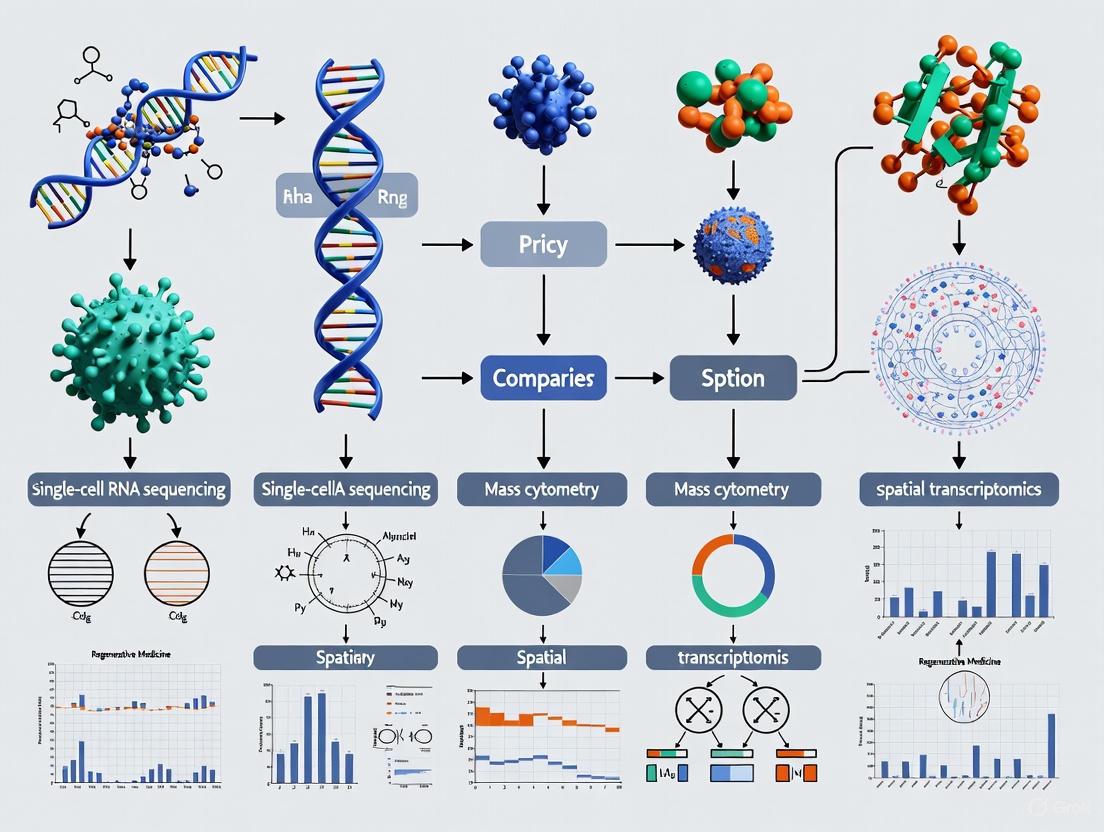
This article provides a comprehensive evaluation of methods for preserving and verifying cellular identity, a critical challenge in cell-based therapies and single-cell genomics.
Evaluating Cellular Identity Preservation: From Foundational Concepts to Advanced Methods in Biomedicine
Abstract
This article provides a comprehensive evaluation of methods for preserving and verifying cellular identity, a critical challenge in cell-based therapies and single-cell genomics. It explores the fundamental principles of epigenetic memory and potency, reviews cutting-edge computational and experimental techniques for identity assessment, addresses common troubleshooting scenarios in manufacturing and analysis, and offers a comparative analysis of validation methodologies. Aimed at researchers and drug development professionals, this resource synthesizes the latest advances to guide the selection and optimization of identity preservation strategies, ultimately supporting the development of more reliable and effective biomedical applications.
The Cellular Identity Blueprint: Understanding Potency, Memory, and Stability
Cellular identity defines the specific type, function, and state of a cell, determined by a precise combination of gene expression patterns, epigenetic modifications, and signaling pathway activities. This identity exists on a spectrum of developmental potential, ranging from the remarkable plasticity of totipotent stem cells to the specialized, fixed state of terminally differentiated cells. Understanding this continuum is crucial for advancing regenerative medicine, developmental biology, and therapeutic drug development [1] [2].
At one extreme, totipotent cells possess the maximum developmental potential, capable of giving rise to an entire organism plus extraembryonic tissues like the placenta. As development progresses, cells transition through pluripotent, multipotent, and finally terminally differentiated states, each step involving a progressive restriction of developmental potential and the establishment of a stable cellular identity maintained through sophisticated molecular mechanisms [1]. This guide provides a comparative analysis of the key stages along this continuum and the experimental methods used to study them.
Comparative Analysis of Cellular Potency States
The following table summarizes the defining characteristics, molecular markers, and experimental applications of the major cell potency states.
Table 1: Comparative Analysis of Cellular Potency States
| Potency State | Developmental Potential | Key Molecular Features | Tissue Origin/Examples | Research & Therapeutic Applications |
|---|---|---|---|---|
| Totipotent | Can give rise to all embryonic and extraembryonic cell types (complete organism) [1]. | Expresses Zscan4, Eomes; open chromatin structure; distinct epigenetic landscape [1] [3]. | Zygote, early blastomeres (up to 4-cell stage in humans) [1]. | Model for early embryogenesis [3]; limited research use due to ethical constraints and rarity [1]. |
| Pluripotent | Can differentiate into all cell types from the three germ layers (ectoderm, mesoderm, endoderm) but not extraembryonic tissues [1] [2]. | High expression of Oct4, Sox2, Nanog; core pluripotency network [1] [4]. | Inner Cell Mass (ICM) of blastocyst (ESCs); Induced Pluripotent Stem Cells (iPSCs) [1]. | Disease modeling, drug screening, regenerative medicine (e.g., generating specific cell types for transplantation) [1] [2]. |
| Multipotent | Can differentiate into multiple cell types within a specific lineage [2]. | Lineage-specific transcription factors (e.g., GATA, Hox genes); more restricted chromatin access. | Adult stem cells: Hematopoietic Stem Cells (HSCs), Mesenchymal Stem Cells (MSCs) [1] [2]. | Cell-based therapies for degenerative diseases (e.g., bone/cartilage repair, immunomodulation) [1]. |
| Terminally Differentiated | No developmental potential; maintains a fixed, specialized identity and function [5]. | Terminally differentiated genes (e.g., Hemoglobin in RBCs); repressive chromatin; often post-mitotic. | Neurons, cardiomyocytes, adipocytes, etc. | Target for tissue-specific therapies; study of age-related functional decline [6]. |
Key Experimental Methods for Assessing Cellular Identity
Researchers use a multifaceted toolkit to define and manipulate cellular identity. The following table compares the protocols, readouts, and applications of key experimental methodologies.
Table 2: Comparison of Key Experimental Methods for Assessing Cellular Identity
| Method Category | Specific Method/Protocol | Key Experimental Readout | Application in Identity Research | Considerations |
|---|---|---|---|---|
| In Vivo Developmental Potential Assay | Teratoma Formation: Injection of candidate pluripotent cells into immunodeficient mice [1]. | Formation of a tumor (teratoma) containing differentiated tissues from all three germ layers. | Gold-standard functional validation of pluripotency [1]. | Time-consuming (weeks); requires animal model; tumorigenic risk. |
| In Vivo Developmental Potential Assay | Chimera Formation: Injection of donor cells into a developing host blastocyst [1]. | Contribution of donor cells to various tissues in the resulting chimeric animal. | Tests integration and developmental capacity of stem cells within a living embryo. | Technically challenging; ethically regulated; limited to certain cell types and species. |
| Epigenetic & Transcriptomic Profiling | Single-cell RNA sequencing (scRNA-seq) [6] [7]. | Genome-wide expression profile of individual cells; identification of cell clusters/states. | Decoding cellular heterogeneity; constructing developmental trajectories [6] [7]. | Reveals transcriptional state but not functional potential; sensitive to technical noise. |
| Epigenetic & Transcriptomic Profiling | Chromatin Accessibility Assays (ATAC-seq). | Map of open, accessible chromatin regions, indicating active regulatory elements. | Inferring transcription factor binding and regulatory landscapes that define identity. | Indirect measure of regulatory activity. |
| Cellular Reprogramming | iPSC Generation (Yamanaka Factors): Ectopic expression of Oct4, Sox2, Klf4, c-Myc in somatic cells [1] [2]. | Emergence of colonies with ESC-like morphology and gene expression. | Resetting cellular identity to pluripotency; creating patient-specific stem cells [1]. | Low efficiency; potential for incomplete reprogramming; tumorigenic risk of c-Myc. |
| Cellular Reprogramming | Transdifferentiation (Lineage-specific TF expression). | Direct conversion of one somatic cell type into another without a pluripotent intermediate. | Potential for direct tissue repair; avoids tumorigenesis risks of pluripotent cells. | Efficiency can be low; identity and stability of resulting cells must be rigorously validated. |
| Computational Analysis | Cell Decoder: Graph neural network integrating protein-protein interactions, gene-pathway maps, and pathway-hierarchy data [7]. | Multi-scale, interpretable cell-type identification and characterization. | Robust and noise-resistant cell annotation; reveals key pathways defining identity [7]. | Relies on quality of prior knowledge databases; complex model architecture. |
Signaling Pathways Governing Cell Fate and Identity
The behavior of stem cells—including self-renewal, differentiation, and the maintenance of identity—is tightly regulated by a core set of conserved signaling pathways. The diagram below illustrates the key pathways and their crosstalk in regulating pluripotency and early fate decisions.
Diagram 1: Signaling pathways in pluripotency and differentiation. Pathways like TGF-β/Nodal/Activin (yellow) promote naive pluripotency via SMAD2/3. BMP (red) has a dual role, supporting self-renewal via ID genes but also driving differentiation via SMAD1/5/8. Wnt/β-Catenin (green) and FGF (blue) pathways support self-renewal and proliferation, with Hippo signaling (red) also contributing to proliferation. The core pluripotency factors OCT4, SOX2, and NANOG form the central regulatory node [2].
Pathway Functions and Crosstalk
- TGF-β/SMAD2/3 Pathway: Activated by TGF-β, Nodal, and Activin, this pathway is crucial for sustaining the self-renewal of primed pluripotent stem cells. It promotes the expression of core pluripotency factors like NANOG [2].
- BMP/SMAD1/5/8 Pathway: This pathway demonstrates context-dependent functionality. In mouse ESCs, BMP-4 works with LIF/STAT3 to support self-renewal, partly by inducing Id genes. However, it also plays a potent role in driving differentiation into various lineages, including mesoderm and extraembryonic cell types [2].
- Wnt/β-Catenin Pathway: A key regulator of stem cell function, Wnt signaling supports self-renewal in stem cells. Its outcome is highly context-dependent, influencing cell fate decisions throughout development and in adult tissue homeostasis [2].
- Cross-regulation: The balance between these pathways determines the cell's fate. For instance, the ratio of activin/nodal signaling (promoting pluripotency) to BMP signaling (promoting differentiation) is critical for maintaining human ESCs in a undifferentiated state [2].
The Epigenetic Framework of Cellular Memory
Cellular identity is maintained across cell divisions through epigenetic mechanisms, which create a stable, heritable "memory" of gene expression patterns without altering the underlying DNA sequence. The diagram below illustrates the proposed three-dimensional loop of epigenetic memory maintenance.
Diagram 2: The 3D loop of epigenetic memory. A theoretical model proposes that epigenetic marks (yellow) influence the 3D folding of chromatin (green). This 3D structure then guides "reader-writer" enzymes (blue) to restore epigenetic marks after cell division, which partially erases them. This self-reinforcing loop ensures stable maintenance of cellular identity over hundreds of cell divisions [8].
Key Epigenetic Regulators and Recent Insights
- DNA Methylation: The addition of methyl groups to cytosine bases, typically leading to gene silencing. This process is catalyzed by DNA methyltransferases. A recent paradigm-shifting study in plants revealed that specific DNA sequences, recognized by RIM/CLASSY proteins, can actively recruit the DNA methylation machinery, demonstrating that genetic information can directly guide epigenetic patterning [9].
- Histone Modifications: Chemical modifications (e.g., acetylation, methylation) on histone tails influence chromatin accessibility. The combination of these marks forms a "histone code" that is read by various proteins to activate or repress transcription.
- Chromatin Architecture: The three-dimensional organization of the genome into active (euchromatin) and inactive (heterochromatin) compartments, along with looping structures that bring distal regulatory elements into contact with gene promoters, is a critical determinant of gene expression programs [8].
- Transcription Factors in Early Development: Factors like NF-Y play a pivotal "pioneer" role in early embryogenesis. During zygotic genome activation (ZGA) in mice, NF-Y binds to promoters at the 2-cell stage, helping to establish open chromatin regions and influencing the selection of transcriptional start sites, thereby shaping the initial gene expression programs of the embryo [4].
The Scientist's Toolkit: Key Research Reagents and Solutions
Table 3: Essential Research Reagents for Studying Cellular Identity
| Reagent / Solution | Function / Application | Specific Examples / Targets |
|---|---|---|
| Pluripotency Transcription Factors | Reprogram somatic cells to induced Pluripotent Stem Cells (iPSCs) [1]. | Yamanaka Factors: Oct4, Sox2, Klf4, c-Myc [1] [2]. |
| Small Molecule Pathway Agonists/Antagonists | Pharmacologically modulate key signaling pathways to direct differentiation or maintain stemness [2]. | Wnt agonists (CHIR99021), TGF-β/Activin A receptor agonists, BMP inhibitors (Dorsomorphin), FGF-basic [2]. |
| Epigenetic Modifiers | Manipulate the epigenetic landscape to erase or establish cellular memory. | DNA methyltransferase inhibitors (5-Azacytidine), Histone deacetylase inhibitors (Vorinostat/SAHA). |
| Cytokines & Growth Factors | Support cell survival, proliferation, and lineage-specific differentiation in culture. | BMP-4 (for self-renewal or differentiation), FGF2 (for hESC culture), SCF, VEGF (for endothelial differentiation) [2]. |
| Cell Surface Marker Antibodies | Isolate or characterize specific cell populations via Flow Cytometry (FACS) or Magnetic-Activated Cell Sorting (MACS). | CD34 (HSCs), CD90/THY1, CD73, CD105 (MSCs), TRA-1-60, SSEA-4 (Pluripotent Stem Cells). |
| CRISPR/Cas9 Systems | Gene editing for functional knockout studies, lineage tracing, or introducing reporter genes. | Cas9 Nuclease, gRNA libraries, Base Editors for precise epigenetic manipulation [9]. |
| Single-Cell Multi-omics Kits | Simultaneously profile gene expression (RNA-seq), chromatin accessibility (ATAC-seq), or DNA methylation in individual cells. | Commercial kits from 10x Genomics, Parse Biosciences, etc., enabling the dissection of cellular heterogeneity [6] [7]. |
The established dogma of epigenetic memory has long been characterized as a binary system, where genes are permanently locked in either fully active or fully repressed states, much like an on/off switch. This paradigm is fundamentally challenged by groundbreaking research from MIT engineers, which reveals that epigenetic memory operates through a more nuanced, graded mechanism comparable to a dimmer dial [10]. This discovery suggests that cells can commit to their final identity by locking genes at specific levels of expression along a spectrum, rather than through absolute on/off decisions [10].
This shift from a digital to an analog model of epigenetic memory carries profound implications for understanding cellular identity, with potential applications in tissue engineering and the treatment of diseases such as cancer [10]. This guide objectively compares this new analog paradigm against the classical binary model, providing the experimental data and methodologies required for its evaluation.
Comparative Analysis: Binary Switch vs. Analog Dimmer Dial
The table below summarizes the core distinctions between the traditional and newly proposed models of epigenetic memory.
Table 1: Fundamental Comparison of Epigenetic Memory Models
| Feature | Classical Binary Switch Model | Novel Analog Dimmer Dial Model |
|---|---|---|
| Core Principle | Genes are epigenetically locked in a fully active ("on") or fully repressed ("off") state [10]. | Genes can be locked at any expression level along a spectrum between on and off [10]. |
| Mechanistic Analogy | A light switch | A dimmer dial [10] |
| Nature of Memory | Digital | Analog [10] [11] |
| Implied Cell Identity | Discrete, well-defined cell types | A spectrum of potential cell types with finer functional gradations [10] |
| Experimental Readout | Bimodal distribution of gene expression in cell populations. | Unimodal or broad distribution of gene expression levels across a population [10]. |
Supporting Experimental Data and Quantifiable Findings
Key Evidence for the Analog Model
The conceptual shift is supported by direct experimental evidence. Key findings from the MIT study are summarized in the table below.
Table 2: Key Experimental Findings Supporting the Analog Memory Model
| Experimental Aspect | Finding | Implication |
|---|---|---|
| Persistence of Intermediate States | Cells with gene expression set at intermediate levels maintained these states over five months and through cell divisions [10] [11]. | Intermediate states are stable and heritable, not just transient phases. |
| Role of DNA Methylation | Distinct grades of DNA methylation were found to encode corresponding, persistent levels of gene expression [12] [11]. | DNA methylation functions as a multi-level signal encoder, not just a binary repressor. |
| Theoretical Foundation | A computational model suggests that analog memory arises when the positive feedback between DNA methylation and repressive histone modifications is absent [11]. | Provides a mechanistic explanation for how graded memory can be established. |
Complementary Research in Neuroscience
Independent research in neuroscience provides a parallel line of evidence for the precise controllability of epigenetic states. A study published in Nature Genetics demonstrated that locus-specific epigenetic editing using CRISPR-dCas9 tools could precisely regulate memory expression in neurons [13].
Table 3: Key Findings from Locus-Specific Epigenetic Editing in Memory
| Intervention | Target | Effect on Memory | Molecular Change |
|---|---|---|---|
| dCas9-KRAB-MeCP2(Epigenetic Repressor) | Arc gene promoter | Significantly reduced memory formation [13] | Decreased H3K27ac; closing of chromatin [13] |
| dCas9-VPR(Epigenetic Activator) | Arc gene promoter | Robust increase in memory formation [13] | Increased H3K27ac, H3K14ac, and Arc mRNA [13] |
| Induction of AcrIIA4(Anti-CRISPR protein) | Reversal of dCas9-VPR | Reversion of enhanced memory effect [13] | Reverted dCas9-VPR-mediated increase of Arc [13] |
This research confirms that fine-tuning the epigenetic state of a single gene locus is sufficient to regulate a complex biological function like memory, reinforcing the principle of analog control.
Detailed Experimental Protocols
Protocol for Demonstrating Analog Epigenetic Memory
The following workflow illustrates the key experiment that demonstrated analog epigenetic memory in hamster ovarian cells.
- Cell Line and Reporter: Use hamster ovarian cells (CHO-K1) engineered with a gene coupled to a fluorescent reporter (e.g., blue fluorescent protein). The brightness corresponds to the gene's expression level.
- Initialization of States: Establish a population of cells where the engineered gene is set to different expression levels—fully on, fully off, and various intermediate levels.
- Locking the State: Introduce, for a short period, an enzyme (e.g., a DNA methyltransferase) that triggers the natural DNA methylation process to lock the gene's expression state.
- Long-term Tracking: Use flow cytometry or time-lapse fluorescence microscopy to track the fluorescence intensity (and thus gene expression) of the cell population and its progeny over approximately 150 days (five months).
- Data Analysis: Analyze the fluorescence distribution over time. The stability of a wide spectrum of intensities, rather than a convergence to two peaks (on/off), confirms analog memory.
Protocol for Epigenetic Editing of Memory
The following workflow outlines the method used to demonstrate causal, locus-specific epigenetic editing of a behavioral memory.
Key Steps [13]:
- Animal Model and Viral Delivery: Use cFos-tTA mice, where the tetracycline-controlled transactivator (tTA) is expressed in neurons activated by learning. Stereotaxically inject two lentiviruses into the dentate gyrus (DG):
- One containing an epigenetic effector (e.g., dCas9-KRAB-MeCP2 for repression or dCas9-VPR for activation) under a tetracycline-responsive element (TRE) promoter.
- Another expressing single-guide RNAs (sgRNAs) targeting the promoter of a plasticity-related gene like Arc, or non-targeting (NT) sgRNAs as a control.
- Memory Formation and Effector Induction: Subject mice to a contextual fear conditioning (CFC) task. Remove doxycycline (DOX) from the diet shortly before CFC to allow the tTA to bind the TRE and express the dCas9-effector in learning-activated "engram" cells. Return mice to a DOX diet after CFC to limit further induction.
- Behavioral Phenotyping: Two days post-CFC, test memory by re-exposing mice to the context and measuring freezing behavior. Compared to NT controls, dCas9-KRAB-MeCP2 with Arc sgRNA reduces freezing, while dCas9-VPR with Arc sgRNA enhances it.
- Molecular Validation: Analyze brain tissue to confirm changes in epigenetic marks (e.g., H3K27ac via ChIP), chromatin accessibility (e.g., scATAC-seq), and target gene expression (e.g., Arc mRNA).
The Scientist's Toolkit: Essential Research Reagents
The following table details key reagents and tools used in the featured studies, which are essential for conducting related research on epigenetic memory.
Table 4: Key Research Reagents for Epigenetic Memory Studies
| Reagent / Tool | Function in Research | Specific Example / Target |
|---|---|---|
| Engineered Gene Reporter | To visually track and quantify gene expression levels in living cells over time. | Fluorescent protein (e.g., BFP) coupled to a gene of interest [10]. |
| Epigenetic Effectors (dCas9-based) | To precisely modify epigenetic marks at specific genomic loci. | dCas9-KRAB-MeCP2 (repressor) [13]; dCas9-VPR or dCas9-CBP (activator) [13]. |
| Synthetic Guide RNA (sgRNA) | To target dCas9-epigenetic effectors to a specific DNA sequence. | sgRNAs targeting the promoter of the Arc gene [13]. |
| Inducible Expression System | To achieve temporal control over gene or effector expression. | Tetracycline-Responsive Element (TRE) and tTA/rtTA, often combined with cFos-promoter driven systems for activity-dependent expression [13]. |
| Methylation-Sensitive Sequencing | To map DNA methylation patterns genome-wide or at specific loci. | Whole-Genome Bisulfite Sequencing (WGBS) [14]; Enzymatic Methyl-seq (EM-seq) [14]. |
| Chromatin Accessibility Assay | To infer the "openness" of chromatin and identify regulatory regions. | scATAC-seq (Assay for Transposase-Accessible Chromatin using sequencing) [13]. |
The Role of 3D Genome Architecture in Memory Stability
A theoretical model from MIT proposes that the 3D folding of the genome plays a critical role in stabilizing epigenetic memory across cell divisions [8]. The model suggests a self-reinforcing loop:
- Folding Guides Marking: The 3D structure brings specific genomic regions into proximity. "Reader-writer" enzymes, which add epigenetic marks, can then spread these marks within these spatially clustered, dense regions (e.g., heterochromatin) [8].
- Marking Guides Folding: The deposited epigenetic marks, in turn, help to maintain the 3D folded structure of the genome [8].
This reciprocal relationship creates a stable system where epigenetic memory is juggled between 3D structure and chemical marks, allowing it to be accurately restored after each cell division, even when half the marks are lost during DNA replication [8]. This model provides a plausible mechanism for how both binary and analog epigenetic states could be robustly maintained.
The concept of "identity" represents a fundamental organizing principle across biological and psychological disciplines, though its manifestation differs dramatically across scales of organization. In cellular biology, identity refers to the distinct molecular and functional characteristics that define a specific cell type and distinguish it from others, maintained through sophisticated epigenetic programming and transcriptional networks [15] [16] [17]. In psychological science, identity constitutes the coherent sense of self that integrates one's roles, traits, values, and experiences into a continuous whole across time [18] [19]. Despite these different manifestations, both domains grapple with parallel challenges: what mechanisms establish and preserve identity, what factors disrupt this integrity, and what consequences follow from its dissolution.
This comparison guide objectively evaluates the mechanisms of identity loss across these disciplinary boundaries, examining both the molecular foundations of cellular identity and the psychological architecture of selfhood. We directly compare experimental approaches, quantitative findings, and therapeutic implications, providing researchers with a structured analysis of identity preservation and disruption across systems. The emerging consensus reveals that whether examining cellular differentiation or psychological adaptation, identity maintenance requires active stabilization mechanisms, while identity loss follows characteristic pathways with profound functional consequences.
Quantitative Comparison of Identity Disruption Metrics
Table 1: Quantitative Measures of Identity Disruption Across Disciplines
| Domain | Measurement Approach | Key Metrics | Numerical Findings | Associated Consequences |
|---|---|---|---|---|
| Cellular Identity | scRNA-seq clustering [20] [21] | Preservation of global/local structure, Knn graph conservation | UMAP compresses local distances more than t-SNE; Knn preservation higher in continuous datasets [20] | Loss of lineage fidelity, aberrant differentiation, potential malignancy [16] |
| Cellular Identity | Orthologous Marker Group analysis [21] | Fisher's exact test (-log10FDR) for cluster similarity | 24/165 cluster pairs showed significant OMGs (FDR < 0.01) between tomato and Arabidopsis [21] | Accurate cross-species cell type identification enabled; reveals evolutionary conservation [21] |
| Cellular Identity | Epigenomic bookmarking [16] | Maintenance of protein modifications during mitosis | Removal of mitotic bookmarks disrupts identity preservation across cell divisions [16] | Daughter cells fail to maintain lineage commitment; potential transformation [16] |
| Psychological Identity | Identity disruption coding [18] | Thematic analysis of expressive writing samples | 49% (n=121) of veterans showed identity disruption in narratives [18] | Correlated with more severe PTSD, lower life satisfaction, greater reintegration difficulty [18] |
| Psychological Identity | Self-concept assessment in grief [22] | Self-fluency (number of self-descriptors), self-diversity (category breadth) | CG patients showed lower self-fluency and diversity than non-CG bereaved [22] | Identity confusion maintains prolonged grief; impedes recovery and adaptation [22] |
Table 2: Experimental Protocols for Assessing Identity Status
| Methodology | Sample Preparation | Data Collection | Analysis Approach | Domain |
|---|---|---|---|---|
| Single-cell RNA sequencing [20] [21] | Tissue dissociation, single-cell suspension, library preparation | High-throughput sequencing (10x Genomics, inDrop, Drop-seq) | Dimensionality reduction (PCA, t-SNE, UMAP), clustering, trajectory inference | Cellular |
| Orthologous Marker Groups (OMG) [21] | Identification of top N marker genes (N=200) per cell cluster | OrthoFinder for orthologous gene groups across species | Pairwise Fisher's exact tests comparing clusters across species | Cellular |
| Methylome Analysis [15] [17] | Bisulfite conversion, single-cell bisulfite sequencing | Sequencing of methylation patterns at CpG islands | NMF followed by t-SNE; correlation to reference databases | Cellular |
| Expressive Writing Coding [18] | Participant writing about disruptive life experiences | Thematic analysis of writing samples | Qualitative coding for identity disruption themes; correlation with psychosocial measures | Psychological |
| Self-Concept Mapping [22] | Verbal Self-Fluency Task: "Tell me about yourself" | Recording and transcription of self-descriptions | Categorization of self-statements; fluency, diversity, and content analysis | Psychological |
Experimental Approaches for Investigating Identity
Cellular Identity Assessment Protocols
Single-Cell RNA Sequencing Workflow: The fundamental protocol for assessing cellular identity begins with tissue dissociation into single-cell suspensions, followed by cell lysis and reverse transcription with barcoded primers. After library preparation and high-throughput sequencing, bioinformatic analysis involves quality control to remove low-quality cells, normalization to account for technical variation, and dimensionality reduction using principal component analysis (PCA). Researchers then apply clustering algorithms (Louvain, k-means) to group cells with similar expression profiles, followed by differential expression analysis to identify marker genes defining each cluster's identity [20] [21]. Validation typically involves immunofluorescence or flow cytometry for protein-level confirmation of identified cell types.
Orthologous Marker Groups Protocol: For cross-species cell type identification, the OMG method begins with identifying the top 200 marker genes for each cell cluster using standard tools like Seurat. Researchers then employ OrthoFinder to generate orthologous gene groups across multiple species. The core analysis involves pairwise comparisons using Fisher's exact test to identify statistically significant overlaps in orthologous marker groups between clusters across species. This approach successfully identified 14 dominant groups with substantial conservation in shared cell-type markers across monocots and dicots, demonstrating its robustness for evolutionary comparisons of cellular identity [21].
Psychological Identity Assessment Protocols
Identity Disruption Coding Method: In psychological studies, identity disruption is often assessed through expressive writing samples where participants write about disruptive life experiences. Using thematic analysis, researchers develop a coding scheme to identify identity disruption themes, such as disconnectedness between past and present self or difficulty integrating new experiences into one's self-concept. Two independent coders typically analyze the content, with inter-rater reliability measures ensuring consistency. Quantitative scores for identity disruption are then correlated with standardized measures of psychological functioning, such as PTSD symptoms, life satisfaction, and social support [18].
Self-Concept Mapping Procedure: The Verbal Self-Fluency Task directly assesses self-concept by asking participants to "tell me about yourself" for five minutes. Responses are recorded, transcribed, and divided into distinct self-statements. Each statement is coded into one of nine categories: preferences, activities, traits, identities, relationships, past, future, body, and context. Researchers then calculate self-fluency (total number of valid self-statements) and self-diversity (number of unique categories represented). This approach revealed that individuals with complicated grief have less diverse self-concepts with fewer preferences and activities compared to those without complicated grief [22].
Visualization of Identity Pathways
Diagram 1: Comparative Pathways of Identity Preservation and Disruption. This visualization illustrates parallel mechanisms maintaining identity integrity across biological and psychological domains, highlighting how disruptive events challenge stability and the protective factors that promote preservation.
The Scientist's Toolkit: Essential Research Reagents
Table 3: Key Research Reagents and Tools for Identity Research
| Reagent/Tool | Application | Function in Identity Research | Example Use Cases |
|---|---|---|---|
| 10x Genomics Chromium [20] | Single-cell RNA sequencing | Enables high-throughput transcriptomic profiling of individual cells | Characterizing cellular identity heterogeneity in complex tissues |
| OrthoFinder [21] | Phylogenetic orthology inference | Identifies orthologous gene groups across species | Cross-species cell type identification using Orthologous Marker Groups |
| Seurat [21] | Single-cell data analysis | Standard toolkit for scRNA-seq analysis including clustering and visualization | Identifying marker genes defining cellular identity |
| Anti-methylcytosine antibodies [15] | DNA methylation detection | Enables mapping of epigenetic patterns that maintain cellular identity | Assessing epigenetic stability during cell differentiation |
| Identity Style Inventory (ISI) [23] | Psychological assessment | Measures identity processing styles (informational, normative, diffuse-avoidant) | Predicting adaptation to disruptive life events |
| Prolonged Grief Disorder Scale [22] | Clinical assessment | Quantifies severity of complicated grief symptoms | Linking identity confusion to grief pathology |
Comparative Analysis of Findings
Commonalities Across Disciplinary Boundaries
Despite the different scales of analysis, striking parallels emerge in the mechanisms of identity maintenance and disruption across cellular and psychological domains. Both systems demonstrate that identity is actively maintained rather than passively sustained—through epigenetic programming in cells and through identity processing styles in psychology. Cellular research reveals that specialized bookmarking mechanisms preserve transcriptional identity during cell division [16], while psychological studies show that adaptive identity processing (informational style) helps maintain self-continuity through life transitions [23].
Additionally, both domains identify disruption as a consequence of stability mechanisms failing. In cellular systems, degradation of mitotic bookmarks leads to identity loss and potential malignancy [16]. In psychological systems, avoidance-based identity processing predicts identity disruption and psychopathology following loss [23] [22]. Quantitative measures in both fields reveal that identity dissolution has measurable structural consequences—simplified gene expression profiles in cells [21] and constricted self-concepts in psychology [22].
Implications for Therapeutic Development
The parallel findings across disciplines suggest novel therapeutic approaches. Cellular reprogramming strategies might benefit from incorporating psychological insights about gradual identity transition supported by multiple group memberships [24]. Conversely, psychological interventions for identity disruption might incorporate principles from cellular biology regarding the need for stability factors during transitional periods.
For drug development professionals, these cross-disciplinary insights highlight that successful cellular reprogramming requires not only initiating new transcriptional programs but also actively maintaining them through stability factors—mirroring how psychological identity change requires both initiating new self-narratives and maintaining them through social validation. The quantitative frameworks developed in cellular identity research [17] may also inform more rigorous assessment of identity outcomes in mental health trials.
This comparative analysis reveals that despite different manifestations, identity systems across biological and psychological domains face similar challenges and employ analogous preservation strategies. Both require active maintenance mechanisms, both undergo disruption when these mechanisms fail, and both exhibit structural degradation as a consequence of identity loss. For researchers and therapy developers, these parallels suggest novel approaches that might transfer insights across disciplinary boundaries—potentially leading to more effective interventions for identity-related pathologies at both cellular and psychological levels. The consistent finding that identity preservation requires both internal coherence mechanisms and supportive external contexts offers a unifying principle that transcends disciplinary silos.
Cell identity is determined by precise spatiotemporal control of gene expression. While transcriptional and epigenetic mechanisms are well-established regulators, recent research highlights post-transcriptional control through membraneless ribonucleoprotein (RNP) granules as a critical, previously underappreciated layer of regulation. Among these granules, P-bodies have emerged as central players in directing cell fate transitions by selectively sequestering translationally repressed mRNAs. This guide compares the roles of P-bodies and related RNP granules across different biological contexts, examining their composition, regulatory mechanisms, and functional outcomes, with particular relevance for developmental biology and disease modeling.
P-bodies are dynamic cytoplasmic condensates composed of RNA-protein complexes that regulate mRNA fate by sequestering them from the translational machinery. Unlike stress granules, which form primarily during cellular stress, P-bodies are constitutive structures that enlarge during stress and undergo compositional shifts. Their ability to store specific mRNAs and release them in response to developmental cues represents a powerful mechanism for controlling protein expression without altering the underlying DNA sequence or transcription patterns [25] [26].
Comparative Analysis of RNP Granules: P-Bodies vs. Stress Granules
Understanding the distinct properties of cytoplasmic RNP granules is essential for evaluating their roles in cell fate determination. The table below provides a systematic comparison between P-bodies and stress granules based on current research findings.
Table 1: Characteristic Comparison Between P-Bodies and Stress Granules
| Feature | P-Bodies | Stress Granules |
|---|---|---|
| Formation Conditions | Constitutive under normal conditions; enlarge during stress [25] | Induced primarily during cellular stress (e.g., arsenite exposure) [25] |
| Primary Functions | mRNA decay, translational repression, RNA storage [27] [25] | Temporary storage of translationally stalled mRNAs during stress [25] |
| RNA Composition | Enriched in poorly translated mRNAs under non-stress conditions [25] | Composed of non-translating mRNAs during stress conditions [25] |
| Key Protein Components | LSM14A, EDC4, DDX6 (decay machinery) [28] | G3BP1, TIA1 (core scaffolding proteins) [25] |
| Response to Arsenite Stress | Transcriptome shifts to resemble stress granule composition [25] | Become prominent with distinct transcriptome enriched in long mRNAs [25] |
| Methodological Challenges | Purification requires immunopurification after differential centrifugation [25] | Differential centrifugation alone insufficient; requires immunopurification [25] |
This comparison reveals both specialized functions and overlapping properties. During arsenite stress, when translation is globally repressed, the P-body transcriptome becomes remarkably similar to the stress granule transcriptome, suggesting that translation status is a dominant factor in mRNA targeting to both granule types [25]. However, their distinct protein compositions indicate different regulatory mechanisms and potential functional specializations in directing cell fate decisions.
Experimental Approaches for P-Body Transcriptome Profiling
Multiple methodologies have been developed to characterize the RNA content of P-bodies, each with distinct advantages and limitations. The table below summarizes key technical approaches and their applications in P-body research.
Table 2: Methodologies for P-Body Transcriptome Analysis
| Method | Principle | Applications | Key Findings |
|---|---|---|---|
| Differential Centrifugation + Immunopurification | Isolation of RNP granules based on size/density followed by antibody-based purification [25] | High-specificity analysis of P-body and stress granule transcriptomes [25] | Revealed that P-bodies are enriched in poorly translated mRNAs; composition shifts during stress [25] |
| RNA Granule (RG) Pellet | Differential centrifugation alone without immunopurification [25] | Initial approximation of RNP granule transcriptomes | Simpler but contains nonspecific transcripts (e.g., mitochondrial); less accurate for granule-specific composition [25] |
| P-body-seq | Fluorescence-activated particle sorting of GFP-tagged P-bodies (e.g., GFP-LSM14A) [28] | Comprehensive profiling of P-body contents from specific cell types | Identified selective enrichment of untranslated RNAs encoding cell fate regulators in stem cells [27] [28] |
| Single-Cell RNA Sequencing | Analysis of gene expression at individual cell level [29] | Identification of cell-type specific markers and states across species | Developed Orthologous Marker Gene Groups for cell type identification; conserved markers across plants [29] |
Each methodology offers distinct insights, with immunopurification approaches providing higher specificity by reducing contamination from non-granule RNAs. The development of P-body-seq represents a significant advancement, enabling direct correlation between P-body localization and translational status through integration with ribosome profiling data [28].
Experimental Workflow: P-body-seq
The P-body-seq method provides a comprehensive approach for profiling P-body contents with high specificity:
- Cell Engineering: Express GFP-tagged P-body markers (e.g., GFP-LSM14A) in HEK293T or other cell types [28]
- Validation: Confirm GFP-LSM14A puncta colocalization with endogenous P-body markers (e.g., EDC4) via immunofluorescence [28]
- Flow Cytometry: Sort GFP-LSM14A+ P-bodies using fluorescence-activated particle sorting [28]
- RNA Extraction and Sequencing: Ispute RNA from sorted P-bodies and prepare RNA-seq libraries [28]
- Bioinformatic Analysis: Identify P-body-enriched transcripts compared to cytoplasmic controls and integrate with translational efficiency data [28]
This workflow enables direct quantification of RNA enrichment in P-bodies, revealing that P-body-enriched mRNAs have significantly shorter polyA tails and lower translation efficiency compared to cytoplasm-enriched mRNAs [28].
Diagram 1: P-body-seq experimental workflow for transcriptome profiling.
P-Body Functions in Cell Fate Transitions: Comparative Evidence
P-bodies regulate cell identity across diverse biological contexts, from embryonic development to cancer. The table below synthesizes evidence from multiple systems, highlighting conserved mechanisms and context-specific functions.
Table 3: P-body Functions in Different Biological Contexts
| Biological Context | P-body Role | Key Sequestered RNAs | Functional Outcome |
|---|---|---|---|
| Stem Cell Differentiation | Sequester RNAs from preceding developmental stage [27] | Pluripotency factors, Germ cell determinants [27] [30] | Prevents reversion to earlier state; directs differentiation [27] |
| Primordial Germ Cell Formation | Storage of repressed RNAs encoding germline specifiers [27] | Key germ cell fate determinants [27] | Enables proper germline development when released [27] |
| Acute Myeloid Leukemia | Hyper-assembly sequesters tumor suppressor mRNAs [31] | Potent tumor suppressors [31] | Sustains leukemic state; disruption induces differentiation [31] |
| Cellular Stress Response | Dynamic reshuffling of transcriptome during stress [25] | Poorly translated mRNAs; shifts to stress-responsive transcripts [25] | Promotes cell survival under stress conditions [25] |
| Totipotency Acquisition | Release of specific RNAs drives transition to totipotent state [27] | RNAs characteristic of earlier developmental potential [27] | Enables formation of totipotent-like cells [27] |
The evidence across these systems demonstrates that P-bodies function as decision-making hubs in cell fate determination. In stem cells, they prevent translation of RNAs characteristic of earlier developmental stages, thereby "locking in" cell identity during differentiation [27]. In cancer, this mechanism is co-opted to suppress differentiation and maintain progenitor states, highlighting the therapeutic potential of modulating P-body assembly [31].
Regulatory Mechanisms Controlling RNA Sequestration in P-Bodies
Multiple molecular pathways regulate the sorting and retention of specific mRNAs in P-bodies, forming an integrated control system for post-transcriptional gene regulation.
microRNA-Directed Targeting
microRNAs play a crucial role in directing specific transcripts to P-bodies. Research indicates that noncoding RNAs called microRNAs help drive RNA sequestration into P-bodies [27]. This process involves AGO2 and other components of the RNA-induced silencing complex (RISC), which recognize specific mRNA sequences and facilitate their localization to P-bodies. Experimentally, perturbing AGO2 function profoundly reshapes P-body contents, demonstrating its essential role in determining which RNAs are sequestered [30].
Translational Status as a Determinant
The translation efficiency of mRNAs strongly correlates with their P-body localization. Genome-wide studies show that poorly translated mRNAs are significantly enriched in P-bodies under non-stress conditions [25] [28]. This relationship is maintained during stress, though the specific transcriptome composition shifts dramatically. During arsenite stress, when translation is globally repressed, the P-body transcriptome becomes similar to the stress granule transcriptome, suggesting that translation status is a primary targeting mechanism [25].
Sequence Features and polyA Tail Length
Specific sequence characteristics influence mRNA partitioning to P-bodies. Research reveals that P-body-enriched mRNAs have significantly shorter polyA tails compared to cytoplasmic mRNAs [28]. Additionally, perturbing polyadenylation site usage reshapes P-body composition, indicating an active role for polyA tail length in determining RNA sequestration [30]. This provides a mechanistic link between alternative polyadenylation and cell fate control through P-body localization.
Diagram 2: Regulatory mechanisms controlling RNA sequestration in P-bodies.
The Scientist's Toolkit: Essential Research Reagents and Methods
This section catalogues key experimental tools and methodologies essential for investigating P-body functions in cell fate decisions.
Table 4: Essential Research Reagents and Methods for P-body Studies
| Reagent/Method | Function | Application Examples |
|---|---|---|
| GFP-LSM14A | Marker for P-body visualization and purification [28] | P-body-seq; live-cell imaging of P-body dynamics [28] |
| DDX6 Knockout | Disrupts P-body assembly [28] | Testing functional consequences of P-body loss [28] |
| AGO2 Perturbation | Alters microRNA-directed RNA targeting [30] | Reshaping P-body RNA content; testing microRNA dependence [30] |
| Arsenite Treatment | Induces stress granule formation and global translation repression [25] | Studying stress-induced granule remodeling [25] |
| P-body-seq | Comprehensive profiling of P-body transcriptomes [28] | Identifying cell type-specific sequestered RNAs [27] [28] |
| Orthologous Marker Gene Groups | Computational cell type identification [29] | Comparing cell identities across species [29] |
| Immunopurification | Specific isolation of RNP granules [25] | High-specificity transcriptome analysis [25] |
These tools enable researchers to manipulate P-body assembly, analyze their contents, and determine their functional roles. The combination of genetic perturbations (e.g., DDX6 knockout) with advanced sequencing methods (e.g., P-body-seq) has been particularly powerful in establishing causal relationships between P-body composition and cell fate outcomes [28].
The emerging understanding of P-bodies as regulators of cell fate decisions has significant implications across biological disciplines. In regenerative medicine, the ability to direct stem cell differentiation by manipulating P-body assembly or microRNA activity offers new approaches for generating clinically relevant cell types [27]. In cancer biology, the discovery that P-bodies maintain myeloid leukemia by sequestering tumor suppressor mRNAs reveals new therapeutic vulnerabilities [31].
Future research directions should focus on developing more precise tools for manipulating specific RNA sequestration events, understanding the dynamics of RNA release from P-bodies, and exploring the therapeutic potential of modulating P-body assembly in disease contexts. As our knowledge of these structures grows, they may represent promising targets for controlling cell identity in both developmental and pathological contexts.
Cellular identity encompasses the unique structural, functional, and molecular characteristics that define a specific cell type and its biological competence. In the context of biopreservation, maintaining this identity is paramount—the ultimate goal is not merely to ensure post-thaw survival but to preserve the intricate architecture, signaling pathways, and developmental potential that distinguish functional cells and tissues. The cryopreservation method selected profoundly influences how successfully this identity is conserved through the rigorous thermodynamic stresses of cooling, storage, and rewarming [32].
Slow freezing and vitrification represent two fundamentally different approaches to stabilizing biological specimens at cryogenic temperatures. Slow freezing involves controlled, gradual cooling that promotes extracellular ice formation and consequent cellular dehydration, while vitrification uses ultra-rapid cooling and high cryoprotectant concentrations to solidify water into a non-crystalline, glass-like state [32] [33]. Both techniques aim to mitigate the lethal damage associated with ice crystal formation, but they impose distinct stresses on cellular systems—from osmotic shock and solute effects in slow freezing to cryoprotectant toxicity and devitrification risks in vitrification [32]. This comprehensive analysis examines how these competing methods impact the preservation of cellular identity across diverse mammalian biospecimens, drawing upon comparative experimental data to inform method selection for research and clinical applications.
Fundamental Principles and Technological Approaches
Slow Freezing: Equilibrium Cryopreservation
The slow freezing process follows a carefully controlled thermodynamic path where biospecimens are cooled at precisely determined rates, typically ranging from -0.3°C/min to -2°C/min [34] [35]. This gradual cooling promotes extracellular ice formation, which increases the solute concentration in the unfrozen fraction and establishes an osmotic gradient that draws water out of cells. The resulting cellular dehydration minimizes intracellular ice formation, which is almost universally lethal to cells [32]. The process requires a programmable biological freezer to control cooling rates and incorporates a "seeding" step where ice nucleation is manually induced at approximately -6°C to -7°C to control the freezing process [34] [36].
The success of slow freezing hinges on optimizing cooling rates for specific cell types—too slow causes excessive dehydration and solute damage, while too rapid permits deadly intracellular ice crystallization [32]. Cryoprotective agents (CPAs) like dimethyl sulfoxide (DMSO), ethylene glycol (EG), and 1,2-propanediol (PrOH) are employed at relatively low concentrations (typically 1.0-1.5 M) to protect cells during this process [36] [32]. These permeating CPAs penetrate cells and replace water, while non-permeating solutes like sucrose (0.1-0.3 M) create extracellular osmotic gradients that facilitate controlled dehydration [34] [37].
Vitrification: Non-Equilibrium Cryopreservation
Vitrification represents a radical departure from equilibrium-based slow freezing. This technique employs ultra-rapid cooling rates (up to -20,000°C/min) combined with high CPA concentrations (up to 6-8 M) to achieve a direct transition from liquid to a glass-like amorphous solid without ice crystal formation [32] [33]. The extremely high cooling viscosity prevents water molecules from reorganizing into crystalline structures, effectively "suspending" the cellular contents in their native state [32].
The method's success depends on several critical factors: high cooling/warming rates, high CPA concentrations, and minimal sample volumes [32] [33]. To mitigate CPA toxicity, practitioners often use compound mixtures (e.g., DMSO with EG or PrOH) at reduced individual concentrations and employ a multi-step loading procedure where cells are exposed to increasing CPA concentrations [32] [35]. Technologically, vitrification utilizes specialized devices like Cryotops, Cryoloops, or microvolumetric straws to achieve the high surface-to-volume ratios necessary for rapid heat transfer [36] [32].
Table 1: Fundamental Characteristics of Cryopreservation Methods
| Parameter | Slow Freezing | Vitrification |
|---|---|---|
| Cooling Rate | Slow (0.3-2°C/min) | Ultra-rapid (up to 20,000°C/min) |
| CPA Concentration | Low (1.0-1.5 M) | High (up to 6-8 M) |
| Physical Principle | Equilibrium freezing | Non-equilibrium vitrification |
| Ice Formation | Extracellular only | None (in ideal conditions) |
| Primary Equipment | Programmable freezer | Vitrification devices, liquid nitrogen |
| Sample Volume | Larger volumes possible | Minimal volumes required |
| Critical Risks | Intracellular ice, solute effects | CPA toxicity, devitrification |
Comparative Experimental Data Across Biospecimens
Oocyte Cryopreservation Outcomes
Oocyte cryopreservation presents particular challenges due to the cell's large size, high water content, and sensitivity to spindle apparatus alterations. Comparative data reveals significant differences in outcomes between preservation methods. A 2025 retrospective evaluation of oocyte thawing/warming cycles demonstrated that a modified rehydration method for slow-frozen oocytes achieved survival rates of 89.8%, comparable to the 89.7% survival rate for vitrified oocytes, both significantly higher than the 65.1% survival with traditional slow-freezing rehydration [34]. Clinical pregnancy rates followed similar patterns, with the modified slow-freezing approach achieving 33.8% compared to 30.1% for vitrification [34].
The meiotic spindle apparatus—critical for chromosomal segregation and developmental competence—shows distinctive recovery patterns post-thaw. Research indicates that while spindle recovery is faster after vitrification, after 3 hours of incubation, spindle recuperation becomes similar between vitrification and slow freezing [33]. This recovery timeline influences fertilization scheduling, with intracytoplasmic sperm injection (ICSI) typically performed at 3 hours post-thaw for slow-frozen oocytes and 2 hours for vitrified oocytes to align with spindle restoration while minimizing oocyte aging [33].
Embryo and Ovarian Tissue Preservation
Comparative effectiveness extends to embryonic development and tissue-level preservation. A study of human cleavage-stage embryos demonstrated markedly different outcomes: vitrification achieved 96.9% survival with 91.8% displaying excellent morphology (all blastomeres intact), while slow freezing yielded 82.8% survival with only 56.2% showing excellent morphology [36]. These cellular-level differences translated to clinical outcomes, with vitrification producing higher clinical pregnancy (40.5% vs. 21.4%) and implantation rates (16.6% vs. 6.8%) [36].
In ovarian tissue cryopreservation, a 2024 transplantation study revealed nuanced differences. While vitrification generally outperformed slow freezing, particularly in preserving follicular morphology and minimizing stromal cell apoptosis, slow freezing demonstrated advantages in revascularization potential post-transplantation as indicated by CD31 expression [35]. Hormone production restoration—a critical indicator of functional tissue identity—showed significantly higher estradiol levels in vitrification groups at 6 weeks post-transplantation [35].
Table 2: Comparative Performance Across Biospecimen Types
| Biospecimen | Outcome Measure | Slow Freezing | Vitrification |
|---|---|---|---|
| Oocytes | Survival Rate | 75% (65.1-89.8% with modification) [34] [33] | 84-99% [33] |
| Oocytes | Clinical Pregnancy Rate | 23.5-33.8% [34] | 30.1% [34] |
| Cleavage-Stage Embryos | Survival Rate | 82.8% [36] | 96.9% [36] |
| Cleavage-Stage Embryos | Excellent Morphology | 56.2% [36] | 91.8% [36] |
| Ovarian Tissue | Normal Follicles (6 weeks) | Lower proportion [35] | Higher proportion [35] |
| Ovarian Tissue | Stromal Cell Apoptosis | Higher at 4 weeks [35] | Lower at 4 weeks [35] |
Impact on Cellular Identity and Functional Integrity
Structural and Molecular Identity Preservation
Cellular identity depends fundamentally on structural integrity, particularly for specialized organelles and molecular complexes. The meiotic spindle apparatus in oocytes exemplifies this vulnerability—its microtubule arrays are exceptionally sensitive to thermal changes and readily depolymerize during cooling [33]. While both methods cause spindle disassembly, the recovery trajectory differs. Vitrification's rapid transition through dangerous temperature zones appears to cause less sustained damage, facilitating faster spindle repolymerization [33]. However, the high CPA concentrations required for vitrification may potentially affect membrane composition and protein function differently than the dehydration stresses of slow freezing.
At the tissue level, ovarian tissue transplantation models reveal method-specific patterns of damage. Slow freezing appears to cause more significant stromal cell apoptosis at early post-transplantation time points (4 weeks), while vitrification better preserves stromal integrity [35]. Conversely, slow-frozen tissues demonstrate enhanced revascularization potential, suggesting better preservation of endothelial cell function or extracellular matrix components critical for angiogenesis [35]. These findings highlight the complex tradeoffs in preserving different cellular components within heterogeneous tissues.
Functional Competence and Developmental Potential
Beyond structural preservation, functional competence represents the ultimate validation of identity maintenance. For oocytes and embryos, developmental competence—the ability to complete fertilization, undergo cleavage, reach blastocyst stage, and establish viable pregnancies—provides the most clinically relevant functional assessment. The comparable clinical pregnancy rates between optimized slow-freezing protocols and vitrification (33.8% vs. 30.1%) suggest that when properly executed, both methods can effectively preserve oocyte developmental potential [34].
Parthenogenetic activation studies provide additional insights into functional preservation. Slow-frozen oocytes subjected to modified rehydration protocols showed similar activation (76.0% vs. 64.6%) and blastocyst development rates (15.2% vs. 9.4%) compared to vitrified oocytes, indicating comparable retention of cytoplasmic factors necessary for embryonic development [34]. For ovarian tissue, the restoration of endocrine function—demonstrated by resumption of estrous cycles and estradiol production in transplantation models—confirms the preservation of functional identity critical for fertility preservation [35].
Experimental Protocols and Methodological Details
Representative Slow Freezing Protocol for Oocytes
The slow freezing protocol with modified rehydration that achieved outcomes comparable to vitrification involves specific technical steps [34]:
Pre-freezing Preparation: Oocytes are incubated in base solution for 5-10 minutes at room temperature, then transferred to freezing solution containing 1.5 M PrOH and 0.3 M sucrose for 15 minutes total incubation.
Loading and Cooling: 1-5 oocytes are loaded into straws and placed in a programmable freezer. Cooling begins at -2°C/min from 20°C to -6.5°C, followed by a 5-minute soak before manual seeding.
Controlled Freezing: After 10 minutes holding at -6.5°C, straws are cooled at -0.3°C/min to -30°C, then rapidly cooled at -50°C/min to -150°C before transfer to liquid nitrogen.
Modified Thawing/Rehydration: Straws are warmed in air for 30 seconds followed by a 30°C water bath. Cryoprotectant removal employs a three-step sucrose system (1.0 M, 0.5 M, 0.125 M) to reduce cell swelling, mimicking approaches used for vitrified specimens [34].
Representative Vitrification Protocol for Oocytes
The vitrification protocol for oocytes that yielded high survival and pregnancy rates typically involves [33]:
CPA Loading: Oocytes are equilibrated in lower concentration CPA solutions (e.g., 7.5% ethylene glycol + 7.5% DMSO) for 10-15 minutes, then transferred to vitrification solution (e.g., 15% ethylene glycol + 15% DMSO + sucrose) for less than 60 seconds.
Loading and Cooling: Minimal volumes (<1μL) containing oocytes are loaded onto vitrification devices and immediately plunged into liquid nitrogen.
Warming and CPA Dilution: Rapid warming in pre-warmed sucrose solutions (e.g., 37°C) is followed by stepwise dilution of CPAs in decreasing sucrose concentrations (1.0 M, 0.5 M, 0.25 M, 0.125 M) to prevent osmotic shock.
Diagram 1: Comparative Workflow of Cryopreservation Methods highlighting critical stress factors that impact cellular identity.
The Scientist's Toolkit: Essential Research Reagents and Materials
Table 3: Essential Reagents and Materials for Cryopreservation Research
| Reagent/Material | Function | Example Applications |
|---|---|---|
| Permeating CPAs (DMSO, ethylene glycol, 1,2-propanediol) | Penetrate cells, lower freezing point, reduce ice formation | Standard component of both slow freezing and vitrification solutions [34] [35] |
| Non-permeating CPAs (Sucrose, trehalose) | Create osmotic gradient, promote controlled dehydration | Critical for slow freezing (0.2-0.3M) and vitrification warming solutions [34] [37] |
| Programmable Freezer | Controlled rate cooling | Essential for slow freezing protocols [34] [36] |
| Vitrification Devices (Cryotop, Cryoloop, straws) | Minimal volume containment, rapid heat transfer | Required for achieving ultra-rapid cooling rates [32] |
| Liquid Nitrogen | Cryogenic storage medium | Long-term storage at -196°C for both methods [34] [32] |
| Stereo Microscope with Warm Stage | Oocyte/embryo handling | Maintaining physiological temperature during processing [34] |
| Culture Media (M199, MEM, L-15 with supplements) | Maintain viability during processing | Base solutions for CPA dilutions, post-thaw culture [34] [35] |
The choice between slow freezing and vitrification for preserving cellular identity involves careful consideration of biospecimen characteristics, available resources, and intended applications. Vitrification generally demonstrates superior performance for sensitive individual structures like oocytes and cleavage-stage embryos, particularly in preserving structural elements like the meiotic spindle and delivering higher survival rates [36] [33]. However, optimized slow-freezing protocols with modified rehydration approaches can achieve comparable outcomes for oocytes while potentially offering advantages for tissue-level revascularization [34] [35].
The evolving landscape of biopreservation research continues to address the limitations of both methods. Advances in CPA toxicity reduction through cocktail formulations, improved vitrification device design for enhanced heat transfer, and universal warming protocols that simplify post-preservation processing represent promising directions [32] [38]. Particularly noteworthy is the development of modified rehydration approaches for slow-frozen specimens that narrow the performance gap with vitrification, potentially offering new value for the many slow-frozen specimens currently in storage [34]. As these technologies mature, the strategic selection of cryopreservation methods will increasingly depend on specific application requirements rather than presumed universal superiority of either approach, with cellular identity preservation serving as the fundamental metric for success.
A Methodologist's Toolkit: Computational and Experimental Approaches for Identity Assessment
The hierarchical organization of cells in multicellular life, from the totipotent fertilized egg to fully differentiated somatic cells, represents a fundamental principle of developmental biology. A cell's developmental potential, or potency—defined as its ability to differentiate into specialized cell types—has remained challenging to quantify molecularly despite advances in single-cell RNA sequencing (scRNA-seq) technologies. Computational methods for reconstructing developmental hierarchies from scRNA-seq data have emerged as essential tools for developmental biology, regenerative medicine, and cancer research. Within this context, a new generation of deep learning frameworks has recently transformed our approach to potency prediction, with CytoTRACE 2 representing a significant advancement over previous methodologies.
The evaluation of cellular identity preservation across computational methods represents a critical thesis in single-cell genomics research. As methods attempt to reconstruct developmental trajectories, their ability to faithfully preserve and interpret genuine biological signals versus technical artifacts remains paramount. This comparison guide objectively benchmarks CytoTRACE 2 against established alternatives, providing supporting experimental data to inform researchers, scientists, and drug development professionals in selecting appropriate tools for their specific research applications.
Evolution of Computational Approaches
The original CytoTRACE 1 method, introduced in 2020, operated on a relatively simple biological principle: the number of genes expressed per cell correlates with its developmental maturity [39]. While effective in many contexts, this approach provided predictions that were dataset-specific, making cross-dataset comparisons challenging [40]. Other methods for developmental hierarchy inference have included RNA velocity, Monocle, CellRank, and various trajectory inference algorithms, each with distinct theoretical foundations and limitations [40].
The recently introduced CytoTRACE 2 represents a paradigm shift from its predecessor through its implementation of an interpretable deep learning framework [40] [39]. This approach moves beyond simple gene counting to learn complex multivariate gene expression programs that define potency states. The model was trained on an extensive atlas of human and mouse scRNA-seq datasets with experimentally validated potency levels, spanning 33 datasets, nine platforms, 406,058 cells, and 125 standardized cell phenotypes [40]. These phenotypes were grouped into six broad potency categories (totipotent, pluripotent, multipotent, oligopotent, unipotent, and differentiated) and further subdivided into 24 granular levels based on known developmental hierarchies [40].
Core Architectural Innovation: Gene Set Binary Networks
The fundamental innovation in CytoTRACE 2 is its gene set binary network (GSBN) architecture, which assigns binary weights (0 or 1) to genes, thereby identifying highly discriminative gene sets that define each potency category [40]. Inspired by binarized neural networks, this design offers superior interpretability compared to conventional deep learning architectures, as the informative genes driving model predictions can be easily extracted [40]. The framework provides two key outputs for each single-cell transcriptome: (1) the potency category with maximum likelihood and (2) a continuous 'potency score' ranging from 1 (totipotent) to 0 (differentiated) [40].
Table 1: Key Features of CytoTRACE 2 Architecture
| Feature | Description | Advantage |
|---|---|---|
| GSBN Design | Uses binary weights (0 or 1) for genes | Enhanced interpretability of driving features |
| Multiple Gene Sets | Learns multiple discriminative gene sets per potency category | Captures heterogeneity within potency states |
| Absolute Scaling | Provides continuous potency scores from 1 (totipotent) to 0 (differentiated) | Enables cross-dataset comparisons |
| Markov Diffusion | Smoothes individual potency scores using nearest neighbor approach | Improves robustness to technical noise |
| Batch Suppression | Incorporates multiple mechanisms to suppress technical variation | Enhances biological signal detection |
To visualize the core workflow and architecture of CytoTRACE 2:
Quantitative Benchmarking: Performance Comparison Across Multiple Metrics
Experimental Design for Method Evaluation
The benchmarking of CytoTRACE 2 against alternative methods employed rigorous experimental protocols based on a compendium of ground truth datasets [40]. Performance evaluation assessed both the accuracy of potency predictions and the ordering of known developmental trajectories using two distinct definitions:
- Absolute Order: Compares predictions to known potency levels across diverse datasets
- Relative Order: Ranks cells within each dataset from least to most differentiated [40]
The agreement between known and predicted developmental orderings was quantified using weighted Kendall correlation to ensure balanced evaluation and minimize bias [40]. The testing framework extended to unseen data comprising 14 held-out datasets spanning nine tissue systems, seven platforms, and 93,535 evaluable cells to validate generalizability [40].
Comparative Performance Against Classification Methods
In comprehensive benchmarking across 33 datasets, CytoTRACE 2 outperformed eight state-of-the-art machine learning methods for cell potency classification, achieving a higher median multiclass F1 score and lower mean absolute error [40]. The method demonstrated robustness to differences in species, tissues, platforms, or phenotypes that were absent during training, indicating conserved potency-related biology across biological systems [40].
Table 2: Performance Comparison Across Developmental Hierarchy Inference Methods
| Method | Absolute Order Performance | Relative Order Performance | Cross-Dataset Comparability | Interpretability |
|---|---|---|---|---|
| CytoTRACE 2 | Highest weighted Kendall correlation | >60% higher correlation on average | Yes (absolute scale) | High (gene sets extractable) |
| CytoTRACE 1 | Limited | Moderate | No (dataset-specific) | Moderate |
| RNA Velocity | Not applicable | Variable | No | Low |
| Monocle | Not applicable | Moderate | No | Moderate |
| CellRank | Not applicable | Moderate | No | Low |
| SCENT | Limited | Low | Limited | Low |
Performance in Developmental Trajectory Reconstruction
For reconstructing relative orderings across 57 developmental systems, including data from Tabula Sapiens, CytoTRACE 2 demonstrated over 60% higher correlation with ground truth compared to eight developmental hierarchy inference methods [40]. The method also outperformed nearly 19,000 annotated gene sets and scVelo, a generalized RNA velocity model for predicting future cell states [40]. Notably, CytoTRACE 2 accurately captured the progressive decline in potency across 258 evaluable phenotypes during mouse development without requiring data integration or batch correction [40].
Experimental Protocols and Validation Frameworks
Training Dataset Curation and Model Development
The development of CytoTRACE 2 followed a structured experimental protocol beginning with extensive data curation. Researchers compiled a potency atlas from human and mouse scRNA-seq datasets with experimentally validated potency levels, ensuring robust ground truth for model training [40]. The training set included 93 cell phenotypes from 16 tissues and 13 studies, with remaining data reserved for performance evaluation [40]. Model hyperparameters were evaluated through cross-validation, with minimal performance variation observed across a wide range of values, leading to selection of stable hyperparameters for the final model [40].
To visualize the experimental workflow for model development and validation:
Biological Validation Using Functional Genomic Data
Beyond computational benchmarking, CytoTRACE 2 underwent rigorous biological validation using data from a large-scale CRISPR screen in which approximately 7,000 genes in multipotent mouse hematopoietic stem cells were individually knocked out and assessed for developmental consequences in vivo [40]. Among the 5,757 genes overlapping CytoTRACE 2 features, the top 100 positive multipotency markers were enriched for genes whose knockout promotes differentiation, while the top 100 negative markers were enriched for genes whose knockout inhibits differentiation [40]. This functional validation confirmed that the learned molecular representations correspond to biologically meaningful potency regulators.
Signaling Pathways and Molecular Determinants of Potency
Interpretable Feature Selection for Biological Insights
A key advantage of CytoTRACE 2's GSBN design is its inherent interpretability, allowing researchers to explore the molecular programs driving potency predictions [40]. Analysis of top-ranking genes revealed conserved signatures across species, platforms, and developmental clades, identifying both positive and negative correlates of cell potency [40]. Core transcription factors known to regulate pluripotency, including Pou5f1 and Nanog, ranked within the top 0.2% of pluripotency genes, validating the method's ability to identify biologically relevant markers [40].
Pathway enrichment analysis of genes ranked by feature importance revealed cholesterol metabolism as a leading multipotency-associated pathway [40]. Within this pathway, three genes related to unsaturated fatty acid (UFA) synthesis (Fads1, Fads2, and Scd2) emerged as top-ranking markers that were consistently enriched in multipotent cells across 125 phenotypes in the potency atlas [40]. Experimental validation using quantitative PCR on mouse hematopoietic cells sorted into multipotent, oligopotent, and differentiated subsets confirmed these computational predictions [40].
To visualize the key molecular pathways identified through CytoTRACE 2 analysis:
Practical Implementation and Research Applications
Table 3: Research Reagent Solutions for Computational Potency Prediction
| Resource | Function | Availability |
|---|---|---|
| CytoTRACE 2 Software | Predicts absolute developmental potential from scRNA-seq data | R/Python packages at https://github.com/digitalcytometry/cytotrace2 |
| Potency Atlas | Reference dataset with experimentally validated potency levels | Supplementary materials of original publication |
| Seurat Toolkit | Single-cell data preprocessing and analysis | Comprehensive R package |
| Scanpy | Single-cell data analysis in Python | Python package |
| CellChat | Cell-cell communication analysis from scRNA-seq data | R package |
| Monocle | Trajectory inference and differential expression analysis | R package |
Application Across Biological Contexts
CytoTRACE 2 has demonstrated utility across diverse biological contexts beyond normal development. In cancer research, the tool identified known leukemic stem cell signatures in acute myeloid leukemia and revealed multilineage potential in oligodendroglioma [40]. The method has also been applied to identify previously unknown stem cell populations, as when researchers used the original CytoTRACE to discover a novel intestinal stem cell population in mice [39]. These applications highlight the tool's potential for biomarker discovery and therapeutic target identification in disease contexts.
For drug development professionals, CytoTRACE 2 offers a more efficient approach to identifying gene targets for human cancers. Traditional approaches involve considerable guesswork, where scientists identify a few potentially interesting genes and test them in model systems. With CytoTRACE 2, researchers can directly analyze human data, identify cells with higher potency states, and pinpoint molecules important for maintaining these states, thereby narrowing the search space and enhancing the discovery of valuable drug targets [39].
The benchmarking data presented in this comparison guide demonstrates that CytoTRACE 2 represents a significant advancement in computational potency prediction. Its interpretable deep learning framework, absolute scaling from totipotent to differentiated states, and robust performance across diverse biological contexts position it as a valuable tool for researchers studying developmental hierarchies. The method's ability to preserve cellular identity across datasets and experimental conditions addresses a critical challenge in single-cell genomics.
For the research community, CytoTRACE 2 offers not just improved predictive accuracy but also biological interpretability through its gene set binary networks. The identification of molecular pathways like cholesterol metabolism in multipotency underscores how this tool can generate novel biological insights beyond trajectory reconstruction. As single-cell technologies continue to evolve, tools like CytoTRACE 2 will play an increasingly important role in transforming raw genomic data into meaningful biological understanding with applications across developmental biology, cancer research, and therapeutic development.
Single-Cell Resolution Communication Analysis with Scriabin
Inference of cell-cell communication (CCC) from single-cell RNA sequencing data is a powerful technique for uncovering intercellular communication pathways. Traditional methods perform this analysis at the level of the cell type or cluster, discarding single-cell-level information. Scriabin represents a breakthrough as a flexible and scalable framework for comparative analysis of cell-cell communication at true single-cell resolution without cell aggregation or downsampling [41] [42]. This approach is particularly significant within the broader context of evaluating cellular identity preservation across methods research, as it maintains the unique transcriptional identity of individual cells throughout the communication analysis process, thereby revealing communication networks that can be obscured by agglomerative methods [43].
The preservation of single-cell identity is crucial in CCC analysis because biologically, CCC does not operate at the level of the group; rather, such interactions take place between individual cells [41]. In the tumor microenvironment, for example, exhausted T cells do not always occupy discrete clusters but may be distributed across multiple clusters, precluding cluster-based CCC approaches from detecting communication modalities unique to exhausted T cells without a priori knowledge [41]. Scriabin addresses this fundamental limitation by providing a computational framework that preserves cellular heterogeneity throughout the communication inference process.
Scriabin Methodology: Technical Framework and Workflows
Scriabin implements three separate workflows designed for different dataset sizes and analytical goals, all built upon a foundation of cellular identity preservation [41] [44].
Core Computational Framework
The fundamental unit of CCC in Scriabin is a sender cell expressing ligands that are received by their cognate receptors expressed by a receiver cell. Scriabin encodes this information in a cell-cell interaction matrix (CCIM) by calculating the geometric mean of expression of each ligand-receptor pair for each pair of cells in a dataset [41]. The framework supports 15 different protein-protein interaction databases and by default uses the OmniPath database due to its robust annotation of gene category, mechanism, and literature support for each potential interaction [41].
To identify biologically meaningful edges, Scriabin incorporates a sophisticated filtering approach that defines gene signatures for each cell reflecting relative gene expression patterns, then determines which ligands are most likely to drive those observed signatures using an implementation of NicheNet [41]. This process highlights the most biologically important interactions by weighting the CCIM proportionally to their predicted activity.
Workflow Specifications
CCIM Workflow: Optimal for smaller datasets, this workflow analyzes communication for each cell-cell pair by directly calculating the CCIM, predicting active CCC edges using NicheNet, and using the weighted cell-cell interaction matrix for downstream analysis tasks such as dimensionality reduction [41] [44].
Summarized Interaction Graph Workflow: Designed for large comparative analyses, this approach identifies cell-cell pairs with different total communicative potential between samples without constructing a full CCIM, which becomes computationally prohibitive for large datasets [41]. It employs a high-resolution registration and alignment process called "binning" that assigns each cell a bin identity to maximize similarity of cells within each bin while maximizing representation of all samples for comparison [41].
Interaction Program Discovery Workflow: Suitable for any dataset size, this workflow finds modules of co-expressed ligand-receptor pairs, called "interaction programs," by adapting the weighted gene correlation network analysis (WGCNA) pipeline to uncover modules of ligand-receptor pairs co-expressed by the same sets of sender-receiver cell pairs [41].
The following diagram illustrates Scriabin's three core workflows and their relationships:
Implementation and Accessibility
Scriabin is available as an R package from GitHub (https://github.com/BlishLab/scriabin) [42] [45]. For researchers without programming expertise, Scriabin's functionality is also accessible through ScRDAVis, an interactive, browser-based R Shiny application that provides a user-friendly interface for single-cell data analysis, including cell-cell communication analysis using Scriabin's algorithms [46].
Experimental Validation and Performance Assessment
Experimental Protocols for Method Validation
The developers of Scriabin employed multiple rigorous experimental approaches to validate the method's performance [41]:
Benchmarking with Published Atlas-Scale Datasets: Scriabin was applied to multiple published large-scale datasets to verify that it accurately recovers expected cell-cell communication edges identified in original studies.
Genetic Perturbation Screens: The framework was tested using CRISPRa Perturb-seq data (available from Zenodo record 5784651) to validate that it correctly identifies communication pathways affected by specific genetic perturbations.
Direct Experimental Validation: Specific predictions generated by Scriabin were tested in laboratory experiments to confirm their biological accuracy.
Spatial Transcriptomic Correlation: Spatial transcriptomic data was used to verify that communication patterns identified by Scriabin in dissociated data correspond to spatially proximal cells in intact tissues.
Longitudinal Analysis: Applications to longitudinal datasets demonstrated Scriabin's capability to follow communication pathways operating between timepoints, such as in response to SARS-CoV-2 infection in human bronchial epithelial cells (data from GEO accession GSE166766).
Performance Comparison with Agglomerative Methods
In a comparative analysis of squamous cell carcinoma (SCC) and matched normal tissue, Scriabin demonstrated significant advantages over traditional cluster-based approaches [41]:
Identification of Heterogeneous Communication States: When applied to T cell and CD1C+ dendritic cell interactions, Scriabin revealed both clear distinctions between communication profiles in tumor versus normal tissue and distinct populations of cell-cell pairs involving exhausted T cells that were missed by agglomerative methods.
Discovery of Exhaustion-Specific Signaling: Compared to their non-exhausted counterparts, exhausted T cells communicated with CD1C+ dendritic cells predominantly through exhaustion-associated markers CTLA4 and TIGIT, while losing communication pathways involving pro-inflammatory chemokines CCL4 and CCL5.
Resolution of Continuous Phenotypes: Scriabin successfully identified communication heterogeneity in T cell populations that exhibited high degrees of whole-transcriptome phenotypic overlap between intratumoral T cells and those in normal skin, and where exhausted T cells did not form discrete clusters but were distributed across multiple clusters.
The following table summarizes key quantitative comparisons between Scriabin and agglomerative methods:
Table 1: Performance Comparison of Scriabin vs. Agglomerative Methods
| Performance Metric | Scriabin | Agglomerative Methods |
|---|---|---|
| Resolution Level | Single-cell | Cluster-level |
| Detection of Heterogeneous Communication States | Yes (e.g., exhausted T cell subpopulations) | Limited (obscured by aggregation) |
| Information Preservation | Maintains single-cell information | Discards single-cell information |
| Computational Scalability | Multiple workflows for different dataset sizes | Generally scalable but at resolution cost |
| Identification of Continuous Phenotypes | Effective | Limited |
Robustness to Technical Artifacts
A key concern with single-cell resolution CCC analysis is the inherent sparsity and noise in scRNA-seq measurements. While aggregative techniques use less sparse expression values, Scriabin demonstrates robustness to these technical challenges through its binning approach and integration of multiple signaling cues [41]. The method has been validated to accurately recover expected cell-cell communication edges despite the noise characteristics of single-cell data.
Comparison with Alternative Approaches
Landscape of CCC Inference Tools
Multiple computational tools exist for inferring cell-cell communication from scRNA-seq data, each with different methodological approaches and resolution capabilities:
NicheNet: Models intercellular communication by linking ligands to target genes, but traditionally operates at the cluster level rather than single-cell resolution [41].
CellChat: Implements CCC inference using manually curated signaling molecule interactions and operates primarily on clustered data rather than individual cells [46].
iTALK: Characterizes intercellular communication but performs analysis at the level of cell types rather than individual cells.
NATMI: Predicts cell-to-cell communication networks but uses aggregated expression profiles rather than single-cell resolution.
Integration with Spatial Transcriptomics Platforms
Recent advances in spatial transcriptomics technologies provide orthogonal validation for CCC inference tools. Imaging-based spatial transcriptomics platforms such as CosMx, MERFISH, and Xenium enable gene expression profiling while preserving spatial context [47]. Studies comparing these platforms have shown that:
Spatial transcriptomics can validate predictions made from dissociated data analyzed with Scriabin, demonstrating that cell-cell pairs with high communicative potential in Scriabin analysis often correspond to spatially proximal cells [41].
Each spatial platform has different performance characteristics in terms of transcript counts per cell, unique gene detections, and cell segmentation accuracy, which should be considered when designing validation experiments [47].
Scriabin has been shown to uncover spatial features of interaction from dissociated data alone, with spatial transcriptomic data confirming these predictions [42].
Cross-Species Applications
The preservation of cellular identity across methodologies is particularly important in comparative biology. Approaches like Orthologous Marker Groups (OMGs) have been developed to identify cell types across diverse species by counting overlapping orthologous gene groups [21]. While Scriabin focuses on communication within a single organism, its single-cell resolution makes it potentially compatible with cross-species analysis frameworks that aim to understand conservation of communication pathways.
Essential Research Reagent Solutions
Successful implementation of Scriabin and related single-cell communication analyses requires specific research reagents and computational resources:
Table 2: Key Research Reagents and Computational Tools for Scriabin Analysis
| Resource Category | Specific Tools/Reagents | Function in Analysis |
|---|---|---|
| Protein-Protein Interaction Databases | OmniPath, 14 other supported databases | Defines potential ligand-receptor interactions for communication inference |
| Downstream Signaling Models | NicheNet implementation | Nominates ligands most likely to result in observed gene signatures |
| Dataset Integration Tools | Harmony, BBKNN (through Scriabin's binning) | Enables comparative analysis across conditions or samples |
| Gene Network Analysis | Weighted Gene Correlation Network Analysis (WGCNA) | Discovers modules of co-expressed ligand-receptor pairs |
| Spatial Validation Platforms | CosMx, MERFISH, Xenium | Validates communication predictions in spatial context |
| User-Friendly Interfaces | ScRDAVis | Provides GUI-based access to Scriabin for non-programmers |
Signaling Pathways and Biological Insights
Scriabin has revealed novel biological insights by uncovering previously obscured communication pathways at single-cell resolution. The following diagram illustrates key signaling pathways identified through Scriabin analysis in the tumor microenvironment study:
The identification of these distinct signaling programs highlights how Scriabin's single-cell resolution enables detection of communication heterogeneity that would be averaged out in cluster-based approaches. Specifically, the simultaneous enhancement of exhaustion-associated markers (CTLA4, TIGIT) and loss of pro-inflammatory chemokines (CCL4, CCL5) in exhausted T cells demonstrates the nuanced view of cellular crosstalk that Scriabin provides [41].
Scriabin represents a significant advancement in cell-cell communication analysis by preserving single-cell identity throughout the inference process, in contrast to agglomerative methods that obscure biological heterogeneity. Through its three flexible workflows, support for multiple protein-protein interaction databases, and robust validation across diverse biological contexts, Scriabin enables researchers to uncover the full structure of niche-phenotype relationships in health and disease.
The method's ability to identify communication heterogeneity in complex microenvironments like tumors, its correlation with spatial transcriptomic data, and its scalability to atlas-scale datasets make it particularly valuable for researchers and drug development professionals seeking to understand cellular crosstalk at unprecedented resolution. As single-cell technologies continue to evolve, approaches like Scriabin that maintain cellular identity throughout analysis will be increasingly essential for extracting meaningful biological insights from high-dimensional data.
Cross-Species Cell Type Mapping with Orthologous Marker Groups (OMGs)
Cross-species cell type mapping represents a fundamental challenge in evolutionary biology and comparative genomics. The identification of orthologous cell types—cellular counterparts across species that share a common evolutionary origin—is crucial for understanding how cellular programs are conserved or diversified throughout evolution. Single-cell RNA sequencing (scRNA-seq) has revolutionized our ability to characterize cellular diversity at unprecedented resolution, but accurately matching cell types across species remains computationally challenging due to gene duplication events, transcriptional divergence, and the limitations of traditional marker gene transferability.
The Orthologous Marker Groups (OMG) method addresses these challenges through a novel computational strategy that identifies cell types across model and non-model plant species without requiring cross-species data integration. This method enables rapid comparison of cell types across many published single-cell maps and facilitates the investigation of cellular conservation patterns across diverse species [21]. As research increasingly spans multiple organisms, from traditional model systems to non-model species, robust computational approaches like OMG are becoming essential tools for deciphering evolutionary relationships at cellular resolution.
Methodological Framework: How OMG Works
Core Computational Strategy
The OMG method operates through a multi-step process that leverages orthology relationships to identify conserved cell types across species:
Marker Gene Identification: The process begins by identifying the top N marker genes (typically N=200) for each cell cluster within each species using established approaches such as Seurat [21]. This cluster-specific marker gene set forms the basis for subsequent cross-species comparisons.
Orthology Mapping: OrthoFinder is employed to generate orthologous gene groups across multiple species [21]. This critical step accounts for gene family expansions and duplications common in plant genomes by encompassing one-to-one, one-to-many, and many-to-many orthologous relationships, moving beyond the limitations of methods relying solely on one-to-one orthologs.
Statistical Evaluation: Pairwise comparisons are performed using overlapping OMGs between each cluster in the query species and reference species. The results are visualized using heatmaps showing statistical test results (Fisher's exact test, -log10FDR) to identify clusters with significant numbers of shared OMGs [21]. This statistical framework helps distinguish biologically meaningful conservation from random overlaps.
Technical Implementation
The OMG method specifically addresses key limitations in existing cross-species integration approaches. Unlike integration-based methods that project cells from different species into a shared embedding space, OMG operates without data integration, thereby avoiding artifacts introduced by forced alignment of transcriptomic spaces [21]. This is particularly valuable for evolutionarily distant species where global transcriptional differences may be substantial.
A key innovation of the OMG approach is its statistical test that quantifies similarities between cell clusters while accounting for observed marker overlaps that may occur by random chance. This test considers not only the overlapping number of OMGs between two clusters but also the total number of overlapping OMGs in all other clusters between different species, providing a more robust measure of conservation significance [21].
Performance Benchmarking: OMG Versus Alternative Approaches
Comparative Analysis Framework
Evaluating cross-species integration strategies requires careful assessment across multiple dimensions. The BENchmarking strateGies for cross-species integrAtion of singLe-cell RNA sequencing data (BENGAL) pipeline examines strategies based on their capability to perform species-mixing of known homologous cell types while preserving biological heterogeneity using established metrics [48]. Performance is assessed through:
- Species Mixing Metrics: Evaluation of how effectively methods integrate cells from different species with known homologous relationships.
- Biology Conservation Metrics: Assessment of how well methods preserve biological heterogeneity and cell type distinguishability after integration.
- Annotation Transfer Accuracy: Measurement of how successfully cell type annotations can be transferred between species using the integrated data.
Table 1: Performance Comparison of Cross-Species Integration Methods
| Method | Core Approach | Species Mixing | Biology Conservation | Scalability | Best Use Case |
|---|---|---|---|---|---|
| OMG | Orthologous marker groups without integration | N/A (avoids mixing) | High | Fast and scalable | Cross-species cell type identification |
| scANVI | Probabilistic modeling with neural networks | Balanced | Balanced | Moderate | Integrating closely related species |
| SAMap | Reciprocal BLAST and cell-cell mapping | High for distant species | Moderate | Computationally intensive | Whole-body atlas alignment |
| SeuratV4 | CCA or RPCA anchor identification | Balanced | Balanced | Moderate | General-purpose integration |
| LIGER UINMF | Integrative non-negative matrix factorization | Moderate | High | Moderate | Preserving species-specific heterogeneity |
Quantitative Performance Assessment
In direct comparisons between Arabidopsis and rice roots, the OMG method significantly outperformed approaches based on one-to-one orthologous genes. While methods using one-to-one orthologs identified significant similarities between only 8 pairs of cell clusters with limited accuracy, the OMG method identified 14 pairs of cell clusters with significant similarities, 13 of which were between orthologous cell types [21]. This represents a substantial improvement in both sensitivity and specificity for identifying evolutionarily conserved cell types.
The OMG method has demonstrated particular strength in maintaining cell type distinguishability—a key challenge in cross-species analyses where over-correction can obscure biologically meaningful differences. Using a 15-species reference map, OMG successfully identified 14 dominant groups with substantial conservation in shared cell-type markers across monocots and dicots, revealing both expected and novel conservation patterns [21].
Experimental Applications and Validation
Protocol for Cross-Species Cell Type Identification
Implementing the OMG method requires careful experimental and computational design:
Sample Preparation and Single-Cell RNA Sequencing: Generate high-quality scRNA-seq data from the species of interest using standard protocols. For validation experiments in plants, researchers have successfully applied this to root tissues from Arabidopsis, tomato, rice, and maize [21].
Data Preprocessing and Cluster Identification: Process scRNA-seq data following standard workflows including normalization, highly variable gene selection, dimensionality reduction, and clustering. Cell clusters are identified separately for each species.
Marker Gene Selection: Identify the top 200 marker genes for each cluster within each species. The consistent use of N=200 across clusters and species ensures comparability in subsequent analyses [21].
Orthologous Group Construction: Generate orthologous gene groups across all species being compared using OrthoFinder. For broad phylogenetic comparisons, including 15 diverse species has proven effective [21].
OMG-Based Cell Type Matching: Perform pairwise comparisons between all clusters across species using Fisher's exact tests on shared OMGs. Clusters with significant overlaps (FDR < 0.01) are considered orthologous cell types.
Validation Across Diverse Biological Systems
The OMG method has been rigorously validated across multiple plant species with well-annotated single-cell maps. In comparisons between Arabidopsis and tomato roots—where promoter-GFP lines provide gold-standard validation—the OMG method successfully identified 24 pairs of clusters with significant numbers of shared OMGs [21]. The published annotations of 12 clusters in tomato exactly matched the corresponding Arabidopsis clusters, while the cortex cluster showed partial matching, and exodermis clusters (a cell type not found in Arabidopsis) appropriately showed similarity to endodermis clusters, potentially reflecting functional similarities in suberized barriers [21].
The method has further demonstrated robustness when applied to more evolutionarily distant comparisons. Between Arabidopsis (dicot) and rice (monocot), OMG identified nearly twice as many valid orthologous cluster pairs compared to methods relying on one-to-one orthologs, with the majority representing exact or partial matches of orthologous cell types [21]. This performance advantage becomes increasingly significant as evolutionary distance grows.
Integration with Complementary Technologies
Spatial Transcriptomics Integration
The OMG approach can be productively combined with emerging spatial transcriptomics technologies to validate and extend its predictions. Methods like SWOT (Spatially Weighted Optimal Transport) enable inference of cell-type composition and single-cell spatial maps from spot-based spatial transcriptomics data [49]. When spatial information is available for multiple species, OMG predictions of orthologous cell types can be tested for conservation of spatial organization patterns.
Recent advances in cell-type annotation tools like STAMapper, a heterogeneous graph neural network that transfers cell-type labels from scRNA-seq data to single-cell spatial transcriptomics data, provide additional validation pathways [50]. By applying OMG-defined orthologous cell types to spatially resolved data, researchers can investigate whether orthologous cell types occupy similar tissue positions across species, potentially revealing deep conservation of developmental patterning.
Cross-Species Imputation Methods
The Icebear framework represents another complementary approach that enables cross-species imputation and comparison of single-cell transcriptomic profiles through neural network decomposition of single-cell measurements into factors representing cell identity, species, and batch effects [51]. While OMG operates at the cluster level, Icebear enables single-cell level predictions across species, offering different but complementary resolution.
Integration of OMG with imputation approaches like Icebear could potentially strengthen both methods—using OMG-defined orthologous cell types as anchors for imputation models, while using imputation to generate hypotheses about cellular relationships that can be tested using the OMG framework.
Research Toolkit: Essential Materials and Reagents
Table 2: Key Research Reagents and Computational Tools for OMG Implementation
| Item | Function/Application | Implementation Notes |
|---|---|---|
| OrthoFinder | Generates orthologous gene groups | Critical for handling gene family expansions in plants |
| Seurat | Single-cell analysis and marker gene identification | Used for identifying top N marker genes per cluster |
| Single-cell RNA-seq data | Cellular transcriptome profiling | Required input from all species being compared |
| Species-specific genomes | Orthology mapping and gene annotation | Quality of annotation impacts OMG accuracy |
| Fisher's exact test | Statistical assessment of OMG overlap | Identifies significant conservation beyond random chance |
| Reference single-cell maps | Comparative framework | 15-species reference has been successfully implemented |
Visualizing the OMG Workflow
OMG Methodology Workflow
Future Directions and Implementation Considerations
The OMG method represents a significant advance in cross-species cell type identification, but several considerations should guide its application. The method's performance depends on appropriate parameter selection, particularly the number of marker genes (N) included per cluster. Extensive testing has shown that N=200 provides an optimal balance between specificity and sensitivity—smaller values rapidly decrease overlapping OMGs across diverse species, while larger values reduce specificity [21].
As single-cell technologies continue to evolve, integrating multi-omic measurements with OMG analysis could further strengthen orthologous cell type identification. Similarly, the development of user-friendly implementations like the OMG browser makes the method accessible to researchers without specialized computational expertise, potentially enabling broader adoption across the biological sciences [21].
Future methodological developments will likely focus on extending the OMG framework to handle time-series data to identify orthologous developmental trajectories, and incorporating uncertainty metrics to better quantify confidence in orthologous cell type assignments. As single-cell atlases continue to expand across the tree of life, approaches like OMG will play an increasingly central role in deciphering the evolutionary principles governing cellular diversity.
Single-cell RNA sequencing (scRNA-seq) has revolutionized biological research by enabling the characterization of cellular composition in complex tissues at unprecedented resolution. A fundamental step in scRNA-seq data analysis is cell identification—the process of assigning specific cell type labels to individual cells based on their transcriptomic profiles. Traditionally, this process has relied on manual annotation, where researchers visually inspect cluster-specific marker genes to assign cell identities. However, this manual approach presents significant limitations: it is time-consuming, subjective, and notoriously irreproducible across different experiments and research groups [52]. As scRNA-seq technologies continue to scale, routinely generating data from hundreds of thousands of cells, these limitations become increasingly prohibitive.
The exponential growth in dataset sizes has catalyzed the development and adaptation of supervised classification methods for automatic cell identification. These methods learn cell identities from annotated reference data, then apply this knowledge to classify cells in new, unannotated datasets. While all such methods share the common goal of accurate cell annotation, they diverge significantly in their underlying algorithms, computational strategies, and incorporation of biological prior knowledge [52]. With at least 22 classification methods now available, researchers face a critical challenge in selecting the most appropriate tool for their specific biological context, data type, and analytical requirements. This comparison guide provides an objective, data-driven evaluation of these methods based on comprehensive benchmarking studies, equipping researchers with the evidence needed to inform their analytical choices within the broader context of cellular identity preservation research.
Comprehensive Benchmarking Methodology
Experimental Design and Evaluation Framework
The performance evaluation of the 22 classification methods was conducted through a structured benchmarking study designed to assess method capabilities under various biologically relevant scenarios [52]. The benchmarking employed 27 publicly available scRNA-seq datasets encompassing diverse sizes, sequencing technologies, species, and biological complexities. These datasets included typical-sized datasets (1,500-8,500 cells), large-scale datasets (>50,000 cells), and datasets with sorted cell populations to model different classification challenges.
The evaluation utilized two distinct experimental setups to assess classification performance:
- Intra-dataset evaluation: Applied 5-fold cross-validation within each dataset to assess performance under ideal conditions where training and test cells originate from the same dataset.
- Inter-dataset evaluation: Evaluated the ability to generalize across datasets by training classifiers on a reference dataset and testing on completely different datasets, simulating real-world applications where reference atlases are used to annotate new experiments [52].
Three key performance metrics were systematically quantified across all experiments:
- Accuracy: Measured using the F1-score, which balances precision and recall for robust performance assessment, particularly with imbalanced cell populations.
- Percentage of unclassified cells: Recorded for methods incorporating a rejection option for low-confidence predictions.
- Computation time: Tracked to evaluate scalability and practical feasibility.
Benchmarking Datasets and Classification Methods
Table 1: Overview of Representative Benchmarking Datasets
| Dataset Name | Species | Number of Cells | Number of Cell Populations | Key Characteristics |
|---|---|---|---|---|
| Baron Human/Mouse | Human/Mouse | 1,500-8,500 | 9-14 | Pancreatic cells, different protocols |
| Allen Mouse Brain (AMB) | Mouse | Varies | 3, 16, or 92 | Multiple annotation levels |
| Tabula Muris (TM) | Mouse | >50,000 | 55 | Large-scale, deep annotation |
| Zheng 68K | Human | >50,000 | 10 | Large-scale, PBMCs |
| CellBench | Human | Varies | 5 | Sorted lung cancer cell lines |
| Zheng Sorted | Human | Varies | 10 | FACS-sorted PBMCs |
The benchmark encompassed 22 classification methods representing diverse algorithmic approaches, which can be broadly categorized as:
- Single-cell specific classifiers: Methods specifically designed for scRNA-seq data characteristics, often incorporating mechanisms to handle technical noise and sparsity.
- General-purpose classifiers: Established machine learning algorithms adapted for scRNA-seq classification.
- Prior-knowledge methods: Approaches that utilize predefined marker gene tables or pretrained classifiers for specific cell populations [52].
Table 2: Classification Methods Included in the Benchmark
| Method Category | Representative Methods | Key Characteristics |
|---|---|---|
| General-purpose | SVM, SVMrejection, kNN, LDA, NMC | Established machine learning algorithms |
| Single-cell specific | scmap-cell, scmap-cluster, scPred, scVI, Cell-BLAST, ACTINN, singleCellNet | Designed for scRNA-seq data specifics |
| Prior-knowledge | Methods with marker gene inputs | Utilize biological prior knowledge |
Performance Comparison Across Experimental Setups
Intra-Dataset Classification Performance
In intra-dataset evaluations using 5-fold cross-validation, most classifiers demonstrated strong performance across diverse datasets, with even general-purpose classifiers achieving high accuracy [52]. The support vector machine (SVM) classifier emerged as particularly robust, consistently ranking among the top five performers across all five pancreatic datasets evaluated. Similarly, SVMrejection, scmap-cell, scmap-cluster, scPred, scVI, ACTINN, singleCellNet, LDA, and NMC showed excellent performance on pancreatic datasets, though some variability was observed across specific datasets.
For datasets with sorted cell populations (CellBench and Zheng sorted), which present relatively straightforward classification tasks with highly separable cell types, nearly all classifiers achieved near-perfect performance with median F1-scores approximating 1.0 [52]. This indicates that for well-defined cell populations with distinct transcriptional profiles, most automated methods can reliably reproduce manual annotations.
When challenged with large-scale, deeply annotated datasets such as Tabula Muris (55 cell populations) and Allen Mouse Brain (92 cell populations), a more varied performance pattern emerged. The top performers on the Tabula Muris dataset included SVMrejection, SVM, scmap-cell, Cell-BLAST, and scPred, all achieving median F1-scores >0.96. This demonstrates that these methods can effectively scale to complex classification tasks with numerous finely resolved cell types. However, some methods, particularly scVI and kNN, showed notably decreased performance on these deeply annotated datasets, suggesting limitations in handling complex classification landscapes with many closely related cell subtypes [52].
Inter-Dataset Classification and Generalizability
The inter-dataset evaluation, which more closely mirrors real-world application scenarios, revealed crucial differences in method generalizability. In these experiments, classifiers trained on a reference dataset (e.g., a curated cell atlas) are applied to classify cells from entirely different datasets, requiring robustness to technical variations and biological heterogeneity across experiments [52].
The benchmarking study found that general-purpose classifiers, particularly SVM, maintained strong performance in cross-dataset applications, demonstrating better generalization compared to some single-cell-specific methods. This robust performance suggests that the flexibility of these established machine learning approaches allows them to adapt to technical variations between datasets.
A notable finding was that incorporating prior knowledge in the form of marker genes did not consistently improve performance in cross-dataset evaluations [52]. This indicates that marker genes identified in one experimental context may not transfer reliably to others, potentially due to technical differences or biological context dependencies.
Impact of Annotation Depth on Classification Performance
The Allen Mouse Brain dataset, with its three hierarchical annotation levels (3, 16, and 92 cell populations), provided unique insights into how classification performance scales with increasing annotation specificity [52].
- AMB3 (3 major cell types): All classifiers performed nearly perfectly (median F1-score >0.99), indicating that distinguishing major neuronal classes presents minimal challenges.
- AMB16 (16 subclasses): Performance decreased slightly for some methods, with kNN showing particularly notable performance drops, while SVMrejection, scmap-cell, scPred, SVM, and ACTINN maintained strong performance.
- AMB92 (92 finely resolved cell types): A significant performance decrease was observed for multiple methods, highlighting the substantial challenge of distinguishing closely related cell subtypes.
This pattern demonstrates a fundamental trade-off in automated cell identification: as annotation granularity increases, classification accuracy generally decreases, with method-specific variability in how this performance drop manifests.
Computational Efficiency and Scalability
Computation time varied substantially across methods, with important implications for practical application to large-scale datasets [52]. While exact timing data are hardware-dependent, the benchmarking revealed consistent relative patterns:
- General-purpose methods typically demonstrated faster computation times, with linear discriminant analysis (LDA) identified as the fastest algorithm across all dataset sizes.
- Single-cell specific methods showed more variable computational requirements, with some exhibiting significantly longer runtimes, particularly on large datasets.
- Methods with rejection options generally required additional computation for confidence estimation.
For projects involving large-scale data (tens of thousands of cells or more), computational efficiency becomes a critical practical consideration alongside accuracy.
Experimental Protocols for Method Evaluation
Standardized Benchmarking Workflow
To ensure fair and reproducible comparisons, the benchmarking study implemented a standardized analysis workflow applicable to all methods [52]. The key steps include:
- Data Preprocessing: All datasets underwent consistent normalization and quality control procedures to remove technical artifacts and ensure comparability.
- Feature Selection: Input features were standardized across methods, typically using highly variable genes identified through consistent statistical approaches.
- Training-Test Splitting: For intra-dataset evaluation, stratified 5-fold cross-validation was implemented, preserving the proportion of each cell type in training and test splits.
- Method Configuration: Each classifier was run using default parameters established by the method developers to simulate realistic out-of-the-box performance.
- Performance Quantification: All metrics were computed using consistent implementations to ensure comparability.
This standardized protocol minimizes confounding factors and ensures that observed performance differences reflect true methodological variations rather than preprocessing inconsistencies.
Feature Selection Impact on Classification
Feature selection—identifying the most informative genes for classification—significantly impacts performance. Recent benchmarking work has shown that highly variable gene selection effectively produces high-quality input features for classification [53]. The number of selected features also influences results, with most performance metrics showing positive correlation with feature number up to a point of diminishing returns.
The benchmarking revealed that deep learning-based feature selection methods, such as DeepLIFT, GradientShap, LayerRelProp, and FeatureAblation, often outperform traditional differential distribution-based methods (e.g., DESeq2, Limma-voom), particularly for datasets with larger numbers of cell types [54]. These methods also offer superior computational efficiency, especially valuable for large-scale datasets.
Figure 1: Benchmarking workflow for evaluating scRNA-seq classification methods, incorporating both intra-dataset and inter-dataset validation strategies.
Essential Research Reagent Solutions
Successful implementation of automated cell identification methods requires both computational tools and appropriate analytical frameworks. The table below outlines key "research reagents" – essential software tools and resources used in the benchmarking experiments.
Table 3: Essential Research Reagent Solutions for scRNA-seq Classification
| Tool/Resource | Type | Primary Function | Relevance to Classification |
|---|---|---|---|
| Scanpy [55] | Software toolkit | scRNA-seq analysis | Data preprocessing, visualization, and integration |
| Seurat [56] | Software toolkit | scRNA-seq analysis | Data preprocessing, normalization, and feature selection |
| scikit-learn [52] | Machine learning library | General-purpose ML | Implementation of SVM, kNN, and other classifiers |
| GitHub Repository [52] | Code resource | Benchmarking implementation | All code for method evaluation and comparison |
| Snakemake Workflow [52] | Workflow system | Pipeline management | Reproducible execution of benchmarking experiments |
| Tabula Muris/Sapiens [54] | Reference data | scRNA-seq atlas | Training data and benchmarking reference |
Based on the comprehensive benchmarking results, the following recommendations emerge for researchers implementing automated cell identification:
For most applications: The support vector machine (SVM) classifier provides the best overall performance across diverse datasets and experimental setups, combining high accuracy with relatively fast computation time [52].
For large-scale or deeply annotated datasets: SVMrejection offers robust performance with the advantage of identifying low-confidence cells, though at the cost of leaving some cells unclassified [52].
For prioritizing interpretability: Linear discriminant analysis (LDA) provides fast computation and good performance for standard-resolution classifications, though with decreased accuracy on complex datasets [52] [56].
For feature selection strategy: Implement deep learning-based feature selection methods (e.g., DeepLIFT, GradientShap) when working with datasets containing numerous cell types, as they demonstrate superior performance for complex classification tasks [54].
For practical implementation: Utilize the publicly available benchmarking code and Snakemake workflow (https://github.com/tabdelaal/scRNAseq_Benchmark) to evaluate method performance on specific data types of interest, as optimal method choice can be context-dependent [52].
This comparative analysis demonstrates that while numerous effective methods exist for automated cell identification, careful selection based on dataset characteristics and research goals is essential. The continued development of comprehensive benchmarking resources will further empower researchers to make evidence-based decisions in their single-cell data analysis workflows.
For researchers and drug development professionals in advanced therapies, ensuring that a product's in vitro characteristics predict its in vivo efficacy remains a fundamental challenge. Critical Quality Attributes (CQAs) are defined as physical, chemical, biological, or microbiological properties or characteristics that must be controlled within appropriate limits, ranges, or distributions to ensure the desired product quality [57] [58]. In the context of cellular therapies and regenerative medicine, these attributes have a direct impact on product safety, efficacy, and performance, serving as the critical link between manufacturing conditions and clinical outcomes. The central premise of this framework is that by systematically identifying and controlling CQAs throughout development and manufacturing, we can create robust, predictive bridges from process parameters to in vivo performance, even for complex biological products with incompletely understood mechanisms of action.
The challenge is particularly acute for regenerative medicine products where, as noted in the National Academies workshop, "for many regenerative medicine products that are in development there is not yet a complete understanding of their mechanisms of action" [59]. Furthermore, it is often unclear which in vitro metrics will predict in vivo activity, creating significant hurdles when developing products that must be both safe and effective at treating disease [59]. This article establishes a comprehensive framework for evaluating CQAs with a specific focus on their relationship to preserving cellular identity and function – factors ultimately determining therapeutic success.
Foundational Principles of CQA Identification and Assessment
The Systematic Identification of CQAs
The process of defining CQAs for a particular product is challenging without accurately measuring endpoints, and it is crucial to ensure that measurements are not only correct but also meaningful to the clinical outcome [59]. A systematic approach to CQA identification begins with the Quality Target Product Profile (QTPP), which defines what the product is meant to achieve – its intended use, route of administration, dosage form, and therapeutic goals [57]. From this profile, developers can map backward to determine which attributes must be critically controlled to meet these goals.
The identification and selection of CQAs involves assembling a comprehensive list of relevant product attributes that may impact product quality [58]. For complex biologicals, this list can be extensive. A practical approach groups attributes into assessment categories such as:
- Product-specific variants (e.g., post-translational modifications, aggregates)
- Process-related impurities (e.g., host cell proteins, residual DNA)
- Obligatory CQAs (attributes typically specified by health authorities for release testing) [58]
This categorization simplifies the criticality assessment and guides the appropriate evaluation approach based on the nature of each attribute.
Risk-Based Criticality Assessment
A robust criticality assessment applies quality risk management principles as outlined in ICH Q9 to identify CQAs [58]. While specific tools may vary between organizations, the common practice employs a scoring system based on two key factors: impact and uncertainty.
Table: Framework for CQA Criticality Assessment
| Assessment Factor | Considerations | Evaluation Approach |
|---|---|---|
| Impact on Safety/Efficacy | Severity of potential harm to patients; Effects on biological activity, PK/PD, and immunogenicity | Structure-function relationship (SAR) studies, forced degradation studies, nonclinical and clinical data |
| Uncertainty | Level of reliance on in vitro vs. in vivo data; Availability of molecule-specific data; Relevance of data from related molecules | Scientific literature, platform knowledge, preliminary experimental data |
| Occurrence | Likelihood of failure under process and storage conditions; Process capability and stability | Process characterization studies, stability studies (real-time, accelerated, forced degradation) |
The impact and uncertainty factors are scored independently, typically using scales of up to five levels, with higher weighting assigned to the impact factor reflecting its greater importance [58]. The two values are multiplied to assign a risk score for each product quality attribute, resulting in a prioritized listing of quality attributes along a criticality continuum. This assessment is performed iteratively at key points during process development, with studies designed to improve product knowledge and reduce uncertainty over time.
Analytical Frameworks for Characterizing Cellular Identity and Function
Single-Cell RNA Sequencing and Dimensionality Reduction
Single-cell RNA sequencing (scRNA-seq) has emerged as a powerful tool for characterizing cellular identity in regenerative medicine products, offering parallel, genome-scale measurement of tens-of-thousands of transcripts for thousands of cells [20]. However, extracting meaningful information from such high-dimensional data presents significant challenges. Numerical and computational methods for dimensionality reduction allow for low-dimensional representation of genome-scale expression data for downstream clustering, trajectory reconstruction, and biological interpretation [20].
A quantitative evaluation framework for dimensionality reduction techniques defines metrics of global and local structure preservation in these transformations. Key metrics include:
- Global structure preservation: Measured through direct Pearson correlation of unique cell-cell distances before and after dimension reduction, and quantified by the Wasserstein metric or Earth-Mover's Distance (EMD) [20]
- Local structure preservation: Assessed by quantifying the percentage of total matrix elements conserved in a K nearest-neighbor (Knn) graph before and after low-dimensional embedding [20]
The performance of these methods is highly dependent on input cell distribution. Studies comparing 11 common dimensionality reduction methods have shown that techniques like t-SNE and UMAP perform differently on discrete versus continuous cell distributions [20]. For discrete distributions (comprising differentiated cell types with distinct gene expression profiles), methods like SIMLR may better preserve global structure, while for continuous distributions (containing expression gradients during development), UMAP may offer advantages despite greater information loss reflected in less favorable preservation metrics [20].
Cross-Species Cell Identity Conservation Methods
For cell-based therapies, verifying that manufactured cells maintain their intended identity is crucial. The Orthologous Marker Groups (OMG) method provides a novel computational strategy for identifying cell types across species without requiring cross-species data integration [21]. This method is particularly valuable for assessing whether cellular products maintain their intended identity during manufacturing and expansion.
Table: OMG Method Workflow and Application
| Step | Process | Technical Considerations |
|---|---|---|
| Marker Identification | Identify top N marker genes (N=200) for each cell cluster using established approaches (e.g., Seurat) | Using N=200 provides sufficient overlapping OMGs between clusters across species while preserving marker gene specificity [21] |
| Orthologous Group Generation | Employ OrthoFinder to generate orthologous gene groups for multiple plant species | Uses one-to-one, one-to-many, and many-to-many orthologous relationships to account for gene family expansions |
| Statistical Comparison | Perform pairwise comparisons using overlapping OMGs between query and reference species clusters | Fisher's exact test (-log10FDR) determines clusters with significant shared OMGs; accounts for marker overlaps due to random noise |
The OMG method has been validated using single-cell data from Arabidopsis, tomato, and rice roots, accurately identifying orthologous cell types despite evolutionary divergence [21]. This approach enables rapid comparison of cell types across published single-cell maps and facilitates the assignment of cell types by comparing multiple distantly related species, revealing conserved cell-type markers across monocots and dicots [21].
DNA Methylation in Cell Identity Preservation
Beyond transcriptional profiling, epigenetic mechanisms like DNA methylation (mC) play crucial roles in establishing and maintaining cellular identity. As a covalent modification of cytosine within genomic DNA, mC is frequently associated with long-term transcriptional repression and serves as a form of cellular epigenetic memory implicated in embryogenesis, cellular differentiation, and reprogramming [15].
During mammalian preimplantation development, mC displays remarkable dynamics, with the paternal pronucleus undergoing nearly complete demethylation after fertilization, followed by a decrease in maternal pronucleus mC levels [15]. This reprogramming event is crucial for establishing pluripotency. The discovery that mC can be oxidized to hmC through the action of TET enzymes revealed additional complexity in this epigenetic regulatory system [15]. Research has shown that TET proteins control vertebrate gastrulation, with TET loss-of-function mutants in mouse embryos exhibiting gastrulation defects including primitive streak patterning abnormalities and impaired mesoderm differentiation [15].
For cellular therapies, understanding and monitoring these epigenetic determinants of cell identity provides an additional layer of quality control beyond surface markers and transcriptional profiling, potentially offering more stable indicators of cellular state that may predict in vivo behavior and stability.
Experimental Approaches for Linking CQAs to In Vivo Performance
In Vitro-In Vivo Correlation (IVIVC) Frameworks
The In Vitro-In Vivo Correlation (IVIVC) framework provides a established scientific approach for linking laboratory-based measurements to pharmacokinetic behavior in humans [60]. By establishing predictive relationships between drug release profiles and absorption behavior, IVIVC helps predict how a product will perform in patients – streamlining development, enhancing formulation strategies, and supporting regulatory decisions.
Table: Levels of IVIVC Correlation and Their Applications
| Level | Definition | Predictive Value | Regulatory Acceptance |
|---|---|---|---|
| Level A | Point-to-point correlation between in vitro dissolution and in vivo absorption | High – predicts the full plasma concentration-time profile | Most preferred by FDA; supports biowaivers and major formulation changes |
| Level B | Statistical correlation using mean in vitro and mean in vivo parameters | Moderate – does not reflect individual PK curves | Less robust; usually requires additional in vivo data |
| Level C | Correlation between a single in vitro time point and one PK parameter (e.g., Cmax, AUC) | Low – does not predict the full PK profile | Least rigorous; not sufficient for biowaivers alone |
For cellular therapies, analogous approaches can be developed that correlate in vitro potency assays, identity markers, or functional assessments with in vivo efficacy metrics. The primary advantage of establishing such correlations is that they provide a mechanism for evaluating the impact of manufacturing changes on in vivo performance without requiring additional clinical trials [60]. Once validated, these correlations can support biowaivers for certain manufacturing changes and help establish clinically meaningful specifications.
Advanced In Vivo Combination Evaluation
For complex therapeutic approaches involving combination treatments, SynergyLMM provides a comprehensive statistical framework for evaluating drug combination effects in preclinical in vivo studies [61]. This method addresses limitations of traditional approaches by accommodating complex experimental designs, including multi-drug combinations, and offering longitudinal drug interaction analysis.
The SynergyLMM workflow involves five main steps:
- Input data preparation: Longitudinal tumor burden measurements in various treatment groups and control animals
- Model fitting: Using linear mixed effects models (exponential growth) or non-linear mixed effects models (Gompertz growth) to describe tumor growth dynamics
- Model diagnostics: Checking how well the model fits the data, identifying outlier observations and influential subjects
- Synergy scoring: Estimating time-resolved synergy scores and combination indices using various reference models (Bliss independence, HSA, Response Additivity)
- Power analysis: Providing guidance for experimental design and calculation of statistical power
This approach enables time-resolved evaluation of synergy and antagonism, capturing dynamic changes in combination effects that might be missed in endpoint analyses [61]. The method has been validated across various cancer models including glioblastoma, leukemia, melanoma, and breast cancer, demonstrating its versatility across different treatment modalities (chemo-, targeted-, and immunotherapy) [61].
Integrated Workflow and Research Tools
Comprehensive CQA Assessment Workflow
The following diagram illustrates the integrated workflow for assessing CQAs from identification through in vivo correlation:
Essential Research Reagent Solutions
The following table details key research reagents and their applications in CQA assessment:
Table: Essential Research Reagents for CQA Assessment
| Reagent/Category | Function in CQA Assessment | Application Context |
|---|---|---|
| Orthologous Marker Gene Sets | Enable cross-species cell identity verification without data integration | Determining cellular identity conservation in manufactured cell products [21] |
| Standardized Reference Materials | Calibrate analytical instruments and enable comparability between laboratories | Flow cytometry bead calibration normalized to NIST reference material [59] |
| Structure-Function Study Reagents | Generate product variants for assessing biological impact of specific attributes | Enzymatic treatment reagents for glycosylation remodeling; stress condition reagents for forced degradation studies [58] |
| Dimensionality Reduction Algorithms | Visualize and interpret high-dimensional single-cell data | t-SNE, UMAP, SIMLR for analyzing scRNA-seq data from cellular therapy products [20] |
| DNA Methylation/TET Assays | Assess epigenetic determinants of cellular identity | Monitoring DNA methylation patterns as stability indicators in stem cell-derived products [15] |
| Longitudinal Tumor Growth Models | Evaluate in vivo efficacy of cellular therapies and combination treatments | Exponential and Gompertz growth models for assessing tumor dynamics in xenograft models [61] |
The framework presented establishes a systematic approach for linking manufacturing conditions to in vivo efficacy through rigorous CQA assessment. By integrating advanced analytical methods including single-cell transcriptomics, epigenetic profiling, and computational biology with structured risk assessment and in vitro-in vivo correlation principles, researchers can build predictive models of product performance. The essential insight is that CQAs serve as the critical bridge between controllable manufacturing parameters and clinical outcomes – particularly for complex cellular therapies where the complete mechanism of action may not be fully understood.
As the field advances, emerging technologies including artificial intelligence-driven modeling, microfluidics, organ-on-a-chip systems, and high-throughput screening assays hold immense potential for augmenting the predictive power of these correlations [60]. By embracing these technological advancements synergistically with the fundamental principles outlined in this framework, researchers can accelerate the development of effective cellular therapies while ensuring consistent product quality and patient safety.
Navigating Real-World Challenges: Troubleshooting Identity Loss in Manufacturing and Data Analysis
Addressing High-Cost, Variable Yield in Autologous Therapy Manufacturing
Autologous cell therapies represent a revolutionary advance in personalized medicine, particularly in oncology, where products like CAR-T cells have demonstrated remarkable efficacy. However, their potential is constrained by profound manufacturing challenges characterized by high costs and variable yields that threaten both commercial viability and patient access. The core of this dilemma lies in the personalized nature of these therapies, where each patient's own cells constitute a single, unique batch requiring individualized processing, stringent quality control, and complex logistics [62].
The variability in autologous therapy manufacturing presents a fundamental obstacle to reliable production. Unlike traditional pharmaceuticals or even allogeneic cell therapies, autologous approaches must contend with significant donor-to-donor biological variability in starting materials, often obtained from patients who have undergone extensive prior treatments that may compromise cell quality and expansion potential [63]. This manufacturing challenge is intrinsically linked to the broader scientific context of cellular identity preservation—the very biological processes that determine how cells maintain their functional characteristics throughout the manufacturing process directly impact product consistency, potency, and ultimately, therapeutic success.
Current State Analysis: Cost Drivers and Yield Challenges
Quantitative Analysis of Manufacturing Costs
Table 1: Autologous Cell Therapy Manufacturing Cost Breakdown
| Cost Component | Impact on Total COGS | Key Factors | Data Source |
|---|---|---|---|
| Labor | 40-50% [64] | Highly manual processes; requires specialized technical staff; GMP compliance | BioProcess International (2018) |
| Materials & Reagents | ~30% | High-cost GMP-grade reagents; small-volume aliquoting needs | BioProcess International (2018) |
| Capital Equipment | 41-47% (automated processes) [64] | Facility classification requirements; automated system investments | BioProcess International (2018) |
| Quality Control/QA | 10-15% | Lot-release testing; sterility testing; identity testing | BioProcess International (2018) |
| Logistics | Variable (estimated $35,000/lot) [63] | Cryopreservation maintenance; international shipping; chain of identity maintenance | Mordor Intelligence (2025) |
The financial burden of autologous therapies is substantial, with manufacturing costs alone ranging from approximately $36,000 to $76,000 per batch depending on the approach and scale [64]. These costs directly contribute to treatment prices that often exceed $400,000 per patient [63], creating significant accessibility challenges. Labor represents the most substantial cost component, accounting for 40-50% of the total cost of goods sold (COGS) due to the highly specialized technical staff required for manual processing operations [64]. This labor intensity stems from the numerous manual interventions needed throughout the manufacturing process, with some estimates suggesting upwards of 200 human hours per batch [62].
Materials and reagents constitute approximately 30% of COGS, driven by the requirement for GMP-grade reagents often used in small volumes but purchased at premium prices [64]. Capital equipment costs become particularly significant when implementing automated systems, representing 41-47% of COGS for automated processes [64]. Facility requirements further contribute to expenses, with cleanroom classification (Grade B versus Grade C) significantly impacting both initial investment and ongoing operational costs.
Yield Variability and Failure Analysis
Table 2: Autologous Process Failure Points and Impact
| Process Stage | Failure Rate Contribution | Primary Causes | Impact on Final Product |
|---|---|---|---|
| Cell Collection | 15-20% | Poor mobilization; low CD34+ cell yields; patient pre-treatment status | Insufficient starting material; extended vein-to-vein time |
| Cell Processing & Expansion | 10-15% | Suboptimal culture conditions; contamination; poor expansion | Low final cell dose; product does not meet release criteria |
| Final Formulation | 5-10% | Cell loss during formulation; failure in cryopreservation | Reduced therapeutic potency; inability to deliver target dose |
| Quality Control | 5-10% | Failure to meet potency, sterility, or identity specs | Batch rejection despite successful manufacturing |
The overall batch failure rates for autologous therapies remain unacceptably high, ranging from 10% to 20% [62]. Each failure represents both a personal tragedy for the patient who cannot receive treatment and a significant financial loss for manufacturers. This variability stems from multiple sources throughout the manufacturing process:
Starting material variability: The quality and quantity of apheresis material varies significantly between patients, particularly those who have undergone extensive prior treatments that can compromise cell fitness [63]. Merely 20% of candidates achieve optimal CD34+ cell yields without adverse events during mobilization procedures that average $10,605 [63].
Process-related variability: Manual processing introduces significant operator-dependent variability in critical steps such as cell isolation, activation, and expansion. Open manipulations in biological safety cabinets require Grade B cleanrooms and increase contamination risks [64].
Logistical challenges: The complex "vein-to-vein" supply chain involves transporting cells under strict temperature controls. Cryopreservation excursions can reduce cell viability by 30%, while quality control testing can extend release times by up to seven days [63].
Comparative Analysis of Manufacturing Solutions
Centralized vs. Decentralized Manufacturing Models
Table 3: Centralized vs. Decentralized Manufacturing Comparison
| Parameter | Centralized Manufacturing | Decentralized Manufacturing |
|---|---|---|
| Cost Structure | High initial capital investment; economies of scale at high volumes | Lower initial capital per unit; higher aggregate operational costs across network |
| Manufacturing Cost per Batch | $36,482 (optimized manual) to $43,532 (fully automated at scale) [64] | Not fully quantified; estimated higher operational overhead at scale |
| Turnaround Time | 14-16 days (current CAR-T therapies) [65] | Potential reduction of 3-5 days by eliminating shipping |
| Facility Requirements | Large-scale GMP facilities with Grade B/C cleanrooms [64] | Compact, automated systems in hospital settings (Grade C) |
| Batch Failure Rates | 10-20% industry average [62] | Limited commercial data; potential improvement with reduced transport |
| Scalability | Scale-out approach requiring additional facilities [64] | Scale-by-replication of standardized units |
| Regulatory Complexity | Established framework for single-site manufacturing | Evolving framework for multi-site harmonization [66] |
The choice between centralized and decentralized manufacturing models represents a critical strategic decision for autologous therapy developers. Centralized manufacturing, the current dominant model, benefits from established regulatory pathways and potential economies of scale at high volumes [66]. However, it introduces substantial logistical complexities and costs associated with transporting patient cells between clinical sites and manufacturing facilities.
Decentralized manufacturing, utilizing automated systems at or near the point of care, offers potential advantages in reducing vein-to-vein time and eliminating cold chain logistics [66]. Spain's public CAR-T program has demonstrated the feasibility of this approach, achieving a 94% manufacturing success rate using on-site platforms [63]. However, this model faces significant challenges in maintaining consistency across multiple manufacturing sites, recruiting specialized staff for each location, and establishing harmonized regulatory oversight across networks [66].
Technology Solutions for Cost Reduction and Yield Improvement
Table 4: Technology Solutions Comparison
| Technology Approach | Impact on COGS | Impact on Yield/Variability | Implementation Timeline |
|---|---|---|---|
| Partial Automation | Reduces to ~$46,832 per batch [64] | 3.3x reduction in manual interventions; improved consistency | Near-term (1-2 years) |
| Full Automation with Closed Systems | $43,532 per batch at 100 batches/year scale [64] | Higher consistency; reduced contamination risk; enables parallel processing | Medium-term (2-4 years) |
| Point-of-Care Microfactories | Potential 40% reduction in logistics costs [63] | 94% success rate demonstrated; reduced transit stress on cells | Emerging (pilot programs) |
| Process Analytical Technologies | Reduces batch failure costs through early detection | Enables real-time release; faster deviation detection | Near-term (1-3 years) |
Multiple technology solutions are emerging to address the core challenges of autologous manufacturing:
Automation and closed systems: Implementing automated closed systems reduces manual interventions by 3.3 times, directly addressing the largest cost component (labor) while improving consistency and reducing contamination risk [64]. Partial automation can reduce costs to approximately $46,832 per batch, while full automation at scale can achieve $43,532 per batch [64]. Systems like Ori Biotech's IRO platform have demonstrated improved process outcomes, achieving 69% viral transduction versus 45% in legacy workflows while halving per-dose costs through 25% shorter production cycles [63].
Process intensification: Approaches such as media subaliquoting show savings of about $1,450 per batch while reducing non-contaminated waste by 13 liters per batch [64]. Reducing cleanroom classification requirements from Grade B to C through closed processing can save approximately $45,779 in facility costs, though this may be offset by higher equipment investments [64].
Advanced analytics and AI: Machine learning algorithms can analyze vast datasets from cell cultures to identify optimal growth conditions, detect subtle quality deviations, and predict yields more accurately [67]. This proactive monitoring reduces batch failure risk and ensures consistent therapeutic potency.
Experimental Approaches for Manufacturing Optimization
Protocol 1: Automated Closed-System Manufacturing
Title: Evaluation of Fully Automated Closed Systems for CAR-T Cell Manufacturing
Background: Traditional autologous therapy manufacturing relies on open processing steps in biosafety cabinets, requiring Grade B cleanrooms and introducing significant variability through manual operations.
Methodology:
- System Configuration: Implement a fully automated closed system (e.g., Terumo BCT's Quantum Cell Expansion System or Octane Biotech's Cocoon) integrating cell isolation, activation, expansion, and formulation within a single closed fluidic pathway.
- Process Comparison: Parallel processing of identical apheresis products using conventional manual methods versus automated closed systems (n=20 batches per arm).
- Quality Assessment: Monitor critical quality attributes including cell viability, expansion fold, transduction efficiency, and identity markers at multiple process stages.
- Economic Analysis: Track labor inputs, material consumption, facility utilization, and batch failure rates for comprehensive cost assessment.
Key Parameters:
- Cell Source: Leukapheresis products from healthy donors (after informed consent)
- Culture Conditions: Serum-free media with defined cytokine supplementation
- Process Duration: 7-10 days from thaw to final formulation
- Analytical Methods: Flow cytometry for immunophenotyping, qPCR for vector copy number, potency assays for functional assessment
This experimental approach directly addresses cellular identity preservation by maintaining consistent environmental conditions throughout the manufacturing process, minimizing stress-induced changes in cell phenotype and function [64].
Protocol 2: Point-of-Care Manufacturing Validation
Title: Multi-Center Validation of Decentralized Manufacturing Models
Background: Point-of-care manufacturing offers potential advantages in reduced vein-to-vein time but requires demonstration of comparable product quality across multiple sites.
Methodology:
- Network Design: Establish three manufacturing units at geographically dispersed academic medical centers utilizing standardized automated platforms.
- Process Harmonization: Implement identical manufacturing protocols, reagent sourcing, and staff training programs across all sites.
- Product Comparability: Manufacture products from common donor apheresis units (split into identical aliquots) across all sites with rigorous quality attribute monitoring.
- Regulatory Alignment: Engage regulatory agencies early to establish appropriate comparability protocols and release criteria.
Key Parameters:
- Standardization Metrics: Process performance (expansion fold, viability), product quality (potency, identity), and consistency (inter-site variability)
- Economic Assessment: Total cost per batch accounting for equipment, reagents, labor, and quality systems across decentralized versus centralized models
- Clinical Correlation: Functional assessment of final products through standardized potency assays
This protocol specifically addresses whether cellular identity can be consistently maintained across different manufacturing environments and geographic locations [66].
The Cellular Identity Connection: Scientific Foundations
The challenge of manufacturing consistency in autologous therapies is fundamentally linked to the biological concept of cellular identity—the stable maintenance of cell-type-specific gene expression programs that determine functional characteristics. Recent research has illuminated key mechanisms governing identity preservation that directly inform manufacturing optimization strategies:
Epigenetic Regulation of Cellular Identity
Diagram 1: Cellular Identity Maintenance Cycle. This diagram illustrates the reciprocal relationship between epigenetic marks and 3D genome architecture in maintaining cellular identity through cell divisions—a critical consideration for manufacturing processes involving ex vivo cell expansion.
Cellular identity is maintained through epigenetic mechanisms including DNA methylation and histone modifications that regulate gene accessibility without altering the underlying DNA sequence [9]. The stability of these epigenetic patterns is maintained through a reciprocal relationship with the three-dimensional organization of the genome within the nucleus. Specific genomic regions with repressive epigenetic marks attract each other and form dense clumps called heterochromatin, which are difficult for the cell to access [8]. This spatial organization is maintained by reader-writer enzymes that perpetuate existing epigenetic marks during cell division.
The manufacturing environment can significantly impact these epigenetic regulatory mechanisms. Stressors such as temperature fluctuations, suboptimal nutrient conditions, or mechanical forces during processing can disrupt epigenetic patterns, potentially altering cellular identity and product efficacy [8]. Understanding these relationships enables the design of manufacturing processes that support epigenetic stability through consistent environmental conditions.
Experimental Reagents for Identity Assessment
Table 5: Essential Research Reagents for Cellular Identity Monitoring
| Reagent Category | Specific Examples | Research Application | Relevance to Manufacturing |
|---|---|---|---|
| Epigenetic Profiling | Anti-5-methylcytosine antibodies; histone modification-specific antibodies | Assessing DNA methylation and histone modification patterns | Monitoring epigenetic stability during manufacturing |
| Single-Cell RNA Sequencing | 10x Genomics Chromium; SMART-seq reagents | Transcriptomic analysis at single-cell resolution | Detecting subpopulation shifts or identity drift |
| Spatial Genomics | MERFISH reagents; Visium spatial gene expression slides | Gene expression analysis in tissue context | Assessing product characteristics in preclinical models |
| Flow Cytometry | Fluorochrome-conjugated antibodies against lineage markers | Surface protein expression profiling | Quality control and identity confirmation |
| Viability Indicators | Propidium iodide; annexin V apoptosis detection kits | Cell health assessment | Process optimization and quality assurance |
These research tools enable rigorous assessment of cellular identity throughout the manufacturing process, providing critical data for process optimization and quality control. Single-cell RNA sequencing has been particularly valuable in identifying age-related and stress-induced changes in gene expression patterns that might compromise product consistency [6].
Addressing the dual challenges of high cost and variable yield in autologous therapy manufacturing requires an integrated approach combining technological innovation, process optimization, and biological insight. The most promising strategies include implementing automated closed systems to reduce labor dependency and improve consistency, developing point-of-care manufacturing capabilities for appropriate clinical scenarios, and leveraging advanced analytics for real-time process control.
Critically, manufacturing optimization must be grounded in a sophisticated understanding of cellular identity preservation mechanisms. The reciprocal relationship between epigenetic regulation and 3D genome organization provides a scientific foundation for designing processes that maintain product consistency and potency [9] [8]. As the field advances, the integration of biological insight with engineering solutions will be essential for realizing the full potential of autologous therapies while ensuring their accessibility to patients in need.
Future research should focus on defining critical quality attributes for cellular identity, establishing biologically-relevant release criteria, and developing non-invasive real-time monitoring systems that can predict product performance without compromising manufacturing efficiency. Through these approaches, the field can overcome current manufacturing limitations while maintaining the biological integrity that makes autologous therapies uniquely valuable.
Overcoming Donor-to-Donor Variability in Starting Materials
The development of cell-based therapies hinges on the consistent performance of cellular starting materials, a significant challenge given the inherent biologic variability between human donors. This guide objectively compares the performance of several key methodological approaches for managing this donor-to-donor variability, framed within the critical research context of preserving cellular identity.
Quantitative Comparison of Mitigation Strategies
The table below summarizes experimental data on the performance of different strategies for reducing variability in cell expansion outputs, a key challenge impacted by donor-to-donor differences.
| Mitigation Strategy | Experimental Cell Output (x10⁶) | Coefficient of Variation (CV) | CFU-GM Output | Key Experimental Findings |
|---|---|---|---|---|
| CD34-Enriched Cells Alone [68] | 0.02 to 5.07 | 0.69 | 12 to 9,455 (CV=0.90) | Wide donor-to-donor variability in expansion potential; demographic factors poorly predicted performance. |
| CD34-Enriched + Soluble Factors [68] | Variable | No reduction in CV | Variable | Altered mean performance level but did not reduce donor-to-donor variability. |
| CD34-Enriched + Preformed Stroma [68] | 0.19 to 8.27 | 0.41 | 218 to 17,586 (CV=0.54) | Significantly reduced variability and augmented cell output; stromal-dependency was an inherent donor-cell characteristic. |
| Mononuclear Cell (MNC) Cultures [68] | 2.51 to 5.20 | 0.17 | 2,618 to 14,745 (CV=0.46) | Provided most consistent output due to endogenous accessory cell environment. |
| Sequential Processing (CAR-T) [69] | N/A | N/A | N/A | Effective at standardizing final product but is inefficient and can be unpredictable depending on initial contaminants. |
Detailed Experimental Protocols
Protocol 1: Assessing Stromal Cell Co-culture for Hematopoietic Expansion
This protocol is derived from experiments designed to quantify and reduce donor variability in human bone marrow cell expansion [68].
- Cell Source and Isolation: Obtain bone marrow aspirates from human donors. Use immunomagnetic selection to isolate a CD34+lin- cell population.
- Stromal Layer Preparation: Pre-form stromal layers from bone marrow mononuclear cells. Culture these cells for at least 1 week until a confluent layer is established. Stroma from different donors (autologous or allogeneic) can be used in parallel to attribute variability.
- Experimental Culture Setup: Plate 3,000 CD34+lin- cells per well in culture medium. Use three experimental conditions for comparison:
- CD34-enriched cells alone.
- CD34-enriched cells with added soluble growth factors (e.g., SCF, IL-3, IL-6).
- CD34-enriched cells co-cultured on pre-formed stroma.
- Output Analysis: After a defined culture period (e.g., 10-14 days), harvest the cells. Key parameters to measure include:
- Total Cell Output: Count the absolute number of cells produced.
- CFU-GM Output: Use colony-forming unit assays to quantify progenitor cells.
- Flow Cytometry: Analyze cell population subsets (e.g., CD38-, Thy-1+, c-kit+).
- Data Interpretation: Calculate the coefficient of variation (CV) for cell and CFU-GM output across different donors for each condition. A lower CV indicates reduced donor-to-donor variability.
Protocol 2: Sequential Processing for CAR T-cell Product Standardization
This protocol outlines the multi-step manufacturing process used to mitigate variability in autologous CAR T-cell products [69].
- Starting Material Collection: Collect peripheral blood mononuclear cells (PBMCs) from a patient via apheresis. Characterize the product for yield, purity (T-cell percentage), and the presence of contaminants (e.g., monocytes, B cells, granulocytes).
- Initial Enrichment and Contaminant Removal: Isolate mononuclear cells using a Ficoll density gradient. This step effectively removes dense contaminants like granulocytes and red blood cells.
- T-cell Activation and Expansion: Culture the enriched cell population. Activate T-cells using anti-CD3/CD28 antibodies and expand them in the presence of cytokines like IL-2.
- Genetic Modification: Transduce the activated T-cells with a viral vector (e.g., lentivirus) encoding the chimeric antigen receptor (CAR).
- Final Product Formulation: Harvest the cells, wash, and formulate into the final product. Perform rigorous quality control, including assessments of cell identity (CD3+%), purity, transduction efficiency, and sterility.
Signaling Pathways and Workflows
CAR-T Manufacturing and Variability Mitigation Workflow
Genetic Regulation of Epigenetic Targeting
The Scientist's Toolkit: Key Research Reagent Solutions
The following table details essential reagents and materials for experiments focused on understanding and overcoming donor-to-donor variability.
| Research Reagent / Material | Function in Experimental Context |
|---|---|
| Pre-formed Stromal Layers [68] | Provides a supportive niche of accessory cells that secretes critical factors to improve the consistency of hematopoietic stem and progenitor cell expansion from variable donor sources. |
| Immunomagnetic Cell Separation Kits (e.g., CD34+) [68] | Isolates specific cell populations (e.g., CD34+lin- cells) from a heterogeneous donor apheresis product, enabling the study of a defined cell type and reducing initial sample complexity. |
| Recombinant Growth Factor Cocktails [68] | Contains cytokines (e.g., SCF, IL-3, IL-6) to promote cell survival and proliferation in culture; however, data suggests they may boost overall growth without reducing inter-donor variability. |
| Cryopreservation Medium [70] | Formulated solution (e.g., containing DMSO) that allows for the stable long-term storage of cellular starting materials, decoupling collection from manufacturing and mitigating logistical variability. |
| Ficoll Density Gradient Medium [69] | Used for the initial purification of mononuclear cells from apheresis products by density centrifugation, removing contaminants like granulocytes and red blood cells. |
| CAR Transduction Vectors [69] | Viral vectors (e.g., lentiviral) used to genetically modify patient T-cells to express a Chimeric Antigen Receptor, which is the core of the CAR-T therapy. |
| DNA Methylation Assays [9] | Kits and reagents to measure DNA methylation patterns, allowing researchers to assess the epigenetic state, a key marker of cellular identity and function that can vary between donors. |
| Closed System Processing Sets [70] | Sterile, interconnected bags and tubing that minimize manual open-processing steps, reducing the risk of microbial contamination during cell preparation and cryopreservation. |
In the field of single-cell research, the transition from bespoke, small-scale methods to robust, scalable processes is a critical juncture that determines the translational impact of scientific discoveries. Bespoke processes, often characterized by manual protocols and researcher-dependent variability, provide the flexibility necessary for initial discovery and proof-of-concept studies. However, they frequently fail to maintain data integrity and cellular identity preservation when scaled for larger validation studies or clinical translation. Robust processes, in contrast, implement standardized, automated workflows that ensure reproducibility, minimize technical artifacts, and preserve the biological fidelity of cellular samples across experiments, laboratories, and time [71].
The imperative for this transition is particularly acute in cellular identity preservation—maintaining the authentic molecular, functional, and phenotypic state of cells throughout experimental procedures. Different cell isolation and analysis methods exert varying degrees of stress on cells, potentially altering transcriptomes, activating stress responses, or inducing unintended differentiation. As research moves toward higher-throughput applications like drug development and clinical diagnostics, ensuring that scaled processes faithfully maintain cellular identities becomes paramount for generating reliable, actionable data [71] [40].
This guide evaluates current methodologies through the critical lens of scalability and cellular identity preservation, providing comparative experimental data to inform method selection for research and development pipelines.
Experimental Framework for Evaluating Scalability and Cellular Identity
Core Evaluation Metrics and Protocols
To objectively assess the performance of various single-cell technologies during scale-up, researchers must employ a standardized set of evaluation metrics focused on both process efficiency and biological fidelity.
Table 1: Key Metrics for Evaluating Scalability and Cellular Identity Preservation
| Metric Category | Specific Metric | Measurement Protocol | Target Value (Ideal Range) |
|---|---|---|---|
| Process Efficiency | Throughput (cells processed/hour) | Timed processing of standardized cell suspension | >10,000 cells/hour (high-throughput) |
| Cell Viability | Flow cytometry with viability dyes (e.g., propidium iodide) | >95% post-processing | |
| Cost per Cell | Calculation of reagents and consumables divided by cell yield | Platform-dependent minimization | |
| Cellular Identity Preservation | Transcriptomic Stress Response | scRNA-seq analysis of stress gene expression (e.g., FOS, JUN) | <2-fold increase in stress genes |
| Population Purity | Percentage of target cells in final isolate via flow cytometry | >90% for most applications | |
| Differentiation Potential | Functional assays (e.g., colony formation, directed differentiation) | Maintained lineage capacity | |
| Surface Marker Integrity | Flow cytometry comparing pre- and post-processing marker expression | <10% change in MFI |
The experimental protocol for a comprehensive scalability assessment involves three parallel tracks:
Process Characterization: Researchers process standardized cell samples (e.g., PBMCs or cell lines) using bespoke and scaled methods in parallel, tracking throughput, viability, and cost metrics throughout multiple experimental replicates [71] [72].
Molecular Fidelity Assessment: Following processing, cells undergo multi-omic profiling including scRNA-seq to assess transcriptomic integrity, with particular attention to stress response genes and cell type-specific markers. Spatial transcriptomics methods may be employed to evaluate architectural preservation [71] [40].
Functional Validation: Processed cells are subjected to functional assays relevant to their biological context—differentiation potential for stem cells, cytokine production for immune cells, or drug response for cancer models [40].
The Scientist's Toolkit: Essential Research Reagent Solutions
Table 2: Key Reagents for Scalable Cellular Process Development
| Reagent/Category | Function in Process Scaling | Implementation Considerations |
|---|---|---|
| Viability Maintenance Cocktails | Reduce apoptosis and maintain function during processing | Combine metabolic supplements (e.g., Ellagic acid) with caspase inhibitors |
| Stabilization Buffers | Preserve RNA integrity and protein modifications | Validate compatibility with downstream omics platforms |
| Multiplexed Antibody Panels | Enable high-parameter tracking of cellular identity | Titrate carefully to minimize non-specific binding in scaled workflows |
| Nuclease Inhibitors | Prevent RNA degradation during longer processing times | Critical for transcriptomic preservation in automated systems |
| Cryopreservation Media | Enable batch processing and experimental synchronization | Standardize freeze-thaw protocols to minimize viability loss |
| QC Reference Standards | Platform performance monitoring across batches | Include both biological (reference cells) and synthetic (RNA spikes) controls |
Comparative Analysis of Single-Cell Technologies
Cell Isolation and Processing Platforms
The transition from bespoke to robust processes requires careful technology selection based on scalability, cellular preservation, and application-specific needs.
Table 3: Comparative Performance of Cell Isolation Technologies in Scaling Applications
| Technology Platform | Maximum Throughput | Viability Preservation | Cellular Stress Impact | Multiplexing Capability | Best-Suited Applications |
|---|---|---|---|---|---|
| Traditional FACS | Medium (≈10,000 cells/hr) | Medium (85-95%) | High (shear stress, electrostatic charge) | Medium (8-12 colors) | Complex sorting with high purity requirements |
| Advanced Microfluidics | High (≈50,000 cells/hr) | High (>95%) | Low (gentle hydrodynamic forces) | High (>20 parameters) | Single-cell omics, rare cell isolation |
| Acoustic Focusing | Medium (≈15,000 cells/hr) | Very High (>97%) | Very Low (label-free, no electrical fields) | Low (size-based separation) | Stem cell sorting, delicate primary cells |
| Magnetic Activated (MACS) | Very High (>100,000 cells/hr) | High (90-95%) | Medium (antibody binding, column stress) | Low (1-3 targets simultaneously) | Bulk population enrichment, clinical scale |
| LCM with Spatial Context | Low (≈1,000 cells/hr) | Variable (depends on fixation) | High (laser energy, fixation artifacts) | Medium (RNA/protein preservation) | Spatial omics, histology-guided isolation |
Experimental data from parallel processing of PBMC samples demonstrates the trade-offs between these platforms. Advanced microfluidic systems maintained the highest viability (96.2% ± 1.8%) and lowest induction of cellular stress genes (1.3-fold average increase), while traditional FACS showed significantly higher stress response (4.2-fold increase in immediate early genes) despite comparable viability (91.5% ± 3.2%) [71]. Acoustic focusing technologies excelled in preserving functional capacity, with sorted hematopoietic stem cells maintaining 89% ± 5% colony-forming potential compared to 72% ± 8% for FACS-sorted counterparts.
Single-Cell Analysis and Computational Tools
As single-cell technologies scale, the computational methods for analyzing resulting data must similarly transition from bespoke analytical scripts to robust, validated pipelines.
Table 4: Benchmarking of Single-Cell Clustering Algorithms Across Modalities
| Computational Method | Algorithm Type | Transcriptomic ARI* | Proteomic ARI* | Runtime Efficiency | Memory Usage | Cell Identity Resolution |
|---|---|---|---|---|---|---|
| scDCC | Deep Learning | 0.891 | 0.885 | Medium | Low | High (fine-grained subtypes) |
| scAIDE | Deep Learning | 0.885 | 0.901 | Medium | Medium | High (fine-grained subtypes) |
| FlowSOM | Machine Learning | 0.872 | 0.879 | Fast | Low | Medium (robust to noise) |
| PARC | Community Detection | 0.861 | 0.792 | Fast | Medium | Low (over-merges rare populations) |
| SC3 | Machine Learning | 0.822 | 0.815 | Slow | High | Medium (consistent but coarse) |
| Monocle3 | Trajectory Inference | 0.798 | N/R | Medium | High | High (developmental trajectories) |
*Adjusted Rand Index (ARI) values represent mean performance across 10 benchmark datasets; higher values indicate better alignment with reference labels [72].
Recent benchmarking studies across 10 paired transcriptomic and proteomic datasets reveal that methods like scAIDE and scDCC demonstrate exceptional consistency across modalities, making them suitable for scalable multi-omic studies. FlowSOM provides an optimal balance of performance and computational efficiency for large-scale applications [72]. Importantly, algorithms that perform well on transcriptomic data don't always transfer effectively to proteomic data, highlighting the need for modality-specific validation during process scaling.
Signaling Pathways and Experimental Workflows
Cellular Stress Response Pathways Activated by Processing
Cell isolation and processing methods can activate specific stress response pathways that potentially alter cellular identity. The diagram below maps these pathways and their triggers.
Diagram 1: Cellular stress pathways activated by processing methods.
Understanding these pathways enables researchers to select processing methods that minimize activation of detrimental stress responses. For instance, acoustic focusing systems avoid shear stress-triggered MAPK/ERK pathway activation, while proper buffer formulation can prevent osmotic stress-induced HIPPO pathway signaling [71].
Workflow for Transitioning from Bespoke to Robust Processes
The following diagram outlines a systematic approach for transitioning from bespoke to robust processes while monitoring cellular identity preservation.
Diagram 2: Workflow for transitioning to robust, scaled processes.
This workflow emphasizes the critical iterative optimization step where process parameters are adjusted if cellular identity preservation benchmarks are not met. Successful implementation requires establishing quantitative thresholds for identity preservation metrics before beginning the transition [71] [40].
Regulatory and Validation Considerations
In drug development, regulatory frameworks like the FDA's Drug Development Tool (DDT) Qualification Program provide pathways for qualifying scalable processes and biomarkers for specific contexts of use. This program encourages the formation of collaborative groups to undertake DDT development, pooling resources to decrease costs and expedite development [73].
For cellular identity preservation, qualification of identity biomarkers and processing methods requires rigorous validation across multiple laboratories and cell sources. The 21st Century Cures Act established a structured three-stage qualification process (initiation, substantive assessment, final determination) that can be leveraged to gain regulatory acceptance of scaled processes [73].
Advanced computational methods like CytoTRACE 2, an interpretable deep learning framework for predicting developmental potential from scRNA-seq data, provide robust analytical tools for assessing cellular identity preservation during scale-up. This method outperforms previous approaches in predicting developmental hierarchies and has demonstrated robustness across diverse platforms and tissues [40].
The successful transition from bespoke to robust processes in single-cell research requires a deliberate, metrics-driven approach that prioritizes cellular identity preservation alongside traditional scalability considerations. Technologies such as advanced microfluidics, acoustic focusing, and AI-enhanced cell sorting show particular promise for maintaining cellular fidelity while increasing throughput. Computational tools like scAIDE, scDCC, and CytoTRACE 2 provide the analytical framework necessary for validating this preservation during scale-up.
As the field advances toward increasingly complex multi-omic applications and clinical translation, the principles outlined in this guide—standardized metrics, systematic validation, and stress pathway minimization—will ensure that scaled processes generate biologically relevant, reproducible data worthy of the considerable investment in single-cell technologies.
Correcting for Batch Effects and Annotation Errors in Single-Cell Data
Single-cell RNA sequencing (scRNA-seq) has revolutionized biological research by enabling the characterization of gene expression at unprecedented resolution. However, the analytical power of scRNA-seq is often compromised by technical artifacts known as batch effects—systematic variations introduced when data are collected across different experiments, sequencing platforms, or processing times [74]. Simultaneously, annotation errors arising from improper cell type identification can further confound biological interpretation. These challenges are particularly critical for researchers and drug development professionals who rely on accurate cell type characterization to understand disease mechanisms and identify therapeutic targets.
The central challenge in batch effect correction lies in removing technical variations while preserving meaningful biological signal. Overcorrection—the excessive removal of variation that erases true biological differences—represents an equally serious problem that can lead to false biological discoveries [75]. This comparative guide objectively evaluates current computational methods for batch effect correction, focusing on their performance in preserving cellular identity while mitigating technical artifacts, with supporting experimental data from comprehensive benchmark studies.
Understanding Batch Effects in Single-Cell Data
Batch effects manifest as systematic differences in gene expression measurements between datasets that are unrelated to biological variation. These technical artifacts arise from numerous sources including differences in sequencing protocols, reagent batches, handling personnel, and laboratory conditions [74] [76]. In single-cell data, batch effects can profoundly impact downstream analyses by obscuring true cell-type identities, creating artificial subpopulations, or masking meaningful biological differences between experimental conditions.
The unique challenge of batch effect correction in single-cell data, as opposed to bulk RNA sequencing, stems from several factors. Single-cell experiments exhibit significant technical noise from amplification bias and "drop-out" events where genes are not detected despite being expressed [74] [77]. Additionally, differences in cell-type composition between batches can create complex confounding patterns that are difficult to disentangle. When batch effects coincide with biological groups of interest, incorrect correction can either introduce false positives or obscure true biological signals.
Annotation errors often compound these challenges through mislabeling of cell types or failure to recognize novel cell states. These errors can propagate through downstream analyses, leading to incorrect biological conclusions. The integration of multiple datasets—essential for increasing statistical power and validating findings—amplifies these issues when batch effects and annotation inaccuracies are present.
Comprehensive Benchmarking of Batch Correction Methods
Performance Evaluation Across Methodologies
Recent comprehensive benchmarks have evaluated numerous batch effect correction methods using diverse datasets and multiple performance metrics. These studies assess both the effectiveness of batch removal and the preservation of biological variation, with particular attention to cellular identity.
A 2020 benchmark study in Genome Biology evaluated 14 methods across ten datasets representing various biological scenarios [74]. The study employed multiple metrics including kBET (k-nearest neighbor batch-effect test), LISI (local inverse Simpson's index), ASW (average silhouette width), and ARI (adjusted rand index) to quantify performance. Based on their comprehensive evaluation, the authors recommended Harmony, LIGER, and Seurat 3 as top-performing methods, noting that Harmony's significantly shorter runtime made it particularly practical as a first choice [74].
A more recent 2025 study introduced a novel evaluation approach testing how batch correction methods perform when there is little or no actual batch effect present—a critical test of whether methods introduce artifacts [78]. This study evaluated eight widely used methods and found that many created measurable artifacts during correction. Notably, MNN, SCVI, and LIGER performed poorly in these tests, often altering the data considerably. The study identified Harmony as the only method that consistently performed well across all tests, recommending it as the preferred choice for batch correction of scRNA-seq data [78].
Table 1: Comprehensive Performance Assessment of Batch Correction Methods
| Method | Batch Removal Effectiveness | Biological Preservation | Overcorrection Risk | Computational Efficiency |
|---|---|---|---|---|
| Harmony | High | High | Low | High |
| Seurat | High | Medium | Medium | Medium |
| LIGER | High | Medium | Medium | Low |
| ComBat | Medium | Low | High | High |
| MNN | Medium | Low | High | Low |
| BBKNN | Medium | Medium | Medium | High |
| SCVI | Medium | Medium | High | Medium |
| Fast-scBatch | High | High | Low | High |
The Overcorrection Challenge and RBET Evaluation
A critical advancement in the field comes from the 2025 introduction of RBET (Reference-informed Batch Effect Testing), a statistical framework specifically designed to evaluate batch effect correction performance with sensitivity to overcorrection [75]. Traditional evaluation metrics like kBET and LISI primarily assess how well batches are mixed but may not adequately detect the loss of biological variation due to overcorrection.
The RBET framework leverages reference genes (RGs) with stable expression patterns across cell types and conditions as a benchmark for evaluating correction quality [75]. By testing whether these stable genes maintain consistent expression patterns after integration, RBET can identify when a method has overcorrected and erased true biological signals. In comprehensive testing, RBET demonstrated superior performance in detecting batch effects while maintaining awareness of overcorrection, showing robustness to large batch effect sizes and high computational efficiency compared to existing metrics [75].
When applied to evaluate popular correction methods, RBET revealed important nuances. For instance, while both Seurat and Scanorama achieved high scores using traditional metrics, RBET helped identify that Scanorama clusters were not well-mixed by batches, and Seurat demonstrated superior clustering performance and annotation accuracy [75].
Table 2: Benchmark Results from Key Studies (Performance Scores)
| Method | Tran et al. 2020 Recommendation | Korsunsky et al. 2025 Artifact Test | RBET Evaluation (Pancreas) | Cell Annotation Accuracy |
|---|---|---|---|---|
| Harmony | Recommended (1st) | Passed | N/A | N/A |
| Seurat | Recommended (3rd) | Introduced artifacts | Best performer | High (0.95+) |
| LIGER | Recommended (2nd) | Poor | N/A | N/A |
| Scanorama | Not top-ranked | N/A | Medium | Medium (0.90+) |
| ComBat | Not recommended | Introduced artifacts | Poor | Low |
| scGen | Not top-ranked | N/A | Medium | Medium |
Experimental Protocols for Method Evaluation
Standardized Benchmarking Workflow
Comprehensive benchmarking studies typically follow a structured experimental protocol to ensure fair comparison between methods. A representative workflow involves:
Dataset Selection and Curation: Multiple scRNA-seq datasets with known batch effects and validated cell type labels are selected. These typically include datasets with:
- Different sequencing technologies (10X, SMART-seq, Drop-seq)
- Varied tissue sources (pancreas, brain, immune cells)
- Known cell type compositions and batch structures [74]
Data Preprocessing: Consistent preprocessing steps are applied including:
- Quality control and filtering of low-quality cells
- Normalization using standard methods (e.g., logCPM)
- Selection of highly variable genes (HVGs) for downstream analysis [74]
Method Application: Each batch correction method is applied using recommended parameters and workflows as specified in their original publications or documentation.
Performance Quantification: Multiple complementary metrics are calculated:
- Batch mixing metrics: kBET, LISI, ASW_batch
- Biological preservation metrics: ARI, NMI, ASW_celltype
- Overcorrection detection: RBET scores when available [75]
Downstream Analysis Evaluation: The impact on common analytical tasks is assessed including:
- Differential expression analysis
- Cell type annotation accuracy
- Trajectory inference reliability
- Cell-cell communication patterns [75]
The Null Effect Simulation Test
A particularly insightful evaluation approach involves testing how methods behave when there are no actual batch effects present—the "null effect" scenario [78]. This test evaluates whether methods introduce artifacts by overcorrecting nonexistent batch effects:
- Data Preparation: A homogeneous scRNA-seq dataset without substantial batch effects is selected
- Artificial Batch Creation: Cells are randomly assigned to artificial batches with no systematic technical differences
- Correction Application: Batch correction methods are applied to these artificial batches
- Artifact Detection: The resulting "corrected" data is analyzed for:
- Changes in the k-nearest neighbor (k-NN) graph structure
- Alterations in clustering patterns
- Artificial separation or merging of cell populations
- Changes in differential expression results [78]
This rigorous testing approach revealed that many popular methods, including MNN, SCVI, LIGER, ComBat, and Seurat, introduced detectable artifacts when correcting these null-effect datasets, while Harmony consistently performed well without altering the underlying data structure [78].
Figure 1: Batch Effect Correction Workflow - This diagram illustrates the iterative process for evaluating and selecting batch correction methods, emphasizing the importance of performance metrics in guiding method selection.
Emerging Methods and Future Directions
Advanced Computational Approaches
The field of batch effect correction continues to evolve with several promising directions:
Deep Learning Methods: Approaches like scVI (single-cell Variational Inference) utilize variational autoencoders to model gene expression data and address batch effects in a probabilistic framework [76] [77]. These methods can capture complex nonlinear relationships and show promise for handling large, diverse datasets.
Federated Learning for Privacy Preservation: FedscGen represents an innovative approach that enables batch effect correction across multiple institutions without sharing raw data, addressing important privacy concerns in biomedical research [77]. This federated method builds upon the scGen model enhanced with secure multiparty computation and has demonstrated performance competitive with centralized methods on benchmark datasets.
Fast-scBatch: This recently developed method employs a two-phase approach that first computes a corrected correlation matrix reflecting biological relationships without batch effects, then recovers the original count data using gradient descent [76]. Evaluation on both simulated and real datasets shows promising results in accurately identifying cell types while preserving biological structure.
Integration with Annotation Pipelines
A critical development is the tighter integration between batch correction and cell type annotation workflows. Methods that simultaneously address technical artifacts and refine cell type labels show promise in reducing annotation errors. Benchmarking studies of clustering algorithms—fundamental to cell type annotation—provide valuable guidance for this integration [72].
Recent comprehensive evaluations of 28 clustering algorithms across transcriptomic and proteomic data identified scDCC, scAIDE, and FlowSOM as top performers for transcriptomic data, with the same methods excelling for proteomic data [72]. These findings highlight the importance of selecting appropriate clustering methods downstream of batch correction to minimize annotation errors.
Table 3: Key Research Reagent Solutions for Single-Cell Batch Correction Studies
| Resource | Function | Example Tools/Implementations |
|---|---|---|
| Batch Correction Algorithms | Correct technical variations between datasets | Harmony, Seurat, LIGER, Fast-scBatch |
| Evaluation Metrics | Quantify correction performance and detect overcorrection | kBET, LISI, RBET, ARI, ASW |
| Clustering Methods | Identify cell populations after correction | scDCC, scAIDE, FlowSOM |
| Reference Gene Sets | Provide stable expression benchmarks for evaluation | Housekeeping genes, Tissue-specific reference genes |
| Benchmark Datasets | Standardized data for method comparison | Human Pancreas, PBMC, Mouse Brain datasets |
| Visualization Tools | Assess correction quality visually | UMAP, t-SNE |
Based on comprehensive benchmarking evidence, we provide the following recommendations for researchers addressing batch effects and annotation errors in single-cell data:
For general-purpose batch correction: Harmony demonstrates consistent performance across multiple benchmarks, with particularly strong results in removing batch effects while minimizing artifacts and preserving biological variation [78] [74]. Its computational efficiency makes it suitable for large-scale analyses.
For complex integration tasks: Seurat remains a robust choice, particularly when working with diverse cell types and strong batch effects, though careful parameter tuning is needed to avoid overcorrection [74] [75].
For privacy-sensitive collaborations: FedscGen enables effective batch correction across institutions without sharing raw data, addressing important ethical and legal concerns in multi-center studies [77].
For method evaluation: Incorporate RBET alongside traditional metrics to detect overcorrection and ensure biological signals are preserved during technical correction [75].
For downstream clustering: After batch correction, apply high-performing clustering algorithms like scDCC or scAIDE to minimize annotation errors and accurately identify cell populations [72].
The optimal choice of method ultimately depends on specific dataset characteristics, including the strength of batch effects, cell type complexity, and dataset size. We recommend a tiered approach where researchers begin with well-established methods like Harmony, validate results using multiple evaluation metrics including RBET, and proceed to more specialized methods if needed for specific challenges. As the field continues to evolve, the integration of batch correction with annotation pipelines and the development of methods that explicitly model biological variation will further enhance our ability to extract meaningful insights from single-cell genomics.
Mitigating Time-Sensitive Cold Chain and Logistics Complexities
The reliable preservation of cellular identity is a cornerstone of modern biological research and drug development. This integrity, however, is not solely dependent on laboratory protocols; it begins the moment samples are collected for transport. The cold chain—a temperature-controlled supply chain—serves as the critical bridge between sample acquisition and laboratory analysis, ensuring that cellular properties remain unaltered during storage and transit. Recent advancements in cold chain logistics directly parallel the precision required in cellular identity preservation, with both fields increasingly relying on intelligent monitoring, predictive analytics, and robust procedural controls to maintain stability against environmental fluctuations [79]. This guide objectively compares current cold chain methodologies and their efficacy in preserving cellular samples for downstream identity analysis.
The global cold chain logistics market, valued at USD 436.30 billion in 2025, is projected to expand at a CAGR of 13.46% to approximately USD 1,359.78 billion by 2034, reflecting its growing critical role across industries [80]. This expansion is particularly driven by the pharmaceutical and biotechnology sectors, where an estimated 20% of new drugs are gene or cell therapies requiring precise temperature control [79]. The North American market exemplifies this growth, expected to increase from USD 116.85 billion in 2024 to USD 289.58 billion by 2034 at a CAGR of 9.50% [81]. This financial investment underscores the economic and scientific imperative for reliable temperature-sensitive logistics.
Comparative Analysis of Cold Chain Solutions
Market Landscape and Key Provider Capabilities
The cold chain market comprises specialized providers offering integrated solutions for temperature-sensitive materials. The table below compares leading companies based on their service focus, technological adoption, and specialization, providing a baseline for researcher selection.
Table 1: Key Cold Chain Logistics Providers and Capabilities
| Company | Annual Revenue (USD) | Core Service Focus | Technological Adoption | Specialization |
|---|---|---|---|---|
| AmeriCold Logistics, Inc. | $3.6 Billion [82] | Temperature-controlled warehousing & transportation [82] | Automated storage/retrieval; real-time analytics [82] | Food, pharmaceuticals, biotechnology [82] |
| Lineage Logistics | $2.1 Billion [82] | Warehousing & transportation [82] | AI, warehouse automation, data-driven solutions [82] | Food, healthcare, pharmaceuticals [82] |
| United States Cold Storage | $2 Billion [82] | Storage/distribution of frozen/refrigerated goods [82] | Automation, smart warehouse technologies [82] | Food, pharmaceuticals, chemicals [82] |
| Moller - Maersk | $81.5 Billion [82] | End-to-end refrigerated transport (ocean, air, land) [82] | Digital tools, real-time monitoring technologies [82] | Pharmaceuticals, food, chemicals [82] |
| United Parcel Service (UPS) | $100.3 Billion [82] | Package delivery & supply chain management [82] | Smart sensors, AI-driven analytics [82] | Healthcare, pharmaceuticals [82] |
| Burris Logistics | $1.3 Billion [82] | Storage & distribution [82] | IoT-based monitoring, route optimization [82] | Retail, food, pharmaceuticals [82] |
Quantitative Performance Metrics of Cold Chain Segments
Different logistics segments offer varying levels of performance for specific experimental needs. The following table summarizes key quantitative data on storage and transport options, crucial for designing material transfer protocols.
Table 2: Cold Chain Segment Market Size and Growth Forecasts
| Segment | Market Size (Year) | Projected Market Size (Year) | CAGR | Key Applications & Notes |
|---|---|---|---|---|
| Global Cold Chain Logistics | $436.30B (2025) [80] | ~$1,359.78B (2034) [80] | 13.46% [80] | Driven by pharma, food, e-commerce [80] |
| North America Cold Chain | $116.85B (2024) [81] | $289.58B (2034) [81] | 9.50% [81] | Strong biopharma sector [81] |
| Refrigerated Warehouse | $238.29B (2024) [80] | N/A | N/A | Largest segment by type in 2024 [80] |
| Refrigerated Transport | N/A | N/A | 13.0% (projected) [80] | Anticipated fastest growth period [80] |
| Pharmaceutical Cold Chain | N/A | $1,454.00B (2029) [83] | 4.71% (2024-2029) [83] | Includes vaccines, biologics, gene therapies [83] |
Experimental Protocol: Validating Cold Chain Integrity for Cellular Samples
To ensure that a chosen cold chain solution effectively preserves cellular identity, researchers must implement a validation protocol post-transport. The following workflow provides a standardized method for verifying sample integrity.
Diagram 1: Sample integrity validation workflow post-transport.
Methodology Details:
- Visual Inspection & Data Logging: Upon receipt, immediately inspect the shipping container for physical damage. Download data from the pre-calibrated IoT temperature logger (e.g., a Bluetooth-enabled data logger with a range of -80°C to +70°C and ±0.2°C accuracy) to confirm the temperature remained within the specified range (e.g., -150°C to -80°C for cryopreserved cells, 2°C to 8°C for chilled biologics) for the entire journey [79].
- Viability Assessment: For frozen samples, rapidly thaw in a 37°C water bath until a small ice crystal remains. Dilute the cell suspension in a pre-warmed culture medium. Mix a 10μL aliquot of cells with 10μL of 0.4% Trypan Blue solution. Load onto a hemocytometer and count unstained (viable) and stained (non-viable) cells. A viability of >90% is typically required to proceed with high-quality downstream assays [71].
- Functional and Identity Assays: Plate cells at a standardized density (e.g., 10,000 cells/cm²) and monitor for expected morphological characteristics over 24-48 hours. For definitive identity confirmation, proceed to single-cell RNA sequencing (scRNA-seq) or flow cytometry. For scRNA-seq, use a platform like the 10x Genomics Chromium X Series to profile at least 5,000 cells per sample. Analyze the data to confirm the expression of expected cell-type-specific marker genes and the absence of significant stress response signatures compared to a control, non-shipped sample from the same source [71] [7] [6].
The Scientist's Toolkit: Essential Reagents and Materials
The following table details key materials required for experiments involving cellular identity and cold chain validation.
Table 3: Research Reagent Solutions for Cold Chain and Cellular Analysis
| Item | Function/Application | Specific Example/Use Case |
|---|---|---|
| Cryopreservation Media | Protects cells from ice crystal formation and osmotic shock during freezing and thawing. | Contains DMSO and serum; used for banking cell lines, primary cells, and patient-derived samples for transport. |
| Phase Change Materials (PCMs) | Passive temperature control in shipping containers. | Gel packs; maintain specific temperatures (e.g., 2-8°C, -18°C) for extended periods without external power [79]. |
| Dry Ice | Provides ultra-low temperature (-78.5°C) for frozen transport. | Used for shipping certain biologics, cell therapies, and samples requiring deep-frozen state [80]. |
| IoT Sensors & Data Loggers | Tracks temperature, humidity, and location in real-time. | Provides verifiable proof of proper handling and alerts to deviations; critical for regulatory compliance [83] [79]. |
| Single-Cell RNA-seq Kits | High-resolution profiling of cellular identity and heterogeneity. | 10x Genomics Chromium X Series; used to validate transcriptomic identity after transport [71] [7]. |
| Viability Stains | Differentiates live and dead cells. | Trypan Blue; used for a quick post-thaw viability assessment before committing to complex assays. |
| AI-Enhanced Cell Sorter | Isolates specific cell populations with high purity based on morphological or functional state. | AI-FACS systems with adaptive gating; achieves >95% purity in isolating rare subpopulations like neurons by dendritic complexity [71]. |
| Portable Cryogenic Freezer | Maintains ultra-low temperatures for sensitive therapeutics during storage and transit. | Units maintaining -80°C to -150°C; enable transport of biologics and cell therapies to remote areas [79]. |
Emerging Trends and Strategic Partnerships
The cold chain landscape is evolving rapidly, with several trends directly impacting biomedical research logistics. A significant shift is the modernization of aging infrastructure, with many facilities built 40-50 years ago being upgraded to include automation, better insulation, and sustainable refrigeration to meet tighter regulatory and efficiency standards [83] [79]. Furthermore, the rise of strategic partnerships is creating more integrated ecosystems. Collaborations between manufacturers, logistics providers, and tech companies are improving product development, standardizing data (with 74% of logistics data expected to be standardized by 2025), and strengthening overall supply chain resilience [79].
These trends are complemented by technological advancements. Artificial Intelligence (AI) and predictive analytics are being deployed to automate routine tasks, optimize shipping routes, improve temperature reporting, and predict equipment maintenance needs, thereby reducing costs and spoilage risks [80] [79]. Concurrently, the demand for end-to-end visibility is driving investments in software and IoT solutions that provide uninterrupted data on a shipment's location and condition, which is decisive for high-value, sensitive research materials [83] [79].
Diagram 2: Key trends and their impacts on cold chain reliability.
Benchmarks and Best Practices: Validating and Comparing Identity Preservation Methods
In the field of cellular identity and function research, two methodological paradigms have emerged as critical for validating genomic findings: functional phenotyping assays and genomic signature analysis. This guide provides a comparative analysis of these approaches, examining their technical capabilities, applications, and performance in preserving and interpreting cellular identity. While functional assays directly probe biological mechanisms through perturbation, genomic signatures offer powerful correlative insights from sequencing data. The integration of both methodologies represents the most robust framework for establishing causation in genomic research, particularly in disease contexts such as cancer and aging.
Table 1: High-Level Comparison of Functional Assays and Genomic Signatures
| Feature | Functional Assays | Genomic Signatures |
|---|---|---|
| Core Principle | Direct perturbation of biological systems to observe outcomes | Computational identification of patterns in molecular data |
| Primary Data | Phenotypic measurements post-perturbation | Sequence composition or expression profiles |
| Key Strengths | Establish causal relationships, high biological relevance | High-throughput, scalable, can detect subtle patterns |
| Limitations | Lower throughput, more resource-intensive | Often correlative, require functional validation |
| Primary Applications | Gene function validation, mechanism dissection, therapeutic target ID | Phylogenetics, disease subtyping, biomarker discovery |
Methodological Foundations
Functional Assays: Direct Perturbation Systems
Functional assays involve direct experimental manipulation of biological systems to observe resulting phenotypic changes. These approaches are considered gold standards for establishing causal relationships between genomic elements and biological functions.
Genome-wide CRISPR interference (CRISPRi) screens represent a powerful functional assay platform for identifying senescence regulators. In a recent study on human primary mesenchymal stem cells (MSCs), researchers performed CRISPRi screens during both replicative senescence and inflammation-induced senescence [84]. The experimental workflow involved:
- Library Construction: A lentiviral library encoding 104,535 sgRNAs targeting 18,905 genes was transduced into primary MSCs expressing dCas9-KRAB
- Phenotypic Selection: sgRNA-incorporated MSCs were proliferated in culture until significant growth arrest occurred (approximately 20 generations)
- Hit Identification: Initial and final cell populations were sequenced to characterize sgRNA representation, with beta scores calculated to quantify gene essentialities
This approach successfully identified novel regulators of cellular aging, including mitochondrial membrane proteins SAMM50 and AK2, whose inhibition rejuvenated MSCs without altering identity markers [84].
Single-cell DNA–RNA sequencing (SDR-seq) represents an advanced functional phenotyping approach that simultaneously profiles genomic DNA loci and gene expression in thousands of single cells [85]. This method enables accurate determination of coding and noncoding variant zygosity alongside associated gene expression changes, addressing a critical limitation in linking genotypes to phenotypes. The technical workflow combines:
- Cell Preparation: Dissociation into single-cell suspension followed by fixation and permeabilization
- In Situ Reverse Transcription: Using custom poly(dT) primers with UMIs, sample barcodes, and capture sequences
- Droplet-Based Multiplexing: Cells are partitioned into droplets with barcoding beads for targeted amplification
- Library Separation: Distinct overhangs on reverse primers enable separate NGS library generation for gDNA and RNA targets
SDR-seq has been successfully scaled to detect hundreds of gDNA and RNA targets simultaneously, demonstrating robust detection across panel sizes from 120 to 480 targets [85].
Genomic Signatures: Pattern Recognition Systems
Genomic signatures refer to characteristic patterns in molecular data that serve as fingerprints for biological states, evolutionary relationships, or disease processes. These approaches leverage computational analysis of sequencing data to extract meaningful biological insights.
Organismal signatures based on k-word frequencies represent a fundamental approach in comparative genomics [86]. These signatures capture species-specific patterns in DNA sequence composition that are informative about phylogenetic relationships. The analytical process involves:
- k-word Library Creation: Compiling all possible oligomer sequences of length k occurring along DNA sequences
- Frequency Array Organization: Counting occurrences of each k-word across the genome
- Distance Metric Calculation: Quantifying similarity between sequences based on frequency distributions
This alignment-free method has proven particularly valuable for inferring evolutionary relationships without requiring homologous sequences or assuming sequence collinearity [86].
Mutational signatures analyze characteristic patterns of mutations in cancer genomes to identify underlying biological or chemical processes [87]. The COSMIC catalog currently contains 86 validated single base substitution (SBS) signatures, each representing a distinct mutational process. Analysis tools like SigProfilerSingleSample and MuSiCal fit these reference signatures to mutation catalogs from tumor samples to quantify their contributions [87].
Table 2: Performance Comparison of Mutational Signature Fitting Tools
| Tool | Best Use Case | Strengths | Limitations |
|---|---|---|---|
| SigProfilerSingleSample | Samples with <1000 mutations | High accuracy for small mutation numbers | Performance decreases with larger mutation numbers |
| SigProfilerAssignment/MuSiCal | Samples with >1000 mutations | Superior performance for large mutation counts | Less optimal for small mutation numbers |
| sigLASSO, signature.tools.lib | Minimizing false positives | Low false positive rates | Variable performance across signature types |
Technical Comparison and Performance Metrics
Throughput and Scalability
Genomic signature methods generally offer superior throughput and scalability, with mutational signature analysis tools processing tens of thousands of whole genome sequences [87]. The development of single-cell RNA sequencing has enabled the analysis of millions of cells, though integrating such data across samples while mitigating batch effects remains challenging [88].
Functional assays have seen significant improvements in throughput with technologies like genome-wide CRISPRi screens assessing 18,905 genes simultaneously [84] and SDR-seq profiling hundreds of genomic loci across thousands of single cells [85]. However, these approaches remain more resource-intensive than purely computational signature-based methods.
Biological Resolution and Context
Functional assays excel at preserving biological context and providing mechanistic insights. SDR-seq maintains endogenous genomic position and sequence context for variants, enabling confident linkage of genotypes to gene expression patterns [85]. CRISPRi screens in primary MSCs identified pathway-specific regulators of senescence with demonstrated relevance to human aging [84].
Genomic signatures can struggle with biological contextualization. Mutational signature analysis faces challenges when signatures absent from reference catalogs are active in samples, and all evaluated tools have difficulty handling this scenario [87]. Similarly, alignment-free organismal signatures based on k-word frequencies may detect patterns without illuminating their functional significance [86].
Validation and Causation Establishment
Functional assays provide direct evidence for causal relationships through perturbation experiments. The CRISPRi screening platform demonstrated causal roles for identified genes through validation with multiple sgRNAs showing consistent phenotypic effects [84]. The area under the curve (AUC) values exceeding 0.7 with significant P-values confirmed the biological robustness of the screening platform [84].
Genomic signatures primarily establish correlations rather than causation. While mutational signatures can connect mutational patterns to biological processes, they typically require functional validation to establish mechanistic relationships [87]. Similarly, organismal signatures based on k-word frequencies identify evolutionary relationships but may not reveal the functional basis of these relationships [86].
Integrated Applications in Disease Research
Cancer Genomics
The integration of functional assays and genomic signatures has proven particularly powerful in cancer research. Mutational signature analysis of primary B cell lymphoma samples using functional phenotyping approaches revealed that cells with higher mutational burden exhibited elevated B cell receptor signaling and tumorigenic gene expression [85]. This combination of mutational patterns with functional signaling consequences provides a more complete understanding of tumor evolution and potential therapeutic strategies.
Performance benchmarks for mutational signature fitting tools have identified optimal approaches for different scenarios, with SigProfilerSingleSample performing best for samples with fewer than 1000 mutations, while SigProfilerAssignment and MuSiCal excel with larger mutation counts [87]. These tools enable researchers to move from individual mutations to biological processes active in tumors.
Aging Research
Functional CRISPRi screens in human primary mesenchymal stem cells have identified distinct signatures for replicative aging and inflammatory aging [84]. The inflammatory aging signatures showed significant associations with diverse aging processes across multiple organ systems, suggesting novel molecular signatures for analyzing and predicting aging status.
The integration of perturbation-based functional genomic data with 405 genome-wide association study datasets demonstrated that inflammatory aging signatures are significantly associated with aging processes, providing novel targets for modulating aging and enhancing cell therapy products [84].
Experimental Protocols
Genome-Wide CRISPRi Screening Protocol
The following detailed methodology was used for identifying senescence regulators in human primary MSCs [84]:
Cell Culture Preparation:
- Primary human adipose-derived MSCs were cultured and characterized for senescence markers (β-Gal, p21, p16)
- Early-passage MSCs were transduced with dCas9-KRAB construct
Library Transduction:
- A lentiviral sgRNA library (104,535 sgRNAs targeting 18,905 genes + 1895 non-targeting controls) was transduced at low MOI
- Cells were selected with appropriate antibiotics to generate stable pools
Phenotypic Selection:
- Transduced cells were passaged continuously for approximately 20 generations until replicative arrest occurred
- Cell populations were collected at initial (T0) and final (T1) time points
Sequencing and Analysis:
- Genomic DNA was extracted and sgRNA representations were quantified by sequencing
- Beta scores were calculated using the formula: β = log2(fc/fs) where fc is fold-change in sgRNA abundance and fs is a scaling factor
Validation:
- Top hits were validated using individual sgRNAs in secondary assays
- Phenotypic effects on senescence markers and MSC identity markers were confirmed
SDR-Seq Experimental Protocol
The single-cell DNA–RNA sequencing protocol enables simultaneous genomic and transcriptomic profiling [85]:
Cell Preparation:
- Cells are dissociated into single-cell suspension and fixed with paraformaldehyde or glyoxal
- Permeabilization enables access to intracellular nucleic acids
In Situ Reverse Transcription:
- Fixed cells undergo reverse transcription using custom poly(dT) primers
- Primers add unique molecular identifiers (UMIs), sample barcodes, and capture sequences to cDNA
Droplet-Based Partitioning:
- Cells are loaded onto the Tapestri platform (Mission Bio) for droplet generation
- First droplet: cell lysis and proteinase K treatment
- Second droplet: mixing with reverse primers, barcoding beads, and PCR reagents
Multiplexed PCR Amplification:
- Targeted amplification of both gDNA and RNA targets within droplets
- Cell barcoding through complementary capture sequence overhangs
Library Preparation and Sequencing:
- Emulsions are broken and sequencing-ready libraries are generated
- Distinct overhangs enable separate library generation for gDNA (Nextera R2) and RNA (TruSeq R2)
- Libraries are sequenced on appropriate NGS platforms
Research Reagent Solutions
Table 3: Essential Research Reagents and Platforms
| Reagent/Platform | Primary Function | Application Context |
|---|---|---|
| dCas9-KRAB System | CRISPR interference for transcriptional repression | Functional screening in primary cells [84] |
| Tapestri Platform (Mission Bio) | Microfluidic single-cell partitioning | Targeted DNA+RNA sequencing [85] |
| Lentiviral sgRNA Libraries | Delivery of guide RNA constructs | Genome-wide perturbation screens [84] |
| COSMIC Mutational Signatures | Reference catalog of mutational processes | Signature fitting in cancer genomics [87] |
| SigProfiler Software Suite | Mutational signature analysis | Extraction and fitting of signatures [87] |
| Poly(dT) Primers with UMIs | mRNA capture and molecular counting | Single-cell RNA sequencing [85] |
The establishment of gold standards in cellular identity research requires complementary application of both functional assays and genomic signature analysis. Functional assays provide the direct causal evidence necessary to validate genomic findings, while genomic signatures offer scalable pattern recognition across diverse biological contexts. The most robust research frameworks integrate both approaches, leveraging functional perturbation to validate signature-based discoveries and using signature analysis to guide targeted functional experiments. As single-cell multi-omics technologies advance, the integration of these methodologies will continue to enhance our understanding of cellular identity in health and disease.
Evaluating the performance of computational tools is a critical step in computational biology, directly impacting the reliability of findings in cellular identity and function research. As single-cell technologies generate increasingly complex and massive datasets, a multifaceted approach to tool assessment is required. This guide provides a structured framework for benchmarking computational methods, focusing on the core pillars of accuracy, scalability, and interpretability. We synthesize current benchmarking methodologies and present quantitative data to objectively compare the performance of popular algorithms, empowering researchers to select the most appropriate tools for their specific research context and advance our understanding of cellular systems.
Core Performance Metrics for Tool Evaluation
The performance of computational tools, especially in single-cell analysis, is measured against a set of standardized metrics. These metrics are typically grouped into three interconnected categories: those evaluating the accuracy of the results, the efficiency and scalability of the algorithm, and the interpretability of the model's outputs.
Accuracy and Quality Metrics
Accuracy metrics assess how correct or biologically plausible a tool's output is. The choice of metric depends on the task, such as clustering, cell type annotation, or data integration.
- Clustering Accuracy: For tasks like cell type identification, metrics compare the similarity between computationally derived clusters and known, ground-truth labels (often from manual annotation or gold-standard datasets). Common metrics include:
- Adjusted Rand Index (ARI): Measures the similarity between two clusterings, with values closer to 1 indicating a better match with the ground truth [72].
- Normalized Mutual Information (NMI): Quantifies the mutual information between the clustering and the ground truth, normalized to a [0, 1] scale, where 1 represents perfect agreement [72].
- Clustering Accuracy (CA) and Purity: Simpler metrics that also evaluate the alignment between predicted clusters and true labels [72].
- Cell Type Annotation Accuracy: For foundation models and automated annotation tools, performance is measured by metrics like precision, recall, and F1-score, which evaluate the model's ability to correctly assign cell types against a validated reference [89] [90].
- Benchmark Performance: In broader AI model evaluation, benchmarks like MMLU (Massive Multitask Language Understanding) for general knowledge and GAIA for AI assistants test a model's ability to handle complex, multi-step tasks accurately [91].
Scalability and Speed Metrics
Scalability metrics determine whether a tool can handle the computational demands of modern large-scale datasets, which often contain millions of cells.
- Running Time: The total time an algorithm takes to complete a task, often measured in seconds or minutes [72].
- Peak Memory Usage: The maximum computer memory (RAM) consumed during the tool's execution, a critical factor for large datasets [72].
- Latency: In user-facing applications, the response time is critical; for enterprise AI tools, industry benchmarks in 2025 target response times under 1.5 to 2.5 seconds to maintain user satisfaction and productivity [92].
- Throughput: The number of cells or data points processed per second, indicating the tool's processing capacity [93].
Interpretability Metrics
Interpretability measures how easily humans can understand and trust a model's decisions, which is crucial for generating biological insights.
- Feature Importance: The ability of a model to identify which genes or features (e.g., through SHAP values or LIME explanations) were most influential in its prediction, thereby revealing potential biomarkers [94].
- Model Explainability: The availability of mechanisms, such as attention weights in transformer models, that help researchers see what input data the model "attended to" when making a decision [89] [90].
- Bias and Fairness Scores: Metrics that evaluate whether a model performs equitably across different demographics or biological conditions, using benchmarks to detect underlying biases [91].
Quantitative Performance Comparison of Computational Tools
Structured benchmarking studies provide the most objective data for comparing tools. The following tables summarize key performance metrics for clustering algorithms and foundation models, two pivotal tool categories in single-cell biology.
Single-Cell Clustering Algorithm Performance
A comprehensive 2025 benchmark evaluated 28 clustering algorithms on 10 paired transcriptomic and proteomic datasets. The table below ranks the top-performing methods based on the Adjusted Rand Index (ARI) and Normalized Mutual Information (NMI) [72].
Table 1: Top-Performing Single-Cell Clustering Algorithms Across Omics Modalities
| Algorithm | Category | Transcriptomics (ARI/NMI Rank) | Proteomics (ARI/NMI Rank) | Key Strengths |
|---|---|---|---|---|
| scAIDE | Deep Learning | 2nd | 1st | Top overall accuracy, excellent robustness |
| scDCC | Deep Learning | 1st | 2nd | High accuracy, memory efficient |
| FlowSOM | Classical ML | 3rd | 3rd | Excellent robustness, fast running time |
| TSCAN | Classical ML | N/A | N/A | Recommended for time efficiency |
| SHARP | Classical ML | N/A | N/A | Recommended for time efficiency |
| scDeepCluster | Deep Learning | N/A | N/A | Recommended for memory efficiency |
This benchmarking revealed that deep learning methods like scAIDE, scDCC, and FlowSOM consistently achieve top performance across both transcriptomic and proteomic data, demonstrating strong generalization [72]. For users prioritizing computational efficiency, TSCAN and SHARP are recommended for their speed, while scDCC and scDeepCluster are better choices when memory is a constraint [72].
Performance of Single-Cell Foundation Models
Single-cell foundation models (scFMs) are pretrained on massive datasets to perform various downstream tasks. Their performance is measured by accuracy on tasks like zero-shot cell type annotation and perturbation prediction.
Table 2: Performance and Applications of Single-Cell Foundation Models
| Model | Architecture | Pretraining Scale | Reported Performance | Notable Applications |
|---|---|---|---|---|
| scGPT | Transformer (GPT-like) | >33 million cells | Superior multi-omic integration, zero-shot annotation [89] | Cell type annotation, multi-omic integration, gene network inference [89] |
| scPlantFormer | Transformer | ~1 million cells | 92% cross-species annotation accuracy [89] | Cross-species data integration, plant single-cell omics [89] |
| Nicheformer | Graph Transformer | 53 million spatially resolved cells | Effective spatial context prediction [89] | Modeling spatial cellular niches, spatial context prediction [89] |
| CellSexID | Ensemble ML (XGBoost, SVM, etc.) | N/A | AUPRC >0.94 for sex/origin prediction [95] | Cell origin tracking in sex-mismatched chimeras, sample demultiplexing [95] |
These models represent a paradigm shift from single-task tools to scalable, generalizable frameworks. For instance, scGPT's large-scale pretraining allows it to excel in tasks like in silico perturbation modeling, while CellSexID uses a focused ensemble of machine learning models to solve the specific problem of cell-origin tracking with high precision [89] [95].
Experimental Protocols for Benchmarking
To ensure fair and reproducible comparisons, benchmarking studies follow rigorous experimental protocols. The following workflow and methodology are typical for a comprehensive tool evaluation.
Detailed Benchmarking Methodology
The workflow above outlines the key stages of a robust benchmarking study. Here, we detail the methodologies corresponding to each stage, based on established practices in the field [72].
- Dataset Curation and Preparation: Benchmarks rely on diverse, high-quality datasets with reliable ground-truth labels. A 2025 clustering benchmark, for example, utilized 10 real paired transcriptomic and proteomic datasets from public repositories like SPDB, encompassing over 300,000 cells and 50 cell types from 5 different tissues [72]. This ensures algorithms are tested against a wide spectrum of biological scenarios.
- Algorithm Selection and Execution: A comprehensive selection of algorithms representing different computational paradigms (e.g., classical machine learning, deep learning, community detection) is crucial. In the cited study, 28 algorithms were evaluated. All methods are run on standardized hardware, and to account for stochasticity, algorithms are often executed with multiple random initializations [72].
- Performance Quantification and Ranking: After execution, the specified accuracy metrics (ARI, NMI, etc.) are calculated for each tool and dataset. Scalability is quantified by systematically recording running time and peak memory usage. Tools are then ranked using a consistent strategy, often an aggregate score across all datasets and metrics, to provide a clear performance hierarchy [72].
The Scientist's Toolkit: Essential Research Reagents & Platforms
Beyond algorithms, a modern computational biologist's toolkit includes integrated platforms and data resources that are essential for conducting and reproducing analyses.
Table 3: Key Platforms and Resources for Single-Cell Analysis
| Tool / Resource | Type | Primary Function | Relevance to Evaluation |
|---|---|---|---|
| Scanpy | Python-based Toolkit | End-to-end scRNA-seq analysis in Python [96] | Foundational framework; provides standard preprocessing and clustering methods for benchmarking. |
| Seurat | R-based Toolkit | Versatile single-cell analysis and integration in R [96] | Foundational framework; a standard for data integration and label transfer, used as a baseline. |
| BioLLM / BioTuring BBrowserX | Benchmarking Platform | Universal interface for benchmarking >15 foundation models [89] [97] | Provides standardized environment for evaluating and comparing scFMs. |
| CZ CELLxGENE / DISCO | Data Atlas | Curated repository of >100 million single cells [89] [90] | Source of large-scale, diverse training and benchmarking data for model development and testing. |
| Cell Ranger | Pipeline | Processing raw sequencing data from 10x Genomics [96] | Defines the standard preprocessing layer, ensuring consistent input data for downstream tool comparison. |
The rigorous evaluation of computational tools using standardized metrics and protocols is non-negotiable for robust scientific discovery in cell biology. As this guide illustrates, a holistic approach that balances accuracy, scalability, and interpretability is key to selecting the right tool. Benchmarking studies consistently show that while deep learning models are setting new standards for accuracy, efficient classical algorithms remain highly valuable in resource-constrained environments. The emergence of single-cell foundation models promises a more unified and powerful approach to data analysis. By adhering to structured evaluation frameworks and leveraging the growing ecosystem of platforms and data resources, researchers can make informed decisions, ensuring their computational methods are both technically sound and biologically insightful.
The evolution of manufacturing platforms from legacy systems to next-generation architectures represents a pivotal shift in the Industry 4.0 landscape. For researchers and scientists, particularly those investigating cellular identity preservation, the capabilities of these platforms directly impact the reliability and reproducibility of experimental results in drug development. Legacy Manufacturing Execution Systems (MES), characterized by their monolithic architecture and limited integration capabilities, increasingly struggle to support the data-intensive requirements of modern life sciences research [98]. In contrast, next-generation MES leverage cloud computing, advanced analytics, and real-time data integration to provide the agility needed for complex research environments [99]. This analysis objectively compares these platforms through performance metrics, experimental data, and methodological frameworks relevant to scientific investigation.
Platform Architecture and Core Capabilities
Foundational Differences
The architectural divergence between legacy and next-generation manufacturing platforms creates fundamentally different operational paradigms for research environments.
Legacy MES typically operate as monolithic systems with on-premise deployment models. These systems often function in isolation, creating data silos that impede cross-platform integration with other critical research systems such as Electronic Lab Notebooks (ELNs) and Laboratory Information Management Systems (LIMS) [98] [99]. Their rigid architecture makes customization cumbersome and expensive, often requiring specialized programming expertise for even minor modifications. This inflexibility presents significant challenges for research environments requiring rapid protocol adaptation.
Next-Generation MES embrace a modular, cloud-native architecture built on microservices and API-driven design [99]. This structure enables seamless horizontal and vertical integration across enterprise systems, laboratory equipment, and supply chain partners. The cloud-based foundation provides inherent scalability, allowing research facilities to dynamically adjust computational resources based on experimental workload demands. Furthermore, these systems support containerized deployment options and feature-based enablement models, significantly reducing implementation timelines from the 15-16 months typical of legacy systems to substantially shorter periods [99].
Performance Metrics and Comparative Data
Direct performance comparisons between legacy and next-generation platforms reveal substantial operational impacts relevant to research settings.
Table 1: Quantitative Performance Comparison of Manufacturing Platforms
| Performance Metric | Legacy MES | Next-Gen MES | Data Source |
|---|---|---|---|
| Implementation Timeline | 15-16 months average | Significantly reduced (exact timeframe varies by provider) | [99] |
| Return on Investment (ROI) | Moderate, longer payback periods | >400% ROI over three-year period | [99] |
| Productivity Improvement | Limited, typically 0-5% | >10% improvement reported | [99] |
| Quality Rate Improvement | Marginal improvements | >5% increase in quality | [99] |
| Defect Reduction | Limited analytical capabilities | >20% fewer defects | [99] |
| Defect Correction Rate | Manual processes slow resolution | >30% faster correction | [99] |
| Overall Equipment Effectiveness (OEE) | Often below 85% target | Typically achieves 85% and above | [98] |
These metrics demonstrate that next-generation platforms deliver quantitatively superior performance across multiple dimensions critical to research reproducibility and efficiency. The enhanced data capture and analytical capabilities directly support the rigorous documentation requirements of drug development processes.
Experimental Protocols and Assessment Methodologies
Legacy System Performance Evaluation Protocol
Objective: Quantify the integration limitations and data latency issues inherent in legacy manufacturing platforms.
Materials:
- Legacy MES instance (e.g., traditional on-premise system)
- Time-motion data capture system
- API response monitoring tool
- Data integrity verification software
Methodology:
- System Integration Testing: Attempt bidirectional data exchange between legacy MES and laboratory information systems using available interfaces
- Data Latency Measurement: Measure time intervals between critical process events (e.g., cell culture parameter deviations) and system recording
- Customization Effort Assessment: Document personnel hours required to implement a standardized experimental protocol modification
- Data Integrity Verification: Conduct automated checks for data completeness and consistency across isolated system modules
Validation Metrics: Record (1) successful integration attempts without custom coding, (2) average data latency in minutes, (3) personnel hours per protocol modification, and (4) percentage of data integrity failures across system boundaries [98] [99].
Next-Generation Platform Capability Assessment Protocol
Objective: Evaluate advanced capabilities of next-generation platforms for supporting complex research environments.
Materials:
- Cloud-native MES platform with IIoT connectivity
- Predictive analytics module
- Multi-site collaboration interface
- Real-time data dashboard
Methodology:
- Cross-Platform Integration: Establish seamless data exchange between MES, ERP, and laboratory analytics systems using standardized APIs
- Predictive Analytics Validation: Feed historical experimental data to machine learning algorithms to predict outcomes versus actual results
- Multi-Site Protocol Synchronization: Implement identical experimental protocols across distributed research facilities and measure parameter consistency
- Real-Time Decision Support: Simulate process deviations to assess system responsiveness in providing corrective recommendations
Validation Metrics: Quantify (1) reduction in manual data transcription, (2) predictive algorithm accuracy percentages, (3) inter-facility protocol deviation rates, and (4) time reduction from deviation detection to corrective implementation [100] [99].
Visualization of Platform Architectures
Legacy MES Linear Workflow Architecture
Legacy MES Linear Workflow: This architecture demonstrates the sequential, siloed data flow characteristic of legacy systems, highlighting manual intervention points and batch processing delays that impact research data integrity.
Next-Gen MES Integrated Network Architecture
Next-Gen MES Integrated Network: This architecture illustrates the interconnected, API-driven nature of next-generation platforms, enabling real-time data exchange and advanced analytics across research systems.
The Scientist's Toolkit: Research Reagent Solutions
For researchers implementing manufacturing platforms in experimental environments, specific technical components serve as critical "research reagents" for system functionality.
Table 2: Essential Research Reagents for Platform Implementation
| Component | Function | Research Application |
|---|---|---|
| IIoT Sensors | Capture real-time equipment and environmental data | Monitor bioreactor conditions, cell culture environments |
| Cloud Infrastructure | Provides scalable computational resources and data storage | Process large-scale omics data and experimental results |
| API Gateways | Enable seamless integration between disparate systems | Connect MES with laboratory instrumentation and analytics software |
| AI/ML Analytics Modules | Identify patterns and predict outcomes from complex datasets | Predict experimental outcomes and optimize protocol parameters |
| Data Visualization Tools | Transform complex datasets into interpretable visual formats | Enable rapid interpretation of experimental results |
| Unified Data Models | Standardize data structure across multiple sources | Ensure consistency in experimental data capture and reporting |
These components function as the essential reagents that enable next-generation platforms to support advanced research environments, particularly those investigating complex biological processes like cellular identity preservation [100] [99].
Implementation Considerations for Research Environments
Transition Methodology
Migrating from legacy to next-generation platforms requires a strategic approach to minimize disruption to ongoing research activities. A phased implementation strategy is recommended, beginning with non-critical processes to validate system functionality before transitioning mission-critical experimental protocols [98]. This approach allows research teams to maintain operational continuity while gradually building proficiency with the new system.
Organizations should conduct a comprehensive assessment of existing workflows and data structures to ensure proper mapping to the new platform's architecture. Particular attention should be paid to experimental data integrity during transition phases, with parallel operation of legacy and new systems during validation periods [101].
Barrier Mitigation Strategies
Research organizations face several common barriers when implementing next-generation platforms. Integration with legacy laboratory equipment and existing data systems represents a significant technical challenge that can be mitigated through API-led connectivity and middleware solutions [99]. Cybersecurity concerns, particularly relevant to proprietary research data, require dedicated security protocols that balance accessibility with protection [100].
The specialized skills gap in data analytics and platform management can be addressed through targeted upskilling programs and strategic hiring. Manufacturers implementing next-generation MES have allocated approximately 15.74% of their IT budget to cybersecurity processes and controls, reflecting the importance of robust data protection in connected research environments [100].
The comparative analysis reveals a decisive performance advantage for next-generation manufacturing platforms across all measured metrics relevant to research environments. Quantitative data demonstrates that next-generation MES deliver substantial improvements in productivity (≥10%), quality (≥5% increase), and defect reduction (≥20%) compared to legacy systems [99]. These platforms provide the integration capabilities, data analytics, and operational flexibility required for sophisticated research applications, including cellular identity preservation studies.
For research organizations pursuing innovation in drug development and biological research, transitioning to next-generation platforms represents not merely a technological upgrade but a strategic capability enhancement. The enhanced data capture, analytical sophistication, and interoperability of these systems directly support the rigorous requirements of scientific investigation, enabling more reproducible, efficient, and innovative research outcomes.
Chimeric Antigen Receptor T-cell therapy has revolutionized the treatment of relapsed/refractory hematological malignancies. A critical determinant of long-term therapeutic success is CAR-T cell persistence—the sustained survival and functional activity of these "living drugs" within the patient after infusion [102] [103]. For cellular identity research, persistence serves as a crucial functional readout of identity preservation; a CAR-T product that maintains its intended phenotypic and functional characteristics over time is one that has successfully retained its identity in vivo.
Strikingly, clinical evidence demonstrates that durable remission is closely linked to long-term persistence. In B-cell acute lymphoblastic leukemia (B-ALL), patients exhibiting early loss of CAR T persistence often experience antigen-positive relapse [103]. Conversely, landmark studies have documented decade-long leukemia remissions with the continued presence of functional CD4+ CAR T cells, providing compelling evidence that persistence is achievable and can correlate with unprecedented clinical outcomes [102] [103]. This case study will objectively compare methodologies for evaluating CAR-T cell persistence and function, providing researchers with a framework for assessing cellular identity preservation across different manufacturing and engineering approaches.
Methodological Comparison: Quantifying CAR-T Cell Persistence and Phenotype
Accurately measuring CAR-T cell expansion and persistence is fundamental to evaluating their cellular identity over time. The predominant methodologies each offer distinct advantages and limitations for tracking the fate of therapeutic cells in vivo.
Table 1: Core Methodologies for Detecting and Quantifying CAR-T Cells
| Methodology | Principle | Key Advantages | Key Limitations | Applications in Identity Research |
|---|---|---|---|---|
| Flow Cytometry [104] | Uses antibodies or labeled antigens (e.g., CD19-Fc, anti-idiotype) to detect the CAR protein on the cell surface. | - Direct quantification of viable CAR+ cells- Can assess phenotype and functionality (e.g., memory subsets, exhaustion markers)- High-throughput | - Sensitivity limited by reagent quality and background staining- May not detect cells with low CAR density | Tracking phenotypic composition (e.g., TSCM frequency) and functional protein expression over time. |
| Digital Droplet PCR (ddPCR) & Quantitative PCR (qPCR) [104] | Quantifies the number of CAR transgene copies in patient blood or tissue samples. | - High sensitivity and specificity- Absolute quantification (ddPCR)- Relatively simple and standardized | - Cannot distinguish between viable and non-viable cells- Provides no information on cell phenotype or function- May detect non-integrated vector DNA | Measuring pharmacokinetics (expansion/contraction) and long-term persistence of the CAR genetic payload. |
| Multi-omics Approaches [103] | High-resolution profiling of the transcriptome, proteome, and TCR repertoire of patient-derived CAR-T cells. | - Unbiased, systems-level view of cellular state- Can identify molecular drivers of persistence and exhaustion- Correlates pre-infusion product attributes with clinical outcome | - Complex and costly data generation/analysis- Requires specialized expertise- Often requires a large number of cells | Defining the molecular identity of persistent clones and investigating mechanisms of identity loss (e.g., exhaustion). |
The optimal time point for assessing peak CAR T-cell expansion remains unclear, and heterogeneity in methodology and timing of measurement presents challenges for cross-study comparisons [104]. For a comprehensive view of cellular identity, a combination of these techniques is often necessary—using PCR-based methods for sensitive tracking of total CAR-T cell numbers and flow cytometry or multi-omics to deconvolute the phenotypic and functional state of those persisting cells.
Experimental Data: Comparative Persistence Across CAR-T Products and Targets
Clinical data reveals significant differences in the persistence profiles of different CAR-T products, which are influenced by factors such as costimulatory domains, manufacturing processes, and target antigens.
Table 2: Comparative Clinical Persistence and Efficacy of Select CAR-T Therapies
| CAR-T Product / Target | Costimulatory Domain | Reported Persistence & Key Correlates | Associated Clinical Outcomes |
|---|---|---|---|
| Axi-cel (CD19) [104] [103] | CD28 | Shows a distinct expansion kinetic pattern. The 5-year follow-up from the ZUMA-1 trial demonstrated a 42.6% 5-year overall survival, indicating sustained functional activity in a subset of patients. | Potent initial efficacy, but some patients experience late relapses, potentially linked to contraction of the CAR-T pool. |
| Tisa-cel (CD19) [104] [103] | 4-1BB | Associated with longer-term persistence. In the JULIET trial, patients achieving an early CR showed durable responses, and median PFS and OS were not reached in these patients at 3 years. | Durable remission, particularly in complete responders, suggesting a role for persistent functional cells in preventing relapse. |
| Liso-cel (CD19) [104] | 4-1BB | TRANSCEND NHL 001 demonstrated an estimated 2-year PFS of 40.6% and OS of 50.5%, indicating sustained functional persistence in a significant patient proportion. | High CR rate (66% in TRANSFORM) with durable remission, supporting the link between 4-1BB and sustained persistence. |
| BCMA-CAR (e.g., Cilta-cel) [103] | 4-1BB | Can induce deep and durable remissions in multiple myeloma. However, studies note CD4+ CAR T-cell exhaustion associated with early relapse, a direct link between loss of functional identity and treatment failure. | Relapse is often accompanied by a loss of functional CAR-T identity, highlighting the need to monitor not just presence but also cell state. |
| Solid Tumor CAR-Ts [105] | Varies | A major limiting factor. The immunosuppressive tumor microenvironment (TME) promotes functional exhaustion and limits long-term persistence and efficacy. | Insufficient persistence is a primary barrier to success in solid tumors, underscoring the challenge of maintaining T-cell identity in a hostile milieu. |
A key observation from these clinical outcomes is the association between the 4-1BB costimulatory domain and longer persistence compared to CD28, a factor that must be considered when designing a CAR-T product for which long-term activity is desired [103]. Furthermore, these data highlight that persistence is not merely a numbers game; the functional quality of the persisting cells—their avoidance of exhaustion and maintenance of effector capacity—is an essential aspect of their identity and is directly linked to durable patient remission [103].
Experimental Protocols: Core Assays for Functional Identity
To evaluate whether persisting CAR-T cells have maintained their functional identity, researchers employ a suite of standardized assays. Below are detailed protocols for key experiments.
Protocol: In Vitro Cytotoxicity Assay
This assay measures the fundamental effector function of CAR-T cells: their ability to kill antigen-expressing target cells.
- Preparation of Effector and Target Cells:
- Thaw or harvest the CAR-T cells (effectors) and culture them in complete RPMI-1640 medium with 10% FBS.
- Harvest the target cells (e.g., tumor cell lines expressing the target antigen). For a controlled assay, include a negative control cell line that does not express the antigen.
- Labeling Target Cells:
- Resuspend target cells at 1x10^6 cells/mL in pre-warmed PBS.
- Add a fluorescent dye such as CFSE (5-10 µM final concentration) and incubate for 20 minutes at 37°C in the dark.
- Wash the cells three times with complete medium to remove excess dye and resuspend at the desired concentration.
- Co-culture Setup:
- Plate the labeled target cells (e.g., 10,000 cells per well) in a 96-well U-bottom plate.
- Add CAR-T cells at various Effector:Target (E:T) ratios (e.g., 1:1, 5:1, 10:1). Include wells with target cells alone (for spontaneous release) and target cells with lysis buffer (for maximum release).
- Centrifuge the plate briefly to initiate cell contact and incubate for 4-24 hours at 37°C, 5% CO₂.
- Analysis of Cytotoxicity by Flow Cytometry:
- After incubation, resuspend the cells and add a viability dye, such as propidium iodide (PI) or 7-AAD.
- Acquire samples on a flow cytometer. The percentage of specific killing is calculated as:
% Cytotoxicity = [(% PI+ CFSE+ in sample) - (% PI+ CFSE+ spontaneous)] / [100 - (% PI+ CFSE+ spontaneous)] * 100
Protocol: Cytokine Release Analysis
This protocol assesses the polyfunctionality of CAR-T cells by measuring the secretion of key cytokines upon antigen encounter.
- Stimulation:
- Co-culture CAR-T cells with antigen-positive target cells at a defined E:T ratio (e.g., 1:1) in a 96-well plate. Include controls of CAR-T cells alone and target cells alone.
- Supernatant Collection:
- After 18-24 hours of co-culture, centrifuge the plate at 300 x g for 5 minutes.
- Carefully transfer 100-150 µL of the supernatant from each well to a new plate, avoiding disturbance of the cell pellet.
- Store supernatants at -80°C until analysis.
- Multiplex Cytokine Detection:
- Use a commercially available multiplex immunoassay (e.g., Luminex) or ELISA to quantify cytokine concentrations.
- Key cytokines to measure include:
- Effector Cytokines: IFN-γ, TNF-α, IL-2
- Inflammatory Cytokines (associated with CRS): IL-6, IL-10
- Follow the manufacturer's instructions for the specific assay kit. The data provides a profile of the CAR-T cell's functional state and activation strength.
Protocol: Longitudinal Phenotyping by Flow Cytometry
This protocol is used to track the phenotypic evolution of CAR-T cells in vivo, particularly the development of memory and exhaustion states.
- Sample Source:
- Peripheral blood mononuclear cells (PBMCs) are serially collected from patients or animal models at defined timepoints (e.g., pre-infusion, day 7, day 14, day 30, month 3+ post-infusion).
- Cell Staining:
- CAR Detection: Use a biotinylated CD19-Fc fusion protein (for CD19-directed CARs) followed by a streptavidin-fluorophore conjugate, or a fluorophore-conjugated anti-idiotype antibody [104].
- Phenotypic Panel: Stain the cells with a cocktail of antibodies against key surface markers:
- Memory/Stemness: CD45RO, CD45RA, CCR7, CD62L, CD95 to define Naive (TN), Stem Cell Memory (TSCM), Central Memory (TCM), and Effector Memory (TEM) subsets.
- Exhaustion/Dysfunction: PD-1, TIM-3, LAG-3, TIGIT.
- Lineage: CD3, CD4, CD8.
- Include a viability dye to exclude dead cells.
- Flow Cytometry Acquisition and Analysis:
- Acquire data on a high-parameter flow cytometer.
- Use sequential gating: single cells -> lymphocytes -> live cells -> CD3+ CAR+ -> then analyze expression of phenotypic markers on the CAR+ population.
- The frequency of TSCM and TCM phenotypes pre-infusion has been correlated with superior in vivo expansion and persistence [103].
Signaling Pathways Governing Identity and Persistence
The functional identity and long-term survival of CAR-T cells are governed by intracellular signaling pathways triggered upon antigen engagement. The diagram below illustrates the core signaling architecture of a second-generation CAR and key endogenous pathways that influence persistence.
Figure 1: Signaling pathways governing CAR-T cell identity and persistence. The integrated signal from the CD3ζ activation domain and the costimulatory domain (CD28 or 4-1BB) drives T-cell proliferation and effector function. A critical determinant of long-term identity is the balance between memory differentiation and exhaustion. The 4-1BB costimulatory domain preferentially activates TRAF signaling, which promotes mitochondrial biogenesis and upregulates anti-apoptotic genes, thereby enhancing long-term persistence [106] [103]. In contrast, CD28 signaling provides potent, immediate activation but may favor terminal effector differentiation. Chronic antigen stimulation, regardless of the domain, can drive a sustained CAR signal that promotes the exhaustion program, characterized by upregulation of inhibitory receptors (e.g., PD-1) and loss of function. Endogenous cytokine signals from IL-7 and IL-15 are crucial for homeostatic survival and support the maintenance of a memory pool, acting through transcription factors like TCF7 to reinforce a non-exhausted identity [103].
The Scientist's Toolkit: Essential Reagents for Identity Research
The following reagents are indispensable for designing experiments to evaluate CAR-T cell identity and persistence.
Table 3: Key Research Reagent Solutions
| Research Reagent | Specific Example | Function in Identity/Persistence Research |
|---|---|---|
| CAR Detection Reagents | Anti-idiotype antibodies (e.g., anti-FMC63 scFv); Antigen-Fc fusion proteins (e.g., CD19-Fc) [104] | Essential for tracking and quantifying CAR-positive cells by flow cytometry in vitro and from in vivo samples. |
| Phenotypic Antibody Panels | Antibodies against CD3, CD4, CD8, CD45RA, CCR7, CD62L, CD95, PD-1, TIM-3, LAG-3 [103] | Used to define memory subsets (TSCM, TCM) and exhaustion states of persisting CAR-T cells. |
| Cytokine Assays | Multiplex Luminex Kits; ELISA for IFN-γ, IL-2, TNF-α, IL-6, etc. | Quantify polyfunctional output of CAR-T cells upon antigen stimulation, a key measure of functional fitness. |
| Gene Editing Tools | CRISPR/Cas9 systems (for TRAC, B2M knockout); Base Editors [107] [108] | To create allogeneic UCAR-T cells by disrupting endogenous TCR to prevent GvHD, directly modifying cellular identity. |
| Cell Culture Supplements | Recombinant Human IL-7, IL-15 [103] | Used during manufacturing to promote the development and maintenance of less-differentiated, memory-like T cells. |
| In Vivo Model Systems | Immunodeficient mice (e.g., NSG) co-engrafted with human tumor cell lines and a human immune system (CD34+ HSCs). | Provide a model system to study CAR-T cell expansion, trafficking, and long-term persistence in a living organism. |
Evaluating CAR-T cell identity is synonymous with investigating the dynamics of their persistence and functional state over time. The methodologies and data compared in this guide provide a roadmap for researchers to dissect the factors that lead a therapeutic cell product to either maintain its anti-tumor identity or succumb to exhaustion and functional decline. As the field advances with next-generation engineering—such as "off-the-shelf" allogeneic products with edited genomes and CAR-T cells armored with cytokine payloads—the rigorous framework for assessing identity preservation will only grow in importance. The ultimate challenge remains designing CAR-T cells whose core identity is not merely to persist, but to persist as functional, tumor-killing agents capable of inducing long-term remissions.
In the field of cellular identity preservation and single-cell analysis, the choice between inter-dataset and intra-dataset validation represents a fundamental determinant of a method's real-world utility and generalizability. Intra-dataset validation assesses model performance using data splits from the same experimental batch or biological source, providing a controlled measure of inherent capability but potentially overlooking critical variability encountered in practice. In contrast, inter-dataset validation tests models against completely independent datasets from different sources, laboratories, or experimental conditions, offering a more rigorous assessment of robustness and generalizability but presenting greater technical challenges [109] [110].
This distinction is particularly crucial for evaluating cellular identity preservation across methods research, where biological signals must be distinguished from technical artifacts. As single-cell RNA sequencing technologies generate increasingly massive datasets across diverse tissues, species, and experimental conditions, ensuring that computational methods can reliably identify and preserve true biological variation across data sources has become paramount. The scientific community's growing emphasis on reproducible and translatable research findings has elevated inter-dataset validation from an optional enhancement to an essential component of methodological evaluation [110].
Theoretical Foundations and Methodological Principles
Defining the Validation Paradigms
Intra-dataset validation operates under the assumption that training and testing data originate from the same distribution, where technical variability is minimized and biological signals are consistent. This approach typically employs random splitting or cross-validation within a single dataset, providing efficient optimization but potentially yielding overoptimistic performance estimates. The primary risk lies in model overfitting to dataset-specific technical artifacts rather than learning biologically meaningful patterns relevant to cellular identity [109].
Inter-dataset validation deliberately introduces distribution shifts between training and testing phases by utilizing biologically similar but technically distinct datasets. This approach directly tests a method's capacity to handle batch effects, platform differences, and biological heterogeneity - challenges ubiquitously encountered in practice. While typically resulting in lower quantitative performance metrics, successful inter-dataset validation provides stronger evidence of methodological robustness and biological relevance [110].
The Catastrophic Forgetting Phenomenon in Cellular Identity Research
A significant challenge in inter-dataset validation emerges from catastrophic forgetting, where models trained on new datasets rapidly degrade in performance on previously encountered data distributions. This phenomenon is particularly pronounced in continual learning scenarios where models sequentially encounter diverse datasets. Research has demonstrated that while some algorithms like XGBoost and CatBoost excel in intra-dataset evaluations, they can suffer substantial performance degradation in inter-dataset contexts due to this effect [109].
Experimental Evidence: Comparative Performance Across Validation Regimes
Quantitative Performance Comparisons
Table 1: Performance Comparison Between Intra-Dataset and Inter-Dataset Validation
| Method Category | Validation Type | Key Performance Metrics | Notable Observations |
|---|---|---|---|
| Cell Decoder [7] | Intra-dataset | Accuracy: 0.87, Macro F1: 0.81 | Outperformed 9 other methods on 7 datasets |
| Cell Decoder [7] | Inter-dataset (distribution shift) | Recall: 0.88 (14.3% improvement over second-best) | Demonstrated superior robustness to data shifts |
| GIRAFFE ECG Ensembles [111] | Intra-dataset | ROC-AUC: 0.980 (Dataset G), 0.799 (Dataset L) | Significant performance improvement over baseline (p=0.03) |
| GIRAFFE ECG Ensembles [111] | Inter-dataset | ROC-AUC: 0.494 (trained on L, tested on G) | Dramatic performance drop highlights generalizability challenges |
| XGBoost/CatBoost [109] | Intra-dataset | Up to 10% higher median F1 scores vs. state-of-the-art | Top performers on challenging datasets like Zheng 68K |
| XGBoost/CatBoost [109] | Inter-dataset | Substantial performance degradation | Evidence of catastrophic forgetting across diverse datasets |
| Passive-Aggressive Classifier [109] | Inter-dataset | Highest mean median F1-score | Better adaptation to dataset variations |
Specialized Validation Challenges in Cellular Research
Table 2: Specialized Validation Scenarios in Cellular Identity Research
| Validation Scenario | Technical Challenge | Impact on Model Performance | Recommended Approach |
|---|---|---|---|
| Imbalanced Cell-Type Proportions [7] | Minority cell types poorly represented | Reduced sensitivity for rare populations | Strategic sampling or loss reweighting |
| Data Distribution Shifts [7] | Opposite cell type proportions in reference vs. query | Up to 20% performance degradation in conventional methods | Domain adaptation techniques |
| Technical Batch Effects [110] | Non-biological variation across experiments | Artificial clustering by source rather than biology | Integration methods with explicit batch correction |
| Biological Conservation vs. Batch Removal [110] | Balancing biological signal preservation with technical artifact removal | Trade-off between integration quality and biological relevance | Multi-objective loss functions |
Experimental Protocols for Comprehensive Validation
Standard Intra-Dataset Validation Protocol
The conventional intra-dataset validation approach employs stratified k-fold cross-validation (typically k=5) to maintain consistent cell-type proportions across splits. This protocol involves:
- Data Preprocessing: Normalization, quality control, and feature selection applied uniformly across the entire dataset before splitting
- Stratified Partitioning: Division into training, validation, and test sets while preserving the original distribution of cell types in each subset
- Model Training: Optimization performed exclusively on the training set with hyperparameter tuning guided by validation set performance
- Performance Assessment: Final evaluation conducted on the held-out test set to estimate generalization within the same data distribution
This approach has demonstrated effectiveness for method development and optimization, with studies reporting performance plateaus at approximately 99% accuracy for four-category classification and 98% for seven-category classification in controlled intra-dataset scenarios [112].
Advanced Inter-Dataset Validation Protocol
Robust inter-dataset validation requires more sophisticated experimental designs:
- Independent Dataset Curation: Selection of biologically comparable but technically distinct datasets from different sources, preferably generated by different laboratories using varied platforms
- Feature Space Alignment: Application of integration methods like scVI or scANVI to address technical variability while preserving biological signals [110]
- Cross-Dataset Evaluation: Training models on one or multiple source datasets with subsequent evaluation on completely independent datasets
- Multi-Dimensional Assessment: Evaluation using both batch correction metrics (e.g., batch entropy) and biological conservation metrics (e.g., cell-type clustering accuracy)
Studies implementing this protocol have revealed significant performance disparities, with methods maintaining high intra-dataset performance (ROC-AUC: 0.980) but suffering dramatic degradation in inter-dataset settings (ROC-AUC: 0.494) [111].
Visualization of Validation Workflows and Methodological Relationships
Single-Cell Validation Methodologies: From Data to Biological Insights
The Scientist's Toolkit: Essential Research Reagents and Computational Solutions
Table 3: Essential Research Reagents and Computational Solutions for Cellular Identity Validation
| Tool Category | Specific Solution | Function in Validation | Key Applications |
|---|---|---|---|
| Data Integration Frameworks | scVI [110] | Probabilistic modeling of single-cell data with explicit batch effect correction | Integrating datasets across platforms and experiments |
| scANVI [110] | Semi-supervised integration incorporating cell-type annotations | Leveraging prior knowledge for improved integration | |
| SCALEX [110] | Batch-invariant embedding generation | Projecting new data into existing reference atlases | |
| Cell Type Classification | Cell Decoder [7] | Multi-scale interpretable deep learning for cell identity | Robust classification with biological interpretability |
| XGBoost/CatBoost [109] | Gradient boosting for sequential data processing | High-performance intra-dataset classification | |
| Interpretability Tools | Grad-CAM [7] | Gradient-weighted class activation mapping | Identifying influential features in model predictions |
| Benchmarking Suites | scIB/scIB-E [110] | Comprehensive integration quality assessment | Quantifying batch correction and biological conservation |
| Experimental Platforms | ResNet18 [112] [113] | Deep learning backbone for feature extraction | Transfer learning across imaging and sequencing data |
Implications for Research and Drug Development
For researchers and drug development professionals, the choice between inter-dataset and intra-dataset validation carries significant practical implications. Methods optimized exclusively through intra-dataset validation may demonstrate impressive benchmark performance but fail to generalize across diverse patient populations, experimental conditions, or tissue sources. This limitation directly impacts drug discovery pipelines where cellular identity classification underpins target identification, patient stratification, and biomarker development.
The emerging consensus advocates for a hybrid validation strategy that leverages both approaches: utilizing intra-dataset validation for rapid method development and optimization, while mandating inter-dataset validation for final performance assessment and biological interpretation. This dual approach ensures methodological rigor while providing realistic estimates of real-world performance [7] [110].
Furthermore, the integration of explainable AI techniques like Grad-CAM with robust validation protocols enables deeper biological insights into cellular identity mechanisms. By identifying the specific genes, pathways, and biological processes that drive classification decisions across diverse datasets, researchers can distinguish technically proficient but biologically meaningless patterns from genuinely relevant biological signatures [7].
The comparative analysis of inter-dataset versus intra-dataset validation reveals a critical trajectory for future methodological development in cellular identity research. While intra-dataset validation provides essential optimization benchmarks, inter-dataset validation represents the necessary standard for establishing biological relevance and practical utility. The most impactful computational methods will be those that successfully navigate the balance between technical performance and biological generalizability, leveraging increasingly sophisticated integration techniques to distinguish meaningful biological signals from technical artifacts across diverse data sources.
As single-cell technologies continue to evolve, generating increasingly complex multimodal and spatiotemporal data, the development of validation frameworks that can adequately assess method performance across this complexity will be essential. The integration of inter-dataset validation as a standard practice rather than an optional supplement will accelerate the translation of computational advances into genuine biological insights and therapeutic breakthroughs.
Conclusion
The accurate preservation and evaluation of cellular identity stand as a cornerstone for the advancement of cell-based therapies and single-cell genomics. This synthesis reveals that future progress hinges on integrating nuanced biological understanding—such as analog epigenetic memory and RNA sequestration—with robust, interpretable computational tools like CytoTRACE 2 and Scriabin. Successfully navigating the scalability and manufacturing hurdles of advanced therapies requires a deliberate shift from complex, legacy processes toward automated, standardized, and fit-for-purpose manufacturing models. Moving forward, the field must prioritize the development of universally accepted validation benchmarks and regulatory frameworks that can keep pace with technological innovation. By converging foundational biology, sophisticated methodology, and streamlined processes, the biomedical community can unlock the full potential of cellular technologies, ensuring their safety, efficacy, and global accessibility for patients.
References
- 1. Totipotent vs Pluripotent Stem Cells (2025) [https://www.dvcstem.com/post/totipotent-vs-pluripotent]
- 2. Pharmacological modulation of stem cells signaling pathway ... [https://stemcellres.biomedcentral.com/articles/10.1186/s13287-025-04438-8]
- 3. the molecular and cellular features of totipotent and naive ... [https://pubmed.ncbi.nlm.nih.gov/40299455/]
- 4. The role(s) of NF-Y in development and differentiation [https://www.nature.com/articles/s41418-024-01388-1]
- 5. Transcription Factor Reprogramming of Tumor-Specific T Cells [https://pmc.ncbi.nlm.nih.gov/articles/PMC12248891/]
- 6. Single-cell transcriptomic and genomic changes in the ... [https://www.nature.com/articles/s41586-025-09435-8]
- 7. Cell Decoder: decoding cell identity with multi-scale ... [https://pmc.ncbi.nlm.nih.gov/articles/PMC12536527/]
- 8. How cell identity is preserved when cells divide [https://physics.mit.edu/news/how-cell-identity-is-preserved-when-cells-divide/]
- 9. Epigenetic changes regulate gene expression, but what ... [https://www.salk.edu/news-release/epigenetic-changes-regulate-gene-expression-but-what-regulates-epigenetics/]
- 10. Study finds cell memory can be more like a dimmer dial ... [https://news.mit.edu/2025/study-finds-cell-memory-can-be-more-like-dimmer-dial-0909]
- 11. Analog epigenetic memory revealed by targeted chromatin ... [https://pubmed.ncbi.nlm.nih.gov/40930103/]
- 12. How DNA methylation encodes gene activity over time [https://pubmed.ncbi.nlm.nih.gov/41232507/?utm_source=FeedFetcher&utm_medium=rss&utm_campaign=None&utm_content=1-SjSZJSoHBGsnEXcLDjZZ8F-vz5YagNLIUYugSQFZXvZle9Rx&fc=None&ff=20251114120739&v=2.18.0.post22+67771e2]
- 13. Cell-type- and locus-specific epigenetic editing of memory ... [https://www.nature.com/articles/s41588-025-02368-y]
- 14. Comparison of current methods for genome-wide DNA ... [https://epigeneticsandchromatin.biomedcentral.com/articles/10.1186/s13072-025-00616-3]
- 15. DNA methylation and the preservation of cell identity [https://www.sciencedirect.com/science/article/abs/pii/S0959437X16301794]
- 16. "Bookmarks” on stem cell genes preserve cell identity [https://meyercancer.weill.cornell.edu/news/2017-05-16/bookmarks%E2%80%9D-stem-cell-genes-preserve-cell-identity]
- 17. Towards a quantitative understanding of cell identity - PMC [https://pmc.ncbi.nlm.nih.gov/articles/PMC6249108/]
- 18. Identity Disruption and its Association with Mental Health ... [https://pmc.ncbi.nlm.nih.gov/articles/PMC8300608/]
- 19. Understanding Identity Changes in Psychosis [https://pmc.ncbi.nlm.nih.gov/articles/PMC7965068/]
- 20. A Quantitative Framework for Evaluating Single-Cell Data ... [https://pmc.ncbi.nlm.nih.gov/articles/PMC7305633/]
- 21. Orthologous marker groups reveal broad cell identity ... [https://www.nature.com/articles/s41467-024-55755-0]
- 22. Identity Confusion in Complicated Grief: A Closer Look - PMC [https://pmc.ncbi.nlm.nih.gov/articles/PMC7370894/]
- 23. Self-identity processing and grief: The role of avoidance ... [https://www.sciencedirect.com/science/article/abs/pii/S0191886921008576]
- 24. How Identity Change Happens [https://www.psychologytoday.com/us/blog/finding-new-home/202107/how-identity-change-happens]
- 25. Transcriptome-Wide Comparison of Stress Granules and P ... [https://pmc.ncbi.nlm.nih.gov/articles/PMC6879202/]
- 26. Emerging trends in the disassembly of stress granules and ... [https://www.sciencedirect.com/science/article/pii/S2211124725011118]
- 27. Unlocking cell identity: RNA sequestration in P-bodies ... [https://www.bcm.edu/news/unlocking-cell-identity-rna-sequestration-in-p-bodies-directs-cell-fate-transitions]
- 28. P-body-seq permits comprehensive profiling of P- ... [https://www.rna-seqblog.com/p-body-seq-permits-comprehensive-profiling-of-p-body-contents/]
- 29. Orthologous marker groups reveal broad cell identity ... [https://pubmed.ncbi.nlm.nih.gov/39747890/]
- 30. Selective RNA sequestration in biomolecular condensates ... [https://pubmed.ncbi.nlm.nih.gov/41152623/]
- 31. RNA sequestration in P-bodies sustains myeloid leukaemia [https://pubmed.ncbi.nlm.nih.gov/39169219/]
- 32. Advanced technologies for the preservation of mammalian ... [https://pmc.ncbi.nlm.nih.gov/articles/PMC8765766/]
- 33. REVIEW ARTICLE Slow Freezing or Vitrification of Oocytes [https://www.sciencedirect.com/science/article/pii/S1028455909600309]
- 34. Equivalent outcomes of human oocytes after vitrification or ... [https://pmc.ncbi.nlm.nih.gov/articles/PMC11998440/]
- 35. Comparative effectiveness of vitrification and slow freezing ... [https://bmcwomenshealth.biomedcentral.com/articles/10.1186/s12905-024-03505-1]
- 36. Vitrification versus slow freezing gives excellent survival ... [https://pmc.ncbi.nlm.nih.gov/articles/PMC2729856/]
- 37. Biopreservation of Food Using Bacteriocins From Lactic ... [https://pmc.ncbi.nlm.nih.gov/articles/PMC11620799/]
- 38. Towards a universal rapid warming protocol for ... [https://www.sciencedirect.com/science/article/pii/S147264832500358X]
- 39. CytoTRACE 2: AI modeling of individual cell potential creates ... [https://med.stanford.edu/stemcell/news/iscbrmarticles/cytotrace-2--ai-modeling-of-individual-cell-potential-creates-a-.html]
- 40. Improved reconstruction of single-cell developmental ... [https://www.nature.com/articles/s41592-025-02857-2]
- 41. of cell–cell Comparative at analysis - communication ... single cell [https://pmc.ncbi.nlm.nih.gov/articles/PMC10638471/]
- 42. of cell–cell Comparative at analysis - communication ... single cell [https://www.nature.com/articles/s41587-023-01782-z?error=cookies_not_supported&code=c9c0005a-4e07-4106-9907-ae239d59fecf]
- 43. Comparative analysis of cell-cell communication at single ... [https://www.broadinstitute.org/publications/broad1332851]
- 44. Scriabin – comparative analysis of cell ... [https://www.rna-seqblog.com/scriabin-comparative-analysis-of-cell-cell-communication-at-single-cell-resolution/]
- 45. BlishLab/ scriabin : Analysis of cell-cell communication at single - cell ... [https://github.com/BlishLab/scriabin]
- 46. ScRDAVis: An R shiny application for single-cell ... [https://pmc.ncbi.nlm.nih.gov/articles/PMC12626302/]
- 47. Comparison of imaging based single-cell resolution spatial ... [https://www.nature.com/articles/s41467-025-63414-1]
- 48. Benchmarking strategies for cross-species integration of ... [https://www.nature.com/articles/s41467-023-41855-w]
- 49. Inference of cell-type composition and single-cell spatial ... [https://www.nature.com/articles/s42003-025-09001-y]
- 50. High-precision cell-type mapping and annotation of single ... [https://pmc.ncbi.nlm.nih.gov/articles/PMC12502291/]
- 51. Cross-species imputation and comparison of single-cell ... [https://genomebiology.biomedcentral.com/articles/10.1186/s13059-025-03493-x]
- 52. A comparison of automatic cell identification methods for ... [https://genomebiology.biomedcentral.com/articles/10.1186/s13059-019-1795-z]
- 53. Feature selection methods affect the performance of ... [https://www.nature.com/articles/s41592-025-02624-3]
- 54. Evaluation of deep learning-based feature selection for single ... [https://genomebiology.biomedcentral.com/articles/10.1186/s13059-023-03100-x]
- 55. 9. Dimensionality Reduction [https://www.sc-best-practices.org/preprocessing_visualization/dimensionality_reduction.html]
- 56. Machine learning for cell type classification from single ... [https://pmc.ncbi.nlm.nih.gov/articles/PMC9506651/]
- 57. Critical Quality Attributes (CQAs) in Formulation Development [https://pharmalesson.com/critical-quality-attributes-cqas-in-formulation-development/]
- 58. Critical Quality Attributes Assessment and Testing Strategy ... [https://www.americanpharmaceuticalreview.com/Featured-Articles/359768-Critical-Quality-Attributes-Assessment-and-Testing-Strategy-for-Biotherapeutics-Development/]
- 59. Identifying and Measuring Critical Quality Attributes - NCBI [https://www.ncbi.nlm.nih.gov/books/NBK475684/]
- 60. CMC Perspectives of In Vitro / In Vivo Correlation (IVIVC) ... [https://premier-research.com/perspectives/cmc-perspectives-of-in-vitro-in-vivo-correlation-ivivc-in-drug-development/]
- 61. Improved analysis of in vivo drug combination experiments ... [https://www.nature.com/articles/s41467-025-65218-9]
- 62. Why Better Manufacturing Is the Key to Unlocking ... [https://www.cellandgene.com/doc/why-better-manufacturing-is-the-key-to-unlocking-cell-therapy-s-full-potential-0001]
- 63. Autologous Cell Therapy Market Size, Growth & Industry ... [https://www.mordorintelligence.com/industry-reports/autologous-cell-therapy-market]
- 64. Cost Analysis of Cell Therapy Manufacture: Autologous ... [https://www.bioprocessintl.com/cell-therapies/cost-analysis-of-cell-therapy-manufacture-autologous-cell-therapies-part-2]
- 65. Autologous Cell Therapy Market Size & Forecast, 2025-2032 [https://www.coherentmarketinsights.com/industry-reports/autologous-cell-therapy-market]
- 66. The Cell and Gene Therapy Dilemma Centralized Vs ... [https://www.cellandgene.com/doc/the-cell-and-gene-therapy-dilemma-centralized-vs-decentralized-manufacturing-0001]
- 67. Cell Therapy Manufacturing Market Size 2025 to 2034 [https://www.precedenceresearch.com/cell-therapy-manufacturing-market]
- 68. Donor-to-donor variability in the expansion potential of human ... [https://pubmed.ncbi.nlm.nih.gov/8950231/]
- 69. Addressing Variability in Donor Tissues and Cells - NCBI - NIH [https://www.ncbi.nlm.nih.gov/books/NBK544028/]
- 70. Practice of Cryopreservation of Cellular Starting Materials from ... [https://pmc.ncbi.nlm.nih.gov/articles/PMC12446400/]
- 71. Cell Isolation Methods 2025: Single-Cell Technologies Guide [https://semionics.com/cell-isolation-methods-2025-guide/]
- 72. Comparative benchmarking of single-cell clustering ... [https://genomebiology.biomedcentral.com/articles/10.1186/s13059-025-03719-y]
- 73. Drug Development Tool (DDT) Qualification Programs [https://www.fda.gov/drugs/development-approval-process-drugs/drug-development-tool-ddt-qualification-programs]
- 74. A benchmark of batch - effect for correction - methods RNA... single cell [https://genomebiology.biomedcentral.com/articles/10.1186/s13059-019-1850-9]
- 75. Reference-informed evaluation of batch correction for ... [https://www.nature.com/articles/s42003-025-07947-7]
- 76. Advancing Batch in scRNA-seq with Fast-scBatch Effect Correction [https://scisimple.com/en/articles/2025-08-31-advancing-batch-effect-correction-in-scrna-seq-with-fast-scbatch--akg41pj]
- 77. FedscGen: privacy-preserving federated batch effect ... [https://genomebiology.biomedcentral.com/articles/10.1186/s13059-025-03684-6]
- 78. Batch correction methods used in single-cell RNA sequencing ... [https://pmc.ncbi.nlm.nih.gov/articles/PMC12315870/]
- 79. Cold Chain Logistics 2025 – Trends, Technologies & Tips [https://www.tempcontrolpack.com/knowledge/cold-chain-logistics-2025-trends-technologies-tips/]
- 80. Cold Chain Logistics Market Size to Hit USD ... [https://www.precedenceresearch.com/cold-chain-logistics-market]
- 81. North America Cold Chain Market Outlook [https://finance.yahoo.com/news/north-america-cold-chain-market-135300750.html]
- 82. Top 10 Companies in Cold Chain Market in 2025 [https://www.emergenresearch.com/blog/top-10-companies-in-cold-chain-market?srsltid=AfmBOopQ3s2lWhcfPPtNIy0UVdg_CaxHNBXZgst-HCVDdqqsbDsr_ctK]
- 83. What to expect in 2025 – 5 upcoming cold chain trends [https://www.maersk.com/insights/growth/2024/12/13/what-to-expect-in-2025-upcoming-cold-chain-trends]
- 84. Identification of replicative aging and inflammatory aging ... [https://genomebiology.biomedcentral.com/articles/10.1186/s13059-025-03683-7]
- 85. Functional phenotyping of genomic variants using joint ... [https://www.nature.com/articles/s41592-025-02805-0]
- 86. Genomic Signature in Evolutionary Biology: A Review [https://www.mdpi.com/2079-7737/12/2/322]
- 87. A comprehensive comparison of tools for fitting mutational ... [https://www.nature.com/articles/s41467-024-53711-6]
- 88. Benchmarking deep learning methods for biologically ... [https://pmc.ncbi.nlm.nih.gov/articles/PMC12636214/]
- 89. Transformative advances in single-cell omics - PubMed Central [https://pmc.ncbi.nlm.nih.gov/articles/PMC12560279/]
- 90. Single-cell foundation models: bringing artificial ... [https://www.nature.com/articles/s12276-025-01547-5]
- 91. Top 50 AI Model Benchmarks & Evaluation Metrics (2025 Guide) [https://o-mega.ai/articles/top-50-ai-model-evals-full-list-of-benchmarks-october-2025]
- 92. 2025 search tool benchmark: key metrics to evaluate ... [https://www.glean.com/blog/2025-search-tool-benchmark-key-metrics-to-evaluate-accuracy-and-speed]
- 93. 15 Essential AI Performance Metrics You Need to Know in 2025 [https://www.chatbench.org/ai-performance-metrics/]
- 94. 10 Best Predictive Analytics Tools in 2025 [https://arya.ai/blog/10-best-predictive-analytics-tools]
- 95. Computational tracking of cell origins using CellSexID from ... [https://pmc.ncbi.nlm.nih.gov/articles/PMC12570346/]
- 96. Top 10 Bioinformatics Tools for scRNA-seq in 2025 [https://neovarsity.org/blogs/top-bioinformatics-tools-for-scrna-seq]
- 97. Powerful scRNA-seq Data Analysis Tools in 2025 [https://www.nygen.io/resources/blog/single-cell-scrna-seq-multi-omics-data-analysis-tools]
- 98. What's the difference between a legacy MES and a next- ... [https://www.authentise.com/post/legacy-mes-vs-next-gen-mes]
- 99. Accelerate Your Smart Factory Initiatives Using a Next- ... [https://www.infotech.com/research/ss/accelerate-your-smart-factory-initiatives-using-a-next-generation-mes]
- 100. 2025 Smart Manufacturing and Operations Survey [https://www.deloitte.com/us/en/insights/industry/manufacturing/2025-smart-manufacturing-survey.html]
- 101. Legacy vs. Next-Gen ERP: Should I Stay, or Should I Go? [https://www.aktion.com/legacy-vs-next-gen-erp-should-i-stay-or-should-i-go/]
- 102. CAR T cell persistence in cancer - PubMed - NIH [https://pubmed.ncbi.nlm.nih.gov/40973578/]
- 103. CAR T cell persistence in cancer [https://www.sciencedirect.com/science/article/abs/pii/S2405803325002250]
- 104. Current Insights of Post-Infusion CAR T Expansion and ... [https://pmc.ncbi.nlm.nih.gov/articles/PMC12523718/]
- 105. current landscape and future prospects of CAR-T cell ... [https://www.frontiersin.org/journals/oncology/articles/10.3389/fonc.2025.1652329/full]
- 106. CAR-T cell therapy for cancer: current challenges and ... [https://www.nature.com/articles/s41392-025-02269-w]
- 107. Genome-edited allogeneic CAR-T cells: the next generation of ... [https://jhoonline.biomedcentral.com/articles/10.1186/s13045-025-01745-8]
- 108. Recent advances in universal chimeric antigen receptor T cell ... [https://jhoonline.biomedcentral.com/articles/10.1186/s13045-025-01737-8]
- 109. Continual learning approaches for single cell RNA ... [https://www.nature.com/articles/s41598-023-42482-7]
- 110. Benchmarking deep learning methods for ... - Genome Biology [https://genomebiology.biomedcentral.com/articles/10.1186/s13059-025-03869-z]
- 111. Interpretable arrhythmia detection in ECG scans using ... [https://pmc.ncbi.nlm.nih.gov/articles/PMC12592347/]
- 112. Holistic evaluation and generalization enhancement of ... [https://www.sciencedirect.com/science/article/abs/pii/S1746809425003404]
- 113. Breaking Class Barriers: Efficient Dataset Distillation via... [https://openreview.net/forum?id=X0CxfByJog]