Integrative and Regenerative Pharmacology: Principles, Applications, and the Path to Curative Therapies
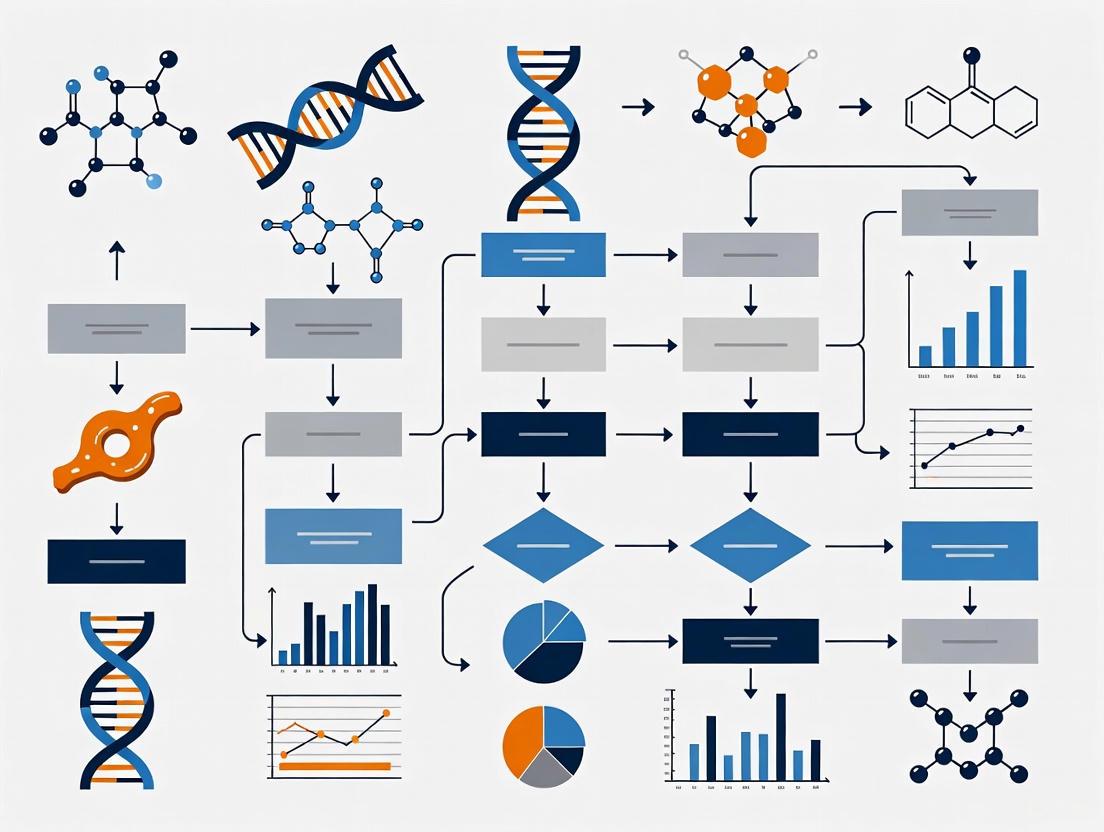
This article provides a comprehensive overview of Integrative and Regenerative Pharmacology (IRP), an emerging interdisciplinary field that merges pharmacological sciences, systems biology, and regenerative medicine to develop transformative, curative therapies.
Integrative and Regenerative Pharmacology: Principles, Applications, and the Path to Curative Therapies
Abstract
This article provides a comprehensive overview of Integrative and Regenerative Pharmacology (IRP), an emerging interdisciplinary field that merges pharmacological sciences, systems biology, and regenerative medicine to develop transformative, curative therapies. Aimed at researchers, scientists, and drug development professionals, it explores the foundational principles of restoring biological structure and function beyond symptomatic relief. The scope spans from core concepts and mechanistic insights to advanced methodological applications in stem cell therapy, biomaterials, and drug delivery systems. It critically addresses key translational challenges, including manufacturing scalability, safety, and regulatory hurdles for Advanced Therapy Medicinal Products (ATMPs), and evaluates validation strategies through clinical trials and comparative efficacy. The synthesis offers a forward-looking perspective on how IRP is poised to redefine therapeutic landscapes and advance personalized medicine.
The Paradigm Shift: From Symptom Management to Structural Restoration
Defining Integrative and Regenerative Pharmacology (IRP)
Integrative and Regenerative Pharmacology (IRP) represents a state-of-the-art interdisciplinary field that bridges pharmacology, systems biology, and regenerative medicine [1]. Its operational definition is "the application of pharmacological sciences to accelerate, optimize, and characterize (either in vitro or in vivo) the development, maturation, and function of bioengineered and regenerating tissues" [2] [3]. This represents a fundamental paradigm shift from traditional pharmacology, which primarily focuses on developing drugs to reduce symptoms and alter the course of disease, toward therapeutic strategies aimed at restoring the physiological structure and function of damaged tissues and organs [1]. IRP thus seeks to cure disease through restoration of tissue/organ function, a strategy distinct from standard pharmacotherapy, which is often limited to the amelioration of symptoms [2] [3].
Table 1: Core Conceptual Evolution from Traditional Pharmacology to IRP
| Aspect | Traditional Pharmacology | Integrative & Regenerative Pharmacology |
|---|---|---|
| Primary Goal | Symptom management and disease course alteration | Restoration of physiological structure and function |
| Therapeutic Approach | Single-target, palliative interventions | Multi-target, curative interventions |
| Scope | Drug development for symptom relief | Regeneration, repair, and replacement of damaged cells, tissues, and organs |
| Timeframe | Chronic management | Transformative curative outcomes |
| Systems Perspective | Limited reductionist approach | Holistic, systems biology-informed approach |
The Grand Challenge for IRP is threefold: (1) to utilize integrative pharmacology strategies to obtain improved insight into relevant mechanisms of end organ/tissue dysfunction as well as mechanisms of tissue regeneration, repair, and replacement; (2) to utilize cutting-edge drug delivery technologies to improve localized delivery of therapeutic drug concentrations/effects with enhanced specificity; and (3) to leverage both aspects to create a new generation of therapies for improved symptomatic treatment and development of transformational curative therapies [4].
Conceptual Foundations and Theoretical Underpinnings
Integrative Pharmacology Component
Integrative pharmacology represents the systematic investigation of the interactions between drugs and humans at the molecular, cellular, organ, and system levels [1]. This field integrates traditional pharmacology with signaling pathways and networks, bioinformatic tools, and multi-omics approaches including transcriptomics, genomics, proteomics, epigenomics, metabolomics, and microbiomics [1]. The primary objectives of integrative pharmacology are to improve our understanding, diagnosis, and treatment of human diseases by deconstructing mechanisms of action to 'basic pharmacology,' and to facilitate the prediction of possible targets, pathways, and effects that could provide clues for developing more effective therapeutics [1]. This approach emphasizes the integration of multidisciplinary knowledge, different pharmacokinetic and biological processes, as well as multiple computational and experimental techniques [5].
Regenerative Pharmacology Component
Regenerative pharmacology was formally defined in 2007 as "the application of pharmacological sciences to accelerate, optimize, and characterize (either in vitro or in vivo) the development, maturation, and function of bioengineered and regenerating tissues" [1] [2]. This field represents the fusion of pharmacological techniques with regenerative medicine principles to develop therapies that promote the body's innate healing ability [1]. The complementary and synergistic nature of these research areas permits two-way developments: pharmaceutical innovations can improve the safety and efficacy of regenerative therapies, while regenerative medicine approaches can offer new platforms (e.g., 3D models, organ-on-a-chip) for both drug development and testing [1].
Diagram 1: IRP Conceptual Framework and Therapeutic Pipeline
Key Methodologies and Experimental Approaches
Integrative Pharmacology Methodologies
Integrative pharmacology employs sophisticated pharmacokinetic-pharmacodynamic (PK-PD) correlations among multi-constituents and multi-targets, integrating chemical profiling, ADME/PK processes, molecular network calculation, and experimental validation [5]. This approach has become particularly valuable for determining the multi-pharmacological effects of complex therapeutic formulations, including those derived from traditional medicine systems [5]. The methodology establishes qualitative and quantitative PK-PD correlations through the integration of knowledge from multiple disciplines and techniques and from different PK-PD processes in vivo [6]. Key research contents include chemical and ADME/PK profiles of complex formulas, confirmation of the three forms of active substances and the three action modes, establishment of qualitative PK-PD correlation, and building quantitative PK-PD correlations [6].
Diagram 2: Integrative Pharmacology PK-PD Workflow
Regenerative Pharmacology Experimental Platforms
Regenerative pharmacology utilizes diverse experimental platforms that incorporate bioengineered tissues, stem cell technologies, and advanced biomaterials [2]. These platforms enable the systematic application of pharmacological principles to optimize tissue development and function. Key approaches include functional evaluation of engineered and regenerating tissues, modulation of stem/progenitor cell expansion and differentiation, targeted cellular delivery of drugs/chemicals to modulate regeneration in vivo, development of functionalized "smart" biomaterials, and real-time modulation of tissue formation/regeneration/morphogenesis [2]. These applications range from "passive or dissecting" contributions (preclinical assessment and pharmacological characterization) to "active or directing" roles (screening of growth factor and small molecule libraries, development of novel drug delivery systems) [2].
Table 2: Pharmacological Applications in Tissue Engineering and Regenerative Medicine Processes
| TE/RM Process/Need | Pharmacological Application | Type of Contribution |
|---|---|---|
| Functional evaluation of engineered and regenerating tissues | Preclinical assessment and pharmacological characterization of tissue/organ phenotype in vitro and in vivo | Passive/Dissecting |
| Modulation of stem/progenitor cell expansion and differentiation | Screening of growth factor and small molecule libraries; development of improved culture systems | Active/Directing |
| Targeted cellular delivery of drugs/chemicals to modulate regeneration in vivo | Development of novel drug delivery systems including biomaterials, nanomaterials, and bifunctional compounds | Active/Directing |
| Biomaterials as reservoirs for bioactive agents and cell delivery vehicles | Development of functionalized "smart" biomaterials | Active/Directing |
| Real-time modulation of tissue formation/regeneration/morphogenesis | Pharmacological modulation of the entire regenerative process | Active/Directing |
Research Reagent Solutions and Essential Materials
The implementation of IRP research requires specialized reagents and materials that enable the sophisticated experimental approaches central to this field. The following table details key research reagent solutions essential for conducting IRP investigations.
Table 3: Essential Research Reagents and Materials for IRP Investigations
| Research Reagent/Material | Function/Application | Specific Examples |
|---|---|---|
| Stem Cells | Raw materials for creating new tissue; modulation of expansion and differentiation | Human umbilical cord MSCs (HUC-MSCs), BM-MSCs, adipose-derived stem cells [7] |
| Biomaterials/Scaffolds | Basic constituents for tissue reconstruction; reservoirs for bioactive agents | "Smart" biomaterials, tissue-engineered scaffolds [2] [7] |
| Growth Factors | Complex mixtures for restoration of tissue/organ function | FGF, EGF, PDGF, NGF, VEGF, IGF, BMPs [2] |
| Nanocarrier Systems | Enhanced delivery of genes and difficult-to-formulate therapeutics; miRNA delivery | Polymer and lipid-based nanoparticles, nanofibers [1] [4] [7] |
| miRNA Modulators | Regulation of gene expression in wound healing and regeneration | miR21 targets, miRNA nanocarrier systems [7] |
| Ion Transport Modulators | Restoration of ionic balance in neuronal impairments | Bumetanide (NKCC1 inhibitor) [7] |
| Gene Editing Tools | Genome editing in stem cells for personalized therapy | CRISPR/Cas9 systems [7] |
Current Challenges and Future Perspectives
Implementation Challenges
Despite its significant promise, IRP faces substantial implementation challenges that have limited its clinical translation. Translational barriers rank among the most pressing issues and can be systematized as follows: (1) investigational obstacles, such as unrepresentative preclinical animal models that impact the definition of the therapeutic mechanism of action and raise questions over long-term safety and efficacy; (2) manufacturing issues, including scalability, automated production methods and technologies, and the need for Good Manufacturing Practice (GMP); (3) complex regulatory pathways with different regional requirements (e.g., EMEA and FDA with no unified guidelines); (4) ethical issues, particularly with regard to patient privacy and data security or the use of embryonic stem cells; and (5) economic factors, such as high manufacturing costs and reimbursement challenges [1]. These uncertainties collectively hamper clinical adoption as well as investment in this emerging field.
Future Directions and Opportunities
The future development of IRP is expected to advance through several key avenues, including the integration of advanced biomaterials, data-driven approaches through personalized medicine, and the expansion of clinical trials under collaborative research frameworks [1]. The development of "smart" biomaterials that can deliver locally bioactive compounds in a temporally controlled manner is anticipated to be crucial for future therapeutics [1]. Specifically, stimuli-responsive biomaterials, which can alter their mechanical characteristics, shape, or drug release profile in response to external or internal triggers, represent transformative therapeutic approaches [1]. Artificial intelligence (AI) holds particular promise for addressing IRP challenges and improving therapeutic outcomes by enabling the development of more efficient and targeted therapeutics, predicting drug delivery system effectiveness, and anticipating cellular response [1]. Additionally, long-term follow-up clinical investigation is required to assess regenerative drugs and biologics beyond initial clinical trials, with an urgent need to increase the robustness and rigor of clinical trials in regenerative medicine [1]. The establishment of standardized procedures, consistency in therapeutic outcomes, and eventual development of curative therapies will require extensive cooperation between academia, industry, clinics, and regulatory authorities [1]. As the field continues to evolve, IRP development has the potential to completely transform both pharmacology and regenerative medicine, making the integration of pharmacology, systems biology and regenerative medicine foundational to modern medicine [1].
The Convergence of Pharmacology, Systems Biology, and Regenerative Medicine
The contemporary biomedical landscape is witnessing a profound paradigm shift, moving from reductionist, single-target drug development toward holistic, system-wide therapeutic strategies. At the nexus of this transformation lies the convergence of pharmacology, systems biology, and regenerative medicine—a fusion giving rise to the innovative field of Integrative and Regenerative Pharmacology (IRP). This emerging discipline represents a fundamental reorientation in therapeutic science, aiming not merely to manage pathological symptoms but to restore the physiological structure and function of compromised tissues through targeted interventions [8]. IRP embodies a strategic departure from traditional pharmacology, which primarily focused on developing drugs for symptomatic relief and disease course alteration. Instead, IRP leverages the powerful toolkit of cell and molecular biology, combines it with computational modeling of biological networks, and applies these integrated capabilities toward regenerative outcomes [8] [9]. This convergence is catalyzing the development of transformative curative therapies that simultaneously address symptomatic relief while promoting tissue repair, renewal, and regeneration.
The conceptual foundation of IRP rests upon systematically investigating drug interactions across multiple biological levels—from molecular and cellular to organ and system levels—while incorporating insights from signaling pathways, bioinformatic tools, and multi-omics technologies (transcriptomics, genomics, proteomics, epigenomics, metabolomics, and microbiomics) [8]. This integrative approach facilitates a more comprehensive understanding of disease mechanisms and therapeutic action, enabling the prediction of potential targets, pathways, and effects that inform the development of more effective regenerative therapeutics. The complementary and synergistic nature of these research areas enables bidirectional advancements: pharmaceutical innovations improve the safety and efficacy of regenerative therapies, while regenerative medicine approaches provide novel platforms such as 3D models and organ-on-a-chip systems for enhanced drug development and testing [8]. As such, IRP represents a foundational framework for modern medicine, positioning regeneration as a computationally informed, biologically precise, and translationally agile therapeutic strategy [8] [10].
Conceptual Framework and Definitions
Core Definitions and Their Integration
Integrative Pharmacology: The systematic investigation of interactions between drugs and humans at molecular, cellular, organ, and system levels, combining traditional pharmacology with analysis of signaling pathways and networks, bioinformatic tools, and multi-omics technologies [8]. This field aims to improve understanding, diagnosis, and treatment of human diseases by elucidating mechanisms of action (MoA) and facilitating prediction of therapeutic targets and pathways.
Regenerative Pharmacology: Defined as "the application of pharmacological sciences to accelerate, optimize, and characterize the development, maturation, and function of bioengineered and regenerating tissues" [8]. This represents the application of pharmacological principles and techniques to regenerative medicine, fusing ancient pharmacological knowledge with cutting-edge research to develop therapies that enhance the body's innate healing capacity.
Systems Biology: An interdisciplinary field that applies computational and mathematical methods to study complex interactions within biological systems, creating theoretical and mathematical models for hypothesis generation and providing context for experimental data [11] [12]. It utilizes multi-modality datasets to describe how multicomponent interactions form functional networks and how their dysfunction contributes to disease states.
Integrative and Regenerative Pharmacology (IRP): The unified interdisciplinary field bridging pharmacology, systems biology, and regenerative medicine, merging the above domains into a coherent scientific discipline focused on restoring biological structure and function through multi-level, holistic interventions that integrate conventional drugs with targeted therapies intended to repair, renew, and regenerate tissues [8].
The Integrative Model: Conceptual Diagram
The following diagram illustrates the conceptual framework and dynamic interactions between the core disciplines within Integrative and Regenerative Pharmacology:
Figure 1: IRP Conceptual Framework. This diagram visualizes how three core disciplines converge to form Integrative and Regenerative Pharmacology (IRP), enabling advanced therapeutic applications.
Key Methodologies and Experimental Approaches
Enhanced Pharmacodynamic (ePD) Modeling
The development of Enhanced Pharmacodynamic (ePD) models represents a cornerstone methodology in the convergence of systems biology and pharmacology. These models synergistically combine the desirable features of systems biology and current pharmacodynamic models within frameworks of ordinary or partial differential equations [9]. Unlike standard PD models that often rely on single endpoints, ePD models provide a network view of drug action that accounts for multiple targets and interconnected pathways. A defining characteristic of ePD models is their explicit incorporation of how genomic, epigenomic, and posttranslational regulatory characteristics in individual patients alter drug responses [9].
These models are data-driven, developed from measurements in cells or tissue systems of interest, and employ model-fitting algorithms that result in identifiable models with experimentally validated parameters. For instance, researchers have constructed operational ePD models to track the effect of epidermal growth factor receptor (EGFR) inhibitors on tumor growth while accounting for multiple genomic variations within cellular regulatory networks controlling tumor response [9]. Such models can simulate how different patients with varying genomic and epigenomic profiles respond differently to the same drug regimen, enabling more precise prediction of therapeutic outcomes and adverse events.
Multi-Omics Technologies and Network Analysis
Systems biology approaches applied to regenerative pharmacology heavily rely on multi-omics technologies that provide comprehensive molecular profiling across different biological layers:
Table 1: Multi-Omics Technologies in Integrative and Regenerative Pharmacology
| Technology | Analytical Focus | Key Methodologies | Applications in IRP |
|---|---|---|---|
| Genomics | DNA sequence, structure, function, mapping | DNA sequencing, genome-wide association studies | Identification of genetic variants affecting drug response and tissue regeneration capacity [12] |
| Epigenomics | Heritable changes in gene expression without DNA sequence alteration | Chromatin immunoprecipitation sequencing (ChIP-Seq), bisulfite sequencing | Analysis of DNA methylation patterns in pluripotent stem cells and differentiated cells [11] |
| Transcriptomics | Global gene expression patterns | Microarrays, RNA sequencing (RNA-Seq) | Studying networks of correlated gene expression in stem cell differentiation [11] |
| Proteomics | Protein expression, post-translational modifications | Mass spectrometry, affinity-based methods | Quantifying thousands of proteins in cells, tissues, or biofluids [12] |
| Metabolomics | Small molecule metabolites | Unbiased and targeted mass spectrometry panels | Mapping substrates and products of metabolism in regenerative processes [12] |
These omics technologies generate vast datasets that require sophisticated computational tools for integration and interpretation. Software platforms such as Ingenuity Pathways Analysis enable visualization of interactions between differentially abundant molecular species and prediction of phenotypic changes resulting from groups of key gene regulations [11]. Other advanced computational tools developed specifically for systems pharmacology include NetDecoder, Personalized Mutation Evaluator (PERMUTOR), Regulostat Inferelator (RSI), and Machine Learning-Assisted Network Inference (MALANI) [13].
Advanced Biomaterials and Drug Delivery Systems
The development of cutting-edge drug delivery systems represents another critical methodological pillar in IRP. These technologies aim to overcome barriers that limit traditional pharmacotherapy effectiveness and extend deliverable therapeutic agents to a wider array of compounds, including genes and regenerative factors [4]. Key advancements include:
Nanoparticle Systems: Both polymer and lipid-based nanoparticles enhance delivery of genes and difficult-to-formulate therapeutics, such as those used in cancer treatment. These nanocarriers can be modified in numerous ways to cater to specific therapeutic indications and tissue environments [4].
Stimuli-Responsive Biomaterials: "Smart" biomaterials that can alter their mechanical characteristics, shape, or drug release profile in response to external or internal triggers represent transformative therapeutic approaches. These systems enable localized delivery of bioactive compounds in a temporally controlled manner [8].
Scaffold-Based Approaches: Three-dimensional scaffolds combined with imaging capabilities enable real-time monitoring of physiological response to released compounds and the regeneration process itself [8].
The primary goal of these advanced delivery technologies is to achieve enhanced specificity for cellular and subcellular targets while minimizing off-target effects, thereby maximizing therapeutic efficacy while reducing adverse events.
Experimental Protocols in Integrative and Regenerative Pharmacology
Protocol for Developing Enhanced Pharmacodynamic Models
The construction of enhanced pharmacodynamic models follows a systematic, iterative process that integrates computational and experimental approaches:
Network Mapping and Topology Specification:
- Identify all pertinent regulatory networks and motifs (feedback loops, feed-forward loops) involved in the drug's mechanism of action and the disease pathology.
- Construct a detailed map of the cellular network, specifying drug targets and their interconnections. For example, in developing an ePD model for an EGFR inhibitor, researchers would map the linear pathway from EGFR to downstream effectors, including any coherent feed-forward motifs [9].
Model Formulation:
- Cast the network map as a system of ordinary differential equations (ODEs) that represent biochemical reaction mechanisms from ligand-receptor binding to cellular outputs.
- Incorporate known genomic, epigenomic, and posttranslational regulatory characteristics that may alter network behavior.
Parameter Estimation and Model Fitting:
- Collect experimental data on drug concentrations and associated biological responses across time and various doses in relevant biological systems.
- Implement model-fitting algorithms (weighted least squares, maximum likelihood, Bayesian) to estimate parameters and obtain a locally identifiable model.
- Validate parameters through targeted experimental perturbation studies.
Model Validation and Refinement:
- Test model predictions against independent experimental datasets not used in parameter estimation.
- Refine the model through iterative cycles of simulation and experimental validation.
- Scale the model to explain response to drug therapy in individual patients with differing genomic and epigenomic characteristics [9].
Protocol for Multi-Omics Integration in Regenerative Studies
Integrating multi-omics data to study regenerative processes requires a coordinated experimental and computational workflow:
Sample Preparation and Data Generation:
- Collect samples (cells, tissues, biofluids) at multiple time points during the regenerative process to capture dynamics.
- Process samples for parallel multi-omics analyses: DNA for genomics, RNA for transcriptomics, proteins for proteomics, and metabolites for metabolomics.
- For epigenomic analysis, perform chromatin immunoprecipitation followed by sequencing (ChIP-Seq) to map histone modifications or bisulfite sequencing for DNA methylation analysis [11].
Data Preprocessing and Quality Control:
- Apply platform-specific normalization methods to each omics dataset to remove technical artifacts.
- Conduct quality control assessments to identify and remove outliers or poor-quality samples.
- For microarray-based transcriptomics, validate key findings using quantitative PCR [11].
Data Integration and Network Analysis:
- Use software such as Ingenuity Pathways Analysis or custom computational pipelines to integrate across omics layers.
- Perform large-scale, pair-wise comparisons of expressed genes and proteins to identify co-regulated networks.
- Map differentially expressed molecules to known signaling pathways and biological processes.
Model Building and Hypothesis Generation:
- Construct theoretical and mathematical models that incorporate the multi-omics data to describe the regenerative system.
- Generate testable hypotheses about key regulatory nodes and pathways controlling the regenerative process.
- Validate predictions through targeted experimental perturbations (e.g., gene knockdown, pharmacological inhibition) [11].
The Scientist's Toolkit: Essential Research Reagents and Platforms
Table 2: Essential Research Reagents and Platforms for IRP Investigations
| Tool Category | Specific Examples | Function and Application |
|---|---|---|
| Computational Modeling Platforms | NetDecoder, PERMUTOR, RSI, MALANI | Network analysis, personalized mutation evaluation, regulatory network inference, machine learning-assisted network modeling [13] |
| Pathway Analysis Software | Ingenuity Pathways Analysis (IPA) | Visualization and interpretation of complex omics data, mapping interactions between genes/proteins, predicting phenotypic outcomes [11] |
| Gene Expression Analysis | Microarrays, RNA-Seq, qPCR | Global transcript abundance measurement, novel RNA species detection, validation of expression changes [11] |
| Epigenomic Analysis | ChIP-Seq, bisulfite sequencing | Genome-wide mapping of histone modifications, DNA methylation patterns [11] |
| Proteomic Analysis | Mass spectrometry, affinity-based methods | Protein quantification, post-translational modification mapping [12] |
| Biomaterial Systems | Stimuli-responsive hydrogels, nanoparticle systems, 3D scaffolds | Controlled drug delivery, structural support for tissue regeneration, immunomodulation [8] [10] |
| Cell Culture Models | Organ-on-a-chip, 3D tissue models, induced pluripotent stem cells | Disease modeling, drug screening, mechanistic studies in human-relevant systems [8] |
Applications and Therapeutic Implications
Personalized and Precision Medicine
The convergence of pharmacology, systems biology, and regenerative medicine has profound implications for advancing personalized and precision medicine. IRP aims to develop precise therapeutic interventions using individual genetic profiling and biomarkers as part of personalized medicine initiatives [8]. State-of-the-art methodologies such as omics technologies and gene editing assist in identifying key signaling pathways and biomolecules crucial for developing novel regenerative therapeutics. Enhanced PD models that incorporate individual genomic and epigenomic variations enable "binning" of patient drug responses into tranches to develop limited sets of appropriate treatment regimens tailored to specific patient subgroups [9]. This approach facilitates matching the right therapeutic mechanism to the right patient at the right dose, potentially increasing success rates in clinical trials.
Research initiatives such as those at Mayo Clinic's Integrated Systems Biology and AI Lab focus on developing novel network tools and integrating various large-scale biomedical omics data to unravel molecular mechanisms and pathophysiological roots that underpin complex disease systems at personalized network levels [13]. These approaches foster individualized disease diagnosis, drug discovery, and precision medicine by uncovering meaningful biological information that explains the properties of big data from new systems biology perspectives.
Transformative Curative Therapies
Unlike traditional pharmacology that primarily focuses on symptomatic treatment, IRP aims to develop transformative curative therapies capable of restoring biological structure and function. This represents a seismic shift in thinking—from developing palliative drugs to creating therapies whose goal is to cure disease [4]. Examples of this approach include:
Stem Cell-Based Therapies: Stem cells can be considered tunable combinatorial drug manufacture and delivery systems, whose products (e.g., secretome) can be adjusted for different clinical applications [8]. Researchers have successfully expanded human blood stem cells in culture, opening avenues for new medical therapies [14].
Tissue Engineering and Regenerative Approaches: When viable tissue remains, pharmacological strategies leveraging systems pharmacology and advanced drug delivery systems can improve treatment of disease pathology. When viable tissue is scarce, tissue engineering and advanced regenerative medicine technologies under the auspices of Regenerative Pharmacology are required [4].
Oncolytic Virotherapy: Reprogramming viruses from biological threats to therapeutic instruments, such as using oncolytic reovirus strategies against virus-induced cancers by exploiting cancer-specific vulnerabilities [10].
Challenges and Future Directions
Current Implementation Barriers
Despite its considerable promise, IRP faces significant implementation challenges that have limited translation from preclinical studies to clinical applications:
Translational Barriers: These include unrepresentative preclinical animal models that impact the definition of therapeutic mechanisms of action and raise questions about long-term safety and efficacy [8].
Manufacturing Issues: Challenges in scalability, automated production methods and technologies, and the need for Good Manufacturing Practice (GMP) compliance present significant hurdles [8].
Regulatory Complexities: The absence of unified guidelines across different regions (e.g., EMEA and FDA) creates regulatory challenges for advanced therapy medicinal products (ATMPs) [8].
Economic Factors: High manufacturing costs and reimbursement uncertainties, particularly for ATMPs, limit accessibility, especially in low- and middle-income countries [8].
Ethical Considerations: Issues surrounding patient privacy, data security, and the use of embryonic stem cells require careful consideration and framework development [8].
Promising Future Avenues
Several emerging trends and technological advancements promise to address current limitations and accelerate the development of IRP:
Artificial Intelligence Integration: AI holds promise for transforming regenerative pharmacology by enabling more efficient targeted therapeutic development, predicting drug delivery system effectiveness, and anticipating cellular responses [8] [10]. Machine learning approaches can help standardize experimental and clinical datasets and convert them into accurate, reliable information amenable to further investigation.
Advanced Biomaterial Development: The creation of 'smart' biomaterials that can deliver bioactive compounds in a temporally controlled manner is expected to be key for future therapeutics [8]. This includes stimuli-responsive biomaterials that alter their properties in response to external or internal triggers.
Multi-Scale Data Integration: The development of computational platforms that can integrate data across biological scales—from molecular to organ levels—will enhance our ability to model and predict therapeutic outcomes in regenerative contexts [13] [12].
Expanded Clinical Trial Frameworks: There is an urgent need to increase the robustness and rigor of clinical trials in regenerative medicine through interdisciplinary clinical trial designs that incorporate pharmacology, bioengineering, and medicine [8]. Long-term follow-up clinical investigations are required to assess regenerative drugs and biologics beyond initial clinical trials.
The following diagram illustrates the integrated workflow for overcoming translational challenges in IRP through a synergistic approach:
Figure 2: Challenges and Solutions in IRP Translation. This workflow diagram maps key implementation barriers to innovative solutions and resulting therapeutic outcomes.
The convergence of pharmacology, systems biology, and regenerative medicine represents more than a mere intersection of disciplines—it constitutes a fundamental reimagining of therapeutic science. Integrative and Regenerative Pharmacology has emerged as a distinct field dedicated to both mechanistic rigor and therapeutic innovation, with the ambitious goal of restoring biological structure and function rather than merely managing pathophysiologic symptoms [8]. This convergence challenges traditional drug discovery models and points toward systems-based, healing-oriented therapeutic approaches that reflect a paradigm shift in biomedical science.
The continued development of IRP will require strong interdisciplinary cooperation, standardized manufacturing processes, rigorous clinical validation, and innovative regulatory frameworks. As the field matures, priorities must include integration beyond innovation, focusing not merely on technological advances but on their seamless incorporation into therapeutic development pipelines; expanded computational capabilities to harness the power of artificial intelligence and machine learning for predictive modeling; and robust clinical translation through interdisciplinary trial designs that incorporate pharmacology, bioengineering, and clinical medicine [8] [10].
The trajectory of IRP promises to fundamentally transform both pharmacology and regenerative medicine, offering a pathway from symptomatic treatment to genuine curative therapies. This integration is no longer optional but foundational to modern medicine, positioning regeneration as computationally informed, biologically precise, and translationally agile—a paradigm that will undoubtedly shape the future of therapeutic development [8] [10].
Restoring Tissue Structure and Function vs. Palliative Care
The fields of tissue engineering and regenerative medicine represent a paradigm shift in therapeutic strategies, moving from disease management to functional restoration. These disciplines are founded on the principle of harnessing the body's innate repair mechanisms, augmented by advanced biomaterials, cells, and bioengineering techniques, to restore, replace, or regenerate damaged tissues and organs [15] [16]. This stands in contrast to palliative care approaches, which focus primarily on symptom management, comfort, and quality of life without targeting the underlying pathophysiology for cure [17]. Within integrative pharmacological research, this translates to developing interventions that actively promote tissue regeneration through targeted modulation of cellular processes, signaling pathways, and microenvironmental cues.
The fundamental components of regenerative strategies include:
- Cells: Building blocks for new tissue formation, derived from autologous, allogeneic, or stem cell sources
- Scaffolds: Biomaterials providing structural support for cell growth and tissue development
- Signaling Molecules: Growth factors and cytokines that regulate cell behavior including proliferation, differentiation, and extracellular matrix production [16]
Understanding the distinctions between regenerative and palliative approaches is essential for researchers and drug development professionals aiming to design targeted therapeutic interventions that address both structural restoration and patient quality of life across different disease stages and patient populations.
Scientific Foundations of Tissue Restoration
The Healing Cascade and Regenerative Potential
Mammalian wound healing progresses through four distinct but overlapping stages: hemostasis, inflammation, proliferation, and remodeling [15]. Unlike amphibians that can regenerate entire limbs, humans possess limited regenerative capabilities, typically responding to injury with inflammation that results in wound contraction and scarring rather than true regeneration [15]. True regeneration is defined as the replacement of new tissue without scarring, a rare phenomenon in humans. Even organs like the liver, often cited for regenerative capacity, actually undergo compensatory hyperplasia rather than true regeneration, with existing hepatocytes proliferating without progenitor cell activation [15].
Regenerative medicine seeks to overcome these limitations by manipulating the healing environment through pharmacological interventions, cellular therapies, and biomaterial scaffolds that direct tissue restoration rather than scar formation. Key cellular players include platelets releasing growth factors like PDGF and TGF-β, neutrophils clearing pathogens, macrophages secreting cytokines, fibroblasts synthesizing collagen, and endothelial cells driving angiogenesis [15].
Stem Cell Biology and Cellular Therapies
Stem cell applications represent a cornerstone of regenerative approaches, leveraging cells with enhanced regenerative potential to circumvent the body's limited healing capacity. Several stem cell types offer distinct advantages and challenges:
Table: Stem Cell Types in Regenerative Medicine
| Cell Type | Source | Differentiation Potential | Key Advantages | Ethical/Limitations |
|---|---|---|---|---|
| Embryonic Stem Cells (ESCs) | Inner cell mass of blastocyst | Pluripotent - all three embryonic layers | Unlimited proliferation capacity | Embryo sacrifice required [15] |
| Human Induced Pluripotent Stem Cells (hiPSCs) | Reprogrammed adult somatic cells | Pluripotent | Circumvents ethical concerns; patient-specific [15] | Potential safety risks; costly [15] |
| Mesenchymal Stem Cells (MSCs) | Bone marrow, adipose tissue, umbilical cord | Multipotent - limited differentiation | Pro-angiogenic factor release; immunomodulatory [15] [18] | More limited differentiation compared to ESCs [15] |
| Adipose-Derived Stem Cells (ASCs) | Adipose tissue | Multipotent - multiple lineages | Easily accessible; secrete various cytokines [15] | Subset of MSCs with similar limitations [15] |
The advent of hiPSCs has been particularly transformative, offering a platform to circumvent ethical challenges associated with ESCs. Pioneered by Nobel Laureate Shinya Yamanaka, hiPSCs are generated by reprogramming adult somatic cells into an embryonic stem cell-like pluripotent state through viral-mediated delivery of genetic factors (OCT3/4, SOX2, KLF4, and MYC) [15].
Emerging Paradigm: The Secretome and Cell-Free Therapies
Recent research has identified the secretome—the protein and factor secretions from cells—as a promising therapeutic agent in regenerative medicine [19]. This represents a shift from conventional stem cell treatments toward using the bioactive molecules these cells produce. The secretome contains extracellular vesicles, growth factors, cytokines, and other regulatory molecules that play essential roles in angiogenesis, immune modulation, fibroblast activation, and extracellular matrix remodeling [15] [19].
Of particular interest are MSC-derived exosomes (MSC-exos), which carry bioactive molecules including miRNAs, growth factors, cytokines, and lipids. Exosomal delivery of miR-21, miR-126, and other regulatory molecules has been shown to accelerate re-epithelialization and improve vascularization [15]. This cell-free approach offers potential advantages in safety, standardization, and storage compared to live cell therapies.
Regenerative Pharmacology Approaches by Tissue System
Cartilage and Bone Regeneration
Cartilage and bone destruction from injury, degeneration, or disease presents significant clinical challenges due to the limited self-repair mechanisms of these tissues. Cartilage, being avascular, has particularly limited regenerative capacity due to constrained nutrient delivery and immune cell mobilization [18]. Integrative pharmacological approaches for these tissues combine bioactive agents, growth factors, and stem cells to enhance healing:
Table: Regenerative Approaches for Cartilage and Bone
| Therapeutic Approach | Mechanism of Action | Research Evidence | Clinical Applications |
|---|---|---|---|
| Pamrevlumab | Targets ER stress-YAP-CTGF signaling pathway | Alleviates deleterious effects in cartilage-specific YAP overexpression transgenic mice [18] | Osteoarthritis treatment |
| Hyaluronic Acid/Tranexamic Acid Conjugate | Inhibits fibrinolysis and matrix metalloproteases | Single intraarticular injection shown to alleviate pain and slow OA progression in murine model [18] | Knee osteoarthritis |
| Metformin with MSCs | Promotes MSC proliferation, differentiation, and resistance to aging | Enhances therapeutic potential of MSCs in regenerative contexts [18] | Bone regeneration in various contexts |
| Functionally Graded Bilayer Membrane | Provides enhanced barrier function and mechanical properties with osteogenic bioactivity | Demonstrated pronounced osteogenic bioactivity in in vitro and in vivo models [18] | Guided bone regeneration |
| Dental Pulp-derived MSCs | Maintains trabecular bone mass with immunoregulatory properties | Superior performance in ovariectomy-induced mouse model of osteoporosis [18] | Postmenopausal osteoporosis therapy |
Signaling Pathways in Cartilage and Bone Regeneration
Regenerative Pharmacology in Osteoarthritis
Skin and Soft Tissue Regeneration
Skin regeneration represents one of the most advanced applications of regenerative medicine, with several cell-based products already in clinical use:
- Recell: An autologous suspension containing keratinocytes, fibroblasts, and melanocytes that work synergistically for both dermal and epidermal regrowth [15]
- Apligraf: A bovine type I collagen matrix seeded with neonatal fibroblasts and keratinocytes, contributing to faster healing and less fibrosis than natural skin [15]
- Grafix: A cryopreserved amniotic membrane containing mesenchymal stem cells that has improved outcomes for wound healing in diabetic and vascular patients [15]
Adipose-derived stem cells (ASCs) have shown particular promise in soft tissue regeneration, with factors secreted by ASCs increasing healing rates while reducing collagen deposition and allowing for finer, more organized tissue structure [15].
Palliative Approaches in Wound and Tissue Management
Palliative wound care focuses on symptom management, comfort, and dignity rather than wound healing, which distinguishes it from regenerative approaches [17]. A scoping review with qualitative synthesis defined palliative wound care through three main themes:
- Healing potential of wounds and patient vulnerability
- Understanding the impact on individuals and family to address needs
- Towards new goals and perspectives in approach to care [17]
This approach recognizes that in certain clinical contexts, particularly with advanced illness, frail elderly, or non-healing wounds, the goal of complete tissue restoration may be unrealistic or undesirable. Instead, the focus shifts to managing symptoms such as pain, exudate, and odor while maintaining patient comfort and dignity [17].
In oncology, integrated palliative care (IPC) has demonstrated significant benefits for quality of life. A 2025 meta-analysis of nine randomized controlled trials involving 1,794 patients showed that IPC significantly improved quality of life compared to standard care (SMD = 3.25; 95% CI: 1.20-5.30; p < 0.001) [20]. The benefits were most pronounced in studies conducted in Asia (SMD = 6.15), Africa (SMD = 6.0), and for lung cancer patients (SMD = 6.15) [20].
Experimental Design and Methodologies
In Vivo Models for Regenerative Research
Table: Experimental Models in Tissue Regeneration Research
| Model System | Induction Method | Key Measurements | Applications |
|---|---|---|---|
| Cartilage-specific YAP overexpression transgenic mice | Genetic modification | Chondrocyte phenotype assessment, OA progression markers | Testing pamrevlumab and ER stress-YAP-CTGF pathway [18] |
| Monosodium iodoacetate-induced murine knee OA | Chemical induction (monosodium iodoacetate) | Pain behavior, histological OA progression, chondroprotection | Evaluating HA/TXA conjugate efficacy [18] |
| Ovariectomy-induced mouse osteoporosis model | Surgical ovariectomy | Trabecular bone mass measurement, immunoregulatory properties | Comparing MSC sources for osteoporosis [18] |
| Wound healing models | Excisional or incisional wounds | Re-epithelialization rate, vascularization, collagen organization | Testing ASCs, MSC-exosomes, and secretome therapies [15] |
Advanced Biomaterial Fabrication Techniques
The development of novel scaffolds with enhanced bioactivity represents a critical area of methodological innovation:
- Phase Inversion with Electrospinning: Used to create functionally graded bilayer membranes composed of poly (lactic-co-glycolic acid), nano-hydroxyapatite, and gelatin for guided bone regeneration [18]
- 3D Bioprinting: Enables creation of complex scaffold architectures with precise spatial control over material composition and cell placement [16]
- Stimuli-Responsive Biomaterials: Designed to alter mechanical characteristics, shape, or drug release profile in response to external or internal triggers, representing a transformative approach to biomedical engineering [18]
Workflow for Regenerative Therapy Development
Regenerative Therapy Development Pipeline
The Scientist's Toolkit: Research Reagent Solutions
Table: Essential Research Reagents in Regenerative Pharmacology
| Reagent/Category | Specific Examples | Research Function | Key Applications |
|---|---|---|---|
| Stem Cell Sources | Dental pulp MSCs, Adipose-derived MSCs, Umbilical cord MSCs | Cellular building blocks for tissue formation | Bone regeneration (dental pulp MSCs superior for osteoporosis) [18] |
| Bioactive Factors | Pamrevlumab, Metformin, Tranexamic acid, Growth factors (VEGF, TGF-β, PDGF) | Modulate signaling pathways, cell behavior | Targeting ER stress-YAP-CTGF pathway (Pamrevlumab) [18] |
| Scaffold Materials | PLGA, Nano-hydroxyapatite, Gelatin, Bovine type I collagen | Provide structural support for cell growth | Functionally graded membranes for bone regeneration [18] |
| Characterization Tools | EORTC QLQ-C30, FACT-G, Histological grading systems | Assess functional outcomes, tissue morphology | Quality of life measurement in clinical studies [20] |
| Secretome Components | MSC-derived exosomes, miR-21, miR-126, Cytokines | Cell-free therapeutic approach for paracrine signaling | Enhancing angiogenesis, reducing inflammation [15] [19] |
The distinction between restoring tissue structure and function versus providing palliative care represents a fundamental dichotomy in therapeutic philosophy, yet these approaches need not be mutually exclusive. Regenerative strategies aim to address the underlying pathophysiology through active tissue restoration, while palliative approaches focus on symptom management and quality of life when cure is not possible [17]. In clinical practice, these paradigms often exist on a continuum, with the potential for integration based on disease stage, patient factors, and therapeutic goals.
Future directions in integrative pharmacological research will likely focus on:
- Personalized Regenerative Protocols: Leveraging patient-specific factors to optimize therapeutic outcomes
- Advanced Biomaterials: Developing smarter scaffolds with controlled release capabilities and enhanced biointegration
- Secretome-Based Therapies: Harnessing the paracrine effects of stem cells without cell transplantation challenges [19]
- Combination Approaches: Integrating regenerative and palliative elements for comprehensive patient care across the disease spectrum
For researchers and drug development professionals, understanding both regenerative and palliative principles enables the design of more nuanced therapeutic strategies that can adapt to disease progression and individual patient needs, ultimately advancing toward more effective, patient-centered care in regenerative medicine.
The Three-Fold Grand Challenge of IRP
Integrative and Regenerative Pharmacology (IRP) represents a paradigm shift in medical science, moving beyond symptomatic treatment toward the development of curative therapies. This field leverages the body's innate healing mechanisms to repair, replace, and regenerate damaged cells, tissues, and organs. The "Grand Challenge" for IRP, as defined by leading institutions, encompasses three core pillars: (1) utilizing integrative pharmacology for improved target validation and understanding regeneration mechanisms, (2) advancing targeted drug delivery technologies, and (3) developing both improved symptomatic treatments and transformative curative therapies [21].
This whitepaper examines each component of this three-fold challenge through the lens of contemporary research, providing technical guidance and methodological frameworks for researchers and drug development professionals working at the intersection of systems biology, bioengineering, and pharmacology.
The First Pillar: Integrative Pharmacology for Target Validation and Mechanistic Insight
Conceptual Framework and Methodological Approach
Integrative Pharmacology employs studies ranging from in vivo whole animal pharmacology/toxicology to complex in vitro and ex vivo systems to obtain improved insight into relevant mechanisms of end organ/tissue dysfunction as well as mechanisms of tissue regeneration, repair, and replacement [21]. This approach requires coordinating information across multiple experimental systems and biological scales.
Core Methodological Requirements:
- Coordination of data from complex in vitro and ex vivo systems with rodent and large animal models that recapitulate relevant aspects of human clinical conditions [21]
- Development of computational models that account for the complexity of signal transduction networks
- Analysis of both upstream and downstream pathway events, as well as the impact of disease processes on pharmacological targets [21]
- Application of multiscale analysis and mathematical modeling to develop novel therapeutics
Experimental Protocols for Integrative Analysis
Protocol 1: Multiscale Target Validation
- In Vitro Screening: Conduct high-content screening using patient-derived induced pluripotent stem cells (iPSCs) to identify putative molecular targets
- Pathway Mapping: Apply functional pathway pharmacology analysis to identify upstream and downstream signaling events
- Ex Vivo Validation: Validate targets using precision-cut tissue slices or organoid systems
- In Vivo Confirmation: Utilize rodent disease models recapitulating human pathology for functional confirmation
- Systems Integration: Employ mathematical modeling to integrate data across scales (e.g., cardiac physiome models) [21]
Protocol 2: Functional Pathway Pharmacology
- Network Identification: Map signal transduction networks relevant to the disease pathology
- Perturbation Analysis: Apply targeted pharmacological interventions at multiple network nodes
- Response Quantification: Measure functional responses across multiple biological scales
- Model Optimization: Iteratively refine computational models based on experimental data
- Therapeutic Prediction: Utilize optimized models to predict novel therapeutic intervention points [21]
Signaling Pathways in Regenerative Pharmacology
The following diagram illustrates the core signaling pathways and experimental workflow for integrative target validation in regenerative pharmacology:
Integrative Target Validation Workflow
The Second Pillar: Advanced Drug Delivery Systems
Technological Framework and Implementation Strategies
The second aspect of the Grand Challenge focuses on applying cutting-edge drug delivery technologies to improve localized delivery of therapeutic drug concentrations/effects and enhance cellular and subcellular targeting specificity [21]. This requires interdisciplinary collaboration across nanotechnology, materials science, chemistry, and engineering.
Key Technological Barriers and Solutions:
Table 1: Drug Delivery Barriers and Nanotechnology Solutions
| Barrier | Description | Nanotechnology Solution | Therapeutic Application |
|---|---|---|---|
| Vascular Extravasation | Limited passage from circulation to target tissues | Polymer/lipid nanoparticles with enhanced permeability and retention | Cancer therapy, regenerative applications [21] |
| Local Diffusion Barriers | Limited penetration within target tissues | Engineered nanocarriers with size and surface charge optimization | Tissue regeneration, wound healing [21] |
| Cellular Targeting | Specificity for particular cell types | Surface-functionalized carriers with targeting ligands | Stem cell delivery, gene therapy [21] |
| Subcellular Compartmentalization | Delivery to specific organelles | Subcellular targeting sequences and stimuli-responsive materials | Gene editing, mitochondrial therapy |
Experimental Protocols for Delivery System Evaluation
Protocol 1: Nanocarrier Development and Testing
- Formulation Design: Design polymer or lipid-based nanoparticles using quality by design (QbD) principles
- Surface Modification: Functionalize surfaces with targeting ligands (e.g., peptides, antibodies, aptamers)
- Characterization: Determine size distribution, zeta potential, drug loading efficiency, and release kinetics
- In Vitro Testing: Evaluate cellular uptake, subcellular localization, and cytotoxicity in relevant cell models
- In Vivo Assessment: Determine pharmacokinetics, biodistribution, and target engagement in disease models [21]
Protocol 2: Gene Delivery System Optimization
- Vector Selection: Choose appropriate viral or non-viral delivery systems (e.g., lentivirus, AAV, lipid nanoparticles)
- Payload Optimization: Design genetic constructs with appropriate promoters and regulatory elements
- Delivery Efficiency: Quantify transfection/transduction efficiency across relevant cell types
- Functional Assessment: Measure transgene expression and therapeutic effect duration
- Safety Profiling: Evaluate immunogenicity and off-target effects [21]
Nanocarrier Engineering Workflow
The following diagram illustrates the strategic approach to overcoming biological barriers through nanocarrier engineering:
Nanocarrier Engineering for Biological Barriers
The Third Pillar: Transformative Therapeutic Development
From Palliative to Curative Treatment Paradigms
The ultimate goal of Integrative and Regenerative Pharmacology is to optimize the alignment of modern drug delivery technologies with systems pharmacology approaches to develop both improved symptomatic treatments and transformative curative therapies [21]. This represents a fundamental shift from developing palliative drugs to creating curative pharmacotherapies.
Therapeutic Development Framework:
Table 2: Regenerative Medicine Market Landscape and Applications
| Therapy Category | 2024 Market Value (USD) | Projected 2030 Market Value (USD) | CAGR (%) | Key Application Areas | Development Stage |
|---|---|---|---|---|---|
| Cell Therapies | $0.68 Billion | $2.21 Billion | 21.62% | Musculoskeletal disorders, oncology, neurology | Clinical trials to market [22] |
| Gene Therapies | $0.51 Billion | $1.65 Billion | 21.62% | Rare genetic diseases, oncology | Clinical trials to market [22] |
| Progenitor & Stem Cell Therapies | $0.34 Billion | $1.10 Billion | 21.62% | Wound care, autoimmune diseases | Research to clinical trials [22] |
| Tissue Engineered Products | $0.16 Billion | $0.51 Billion | 21.62% | Organ replacement, tissue repair | Research to clinical trials [22] |
Strategic Implementation Framework
When Viable Tissue Remains:
- Implement pharmacological strategies leveraging systems pharmacology and advanced drug delivery
- Focus on modulating endogenous regenerative processes
- Apply small molecules, biologics, or cell-based approaches to enhance natural repair mechanisms [21]
When Tissue is Severely Compromised or Absent:
- Deploy tissue engineering and advanced regenerative medicine technologies
- Utilize scaffold-based approaches with or without cellular components
- Implement biofabrication and 3D bioprinting strategies for functional tissue reconstruction [21]
Artificial Intelligence in Therapeutic Development
The application of artificial intelligence (AI) and machine learning represents a transformative approach to addressing complexity in regenerative medicine development:
AI Implementation Protocols:
Protocol 1: AI-Enhanced Process Optimization
- Data Collection: Aggregate multimodal data from manufacturing processes, including omics, imaging, and functional data
- Algorithm Selection: Implement deep learning algorithms for pattern detection in complex datasets
- Model Training: Train models on high-dimensional data to identify critical quality attributes
- Predictive Modeling: Develop models predicting manufacturing outcomes based on input material characteristics
- Continuous Improvement: Implement closed-loop systems for continuous process optimization [23]
Protocol 2: Causal Learning for Mechanism Elucidation
- Data Integration: Combine experimental data from multiple sources and scales
- Network Inference: Apply graphical causal learning methods to identify causal networks
- Confounding Analysis: Address confounding factors through statistical causal inference
- Intervention Planning: Design targeted interventions based on causal understanding
- Validation: Experimentally validate predicted causal relationships [23]
The Scientist's Toolkit: Essential Research Reagents and Materials
Core Reagent Solutions for IRP Research
Table 3: Essential Research Reagents for Integrative and Regenerative Pharmacology
| Reagent/Material | Function | Application Examples | Technical Considerations |
|---|---|---|---|
| Mesenchymal Stem Cells (MSCs) | Immunomodulation, tissue regeneration | Autoimmune diseases, graft-versus-host disease, tissue repair | Requires characterization of immunomodulatory properties and differentiation potential [24] |
| Induced Pluripotent Stem Cells (iPSCs) | Disease modeling, patient-specific therapy | Disease mechanism studies, personalized regenerative approaches | Requires genetic reprogramming and quality control for pluripotency [24] |
| Biologically Derived Materials | Scaffolds for tissue engineering | Cartilage repair, wound healing, organ fabrication | Requires decellularization and sterilization protocols [22] |
| Synthetic Biomaterials | Controlled drug delivery, tissue scaffolds | Sustained release systems, 3D-bioprinted tissues | Enables tunable physical and chemical properties [22] |
| Genetically Engineered Materials | Targeted delivery, smart therapeutics | Cell-specific targeting, stimulus-responsive systems | Requires genetic engineering capabilities and safety assessment [22] |
| Flow Cytometry Reagents | Cell characterization, sorting | Immunophenotyping, stem cell isolation, quality control | Multicolor panel design requires spectral overlap compensation [23] |
Integrated Experimental Workflow for IRP
The following diagram illustrates the comprehensive experimental workflow integrating all three pillars of the Grand Challenge:
Integrated IRP Development Workflow
The Three-Fold Grand Challenge of Integrative and Regenerative Pharmacology represents a comprehensive framework for transforming therapeutic development from symptomatic management to curative interventions. Through the strategic integration of multiscale experimental approaches, advanced delivery technologies, and AI-enhanced development processes, researchers can address the complexities of regenerative medicine with unprecedented precision. The methodologies, reagents, and experimental frameworks outlined in this whitepaper provide a foundation for advancing this transformative field, with the ultimate goal of developing a new generation of therapies that address the root causes of disease and enable true tissue regeneration and functional restoration.
The global healthcare landscape is being fundamentally reshaped by two powerful, interconnected forces: the relentless rise in chronic disease prevalence and an unprecedented wave of technological innovation. For researchers and drug development professionals, this confluence represents both a formidable challenge and a historic opportunity. The principles of integrative and regenerative pharmacology (IRP) are emerging as a essential framework to address this new reality [8]. IRP represents a paradigm shift from traditional, symptom-focused pharmacology toward therapeutic strategies that aim to restore physiological structure and function through multi-level, holistic interventions [8]. This whitepaper provides a technical examination of these key drivers, detailing the epidemiological foundations, presenting cutting-edge technological responses, and offering a detailed experimental protocol that embodies the integrative and regenerative approach.
The Burden: Quantitative Analysis of Rising Chronic Diseases
Chronic conditions are now a pervasive global health issue, driving mortality, disability, and soaring healthcare costs. Recent data from the Behavioral Risk Factor Surveillance System (BRFSS) reveals the staggering scale of this burden in the United States.
Table 1: Prevalence of Chronic Conditions Among US Adults (2023) [25]
| Life Stage | Age Range | ≥1 Chronic Condition | Multiple Chronic Conditions (MCC; ≥2) |
|---|---|---|---|
| Young Adults | 18-34 years | 59.5% | 27.1% |
| Midlife Adults | 35-64 years | 78.4% | 52.7% |
| Older Adults | ≥65 years | 93.0% | 78.8% |
| All US Adults | 18+ years | 76.4% (194 million) | 51.4% (130 million) |
The trend data is particularly alarming among younger cohorts. From 2013 to 2023, the prevalence of having at least one chronic condition among young adults increased significantly from 52.5% to 59.5%, while MCC in this group rose from 21.8% to 27.1% [25]. This earlier onset of chronic disease has profound implications for lifetime disability, healthcare utilization, and workforce productivity. The conditions contributing to this burden include a range of disorders such as heart disease, arthritis, depression, diabetes, high blood pressure, high cholesterol, and obesity [25]. This escalating prevalence underscores the critical limitation of traditional disease management and highlights the urgent need for regenerative and curative strategies.
Technological Advancements: The Innovative Response
In parallel to the rising disease burden, technological advancements are creating new possibilities for intervention, moving the field toward prediction, personalization, and regeneration.
Artificial Intelligence and Predictive Analytics
Artificial intelligence is transitioning from a disruptive novelty to a core component of pharmaceutical research and development. AI's primary power lies in its ability to identify complex patterns within large datasets. For instance, AI algorithms in implantable heart monitors can now detect abnormal heart rhythms like atrial fibrillation with high accuracy, enabling earlier intervention [26]. The next frontier involves developing advanced algorithms that can analyze physiological data to identify early signs of treatable heart disease before the patient becomes symptomatic [26]. Furthermore, AI is revolutionizing drug discovery by connecting biological targets to new molecules and diseases, potentially reshaping the cost and timeline for bringing new drugs to market [27].
Advanced Surgical and Interventional Technologies
Smart surgical instrument systems represent a leap forward in procedural care. These systems combine computing power, diagnostic algorithms, sensors, and cameras to provide unprecedented assistance to surgeons. They can record procedures from inside the body and use AI to compare and analyze hundreds of similar surgeries, revolutionizing how surgeons learn and collaborate [26]. On the horizon are systems capable of analyzing tissue or organs during surgery, detecting anomalies, and providing real-time decision support to operators [26].
Integrative and Regenerative Pharmacology Platforms
IRP is leveraging technological advancements to fulfill its core mission of restoring biological structure and function. Key developments include:
- 'Smart' Biomaterials: Stimuli-responsive biomaterials that can alter their mechanical characteristics, shape, or drug release profile in response to external or internal triggers [8].
- Advanced Drug Delivery Systems (DDSs): Nanosystems (nanoparticles, nanofibers) and scaffold-based approaches capable of exerting local treatment without off-target effects [8].
- Stem Cell Engineering: Researchers have successfully expanded human blood stem cells in culture, opening avenues for new medical therapies [14]. Other innovations include using purified stem cell components from normal fat to grow new blood vessels in mice with blocked arteries [14].
Digital Health and Personalized Monitoring
The digital transformation of healthcare is creating new opportunities for continuous monitoring and personalization. Smartwatches and wearable devices are demonstrating significant potential for early detection and continuous monitoring of conditions like cardiac arrhythmias [28]. Virtual reality is being used for pain and stress management during medical procedures [28], while large language models are proving effective in providing accurate, readable postoperative care information to patients [28].
Table 2: Technological Advancements and Their Research Applications
| Technology Category | Specific Applications | Relevance to IRP |
|---|---|---|
| AI & Machine Learning | Target identification, prognostic modeling, automated image analysis, predictive toxicology | Accelerates discovery of regenerative targets; enables patient stratification |
| Smart Surgical Tools | Procedure recording, tissue analysis, real-time decision support, remote surgery | Facilitates precise delivery of regenerative therapies |
| Advanced Biomaterials | Stimuli-responsive scaffolds, controlled release matrices, bioactive surfaces | Provides structural and biochemical support for tissue regeneration |
| Stem Cell Technologies | Blood stem cell expansion, directed differentiation, tissue-specific stem cell isolation | Source of regenerative cells; platform for drug screening |
| Digital Health Platforms | Wearable sensors, virtual therapy, telehealth consultations, patient engagement tools | Enables continuous monitoring of therapeutic outcomes in real-world settings |
An Experimental Framework: Multi-Target Mechanism Elucidation in Sepsis
To illustrate the practical application of integrative approaches in pharmacological research, this section details a sophisticated methodology for elucidating the multi-target mechanisms of anisodamine hydrobromide (Ani HBr) in sepsis, based on recently published work [29].
Experimental Workflow and Protocol
The following diagram visualizes the comprehensive, multi-stage experimental workflow designed to uncover complex drug mechanisms, integrating computational and empirical approaches.
Detailed Methodologies
Target Identification and Network Pharmacology
- Identification of Ani HBr-Sepsis Intersecting Genes: Sepsis-related genes were curated from GEO (dataset GSE65682; sepsis vs. healthy controls) and GeneCards (score ≥ 0.5). Differentially expressed genes (DEGs) were identified using the limma R package (v4.4.1; adjusted p < 0.05, |fold change| > 1). Ani HBr targets were predicted via Swiss Target Prediction, SuperPred, PharmMapper, TargetNet, and SEA databases using its PubChem-derived SMILES (CID: 118856046). Intersecting genes between Ani HBr targets, sepsis DEGs, and GeneCards-derived sepsis genes were identified using Venn analysis [29].
- Functional Enrichment Analysis: Gene Ontology (biological process, cellular component, molecular function) and KEGG pathway analyses were performed using clusterProfiler package in R. Terms with adjusted p ≤ 0.05 (GO) or p ≤ 0.05 (KEGG) were considered significant [29].
- Protein-Protein Interaction (PPI) Network Construction: The STRING database (confidence score > 0.7) was used to construct PPI networks, visualized and analyzed in Cytoscape (v3.10.2). Hub genes were identified via the CytoHubba plugin using maximal clique centrality (MCC) algorithm, selecting the top seven ranked genes [29].
Machine Learning-Based Prognostic Modeling
- Model Development and Validation: A cohort of 479 sepsis patients (GSE65682) was randomly split into training (70%) and validation (30%) sets. Ten algorithms (RSF, Enet, StepCox, etc.) with 117 combinations were evaluated using the Mime R package. Model performance was assessed via Harrell's C-index, with the optimal model (StepCox[forward] + RSF) selected based on highest average C-index [29].
- Feature Importance and Survival Analysis: The survex R package and SurvLIME method were applied for feature-importance evaluation. Univariate Cox regression (p < 0.05) and Kaplan-Meier analysis (log-rank test) assessed survival associations. Multivariate Cox regression (p < 0.05) identified prognostic targets [29].
- Risk Score Model Development: A risk score was calculated as: $RS={h}{0}(t)*\text{exp}({\beta}{1}{\chi}{1}+{\beta}{2}{\chi}{2}+\dots +{\beta}{n}{\chi}{n})$, where ${\beta}{n}$ represents the Cox regression coefficient for each gene, ${\chi}{n}$ denotes the log2-transformed normalized expression value of the corresponding gene, and ${h}{0}(t)$ is baseline hazard function. Patients were stratified into high/low-risk groups using RS. Model performance was validated via time-dependent ROC curves (AUC), Kaplan-Meier survival, and nomogram-based 7-/14-/28-day mortality prediction. Decision curve analysis (DCA) quantified clinical net benefit [29].
Molecular Validation Techniques
- Molecular Docking: The 3D structure of Ani HBr (PubChem CID 118,856,046) was downloaded from PubChem, converted from SDF to MOL2 via Open Babel GUI, and prepared in AutoDock Tools by defining the root atom, setting rotatable bonds, adding Gasteiger charges and polar hydrogens, then saving as PDBQT. Protein structures were retrieved from the Protein Data Bank: ELANE (PDB ID: 5ABW, chain A; resolution 1.60 Å) and CCL5 (PDB ID: 5CMD; resolution 3.09 Å). Structures were prepared in PyMOL by removing crystallographic waters and ligands and exporting as clean PDB files [29].
- Molecular Dynamics Simulations: MD simulations with end-point MM-PBSA free-energy calculations were used to validate and quantify predicted Ani HBr-protein interactions, providing a practical complement to experimental determination of ligand-protein binding [29].
- Single-Cell RNA Sequencing and Immune Profiling: Single-cell RNA sequencing was utilized to resolve the cellular heterogeneity of the immune response. The CIBERSORT algorithm was applied via the immunedeconv R package to the GSE65682 gene expression dataset, using the LM22 signature matrix to quantify the relative abundance of 22 immune cell subpopulations [29].
The Scientist's Toolkit: Essential Research Reagents
Table 3: Key Research Reagents for Integrative Pharmacology Studies
| Reagent/Resource | Category | Function in Research | Example Source/Identifier |
|---|---|---|---|
| Anisodamine Hydrobromide | Small Molecule Compound | Investigational therapeutic agent for studying multi-target mechanisms in inflammatory conditions | PubChem CID: 118856046 |
| GEO Dataset GSE65682 | Transcriptomic Data | Provides sepsis patient gene expression data for differential expression analysis and machine learning | GEO: GSE65682 |
| STRING Database | Protein Interaction Network | Constructs protein-protein interaction networks to identify hub genes and key pathways | string-db.org |
| AutoDock Tools | Molecular Docking Software | Predicts binding orientations and affinities of small molecules to protein targets | autodock.scripps.edu |
| PyMOL | Molecular Visualization | Prepares protein structures for docking and visualizes molecular interactions | pymol.org |
| Cytoscape with CytoHubba | Network Analysis Platform | Visualizes and analyzes complex biological networks; identifies hub genes via MCC algorithm | cytoscape.org |
| LM22 Signature Matrix | Immune Cell Profiling Reference | Enables deconvolution of bulk RNA-seq data to estimate immune cell infiltration levels | CIBERSORT Resource |
| PDB Structures: 5ABW, 5CMD | Protein Structural Data | Provides 3D atomic coordinates for molecular docking and dynamics simulations | RCSB Protein Data Bank |
Conceptual Framework: Integrative and Regenerative Pharmacology
The following diagram illustrates the conceptual framework of Integrative and Regenerative Pharmacology (IRP), showing how different disciplines converge to create transformative therapeutic strategies.
Integrative and Regenerative Pharmacology represents a fundamental shift from traditional pharmacology. While traditional approaches focus primarily on developing drugs to reduce symptoms and alter disease course, IRP aims to restore the physiological structure and function of tissues through targeted therapies [8]. This paradigm combines the methodological rigor of pharmacology with the transformative potential of regenerative medicine, creating a new therapeutic landscape dedicated to both mechanistic understanding and curative outcomes.
The strengths of IRP lie in its unifying nature, potential for personalization, and systems-level approach. However, the field faces significant implementation challenges including translational barriers, manufacturing issues, complex regulatory pathways, and economic factors that must be addressed through interdisciplinary collaboration [8].
The convergence of rising chronic disease prevalence and technological advancements represents a critical inflection point for pharmaceutical research and development. The data clearly demonstrates an escalating global burden of chronic conditions, with particularly concerning trends toward earlier onset in young adults [25]. Simultaneously, technological innovations in AI, smart surgical tools, biomaterials, and digital health are creating unprecedented opportunities for intervention [26] [28].
The principles of Integrative and Regenerative Pharmacology offer a comprehensive framework to address these dual realities by moving beyond symptomatic treatment to focus on restoring biological structure and function [8]. The experimental framework presented in this whitepaper—integrating network pharmacology, machine learning, molecular simulations, and single-cell transcriptomics—exemplifies the multi-disciplinary approach required to advance this field.
For researchers and drug development professionals, successfully navigating this new landscape will require embracing collaborative models that bridge traditional disciplinary boundaries. The future of pharmacology lies in developing therapies that are computationally informed, biologically precise, and translationally agile—capable of not just managing chronic diseases but potentially reversing them through regenerative mechanisms.
Toolkit for Transformation: Biomaterials, Stem Cells, and Delivery Systems
Integrative and Regenerative Pharmacology (IRP) represents a paradigm shift in therapeutic development, moving beyond symptomatic treatment toward restoring the physiological structure and function of damaged tissues. [8] This field is defined by the convergence of three core aspects: utilizing integrative pharmacology strategies to understand mechanisms of tissue repair, developing cutting-edge targeted drug delivery systems (DDSs), and leveraging these approaches to create transformative curative therapies. [8] [4] Advanced drug delivery systems, particularly nanoparticles and smart biomaterials, serve as fundamental enablers of this paradigm by providing precise spatiotemporal control over therapeutic agent delivery. [30]
The evolution of biomaterials science has undergone a profound transformation, progressing from passive, inert constructs to dynamic "smart" platforms designed to actively interface with biological systems. [31] This shift is particularly crucial in regenerative medicine, where the innate regenerative capabilities of adult humans are limited compared to certain lower vertebrates. [30] Traditional organ transplantation faces significant challenges including donor shortage and immune-related complications, creating an urgent need for innovative solutions that promote tissue repair and functional restoration. [30] Within this context, advanced drug delivery systems have emerged as cornerstone technologies that enhance therapeutic precision while minimizing off-target effects, thereby bridging the critical gap between pharmacological science and regenerative medicine. [30] [8]
Nanoparticle Platforms for Precision Therapeutics
Classification and Design Principles
Nanoparticles (NPs) represent a diverse class of drug carriers engineered to overcome the limitations of conventional therapeutics by navigating biological barriers—systemic, microenvironmental, and cellular. [32] Their design focuses on enhancing drug solubility, protecting therapeutic agents from degradation, improving pharmacokinetic profiles, and enabling targeted delivery to specific tissues or cells. [33] [32] The strategic engineering of nanoparticles allows for maintained optimal drug levels while minimizing side effects, a crucial consideration in both regenerative and traditional pharmacotherapy. [30]
Table 1: Major Nanoparticle Platforms and Their Characteristics
| Platform Type | Key Materials | Advantages | Primary Applications | Clinical Translation Status |
|---|---|---|---|---|
| Lipid-Based | Phospholipids, cholesterol, ionizable lipids | Biocompatibility, ease of production, clinical validation | mRNA/siRNA delivery, cancer therapy | High (Multiple approved products) |
| Polymeric | PLGA, PLA, chitosan, PEG | Controlled release, biodegradability, surface functionalization | Sustained drug delivery, tissue engineering | Moderate (Several in clinical trials) |
| Hybrid/Inorganic | Magnetic nanoparticles, mesoporous silica, gold | Multifunctionality, stimuli-responsiveness, imaging capabilities | Theranostics, hyperthermia, biosensing | Low (Mostly preclinical) |
| Biomimetic | Cell membranes, extracellular vesicles | Native targeting, immune evasion, biocompatibility | Targeted drug delivery, immunomodulation | Emerging |
Pharmacokinetic Enhancements via Nanotechnology
Nanoparticle systems significantly improve the pharmacokinetic (PK) profiles of encapsulated therapeutics, enhancing their clinical utility. Systematic reviews of pharmacokinetic studies demonstrate that nano-encapsulation markedly improves key parameters such as area under the curve (AUC), elimination half-life (t½), and clearance (CL). [33] These improvements directly translate to enhanced therapeutic efficacy and reduced dosing frequency.
Table 2: Pharmacokinetic Parameters of Selected Nanoformulations Versus Free Drugs
| Drug-Loaded | Nanoparticle System | AUC Enhancement (Fold) | Half-Life Extension (Fold) | Key Outcomes | Reference |
|---|---|---|---|---|---|
| Daunorubicin | CS-PLGA | 11.29 | 2.8 | Avoided first-pass metabolism and P-gp efflux | [33] |
| Docetaxel | PHBV | 1.6 | 8.2 | Increased volume of distribution, decreased clearance | [33] |
| Docetaxel | PS-PDLLA | 2.31 | 2.33 | Sustained release and improved serum stability | [33] |
The fundamental mechanisms through which nanoparticles enhance drug performance include: (1) protecting therapeutic agents from enzymatic degradation and rapid clearance; (2) enhancing permeability across biological barriers; (3) improving solubility and stability of poorly water-soluble drugs; (4) limiting hepatic first-pass metabolism and P-glycoprotein (P-gp) efflux; and (5) enabling targeted delivery to specific tissues or cells. [33] [34] These mechanisms are particularly valuable for delivering challenging macromolecular therapeutics such as proteins, peptides, and nucleic acids that exhibit poor solubility and short biological half-lives. [30]
'Smart' Biomaterials: From Passive Scaffolds to Active Regulators
The Evolution of Biomaterial Intelligence
The trajectory of biomaterials science has progressed through distinct generations, from inert structural supports to sophisticated interactive systems. [31] This evolution mirrors the increasing demands of regenerative pharmacology, which requires dynamic materials capable of responding to the complex pathophysiology of damaged tissues. Smart biomaterials represent the cutting edge of this progression, engineered to sense specific alterations in their microenvironment and respond in predetermined, functional ways. [31] Their "intelligence" is fundamentally rooted in stimulus-responsive capabilities, enabling spatially and temporally controlled therapeutic interventions.
The classification of biomaterials reflects this sophistication: [31]
- Inert Materials: Designed for structural support with minimal biological interaction (e.g., medical-grade titanium, certain ceramics).
- Active Materials: Engineered to elicit specific biological responses through release of bioactive agents or inherent surface properties (e.g., drug-eluting stents, hydroxyapatite coatings).
- Responsive Materials: Dynamic systems that undergo significant property changes or trigger specific actions in response to stimuli (e.g., pH-, temperature-, or enzyme-sensitive polymers).
- Autonomous Materials: Advanced systems capable of bi-directional responsiveness, receiving feedback signals from cells and remodeling accordingly to create adaptive, interactive therapeutic platforms.
Stimuli-Responsive Mechanisms and Applications
Smart biomaterials employ sophisticated mechanisms to achieve controlled therapeutic delivery and immunomodulation in regenerative contexts:
pH-Responsive Systems: These exploit the acidic microenvironments often found in tumors (pH 6.5-6.9) or inflammatory sites. They incorporate ionizable groups or pH-labile chemical bonds (e.g., hydrazones, acetals) that cleave under acidic conditions to release encapsulated payloads. [31]
Temperature-Responsive Polymers: Materials such as poly(N-isopropylacrylamide) (PNIPAM) exhibit a lower critical solution temperature (LCST), transitioning from hydrated to hydrophobic states at specific temperatures, enabling in situ gelation or modulated drug release. [31]
Enzyme-Responsive Materials: Designed with components specifically recognized and cleaved by enzymes overexpressed in pathological conditions (e.g., matrix metalloproteinases in chronic wounds). [31] For instance, hyaluronic acid-based microneedles embedded with cerium/zinc-based nanomaterials have demonstrated accelerated wound healing in diabetic mice through enzyme-triggered release of antibacterial Zn²⁺ and reactive oxygen species scavenging. [31]
Redox-Responsive Systems: Exploit the elevated glutathione concentrations in intracellular environments or certain disease sites to trigger disulfide bond cleavage and payload release. [32]
These stimulus-responsive capabilities transform biomaterials from static implants into in situ therapeutic delivery and control systems, effectively blurring the traditional distinctions between medical devices and pharmacological agents. [31]
Experimental Methodologies and Characterization
Core Synthesis and Evaluation Protocols
Protocol 1: Preparation of Polymeric Nanoparticles via Solvent Evaporation Method
This widely employed method for creating drug-loaded polymeric nanoparticles involves several critical steps: [33]
Polymer and Drug Dissolution: Dissolve the polymer (e.g., PLGA, PLA) and hydrophobic drug in a water-immiscible organic solvent (typically dichloromethane or ethyl acetate).
Emulsion Formation: Add the organic solution to an aqueous phase containing a stabilizer (e.g., polyvinyl alcohol, polysorbate) and emulsify using high-speed homogenization or probe sonication to form an oil-in-water (o/w) emulsion.
Solvent Evaporation: Stir the emulsion continuously at room temperature for several hours to evaporate the organic solvent, allowing nanoparticle formation through polymer precipitation.
Purification and Collection: Centrifuge the nanoparticle suspension, wash to remove stabilizer residues, and lyophilize with appropriate cryoprotectants for long-term storage.
Characterization: Determine particle size and zeta potential using dynamic light scattering, evaluate drug loading and encapsulation efficiency through HPLC or UV-Vis spectroscopy, and assess morphology via scanning or transmission electron microscopy.
Protocol 2: Development of Stimuli-Responsive Hydrogel Systems
Smart hydrogel platforms for controlled drug release require specialized fabrication approaches: [30] [31]
Polymer Synthesis: Synthesize or obtain stimulus-responsive polymers (e.g., pH-sensitive polyacrylic acid derivatives, temperature-responsive PNIPAM, or enzyme-cleavable peptide-crosslinked polymers).
Therapeutic Agent Incorporation: Load bioactive molecules (growth factors, small molecule drugs, nucleic acids) during hydrogel formation via diffusion or in situ encapsulation.
Crosslinking Optimization: Employ physical or chemical crosslinking methods appropriate for the application, ensuring mesh size controls drug diffusion rates.
Responsiveness Validation: Validate stimulus sensitivity through in vitro swelling/degradation studies under simulated physiological conditions (varying pH, temperature, or enzyme concentrations).
Release Kinetics Profiling: Characterize drug release profiles using Franz diffusion cells or similar apparatus, comparing release rates between stimulated and baseline conditions.
The Scientist's Toolkit: Essential Research Reagents
Table 3: Key Research Reagents for Advanced Drug Delivery Systems
| Reagent/Category | Function and Utility | Examples and Applications |
|---|---|---|
| Biodegradable Polymers | Form nanoparticle matrix; control degradation and release kinetics | PLGA, PLA, PCL, chitosan; sustained release formulations |
| Stimuli-Responsive Polymers | Enable smart release in response to biological cues | PNIPAM (temperature), poly(acrylic acid) derivatives (pH), MMP-cleavable peptides (enzyme) |
| Lipid Components | Construct lipid-based nanocarriers | Phospholipids, cholesterol, ionizable lipids; LNPs for nucleic acid delivery |
| Surface Modifiers | Enhance circulation time and targeting | PEG, targeting ligands (peptides, antibodies), cell-penetrating peptides |
| Crosslinkers | Stabilize hydrogel networks and control mechanical properties | Genipin, glutaraldehyde, NHS-PEG-NHS; hydrogel formation for tissue engineering |
| Characterization Standards | Validate nanoparticle properties and performance | Size standards, fluorescence probes, encapsulation efficiency markers |
Integrative Pharmacology Applications in Regenerative Medicine
Tissue-Specific Regeneration Strategies
Advanced drug delivery systems enable precise regenerative interventions across diverse tissue types through tailored approaches:
Bone and Cartilage Regeneration: Nanoparticle-enabled strategies focus on spatiotemporal delivery of osteoinductive factors (BMPs), angiogenic molecules, and immunomodulators to promote healing. [30] [31] Smart biomaterials can create pro-regenerative microenvironments by guiding macrophage polarization toward anti-inflammatory phenotypes, crucial for successful integration of orthopedic implants. [31]
Cardiac Repair: Myocardial regeneration benefits from targeted delivery systems that enhance stem cell survival, promote angiogenesis, and modulate fibrotic responses. [30] [35] Bioelectronic cardiac patches integrating electrical stimulation with controlled therapeutic release show promise for restoring electrophysiological function while delivering cardioprotective agents. [35]
Neural Reconstruction: Neural tissue engineering employs sophisticated scaffolds that provide topographical guidance cues while delivering neurotrophic factors in precise spatiotemporal patterns. [30] [35] The combination of neural stem cells with bioelectronic interfaces enables real-time monitoring and stimulation of neural regeneration processes. [35]
Visualization of Integrative Pharmacology Workflow
The following diagram illustrates the integrated conceptual workflow for developing advanced drug delivery systems within regenerative pharmacology:
Regenerative Pharmacology Development Workflow
Current Challenges and Future Perspectives
Translational Barriers and Potential Solutions
Despite significant promise, the clinical translation of advanced drug delivery systems faces substantial challenges. The "translational gap" in nanomedicine is starkly evident in the disparity between the thousands of published nanomedicines and the approximately 50-80 that have achieved global clinical approval by 2025. [36] This low conversion rate reflects both scientific and practical barriers, including heterogeneous biological responses in humans, manufacturing complexities, and regulatory hurdles. [36]
Key challenges include:
- Biological Barriers: The enhanced permeability and retention (EPR) effect, while robust in rodent models, demonstrates significant heterogeneity and limited predictability in human patients, complicating tumor-targeted delivery. [36]
- Manufacturing Complexities: Scaling up nanoparticle production with consistent quality attributes remains challenging, particularly for complex multi-component systems. Good Manufacturing Practice (GMP) production requires thorough characterization and stringent process control to ensure inter-batch consistency. [36]
- Immunological Considerations: Material-induced immune responses, particularly complement activation-related pseudoallergy (CARPA) and anti-PEG immunity, present significant safety concerns that can limit clinical utility. [36]
- Regulatory Pathways: Evolving regulatory frameworks for complex non-biological products require careful navigation, with standards still developing for characterization, biocompatibility, and nanotoxicology assessment. [36]
Emerging Frontiers and Innovations
Future advancements in the field will likely focus on several transformative approaches:
Bioelectronic Integration: The merger of smart biomaterials with bioelectronic systems creates opportunities for real-time monitoring and control of regenerative processes. [35] Miniaturized, wireless devices enable precise interactions with cellular environments while eliminating physical constraints, allowing dynamic adjustment of therapeutic interventions based on physiological feedback. [35]
Artificial Intelligence-Driven Design: AI and machine learning approaches are poised to revolutionize biomaterial development by predicting structure-function relationships, optimizing formulation parameters, and accelerating design iterations. [8] [31] These computational tools can analyze complex datasets to identify optimal material properties for specific regenerative applications.
Personalized Formulation Strategies: Advances in omics technologies and patient-specific cellular models enable the development of tailored delivery systems matched to individual patient characteristics. [8] [32] This precision medicine approach acknowledges the heterogeneity of disease pathophysiology and individual metabolic profiles.
Multimodal Therapeutic Systems: Next-generation platforms combine multiple therapeutic modalities—drug delivery, electrical stimulation, mechanical support, and imaging capabilities—within integrated systems that address the multifaceted nature of tissue repair. [35] [31] These approaches represent the culmination of integrative pharmacology principles, leveraging synergistic interactions between technological components to achieve enhanced regenerative outcomes.
In conclusion, advanced drug delivery systems incorporating nanoparticles and smart biomaterials represent foundational technologies within the framework of integrative and regenerative pharmacology. Their continued evolution toward greater intelligence, responsiveness, and personalization holds the potential to transform therapeutic paradigms from symptomatic treatment toward truly curative interventions that restore tissue structure and function.
Regenerative pharmacology seeks to develop pharmacological interventions that harness the body's innate repair mechanisms to restore function to damaged tissues and organs. Within this framework, stem cells are not merely therapeutic agents but are integral, dynamic components of a sophisticated biological system that can be therapeutically targeted or harnessed for drug discovery and development. This whitepaper provides an in-depth technical analysis of three pivotal stem cell classes—mesenchymal stem/stromal cells (MSCs), pluripotent stem cells (PSCs), and engineered stem cell variants—focusing on their mechanisms of action, experimental methodologies, and applications within integrative regenerative research and development. The strategic application of these cells is revolutionizing our approach to modeling complex diseases, screening for novel therapeutics, and creating living, cellular medicines for conditions that currently lack effective treatments.
Mesenchymal Stem/Stromal Cells (MSCs)
Mesenchymal stem/stromal cells (MSCs) are multipotent stromal cells widely distributed throughout the body. They are characterized by their ability to adhere to plastic, form colony-forming unit fibroblasts, differentiate into osteoblasts, adipocytes, and chondrocytes, and express specific surface markers (CD73, CD105, CD90) while lacking expression of hematopoietic markers (CD34) [37]. Originally discovered in bone marrow, MSCs constitute a heterogeneous population that can be isolated from multiple adult tissues, including adipose tissue, dental pulp, and perinatal tissues such as the placenta and umbilical cord (Wharton's Jelly) [37]. The tissue source introduces subtle differences in gene expression and secretome profiles, which can predispose these cells to having tissue-specific therapeutic properties [37].
Core Mechanisms of Therapeutic Action
The therapeutic efficacy of MSCs, once attributed primarily to their differentiation and engraftment potential, is now understood to be largely mediated through paracrine and cell-contact-dependent mechanisms.
- Paracrine Secretion: MSCs release a plethora of biologically active factors, including cytokines, chemokines, growth factors, and hormones, collectively known as their secretome. This complex network of factors protects injured tissue and encourages endogenous repair mechanisms. Key secreted factors include hepatocyte growth factor, vascular endothelial growth factor, and interleukin-6. Up to 80% of the therapeutic effect of MSCs may occur through such paracrine-mediated actions, which are antimicrobial, antifibrotic, and pro-regenerative [37].
- Extracellular Vesicle (EV) Communication: MSCs secrete extracellular vesicles (≤1000 nm in diameter), including exosomes (≤200 nm), which transport functional proteins, mRNAs, and microRNAs to target cells. These EVs retain the biological activity of the parental MSCs and can protect target tissue from ischemic injury by promoting neovascularization, cell proliferation, and preventing apoptosis [37].
- Mitochondrial Transfer: A particularly innovative mechanism involves the direct transfer of mitochondria from MSCs to injured cells via tunneling nanotubes or microvesicles. This transfer of mitochondrial cargo contributes to improved intracellular energetics in the recipient cells, rescuing them from apoptosis and restoring function [37].
- Immunomodulation: MSCs possess a profound capacity to modulate both innate and adaptive immune responses. They can inhibit T-cell proliferation through mechanisms involving indoleamine-2,3-dioxygenase and prostaglandin E2, shift macrophages from a pro-inflammatory (M1) to an anti-inflammatory (M2) phenotype, and modulate B-cell proliferation and immunoglobulin secretion [38]. This immunomodulatory function is a cornerstone of their therapeutic application in inflammatory and autoimmune diseases.
Experimental Methodology: Assessing MSC ImmunomodulationIn Vitro
A critical experiment for characterizing MSC function is the Mixed Lymphocyte Reaction to quantify their immunomodulatory potency.
- Objective: To assess the capacity of MSCs to suppress the proliferation of activated human T-cells in vitro.
- Materials:
- Isolated human peripheral blood mononuclear cells from at least two donors.
- Test article: Human MSCs at passages 3-5.
- Control: T-cell media alone.
- Mitogen: Phytohemagglutinin.
- Culture vessel: 96-well round-bottom plates.
- Detection reagent: Bromodeoxyuridine or Alamar Blue.
- Procedure:
- Co-culture Setup: Seed gamma-irradiated MSCs to render them non-proliferative. Culture responder PBMCs with stimulator PBMCs at a set ratio in the presence or absence of the MSC layer.
- T-cell Activation: Add a mitogen to activate T-cell proliferation.
- Proliferation Assay: After 5 days, pulse cultures with BrdU. Measure incorporated BrdU colorimetrically after 18 hours.
- Inhibitor Studies: To probe mechanism, include conditions with specific inhibitors (e.g., 1-methyl-L-tryptophan for IDO activity).
- Data Analysis: Calculate the percentage suppression of T-cell proliferation in co-cultures with MSCs compared to control cultures without MSCs.
Clinical Applications and Trial Landscape
MSCs have been investigated in hundreds of clinical trials for a wide range of conditions, leveraging their immunomodulatory and regenerative properties. The table below summarizes key disease targets and representative clinical trials.
Table 1: Selected Clinical Applications of Mesenchymal Stem/Stromal Cells (MSCs)
| Therapeutic Area | Specific Condition | Mechanism of Action | Clinical Trial Example (Source) |
|---|---|---|---|
| Immuno-inflammatory | Crohn's Disease Complex Perianal Fistula | Local immunomodulation & tissue repair | Phase 3 trial of allogeneic adipose-derived MSCs [39] |
| Neurological | Amyotrophic Lateral Sclerosis (ALS) | Paracrine support, immunomodulation | Dose-escalation safety trial for intrathecal autologous MSCs [39] |
| Neurological | Multiple System Atrophy | Trophic support, modulation of inflammation | Trial assessing dosing & efficacy of intrathecal adipose-derived MSCs [39] |
| Cardiovascular | Chronic Kidney Disease | Anti-fibrotic, anti-inflammatory effects | Safety/tolerability of intra-arterially delivered MSCs [39] |
| Oncology (Supportive) | Graft-versus-Host Disease (GVHD) | Suppression of alloreactive T-cells | Prophylaxis with ibrutinib post-transplant [39] |
Pluripotent Stem Cells: Embryonic and Induced
Definitions and Key Properties
Pluripotent stem cells possess the capacity for unlimited self-renewal and the ability to differentiate into derivatives of all three primary germ layers (ectoderm, mesoderm, and endoderm).
- Embryonic Stem Cells: ESCs are derived from the inner cell mass of a blastocyst and represent the gold standard for pluripotency [40] [41]. Their use, however, is associated with ethical controversies and risks of immunological rejection upon transplantation [42].
- Induced Pluripotent Stem Cells: iPSCs are adult somatic cells that have been genetically reprogrammed to an embryonic stem cell-like state. This groundbreaking technology, pioneered by Yamanaka and Takahashi, involves the forced expression of specific transcription factors (Oct3/4, Sox2, Klf4, c-Myc, known as the "OSKM" factors) [42]. iPSCs bypass the ethical concerns of ESCs and enable the creation of patient-specific cell lines, making them a powerful tool for personalized medicine.
Core Mechanisms and Workflow
The value of PSCs lies in their dual application: as a source for cell replacement therapies and as human-specific models for disease and drug screening.
- Disease Modeling: Researchers can generate in-vitro models that accurately replicate clinical diseases by generating iPSCs from patients with genetic disorders. Differentiating these patient-specific iPSCs into the relevant cell types allows for the study of disease mechanisms, identification of novel therapeutic targets, and safety and efficacy testing of potential drugs [42].
- Drug Screening and Toxicology: iPSCs and their derivatives offer a human-relevant cell source for high-throughput drug discovery and safety pharmacology. This is particularly powerful when combined with three-dimensional multicellular organoids, gene editing, and high-throughput 'omics' methodologies [42].
- Cell Replacement Therapy: Both ESCs and iPSCs can be differentiated into a wide array of functional cell types for transplantation. Autologous iPSC-derived therapies hold the potential to provide enduring engraftment without the need for immune suppression [42].
Experimental Methodology: Generation of Patient-Specific iPSCs
The core protocol for generating iPSCs involves reprogramming somatic cells to a pluripotent state.
- Objective: To reprogram human dermal fibroblasts into induced pluripotent stem cells using non-integrating Sendai virus.
- Materials:
- Somatic cell source: Human dermal fibroblasts.
- Reprogramming vector: CytoTune-iPS Sendai Virus (contains OKSM factors).
- Culture media: Fibroblast growth medium, Essential 8 pluripotency medium.
- Culture vessels: 6-well plates coated with Matrigel.
- Procedure:
- Cell Preparation: Plate fibroblasts at an optimal density and culture until 30-50% confluent.
- Viral Transduction: Replace medium and add the Sendai virus cocktail at a pre-optimized multiplicity of infection.
- Incubation: Incubate cells for 24 hours, then replace with fresh fibroblast medium.
- Medium Transition: After 7 days, transition culture to Essential 8 medium to support emerging iPSCs.
- Colony Picking: Between days 21-28, manually pick and expand individual, ESC-like colonies.
- Validation:
- Immunocytochemistry: Confirm expression of pluripotency markers (e.g., Oct4, Sox2, Nanog).
- In Vitro Differentiation: Form embryoid bodies and assess spontaneous differentiation into three germ layers.
- Karyotyping: Ensure genomic integrity.
Clinical Applications and Trial Landscape
The clinical translation of PSC-derived therapies is rapidly advancing, with a focus on conditions where cell loss is a primary feature.
Table 2: Clinical Applications of Pluripotent Stem Cell (PSC) Derivatives
| Application Type | Specific Condition / Use | PSC-Derived Cell Type | Clinical Trial / Context (Source) |
|---|---|---|---|
| Cell Therapy | Congenital Heart Disease | Cardiomyocytes (autologous) | Feasibility/safety trial for autologous iPSC-derived cardiac cells [39] |
| Disease Modeling | Cancer Therapy-Related Toxicity | Patient-specific cell types | Using iPSCs for individualized in vitro modeling of toxicities [39] |
| Disease Modeling | Long QT Syndrome (LQTS) | Cardiomyocytes | Patient iPSC-CMs revealed KCNQ1 mutation causes potassium channel dysfunction [42] |
| Drug Screening | General Toxicology & Efficacy | Various human cell types | Used as a human-relevant source for phenotypic screening [42] |
Engineered and Advanced Stem Cell Variants
The Rationale for Engineering
Native stem cells, while powerful, have limitations in their therapeutic application. Engineered stem cell variants are created through genetic or biomaterial-based strategies to enhance their safety, efficacy, and targeting specificity. Key drivers for engineering include overcoming challenges such as poor engraftment, uncontrolled differentiation, and the risk of tumorigenesis (particularly with PSCs) [41].
Key Engineering Strategies and Technologies
- Genetic Engineering for Enhanced Potency: This involves modifying stem cells to overexpress therapeutic factors (e.g., growth factors, anti-apoptotic proteins) or to knock down genes associated with pathology. The advent of CRISPR/Cas9 technology has revolutionized this field, allowing for precise and efficient genome editing [41]. For example, "hypoimmune" iPSC lines have been developed using advanced gene-editing technologies to evade immune recognition, potentially enabling universal allogeneic cell therapies without immunosuppression [43].
- Synthetic Constructs and Scaffolds: MSCs and other stem cells can be combined with biomaterial scaffolds to create a supportive microenvironment that enhances cell survival, retention, and directs tissue formation. This approach is critical for regenerating complex three-dimensional tissues like bone and cartilage [37].
- Exosome and Vesicle Engineering: Instead of administering whole cells, researchers are harvesting and engineering the extracellular vesicles they produce. These vesicles can be loaded with specific therapeutic cargo (e.g., miRNAs, drugs) and targeted to specific tissues, offering a cell-free, off-the-shelf, and potentially safer therapeutic modality [41].
- Mechanistic Basis of Engineered MSC Action: Engineered MSCs may exert their effects through enhanced paracrine signaling, targeted mitochondrial transfer to damaged cells, or improved modulation of the host immune response, building upon the native mechanisms of MSCs but with greater precision and power [38].
The Scientist's Toolkit: Essential Research Reagents
Successful stem cell research relies on a suite of specialized reagents and tools to maintain, characterize, and differentiate stem cell populations.
Table 3: Essential Reagents for Stem Cell Research
| Reagent / Material | Function | Example Use Case |
|---|---|---|
| Essential 8 / mTeSR1 Media | Chemically defined, xeno-free media for maintenance of pluripotent stem cells. | Routine culture of human ESCs and iPSCs to maintain pluripotency. |
| Matrigel / Recombinant Laminin-521 | Extracellular matrix substrates for cell attachment and growth. | Coating culture vessels for feeder-free PSC culture. |
| Yamanaka Factor Cocktail | Set of transcription factors (OSKM) for somatic cell reprogramming. | Generation of induced pluripotent stem cells from patient fibroblasts. |
| CRISPR/Cas9 System | Precision genome editing tool for gene knockout, knock-in, or correction. | Creating "hypoimmune" iPSC lines or introducing reporter genes. |
| Flow Cytometry Antibody Panels | Antibodies for detection of cell surface and intracellular markers. | Characterizing MSC surface markers (CD73, CD90, CD105) or pluripotency factors. |
| Differentiation Kits | Pre-optimized media formulations to direct differentiation into specific lineages. | Differentiating iPSCs into cardiomyocytes or neurons. |
| Sendai Virus / Episomal Vectors | Non-integrating delivery systems for reprogramming factors. | Clinical-grade iPSC generation without genomic integration. |
The strategic harnessing of mesenchymal, pluripotent, and engineered stem cell variants represents a paradigm shift in integrative and regenerative pharmacology. MSCs function as sophisticated drug delivery systems and signaling hubs in vivo, primarily through paracrine and immunomodulatory mechanisms. Pluripotent stem cells, particularly iPSCs, provide an unparalleled platform for human disease modeling, drug discovery, and the generation of personalized cell therapies. Engineered variants of both cell types are pushing the boundaries of therapeutic possibility by enhancing potency, safety, and specificity. As the field progresses, the convergence of stem cell biology with advancements in gene editing, bioengineering, and biomaterials will continue to yield powerful new therapeutic modalities, fundamentally altering the landscape of treatment for a wide range of debilitating diseases.
The fields of integrative and regenerative pharmacology are being transformed by advanced technologies capable of precise genetic manipulation and modulation. Clustered Regularly Interspaced Short Palindromic Repeats (CRISPR) and its associated protein Cas9 have emerged as powerful tools for permanent genome editing, while microRNA (miRNA) technologies offer sophisticated post-transcriptional regulation, and messenger RNA (mRNA) platforms enable transient therapeutic protein expression. These technologies collectively provide a versatile toolkit for addressing disease pathophysiology at its fundamental genetic and molecular origins. Within regenerative pharmacology, they enable novel approaches to tissue repair, cell reprogramming, and the restoration of normal physiological function by targeting the underlying molecular mechanisms of disease. This technical guide explores the core principles, current applications, and experimental methodologies of these technologies, framing them within the broader context of developing next-generation pharmacological interventions.
CRISPR/Cas9 Technology: Mechanisms and Applications
Fundamental Principles and Evolution
The CRISPR/Cas9 system is an adaptive immune mechanism derived from bacteria and archaea that protects against viral and plasmid invasion [44]. This system consists of two key components: the Cas9 nuclease, which creates double-strand breaks in DNA, and a single-guide RNA (sgRNA) that directs Cas9 to specific genomic loci complementary to its approximately 20-nucleotide guiding sequence [45]. The recognition process requires the presence of a protospacer adjacent motif (PAM), typically 5'-NGG-3' for the most common Streptococcus pyogenes Cas9 (SpCas9) [45].
The technology has evolved significantly from its original DNA-cleaving function. Wild-type Cas9 creates double-strand breaks that are repaired by either non-homologous end joining (NHEJ), often resulting in insertions or deletions (indels) that disrupt gene function, or homology-directed repair (HDR), which allows for precise gene corrections [44]. Key advancements include:
- CRISPRa/i: Catalytically dead Cas9 (dCas9) fused to transcriptional activators (CRISPRa) or repressors (CRISPRi) enables gene regulation without altering DNA sequences [46].
- Base Editing: Fusion of dCas9 with cytidine or adenosine deaminases enables direct conversion of C•G to T•A or A•T to G•C base pairs without double-strand breaks [47].
- Prime Editing: A more precise approach that uses a Cas9 nickase-reverse transcriptase fusion and a prime editing guide RNA (pegRNA) to directly write new genetic information into a target DNA site [47].
- Epigenetic Editing: dCas9 fused to epigenetic modifiers (e.g., methyltransferases, acetyltransferases) enables targeted modification of chromatin states [47].
Quantitative Applications in Disease Modeling and Therapy
Recent preclinical and clinical applications demonstrate the therapeutic potential of CRISPR technologies across diverse disease contexts, particularly in regenerative medicine and oncology.
Table 1: Quantitative Outcomes of Selected CRISPR/Cas9 Therapeutic Applications
| Disease Model | CRISPR Approach | Key Quantitative Results | Reference |
|---|---|---|---|
| Sickle Cell Disease | Base editing of HSPCs | Higher editing efficiency than CRISPR-Cas9 in competitive transplants; reduced red cell sickling | [47] |
| Junctional Epidermolysis Bullosa | Prime editing of COL17A1 | 60% editing efficiency in patient keratinocytes; 92.2% repopulation of skin basal layer in xenografts | [47] |
| Solid Tumors (CAR-T) | PTPN2 knockout in CAR-T cells | Enhanced signaling, expansion, and cytotoxicity; generation of long-lived stem cell memory CAR T cells | [47] |
| Transthyretin Amyloidosis | CRISPR-Cas therapy (nex-z) | Phase 3 trials paused due to Grade 4 liver toxicity (elevated enzymes and bilirubin) | [47] |
| Systemic Lupus Erythematosus | FT819 CAR T-cell therapy | Complete renal responses in lupus nephritis patients; drug-free remission at 15 months in one patient | [47] |
| Uveal Melanoma | SETDB1 knockout | Inhibition of tumor growth in vivo; induction of DNA damage and senescence | [47] |
Experimental Protocol: Genome-Wide CRISPR Screening for miRNA Identification
The following protocol outlines the methodology for identifying essential miRNAs using CRISPR screening, as demonstrated in recent cancer studies [48] [49]:
1. Library Design and Preparation:
- Design sgRNAs targeting pre-miRNA hairpin stem regions to improve disruption efficiency [49].
- Incorporate updated on- and off-target gRNA scoring metrics (e.g., Azimuth 2.0 for on-target, Cutting Frequency Determination [CFD] for off-target activity) [48].
- Include positive controls (core essential genes) and negative controls (non-targeting gRNAs) comprising approximately 1% of the total library.
- The final library (e.g., miRKOv2) typically contains 6,532 gRNAs targeting 1,649 pre-miRNA hairpins (3-4 gRNAs per pre-miRNA) [49].
2. Cell Line Engineering and Screening:
- Transduce target cells (e.g., cancer cell lines) with lentivirus coding for Cas9 with spinfection in the presence of polybrene (4 μg/ml) [48].
- Initiate antibiotic selection (e.g., blasticidin) 24 hours post-transduction for 5 days.
- Transduce Cas9-expressing cells with the miRNA-targeting library at appropriate multiplicity of infection (MOI) to achieve ~30% transduction efficiency while maintaining >500x library coverage [48].
- Culture cells for 3-4 weeks, maintaining minimum coverage at each passage.
3. Data Analysis and Hit Identification:
- Extract genomic DNA from collected cell pellets at endpoint.
- Amplify integrated sgRNA sequences via PCR and sequence using high-throughput platforms.
- Analyze sgRNA depletion profiles using specialized algorithms (e.g., Bayesian Analysis of Gene EssentiaLity [BAGEL]) to identify essential miRNAs [49].
- Apply essentiality classifiers and expression-based filtering to prioritize hits for validation.
MicroRNA (miRNA) Technologies in Pharmacological Research
Biogenesis and Regulatory Mechanisms
MiRNAs are small endogenous RNA molecules, typically 19-25 nucleotides in length, that regulate gene expression post-transcriptionally [49]. The biogenesis of miRNAs begins with transcription by RNA polymerase II to produce primary miRNAs (pri-miRNAs) containing characteristic stem-loop structures [50]. These are processed in the nucleus by Drosha to form precursor miRNAs (pre-miRNAs) of approximately 70 nucleotides, which are then exported to the cytoplasm by Exportin-5 [50]. Further cleavage by Dicer generates mature, functional double-stranded miRNA, which is loaded into the RNA-induced silencing complex (RISC) to regulate target mRNAs [50].
MiRNAs typically bind to the 3' untranslated region (3' UTR) of target mRNAs through partial complementarity, leading to translational repression or mRNA destabilization [50]. A single miRNA can regulate hundreds of target genes, and each mRNA may be controlled by multiple miRNAs, creating complex regulatory networks particularly relevant to pharmacological intervention [50].
Quantitative Profiling and Essential miRNA Identification
Recent advances in absolute quantification have revealed significant variations in miRNA expression across tissues and cell types. Deep sequencing with minimized ligation bias has enabled precise measurement of miRNA abundance, showing that total miRNA levels range approximately 33-fold across different cell types, from 43,000 ± 8,000 molecules per 10pg total RNA in K562 and HepG2 cells to 1,400,000 ± 400,000 in skeletal muscle [51]. The miRNA-to-mRNA molar ratio is significantly higher in animal tissues (median 4.4) compared to cultured cells (median 0.22) [51].
CRISPR-based screening has identified common essential miRNAs across cancer types. A recent genome-wide screen targeting 1,769 human miRNAs across 45 cancer cell lines revealed that only 217 miRNAs (12%) functioned as fitness genes in at least one model, with 49 common essential miRNAs showing homogeneous fitness profiles across the vast majority of cell lines [48].
Table 2: Experimentally Validated Essential miRNAs in Cancer Models
| miRNA | Cancer Model | Functional Role | Validated Targets/Pathways |
|---|---|---|---|
| miR-483-3p | Prostate Cancer | Apoptotic regulator | BCLAF1/PUMA/BAK1 signaling network [49] |
| miR-21 | Multiple Cancers | Wound healing, proliferation | PDCD4, PTEN, RECK, SPRY1/2 [7] |
| miR-155 | Inflammation | Immune response | SOCS1, NF-κB signaling [50] |
| miR-34a | Multiple Cancers | Tumor suppressor | MYC, BCL2 [50] |
| miR-17-92 cluster | Lymphoma | Oncogenic | PTEN, E2F1 [50] |
Experimental Protocol: Functional Validation of Essential miRNAs
The following protocol details the methodology for validating essential miRNA function, based on recent studies of miR-483-3p in prostate cancer [49]:
1. miRNA Knockout Validation:
- Design dual gRNA knockout (DKO) systems to generate two indels flanking the miRNA genomic locus, enabling complete excision of the miRNA sequence.
- Transfert cells with dual gRNA constructs using appropriate transfection reagents.
- Validate knockout efficiency using RT-qPCR to measure mature miRNA levels reduction.
- Confirm specific genomic deletions via Tracking of Indels by Deconvolution (TIDE) analysis.
- Rule off-target effects on host genes (e.g., ensure IGF2 protein levels remain unchanged when knocking out MIR483 located within its intron).
2. Functional Phenotyping:
- Assess cell growth and viability using assays such as MTT, CellTiter-Glo, or trypan blue exclusion over 5-7 days.
- Evaluate apoptosis using Annexin V/7AAD staining followed by flow cytometry.
- Measure caspase-3 and caspase-9 activity using fluorogenic substrates.
- Assess mitochondrial membrane potential using JC-1 dye, where a decrease in red/green fluorescence ratio indicates depolarization.
3. Mechanistic Studies:
- Perform RNA-sequencing of control and miRNA knockout cells to identify transcriptomic changes.
- Conduct Gene Set Enrichment Analysis (GSEA) to identify pathways altered by miRNA disruption.
- Validate direct targets using dual-luciferase reporter assays with wild-type and mutant 3' UTR sequences.
- Confirm protein level changes via western blotting of predicted pathway components.
mRNA-Based Therapeutic Platforms
Development and Structural Optimization
mRNA-based drugs have gained significant interest for both immunogenic and non-immunogenic applications [52]. The structural components of in vitro transcribed (IVT) mRNA include a 5' cap, 5' untranslated region (UTR), open reading frame (ORF) encoding the target protein, 3' UTR, and a poly(A) tail [52]. Each component can be optimized to enhance stability and translation efficiency:
- Nucleotide Modification: Incorporation of modified nucleotides (e.g., pseudouridine, 5-methylcytidine) reduces recognition by pattern recognition receptors and diminishes immunogenicity [52].
- Sequence Optimization: Codon optimization and UTR engineering enhance translational efficiency and mRNA stability.
- Purification Methods: High-performance liquid chromatography (HPLC) purification removes double-stranded RNA contaminants that trigger innate immune responses.
Recent advances have led to novel mRNA structures including self-amplifying mRNA (saRNA) derived from alphavirus genomes that enable longer-lasting protein expression at lower doses, and circular RNA (circRNA) with covalently closed structures that confer exceptional stability through resistance to exonuclease-mediated degradation [52].
Quantitative Applications in Therapeutics and Vaccines
Table 3: Quantitative Outcomes of mRNA Therapeutic Applications
| Application | mRNA Platform | Key Quantitative Results | Reference |
|---|---|---|---|
| Epigenetic Editing | Cas12i3-based editor | ~83% PCSK9 reduction, ~51% LDL-C reduction for 6 months in mice | [47] |
| Infectious Disease | COVID-19 vaccines | >90% efficacy in preventing symptomatic infection; established platform for rapid response | [52] |
| Cancer Immunotherapy | Tumor-associated antigen mRNA | Induction of antigen-specific T cells; clinical trials ongoing for multiple cancer types | [52] |
| Protein Replacement Therapy | OTC enzyme mRNA | Metabolic correction in animal models of ornithine transcarbamylase deficiency | [52] |
Experimental Protocol: LNP Formulation for mRNA Delivery
Lipid nanoparticles (LNPs) have emerged as the leading delivery platform for mRNA therapeutics. The following protocol details LNP formulation and characterization:
1. LNP Preparation by Microfluidics:
- Prepare an aqueous phase containing mRNA in citrate buffer (pH 4.0).
- Prepare lipid mixture of ionizable cationic lipid, phospholipid, cholesterol, and PEG-lipid in ethanol.
- Use microfluidic device to mix aqueous and organic phases at precise flow rate ratios (typically 3:1 aqueous-to-organic).
- Dialyze resulting LNPs against phosphate-buffered saline (PBS) to neutralize pH and remove ethanol.
2. LNP Characterization:
- Measure particle size and polydispersity index using dynamic light scattering.
- Determine encapsulation efficiency using Ribogreen assay.
- Assess morphology by transmission electron microscopy.
- Evaluate stability by monitoring size and encapsulation over time at 4°C.
3. In Vitro and In Vivo Testing:
- Transfect cells and measure protein expression using ELISA or western blot.
- Administer to animals via appropriate route (IV, IM, SC) and assess biodistribution.
- Evaluate therapeutic efficacy through relevant physiological or behavioral endpoints.
- Monitor immune responses and potential toxicities.
Integrated Technological Applications in Regenerative Pharmacology
Convergent Approaches in Disease Modeling and Therapy
The integration of CRISPR, miRNA, and mRNA technologies provides powerful combinatorial approaches for regenerative pharmacology:
Tissue Regeneration and Repair:
- CRISPR-based epigenetic editing has been used to demethylate the Prader-Willi syndrome imprinting control region in patient-derived iPSCs, successfully reactivating silenced maternal genes [47]. The corrected cells maintained their epigenetic patterns when differentiated into hypothalamic organoids, demonstrating potential for treating genomic imprinting disorders.
Gene Drive Systems for Disease Vector Control:
- Self-limiting genetic systems using CRISPR-Cas9 technology have been developed to cause female sterility while driving through mosquito populations via fertile males, demonstrating population elimination in laboratory settings [47]. This approach combines gene drive efficiency with containment benefits for controlling malaria vectors.
Combinatorial Screening for Target Identification:
- Integrated CRISPR and small molecule screens enable identification of synthetic lethal interactions and drug resistance mechanisms. For example, genome-wide CRISPR-Cas9 screens have identified the XPO7-NPAT pathway as a critical vulnerability in TP53-mutated acute myeloid leukemia [47].
Visualization of Integrated Technology Workflows
Diagram 1: Integrated Technology Workflow for Regenerative Pharmacology. This workflow illustrates the complementary applications of CRISPR, miRNA, and mRNA technologies in addressing disease targets and achieving regenerative outcomes.
The Scientist's Toolkit: Essential Research Reagents
Table 4: Essential Research Reagents for Gene Editing and Modulation Studies
| Reagent Category | Specific Examples | Function and Application |
|---|---|---|
| CRISPR Components | SpCas9 expression vectors, sgRNA scaffolds, HDR templates | Enable targeted genome editing; choice depends on desired modification type and efficiency requirements |
| miRNA Tools | miRKOv2 library, antagomiRs, miRNA mimics, miRNA sponges | Functional screening and validation of miRNA activity; inhibition or enhancement of specific miRNA function |
| mRNA Platforms | IVT mRNA kits, nucleotide modifications, capping enzymes | Production of therapeutic mRNA; modifications reduce immunogenicity and enhance stability |
| Delivery Systems | LNPs, AAV vectors, electroporation systems, polymeric nanoparticles | In vitro and in vivo nucleic acid delivery; choice depends on target cell type and application |
| Analytical Tools | NGS platforms, flow cytometers, high-content imagers, plate readers | Assessment of editing efficiency, transcriptomic changes, and functional outcomes |
The integration of CRISPR/Cas9, miRNA, and mRNA technologies represents a transformative approach in integrative and regenerative pharmacology. These complementary technologies enable intervention at multiple levels of gene regulation - from permanent DNA modification to transient protein expression - providing unprecedented opportunities for addressing complex diseases at their fundamental molecular origins.
Future developments will likely focus on enhancing the specificity and safety of these technologies through improved delivery systems, reduced off-target effects, and more precise spatial and temporal control. The convergence of these technologies with other advanced therapeutic modalities, such as cell therapy and tissue engineering, will further expand their potential in regenerative medicine. As these fields continue to evolve, they promise to redefine the landscape of pharmacological intervention, moving beyond symptomatic treatment toward genuine restoration of physiological function.
Tissue Engineering and 3D Bioprinting for Organ Replacement
The global organ shortage crisis represents a critical challenge in modern healthcare, with millions of patients awaiting life-saving transplants. Within the framework of Integrative and Regenerative Pharmacology (IRP)—a discipline that merges pharmacological sciences with regenerative medicine to develop curative therapies—tissue engineering and 3D bioprinting emerge as transformative technologies [8]. This approach represents a paradigm shift from traditional palliative pharmacotherapy toward transformative curative therapies that restore biological structure and function [4].
3D bioprinting applies additive manufacturing principles to deposit living cells, biocompatible materials, and growth factors in precise spatial patterns to create three-dimensional tissue constructs [53]. The technology has advanced from creating simple tissues to sophisticated organoids and vascularized constructs, potentially bridging the gap between organ demand and availability [54]. When framed within IRP principles, bioprinting moves beyond structural imitation to create functional tissues that respond to pharmacological cues and actively participate in healing processes [8].
This technical review examines current capabilities, methodological considerations, and research applications of 3D bioprinting, with particular emphasis on its role in advancing integrative and regenerative pharmacology for organ replacement.
Fundamental Principles of 3D Bioprinting
The Bioprinting Workflow
The bioprinting process involves multiple meticulously coordinated stages, from initial imaging to final tissue maturation, each requiring specialized techniques and technologies [53].
Figure 1: The 3D bioprinting workflow encompasses multiple stages from imaging to functional tissue maturation.
Design and Imaging: The process initiates with creating a digital blueprint of the desired tissue or organ, typically derived from high-resolution medical imaging such as computed tomography (CT) or magnetic resonance imaging (MRI) [53]. These scans provide detailed three-dimensional anatomical information, ensuring the printed structure closely replicates native tissue geometry. Advanced software converts these images into a printable format, often involving segmentation to distinguish different tissue types.
Bioink Preparation: Bioinks represent the fundamental building materials in bioprinting, combining living cells with biocompatible materials that mimic the natural extracellular matrix (ECM) [53]. Hydrogels are commonly employed as base materials due to their high water content and supportive microenvironments that maintain cell viability and function. Bioink formulation requires meticulous optimization of parameters including viscosity, gelation kinetics, and cell density to ensure printability while maintaining biological functionality [55].
Printing Process: Using specialized bioprinters, bioinks are deposited layer-by-layer according to the digital blueprint [53]. Multiple printing technologies have been adapted for biological applications, each with distinct advantages for specific tissue types. Precision is critical during this phase, as the printer must accurately recreate complex architectural features of natural tissues, including vascular networks and heterogeneous cell distributions [56].
Maturation: Post-printing, tissue constructs require a maturation phase in specialized bioreactors that provide controlled physiological conditions [53]. These systems supply essential nutrients, oxygen, and mechanical stimuli that promote cell proliferation, differentiation, and organization into functional tissue. This phase is critical for developing the mechanical and biological properties necessary for clinical functionality.
Advanced Bioprinting Techniques
Multiple bioprinting technologies have been developed, each employing different mechanisms for bioink deposition and solidification.
Table 1: Comparison of Major 3D Bioprinting Techniques
| Technique | Mechanism | Resolution | Speed | Suitable Materials | Advantages | Limitations |
|---|---|---|---|---|---|---|
| Extrusion-Based | Mechanical dispensing through nozzle | 100-500 μm | Medium | High-viscosity hydrogels, cell spheroids | High cell density, structural integrity | Potential shear stress on cells |
| Stereolithography (SLA) | UV laser selectively polymerizes photosensitive bioink | 10-50 μm | Slow | Photocrosslinkable hydrogels | High resolution, smooth surfaces | UV potentially cytotoxic |
| Inkjet Printing | Thermal or piezoelectric droplet ejection | 50-100 μm | Fast | Low-viscosity bioinks | High speed, low cost | Limited structural complexity |
| Selective Laser Sintering (SLS) | Laser fuses powder particles | 50-200 μm | Medium | Thermoplastic polymers, ceramics | No support structures needed | High temperature unsuitable for live cells |
| Direct Powder Extrusion (DPE) | Powder-based extrusion with binder | 200-500 μm | Medium | Powdered polymers, ceramics | Good mechanical properties | Limited cell compatibility |
Recent innovations focus on enhancing printing precision and tissue viability. MIT researchers have developed a modular monitoring technique that integrates layer-by-layer imaging with AI-based image analysis to identify print defects in real-time, significantly improving inter-tissue reproducibility [57]. This system captures high-resolution images during printing and compares them to the intended design, enabling rapid identification of optimal print parameters for various materials.
The emerging GRACE (Generative, Adaptive, Context-Aware 3D printing) system from Utrecht University combines artificial intelligence with volumetric bioprinting to create complete 3D tissues in seconds, reducing cell stress and designing functional blood vessel networks around cells to improve nutrient and oxygen delivery [56].
The Scientist's Toolkit: Essential Research Reagents and Materials
Successful bioprinting requires carefully selected materials that balance printability with biological functionality.
Table 2: Essential Research Reagents for 3D Bioprinting
| Reagent Category | Specific Examples | Function | Considerations |
|---|---|---|---|
| Hydrogel Base Materials | Alginate, Gelatin methacryloyl (GelMA), Fibrin, Hyaluronic acid, Collagen | Mimics extracellular matrix, supports cell attachment and growth | Biocompatibility, degradation rate, mechanical properties |
| Crosslinking Agents | Calcium chloride (for alginate), UV light (for GelMA), Enzymatic crosslinkers | Stabilizes printed structure, provides mechanical integrity | Crosslinking mechanism cytotoxicity, reaction speed |
| Cells | Primary cells, Stem cells (IPSCs, MSCs), Cell lines | Forms living component of engineered tissue | Source, expansion capability, differentiation potential |
| Bioactive Factors | Growth factors (VEGF, FGF), Cytokines, Differentiation inducers | Directs cell behavior, promotes tissue maturation | Stability, release kinetics, concentration optimization |
| Support Materials | Pluronic F-127, Carbopol | Temporary support for overhanging structures | Easy removal, biocompatibility, interfacial properties |
Experimental Protocols for Bioprinting Research
Protocol: Development of Pathological Skin Models via Bioprinting
Background: Reconstructed human skin models have evolved significantly since their inception in the 1970s [58]. Conventional models face limitations in replicating the spatial organization and microenvironment of skin diseases. 3D bioprinting enables precise control over the spatial organization of multiple cell types within a tailored extracellular matrix, facilitating creation of complex models that better mimic pathological skin conditions [58].
Methodology:
Model Design:
- Obtain high-resolution images of pathological skin specimens via histology or confocal microscopy
- Segment distinct tissue regions (epidermis, dermis, vascular structures, pathological features)
- Generate digital blueprint with region-specific bioink assignments
Bioink Preparation:
- Dermal Bioink: Combine primary human fibroblasts (2-5×10^6 cells/mL) with fibrinogen (10-15 mg/mL) and hyaluronic acid (0.5-1%)
- Epidermal Bioink: Combine primary human keratinocytes (5-10×10^6 cells/mL) with gelatin methacryloyl (5-10%) and photoinitiator (0.05%)
- Pathological Component: Incorporate disease-specific cells (e.g., melanoma cells for cancer models) or immunological components (e.g., Langerhans cells, T-cells)
Printing Process:
- Utilize multi-cartridge extrusion bioprinter with temperature control (15-37°C)
- First, deposit dermal layer with 200-400 μm resolution
- Subsequently, print epidermal layer with higher resolution (100-200 μm)
- Incorporate vascular channels using sacrificial bioinks if needed
- Crosslink with appropriate mechanism (UV exposure for GelMA, ionic for alginate)
Maturation:
- Culture at air-liquid interface for 7-21 days to promote epidermal stratification
- Use specialized media formulations to support co-culture of multiple cell types
- Apply mechanical stimulation if modeling mechanically responsive pathologies
Applications in IRP: These models enable study of disease mechanisms and pharmacological testing in systems that more accurately recapitulate human pathophysiology compared to traditional 2D cultures [58]. They provide platforms for evaluating drug permeation, toxicity, and efficacy in patient-specific contexts.
Protocol: AI-Enhanced Process Optimization for Bioprinting
Background: A significant limitation in conventional bioprinting approaches is the lack of integrated process control methods that limit defects in printed tissues [57]. This protocol outlines a method for implementing real-time monitoring and AI-based optimization.
Methodology:
System Setup:
- Integrate digital microscope (minimum 5MP resolution) with bioprinter gantry system
- Position camera for coaxial or oblique imaging of deposition zone
- Calibrate imaging system with standardized test patterns
Image Acquisition:
- Capture high-resolution images after each deposited layer
- Maintain consistent lighting conditions across all samples
- Include scale reference in imaging field
AI-Based Defect Detection:
- Train convolutional neural network on dataset of "optimal" vs "defective" prints
- Define defect categories: under-extrusion, over-extrusion, misalignment, structural collapse
- Establish quantitative metrics for comparison with CAD model
Process Correction:
- Implement feedback loop to adjust printing parameters based on defect detection
- Modify flow rate, print speed, or nozzle height in response to observed defects
- Document parameter adjustments for process optimization
Applications: This approach enables adaptive correction and automated parameter tuning, improving reproducibility and reducing material waste while accelerating process optimization for tissue engineering applications [57].
Integrative Pharmacology Applications of Bioprinted Tissues
Drug Testing and Development
The pharmaceutical industry is increasingly adopting 3D bioprinted tissues for drug testing and development, addressing significant limitations of traditional 2D cultures and animal models [59]. Bioengineered human disease models help bridge the translational gap caused by interspecies differences and poor prediction due to incomplete human physiology representation [59].
Key Applications:
- Toxicity Screening: Bioprinted hepatic and cardiac tissues enable assessment of drug-induced organ toxicity in human-relevant systems
- Efficacy Evaluation: Disease-specific models (e.g., cancerous tissues, fibrotic models) provide platforms for evaluating therapeutic efficacy
- Pharmacokinetic Studies: Multi-tissue systems allow investigation of drug metabolism and distribution
The incorporation of extracellular matrix components in 3D models significantly improves cell signaling and provides more appropriate results related to drug characteristics compared to traditional 2D monolayer models [59].
Regenerative Pharmacology and Organ Replacement
Integrative and Regenerative Pharmacology aims to develop therapies that restore the physiological structure and function of tissues rather than merely managing symptoms [8]. 3D bioprinting supports this paradigm through several mechanisms:
Key Applications:
- Custom Organs for Transplantation: Bioprinting enables creation of patient-specific organs using autologous cells, potentially eliminating transplant rejection and addressing the critical shortage of donor organs [54] [53]
- Tissue Repair and Regeneration: Printed tissues can repair damaged areas, with demonstrated applications in skin grafts for burn victims and cartilage for joint repair [53]
- Localized Drug Delivery Systems: Smart biomaterials that release bioactive compounds in response to physiological triggers can be incorporated into bioprinted constructs, enabling localized, sustained pharmacotherapy [8]
The convergence of bioprinting with IRP represents a shift from developing palliative drugs to creating transformative curative therapies [4].
Current Challenges and Future Directions
Despite significant advances, several challenges remain in realizing the full potential of 3D bioprinting for organ replacement.
Technical and Manufacturing Challenges
Vascularization: Creating functional vascular networks remains a primary obstacle. While techniques like sacrificial bioink printing and endothelial cell patterning show promise, establishing hierarchical, perfusable vasculature that integrates with host circulation post-implantation requires further development [56].
Cell Viability and Function: Maintaining cell viability during the printing process and ensuring long-term functionality in matured tissues is crucial. Shear stress during extrusion, nutrient diffusion limitations in thick tissues, and accurate replication of native tissue microenvironments present ongoing challenges [53].
Complexity of Native Organs: Organs possess intricate cellular architectures and specialized functional units (nephrons in kidneys, lobules in livers) that are extraordinarily difficult to replicate. Multi-material printing and sequential differentiation protocols are being developed to address this complexity [53].
Regulatory and Commercialization Pathways
The regulatory landscape for bioprinted tissues remains complex, with evolving frameworks for Advanced Therapy Medicinal Products (ATMPs) [8]. Key considerations include:
- Standardization: Establishing standardized manufacturing protocols, characterization methods, and quality control metrics
- Safety Evaluation: Developing appropriate preclinical models for evaluating long-term safety and tumorigenicity
- Clinical Translation: Designing clinical trials for bioprinted tissues, addressing scalability and reproducibility concerns
The field requires interdisciplinary collaboration between academia, industry, clinicians, and regulatory authorities to establish standardized procedures and ensure consistency in therapeutic outcomes [8].
Emerging Innovations and Future Prospects
Several emerging technologies show particular promise for advancing bioprinting applications:
AI-Driven Design: Artificial intelligence is transforming regenerative pharmacology by enabling more efficient and targeted therapeutics, predicting drug delivery system effectiveness, and anticipating cellular responses [8] [56]. AI algorithms can optimize bioink formulations, printing parameters, and tissue design based on multidimensional data analysis.
Smart Biomaterials: Stimuli-responsive biomaterials that alter their mechanical characteristics, shape, or drug release profile in response to external or internal triggers represent transformative therapeutic approaches [8]. These "fourth-dimensional" materials respond to physiological cues, enabling dynamic tissue integration and remodeling.
Multi-Organ Platforms: Integrating multiple bioprinted tissues into interconnected systems creates "human-on-a-chip" platforms for more comprehensive pharmacological studies, potentially improving predictive accuracy for human responses [59].
Tissue engineering and 3D bioprinting represent pivotal technologies within the framework of Integrative and Regenerative Pharmacology, offering transformative potential for organ replacement and regenerative medicine. While significant challenges remain in vascularization, cellular organization, and regulatory approval, rapid advancements in bioprinting techniques, bioink development, and AI integration are accelerating progress.
The convergence of 3D bioprinting with IRP principles marks a paradigm shift from symptomatic treatment to curative therapies that restore biological structure and function. As the field advances, continued collaboration across disciplines—including pharmacology, bioengineering, materials science, and clinical medicine—will be essential to translate these technologies from laboratory research to clinical applications that address the critical unmet need for organ replacement.
The field of pharmacology is undergoing a transformative shift from traditional single-target interventions toward a more holistic, systems-based approach. Integrative and Regenerative Pharmacology (IRP) represents this new paradigm, focusing on restoring physiological structure and function through multi-level therapeutic interventions rather than merely managing symptoms [8]. At the core of this revolution are advanced in vitro models—particularly organ-on-a-chip (OoC) platforms and three-dimensional (3D) culture systems—that bridge the critical gap between conventional drug screening methods and human clinical outcomes. These technologies provide unprecedented ability to mimic human physiology in vitro, offering more physiologically relevant environments for studying disease mechanisms, drug responses, and toxicity profiles [60] [61].
The limitations of traditional models are stark: over 90% of therapeutics entering clinical trials ultimately fail, largely because traditional preclinical models do not accurately predict human efficacy or toxicity [62]. Two-dimensional (2D) cell cultures oversimplify biological systems by lacking 3D tissue structure, essential cell-cell interactions, and complex microenvironments, while animal models suffer from fundamental interspecies differences in metabolism, genetics, and immune function [60] [62]. Organ-on-a-chip and 3D culture technologies address these limitations by recreating the structural and functional features of human tissues and organs, enabling more accurate prediction of drug behavior in humans and accelerating the development of regenerative therapies [60] [61].
Technological Foundations: Principles and Architecture
Organ-on-a-Chip Systems
Organ-on-a-chip technology represents a groundbreaking advancement in biomedical research, offering a transformative approach to mimic the complex microenvironments and physiological functions of human organs in vitro [60]. These microfluidic devices incorporate miniature structures for cell culture, creating precise biochemical and mechanical stimuli to recreate physiologically relevant conditions. By integrating microfluidic and bioengineering techniques, OoC platforms recapitulate tissue architecture and simulate key organ functions, making them invaluable tools for preclinical drug testing and disease modeling [60].
The core innovation of OoC systems lies in their ability to emulate the dynamic microenvironments found in living organs. Unlike traditional static cultures, microfluidic systems allow for dynamic flow of culture medium, ensuring uniform nutrient distribution and waste removal throughout the cellular construct [60]. This continuous perfusion maintains cell viability and function over extended periods, closely resembling the nutrient exchange observed in vivo. Additionally, microfluidic platforms enable the establishment of spatial gradients of signaling molecules, such as growth factors and oxygen, which play crucial roles in cellular behavior and differentiation [60].
Three fundamental characteristics define OoC platforms [60]:
- Physiological mimicry: Reproduction of key functional aspects of human organs at a miniature scale
- Microenvironment control: Precise manipulation of biochemical and mechanical cues
- Functional integration: Capacity to model organ-level responses rather than just cellular behaviors
Table 1: Core Design Principles of Organ-on-a-Chip Systems
| Design Principle | Technical Implementation | Physiological Relevance |
|---|---|---|
| Dynamic perfusion | Microfluidic channels with controlled flow rates | Mimics blood flow; enables nutrient/waste exchange |
| Mechanical cues | Application of stretch, compression, or shear stress | Represents breathing, peristalsis, or vascular pressures |
| Tissue-tissue interfaces | Porous membranes separating adjacent cell layers | Recreates alveolar-capillary barrier, gut epithelium |
| Gradient generation | Diffusion-based or flow-driven concentration fields | Models oxygen zonation, drug penetration, chemotaxis |
3D Culture Systems: Organoids and Beyond
Three-dimensional culture systems encompass a range of technologies designed to better replicate the architectural and functional complexity of living tissues compared to traditional 2D cultures. Organoids—self-organizing 3D structures derived from pluripotent or adult stem cells—represent one of the most advanced forms of 3D culture systems [62]. These "mini-organs" closely recapitulate the cell types, cellular organization, and certain functional features of their in vivo counterparts, preserving genetic heterogeneity and cellular composition of original patient tissues [61] [62].
Organoids can be categorized based on their cellular origin into two main types: those derived from pluripotent stem cells (PSCs), including embryonic stem cells (ESCs) and induced pluripotent stem cells (iPSCs), and those derived from adult stem cells (ASCs) [63]. Patient-derived organoids (PDOs), a subset of ASC-derived organoids, have gained significant traction in personalized medicine applications, particularly in oncology [63].
Several methodological approaches exist for creating 3D cultures [63]:
- Scaffold-based systems: Utilizing hydrogel scaffolds or microcarriers to provide structural support
- Scaffold-free systems: Employing hanging drop or rotating wall vessel techniques to promote self-assembly
- Hybrid approaches: Combining engineered scaffolds with self-organizing cellular structures
Table 2: Comparison of Major 3D Culture Platforms
| Platform Type | Key Advantages | Limitations | Primary Applications |
|---|---|---|---|
| Organoids | High biological fidelity; patient-specific modeling | Limited scalability; heterogeneity between batches | Disease modeling; personalized drug screening |
| Hydrogel-based 3D cultures | Tunable mechanical properties; high reproducibility | Potential batch variation in natural hydrogels | Mechanobiology studies; toxicity testing |
| Scaffold-free spheroids | Simple protocol; compatible with high-throughput screening | Limited structural complexity; necrotic cores | High-throughput compound screening |
| 3D bioprinted constructs | Precise spatial control; architectural customization | Requires specialized equipment; technical complexity | Tissue engineering; complex disease models |
Applications in Drug Development and Integrative Pharmacology
Advancing Drug Screening and Toxicity Assessment
Organ-on-a-chip and 3D culture technologies are reshaping the drug development pipeline by providing human-relevant models for efficacy and safety assessment. These platforms serve as invaluable tools for evaluating drug pharmacokinetics, toxicity profiles, and potency, thereby streamlining the drug development process and reducing reliance on animal models [60]. The integration of these systems in early-stage screening allows for more informed candidate selection, potentially reducing attrition rates in later, more expensive clinical trial phases.
The capability of OoC systems to model multi-organ interactions represents a particular advantage for pharmacology studies. Multi-organ chips (MOCs) fluidically link multiple organ models with a common medium to simulate human absorption, distribution, metabolism, excretion, and toxicity (ADMET) [62]. This approach has demonstrated remarkable predictive power; studies using MOC platforms combining gut, liver, and kidney chips have successfully predicted human pharmacokinetic parameters that quantitatively aligned with real-world human observations [62]. This quantitative in vitro-to-in vivo translation (IVIVT) capability marks a significant advancement over traditional methods.
In cancer research, patient-derived organoids (PDOs) have shown exceptional promise for personalized therapy selection. In studies of colorectal cancer, PDOs demonstrated a drug-response accuracy exceeding 87% compared to the patient's original clinical outcome [64] [62]. This predictive power enables "clinical trials in a dish," where multiple therapeutic options can be screened against a patient's specific tumor in vitro to identify the most effective, individualized treatment strategy before administration to the patient [62].
Enabling Integrative and Regenerative Pharmacology
The convergence of OoC and 3D culture technologies with integrative and regenerative pharmacology represents a natural synergy with transformative potential. Regenerative pharmacology has been defined as "the application of pharmacological sciences to accelerate, optimize, and characterize the development, maturation, and function of bioengineered and regenerating tissues" [8]. The complementary nature of these research areas permits two-way developments: pharmaceutical innovations can improve the safety and efficacy of regenerative therapies, while regenerative medicine approaches offer new platforms for both drug development and testing [8].
OoC platforms provide ideal testbeds for evaluating regenerative therapies, including stem cell-derived treatments and bioactive scaffold systems. These systems allow researchers to study the mechanisms of action (MoA) of regenerative therapies in a controlled, human-relevant environment, addressing a significant challenge in the field [8]. Similarly, the integration of stimuli-responsive biomaterials that can alter their mechanical characteristics, shape, or drug release profile in response to external or internal triggers represents another frontier where these technologies intersect [8].
The following diagram illustrates the integrative approach combining these advanced in vitro models with regenerative pharmacology principles:
Experimental Protocols and Methodologies
Standardized Workflow for Patient-Derived Organoid Culture
The generation of patient-derived organoids for drug testing follows a systematic workflow that ensures biological relevance and reproducibility. The protocol below outlines key steps for establishing and utilizing PDOs in pharmacological applications:
Step-by-Step Protocol:
Tissue Collection and Processing: Obtain fresh tumor tissue via biopsy or surgical resection under sterile conditions. Mechanically dissociate and enzymatically digest the tissue to single cells or small clusters using collagenase or other tissue-specific enzymes [63].
Stem Cell Enrichment: Isolate stem cell populations using fluorescence-activated cell sorting (FACS) or magnetic-activated cell sorting (MACS) with specific surface markers (e.g., LGR5 for intestinal stem cells) [64].
3D Culture Establishment: Embed isolated cells in a supportive extracellular matrix (ECM), typically Matrigel or defined synthetic hydrogels, at a density of 500-1000 cells/μL. Plate matrix-cell mixture in pre-warmed culture plates and allow polymerization at 37°C for 20-30 minutes [63].
Organoid Expansion: Overlay polymerized matrix with organoid-specific culture medium containing essential niche factors such as R-spondin, Noggin, EGF, and Wnt agonists. Refresh medium every 2-3 days and passage organoids every 7-14 days by mechanical disruption and re-embedding [64].
Drug Testing: Dissociate organoids to single cells or small clusters and re-embed in 96-well format for high-throughput screening. After 3-5 days of growth, expose to compound libraries at clinically relevant concentrations (typically 0.1-10 μM) for 5-7 days [64] [63].
Viability Assessment: Quantify drug response using cell viability assays (e.g., CellTiter-Glo 3D), high-content imaging of organoid morphology, or flow cytometry analysis of apoptosis/ proliferation markers [63].
Vascularized Tumor-on-Chip Model Protocol
The incorporation of vascular networks in OoC models addresses a critical limitation of traditional 3D cultures—the lack of perfusable vasculature. The following protocol details the creation of a vascularized tumor model:
Materials and Setup:
- Microfluidic device: PDMS-based chip with three parallel channels (central gel channel flanked by two medium channels) separated by micropillars [64]
- Cell types: Human umbilical vein endothelial cells (HUVECs), patient-derived tumor cells, tissue-specific stromal cells
- ECM hydrogel: Fibrin-based or collagen-based matrix supplemented with angiogenic factors
Methodology:
- Device preparation: Sterilize microfluidic chip with UV light for 30 minutes and coat with appropriate adhesion molecules.
- Vascular channel seeding: Introduce HUVECs at high density (10-20×10⁶ cells/mL) into one medium channel and allow adhesion to the adjacent gel channel interface.
- Tumor-stroma embedding: Mix tumor cells with stromal fibroblasts at appropriate ratio (typically 1:1 to 1:3) in ECM hydrogel solution. Inject mixture into central gel channel and allow polymerization.
- Perfusion establishment: Once endothelial cells form a confluent monolayer (24-48 hours), apply continuous flow (0.1-1.0 μL/minute) to the vascular channel using a precision pump system.
- Model maturation: Culture under flow conditions for 5-7 days to allow formation of mature endothelial networks with perfusable lumens.
- Drug testing: Introduce therapeutic compounds through the vascular channel at clinically relevant flow rates to study extravasation and tumor penetration [64].
Essential Research Reagents and Materials
Successful implementation of OoC and 3D culture technologies requires specific reagents and materials optimized for these advanced platforms. The following table details key components of the "scientist's toolkit" for these applications:
Table 3: Essential Research Reagents for OoC and 3D Culture Systems
| Reagent Category | Specific Examples | Function | Technical Considerations |
|---|---|---|---|
| Extracellular Matrices | Matrigel, collagen I, fibrin, synthetic PEG-based hydrogels | Provides 3D structural support; presents biochemical cues | Batch variability in natural matrices; mechanical properties tunable in synthetic systems |
| Specialized Media | Stem cell media with niche factors (R-spondin, Noggin, EGF, Wnt agonists) | Supports stem cell maintenance and differentiation | Component stability; lot-to-lot consistency of growth factors |
| Cell Sources | Primary tissue-derived cells, iPSCs, patient-derived organoids | Biological substrate for model development | Donor variability; genetic stability during culture |
| Microfluidic Components | PDMS chips, perfusion pumps, tubing connectors | Enables dynamic culture conditions; mechanical stimulation | Chip material absorption of small molecules; bubble formation in microchannels |
| Assessment Tools | High-content imaging systems, metabolic assays, biosensors | Model characterization and endpoint readouts | Compatibility with 3D structures; penetration depth for imaging |
Regulatory Landscape and Future Perspectives
Evolving Regulatory Frameworks
The regulatory environment for drug development is rapidly adapting to incorporate advanced in vitro models. A pivotal regulatory advancement came with the 2022 FDA Modernization Act 2.0, which eliminated the mandatory animal testing requirement for Investigational New Drug (IND) applications [64] [62]. This legislation explicitly authorized the use of non-animal alternatives like OoCs to support drug applications, encouraging the pharmaceutical industry to adopt these platforms for their drug discovery projects [62].
The FDA has invested in exploring non-animal methods (NAMs) using forward-looking technological approaches for more than a decade [61]. This regulatory shift reflects growing recognition that these technologies can provide human-relevant safety and efficacy data that may supplement or in some cases replace traditional animal studies. However, widespread regulatory adoption will require demonstrated reproducibility, standardized protocols, and validation criteria across different platforms and laboratories [60] [61].
Future Directions and Challenges
Despite significant progress, several challenges remain for the broad implementation of OoC and 3D culture technologies. Reproducibility and standardization issues stemming from variability in cell sources, culture conditions, and fabrication processes can affect experimental outcomes and hinder comparability between studies [60]. The lack of standardized protocols and regulatory guidelines poses significant barriers to widespread adoption in preclinical research and drug development [60].
Future advancements are likely to focus on several key areas:
- Enhanced complexity: Incorporation of immune cells, stromal components, and neural elements to improve physiological relevance
- Multi-organ integration: Development of sophisticated human-on-a-chip platforms to study systemic drug effects
- AI and automation integration: Implementation of machine learning for data analysis and automated systems for high-throughput screening
- Personalized medicine applications: Expansion of patient-specific models for tailored therapy selection
The trajectory of these technologies points toward increasingly sophisticated models that will continue to blur the line between in vitro and in vivo systems. As these platforms mature, they are poised to fundamentally reshape pharmaceutical development and regenerative medicine, enabling more effective, safer therapies while reducing reliance on animal models. Collaborative initiatives involving academia, industry, and regulatory agencies will be essential to establish consensus on experimental methodologies, validation criteria, and ethical considerations [60] [61].
Navigating the Translational Gap: Manufacturing, Safety, and Regulatory Hurdles
Overcoming Manufacturing and Scalability Challenges in ATMP Production
The field of Advanced Therapy Medicinal Products (ATMPs), encompassing cell and gene therapies, represents the clinical embodiment of integrative and regenerative pharmacology. This emerging discipline applies pharmacological sciences to accelerate and optimize the development of bioengineered and regenerating tissues, marking a paradigm shift from symptomatic treatment to curative therapeutic strategies [8]. The core challenge in 2025 is no longer just scientific innovation but scaling these sophisticated therapies to meet patient demand. As the sector reaches its midpoint this year, groundbreaking CRISPR-based therapies are making headlines, and patient access is expanding. However, industry leaders note that despite manufacturing tens of thousands of doses annually, only about 20% of the eligible patient population across the U.S. and Europe is being reached, highlighting a critical access gap [65]. This whitepaper examines the current manufacturing and scalability bottlenecks and presents a roadmap grounded in the principles of integrative and regenerative pharmacology to overcome them.
The Grand Challenge for Integrative and Regenerative Pharmacology is threefold: to utilize integrative studies for improved insight into mechanisms of tissue regeneration; to employ cutting-edge drug delivery technologies for localized therapeutic effects; and to leverage these approaches to create a new generation of transformative, curative therapies [4]. The manufacturing and scalable delivery of ATMPs sit at the very heart of this challenge, where the convergence of biological complexity and logistical precision defines the path from laboratory breakthrough to patient benefit.
Core Manufacturing & Scalability Challenges in ATMP Production
The transition from clinical innovation to commercial-scale production presents a multi-faceted problem set. These challenges are systemic, impacting not only production but also clinical translation and market viability.
Analytical and Translational Hurdles
A significant translational barrier is the use of unrepresentative preclinical animal models, which complicates the accurate definition of a therapy's mechanism of action (MoA) and raises questions over long-term safety and efficacy [8]. Furthermore, the biological complexity of ATMPs makes standardization difficult. Primary cell expansion often requires compromises in optimal cultivation conditions or cell yields to meet Good Manufacturing Practice (GMP) compliance [66]. Consistency in product quality remains a focal point, as standardized cell expansion is essential to maintain uniform product quality across different batches, a requirement that is inherently challenging with living, dynamic biological products [66].
Operational and Infrastructural Bottlenecks
Scalability is a paramount concern. Early-stage developers, particularly in the autologous therapy space, manage enormous complexity at low volumes. As therapies advance, this complexity grows exponentially. Scalability must be designed in, not bolted on [65]. Autologous therapies, which are patient-specific, involve a tightly coordinated chain of events: "You're not just managing logistics, you're having to synchronize with a patient’s clinic appointment, coordinate apheresis, manufacturing, and then return the therapy in time for reinfusion," notes an industry expert. Every link in this chain must be perfectly synchronized across geographic, regulatory, and technical boundaries [65]. This coordination is hampered by a lack of standardized, automated production methods and technologies, and the universal need for GMP compliance [8].
Regulatory and Economic Constraints
The regulatory pathway for ATMPs is complex and lacks global harmonization, with different regional requirements from agencies like the EMA and FDA and no unified guidelines [8]. This is compounded by significant economic factors. High manufacturing costs and uncertain reimbursement frameworks hinder clinical adoption and investment [8]. The high cost of goods and operational inefficiencies create a constrained funding environment, forcing developers to do more with less, and to do it faster [65]. The ultimate consequence is limited accessibility, especially in low- and middle-income countries, which is at odds with the transformative promise of these therapies [8].
Table 1: Summary of Key ATMP Manufacturing and Scalability Challenges
| Challenge Category | Specific Challenges | Impact on ATMP Development |
|---|---|---|
| Analytical & Translational | Unrepresentative preclinical models; Biological complexity; Defining Mechanism of Action (MoA) | Raises safety/efficacy concerns; impedes regulatory approval; limits predictability of clinical outcomes |
| Operational & Infrastructural | Lack of automated, scalable bioprocesses; Supply chain coordination for autologous products; Maintaining product consistency | Limits production scale; increases costs and complexity; causes batch-to-batch variability |
| Regulatory & Economic | Complex, non-harmonized regulatory pathways; High cost of goods (COGs); Reimbursement hurdles; Funding constraints | Slows time-to-market; limits patient access and commercial viability; discourages investment |
Strategic Solutions and Enabling Technologies
Addressing the aforementioned challenges requires a multi-pronged strategy that leverages technological innovation and cross-disciplinary collaboration, core tenets of integrative and regenerative pharmacology.
Digital Transformation and Advanced Process Control
The application of Artificial Intelligence (AI) and digital twins is transforming regenerative pharmacology by enabling more efficient and targeted therapeutics [8]. In the context of manufacturing, digital twins can create a virtual model of the production process, such as a cell expansion, allowing for predictive monitoring and intervention.
For example, the Fraunhofer Lighthouse Project RNAuto is pioneering the use of a dynamic digital-twin-controlled expansion technology for allogeneic Natural Killer (NK) cell therapeutics. The primary goal is to increase cell yield and product quality while reducing manufacturing costs related to personnel and resources. The digital twin, referred to as "Guard," uses a predictive model based on key parameters like glucose and lactate levels to monitor the manufacturing process and intervene as needed. This intelligent process control system accelerates decision-making, allowing for timely interventions in the complex biological process of cell expansion [66]. This approach is rooted in the Pharma 4.0 concept, advocating for a plug-and-produce architecture that facilitates the design of scalable, flexible production facilities [66].
The following diagram illustrates the functional workflow and decision-making logic of a digital twin system, like the "Guard," in monitoring and controlling a cell expansion process.
Advanced Biomaterials and Drug Delivery Systems
Integrative and Regenerative Pharmacology strongly emphasizes the development of advanced drug delivery systems (DDSs) and 'smart' biomaterials to exert local treatment without off-target effects [8]. The fusion of computational biology and materials science is foundational to this effort [10].
Future therapeutics are expected to leverage stimuli-responsive biomaterials that can alter their mechanical characteristics, shape, or drug release profile in response to external or internal triggers [8]. For instance, research into immunomodulatory biomaterials, such as a simvastatin-loaded hydrogel made from sodium alginate and carboxymethyl cellulose, shows promise. This hydrogel doesn't just provide structural support; it actively orchestrates immunological responses by downregulating pro-inflammatory cytokines (IL-6/TNF-α) and upregulating anti-inflammatory ones (IL-10/TGF-β), thereby promoting a regenerative microenvironment in wound healing [10]. Improved DDSs, such as nanosystems (nanoparticles, nanofibers) and scaffold-based approaches, when combined with imaging capabilities, enable real-time monitoring of the physiological response and the regeneration process itself [8].
Supply Chain Integration and Scalability-by-Design
Overcoming the access gap requires a fundamental shift in how the ATMP supply chain is perceived and managed. The supply chain must evolve from a cost center to a strategic driver of success [65]. This involves moving beyond straightforward logistics support to providing integrated services including regulatory guidance, GMP biostorage, qualified person (QP) release capabilities, and continuous condition monitoring [65].
The concept of scalability-by-design is critical. Therapy developers must consider scalability from the earliest stages of process development, rather than as an afterthought. This means designing processes that are not only robust at a small scale but can be seamlessly scaled out to commercial volumes without compromising quality or efficacy. Strategic partnerships with supply chain experts who can provide end-to-end integration and invest in infrastructure, such as cryopreservation standardization platforms and strategic facility buildouts, are essential to allow biotechs to scale confidently [65].
Experimental Protocols for Critical Processes
Robust and standardized experimental methodologies are the backbone of ATMP development and manufacturing. Below are detailed protocols for two key processes: establishing a predictive model for cell expansion and testing a smart biomaterial.
Protocol: Developing a Predictive Model for NK Cell Expansion
This protocol outlines the steps for generating data to build a predictive AI model for an allogeneic NK cell expansion process, as explored in the Fraunhofer RNAuto project [66].
- Objective: To collect GMP-compliant in-process data to derive a predictive model correlating metabolic parameters with cell yield and quality.
- Materials:
- NK cell source (e.g., donor-derived PBMCs or cell line)
- GMP-grade cell culture media and supplements
- Bioreactor or multi-layer flasks for expansion
- Automated cell counter (e.g., with trypan blue exclusion for viability)
- Bioanalyzer for metabolite measurement (e.g., for glucose and lactate)
- In-process sampling kit (sterile)
- Methodology:
- Initiate Small-Scale Expansion: Seed NK cells in a controlled, small-scale bioreactor system. Record all starting material data (e.g., donor ID, cell viability, passage number).
- In-Process Sampling: At pre-defined intervals (e.g., every 24 hours), aseptically withdraw small-volume samples from the culture.
- Metabolite Measurement: Immediately process samples to quantify key metabolites:
- Glucose Consumption: Measure residual glucose concentration in the spent media.
- Lactate Accumulation: Measure lactate concentration as a metabolic by-product.
- Cell Growth and Viability Assessment: Perform regular cell counts and viability assessments in parallel with metabolite sampling.
- Data Compilation and Model Training: Compile a dataset of time-series measurements (cell count, viability, glucose, lactate). Use this data to train a machine learning model (e.g., a regression model) to predict future cell yield and quality based on real-time metabolic trends.
- Scale-Up Validation: Validate the predictive model by applying it to a large-scale expansion culture in a dynamic expansion chamber, comparing predicted outcomes with actual results.
- Key Parameters to Monitor: Viable Cell Density (VCD), Percent Viability, Glucose Concentration (g/L), Lactate Concentration (mmol/L).
Protocol: Evaluating an Immunomodulatory Hydrogel for Wound Healing
This protocol is based on research into smart biomaterials, such as a simvastatin-loaded sodium alginate/carboxymethyl cellulose hydrogel, for regenerative applications [10].
- Objective: To assess the in vivo efficacy and immunomodulatory response of a drug-eluting hydrogel in a wound healing model.
- Materials:
- Test Article: Simvastatin-loaded hydrogel (SA/CMC).
- Control Articles: Blank hydrogel (SA/CMC without drug), standard-of-care wound dressing.
- Animal Model: Pre-clinical rodent model (e.g., diabetic or full-thickness wound model).
- ELISA Kits: For cytokines IL-6, TNF-α, IL-10, TGF-β.
- Histology reagents (e.g., for H&E staining, immunohistochemistry).
- Methodology:
- Wound Creation and Group Allocation: Create standardized wounds on the animal model. Randomly assign animals to one of three groups: Test Article, Blank Hydrogel Control, and Standard-of-Care Control.
- Treatment Application: Apply the respective treatments to the wounds according to the study plan.
- Wound Area Monitoring: Periodically photograph wounds and use image analysis software to calculate the percentage of wound closure over time for each group.
- Tissue Sampling and Analysis: At predetermined endpoints (e.g., day 7 and day 14), euthanize animals and collect wound tissue samples.
- Cytokine Analysis: Homogenize a portion of the tissue and use ELISA to quantify the levels of pro-inflammatory (IL-6, TNF-α) and anti-inflammatory (IL-10, TGF-β) cytokines.
- Histological Examination: Fix another portion of the tissue, section it, and perform H&E staining to assess tissue architecture, granulation tissue formation, and re-epithelialization. Immunohistochemistry can be used to identify specific immune cell populations (e.g., macrophages).
- Statistical Analysis: Compare the rate of wound closure and cytokine levels between the treatment and control groups using appropriate statistical tests (e.g., ANOVA) to determine significance.
Table 2: The Scientist's Toolkit - Essential Reagents and Materials for ATMP Research
| Research Reagent / Material | Function in ATMP R&D |
|---|---|
| GMP-grade Cell Culture Media & Supplements | Provides a defined, xeno-free environment for the expansion of therapeutic cells (e.g., MSCs, NK cells) under compliant conditions. |
| Metabolite Assay Kits (Glucose, Lactate) | Enables in-process monitoring of cell metabolism during expansion, providing critical data for predictive model development. |
| Stimuli-Responsive Biomaterials (e.g., SA/CMC Hydrogel) | Acts as a scaffold and controlled release system for bioactive compounds (e.g., simvastatin) to direct tissue regeneration and modulate the local immune environment. |
| Cytokine-Specific ELISA Kits | Quantifies protein levels of key immunomodulatory factors (e.g., IL-6, IL-10, TGF-β) to evaluate the host response to a therapy or biomaterial. |
| Cryopreservation Agents (e.g., DMSO) | Essential for the long-term storage and stability of therapeutic cells, a critical link in the autologous and allogeneic ATMP supply chain. |
The journey to overcome manufacturing and scalability challenges in ATMP production is a central front in the broader mission of integrative and regenerative pharmacology. The path forward is clear: it requires a holistic, systems-based approach that seamlessly integrates digital technologies, advanced biomaterials, and patient-centered supply chains. As the field advances, priorities must include moving beyond isolated innovation to deep integration, ensuring that computational insights are biologically precise and that manufacturing processes are translationally agile [10].
Future progress hinges on several key avenues. First, the integration of AI and digital twins will mature from monitoring to fully predictive, adaptive control of bioprocesses [66]. Second, the development of affordable biomaterials and standardized, scalable bioprocesses is crucial for global accessibility [8]. Finally, and perhaps most importantly, success will be dependent on collaborative research and long-term clinical investigation conducted in partnership between academia, industry, clinics, and regulatory bodies [8]. Without this concerted effort, the transformative potential of ATMPs will remain only partially fulfilled. The ultimate success of the cell and gene therapy industry will be measured by a single metric: how many patients benefit from its therapies [65]. By embracing the principles of integrative and regenerative pharmacology, the field can design the systems, networks, and strategies needed to meet today's demand and scale for the future.
Integrative and Regenerative Pharmacology (IRP) represents a transformative approach in biomedical science, aiming to restore the physiological structure and function of damaged tissues rather than merely managing disease symptoms [8]. This field operationalizes the principles of regenerative medicine through rigorous pharmacological sciences, applying these tools to accelerate and characterize the development of bioengineered and regenerating tissues [2]. However, the clinical implementation of Advanced Therapy Medicinal Products (ATMPs), including cell-based therapies, faces significant biosafety challenges that must be systematically addressed [67] [68].
Among the most pressing safety concerns are tumorigenic risks from therapeutic cells and contamination risks during product manufacturing. These challenges are particularly complex within the IRP framework, which emphasizes multi-level, holistic interventions that integrate conventional drugs with targeted regenerative therapies [8]. This technical guide provides a comprehensive analysis of these critical safety issues, detailing current methodologies for risk assessment and mitigation, with a specific focus on their application within integrative and regenerative pharmacology research.
Tumorigenic Risk: Mechanisms and Assessment
Understanding Tumorigenic Mechanisms
In regenerative pharmacology, tumorigenic risk primarily arises from the biological properties of the therapeutic cells themselves. For pluripotent stem cell (PSC)-derived products, including both embryonic stem cells (ESCs) and induced pluripotent stem cells (iPSCs), the primary concern is the potential for residual undifferentiated cells to form teratomas or other tumors upon transplantation [69]. The unique self-renewal and multi-lineage differentiation capabilities that make PSCs a promising therapeutic tool also represent their greatest safety liability [69]. For somatic cell-based therapies, the risks include genetic instability acquired during extensive ex vivo expansion and the potential for malignant transformation post-transplantation [67].
The tumorigenic potential of cell-based products can manifest through multiple mechanisms:
- Direct tumor formation from residual undifferentiated PSCs
- Inappropriate differentiation or dedifferentiation of transplanted cells
- Genetic and epigenetic instability resulting from prolonged culture
- Oncogenic transformation triggered by the manipulation process [67] [68]
Methodologies for Tumorigenicity Assessment
A robust safety assessment strategy employs complementary in vitro and in vivo methods to evaluate tumorigenic potential comprehensively.
In Vitro Assessment Methods
In vitro methods provide initial screening for transformed phenotypes with higher throughput than in vivo studies. Conventional soft agar colony formation assays have limited sensitivity for detecting rare transformed cells in therapeutic products. More sensitive methods are now recommended [67]:
Table 1: In Vitro Methods for Tumorigenicity Assessment
| Method | Principle | Key Applications | Sensitivity Considerations |
|---|---|---|---|
| Digital Soft Agar Assay | Quantifies colony formation in semi-solid medium at single-cell resolution | Detection of anchorage-independent growth characteristic of transformed cells | Enhanced sensitivity for rare transformed cells |
| Cell Proliferation Characterization | Analyzes population doubling time, contact inhibition, and saturation density | Identification of abnormal growth control mechanisms | Can detect subtle changes in proliferation kinetics |
| Karyotype Analysis | Examines chromosomal number and structure | Detection of genetic instability from successive cultures | Standard G-banding resolution ~5-10 Mb; may miss small abnormalities |
In Vivo Assessment Methods
In vivo models remain essential for evaluating tumorigenic potential in a complex biological environment. The choice of model depends on the cell type being assessed [67]:
- For PSC-derived products: The in vivo teratoma formation assay in immunocompromised mice serves dual purposes: validating the pluripotency of PSCs as starting materials and detecting residual undifferentiated PSCs in the final drug products [67].
- For somatic cell-based therapies: Tumorigenicity is assessed using in vivo studies in immunocompromised models (e.g., NOG/NSG mice) rather than teratoma tests [67].
These studies typically monitor for tumor formation over extended periods (often 12-26 weeks) and include detailed histopathological analysis of any masses that develop.
Strategic Elimination of Tumorigenic Cells
Multiple strategies have been developed to eliminate residual undifferentiated PSCs from differentiated products, most targeting PSC-specific surface markers or metabolic pathways [69]. These approaches can be categorized as:
- Antibody-based cytolysis targeting PSC-specific surface markers
- Pharmacological inhibition of PSC-specific pathways
- Metabolic selection exploiting differential nutrient requirements
- Genetic strategies introducing suicide genes or toxic constructs
The efficiency of PSC elimination must be rigorously validated using multiple complementary methods, including flow cytometry, PCR for pluripotency markers, and functional assays [69].
Figure 1: Comprehensive Framework for Tumorigenic Risk Assessment and Mitigation
Contamination Control in ATMP Manufacturing
Unique Manufacturing Challenges
The manufacturing of ATMPs presents distinct contamination control challenges that differ significantly from conventional pharmaceuticals. Traditional sterilization methods are largely incompatible with living cell products: heat or radiation sterilization would compromise cell viability, while filtration methods are not feasible due to the size of cellular products [67]. Consequently, the entire manufacturing process must occur under strictly controlled aseptic conditions.
Key contamination concerns in ATMP manufacturing include:
- Microbiological contamination (aerobic and anaerobic bacteria, fungi, mycoplasma)
- Endotoxin contamination
- Cross-contamination between products in multi-product facilities
- Viral contamination from raw materials or cell sources
Comprehensive Contamination Control Strategies
A multi-layered approach is essential for ensuring the sterility and safety of ATMPs throughout the manufacturing process:
Table 2: Contamination Control Strategies in ATMP Manufacturing
| Control Area | Specific Measures | Validation Approaches |
|---|---|---|
| Environmental Controls | ISO-classified cleanrooms, periodic environmental monitoring, controlled access | Particulate and microbial monitoring, pressure differential verification |
| Process Controls | Closed and automated systems, aseptic processing techniques, validated sanitization procedures | Media fill simulation tests, process validation studies |
| Personnel Controls | Comprehensive GMP training, aseptic technique qualification, health monitoring | Media fill participation, regular competency assessment |
| Raw Material Controls | Qualified suppliers, sterility testing, endotoxin testing, viral safety assurance | Quality audits, certificate of analysis verification, incoming material testing |
| Product Testing | Sterility testing, mycoplasma testing, endotoxin testing, adventitious agent testing | Method validation, stability studies for test integrity |
The effectiveness of aseptic processing must be validated through media fill simulations, which replicate the manufacturing process using microbial growth media instead of product materials [67]. These simulations should incorporate worst-case scenarios and include all critical manufacturing steps.
Integrative Pharmacology Framework for Safety Assessment
The IRP Approach to Safety
Integrative and Regenerative Pharmacology provides a comprehensive framework for safety assessment that bridges multiple disciplines and methodologies. This approach integrates systems biology, pharmacological sciences, and regenerative medicine to create a more holistic understanding of therapeutic safety [8]. The IRP perspective emphasizes:
- Multi-level safety assessment from molecular to organ system levels
- Integration of computational and experimental methods
- Application of systems pharmacology to model complex biological responses
- Utilization of innovative biomaterials for targeted delivery and reduced off-target effects
Advanced Safety Assessment Technologies
Emerging technologies are enhancing our ability to predict and characterize safety concerns in regenerative therapies:
Biodistribution Assessment
Understanding the migration and persistence of therapeutic cells is critical for comprehensive safety assessment. Advanced methods enable precise tracking of administered cells [68]:
- Quantitative PCR (qPCR): Detects and quantifies human-specific DNA sequences in animal tissues
- Molecular imaging techniques: Including positron emission tomography (PET) and magnetic resonance imaging (MRI) with appropriate cell labeling strategies
- Multispectral imaging: Combines different modalities for improved sensitivity and resolution
These biodistribution studies should monitor cell fate over extended periods to identify potential ectopic tissue formation or accumulation in non-target organs.
Immunological Safety Assessment
Cell-based therapies present unique immunological safety considerations that must be addressed [68]:
- HLA typing for allogeneic products to assess rejection potential
- Cytokine profiling to evaluate pro-inflammatory responses
- Lymphocyte subset analysis to characterize immune activation
- Complement activation assays
- Functional immune tests including T-cell and NK-cell response assays
For genetically modified cells (e.g., CAR-T cells), additional assessments of potential off-target immune effects are necessary.
Figure 2: Integrative and Regenerative Pharmacology Safety Assessment Framework
The Scientist's Toolkit: Essential Research Reagents and Materials
Table 3: Essential Research Reagents for Safety Assessment Studies
| Reagent/Material | Specific Function | Application Examples |
|---|---|---|
| Immunocompromised Mouse Models (NOG/NSG) | Provide in vivo environment for tumorigenicity testing without immune rejection | Teratoma formation assays, tumorigenicity studies for somatic cells |
| Soft Agar Colony Formation Media | Semisolid medium for assessing anchorage-independent growth | In vitro transformation assays, digital soft agar assays |
| hPSC-Specific Surface Marker Antibodies | Identify and eliminate residual undifferentiated pluripotent stem cells | Flow cytometry, antibody-dependent cytolysis, magnetic sorting |
| Karyotyping Kits | Analyze chromosomal number and structure | Genetic stability assessment during cell expansion |
| Molecular Imaging Contrast Agents | Label cells for in vivo tracking and biodistribution studies | PET, MRI, and multimodal imaging of administered cells |
| Mycoplasma Detection Kits | Detect mycoplasma contamination in cell cultures | Routine sterility testing of master and working cell banks |
| Endotoxin Testing Reagents | Quantify bacterial endotoxin levels | Safety testing of final cell products and critical raw materials |
| Multiplex Cytokine Assay Kits | Simultaneously measure multiple inflammatory mediators | Immunological safety profiling, cytokine release syndrome assessment |
The field of Integrative and Regenerative Pharmacology presents unprecedented opportunities for developing curative therapies that address the root causes of disease rather than merely managing symptoms. However, realizing this potential requires rigorous attention to the unique safety challenges presented by ATMPs, particularly regarding tumorigenesis and contamination risks. A comprehensive safety assessment strategy must integrate multiple complementary methodologies—from sensitive in vitro assays to predictive in vivo models—within a quality-by-design framework. As the field continues to evolve, emerging technologies including artificial intelligence, advanced biomaterials, and sophisticated delivery systems promise to further enhance the safety profile of regenerative therapies. By applying the principles of integrative and regenerative pharmacology to safety assessment, researchers can accelerate the development of transformative therapies while ensuring the highest standards of patient protection.
Bridging the GLP to GMP Transition for Clinical Translation
The transition from Good Laboratory Practice (GLP) to Good Manufacturing Practice (GMP) represents one of the most challenging yet crucial phases in translational research, particularly within integrative and regenerative pharmacology. This transition marks the pivotal journey from non-clinical safety assessment to the production of clinical-grade materials for human trials. The fundamental challenge lies in translating research findings and product specifications, defined under GLP's data integrity framework, into a robust, reproducible, and validated GMP manufacturing process [67] [70].
In regenerative medicine, this is especially complex for Advanced Therapy Medicinal Products (ATMPs), which include cell therapies, gene therapies, and tissue-engineered products. The living nature of these products introduces significant variability not encountered with conventional pharmaceuticals [67]. A successful GLP-to-GMP transition ensures that a therapy's critical quality attributes (CQAs), initially identified through GLP-compliant non-clinical studies, are consistently met by the GMP-manufactured clinical product, thereby safeguarding patient safety and therapeutic efficacy [67].
Fundamental Distinctions: GLP vs. GMP Frameworks
While both GLP and GMP are essential quality systems, their purposes, applications, and regulatory focuses differ significantly. Understanding these distinctions is the first step in bridging the gap between them.
Good Laboratory Practice (GLP) is a quality system governing the non-clinical safety testing of investigational products in laboratory settings. Its primary goal is to ensure the reliability and integrity of safety data submitted to regulatory authorities. GLP focuses on the planning, performance, monitoring, recording, and reporting of non-clinical health and environmental safety studies [70] [71]. It is concerned with generating scientifically valid and traceable data to support product safety profiles.
Good Manufacturing Practice (GMP), in contrast, applies to the manufacturing, quality control, and quality assurance of products intended for human use. GMP's core objective is to ensure that products are consistently produced and controlled according to quality standards appropriate for their intended use [72] [70]. It protects the final product from contamination, mix-ups, and errors throughout the entire production process.
Table 1: Core Differences Between GLP and GMP Frameworks
| Aspect | Good Laboratory Practice (GLP) | Good Manufacturing Practice (GMP) |
|---|---|---|
| Primary Purpose | Ensures reliability and integrity of non-clinical safety data [70] | Ensures consistent production of safe, high-quality products [72] |
| Regulatory Focus | Data integrity, traceability, and reconstruction of studies [71] | Process validation, product quality, and contamination control [72] |
| Governed Activities | Non-clinical laboratory studies (e.g., toxicology) [70] | Production, processing, packaging, and storage of drugs [72] |
| Key Documentation | Study plans, raw data, standard operating procedures (SOPs), final reports [70] | Batch records, SOPs, validation protocols, quality control records [72] |
| Personnel Focus | Study Directors, Principal Investigators, Quality Assurance Units [71] | Qualified Personnel, Quality Control, Production Supervisors [72] |
Core Challenges in the GLP to GMP Transition
Manufacturing and Scalability Challenges
A primary obstacle is scaling processes from laboratory to clinical batch sizes. In GLP, processes are optimized for data generation, not for scalable, reproducible manufacturing. Transitioning to GMP requires re-engineering these processes for larger scales while maintaining the product's CQAs. For ATMPs, this is particularly difficult due to cellular variability and the need for aseptic processing throughout [67]. Scaling up cell-based products often involves moving from static culture flasks to automated closed-system bioreactors, which can alter cell phenotype and functionality [67].
Analytical and Quality Control Method Translation
Analytical methods used for characterization and release in GLP settings must be rigorously validated under GMP to ensure they are suitable for quality control decision-making. The transition requires demonstrating that methods are robust, reproducible, and transferable to a Quality Control (QC) laboratory environment. This often involves more formal Method Qualification and Validation, including determining accuracy, precision, specificity, and range [67].
Supply Chain and Raw Material Management
Securing a reliable supply of GMP-grade raw materials, reagents, and critical components presents a significant logistical and cost challenge. GLP studies may use Research Grade materials, whereas GMP manufacturing requires materials with verified identity, purity, and traceability. This is especially critical for raw materials of biological origin, which carry risks of contamination and require stringent testing [67].
Documentation and Change Control Systems
The GLP to GMP transition necessitates a fundamental shift in documentation philosophy. While GLP focuses on documenting experimental procedures and results for data reconstruction, GMP requires a comprehensive quality management system that controls all aspects of production. This includes strict change control procedures to ensure any process modification is evaluated, validated, and documented before implementation [72] [71].
Table 2: Key Challenges and Potential Mitigation Strategies
| Challenge Area | Specific Challenges | Potential Mitigation Strategies |
|---|---|---|
| Process Scaling | - Cellular variability in ATMPs [67]- Process parameter sensitivity- Equipment and scale dependency | - Early adoption of scalable technologies (e.g., bioreactors) [67]- Risk-based process characterization- Modular facility design [67] |
| Quality Control | - Method transfer and validation- Defining critical quality attributes (CQAs)- Real-time release testing | - Early identification of CQAs from GLP studies [67]- Platform analytical methods- In-process controls and process analytical technology (PAT) |
| Materials Management | - Sourcing GMP-grade materials [67]- Vendor qualification and audits- Supply chain continuity | - Strategic partnerships with suppliers [67]- Dual-sourcing for critical materials- Raw material risk assessments |
| Facility & Equipment | - Aseptic processing validation [67]- Cleaning validation | - Closed processing systems [67]- Facility and equipment qualification (IQ/OQ/PQ)- Robust environmental monitoring programs |
Strategic Framework for a Successful Transition
Early GMP Planning in the GLP Phase
The most critical success factor is integrating GMP-minded planning during the late GLP phase. This includes:
- Identifying Critical Quality Attributes (CQAs): Using GLP data to define the product's quality profile, which drives process development and control strategy [67].
- Process Understanding: Deeply understanding how process parameters impact product CQAs, enabling robust process design and defining a controlled manufacturing process.
- Raw Material Strategy: Beginning the transition to GMP-grade materials for key reagents during later-stage GLP studies to demonstrate consistency.
Technology Transfer and Process Validation
A formal Technology Transfer process moves the manufacturing process from the development (GLP) environment to the GMP clinical manufacturing facility. This should be a documented, managed project with clear deliverables and acceptance criteria. Following successful transfer, Process Validation provides documented evidence that the manufacturing process consistently produces a product meeting its predetermined specifications and quality attributes [72].
Quality Management System Implementation
Implementing a robust Quality Management System (QMS) is fundamental to GMP compliance. The QMS should encompass all aspects of production and quality control, including:
- Document Control and Management: Systems for managing SOPs, batch records, and specifications [72] [71].
- Deviation and Investigation Management: Processes for handling and investigating process deviations and out-of-specification results.
- Corrective and Preventive Action (CAPA): A system for addressing the root causes of quality issues to prevent recurrence [72] [71].
- Change Control: Formal assessment and approval of changes to validated processes or systems.
Diagram 1: GLP to GMP Transition Workflow. This diagram outlines the key stages and feedback loops in the transition from non-clinical development to clinical manufacturing.
The Scientist's Toolkit: Essential Research Reagent Solutions
Table 3: Key Research Reagents and Their Functions in GLP to GMP Transition
| Reagent/Material Category | Function in R&D/GLP | GMP Transition Consideration |
|---|---|---|
| Cell Culture Media | Supports cell growth and maintenance in development [67] | Must transition to GMP-grade, chemically defined formulations to reduce variability and adventitious agent risk [67] |
| Growth Factors & Cytokines | Directs cell differentiation and function in ATMPs [67] | Require GMP-grade sourcing with full traceability and impurity profiling; human recombinant sources preferred |
| Critical Raw Materials | Used in process steps impacting CQAs (e.g., transfection reagents) | Highest priority for GMP qualification; require vendor audits, rigorous testing, and supply chain security [67] |
| Analytical Reference Standards | Used for method development and qualification in GLP | Must be qualified/validated for GMP QC use; require strict characterization, stability studies, and controlled storage |
Regulatory Landscape and Global Considerations
The regulatory landscape for the GLP to GMP transition is complex and varies across regions. The OECD Mutual Acceptance of Data (MAD) framework allows non-clinical safety studies conducted in GLP-compliant facilities in adherent countries to be accepted by regulatory authorities in other member countries, saving significant time and resources [73]. However, regulatory expectations for GMP manufacturing are stringent and universally focused on patient safety.
Recent trends show an increase in GLP studies originating from emerging pharmaceutical markets like China, which is not currently part of the OECD MAD system. This requires regulatory agencies in MAD countries to conduct product-specific GLP inspections for studies from these regions, adding complexity to the submission process [73]. For regenerative medicine products, agencies like the FDA and EMA have issued tailored guidance addressing the unique challenges of ATMPs, particularly around demonstrating product comparability after manufacturing process changes [67].
The transition from GLP to GMP is not merely a regulatory hurdle but a fundamental scientific and operational evolution that determines whether a promising therapy can successfully advance to clinical testing. In the context of integrative and regenerative pharmacology, this requires a proactive, holistic strategy that begins early in development. By deeply understanding the distinctions between these two quality systems, anticipating scale-up challenges, implementing robust quality management, and leveraging modern software solutions, research teams can build a solid bridge from discovery to clinic. This disciplined approach transforms a laboratory prototype into a reproducible, well-characterized medicinal product, ultimately accelerating the delivery of innovative therapies to patients.
Regulatory Complexities for Global ATMP Approval
Advanced Therapy Medicinal Products (ATMPs), encompassing gene therapies, cell-based therapies, and tissue-engineered products, are driving groundbreaking advances in medicine by addressing complex and previously untreatable diseases [74]. These innovative treatments represent a cornerstone of integrative and regenerative pharmacology, offering potential cures rather than symptomatic relief for conditions ranging from rare genetic disorders to cancer. However, the journey from discovery to market authorization is fraught with challenges due to a fragmented global regulatory landscape [74]. Over the past 15 years, hundreds of ATMPs have entered clinical trials, yet only a small fraction have successfully navigated the pathway to market authorization from major regulatory bodies like the FDA (U.S. Food and Drug Administration) and EMA (European Medicines Agency) [74]. This discrepancy underscores the critical importance of understanding and navigating the complex regulatory requirements that vary significantly across different regions.
The high development costs and technical complexities associated with ATMPs contribute to their exceptionally high prices, creating significant barriers to patient access. For instance, CAR-T therapy Kymriah carries a U.S. list price of $475,000, while gene therapies like Libmeldy and Casgevy rank among the world's most expensive drugs at €2.875 million (EU) and $2.2 million (US) respectively [74]. These economic realities highlight the urgent need for efficient regulatory strategies that can reduce delays, lower costs, and ultimately improve timely patient access to these transformative treatments. For researchers and drug development professionals working in regenerative pharmacology, early and strategic consideration of these regulatory complexities is not merely an administrative requirement but an essential component of responsible therapeutic development.
Comparative Analysis of Major Regulatory Systems
European Union Regulatory Framework
In the European Union, ATMPs are governed by a comprehensive regulatory framework established under Regulation (EC) No 1394/2007, which builds upon and amends Directive 2001/83/EC and Regulation (EC) No 726/2004 [74]. The EMA's Committee for Advanced Therapies (CAT) serves as the central expert body responsible for evaluating ATMPs, providing scientific guidance, and contributing to the assessment of market authorization applications (MAAs) [74] [75]. The classification system in the EU recognizes three main types of ATMPs: gene therapy medicines (GTMPs), somatic-cell therapy medicines (SCTMPs), and tissue-engineered medicines (TEPs), with an additional category for combined ATMPs that incorporate medical devices as integral components [75].
The EU framework has established several specialized pathways and support mechanisms to facilitate ATMP development:
- Priority Medicines (PRIME) Scheme: Provides enhanced support and accelerated assessment for therapies addressing unmet medical needs [74]
- Innovation Task Force (ITF) Briefing Meetings: Enable early dialogue with regulators on innovative medicines, technologies, and methodologies [74]
- ATMP Pilot for Academia and Non-Profit Organizations: Offers dedicated regulatory assistance with fee reductions and waivers [75]
- Orphan Designation Program: Incentivizes development for rare diseases through protocol assistance, market exclusivity, and fee reductions [74]
A particularly significant development is the recent implementation of the Substances of Human Origin Regulation (SoHO-R) in 2024, which establishes a unified framework for human-derived materials and will fully replace the Cell and Tissue Directive (2004/23/EC) by 2027 [74]. Additionally, ATMPs containing genetically modified organisms (GMOs) must navigate both the Content Use Directive (2009/41/EC) and Deliberate Release Directive (2001/18/EC), with implementation varying between Member States [74].
United States Regulatory Framework
The United States employs a distinct regulatory approach for advanced therapies, where the term "ATMP" is not formally used. Instead, the FDA classifies these products under broader categories such as cell and gene therapies, or human cells, tissues, and cellular and tissue-based products (HCT/Ps) [74]. The Center for Biologics Evaluation and Review (CBER) regulates these therapies under the authority of the Public Health Service Act (PHSA), the Federal Food, Drug, and Cosmetic Act (FD&C Act), and specific sections of Title 21 of the US Code of Federal Regulations (CFR) [74].
The FDA has established multiple expedited programs to support development of promising therapies:
- Fast Track Designation: For therapies treating serious conditions with unmet medical needs [74]
- Breakthrough Therapy Designation: For treatments demonstrating substantial improvement over available therapies based on preliminary clinical evidence [74]
- Regenerative Medicine Advanced Therapy (RMAT) Designation: Specifically for faster approval of regenerative medicines, including cell and gene therapies [74]
- Accelerated Approval: Allows approval based on surrogate endpoints that predict clinical benefit [74]
- Priority Review: Expedites the review process for products with potential to significantly improve treatment of serious conditions [74]
Recent FDA guidance documents reflect the agency's evolving approach to ATMP regulation, with significant draft guidance issued in 2025 addressing innovative clinical trial designs for small populations, postapproval safety and efficacy data capture, and expedited programs for regenerative medicine therapies [76] [77] [78].
China's Emerging Regulatory Framework
China has recently taken significant steps toward establishing a comprehensive regulatory system for ATMPs. In June 2025, the Center for Drug Evaluation (CDE) released the "Scope, Classification, and Interpretation of Advanced Therapy Medicinal Products (Draft for Public Comments)" – the country's first systematic regulation of ATMPs [79]. This draft defines ATMPs as medicinal products "developed, produced, operated, used, and regulated through the pharmaceutical pathway" that are "produced through ex vivo manipulation to function within the human body" [79]. This development marks a significant advancement in China's regulatory system for cutting-edge biopharmaceutical fields and aims to promote innovative therapy development while optimizing review and approval processes.
Table 1: Comparative Analysis of Major ATMP Regulatory Systems
| Regulatory Aspect | European Union | United States | China (2025 Draft) |
|---|---|---|---|
| Primary Regulatory Body | European Medicines Agency (EMA) | Food and Drug Administration (FDA) | Center for Drug Evaluation (CDE) |
| Primary Legal Framework | Regulation (EC) No 1394/2007 | Public Health Service Act, FD&C Act | Drug Administration Law |
| Key Committee | Committee for Advanced Therapies (CAT) | Center for Biologics Evaluation and Research (CBER) | Information Not Specified in Sources |
| Market Application | Marketing Authorisation Application (MAA) | Biologics License Application (BLA) | Pharmaceutical Pathway |
| Clinical Trial Authorization | Clinical Trial Application (CTA) to National Authorities | Investigational New Drug (IND) Submission | Under Development |
| Expedited Pathways | PRIME, Accelerated Assessment | RMAT, Breakthrough Therapy, Fast Track | Streamlined Processes in Development |
| Classification System | GTMP, SCTMP, TEP, Combined ATMP | Cell and Gene Therapies, HCT/Ps | Based on "ex vivo manipulation + in vivo function" |
Key Regulatory Challenges and Differences
Several significant challenges and differences emerge when comparing global ATMP regulatory frameworks:
- Terminology and Classification: The fundamental difference in how products are categorized (EMA's precise ATMP classifications vs. FDA's broader "cell and gene therapy" categories) complicates global development strategies [74]
- Donor Eligibility Requirements: The EU provides general guidance on donor screening while referencing member state-specific requirements, whereas the FDA maintains more prescriptive requirements for allogeneic donor eligibility determination [80]
- GMP Compliance Approaches: The EU mandates strict GMP compliance for all clinical trials, while the FDA employs a phased, risk-based approach with full verification typically occurring during pre-license inspection [80]
- Clinical Evidence Generation: The FDA's 2025 draft guidances emphasize innovative trial designs for small populations and post-approval data collection, reflecting flexibility in evidence standards for rare diseases [77] [78]
ATMP Regulatory Pathways: From Preclinical to Post-Marketing
Preclinical Development Requirements
Preclinical development of ATMPs requires careful consideration of their unique characteristics, including complex structures, specialized manufacturing processes, and potential for significant safety risks such as tumorigenicity, immunogenicity, and off-target effects [74]. The FDA's "Preclinical Assessment of Investigational Cellular and Gene Therapy Products" guidance outlines comprehensive requirements for preclinical studies, emphasizing the need for physiologically relevant models and detailed safety assessments [76].
The EMA's guideline on "quality, non-clinical and clinical requirements for investigational advanced therapy medicinal products in clinical trials," effective July 2025, consolidates information from over 40 separate guidelines and reflection papers [80]. This comprehensive document provides a multidisciplinary reference for organizing quality, non-clinical, and clinical data in clinical trial applications, with approximately 70% of its content focused on Chemistry, Manufacturing, and Controls (CMC) requirements [80]. The guideline emphasizes that immature quality development may compromise the use of clinical trial data to support marketing authorization, highlighting the interconnectedness of preclinical and clinical development stages [80].
Clinical Trial Design and Authorization
Clinical trial authorization requirements vary significantly between regions. In the EU, a Clinical Trial Application (CTA) must be submitted to and approved by relevant national authorities and ethics committees before each clinical trial can begin [74]. The CTA must include detailed information on product quality, non-clinical and clinical controls, as outlined in the EMA's 2025 guideline on investigational ATMPs [74]. In the United States, developers must submit an Investigational New Drug (IND) application to CBER before initiating clinical studies [74].
Recent regulatory developments address the challenges of conducting robust clinical trials for ATMPs targeting rare diseases with small patient populations. The FDA's September 2025 draft guidance "Innovative Designs for Clinical Trials of Cellular and Gene Therapy Products in Small Populations" recommends consideration of:
- Single-arm trials utilizing participants as their own controls [77] [78]
- Disease progression modeling and externally controlled studies [78]
- Adaptive trial designs and Bayesian methods [78]
- Master protocol designs that enable evaluation of multiple therapies or populations [78]
The guidance emphasizes that sponsors should discuss innovative trial designs with the agency as early as possible to ensure alignment on approaches to generating substantial evidence of effectiveness [77] [78].
Table 2: Key Regulatory Milestones and Requirements for ATMP Development
| Development Stage | EU Requirements | U.S. Requirements | Key Considerations |
|---|---|---|---|
| Preclinical | EMA Guideline on quality, non-clinical, clinical requirements (2025) | Preclinical Assessment Guidance (2013) | Safety profiling, tumorigenicity, immunogenicity, biodistribution |
| Clinical Trial Authorization | Clinical Trial Application (CTA) to National Authorities | Investigational New Drug (IND) Submission | Phase-appropriate CMC, comparability planning, potency assays |
| Expedited Program Eligibility | PRIME designation, Orphan designation | RMAT, Breakthrough Therapy, Fast Track | Unmet medical need, serious condition, preliminary evidence |
| Market Authorization | Marketing Authorisation Application (MAA) | Biologics License Application (BLA) | Comprehensive CMC, clinical safety/efficacy, risk management |
| Post-Marketing | Pharmacovigilance, PSURs, PASS | Long-term follow-up, post-approval studies | Real-world evidence, registry development, long-term safety |
Chemistry, Manufacturing, and Controls (CMC) Requirements
CMC considerations represent a particularly challenging aspect of ATMP development due to the complex and often personalized nature of these products. The manufacturing process itself is frequently individualized for each patient, creating significant challenges in demonstrating scalability, quality, consistency, and efficacy [74]. Both the EU and US emphasize the importance of potency assays, process validation, and comprehensive characterization throughout development.
In the EU, specific GMP guidelines for ATMPs adapt standard GMP requirements to the unique characteristics of these products, addressing novel and complex manufacturing scenarios [81]. The European Commission has published a set of GMP guidelines specific to ATMPs that foster a risk-based approach to manufacture and testing [81]. Similarly, the FDA has issued numerous guidance documents addressing CMC considerations, including:
- "Potency Assurance for Cellular and Gene Therapy Products" (2023) [76]
- "Manufacturing Changes and Comparability for Human Cellular and Gene Therapy Products" (2023) [76]
- "Chemistry, Manufacturing, and Control Information for Human Gene Therapy INDs" (2020) [76]
A critical aspect of ATMP manufacturing is the use of human-derived materials, which requires compliance with specific donor screening and testing requirements. In the EU, utilization of substances of human origin requires compliance with Directive 2002/98/EC and Directive 2004/23/EC (soon to be replaced by SoHO-R) regarding procurement, donation, and testing [81]. The FDA provides detailed guidance on "Eligibility Determination for Donors of Human Cells, Tissues, and Cellular and Tissue-Based Products" (2007) and "Considerations for the Use of Human- and Animal-Derived Materials in Manufacture" (2024) [76].
Market Authorization and Post-Approval Considerations
The market authorization process represents the culmination of the ATMP development pathway. In the EU, ATMPs are authorized centrally through the EMA, benefiting from a single evaluation procedure across member states [75]. Following successful clinical trials, a Marketing Authorisation Application is submitted to the EMA, with health technology assessment procedures conducted almost in parallel [74]. Regulation (EU) 2021/2282, in force as of January 2025, introduces a more structured and collaborative approach for HTA, including joint clinical assessments conducted centrally to avoid multiple EU/EEA countries independently evaluating the same data [74].
In the United States, market approval for cell and gene therapy products follows the Biologics License Application pathway [74]. The FDA's 2025 draft guidance "Expedited Programs for Regenerative Medicine Therapies for Serious Conditions" describes available programs for sponsors of regenerative medicine therapies, including those designated as RMATs [78]. This guidance emphasizes the importance of long-term safety monitoring and encourages exploration of digital health technologies for collecting safety information [78].
Post-approval requirements for ATMPs typically include extensive pharmacovigilance activities and long-term follow-up to monitor for delayed adverse events. The FDA's 2025 draft guidance "Postapproval Methods to Capture Safety and Efficacy Data for Cell and Gene Therapy Products" discusses approaches for monitoring post-approval safety and efficacy data, including:
- Real-world evidence and real-world data [78]
- Electronic health records, medical claims, and vital statistics data [78]
- Registries that collect clinical data in standardized formats [78]
- Decentralized data collection to improve patient retention [78]
Visualization of Global ATMP Development Pathways
Global ATMP Development Pathway
This flowchart illustrates the complex journey of ATMP development from preclinical research through post-marketing surveillance, highlighting both the convergent and divergent elements of US and EU regulatory pathways. The visualization emphasizes key decision points where strategic regulatory planning is essential, particularly regarding ATMP classification in the EU, early regulatory interactions, and expedited program designations.
Essential Research Reagent Solutions for ATMP Development
Table 3: Essential Research Reagents and Materials for ATMP Development
| Reagent/Material Category | Specific Examples | Function in ATMP Development | Regulatory Considerations |
|---|---|---|---|
| Human-Derived Starting Materials | Cells, tissues, blood components | Active substance or critical raw material | Compliance with donor eligibility, screening, and testing requirements per Directive 2004/23/EC (EU) and 21 CFR 1271 (US) [74] [81] |
| Gene Editing Tools | CRISPR-Cas9, TALENs, ZFNs, Viral Vectors | Genetic modification for therapeutic effect | Assessment of off-target effects, integration sites; compliance with GMO regulations in EU [74] [76] |
| Cell Culture Media & Supplements | Serum-free media, cytokines, growth factors | Ex vivo cell expansion and differentiation | Documentation of origin, composition, and quality; animal-origin free components preferred to minimize contamination risk [76] |
| Analytical Assay Components | Flow cytometry antibodies, PCR reagents, ELISA kits | Product characterization, potency, identity, purity testing | Validation for intended use, qualification of critical reagents, demonstration of accuracy, precision, specificity [76] [80] |
| Cryopreservation Solutions | DMSO, cryoprotectants, freezing media | Long-term storage of cell-based products | Maintenance of cell viability, potency, and function post-thaw; container closure compatibility [81] |
Methodologies for Navigating Regulatory Complexity
Strategic Regulatory Planning
Effective navigation of global ATMP regulations requires proactive and strategic planning beginning in the earliest stages of product development. Researchers should implement the following methodologies:
- Early Regulatory Interaction: Pursue early dialogue with regulatory agencies through the FDA's INTERACT meetings, EMA's Innovation Task Force briefings, or national authority consultations to align development plans with regulatory expectations [74] [80]
- Integrated Development Planning: Create comprehensive development plans that simultaneously address requirements of multiple regions, identifying synergies and critical divergences early
- Gap Analysis: Conduct systematic assessments of existing data and manufacturing processes against target region requirements to identify potential deficiencies before regulatory submission
- Risk-Based Approach: Implement quality risk management principles per ICH Q9 to focus resources on areas most critical to product quality and patient safety [80]
Manufacturing and Quality Control Protocol
The manufacturing process for ATMPs requires specialized protocols that address their unique characteristics. Key methodological considerations include:
- Process Validation: Employ a phased approach to process validation, with process qualification activities aligned with phase of development but ensuring commercial processes are defined by Phase 3 [80]
- Comparability Protocols: Establish predefined strategies for assessing the impact of manufacturing changes, particularly important for ATMPs with evolving manufacturing processes [76]
- Potency Assay Development: Implement orthogonal methods for measuring biological activity that reflect the product's mechanism of action, with progressive refinement throughout development [76]
- Supply Chain Control: Establish rigorous qualification procedures for critical raw materials and single-use components, with particular attention to human-derived materials [81] [76]
Clinical Development Methodology
Clinical development of ATMPs requires specialized methodological approaches:
- Novel Endpoint Selection: Identify and validate clinical endpoints that capture meaningful treatment benefits, particularly for diseases with high unmet need where traditional endpoints may be insufficient [77] [78]
- Long-Term Follow-Up Strategies: Implement comprehensive plans for monitoring delayed adverse events, with durations based on product-specific risks and mechanism of action [76]
- Patient Population Stratification: Develop biologically informed inclusion criteria that account for disease heterogeneity while maintaining feasible recruitment timelines [77]
- Real-World Evidence Integration: Design systems for collecting and analyzing real-world data that can complement traditional clinical trial evidence, particularly for post-approval requirements [78]
The regulatory landscape for ATMPs remains complex and fragmented across major regions, creating significant challenges for global development of these innovative therapies. However, trends toward incremental alignment are emerging, particularly in CMC requirements where significant regulatory convergence has already transpired [80]. The recent publication of China's draft ATMP regulations represents an important step toward global harmonization, while updates to EU and US guidelines reflect evolving regulatory thinking based on accumulated experience with these complex products.
For researchers and developers in regenerative pharmacology, success in navigating this complex environment requires proactive regulatory strategy, early and ongoing engagement with health authorities, and robust scientific approaches to addressing the unique challenges posed by ATMPs. By understanding the requirements and expectations of major regulatory bodies, employing strategic development methodologies, and maintaining flexibility in response to evolving regulations, developers can optimize their pathways to global approval and ultimately accelerate delivery of transformative therapies to patients in need.
The principles of integrative and regenerative pharmacology demand a holistic approach to therapeutic development that incorporates regulatory considerations as fundamental components of research strategy rather than peripheral administrative requirements. As the field continues to evolve, ongoing dialogue between developers, regulators, and other stakeholders will be essential to developing efficient, science-based regulatory pathways that protect patient safety while enabling timely access to innovative treatments.
Economic and Accessibility Barriers in Regenerative Medicine
Regenerative medicine represents a paradigm shift in therapeutic strategies, aiming to repair, replace, or regenerate damaged cells, tissues, and organs. This field operates at the intersection of advanced therapy medicinal products (ATMPs), including cell therapies, gene therapies, and tissue-engineered products [67]. While the scientific promise is profound, the translation of regenerative pharmacology from laboratory research to clinically accessible treatments faces significant economic and accessibility barriers. These challenges encompass complex manufacturing processes, stringent regulatory requirements, and high development costs that ultimately limit patient access [67] [82]. Understanding these barriers is essential for researchers, scientists, and drug development professionals working to advance the principles of integrative and regenerative pharmacology. This whitepaper provides a technical analysis of these constraints and presents experimental frameworks for addressing them, with a focus on accelerating the development of economically viable and accessible regenerative therapies.
Economic Landscape and Market Constraints
The regenerative medicine market demonstrates robust growth projections, reflecting significant scientific advancement and investment interest. However, underlying this growth are substantial economic constraints that threaten sustainable development and equitable access.
Table 1: Global Regenerative Medicine Market Projections
| Region | 2024/2025 Market Value | Projected 2030-2034 Value | CAGR | Primary Growth Drivers |
|---|---|---|---|---|
| Global | USD 43.80B (2025) [83] | USD 212.80B (2034) [83] | 19.20% [83] | Chronic disease prevalence, stem cell technology, strong product pipeline [83] |
| United States | USD 1.69B (2024) [22] | USD 5.47B (2030) [22] | 21.62% [22] | Adoption of stem cell technology, strong R&D investment [22] |
| North America | 48.57% market share (2024) [83] | - | 21.40% [83] | Advanced healthcare infrastructure, favorable regulatory frameworks [82] |
| Asia-Pacific | USD 5.16B (2024) [83] | - | 25.00% [83] | Increasing healthcare investments, large patient populations [82] |
Table 2: Primary Economic Barriers to Regenerative Medicine Commercialization
| Barrier Category | Specific Challenges | Impact on Development & Accessibility |
|---|---|---|
| Manufacturing Complexity | Scalability challenges, specialized equipment requirements, stringent quality control [67] [82] | Increased production costs; limited batch sizes; high therapy prices |
| Therapeutic Development Costs | High R&D investment; lengthy clinical trials; specialized instrumentation [83] | Capital-intensive development; limited startup participation; reduced innovation diversity |
| Reimbursement Limitations | Inconsistent insurance coverage; high upfront costs; uncertain long-term value demonstration [84] | Limited patient access; uncertain market returns; hospital adoption hesitancy |
| Supply Chain Vulnerabilities | Reliance on GMP-compliant raw materials; cold chain requirements; vector production limitations [67] [85] | Production delays; cost variability; limited geographic distribution |
The economic analysis reveals a critical dichotomy: while investment and market value are expanding rapidly, particularly in North America and Asia-Pacific regions, the fundamental cost structures and manufacturing complexities maintain significant barriers to widespread accessibility [22] [83] [82]. The high cost of regenerative treatments, often exceeding conventional therapeutic options, creates disparities in access and places substantial pressure on healthcare reimbursement systems [84] [83]. Additionally, the manufacturing process for cell and gene therapies faces particular challenges in scalability and quality control, as evidenced by Novartis's difficulties in producing its CAR-T therapy Kymriah, which led to delays and increased costs [82].
Technical and Manufacturing Barriers
GLP to GMP Translation Challenges
The transition from Good Laboratory Practice (GLP) non-clinical studies to Good Manufacturing Practice (GMP)-compliant production represents a fundamental technical hurdle in regenerative medicine [67]. This process requires demonstrating that manufacturing processes can reliably meet quality specifications defined during product development [67]. Key challenges include:
- Raw Material Sourcing: Securing reliable supplies of GMP-grade raw materials, reagents, and critical components presents complex logistical challenges, particularly for novel products [67].
- Cell Variability: Cells derived from patients or donors exhibit significant biological variability in quality, potency, and stability, complicating reproducible manufacturing [67].
- Process Validation: Extensive testing and documentation are required to validate manufacturing processes for consistent product quality, safety, and efficacy [67].
Strategic partnerships and supply chain management strategies have emerged as potential solutions to secure reliable sources of GMP-compliant raw materials [67]. Additionally, implementing standardized cell characterization and quality control assays helps ensure consistent cell product quality despite biological variability [67].
Scalability and Production Limitations
Scaling up ATMP manufacturing involves multifaceted technical, regulatory, and financial considerations [67]. The most critical concern is demonstrating product comparability after implementing manufacturing process changes [67]. Regulatory authorities in the US, EU, and Japan have issued tailored guidance to address these challenges, emphasizing risk-based comparability assessments, extended analytical characterization, and staged testing [67].
Table 3: Scaling Challenges and Technological Solutions in ATMP Manufacturing
| Scaling Challenge | Current Limitations | Emerging Solutions |
|---|---|---|
| Cell Expansion | Large-volume expansion can alter cell phenotype and functionality [67] | Automated closed-system bioreactors; scalable GMP-compliant protocols [67] |
| Vector Production | Limited scalability of viral vectors for gene therapies; production bottlenecks [85] | Novel production methods; decentralized, automated point-of-care models [85] |
| Quality Control | Traditional sterilization methods not feasible; aseptic processing required [67] | Closed and automatic systems; periodic environmental monitoring [67] |
| Analytical Testing | Tumorigenicity risk assessment requires sensitive methods [67] | Digital soft agar assays; cell proliferation characterization tests [67] |
Manufacturing complexity remains one of the most reported challenges for ATMPs based on European surveys [67]. The requirement for aseptic processing throughout manufacturing, due to the incompatibility of traditional sterilization methods with living cells, necessitates rigorous environmental controls and process validation through media fill simulations [67].
Diagram 1: GLP to GMP Translation Challenges
Experimental Approaches to Overcoming Technical Barriers
Protocol: Tumorigenicity Risk Assessment for Pluripotent Stem Cell-Derived Products
Background: For pluripotent stem cell (PSC)-derived products, tumorigenesis risk represents a critical safety concern. The regenerative potential of stem cells can potentially induce tumor formation, requiring robust assessment protocols [67].
Materials and Methods:
- In Vivo Teratoma Formation Assay: Validate pluripotency of PSCs as starting materials and detect residual undifferentiated PSCs in drug products [67].
- In Vivo Studies in Immunocompromised Models: For somatic cell-based therapies, utilize NOG/NSG mice models rather than teratoma tests [67].
- In Vitro Safety Testing: Implement digital soft agar colony formation assays or cell proliferation characterization tests with enhanced sensitivity for detecting rare transformed cells in therapeutic products [67].
Methodological Considerations:
- Conventional soft agar colony formation assays have limited sensitivity and are not recommended for critical assessment [67].
- Genetic instability caused by successive cultures requires monitoring through cell karyotype testing and selection of genetically stable cells [67].
- Traditional sterilization methods (filtration, heat, radiation) are not feasible; instead, manufacturing must occur under validated aseptic conditions [67].
Protocol: AI-Enhanced Process Optimization for Manufacturing
Background: Artificial intelligence is pushing the boundaries of regenerative medicine by accelerating discovery, enhancing production processes, and personalizing therapies [83]. AI technologies address monitoring concerns, automation, and data management in ATMP production [67].
Implementation Framework:
- Data Analysis: Scrutinize biomedical datasets to identify patterns in cells and repair mechanisms, enabling better design of cells and tissues [83].
- Patient Profiling: Conduct high-accuracy patient profiling to predict treatment success and optimize rehabilitation processes [83].
- Manufacturing Monitoring: Implement AI systems throughout the manufacturing process to maintain product quality through real-time monitoring and predictive analytics [83].
- Clinical Trials: Enhance efficiency and accuracy in patient recruitment and data management for clinical studies [83].
Technical Specifications:
- AI not only improves production efficiency but also enhances scalability and reduces costs [83].
- The integration of digital health solutions and AI for patient monitoring and therapy optimization represents a significant advancement, enhancing both efficacy and patient outcomes [86].
Diagram 2: AI-Enhanced Process Optimization
Research Reagent Solutions for Barrier Investigation
Table 4: Essential Research Reagents for Economic and Technical Barrier Studies
| Reagent/Material | Technical Function | Application in Barrier Research |
|---|---|---|
| GMP-compliant Culture Media | Supports cell growth under regulated conditions | Manufacturing standardization and scalability studies [67] |
| Synthetic Biomaterials | Scaffolds for tissue engineering; drug delivery systems | Cost-reduction strategies for tissue engineering [84] [83] |
| Nanoparticles | Nanoscale carriers (liposomes, gold nanoshells, polymeric particles) | Overcoming chemoresistance and low bioavailability [10] |
| Viral Vectors (AAVs, Lentiviruses) | Gene delivery vehicles | Addressing vector production limitations in gene therapies [85] |
| CRISPR-Cas9 Systems | Precision gene editing | Developing more precise, personalized, and scalable treatments [86] |
| iPSC Lines | Patient-specific stem cell sources | Personalized therapy development; reducing immune rejection [84] |
| Advanced Biomaterials | Immunomodulatory scaffolds (e.g., simvastatin-loaded hydrogels) | Orchestrating immunological responses in regenerative therapies [10] |
| 3D Bioprinting Bioinks | Formulations containing cells, biomaterials, and growth factors | Creating complex tissues for transplantation; addressing organ shortage [84] |
The integration of advanced technologies represents the most promising pathway for overcoming the economic and accessibility barriers in regenerative medicine. Artificial intelligence, organoid technologies, and dynamic culture systems are providing new opportunities to enhance the consistency, scalability, and precision of ATMP production [67]. The expanding applications of regenerative medicine across cardiovascular diseases, neurodegenerative disorders, and orthopedic injuries further create opportunities for addressing previously untreatable conditions [82].
For researchers in integrative and regenerative pharmacology, priority focus areas should include:
- Development of integrated systems that combine technological innovation with scalable manufacturing processes [67] [10]
- Implementation of AI and computational biology throughout the therapeutic development pipeline [83] [10]
- Advancement of personalized medicine approaches that leverage patient-specific factors while maintaining cost-effectiveness [84]
- Strategic collaboration across academia, industry, and regulatory bodies to harmonize standards and accelerate translation [82] [86]
The future of regenerative medicine depends not only on scientific innovation but also on addressing the economic and accessibility challenges that currently limit patient access. By applying integrated, computationally informed approaches and prioritizing scalable manufacturing methodologies, researchers can transform regenerative pharmacology from a promising field to a practical therapeutic reality.
From Bench to Bedside: Clinical Validation and Comparative Efficacy
Clinical Trial Design and Endpoints for Regenerative Therapies
The development of regenerative medicine therapies, including cell and gene therapies (CGTs), presents unique challenges that necessitate innovative approaches to clinical trial design. These products, intended to treat serious conditions often affecting small patient populations, require flexible yet rigorous methodologies to demonstrate safety and efficacy. Regulatory agencies have recognized these needs, leading to the development of specialized guidance. In September 2025, the U.S. Food and Drug Administration (FDA) issued new draft guidance on "Expedited Programs for Regenerative Medicine Therapies for Serious Conditions," which outlines adaptive pathways to facilitate the development and review of these advanced therapies [87]. This framework is particularly crucial for therapies targeting rare diseases where traditional randomized controlled trials may be impractical due to limited patient numbers and incomplete understanding of natural disease history.
The paradigm is shifting toward more integrative approaches that incorporate real-world evidence (RWE), adaptive designs, and patient-focused endpoints. The FDA's guidance emphasizes that regenerative medicine therapies "are likely to raise unique safety considerations that would benefit from long-term safety monitoring," highlighting the need for comprehensive trial designs that address both short-term and long-term outcomes [87]. For sponsors and researchers, understanding these evolving frameworks is essential for successfully navigating the development pathway from preclinical research to market approval for regenerative therapies.
Innovative Clinical Trial Designs for Small Populations
Advanced Methodological Approaches
Developing regenerative therapies for rare diseases requires innovative trial designs that can generate robust evidence despite limited participant numbers. The FDA's 2025 draft guidance on "Innovative Designs for Clinical Trials of Cellular and Gene Therapy Products in Small Populations" provides detailed recommendations for addressing these challenges [77] [88]. These designs allow for more efficient drug development while maintaining scientific validity.
The following table summarizes the key innovative trial designs recommended for regenerative medicine therapies in small populations:
Table 1: Innovative Clinical Trial Designs for Small Populations in Regenerative Medicine
| Trial Design Type | Key Characteristics | Best-Suited Applications | Key Regulatory Considerations |
|---|---|---|---|
| Single-Arm Trials with Self-Control | Compares participant's post-treatment status to their own baseline; no external control arm | Universally degenerative conditions where improvement is expected with therapy | Requires reliably established baselines; objective endpoints preferred to minimize bias [88] |
| Disease Progression Modeling | Uses quantitative models of natural history to inform endpoint selection and power calculations | Diseases with well-characterized progression patterns | Robust model development and transparency about assumptions are essential [88] |
| Externally Controlled Studies | Uses historical or real-world data from untreated patients as comparator group | When concurrent controls are impracticable or unethical | Tight alignment needed on baseline characteristics and outcome definitions [88] |
| Adaptive Designs | Allows preplanned modifications based on accumulating trial data | When limited pre-trial clinical data are available | Prospective identification of modification rules is required [88] |
| Bayesian Trial Designs | Incorporates existing data into analysis through prior distributions | Leveraging adult data for pediatric studies or improving subgroup estimates | Can reduce sample size requirements while maintaining statistical power [88] |
| Master Protocol Designs | Evaluates multiple therapies or disease subtypes within a single trial structure | Heterogeneous diseases or multiple related product candidates | Efficient for studying rare disease variants with common pathophysiology [88] |
Implementation Considerations for Innovative Designs
When implementing these innovative designs, several practical considerations emerge. For single-arm trials using participants as their own control, sponsors should mitigate the potential for regression to the mean that could confound results by avoiding enrollment at peak symptom severity and prioritizing objective, non-effort-dependent endpoints [88]. For diseases with waxing-and-waning symptoms, or when the goal is to slow progression rather than demonstrate improvement, concurrent controls may still be necessary to distinguish treatment effects from natural variability.
Externally controlled trials require particularly rigorous attention to potential confounding factors. The suitability of external comparators depends on disease heterogeneity, preliminary product evidence, and whether superiority or non-inferiority is being sought [88]. The central question regulators will ask is whether the design can credibly separate drug effect from confounding and bias inherent in nonrandomized comparisons. This often requires comprehensive natural history data that are well-matched to the treatment population in terms of demographics, concurrent treatments, disease state, and other relevant factors [87].
Endpoint Selection and Development
Endpoint Typologies and Regulatory Considerations
Endpoint selection is a critical component of clinical trial design that directly influences a trial's ability to demonstrate treatment effectiveness. Endpoints in regenerative medicine trials can be categorized into several distinct types, each with specific applications and validation requirements.
Table 2: Clinical Trial Endpoint Classification for Regenerative Medicine Therapies
| Endpoint Type | Definition and Role | Regulatory Status and Evidence Requirements | Examples in Regenerative Medicine |
|---|---|---|---|
| Primary Endpoint | The key indicator used to assess the main efficacy outcome; determines trial success | Must be clinically meaningful and specified in the statistical analysis plan | Overall survival; major disability milestones; composite endpoints [89] |
| Secondary Endpoint | Measures additional therapeutic effects beyond the primary endpoint | Supports comprehensive understanding of treatment benefits | Tumor shrinkage rate; progression-free survival; quality of life measures [89] |
| Surrogate Endpoint | Biomarker or measurement that predicts clinical benefit | Acceptable for accelerated approval if validated; requires post-approval confirmation | CD4 cell count in HIV; biochemical markers in metabolic diseases [89] |
| Exploratory Endpoint | Investigates potential mechanisms or identifies new biomarkers | Not used as primary evidence of effectiveness; generates hypotheses for future research | Pharmacodynamic markers; imaging correlates; novel biomarker signals [89] |
The FDA's expedited programs draft guidance encourages sponsors to obtain input from affected patient communities regarding clinical endpoints that would be clinically relevant [87]. This patient-focused drug development approach is particularly important for regenerative therapies targeting conditions where traditional endpoints may not fully capture meaningful treatment benefits.
Endpoint Development Strategies
Developing valid endpoints for regenerative medicine trials requires strategic planning. For rare diseases, endpoint development often begins with comprehensive natural history studies to understand disease progression and identify clinically meaningful milestones [88]. The ideal endpoint should demonstrate clinical relevance, objectivity, measurability, and sensitivity to change [89].
The emergence of digital health technologies has created new opportunities for endpoint development in regenerative medicine. These technologies can facilitate the collection of real-world data on patient functioning and symptoms in their natural environments. The FDA's draft guidance specifically notes that sponsors are encouraged to explore using digital health technologies to collect safety information [87], and this approach can extend to efficacy endpoint assessment as well.
For regenerative medicine therapies seeking accelerated approval, the use of surrogate endpoints is particularly relevant. The expedited programs guidance notes that sponsors can use real-world evidence (RWE) to support an accelerated approval application [87]. The FDA defines real-world evidence (RWE) as "the clinical evidence about the usage and potential benefits or risks of a medical product derived from analysis of real-world data" [87].
Regulatory Pathways and Expedited Programs
RMAT Designation and Expedited Programs
The Regenerative Medicine Advanced Therapy (RMAT) designation, established under the 21st Century Cures Act, provides a specialized pathway for regenerative medicine products targeting unmet medical needs in patients with serious conditions [87]. As of September 2025, the FDA has received almost 370 RMAT designation requests and approved 184, with 13 RMAT-designated products ultimately approved for marketing [87].
The FDA's 2025 draft guidance on expedited programs clarifies several important aspects of RMAT designation:
- Regenerative medicine therapies need not have received an RMAT designation to be eligible for other expedited programs (Fast Track, Breakthrough Therapy, Priority Review, Accelerated Approval) [88].
- The scope of "regenerative medicine therapy" has been expanded, omitting the previous suggestion that gene therapies must have a "sustained effect on cells or tissues" [88].
- There is greater openness to externally controlled trials and real-world evidence for supporting RMAT designation, though with strict quality requirements [88].
The guidance also emphasizes that manufacturing may be performed at multiple clinical sites using a common manufacturing protocol and product quality testing specifications [87]. This approach supports more collaborative development models that can be particularly valuable for rare disease research.
Chemistry, Manufacturing, and Controls (CMC) Considerations
Expedited development pathways present unique CMC challenges for regenerative medicine therapies. The draft guidance notes that regenerative medicine therapies with expedited clinical development activities may "face unique challenges in expediting product development activities to align with faster clinical timelines" [87]. To address this, sponsors may need to pursue more rapid CMC development programs.
The guidance emphasizes the importance of ensuring comparability as manufacturing changes are implemented throughout development. If product manufacturing changes are made after receiving RMAT designation, the post-change product may no longer qualify for the designation if comparability cannot be established with the pre-change product [87]. FDA recommends that sponsors conduct a risk assessment when planning manufacturing changes to determine potential impacts on product quality.
Experimental Protocols and Methodologies
Integrated Workflow for Preclinical to Clinical Translation
The following diagram illustrates a comprehensive experimental workflow for translational research in regenerative pharmacology, from preclinical modeling to clinical trial design:
In Vivo Disease Modeling Protocol
Animal models remain essential for evaluating the therapeutic potential of regenerative therapies before human trials. The following detailed protocol for establishing a zebrafish metabolic-associated fatty liver disease (MAFLD) model demonstrates approaches applicable to regenerative medicine research:
Objective: Establish optimized conditions for inducing MAFLD in zebrafish for preliminary efficacy screening of regenerative therapies [90].
Materials and Reagents:
- Adult zebrafish (AB strain)
- Cholesterol (4% w/w)
- Fat additives (20% w/w)
- Silymarin and resveratrol (reference controls)
- Test compounds (e.g., Xiaoji-chenpi formula/XCF for validation)
- Physiological saline
- Tricaine methanesulfonate (MS-222) for anesthesia
- RNA extraction kit
- Western blot reagents
Procedure:
- Diet Preparation: Prepare experimental diets by supplementing standard zebrafish feed with cholesterol (4% w/w) and fat additives (20% w/w) using orthogonal testing to determine optimal disease induction conditions [90].
- Induction Phase: Expose zebrafish to supplemented diets for 8 weeks, with control groups maintained on standard diet.
- Intervention Phase: Administer test compounds (e.g., XCF ethanol extract) to treatment groups alongside reference controls (silymarin, resveratrol) for 4 weeks.
- Endpoint Assessment:
- Measure body mass index (BMI) weekly
- Collect liver tissues for histological analysis (H&E staining)
- Quantify lipid vacuole count per high-power field
- Analyze plasma and hepatic triglyceride (TG) and total cholesterol (TC) levels
- Perform RNA sequencing and western blotting for key pathway analysis (e.g., INSIG1, SREBP1, FASN, ACC) [90]
Validation Metrics:
- Significant reduction in BMI compared to disease controls
- Improved liver cell morphology and reduced lipid vacuoles
- Reduced plasma TC and TG levels
- Modulation of key pathway genes and proteins
The Scientist's Toolkit: Essential Research Reagents and Materials
Table 3: Essential Research Reagents for Regenerative Pharmacology Studies
| Reagent/Category | Specific Examples | Research Function | Application Notes |
|---|---|---|---|
| In Vivo Model Systems | Zebrafish (Danio rerio), Mouse (Mus musculus) | Preliminary efficacy screening, disease modeling | Zebrafish: low cost, high fecundity, physiological similarity to humans [90] |
| Gene Expression Analysis | RNA extraction kits, Western blot reagents, HPLC systems | Mechanism of action studies, biomarker identification | Identify differentially expressed genes (e.g., INSIG1, SREBP1) [90] |
| Histological Assessment | H&E staining reagents, lipid-specific stains | Tissue morphology evaluation, lipid accumulation quantification | Critical for assessing structural improvements in disease models [90] |
| Cell Culture Materials | Culture media, growth factors, differentiation reagents | In vitro expansion and differentiation of regenerative products | Quality control for critical quality attributes [87] |
| Analytical Standards | Chlorogenic acid, naringin, hesperidin, quercetin | Compound identification and quantification | HPLC analysis of active compounds [90] |
| Digital Health Technologies | Wearable sensors, mobile health platforms | Remote safety monitoring, real-world data collection | Collect safety information outside clinical settings [87] |
Signaling Pathways in Regenerative Pharmacology
Understanding the molecular mechanisms targeted by regenerative therapies is essential for rational trial design. The following diagram illustrates key signaling pathways modulated by regenerative therapies for metabolic-associated fatty liver disease, based on transcriptomic and western blot validation:
This pathway illustrates how regenerative therapies can target multiple mechanisms simultaneously—in this case, both lipid metabolism (through INSIG1/SREBP1/FASN/ACC axis) and inflammatory processes (through SPP1/LGALS3/TNF-α/IL-1β axis) [90]. Understanding these mechanisms is crucial for selecting appropriate biomarkers as potential surrogate endpoints in clinical trials.
The landscape of clinical trial design for regenerative therapies is rapidly evolving to address the unique challenges posed by these innovative products. The FDA's recent draft guidances reflect a more flexible approach that encourages innovative trial designs, expanded use of real-world evidence, and earlier engagement with regulators [87] [77] [88]. For researchers and drug development professionals, success in this environment requires an integrated strategy that connects robust preclinical models with efficient clinical development pathways.
As the field advances, several trends are likely to shape future development: increased use of master protocols for studying multiple related products, greater incorporation of patient perspectives in endpoint selection, more sophisticated application of Bayesian methods to leverage existing data, and continued emphasis on long-term safety monitoring for regenerative therapies with potentially durable effects. By adopting these innovative approaches within the framework of regulatory guidance, developers can accelerate the delivery of transformative regenerative therapies to patients with serious conditions and unmet medical needs.
The paradigm of treating degenerative spinal conditions is shifting from symptomatic management to curative intervention, driven by advances in regenerative pharmacology. This field represents the confluence of pharmacological sciences, systems biology, and regenerative medicine, aiming to develop transformative therapies that restore physiological structure and function rather than merely altering disease course [8]. Within this framework, stem cells are conceptualized as "living drugs" – dynamic biological agents capable of sensing their microenvironment, responding to pathological cues, and initiating multi-mechanistic repair processes [91]. Unlike conventional pharmaceuticals with defined pharmacokinetic profiles, living drugs exhibit unique behaviors including engraftment, tissue integration, and paracrine signaling that enable sustained therapeutic effects from potentially single administrations [91].
This whitepaper provides a technical analysis of two promising applications of stem cell therapies: intervertebral disc degeneration (IDD) and spinal cord injury (SCI). We examine the molecular mechanisms, efficacy metrics, and experimental protocols within the context of integrative and regenerative pharmacology, which seeks to leverage pharmacological rigor to accelerate and optimize regenerating tissues [8] [4]. The integrative approach combines traditional pharmacology with signaling pathway analysis, bioinformatic tools, and omics technologies to facilitate prediction of therapeutic targets and mechanisms of action [8].
Stem Cell Mechanisms of Action in Spinal Pathologies
Stem cells exert therapeutic effects through multiple coordinated mechanisms that address the complex pathophysiology of both IDD and SCI. The relative contribution of each mechanism varies based on cell type, disease environment, and delivery method.
Table 1: Therapeutic Mechanisms of Stem Cells in Spinal Pathologies
| Mechanism | Primary Function | Relevance to IDD | Relevance to SCI |
|---|---|---|---|
| Differentiation | Replace lost or damaged cells | Regenerate nucleus pulposus cells and extracellular matrix [92] | Replace neurons and oligodendrocytes [93] |
| Paracrine Signaling | Promote healing via secreted factors | Modulate disc microenvironment; secrete growth factors [94] [92] | Neurotrophic support; angiogenesis promotion [94] |
| Immunomodulation | Control inflammatory responses | Suppress IL-1β, TNF-α, IL-6; promote IL-10 [92] | Reduce pro-inflammatory cytokine release [93] |
| Anti-apoptotic & Anti-fibrotic | Reduce cell death and scarring | Inhibit annulus fibrosus cell apoptosis [92] | Limit cyst formation and glial scar [91] [93] |
| Homing & Migration | Travel to site of injury | Migrate to degenerative disc regions [91] | Navigate to lesion sites in spinal cord [91] |
| Engraftment & Integration | Functional incorporation into tissue | Integrate with disc tissue and promote matrix restoration [92] | Form synaptic connections; remyelinate axons [93] |
The therapeutic efficacy of stem cells in both IDD and SCI derives from their capacity to simultaneously address multiple pathological hallmarks. In IDD, mesenchymal stem cells (MSCs) predominantly function through paracrine signaling by releasing growth factors (TGF-β, IGF-1), anti-inflammatory cytokines (IL-10), and extracellular vesicles that modulate the disc microenvironment, inhibit matrix degradation, and promote endogenous cell proliferation [94] [92]. The degenerated disc's avascular nature and acidic pH create a challenging microenvironment that MSCs can tolerate and modify [92].
In SCI, the mechanisms are more diverse, involving both cell replacement and trophic support. Transplanted cells including neural stem cells (NSCs), oligodendrocyte progenitor cells (OPCs), and MSCs can differentiate into neuronal and glial lineages to reconstruct neural circuits, while simultaneously secreting neurotrophic factors (BDNF, NGF, GDNF) that enhance survival of endogenous cells, promote angiogenesis, and reduce the inhibitory glial scar [95] [93]. The pathophysiological complexity of SCI – encompassing acute inflammation, subacute demyelination, and chronic cyst formation – necessitates this multi-mechanistic approach [93].
Figure 1: Multimodal therapeutic mechanisms of stem cells in IDD and SCI. Stem cells employ disease-specific mechanisms to address the distinct pathophysiologies of intervertebral disc degeneration and spinal cord injury, with both conditions benefiting from immunomodulation but through different cellular targets.
Stem Cell Therapies for Intervertebral Disc Degeneration (IDD)
Efficacy Data and Clinical Outcomes
The therapeutic potential of mesenchymal stem cells for IDD-associated chronic low back pain has been demonstrated across preclinical and clinical studies, with consistent reports of pain reduction and functional improvement.
Table 2: Efficacy Outcomes of MSC Therapy for Discogenic Low Back Pain
| Study Type | Cell Source | Delivery Method | Pain Reduction | Functional Improvement | Structural Changes |
|---|---|---|---|---|---|
| Preclinical (Large Animal) | Allogeneic BM-MSCs | Intradiscal injection | N/A | N/A | Increased disc height index (DHI); improved MRI T2 signal; enhanced proteoglycan content [92] |
| Clinical Trial (Randomized) | Allogeneic MSCs | Percutaneous intradiscal | Significant VAS reduction (≥3 points) at 12 months [92] | ODI improvement ≥10 points in 70% of patients [92] | Increased water content via MRI in 50% of patients [92] |
| Meta-analysis | BM-MSCs & AD-MSCs | Intradiscal injection | Mean VAS reduction: 2.8-4.1 points [92] | Mean ODI improvement: 14.6-21.3 points [92] | DHI stabilization or improvement in 60-80% of cases [92] |
The efficacy of MSC therapy for IDD appears mediated through multiple interconnected pathways. MSCs restore extracellular matrix (ECM) composition by increasing production of collagen type II and aggrecan while decreasing expression of matrix-degrading enzymes (MMP-1, MMP-13, ADAMTS-5) [92]. Simultaneously, they exert potent immunomodulatory effects by suppressing pro-inflammatory cytokines (IL-1β, TNF-α, IL-6) and promoting anti-inflammatory mediators (IL-10, TGF-β) [92]. This creates a more favorable microenvironment that supports the survival and function of endogenous nucleus pulposus cells while reducing discogenic pain.
Experimental Protocols for IDD Research
Standardized MSC Preparation Protocol for IDD Studies:
Cell Source Isolation: Extract MSCs from bone marrow (BM-MSCs) or adipose tissue (AD-MSCs) under sterile conditions. BM-MSCs are obtained through iliac crest aspiration; AD-MSCs through minimally invasive liposuction [92].
Cell Expansion and Characterization: Culture cells in α-MEM medium supplemented with 10% FBS and 1% penicillin/streptomycin at 37°C with 5% CO₂. Passage cells at 80-90% confluence. Validate MSC identity according to International Society for Cellular Therapy (ISCT) criteria: ≥95% expression of CD73, CD90, CD105; ≤2% expression of CD34, CD45, CD14, CD19, HLA-DR [94]. Confirm trilineage differentiation potential (osteogenic, adipogenic, chondrogenic) [94].
In Vitro Degeneration Modeling: Establish degenerative disc culture systems using nucleus pulposus cells exposed to inflammatory cytokines (IL-1β at 10ng/mL) or mechanical overload (20% compressive strain) to mimic IDD pathophysiology [92].
Therapeutic Testing: Apply MSCs to degeneration models in direct coculture (1:5 MSC:NP cell ratio) or using MSC-conditioned medium. Assess ECM composition (proteoglycan content via DMMB assay, collagen type II via ELISA), inflammatory markers (IL-1β, TNF-α, IL-6 via multiplex ELISA), and cell viability (CCK-8 assay) at 72 hours and 7 days [92].
In Vivo Validation: Utilize rodent (rat, rabbit) or large animal (porcine, canine) models of IDD induced by annular puncture or mechanical overload. Deliver 1-5×10⁶ MSCs in 10-20μL saline per disc via percutaneous injection under fluoroscopic guidance. Evaluate outcomes at 4, 8, and 12 weeks using MRI (Pfirrmann grade), histology (safranin-O/fast green, H&E), and behavioral pain assessment (weight-bearing asymmetry, activity monitoring) [92].
Stem Cell Therapies for Spinal Cord Injury (SCI)
Efficacy Data and Clinical Outcomes
Cell-based therapies for SCI have demonstrated promising results across multiple cell types, with efficacy influenced by injury phase, cell source, and delivery methodology.
Table 3: Efficacy Outcomes of Stem Cell Therapy for Spinal Cord Injury
| Cell Type | Injury Phase | Functional Recovery | Neural Repair | Key Limitations |
|---|---|---|---|---|
| Mesenchymal Stem Cells (MSCs) | Subacute | Improved ASIA scores; motor function recovery in 60-70% of patients [96] [93] | Reduced cyst volume; enhanced axonal sprouting; angiogenesis [93] | Limited engraftment; primarily paracrine effects [95] |
| Neural Stem/Progenitor Cells (NS/PCs) | Acute to Chronic | Motor improvement in rodent models; sensory gains in early human trials [95] [93] | Differentiation to neurons/oligodendrocytes; synaptic integration; remyelination [95] [93] | Risk of aberrant differentiation; tumorigenicity concerns [95] |
| Olfactory Ensheathing Cells (OECs) | Chronic | Modest motor and sensory improvements in meta-analyses [93] | Enhanced axonal regrowth through lesion site; myelin repair [93] | Variable cell purity; limited migration capacity [93] |
| Pluripotent Stem Cell-Derived NPCs | Acute (preclinical) | Significant locomotor recovery in rodent models (BBB score improvement: 3-5 points) [95] | Robust engraftment; neuronal differentiation; circuit formation [95] | Safety concerns require extensive tumorigenicity studies [95] |
The temporal component of SCI intervention critically influences therapeutic strategy. In the acute phase (<48 hours), the priority is neuroprotection – mitigating secondary injury through immunomodulation, reducing excitotoxicity, and preserving white matter [93]. In the subacute phase (days to weeks), the focus shifts to creating a permissive environment for regeneration via modulation of the glial scar, provision of trophic support, and early attempts at axon extension [93]. In the chronic phase (months to years), strategies must address established cysts, mature glial scars, and complex connectivity issues, often requiring combinatorial approaches with biomaterial scaffolds [93].
Experimental Protocols for SCI Research
Comprehensive SCI Modeling and Cell Transplantation Protocol:
SCI Animal Model Establishment: Utilize adult rodents (rats or mice at 8-12 weeks) with standardized contusion injuries using the Infinite Horizon or NYU impactor devices at T9-T10 level. Alternatively, perform complete transection models for regeneration studies. Administer post-operative care including manual bladder expression twice daily and antibiotic prophylaxis [93].
Stem Cell Preparation: Expand candidate cells (MSCs, NSCs, or iPSC-derived NPs) under GMP-compliant conditions. For MSCs, use serum-free media to enhance safety profile. For NSC/NPC cultures, employ neurobasal media with B27, EGF, and FGF2. Pre-differentiate pluripotent-derived cells for 7-10 days in neural induction media to reduce tumorigenic risk prior to transplantation [95] [93].
Cell Transplantation: Perform procedures at specific injury phases – acute (24-48 hours), subacute (7-10 days), or chronic (4-6 weeks) post-injury. Deliver cells via intraparenchymal injection using stereotactic apparatus with Hamilton syringes. Standard dose: 1-5×10⁵ cells/μL; total 5-10μL divided across 2-4 injection tracks (1mm rostral and caudal to lesion epicenter, 1-1.5mm depth) [93]. Control injection speed (0.5μL/min) with automated pump to minimize reflux.
Combinatorial Strategies: Incorporate biomaterial scaffolds (hyaluronic acid hydrogels, PLGA nanofibers, collagen matrices) to enhance cell retention and support axonal growth across lesion cavities. Pre-load scaffolds with neurotrophic factors (BDNF, NT-3) for sustained release [93]. Consider adjunctive therapies such as rehabilitation training (treadmill, skilled reaching) or electrical stimulation to enhance functional integration [93].
Outcome Assessment: Conduct weekly behavioral testing using Basso-Beattie-Bresnahan (BBB) locomotor scale, CatWalk gait analysis, and sensory testing (von Frey filaments). Perform terminal histological analyses at 8-12 weeks post-transplantation: immunostaining for neuronal (Tuj1, NeuN), glial (GFAP, MBP), and human-specific markers (STEM121); assessment of serotonergic innervation (5-HT) caudal to lesion. Utilize anterograde and retrograde tracing to evaluate connectivity restoration. Analyze tissue sparing/cyst volume via serial section reconstruction [93].
Integrative Pharmacological Approaches
Integrative and Regenerative Pharmacology (IRP) provides a conceptual framework for developing stem cell therapies that incorporates pharmacological principles throughout the regenerative process. This approach addresses the historical translational challenges in regenerative medicine by emphasizing mechanistic rigor, therapeutic optimization, and systems-level understanding [8].
Research Reagent Solutions for Stem Cell Studies
Table 4: Essential Research Reagents for Stem Cell-Based Spinal Therapies
| Reagent Category | Specific Examples | Research Function | Application Notes |
|---|---|---|---|
| Cell Isolation & Culture | Collagenase Type II; Ficoll-Paque; MesenCult Expansion Kit | Isolation and expansion of MSCs from tissue sources; maintenance of stemness | Use serum-free media for clinical translation; monitor karyotype stability beyond P15 [94] [92] |
| Characterization Antibodies | CD73, CD90, CD105 (positive); CD34, CD45, HLA-DR (negative) | Flow cytometric verification of MSC phenotype per ISCT criteria | Include isotype controls; validate antibody clones for specific species [94] |
| Differentiation Media | StemPro Osteo/Chondro/Adipo Differentiation Kits | Trilineage differentiation potential assessment | Differentiate for 21 days; use appropriate staining (alizarin red, oil red O, alcian blue) [94] |
| In Vivo Tracking Agents | GFP/luciferase labeling; superparamagnetic iron oxide nanoparticles (SPIOs) | Longitudinal monitoring of cell fate, migration, and survival | Consider dilution effects with cell division; confirm label retention in vivo [93] |
| Biomaterial Scaffolds | Hyaluronic acid hydrogels; decellularized ECM; PEG-based polymers | 3D structural support for cells; enhanced retention at lesion sites | Tune mechanical properties to match native tissue (spinal cord: 0.5-1kPa; disc: 2-5kPa) [93] [92] |
Integrated Workflow for Therapeutic Development
The development of effective stem cell therapies requires systematic progression through validated workflows that incorporate pharmacological principles at each stage.
Figure 2: Integrative development workflow for stem cell therapies. This systematic approach incorporates pharmacological principles throughout preclinical, translational, and clinical phases, emphasizing iterative optimization based on mechanistic insights and clinical feedback.
Stem cell therapies for IDD and SCI represent promising applications of integrative and regenerative pharmacology principles. The current evidence demonstrates that multiple cell types, particularly MSCs for IDD and NSCs/MSCs for SCI, can safely modulate disease processes and improve functional outcomes through diverse mechanisms including immunomodulation, trophic support, and cellular replacement [91] [94] [93].
Future advancements will likely emerge from combinatorial strategies that address the limitations of standalone cell therapies. The integration of advanced biomaterials provides three-dimensional scaffolding to enhance cell retention and survival, while drug delivery systems enable spatiotemporal control of therapeutic molecule release [8] [93]. Bioengineering approaches including CRISPR-Cas9 gene editing allow for precision enhancement of therapeutic properties, such as increasing neurotrophic factor secretion or improving stress resistance [92]. Additionally, artificial intelligence and systems biology approaches will enable better prediction of patient-specific responses and optimization of therapeutic parameters [8].
For successful clinical translation, the field must address several critical challenges: standardization of cell manufacturing protocols, establishment of predictive biomarkers for patient stratification, development of sensitive functional outcome measures, and implementation of long-term safety monitoring systems [8] [92]. As regenerative pharmacology continues to evolve, stem cell therapies hold substantial potential to transform the treatment paradigm for degenerative spinal conditions from palliative management to truly restorative intervention.
The Role of AI and Data-Driven Approaches in Predicting Outcomes
The field of pharmacology is undergoing a profound transformation, shifting from a paradigm of single-target intervention to one of dynamic, multi-scale therapeutic strategies. This evolution is particularly evident in integrative and regenerative pharmacology, which aims to restore the form and function of failing organs and achieve curative outcomes for notoriously recalcitrant conditions [97]. In this context, artificial intelligence (AI) and data-driven approaches have emerged as foundational technologies, enabling researchers to decipher complex biological systems and predict therapeutic outcomes with unprecedented precision. These approaches are reprogramming therapeutic design, making it computationally informed, biologically precise, and translationally agile [10]. By seamlessly integrating data, computational power, and advanced algorithms, AI enhances the efficiency, accuracy, and success rates of drug research and development, ultimately shortening timelines and reducing costs [98]. This whitepaper provides an in-depth technical guide to the core AI methodologies and data-driven frameworks that are advancing predictive outcomes in integrative and regenerative pharmacology research.
The Expanding Market and Impact of AI in Pharma
The adoption of AI in the pharmaceutical and biotechnology sectors is accelerating, driven by its demonstrated value in reducing the immense time and financial investments traditionally associated with drug development. The market data reflects this rapid integration and its significant economic impact.
Table 1: Quantitative Impact and Market Projections for AI in Pharmaceuticals
| Metric | Projected Value or Statistic | Timeframe/Context |
|---|---|---|
| Annual Value to Pharma | $350 - $410 billion | Projected for 2025 [99] |
| AI Spending in Pharma | $3 billion | Expected by 2025 [99] |
| Global AI in Pharma Market | $1.94 billion (2025) → $16.49 billion | Forecast for 2034 (CAGR of 27%) [99] |
| AI-Discovered New Drugs | 30% of new drugs | Estimated by 2025 [99] |
| Time & Cost Savings in Discovery | Up to 40% time and 30% cost reduction | For bringing a molecule to preclinical stage [99] |
| Clinical Trial Savings | Up to $25 billion | In clinical development alone [99] |
This market growth is fueled by a surge in collaborations and a shift in R&D strategy. Alliances focused on AI-driven drug discovery skyrocketed from just 10 in 2015 to 105 by 2021 [99]. Leading this transformation are 'AI-first' biotech firms, where AI is the backbone of discovery; a 2023 survey indicated that 75% of these firms heavily integrate AI into drug discovery, a rate significantly higher than that of traditional pharmaceutical companies [99].
The impact on drug discovery is particularly profound. AI is being leveraged to sift through vast biological datasets to uncover novel drug targets, evaluate drug-target interactions, and analyze disease mechanisms with a level of precision previously impossible [99]. Perhaps most importantly, AI-driven methods are poised to increase the probability of clinical success, which traditionally sees only about 10% of candidates successfully passing through clinical trials [99].
AI Methodologies for Predictive Outcomes
At the core of modern predictive pharmacology are sophisticated AI methodologies, including machine learning (ML) and deep learning (DL). These technologies are capable of fitting predictive models and processing complex, high-dimensional inputs to empower classification, regression, and clustering tasks [97]. Their application spans the entire spectrum of regenerative pharmacology, from discovery to clinical application.
Key AI Approaches and Their Applications
Table 2: Core AI Technologies and Their Applications in Pharmacology Research
| AI Technology | Primary Function | Application in Integrative & Regenerative Pharmacology |
|---|---|---|
| Machine Learning (ML) | Fits predictive models for classification, regression, and clustering of complex datasets [97]. | Unsupervised ML algorithms for omics analysis to identify distinct disease states and patient cohorts correlating with clinical endpoints [97]. |
| Deep Learning (DL) | Uses neural networks to extract features from raw data for higher-order analysis [97]. | High-throughput drug candidate screening [97], prediction of therapeutic response [97], and high-throughput morphometric analysis for biotherapeutic refinement [97]. |
| Generative AI | Facilitates the creation of novel drug molecules and predicts their properties and activities [98]. | Molecular design and generation, including predicting protein structures (e.g., AlphaFold, Genie) to accelerate drug discovery for regenerative targets [99]. |
| Network Pharmacology | Analyzes drug-target interactions and biological pathways within complex network structures [100]. | Decoding the polypharmacology of phytochemicals and drug repurposing by mapping targets onto disease-associated gene modules and pathways [101] [102]. |
An Integrative Drug Discovery Strategy
A prime example of a data-driven predictive framework is an integrative strategy that combines real-world data (RWD) analysis, in silico screening, and network pharmacology [101]. This multi-layered approach was successfully applied to address several complex challenges:
- Preventing Immune Checkpoint Inhibitor Myocarditis: Transcriptomic data from public gene expression databases and adverse event reports were analyzed, suggesting a preventive effect of non-steroidal anti-inflammatory drugs that target the arachidonic acid metabolism pathway [101].
- Identifying Therapies for Resistant Breast Cancer: A cheminformatics approach, employing a machine learning classification model and structure-based docking simulations, enabled efficient in silico screening of approved drugs to identify novel YES1 kinase inhibitors for trastuzumab-resistant HER2-positive breast cancer [101].
- Evaluating Statin Effects in Peripheral Neuropathy: A network-based analysis evaluated the topological distance between disease-associated gene modules and statin-induced gene modules. This indicated that certain statins might protect against drug-induced peripheral neuropathy by modulating shared targets and neurodegenerative pathways [101].
This strategy demonstrates how integrating heterogeneous data modalities—from transcriptomics and chemical structures to protein-protein interaction networks and real-world clinical observations—enables the discovery of repositioning candidates and risk-mitigating therapies [101].
Experimental Protocols and Workflows
A Systems Pharmacology Pipeline for Network Analysis
To understand the therapeutic action of drugs at different biological levels, an unsupervised, network-driven computational pipeline can be developed. This workflow is designed to decipher regulatory interactions and the underlying mechanistic behavior of drug compounds, ultimately proposing lead molecules for therapeutic intervention [102]. The following diagram visualizes this multi-stage experimental protocol.
Diagram 1: Systems pharmacology network analysis workflow.
The protocol, as applied to the natural compound Picroliv and its constituents, involves these detailed steps [102]:
Target Identification:
- Literature Mining: Perform empirical data mining to identify known targets for the compound(s) of interest (e.g., Picroside I and II).
- In Silico Target Prediction: Use reverse pharmacophore matching tools like PharmMapper to map compound structures against a protein/receptor library. A recommended threshold is the top 300 hits.
- Target Categorization: Combine results. Targets identified by both literature and in silico methods are categorized as primary targets. Those identified only by in silico prediction are categorized as secondary targets.
Target Validation and Prioritization:
- Co-expression Analysis: Use primary targets as a query dataset to retrieve the top ten co-expressed genes based on confidence scores from relevant databases (e.g., using resources like the COXPRESdb or STRING).
- Network Centrality Analysis: Construct a preliminary network of primary targets and their co-expressed genes. Calculate network properties like degree (k) and betweenness centrality (Bc). Prioritize nodes based on the correlation between these metrics, as they often indicate functional importance.
- Molecular Docking: Perform structure-based validation using a molecular docking server (e.g., PatchDock) to check binding conformations and affinity scores for primary targets. Compare the results with those of other known drugs to assess relative efficacy.
Systems-Level Analysis:
- Gene Ontology (GO) Enrichment: Perform GO analysis using tools like GORILLA on the combined set of primary targets and their top co-expressed genes. Identify significantly enriched terms in Biological Processes, Molecular Functions, and Cellular Components based on p-value.
- Network Module Reconstruction: Reconstruct a drug-target interaction network using the prioritized genes. Visually map the association score (e.g., through node size) and the k/Bc correlation (e.g., through node color) to identify key functional modules.
- Pathway Mapping and Reconstruction: Map the network modules onto standardized pathways using the Kyoto Encyclopedia of Genes and Genomes (KEGG) and the Reactome Pathway Database. Use a combined score to identify pathways with the most significant gene associations (e.g., cancer signaling, TGF-β signaling, interleukin signaling) to understand the mechanistic basis of drug action.
AI for Optimizing Regenerative Clinical Trials
AI is critically applied to enhance the design and execution of clinical trials for regenerative biotherapeutics. The following diagram outlines a protocol for leveraging AI to improve patient recruitment and trial design, key factors in trial success and efficiency.
Diagram 2: AI-enhanced clinical trial optimization protocol.
Protocol: Enhancing Trial Design with AI [99] [103]
Problem Formulation and Data Acquisition:
- Define Clinical Trial Objectives: Clearly outline the primary endpoints, patient population, and key constraints.
- Gather Multimodal Data: Assemble relevant datasets, which may include Electronic Health Records (EHRs), prior clinical trial data, real-world data (RWD), and omics data where available. Public domain data and collaborator data (e.g., from foundations like the Gates Foundation) can be used [103].
AI-Powered Patient Recruitment:
- Data Preprocessing: Use Natural Language Processing (NLP) to structure and extract key information from unstructured EHRs and clinical notes.
- Predictive Matching: Employ machine learning models (e.g., TrialGPT) to analyze structured EHR data and match patients to trial inclusion/exclusion criteria with high accuracy [99].
- Outcome Prediction: Extend the model to predict patient dropouts or adverse events, allowing for preemptive mitigation strategies. This process can significantly cut down recruitment time and increase cohort diversity.
AI-Enhanced Trial Design and Simulation:
- Patient Stratification: Use unsupervised ML algorithms on RWD to identify subgroups of patients who are more likely to respond positively to the regenerative therapy.
- Dynamic Design Implementation: Incorporate findings into adaptive trial designs where inclusion criteria or treatment arms can be adjusted in real-time based on interim results analyzed by AI. This can cut trial duration by up to 10% [99].
- Outcome Prediction and Simulation: Leverage generative AI to predict trial success rates by analyzing historical data. Use pharmacometric and deep learning models to simulate different trial protocols, patient populations, and dosing regimens to select the most robust design before initiation [99] [103].
The Scientist's Toolkit: Essential Research Reagents and Materials
The implementation of the described AI and data-driven methodologies relies on a suite of computational tools, databases, and software platforms. The following table details key resources that constitute the essential "research reagent solutions" for scientists in this field.
Table 3: Research Reagent Solutions for AI-Driven Pharmacology
| Tool/Resource Name | Type | Primary Function in Research |
|---|---|---|
| PharmMapper | Web Server / Software Tool | Reverse pharmacophore matching to identify potential protein targets for a given small molecule [102]. |
| AlphaFold/Genie | Generative AI Model | Predicts 3D protein structures from amino acid sequences, revolutionizing target identification and structure-based drug design [99]. |
| GORILLA | Web Tool | Performs Gene Ontology enrichment analysis to identify statistically overrepresented biological terms in a gene set [102]. |
| PatchDock | Docking Server | Performs molecular docking to predict the binding modes and interactions between a small molecule and a protein target [102]. |
| R Programming Language | Software Environment | A statistical computing and graphics language essential for data analysis, machine learning, and visualization in biology [104]. |
| SPSS | Statistical Software Suite | Used for statistical data analysis, including hypothesis testing, regression, and multivariate analysis, in clinical and biological studies [104]. |
| KEGG/Reactome | Pathway Database | Curated databases of biological pathways used for mapping omics data and understanding the systemic effects of drug actions [102]. |
| Electronic Health Records (EHR) | Real-World Data Source | Large-scale, real-world patient data used for training AI models in patient recruitment, outcome prediction, and trial design [99]. |
| Centaur Chemist | AI-Driven Drug Discovery Platform | Automates and accelerates the design of novel drug molecules, as exemplified by Exscientia [99]. |
The integration of AI and data-driven strategies is fundamentally restructuring the principles of integrative and regenerative pharmacology. By leveraging machine learning, network analysis, and multi-scale data integration, researchers can now predict clinical outcomes, design more effective therapies, and navigate the complexity of biological systems with a new level of sophistication. These approaches are moving the field from an empirical paradigm to one of predictive, evidence-based precision. As these technologies continue to evolve and overcome challenges related to data quality, algorithmic bias, and translational integration, they promise to unlock a future where regenerative therapies are not only more effective but also more rapidly and reliably delivered to patients in need. The fusion of computational intelligence and biological insight is, therefore, not merely an adjunct to pharmacology but is becoming its very cornerstone.
International Reference Pricing (IRP) represents a fundamental shift in how pharmaceutical costs are controlled, moving away from conventional market-based pricing models. As defined by the World Health Organization, IRP is "the practice of using the prices of a pharmaceutical product in one or several countries to derive a benchmark or reference price for setting or negotiating the price of the product in a given country" [105]. This analysis contrasts IRP frameworks with conventional pharmacological intervention strategies within the emerging paradigm of integrative and regenerative pharmacology, which emphasizes innovative therapeutic modalities like cell and gene therapies (CGTs). The global regenerative medicine market, valued at $14.67 billion in 2024 and projected to reach $25.02 billion by 2030, underscores the economic significance of these advanced therapies [85].
Fundamental Principles and Mechanisms
International Reference Pricing Frameworks
IRP systems operate through sophisticated benchmarking mechanisms that vary substantially across implementations. The core process involves selecting a basket of reference countries, gathering their pharmaceutical pricing data, and calculating a benchmark price through defined methodologies [105]. These systems exhibit significant operational diversity across several dimensions: the number and selection of reference countries, calculation methods (minimum, median, mean, or weighted index), price types (ex-factory, wholesale, or retail), enforcement rigor, and revision frequency [105].
The United States has considered multiple IRP approaches through various legislative proposals. The most-favored-nations model selects the lowest price adjusted for per-capita GDP among OECD countries with at least 60% of US GDP [105]. Alternatively, the Prescription Drug Price Relief Act of 2021 proposed benchmarking US prices against the median of five countries (Canada, UK, France, Germany, and Japan), with penalties for "excessively priced" drugs [105].
Conventional Pharmacological Intervention Models
Conventional pharmacological development follows established pathways from discovery through clinical development to market authorization and post-market surveillance. The evaluation framework relies heavily on quantitative methods including randomized controlled trials (RCTs), meta-analyses, and network meta-analyses when head-to-head comparisons are limited [106]. These methodologies prioritize measurable efficacy endpoints and safety parameters established through rigorous statistical analysis.
Recent network meta-analyses of obesity pharmacological treatments demonstrate this approach, comparing interventions via percentage of total body weight loss (TBWL%), lipid profiles, hemoglobin A1c, and adverse events across 56 RCTs enrolling 60,307 patients [106]. Such analyses provide indirect comparisons when direct head-to-head trials are unavailable, supporting evidence-based treatment individualization.
Quantitative Comparison Framework
Table 1: Key Quantitative Metrics for IRP and Conventional Pharmacological Interventions
| Evaluation Metric | International Reference Pricing (IRP) | Conventional Pharmacological Interventions |
|---|---|---|
| Primary Endpoint | Price index relative to reference basket | Efficacy endpoints (e.g., TBWL%, HbA1c reduction) |
| Secondary Endpoints | Launch sequence optimization, market access delays | Safety profiles, quality of life, morbidity/mortality |
| Data Sources | Reference country list prices, confidential discounts | RCTs, systematic reviews, meta-analyses |
| Analysis Methodology | Price calculation algorithms, index development | Statistical meta-analysis, network meta-analysis |
| Timeframe Considerations | Price revision frequency, launch delays | Short-term vs. long-term outcomes, durability assessment |
| Impact Measurement | Cost savings, R&D investment effects | Clinical benefit, cost-effectiveness, number needed to treat |
Table 2: Efficacy Comparison of Selected Pharmacological Interventions for Obesity
| Intervention | Trials (n) | Patients (n) | TBWL% vs Placebo | ≥5% TBWL Achieved | ≥20% TBWL Achieved |
|---|---|---|---|---|---|
| Tirzepatide | 6 | Not specified | >10% (P<0.0001) | Yes | Yes |
| Semaglutide | 14 | Not specified | >10% (P<0.0001) | Yes | Yes |
| Liraglutide | 11 | Not specified | Significant (P<0.0001) | Yes | Yes (lesser extent) |
| Phentermine/Topiramate | 2 | Not specified | Significant (P<0.0001) | Yes | No |
| Naltrexone/Bupropion | 5 | Not specified | Significant (P<0.0001) | Yes | No |
| Orlistat | 22 | Not specified | Significant (P<0.0001) | No | No |
Experimental and Methodological Approaches
IRP Assessment Protocols
Evaluating IRP implementation requires mixed-methods approaches that combine quantitative and qualitative evidence [107]. The protocol involves:
- Systematic Policy Review: Documenting IRP mechanisms across healthcare systems
- Price Data Collection: Gathering transparent and non-transparent pricing information from reference countries
- Impact Analysis: Assessing effects on launch timing, availability, and R&D investment
- Stakeholder Assessment: Evaluating responses from manufacturers, providers, and patients
Mixed-method synthesis designs may follow segregated, sequential, or convergent models, integrating quantitative policy outcomes with qualitative implementation factors [107]. The segregated design conducts quantitative and qualitative reviews separately before integration, while convergent synthesis analyzes all evidence simultaneously [107].
Conventional Intervention Evaluation Protocols
The evaluation of conventional pharmacological interventions follows established hierarchical methodologies:
Systematic Review and Meta-Analysis Protocol:
- Search Strategy: Comprehensive database searching (Medline, Embase, etc.) with predefined inclusion criteria
- Study Selection: PRISMA-guided flow diagram for identifying relevant RCTs
- Data Extraction: Standardized extraction of patient characteristics, interventions, comparators, outcomes, and study design
- Quality Assessment: Cochrane risk of bias tool or similar quality appraisal
- Statistical Synthesis: Random-effects models for meta-analysis, frequency methods for network meta-analysis
Outcome Measurement:
- Primary efficacy endpoints specific to disease area
- Safety outcomes including serious adverse events
- Secondary outcomes including quality of life and biomarkers
- Long-term follow-up for durability and late-emerging effects
Visualization of Core Concepts
IRP Implementation Framework
Conventional Drug Development Pathway
The Scientist's Toolkit: Research Reagent Solutions
Table 3: Essential Research Materials for Pharmacological and Health Policy Research
| Research Tool Category | Specific Examples | Primary Function | Application Context |
|---|---|---|---|
| Systematic Review Software | Covidence, Rayyan | Study screening and selection | Evidence synthesis for both IRP analysis and clinical efficacy assessment |
| Statistical Analysis Platforms | R, Python, Stata | Meta-analysis and network meta-analysis | Quantitative synthesis of clinical trial data and pricing information |
| Data Visualization Tools | ggplot2, Tableau | Results communication and exploratory analysis | Creating forest plots, network diagrams, and policy impact visualizations |
| Qualitative Analysis Software | NVivo, Dedoose | Thematic analysis of stakeholder perspectives | Understanding implementation barriers and facilitator factors |
| Economic Modeling Frameworks | Decision trees, Markov models | Cost-effectiveness and budget impact analysis | Evaluating economic consequences of IRP and drug interventions |
| Policy Analysis Frameworks | WHO-INTEGRATE, DECIDE | Structured evidence-to-decision processes | Guiding policy recommendations based on multiple criteria |
Implications for Integrative and Regenerative Pharmacology
The intersection of IRP with regenerative medicine introduces unique challenges for advanced therapies like cell and gene therapies (CGTs). As of 2021, only 7 CGTs had received FDA approval in the United States, with over 1,300 additional therapies in preclinical or clinical development [105]. These therapies target primarily rare cancers, neurological conditions, and orphan diseases, presenting distinctive evaluation challenges including small patient samples, single-arm trials, short follow-up duration, and uncertainty regarding durability of benefit [105].
IRP implementation in the United States—which represents approximately 50% of global pharmaceutical sales—could significantly impact the development of and access to these promising therapies [105]. The high upfront costs coupled with potential long-term benefits or even cures create tension with IRP models designed primarily for chronic medications with established cost-effectiveness thresholds.
Potential adaptation strategies include:
- Outcomes-Based Agreements: Linking payments to long-term therapeutic outcomes
- Installment Payment Models: Spreading costs over time to align with durability of benefit
- Innovation-Preserving Pricing: Maintaining premium pricing for transformative therapies with high R&D costs
- Staged Market Entry: Sequential launching in higher-priced markets first to establish value recognition
The convergence of IRP systems with regenerative pharmacology necessitates novel evaluation frameworks that accommodate the distinctive characteristics of these breakthrough therapies while ensuring sustainable innovation and equitable patient access. Future methodological development should focus on hybrid assessment models that integrate quantitative clinical outcomes with qualitative implementation factors and long-term economic impacts [107].
Market Trends and the Growth Trajectory of Regenerative Medicine
Regenerative medicine represents a transformative approach to healthcare, moving beyond symptomatic treatment to addressing the root causes of disease through the repair, replacement, or regeneration of cells, tissues, and organs. This field stands at the intersection of multiple disciplines, including cell biology, materials science, and pharmacology, creating what can be termed regenerative pharmacology – the application of pharmacological principles to enhance and guide regenerative processes [5]. The core premise of integrative and regenerative pharmacology research involves understanding how pharmacological agents can modulate the cellular and molecular mechanisms that drive tissue regeneration, from stem cell differentiation to extracellular matrix remodeling.
The global regenerative medicine market has demonstrated explosive growth, with its value expected to increase from approximately USD 43.80 billion in 2025 to USD 212.80 billion by 2034, representing a compound annual growth rate (CAGR) of 19.20% [83]. This remarkable expansion is fueled by converging factors including technological advancements in stem cell biology and gene editing, increasing prevalence of chronic diseases, supportive regulatory frameworks, and substantial investments in research and development.
Global Market Landscape and Growth Dynamics
Current Market Size and Projections
The regenerative medicine market exhibits robust growth across multiple analyst projections, though estimates vary based on methodology and segment inclusion. The table below summarizes key market forecasts from authoritative sources:
Table 1: Global Regenerative Medicine Market Size Projections
| Source | 2024 Base Value | 2025 Projected Value | 2032 Projected Value | 2034 Projected Value | CAGR (2025-2032/2034) |
|---|---|---|---|---|---|
| Precedence Research | - | USD 43.80 billion | - | USD 212.80 billion | 19.20% (2025-2034) |
| SkyQuest Technology | USD 43.90 billion | - | USD 148.13 billion | - | 16% (2025-2032) |
| Statifacts | USD 35,583 million | USD 41,597 million | USD 124,097 million | USD 169,586 million | 16.9% (2025-2034) |
| Fortune Business Insights | USD 42.18 billion | USD 51.65 billion | USD 413.29 billion | - | 34.6% (2025-2032) |
Variations in these projections reflect differing definitions of market scope, with some analyses focusing specifically on therapeutic products while others include enabling technologies and related services. Despite methodological differences, all sources indicate sustained double-digit growth through the next decade.
Market Share Analysis by Product and Application
The regenerative medicine ecosystem comprises several technology platforms, each with distinct applications and market presence.
Table 2: Market Share by Product Type and Application (2024)
| Category | Segment | Market Share (%) | Key Growth Drivers |
|---|---|---|---|
| By Product | Cell Therapy | 56.88% | Expanding applications in oncology, autoimmune diseases; strong clinical pipeline |
| Tissue Engineering | 28.84% | Advancements in biomaterials; increasing trauma cases | |
| Gene Therapy | - | High efficacy for monogenic diseases; regulatory approvals | |
| Platelet Rich Plasma | - | Minimally invasive orthopedic applications | |
| By Application | Oncology | Leading position | CAR-T cell therapy approvals; address unmet needs in refractory cancers |
| Orthopedic and Dental | Significant share | Aging population; sports injuries; product innovations | |
| Wound Care | Established segment | Bioengineered skin substitutes; diabetic foot ulcers | |
| Cardiology | Emerging growth | Clinical trials for myocardial regeneration; vascular grafts | |
| Neurology | Emerging growth | Addressing high-unmet needs in neurodegeneration; stroke |
Cell therapy dominates the product landscape, accounting for more than half of the market revenue share [83]. This segment includes stem cell therapies (both autologous and allogeneic) and immunotherapies such as CAR-T cells. The oncology therapeutic segment has captured a substantial market share, driven by remarkable clinical successes in hematological malignancies and ongoing research for solid tumors [108].
Regional Market Analysis
North America, particularly the United States, currently dominates the global regenerative medicine landscape, accounting for 48.57% of the market share in 2024 [83]. The U.S. advantage stems from several factors: strong R&D funding from both public and private sectors, a streamlined regulatory pathway through the FDA's Regenerative Medicine Advanced Therapy (RMAT) designation, and concentration of leading biopharmaceutical companies.
However, the Asia-Pacific region is projected to witness the most rapid growth, with a remarkable CAGR of 25% from 2025 to 2034 [83]. This growth is fueled by increasing healthcare expenditures, rising disposable incomes, government initiatives supporting regenerative medicine, and a growing prevalence of chronic diseases across populous countries like China, India, and Japan. Supportive policies such as Japan's Regenerative CDMO Subsidy Program, Taiwan's Regenerative Medicine Act (passed in June 2024), and India's BioE3 policy are creating favorable ecosystems for regenerative medicine development and commercialization [109].
Key Growth Drivers and Market Trends
Technological Innovations and Scientific Advancements
The remarkable growth of regenerative medicine is underpinned by several transformative technological innovations:
Stem Cell Technologies: Stem cell research represents one of the most revolutionary applications, with stem cells having "the capability to build all tissue in the human body" [83]. Advances in induced pluripotent stem cells (iPSCs), embryonic stem cells (ESCs), and adult stem cells are creating new therapeutic possibilities. The emergence of novel stem cell sources, including umbilical cord blood and Wharton's Jelly, offers promising avenues for future development [83] [109].
Gene Editing Technologies: The integration of CRISPR-Cas9 and other gene editing tools with cell therapies enables precise genetic modifications for both therapeutic and research applications. The first in-vivo CRISPR therapy has demonstrated positive outcomes, accelerating interest in this convergence [108].
Convergence with Artificial Intelligence: AI is revolutionizing regenerative medicine by "speeding up the discovery process, enhancing the production process, and customizing the therapies" [83]. Machine learning algorithms analyze complex biomedical datasets to identify patterns in cell behavior and repair mechanisms, optimize manufacturing processes through predictive analytics, and enable patient-specific treatment predictions [83] [109].
3D Bioprinting and Tissue Engineering: Additive manufacturing technologies enable the creation of complex, patient-specific tissue constructs using biomaterials and living cells. These technologies offer "flexibility in the design of complex 3D structures within drugs, the adjustment of drug doses and combinations, rapid manufacturing, and prototyping" [109].
Nanotechnology Applications: Nanomaterials with dimensions less than 100nm, such as nanofibrous scaffolds and nanotubes, are enhancing the efficiency of tissue engineering and regenerative medicine by providing superior biomimetic properties and targeted delivery capabilities [83].
Regulatory Evolution and Supportive Frameworks
Regulatory agencies worldwide have developed expedited pathways to facilitate the development and approval of regenerative medicine products:
RMAT Designation: The U.S. FDA's Regenerative Medicine Advanced Therapy (RMAT) designation, established under the 21st Century Cures Act, provides accelerated development and review for regenerative medicine products targeting serious conditions. As of September 2025, the FDA has received almost 370 RMAT designation requests and approved 184, with 13 RMAT-designated products subsequently approved for marketing [87].
International Regulatory Harmonization: Japan's PMDA and European EMA have established similar conditional approval pathways, with reports indicating "30+ conditional approvals in Japan and Europe" as of 2025 [109]. This global regulatory alignment is streamlining development strategies for companies pursuing international markets.
The FDA's September 2025 draft guidance on "Expedited Programs for Regenerative Medicine Therapies for Serious Conditions" further refines the regulatory landscape, encouraging innovative trial designs, use of real-world evidence, and flexibility in manufacturing approaches while maintaining rigorous safety standards [87].
Strategic Collaborations and Investment Landscape
The regenerative medicine ecosystem is characterized by extensive collaboration between various stakeholders:
Industry-Academia Partnerships: Initiatives like the University of Toronto's Medicine by Design strategic alliance with CCRM exemplify how academic institutions are translating basic research into commercial applications [108].
Vertical Integration and M&A Activity: Large pharmaceutical companies are increasingly acquiring specialized biotechs to access novel platforms and technologies. For example, in 2024, "Novartis increased its holdings and contributed oncology-focused antibody expertise to MorphoSys AG's cell-and-gene platform by purchasing 91.04% of the company's shares" [110].
Venture Capital Investment: Specialized venture capital firms including OrbiMed, Novartis Venture Funds, Sofinnova Partners, and Pfizer Ventures are actively funding innovative startups in the space [83].
Government and Institutional Funding: Public funding agencies are substantially supporting regenerative medicine research. The NIH's Regenerative Medicine Innovation Project (RMIP) in the United States represents a "trans-NIH effort, set up under the 21st Century Cures Act, to accelerate clinical research on adult stem cells" [109].
Integrative Pharmacology in Regenerative Medicine Research
Principles of Integrative Pharmacology
Integrative pharmacology represents a novel paradigm that "emphasizes the integration of multidisciplinary knowledge, different pharmacokinetic and biological processes as well as multiple computational and experimental techniques" [5]. This approach is particularly suited to regenerative medicine due to the complexity of biological systems involved in tissue regeneration and the multi-target mechanisms of many regenerative therapies.
The core principles of integrative pharmacology in regenerative medicine include:
Holistic Systems Understanding: Investigating regenerative processes as integrated systems rather than isolated pathways, acknowledging the complex interplay between cells, signaling molecules, extracellular matrix, and biomechanical forces.
Multi-Scale Integration: Connecting molecular-level events (gene expression, protein signaling) with cellular behavior (migration, proliferation, differentiation), tissue-level organization, and ultimately organ-level function.
Quantitative Pharmacokinetic-Pharmacodynamic (PK-PD) Modeling: Developing mathematical models that relate the concentration-time profiles of regenerative factors (exogenous or endogenous) to their complex effects on tissue regeneration across multiple temporal and spatial scales.
Experimental Methods and Research Protocols
Regenerative pharmacology research employs diverse methodological approaches across in vitro, in vivo, ex vivo, and in silico domains:
Table 3: Key Experimental Methods in Regenerative Pharmacology Research
| Method Category | Specific Techniques | Applications in Regenerative Pharmacology | Considerations |
|---|---|---|---|
| In Vitro Models | 3D cell culture; Organ-on-a-chip; Co-culture systems | Screening regenerative compounds; Mechanism elucidation; Toxicity assessment | Limited complexity compared to in vivo environment |
| In Vivo Models | Small animal (rodent); Large animal (porcine, primate) | Evaluating functional tissue regeneration; Systemic effects; Long-term safety | Ethical considerations; Species differences; Cost |
| Ex Vivo Models | Tissue explants; Perfused organ systems | Studying cell-matrix interactions; Preserving native tissue architecture | Limited viability over time |
| In Silico Approaches | Computational modeling; Network pharmacology; Molecular docking | Predicting regenerative outcomes; Identifying novel targets; Optimizing protocols | Requires experimental validation |
| Imaging Modalities | Multiphoton microscopy; PET; MRI; Bioluminescence | Tracking cell fate; Monitoring tissue integration; Functional assessment | Resolution limitations; Contrast agent requirements |
Integrative Pharmacology Workflow for Traditional Medicine Evaluation:
Recent research has demonstrated the utility of integrative pharmacology approaches for validating traditional medicine preparations with purported regenerative properties. The methodology involves:
Chemical Profiling: Comprehensive characterization of complex mixture composition using HPLC, UPLC, or mass spectrometry to identify active constituents [5].
ADME/PK Studies: Investigation of absorption, distribution, metabolism, and excretion/pharmacokinetics of multiple constituents to determine bioavailability.
Network Pharmacology Analysis: Computational prediction of multi-target effects through mapping constituent-target-pathway-disease networks using platforms such as the Encyclopedia of Traditional Chinese Medicine (ETCM) or TCMIP [5].
Experimental Validation: Functional confirmation of predicted mechanisms using in vitro and in vivo models, with particular attention to dose-response relationships and therapeutic relevance.
This approach was exemplified in a study of Long Mu Qing Xin Mixture (LMQXM), a traditional preparation for attention deficit hyperactivity disorder, where researchers identified effects on the DRD1/cAMP/PKA-CREB signaling pathway through integrated pharmacological analysis [111].
Signaling Pathways in Regenerative Processes
Understanding the molecular networks that control regeneration is fundamental to regenerative pharmacology. Several key signaling pathways recurrently implicated in regenerative processes include:
Diagram Title: Key Signaling Pathways in Tissue Regeneration
These signaling pathways represent potential targets for pharmacological intervention to enhance regenerative outcomes. Small molecule agonists or antagonists of these pathways can potentially be used to direct stem cell fate, enhance endogenous repair mechanisms, or overcome pathological signaling that impedes regeneration.
Research Toolkit for Regenerative Pharmacology
Essential Reagents and Materials
Table 4: Key Research Reagent Solutions for Regenerative Pharmacology
| Reagent Category | Specific Examples | Research Applications | Functional Role |
|---|---|---|---|
| Stem Cell Sources | iPSCs; MSCs; ESCs; Tissue-specific stem cells | Disease modeling; Cell therapy; Differentiation studies | Regenerative cell source; Disease pathophysiology modeling |
| Growth Factors & Cytokines | FGF; VEGF; TGF-β; BMP; EGF; NGF | Direction of differentiation; Enhancement of survival and integration; Angiogenesis induction | Signaling pathway activation; Cell fate determination |
| Biomaterials & Scaffolds | Hydrogels; Decellularized ECM; Synthetic polymers (PLA, PGA); Nanofibrous scaffolds | 3D culture systems; Tissue engineering; Drug delivery systems | Structural support; Biochemical cues; Controlled release |
| Gene Editing Tools | CRISPR-Cas9; TALENs; ZFNs; Viral vectors (lentivirus, AAV) | Gene correction; Gene knockout; Reporter lines; Therapeutic transgene expression | Genetic manipulation; Mechanism elucidation; Therapeutic modality |
| Small Molecule Modulators | CHIR99021 (GSK-3 inhibitor); SB431542 (TGF-β inhibitor); Y-27632 (ROCK inhibitor) | Pathway modulation; Enhanced reprogramming; Targeted differentiation | Pharmacological control of signaling pathways |
| Analysis Reagents | Flow cytometry antibodies; qPCR primers; ELISA kits; Metabolomic kits | Cell characterization; Gene expression analysis; Protein quantification; Metabolic profiling | Assessment of regenerative outcomes; Quality control |
Experimental Workflow for Regenerative Therapy Development
The development of regenerative therapies requires methodical, multi-stage approaches that integrate pharmacological principles throughout the process:
Diagram Title: Regenerative Therapy Development Workflow
This integrated workflow emphasizes the iterative nature of regenerative therapy development, where findings at later stages often inform refinements in earlier stages. The incorporation of pharmacological principles throughout this process is essential for developing safe, effective, and reproducible regenerative treatments.
Challenges and Future Perspectives
Current Constraints and Barriers
Despite the promising trajectory, several significant challenges confront the regenerative medicine field:
High Development and Treatment Costs: Regenerative therapies often involve complex manufacturing processes and personalized approaches, resulting in substantial costs. For example, "Novartis' product Zolgensma is a one-time gene therapy... with its one-time price of USD 2.12 million" [108]. Stem cell therapies typically range "between USD 5,000 – USD 50,000" depending on multiple factors [108].
Limited Reimbursement Policies: Insurance coverage for regenerative therapies remains limited, particularly for experimental approaches. This lack of reimbursement "leaves patients with the only option to pay the treatment cost out-of-pocket or through crowd funding" [110], creating significant barriers to patient access and market expansion.
Manufacturing Complexities: Scalable manufacturing of regenerative products presents substantial challenges, particularly for autologous therapies requiring patient-specific production. Maintaining product consistency, quality control, and potency across batches requires sophisticated infrastructure and monitoring.
Ethical Considerations: Ethical questions persist around certain cell sources, particularly embryonic stem cells, though induced pluripotent stem cells have alleviated some concerns. The field also faces ethical questions regarding "genetic determinism" when discussing genetic influences on therapeutic responses [112].
Scientific and Technical Hurdles: Biological challenges include immune rejection, limited engraftment efficiency, tumorigenic risk, and incomplete understanding of the complex mechanisms governing tissue regeneration in different contexts.
Emerging Opportunities and Future Directions
Several promising trends are poised to shape the future of regenerative medicine:
Advanced Manufacturing Technologies: Innovations in automated, closed-system bioreactors, microfluidic systems, and 3D bioprinting are addressing manufacturing challenges. The integration of AI for "monitoring the whole process and using predictive analytics" is enhancing both efficiency and quality control [83].
Personalized and Precision Approaches: Moving beyond one-size-fits-all therapies toward patient-specific treatments based on individual genetic, epigenetic, and environmental factors. AI-enabled "patient profiling with very high accuracy" is improving prediction of treatment success and optimization of rehabilitation processes [83].
Expanding Therapeutic Applications: While early successes emerged in hematology, ophthalmology, and dermatology, regenerative approaches are now advancing in neurology, cardiology, and metabolic diseases. The case study of "Tulsi Therapeutics' Tulsi-28X – a breakthrough in liver regeneration" exemplifies this expansion into new therapeutic areas [109].
Integration with Digital Health Technologies: The FDA's recent draft guidance encourages "using digital health technologies to collect safety information" [87], representing a growing convergence between regenerative and digital medicine.
Globalization of Research and Development: While North America currently dominates, Asia-Pacific's rapid growth indicates increasing globalization of the regenerative medicine ecosystem, with potential benefits for both innovation and accessibility.
The regenerative medicine field is experiencing unprecedented growth and transformation, driven by convergent advances in stem cell biology, gene editing, biomaterials, and computational technologies. The market trajectory points to continued expansion, with projections exceeding USD 200 billion by 2034, though precise estimates vary based on methodological approaches.
The principles of integrative and regenerative pharmacology provide a essential framework for navigating the complexity of regenerative systems, emphasizing multi-scale understanding, quantitative modeling, and interdisciplinary integration. This approach is particularly valuable for investigating traditional medicine preparations with purported regenerative properties and for designing novel therapeutic strategies.
As the field advances, key challenges including manufacturing scalability, cost containment, and regulatory harmonization will require collaborative solutions across academia, industry, and government. The ongoing evolution of regulatory frameworks, such as the FDA's recent draft guidance on expedited programs, reflects efforts to balance acceleration with appropriate oversight.
For researchers and drug development professionals, success in this rapidly evolving landscape will require embracing integrative approaches that connect molecular mechanisms with tissue-level outcomes, leveraging advanced toolkits from both biological and computational domains, and maintaining awareness of the global regulatory and market dynamics shaping the field. The continued convergence of technological innovations with deeper biological understanding promises to unlock new therapeutic possibilities, ultimately transforming treatment paradigms for numerous conditions that currently lack effective options.
Conclusion
Integrative and Regenerative Pharmacology represents a foundational shift in biomedical science, moving the therapeutic goal from lifelong symptom management to one-time curative interventions. This synthesis of pharmacology, systems biology, and regenerative principles is already yielding promising approaches in stem cell therapy, advanced biomaterials, and gene editing. However, the path to widespread clinical adoption is contingent upon overcoming significant translational challenges, including scalable GMP manufacturing, robust long-term safety data, and harmonized regulatory frameworks. Future progress will be fueled by interdisciplinary collaboration, the integration of AI for target discovery and outcome prediction, and a commitment to rigorous clinical validation. By successfully navigating these challenges, IRP holds the unparalleled potential to deliver on the promise of personalized, regenerative medicine and fundamentally redefine treatment paradigms for degenerative diseases and organ failure.
References
- 1. Frontiers | Unifying pharmacology, systems biology, and regenerative medicine to advance personalized therapies [https://www.frontiersin.org/journals/pharmacology/articles/10.3389/fphar.2025.1729610/abstract]
- 2. The Pharmacology of Regenerative Medicine - PMC [https://pmc.ncbi.nlm.nih.gov/articles/PMC3698935/]
- 3. The pharmacology of regenerative medicine - PubMed - NIH [https://pubmed.ncbi.nlm.nih.gov/23818131/]
- 4. The Grand Challenge for Integrative and Regenerative ... [https://pmc.ncbi.nlm.nih.gov/articles/PMC3108500/]
- 5. Integrative Pharmacology-based Research on Traditional ... [https://www.frontiersin.org/research-topics/12884/integrative-pharmacology-based-research-on-traditional-medicine-methodologies-medical-and-pharmacological-applications/magazine]
- 6. A comprehensive review of integrative pharmacology ... [https://www.sciencedirect.com/science/article/pii/S2211383521000964]
- 7. Editorial: Methods and application in integrative ... [https://pmc.ncbi.nlm.nih.gov/articles/PMC9732651/]
- 8. Unifying pharmacology, systems biology, and regenerative ... [https://www.frontiersin.org/journals/pharmacology/articles/10.3389/fphar.2025.1729610/full]
- 9. Merging Systems Biology with Pharmacodynamics - PMC [https://pmc.ncbi.nlm.nih.gov/articles/PMC3405973/]
- 10. Interdisciplinary advances in regenerative pharmacology [https://www.sciencedirect.com/science/article/abs/pii/S0014299925006703]
- 11. Systems Biology Approaches Applied to Regenerative ... [https://pmc.ncbi.nlm.nih.gov/articles/PMC4333234/]
- 12. Systems biology platform for efficient development and ... [https://www.frontiersin.org/journals/systems-biology/articles/10.3389/fsysb.2023.1229532/full]
- 13. Overview - Integrated Systems Biology and AI — Tailored ... [https://www.mayo.edu/research/labs/integrated-systems-biology-ai/overview]
- 14. Institute for Stem Cell Biology and Regenerative Medicine [https://med.stanford.edu/stemcell.html]
- 15. A review of regenerative medicine and tissue engineering with ... [https://pmc.ncbi.nlm.nih.gov/articles/PMC12176865/]
- 16. Journal of Palliative Care & Medicine Open Access [https://www.omicsonline.org/open-access/translational-research-in-tissue-engineering-and-regenerative-medicine-2165-7386-1000669-132348.html]
- 17. Defining palliative wound care: A scoping review by ... [https://www.sciencedirect.com/science/article/pii/S0965206X23000906]
- 18. Editorial: Integrative pharmacological approaches for ... [https://www.frontiersin.org/journals/pharmacology/articles/10.3389/fphar.2025.1613512/full]
- 19. The paradigm of stem cell secretome in tissue repair and ... [https://pmc.ncbi.nlm.nih.gov/articles/PMC11711308/]
- 20. Comparative Impact of Integrated Palliative Care vs. ... [https://pubmed.ncbi.nlm.nih.gov/40208911/]
- 21. The Grand Challenge for Integrative and Regenerative ... [https://www.frontiersin.org/journals/pharmacology/articles/10.3389/fphar.2011.00005/full]
- 22. United States Regenerative Medicine Report 2025: Market ... [https://finance.yahoo.com/news/united-states-regenerative-medicine-report-142500852.html]
- 23. 6 Addressing Regenerative Medicine Manufacturing and ... [https://nap.nationalacademies.org/read/26025/chapter/7]
- 24. Stem Cell Research: The Future of Regenerative Medicine ... [https://www.dvcstem.com/post/stem-cell-research]
- 25. Trends in Multiple Chronic Conditions Among US Adults ... [https://www.cdc.gov/pcd/issues/2025/24_0539.htm]
- 26. Five healthcare tech trends for 2025 [https://news.medtronic.com/five-healthcare-tech-trends-for-2025-newsroom]
- 27. Next in pharma 2025: The future is now [https://www.pwc.com/us/en/industries/pharma-life-sciences/pharmaceutical-industry-trends.html]
- 28. The Future of Healthcare Is Digital: Unlocking the Potential of ... [https://pmc.ncbi.nlm.nih.gov/articles/PMC11988385/]
- 29. Integrative network pharmacology and multi-omics reveal ... [https://www.nature.com/articles/s41598-025-13187-w]
- 30. Advances in Drug Delivery Integrated with Regenerative ... [https://pmc.ncbi.nlm.nih.gov/articles/PMC12030587/]
- 31. Smart biomaterials: as active immune modulators to shape pro ... [https://pmc.ncbi.nlm.nih.gov/articles/PMC12558899/]
- 32. Engineering precision nanoparticles for drug delivery [https://www.nature.com/articles/s41573-020-0090-8]
- 33. Pharmacokinetic studies of nanoparticles as a delivery ... [https://pmc.ncbi.nlm.nih.gov/articles/PMC6781664/]
- 34. Pharmacokinetic Aspects of Nanoparticle-in-Matrix Drug ... [https://www.frontiersin.org/journals/pharmacology/articles/10.3389/fphar.2019.01057/full]
- 35. Smart bioelectronic materials and systems for regenerative ... [https://www.sciencedirect.com/science/article/abs/pii/S0142961225003461]
- 36. Bridging the Gap: The Role of Advanced Formulation ... [https://pmc.ncbi.nlm.nih.gov/articles/PMC12579833/]
- 37. Mechanism of action of mesenchymal stem cells (MSCs) [https://pmc.ncbi.nlm.nih.gov/articles/PMC8934282/]
- 38. Mechanisms of mesenchymal stem/stromal cell function [https://stemcellres.biomedcentral.com/articles/10.1186/s13287-016-0363-7]
- 39. Stem Cell Therapy Clinical Trials [https://www.mayo.edu/research/clinical-trials/tests-procedures/stem-cell-therapy]
- 40. Types of Stem Cells: Explained (2025) [https://www.dvcstem.com/post/different-types-of-stem-cells-and-their-functions]
- 41. recent developments and future prospects in stem-cell therapy [https://pmc.ncbi.nlm.nih.gov/articles/PMC11634165/]
- 42. Unlocking the therapeutic potential: odyssey of induced ... [https://pmc.ncbi.nlm.nih.gov/articles/PMC11487032/]
- 43. Current Landscape of FDA Stem Cell Approvals and Trials ... [https://www.reprocell.com/blog/current-landscape-of-fda-stem-cell-approvals-and-trials-2023-2025]
- 44. CRISPR/Cas9 technology in tumor research and drug ... [https://www.frontiersin.org/journals/pharmacology/articles/10.3389/fphar.2025.1552741/full]
- 45. CRISPR/Cas9 therapeutics: progress and prospects [https://www.nature.com/articles/s41392-023-01309-7]
- 46. Advances in Therapeutic Applications of CRISPR Genome ... [https://pmc.ncbi.nlm.nih.gov/articles/PMC12242737/]
- 47. CMN Weekly (31 October 2025) [https://crisprmedicinenews.com/news/cmn-weekly-31-october-2025-your-weekly-crispr-medicine-news/]
- 48. CRISPR-Cas9 screens reveal common essential miRNAs in ... [https://genomemedicine.biomedcentral.com/articles/10.1186/s13073-024-01341-4]
- 49. A microRNA CRISPR screen reveals microRNA-483-3p as ... [https://www.nature.com/articles/s41419-025-08098-7]
- 50. Targeting miRNA by CRISPR/Cas in cancer - PubMed Central [https://pmc.ncbi.nlm.nih.gov/articles/PMC10351202/]
- 51. Absolute quantification of mammalian microRNAs for ... [https://pmc.ncbi.nlm.nih.gov/articles/PMC12265943/]
- 52. Progress and prospects of mRNA-based drugs in pre- ... [https://www.nature.com/articles/s41392-024-02002-z]
- 53. The Future of Tissue Engineering With Bioprinting [https://nota3d.com/2025/02/07/the-future-of-tissue-engineering-with-bioprinting/]
- 54. A roadmap for the implementation of 3D-printed organs in ... [https://www.sciencedirect.com/science/article/pii/S2666998625001607]
- 55. The Future of Medicine: How 3D Printing Is Transforming ... [https://pmc.ncbi.nlm.nih.gov/articles/PMC11946218/]
- 56. Innovations Tissue : Engineering & AI 2025 3 D Bioprinting [https://www.nextmsc.com/blogs/tissue-engineering-innovations-2025-3d-bioprinting-ai]
- 57. New 3 may improve production of... D bioprinting technique [https://news.mit.edu/2025/new-3d-bioprinting-technique-may-improve-production-engineered-tissue-0917]
- 58. Frontiers | Development of pathological skin models: from conventional... [https://www.frontiersin.org/journals/bioengineering-and-biotechnology/articles/10.3389/fbioe.2025.1538774/full]
- 59. 3D bioprinting for the construction of drug testing models- ... [https://www.frontiersin.org/journals/bioengineering-and-biotechnology/articles/10.3389/fbioe.2025.1457872/full]
- 60. Exploring Organ-on-a-Chip Technology: A comprehensive ... [https://elveflow.com/microfluidic-reviews/exploring-organ-on-a-chip-technology-a-comprehensive-review/]
- 61. Organoids and organs-on-chips: Recent advances ... [https://www.sciencedirect.com/science/article/abs/pii/S2666634025000947]
- 62. Revolutionizing Drug Testing: Microfluidic Organoid Models [https://www.news-medical.net/life-sciences/Microfluidic-3D-Organoid-Platforms-for-Drug-Screening-and-Toxicology.aspx]
- 63. 3D tumor cultures for drug resistance and screening ... [https://pmc.ncbi.nlm.nih.gov/articles/PMC11927140/]
- 64. Application and development of Organ-on-a-Chip ... [https://www.frontiersin.org/journals/oncology/articles/10.3389/fonc.2025.1643230/full]
- 65. ATMP Development in 2025: Promise, Pressure, and the ... [https://www.cryoport.com/bio-blog-atmp-development-in-2025-promise-pressure-and-the-push-to-scale/]
- 66. This Digital Twin Approach Aims To Optimize ATMP ... [https://www.cellandgene.com/doc/this-digital-twin-approach-aims-to-optimize-atmp-production-0001]
- 67. Current challenges and future directions of ATMPs in ... [https://pmc.ncbi.nlm.nih.gov/articles/PMC12274769/]
- 68. Safety Assessment of Stem Cell-Based Therapies [https://www.mdpi.com/2073-4409/14/21/1660]
- 69. Elimination of tumorigenic pluripotent stem cells from their ... [https://www.sciencedirect.com/science/article/pii/S221367112500147X]
- 70. Vs. Good Manufacturing Practices Good Laboratory Practices [https://www.deskera.com/blog/good-manufacturing-practices-vs-good-laboratory-practices/]
- 71. GLP Compliance Software: A Review of Top 5 LIMS & QMS [https://intuitionlabs.ai/articles/glp-compliance-software-review]
- 72. Top 5 GMP Software for Manufacturing Businesses in 2025 [https://goaudits.com/blog/good-manufacturing-practices-gmp-audit-checklists/]
- 73. Trends in good laboratory practice studies submitted for the ... [https://www.frontiersin.org/journals/pharmacology/articles/10.3389/fphar.2025.1591433/full]
- 74. Navigating the ATMP Regulatory Landscape ... [https://www.evotec.com/sciencepool/navigating-the-atmp-regulatory-landscape]
- 75. Advanced therapy medicinal products: Overview [https://www.ema.europa.eu/en/human-regulatory-overview/advanced-therapy-medicinal-products-overview]
- 76. Cellular & Gene Therapy Guidances [https://www.fda.gov/vaccines-blood-biologics/biologics-guidances/cellular-gene-therapy-guidances]
- 77. Innovative Designs for Clinical Trials of Cellular and Gene ... [https://www.fda.gov/regulatory-information/search-fda-guidance-documents/innovative-designs-clinical-trials-cellular-and-gene-therapy-products-small-populations]
- 78. Cell & gene therapy clinical trials, development promoted ... [https://www.hoganlovells.com/en/publications/cell-gene-therapy-clinical-trials-development-promoted-in-three-new-fda-guidance-documents]
- 79. Draft Regulation for Advanced Therapy Medicinal Products [https://cisema.com/en/china-atmp-regulation-2025/]
- 80. EMA Guideline On Clinical-Stage ATMPs Comes Into Effect [https://www.cellandgene.com/doc/ema-guideline-on-clinical-stage-atmps-comes-into-effect-on-the-verge-of-convergence-0001]
- 81. Support for advanced-therapy developers [https://www.ema.europa.eu/en/human-regulatory-overview/advanced-therapy-medicinal-products-overview/support-advanced-therapy-developers]
- 82. Regenerative Medicine Market Size & Outlook, 2025-2033 [https://straitsresearch.com/report/regenerative-medicine-market]
- 83. Regenerative Medicine Market Size to Hit USD 212.80 ... [https://www.precedenceresearch.com/regenerative-medicine-market]
- 84. Regenerative Medicine Market Size & Demand 2025 to 2035 [https://www.futuremarketinsights.com/reports/regenerative-medicine-market]
- 85. Regenerative Medicine Market Research Report 2025 ... [https://finance.yahoo.com/news/regenerative-medicine-market-research-report-143100176.html]
- 86. Tariff Impact on Regenerative Medicine Market [https://www.linkedin.com/pulse/tariff-impact-regenerative-medicine-market-evaluating-w8ede]
- 87. FDA Publishes New Draft Guidance on Regenerative ... [https://www.hklaw.com/en/insights/publications/2025/10/fda-publishes-new-draft-guidance-on-regenerative-medicine-therapies]
- 88. Rare Disease Focus: FDA's Trio of Cell and Gene Therapy ... [https://www.ropesgray.com/en/insights/alerts/2025/11/rare-disease-focus-fdas-trio-of-cell-and-gene-therapy-draft-guidances-highlight-expedited-programs]
- 89. 臨床試驗終點的選擇與未來發展趨勢分析 [https://geneonline.news/%E8%87%A8%E5%BA%8A%E8%A9%A6%E9%A9%97%E7%B5%82%E9%BB%9E%E7%9A%84%E9%81%B8%E6%93%87%E8%88%87%E6%9C%AA%E4%BE%86%E7%99%BC%E5%B1%95%E8%B6%A8%E5%8B%A2%E5%88%86%E6%9E%90/]
- 90. An integrative pharmacology-based study on the ... [https://www.frontiersin.org/journals/pharmacology/articles/10.3389/fphar.2025.1521111/full]
- 91. Stem cells as biological drugs for incurable diseases - PMC [https://pmc.ncbi.nlm.nih.gov/articles/PMC12505543/]
- 92. Regenerative Medicine in Spine Care: Clinical Potential of ... [https://www.genesispub.org/regenerative-medicine-in-spine-care-clinical-potential-of-mesenchymal-stem-cells-for-chronic-low-back-pain]
- 93. Biomaterials and cell-based therapy post spinal cord injury [https://translational-medicine.biomedcentral.com/articles/10.1186/s12967-025-06974-6]
- 94. Mesenchymal stem cells in treating human diseases [https://www.nature.com/articles/s41392-025-02313-9]
- 95. Stem cell therapies for spinal cord injury in humans [https://www.sciencedirect.com/science/article/pii/S2772529425000268]
- 96. Clinical Efficacy of Stem Cell Therapy in Neurotraumatic ... [https://pubmed.ncbi.nlm.nih.gov/40920272/]
- 97. Artificial intelligence powers regenerative medicine into ... [https://pmc.ncbi.nlm.nih.gov/articles/PMC11703382/]
- 98. The future of pharmaceuticals: Artificial intelligence in drug ... [https://www.sciencedirect.com/science/article/pii/S2095177925000656]
- 99. AI in Pharma and Biotech: Market Trends 2025 and Beyond [https://www.coherentsolutions.com/insights/artificial-intelligence-in-pharmaceuticals-and-biotechnology-current-trends-and-innovations]
- 100. Leveraging network pharmacology for drug discovery [https://www.sciencedirect.com/science/article/pii/S259009862500017X]
- 101. [An integrative drug discovery strategy using real-world ... [https://pubmed.ncbi.nlm.nih.gov/40887236/]
- 102. An integrative approach to develop computational pipeline ... [https://www.nature.com/articles/s41598-018-28577-6]
- 103. Pharmacy school AI lab evolving to improve drug ... [https://www.buffalo.edu/ubnow/stories/2025/10/pharmacy-ai-lab.html]
- 104. Pharmacology Research Project Guidance: Statistics [https://libguides.reading.ac.uk/pharmacology-research-project-guide/statistics]
- 105. International reference pricing of pharmaceuticals in the ... [https://pmc.ncbi.nlm.nih.gov/articles/PMC10373031/]
- 106. A systematic review and meta-analysis of the efficacy and ... [https://www.nature.com/articles/s41591-025-03978-z]
- 107. Synthesising quantitative and qualitative evidence to ... [https://pmc.ncbi.nlm.nih.gov/articles/PMC6350750/]
- 108. Regenerative Medicine Market Size, Share | Global Report ... [https://www.fortunebusinessinsights.com/industry-reports/regenerative-medicine-market-100970]
- 109. Regenerative Medicine Market Size Worth USD 1, ... [https://finance.yahoo.com/news/regenerative-medicine-market-size-worth-143000459.html]
- 110. Regenerative Medicine Market is Estimated to Grow at a ... [https://finance.yahoo.com/news/regenerative-medicine-market-estimated-grow-150000882.html]
- 111. Editorial: Methods in experimental pharmacology 2023 [https://pmc.ncbi.nlm.nih.gov/articles/PMC11790618/]
- 112. Principles for inclusive implementation of the ... [https://pmc.ncbi.nlm.nih.gov/articles/PMC9659975/]