iPSC-Derived Dopaminergic Progenitors in Clinical Trials: Safety, Efficacy, and Future Directions
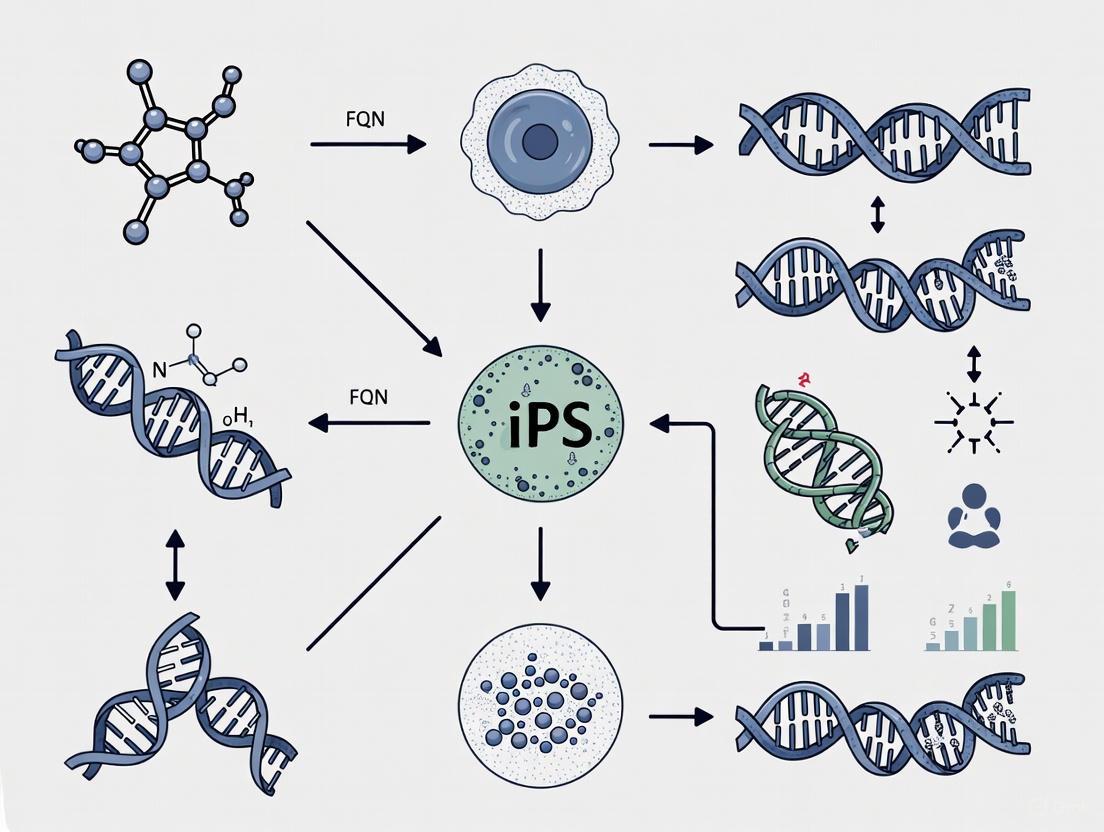
This article synthesizes the latest clinical trial results for induced pluripotent stem cell (iPSC)-derived dopaminergic progenitors as a treatment for Parkinson's disease.
iPSC-Derived Dopaminergic Progenitors in Clinical Trials: Safety, Efficacy, and Future Directions
Abstract
This article synthesizes the latest clinical trial results for induced pluripotent stem cell (iPSC)-derived dopaminergic progenitors as a treatment for Parkinson's disease. Targeting researchers, scientists, and drug development professionals, it covers the foundational rationale for this therapy, details the methodological advances in cell derivation and purification, and analyzes safety and efficacy outcomes from pioneering human trials. Furthermore, it provides a comparative analysis with other pluripotent stem cell sources and discusses the critical troubleshooting and optimization strategies required to overcome challenges such as tumorigenicity and graft-induced dyskinesia, offering a comprehensive overview of the current state and future trajectory of this regenerative medicine approach.
The Rationale for iPSC-Based Cell Replacement in Parkinson's Disease
Parkinson's disease (PD) is a progressive neurodegenerative disorder characterized by a marked loss of dopaminergic neurons in the substantia nigra and their striatal projections. This selective cell loss results in the characteristic motor symptoms of bradykinesia, rigidity, and resting tremor [1] [2]. While dopamine-replacement therapies like L-DOPA provide initial symptomatic relief, their efficacy typically wanes with disease progression, often leading to debilitating motor fluctuations and dyskinesias [2] [3]. The core pathology of PD—the specific loss of dopaminergic neurons—makes it an ideal candidate for cell replacement strategies aimed at reconstructing the nigrostriatal pathway [3].
The concept of dopamine cell replacement spans over three decades, beginning with pioneering transplantation studies using fetal ventral mesencephalic tissue in the late 1980s [3]. These early studies provided crucial proof-of-concept evidence that grafted dopaminergic neurons could survive, reinnervate the striatum, and produce clinical benefits, with some patients maintaining improvement for decades [4]. However, the use of fetal tissue presented substantial challenges, including ethical concerns, limited tissue availability, and variable clinical outcomes [1]. The advent of pluripotent stem cells—both human embryonic stem (hES) cells and induced pluripotent stem (iPS) cells—has revolutionized the field by providing a scalable, reproducible source of dopaminergic neurons for transplantation [1] [2].
This whitepaper examines the most recent clinical evidence for stem cell-derived dopaminergic progenitor transplantation in PD, focusing on two landmark 2025 trials published in Nature that demonstrate the safety, feasibility, and potential efficacy of this innovative approach to addressing the core pathology of Parkinson's disease.
Recent Clinical Trial Evidence
Two pivotal 2025 studies have demonstrated the feasibility and safety of transplanting stem cell-derived dopaminergic progenitors in individuals with Parkinson's disease. These trials, one utilizing allogeneic iPS-cell-derived dopaminergic progenitors and the other employing hES-cell-derived dopaminergic neurons (bemdaneprocel), represent significant milestones in the field of regenerative neurology.
iPS-Cell-Derived Dopaminergic Progenitors (Kyoto University Hospital Trial)
The phase I/II trial conducted at Kyoto University Hospital investigated the safety and efficacy of bilateral transplantation of allogeneic iPS-cell-derived dopaminergic progenitors in seven patients aged 50-69 [1]. The human iPS cell line (QHJI01s04) was established from peripheral blood from a healthy individual homozygous for the most frequent HLA haplotype in the Japanese population, matching approximately 17% of this demographic [1].
Key Methodological Details:
- Cell Differentiation: Dopaminergic progenitors were induced using a previously established protocol with CORIN+ cells sorted on days 11-13 as floor plate markers [1].
- Transplantation: Patients received bilateral transplantation into the putamen using a neurosurgical navigation system, with three patients receiving low-dose (2.1-2.6 × 10^6 cells per hemisphere) and four receiving high-dose (5.3-5.5 × 10^6 cells per hemisphere) transplants [1].
- Immunosuppression: Tacrolimus was administered with target trough levels of 5-10 ng mL^-1, with dosage reduced by half at 12 months and discontinued at 15 months [1].
hES-Cell-Derived Dopaminergic Neurons (Bemdaneprocel Trial)
This open-label phase I trial (NCT04802733) assessed the safety and tolerability of bemdaneprocel, a cryopreserved, off-the-shelf dopaminergic neuron progenitor cell product derived from human embryonic stem cells [2]. Twelve patients were enrolled sequentially into two cohorts—low-dose (0.9 million cells per putamen, n=5) and high-dose (2.7 million cells per putamen, n=7)—with all participants receiving one year of immunosuppression [2].
Key Methodological Details:
- Cell Product: The cryopreserved cell product was derived from hES cells differentiated into midbrain dopamine neurons through a floor-plate intermediate stage using a GMP-compatible protocol [2].
- Surgical Approach: Cells were delivered into the post-commissural putamen bilaterally through a single burr hole on each side, with nine cell deposits made in each putamen [2].
- Immunosuppression: Participants received basiliximab intraoperatively, methylprednisolone tapered to oral prednisone continued for one year, and tacrolimus for one year with target trough levels of 4-7 ng mL^-1 [2].
Quantitative Outcomes from Clinical Trials
Table 1: Safety and Efficacy Outcomes from Recent Clinical Trials
| Outcome Measure | iPS-Cell Trial (n=7) | hES-Cell Trial (n=12) |
|---|---|---|
| Serious Adverse Events | None reported [1] | One seizure attributed to surgical procedure; no events related to cells [2] |
| Graft-Induced Dyskinesia | None reported [1] | None reported [2] |
| Tumor Formation | No evidence on MRI [1] | No evidence on MRI [2] |
| Dopamine Production (Imaging) | 44.7% average increase in 18F-DOPA Ki values in putamen; higher in high-dose group [1] | Increased 18F-DOPA uptake at 18 months indicating graft survival [2] |
| MDS-UPDRS Part III OFF Score Improvement | -9.5 points (-20.4%) average change at 24 months [1] | -23 points average improvement in high-dose cohort at 18 months [2] |
| MDS-UPDRS Part III ON Score Improvement | -4.3 points (-35.7%) average change at 24 months [1] | Not specifically reported [2] |
| Hoehn & Yahr Stage Improvement | 4 of 6 patients showed improvement [1] | Not specifically reported [2] |
Table 2: Patient Demographics and Trial Designs
| Parameter | iPS-Cell Trial | hES-Cell Trial |
|---|---|---|
| Number of Patients | 7 (1 dropped out due to COVID-19) [1] | 12 [2] |
| Age Range | 50-69 years [1] | Median 67.0 years [2] |
| Disease Duration | Not specified | Median 9 years since diagnosis [2] |
| Study Design | Open-label, single-center [1] | Open-label, multisite [2] |
| Follow-up Duration | 24 months [1] | 18 months for efficacy [2] |
| Immunosuppression Duration | 15 months [1] | 12 months [2] |
Experimental Protocols and Methodologies
Cell Manufacturing and Differentiation
The successful implementation of stem cell-based therapies requires robust, reproducible protocols for generating high-quality dopaminergic progenitors. Both trials utilized carefully optimized differentiation methods to produce authentic midbrain dopamine neurons.
iPSC Generation and Dopaminergic Differentiation Protocol (Kyoto Trial): The clinical-grade human iPS cell line was established using a refined methodology. Researchers combined metabolism-regulating microRNAs (particularly miR-302s and miR-200c) with the standard Yamanaka reprogramming factors to enhance the efficiency of hiPSC generation [4]. This combination induced prominent metabolic changes during reprogramming and resulted in over 90% of alkaline phosphatase-positive colonies also expressing TRA-1-60, a stringent pluripotency marker [4].
For dopaminergic differentiation, the protocol involved:
- Neural Induction: iPS cells were directed toward a neural fate using dual SMAD inhibition [1].
- Floor Plate Patterning: Activation of SHH and WNT pathways to specify midbrain floor plate progenitors [1].
- Dopaminergic Patterning: Exposure to FGF8 and other trophic factors to promote a midbrain dopaminergic phenotype [1].
- Cell Sorting: CORIN+ cells were sorted on days 11-13 to enrich for floor plate-derived dopaminergic progenitors [1].
- Final Product Characterization: The final product comprised approximately 60% dopaminergic progenitors and 40% dopaminergic neurons, with no TPH2-expressing serotonergic neurons detected [1].
hESC Differentiation Protocol (Bemdaneprocel Trial): The bemdaneprocel manufacturing process involved:
- Directed Differentiation: hES cells were exposed to a carefully determined sequence of patterning factors to undergo directed differentiation into midbrain dopamine neurons through a floor-plate intermediate stage [2].
- GMP-Compatible Production: The protocol was adapted to Good Manufacturing Practice conditions for large-scale cell manufacturing [2].
- Cryopreservation: The cell product was cryopreserved, enabling off-the-shelf availability [2].
- Quality Control: Stringent release criteria confirmed midbrain DA neuron identity and the absence of remaining pluripotent stem cells or concerning contaminants like serotonergic neurons and choroid plexus cells [2].
Preclinical Safety and Efficacy Testing
Both programs conducted extensive preclinical testing to establish safety and efficacy before proceeding to human trials:
Tumorigenicity Assessment:
- Serial MRI scans during follow-up periods identified grafts as hyperintense areas on T2-weighted images with gradual volume increase over time but no evidence of tumor-like abnormal enlargement [1].
- Quantitative analysis showed Ki-67+ proliferating cells were less than 1.0% and sparsely distributed in grafts at 24-32 weeks after transplantation in rat models [1].
- No increased accumulation of fluorine-18-fluorothymidine (18F-FLT) in the transplanted striatum, further confirming absence of excessive cell proliferation [1].
Functional Integration:
- In rodent PD models, grafted cells expressed characteristic dopaminergic markers (NURR1, FOXA2, tyrosine hydroxylase) and improved rotational behavior [1].
- Optogenetic studies in grafted rodents demonstrated that functional improvement depended on graft neuronal activity and dopamine release, with transplanted dopaminergic neurons functionally integrating with host striatal neurons [2].
Surgical Implementation and Transplantation Techniques
The transplantation procedures in both trials built upon decades of experience with stereotactic neurosurgery:
Surgical Approaches:
- The iPS-cell trial utilized a neurosurgical navigation system for precise bilateral transplantation into the putamen [1].
- The hES-cell trial employed two surgical techniques: a frameless MRI-guided approach with intraoperative imaging at one site and a frame-based stereotactic approach at another site [2].
- Cells were delivered through a modified cannula (Smart Flow, Clearpoint Neuro) with multiple deposits to maximize distribution throughout the target structure [2].
Cell Delivery Optimization:
- The fresh final product containing dopaminergic progenitors meeting quality-control criteria was transplanted in the iPS-cell trial [1].
- For the hES-cell trial, cryopreserved vials were thawed and cells suspended in transplantation medium with live-cell concentration adjusted to 100,000 ± 10,000 cells per µL [2].
Diagram 1: Experimental workflow for dopaminergic progenitor differentiation and transplantation, illustrating the key stages from pluripotent stem cells to functional recovery in Parkinson's disease models.
The Scientist's Toolkit: Essential Research Reagents and Materials
Table 3: Key Research Reagent Solutions for Dopaminergic Neuron Differentiation
| Reagent/Category | Specific Examples | Function in Protocol |
|---|---|---|
| Reprogramming Factors | Oct4, Sox2, Klf4, c-Myc (Yamanaka factors) [4] | Conversion of somatic cells to induced pluripotent stem cells |
| Metabolism-Regulating miRNAs | miR-302s, miR-200c clusters [4] | Enhance reprogramming efficiency and genomic stability |
| Neural Induction Agents | Dual SMAD inhibitors (e.g., LDN-193189, SB431542) [1] | Direct pluripotent stem cells toward neural lineage |
| Patterning Factors | SHH agonists, WNT activators, FGF8 [1] [2] | Specify midbrain floor plate identity and dopaminergic fate |
| Cell Surface Markers | CORIN antibody for FACS [1] | Isolation of floor plate-derived dopaminergic progenitors |
| Characterization Antibodies | Anti-TH, FOXA2, NURR1, Ki-67 [1] | Verification of dopaminergic identity and safety assessment |
| Cryopreservation Media | DMSO-based formulations [2] | Maintenance of cell viability for off-the-shelf products |
Signaling Pathways and Molecular Mechanisms
The successful differentiation of pluripotent stem cells into authentic midbrain dopaminergic neurons requires precise activation and inhibition of specific signaling pathways that recapitulate embryonic development.
Key Developmental Signaling Pathways
WNT Signaling: WNT activation plays a crucial role in posteriorization and midbrain patterning. During dopaminergic differentiation, precisely timed WNT activation promotes the specification of midbrain floor plate progenitors that give rise to authentic A9-type substantia nigra neurons [1]. The protocol ensures appropriate WNT signaling levels to avoid anterior or posterior biases that could result in inappropriate neuronal subtypes.
SHH (Sonic Hedgehog) Signaling: SHH patterning is essential for ventralization of the neural tube and specification of floor plate identity. In both the iPS and hES differentiation protocols, SHH activation at specific concentrations and time windows promotes the development of ventral midbrain progenitors with the capacity to generate tyrosine hydroxylase-positive neurons [1] [2]. The level and duration of SHH exposure must be carefully controlled, as excessive signaling can lead to inappropriate cell fates.
TGF-β/SMAD Inhibition: Dual SMAD inhibition (targeting both BMP and TGF-β/Activin/Nodal pathways) provides a highly efficient method for neural induction from pluripotent stem cells. By blocking these signaling pathways during the initial differentiation stages, spontaneous differentiation toward non-neural lineages is suppressed, resulting in highly pure populations of neural progenitor cells [1].
FGF Signaling: Fibroblast growth factor signaling, particularly FGF8, supports the survival and maintenance of midbrain dopaminergic progenitors. FGF8 works in concert with SHH to establish the midbrain domain and promote the expression of key transcription factors such as LMX1A and MSX1 that regulate dopaminergic fate specification [1].
Diagram 2: Key signaling pathways involved in the stepwise differentiation of pluripotent stem cells into mature dopaminergic neurons, highlighting critical patterning factors and transcription factors.
Transcriptional Regulation of Dopaminergic Fate
The acquisition of dopaminergic identity is governed by a core set of transcription factors that function in a hierarchical manner:
Early Regional Specification: OTX2 expression defines the anterior neuroectoderm and midbrain territory, while GBX2 establishes the anterior-posterior boundary. The mutual repression between OTX2 and GBX2 helps establish the midbrain-hindbrain boundary, a crucial organizing center for dopaminergic neuron development.
Floor Plate Specification: FOXA2 and LMX1A are key regulators of floor plate identity. FOXA2, a forkhead box transcription factor, is essential for the specification of ventral progenitor domains, while LMX1A plays a critical role in establishing the midbrain floor plate and activating downstream dopaminergic determination genes.
Dopaminergic Determination: The expression of NURR1 (NR4A2) represents a critical commitment step in dopaminergic differentiation. NURR1 functions as a terminal selector gene that activates the expression of tyrosine hydroxylase (TH), the rate-limiting enzyme in dopamine synthesis, along with other proteins essential for dopaminergic function such as the dopamine transporter (DAT) and aromatic L-amino acid decarboxylase (AADC).
The recent clinical trials of iPSC and hESC-derived dopaminergic progenitors represent a transformative advancement in the quest to address the core pathology of Parkinson's disease. The compelling safety profiles and preliminary efficacy signals from these studies provide strong justification for continued clinical development of cell replacement strategies for PD.
The successful implementation of stem cell-based therapies requires careful attention to multiple critical parameters, including cell source, differentiation methods, purification strategies, surgical delivery, and immunosuppression protocols. The 2025 trials demonstrate that allogeneic approaches using both iPSC and hESC platforms can achieve satisfactory safety profiles with no serious adverse events related to the cell products and no evidence of tumor formation [1] [2]. The observed increases in striatal dopamine storage capacity and clinical improvements on standardized PD rating scales suggest that the transplanted cells survived, integrated into host circuitry, and functioned as intended.
Several important questions remain for future research. The optimal cell dose needs further refinement, as both trials suggested dose-dependent effects on efficacy measures [1] [5]. The durability of clinical benefits and long-term safety beyond 24 months requires extended follow-up. Comparative studies between autologous and allogeneic approaches would help determine the relative benefits of each strategy. Additionally, the potential for combining cell therapy with other disease-modifying approaches represents an exciting frontier.
As the field progresses, standardization of manufacturing protocols, cell product characterization, and outcome measures will be essential for comparing results across studies and advancing the field systematically. The promising results from these initial trials have reignited optimism that cell replacement therapy may eventually become a viable treatment option for addressing the core pathology of Parkinson's disease by replacing what is lost—dopaminergic neurons.
The concept of treating Parkinson's disease (PD) by replacing lost dopaminergic neurons has its roots in clinical trials using fetal tissue, which established the fundamental principle that cell transplantation could alleviate motor symptoms in PD patients. Parkinson's disease is characterized by the selective degeneration of nigrostriatal dopaminergic neurons, making it a prime candidate for dopamine cell-based therapies [6]. Initial open-label studies using human fetal ventral mesencephalon (hfVM) demonstrated that the transplanted tissue could successfully engraft, synthesize dopamine, and lead to improvements in motor symptoms [7]. These pioneering studies provided critical proof-of-concept that cell replacement could work in the human parkinsonian brain, with some patients experiencing benefits that lasted for more than two decades and even enabled discontinuation of L-Dopa medication [6]. However, this approach was plagued by ethical concerns, logistical constraints regarding tissue availability, and variability in clinical outcomes that ultimately limited its widespread clinical application [7] [6].
The historical experience with fetal tissue transplantation created both the foundation and the essential roadmap for contemporary stem cell-based approaches, particularly the recent advances using induced pluripotent stem cell (iPSC)-derived dopaminergic progenitors. The challenges encountered with fetal tissue—including the risk of graft-induced dyskinesias (GIDs), ethical constraints, and difficulties in standardizing the cell product—directly informed the development of newer protocols aimed at overcoming these limitations [7] [8]. This whitepaper examines the key lessons from fetal tissue transplantation and explores how these historical insights are shaping the current generation of iPSC-based clinical trials for Parkinson's disease, with a particular focus on the recent landmark Phase I/II trial conducted at Kyoto University Hospital [7] [9].
Historical Challenges with Fetal Tissue Transplants
Efficacy and Variability Issues
The clinical experience with fetal ventral mesencephalon transplants revealed inconsistent functional outcomes across patients and clinical centers. While some individuals demonstrated significant and long-lasting motor improvements, others showed minimal benefits despite evidence of graft survival [6]. This variability was attributed to multiple factors, including differences in tissue preparation, surgical techniques, and patient selection criteria. The field recognized that the "gold standard" fetal tissue approach, while biologically informative, suffered from fundamental limitations that would prevent its widespread clinical translation [10].
Table 1: Key Challenges of Fetal Tissue Transplantation for Parkinson's Disease
| Challenge Category | Specific Limitations | Impact on Clinical Translation |
|---|---|---|
| Ethical Concerns | Use of aborted human fetal tissue | Major ethical and religious objections; restricted government funding in some countries [6] |
| Logistical Constraints | Requirement for multiple fetuses per grafted hemisphere; limited tissue availability | Impractical for widespread clinical application; supply chain limitations [6] |
| Standardization Issues | Inherent heterogeneity of tissue sources; variable donor ages | Inconsistent cell composition across transplants; inability to standardize the therapeutic product [6] |
| Clinical Efficacy | Variable motor improvement among patients; persistent non-motor symptoms | Unpredictable therapeutic outcomes; limited impact on non-dopaminergic features of PD [6] |
| Safety Concerns | Graft-induced dyskinesias (GIDs) in some patients | Significant side effect observed in randomized controlled trials [8] |
| Technical Challenges | Viable cell yield from tissue dissection; storage and transportation limitations | Practical hurdles in clinical implementation [6] |
Safety and Immunological Concerns
A significant safety concern that emerged from fetal transplantation trials was the development of graft-induced dyskinesias (GIDs) in a subset of patients [8]. These abnormal involuntary movements persisted even during "off" medication periods and represented a serious adverse effect that tempered enthusiasm for the procedure. The underlying mechanisms of GIDs were extensively investigated, with research suggesting that contamination by serotonergic neurons in the grafts might contribute to their development [8]. This critical safety finding directly influenced the design of subsequent stem cell therapies, emphasizing the importance of purifying the cell product to eliminate unwanted cell types that could cause side effects.
The immune response to allogeneic fetal tissue represented another challenge, though the central nervous system was recognized as having some degree of immune privilege. The necessity for immunosuppression regimens introduced additional complications, including increased risk of infections and other medication-related side effects. The historical experience with fetal tissue suggested that the brain's immune environment required careful consideration when planning cell transplantation strategies [11].
The Transition to iPSC-Based Therapies: Addressing Historical Limitations
Overcoming Ethical and Logistical Hurdles
The discovery of induced pluripotent stem cells (iPSCs) by Takahashi and Yamanaka in 2006 represented a transformative milestone in regenerative medicine, offering a solution to the ethical controversies associated with both fetal tissue and embryonic stem cells [12]. By reprogramming adult somatic cells into a pluripotent state, researchers could generate patient-specific cells capable of differentiating into nearly any tissue type, including dopaminergic neurons, without the ethical limitations of embryo-derived cells [12]. This breakthrough addressed a fundamental constraint of fetal tissue transplantation by providing an theoretically unlimited, ethically acceptable cell source that could be standardized and quality-controlled.
The logistical challenges of fetal tissue procurement, which required coordinating multiple tissue donations for a single transplantation procedure, became irrelevant with the advent of iPSC technology. Clinical-grade iPSC lines could be established, banked, and expanded indefinitely, providing a reproducible and scalable source of cells for transplantation [7] [12]. The recent Phase I/II trial utilized a clinical-grade human iPSC line (QHJI01s04) established from peripheral blood from a healthy individual with homozygous HLA haplotypes matching 17% of the Japanese population, demonstrating the feasibility of this approach [7].
Standardization and Safety Optimization
A critical advancement in iPSC-based approaches has been the development of methods to purify dopaminergic progenitors and eliminate unwanted cell types that might cause side effects such as GIDs. Learning from the fetal tissue experience, where heterogeneous cell mixtures were transplanted, researchers developed a protocol for sorting midbrain DA neurons with antibodies against CORIN, a marker for floor plates [7] [8]. This methodology enabled the enrichment of DA progenitor cells and elimination of non-target cells, addressing the safety concern related to serotonergic neuron contamination that had been implicated in GIDs [8].
Table 2: Comparison of Fetal Tissue vs. iPSC-Derived Therapies for Parkinson's Disease
| Parameter | Fetal Tissue Transplants | iPSC-Derived Dopaminergic Progenitors |
|---|---|---|
| Cell Source | Human fetal ventral mesencephalon | Reprogrammed somatic cells (e.g., peripheral blood) [7] |
| Ethical Considerations | Significant concerns regarding tissue sourcing | Minimal ethical concerns; uses consent-approved donor cells [12] |
| Scalability | Limited by tissue availability | Highly scalable; indefinite expansion potential [12] |
| Standardization | Highly variable between batches | Can be standardized and quality-controlled [7] |
| Cell Composition | Heterogeneous mixture | ~60% DA progenitors, ~40% DA neurons after CORIN+ sorting [7] |
| Tumor Risk | Minimal | Theoretical risk managed by purification and differentiation protocols [8] |
| Immunogenicity | Allogeneic; requires immunosuppression | Can be autologous or HLA-matched to reduce rejection [12] |
| Graft-Induced Dyskinesia | Reported in clinical trials [8] | Not observed in recent trial; attributed to purified cell product [7] |
The manufacturing process for iPSC-derived dopaminergic progenitors has been systematically optimized to ensure consistency and safety. In the Kyoto University trial, CORIN+ cells were sorted on days 11-13 of differentiation, with the sorted cells then cultured in neural differentiation medium to form aggregate spheres [7]. The final product contained approximately 60% DA progenitors and 40% DA neurons, with single-cell quantitative PCR analysis confirming the stable production of DA progenitors and absence of TPH2-expressing serotonergic neurons [7]. This level of characterization and quality control was impossible with fetal tissue transplants and represents a significant advancement in the field.
Experimental Protocols and Methodological Advances
iPSC Differentiation and Transplantation Workflow
The transition from fetal tissue to iPSC-based therapies required the development of robust, reproducible differentiation protocols that recapitulate the natural development of midbrain dopaminergic neurons. The following Dot language diagram illustrates the key stages in this process:
The experimental workflow demonstrates the systematic approach used in contemporary iPSC trials, which incorporates key learnings from fetal tissue transplantation. The protocol includes stringent quality control checkpoints, particularly the CORIN+ sorting step that directly addresses the historical problem of cellular heterogeneity in fetal grafts [7].
Key Signaling Pathways in Dopaminergic Differentiation
The stepwise differentiation of iPSCs into authentic midbrain dopaminergic progenitors requires precise control of developmental signaling pathways. The following diagram illustrates the key signaling molecules and pathway interactions that guide this process:
The strategic manipulation of these signaling pathways enables the generation of authentic midbrain dopaminergic neurons that closely resemble those lost in Parkinson's disease. This controlled differentiation process represents a significant advancement over fetal tissue transplantation, where the developmental stage and regional identity of the transplanted cells were less precise and more variable.
The Scientist's Toolkit: Essential Research Reagents and Materials
Table 3: Key Research Reagent Solutions for iPSC-Derived Dopaminergic Neuron Research
| Reagent/Category | Specific Examples | Function in Differentiation/Transplantation |
|---|---|---|
| Reprogramming Factors | OCT4, SOX2, KLF4, c-MYC (OSKM) | Reprogram somatic cells to pluripotent state [12] |
| Neural Induction | Noggin, SB431542 (Dual-SMAD inhibition) | Induce neural lineage from pluripotent cells [12] |
| Patterning Factors | SHH, FGF8, BMP inhibitors | Specify midbrain floor plate identity [12] |
| Wnt Activators | CHIR99021 (GSK3β inhibitor) | Promote midbrain dopaminergic fate [12] |
| Sorting Markers | Anti-CORIN antibodies | Purify floor plate-derived DA progenitors [7] [8] |
| Maturation Factors | BDNF, GDNF, TGF-β, DAPT | Promote terminal differentiation and survival [12] |
| Characterization Antibodies | Anti-TH, FOXA2, NURR1, LMX1A | Validate dopaminergic identity and maturity [7] |
| Safety Markers | Anti-TPH2, Ki-67 | Detect serotonergic contamination and proliferation [7] |
| Imaging Tracers | 18F-DOPA PET, 18F-FLT PET | Monitor dopamine production and tumor formation [7] |
This toolkit represents the essential materials that enable the reproducible generation and validation of iPSC-derived dopaminergic progenitors for clinical application. The inclusion of specific safety markers, such as antibodies against TPH2 (a serotonergic neuron marker) and Ki-67 (a proliferation marker), directly addresses historical safety concerns identified in fetal transplantation trials [7].
Recent Clinical Trial Outcomes: Building on Historical Foundations
Safety Profile of iPSC-Derived Therapies
The recent Phase I/II trial of iPSC-derived dopaminergic progenitors for Parkinson's disease (jRCT2090220384) demonstrated a favorable safety profile that addressed several historical concerns associated with fetal tissue transplantation [7] [9]. In this trial conducted at Kyoto University Hospital, seven patients received bilateral transplantation of allogeneic iPSC-derived dopaminergic progenitors into the putamen. The primary safety outcomes were notably positive: no serious adverse events necessitating hospitalization or resulting in death were reported, with 73 mild to moderate events recorded among all patients [7]. The most frequent adverse event was application site pruritus, observed in four patients (57.1%), and most events were transient and unlikely related to cell transplantation [7].
Critical safety concerns from the fetal tissue experience were specifically addressed in this trial. Serial magnetic resonance imaging (MRI) scans showed no evidence of tumor-like abnormal enlargement, with quantitative analysis demonstrating a gradual volume increase over 24 months consistent with expected graft growth rather than malignant overgrowth [7]. Fluorine-18-fluorothymidine (18F-FLT) PET imaging, which detects proliferating cells, showed no increased accumulation in the transplanted striatum, confirming the absence of tumor formation [7]. Additionally, comprehensive monitoring found no apparent inflammation in the putamen and surrounding areas based on T2-weighted, FLAIR, and translocator protein-ligand imaging [7].
Perhaps most significantly, the trial implemented the CORIN+ sorting protocol specifically to address the historical problem of graft-induced dyskinesias associated with fetal tissue transplants. The results confirmed the effectiveness of this approach: while Unified Dyskinesia Rating Scale (UDysRS) total scores increased at 24 months in most patients, these changes occurred exclusively during medication "ON" periods and mirrored patterns of drug-induced rather than graft-induced dyskinesia [7]. This distinction is critical, as GIDs had been a major limitation of fetal tissue transplantation.
Efficacy Outcomes and Functional Measures
The efficacy results from the recent iPSC trial demonstrate promising functional improvements while highlighting areas for further optimization. Among the six patients evaluated for efficacy, four showed improvements in the MDS Unified Parkinson's Disease Rating Scale (MDS-UPDRS) part III OFF score (assessed after more than 12 hours without medication), with an average improvement of 9.5 points (20.4%) at 24 months [7]. During medication ON periods, five of six patients showed improvements, with an average change of 4.3 points (35.7%) [7]. These motor improvements were complemented by objective evidence of dopamine restoration, as fluorine-18-L-dihydroxyphenylalanine (18F-DOPA) PET imaging revealed a 44.7% average increase in the influx rate constant (Ki) values in the putamen, with higher increases (63.5%) in the high-dose group compared to the low-dose group (7%) [7].
Table 4: Efficacy Outcomes from Recent iPSC Trial vs. Historical Fetal Tissue Experience
| Outcome Measure | iPSC-Derived Progenitors (2025 Trial) | Historical Fetal Tissue Transplants |
|---|---|---|
| Motor Improvement (OFF) | -9.5 points (20.4%) in MDS-UPDRS Part III [7] | Variable; some patients showed dramatic improvement, others minimal [6] |
| Dopamine Restoration | 44.7% average increase in 18F-DOPA uptake [7] | Evidence of long-term (20+ years) dopamine production in some patients [6] |
| Graft Survival | Confirmed up to 24 months via imaging [7] | Documented up to 24 years post-transplantation [6] |
| Medication Reduction | Not attempted (doses maintained for trial design) [7] | Significant reduction in some patients; complete discontinuation in some cases [6] |
| Hoehn & Yahr Stage | Improved in 4 of 6 patients [7] | Variable improvements reported [6] |
| Non-Motor Symptoms | Minimal changes observed [7] | Persistent non-motor symptoms despite motor improvement [6] |
The dissociation between the robust increase in dopamine production (44.7% average) and the more modest clinical improvements highlights the complexity of functional recovery in Parkinson's disease. This phenomenon was also observed in some fetal tissue transplantation cases, where restored striatal 18F-dopa PET imaging did not always correlate with proportional clinical benefits [6]. This suggests that factors beyond simple dopamine restoration—such as circuit integration, graft composition, and patient selection—influence functional outcomes.
The historical experience with fetal tissue transplantation has provided invaluable lessons that are directly informing the current development of iPSC-based therapies for Parkinson's disease. The recent Phase I/II trial of iPSC-derived dopaminergic progenitors demonstrates how these historical insights have been incorporated into contemporary clinical approaches, addressing previous limitations related to ethics, standardization, safety, and scalability. The positive safety profile and preliminary efficacy results from this trial mark a significant milestone in the field of regenerative medicine for neurodegenerative disorders.
Future directions in the field will likely focus on several key areas. First, optimization of cell products to enhance functional integration and dopamine release in a regulated manner represents a priority. Second, the development of autologous iPSC approaches, which utilize a patient's own cells, may further reduce immune concerns and the need for immunosuppression [12]. Third, combination therapies that integrate cell replacement with disease-modifying strategies may address both symptomatic management and disease progression. Finally, larger, double-blind controlled trials will be essential to definitively establish the efficacy of iPSC-based therapies and determine optimal patient selection criteria, dosing, and rehabilitation protocols.
The journey from fetal tissue transplantation to iPSC-based therapies exemplifies how historical challenges can drive innovation and refinement in medical science. By learning from the limitations of previous approaches, researchers have developed more sophisticated, standardized, and scalable cell therapies that maintain the therapeutic promise of cell replacement while addressing previous ethical and safety concerns. As the field continues to advance, the historical lessons from fetal tissue transplantation will remain essential guides for the responsible clinical translation of iPSC-based treatments for Parkinson's disease and other neurodegenerative disorders.
The advent of induced pluripotent stem cells (iPSCs) has fundamentally transformed the landscape of regenerative medicine and therapeutic development. Since their initial discovery by Shinya Yamanaka's lab in 2006, iPSCs have offered researchers an unprecedented tool: a pluripotent cell source that bypasses the significant ethical concerns associated with embryonic stem cells (ESCs) while providing an essentially unlimited supply of patient-specific cells [13] [14]. This technological breakthrough is particularly relevant in the context of developing treatments for neurodegenerative diseases, including Parkinson's disease (PD), where iPSC-derived dopaminergic progenitors represent one of the most promising therapeutic avenues. The reprogramming of somatic cells into pluripotent stem cells through the introduction of specific transcription factors has unlocked new possibilities for cell replacement therapies, disease modeling, and drug discovery [14]. This whitepaper examines the dual advantages of iPSC technology—its ethical acceptability and scalable nature—within the framework of recent clinical advances, focusing specifically on the application of iPSC-derived dopaminergic progenitors in Parkinson's disease treatment.
Overcoming Ethical Hurdles: The iPSC Alternative
The ethical controversy surrounding embryonic stem cells historically presented a significant barrier to progress in regenerative medicine. Human ESCs are derived from early-stage embryos, a process that destroys the embryo and raises profound ethical questions about the beginning of human life [15]. This ethical dilemma constrained research in many countries and limited funding opportunities for ESC-based investigations. iPSC technology effectively resolved this impasse by demonstrating that somatic cells from adult tissues could be reprogrammed to a pluripotent state without using embryos [15] [14].
The fundamental ethical advantage of iPSCs lies in their source material. iPSCs can be generated from readily accessible adult tissues, such as skin fibroblasts or peripheral blood cells, obtained through minimally invasive procedures with full donor consent [13] [14]. This approach completely avoids the destruction of embryos, aligning with ethical guidelines across diverse cultural and regulatory environments. The 2012 Nobel Prize in Physiology or Medicine awarded to John Gurdon and Shinya Yamanaka recognized the paradigm-shifting nature of this discovery, which demonstrated that mature cells could be reprogrammed to become pluripotent, overturning previous dogma about the irreversibility of cell differentiation [14].
Table 1: Comparative Ethical Analysis of Pluripotent Stem Cell Sources
| Ethical Consideration | Embryonic Stem Cells (ESCs) | Induced Pluripotent Stem Cells (iPSCs) |
|---|---|---|
| Source Material | Inner cell mass of blastocyst-stage embryo | Somatic cells (skin, blood, etc.) from consenting donor |
| Embryo Destruction | Required | Not required |
| Donor Consent | Complex ethical/legal framework | Standard informed consent process |
| Moral Status Concerns | Significant controversies | Minimal ethical concerns |
| Regulatory Landscape | Highly restricted in many jurisdictions | Generally favorable regulatory environment |
The Unlimited Cell Source: Scalability and Standardization
Beyond ethical advantages, iPSCs provide a practical solution to the critical challenge of cell source scalability for clinical applications. Unlike primary cells, which have limited expansion capacity, iPSCs possess the capacity for essentially unlimited proliferation while maintaining pluripotency [15] [14]. This characteristic enables the generation of the large cell quantities required for therapeutic applications, drug screening, and disease modeling.
Banking Strategies for Clinical Translation
The scalable nature of iPSCs has facilitated the development of strategic banking approaches designed to maximize immunological matching across diverse patient populations. The CiRA Foundation in Japan has pioneered this approach through the creation of an HLA-haplobank using clinical-grade iPSCs from donors homozygous for common HLA haplotypes [15]. Starting with just seven carefully selected donors carrying "HLA-homozygous" haplotypes, researchers generated 27 iPSC lines that reportedly match the immunological compatibility of approximately 40% of the Japanese population [15]. These haplobank lines have subsequently been used in more than 10 clinical trials, demonstrating the practical utility of this approach for broadening patient access to allogeneic iPSC-derived therapies [15].
Manufacturing Scalability
The transition from laboratory-scale iPSC culture to industrial-scale production presents significant technical challenges. Traditional 2D culture systems are inadequate for producing the billions of cells required for widespread clinical application [16]. Advanced bioprocessing approaches are now being deployed to address this limitation, including:
- Suspension bioreactors: Enable large-scale expansion of iPSCs in 3D culture systems [16]
- Microcarrier technology: Provides increased surface area for cell attachment and growth in bioreactors [16]
- Advanced encapsulation systems: Such as the alginate-based C-StemTM platform developed by TreeFrog Therapeutics, which enhances cell viability and quality during expansion [16]
These technological advances in manufacturing scalability are complemented by rigorous quality control measures, including whole genome sequencing at high coverage to assess mutational burden and ensure genomic integrity of clinical-grade iPSC lines [16].
Table 2: Scalability Advantages of iPSC Technology for Clinical Applications
| Feature | Traditional Primary Cells | iPSC-Based System |
|---|---|---|
| Expansion Potential | Limited (senescence) | Essentially unlimited |
| Source Availability | Restricted by donor tissue | Virtually unlimited via reprogramming |
| Cryopreservation | Variable recovery | Excellent recovery with established protocols |
| Batch Consistency | High donor-to-donor variability | Highly consistent from master cell banks |
| Genetic Manipulation | Difficult and inefficient | Highly amenable to gene editing |
| Allogeneic Application | Limited by immune rejection | Enabled via haplobanking and HLA matching |
Clinical Translation: iPSC-Derived Dopaminergic Progenitors for Parkinson's Disease
The application of iPSC technology in Parkinson's disease treatment represents a compelling case study in clinical translation. PD is characterized by the selective loss of dopamine-producing neurons in the substantia nigra, leading to characteristic motor symptoms including bradykinesia, rigidity, and resting tremor [1]. Initial cell therapy approaches using human fetal ventral mesencephalon tissue demonstrated proof-of-concept but faced substantial limitations, including ethical concerns, limited tissue availability, and the risk of graft-induced dyskinesias [1] [17].
The Kyoto University Clinical Trial
A landmark phase I/II trial conducted at Kyoto University Hospital recently demonstrated the safety and potential efficacy of allogeneic iPSC-derived dopaminergic progenitors in seven patients with Parkinson's disease (ages 50-69) [1]. This investigator-initiated, open-label study employed a rigorous protocol for cell preparation and transplantation:
Experimental Protocol: Dopaminergic Progenitor Induction and Transplantation
- Starting Material: Clinical-grade human iPSC line (QHJI01s04) established from peripheral blood of a healthy donor homozygous for a common Japanese HLA haplotype [1]
- Dopaminergic Differentiation: Induced using a previously established protocol promoting midbrain dopamine neuron fate [1]
- Cell Sorting: CORIN+ (a floor plate marker) cells were sorted on days 11-13 to enrich for dopaminergic progenitors and eliminate non-target cells [1] [17]
- Quality Control: Final products met strict quality-control criteria before transplantation [1]
- Transplantation: Fresh cell products were bilaterally transplanted into the putamen using a neurosurgical navigation system [1]
- Immunosuppression: Tacrolimus administered (0.06 mg/kg twice daily) with target trough levels of 5-10 ng/ml, tapered at 12 months and discontinued at 15 months [1]
The trial design included a dose-escalation component, with three patients receiving low-dose transplants (2.1-2.6 × 10^6 cells per hemisphere) and four patients receiving high-dose transplants (5.3-5.5 × 10^6 cells per hemisphere) [1]. The first participant received staggered transplantation (left putamen followed by right putamen after 8 months) for additional safety monitoring [1].
Clinical Outcomes and Efficacy Measures
After 24 months of follow-up, the trial demonstrated encouraging results on both safety and efficacy endpoints:
- Safety Profile: No serious adverse events requiring hospitalization were reported among the 73 total adverse events recorded, with only one moderate case of dyskinesia and the remainder classified as mild [1]
- Tumorigenicity: Serial MRI scans showed no evidence of tumor-like overgrowth, and fluorine-18-fluorothymidine (18F-FLT) PET imaging revealed no increased accumulation in the transplanted striatum [1]
- Motor Function: Among six patients evaluated for efficacy, four showed improvements in the MDS-UPDRS part III OFF score (without medication), with an average improvement of 9.5 points (20.4%) [1]
- Dopamine Production: Fluorine-18-L-dihydroxyphenylalanine (18F-DOPA) PET imaging demonstrated a 44.7% increase in the influx rate constant (Ki) values in the putamen, indicating functional dopamine production by the grafted cells [1]
- Dose Response: The high-dose group showed greater increases in 18F-DOPA uptake, suggesting a potential dose-dependent effect [1]
These findings represent a significant milestone in the field, providing the first clinical evidence that allogeneic iPSC-derived dopaminergic progenitors can survive, produce dopamine, and potentially improve motor function in Parkinson's disease patients without forming tumors [1].
Technical Challenges and Innovative Solutions
Despite the considerable promise of iPSC technology, several technical challenges must be addressed to fully realize its clinical potential. These challenges primarily center on ensuring safety, functional maturity, and manufacturing consistency of iPSC-derived therapeutic products.
Genomic Integrity and Tumorigenic Risk
The remarkable capacity of iPSCs for self-renewal and expansion carries an inherent risk of accumulating mutations, including potentially cancer-causing genetic alterations [16]. This risk is particularly pronounced during the reprogramming process and subsequent expansion phases. As noted by Dr. Boris Greber, Head of R&D for iPSC at Catalent Cell & Gene Therapy, "iPSC generation and expansion through multiple population doublings certainly bears risk for new, potentially cancer-causing mutations, in addition to those in the founder cell" [16].
Mitigation strategies include:
- Stringent quality control: Implementing whole genome sequencing at >50x coverage to assess mutation load in GMP iPSC lines [16]
- Careful donor selection: Using neonatal cord blood units as starting material, which have been shown to possess lower mutation load compared to adult cells [16]
- Purification techniques: Cell sorting to remove undifferentiated cells (e.g., CORIN+ selection for dopaminergic progenitors) [1] [17]
- Comprehensive monitoring: Longitudinal follow-up with advanced imaging techniques to detect any abnormal cell growth [1]
Functional Maturity and Phenotypic Stability
iPSC-derived cells frequently exhibit an immature, fetal-like phenotype upon differentiation, which may limit their therapeutic efficacy [18]. As noted in a recent editorial, "Achieving functional maturity remains a critical barrier to the use of iPSCs" [18]. Research has demonstrated that advanced culture systems can enhance maturation; for example, coculture of hiPSC-derived cardiomyocytes with hiPSC-derived cardiac fibroblasts in 2D micropatterned systems or 3D hydrogel environments significantly improves contractile function and expression of maturation markers [18].
Delivery and Engraftment Challenges
Effective delivery and retention of iPSC-derived therapeutic cells at the target site represents another critical challenge. As noted by Dr. Frederic Cedrone, Vice President of Corporate Innovation at Catalent, "We are missing delivery systems that can deliver billions of cells to the right place and ensure they stay there" [16]. This is particularly relevant for challenging targets such as the brain, pancreas, and heart [16]. Innovative solutions under development include specialized matrices, injection catheters, and biocompatible scaffolds designed to enhance cell retention and survival following transplantation [16].
The Scientist's Toolkit: Essential Research Reagents and Methodologies
The successful clinical translation of iPSC-derived dopaminergic progenitors has relied on a sophisticated toolkit of research reagents, specialized equipment, and methodological approaches. The following table details key components essential for replicating and building upon this groundbreaking work.
Table 3: Research Reagent Solutions for iPSC-Derived Dopaminergic Progenitor Development
| Reagent/Technology | Function | Application Example |
|---|---|---|
| Yamanaka Factors (OSKM) | Reprogramming transcription factors (OCT4, SOX2, KLF4, c-MYC) | Somatic cell reprogramming to pluripotency [14] |
| CORIN Antibodies | Cell surface marker for floor plate cells | FACS sorting to enrich midbrain dopaminergic progenitors [1] [17] |
| GMP-Grade iPSC Lines | Clinical-grade starting material meeting regulatory standards | QHJI01s04 line for dopaminergic progenitor manufacturing [1] |
| Neural Differentiation Media | Defined formulations promoting neural lineage specification | Generation of dopaminergic progenitors from pluripotent state [1] |
| Tacrolimus | Immunosuppressive calcineurin inhibitor | Prevention of allograft rejection in clinical trials [1] |
| Suspension Bioreactors | Scalable 3D cell culture systems | Large-scale expansion of iPSCs and progenitors [16] |
| CRISPR-Cas9 Systems | Precision genome editing technology | Genetic modification of iPSCs for research and therapy [13] |
| HLA Typing Assays | Human leukocyte antigen characterization | Donor selection and immune matching for allogeneic therapy [15] |
The development of iPSC-derived dopaminergic progenitors for Parkinson's disease exemplifies the dual advantage of iPSC technology: its ability to overcome the ethical limitations of embryonic stem cells while providing an unlimited, scalable cell source for therapeutic applications. The promising results from the Kyoto University trial demonstrate that allogeneic iPSC-derived dopaminergic progenitors can safely survive, produce dopamine, and potentially improve motor function in Parkinson's disease patients [1]. These findings mark a significant milestone in the field and pave the way for larger, controlled trials to establish efficacy.
Looking forward, several key areas will be critical for advancing iPSC-based therapies. Manufacturing scalability must be enhanced through improved bioreactor systems and differentiation protocols to meet potential clinical demand [16]. The development of more sophisticated delivery methods will be essential to ensure precise targeting and retention of therapeutic cells [16]. Additionally, ongoing efforts to enhance the functional maturity of iPSC-derived cells through advanced culture systems and patterning techniques will likely improve therapeutic outcomes [18]. As the field progresses, the establishment of comprehensive haplobanks with carefully selected HLA types promises to extend the benefits of allogeneic iPSC therapies to increasingly diverse patient populations [15]. Through continued innovation and rigorous clinical validation, iPSC-based treatments for Parkinson's disease and other debilitating conditions may ultimately realize their potential to transform patient care.
The pursuit of a curative therapy for Parkinson's disease has entered a transformative era with the advent of pluripotent stem cell technologies. Groundbreaking work from Kyoto University represents a pivotal milestone in this journey: the first-in-human Phase I/II clinical trial of allogeneic induced pluripotent stem cell (iPSC)-derived dopaminergic progenitors for Parkinson's disease [1] [19]. This innovative trial bridges the "Valley of Death" between laboratory research and clinical application, demonstrating a feasible pathway for regenerative neuroscience [20].
This investigational therapy addresses fundamental limitations of previous fetal tissue transplantation approaches, which were hampered by ethical concerns, limited tissue availability, and variable quality [1] [20]. By establishing a renewable, standardized cell source, the Kyoto team has developed a scalable therapeutic strategy with the potential to benefit a broad patient population. The trial's integrated design simultaneously evaluates safety and preliminary efficacy, accelerating the clinical development timeline for this promising intervention.
Trial Design and Methodology
This investigator-initiated, open-label, single-center Phase I/II trial (jRCT2090220384) was conducted at Kyoto University Hospital to investigate the safety and efficacy of striatal transplantation of allogeneic iPSC-derived dopaminergic progenitors in patients with Parkinson's disease [1]. The trial employed a dose-escalation design with seven enrolled patients (ages 50-69) who received bilateral transplantation and were monitored for 24 months [1] [19].
- Primary Outcomes: Focused on safety parameters including adverse event profile, graft overgrowth assessed via serial MRI, and immunogenic reactions [1]
- Secondary Outcomes: Assessed motor symptom changes using Movement Disorder Society Unified Parkinson's Disease Rating Scale (MDS-UPDRS) and dopamine production via 18F-DOPA PET imaging over 24 months [1]
- Patient Cohorts: Three patients received low-dose transplants (2.1-2.6 × 10^6 cells per hemisphere) while four patients received high-dose transplants (5.3-5.5 × 10^6 cells per hemisphere) [1]
Table 1: Key Trial Design Elements
| Design Element | Specification |
|---|---|
| Trial Phase | Phase I/II |
| Design | Open-label, single-center |
| Patients Enrolled | 7 (50-69 years old) |
| Follow-up Period | 24 months |
| Dose Groups | Low-dose (3 patients): 2.1-2.6 × 10^6 cells/hemisphereHigh-dose (4 patients): 5.3-5.5 × 10^6 cells/hemisphere |
| Immunosuppression | Tacrolimus (0.06 mg/kg twice daily) for 15 months |
iPSC Line Development and Characterization
The foundation of this therapeutic approach is a clinically-grade human iPSC line (QHJI01s04) established from peripheral blood obtained from a healthy donor with a homozygous HLA haplotype common in the Japanese population (HLA-A 24:02, HLA-B 52:01, HLA-DRB1 15:02, HLA-C 12:02, HLA-DQB1 06:01, HLA-DPB1 09:01) [1] [19]. This haplotype matches approximately 17% of the Japanese population, enabling broader application of an allogeneic approach [1].
Rigorous quality control measures were implemented:
- Comprehensive analysis of morphological characteristics and pluripotency markers (TRA-1-60, TRA-2-49/6E, SSEA-4) [20]
- Sterility, mycoplasma, and endotoxin testing per Japanese Pharmacopoeia standards [20]
- Genomic analysis to exclude abnormalities in carcinogenesis-associated genes cataloged in COSMIC and Japanese government guidelines [20]
- Karyotype stability assessment and verification of integration-free reprogramming [20]
Dopaminergic Progenitor Induction and Quality Control
The differentiation protocol employed a sophisticated sequence of developmental cues to direct iPSCs toward a midbrain dopaminergic fate [1] [20]. The process recapitulated key stages of embryonic development through precise temporal application of patterning factors.
Critical steps in the differentiation process included:
- Dual SMAD Inhibition: Simultaneous inhibition of BMP and TGFβ/Activin/Nodal signaling to induce neural differentiation by blocking SMAD1/5/8 and SMAD2/3 intracellular pathways [20]
- Midbrain Patterning: Moderate activation of Wnt signaling combined with Sonic hedgehog (Shh) treatment to ventralize the cells toward a midbrain floor plate identity [20]
- CORIN+ Cell Sorting: Isolation of dopaminergic progenitors using CORIN (a floor plate marker) on days 11-13 of differentiation to enrich the target population and eliminate unwanted cell types [1] [20]
- Aggregate Formation: Sorted cells were cultured in neural differentiation medium to form aggregate spheres, optimizing cell survival and maturation potential [1]
The final product quality control confirmed a composition of approximately 60% dopaminergic progenitors and 40% dopaminergic neurons, with absence of TPH2-expressing serotonergic neurons that have been associated with graft-induced dyskinesias in previous fetal transplantation trials [1] [20].
Table 2: Key Research Reagents and Their Functions
| Research Reagent | Function in Protocol |
|---|---|
| CORIN Antibody | Fluorescence-activated cell sorting of floor plate-derived dopaminergic progenitors |
| SMAD Inhibitors | Induction of neural differentiation from pluripotent stem cells |
| Wnt Agonists | Patterning of neural progenitors toward midbrain identity |
| Sonic Hedgehog (SHH) | Ventralization of neural tube toward floor plate fate |
| Tacrolimus | Immunosuppression to prevent graft rejection |
| 18F-DOPA PET Tracer | Assessment of dopamine synthesis and graft function |
Surgical Transplantation Procedure
The fresh final product meeting all quality-control criteria was bilaterally transplanted into the post-commissural putamen using a neurosurgical navigation system [1]. To confirm initial safety, the first participant received a staggered transplantation—receiving a left putamen graft followed by monitoring for 8 months before contralateral transplantation [1]. This patient was included only in safety evaluations, while the remaining six patients underwent simultaneous bilateral surgery and were included in both safety and efficacy assessments [1].
Immunosuppression with tacrolimus (0.06 mg per kg twice daily) was administered and adjusted to target trough levels (5-10 ng ml^-1), with dosage reduced by half at 12 months and completely discontinued at 15 months post-transplantation [1] [19].
Signaling Pathways in Dopaminergic Differentiation
The successful induction of authentic midbrain dopaminergic neurons requires precise recapitulation of developmental signaling pathways that guide embryonic patterning. The Kyoto protocol masterfully coordinated these signals in a temporally specific sequence.
The signaling cascade involves three critical phases:
Early Neural Induction: Dual SMAD inhibition blocks both BMP and TGFβ/Activin/Nodal signaling pathways, directing cells toward a neural ectodermal fate rather than epidermal or other somatic lineages [20]. This foundational step establishes neural competence in the pluripotent stem cell population.
Midbrain Patterning: Concurrent moderate activation of Wnt signaling and Shh-mediated ventralization specifies the midbrain floor plate identity [20]. This precise combination generates progenitors expressing characteristic markers including FOXA2, LMX1A, and OTX2, which are essential for authentic midbrain dopaminergic neuron development.
Maturation and Survival: Following transplantation, the progenitors require appropriate trophic support (including GDNF and BDNF) from the host striatal environment to complete their differentiation into tyrosine hydroxylase-positive (TH+) dopaminergic neurons that functionally integrate into host circuitry [1] [20].
Key Findings and Outcomes
Safety Profile
The trial successfully met its primary safety objectives, demonstrating a favorable risk-benefit profile for the intervention:
- Adverse Events: No serious adverse events requiring hospitalization or resulting in death were reported. All 7 patients experienced a total of 73 adverse events, comprising 72 mild events and one moderate case of dyskinesia [1]. The most frequent adverse event was application site pruritus, observed in four patients (57.1%) [1].
- Graft Safety: Serial MRI scans showed no evidence of tumor-like abnormal enlargement, with quantitative analysis revealing only gradual volume increase over 24 months [1]. No increased accumulation of fluorine-18-fluorothymidine (18F-FLT, a marker for proliferating cells) was observed in the transplanted striatum [1].
- Immunological Response: No patients displayed T2-weighted or FLAIR hyperintense regions nor appreciable uptake of fluorine-18-flutriciclamide (a marker of microglial activation), indicating no apparent inflammation in the transplanted areas [1].
Efficacy Outcomes
Despite the primary focus on safety, the trial collected extensive preliminary efficacy data that demonstrated promising biological and clinical effects:
Table 3: Summary of Efficacy Outcomes at 24 Months
| Efficacy Measure | Baseline | 24-Month Change | Clinical Significance |
|---|---|---|---|
| MDS-UPDRS Part III OFF | - | -9.5 points (-20.4%) | 4 of 6 patients showed improvement |
| MDS-UPDRS Part III ON | - | -4.3 points (-35.7%) | 5 of 6 patients showed improvement |
| 18F-DOPA PET Ki values | - | +44.7% in putamen | Higher increase in high-dose group |
| Hoehn & Yahr Stage OFF | - | Improved in 4 patients | Functional mobility enhancement |
Additional efficacy observations included:
- Dopamine Production: The significant 44.7% increase in 18F-DOPA influx rate constant (Ki) values in the putamen provided objective evidence of graft survival and functionality, with higher increases observed in the high-dose group [1] [19].
- Dyskinesia Profile: The Unified Dyskinesia Rating Scale (UDysRS) total scores increased at 24 months in all patients except one, with an average increase of 12.3 points (116.4%) from baseline [1]. However, no apparent increase in troublesome dyskinesia was observed during off-time periods [1].
- Medication Stability: Patients' anti-parkinsonian medication doses were maintained unless therapeutic adjustments were required, suggesting the observed improvements occurred despite stable medication regimens [1].
Discussion and Future Directions
The Kyoto Phase I/II trial represents a paradigm shift in regenerative medicine for neurological disorders. By demonstrating both safety and suggestive efficacy of allogeneic iPSC-derived dopaminergic progenitors, this work provides a foundational framework for future clinical development. The successful implementation of an "off-the-shelf" cell therapy approach addresses critical scalability limitations that plagued previous fetal tissue transplantation efforts.
Several design elements of this trial warrant emphasis as benchmarks for future studies:
- Rigorous Cell Characterization: The comprehensive quality control pipeline, including CORIN+ sorting to eliminate serotonergic neuron contaminants, likely contributed to the favorable safety profile and absence of graft-induced dyskinesias [1] [20].
- Dose-Escalation Strategy: The inclusion of both low-dose and high-dose cohorts provided preliminary dose-response information that will inform future trial designs [1].
- Multimodal Assessment: The combination of clinical rating scales, functional imaging, and immunological monitoring created a comprehensive dataset for evaluating both safety and biological activity [1].
Future research directions should include randomized controlled trials with larger patient cohorts, optimization of immunosuppression protocols, exploration of patient stratification biomarkers, and potentially combination therapies with neuroprotective agents. The continued follow-up of these initial patients will provide invaluable long-term safety and efficacy data.
This groundbreaking trial not only advances the specific field of Parkinson's disease therapy but also establishes a roadmap for the translation of other stem cell-based therapies from laboratory to clinic. As the field progresses, the Kyoto trial will undoubtedly be viewed as a pivotal moment in the development of regenerative neurology.
Protocols and Production: From Reprogramming to Clinical-Grade Grafts
The development of cell therapies for conditions like Parkinson's disease (PD) has progressively shifted from autologous approaches toward allogeneic cell sourcing, where cells derived from healthy donors are used to treat multiple patients. This transition is largely driven by the practical limitations of autologous therapies, which include high costs, lengthy production times, and variable product quality. The HLA-matched allogeneic approach seeks to balance the scalability of "off-the-shelf" products with the immunological compatibility required for long-term engraftment success. This strategy is particularly relevant for iPSC-derived dopaminergic progenitors, where recent clinical trials have demonstrated the feasibility of using carefully selected donor cell lines to treat Parkinson's disease patients with reduced immunosuppression regimens [1] [21] [22].
The fundamental principle underlying this approach involves creating comprehensive cell banks from donors with specific HLA haplotypes that provide maximal population coverage. This strategy, combined with moderate immunosuppression, has enabled successful engraftment of allogeneic cells even in immunologically sensitive environments like the central nervous system [23]. This technical guide examines the core principles, methodologies, and recent clinical evidence supporting the HLA-matched allogeneic approach, with specific focus on its application to iPSC-derived dopaminergic cell therapies for Parkinson's disease.
Core Principles of HLA Matching for Cell Therapy
HLA System Fundamentals and Matching Criteria
The Human Leukocyte Antigen (HLA) system encompasses highly polymorphic genes critical for immune recognition. In allogeneic cell therapy, the degree of HLA matching between donor and recipient directly influences the risks of immune rejection and graft-versus-host disease (GvHD). The Blood and Marrow Transplant Clinical Trials Network (BMT CTN) has established standardized criteria for donor selection in hematopoietic cell transplantation that provide a framework for other cell therapies [24].
Matching strategies vary based on donor source:
- Matched Sibling Donors: Considered the optimal choice, requiring a 6/6 match at HLA-A, -B (intermediate or higher resolution), and -DRB1 (high resolution) [24].
- Haploidentical Related Donors: Parents, siblings, and other relatives sharing a single HLA haplotype with the recipient, requiring ≥4/8 match at HLA-A, -B, -C, and -DRB1 [24].
- Unrelated Donors: Optimal matching involves high-resolution matching for HLA-A, -B, -C, and -DRB1 (8/8 matched) [24].
For iPSC-based banking, the strategy shifts toward identifying homozygous donors for frequent haplotypes, creating master cell lines that can match a significant portion of the target population with reduced complexity [22].
HLA-Based iPSC Banking Population Coverage
The establishment of HLA-based iPSC banks follows a strategic calculation to maximize population coverage with a minimal number of cell lines. Research indicates that the relationship between the number of banked lines and population coverage follows a logarithmic pattern, where initial lines provide disproportionately high coverage [22].
Table: HLA-Based iPSC Banking Coverage for the Saudi Population
| Number of iPSC Lines | Population Coverage | Required HLA Characteristics |
|---|---|---|
| 13 lines | ~30% coverage | Homozygous for most frequent haplotypes |
| 39 lines | ~50% coverage | Homozygous for progressively less frequent haplotypes |
| 596 lines | >90% coverage | Comprehensive haplotype representation |
Similar banking initiatives in Japan utilized a donor homozygous for a haplotype matching 17% of the Japanese population, demonstrating the efficiency of this approach [1]. The same donor cells were used for multiple patients in the Kyoto University clinical trial, confirming the practical application of this banking model [1].
Clinical Trial Evidence for iPSC-Derived Dopaminergic Progenitors
Phase I/II Trial Design and Safety Outcomes
The recent Phase I/II trial conducted at Kyoto University Hospital represents a landmark demonstration of the HLA-matched allogeneic approach for Parkinson's disease [1]. This investigator-initiated, open-label trial enrolled seven patients (ages 50-69) who received bilateral transplantation of dopaminergic progenitors derived from allogeneic iPSCs.
Key methodological aspects included:
- Cell Source: Clinical-grade human iPSC line (QHJI01s04) established from peripheral blood from a healthy individual homozygous for a frequent Japanese HLA haplotype [1].
- Cell Differentiation: DA progenitors were induced and enriched for CORIN+ cells (a floor plate marker) through sorting, with the final product comprising approximately 60% DA progenitors and 40% DA neurons [1].
- Transplantation: Patients received either low-dose (2.1-2.6 × 10^6 cells per hemisphere) or high-dose (5.3-5.5 × 10^6 cells per hemisphere) transplants into the putamen [1].
- Immunosuppression: Tacrolimus (0.06 mg per kg twice daily) with target trough levels of 5-10 ng mL^-1, reduced by half at 12 months and discontinued at 15 months [1].
Primary safety outcomes were notably positive, with no serious adverse events related to the transplantation reported among 73 total adverse events (72 mild and one moderate) [1]. Critically, serial MRI scans showed no tumor-like abnormal enlargement, and no increased accumulation of fluorine-18-fluorothymidine (^18F-FLT) in the transplanted striatum, indicating no concerning cell proliferation [1].
Efficacy Outcomes and Dopamine Production
Among six patients evaluated for efficacy, the trial demonstrated promising clinical and biochemical outcomes:
Table: Efficacy Outcomes from iPSC-Derived Dopaminergic Progenitor Trial
| Assessment Measure | Baseline to 24-Month Change | Details |
|---|---|---|
| MDS-UPDRS Part III OFF Score | -9.5 points (-20.4%) | Improvement in 4 of 6 patients |
| MDS-UPDRS Part III ON Score | -4.3 points (-35.7%) | Improvement in 5 of 6 patients |
| Hoehn & Yahr Stage | Improved in 4 patients | 2-stage improvement in 1 patient |
| ^18F-DOPA PET Ki Values | +44.7% in putamen | Higher increases in high-dose group |
The dose-dependent response observed in dopamine production, coupled with symptom improvement, provides compelling evidence for engraftment and functional integration of the transplanted cells [1]. The increased fluorine-18-L-dihydroxyphenylalanine (^18F-DOPA) influx rate constant (Ki) values specifically indicates restored dopamine synthesis capacity in the denervated putamen [1].
Technical Methodologies and Experimental Protocols
HLA-iPSC Line Generation and Characterization
The establishment of clinical-grade HLA-matched iPSC lines follows a rigorous protocol to ensure quality and safety [22]:
- Donor Selection: Identification of donors homozygous for targeted HLA haplotypes through population registry screening.
- Reprogramming: Peripheral blood mononuclear cell (PBMC) isolation followed by enrichment of erythroid progenitors using RosetteSep Human Progenitor Cell Basic Pre-Enrichment antibody cocktail.
- Transfection: Electroporation of expanded erythroid cells (3 × 10^5 cells) with episomal reprogramming vectors using systems like the Neon Transfection System.
- Culture Expansion: Manual picking of emerging ESC-like colonies onto rhLaminin-521 in cGMP-grade mTeSR Plus medium, with enzyme-free passaging using ReLeSR.
- Quality Control:
- Pluripotency verification through immunocytochemistry (OCT4, NANOG, SOX2) and RT-qPCR
- Trilineage differentiation potential using STEMdiff Trilineage Differentiation Kit
- Karyotyping (minimum 50 metaphases analyzed)
- Whole-genome sequencing to compare mutational burden in iPSCs versus original donor sample
This process ensures the generation of genetically stable, clinical-grade iPSC lines suitable for differentiation into dopaminergic progenitors [22].
Dopaminergic Progenitor Differentiation and Transplantation
The protocol for generating dopaminergic progenitors from established iPSC lines involves:
- Neural Induction: Based on previously established methods with modifications [1]
- Progenitor Enrichment: Sorting for CORIN+ cells on days 11-13 using fluorescence-activated cell sorting (FACS)
- Formation of Aggregate Spheres: Sorted cells cultured in neural differentiation medium to form spheres
- Quality Control:
- Single-cell RT-qPCR to confirm DA progenitor identity
- Exclusion of TPH2-expressing (serotonergic) cells
- Verification of approximately 60% DA progenitors and 40% DA neurons in final product
- Transplantation:
- Use of fresh final product meeting quality-control criteria
- Stereotactic transplantation into the putamen using neurosurgical navigation systems
- Bilateral procedures with real-time monitoring
This methodology has demonstrated reliable production of engraftable dopaminergic progenitors with minimal risk of off-target cell types or tumor formation [1].
HLA-Based Cell Therapy Workflow
Immune Compatibility Strategies
Immunosuppression Regimens for CNS Cell Therapy
The immune-privileged status of the central nervous system permits modified immunosuppression approaches compared to peripheral transplantation. The Kyoto University trial demonstrated that tacrolimus monotherapy provides sufficient immune protection for allogeneic iPSC-derived dopaminergic progenitors in Parkinson's disease patients [1] [23].
Key aspects of the regimen include:
- Tacrolimus Administration: 0.06 mg per kg twice daily, adjusted to target trough levels (5-10 ng mL^-1)
- Dosage Tapering: Reduced by half at 12 months and discontinued at 15 months post-transplantation
- Monitoring: Assessment of potential tacrolimus-related adverse events including hepatic and renal impairment
This regimen was well-tolerated, with only three patients (42.9%) experiencing events potentially related to tacrolimus [1]. The success of this moderate approach suggests that the combined factors of CNS immune privilege and low HLA expression on the transplanted cells reduce immunogenicity [23].
Emerging Approaches: HLA Engineering and Evasion
Beyond traditional immunosuppression, novel strategies are emerging to enhance compatibility of allogeneic cell products:
- HLA Engineering: CRISPR-Cas9-mediated disruption of B2M and CIITA to eliminate HLA class I and II expression, creating "hypo-immunogenic" cells [25]
- HLA Replacement: Integration of non-polymorphic HLA-E-B2M fusion gene to provide NK cell inhibition while avoiding allorecognition [25]
- Patient-Specific Selection: Utilizing HLA-based banks to identify optimally matched cell lines for each recipient [22]
These approaches aim to develop truly "off-the-shelf" cell products that can be used without extensive matching or immunosuppression [25].
Immune Compatibility Strategies
Research Reagent Solutions for HLA-Matched Allogeneic Therapy
The implementation of HLA-matched allogeneic approaches requires specialized reagents and systems throughout the development pipeline.
Table: Essential Research Reagents for HLA-Matched Allogeneic Cell Therapy
| Reagent Category | Specific Examples | Function and Application |
|---|---|---|
| Reprogramming Systems | Episomal iPSC Reprogramming Kit | Non-integrating reprogramming of donor PBMCs to iPSCs |
| Cell Culture Media | mTeSR Plus medium; StemSpan SFEM II | Maintenance of pluripotency and progenitor cell expansion |
| Differentiation Kits | STEMdiff Trilineage Differentiation Kit; SMADi Neural Induction Kit | Directed differentiation to specific lineages including neural and cardiac |
| Cell Separation | RosetteSep Progenitor Cell Enrichment; FACS sorting | Isolation of specific cell populations including CORIN+ progenitors |
| Characterization Tools | Pluripotency antibody panels; Karyotyping systems | Quality control and safety verification of cell products |
| Transplantation Aids | rhLaminin-521 coating matrix; Neurosurgical navigation systems | Enhanced cell survival and precision delivery during transplantation |
The HLA-matched allogeneic approach represents a transformative strategy for cell therapy that balances scalability with immunological compatibility. Recent clinical trials of iPSC-derived dopaminergic progenitors for Parkinson's disease have validated this approach, demonstrating both safety and potential efficacy [1]. The successful engraftment and function of these cells with only moderate immunosuppression underscores the feasibility of this model.
Future developments will likely focus on combining HLA matching with genetic engineering to create next-generation cell products with enhanced compatibility profiles [25]. Additionally, the expansion of national and regional HLA-based iPSC banks will increase accessibility to matched cell therapies across diverse populations [22]. As these technologies mature, the HLA-matched allogeneic approach promises to unlock the full potential of regenerative medicine for a broad range of neurological and other disorders.
The transition to defined, xeno-free culture systems represents a critical advancement in the pathway toward clinical application of induced pluripotent stem cell (iPSC)-derived therapies. For iPSC-derived dopaminergic progenitors targeted for Parkinson's disease treatment, eliminating animal-derived components mitigates immunogenic risks and batch variability while ensuring reproducible manufacturing. This whitepaper details the implementation of defined, xeno-free platforms for dopaminergic progenitor differentiation, drawing on recent clinical trial evidence. We provide technical methodologies for critical experiments, quantitative safety and efficacy outcomes from clinical studies, and a practical toolkit for researchers developing regenerative therapies under current regulatory standards.
Defined, xeno-free culture systems utilize exclusively synthetic or human-derived components, eliminating animal-sourced materials like fetal bovine serum and mouse feeder cells. This approach is essential for clinical translation because undefined xenogeneic components pose risks of immunogenic reactions, pathogen transmission, and introduce unacceptable batch-to-batch variability that compromises manufacturing reproducibility and product quality [26] [27]. The fundamental ethical and safety concerns surrounding human embryonic stem cells (hESCs) initially accelerated the development of iPSC technology, yet both cell sources face identical manufacturing challenges regarding definition and purity [26].
For iPSC-derived dopaminergic progenitors, the risks associated with undefined culture conditions are particularly acute. The presence of undifferentiated pluripotent cells or off-target cell populations can lead to teratoma formation or graft-induced dyskinesias (GID), as observed in historical trials using fetal tissues [1] [8]. Consequently, regulatory frameworks like the International Society for Stem Cell Research (ISSCR) Guidelines emphasize rigorous oversight and manufacturing control throughout therapeutic development [28]. Implementing defined, xeno-free differentiation from the outset establishes the foundation for a robust, scalable, and clinically compliant production process.
Clinical Context: Efficacy and Safety of iPSC-Derived Dopaminergic Progenitors
Recent clinical trials provide compelling evidence for the safety and efficacy of dopaminergic progenitors manufactured under defined conditions. The phase I/II trial conducted at Kyoto University Hospital (jRCT2090220384) utilized allogeneic iPSC-derived dopaminergic progenitors transplanted into seven patients with Parkinson's disease [1]. The cells were derived from a clinical-grade human iPSC line (QHJI01s04) established from a healthy donor with a homozygous HLA haplotype, facilitating immune matching [1].
Table 1: Key Outcomes from the Kyoto University Phase I/II Clinical Trial [1]
| Outcome Measure | Results at 24 Months | Significance |
|---|---|---|
| Serious Adverse Events | None reported | Supports the primary safety endpoint |
| Total Adverse Events | 73 events (72 mild, 1 moderate) | Mostly unrelated to transplantation |
| Tumor Formation | No evidence on serial MRI | Critical safety benchmark achieved |
| Graft-Induced Dyskinesia | Not observed | Avoids a major complication of earlier fetal tissue grafts |
| MDS-UPDRS Part III OFF Score | Average improvement of -9.5 points (-20.4%) | Indicates meaningful motor symptom improvement off medication |
| MDS-UPDRS Part III ON Score | Average improvement of -4.3 points (-35.7%) | Indicates improvement even during medication |
| Putaminal 18F-DOPA PET Uptake | Average increase of 44.7% in Ki values | Confirms graft survival and dopamine production |
| Dopamine Progenitor Purity | ~60% progenitors, ~40% neurons; No TPH2+ serotonergic neurons | Validates the cell sorting process to remove problematic contaminants |
The trial's success was underpinned by a defined differentiation protocol that included sorting for CORIN+ floor plate cells to enrich for dopaminergic progenitors and eliminate unwanted cell types, particularly serotonergic neurons, which are suspected contributors to GID [1] [8]. The final product contained approximately 60% dopaminergic progenitors and 40% dopaminergic neurons, with no detectable serotonergic neurons [1]. This level of control and characterization, achieved under xeno-free conditions, was instrumental in demonstrating both safety and potential clinical benefit.
Establishing a Xeno-Free Differentiation Platform
Core Components and Workflow
A robust, xeno-free differentiation platform requires systematic optimization of both the extracellular matrix and culture medium. The goal is to replicate the efficiency of research-grade protocols while eliminating all animal-derived components.
Essential Material Components:
- Basal Media: DMEM/F12 forms a common foundation for xeno-free formulations like Essential 8 (E8) and ON2/AscleStem PSC medium [27] [29].
- Defined Supplements: Key components include recombinant human albumin, insulin, transferrin, selenium, and lipids [27] [29].
- Growth Factors: Recombinant human growth factors—such as FGF2, TGF-β, and Activin A—are essential for maintaining pluripotency and directing differentiation [27].
- Defined Matrices: Commercial recombinant proteins like iMatrix-511 (laminin-511 E8 fragment), Synthemax (vitronectin peptide), and rhVTN-N (vitronectin) replace undefined matrices like Matrigel [30] [27].
Table 2: Research Reagent Solutions for Xeno-Free Dopaminergic Differentiation
| Reagent Category | Specific Examples | Function in Protocol |
|---|---|---|
| Xeno-Free Matrix | iMatrix-511, Synthemax II-SC, Vitronectin XF | Provides a defined adhesion substrate for cell survival and signaling |
| Xeno-Free Maintenance Medium | TeSR, Essential 8 (E8), StemFit (AK02N), ON2/AscleStem | Maintains iPSCs in a pluripotent state prior to differentiation initiation |
| Induction Factors | CHIR99021 (GSK3 inhibitor), IWP4 (Porcupine inhibitor), Recombinant human SHH, FGF8 | Directs differentiation through midbrain dopaminergic progenitor fate via WNT pathway modulation |
| Cell Sorting Markers | Anti-CORIN antibodies | Enriches for floor plate-derived dopaminergic progenitors and depletes off-target cells |
| Metabolic Selection Media | Glucose-free medium supplemented with lactate (Glu-/Lac+) | Selectively supports cardiomyocyte survival for purification in cardiac protocols [30] |
A critical challenge in xeno-free differentiation is cellular detachment due to shifts in integrin expression during early differentiation stages [30]. One effective strategy is a replating step, where cells are gently detached and re-seeded onto a fresh xeno-free matrix at a critical point in the protocol (e.g., day 6-8). This maneuver re-establishes a tightly knit cell sheet integrity, improves yield, and facilitates further maturation [30].
Experimental Protocol: Xeno-Free Dopaminergic Progenitor Differentiation
The following detailed methodology is adapted from integrated protocols demonstrating successful in vitro and in vivo outcomes [1] [30].
Initial Culture of iPSCs:
- Culture human iPSCs on a defined substrate like iMatrix-511 (0.25 µg/cm²) or Synthemax (5 µg/cm²) in a xeno-free medium such as StemFit AK02N or Essential 8.
- Maintain cultures at 37°C with daily medium changes until cells reach ~95% confluency, which is optimal for induction.
Directed Differentiation to Dopaminergic Progenitors:
- Day 0: Initiation of Differentiation. Begin by switching the medium to a specialized xeno-free differentiation medium. Activate the WNT signaling pathway by adding a GSK3 inhibitor, such as CHIR99021 (e.g., 3-6 µM), to pattern cells toward a neural fate.
- Days 3-5: Floor Plate Patterning. Add patterning factors to specify the midbrain dopaminergic lineage. This typically includes recombinant human Sonic Hedgehog (SHH) and FGF8. The specific concentrations and timing must be optimized for each cell line.
- Days 11-13: Progenitor Sorting. Harvest the differentiating cells using gentle dissociation reagents. Perform fluorescence-activated cell sorting (FACS) using an antibody against CORIN, a specific cell surface marker of floor plate-derived dopaminergic progenitors.
- Post-Sort Culture. Replate the sorted CORIN+ cells at a defined density on a fresh xeno-free matrix. Culture the cells in neural differentiation medium to form aggregate spheres or a monolayer for final maturation into dopaminergic neurons. The final product can be cryopreserved or prepared for transplantation.
Diagram 1: Xeno-free dopaminergic progenitor differentiation workflow.
Safety Assessment in Defined Systems
A comprehensive safety assessment is mandatory for clinical translation. Key risks include tumorigenicity (from residual undifferentiated iPSCs), immunogenicity, and off-target effects.
Tumorigenicity and Teratoma Risk: The risk of teratoma formation is a primary concern with pluripotent stem cell derivatives [26] [31]. Mitigation is multi-faceted:
- Purity and Characterization: Ensure the final product has a high percentage of the target cell type. The Kyoto trial reported a final product comprising ~60% dopaminergic progenitors and ~40% neurons, with no detectable serotonergic neurons or pluripotent cells [1].
- In Vivo Testing: Conduct rigorous tumorigenicity studies in immunocompromised animal models. The cells should be transplanted at a dose exceeding the intended clinical dose and monitored for an extended period (e.g., 6-12 months) for any signs of tumor formation [31]. The preclinical data for the Kyoto trial showed no tumor-like overgrowth in rat PD models at 24-32 weeks post-transplantation [1].
Biosafety and Toxicology: A thorough toxicology profile is required, assessing general, neurological, and immunotoxicity [31]. This involves:
- General Toxicity Studies: Monitoring physiological parameters, clinical chemistry, and histopathology of major organs in animal models after cell administration.
- Biodistribution Studies: Using quantitative PCR (qPCR) and medical imaging (e.g., PET, MRI) to track the location, survival, and migration of transplanted cells over time. In the clinical trial, serial MRI scans showed no graft overgrowth, and no increased accumulation of a tumor tracer (18F-FLT) was observed [1].
Diagram 2: Key safety risks and assessment methods for cell therapy.
The successful implementation of defined, xeno-free differentiation protocols, as validated by recent clinical trials, marks a transformative period for regenerative medicine. The demonstrated safety and preliminary efficacy of allogeneic iPSC-derived dopaminergic progenitors provide a robust blueprint for developing other cell therapies. Future work will focus on further optimizing differentiation efficiency, scaling production using bioreactors, and potentially utilizing gene-editing technologies to enhance graft survival and immune compatibility. As the field progresses, adherence to evolving international guidelines [28] and a steadfast commitment to defined, reproducible manufacturing will be paramount in bringing safe and effective stem cell-based treatments to patients.
The derivation of midbrain dopaminergic (mDA) progenitors from human induced pluripotent stem cells (iPSCs) represents a cornerstone of developing cell replacement therapies for Parkinson's disease (PD). A fundamental challenge in this process is the inherent heterogeneity of differentiation cultures, which inevitably contain tumorigenic or inappropriate cells that pose significant safety risks for transplantation [32] [33]. The CORIN+ sorting strategy has emerged as a critical technological advancement to address this challenge by enabling the precise enrichment of authentic mDA progenitors, thereby enhancing both the safety profile and therapeutic efficacy of the final cellular product [32] [33] [1].
CORIN, a serine protease initially identified in the heart, is specifically expressed in the floor plate of the developing brain—the precise anatomical region from which mDA neurons originate [33]. This specific expression pattern positioned CORIN as a promising cell surface marker for isolating mDA progenitor populations from heterogeneous differentiation cultures. The strategic importance of this purification step has been underscored by its successful implementation in a recent phase I/II clinical trial, where allogeneic iPSC-derived dopaminergic progenitors sorted using CORIN demonstrated safety and potential clinical benefits for PD patients [1].
CORIN as a Floor Plate Marker: Biological Rationale
Developmental Biology Foundation
During early neural development, the floor plate serves as a critical signaling center that patterns the ventral neural tube and gives rise to specific neuronal populations, including mDA neurons. CORIN's expression is restricted to this defining anatomical region, making it an ideal candidate for isolating mDA progenitors from differentiation cultures [33]. Single-cell quantitative PCR analyses have confirmed that CORIN+ cells co-express fundamental mDA progenitor markers, including FOXA2 and LMX1A, which are transcription factors essential for establishing midbrain identity [32] [1].
The temporal expression pattern of CORIN during in vitro differentiation aligns precisely with key developmental milestones. Research demonstrates that CORIN+ cells emerge around day 10-12 of differentiation, peak at approximately day 21-28, and are followed by the subsequent appearance of NURR1+ postmitotic DA progenitors [33]. This carefully orchestrated sequence mirrors in vivo developmental timing, providing a biological framework for optimizing the harvesting of transplantable progenitors.
Technical Advantages for Cell Sorting
As a transmembrane protein, CORIN offers significant practical advantages for cell purification:
- Surface Accessibility: Its extracellular domain enables antibody-based sorting without cell fixation or permeabilization
- Flow Cytometry Compatibility: CORIN antibodies facilitate fluorescence-activated cell sorting (FACS) of live cells
- Clinical Translation Potential: The approach uses a single surface marker, simplifying manufacturing for clinical applications [32]
Table 1: Key Characteristics of CORIN as a Sorting Marker
| Aspect | Characteristic | Functional Significance |
|---|---|---|
| Expression Pattern | Floor plate-specific | Enriches ventral midbrain progenitors |
| Temporal Expression | Peaks at day 21-28 of differentiation | Informs optimal harvest timing |
| Protein Localization | Cell surface receptor | Enables live-cell sorting without fixation |
| Co-expression | FOXA2, LMX1A | Identifies authentic midbrain progenitors |
Experimental Protocols and Methodologies
Dopaminergic Differentiation Protocol
The standardized protocol for generating CORIN+ mDA progenitors builds upon the established principles of dual SMAD inhibition and floor plate induction:
Figure 1: CORIN+ Progenitor Differentiation and Sorting Workflow
Initial Culture Conditions: Human iPSCs are cultured on recombinant human laminin fragments (LM511-E8) in a xeno-free, chemically defined system, providing superior neural differentiation efficiency compared to Matrigel or other matrices [33].
Neural Induction and Patterning:
Differentiation Timeline:
- Days 0-12: Neural induction and floor plate specification
- Days 12-28: Progenitor maturation and CORIN expression peak
- Day 21-28: Optimal window for CORIN+ cell sorting [33]
CORIN+ Cell Sorting Protocol
The purification of CORIN+ cells follows a standardized FACS protocol:
Cell Preparation:
- Dissociate differentiated cultures using enzyme-free dissociation buffers
- Prepare single-cell suspensions in FACS-compatible buffer
Staining Procedure:
- Incubate cells with anti-CORIN antibody (dilution and clone as validated)
- Include appropriate isotype controls for gating
- Use viability dyes to exclude dead cells
Sorting Parameters:
Post-Sort Processing:
- Either transplant immediately as fresh suspension
- Or culture briefly as aggregates in neural differentiation medium [1]
Quality Control Assessments
Rigorous QC measures ensure progenitor quality:
- Flow Cytometric Analysis: Quantify percentage of CORIN+ cells pre- and post-sort
- PCR Validation: Confirm expression of midbrain markers (LMX1A, FOXA2, OTX2)
- Immunofluorescence: Assess co-expression of FOXA2 and LMX1A in sorted population
- Purity Assessment: Determine percentage of LMX1A+/FOXA2+ cells (typically >75% in CORIN+ fraction) [32] [33]
Table 2: Key Experimental Findings from CORIN+ Sorting Studies
| Study Model | Sorting Efficiency | Transplantation Outcome | Functional Recovery |
|---|---|---|---|
| 6-OHDA Rats | 18.9-45.4% CORIN+ cells [33] | Significant TH+ neuron survival; No tumors [32] | Improved motor behavior [32] [33] |
| Non-Human Primates | Not specified | Graft survival without overgrowth [35] | Motor improvement [35] |
| Clinical Trial (Phase I/II) | ~60% DA progenitors in final product [1] | Increased 18F-DOPA uptake; No serious adverse events [1] | MDS-UPDRS improvements in OFF state [1] |
Comparative Analysis with Alternative Sorting Strategies
While CORIN has demonstrated substantial utility for progenitor enrichment, other surface markers have been investigated for similar purposes:
LRTM1 Sorting
LRTM1, a leucine-rich repeat transmembrane protein, was identified through microarray analysis comparing CORIN+LMX1A+ cells with other populations:
- Expression Pattern: Restricted to ventral midbrain during early development (E10.5-E11.5 in mouse)
- Technical Approach: Identified via comparison of CORIN+LMX1A::GFP+ cells versus CORIN-LMX1A::GFP+ populations
- Advantage: May provide more specific ventral midbrain enrichment compared to CORIN alone
- Functional Outcome: LRTM1+ cells generate functional mDA neurons in rodent and primate PD models [35]
ALCAM Sorting
ALCAM (Activated Leukocyte Cell Adhesion Molecule) represents another surface marker used for neural progenitor selection:
- Expression Pattern: CNS microvascular endothelium and neural progenitors
- Limitation: Less specific to ventral midbrain compared to CORIN
- Utility: Used in some differentiation protocols for neural progenitor enrichment [34]
Combined Marker Strategies
Advanced approaches employ multiple markers for enhanced specificity:
- CORIN+LMX1A: Provides both floor plate and midbrain identity confirmation
- CORIN+FOXA2: Dual confirmation of ventral midbrain fate
- CORIN+NURR1: Identifies more committed dopaminergic progenitors [35]
The choice of sorting strategy involves balancing purity, yield, and technical complexity, with CORIN alone providing substantial enrichment while maintaining practical feasibility for clinical translation.
The Scientist's Toolkit: Essential Research Reagents
Table 3: Key Research Reagents for CORIN+ Progenitor Differentiation and Sorting
| Reagent Category | Specific Examples | Function in Protocol |
|---|---|---|
| Extracellular Matrix | Laminin-511 E8 fragments [33] | Xeno-free substrate for neural differentiation |
| Small Molecule Inhibitors | SB431542, Dorsomorphin [33] [34] | Dual SMAD inhibition for neural induction |
| Wnt Agonists | CHIR99021 [33] [34] | GSK3β inhibition for midbrain patterning |
| SHH Agonists | Purmorphamine, SAG [36] | Ventralization toward floor plate fate |
| Sorting Antibodies | Anti-CORIN antibody [32] | FACS isolation of floor plate progenitors |
| Cell Culture Media | Neurobasal, N2, B27 supplements [33] [36] | Defined medium for neural differentiation |
| Characterization Antibodies | Anti-FOXA2, Anti-LMX1A, Anti-TH [32] [33] | Immunostaining for quality assessment |
Clinical Translation and Trial Outcomes
The definitive validation of the CORIN+ sorting strategy comes from its successful implementation in a clinical trial setting. A recent phase I/II trial conducted at Kyoto University Hospital reported outcomes for seven patients who received bilateral transplantation of allogeneic iPSC-derived dopaminergic progenitors purified using the CORIN+ selection method [1].
Safety Profile
The trial demonstrated an exceptional safety profile for CORIN+-sorted cells:
- No Serious Adverse Events: No events necessitating hospitalization or resulting in death were reported
- Tumor Formation: No evidence of tumor formation on serial MRI scans over 24 months
- Immunoreactivity: No apparent inflammation in transplanted areas based on 18F-GE180 PET imaging [1]
Efficacy Measures
Efficacy assessments revealed promising clinical outcomes:
- Motor Function Improvement: Four of six evaluated patients showed improvements in MDS-UPDRS Part III OFF scores, with an average improvement of 9.5 points (20.4%)
- Dopamine Production: 18F-DOPA PET imaging demonstrated a 44.7% increase in the influx rate constant (Ki) values in the putamen
- Dose Response: Higher increases in dopamine production were observed in the high-dose group [1]
Figure 2: Clinical Outcomes and Optimal Transplantation Timing
Optimal Transplantation Timing
Research has identified a critical parameter for transplantation success—the differentiation stage of the sorted cells. CORIN+ cells in a NURR1+ cell-dominant stage exhibited the best survival and function as dopamine neurons post-transplantation [32]. This optimal window likely represents a transitional state where cells have committed to the dopaminergic lineage while retaining sufficient plasticity to integrate into host tissue.
The CORIN+ sorting strategy represents a significant advancement in the field of regenerative medicine for Parkinson's disease. By enabling the precise enrichment of authentic midbrain dopaminergic progenitors from heterogeneous differentiation cultures, this approach directly addresses two fundamental challenges in cell replacement therapy: safety and efficacy. The robust experimental protocols, comprehensive characterization methods, and compelling clinical trial results provide a validated roadmap for implementing this technology in both research and therapeutic contexts.
The continued refinement of progenitor selection methods, including potentially combining CORIN with additional markers such as LRTM1, promises to further enhance the precision and effectiveness of cell therapies for Parkinson's disease. As the field progresses, the CORIN+ sorting strategy stands as a demonstrated successful methodology for generating therapeutically relevant dopaminergic progenitors capable of restoring function in the parkinsonian brain.
Cell therapy represents a frontier in the treatment of Parkinson's disease, aiming to replace the lost dopaminergic neurons in the nigrostriatal pathway. The putamen, as a primary site of dopamine innervation, is the critical target for these restorative approaches. The bilateral transplantation of dopaminergic progenitors into the postcommissural putamen is a sophisticated technical procedure designed to re-establish dopaminergic input to both cerebral hemispheres, addressing the typically bilateral motor symptoms of advanced disease. This guide details the methodologies and outcomes from recent pioneering clinical trials utilizing pluripotent stem cell-derived dopaminergic neurons.
Surgical Methodology and Trial Design
The bilateral intrastriatal transplantation procedure is a meticulously planned stereotactic process. The following section outlines the core technical and design elements from recent phase I trials.
Surgical Procedure and Cell Delivery
The transplantation surgery is performed under general anesthesia, targeting the postcommissural putamen bilaterally [2].
- Surgical Approaches: Two primary stereotactic techniques are employed:
- Frameless MRI-guided approach with intraoperative imaging.
- Frame-based stereotactic approach [2].
- Cell Delivery System: A modified cannula (e.g., Smart Flow by Clearpoint Neuro) is used to deliver the cell suspension [2].
- Transplantation Pattern: Cells are administered through a single burr hole per side, with nine cell deposits made in each putamen. This is typically achieved via three passes of the cannula, creating three deposits per pass to ensure widespread distribution of the cells within the target structure [2].
Clinical Trial Designs
Recent trials have established frameworks for evaluating the safety and efficacy of this procedure.
Table: Key Design Elements of Recent Clinical Trials
| Trial Feature | hES Cell-Derived Trial (NCT04802733) [2] | iPS Cell-Derived Trial (jRCT2090220384) [1] |
|---|---|---|
| Trial Phase & Design | Open-label Phase I | Open-label Phase I/II |
| Patient Number | 12 patients | 7 patients |
| Dosing Cohorts | Low-dose (0.9M cells/putamen) & High-dose (2.7M cells/putamen) | Low-dose (~2.5M cells/hemisphere) & High-dose (~5.4M cells/hemisphere) |
| Immunosuppression | 1-year regimen: Basiliximab, methylprednisolone, tacrolimus | Tacrolimus for 15 months (dose reduced at 12 months) |
| Primary Outcome | Safety & Tolerability at 1 year | Safety & Adverse Events over 24 months |
Quantitative Outcomes and Efficacy Measures
Clinical outcomes are assessed through advanced imaging and standardized clinical rating scales, demonstrating the potential functional benefits of the grafts.
Graft Survival and Motor Function Improvement
The survival and functionality of the transplanted dopaminergic progenitors are confirmed through neuroimaging and clinical assessment.
Table: Efficacy Outcomes from Clinical Trials at 18-24 Months
| Outcome Measure | hES Cell-Derived Trial (High-Dose Cohort) [2] | iPS Cell-Derived Trial (Efficacy Cohort, n=6) [1] |
|---|---|---|
| Graft Survival (Imaging) | Increased 18F-DOPA PET uptake at 18 months | 18F-DOPA influx constant (Ki) increased by 44.7% in putamen at 24 months |
| Motor Function (OFF State) | MDS-UPDRS Part III improved by 23 points on average | MDS-UPDRS Part III improved by 9.5 points (20.4%) on average |
| Motor Function (ON State) | Not specified | MDS-UPDRS Part III improved by 4.3 points (35.7%) on average |
| Hoehn & Yahr Stage | Not specified | Improved in 4 out of 6 patients |
| Dyskinesia | No graft-induced dyskinesias reported | UDysRS total scores increased (average 12.3 points); linked to medication |
Safety Profile
The primary safety outcomes from these trials are encouraging. The hES cell-derived trial reported no serious adverse events related to the cell product itself. One serious adverse event, a single perioperative seizure, was attributed to the surgical procedure [2]. The iPS cell-derived trial reported no serious adverse events, with 73 mostly mild adverse events recorded; the most frequent was application site pruritus (57.1% of patients). Serial MRI scans in both trials showed no evidence of tumor-like overgrowth or abnormal inflammatory responses in the brain [1].
Experimental Protocols and Workflows
Cell Manufacturing and Differentiation Protocol
The production of clinical-grade dopaminergic progenitors from pluripotent stem cells follows a stringent, Good Manufacturing Practice (GMP)-compatible protocol.
- Cell Source: Trials have used both human embryonic stem (hES) cells and induced pluripotent stem (iPS) cells. One iPS cell trial utilized a clinical-grade line (QHJI01s04) derived from a healthy donor with a homozygous HLA haplotype to facilitate immune matching [1].
- Differentiation Method: Pluripotent stem cells are directed through a floor-plate intermediate stage using a specific sequence of patterning factors. The resulting floor-plate-derived dopaminergic neurons exhibit transcriptional and physiological features of authentic midbrain dopaminergic neurons [2].
- Purification and Final Product: For iPS cell-derived products, CORIN+ cells (a floor plate marker) are sorted via fluorescence-activated cell sorting (FACS) to enrich for dopaminergic progenitors and eliminate non-target cells. The final product is typically a cryopreserved (hES) or fresh (iPS) cell suspension, rigorously tested to confirm dopaminergic neuron identity and the absence of contaminants like remaining pluripotent cells or serotonergic neurons [2] [1].
Diagram 1: Workflow for dopaminergic progenitor differentiation.
Preclinical In Vivo Validation
Before clinical application, the cell product undergoes extensive preclinical testing in animal models of Parkinson's disease.
- Disease Models: The cells are grafted into the striatum of rodent and/or non-human primate models of PD. These models are typically created using neurotoxins like 6-hydroxydopamine (6-OHDA) that selectively lesion the dopaminergic system [2].
- Efficacy Assessment: Functional recovery is measured using species-specific behavioral tests, such as apomorphine-induced rotational behavior in rodents [2] [1].
- Safety and Integration Analysis: Post-mortem histological analysis is performed to confirm:
- Cell survival and integration: Staining for human-specific markers and dopaminergic neuron markers like Tyrosine Hydroxylase (TH).
- Absence of tumors: Staining for proliferation markers (Ki-67) to ensure no overgrowth.
- Purity of the graft: Checking for the absence of serotonergic neurons (5-HT positive) to mitigate the risk of graft-induced dyskinesias [1].
Diagram 2: Preclinical in vivo validation workflow.
The Scientist's Toolkit: Research Reagent Solutions
Table: Essential Reagents and Materials for Dopaminergic Progenitor Research & Therapy
| Reagent/Material | Function/Application | Example from Clinical Trials |
|---|---|---|
| CORIN Antibody | Fluorescence-activated cell sorting (FACS) of dopaminergic progenitors from differentiated cultures. | Used to isolate CORIN+ floor-plate cells in the iPS cell trial [1]. |
| Tyrosine Hydroxylase (TH) Antibody | Immunohistochemical identification and validation of mature dopaminergic neurons in vitro and in grafted tissues. | A standard marker for confirming dopaminergic identity in preclinical studies [1]. |
| Ki-67 Antibody | Immunohistochemical marker for proliferating cells; critical for assessing potential tumorigenic risk in grafts. | Used in preclinical safety studies; showed <1.0% Ki-67+ cells in grafts [1]. |
| Tacrolimus | Immunosuppressive drug to prevent graft rejection in allogeneic transplantation settings. | Used in both cited clinical trials with target trough levels of 4-10 ng mL⁻¹ [2] [1]. |
| Cryopreservation Medium | For long-term storage and stability of the cell product, enabling an "off-the-shelf" therapeutic approach. | The hES cell-derived product (bemdaneprocel) was cryopreserved [2]. |
Immunosuppression Regimens for Allogeneic Cell Graft Survival
The success of allogeneic cell transplantation therapies is fundamentally dependent on effective immunosuppression to prevent graft rejection. Within the context of emerging therapies for Parkinson's disease (PD), particularly those utilizing induced pluripotent stem cell (iPS)-derived dopaminergic progenitors, optimized immunosuppressive protocols are critical for balancing graft survival with patient safety. The immunogenic nature of non-autologous cells triggers immune rejection responses that can compromise therapeutic efficacy, making adequate immunosuppressive regimens of imminent importance for clinical translation [37]. Recent phase I/II clinical trials demonstrating the safety and potential efficacy of allogeneic iPS-cell-derived dopaminergic progenitors in PD patients have relied on specific immunosuppressive strategies that warrant detailed examination [1]. This technical guide synthesizes current evidence and protocols for immunosuppression in allogeneic cell transplantation, with specific focus on their application within the advancing field of iPSC-derived dopaminergic progenitor therapies for Parkinson's disease.
Clinical Evidence and Current Trial Protocols
Recent Clinical Trials in Parkinson's Disease
Recent landmark clinical trials have demonstrated the feasibility of allogeneic stem cell-derived dopaminergic progenitor transplantation for Parkinson's disease, each employing distinct immunosuppressive strategies.
The phase I/II trial conducted at Kyoto University Hospital (jRCT2090220384) utilized a targeted calcineurin inhibitor approach. Seven patients received bilateral transplantation of dopaminergic progenitors derived from allogeneic iPS cells with HLA haplotype matching [1]. The immunosuppressive protocol consisted of:
- Tacrolimus administered at 0.06 mg per kg twice daily
- Target trough levels maintained at 5-10 ng mL⁻¹
- Dosage reduction by half at 12 months
- Complete discontinuation at 15 months post-transplantation [1]
This regimen successfully supported graft survival with no serious adverse events related to the transplantation, and efficacy evaluations at 24 months showed improvements in motor symptoms and increased dopamine production in the putamen by 44.7% as measured by 18F-DOPA PET imaging [1].
Concurrently, a phase I trial of hES cell-derived dopaminergic neurons (NCT04802733) employed a more intensive, multi-drug regimen:
- Basiliximab (20 mg intravenously) intraoperatively and on postoperative day 4
- Methylprednisolone (500 mg intravenously) pre-operatively, tapered to oral prednisone (5 mg daily)
- Tacrolimus orally from day 1, targeting trough levels of 4-7 ng mL⁻¹ [2]
This combination was maintained for one year post-transplantation and resulted in no graft-related serious adverse events and evidence of graft survival at 18 months based on increased putaminal 18F-DOPA PET uptake [2].
Table 1: Immunosuppression Protocols in Recent Parkinson's Disease Cell Therapy Trials
| Trial Identifier | Cell Source | Immunosuppressive Agents | Dosing Strategy | Duration | Key Safety Outcomes |
|---|---|---|---|---|---|
| jRCT2090220384 [1] | Allogeneic iPS-cell-derived dopaminergic progenitors | Tacrolimus monotherapy | 0.06 mg/kg twice daily (target trough: 5-10 ng mL⁻¹) | 15 months (with taper from 12 months) | No serious adverse events; 73 mild-moderate events |
| NCT04802733 [2] | hES cell-derived dopaminergic neurons | Basiliximab + Methylprednisolone/Prednisone + Tacrolimus | Basiliximab 20mg IV (day 0, 4); Methylprednisolone 500mg IV taper to Prednisone 5mg daily; Tacrolimus target trough 4-7 ng mL⁻¹ | 12 months | One seizure event (procedure-related); no graft-related SAEs |
Efficacy and Survival Outcomes
The success of immunosuppressive regimens in allogeneic cell therapy can be measured through both graft survival and functional outcomes. Systematic analysis of preclinical data reveals considerable variability in dopaminergic progenitor survival and differentiation. Across 178 transplant studies from 76 articles, graft survival ranged from <1% to 500% of cells transplanted, with a median of 51% of transplanted cells surviving in the brain [38]. Dopaminergic differentiation ranged from 0% to 46% of transplanted cells with a median of 3%, suggesting significant opportunity for improvement in differentiation protocols [38].
In the Kyoto trial, serial MRI scans identified grafts as hyperintense areas on T2-weighted images with gradual volume increase over 24 months but no tumor-like abnormal enlargement [1]. Fluorine-18-fluorothymidine (18F-FLT) imaging showed no increased accumulation in the transplanted striatum, indicating absence of significant proliferative activity, and no appreciable uptake of fluorine-18-flutriciclamide (18F-GE180), suggesting no apparent inflammation in the transplanted areas [1].
Table 2: Graft Survival and Functional Outcomes in Preclinical and Clinical Studies
| Study Type | Cell Survival Metrics | Dopaminergic Differentiation | Functional Outcomes |
|---|---|---|---|
| Systematic review of preclinical studies (76 articles) [38] | Median: 51% of transplanted cells (Range: <1% to 500%) | Median: 3% of transplanted cells (Range: 0% to 46%) | Not quantified in review |
| Kyoto Trial (Phase I/II) [1] | 18F-DOPA PET uptake increased by 44.7% in putamen | Clinical improvement in MDS-UPDRS Part III OFF scores (average -9.5 points, -20.4%) | Higher dose group showed better response; no graft-induced dyskinesias |
| hES Cell Trial (Phase I) [2] | Increased 18F-DOPA PET uptake at 18 months | MDS-UPDRS Part III OFF scores improved by average 23 points in high-dose cohort | No graft-induced dyskinesias; ON time improvements |
Immunosuppressive Agents and Their Mechanisms
Calcineurin Inhibitors
Calcineurin inhibitors form the cornerstone of immunosuppressive therapy in transplantation medicine. These agents primarily target T-cell activation by inhibiting the calcineurin pathway essential for cytokine production and T-cell proliferation [37].
Tacrolimus (FK506) inhibits calcineurin by binding to the immunophilin FK506 binding protein 12 (FKBP-12), forming a complex that includes calmodulin, calcium, and calcineurin [37]. This inhibition prevents the dephosphorylation and nuclear translocation of Nuclear Factor of Activated T-cells (NFAT), thereby blocking the transcription of pro-inflammatory cytokines including IL-2, which is critical for T-cell proliferation and activation [37].
Cyclosporine A (CyA) operates through a similar mechanism but forms a complex with cyclophilin that subsequently binds to and inhibits calcineurin [37]. While both agents have similar effects on cytokine release and T-cells, tacrolimus demonstrates greater potency in vitro and in vivo and is associated with lower allograft rejection rates compared to CyA [37].
The narrow therapeutic index of calcineurin inhibitors necessitates careful monitoring of plasma levels to ensure sufficient immunosuppression while minimizing side effects, which include nephrotoxicity, hypertension, hyperlipidemia, and new-onset diabetes mellitus (more common with tacrolimus) [37].
Adjunctive Agents
Corticosteroids such as prednisone and methylprednisolone exert broad immunosuppressive effects by regulating gene expression across multiple immune cell types [37]. They bind to glucocorticoid receptors in the cytoplasm of target cells, and the complex translocates to the nucleus where it inhibits transcription factors including NF-κβ and Activator Protein-1 (AP-1) [37]. This results in reduced production of pro-inflammatory cytokines (IL-1, IL-2, IL-5, TNF-α), adhesion molecules, and chemotactic proteins.
Basiliximab is a monoclonal antibody that targets the IL-2 receptor α-chain (CD25) on activated T-cells, inhibiting IL-2-mediated T-cell proliferation [2]. This agent is typically used for induction immunosuppression in the immediate postoperative period.
Antiproliferative agents including mycophenolate mofetil and methotrexate inhibit lymphocyte proliferation by interfering with purine or folate metabolism, respectively [39]. These are commonly used in maintenance regimens alongside calcineurin inhibitors.
Experimental Design and Methodologies
Preclinical Immunosuppression Protocols
Preclinical studies evaluating allogeneic cell transplantation require carefully designed immunosuppressive regimens to assess graft survival and function. For large animal studies utilizing non-autologous cells, adequate immunosuppression is critical to prevent immune rejection that could compromise experimental outcomes [37].
Recommended preclinical protocols typically combine:
- Induction therapy: Intense immunosuppression in the immediate post-transplant period
- Maintenance therapy: Long-term prevention of acute and chronic rejection
- Therapeutic drug monitoring: Regular assessment of drug levels to ensure therapeutic efficacy
For non-human primate studies of dopaminergic progenitor transplantation, tacrolimus monotherapy with target trough levels of 5-15 ng mL⁻¹ has been successfully employed, with duration typically spanning 3-6 months depending on study design [1] [8].
Assessment of Graft Survival and Function
Comprehensive evaluation of allogeneic graft survival requires multimodal assessment strategies:
Molecular and cellular analyses:
- Immunohistochemistry for human nuclear markers to quantify total graft survival
- Tyrosine hydroxylase staining to identify dopaminergic differentiation
- Ki-67 staining to assess proliferative cells within grafts
- Staining for serotonergic neurons (TPH2) to identify unwanted cellular contaminants [1] [38]
In vivo imaging:
- Magnetic resonance imaging (MRI) to monitor graft location and volume
- 18F-DOPA PET to assess dopaminergic function and innervation
- 18F-FLT PET to evaluate proliferative activity
- 18F-GE180 PET to monitor microglial activation and inflammatory responses [1]
Behavioral assessment:
- Species-appropriate motor function tests (rotational behavior in rodents, clinical rating scales in primates)
- Medication response diaries in clinical trials (ON/OFF time assessments)
- Standardized Parkinson's disease rating scales (MDS-UPDRS, Hoehn & Yahr) [1] [2]
Signaling Pathways in Transplant Immunology
The success of allogeneic cell grafts depends on navigating complex immune recognition pathways. The following diagram illustrates key pathways targeted by immunosuppressive regimens:
Diagram 1: Immunosuppressive Drug Targets in T-cell Activation Pathways. This diagram illustrates the key signaling pathways in T-cell activation following allogeneic cell transplantation, highlighting the specific mechanisms targeted by common immunosuppressive drugs. The dashed red lines indicate inhibitory actions of immunosuppressive agents on critical activation steps.
The Scientist's Toolkit: Research Reagent Solutions
Table 3: Essential Research Reagents for Evaluating Allogeneic Graft Survival and Function
| Reagent/Category | Specific Examples | Research Application | Key Considerations |
|---|---|---|---|
| Immunosuppressants | Tacrolimus, Cyclosporine A, Prednisolone, Basiliximab | Prevent immune rejection of allogeneic grafts in preclinical models | Therapeutic drug monitoring essential; species-specific metabolism differences |
| Cell Markers | CORIN antibodies, Tyrosine Hydroxylase antibodies, Human Nuclear Antigen antibodies | Identify and quantify transplanted dopaminergic progenitors and their differentiation | CORIN sorting enriches floor plate-derived dopaminergic progenitors [1] [8] |
| Functional Imaging Agents | 18F-DOPA, 18F-FLT, 18F-GE180 | Non-invasive assessment of dopaminergic function, cell proliferation, and inflammation | 18F-DOPA PET measures dopamine synthesis capacity; 18F-FLT detects proliferating cells [1] |
| Host Models | Immunodeficient rodents, MPTP-treated primates, 6-OHDA rodent models | Provide Parkinsonian environment for testing graft function | Immunodeficient models allow assessment without immunosuppression; require appropriate ethical approvals |
Optimized immunosuppressive regimens are essential components of successful allogeneic cell therapy programs for Parkinson's disease. The current evidence supports the use of calcineurin inhibitor-based protocols, with tacrolimus monotherapy or combination approaches incorporating induction agents providing adequate graft protection with acceptable safety profiles. Future directions in the field include developing more specific immunomodulatory approaches that minimize global immunosuppression, potentially through tolerance induction protocols or personalized regimens based on immunogenetic profiling. The ongoing refinement of immunosuppressive strategies will be critical as allogeneic iPSC-derived dopaminergic progenitor therapies advance through later-phase clinical trials toward potential regulatory approval and clinical implementation.
Addressing Key Challenges: Safety, Purity, and Functional Outcomes
The translation of induced pluripotent stem cell (iPSC)-derived dopaminergic progenitors from laboratory research to clinical application represents a frontier in regenerative medicine for Parkinson's disease (PD). Among the most significant barriers to clinical adoption is the potential for tumorigenicity, primarily from residual undifferentiated pluripotent stem cells that may proliferate and form teratomas or other neoplasms following transplantation [40] [17]. The absence of teratoma formation in recent clinical trials marks a critical achievement, underscoring the efficacy of advanced quality control frameworks and refined manufacturing protocols. This technical guide examines the specific strategies, experimental methodologies, and clinical evidence demonstrating successful mitigation of tumorigenic risk, providing researchers and drug development professionals with a comprehensive framework for ensuring the safety of cell-based therapies.
Clinical Evidence: Documented Absence of Tumorigenicity in Recent Trials
Recent pioneering clinical trials have provided compelling safety data, demonstrating that teratoma formation is not an inevitable consequence of iPSC-based therapies when rigorous manufacturing and quality controls are implemented.
Table 1: Reported Tumorigenicity Outcomes in Recent Stem Cell Trials for Parkinson's Disease
| Trial / Study | Cell Source | Key Safety Measures | Tumorigenicity Outcome | Follow-up Duration |
|---|---|---|---|---|
| Kyoto Trial (Phase I/II) [17] | Allogeneic iPSC-derived dopaminergic progenitors | CORIN sorting to enrich target population | No tumor formation reported | 2 years (in pre-clinical models); trial ongoing |
| hESC-derived Neuron Trial (Phase I) [2] | hESC-derived dopaminergic progenitors (bemdaneprocel) | Stringent release criteria, absence of pluripotent cells | No adverse events related to cell product; no tumors | 18 months |
| Autologous iPSC Therapy [41] | Patient-specific iPSC-derived mDACs | Chemical elimination of undifferentiated iPSCs; genomic screening | No adverse effects; graft survival without tumors | 18–24 months |
The successful clinical translation documented in these trials is built upon a foundation of extensive preclinical safety testing. In one comprehensive program supporting autologous therapy, researchers performed tumorigenicity assessments in an immunodeficient mouse model, which is a standard for evaluating the risk of neoplasm formation from human cells. The results confirmed the absence of teratoma formation from the final differentiated cell product over the study period [41]. Furthermore, a phase I trial of hESC-derived dopaminergic neurons reported that the therapy met its primary safety and tolerability endpoints at one year, with no severe adverse events linked to the grafted cells [2]. These collective findings provide robust initial evidence that current manufacturing and purification strategies can effectively mitigate the fundamental risk of tumorigenicity in stem cell-derived products for PD.
Foundational Strategies for Tumorigenicity Risk Mitigation
The mitigation of tumorigenicity risk is a multi-layered process, addressing the concern from initial cell line establishment through final product formulation.
Cell Source and Reprogramming
The choice of starting material and reprogramming method sets the foundational safety profile. The use of integrate-free reprogramming techniques, such as Sendai virus vectors, episomal plasmids, or synthetic mRNAs, is critical to avoid insertional mutagenesis that could predispose cells to oncogenic transformation [12]. Furthermore, establishing master cell banks from clonally derived iPSC lines ensures genetic uniformity and provides a consistent starting material for differentiation.
Directed Differentiation and Protocol Optimization
A primary goal of differentiation protocol optimization is to maximize the yield of target dopaminergic progenitors while minimizing, or ideally eliminating, residual undifferentiated iPSCs. This involves the application of a carefully determined sequence of patterning factors that direct the cells through a floor-plate intermediate stage into midbrain-fated dopaminergic neurons [2]. Recent advances have focused on enhancing the maturity and purity of these populations. For instance, one group improved their protocol by adjusting the timing of a WNT activator, which significantly increased the expression of key midbrain dopaminergic progenitor markers like FOXA2 and LMX1A, thereby yielding a more defined product [41].
Purification and Sorting of Target Populations
A pivotal strategy for de-risking tumorigenicity is the physical separation of the desired dopaminergic progenitor cells from unwanted cell types, including residual undifferentiated pluripotent stem cells.
Diagram 1: Key strategies for purifying dopaminergic progenitors and removing tumorigenic cells.
The Kyoto Trial exemplifies the successful application of this approach, using antibody-based sorting for CORIN, a specific cell surface marker for floor-plate cells. This process actively enriches the population for genuine midbrain dopaminergic progenitors and simultaneously depletes the product of undifferentiated iPSCs and other irrelevant cell types [17]. An alternative or complementary approach is the chemical elimination of undifferentiated iPSCs. Small molecules that are selectively toxic to pluripotent cells, such as the compound iPSC5, can be introduced into the culture post-differentiation. These compounds induce apoptosis in undifferentiated cells based on their distinct metabolic state, thereby purifying the final therapeutic product [41].
Essential Quality Control and Release Assays
A comprehensive quality control regimen is non-negotiable for ensuring product safety and consistency. This involves a battery of assays performed on the final cell product prior to release for transplantation.
Table 2: Key Release Assays for Tumorigenicity Risk Assessment
| Assay Category | Specific Assay | Target/Principle | Acceptance Criterion |
|---|---|---|---|
| Identity/Purity | Flow Cytometry | Percentage of FOXA2+/LMX1A+ progenitors | >X% of total population [41] |
| Flow Cytometry | Percentage of CORIN+ cells | >Y% of total population [17] | |
| Tumorigenic Impurities | Flow Cytometry | Percentage of OCT4+/SSEA4+ cells (undifferentiated) | Below detection limit [41] |
| Genomic Integrity | Whole Genome/Exome Sequencing | Somatic mutations & structural variants | Absence of oncogenic drivers [41] |
| Karyotyping / Microarray | Chromosomal abnormalities | Euploid, no major aberrations [41] | |
| Functional Safety | In Vivo Tumorigenicity | Teratoma formation in immunodeficient mice | No tumor growth over Z weeks [41] |
The in vivo tumorigenicity assay is a cornerstone of functional safety testing. This involves transplanting a significant number of the final cell product—often a 10 to 100-fold higher dose than the intended human dose—into immunocompromised mice, which are then monitored for an extended period (e.g., 12-26 weeks) for any signs of tumor growth. The consistent absence of teratomas in these rigorous preclinical models provides critical support for the safety of the clinical product [41]. Furthermore, comprehensive genomic profiling through whole-exome and whole-genome sequencing is essential to screen for acquired genetic variants that could pose an oncogenic risk, ensuring the long-term genetic stability of the cell lines used for therapy [41].
The Scientist's Toolkit: Key Research Reagent Solutions
The successful implementation of the above strategies relies on a suite of critical reagents and tools.
Table 3: Essential Research Reagents for Tumorigenicity Mitigation
| Reagent / Tool | Function | Specific Example |
|---|---|---|
| CORIN Antibodies | Positive selection of midbrain dopaminergic progenitors via FACS [17] | Anti-CORIN (Multiple clones available) |
| Pluripotency Marker Antibodies | Detection and quantification of residual undifferentiated iPSCs (e.g., via flow cytometry) [41] | Anti-OCT4, Anti-SSEA4 |
| Dopaminergic Progenitor Marker Antibodies | Characterizing product identity and purity [41] | Anti-FOXA2, Anti-LMX1A |
| Selective Small Molecules | Chemical ablation of undifferentiated iPSCs from the final product [41] | Compound iPSC5 and analogues |
| Non-Integrating Reprogramming Vectors | Generating clinical-grade iPSCs without genomic integration [12] | Sendai virus, Episomal plasmids |
| CRISPR-Cas9 System | Genetic engineering for disease modeling and correction of oncogenic mutations [12] | CRISPR-Cas9 nucleases and repair templates |
The collective evidence from recent preclinical studies and early-phase clinical trials demonstrates that the risk of tumorigenicity from iPSC-derived dopaminergic progenitors can be effectively managed through a multi-pronged strategy. This strategy integrates non-integrating reprogramming methods, optimized and directed differentiation protocols, active purification of the target cell population (e.g., via CORIN sorting), and rigorous, multi-parametric quality control that includes sensitive assays for residual pluripotent cells and functional in vivo tumorigenicity studies. The documented absence of teratoma formation in initial patients is a testament to the efficacy of this comprehensive framework. As the field progresses toward larger trials, maintaining these stringent safety standards and continuing to innovate in cell purification and characterization will be paramount to realizing the full therapeutic potential of iPSC-based therapies for Parkinson's disease.
Graft-induced dyskinesia (GID) is a debilitating side effect observed in some Parkinson’s disease (PD) patients following transplantation of dopaminergic (DA) progenitors. While cell replacement therapy aims to restore dopamine levels, the inadvertent inclusion of serotonergic (5-HT) neurons in grafts has been implicated in the pathogenesis of GID [42] [8]. Serotonergic neurons can convert levodopa (L-DOPA) to dopamine and release it indiscriminately, causing pulsatile stimulation of striatal dopamine receptors and triggering dyskinesia [42]. This technical guide synthesizes evidence from recent clinical trials and experimental studies to outline strategies for preventing GID through rigorous purification of serotonergic neurons in DA progenitor preparations.
Mechanisms of Serotonergic Neuron-Induced Dyskinesia
Dysregulated Dopamine Release
Serotonergic neurons express aromatic amino acid decarboxylase (AADC) and vesicular monoamine transporters (VMAT), enabling them to convert L-DOPA to dopamine and store it in vesicles. However, unlike dopaminergic neurons, they lack autoregulatory mechanisms (e.g., dopamine transporters and D2 autoreceptors). This leads to unregulated dopamine release, contributing to abnormal involuntary movements (AIMs) [42].
Synaptic Plasticity Alterations
Chronic exposure to fluctuating dopamine levels from serotonergic neurons dysregulates postsynaptic signaling pathways in striatal neurons. Key alterations include:
- Abnormal trafficking of D1 and NMDA receptors [42].
- Upregulation of FosB/ΔFosB, a transcription factor linked to dyskinesia [42].
The diagram below illustrates the mechanistic role of serotonergic neurons in GID:
Critical Evidence from Clinical Trials
Historical Fetal Graft Trials
Early trials using fetal ventral mesencephalic (fVM) tissues reported GID in 15–50% of patients. Postmortem analyses revealed serotonergic hyperinnervation in grafted striata, correlating with dyskinesia severity [42].
The Kyoto Trial: A Paradigm of Purification
The recent Phase I/II trial of iPSC-derived DA progenitors (Kyoto Trial) employed CORIN-based cell sorting to enrich for floor plate-derived DA progenitors and exclude serotonergic neurons [1] [8]. Key outcomes are summarized in Table 1:
Table 1: Efficacy and Safety Outcomes in the Kyoto Trial
| Parameter | Results |
|---|---|
| Patients | 7 enrolled; 6 evaluated for efficacy [1] |
| Graft Composition | ~60% DA progenitors; 0% TPH2+ serotonergic neurons [1] |
| Motor Improvement (OFF) | Average ∆: -9.5 points (20.4%) on MDS-UPDRS Part III [1] |
| Dyskinesia (UDysRS) | Increased by 12.3 points (116.4%)* [1] |
| Tumor Formation | None detected [1] |
| GID Incidence | No graft-induced dyskinesia reported [1] [8] |
Note: UDysRS increases were attributed to L-DOPA-induced dyskinesia, not GID [1].
Experimental Protocols for Validating GID Prevention
Protocol 1: CORIN-Based Purification of DA Progenitors
Objective: Enrich midbrain DA progenitors while excluding serotonergic lineages [1] [8]. Steps:
- Differentiation: Induce iPSCs toward a floor plate lineage using SMAD and Wnt pathway agonists.
- Sorting: Isolate CORIN+ cells via fluorescence-activated cell sorting (FACS) on days 11–13.
- Quality Control:
- Verify the absence of TPH2 (serotonergic marker) using single-cell RT-qPCR.
- Ensure >50% of cells express DA progenitor markers (e.g., FOXA2, LMX1A) [1].
Protocol 2: In Vivo Graft Assessment in PD Models
Objective: Evaluate graft safety, functional integration, and GID propensity [1]. Steps:
- Animal Model: Unilateral 6-OHDA-lesioned rats or MPTP-treated primates.
- Transplantation: Inject CORIN-sorted DA progenitors into the striatum.
- Outcome Measures:
Research Reagent Solutions
Table 2: Essential Reagents for Serotonergic Neuron Exclusion
| Reagent | Function | Example Use |
|---|---|---|
| CORIN Antibodies | Label floor plate-derived DA progenitors for FACS sorting [1] | Isolation of CORIN+ cells from iPSC cultures |
| TPH2 Inhibitors/Assays | Detect or suppress serotonergic neuron development [42] | QC checks for graft purity |
| 5-HT1A/1B Agonists | Pharmacological silencing of serotonergic neuron activity [42] | Suppressing dyskinesia in animal models |
| AADC Inhibitors | Block L-DOPA-to-dopamine conversion in non-DA neurons [42] | Reducing aberrant dopamine release |
Discussion and Future Directions
The Kyoto Trial demonstrates that purifying DA progenitors via CORIN sorting prevents serotonergic neuron contamination and mitigates GID risk [1] [8]. However, monitoring for host-derived serotonin hyperinnervation remains critical, as this can exacerbate L-DOPA-induced dyskinesia [42]. Future work should optimize:
- Genetic engineering to ablate serotonergic markers in grafts.
- Combination therapies with 5-HT1A/1B agonists (e.g., buspirone) to manage residual dyskinesia [42].
The workflow below summarizes the integrated strategy for GID prevention:
Preventing GID requires a multifaceted approach centered on excluding serotonergic neurons from grafts. The Kyoto Trial validates CORIN-based purification as a robust method for generating safe, effective DA progenitors. By integrating rigorous cell sorting with pharmacological strategies, researchers can advance iPSC-based therapies toward clinical application without the burden of GID.
Genomic Stability Assessment in Differentiated Progenitors for Large-Scale Culture
The clinical translation of induced pluripotent stem cell (iPSC)-derived therapies necessitates rigorous assessment of genomic stability throughout the manufacturing process. For iPSC-derived dopaminergic (DA) progenitors destined to treat Parkinson's disease, maintaining genomic integrity from pluripotent state through differentiated progeny is paramount for patient safety and therapeutic efficacy [43] [12]. Genomic instability in pluripotent stem cells (PSCs) can lead to developmental abnormalities or tumorigenicity, presenting the biggest hurdle to clinical applications [44]. This technical guide outlines comprehensive assessment strategies within the context of advancing iPSC-derived DA progenitor therapies toward clinical trials, providing researchers with methodologies to ensure product safety and compliance with regulatory standards for large-scale culture systems.
The Critical Role of Genomic Stability in DA Progenitor Therapies
The differentiation of iPSCs into dopaminergic progenitors involves extensive epigenetic remodeling and cellular reprogramming that can introduce genomic vulnerabilities. Since these transplanted cells persist long-term in patients—potentially for decades—any genomic abnormalities could have severe consequences, including tumor formation [43] [12]. The discovery that iPSC-derived DA progenitors can survive, produce dopamine, and improve motor symptoms in Parkinson's patients [1] underscores the urgency of robust genomic assessment protocols.
Pluripotent stem cells possess unique mechanisms to maintain superior genome stability compared to differentiated somatic cells, with a mutation rate in mouse ESCs approximately 100-fold lower than in isogenic mouse embryonic fibroblasts [44]. This stability is maintained through enhanced DNA damage response (DDR), replication stress response, telomere maintenance, and efficient elimination of damaged cells [44]. However, the differentiation process and subsequent expansion in large-scale cultures can challenge these protective mechanisms, necessitating rigorous monitoring throughout manufacturing.
Comprehensive Assessment Methodologies
Genomic Analysis Techniques
A multi-faceted approach to genomic analysis is essential for comprehensive stability assessment. The following table summarizes key methodologies and their applications:
Table 1: Genomic Stability Assessment Methods
| Method | Target | Detection Capability | Reference |
|---|---|---|---|
| Whole-Genome Sequencing (WGS) | Entire genome | Single-nucleotide variants, small insertions/deletions, structural variants | [43] |
| Whole-Exome Sequencing (WES) | Protein-coding regions | Coding variants, cancer-related mutations | [43] |
| Cancer Gene Panel Sequencing | COSMIC Census genes (686 genes), Shibata's gene list (242 genes) | Mutations in cancer-related genes | [43] |
| Copy Number Variation (CNV) Analysis | Genome-wide | Amplifications, deletions, chromosomal rearrangements | [43] |
| Methylation Analysis | Transcriptional start sites | Epigenetic alterations in cancer-related genes | [43] |
| Karyotyping | Chromosomes | Gross chromosomal abnormalities, aneuploidy | [12] |
In pre-clinical studies of clinical-grade iPSC-derived DA progenitors, researchers employed WGS and WES to examine original peripheral blood cells, undifferentiated iPSCs, and differentiated cells at days 12 and 26 of differentiation [43]. This comprehensive approach allowed detection of mutations across 686 cancer-related genes from the COSMIC Census database plus 242 additional cancer-related genes specified by regulatory agencies [43].
In Vitro and In Vivo Tumorigenicity Testing
Beyond genetic sequencing, functional assessment of tumorigenic potential is critical:
- Residual undifferentiated cell detection: Flow cytometry for pluripotency markers (OCT3/4, TRA-2-49) with sensitivity to detect 0.1% contamination [43]
- In vitro tumorigenicity assay: Culture final products under iPSC-favorable conditions for 2 weeks; no colony formation should be observed [43]
- In vivo tumorigenicity: Transplant cells into immunodeficient mice with monitoring for at least 16 weeks for any tumor formation [43]
- Long-term animal studies: In non-human primate PD models, monitor for 24-32 weeks post-transplantation for tumor-like overgrowth [1]
In recent clinical trials, serial MRI scans conducted over 24 months post-transplantation showed no graft overgrowth, and fluorine-18-fluorothymidine (18F-FLT) PET imaging revealed no increased cell proliferation in the transplanted striatum [1].
Signaling Pathways Governing Genomic Stability
The p53 pathway plays a central role in maintaining genomic stability during neural differentiation. Research using human iPSC-derived neural stem cells (NES) demonstrates that p53 knockdown leads to centrosome amplification and genomic instability [45]. Furthermore, p53 regulates the temporal differentiation of human neural stem cells and affects neural organization in brain organoids [45].
Diagram: p53 Pathway in Genomic Stability of Neural Progenitors
Pluripotent stem cells employ additional specialized mechanisms to maintain genomic integrity:
- Enhanced DNA replication stress response: Mediated by ESC-specific complexes (Filia-Floped) and lncRNAs (Lnc956) [44]
- Glycolytic metabolism preference: Reduces oxidative DNA damage compared to oxidative phosphorylation [44]
- Strengthened DNA damage response: Including heightened PARP1 activation and HR repair preference [44]
- Alternative telomere lengthening: Through HR-mediated mechanisms [44]
Assessment Workflow for Large-Scale Cultures
Implementing genomic stability assessment throughout the manufacturing process requires a structured approach:
Diagram: Genomic Stability Assessment Workflow
Quality control checkpoints should be established at critical stages: master cell bank, pre- and post-sorted cells, and final product [43]. In the Kyoto University clinical trial, the final product comprised approximately 60% DA progenitors and 40% DA neurons, with no serotonergic neuron contamination detected [1].
Manufacturing Considerations for Large-Scale Culture
Transitioning from research-scale to large-scale manufacturing introduces additional challenges for maintaining genomic stability. Key considerations include:
Scalable Culture Systems
- Bioreactor-based production: Enables controlled, scalable differentiation of iPSCs into neural microtissues [46]
- 3D culture formats: Improve cell survival post-transplantation by preventing anoikis [46]
- Cryopreservation compatibility: Essential for product stability and distribution; 3D formats can maintain efficacy after cryopreservation [46]
GMP Compliance
- Chemically defined media: Eliminates lot-to-lot variability of serum-containing media [12] [47]
- Xeno-free culture conditions: Reduces risk of xenogenic contamination [47]
- Documented reagent traceability: Essential for regulatory compliance [48]
Automation and process analytical technologies (PAT) are increasingly important for monitoring genomic stability in large-scale systems, enabling real-time quality assessment and reducing human error [48].
The Scientist's Toolkit: Essential Research Reagents
Table 2: Key Reagents for Genomic Stability Assessment
| Reagent/Category | Specific Examples | Function/Application | Reference |
|---|---|---|---|
| Cell Culture Matrices | Laminin 511-E8 fragment, Poly-L-ornithine/Laminin | Provides defined substrate for neural differentiation | [43] [45] |
| Neural Induction Media | KOSR-based neural induction media, N2B27 supplements | Directs differentiation toward neural lineage | [45] [49] |
| Differentiation Factors | SB-431542, Noggin, CHIR99021, FGF2, EGF | Patterns cells toward midbrain dopaminergic fate | [45] [49] |
| Cell Sorting Markers | CORIN antibody (FACS sorting) | Enriches floor plate-derived DA progenitors | [43] [1] |
| Characterization Antibodies | FOXA2, TUJ1, LMX1A, OCT3/4, TRA-2-49 | Identifies DA progenitors and residual pluripotent cells | [43] [49] |
| Genomic Analysis Tools | Illumina BeadChip arrays, WGS/WES kits, COSMIC gene panels | Comprehensive genomic profiling | [43] [49] |
Rigorous assessment of genomic stability in differentiated DA progenitors is non-negotiable for clinical translation of iPSC-based Parkinson's therapies. The methodologies outlined here—comprehensive genomic analysis, functional tumorigenicity testing, and structured quality control—provide a framework for ensuring product safety. As field advances toward larger-scale manufacturing, integration of these assessment protocols with automated, GMP-compliant production systems will be essential for delivering safe, effective dopaminergic progenitor therapies to patients. The successful clinical trial results demonstrating both safety and potential efficacy of allogeneic iPSC-derived DA progenitors [1] validate this comprehensive approach to genomic stability assessment.
The transplantation of induced pluripotent stem cell (iPS cell)-derived dopaminergic (DA) progenitors represents a promising therapeutic strategy for Parkinson's disease, aimed at restoring dopamine neurotransmission and improving motor function. A critical aspect of clinical translation involves establishing a precise dose-response relationship between the number of cells transplanted, their subsequent survival and integration, and the resulting functional outcomes. Understanding this relationship is essential for optimizing therapeutic efficacy while minimizing potential risks in clinical applications. This technical analysis examines the correlation between transplanted cell dosage, dopamine production capacity, and motor improvement within the context of recent clinical trials and preclinical studies, providing drug development professionals with essential data for protocol optimization.
Quantitative Data from Clinical and Preclinical Studies
Clinical Trial Dose-Response Findings
Recent clinical investigations have provided initial quantitative evidence for dose-dependent effects of iPS-cell-derived dopaminergic progenitor transplantation. The phase I/II trial conducted at Kyoto University Hospital employed two distinct dosing regimens with outcomes measured at 24 months post-transplantation [1].
Table 1: Clinical Dose-Response Outcomes in Parkinson's Patients
| Transplant Group | Cell Dose (×10⁶ cells/hemisphere) | 18F-DOPA Ki Value Increase (%) | MDS-UPDRS Part III OFF Score Improvement (points) | MDS-UPDRS Part III ON Score Improvement (points) | Patients Showing Improvement (n) |
|---|---|---|---|---|---|
| Low-dose (PD01-03) | 2.1–2.6 | Data not specified | Varied (4 patients improved) | Varied (5 patients improved) | 4/6 (OFF scores), 5/6 (ON scores) |
| High-dose (PD04-06, PD08) | 5.3–5.5 | 44.7% average increase | Varied (4 patients improved) | Varied (5 patients improved) | 4/6 (OFF scores), 5/6 (ON scores) |
The data revealed that patients receiving higher cell doses (5.3–5.5 × 10⁶ cells per hemisphere) demonstrated more substantial increases in dopamine production capacity, as measured by 18F-DOPA PET imaging, with an average 44.7% increase in the influx rate constant (Ki) values in the putamen [1]. Notably, the high-dose group exhibited greater improvements in motor function, particularly evident during medication OFF states, suggesting more robust graft-mediated functional recovery independent of pharmacological intervention.
Preclinical Evidence Supporting Dose-Response Relationships
Preclinical studies provide mechanistic insights into the dose-response correlations observed in clinical trials. Research in non-human primate models demonstrates that interventions increasing dopamine availability produce dose-dependent functional improvements [50].
Table 2: Preclinical Evidence for Dopaminergic Intervention Effects
| Study Model | Intervention | Dopamine Release Changes | Functional Outcomes |
|---|---|---|---|
| Aged rhesus monkeys | GDNF infusion (7.5 μg/day) | Up to 130% increase in stimulus-evoked dopamine release in caudate/putamen | 40% improvement in hand movement speed; performance comparable to young adults |
| Non-human primate PD models | iPS-cell-derived DA progenitors | Dopamine production confirmed in grafted areas | Motor symptom improvement observed |
Chronic infusion of glial cell line-derived neurotrophic factor (GDNF) in aged rhesus monkeys resulted in up to 130% increase in stimulus-evoked dopamine release in the right caudate nucleus and putamen, accompanied by significant improvements in motor speed [50]. This dose-dependent relationship between dopaminergic enhancement and functional recovery provides a physiological foundation for interpreting clinical trial outcomes with cell transplantation therapies.
Experimental Protocols for Assessing Dose-Response
Cell Preparation and Transplantation Methodology
The clinical trial employed a standardized protocol for dopaminergic progenitor induction and transplantation [1]:
- iPS Cell Line: Clinical-grade human iPS cell line (QHJI01s04) established from a healthy donor with homozygous HLA haplotype [1]
- DA Progenitor Induction: Using a previously described differentiation protocol with CORIN+ cell sorting on days 11–13 to enrich for floor plate-derived dopaminergic progenitors [1]
- Quality Control: Final product comprised approximately 60% DA progenitors and 40% DA neurons, with absence of TPH2-expressing serotonergic neurons confirmed [1]
- Transplantation Approach: Fresh cell products meeting quality-control criteria were bilaterally transplanted into the postcommissural putamen using a neurosurgical navigation system [1]
- Immunosuppression: Tacrolimus administration (0.06 mg/kg twice daily) with target trough levels of 5–10 ng/mL, gradually reduced and discontinued by 15 months [1]
Assessment Methods for Dopamine Production and Functional Outcomes
18F-DOPA PET Imaging:
- Quantitative measurement of dopamine synthesis capacity through the influx rate constant (Ki) values
- Regional analysis focused on putaminal regions corresponding to graft placement
- Serial assessments at predetermined intervals to track temporal changes [1]
Motor Function Assessment:
- Movement Disorder Society Unified Parkinson's Disease Rating Scale (MDS-UPDRS) Part III during both OFF and ON medication states
- Hoehn and Yahr staging during OFF periods
- Unified Dyskinesia Rating Scale (UDysRS) to monitor potential graft-induced dyskinesias [1]
Safety Monitoring:
- Serial magnetic resonance imaging to assess graft survival and absence of tumor formation
- Fluorine-18-fluorothymidine (18F-FLT) PET imaging to monitor cell proliferation
- Adverse event documentation with specific attention to neurological effects [1]
Signaling Pathways in Dopaminergic Progenitor Function
The therapeutic effects of transplanted dopaminergic progenitors involve multiple signaling pathways that influence cell survival, integration, and function:
Figure 1: Signaling Pathways in Transplanted Dopaminergic Progenitors
The diagram illustrates key molecular mechanisms through which transplanted dopaminergic progenitors exert their therapeutic effects. GDNF signaling enhances dopamine release and neuronal survival, while D2 and D3 receptor activation promotes cell survival and function through multiple intracellular pathways [50] [51]. Activation of D2 receptors stimulates ciliary neurotrophic factor production through cAMP-mediated mechanisms, supporting neuronal maintenance [51]. Concurrently, D3 receptor activation stimulates the Akt/ERK pathway, enhancing cell survival and integration into host circuitry [51]. These coordinated signaling events ultimately result in restored dopamine release and motor function improvement in Parkinson's disease models.
Research Reagent Solutions for Dose-Response Studies
Table 3: Essential Research Reagents for Dopaminergic Progenitor Studies
| Reagent/Category | Specific Examples | Research Application |
|---|---|---|
| Cell Sorting Markers | CORIN, CD56, CD133, CD24, CD15, CD184 | Isolation and purification of dopaminergic progenitors from differentiated cultures [1] [52] |
| DA Neuron Markers | Tyrosine hydroxylase (TH), FOXA2, LMX1, NURR1, GIRK2 | Identification and characterization of dopaminergic differentiation [1] [52] |
| Dopamine Receptor Agonists/Antagonists | Quinpirole (D2 agonist), Haloperidol (D2 antagonist) | Investigating dopamine receptor function in progenitor maturation and integration [51] |
| Trophic Factors | GDNF, CNTF | Enhancing dopaminergic neuron survival, maturation, and function post-transplantation [50] [51] |
| Imaging Tracers | 18F-DOPA, 18F-FLT | Assessing dopamine production and cell proliferation in vivo [1] |
The establishment of clear dose-response relationships between transplanted cell numbers, dopamine production, and functional outcomes is fundamental to advancing iPS cell-based therapies for Parkinson's disease. Current evidence indicates that higher doses of dopaminergic progenitors (5.3–5.5 × 10⁶ cells per hemisphere) correlate with more substantial increases in striatal dopamine capacity and greater improvements in motor function. However, the optimal dosing regimen must balance efficacy with safety considerations, including potential dyskinesia risks observed with increased medication sensitivity. Future studies incorporating more granular dosing tiers and standardized assessment methodologies will further refine these relationships, enabling precise therapeutic dosing in clinical practice.
Clinical Outcomes and Cross-Platform Analysis with hESC Therapies
In the evolving landscape of regenerative medicine for Parkinson's disease, the transplantation of induced pluripotent stem cell-derived dopaminergic progenitors (iPSC-DA) represents a transformative therapeutic strategy. A critical component of its validation lies in the rigorous assessment of efficacy through clinically relevant and biologically grounded endpoints. This technical guide delineates the core efficacy endpoints applied in recent pioneering clinical trials, focusing on the quantitative assessment of motor symptom improvement and the in vivo verification of dopaminergic restoration using Fluorine-18-L-dihydroxyphenylalanine ([18F]DOPA) Positron Emission Tomography (PET) imaging. These endpoints collectively form a multi-dimensional framework for evaluating the functional and biochemical success of cell-based therapies, providing researchers and drug development professionals with robust tools for trial design and interpretation.
Core Efficacy Endpoints: Rationale and Interrelationship
The efficacy of a dopaminergic cell therapy is not determined by a single metric but by the concordance of clinical and imaging outcomes. Clinical motor scores provide a direct measure of the therapy's functional impact on the patient's motor syndrome, while [18F]DOPA PET serves as an objective, quantitative biomarker of the graft's biological activity—its capacity to engraft, survive, and functionally integrate into the host striatum by dopamine synthesis.
This relationship forms a logical cascade that is central to proving efficacy, which can be visualized as follows:
Diagram 1: The logical pathway from cell transplantation to functional recovery, as measured by the core efficacy endpoints.
Quantitative Data from Clinical Trials
Recent phase I/II clinical trials have provided the first robust data sets demonstrating the potential efficacy of allogeneic iPSC-derived dopaminergic progenitor transplants. The following tables summarize the key quantitative findings from a trial conducted at Kyoto University Hospital, which serve as a benchmark for the field.
Table 1: Motor Score Improvements in a Phase I/II Trial (24-Month Follow-Up)
| Assessment Scale | Patient State | Mean Change from Baseline (Points) | Percentage Change | Responders |
|---|---|---|---|---|
| MDS-UPDRS Part III | OFF (Without medication) | -9.5 | -20.4% | 4 out of 6 |
| MDS-UPDRS Part III | ON (With medication) | -4.3 | -35.7% | 5 out of 6 |
| Hoehn & Yahr Stage | OFF | Improvement observed in 4 out of 6 patients | - | - |
Table 2: Dopamine Synthesis Capacity via [18F]DOPA PET
| Parameter | Overall Group Change | Low-Dose Group (2.1-2.6M cells) | High-Dose Group (5.3-5.5M cells) |
|---|---|---|---|
| Putamen [18F]DOPA Ki (Influx Constant) | +44.7% | +7% | +63.5% |
| Graft Viability on MRI | Gradual volume increase, no tumor overgrowth | - | - |
Detailed Experimental Protocols
To ensure the reliability and reproducibility of these efficacy endpoints, standardized experimental protocols are paramount. The following sections detail the methodologies for clinical and imaging assessments as implemented in advanced trials.
Clinical Motor Assessment Protocol
The Movement Disorder Society-Sponsored Revision of the Unified Parkinson's Disease Rating Scale (MDS-UPDRS) is the gold standard for quantifying Parkinson's disease severity.
- Part III Motor Examination: This is the primary endpoint for motor efficacy. Patients are assessed by a trained neurologist in both OFF and ON states.
- OFF State: Defined as at least 12 hours overnight without dopaminergic medication. This state evaluates the graft's intrinsic capacity to improve core motor symptoms (bradykinesia, rigidity, tremor) without the confounding effect of exogenous drugs.
- ON State: Assessed after the patient's regular morning medication dose. Improvement in this state may suggest synergistic effects between the graft and residual medication.
- Hoehn & Yahr Staging: This scale provides a global assessment of disability and disease progression, complementing the granular MDS-UPDRS data.
- Response Criteria: Treatment response is typically defined as a significant reduction (e.g., >50% in some studies) in MDS-UPDRS Part III score from baseline, sustained over a defined period (e.g., 6-24 months) [54].
[18F]DOPA PET Imaging Acquisition and Analysis Protocol
[18F]DOPA PET imaging is used to quantify presynaptic dopaminergic function, specifically the activity of the enzyme aromatic L-amino acid decarboxylase (AADC), which converts FDOPA into dopamine.
- Subject Preparation:
- Participants fast for 4-12 hours prior to the scan.
- To enhance the signal-to-noise ratio, subjects are pre-medicated with:
- Carbidopa (150 mg, oral): A peripheral AADC inhibitor that reduces the formation of radioactive metabolites in the bloodstream [55] [54].
- Entacapone (400 mg, oral): A peripheral catechol-O-methyltransferase (COMT) inhibitor that reduces the formation of the brain-penetrating metabolite 3-O-methyl-[18F]fluorodopa [55] [54].
- Image Acquisition:
- A dynamic PET scan is acquired for approximately 95 minutes following a bolus intravenous injection of ~150-200 MBq of [18F]DOPA [55] [54].
- Scans are performed on high-resolution PET systems (e.g., Siemens HR+, EXACT3D) with a spatial resolution of ~4.5-4.8 mm.
- A transmission scan is performed prior to emission data acquisition for attenuation correction.
- Image-Derived Input Function: Modern protocols may utilize an image-derived input function from large arteries like the carotid, obtained from the PET data itself, eliminating the need for invasive arterial blood sampling [56].
- Quantitative Analysis:
- The primary quantitative parameter is the influx rate constant (Ki), which reflects the rate of uptake and decarboxylation of [18F]DOPA.
- Ki is typically calculated using graphical analysis (e.g., Patlak plot) with a reference region (often the cerebellum) that is devoid of AADC activity, providing an input function for the model [55] [57].
- Standardized Uptake Value Ratio (SUVR): A simplified metric, calculated as the ratio of tracer activity in the striatum to that in the cerebellum at a specific time window (e.g., 80-100 minutes post-injection). While less physiologically specific than Ki, SUVR shows good correlation and test-retest reliability, making it a practical alternative for clinical trials [54].
The workflow for this protocol is systematic and can be visualized as follows:
Diagram 2: The standard experimental workflow for quantitative [18F]DOPA PET imaging.
The Scientist's Toolkit: Key Reagents and Materials
The following table details essential reagents, their functions, and considerations for their use in experiments involving iPSC-derived dopaminergic progenitors and their evaluation with [18F]DOPA PET.
Table 3: Research Reagent Solutions for Cell Therapy Evaluation
| Reagent / Material | Function / Purpose | Technical Notes |
|---|---|---|
| Clinical-Grade iPSC Line | Source for allogeneic dopaminergic progenitors. | The Kyoto trial used line QHJI01s04, homozygous for a frequent Japanese HLA haplotype, to minimize immune rejection [1]. |
| CORIN Antibody | Cell surface marker for sorting and enriching ventral midbrain dopaminergic progenitors via FACS. | Critical for purifying the therapeutic cell population and eliminating non-target cells prior to transplantation [1]. |
| Tacrolimus | Immunosuppressant to prevent graft rejection in allogeneic transplant recipients. | In the Kyoto trial, administered for 15 months post-transplantation. Dosing must be monitored to target specific trough levels (e.g., 5-10 ng ml⁻¹) [1]. |
| [18F]DOPA Tracer | Radiopharmaceutical for PET imaging of presynaptic dopaminergic function. | FDA and EU-approved for Parkinsonian syndromes. Requires a nearby cyclotron due to 110-minute half-life. Pre-medication with carbidopa/entacapone is standard [57] [56]. |
| Carbidopa & Entacapone | Peripheral enzyme inhibitors administered prior to [18F]DOPA PET. | Increase signal-to-noise ratio by inhibiting peripheral metabolism of the tracer, allowing more to cross the blood-brain barrier [55] [54]. |
The concurrent application of detailed motor score assessments and quantitative [18F]DOPA PET imaging provides a powerful, multi-faceted approach to establishing the efficacy of iPSC-derived dopaminergic cell therapies. The data from initial trials demonstrate that this dual-endpoint strategy can robustly capture both the functional recovery of patients and the underlying biological mechanism of graft-mediated dopamine restoration. As the field advances, these validated efficacy endpoints will be crucial for benchmarking success, guiding trial design, and ultimately determining the therapeutic viability of regenerative treatments for Parkinson's disease. Future work will focus on correlating the magnitude of imaging changes with long-term clinical outcomes and optimizing these protocols for broader multi-center application.
This whitepaper provides a comprehensive analysis of the safety profile, specifically focusing on the incidence and severity of adverse events, from recent clinical trials investigating the transplantation of induced pluripotent stem (iPS) cell-derived dopaminergic progenitors in patients with Parkinson's disease. As this regenerative therapy advances through clinical stages, a thorough understanding of its safety and tolerability is paramount for researchers, scientists, and drug development professionals. The data summarized herein are critical for informing future trial design, risk-benefit assessments, and regulatory strategy within the broader thesis that iPS-cell-derived dopaminergic progenitors represent a viable and safe therapeutic pathway for Parkinson's disease.
Safety and Tolerability Data from Clinical Trials
Recent phase I/II trials have generated the first robust clinical safety data for allogeneic iPS-cell-derived dopaminergic progenitor therapies. The primary outcomes consistently focus on the frequency, nature, and severity of adverse events, with secondary assessments monitoring for graft survival and potential complications like tumorigenicity or graft-induced dyskinesias.
Table 1: Summary of Adverse Events from the Kyoto University Hospital Phase I/II Trial [1] [19]
| Safety Parameter | Reported Data |
|---|---|
| Trial Registration | jRCT2090220384 |
| Patients Enrolled | 7 |
| Serious Adverse Events | None reported |
| Total Adverse Events | 73 |
| Adverse Event Severity | 72 mild events, 1 moderate event |
| Most Frequent Adverse Event | Application site pruritus (4 patients, 57.1%) |
| Events Related to Immunosuppression | 3 patients (42.9%) experienced events potentially related to Tacrolimus (hepatic impairment, increased gamma-glutamyltransferase, cystitis, nail dermatophytosis, renal impairment) |
Table 2: Safety and Efficacy Outcomes from Parkinson's Cell Therapy Trials [1] [2]
| Outcome Measure | iPS-Cell-Derived Progenitors (Kyoto Trial) [1] [19] | hES-Cell-Derived Neurons (Bemdaneprocel Trial) [2] |
|---|---|---|
| Trial Phase | Phase I/II | Phase I |
| Cell Product | Allogeneic iPS-cell-derived dopaminergic progenitors | Allogeneic hES-cell-derived dopaminergic neurons (Bemdaneprocel) |
| Primary Safety Endpoint | No serious adverse events; 73 mild/moderate events | Safety and tolerability achieved at 1 year; no cell product-related adverse events |
| Graft-Induced Dyskinesia | No apparent increase in troublesome "off-time" dyskinesia | No graft-induced dyskinesias reported |
| Tumorigenicity | No evidence of tumor-like overgrowth on MRI | Not reported |
| Efficacy Signal (Motor Symptoms) | Improvement in MDS-UPDRS Part III OFF score in 4 of 6 patients | Improvement in MDS-UPDRS Part III OFF score (avg. 23 points in high-dose cohort) |
Detailed Experimental and Clinical Methodologies
The favorable safety profile is underpinned by stringent experimental protocols spanning from cell manufacturing to surgical implantation and patient monitoring.
Cell Line Generation and Dopaminergic Progenitor Induction
The clinical-grade human iPS cell line (QHJI01s04) was established from the peripheral blood of a healthy donor with a homozygous HLA haplotype, matching 17% of the Japanese population [1] [19]. Dopaminergic progenitors were induced via a directed differentiation protocol. To ensure purity and minimize the risk of unwanted cell types, CORIN-positive cells, a floor plate marker, were sorted on days 11-13 of differentiation [1] [19]. The final product for transplantation was characterized as containing approximately 60% dopaminergic progenitors and 40% dopaminergic neurons, with single-cell RT-qPCR confirming the absence of TPH2-expressing serotonergic neurons, a key consideration for preventing graft-induced dyskinesias [1].
Transplantation and Immunosuppression Protocol
In the Kyoto University trial, patients received bilateral transplantation of the cell product into the putamen using a neurosurgical navigation system [1]. The study featured two dosing cohorts: a low-dose group (2.1–2.6 million cells per hemisphere) and a high-dose group (5.3–5.5 million cells per hemisphere) [1] [19]. To prevent graft rejection, patients received the immunosuppressant Tacrolimus (target trough levels: 5–10 ng/mL). The dosage was reduced by half at 12 months and fully discontinued at 15 months, demonstrating a finite immunosuppressive strategy [1].
Safety Monitoring and Imaging
A comprehensive safety monitoring regimen was implemented:
- Serial Magnetic Resonance Imaging (MRI): Used to identify grafts as hyperintense areas on T2-weighted images and to monitor for any tumor-like abnormal enlargement. Quantitative analyses showed a gradual volume increase consistent with graft growth, without overgrowth [1] [19].
- Advanced PET Imaging: Fluorine-18-fluorothymidine (18F-FLT) PET imaging confirmed no increased cell proliferation in the transplanted striatum. Furthermore, Fluorine-18-flutriciclamide (18F-GE180) PET, a marker for microglial activation, showed no appreciable uptake, indicating an absence of apparent inflammation related to the graft [1].
Experimental Workflow and Signaling Pathways
The following diagrams outline the key processes described in the clinical trials and underlying biology, using the specified color palette.
Clinical Trial Workflow
Safety Monitoring Pathways
The Scientist's Toolkit: Research Reagent Solutions
Table 3: Essential Materials and Reagents for iPS-Derived Dopaminergic Progenitor Therapy Development [1] [19] [58]
| Reagent/Material | Function and Application |
|---|---|
| Clinical-Grade iPS Cell Line | A starting cell source with characterized HLA haplotypes (e.g., QHJI01s04) to reduce immune rejection risk in allogeneic settings. |
| CORIN Antibody | A critical reagent for fluorescence-activated cell sorting (FACS) to isolate floor-plate-derived dopaminergic progenitors, ensuring population purity. |
| Neural Differentiation Media | A defined, GMP-compatible medium formulation supporting the directed differentiation of iPS cells toward a midbrain dopaminergic fate. |
| Tacrolimus | An immunosuppressive drug used peri- and post-transplantation to prevent graft rejection in allogeneic cell therapy protocols. |
| Cryopreservation Medium | A validated formulation for freezing and storing the final dopaminergic progenitor cell product, enabling off-the-shelf availability. |
Parkinson's disease (PD) has long been considered a promising candidate for cell replacement therapy due to the relatively selective loss of dopaminergic neurons in the substantia nigra [7]. The transplantation of dopaminergic progenitors aims to restore dopamine production and reinnervate the striatum, potentially providing long-lasting symptomatic relief and modifying disease progression. Two predominant stem cell approaches have emerged: induced pluripotent stem cells (iPSCs) and human embryonic stem cells (hESCs). Recent clinical trials have generated compelling data for both approaches, offering the first opportunity for direct comparison of their relative advantages, safety profiles, and efficacy outcomes [7] [59] [60].
This technical analysis provides a comprehensive comparison of two landmark studies: the Kyoto University Hospital trial using allogeneic iPSC-derived dopaminergic progenitors (jRCT2090220384) and a phase 1/2a trial investigating hESC-derived dopamine progenitors (NCT05887466). By examining patient demographics, surgical protocols, safety outcomes, and efficacy measures, this review aims to inform researchers, clinicians, and drug development professionals about the current state of pluripotent stem cell-derived therapies for Parkinson's disease.
Trial Design and Patient Characteristics
Both trials adopted phase I/II designs with dose-escalation protocols, enrolling patients with moderate to severe Parkinson's disease. The Kyoto iPSC trial employed an open-label, single-center design with seven patients aged 50-69 years who received bilateral putaminal transplantation [7]. The hESC trial similarly used a single-center, open-label design, enrolling twelve patients who received bilateral transplantation of A9-DPC (A9 dopamine progenitor cells) with six patients each in low-dose and high-dose cohorts [59].
Table 1: Trial Design and Patient Demographics
| Parameter | iPSC-Derived Progenitors (Kyoto Trial) | hESC-Derived Progenitors |
|---|---|---|
| Trial Phase | Phase I/II | Phase 1/2a |
| Design | Open-label, single-center | Open-label, single-center, dose-escalation |
| Patient Number | 7 enrolled (6 for efficacy) | 12 |
| Age Range | 50-69 years | Moderate-to-severe PD patients |
| Cell Source | Allogeneic iPSCs (QHJI01s04 line) | Human embryonic stem cells |
| Dosing Groups | Low-dose: 2.1-2.6×10⁶ cells/hemisphere; High-dose: 5.3-5.5×10⁶ cells/hemisphere | Low-dose: 3.15 million cells; High-dose: 6.30 million cells |
| Transplantation Approach | Bilateral putamen (simultaneous for 6 patients) | Bilateral putamen |
| Immunosuppression | Tacrolimus (0.06 mg/kg twice daily) for 15 months | Immunosuppression administered (specific regimen not detailed) |
Cell Manufacturing and Characterization Protocols
iPSC-Derived Dopaminergic Progenitors
The Kyoto trial utilized a clinical-grade human iPSC line (QHJI01s04) established from a healthy donor homozygous for common Japanese HLA haplotypes, matching approximately 17% of the Japanese population [7] [11]. The manufacturing process employed GMP-compliant conditions with defined quality control checkpoints [61].
The differentiation protocol involved:
- Day 0-12: iPSCs were seeded onto laminin 511-E8 fragment-coated plates and cultured for 12 days
- Day 12: CORIN+ cells (floor plate markers) were isolated using fluorescence-activated cell sorting (FACS)
- Day 12-30: Sorted cells were cultured as aggregates in neural differentiation medium
- Final Product: Fresh dopaminergic progenitors were transplanted without cryopreservation [7] [61]
Quality control measures confirmed the final product comprised approximately 60% dopaminergic progenitors and 40% dopaminergic neurons, with no detectable TPH2-expressing serotonergic neurons or residual undifferentiated iPSCs [7]. The expression of pluripotency markers POU5F1 and LIN28 was reduced to 0.08% and 0.14% of undifferentiated iPSC levels, respectively [61].
hESC-Derived Dopaminergic Progenitors
The hESC trial generated high-purity dopaminergic progenitors (A9-DPCs) from human embryonic stem cells, though specific differentiation protocols were not detailed in the available literature [59]. The manufacturers emphasized the importance of achieving high purity to ensure safety and efficacy, with the final product characterized as A9-specific dopamine progenitors, the subtype most specifically lost in Parkinson's disease [59] [60].
Figure 1: Stem Cell Differentiation Workflows. Comparison of manufacturing processes for iPSC-derived and hESC-derived dopaminergic progenitors. The iPSC protocol features multiple checkpoints with CORIN+ sorting to ensure purity, while the hESC approach emphasizes A9-specific subtype specification.
Safety and Immunogenicity Profiles
Both trials reported favorable safety profiles with no serious adverse events related to the cell transplantation procedures. The Kyoto iPSC trial documented 73 adverse events across 7 patients, with 72 mild events and one moderate case of dyskinesia [7]. The most frequent adverse event was application site pruritus (57.1% of patients). Tacrolimus-related adverse events occurred in three patients (42.9%), including hepatic impairment, increased gamma-glutamyltransferase, cystitis, nail dermatophytosis, and renal impairment [7].
Critically, no tumor formation was observed in either trial. Serial MRI imaging in the iPSC trial showed gradual graft volume increase without tumor-like abnormal enlargement [7]. Fluorine-18-fluorothymidine (18F-FLT) PET imaging confirmed no increased cell proliferation in the transplanted striatum, and no apparent inflammation was detected using microglial activation markers [7].
The iPSC trial implemented a unique immunosuppression strategy using tacrolimus alone, which was successfully tapered and discontinued at 15 months [7] [11]. Despite HLA mismatches in some patients, no clinical immune reactions were observed, suggesting that the immune-privileged environment of the central nervous system and low HLA expression in the transplanted dopaminergic progenitors may enable reduced immunosuppression compared to peripheral organ transplantation [11].
Table 2: Safety Outcomes and Immunosuppression Strategies
| Safety Aspect | iPSC-Derived Progenitors | hESC-Derived Progenitors |
|---|---|---|
| Serious Adverse Events | None | None |
| Total Adverse Events | 73 events (72 mild, 1 moderate) | Not specified |
| Most Common AE | Application site pruritus (57.1%) | Not specified |
| Tumor Formation | None detected | None detected |
| Immunosuppression | Tacrolimus alone (15 months duration) | Immunosuppression administered |
| Graft-Induced Dyskinesia | No troublesome dyskinesia reported | Not reported |
| MRI Findings | Gradual graft volume increase without overgrowth | Not specified |
Efficacy and Functional Outcomes
Both trials demonstrated encouraging efficacy signals, with motor improvements observed in multiple assessment modalities. The iPSC trial showed particularly promising results in both OFF-state and ON-state evaluations using the Movement Disorder Society Unified Parkinson's Disease Rating Scale (MDS-UPDRS) part III [7].
Motor Function Assessment
In the iPSC trial, four of six patients (66.7%) showed improvements in MDS-UPDRS part III OFF scores, with an average improvement of 9.5 points (20.4%) at 24 months [7]. Five patients (83.3%) improved in ON scores, with an average improvement of 4.3 points (35.7%) [7]. The hESC trial reported improvements in off-medication MDS-UPDRS part III scores and Hoehn and Yahr stage at 12 months, with greater motor improvements observed in the high-dose group [59].
Dopaminergic Function Restoration
Objective measures of dopaminergic function showed significant restoration in both trials. The iPSC trial demonstrated a 44.7% increase in fluorine-18-L-dihydroxyphenylalanine (18F-DOPA) influx rate constant (Ki) values in the putamen, with higher increases in the high-dose group [7]. Similarly, the hESC trial reported increased dopamine transporter (DAT) PET imaging uptake in the posterior putamen, again with greater increases in the high-dose cohort [59].
Figure 2: Efficacy Assessment Framework. Standardized outcome measures used across trials showing consistent improvement in motor function and dopaminergic restoration. Both trials demonstrated dose-dependent effects and objective evidence of graft survival and function.
Research Reagent Solutions for Dopaminergic Progenitor Development
The development and quality control of stem cell-derived dopaminergic progenitors requires specialized reagents and materials. The following table details key solutions utilized in these clinical trials, particularly from the well-documented Kyoto iPSC study [7] [61].
Table 3: Essential Research Reagents for Dopaminergic Progenitor Development
| Reagent/Material | Function | Application Example |
|---|---|---|
| Laminin 511-E8 fragment | Substrate for pluripotent stem cell culture | Coating culture vessels for iPSC maintenance and differentiation |
| Anti-CORIN antibodies | Fluorescence-activated cell sorting of floor plate cells | Isolation of dopaminergic progenitors at differentiation day 12 |
| Clinical-grade cell sorter | Separation of target cell populations | FACS purification with disposable fluid tubes to prevent cross-contamination |
| Neural differentiation medium | Support neuronal differentiation and maturation | Culture of CORIN+ sorted cells as aggregate spheres (day 12-30) |
| Tacrolimus | Immunosuppressive agent | Prevention of allogeneic graft rejection (0.06 mg/kg twice daily) |
| 18F-DOPA PET imaging | Assessment of dopaminergic function | Measurement of putaminal dopamine synthesis capacity post-transplantation |
Discussion and Future Perspectives
The head-to-head comparison of allogeneic iPSC and hESC-derived dopaminergic progenitor trials reveals both shared successes and distinct considerations for each approach. Both platforms have demonstrated acceptable safety profiles with no tumor formation or serious adverse events, addressing fundamental concerns about pluripotent stem cell-based therapies [7] [59] [60]. The efficacy signals from both trials are encouraging, particularly the dose-dependent responses observed in motor function and dopaminergic restoration.
The iPSC approach offers potential advantages in terms of HLA matching strategies and reduced ethical concerns [12] [17]. The use of HLA-homozygous donor cells can potentially cover significant portions of the population with a limited number of lines [7]. Additionally, the successful use of tacrolimus alone without evidence of rejection suggests that the immune privilege of the central nervous system may permit less intensive immunosuppression than previously assumed [11].
The hESC approach provides a well-characterized, consistent cell source without the genetic variability associated with different donor-derived iPSC lines. The demonstration of A9-specific dopamine progenitor transplantation is particularly significant, as this subtype is most specifically affected in Parkinson's disease [59] [60].
Future development should focus on optimizing differentiation protocols to enhance A9-specific neuron proportion, further reducing the risk of graft-induced dyskinesia through improved purity, and developing more targeted immunosuppression regimens [11] [17]. The field is also moving toward cryopreserved, off-the-shelf products that would significantly improve the practicality and scalability of these therapies [61] [12].
As these therapies advance toward larger controlled trials, direct comparisons of efficacy, durability, and immunogenicity will be essential for determining the optimal cell source for widespread clinical application. Both approaches represent promising pathways toward disease-modifying treatments for Parkinson's disease, with the potential to fundamentally alter its progressive course.
The landscape of cell replacement therapy for Parkinson's disease (PD) has entered a transformative phase with the advancement of induced pluripotent stem cell (iPSC)-derived dopaminergic progenitors. The landmark phase I/II trial conducted at Kyoto University Hospital (jRCT2090220384) demonstrated the initial safety and potential efficacy of allogeneic iPSC-derived dopaminergic progenitors in seven patients [1]. This trial represented a pivotal milestone in regenerative medicine, providing the first clinical evidence that allogeneic iPSC-derived cells could survive, produce dopamine, and improve motor symptoms without forming tumors in PD patients [1]. However, the scientific community recognizes that the Kyoto trial represents merely the beginning of a broader international effort to refine and validate this therapeutic approach. This whitepaper synthesizes current clinical investigations beyond the Kyoto trial, providing researchers, scientists, and drug development professionals with a comprehensive technical analysis of the evolving landscape, methodological refinements, and future directions in iPSC-derived dopaminergic cell therapies for Parkinson's disease.
Methodological Framework of Current Clinical Trials
Core Protocol Elements from the Kyoto Trial
The Kyoto University Hospital trial established several foundational methodological approaches that have informed subsequent clinical investigations. The trial utilized a clinical-grade human iPSC line (QHJI01s04) derived from a healthy individual homozygous for a high-frequency HLA haplotype in the Japanese population (matching approximately 17%) to minimize immunogenicity [1]. The dopaminergic progenitor induction protocol extended for 11-13 days, employing CORIN-based cell sorting to eliminate non-target cells, followed by culture until day 30 to form aggregate spheres [1]. The final cell product comprised approximately 60% dopaminergic progenitors and 40% dopaminergic neurons, with single-cell RT-qPCR confirming the absence of serotonergic neuron contamination [1]. Patients received bilateral transplantation into the putamen using neurosurgical navigation, with two dosing cohorts (low-dose: 2.1-2.6 million cells per hemisphere; high-dose: 5.3-5.5 million cells per hemisphere) and tacrolimus immunosuppression for 15 months [1].
Evolution of Methodological Approaches
Subsequent trials have introduced significant methodological variations aimed at optimizing safety, efficacy, and scalability. The bemdaneprocel trial utilizing allogeneic hESC-derived dopaminergic progenitors implemented a cryopreserved final product harvested on day 16, contrasting with the fresh product used in the Kyoto trial [62]. This approach facilitates off-the-shelf availability and broader distribution. Additionally, the bemdaneprocel trial employed a more intensive immunosuppression regimen combining tacrolimus, prednisone, and basiliximab, though for a shorter duration (12 months) [62]. Autologous approaches have also emerged, utilizing patient-derived iPSCs to theoretically eliminate rejection risk without immunosuppression, though with considerably longer manufacturing timelines and higher costs [62].
Figure 1: Comprehensive Workflow of iPSC-Derived Dopaminergic Cell Therapy Trials
Comparative Analysis of Clinical Trial Outcomes
Safety Profiles Across Trials
The primary safety outcomes from completed and ongoing trials demonstrate consistently favorable profiles for iPSC-derived dopaminergic progenitor transplantation. The Kyoto trial reported no serious adverse events requiring hospitalization or resulting in death among seven patients over 24 months, with 73 mild to moderate adverse events, most considered unrelated to transplantation [1]. Critically, no graft-induced dyskinesias were observed, distinguishing these results from historical fetal cell transplantation trials [1] [62]. Serial MRI imaging showed gradual graft volume increase without tumor-like abnormal enlargement, and specialized PET imaging (18F-FLT, 18F-GE180) confirmed absence of cell proliferation or significant inflammation in the transplanted striatum [1]. These safety findings are consistent with reports from other trials using both allogeneic and autologous approaches, though longer-term monitoring continues in all ongoing studies [62].
Efficacy Metrics and Functional Outcomes
Efficacy assessment across trials employs standardized Parkinson's disease rating scales and functional imaging to quantify therapeutic benefits. The Kyoto trial demonstrated promising efficacy signals among six evaluable patients, with four showing improvements in MDS-UPDRS part III OFF scores (average reduction of 9.5 points, 20.4%) and five improving in ON scores (average reduction of 4.3 points, 35.7%) at 24 months [1]. Fluorine-18-l-dihydroxyphenylalanine (18F-DOPA) PET imaging confirmed graft survival and function with a 44.7% average increase in the influx rate constant (Ki) values in the putamen, demonstrating objective evidence of dopaminergic restoration [1]. Comparative data from other trials suggests potential dose-response relationships, with higher cell doses correlating with greater clinical improvement in some studies [62].
Table 1: Comparative Analysis of Key Clinical Trials for iPSC-Derived Dopaminergic Progenitors in Parkinson's Disease
| Trial Parameter | Kyoto Trial (Sawamoto et al.) | Bemdaneprocel Trial (Tabar et al.) | Autologous Approach (Schweitzer et al.) |
|---|---|---|---|
| Cell Source | Allogeneic hiPSC-derived mDAPs | Allogeneic hESC-derived mDAPs (bemdaneprocel) | Autologous hiPSC-derived mDAPs |
| Final Cell Product | Fresh mDAPs harvested on day 30 (CORIN+ sorted) | Cryopreserved mDAPs harvested on day 16 | Fresh mDAPs harvested on day 28 |
| Cell Composition | ~60% mDAPs + ~40% mDANs | Primarily mDAPs (not explicitly stated) | ~90% mDAPs + ~10% mDANs |
| Genomic Stability Assessment | WGS, karyotyping (pre-clinical) | Karyotyping | WGS/WES, karyotyping |
| Patient Cohort | 7 total: low dose (n=3); high dose (n=4) | 12 total: low dose (n=5); high dose (n=7) | 1 |
| Cell Dose | Low: 2.1-2.6M per side; High: 5.3-5.5M per side | Low: 0.9M per side; High: 2.7M per side | 4M per side |
| Follow-up Duration | 24 months | 18 months | 24 months |
| Imaging & Biomarker Assessment | MRI (graft size, tumor monitoring)18F-DOPA PET (graft survival/function)18F-GE180 PET (inflammation)18F-FLT PET (cell proliferation) | MRI (graft size, tumor monitoring)18F-DOPA PET (graft survival/function) | MRI (graft size, tumor monitoring)18F-DOPA PET (graft survival/function) |
| Primary Outcome (Safety) | No tumor or abnormal outgrowth, no GID | No tumor or abnormal outgrowth, no GID | No tumor or abnormal outgrowth, no GID |
| Secondary Outcome (Efficacy) | MDS-UPDRS III OFF: -9.5 points (20.4%)MDS-UPDRS III ON: -4.3 points (35.7%)18F-DOPA PET Ki: +44.7% | MDS-UPDRS III OFF: Low-dose -8.6 points, High-dose -23 pointsDose-dependent effects observed | Modest motor benefit, robust PDQ-39 improvement |
| Immunosuppression | Tacrolimus for 15 months | Tacrolimus, prednisone, and basiliximab for 12 months | None |
Critical Signaling Pathways in Dopaminergic Differentiation
The successful generation of functional dopaminergic progenitors from pluripotent stem cells requires precise recapitulation of developmental signaling pathways that pattern the ventral mesencephalon during embryogenesis. The Kyoto trial protocol leveraged knowledge of these pathways to direct differentiation toward authentic midbrain dopaminergic neurons. Key pathways include Sonic Hedgehog (SHH) signaling for ventral patterning, Wnt signaling for posteriorization, and TGF-β and FGF signaling for neural induction and floor plate specification [1]. The CORIN-based sorting strategy specifically enriched for floor plate-derived progenitors, which demonstrate enhanced potential for authentic dopaminergic differentiation compared to non-floor plate sources [1]. Understanding and manipulating these pathways remains essential for optimizing differentiation protocols in ongoing trials.
Figure 2: Key Signaling Pathways in Dopaminergic Neuron Differentiation
The Scientist's Toolkit: Essential Research Reagents
Table 2: Key Research Reagent Solutions for iPSC-Dopaminergic Neuron Research
| Reagent/Category | Function/Application | Technical Specifications |
|---|---|---|
| CORIN Antibodies | Cell sorting for floor plate-derived dopaminergic progenitors | Critical for enriching authentic midbrain dopaminergic precursors; used in Kyoto trial protocol [1] |
| Neural Induction Media | Directing pluripotent stem cells toward neural lineage | Typically contains dual SMAD inhibitors (dorsomorphin, SB431542) for efficient neural induction |
| Patterning Factors | Regional specification toward midbrain identity | Combination of SHH agonists (e.g., purmorphamine), WNT agonists (e.g., CHIR99021), and FGF8 |
| Cell Sorting Platform | Isolation of specific progenitor populations | Fluorescence-activated cell sorting (FACS) or magnetic-activated cell sorting (MACS) for CORIN+ cells |
| Characterization Antibodies | Quality assessment of differentiated cells | Antibodies against FOXA2, LMX1A, OTX2 (progenitors); Tyrosine Hydroxylase, NURR1 (mature neurons) |
| Genomic Stability Assays | Safety assessment of cell products | Whole-genome sequencing (WGS), karyotyping, fluorescence in situ hybridization (FISH) [62] |
| Tumorigenicity Assays | Detection of residual undifferentiated cells | In vitro assays (pluripotency marker expression), in vivo teratoma formation assays in immunodeficient mice |
Future Directions and Clinical Translation Challenges
The field of iPSC-derived dopaminergic cell therapy faces several critical challenges as it advances toward broader clinical application. Manufacturing scalability remains a significant hurdle, particularly for autologous approaches requiring individualized production [62]. Immune rejection concerns necessitate continued refinement of HLA matching strategies or development of universal donor lines through genetic engineering [62]. The optimal timing of immunosuppression withdrawal requires further study, as both the Kyoto and bemdaneprocel trials demonstrated sustained graft survival and function after immunosuppression discontinuation [1] [62]. Patient selection criteria also warrant refinement, as disease stage, age, and specific Parkinson's disease subtypes may influence therapeutic outcomes. Finally, the development of more sensitive and specific biomarkers for monitoring graft function, survival, and potential adverse effects in real-time will be essential for optimizing safety and efficacy profiles in future trials [1] [62].
The clinical landscape for iPSC-derived dopaminergic progenitor transplantation in Parkinson's disease has expanded significantly beyond the initial Kyoto trial, with multiple ongoing investigations exploring allogeneic and autologous approaches across international centers. The consistent safety profile across studies, particularly the absence of graft-induced dyskinesias and tumor formation, provides strong rationale for continued clinical development. Methodological refinements in cell differentiation, purification, formulation, and delivery are progressively enhancing the therapeutic potential of this approach. While considerable challenges remain in manufacturing, immune management, and patient selection, the collective evidence from completed and ongoing trials suggests that iPSC-derived dopaminergic cell therapy represents a promising disease-modifying strategy for Parkinson's disease that may fundamentally alter its clinical management in the coming decade.
Conclusion
The initial clinical trial results for iPSC-derived dopaminergic progenitors mark a transformative period for Parkinson's disease therapy, demonstrating short-term safety, graft survival, and encouraging motor improvements. Key achievements include the successful use of an allogeneic, HLA-matched cell bank and the mitigation of major risks like tumorigenicity and graft-induced dyskinesia through advanced purification techniques. When compared to parallel advances with hESC-derived therapies, the field is converging on a viable cell replacement paradigm. Future directions must focus on conducting larger, double-blind, placebo-controlled trials, optimizing immunosuppression protocols, exploring autologous versus allogeneic approaches, and potentially combining cell therapy with neuroprotective or rehabilitative strategies to fully realize the potential of regenerative medicine for neurodegenerative diseases.
References
- 1. Phase I/II trial of iPS-cell-derived dopaminergic cells for ... [https://www.nature.com/articles/s41586-025-08700-0]
- 2. Phase I trial of hES cell-derived dopaminergic neurons for ... [https://www.nature.com/articles/s41586-025-08845-y]
- 3. Replacing Dopamine Neurons in Parkinson's Disease [https://pmc.ncbi.nlm.nih.gov/articles/PMC5345652/]
- 4. Human autologous iPSC–derived dopaminergic progenitors ... [https://pmc.ncbi.nlm.nih.gov/articles/PMC6994130/]
- 5. Two New Trials Explore Stem-Cell Therapy for Parkinson's [https://www.parkinson.org/blog/science-news/cell-replacement]
- 6. Challenges in the clinical advancement of cell therapies for ... [https://pmc.ncbi.nlm.nih.gov/articles/PMC7615223/]
- 7. Phase I/II trial of iPS - cell - derived for... | Nature dopaminergic cells [https://www.nature.com/articles/s41586-025-08700-0?error=cookies_not_supported&code=f14ffb87-445a-4e39-b8c5-23baa5db9486]
- 8. Allogenic transplantation therapy of iPS cell-derived ... [https://www.sciencedirect.com/science/article/pii/S1353802025005747]
- 9. Phase I/II trial of iPS - cell - derived for... dopaminergic cells [https://pubmed.ncbi.nlm.nih.gov/40240591/]
- 10. Dopaminergic Progenitors Derived From Epiblast Stem ... [https://pmc.ncbi.nlm.nih.gov/articles/PMC7154167/]
- 11. Control of immune response in an iPSC-based allogeneic ... [https://www.sciencedirect.com/science/article/pii/S1934590925002693]
- 12. Clinical translation of human iPSC technologies [https://pmc.ncbi.nlm.nih.gov/articles/PMC12498231/]
- 13. Induced Pluripotent Stem Cell (iPSC) Industry Trends for ... [https://bioinformant.com/ipsc-industry-trends/]
- 14. Induced pluripotent stem cells (iPSCs) [https://www.nature.com/articles/s41392-024-01809-0]
- 15. Induced pluripotent stem cells: The advantages, ... [https://www.clinicaltrialsarena.com/sponsored/induced-pluripotent-stem-cells-the-advantages-challenges-and-advances/]
- 16. Experts explore the future of iPSC-based cell therapies [https://www.drugtargetreview.com/article/156139/experts-explore-the-future-of-ipsc-based-cell-therapies/]
- 17. Allogenic transplantation therapy of iPS cell-derived ... [https://pubmed.ncbi.nlm.nih.gov/40307147/]
- 18. Editorial: Role of induced pluripotent stem cells (iPSCs) in ... [https://www.frontiersin.org/journals/bioengineering-and-biotechnology/articles/10.3389/fbioe.2025.1734717/full]
- 19. Phase I/II trial of iPS-cell-derived dopaminergic cells for ... [https://pmc.ncbi.nlm.nih.gov/articles/PMC12095070/]
- 20. iPS cell-based therapy for Parkinson's disease: A Kyoto trial [https://pmc.ncbi.nlm.nih.gov/articles/PMC7794047/]
- 21. Allogeneic Cellular Therapy – Diagnostic Challenges and ... [https://www.cap.org/member-resources/articles/allogeneic-cellular-therapy-diagnostic-challenges-and-opportunities-for-laboratory-practice]
- 22. HLA-based banking of induced pluripotent stem cells in Saudi ... [https://stemcellres.biomedcentral.com/articles/10.1186/s13287-023-03612-0]
- 23. Control of immune response in an iPSC-based allogeneic ... [https://pubmed.ncbi.nlm.nih.gov/40834856/]
- 24. Recommendations for Donor HLA Assessment and ... [https://pmc.ncbi.nlm.nih.gov/articles/PMC4272893/]
- 25. HLA matching or CRISPR editing of HLA class I/II enables ... [https://www.nature.com/articles/s41467-025-64945-3]
- 26. Ethical and Safety Issues of Stem Cell-Based Therapy - PMC [https://pmc.ncbi.nlm.nih.gov/articles/PMC5765738/]
- 27. Development and evaluation of a novel xeno-free culture ... [https://stemcellres.biomedcentral.com/articles/10.1186/s13287-022-02879-z]
- 28. Guidelines — International Society for Stem Cell Research [https://www.isscr.org/guidelines]
- 29. A Defined and Xeno-Free Culture Method Enabling the ... [https://journals.plos.org/plosone/article?id=10.1371/journal.pone.0010246]
- 30. Xeno-Free Integrated Platform for Robust Production of ... [https://pmc.ncbi.nlm.nih.gov/articles/PMC9712013/]
- 31. Safety Assessment of Stem Cell-Based Therapies [https://www.mdpi.com/2073-4409/14/21/1660]
- 32. Isolation of human induced pluripotent stem cell-derived dopaminergic ... [https://pubmed.ncbi.nlm.nih.gov/24672756/]
- 33. Isolation of Human Induced Pluripotent Stem Cell-Derived ... [https://pmc.ncbi.nlm.nih.gov/articles/PMC3964289/]
- 34. Frontiers | A defined method for differentiating human iPSCs into... [https://www.frontiersin.org/journals/neuroscience/articles/10.3389/fnins.2023.1202027/full]
- 35. Purification of functional human ES and iPSC-derived midbrain ... [https://www.nature.com/articles/ncomms13097?error=cookies_not_supported&code=d8666cfc-85dc-4dbe-9d6d-bcc1c7df3a1e]
- 36. Dopaminergic progenitors generated by small molecule ... [https://pmc.ncbi.nlm.nih.gov/articles/PMC11412743/]
- 37. Requirements for Proper Immunosuppressive Regimens to ... [https://pmc.ncbi.nlm.nih.gov/articles/PMC7892682/]
- 38. A systematic review of progenitor survival and maturation ... [https://pmc.ncbi.nlm.nih.gov/articles/PMC11881725/]
- 39. Allogeneic stem cell transplant recipients surviving at least ... [https://pmc.ncbi.nlm.nih.gov/articles/PMC10887237/]
- 40. Global regulatory considerations and practices for ... [https://www.sciencedirect.com/science/article/pii/S0273230024002101]
- 41. Pre-clinical safety and efficacy of human induced ... [https://www.sciencedirect.com/science/article/abs/pii/S1934590925000062]
- 42. Role of Serotonin Neurons in L-DOPA- and Graft-Induced ... [https://pmc.ncbi.nlm.nih.gov/articles/PMC3384974/]
- 43. Pre-clinical study of induced pluripotent stem cell-derived ... [https://www.nature.com/articles/s41467-020-17165-w]
- 44. Genomic stability maintenance in pluripotent stem cells - PMC [https://pmc.ncbi.nlm.nih.gov/articles/PMC9828662/]
- 45. p53 controls genomic stability and temporal differentiation ... [https://www.nature.com/articles/s41419-019-2208-7]
- 46. Bioreactor-produced iPSCs-derived dopaminergic neuron ... [https://www.sciencedirect.com/science/article/pii/S1878747924001223]
- 47. Towards the Clinical Translation of Induced Pluripotent ... [https://pmc.ncbi.nlm.nih.gov/articles/PMC6431684/]
- 48. Scaling up pluripotent stem cell-based therapies [https://www.sciencedirect.com/science/article/pii/S1465324925006784]
- 49. Genome Wide Profiling of Dopaminergic Neurons Derived ... [https://pmc.ncbi.nlm.nih.gov/articles/PMC3920839/]
- 50. Glial Cell Line-Derived Neurotrophic Factor Increases ... [https://pmc.ncbi.nlm.nih.gov/articles/PMC6741972/]
- 51. Effects of Dopamine on stem cells and its potential roles in the ... [https://stemcellres.biomedcentral.com/articles/10.1186/s13287-023-03454-w]
- 52. iPS Cell-Derived Dopamine Neurons Reveal Differences ... [https://pmc.ncbi.nlm.nih.gov/articles/PMC4255586/]
- 53. iPSC-Derived Cells Show Promise for Parkinson's [https://conexiant.com/neurology/articles/ipsc-derived-cells-show-promise-for-parkinsons/]
- 54. A potential biomarker for treatment stratification in psychosis [https://www.nature.com/articles/s41386-020-00866-7]
- 55. an [18F]-DOPA PET apomorphine challenge study in humans [https://pmc.ncbi.nlm.nih.gov/articles/PMC5438020/]
- 56. Update on the Role of [ 18 F]FDOPA PET/CT [https://www.sciencedirect.com/science/article/pii/S0001299824000801]
- 57. [18F]DOPA PET in Parkinson's Disease Clinical Trials [https://imaging-cro.biospective.com/resources/fdopa-parkinsons-disease-clinical-trials]
- 58. Initiation of Company-sponsored Clinical Study on iPS Cell ... [https://www.sumitomo-pharma.com/news/20240328.html]
- 59. Phase 1/2a clinical trial of hESC-derived dopamine ... [https://pubmed.ncbi.nlm.nih.gov/41086804/]
- 60. Cell therapy shows promising motor improvements and ... [https://www.movementdisorders.org/MDS/News/Newsroom/News-Releases_BIN/IC25-releases/Cell-therapy-shows-promising-motor-improvements-and-safety-in-Parkinsons-disease.htm]
- 61. Pre- clinical study of induced -derived... pluripotent stem cell [https://pmc.ncbi.nlm.nih.gov/articles/PMC7338530/]
- 62. Cell Replacement Therapy for Parkinson's Disease Is on the ... [https://pmc.ncbi.nlm.nih.gov/articles/PMC12352501/]