Mastering GMP for Autologous Cell Therapy: A Comprehensive Guide to Quality, Compliance, and Scalability
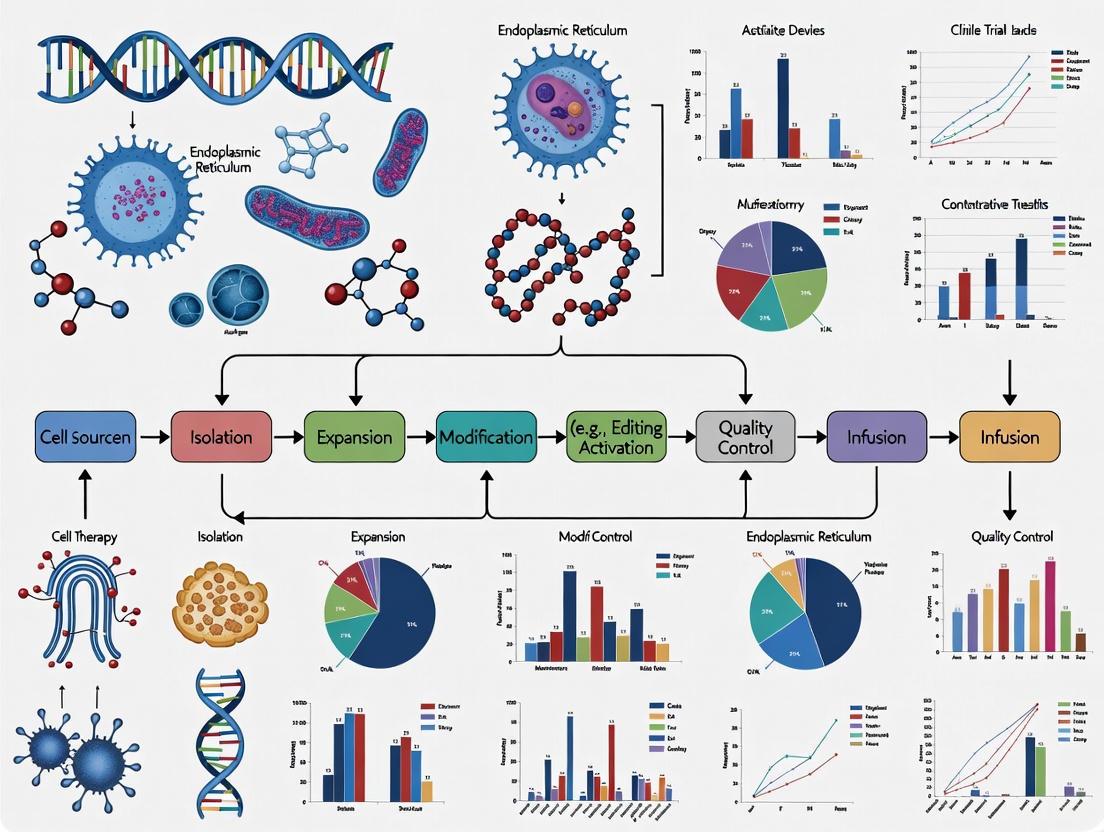
This article provides a comprehensive guide to Good Manufacturing Practice (GMP) for autologous cell therapies, tailored for researchers, scientists, and drug development professionals.
Mastering GMP for Autologous Cell Therapy: A Comprehensive Guide to Quality, Compliance, and Scalability
Abstract
This article provides a comprehensive guide to Good Manufacturing Practice (GMP) for autologous cell therapies, tailored for researchers, scientists, and drug development professionals. It covers the foundational regulatory landscape, including the latest FDA, EMA, and MHRA guidances. The content details methodological approaches for process design, automation, and raw material control, addresses critical troubleshooting challenges in manufacturing and safety, and explores validation strategies and comparative analysis of centralized versus decentralized production models. The goal is to equip professionals with the knowledge to navigate the complex journey from lab-scale development to scalable, compliant commercial manufacturing.
Navigating the GMP and Regulatory Landscape for Autologous Cell Therapies
Core GMP Principles for Patient-Specific Products
Good Manufacturing Practice (GMP) constitutes a cornerstone of quality assurance, ensuring that medicinal products are consistently produced and controlled according to quality standards appropriate to their intended use [1]. For autologous cell therapies—personalized treatments manufactured from a patient's own cells—GMP compliance presents unique challenges and requirements that diverge significantly from traditional pharmaceutical manufacturing [2]. The "C" in CGMP (Current Good Manufacturing Practice) emphasizes using modern technologies and systems that are up-to-date, requiring manufacturers to continually improve beyond minimum standards [3]. This technical guide examines the core GMP principles essential for researchers and drug development professionals working with patient-specific autologous cell therapies, with particular focus on CAR-T cells and other advanced therapy medicinal products (ATMPs).
The Regulatory Framework for Autologous Products
Foundational GMP Regulations
Autologous cell therapy manufacturing operates within a comprehensive regulatory framework designed to ensure product safety, efficacy, and quality. The foundational regulations include:
- 21 CFR Part 210: Current Good Manufacturing Practice in Manufacturing, Processing, Packing, or Holding of Drugs [4]
- 21 CFR Part 211: Current Good Manufacturing Practice for Finished Pharmaceuticals [4]
- 21 CFR Part 1271: Human Cells, Tissues, and Cellular and Tissue-Based Products
- Supplementary Annexes: Specific GMP requirements for biological medicinal products, including cell therapies [1]
The FDA emphasizes that CGMP regulations are flexible, allowing manufacturers to implement scientifically sound design, processing methods, and testing procedures appropriate for their specific products [3]. This flexibility is particularly important for autologous therapies, where traditional batch manufacturing models do not apply.
International Standards
Internationally, the World Health Organization's GMP guidance, first drafted in 1968 and continually updated, has been incorporated into national medicines laws of more than 100 countries [1]. The European Medicines Agency (EMA) conducts GMP inspections across member states, ensuring harmonized interpretation of requirements [5]. Manufacturers targeting global markets must navigate these overlapping regulatory frameworks while maintaining the fundamental GMP principles outlined in this guide.
Core GMP Principles for Patient-Specific Therapies
The "Five Ps" Framework
GMP compliance for autologous therapies can be understood through the "Five Ps" framework, which provides a systematic approach to quality assurance [5]:
| GMP Component | Application to Autologous Cell Therapies | Key Considerations |
|---|---|---|
| Products | Patient-specific cellular materials | Quality of raw materials (apheresis products); process consistency across individual batches; comprehensive testing [5] [6] |
| People | Trained personnel handling individualized products | Regular GMP training; specific competency in aseptic processing; understanding of chain of identity protocols [5] |
| Processes | Standardized yet flexible manufacturing workflows | Documented, validated processes; controlled, monitored environmental conditions; robust chain of identity maintenance [5] [7] |
| Procedures | Standardized operating procedures (SOPs) | Comprehensive SOPs for all critical steps; version control; regular review and updates [5] |
| Premises | Specialized facilities for individualized production | Adequately designed cleanrooms; proper equipment maintenance; environmental monitoring [5] |
Critical Challenges in Autologous Therapy Manufacturing
Manufacturing patient-specific therapies presents distinct challenges that require adaptation of traditional GMP approaches:
- Supply Chain Complexity: Each treatment involves transporting patient cells from collection site to manufacturing facility and back, requiring meticulous tracking and maintenance of chain of identity [2]
- Scalability Limitations: Unlike traditional manufacturing that benefits from economies of scale, autologous therapies require scaling out with multiple parallel manufacturing streams rather than scaling up [2]
- Cost and Accessibility: Resource-intensive individualized manufacturing processes contribute to high production costs, potentially limiting patient access [2]
- Regulatory Complexity: Evolving regulatory frameworks for "living medicines" requires ongoing vigilance and adaptation [2]
Experimental Protocols and Methodologies
Leukapheresis Product Stability Assessment
Establishing appropriate hold times and conditions for starting materials is fundamental to GMP compliance. The following protocol, adapted from recent research, provides a methodology for determining leukapheresis product (LP) stability [6]:
Objective: To define optimal storage conditions and maximum hold time between apheresis and manufacturing initiation for autologous cell therapies.
Materials:
- Fresh leukapheresis products from healthy donors or patients
- Temperature-controlled storage units (2-8°C and 15-25°C)
- Flow cytometry equipment with appropriate antibodies (CD45, CD3, CD4, CD8, CD14, CD19, CD56)
- Cell viability staining reagents (e.g., 7-AAD, annexin V)
- Automated cell counter
Methodology:
- Sample Preparation: Divide fresh LP into aliquots for storage at cool temperature (CT: 2-8°C) and room temperature (RT: 15-25°C)
- Timepoint Analysis: Assess samples at 0, 25, 49, 73, and 121 hours post-collection
- Parameters Measured:
- Visual appearance (color, consistency)
- White blood cell counts and differentials
- Cell composition via flow cytometry (T cells, B cells, NK cells, monocytes)
- Cell viability and apoptosis markers
- Sterility testing (at selected timepoints)
Acceptance Criteria: Stability is maintained when ≥90% viability of critical cell populations (CD45+ leukocytes, CD3+ T cells) is preserved and when cell composition remains consistent with baseline measurements.
Automated CAR-T Cell Manufacturing Process
A representative GMP-compliant manufacturing process for autologous CAR-T cells demonstrates the application of core principles [6]:
Autologous CAR-T Cell Manufacturing Workflow
Analytical Testing Strategy
Comprehensive quality control testing is essential throughout the manufacturing process. The following table outlines critical quality attributes and associated analytical methods for autologous CAR-T cell products [6]:
| Testing Category | Analytical Methods | Acceptance Criteria (Example) | Testing Frequency |
|---|---|---|---|
| Identity | Flow cytometry (CD3, CAR+), PCR | >90% CD3+, >20% CAR+ | DS and DP release |
| Potency | Cytokine release, cytotoxicity assays | Specific lysis >50% at effector:target 10:1 | DS and DP release |
| Purity & Impurities | Flow cytometry, residual reagent testing | Process residuals below safety limits | DS and DP release |
| Viability | Automated cell counting, dye exclusion | ≥80% viability | IPC and release |
| Microbiological Safety | Sterility, mycoplasma, endotoxin | No growth, <0.25 EU/mL | DS and DP release |
| Vector Safety | Replication-competent lentivirus testing | No detectable RCL | DP release |
DS = Drug Substance; DP = Drug Product; IPC = In-Process Control
Essential Research Reagent Solutions
The following research reagents and platforms are critical for establishing GMP-compliant autologous therapy manufacturing:
| Research Tool | Function | GMP Relevance |
|---|---|---|
| Closed System Automated Platforms (e.g., CliniMACS Prodigy, Gibco CTS Rotea) | Integrated cell processing, reduction of open manipulations | Minimizes contamination risk, enhances process consistency [6] [8] |
| Cell Separation Systems (e.g., Gibco CTS Dynacellect) | Magnetic cell isolation, bead removal | Closed, automated isolation maintains sterility [8] |
| Genetic Modification Systems (e.g., Gibco CTS Xenon) | Electroporation for non-viral transfection | GMP-compliant modular systems support scale-up [8] |
| GMP-Grade Cell Culture Media | Cell expansion, maintenance | Xeno-free formulations reduce safety concerns [6] |
| Analytical Flow Cytometry Panels | Identity, purity, CAR expression | Critical quality attribute assessment [6] |
| Process Monitoring Software (e.g., Chronicle, CTS Cellmation) | Electronic batch records, real-time monitoring | 21 CFR Part 11 compliance, data integrity [7] [8] |
Quantitative Stability Data for Starting Materials
Understanding the stability profile of leukapheresis products is essential for establishing validated hold times. Recent research provides the following quantitative stability data [6]:
| Cell Population | Stability at 2-8°C | Stability at 15-25°C | Key Findings |
|---|---|---|---|
| CD45+ Leukocytes | ≥90% viability up to 73 hours | ≥90% viability up to 49 hours | WBC counts remained consistent at both temperatures |
| CD3+ T Cells | ≥90% viability up to 73 hours | ≥90% viability up to 49 hours | No significant change in frequency at cool temperature |
| CD4+ T Cells | ≥90% viability up to 73 hours | ≥90% viability up to 49 hours | Maintained subset distribution at cool temperature |
| CD8+ T Cells | ≥90% viability up to 73 hours | ≥90% viability up to 49 hours | Stable population at cool temperature |
| Monocytes | >90% viability throughout 121 hours | Rapid decline after 49 hours | Most temperature-sensitive population |
| Overall Apoptosis | 4.9% ± 2.0% at 121 hours | 1.2% ± 1.6% at 121 hours | Higher variation at cool temperature |
This data supports a maximum hold time of 73 hours at 2-8°C for leukapheresis products before initiating manufacturing, providing crucial flexibility for logistics while maintaining cell quality.
Automation and Digital Integration Strategies
Automation Solutions for GMP Compliance
Automation plays an increasingly critical role in addressing GMP challenges for autologous therapies:
- Reduced Manual Intervention: Automated systems minimize human handling, decreasing contamination risks and operator-dependent variability [8]
- Enhanced Process Control: Automated monitoring of critical process parameters (e.g., cell density, pH, metabolites) enables real-time process adjustments [7]
- Improved Traceability: Integrated electronic systems maintain comprehensive chain of identity and chain of custody documentation [7]
Digital Integration Framework
Implementing digital solutions creates a foundation for robust GMP compliance:
Digital Integration for GMP Compliance
Implementing core GMP principles for patient-specific products requires a specialized approach that balances regulatory requirements with the unique challenges of autologous therapy manufacturing. The framework presented in this guide—encompassing the "Five Ps" of GMP, validated experimental protocols, strategic automation, and comprehensive quality systems—provides researchers and drug development professionals with the technical foundation necessary for GMP-compliant autologous cell therapy production. As the field continues to evolve, maintaining current with regulatory expectations while leveraging technological advancements in automation and digital integration will be essential for advancing these promising therapies from research to clinical application.
This technical guide provides researchers and drug development professionals with a comprehensive analysis of the key U.S. Food and Drug Administration (FDA) guidance documents governing chimeric antigen receptor (CAR) T-cell therapies, genome editing products, and manufacturing processes. Framed within the context of Good Manufacturing Practices (GMP) for autologous cell therapy research, this document synthesizes current regulatory frameworks, including recent significant updates such as the elimination of Risk Evaluation and Mitigation Strategies (REMS) for certain CAR-T products and the introduction of novel regulatory pathways. The global cell and gene therapy market, valued at $18.13 billion in 2023 and projected to reach $97.33 billion by 2033, underscores the critical importance of understanding these evolving regulatory landscapes for successful therapy development [8]. This guide serves as an essential resource for navigating the complex intersection of scientific innovation and regulatory compliance in the rapidly advancing field of personalized medicine.
The FDA's regulatory approach to cell and gene therapies has evolved significantly to keep pace with scientific advancements. The Center for Biologics Evaluation and Research (CBER) oversees these products through the Office of Therapeutic Products (OTP), which was recently reorganized from the former Office of Tissues and Advanced Therapies (OTAT) to enhance review capabilities and specialized expertise [9]. This "super office" now comprises six specialized sub-offices covering gene therapy chemistry, manufacturing, and controls (CMC); cellular therapy and human tissue CMC; plasma protein therapeutics CMC; clinical evaluation; pharmacology/toxicology; and review management and regulatory review.
The FDA has adopted a progressive stance toward innovative therapy development, emphasizing flexible regulatory tools and evidence standards while maintaining rigorous safety and efficacy requirements. This is particularly evident in areas involving rare diseases, personalized treatments, and novel platforms where traditional clinical trial designs may be impractical. The agency has increased staffing by over 100 positions to manage the growing pipeline of cell and gene therapy applications, with the OTP reportedly 75-80% staffed as of early 2024 [9].
Analysis of Key FDA Guidance Documents
CAR-T Cell Therapy Guidance
Considerations for the Development of Chimeric Antigen Receptor (CAR) T Cell Products (January 2024)
This final guidance provides comprehensive recommendations for CAR-T development, though its principles apply more broadly to other gene-edited cell therapies, including natural killer (NK) and T-cell receptor (TCR) cell therapies [9]. The document covers critical aspects of product development, including:
- Safety Assessment: Detailed recommendations for evaluating cytokine release syndrome (CRS), neurological toxicities, and on-target/off-tumor effects, including preclinical models and clinical monitoring strategies.
- Manufacturing Controls: Guidance on ensuring identity, purity, potency, and consistency of CAR-T products throughout development and commercialization.
- Clinical Study Design: Considerations for patient population selection, dosing strategies, and endpoint selection in various clinical trial phases.
- Analytical Comparability: Framework for demonstrating comparability following manufacturing process changes.
A significant recent regulatory development is the elimination of the REMS requirement for BCMA- and CD19-directed autologous CAR T cell immunotherapies in June 2025 [10] [11]. This decision reflects the accumulated clinical experience in managing CAR-T toxicities and removes the requirement for specially certified treatment sites with on-site, immediate access to tocilizumab. This change is expected to significantly improve patient access, particularly in rural areas, while maintaining safety through updated labeling requirements that include monitoring patients for at least two weeks post-infusion and advising them to avoid driving for two weeks [10].
Genome Editing Guidance
Human Gene Therapy Products Incorporating Human Genome Editing (January 2024)
This final guidance provides a comprehensive framework for developing human gene therapy products that incorporate human genome editing, with specific relevance to CRISPR-based therapies like Casgevy, which received FDA approval for sickle cell disease in December 2023 [9]. Key elements include:
- IND Application Requirements: Detailed recommendations on information to include in Investigational New Drug applications, including comprehensive product description and characterization.
- Study Design Considerations: Guidance on preclinical and clinical study design specific to genome editing products.
- Manufacturing Controls: Recommendations for ensuring editing efficiency, specificity, and product consistency.
- Safety Assessment: Comprehensive framework for evaluating on-target and off-target editing effects, including long-term follow-up.
The guidance emphasizes the importance of robust analytical methods to characterize editing outcomes and assess potential off-target effects, reflecting the unique regulatory considerations for genome editing products compared to conventional gene therapies.
Manufacturing and CMC Guidance
The FDA has issued several draft and final guidances addressing manufacturing considerations for cell and gene therapy products:
Manufacturing Changes and Comparability for Human Cellular and Gene Therapy Products (Draft, July 2023)
This draft guidance provides a framework for assessing comparability when implementing manufacturing changes, with specific recommendations for:
- Analytical Methods: Strategies for demonstrating that manufacturing changes do not adversely affect product safety, identity, purity, or potency.
- Staged Comparability Approaches: Recommendations for generating comparability data at appropriate stages of product development.
- Documentation Requirements: Comprehensive documentation strategies for manufacturing changes and comparability assessments.
Potency Assurance for Cellular and Gene Therapy Products (Draft, December 2023)
This draft guidance addresses the challenges of potency testing for complex cell and gene therapy products, with specific recommendations for:
- Potency Assay Development: Strategies for developing quantitative potency assays that measure biological activity.
- Matrix Approaches: Implementation of matrix approaches for potency testing when multiple mechanisms of action contribute to product efficacy.
- Stability Studies: Incorporation of potency endpoints into stability studies.
Table 1: Recent FDA Guidance Documents for Cell and Gene Therapy (2023-2025)
| Guidance Document Title | Status | Date Issued | Key Focus Areas |
|---|---|---|---|
| Considerations for the Development of CAR T Cell Products | Final | January 2024 | Safety, manufacturing, clinical study design, analytical comparability |
| Human Gene Therapy Products Incorporating Human Genome Editing | Final | January 2024 | IND requirements, safety assessment, manufacturing controls |
| Postapproval Methods to Capture Safety and Efficacy Data for Cell and Gene Therapy Products | Draft | September 2025 | Real-world evidence collection, post-market safety studies |
| Innovative Designs for Clinical Trials of Cellular and Gene Therapy Products in Small Populations | Draft | September 2025 | Adaptive designs, external controls, master protocols |
| Manufacturing Changes and Comparability for Human Cellular and Gene Therapy Products | Draft | July 2023 | Comparability protocols, analytical methods, documentation |
| Potency Assurance for Cellular and Gene Therapy Products | Draft | December 2023 | Potency assay development, matrix approaches, stability testing |
| Studying Multiple Versions of a Cellular or Gene Therapy Product in an Early-Phase Clinical Trial | Final | November 2022 | Umbrella trial designs, master protocols, IND structure |
GMP Considerations for Autologous Cell Therapy Research
Autologous CAR-T Cell Therapy Manufacturing Workflow
The manufacturing process for autologous CAR-T cell therapies presents unique GMP challenges due to its patient-specific nature. The following diagram illustrates the key stages in the autologous CAR-T manufacturing workflow and the critical GMP considerations at each step.
Current Challenges in GMP Manufacturing for Autologous Therapies
Autologous cell therapy manufacturing faces several significant challenges in adhering to GMP standards:
- Complexity: The manufacturing process involves multiple complex steps, each requiring precise control to ensure product quality and consistency across patient-specific batches [8].
- Cost: Producing autologous cell therapies is expensive due to the individualized nature of the treatment and the need for specialized facilities and equipment.
- Scalability: Meeting growing demand necessitates scalable manufacturing solutions that maintain high-quality standards while managing multiple parallel patient-specific batches.
- Regulatory Compliance: Ensuring compliance with stringent and evolving regulatory requirements across different regions adds substantial complexity to manufacturing operations.
Automation in GMP Manufacturing
Automation plays a crucial role in addressing GMP challenges in autologous therapy manufacturing. The integration of automated systems provides several key advantages:
- Reducing Manual Labor and Errors: Automation minimizes human intervention, reducing contamination risks and handling errors crucial for maintaining the integrity of patient-specific therapies [8].
- Enhancing Scalability: Automated systems can handle larger volumes and more complex processes, making commercial-scale production of individualized therapies feasible.
- Improving Consistency and Quality: Automated systems ensure uniform production conditions across batches, enhancing consistency and quality essential for regulatory compliance and patient safety.
Table 2: Automated Solutions for GMP Cell Therapy Manufacturing
| System Name | Key Features | GMP Applications |
|---|---|---|
| Gibco CTS Rotea Counterflow Centrifugation System | Closed cell processing, low output volume, high cell recovery and viability | Leukopak processing, PBMC separation, cell wash and concentrate, buffer exchange |
| Gibco CTS Dynacellect Magnetic Separation System | Closed, automated isolation and bead removal, high-throughput, GMP-compliant | Cell isolation, de-beading, process scale-up |
| Gibco CTS Xenon Electroporation System | Closed, modular, large-scale electroporation, GMP-compliant | Non-viral transfection, electroporation of T-cells and NK-cells |
Emerging Regulatory Pathways and Their Implications
The Plausible Mechanism Pathway
In November 2025, FDA leadership introduced the Plausible Mechanism (PM) Pathway, a proposed regulatory approach designed to accelerate access to highly individualized therapies, particularly for ultra-rare genetic diseases where traditional clinical trials are nearly impossible [12] [13]. This pathway represents a significant evolution in regulatory thinking, focusing on mechanistic plausibility and direct clinical responses in very small patient populations.
The PM Pathway is built for situations where a disease is caused by a clearly defined genetic or molecular abnormality and the therapy directly targets that abnormality. Key characteristics for PM Pathway eligibility include [13]:
- Identification of a specific molecular or cellular abnormality with a direct causal link to the disease
- Targeting of the underlying biological alteration by acting on the molecular or cellular abnormality itself
- Well-characterized natural history data for the disease in the untreated population
- Evidence of successful target engagement or editing from appropriate models or clinical biopsies
- Demonstration of clinical improvement consistent with disease biology
Innovative Clinical Trial Designs
The FDA has demonstrated increasing flexibility in accepting innovative clinical trial designs for cell and gene therapies, particularly through recent guidance documents:
Studying Multiple Versions of a Cellular or Gene Therapy Product in an Early-Phase Clinical Trial (Final, November 2022)
This guidance provides important recommendations for umbrella trials where multiple versions of a therapy are tested under a master protocol [9]. Key elements include:
- IND Structure: Clarification on organizing Investigational New Drug applications for umbrella trials, with a Primary IND containing master protocol information and secondary INDs for different product versions.
- Efficiency Benefits: Allows direct comparison of different therapy versions using the same control group, reducing patient recruitment challenges, particularly in rare diseases.
- Regulatory Flexibility: Supports the addition and updating of study arms during development, facilitating adaptive approaches.
Innovative Designs for Clinical Trials of Cellular and Gene Therapy Products in Small Populations (Draft, September 2025)
This draft guidance expands on adaptive designs, external controls, and master protocols specifically for small population studies, addressing the unique challenges of rare disease drug development [14].
The following diagram illustrates how these innovative trial designs fit within the broader regulatory ecosystem for advanced therapies.
The Scientist's Toolkit: Essential Research Reagent Solutions
Successful development of autologous cell therapies requires carefully selected reagents and systems that comply with regulatory requirements while maintaining scientific rigor. The following table outlines essential research reagent solutions for autologous CAR-T therapy development.
Table 3: Essential Research Reagent Solutions for Autologous CAR-T Therapy Development
| Reagent/System Category | Specific Examples | Function in Therapy Development | GMP Considerations |
|---|---|---|---|
| Cell Separation Systems | Gibco CTS Rotea Counterflow Centrifugation System, Gibco CTS Dynacellect Magnetic Separation System | T-cell isolation from leukapheresis material, cell washing and concentration, bead removal | Closed systems, sterile single-use kits, automation compatibility |
| Genetic Modification Tools | Viral vectors (lentiviral, retroviral), CRISPR-Cas9 systems, Gibco CTS Xenon Electroporation System | Stable genetic modification of T-cells to express CAR constructs, non-viral gene editing | Vector characterization, editing efficiency validation, minimal off-target effects |
| Cell Culture Media | Serum-free, xeno-free media formulations, activation supplements, cytokine cocktails | T-cell activation, expansion, and maintenance during manufacturing process | Defined composition, absence of animal-derived components, lot-to-lot consistency |
| Process Automation Software | Gibco CTS Cellmation Software | Real-time monitoring, data analytics, process control, and documentation | 21 CFR Part 11 compliance, data integrity, audit trails |
| Analytical Assay Reagents | Flow cytometry antibodies, cytokine detection assays, molecular biology reagents | Product characterization, potency assessment, purity evaluation, safety testing | Validation, specificity, sensitivity, reproducibility |
Experimental Protocols for Critical Quality Assessments
Potency Assay Development Protocol
Objective: Establish a quantitative potency assay that measures the biological activity of CAR-T products as required by 21 CFR 610.10.
Materials:
- CAR-T cells and appropriate target cells
- Co-culture plates (96-well)
- Cytokine detection reagents (ELISA or multiplex immunoassay)
- Flow cytometry reagents for cell surface marker analysis
- Cell viability stains
Methodology:
- Effector-Target Co-culture: Plate target cells expressing the relevant antigen at predetermined densities. Add CAR-T cells at varying effector-to-target ratios (e.g., 1:1, 5:1, 10:1). Include appropriate controls (non-transduced T cells, antigen-negative target cells).
- Incubation: Incubate co-cultures for 18-24 hours at 37°C, 5% CO₂.
- Cytokine Measurement: Collect supernatant and quantify IFN-γ, IL-2, and other relevant cytokines using validated immunoassays.
- Cytotoxicity Assessment: Measure target cell killing using real-time cell analysis, lactate dehydrogenase release, or flow cytometry-based cytotoxicity assays.
- CAR Expression Analysis: Quantify CAR expression percentage and density by flow cytometry using antigen-based detection reagents.
- Data Analysis: Calculate EC₅₀ values for cytokine production and cytotoxicity, establish acceptance criteria based on clinical batch data.
Vector Copy Number Determination Protocol
Objective: Quantify vector copy number per cell to ensure consistency and safety of genetically modified CAR-T products.
Materials:
- Genomic DNA extraction kit
- Quantitative PCR system and reagents
- Reference gene primers and probe (e.g., RNase P)
- Vector-specific primers and probe
- Digital PCR system (for orthogonal method)
Methodology:
- DNA Extraction: Isolate genomic DNA from CAR-T cells using validated methods. Determine DNA concentration and purity.
- Standard Curve Preparation: Prepare serial dilutions of reference plasmid containing both vector and reference gene sequences.
- qPCR Setup: Perform duplex qPCR reactions with vector-specific and reference gene-specific primers/probes.
- Validation Parameters: Establish assay validation including:
- Linearity (R² > 0.98)
- Efficiency (90-110%)
- Sensitivity (limit of detection and quantification)
- Precision (intra- and inter-assay CV < 25%)
- Orthogonal Confirmation: Confirm results using digital PCR for absolute quantification without standard curve.
- Acceptance Criteria: Establish vector copy number acceptance criteria based on product characterization and clinical experience.
The regulatory landscape for CAR-T therapies, genome editing, and manufacturing continues to evolve rapidly, with recent developments including the elimination of REMS requirements for established CAR-T products and the proposal of novel regulatory pathways like the Plausible Mechanism Pathway. These changes reflect the FDA's adaptive approach to balancing innovation, patient access, and safety in the advanced therapy domain.
For researchers and drug development professionals, success in this environment requires:
- Proactive Regulatory Strategy: Early engagement with FDA through pre-IND meetings and careful consideration of appropriate regulatory pathways
- Robust Manufacturing Controls: Implementation of GMP-compliant, automated manufacturing systems with well-characterized analytical methods
- Adaptive Clinical Development: Utilization of innovative trial designs appropriate for small populations and rare diseases
- Comprehensive CMC Strategies: Development of manufacturing processes that ensure product consistency while accommodating necessary improvements
As the field advances toward in vivo gene editing, allogeneic approaches, and expanded applications in autoimmune and neurodegenerative diseases, regulatory frameworks will continue to evolve. Maintaining awareness of emerging guidance documents and participating in public comment periods will be essential for contributing to the development of efficient, science-based regulatory pathways for these transformative therapies.
The development and manufacture of autologous cell therapies present unique regulatory challenges due to their patient-specific nature, complex manufacturing processes, and often limited shelf lives. Within Europe, the European Medicines Agency (EMA) and the UK Medicines and Healthcare products Regulatory Agency (MHRA) have established sophisticated regulatory frameworks to ensure these Advanced Therapy Medicinal Products (ATMPs) meet stringent standards of quality, safety, and efficacy. For researchers and drug development professionals, understanding the nuances, convergences, and divergences between these frameworks is crucial for efficient global development strategy. The regulatory landscape is dynamic, with both agencies recently implementing significant updates: the EMA's new guideline on clinical-stage ATMPs came into effect in July 2025, while the MHRA's pioneering framework for point-of-care manufacturing became law in the same month [15] [16]. This whitepaper provides an in-depth technical analysis of these frameworks, with a specific focus on Good Manufacturing Practice (GMP) implications for autologous cell therapy research.
EMA Framework and Classification
The EMA regulates cell and gene therapies as Advanced Therapy Medicinal Products (ATMPs), which are classified into three main categories: gene therapy medicines, somatic-cell therapy medicines, and tissue-engineered medicines [17]. Products containing one or more medical devices as an integral part are classified as combined ATMPs. All ATMPs are authorized via a centralized procedure, with the Committee for Advanced Therapies (CAT) playing a central role in their scientific assessment [17].
A significant recent development is the implementation of the "Guideline on quality, non-clinical and clinical requirements for investigational advanced therapy medicinal products in clinical trials" as of July 1, 2025 [15]. This multidisciplinary document consolidates information from over 40 separate guidelines and reflection papers, providing a comprehensive reference for structuring clinical trial applications for investigational ATMPs. The guideline covers expectations for both early-phase exploratory and late-stage confirmatory clinical trials, with a significant portion (approximately 70%) dedicated to quality documentation (Chemistry, Manufacturing, and Controls - CMC) [15].
MHRA Framework and Recent Innovations
Following Brexit, the MHRA has established its own independent regulatory framework while often maintaining alignment with European standards. A landmark development is the introduction of the Modular Manufacture and Point of Care Regulations 2025, which came into effect on July 23, 2025 [16]. This represents the world's first comprehensive regulatory framework for the decentralized manufacturing of medicines, including autologous cell therapies.
This new framework introduces two distinct licensing pathways [18] [19]:
- Manufacturer’s License (Point of Care, POC): For products that, due to their method of manufacture, shelf life, constituents, or administration, can only be manufactured at or near the place of use.
- Manufacturer’s License (Modular Manufacturing, MM): For products where deployment necessitates manufacturing in modular units, justified by public health requirements or significant clinical advantage.
A cornerstone of this framework is the "Control Site" model. The Control Site serves as the regulatory nexus, holding the manufacturing license and maintaining oversight of all decentralized manufacturing activities [19]. This model allows the MHRA to focus its regulatory oversight on the Control Site rather than individually inspecting every potential point-of-care manufacturing location.
Critical GMP Considerations for Autologous Therapies
Quality Management Systems for Decentralized Manufacturing
The shift toward decentralized manufacturing necessitates robust, adaptable Quality Management Systems (QMS). For autologous therapies manufactured at or near the point of care, the QMS must ensure consistent product quality across multiple manufacturing sites while accommodating the unique challenges of patient-specific production.
The proposed QMS framework for decentralized cell therapy manufacturing integrates cGMP principles with a centralized Control Site model [19]. The Control Site holds functional responsibility for regulatory interactions, quality assurance, Qualified Person (QP) oversight, and maintaining the POCare Master File for individual manufacturing sites. A standardized GMP manufacturing platform (e.g., deployable as prefabricated units) and an overarching training platform are essential to guarantee consistent quality standards across the network [19].
Table 1: Key Elements of a QMS for Decentralized Manufacturing of Autologous Cell Therapies
| QMS Element | Function in Decentralized Manufacturing | Regulatory Reference |
|---|---|---|
| Control Site | Serves as the central regulatory contact; maintains overall quality oversight and the POCare Master File. | MHRA Guidance on GMP for DM [18] |
| POCare/DM Master File | A centralized document providing detailed instructions for completing manufacturing at remote sites. | MHRA Guidance on MAA for DM [18] |
| Unified Pharmaceutical Quality System | Ensures consistent application of quality policies and procedures across all manufacturing locations. | ICH Q10 [20] |
| Quality Risk Management | Proactively identifies and controls risks associated with multi-site manufacturing (e.g., process variability, training differences). | ICH Q9 [20] [21] |
| Contamination Control Strategy | A comprehensive, science-based approach to ensure aseptic conditions across diverse manufacturing environments. | EU GMP Annex 1 [21] |
Process Validation and Comparability
For autologous therapies produced in a decentralized network, demonstrating process validation and product comparability is a fundamental GMP requirement. The MHRA's guidance on Marketing Authorization Applications for decentralized manufacturing places particular emphasis on this, requiring sponsors to demonstrate comparability between products made at various remote manufacturing sites [18]. This is often supported by Real-Time Release Testing (RTRT) strategies, which are especially relevant for products with very short shelf lives [18].
The FDA's draft guidance on CAR-T cell products similarly highlights that while manufacturing at multiple sites may shorten timelines, sponsors must demonstrate that a comparable product is manufactured at each location, including comparability of analytical methods [19]. This involves rigorous process validation and a thorough understanding of Critical Process Parameters (CPPs) and Critical Quality Attributes (CQAs).
Viral Safety and Starting Materials
Viral safety remains a critical consideration, particularly with the updated ICH Q5A(R2) guideline on "Viral Safety Evaluation of Biotechnology Products Derived from Cell Lines of Human or Animal Origin," which was adopted in November 2023 [22]. The guideline encourages viral clearance steps where possible and recommends a risk-based approach for processes where clearance is not viable, such as with lentiviral vectors [23].
For autologous therapies, the handling of human starting materials is governed by a combination of GMP and Good Tissue Practice (GTP) principles [23]. While the EMA's ATMP guideline references compliance with EU and member state legal requirements for human cell-based starting materials [15], the FDA is typically more prescriptive in its requirements for donor eligibility determination and infectious disease testing [15].
Comparative Analysis: EMA vs. MHRA
Regulatory Convergence and Divergence
Significant regulatory convergence has occurred between the EMA and MHRA, particularly in the domain of CMC requirements. The organization of the EMA's quality documentation section mirrors the Common Technical Document (CTD) Module 3 headings, providing a familiar roadmap for regulatory submissions to both agencies [15]. However, notable differences remain that researchers must navigate.
Table 2: Key Regulatory Comparisons between EMA and MHRA for Autologous Cell Therapies
| Aspect | EMA Approach | MHRA Approach |
|---|---|---|
| GMP Compliance Verification | Mandatory self-inspections with documented evidence of an effective QMS [15]. | Phase-appropriate compliance with verification during pre-license inspection; new Control Site model for decentralized manufacturing [15] [18]. |
| Decentralized Manufacturing Framework | Acknowledged in EU Network Strategy 2025; detailed in EudraLex Vol 4, Part IV (under revision) [19] [21]. | Pioneering comprehensive framework (effective July 2025) with specific POC and Modular Manufacturing licenses [18] [16]. |
| Allogeneic Donor Eligibility | General guidance requiring compliance with relevant EU and member state laws [15]. | More prescriptive requirements for donor screening, testing, and restrictions on pooling [15]. |
| Batch Release | Detailed process for decentralized manufacturing described in EudraLex Vol 4 [19]. | Relies on the Qualified Person (QP) at the Control Site within the new POC framework [18]. |
Recent and Ongoing Revisions
Both agencies are actively updating their regulatory guidance to keep pace with technological advancements:
- EMA GMP Revision: In May 2025, the EMA released a concept paper proposing revisions to Part IV of the EU GMP Guidelines specific to ATMPs. The consultation period is open until July 8, 2025. Key proposed changes include alignment with the revised Annex 1 (sterile manufacturing), integration of ICH Q9 (Quality Risk Management) and ICH Q10 (Pharmaceutical Quality System), and adaptation to new technologies like automated and closed systems [22] [21].
- MHRA Guidance Series: In June 2025, the MHRA published a comprehensive set of seven interlinked guidances to support the implementation of its new decentralized manufacturing framework. These cover designation, Marketing Authorization Applications, Clinical Trial Authorizations, Pharmacovigilance, GMP, labeling, and a detailed overview of the regulations [18].
Essential Research Reagents and Materials
The development and quality control of autologous cell therapies rely on a specific set of reagents and materials. Their selection and qualification are critical components of the CMC section in any regulatory submission.
Table 3: Key Research Reagent Solutions for Autologous Cell Therapy Development
| Reagent/Material | Function | GMP/Regulatory Consideration |
|---|---|---|
| Cell Separation Reagents | Isolate target cell populations (e.g., T-cells, stem cells) from patient apheresis material. | Must be compliant with relevant pharmacopoeial standards (e.g., Ph. Eur.) and approved for human use [20]. |
| Cell Culture Media & Supplements | Support the expansion, activation, and differentiation of cells ex vivo. | Avoidance of animal-derived components (e.g., bovine serum) is encouraged; use of GMP-grade, fully defined formulations is required [20]. |
| Activation & Transduction Reagents | Activate cells (e.g., anti-CD3/CD28 beads) and facilitate gene transfer (e.g., lentiviral, retroviral vectors). | Viral vectors must be produced in accordance with ICH Q5A(R2) on viral safety [22] [23]. |
| Cryopreservation Media | Maintain cell viability during long-term storage and transport. | Formulation must be validated to ensure it does not adversely impact cell quality, potency, or safety [20]. |
| QC Assay Reagents | Used in potency, safety (sterility, mycoplasma, endotoxin), and identity tests. | Assays must be validated per ICH Q2(R1); reagents should be qualified. Ph. Eur. chapter 2.6.7 applies to mycoplasma testing [22] [20]. |
Experimental Workflow and Regulatory Interactions
The development pathway for an autologous cell therapy, from research to marketing authorization, involves a series of complex, interdependent steps with multiple touchpoints with regulatory authorities. The following diagram illustrates the core workflow and key regulatory interactions, highlighting the parallel and integrated nature of CMC, non-clinical, and clinical development.
The diagram above outlines the core development workflow and key regulatory interactions for an autologous cell therapy. A critical methodology underpinning this workflow is the implementation of a Contamination Control Strategy (CCS), as emphasized in the revised EU GMP Annex 1 and the proposed update to the ATMP-specific GMP guidelines [21]. For a decentralized model, the CCS must be a holistic, science-based system designed to ensure aseptic conditions across all manufacturing sites. Its experimental validation typically involves:
- Environmental Monitoring Program: Establishing and validating a comprehensive program for viable and non-viable particle monitoring in the controlled environments of all manufacturing sites, including the central and point-of-care facilities.
- Media Fill Simulation: Performing process simulation studies (media fills) that mimic the entire aseptic manufacturing process to validate the efficacy of the aseptic technique and procedures used by operators at different locations.
- Closed System Qualification: Qualifying closed system processing sets and automated technologies to demonstrate they maintain a closed barrier and prevent microbial ingress during operation.
- Material and Component Control: Validating the sterilization and depyrogenation processes for all direct and indirect product contact materials, as well as the transfer procedures between the Control Site and remote sites.
The regulatory landscapes of the EMA and MHRA for autologous cell therapies are complex and evolving, reflecting the dynamic nature of the field. While significant convergence exists in core scientific and quality requirements, key differences remain in areas such as the verification of GMP compliance and the regulatory approach to decentralized manufacturing. The MHRA's pioneering Point of Care and Modular Manufacturing framework, effective from July 2025, offers a novel pathway for addressing the logistical challenges of patient-specific therapies. Concurrently, the EMA's newly implemented clinical-stage ATMP guideline and its proposed revision of GMP rules promise further clarification for developers. For researchers and drug development professionals, a deep understanding of these frameworks, coupled with proactive quality-by-design principles and early engagement with regulators, is indispensable for successfully navigating the path from concept to clinic and ultimately delivering transformative autologous cell therapies to patients.
The transition from Good Laboratory Practice (GLP) preclinical findings to Good Manufacturing Practice (GMP) clinical production represents a critical pathway in autologous cell therapy development. This translation is not merely a regulatory checkbox but a scientific necessity that ensures safety and efficacy observations from controlled preclinical studies are faithfully replicated in human therapies. For autologous cell therapies, where each batch is unique to a single patient, this continuum establishes the foundation for product consistency, despite inherent biological variability [24]. The living nature of cell-based products introduces unique challenges not encountered with conventional pharmaceuticals, requiring adaptation of traditional GxP frameworks to ensure these innovative therapies meet stringent safety and quality standards [24].
The regulatory framework governing this transition encompasses multiple quality management systems known collectively as GxP. While GLP governs the organizational processes and conditions under which non-clinical safety studies are planned, performed, and reported, GMP describes the minimum standards that manufacturers must meet in producing clinical-grade medicinal products throughout their entire lifecycle [24]. Additional standards including Good Clinical Practices (GCP) and Good Distribution Practices (GDP) complete the pharmaceutical quality management spectrum, creating an integrated system designed to protect patient safety and product integrity from bench to bedside [24].
The Regulatory and Scientific Framework for Translation
Strategic Importance of GLP-to-GMP Translation
The translation from GLP to GMP environments serves multiple critical functions in therapy development. First, it establishes a foundation of credibility for non-clinical safety data, demonstrating that results generated in research settings are reliable and reproducible for regulatory assessment [24]. Second, GLP-compliant safety studies inform the critical quality attributes (CQAs) that must be monitored and controlled during GMP manufacturing, creating a direct link between preclinical safety assessments and production controls [6]. Third, this translation process provides the scientific justification for phase-appropriate quality systems, allowing developers to implement increasingly stringent controls as products move from early clinical trials to commercial marketing applications [25].
The consequences of poor translation between non-clinical and manufacturing environments can be significant. Early autologous cell therapy developments often failed to fully comply with GLP in non-clinical safety studies, creating gaps in the scientific evidence supporting their safety profiles [24]. In some documented cases, such as the first cell-based product to receive European approval (ChondroCelect), regulators accepted non-GLP safety studies due to product-specific considerations, but such exceptions highlight the flexibility—and potential inconsistency—in regulatory application [24]. This underscores why a robust translation strategy is essential for efficient clinical development of more effective and safer innovative therapies.
Navigating Regulatory Flexibility and Challenges
While regulatory authorities mandate the application of pharmaceutical quality management systems, they recognize the unique challenges presented by cell-based products. The living nature of therapeutic cells, methodological complexities, and lack of standardized test systems sometimes make strict GLP compliance challenging [24]. Consequently, regulators may accept justified deviations when supported by adequate risk assessments and complementary data [24].
Several factors influence how regulators approach GLP-to-GMP translation for autologous cell therapies:
- Product-specific considerations: Characteristics such as cell type, manipulation level, and mode of action impact regulatory expectations [24]
- Stage of development: Early-phase trials may permit greater flexibility than commercial applications [25]
- Alternative quality systems: Data generated under other quality frameworks (ISO, GMP) may support non-clinical safety assessments [24]
- Risk-based justification: Comprehensive risk assessments can support alternative approaches when full GLP compliance isn't feasible [24]
This regulatory flexibility, while beneficial, requires developers to maintain rigorous scientific standards and transparent documentation to ensure patient safety remains protected throughout the product lifecycle.
Practical Implementation: From Preclinical Data to GMP Production
Establishing Phase-Appropriate Manufacturing Controls
Successfully translating GLP findings into GMP processes requires implementing phase-appropriate strategies that balance scientific rigor with practical considerations. The transition from preclinical to commercial manufacturing involves evolving requirements for processes, analytics, and quality systems [25].
Table: Evolution of Key Manufacturing Parameters Across Development Phases
| Parameter | Preclinical Phase | Process Development/IND | Commercial Phase |
|---|---|---|---|
| Reagent Quality | Research grade | GMP principles (21CFR210) | Full cGMP (21CFR210-211) |
| Manufacturing Systems | Open systems | Phase-appropriate controls | Closed, automated workflows |
| Scale | Small-scale manufacturing | Scalable processes | Validated scale-up/scale-out |
| Quality Focus | Safety/efficacy | Identity/purity/potency | Process validation, PAR/NOR set |
| Analytical Methods | Research assays | Qualified methods | ICH Q2/Q14 validated methods |
| Documentation | Research records | Development reports | Commercial batch records |
This phased approach allows developers to focus resources on the most critical quality parameters at each stage, while building the necessary data to support more stringent controls as products advance toward commercialization [25]. For autologous therapies, this progression typically involves moving from open, manual processes suitable for small patient cohorts to closed, automated systems capable of maintaining quality while scaling to commercial volumes [25] [8].
Implementing Quality by Design (QbD) Principles
A Quality by Design (QbD) approach facilitates the translation of GLP-derived safety data into GMP controls by systematically linking critical process parameters (CPPs) with critical quality attributes (CQAs) [25]. Implementing QbD early in process development using multivariate experiments and design of methodology (DoE) allows developers to define process design spaces based on preclinical understanding [25].
The QbD framework creates a direct connection between non-clinical safety assessments and manufacturing controls through several key activities:
- Identifying CQAs from preclinical safety and efficacy studies
- Linking material attributes and process parameters to product CQAs
- Establishing control strategies based on process understanding
- Implementing real-time monitoring using Process Analytical Technologies (PAT)
This systematic approach ensures that quality is built into the manufacturing process rather than tested into the final product, creating a direct scientific lineage from GLP safety studies to GMP production controls [25].
Case Study: GMP-Compliant CAR-T Cell Manufacturing Process
Recent research demonstrates the practical application of GLP-to-GMP translation principles in developing a novel FiCAR T-cell product. The established GMP-compliant manufacturing process incorporates phase-appropriate analytics and controls informed by preclinical development [6].
CAR-T Cell Manufacturing Workflow and Critical Process Steps
This semi-automated, closed-system process consistently yielded more than 2 × 10^9 highly viable CAR+ T cells, sufficient for clinical application, while maintaining product quality and functionality [6].
Analytical Methods and Quality Control Strategy
The quality control strategy for the CAR-T cell product demonstrates how analytical methods evolve from preclinical development to GMP manufacturing, ensuring continuous monitoring of CQAs identified during non-clinical studies.
Table: Phase-Appropriate Analytical Methods for CAR-T Cell Manufacturing
| Analysis Type | Preclinical Method | GMP Application | Acceptance Criteria |
|---|---|---|---|
| Cell Viability | Trypan blue exclusion | Automated cell counters | ≥ 90% post-enrichment |
| Identity/Purity | Flow cytometry (CD3, CD4, CD8) | Validated flow cytometry | ≥ 90% CD3+ T cells |
| Potency | In vitro cytotoxicity | Functional cytotoxicity assays | Specific lysis of target cells |
| Transduction Efficiency | CAR expression by flow cytometry | Validated CAR detection | Meeting pre-established specifications |
| Sterility | Research mycoplasma testing | Pharmacopeial methods (sterility, mycoplasma) | No microbial growth detected |
| Vector Safety | PCR-based vector integration | Validated PCR assays | Confirmation of intended genetic modification |
This comprehensive analytical approach ensures that CQAs identified during preclinical development are monitored throughout GMP manufacturing, creating a continuous quality continuum from non-clinical to clinical stages [6].
Essential Research Reagent Solutions for Technology Translation
The successful implementation of GMP processes requires careful selection and qualification of reagents and materials. The following toolkit highlights critical solutions that support the transition from preclinical to GMP-compliant manufacturing.
Table: Essential Reagent Solutions for GMP Cell Therapy Manufacturing
| Reagent Category | Key Function | GMP Consideration |
|---|---|---|
| Xeno-Free Culture Media | Cell expansion and maintenance | Defined formulation, elimination of animal-derived components, reduced lot-to-lot variability [26] |
| Human Platelet Lysate (hPL) | FBS replacement for MSC expansion | Reduced xenogenic risks, improved safety profile, requires rigorous pathogen testing [26] |
| GMP-Grade Viral Vectors | Genetic modification | Manufactured under GMP, fully characterized, documented traceability and testing [25] |
| Cell Separation Reagents | Target cell isolation and activation | Closed-system compatibility, minimal reagent residuals, documentation of purity and safety [27] |
| Cryopreservation Media | Cell product storage and transport | Defined formulation, DMSO quality and concentration control, container compatibility [28] |
These reagent solutions form the foundation of robust manufacturing processes, ensuring that materials used in clinical production meet the stringent quality requirements necessary for human administration, while maintaining the critical biological properties established during preclinical development.
Emerging Trends and Future Directions
Accelerated and Decentralized Manufacturing Models
The field of autologous cell therapy is evolving toward accelerated manufacturing workflows that address both clinical and practical challenges. Recent advances have demonstrated the feasibility of producing CAR-T cells in as little as 24 hours, a significant reduction from the conventional 7-14 day timeline [27]. These accelerated processes preserve less differentiated T-cell phenotypes (such as naive and stem cell memory populations), potentially enhancing in vivo persistence and antitumor activity [27].
Concurrently, decentralized manufacturing models are emerging to improve patient access to autologous therapies. These models shift production from centralized facilities to point-of-care locations, reducing logistical complexities and vein-to-vein times [27]. The successful implementation of decentralized manufacturing requires:
- Closed, automated systems that minimize operator-dependent variation
- Standardized processes that can be reliably replicated across multiple sites
- Digital integration for real-time monitoring and quality control
- Harmonized quality systems that maintain product consistency regardless of manufacturing location
These innovations represent the next frontier in GLP-to-GMP translation, where manufacturing processes are designed not only to produce quality products but also to enhance clinical accessibility and outcomes.
Digital Integration and Advanced Analytics
The increasing digitalization of GMP manufacturing creates new opportunities for enhancing the translation of preclinical data into production controls. Digital workflow management solutions provide end-to-end oversight of manufacturing processes, maintaining chain of identity and custody while facilitating real-time quality monitoring [25]. These systems enable:
- Electronic batch records that improve documentation accuracy and completeness
- Real-time process monitoring that allows immediate corrective actions
- Data analytics that identify correlations between process parameters and product quality
- Regulatory compliance with 21 CFR Part 11 requirements for electronic records
Similarly, advances in analytical technologies are creating more robust methods for assessing product quality. The implementation of Process Analytical Technologies (PAT) enables real-time monitoring of critical quality attributes, moving away from traditional end-product testing toward continuous quality assurance [25]. These technological advances strengthen the link between preclinical understanding and manufacturing control, ultimately enhancing product consistency and patient safety.
The translation of GLP preclinical data to GMP processes represents a fundamental requirement for the successful development of autologous cell therapies. This continuum ensures that safety and efficacy observations from controlled non-clinical studies are faithfully replicated in human therapies through robust, well-controlled manufacturing processes. By implementing phase-appropriate quality systems, applying QbD principles, and leveraging emerging technologies such as accelerated manufacturing and digital integration, developers can create a seamless pathway from bench to bedside. As the field continues to evolve, maintaining this critical link between preclinical science and manufacturing control will remain essential for delivering innovative, safe, and effective autologous cell therapies to patients in need.
Defining Critical Quality Attributes (CQAs) from the Start
In the field of autologous cell therapy, where a patient's own cells become a living drug, defining Critical Quality Attributes (CQAs) from the very beginning of development is not merely a regulatory formality but a fundamental prerequisite for manufacturing success. CQAs are defined as physical, chemical, biological, or microbiological properties or characteristics that must be within an appropriate limit, range, or distribution to ensure the desired product quality [29]. For autologous therapies, where starting material is inherently variable and processes often involve manual, open manipulations without terminal sterilization, a deep understanding of CQAs provides the essential control strategy to ensure consistent production of safe and efficacious therapies [29] [30].
Establishing CQAs early aligns with the Quality by Design (QbD) framework, a systematic and scientific approach to process development that begins with predefined objectives [31]. This proactive strategy is crucial for navigating the complex Chemistry, Manufacturing, and Controls (CMC) pathway and avoiding costly delays. Regulators have recently delayed development plans for several cell therapies due to concerns over manufacturing and the tests used to assess product strength, highlighting the critical importance of a well-defined and justified CQA strategy from the outset [32].
The Foundation: Quality Target Product Profile and CQA Identification
Defining the Quality Target Product Profile (QTPP)
The first step in a QbD approach is to define a Quality Target Product Profile (QTPP), a prospective summary of the quality characteristics of the drug product that ensures the desired safety and efficacy for the intended patient population [31]. The QTPP outlines the "what" – the quality goals for the therapy – which in turn drives the identification of CQAs, the "how" – the specific attributes to be measured and controlled.
For an autologous cell therapy, the QTPP typically includes elements such as dosage (cell number and viability), potency, identity, purity, and stability [31]. This strategic planning should happen "sooner rather than later," as a clear TPP outlining the patient population, administration route, and final container helps drive process development toward a viable and usable market product [29].
A Risk-Based Approach to Defining CQAs
CQAs are identified through a risk assessment process that links product attributes to their potential impact on safety and efficacy. The table below outlines the core categories of CQAs applicable to most autologous cell therapies, along with specific examples.
Table 1: Core CQA Categories for Autologous Cell Therapies
| CQA Category | Definition | Examples of Specific Measurements |
|---|---|---|
| Potency | The specific ability or capacity of the product to achieve its intended biological effect. |
|
| Identity | A set of characteristics that uniquely defines the product and distinguishes it from others. |
|
| Viability & Quantity | Measures of the live cell dose and overall cell health. |
|
| Purity & Impurities | Freedom from contaminants and process-related materials. |
|
| Safety | Attributes related to the absence of adverse contaminants. |
|
| Stability | The ability of a product to retain its CQAs within specified limits throughout its storage and use. |
|
CQAs Across the Autologous Therapy Workflow
The control of CQAs is not limited to the final product; it must be integrated throughout the entire manufacturing process, from cell collection to final infusion.
Figure 1: CQAs Throughout the Autologous Cell Therapy Workflow. CQAs must be defined and monitored at each unit operation to ensure final product quality. VCN: Vector Copy Number.
Starting Material and In-Process CQAs
The quality of the final autologous product is profoundly influenced by the starting material—the patient's cells. Unlike traditional biologics, the manufacturer has limited control over this input. Key CQAs at the leukapheresis stage include total nucleated cell count, cell composition (e.g., T-cell subsets), and viability [6]. One study established that leukapheresis products could be held for up to 73 hours at 2–8°C while maintaining cell composition and viability above 90%, defining a critical hold-time parameter for logistics and process planning [6].
During in-process stages, CQAs act as checkpoints to ensure the process is on track. For a T-cell therapy, these include cell purity after selection (e.g., >90% CD4/CD8 cells), transduction efficiency, and phenotypic markers indicative of a desired cell state (e.g., memory phenotype) [33] [6]. Monitoring these attributes allows for potential process adjustments and builds the foundation for justifying critical process parameters (CPPs).
Analytical Methods for CQA Assessment
Robust, phase-appropriate analytical methods are the backbone of CQA assessment. The choice of method depends on the attribute being measured and the stage of clinical development.
Table 2: Key Analytical Methods for CQA Assessment in Cell Therapy
| CQA Category | Example Analytical Methods | Key Considerations & Challenges |
|---|---|---|
| Identity & Purity | Flow Cytometry, PCR | High-throughput, multi-parameter analysis is key. Requires well-characterized antibodies and controls. |
| Potency | In vitro co-culture assays, Cytokine ELISA/MSD, Cytotoxicity assays | Often the most complex assay to develop. May require multiple complementary assays to fully capture biological function [32]. Development can take >12 months. |
| Quantity & Viability | Automated Cell Counters, Flow Cytometry | Recent ISO standards for cell counting are driving industry consistency [29]. |
| Genetic Attributes | ddPCR (Vector Copy Number), NGS (Insertion Sites) | Methods must be precise and sensitive to meet strict regulatory precision criteria [32]. |
| Safety (Sterility) | Automated Culture Systems, PCR-based Tests | Compendial methods are often required. Rapid microbial tests are valuable for fresh products. |
The Criticality of Potency Assays
Among all CQAs, potency assays present a unique challenge. Given the complex, multi-faceted biological activity of living cells, a single assay is often insufficient. For example, the potency of Regulatory T-cell (Treg) therapies may need to be assessed through multiple complementary assays measuring different mechanisms of action, such as cytokine deprivation, suppressive cytokine production, or modification of tissue metabolism [33]. It is recommended to begin developing and optimizing potency assays very early in the product lifecycle, as they are often the critical path item in the CMC timeline [32].
The Scientist's Toolkit: Essential Reagents and Materials
The consistent and reliable assessment of CQAs depends on the use of high-quality, well-characterized reagents and materials throughout the manufacturing and testing process.
Table 3: Essential Research Reagent Solutions for CQA Assessment
| Reagent/Material | Function in CQA Assessment | Key Considerations |
|---|---|---|
| Characterized Antibodies | Cell identity and purity via flow cytometry. | Specificity, clone, fluorochrome brightness, and titer must be optimized and validated for the target cell type. |
| Reference Standards & Controls | Calibration and qualification of analytical equipment and assays. | Positive and negative controls for potency, viability, and phenotype are essential for assay reliability. |
| GMP-grade Cell Culture Media | Supports cell growth and maintains critical attributes during expansion. | Serum-free, xeno-free formulations are preferred. Must support consistent growth and phenotype. |
| Cryopreservation Media | Maintains viability and critical attributes during frozen storage. | DMSO quality and concentration; use of defined cryoprotectants to minimize lot-to-lot variability. |
| Molecular Biology Kits | Quantification of genetic modification (e.g., VCN). | Sensitivity, precision, and reproducibility are paramount. ddPCR is often the gold standard. |
| Cell Isolation Kits | Selection of specific cell populations from leukapheresis material. | Purity, recovery, and viability of the isolated fraction are key performance metrics. |
Implementing a CQA Strategy: A Practical Workflow
Translating the concept of CQAs into an actionable control strategy requires a structured, iterative workflow. This process integrates risk assessment, experimental data, and process understanding.
Figure 2: Workflow for Defining and Implementing a CQA Strategy. This iterative process begins with the QTPP and uses process characterization data to refine CQAs and set justified acceptance criteria.
A common mistake, particularly for companies emerging from academia, is moving too quickly without building strong GMP principles and well-qualified analytics early on [29]. Using lower-grade research materials in early development and then changing them later for clinical or commercial processes can be a significant hurdle. It is advisable to "plan and understand the requirements for a later phase clinical product" from the beginning, which includes planning for the eventual use of GMP-grade raw materials and qualified/validated analytical methods [29].
For autologous cell therapies, defining CQAs from the start is a non-negotiable element of robust process development and successful regulatory navigation. It is a strategic investment that moves a therapy from a research-grade artifact to a reproducible, well-controlled medicinal product. By adopting a QbD framework, manufacturers can establish a scientific rationale that links process parameters to CQAs and ultimately to product safety and efficacy. As the field advances towards more complex therapies and automated manufacturing, the foundational principles of CQA identification and control will only grow in importance, ensuring that these powerful living medicines can be delivered safely and effectively to patients in need.
Implementing Robust and Compliant Manufacturing Processes
Autologous cell therapies, which use a patient's own cells, represent a revolutionary advance in treating conditions like cancer and autoimmune disorders. However, their personalized nature introduces significant manufacturing challenges, particularly in maintaining sterility assurance and process consistency across individual patient batches [8] [30]. Closed and automated processing systems have emerged as critical technological solutions to these challenges, enabling compliance with Good Manufacturing Practice (GMP) while facilitating the scaling of these life-saving treatments [34] [8].
These systems are transforming cell therapy manufacturing by minimizing human intervention, which directly reduces contamination risks and process variability [8]. This technical guide examines the implementation, benefits, and methodologies of these systems within the context of GMP for autologous cell therapy research and production, providing a comprehensive resource for researchers, scientists, and drug development professionals.
Market Context and Growth Drivers
The adoption of automated and closed systems is accelerating rapidly, driven by the escalating demand for personalized medicine and the need to scale complex manufacturing processes.
Quantitative Market Outlook
Table: Global Automated Cell Therapy Processing Systems Market Forecast
| Metric | Value |
|---|---|
| Market Size (2025E) | USD 1.79 Billion |
| Market Value (2035F) | USD 8.5 Billion |
| CAGR (2025 to 2035) | 16.2% |
| Source: Future Market Insights | [34] |
Key Growth Segments
Market analysis reveals distinct areas of concentration and growth:
- By Therapy Type: The non-stem cell therapy segment, driven particularly by CAR-T and T-cell therapies in oncology, holds the largest market share (42.1% in 2025) due to its greater clinical success rates and rapid commercialization potential [34].
- By Development Stage: The pre-commercial/R&D scale segment dominates, capturing a 74.0% revenue share in 2025. This reflects the high volume of early-phase clinical trials and the focus on process optimization before commercial scaling [34].
- Regional Growth Patterns: The global market exhibits strong growth across key regions, with compound annual growth rates (CAGR) forecasted as follows: Japan (22.3%), South Korea (22.1%), European Union (22.0%), and the United States (21.5%) [34].
Core Technical Challenges in Manual Cell Therapy Manufacturing
Traditional manual, open-process manufacturing presents several critical challenges that closed and automated systems are designed to overcome.
- Contamination Risk: Open processes and manual handling introduce potential microbial contamination during multiple processing steps, a significant concern as cell therapy products cannot undergo terminal sterilization [30] [35].
- Process Variability: Operator-dependent techniques lead to inconsistencies in cell isolation, expansion, and formulation, resulting in batch-to-batch variability that can impact product quality and efficacy [8] [36].
- Scalability Limitations: The highly individualized nature of autologous therapies creates inherent complexities in scaling production. Manual processes are labor-intensive, time-consuming, and difficult to standardize across multiple manufacturing suites or sites [8] [30].
- High Operational Costs: Producing autologous cell therapies is expensive, partly due to the individualized nature of the treatment and the need for specialized cleanroom facilities and highly trained personnel [8].
System Architectures and Technological Solutions
Closed Systems and Isolator Technology
Closed systems physically separate the manufacturing process from the external environment. A advanced implementation of this principle is the isolator-based system.
- Design and Function: Isolators are sealed containment devices that provide a complete physical barrier between the operator and the manufacturing environment. They maintain an ISO Class 5 environment within non-classified hospital or facility rooms using integrated heating, ventilation, and air conditioning (HVAC) filtration modules [35].
- Decontamination: These systems typically employ integrated decontamination units, such as vaporized hydrogen peroxide (VHP) cycles, for sporicidal decontamination of the internal chamber before manufacturing begins [35].
- Configuration for Therapy: Positive pressure isolators are used for handling sterile products to protect them from external contamination, making them ideal for cell therapy manufacturing [35].
Table: Comparison of Contamination Control Technologies
| Feature | Biological Safety Cabinet (BSC) | Restricted Access Barrier System (RABS) | Isolator |
|---|---|---|---|
| System Closure | Open-front, relies on downward airflow | Partial physical separation | Fully closed system |
| Cleanroom Requirement | Requires classified cleanroom (e.g., ISO 7) | Requires classified cleanroom | Can be installed in non-classified rooms |
| Decontamination Method | Manual surface disinfection | Manual surface disinfection | Automated (e.g., VHP) |
| Operator Separation | Partial | Partial | Complete via glove ports |
Automated Processing Platforms
Automation addresses variability and scalability challenges by integrating robotics and software control into key unit operations.
- Counterflow Centrifugation Systems: Platforms like the Gibco CTS Rotea system perform closed cell processing for applications including leukopak processing, PBMC separation, cell wash and concentration, and buffer exchange. They feature low output volumes and high cell recovery and viability, which is crucial for autologous processes where starting material is limited [8].
- Magnetic Separation Systems: Systems such as the Gibco CTS Dynacellect provide closed, automated isolation and bead removal. They are designed for high-throughput and scalable processing, maintaining high cell purity, recovery, and viability using sterile single-use kits [8].
- Electroporation Systems: The Gibco CTS Xenon system offers closed, modular, large-scale electroporation for non-viral transfection and is GMP-compliant. This is particularly valuable for CAR-T cell therapies requiring genetic modification [8].
Digital Integration and Control
Modern automated systems incorporate digital integration tools that further enhance process control and data integrity.
- Software Solutions: Platforms like CTS Cellmation software improve record keeping and maintain data integrity, supporting compliance with CFR 21 Part 11 requirements for electronic records [8].
- Artificial Intelligence (AI): AI and machine learning are increasingly deployed to streamline processes through predictive analytics, automated quality controls, and real-time monitoring of critical process parameters [34].
- Process Analytical Technologies (PAT): These tools enable real-time monitoring of Critical Process Parameters (CPP) and Critical Quality Attributes (CQA), allowing for immediate corrective actions to maintain compliance throughout production [36].
Experimental Protocols and Methodologies
Workflow for Automated CAR-T Cell Manufacturing
The implementation of closed and automated systems transforms the traditional CAR-T manufacturing process. The following diagram illustrates the integrated workflow from cell collection to final formulation.
Cell Isolation and Separation
- Objective: To isolate peripheral blood mononuclear cells (PBMCs) from a leukapheresis product with high viability and recovery.
- Protocol:
- System Setup: Install a sterile, single-use kit on the counterflow centrifuge system (e.g., CTS Rotea) within a closed isolator system.
- Sample Loading: Aseptically connect the leukapheresis bag to the system via sterile tube welding or connectors.
- Process Parameters: Set centrifugation speed (e.g., 200-400 × g), flow rate (e.g., 50-150 mL/min), and buffer exchange volumes according to validated parameters.
- Collection: Direct purified PBMCs into a final container for the next processing step.
- Quality Control: Sample the product through a sterile sample port to assess cell count, viability (e.g., >90% via trypan blue exclusion), and purity (e.g., CD3+ T-cell percentage via flow cytometry) [8] [30].
T-cell Activation and Expansion
- Objective: To activate T-cells and expand them to a target clinical dose.
- Protocol:
- Activation: Transfer isolated PBMCs to a closed bioreactor system pre-loaded with activation reagents (e.g., anti-CD3/CD28 antibodies).
- Culture Conditions: Maintain cells in GMP-grade media supplemented with cytokines (e.g., IL-2) at 37°C, 5% CO₂.
- Monitoring: Use integrated sensors or off-line sampling to monitor glucose consumption, lactate production, and cell density.
- Feeding: Perform media exchange or perfusion using integrated pumps to maintain nutrient levels and remove waste.
- Quality Control: Monitor cell phenotype, count, and viability daily. Test for mycoplasma and endotoxin at culture initiation and harvest [30].
Genetic Modification via Electroporation
- Objective: To introduce genetic material (e.g., CAR transgene) into activated T-cells using non-viral methods.
- Protocol:
- Cell Preparation: Wash and concentrate cells to optimal density (e.g., 50-100 million cells/mL) in electroporation buffer.
- Loading: Transfer cell-DNA mixture to an electroporation cassette (e.g., for CTS Xenon system).
- Electroporation: Apply optimized electrical parameters (voltage, pulse length, number of pulses).
- Recovery: Immediately transfer electroporated cells to recovery media in a closed bioreactor for expansion.
- Quality Control: Assess transfection efficiency (e.g., via flow cytometry for CAR expression) and cell viability post-recovery [8].
Point-of-Care Manufacturing with Isolator Systems
Decentralized manufacturing at point-of-care (POC) locations such as hospitals requires specialized configurations to maintain GMP compliance without traditional cleanroom infrastructure.
System Setup and Decontamination
- Objective: To establish and maintain an aseptic processing environment within a clinical setting.
- Protocol:
- Installation: Position the isolator in a controlled-access room with stable temperature and humidity.
- Decontamination Cycle: Perform a vaporized hydrogen peroxide (VHP) decontamination cycle according to validated parameters (e.g., concentration, exposure time).
- Environmental Monitoring: Place settle plates and contact plates inside the isolator pre- and post-production to validate sterility.
- Material Transfer: Introduce materials and reagents through rapid transfer ports (RTPs) or using sterile tube welders [35].
Process Validation and Quality Control
- Objective: To ensure the POC manufacturing process consistently produces product meeting pre-defined quality attributes.
- Protocol:
- Media Fill Simulation: Perform media fills using culture media instead of patient cells to validate the aseptic process.
- Environmental Monitoring: Continuously monitor particles and viable air contaminants within the isolator during operations.
- In-Process Testing: Test for critical quality attributes including cell viability, identity, and potency at defined process intervals.
- Final Release Testing: Perform sterility, mycoplasma, and endotoxin testing on the final product [35] [36].
The Scientist's Toolkit: Essential Research Reagent Solutions
Successful implementation of closed and automated systems requires carefully selected reagents and consumables designed for GMP compliance.
Table: Key Research Reagent Solutions for Automated Cell Therapy Manufacturing
| Reagent / Material | Function | GMP-Compliant Features |
|---|---|---|
| Cell Culture Media | Provides nutrients for cell growth and expansion | Xeno-free formulation, defined composition, end-of-production testing, documentation chain |
| Cell Separation Kits | Isolates specific cell populations (e.g., T-cells) | Sterile, single-use design, high purity and recovery rates, minimal cell activation |
| Activation Reagents | Stimulates T-cells for expansion and genetic modification | Clinical-grade antibodies (e.g., anti-CD3/CD28), consistent activity between lots |
| Electroporation Buffer | Medium for non-viral genetic modification | Optimized for cell viability and transfection efficiency, low endotoxin |
| Cryopreservation Media | Preserves final cell product for storage and transport | Defined cryoprotectant concentration, controlled-rate freezing compatibility |
Closed and automated systems are fundamentally transforming autologous cell therapy manufacturing by directly addressing the dual challenges of contamination risk and process variability. Through the implementation of isolator technologies, automated processing platforms, and digital integration tools, manufacturers can achieve the robustness, scalability, and consistency required for commercial-scale production of these personalized therapies.
As the field advances, the integration of artificial intelligence, predictive analytics, and decentralized manufacturing models will further enhance the capabilities of these systems. However, their successful implementation requires meticulous attention to process validation, quality control, and personnel training. By embracing these advanced manufacturing technologies, the cell therapy industry can overcome current production bottlenecks and fulfill the promise of delivering safe, effective, and accessible personalized treatments to patients worldwide.
Strategies for Scalable Cell Expansion in a GMP Environment
The advancement of autologous cell therapies, which use a patient's own cells to treat conditions like cancer, autoimmune diseases, and genetic disorders, represents a frontier in personalized medicine [8] [2]. However, their manufacturing process is inherently patient-specific, creating significant challenges for scalable production within the stringent requirements of a Good Manufacturing Practice (GMP) environment [8] [37] [2]. Unlike traditional pharmaceuticals produced in large batches, scaling autologous therapies does not reduce per-unit costs; each new patient requires a dedicated, individualized manufacturing run [2]. Consequently, manufacturers must scale out with multiple platforms and workstations rather than scaling up single large batches [2]. This technical guide explores integrated strategies, leveraging automation, advanced monitoring, and standardized protocols, to overcome these hurdles and enable robust, scalable cell expansion for autologous cell therapy research and production.
Current Challenges in Scalable GMP Manufacturing
The path to scalable expansion is fraught with technical and regulatory obstacles. Key challenges include:
- Process Complexity and Variability: The multi-step process of cell expansion is highly complex, requiring precise control to ensure final product quality [8]. Furthermore, cells derived from patients can exhibit significant donor-to-donor variability in quality, potency, and stability, making reproducible manufacturing a considerable challenge [37].
- Scalability and Economic Hurdles: Scaling production to meet clinical demand without compromising quality is a primary barrier [38]. The resource-intensive nature of personalized manufacturing runs contributes to high production costs, potentially limiting patient access [2]. The estimated cost easily exceeds $100,000 per patient, necessitating more efficient approaches [38].
- Regulatory and Safety Compliance: Ensuring compliance with evolving global regulations for these "living medicines" requires robust documentation and adherence to Chemistry, Manufacturing, and Controls (CMC) standards [2]. A critical safety concern is the risk of contamination during handling, as traditional sterilization methods are not feasible for live cells [37]. Additionally, for therapies involving pluripotent stem cells, there is a significant risk of tumorigenesis, which must be mitigated through rigorous safety testing [37].
Foundational Strategy: Automation and Closed Systems
Automation is central to addressing the challenges of scalability, consistency, and cost in GMP cell expansion. It minimizes human intervention, reducing the risk of errors and contamination, which is crucial for maintaining the integrity of patient-specific therapies [8]. Automated systems enhance batch-to-batch consistency and improve scalability by handling larger volumes and more complex processes [8].
Integrated, closed-system automated platforms provide a sterile environment for cell processing, minimizing the need for cleanroom environments and reducing operator variability [8] [38]. The following table summarizes the core components of an automated workflow for cell therapy manufacturing, such as autologous CAR-T production, which can be completed in approximately 7-14 days [38].
Table 1: Automated Systems for Unit Operations in Cell Therapy Manufacturing
| Unit Operation | Example System | Key Features | GMP-Compliant Applications |
|---|---|---|---|
| Cell Isolation & Magnetic Separation | Gibco CTS Dynacellect Magnetic Separation System [8] | Closed, automated isolation and bead removal; high cell purity, recovery, and viability [8] | Cell isolation; de-beading [8] |
| Cell Washing & Concentration | Gibco CTS Rotea Counterflow Centrifugation System [8] | Closed processing; low output volume; high cell recovery and viability [8] | Leukopak processing; PBMC separation; cell wash and concentrate [8] |
| Cell Engineering | Gibco CTS Xenon Electroporation System [8] | Closed, modular, large-scale electroporation system; user-friendly interface [8] | Non-viral transfection; electroporation of T- and NK-cells [8] |
The integration of these systems into a seamless, closed workflow is vital. A modular and flexible approach allows manufacturers to automate key unit operations while maintaining the ability to adapt processes as needed [8]. Digital integration via manufacturing execution software further improves record-keeping, maintains data integrity, and enables real-time monitoring [8].
Advanced Strategy: Process Monitoring, Control, and Digital Integration
Beyond core automation, advanced monitoring and digital technologies are revolutionizing process control for scalable expansion.
Smart Sensors and Real-Time Monitoring
The cell expansion phase is a critical part of the process chain, and smart sensors augment the control and monitoring system to react in real-time to key parameter variations [39]. These sensors can model and track data from bioreactors, anticipate events, and mitigate perturbations to optimize key performance indicators of cell quantity and quality [39].
Smart sensor systems employ a range of data-driven techniques, including:
- Artificial Neural Networks (ANNs) to predict metabolite concentrations and viable cell density [39].
- Fuzzy Logic to transform quantitative data into qualitative parameters for control [39].
- Principal Component Analysis (PCA) and Partial Least Squares (PLS) regression to model complex relationships in multi-dimensional spectral data from techniques like NIR and Raman spectroscopy [39].
These sensors can be deployed for online monitoring of critical nutrients like glucose and lactate, as well as growth-inhibiting metabolites like ammonium, enabling automated feed control in bioreactors [40]. A "consensus" approach to multiple sensor alerts can provide a confidence factor, helping operators identify significant events that require attention [39].
Digital Twins and Advanced Modeling
Digital twins—virtual models of biological systems—are being developed to facilitate reproducible expansion processes for living cellular materials [41]. By integrating real-time monitoring and digital documentation, this approach ensures that cell culture expansion processes remain standardized and adaptable for future biomanufacturing applications [41]. Projects like the one at the National Institute of Standards and Technology (NIST) leverage internet-enabled instrumentation and electronic laboratory notebooks to build scalable, reproducible bioprocess models [41].
caption: Figure 1: Architecture of an AI-driven monitoring and control system for a cell expansion bioreactor.
Detailed Experimental Protocol: Clinical-Grade Treg Cell Expansion
To illustrate the application of these strategies, below is a detailed methodology for the clinical-grade expansion of thymus-derived regulatory T cells (Thy-Tregs), a protocol successfully translated to GMP for a clinical trial [42]. This example showcases the integration of specific reagents, bioreactors, and a controlled process.
Objective: To manufacture high numbers of pure, functional, and stable Thy-Tregs from pediatric thymus tissue for adoptive cell therapy [42].
Materials and Reagents: Table 2: Research Reagent Solutions for Treg Expansion
| Reagent / Material | Function in Protocol | Example Product / Source |
|---|---|---|
| CD8+ Depletion & CD25+ Enrichment Reagents | Isolation of pure Treg population from thymocyte suspension | CliniMACS CD8 & CD25 Reagents (Miltenyi Biotec) [42] |
| CTS Dynabeads Treg Xpander | Activation and expansion of Tregs via CD3/CD28 stimulation | Thermo Fisher Scientific [42] |
| Recombinant Human IL-2 | Critical cytokine for Treg proliferation and phenotype maintenance | Proleukin (Novartis/Clinigen) [42] |
| Rapamycin (Sirolimus) | Promotes Treg stability and suppresses unwanted effector T-cell outgrowth | LC-Laboratories / Miltenyi Biotec [42] |
| G-Rex Bioreactor | Provides a large surface area for gas exchange for optimal cell expansion | Wilson Wolf [42] |
| CryoStor CS10 | Cryopreservation medium for formulated drug product | STEMCELL Technologies [42] |
Methodology:
Tissue Processing and Cell Isolation (Day 0):
- Collect thymus tissue and process within 48 hours of retrieval [42].
- Generate a single-cell thymocyte suspension using a gentleMACS Dissociator [42].
- Isulate Thy-Tregs via a two-step procedure using the CliniMACS Plus system:
- Deplete CD8+ cells.
- Enrich the CD25+ fraction from the negative product [42].
Initial Activation and Expansion (Day 0):
- Seed the isolated Thy-Tregs into a G-Rex bioreactor at a density of 1x10^6 cells/mL in X-VIVO 15 medium supplemented with 5% human AB serum [42].
- Activate cells with CTS Dynabeads Treg Xpander at a 1:1 bead-to-cell ratio.
- Add IL-2 (1000 IU/mL) and Rapamycin (100 nM) to the culture [42].
- Incubate the bioreactor under standard cell culture conditions (37°C, 5% CO2).
Restimulation and Continued Culture (Days 10 and 17):
- At day 10, perform a restimulation step by adding fresh CTS Dynabeads at a 1:1 bead-to-cell ratio [42].
- At day 17, add a second round of beads at a reduced ratio of 0.5:1 [42].
- Maintain the culture with IL-2 and Rapamycin, feeding or diluting as necessary based on cell concentration and metabolite measurements.
Harvest and Formulation (Days 10-23):
- The culture can be harvested as early as day 10 or expanded up to day 23 to achieve the target cell dose [42].
- Remove activation beads from the cell product.
- Formulate the final cell product for cryopreservation.
Cryopreservation:
- Pellet cells by centrifugation and resuspend in CryoStor CS10 freezing medium at the desired concentration for the drug product [42].
- Transfer the formulation into a CryoMACS freezing bag and vials for quality control.
- Freeze using a controlled-rate freezer with a validated protocol (e.g., cooling from +10°C to -80°C at -1°C per minute), then transfer to liquid nitrogen for storage [42].
Key Outcomes: This process has demonstrated the capability to produce high numbers of Thy-Tregs that are >95% viable and >80% FOXP3+ post-thaw, meeting stringent release criteria for clinical administration [42].
caption: Figure 2: Workflow for GMP-compliant Thy-Treg expansion.
Scalable cell expansion in a GMP environment is achievable through a multi-faceted strategy that integrates closed automation, advanced process monitoring, and standardized, robust protocols. The adoption of modular automated systems for key unit operations directly addresses challenges of contamination, variability, and manual labor [8] [38]. Enhancing these systems with smart sensors and digital twins paves the way for more predictable, data-driven, and adaptive manufacturing [41] [39]. Finally, as demonstrated by the clinical-grade Treg expansion protocol, success hinges on meticulous process design and the use of high-quality, GMP-compliant reagents [42]. By embracing these integrated strategies, researchers and drug development professionals can advance the field of autologous cell therapy, overcoming scalability barriers to deliver life-changing treatments to patients in a safe, effective, and efficient manner.
Supply Chain Management for GMP-Grade Raw Materials and Reagents
In the field of autologous cell therapy, where each patient's treatment is a unique "lot of one," the supply chain for Good Manufacturing Practice (GMP)-grade raw materials and reagents is not merely a supporting function but a critical determinant of therapeutic success [43]. These advanced therapy medicinal products (ATMPs) are fundamentally different from conventional pharmaceuticals; they are living, patient-specific products that cannot be terminally sterilized [37] [44]. Consequently, the quality, safety, and identity of every input material must be meticulously controlled from the very beginning of the manufacturing process.
The upstream GMP supply chain encompasses all activities from the sourcing and procurement of raw materials to their final integration into the manufacturing process [45]. For autologous therapies like CAR-T cells, maintaining a robust upstream supply chain is particularly challenging due to the personalized nature of production, where a patient's own cells are harvested, genetically modified, and expanded before reinfusion [8]. The complexity of these therapies necessitates that all materials—from cell culture media and cytokines to viral vectors and gene editing reagents—meet stringent GMP standards to ensure final product safety, efficacy, and consistency [46]. This guide provides a comprehensive technical framework for managing GMP-grade materials within the context of autologous cell therapy research and production.
Understanding the GMP Supply Chain Framework
Upstream vs. Downstream Supply Chain Elements
The management of GMP materials follows a structured pathway divided into upstream and downstream components, each with distinct responsibilities and control points.
Upstream GMP Supply Chain: This initial phase begins with the meticulous sourcing and qualification of suppliers who adhere to stringent GMP guidelines [45]. The upstream process involves:
- Supplier Qualification: Conducting comprehensive audits to assess manufacturing practices, quality control systems, and documentation practices of potential suppliers [45].
- Raw Material Production: Suppliers produce starting materials and ingredients following GMP guidelines, which may involve complex chemical synthesis, biological processes, or harvesting of raw materials—all meticulously controlled to ensure consistency and purity [45].
- Testing and Documentation: All materials undergo rigorous testing to ensure they meet predefined specifications. These tests may include chemical analysis, physical characterization, and microbiological testing to ensure the absence of contaminants. Detailed documentation of these tests is essential for maintaining a complete quality record [45].
- Packaging and Labeling: Materials are packaged using GMP-compliant containers that protect against degradation and contamination. Clear identification, including batch numbers and expiry dates, ensures traceability throughout the supply chain [45].
Downstream GMP Supply Chain: Once materials reach the manufacturer's facility, the focus shifts to maintaining their quality and integrity through:
- Receiving and Storage: Manufacturers perform inspections to confirm materials are undamaged and meet specifications, then store them in controlled environments following GMP guidelines [45].
- Manufacturing Integration: During production, materials are carefully tracked and used according to established procedures, with documentation recording the usage of each batch in the final product [45].
- Quality Control: Throughout manufacturing, materials and final products undergo quality checks to ensure they meet GMP standards [45].
The diagram below illustrates the interconnected nature of this supply chain framework.
Regulatory Foundations and Quality Management
GMP compliance is non-negotiable in cell therapy and viral vector manufacturing, with regulatory bodies including the FDA (21 CFR Part 210 & 211), EMA (EU GMP Annex 1), ICH Q7, and WHO GMP guidelines enforcing regulations globally [46]. The quality unit(s) must be independent of production and fulfill both quality assurance (QA) and quality control (QC) responsibilities, with key functions that include [47]:
- Releasing or rejecting all raw materials, intermediates, packaging, and labeling materials
- Reviewing completed batch production and laboratory control records
- Ensuring critical deviations are investigated and resolved
- Approving all specifications and master production instructions
- Approving all procedures affecting material quality
- Approving intermediate and API contract manufacturers
- Reviewing and approving validation protocols and reports
This regulatory framework ensures that materials consistently meet the quality and purity characteristics they purport to possess, which is particularly crucial for autologous therapies where batch variability can have significant clinical consequences [47] [46].
Implementing a GMP-Compliant Supply Chain: Practical Strategies
Supplier Qualification and Quality Agreements
Establishing a robust supplier qualification program is the cornerstone of effective raw material management. This process should include:
- Comprehensive Supplier Audits: Conduct on-site assessments of suppliers' facilities, quality systems, and manufacturing processes. These audits should verify adherence to GMP standards, including facility design, personnel training, documentation practices, and change control procedures [45].
- Quality Agreements: Implement formal quality agreements that clearly define the responsibilities of both parties, including specifications for raw materials, testing requirements, documentation standards, and communication protocols for deviations and changes [37].
- Strategic Partnerships: Develop strategic partnerships with suppliers to secure reliable sources of GMP-compliant raw materials and components, which is particularly important for novel or specialized products [37]. For critical reagents like viral vectors, consider dual-sourcing strategies to mitigate supply chain risks.
Material Specifications, Receipt, and Quarantine
Each raw material and reagent must have comprehensive specifications that define its critical quality attributes (CQAs). The material receipt process should include:
- Verification of Shipment Conditions: Upon receipt, immediately verify that shipping conditions (e.g., temperature, integrity of packaging) were maintained within specified ranges throughout transit [45].
- Quarantine Procedures: Isolate incoming materials in a designated quarantine area until they are released by the quality unit. Implement a clear labeling system (e.g., "QUARANTINE," "APPROVED," "REJECTED") to prevent inadvertent use of non-released materials [47].
- Documentation Review: Examine accompanying documentation, including certificates of analysis (CoA), certificates of origin, and supply chain traceability documents to ensure compliance with established specifications [45].
Storage and Inventory Management
Proper storage is essential for maintaining material quality and integrity. Key considerations include:
- Environmental Controls: Implement appropriate environmental controls based on material stability data, including temperature, humidity, and light exposure. For temperature-sensitive materials, use monitored storage units with continuous temperature logging and alarm systems [45].
- First-In-First-Out (FIFO) Inventory System: Establish a FIFO inventory system to prevent material expiration and wastage. Implement electronic inventory management systems where possible to track material usage, expiration dates, and reorder points [45].
- Segregation and Access Control: Store different material categories (e.g., raw materials, intermediates, finished products) in designated areas with appropriate access controls to prevent mix-ups, contamination, or unauthorized access [45] [44].
The table below outlines key storage parameters for different categories of GMP-grade materials used in autologous cell therapy.
Table 1: Storage Requirements for GMP-Grade Materials in Cell Therapy
| Material Category | Temperature Range | Light Sensitivity | Stability Monitoring | Key Considerations |
|---|---|---|---|---|
| Cell Culture Media | -20°C to -80°C (long-term); 2-8°C (in-use) | Photosensitive components | Lot-specific stability data | Aliquot to avoid freeze-thaw cycles; pre-warm before use |
| Growth Factors/Cytokines | -80°C (long-term); -20°C (short-term) | Varies by product | Real-time stability studies | Use carrier proteins if prone to adsorption; avoid repeated freeze-thaw |
| Viral Vectors | -80°C to -150°C | Varies by vector | Confirm potency over time | Maintain continuous temperature monitoring; use cryoprotectants |
| Gene Editing Reagents | -20°C to -80°C | Some are light-sensitive | Manufacturer's stability data | Protect from moisture; use desiccants if lyophilized |
| Apoplastics/Disposables | Ambient (15-25°C) | Varies by material | Shelf-life validation | Protect from extreme humidity; maintain integrity of sterile packaging |
Quality Control Testing of Incoming Materials
While suppliers provide certificates of analysis, manufacturers must perform identity testing and, where appropriate, additional quality control tests on incoming materials. The scope of testing should be risk-based, considering factors such as [46]:
- Material Criticality: How directly the material impacts product quality, safety, or efficacy
- Supplier Qualification Status: The proven reliability and quality history of the supplier
- Material Complexity: The inherent variability and complexity of the material
- Process Removal: Whether the material is removed during subsequent manufacturing steps
For high-risk materials, consider implementing additional testing beyond identity confirmation, such as functional assays, endotoxin testing, or sterility testing, particularly when these materials come into direct contact with the cellular product [46].
Quality Control and Testing Methodologies
Critical Quality Attributes (CQAs) for Raw Materials
Establishing and monitoring Critical Quality Attributes (CQAs) is fundamental to ensuring raw material quality. CQAs are measurable properties that define product quality, safety, and efficacy, and they must be closely monitored and controlled throughout production [46]. While CQAs are specific to each material and its intended use, common categories include:
- Identity: Confirmation that the material is what it claims to be, typically verified through specific identification tests [46].
- Purity/Impurity: Assessment of desired component concentration and levels of process-related or product-related impurities [46].
- Potency: Quantitative measure of biological activity using appropriately validated bioassays [46].
- Viability and Cell Number: For cellular starting materials, maintaining a high proportion of live, functional cells is essential for therapeutic success [46].
- Sterility and Mycoplasma Testing: Ensuring products remain free from microbial contaminants through validated aseptic processes and regular monitoring [46].
Experimental Protocols for Key Tests
Sterility Testing Protocol
Purpose: To ensure freedom from viable microorganisms [46]. Methodology:
- Aseptically sample material under Class A conditions within a Class B cleanroom environment.
- Inoculate samples into two different liquid culture media:
- Fluid Thioglycollate Medium (FTM) at 30-35°C for bacteria (aerobic and anaerobic)
- Soybean-Casein Digest Medium (SCDM) at 20-25°C for fungi and molds
- Incubate for at least 14 days, with examination for turbidity at regular intervals.
- Include appropriate positive controls (known microorganisms) and negative controls (sterile media). Acceptance Criteria: No evidence of microbial growth in test samples compared to positive controls showing adequate growth [46].
Mycoplasma Testing Protocol
Purpose: To detect the presence of Mycoplasma contamination [46]. Methodology:
- Culture Method:
- Inoculate sample into both liquid and solid mycoplasma media.
- Incubate under aerobic and anaerobic conditions for up to 28 days.
- Subculture from liquid to solid media at days 7, 14, and 21.
- Examine solid media for characteristic mycoplasma colonies.
- Indicator Cell Culture Method:
- Inoculate sample onto Vero cells or another appropriate cell line.
- Incubate for 3-5 days, then fix and stain with DNA-binding fluorochrome (e.g., Hoechst 33258).
- Examine by fluorescence microscopy for particulate or filamentous fluorescence on cell surface. Acceptance Criteria: No mycoplasma colonies or characteristic fluorescence patterns observed [46].
Endotoxin Testing Protocol
Purpose: To detect and quantify bacterial endotoxins using Limulus Amebocyte Lysate (LAL) assay. Methodology:
- Sample Preparation: Dilute sample in endotoxin-free water or buffer.
- Test Procedure: Use gel clot, turbidimetric, or chromogenic LAL method following manufacturer's instructions.
- Controls: Include standard endotoxin controls, positive product controls, and negative controls.
- Interference Testing: Demonstrate that the sample does not inhibit or enhance the reaction. Acceptance Criteria: Endotoxin levels below established limits (typically based on dose and route of administration) [46].
The Scientist's Toolkit: Essential Research Reagent Solutions
Table 2: Key Research Reagent Solutions for GMP Cell Therapy Manufacturing
| Reagent Category | Specific Examples | Function in Manufacturing | GMP Considerations |
|---|---|---|---|
| Cell Culture Media | Serum-free media, Xeno-free formulations | Provides nutrients for cell growth and expansion | Defined composition, full traceability, endotoxin testing |
| Cell Separation Reagents | Immunomagnetic beads, Density gradient media | Isolation of target cell populations (e.g., T-cells, stem cells) | GMP-compliant manufacturing, documentation of impurities |
| Gene Delivery Systems | Viral vectors (Lentivirus, Retrovirus), Lipid nanoparticles | Genetic modification of cells (e.g., CAR insertion) | Titer consistency, absence of replication-competent viruses |
| Cell Activation Reagents | Anti-CD3/CD28 antibodies, Cytokines (IL-2, IL-7, IL-15) | T-cell activation and expansion | GMP-grade sourcing, certificate of analysis, bioactivity data |
| Cryopreservation Media | DMSO-containing formulations, Serum-free alternatives | Preservation of cell products during storage and transport | Defined composition, sterility, controlled freezing rates |
| Process Ancillaries | Enzymes (Trypsin, Collagenase), Antibiotics, Buffer salts | Supporting manufacturing operations | Purity specifications, absence of animal-derived components |
Addressing Common Challenges and Future Directions
Troubleshooting Supply Chain Issues
Even with robust systems in place, supply chain challenges inevitably arise. Common issues and mitigation strategies include:
- Supply Shortages: For critical materials, maintain strategic reserves or implement dual-sourcing strategies. Establish clear allocation procedures for times of shortage to prioritize critical manufacturing activities [37].
- Supplier Process Changes: Require suppliers to provide advance notification of planned process changes and assess the potential impact on material quality. Perform comparability testing when changes occur [37].
- Temperature Excursions: Implement detailed procedures for handling temperature excursions, including impact assessments and conditional use protocols based on supporting stability data [43].
- Quality Investigation Support: Ensure suppliers promptly support investigations when material-related deviations or out-of-specification results occur in your processes [47].
Emerging Trends and Technologies
The field of GMP raw material management is evolving rapidly, with several emerging trends shaping its future:
- Integrated Digital Platforms: Implementation of digital platforms that provide real-time monitoring of inventory, automate replenishment processes, and maintain complete electronic batch records [8] [48].
- Single-Use Systems: Increased adoption of single-use systems for material handling to minimize contamination risks and reduce cleaning validation requirements [46].
- Advanced Analytical Technologies: Implementation of rapid microbiological methods and process analytical technology (PAT) for real-time quality assessment of incoming materials [48].
- Decentralized Manufacturing Models: Movement toward regional manufacturing centers that require distributed inventory management systems while maintaining centralized quality oversight [48].
The following diagram illustrates the interconnected challenges and solutions in the GMP supply chain for autologous cell therapy.
Effective supply chain management for GMP-grade raw materials and reagents is a fundamental pillar of successful autologous cell therapy development and commercialization. By implementing robust supplier qualification programs, comprehensive quality control testing, and appropriate storage and handling procedures, manufacturers can ensure the consistent quality of these critical inputs. The personalized nature of autologous therapies amplifies the importance of supply chain reliability, as any interruption or quality failure directly impacts patient treatment. As the field continues to evolve, embracing digital integration platforms, advanced analytical technologies, and flexible manufacturing models will further enhance supply chain resilience. Ultimately, a well-managed GMP supply chain not only ensures regulatory compliance but also builds the foundation for delivering safe, effective, and life-changing therapies to patients in need.
The advancement of autologous cell therapies, which use a patient's own cells, represents a paradigm shift in treating conditions like cancer and genetic disorders. However, their personalized nature presents significant manufacturing challenges, including complexity, high costs, and scalability limitations [8]. Good Manufacturing Practice (GMP) compliance is critical throughout this process to ensure product safety, quality, and regulatory approval [8]. Automation of key unit operations—centrifugation, cell separation, and electroporation—is essential for overcoming these challenges. Automated systems minimize human intervention, reduce contamination risks, enhance process consistency, and improve scalability, thereby supporting the transition from research to robust commercial manufacturing [8]. This technical guide examines the role of automation in these critical unit operations within the framework of GMP for autologous cell therapy research and production.
Automated Centrifugation Systems
Principles and GMP Benefits
Centrifugation is a fundamental step in cell processing, used for cell separation, washing, and concentration. Traditional centrifugation often results in dense cell pellets that can compromise viability and function [49]. Advanced automated systems like the Gibco CTS Rotea Counterflow Centrifugation System utilize a closed, automated processing approach. This system employs counterflow centrifugation, where the centrifugal force is balanced by a buffer flow in the opposite direction, maintaining cells in a gentle fluidized bed instead of a tight pellet [49]. This closed system design enables operation in a Class C cleanroom space, dramatically reducing the risk of contamination and the costs associated with maintaining higher-grade cleanrooms [8] [49]. The system's CellCam video technology allows real-time visualization of the fluidized bed, enabling parameter optimization and ensuring process consistency—a key GMP requirement [49].
Performance Data and Applications
The CTS Rotea system demonstrates high performance in critical processing metrics. As shown in the table below, it achieves excellent cell recovery and viability across various applications essential for cell therapy manufacturing [49].
Table 1: Performance Metrics of the CTS Rotea Counterflow Centrifugation System
| Application | Cell Recovery | Cell Viability | Key Feature |
|---|---|---|---|
| Leukopak Processing | >90% | >90% | High cell recovery and viability [49] |
| PBMC Separation | >90% | >90% | Closed system processing [8] |
| Cell Wash and Concentrate | >90% | >90% | Low output volume [8] |
| Buffer Exchange | >90% | >90% | Process flexibility [8] |
Advanced Cell Separation Technologies
Label-free Acoustic and Dielectrophoretic Separation
Beyond centrifugation, advanced label-free separation technologies offer high-precision cell isolation with minimal manipulation. Remote dielectrophoresis (DEP) utilizes shear-horizontal surface acoustic waves (SH-SAWs) to create virtual electrodes within a microfluidic channel, generating a non-uniform electric field for cell separation [50] [51]. This technology allows for the separation of viable from non-viable human stromal cells with an efficacy of >98% without affecting cell functionality, viability, or phenotype [50] [51]. A key advantage for GMP compliance is its operation in high-conductivity, physiological-like fluids, overcoming the limitations of conventional DEP and avoiding adverse electrochemical reactions [50].
Magnetic Separation Systems
For applications requiring high specificity, automated magnetic separation systems provide a closed, GMP-compliant solution. The Gibco CTS Dynacellect Magnetic Separation System is an automated, closed system for cell isolation and bead removal [8]. It achieves high cell purity, recovery, and viability using sterile single-use kits, which facilitate seamless scaling from research to clinical manufacturing while maintaining a closed processing environment [8]. This system is particularly valuable for isolating specific cell populations from heterogeneous mixtures, a common requirement in autologous therapy manufacturing.
Table 2: Comparison of Advanced Cell Separation Technologies
| Technology | Separation Principle | Throughput | Key Advantage | Demonstrated Efficacy |
|---|---|---|---|---|
| Counterflow Centrifugation (CTS Rotea) | Size/Density | High | Gentle fluidized bed; closed system | >90% recovery & viability [49] |
| Remote Dielectrophoresis | Polarizability/ Viability | High (Rapid, intra-operative) | Label-free; works in physiological fluids | >98% viable/non-viable separation [50] |
| Magnetic Separation (CTS Dynacellect) | Surface Marker | High-throughput, scalable | High specificity; closed, automated system | High purity and recovery [8] |
Automated Electroporation for Non-Viral Gene Delivery
Overcoming Viral Vector Limitations
Electroporation is a critical unit operation for genetic modification in therapies like CAR-T cells. Viral vectors, traditionally used for gene delivery, are expensive, time-consuming to produce, and difficult to scale [52]. Non-viral electroporation has emerged as a powerful, scalable alternative. Draper's scalable electroporation system, for instance, can process up to 9.6 billion cells per hour, transfecting human T cells with CRISPR RNP and mRNA with 99-100% efficiency and minimal impact on viability [52]. This addresses the growing manufacturing needs for both autologous and allogeneic therapies.
Integrated Electroporation Platforms for GMP Compliance
Comprehensive electroporation platforms are designed with GMP and clinical translation in mind. The MaxCyte ExPERT platform includes instruments like the GTx, which features 21 CFR Part 11-compliant software and is supported by an FDA master file, derisking the regulatory submission process for therapy developers [53]. The platform enables seamless scaling from research to clinical and commercial manufacturing without process re-optimization, using a range of single-use processing assemblies (PAs) that maintain consistent loading efficiency and cell viability from thousands to hundreds of billions of cells [53]. Similarly, the Gibco CTS Xenon Electroporation System is a closed, modular, and GMP-compliant system designed for large-scale electroporation in cell therapy manufacturing [8].
The following workflow diagram illustrates how these automated unit operations integrate into a complete GMP-compliant process for autologous cell therapy manufacturing.
Experimental Protocols for Automated Unit Operations
Protocol: Viable Cell Separation Using Remote Dielectrophoresis
This protocol details the separation of viable from non-viable human stromal cells using remote DEP, as validated in scientific studies [50] [51].
- Step 1: Device Setup. Utilize a microfluidic PDMS channel (e.g., 1000 µm wide, 50 µm deep) fabricated on a lithium tantalate substrate. Interdigitated transducers (IDTs) should be positioned on opposite sides of the fluidic channel to establish a standing shear-horizontal surface acoustic wave (SH-SAW).
- Step 2: Parameter Calibration. Set the SAW operating frequency to 20 MHz and use a cell culture medium with a conductivity of 0.15 S/m. These parameters are determined by calculating the Clausius-Mossotti factors for viable and non-viable cells to achieve a force ratio close to -1, optimizing separation.
- Step 3: Cell Preparation. Extract mesenchymal stromal cells from tissue (e.g., human dental pulp) and prepare a single-cell suspension. A portion of the cells may be subjected to a viability-reducing treatment (e.g., isopropanol exposure) to create a defined mixture.
- Step 4: Separation Process. Introduce the cell mixture into the microfluidic channel. Under the applied SH-SAW field, viable cells will experience positive DEP (pDEP) and align at regions of high electric field gradient, while non-viable cells will experience negative DEP (nDEP) and collect at regions of low field gradient.
- Step 5: Collection. Collect the separated cell populations from distinct outlets. The process achieves >98% separation efficacy with no adverse effects on the viability or subsequent osteogenic capability of the sorted viable cells [50] [51].
Protocol: Clinical-Scale T Cell Electroporation
This protocol outlines high-throughput, non-viral genetic engineering of T cells for CAR-T therapy, based on demonstrated technologies [52] [53].
- Step 1: Instrument and Consumable Preparation. For clinical-scale production, use a GMP-compliant flow electroporation instrument such as the MaxCyte GTx or VLx. Load an appropriate single-use, sterile processing assembly (e.g., a CL2 assembly for processing up to 100 mL of concentrated cells).
- Step 2: Cell Preparation. Isolate T cells from a leukapheresis product via density gradient centrifugation or automated counterflow centrifugation. Wash and resuspend the cells in an electroporation buffer at a predefined optimal concentration (e.g., 1-2 x 10^8 cells/mL).
- Step 3: Cargo Preparation. Prepare the molecular cargo for transfection. This may include messenger RNA (mRNA) encoding a CAR, CRISPR ribonucleoprotein (RNP) complexes for gene knockout, or plasmid DNA for stable integration.
- Step 4: Electroporation. Mix the cell suspension with the molecular cargo and load it into the processing assembly. Initiate the pre-optimized electroporation protocol. In a flow system, cells move sequentially in small fractions through the electroporation chamber. Processing 100 mL of cell suspension (containing 10-20 billion cells) typically completes in less than 30 minutes.
- Step 5: Post-Transfection Handling. Immediately after electroporation, transfer the cells from the collection bag into pre-warmed culture medium for recovery. Assess transfection efficiency and cell viability after 24 hours. Systems like Draper's have demonstrated transfection efficiencies of 99-100% for mRNA/RNP with minimal impact on viability [52].
The Scientist's Toolkit: Essential Reagents and Materials
Successful and compliant automation requires the use of specific, high-quality reagents and consumables. The following table details essential components for automated cell therapy manufacturing.
Table 3: Key Research Reagent Solutions for Automated Cell Therapy Manufacturing
| Item | Function | GMP Consideration |
|---|---|---|
| GMP-grade Electroporation Buffers | Provides optimal ionic environment for electroporation, maximizing efficiency and viability. | Must be GMP-manufactured, sterile, and endotoxin-free for clinical use [53]. |
| Closed System Processing Kits | Single-use consumables for centrifugation, separation, and electroporation (e.g., CTS DynaCellect kits). | Enable closed processing, reducing contamination risk; essential for lower cleanroom classification [8]. |
| Serum-free Culture Media | Supports cell growth and maintenance without animal-derived components. | Critical for minimizing xenogenic contamination and meeting GMP standards for human therapies [54]. |
| CRISPR RNP Complexes | Ribonucleoprotein complexes for precise gene editing via electroporation. | A defined, synthetic reagent; avoids the safety and regulatory complexities of viral vectors [52] [53]. |
| Clinical-grade Separation Beads | Magnetic beads conjugated with antibodies for isolating specific cell populations. | Must be GMP-manufactured and comply with regulatory requirements for purity and safety [8]. |
The integration of automation into the core unit operations of centrifugation, separation, and electroporation is no longer a luxury but a necessity for the successful and scalable GMP-compliant manufacturing of autologous cell therapies. Automated, closed systems like the CTS Rotea, CTS Dynacellect, CTS Xenon, and MaxCyte ExPERT platforms directly address the critical challenges of contamination risk, process variability, and scalability. As the field progresses towards more complex therapies and allogeneic products, the demand for high-throughput, precise, and robust manufacturing technologies will only intensify. Embracing these automated solutions is fundamental to improving patient access by making these life-changing therapies more manufacturable, affordable, and reliable.
The transition from Research and Development (R&D) to Good Manufacturing Practice (GMP) environments represents a critical phase in the lifecycle of autologous cell therapies. This technical guide examines the role of strategic Knowledge Management (KM) in bridging the gap between R&D innovation and GMP compliance. By implementing robust KM frameworks, organizations can mitigate the risks of knowledge loss, enhance process consistency, and accelerate the delivery of transformative therapies to patients. The following sections provide a detailed analysis of KM methodologies, technological enablers, and practical protocols designed to ensure seamless technology transfer and maintain product quality throughout the development lifecycle.
The Strategic Imperative of Knowledge Management in Autologous Cell Therapy
In the specialized field of autologous cell therapy, the transfer of processes from R&D to GMP is not merely a transmission of technical data but a complex strategic endeavor. This transition determines the ability to transform promising discoveries into tangible, consistent, and safe therapies for patients [55]. The personalized nature of autologous therapies, which use a patient's own cells, introduces significant challenges in manufacturing, including complexity, high costs, and stringent regulatory requirements [8].
Effective Knowledge Management addresses these challenges by ensuring that critical insights gained during R&D—including understanding of critical quality attributes (CQAs), process parameters, and potential risk points—are systematically captured, retained, and transferred to GMP operations. This is particularly crucial given that KM is not only a regulatory expectation but, when applied effectively, enhances business performance and employee engagement [56]. The primary goal is to establish an inherently robust industrial-scale production process characterized by reliable reproducibility and the consistent generation of a product meeting the highest standards of quality, safety, and therapeutic efficacy [55].
Foundational Frameworks for Effective Knowledge Management
Core Principles for Successful Technology Transfer
The efficacy of the knowledge transfer process from R&D to GMP rests on several key principles established by industry leaders [55]:
- Comprehensive and Traceable Technical Documentation: Documentation must be complete and fully traceable, elaborated by personnel with intimate knowledge of the product’s development from its conceptual stages. This ensures unparalleled coherence and depth in development protocols, analytical data, quality specifications, and process procedures [55].
- Proactive Risk Mitigation Through Experienced Insight: Risk management strategies are strengthened by the direct involvement of professionals who possess firsthand experience in the complexities of scale-up, gained through active participation in laboratory and pilot stages. This direct insight allows for sharper analysis and more effective mitigation strategies [55].
- Deep Product Knowledge Drives Effective Scale-up: A comprehensive understanding of a product’s intricacies, especially when originating from the R&D team, is crucial for optimizing the shift to industrial-scale manufacturing. This insight ensures a more streamlined and logical scale-up, significantly increasing the likelihood of successful implementation from the beginning [55].
Implementing a "Who-What-Why" Methodology
A practical approach to codifying knowledge involves transforming quality-controlled procedures using a "who-what-why" structure [56]. This methodology enhances knowledge flow by ensuring that procedures are not merely lists of actions but repositories of contextual understanding.
Table: Elements of a "Who-What-Why" Procedure Design
| Element | Description | Impact on Knowledge Transfer |
|---|---|---|
| Who | Identifies who performs specific steps and who is responsible. | Clarifies training requirements, handoffs, and notification processes; ensures stakeholders understand their roles [56]. |
| What | Describes the specific actions to be performed. | Provides the foundational steps for executing the process correctly [56]. |
| Why | Explains the rationale, importance, and risks of steps. | Preserves contextual knowledge for effective troubleshooting and change assessment; prevents steps from being skipped or removed if their value is not understood [56]. |
This structure helps ensure right-the-first-time operations by maintaining a history of decisions and their rationales, which is vital for regulatory compliance, process improvement, and preserving knowledge over time [56]. Pilot implementations of this approach have demonstrated benefits including the removal of redundant steps once the "why" is understood, and well-written steps that users can follow easily, leading to a reduction in cost and cycle time through right-the-first-time execution [56].
Technological Enablers for KM in GMP Transitions
Digital Integration Platforms
Automation and digital integration are central to addressing the challenges of cell therapy manufacturing. Closed, automated systems minimize human intervention, reducing the risk of errors and contamination—a crucial factor for maintaining the integrity of patient-specific therapies [8]. Digital platforms further enhance this by providing:
- Electronic Batch Records (eBR): Systems like Cytiva's Chronicle TM automation software automatically capture executed process steps, process deviations, and product information (including lot ID and expiration dates), storing them in a secure cloud. This ensures traceability for years to meet regulatory requirements and significantly reduces manual documentation efforts [7].
- Real-time Monitoring and Alerts: Web applications optimized for mobile devices can send alerts via text or email to notify personnel of issues, enabling immediate response through the system to address problems as they arise [7].
- Integrated Data Acquisition: The ability to automatically scan QR codes on consumables, samples, and instruments—and capture detailed data from connected equipment—creates a unified digital space for monitoring various elements in manufacturing and across the supply chain [7].
Quantifiable Benefits of Digitization
Implementation of end-to-end digitized platforms in advanced therapy manufacturing has demonstrated measurable improvements in efficiency and compliance [57]:
Table: Measured Outcomes from Digital System Implementation
| Performance Metric | Improvement | Primary Driver |
|---|---|---|
| Documentation Errors | 60% reduction | Drastic reduction in manual entry mistakes [57] |
| Material Management Efficiency | 50% decrease in process steps | Integration of eBR with Enterprise Resource Planning systems [57] |
| Bill of Materials Process Efficiency | 66% improvement | Barcode scanning and automation streamlining BOM management [57] |
Organizational and Cultural Dimensions of KM
Fostering a Knowledge-Sharing Culture
Beyond technological solutions, successful KM requires cultivating an organizational culture that openly shares information for the benefit of peers and the organization at large [56]. This begins with rethinking staff onboarding—instead of assigning numerous standard operating procedures (SOPs) for reading (creating "death by a thousand SOPs"), organizations can leverage modern electronic documentation systems grouped by teams or processes, with instructor-led or on-the-job training checklists [56].
This approach ensures employees receive contextual knowledge specific to their roles while creating opportunities for the organization to learn from newly hired staff through two-way communication. Pilot implementations of this strategy have resulted in a 50% reduction in training assignments after replacing read-and-understand assignments with manager-led onboarding checklists, leading to increased employee satisfaction with onboarding processes and more systematic approaches to reviewing role-critical information [56].
Cross-Functional KM Teams
Cross-functional KM teams provide forums for sharing and discussing improvement results, meeting frequently to share updates, discuss stakeholder feedback, and assess potential learning needs [56]. These teams should include representation from various critical functions, including:
- Chemistry, Manufacturing, and Controls
- Quality Assurance
- Process Development
- Supply Chain Management
A standard meeting structure with a supporting agenda ensures that participants have dedicated time to share knowledge, learn organizational needs, and provide feedback on procedures and systems [56].
Experimental Protocols for Critical KM Applications
Protocol for Tacit Knowledge Capture and Transfer
Controlled documents and training should not be the sole repository for organizational knowledge [56]. The following protocol facilitates the capture and transfer of tacit knowledge:
- Identify Critical Tacit Knowledge Areas: Determine which processes, decisions, and troubleshooting approaches rely heavily on individual expertise and experience.
- Establish Accessible Knowledge Repositories: Utilize cloud-based tools (e.g., Google Suite, Microsoft Office online tools) that employees are accustomed to outside of work to document standard work in easily accessible locations [56].
- Create Engaging Knowledge Assets: Enhance process-flow diagrams and checklists by posting them on an internal website with hyperlinks to detailed steps, videos demonstrating current known ways to perform activities, and links to controlled procedures [56].
- Recognize and Reward Contribution: Implement systems to recognize and reward employees who create new knowledge assets, such as instructional videos [56].
- Validate and Update: Regularly review and update knowledge assets to ensure they reflect current best practices.
Pilot implementations of this approach have demonstrated decreased hands-on time for managing quality records and increased right-the-first-time execution for document change-control requests thanks to checklists with links to current templates [56].
Protocol for Process Comparability Assessment During Scale-Up
For autologous cell therapies, demonstrating product comparability after manufacturing process changes is a critical scale-up concern [37]. Regulatory authorities in the US, EU, and Japan have issued tailored guidance (FDA 2023, EMA 2019, and MHLW 2024, respectively) to address these challenges [37]. The following protocol aligns with these expectations:
- Define Critical Quality Attributes: Identify the physical, chemical, biological, and microbiological properties or characteristics that should be within an appropriate limit, range, or distribution to ensure the desired product quality [37].
- Conduct Risk-Based Comparability Assessment: Focus analytical characterization on CQAs most susceptible to process variations [37].
- Implement Tiered Analytical Testing:
- High-Resolution Analytics: Apply orthogonal methods to characterize molecular and functional attributes.
- Extended Characterization: Perform comprehensive analysis of product attributes using methods with appropriate sensitivity to detect differences.
- Quality Control Tests: Use routine lot-release assays to confirm consistent manufacturing.
- Execute Staged Stability Studies: Monitor product stability under recommended storage conditions to assess the impact of process changes.
- Document Rationale and Evidence: Comprehensively document the comparability exercise, including scientific rationale, study data, and statistical analysis.
This risk-based, phased approach provides a structured framework for evaluating whether process changes impact safety or efficacy [37].
Visualization of Knowledge Flows and System Relationships
R&D to GMP Knowledge Transfer Workflow
The following diagram illustrates the continuous knowledge flow and critical integration points between R&D and GMP teams throughout the product lifecycle:
Integrated Digital Knowledge Ecosystem
This diagram maps the interconnected digital systems that create a cohesive knowledge ecosystem supporting the R&D to GMP workflow:
The Scientist's Toolkit: Essential Research Reagent Solutions
Table: Key Reagent Solutions for Cell Therapy Process Development
| Reagent/System | Function | GMP Transition Consideration |
|---|---|---|
| Gibco CTS Rotea Counterflow Centrifugation System | Closed cell processing system for low volume processing with high cell recovery and viability [8]. | GMP-compliant; enables seamless scaling from research to clinical manufacturing with sterile single-use kits [8]. |
| Gibco CTS Dynaclect Magnetic Separation System | Closed, automated system for cell isolation and bead removal with high throughput capability [8]. | GMP-compliant; scalable from research to clinical manufacturing [8]. |
| Gibco CTS Xenon Electroporation System | Closed, modular large-scale electroporation system for non-viral transfection [8]. | GMP-compliant; supports cell therapy process development and manufacturing [8]. |
| GMP-Manufactured Cytokines and Growth Factors | Critical components for cell expansion and differentiation protocols. | Must source GMP-grade materials with qualified vendors to ensure regulatory compliance and supply chain reliability [37]. |
| Cellmation Software | Digital platform for process monitoring, data acquisition, and electronic batch records [8]. | Supports CFR 21 Part 11 compliance; integrates with automation tools for real-time monitoring and data integrity [8]. |
Effective Knowledge Management serves as the critical bridge between R&D innovation and GMP compliance in autologous cell therapy development. By implementing the structured frameworks, technological solutions, and practical protocols outlined in this guide, organizations can transform the technology transfer process from a potential bottleneck into a strategic advantage. The integration of cultural elements—including leadership commitment to knowledge-sharing and cross-functional collaboration—with robust digital systems creates a foundation for consistent, scalable, and compliant manufacturing of these transformative therapies. As the field advances, continued refinement of these KM practices will be essential for realizing the full potential of autologous cell therapies to address unmet medical needs.
Solving Common GMP Challenges in Autologous Therapy Production
Addressing Manufacturing Capacity Crunch and Scalability Hurdles
The field of autologous cell therapy stands at a pivotal juncture. While scientific advancements have demonstrated remarkable clinical success, particularly in oncology and rare diseases, the transition from laboratory-scale production to commercial manufacturing presents formidable challenges. The inherent paradigm of creating a unique therapy for each patient—a "living drug"—directly conflicts with traditional pharmaceutical batch manufacturing models. This whitepaper examines the critical manufacturing capacity and scalability hurdles facing autologous cell therapy research and production within the context of Good Manufacturing Practices (GMP), providing technical guidance and strategic frameworks to address these pressing issues.
The core challenge lies in the patient-specific nature of autologous therapies, which begins with collecting cells from an individual patient and concludes with delivering a customized therapy back to the same individual [58]. This patient-specific supply chain introduces unique challenges including cold-chain maintenance, strict time constraints, and the critical need for end-to-end traceability and chain-of-identity [58]. Unlike conventional pharmaceuticals, autologous cell therapies cannot be stockpiled or produced in economic batches, creating fundamental scalability constraints that the industry must overcome to expand patient access.
Current Manufacturing Landscape and Market Context
The autologous cell therapy market is experiencing rapid growth, with the global market size projected to reach USD 29.96 billion by 2033, registering a compound annual growth rate (CAGR) of 21.35% from 2025-2033 [59]. North America dominates this landscape, with revenue estimated to reach USD 11,685.8 million by 2031 [60]. This expansion is driven by rising demand for personalized medicine approaches and technological advancements in cell processing [59].
Quantitative Market and Manufacturing Landscape
Table 1: Autologous Cell Therapy Market Projections
| Region | 2024 Market Size (USD Million) | 2031 Projection (USD Million) | CAGR |
|---|---|---|---|
| Global | 6,370 (2025) | 29,960 (2033) | 21.35% |
| North America | 5,409.8 | 11,685.8 | 10.4% |
Table 2: Current Manufacturing Challenges and Impact
| Challenge Category | Specific Hurdles | Impact on Production |
|---|---|---|
| Process Complexity | High variability in starting materials, multiple complex steps | Inconsistent product quality, lengthy production timelines |
| Resource Intensity | Specialized professionals shortage, labor-intensive processes | Limited production capacity, high costs [58] |
| Infrastructure Limitations | Legacy manufacturing processes, bespoke processes [58] | Bottlenecks that inflate costs and limit patient access [58] |
| Regulatory & Compliance | Lack of standardization across clinical sites [58] | Lengthy site onboarding (months to years) [58] |
Critical Manufacturing Hurdles and Technical Bottlenecks
Process Architecture and Variability
The inherent variability of autologous starting material represents a fundamental manufacturing challenge. Donor cells exhibit significant differences in characteristics and performance, yet current manufacturing processes lack sufficient adaptability to normalize these differences [58]. This variability manifests throughout the production process, creating challenges in achieving consistent critical quality attributes (CQAs) in the final product. The vein-to-vein process—from cell collection through processing and reinfusion—requires development of robust, reproducible methods that can accommodate biological variability while maintaining GMP compliance [58].
For specialized therapies like Treg cell applications, the isolation of rare cell populations presents additional complexities. Tregs constitute a small percentage of circulating cells and lack a single surface molecule for clean selection, drastically limiting the number of cells entering the manufacturing process [33]. These cells must then be genetically modified and expanded to therapeutic doses, creating a multi-stage process where efficiency losses compound throughout production.
Infrastructure and Resource Constraints
The shortage of specialized professionals capable of executing complex cell therapy manufacturing processes constitutes a significant capacity constraint [58]. These limitations are compounded by legacy manufacturing processes that remain complex, resource-intensive, and difficult to scale [58]. The industry's reliance on these legacy approaches creates bottlenecks that inflate costs and limit patient access [58].
Additionally, the lack of standardization at clinical sites creates substantial bottlenecks. Site accreditation and contracting can require months to years, particularly for smaller institutions with limited internal expertise [58]. As more therapies progress through clinical trials, this standardization deficit will increasingly impede patient access and slow therapy development.
Analytical and Quality Control Challenges
Demonstrating product comparability after manufacturing process changes represents a significant regulatory and technical challenge [37]. Regulatory authorities emphasize risk-based comparability assessments, extended analytical characterization, and staged testing to ensure changes don't impact safety or efficacy [37]. For autologous products, this is particularly complex due to the inherent variability between patient batches.
The "poly-pharmaceutical" nature of cell therapies complicates potency assay development. For therapies like Tregs, determining which biological activities (cytokine deprivation, suppressive cytokine production, or tissue metabolism modification) correlate with clinical efficacy presents substantial challenges [33]. This necessitates multi-parameter potency assays that can adequately capture the complex mechanisms of action.
Strategic Solutions and Technical Approaches
Automation and Closed System Technologies
Automation represents the most promising approach to address multiple scalability constraints simultaneously. Implementing closed, automated systems minimizes human intervention, reduces contamination risks, and enhances process consistency [8]. These systems can physically integrate unit operations to remove open processes, while digital integration tools improve record keeping and maintain data integrity [8].
Strategic automation implementation should prioritize fit-for-purpose technologies tailored to specific biology, product format, and scale requirements [61]. The highest priorities are steps that are labor-intensive, prone to variability, or create throughput bottlenecks. Parallel processing across patient batches represents one application where automation can significantly reduce variability and improve reliability [61].
Automation Impact on Manufacturing Parameters
Process Intensification and Platform Technologies
Platform-based manufacturing approaches utilize templated, pre-qualified processes that can be adapted across multiple programs [62]. These platforms typically include GMP-ready workflows that reduce development time and regulatory risk, scalable production systems, and standardized analytics and purification strategies that ensure consistent quality [62].
Adopting a modular platform approach supports plug-and-play components, facilitating testing and integration of new technologies [8]. This strategy balances standardized methods with the flexibility required for novel therapies, including options for different reprogramming or delivery methods and established analytical methods [61]. The integration of quality-by-design principles from process inception supports more predictable scale-up and regulatory compliance.
Advanced Process Analytical Technologies
Implementing real-time monitoring systems provides enhanced process control and quality monitoring [58]. These advanced analytical technologies enable better understanding of how manufacturing conditions affect therapeutic efficacy—particularly how expansion protocols and culture conditions impact cell persistence and functionality post-infusion [58].
For complex products like engineered Tregs, developing multi-parameter potency assays is essential. These assays must capture the critical quality attributes that correlate with biological activity, requiring analytical methods capable of measuring multiple functional outputs simultaneously [33]. The development of these sophisticated assays represents a significant advancement over traditional single-parameter potency measures.
Implementation Framework: GMP-Compliant Scale-Up
Scalable Manufacturing Architecture
GMP Scale-Up Implementation Pathway
The Scientist's Toolkit: Essential Research Reagent Solutions
Table 3: Critical Reagents and Materials for Scalable Manufacturing
| Reagent Category | Function | Scale-Up Considerations |
|---|---|---|
| Cell Culture Media | Supports cell growth, expansion, and maintains critical quality attributes | Formulation transparency, supply chain reliability, scalability from 500mL to 2000L [63] |
| Cell Separation Reagents | Isolation of target cell populations (e.g., Tregs, CAR-T cells) | GMP-compliant, closed system compatibility, high purity and recovery [33] |
| Genetic Modification Tools | Viral vectors, electroporation systems for cell engineering | GMP-compliant systems, high efficiency, minimal cell damage [8] |
| Process Analytical Reagents | Quality control, potency assays, safety testing | Standardized methods, real-time monitoring capability, regulatory alignment [37] |
Practical Experimental Protocols for Scalability Assessment
Automated Cell Processing Validation Protocol
Objective: Evaluate automated cell processing systems for closed, scalable manufacturing of autologous cell therapies.
Materials:
- Gibco CTS Rotea Counterflow Centrifugation System or equivalent [8]
- Gibco CTS Dynacellect Magnetic Separation System [8]
- GMP-compliant cell culture media and reagents [63]
- Leukapheresis starting material
Methodology:
- System Configuration: Establish closed system processing using modular automated platforms
- Process Integration: Physically and digitally integrate unit operations to remove open processes [8]
- Performance Metrics: Assess cell recovery, viability, purity, and processing time
- Comparability Analysis: Demonstrate equivalence to manual processes through extended analytical characterization [37]
Key Parameters:
- Closed processing maintenance throughout
- Cell recovery >90% with maintained viability
- Reduction in hands-on time by >50%
- Maintenance of critical quality attributes
Scale-Up Media Formulation Optimization Protocol
Objective: Develop and optimize scalable, defined cell culture media formulations for autologous therapy manufacturing.
Materials:
- NB-AIR AI-based media formulation tool or equivalent [63]
- Small-batch media production capability (500mL-2L) [63]
- Analytical tools for CQA assessment (flow cytometry, metabolism assays)
Methodology:
- Formulation Design: Utilize AI-guided tools to design cell-type specific media based on target CQAs [63]
- Small-Batch Testing: Evaluate multiple formula iterations at 500mL-2L scale
- CQA Assessment: Measure impact on transduction efficiency, cytotoxicity, and yield
- Scale Translation: Transition to larger volumes (up to 2000L) with comparability testing [63]
Key Parameters:
- Media performance consistency across scales
- Impact on critical quality attributes
- Supply chain reliability assessment
- Cost analysis at commercial scale
Addressing the manufacturing capacity crunch and scalability hurdles in autologous cell therapy requires a multi-faceted approach combining technological innovation, process optimization, and strategic collaboration. The integration of automation, platform technologies, and advanced analytics represents the most promising path toward industrializing these personalized therapies while maintaining GMP compliance and product quality.
The future of autologous cell therapy manufacturing will be shaped by purposeful automation, adaptable solutions, translational alignment, and integrated models [61]. For developers, building with the end in mind and working with partners that provide both flexibility and infrastructure will be critical [61]. By implementing these strategies, the field can overcome current limitations and fulfill the promise of personalized cell therapies for broader patient populations.
- Cell & Gene Therapy Review (2025). 2025 Cell and Gene Challenges: Scalability, Supply Chain and Manufacturing
- Thermo Fisher Scientific (2025). Guide to Cell Therapy GMP Manufacturing for Autologous CAR-T and Beyond
- Frontiers in Immunology (2025). Treg Cell Therapy Manufacturability: Current State of the Art
- Patheon (2025). Smarter Ways to Scale in Cell and Gene Therapy Manufacturing
- AGC Biologics (2025). Platform-Based Gene Therapy Manufacturing Strategies for Scale-Up
- Straits Research (2025). Autologous Cell Therapy Market Growth Forecast
- Regenerative Therapy (2025). Current Challenges and Future Directions of ATMPs
- PMC (2012). Cell Therapy: cGMP Facilities and Manufacturing
- Nucleus Biologics (2022). Successful Strategies for Scaling Cell Therapies
- Cognitive Market Research (2025). North America Autologous Cell Therapy Industry Report
Mitigating Contamination Risks in Aseptic Processing
Aseptic processing is a critical pharmaceutical activity involving the manipulation of sterile components within a carefully controlled environment to produce a sterile product without terminal sterilization [64]. In the context of autologous cell therapies, where a patient's own cells are collected, genetically modified, and expanded before being infused back into the patient, aseptic processing presents a particularly high-stakes challenge [8]. These living cellular products cannot be terminally sterilized and are often sensitive to processing timelines, leaving no room for error during manufacturing [65]. The consequences of contamination extend beyond product loss to potentially life-threatening situations for patients, making robust contamination control an ethical and regulatory imperative.
The biological complexity of cell therapies, combined with their individualized nature, creates unique vulnerabilities. Unlike traditional pharmaceuticals, autologous therapies involve open or semi-open processing steps where cells are exposed to the environment during manipulation [8]. A single contamination event can compromise a patient's entire treatment batch, underscoring the need for systematic risk management approaches specifically designed for these advanced therapies.
Regulatory Framework and Standards
The regulatory landscape for aseptic processing has evolved significantly, with recent publications providing updated guidance. The foundation for quality risk management (QRM) in pharmaceutical manufacturing was established by ICH Q9, which defines QRM as "a systematic process for the assessment, control, communication, and review of risks to the quality of the drug product across the product lifecycle" [64].
For aseptic processes specifically, the PDA/ANSI Standard 03-2025, titled "Standard Practice for Quality Risk Management of Aseptic Processes," provides a comprehensive framework released in February 2025 [66]. This standard outlines a QRM method for assessing and controlling contamination risks using a lifecycle approach with holistic evaluation of contamination control systems [66] [67]. It addresses the needs of both industry and regulatory bodies by providing a risk-based approach to contamination control, ensuring that all measures to manage microbiological risks are effectively evaluated to protect product quality and patient safety [66].
Additionally, the 2022 revision to the EU GMP Annex 1 for sterile medicinal products emphasized Quality Risk Management and required manufacturers to develop site-specific Contamination Control Strategies (CCS), creating a de facto global standard for aseptic processing [68]. For cell therapy products specifically, the FDA has issued numerous guidances, including "Considerations for the Development of Chimeric Antigen Receptor (CAR) T Cell Products" and "Potency Assurance for Cellular and Gene Therapy Products" [14].
Core Regulatory Principles
Two fundamental principles from ICH Q9 guide all aseptic processing risk management activities [64]:
- Patient-focused risk assessment: Evaluation of risk to quality should be based on scientific knowledge and ultimately link to the protection of the patient.
- Risk-proportionate effort: The level of effort, formality, and documentation of the QRM process should be commensurate with the level of risk.
Quality Risk Management Methodologies
Implementing an effective QRM program requires structured methodologies for identifying, analyzing, evaluating, and controlling risks. The QRM process consists of four key components: risk assessment, risk control, risk communication, and risk review [64].
Risk Assessment Process
Risk assessment forms the foundation of contamination control and involves a systematic process conducted by a multidisciplinary team of qualified experts from engineering, quality assurance, validation, and manufacturing [64]. The team addresses three fundamental questions for each process step:
- What can go wrong? (Risk identification)
- How likely is it to go wrong? (Risk analysis)
- What are the consequences? (Risk evaluation)
The following diagram illustrates the complete risk management workflow, from initial assessment through to communication and review, creating a continuous improvement cycle.
Risk Assessment Tools
Several structured methodologies support comprehensive risk assessment in aseptic processing:
Failure Mode and Effects Analysis (FMEA) is a team-based, structured approach that assigns a numerical Risk Priority Number (RPN) based on the perceived severity, occurrence, and detection of potential failures [64]. The RPN helps prioritize risks for mitigation efforts.
3-D Risk Assessment evaluates systems based on their distance from the process stream, location along the process stream, and system complexity [64]. This tool is particularly useful for assigning risk levels to overall systems in biotechnology-derived products.
Hazard Analysis and Critical Control Points (HACCP) follows seven principles including conducting a hazard analysis, determining critical control points (CCPs), establishing critical limits, and implementing monitoring systems [64]. While originally developed for the food industry, its application to pharmaceuticals was described by the World Health Organization in 2003.
Quantitative Risk Assessment Methods
Advanced quantitative approaches enable more precise risk estimation:
- Whyte and Eaton (WE) Method: A semi-quantitative approach calculating contamination probability based on microorganisms in air, deposition rate, vial neck diameter, and dwell time on filling lines [68].
- Ljungqvist and Reinmuller (LR) Method: A quantitative approach using empirical data to assign true contamination probabilities [68].
- Tidswell Quality Risk Management: Depends on actual empirical data to derive true contamination probabilities during aseptic manipulations [68].
Technological Controls and Barrier Systems
Technological innovation has dramatically reduced contamination risks in aseptic processing by progressively eliminating human intervention. The evolution from traditional cleanrooms to advanced isolator systems represents a significant improvement in sterility assurance [68].
Technology Evolution and Risk Comparison
The table below summarizes the progression of aseptic processing technologies and their relative contamination risks:
| Technology | Key Risk Factors | Risk Mitigation Strategies | Relative Risk Level |
|---|---|---|---|
| Traditional Cleanrooms [68] | Limited barriers for operator entry; Frequent interventions; Extended exposure times; Manual cleaning | Depyrogenation tunnels; Sterilized stoppers; Steam sterilization; Extensive environmental monitoring | Moderate to High |
| RABS (Restrictive Access Barrier Systems) [68] | Barriers can be open during operations; Human interventions not eliminated; Glove port leakage possible | Barriers limit operator access; ISO 6/Grade B surroundings; Multiple glove ports; Sterilization-in-Place | Moderate |
| Open Isolator Systems [68] | Container entry/exit via 'mouse holes'; Glove port leakage possible | Hard-walled construction; Positive pressurization; VPHP decontamination; Reduced monitoring when justified | Low to Moderate |
| Closed Isolator Systems [68] | Largely eliminated risk factors | Total operator exclusion; No glove ports; Robotic manipulation; VPHP decontamination; ISO 8/Grade D surroundings | Very Low |
The following diagram illustrates this technological progression and how each advancement further reduces potential contamination sources by increasing separation between operators and the critical processing environment.
Automation in Cell Therapy Manufacturing
For autologous cell therapies, automated closed systems are particularly valuable. Gibco CTS instruments provide GMP-compliant, closed automated manufacturing solutions that facilitate process optimization while automating key unit operations such as cell isolation, activation, and gene editing [8]. These systems address the challenges of open manual systems by offering closed, automated systems that minimize contamination risks and reduce the need for cleanroom environments [8].
Specific automated solutions for cell therapy manufacturing include:
- Gibco CTS Rotea Counterflow Centrifugation System: A closed cell processing system for low output volumes with high cell recovery and viability [8].
- Gibco CTS Dynacellect Magnetic Separation System: A closed, automated isolation and bead removal system with high cell purity, recovery, and viability [8].
- Gibco CTS Xenon Electroporation System: A closed, modular, large-scale electroporation system for non-viral transfection [8].
Contamination Control Strategy Implementation
A comprehensive Contamination Control Strategy (CCS) requires a holistic approach addressing all potential contamination vectors. For autologous cell therapies, this strategy must be tailored to address the unique challenges of patient-specific manufacturing.
Environmental Monitoring
Environmental monitoring provides essential data on the state of control of the manufacturing environment. A robust program includes:
- Non-viable particulate monitoring systems to assess air quality [68]
- Viable air sampling using active and passive methods
- Surface monitoring of equipment and critical areas
- Personnel monitoring to assess aseptic technique
In advanced closed isolator systems with robotic operation, some manufacturers have successfully argued that routine environmental monitoring can be significantly reduced, as the microbial contamination risk becomes extremely low [68].
Process Validation Approaches
Process validation demonstrates that manufacturing steps reliably yield product meeting predefined specifications. For biological systems with inherent variability, validation strategies must address product and platform-specific challenges [69]. Key elements include:
- Identification of Critical Process Parameters (CPPs) that must be monitored and controlled within validated ranges [69]
- Continuous Process Verification (CPV) using statistical trend analysis and in-line sensors to detect process deviations [69]
- Media fills to simulate aseptic processes and validate aseptic techniques
- Cleaning validation to prevent cross-contamination between batches
Quality Control Testing
Comprehensive quality control testing provides multiple checkpoints to ensure product safety and quality. For cell therapies, this includes both compendial and product-specific analytical methods [65].
Essential Quality Control Testing
| Test Category | Key Methods | Purpose | Application in Cell Therapy |
|---|---|---|---|
| Identity Testing [69] | Flow cytometry, Genomic assays, Vector genome analysis | Confirm intended genotype and phenotype; Prevent cell line cross-contamination | Verify specific markers for ex vivo modified cells; Validate genetic modification |
| Sterility Testing [69] | Microbial cultures, Rapid gram staining, PCR screens | Detect biological contaminants; Verify aseptic manufacturing | 14-day sterility assays; Mycoplasma testing; Endotoxin detection |
| Potency Testing [69] [65] | Cell-based assays, Cytokine release, Cytolytic capacity | Measure biological activity and therapeutic potential | CAR-T target cell killing; Transgene expression; Vector infectivity |
| Purity Testing [69] | qPCR, ELISA, SDS-PAGE | Detect and quantify impurities | Residual host cell proteins/DNA; Empty capsids; Process-related impurities |
Experimental Protocols for Risk Assessment
Implementing effective contamination control requires practical methodologies for evaluating risks. The following protocols provide structured approaches for assessing contamination risks in aseptic processing environments.
Failure Mode and Effects Analysis (FMEA) Protocol
FMEA provides a systematic approach for identifying potential failures and prioritizing mitigation efforts [64].
Materials:
- Multidisciplinary team with process knowledge
- FMEA worksheet or software tool
- Process maps and equipment diagrams
- Historical data on previous failures or deviations
Methodology:
- Define the scope of the analysis and assemble the team
- Identify potential failure modes for each process step
- Analyze effects of each failure on product quality and patient safety
- Assign ratings for Severity (S), Occurrence (O), and Detection (D) on a 1-10 scale
- Calculate Risk Priority Number (RPN) using formula: RPN = S × O × D
- Prioritize failure modes for corrective actions based on RPN values
- Develop and implement corrective actions for high-priority risks
- Recalculate RPN after implementation to verify risk reduction
Environmental Monitoring Data Evaluation Protocol
A structured framework for evaluating environmental monitoring data enables evidence-based risk assessment [64].
Materials:
- Environmental monitoring data (viable and non-viable particulates)
- Action and alert level calculations
- Trend analysis software or statistical tools
- Investigation procedures for excursions
Methodology:
- Collect monitoring data from all sampling locations
- Compare results against established action and alert levels
- Investigate excursions using root cause analysis techniques
- Analyze trends using statistical process control methods
- Identify locations with recurring excursions or adverse trends
- Implement corrective actions based on investigation findings
- Verify effectiveness through continued monitoring
- Review program annually for comprehensiveness and effectiveness
The Scientist's Toolkit: Essential Research Reagents and Materials
Implementing effective contamination control requires specific materials and reagents designed for aseptic processing environments. The following table details key solutions for cell therapy manufacturing:
| Research Reagent/Material | Function | Application in Aseptic Processing |
|---|---|---|
| Vapor Phase Hydrogen Peroxide (VPHP) [68] | Sporicidal decontamination of isolator interiors | Replaces manual sanitization; Provides reproducible, validated decontamination cycles |
| High-Efficiency Particulate Absorbing (HEPA) Filters [68] | Remove particulate and microbial contamination from air | Critical component of laminar flow systems; Maintain ISO 5/Grade A conditions |
| Single-Use Processing Components [68] | Eliminate cleaning and sterilization validation | Reduce cross-contamination risks; Particularly valuable in closed isolator systems |
| Gibco CTS Cellmation Software [8] | Digital integration for monitoring and data integrity | Maintains electronic records; Supports 21 CFR Part 11 compliance; Improves traceability |
| Sporicidal Disinfectants | Surface decontamination of cleanrooms and equipment | Routine sanitization of ISO 5/6/7/8 areas; Rotation with other disinfectants prevents resistance |
| Rapid Microbial Detection Systems | Faster contamination detection compared to traditional methods | Early warning of contamination events; Enables quicker intervention and lot disposition |
Emerging Trends in Aseptic Processing
The future of aseptic processing for cell therapies is being shaped by several key trends:
Artificial Intelligence and Automation are enabling faster, more consistent quality control analysis and supporting continuous process verification through in-line and at-line monitoring tools [69]. These technologies allow for real-time release testing and more responsive process control.
Standardization of QC Methods remains a challenge, as cell and gene therapy quality control currently lacks uniform standards, with methods varying across products, labs, and regions [69]. Regulatory agencies, manufacturers, and consortia are pushing for harmonized protocols to accelerate development and simplify regulatory submissions.
Advanced Barrier Technologies continue to evolve toward fully closed, gloveless isolator systems with robotic manipulation that can operate in ISO 8/Grade D backgrounds, significantly reducing facility costs and contamination risks [68].
Mitigating contamination risks in aseptic processing for autologous cell therapies requires a comprehensive, multi-layered approach integrating technological controls, evidence-based risk management, and robust quality systems. The recent PDA/ANSI Standard 03-2025 provides an updated framework for implementing quality risk management specifically for aseptic processes [66]. By adopting a holistic contamination control strategy that includes advanced barrier systems, automation, structured risk assessment methodologies, and comprehensive quality testing, manufacturers can achieve the high level of sterility assurance required for these life-saving therapies. As technologies continue to evolve toward increasingly closed and automated systems, the potential for further reducing contamination risks while maintaining manufacturing flexibility promises to expand patient access to these transformative treatments.
Managing Patient-Derived Starting Material Variability
In autologous cell therapy, the drug product is manufactured from a patient's own cells. This fundamental characteristic is the source of both its therapeutic precision and its most significant manufacturing challenge: inherent and substantial variability in the patient-derived starting material [70]. Unlike traditional pharmaceuticals with defined, consistent raw materials, each batch of an autologous therapy begins with cells from a unique individual whose health, disease status, and treatment history directly impact the quality and composition of the leukapheresis product (LP) [70] [71]. This variability introduces critical challenges for standardization, as a process that works for one patient's cells may fail for another, carrying profound life-or-death consequences for the individual patient [70].
Managing this variability is not merely a technical obstacle but a fundamental requirement of Good Manufacturing Practice (GMP). A robust, GMP-compliant framework for autologous therapies must be designed with the flexibility to accommodate a variable input while consistently producing a safe, potent, and high-quality final drug product [70] [72]. This guide details the sources of this variability, provides quantitative data on material stability, and outlines strategic controls and process designs essential for ensuring manufacturing success and regulatory compliance.
Understanding the multifaceted origins of variability is the first step toward controlling it. These sources can be categorized into patient-specific factors, collection-related procedures, and post-collection handling.
Patient-Specific Factors
The condition of the patient at the time of cell collection is a primary source of variability. Key factors include:
- Disease Severity and Prior Treatments: Patients eligible for autologous therapies like CAR-T have often received multiple prior lines of treatment, including chemotherapy and radiation, which can significantly impact the quality, quantity, and functionality of their collected cells [70].
- Genetic and Epigenetic Makeup: Innate biological differences between individuals contribute to variations in cell composition and behavior [70].
- Overall Health and Age: Underlying medical conditions, medications, and patient age can all influence the health of the cellular starting material [70].
Collection and Logistics-Related Factors
Variability is also introduced during and after the cell collection process:
- Leukapheresis Procedures: Differences in apheresis protocols, the type of collection devices used, and the training level of apheresis nurses can lead to significant differences in the LP [70].
- Anticoagulants: While citrate-based anticoagulants are common, the specific type and concentration used can affect the collected material [70].
- Shipping and Handling: The time between apheresis and manufacturing, as well as the conditions (temperature, shipping containers) during transport, are critical variables that impact cell viability and function [70] [71].
The implications of uncontrolled variability are severe, affecting both upstream and downstream manufacturing. It can lead to inconsistent cell expansion, difficulty in meeting critical quality attributes (CQAs), and ultimately, batch failure [70]. Since each batch is for a single patient, this failure is directly personal and clinical.
Quantitative Analysis of Starting Material Stability
A critical aspect of managing variability is understanding the stability window of the leukapheresis product. The following table summarizes key stability data from a recent GMP study investigating the hold times and temperatures for fresh, healthy donor-derived LPs [6].
Table 1: Stability of Leukapheresis Products (LPs) Over Time at Different Temperatures
| Parameter | Room Temperature (RT; 15-25°C) | Cool Temperature (CT; 2-8°C) |
|---|---|---|
| Optimal Hold Time | Up to 25 hours | Up to 73 hours |
| Key Observations | • Monocyte frequency decreased rapidly after 49 hours.• Leukocyte composition showed increased variation after 73 hours.• Cell viability began to deteriorate after 49 hours. | • Leukocyte composition remained stable throughout the 121-hour study.• Cell viability remained ≥90% until 73 hours. |
| Viability Decline | Viability of CD3+, CD4+, CD8+ T cells, and NK cells began to drop after 49 hours. | Viability of CD3+, CD4+, CD8+ T cells, and NK cells remained ≥90% until 73 hours. |
| Recommendation | Suitable for very short-term storage and transport. | Preferred for extended storage and transport; provides a larger window for processing. |
Experimental Protocol: Assessing LP Stability
The data in Table 1 was generated using the following methodology [6]:
- Starting Material: Fresh leukapheresis products collected from healthy donors.
- Experimental Conditions: LPs were stored at two temperatures: Room Temperature (RT, 15–25°C) and Cool Temperature (CT, 2–8°C). Analyses were performed over a 5-day (121-hour) period.
- Sampling and Analysis: Samples were taken at multiple timepoints (T0, 25h, 49h, 73h, 121h). The following assays were conducted:
- Cell Composition: Flow cytometry was used to analyze the frequency of leukocyte subpopulations (monocytes, B cells, NK cells, NKT cells, and CD3+, CD4+, CD8+ T cells).
- Cell Viability: Viability was assessed for total CD45+ leukocytes and specific cell subtypes using a flow cytometry-based viability dye.
- Apoptosis: The proportion of apoptotic cells was measured.
- Data Interpretation: The stability endpoint was defined as the time before which statistically significant changes in cell composition and a decline in viability below 90% were observed.
Strategic Controls and Processing Flexibility
Given the inherent variability in starting material, a strategic approach that combines stringent controls with flexible processing is essential for GMP compliance.
Introducing Upstream Controls
Several actions can be taken to minimize variability at the source:
- Patient Eligibility Criteria: Establishing stringent inclusion and exclusion criteria for clinical trials helps to define and limit the range of patient and disease states entering the manufacturing process [70].
- Standardization of Collection: Working with collection centers to standardize apheresis protocols, operator training, and post-collection methods improves the consistency of the incoming material [70].
- Control of Logistics: Specifying shipping containers, logistics providers, and transport conditions helps ensure the LP is maintained within its validated stability window [70].
Designing Flexible Manufacturing Processes
The manufacturing process itself must be designed to accommodate the remaining variability [70]. Key strategies include:
- Process Analytics and In-Process Controls (IPCs): Implementing real-time process analytical technologies (PAT) allows for timely adjustments. A multivariate approach to in-process testing is necessary to understand numerous product characteristics [70].
- Defined Acceptable Ranges: Establishing go/no-go criteria and acceptable ranges for CQAs based on preclinical and early clinical data is crucial. If values fall outside these ranges, it may not be possible to pursue treatment for that specific batch [70].
- Modular Process Design: Including planned pauses, such as cryopreservation of intermediates, provides flexibility to manage scheduling and conduct necessary quality checks [70] [2].
- Flexible Standard Operating Procedures (SOPs): Developing detailed SOPs that include instructions for dealing with different scenarios arising from starting material variability is highly beneficial [70].
The following workflow diagram summarizes the key stages and decision points for managing starting material variability from collection to final product.
The Scientist's Toolkit: Key Reagents and Equipment
Successfully managing variability and establishing a GMP-compliant process requires a suite of specialized reagents, equipment, and analytical tools. The following table details essential components for developing and controlling the manufacturing process for autologous cell therapies.
Table 2: Research Reagent Solutions for Process Development and Control
| Category | Specific Examples / Methods | Function & Application |
|---|---|---|
| Cell Isolation & Separation | CD4/CD8-positive selection [6]; Magnetic bead-based enrichment (e.g., for CD25) [33]; Flow cytometry-based cell sorting [33] | Isulates and purifies target cell populations (e.g., T cells, Tregs) from the heterogeneous leukapheresis product with high purity, which is critical for subsequent steps. |
| Cell Culture & Expansion | GMP-grade media and cytokines [72]; Rapamycin [33]; Bioreactors and scalable culture platforms [72] | Supports the ex vivo growth and expansion of cells. Rapamycin selectively expands Tregs while inhibiting effector T cells. Scalable platforms ensure consistent growth across batches. |
| Genetic Modification | Lentiviral vectors (LVV) [6]; Electroporation systems (e.g., Gibco CTS Xenon) [8] | Introduces genetic material into cells to express chimeric antigen receptors (CARs) or T cell receptors (TCRs) to confer target specificity. |
| Preservation & Storage | Cryopreservation media (e.g., CryoStor CS10) [71]; Hypothermic storage media (e.g., HypoThermosol) [71] | Extends the shelf-life and stability of starting material and final product. Cryopreservation enables long-term storage and logistics flexibility, while hypothermic media is for short-term. |
| Process Automation | Closed, automated systems (e.g., Gibco CTS Rotea, Dynacellect, CliniMACS Prodigy) [8] [6] | Automates unit operations (cell separation, washing, concentration) in a closed system, reducing manual labor, contamination risk, and operator-dependent variability. |
| Analytical Assays | Flow Cytometry; Cell counting and viability assays (e.g., trypan blue); Potency assays; Sterility testing [6] [72] | Used for in-process control and batch release to assess identity, purity, viability, potency, and safety of the product at various stages. |
Managing patient-derived starting material variability is not an ancillary challenge but a core component of GMP for autologous cell therapies. It requires a holistic strategy that begins with understanding the sources and stability of the leukapheresis product and extends through the entire manufacturing process. By implementing rigorous upstream controls, designing flexible and automated processes, and employing robust analytical methods, manufacturers can build the necessary agility into their systems. This approach ensures that despite the inherent variability of the living raw material, the process can consistently deliver a safe, high-quality, and life-changing drug product to every patient.
Tackling Tumorigenicity and Other Critical Safety Concerns
Autologous cell-based therapies, which utilize a patient's own cells, represent a transformative approach in modern medicine, offering significant advantages such as reduced risk of immune rejection and infection [8]. However, as "living drugs," these products possess inherent complexity and heterogeneity, making their safety assessment particularly challenging [73]. Among the most critical safety concerns is tumorigenicity – the potential for administered cells to initiate tumor formation in recipients. This risk is especially pronounced in therapies derived from or containing stem cells such as human embryonic stem cells (hESCs) or human induced pluripotent stem cells (hiPSCs), which may contain residual undifferentiated cells with high proliferative and differentiation potential [73]. The tumorigenic risk profile is influenced by multiple factors, including cell source, phenotype, differentiation status, proliferative capacity, ex vivo culture conditions, processing methods, and administration route [73]. This guide examines tumorigenicity within the framework of Good Manufacturing Practice (GMP), providing researchers and drug development professionals with technical strategies for risk assessment, testing methodologies, and regulatory compliance to ensure patient safety.
Understanding the origin of tumorigenic risks is fundamental to developing effective mitigation strategies. These risks emerge from multiple sources throughout the product lifecycle, each requiring specific control measures.
The most significant risk arises from residual undifferentiated pluripotent stem cells in final products. These cells possess unlimited self-renewal capacity and can form teratomas or more malignant tumors upon implantation [73]. Even meticulously differentiated cultures may contain residual pluripotent cells, necessitating rigorous quantification and clearance validation.
Genetic instability induced by extensive ex vivo culture and manipulation represents another critical hazard. Successive culture expansions can lead to accumulated genetic mutations that may predispose cells to malignant transformation [37]. This risk is particularly acute for therapies requiring substantial population doublings to achieve therapeutic cell numbers. Regular monitoring of karyotypic stability throughout the manufacturing process is essential to detect such abnormalities.
The manufacturing process itself introduces additional risk variables. Culture conditions, including media composition, growth factors, oxygen tension, and physical culture parameters, can selectively pressure certain cell populations or induce unintended alterations [73]. Furthermore, the integration of viral vectors in genetically modified therapies such as CAR-T cells presents insertional mutagenesis concerns, where vector integration near proto-oncogenes may disrupt normal regulatory mechanisms [74].
Table: Key Tumorigenicity Risk Factors in Autologous Cell Therapies
| Risk Category | Specific Risk Factor | Impact Level | GMP Control Strategy |
|---|---|---|---|
| Cell Source | Residual undifferentiated pluripotent stem cells | High | Purification processes, differentiation validation |
| Genetic instability from extensive culture | High | Karyotype monitoring, population doubling limits | |
| Manufacturing Process | Culture conditions (media, growth factors) | Medium | Process validation, raw material qualification |
| Viral vector integration (for genetically modified therapies) | High | Integration site analysis, genotoxicity assessment | |
| Product Characteristics | Proliferative capacity of final product | Variable | Potency assays, dosage optimization |
| Differentiation status heterogeneity | Medium | Characterization assays, release specifications |
GMP-Compliant Tumorigenicity Assessment Strategies
A comprehensive, GMP-compliant tumorigenicity assessment strategy integrates multiple testing modalities throughout product development, from preclinical stages through clinical lot release. This multi-layered approach provides overlapping safety assurances.
In Vitro Assessment Methods
In vitro methods provide initial tumorigenicity screening with greater throughput and fewer ethical constraints than in vivo models. The soft agar colony formation assay has been a standard method for detecting anchorage-independent growth, a hallmark of transformation. However, conventional soft agar assays have limited sensitivity for detecting rare transformed cells in therapeutic products [37]. Digital soft agar assays offer enhanced sensitivity through automated imaging and analysis, improving detection of low-frequency transformation events [37]. Cell proliferation characterization provides complementary data on growth control mechanisms, with parameters including population doubling time, contact inhibition, serum dependence, and growth factor requirements offering insights into transformation status [37].
For stem cell-derived products, purity and identity testing are crucial. Flow cytometry with specific markers for undifferentiated cells (e.g., TRA-1-60, SSEA-4 for pluripotent cells) can quantify residual undifferentiated populations. Additionally, genetic stability monitoring through karyotyping, FISH, or comparative genomic hybridization should be performed at multiple passages to establish safe expansion limits [37].
In Vivo Assessment Methods
In vivo models remain the gold standard for tumorigenicity evaluation, providing a biological context that incorporates complex host interactions. The specific model depends on the cell type being evaluated.
For pluripotent stem cell-derived products, the in vivo teratoma formation assay in immunocompromised mice serves dual purposes: validating the pluripotency of starting materials and detecting residual undifferentiated cells in final products [37]. This assay typically involves injecting test cells into susceptible locations (intramuscular, subcutaneous, or under the testis capsule) and monitoring for teratoma formation over several months. Histopathological examination of resulting tumors confirms pluripotent origin through identification of tissues representing all three germ layers.
For somatic cell-based therapies, tumorigenicity is assessed using in vivo studies in immunocompromised models (e.g., NOG/NSG mice) rather than teratoma tests [37]. These studies evaluate the potential for malignant transformation rather than pluripotency. Study design must consider appropriate cell dosing, route of administration (often mirroring clinical application), observation duration (typically extending beyond proposed clinical effect duration), and sensitive detection methods such as bioluminescent imaging or necropsy with histopathology.
Table: Comparison of In Vivo Tumorigenicity Testing Approaches
| Parameter | Teratoma Formation Assay | Tumorigenicity in Immunocompromised Models |
|---|---|---|
| Primary Application | Pluripotent stem cells and their derivatives | Somatic cell therapies |
| Purpose | Detect residual undifferentiated cells; validate pluripotency | Assess malignant transformation potential |
| Model System | Immunocompromised mice (e.g., NOG/NSG) | Highly immunocompromised mice (e.g., NOG/NSG) |
| Test Duration | 12-20 weeks | Variable, often 16-26 weeks |
| Endpoint Analysis | Histopathology of teratomas (three germ layers) | Tumor palpation, imaging, histopathology |
| Key Outcome Measure | Presence/absence of teratomas; quantification of residual undifferentiated cells | Tumor incidence, latency, histopathology |
Process Validation and Control Strategies
Beyond direct testing, GMP-compliant manufacturing incorporates multiple process controls to mitigate tumorigenicity risks. Validated purification processes must demonstrate effective reduction of undifferentiated cells from final products. Process parameter validation establishes that manufacturing conditions (e.g., differentiation protocols, culture duration, passage methods) consistently produce products with stable genetic and phenotypic properties. In-process controls monitor critical parameters such as cell identity, viability, and proliferation rates at key manufacturing stages. Characterization of starting materials includes comprehensive testing of cell banks for tumorigenic potential, establishing a foundation for product safety.
Experimental Protocols for Tumorigenicity Assessment
Digital Soft Agar Colony Formation Assay
Purpose: To detect anchorage-independent growth with enhanced sensitivity compared to conventional methods.
Materials:
- Agarose, low gelling temperature
- Culture medium appropriate for cell type
- Base agar layer: 0.6-1.0% agarose in culture medium
- Cell layer: 0.3-0.5% agarose in culture medium containing test cells
- Multi-well plates, 6-well or 12-well format
- Digital imaging system with automated colony counting capability
Methodology:
- Prepare base agar layer by combining molten agarose (maintained at 40-42°C) with 2X concentrated culture medium at a 1:1 ratio. Dispense 1-2 mL per well and allow to solidify at room temperature.
- Harvest test cells and prepare single-cell suspension. Determine viability and concentration.
- Prepare cell layer by suspending cells in culture medium containing 0.3-0.5% agarose. Use appropriate cell densities (typically 1×10^3 to 1×10^5 cells per well depending on expected colony formation frequency).
- Overlay 1-2 mL of cell suspension onto solidified base layer. Allow to solidify at room temperature.
- Add a thin layer (0.5-1 mL) of liquid culture medium on top to prevent drying.
- Incubate plates at 37°C, 5% CO2 for 2-4 weeks, replenishing top medium weekly.
- Image plates weekly using digital imaging system. Automated analysis software quantifies colony number and size.
- Include appropriate controls: known tumorigenic cells (positive control), non-tumorigenic cells (negative control), and medium-only background control.
Interpretation: Significant colony formation (typically >0.1% plating efficiency or statistically significant increase over negative controls) suggests transformation potential. Results should be correlated with other tumorigenicity endpoints.
In Vivo Teratoma Formation Assay
Purpose: To assess pluripotency and detect residual undifferentiated cells in pluripotent stem cell-derived products.
Materials:
- Test cells: Minimum 1×10^6 viable cells per injection site
- Immunocompromised mice: NOG/NSG strains, 6-8 weeks old
- Matrigel or similar basement membrane matrix
- Injection equipment: 23-27 gauge needles, 1mL syringes
- Fixatives: 10% neutral buffered formalin
- Histology supplies: processing, embedding, sectioning, and staining materials
Methodology:
- Prepare cell suspension by harvesting test cells and mixing with Matrigel (approximately 1:1 ratio) on ice. Maintain cells on ice until injection.
- Anesthetize mice according to approved institutional protocols.
- Inject cell-Matrigel mixture (total volume 100-200μL) into target site(s): intramuscular (hind limb), subcutaneous (dorsal flank), or under the testis capsule.
- Monitor animals weekly for general health and palpate injection sites for tumor formation.
- When tumors reach 1.5-2.0 cm in diameter or at study endpoint (typically 12-20 weeks), euthanize animals humanely.
- Excise tumors and adjacent tissues, photograph, measure dimensions, and weigh.
- Fix tissues in 10% neutral buffered formalin for 24-48 hours.
- Process tissues for histology: embed in paraffin, section at 5μm thickness, stain with hematoxylin and eosin.
- Examine sections microscopically for presence of tissues representing all three germ layers: ectoderm (neural tissue, epidermis), mesoderm (cartilage, bone, muscle), and endoderm (respiratory or gut epithelium).
Interpretation: Teratoma formation confirms presence of pluripotent cells. The assay sensitivity can be quantified through cell dose titration. Absence of teratoma formation at the maximum tested cell dose provides assurance regarding residual undifferentiated cell levels.
Diagram 1: Comprehensive Tumorigenicity Assessment Workflow. This integrated approach combines in vitro and in vivo methods with GMP controls to address tumorigenicity risks throughout product development.
The Scientist's Toolkit: Essential Research Reagents and Materials
Implementing robust tumorigenicity assessment requires specific reagents, equipment, and methodologies. The following table details critical components of the tumorigenicity evaluation toolkit.
Table: Essential Research Reagents and Materials for Tumorigenicity Assessment
| Category | Specific Reagents/Materials | Function/Application | Technical Considerations |
|---|---|---|---|
| In Vitro Assay Reagents | Low-melt agarose | Semi-solid matrix for colony formation assays | Maintain at precise temperature during preparation to prevent cell damage |
| Cell culture media optimized for specific cell types | Support cell growth and maintenance in transformation assays | Serum-free formulations reduce variability; include appropriate growth factors | |
| Fluorescent cell viability dyes (e.g., calcein AM, propidium iodide) | Distinguish live/dead cells in colony counting | Compatible with automated imaging systems | |
| In Vivo Model Systems | Immunocompromised mice (NOG, NSG, nude) | Host organisms for teratoma and tumorigenicity assays | Strain selection impacts engraftment success; monitor health status closely |
| Basement membrane matrix (e.g., Matrigel) | Support cell survival and organization after implantation | Lot-to-lot variability requires qualification; maintain on ice during handling | |
| Analytical Tools | Species-specific PCR assays | Detect cross-contamination with tumorigenic cell lines | Highly sensitive; can detect low-level contaminations |
| Karyotyping/G-bandning reagents | Assess genetic stability and chromosomal abnormalities | Requires metaphase cells; specialized expertise for interpretation | |
| Flow cytometry antibodies for pluripotency markers | Detect residual undifferentiated cells | Panel approach recommended (TRA-1-60, SSEA-4, OCT4) | |
| GMP-Compliant Equipment | Automated cell counters with viability assessment | Standardized cell counting and viability determination | Regular calibration essential; include reference standards |
| Closed system processing equipment | Maintain aseptic conditions during manufacturing | Reduces contamination risk; validates process consistency | |
| HEPA-filtered biosafety cabinets and cleanrooms | Controlled environments for cell processing | Continuous environmental monitoring required |
Tumorigenicity assessment must be fully integrated within the GMP quality system to ensure regulatory compliance and patient safety. Currently, there is no unified global regulatory consensus on technical implementation guides, and standardized evaluation systems have not been established [73]. However, regulatory requirements from major agencies share common principles focused on comprehensive risk assessment.
The FDA has published specific guidance documents including "Considerations for the Development of Chimeric Antigen Receptor (CAR) T Cell Products" and "Preclinical Assessment of Investigational Cellular and Gene Therapy Products" that address tumorigenicity concerns [14]. The European Medicines Agency (EMA) provides similar frameworks through various ATMP guidelines [37]. Both agencies emphasize a risk-based approach that considers product-specific characteristics such as cell origin, manipulation level, and administration route.
A Chemistry, Manufacturing, and Controls (CMC) section for regulatory submissions must thoroughly document tumorigenicity assessment strategies, including method validation data, acceptance criteria, and manufacturing process controls. The risk management plan should address tumorigenicity as a potential risk, outlining pharmacovigilance activities including long-term follow-up of patients to monitor for delayed tumor formation [44].
Regulatory agencies recognize that certain tests may have limitations, particularly for products with short shelf lives where extensive testing before release isn't feasible. In such cases, process validation data demonstrating consistent production of safe products may supplement or replace certain product-specific tests [44]. The concept of comparability is crucial when manufacturing changes occur, requiring demonstration that modified processes do not adversely impact product safety profiles, including tumorigenic potential [37].
Tumorigenicity represents a critical safety concern in autologous cell therapy development that demands rigorous, scientifically sound assessment strategies fully integrated within GMP frameworks. A comprehensive approach combines sensitive in vitro screening methods with appropriate in vivo models, supported by robust process controls and thorough product characterization. As the field advances with emerging technologies such as artificial intelligence and organoid systems, tumorigenicity assessment methodologies will continue to evolve [37]. By implementing the strategies outlined in this technical guide, researchers and drug development professionals can effectively address tumorigenicity concerns, ensuring the development of safe autologous cell therapies that fulfill their transformative potential while protecting patient welfare.
In the fast-evolving field of autologous cell therapy, reducing manufacturing timelines is critical for preserving cell potency and viability, ultimately improving patient outcomes. For researchers and drug development professionals, achieving this within the stringent framework of Good Manufacturing Practices (GMP) requires a multi-faceted strategy integrating advanced technologies, optimized processes, and novel regulatory approaches.
The Imperative for Speed in Autologous Therapies
Autologous cell therapies, which use a patient's own cells, represent a paradigm of personalized medicine but face significant logistical and manufacturing hurdles. The complex journey from cell collection to reinfusion is a race against time, as shorter "vein-to-vein" times have been associated with improved complete response and overall survival rates in patients [75]. The traditional manufacturing process for autologous Chimeric Antigen Receptor (CAR) T-cells, which often includes cryopreservation while awaiting release test results, typically takes 2 to 6 weeks, with final release testing alone occupying 5 to 7 days [75].
The market dynamics underscore the urgency for acceleration. The global autologous cell therapy market is projected to grow from an estimated $6.37 billion in 2025 to $29.96 billion by 2033, reflecting a compound annual growth rate (CAGR) of 21.35% [59]. Similarly, the broader autologous stem cell and non-stem cell-based therapies market is expected to expand from $9.64 billion in 2025 to $25.78 billion by 2034 [76]. This rapid growth intensifies the demand for scalable, time-efficient manufacturing systems.
Table: Market Growth Projections for Autologous Cell Therapies
| Market Segment | 2025 Estimated Size (USD Billion) | 2033/2034 Projected Size (USD Billion) | CAGR (%) |
|---|---|---|---|
| Autologous Cell Therapy Market [59] | 6.37 | 29.96 (2033) | 21.35% |
| Autologous Stem Cell & Non-Stem Cell Therapies Market [76] | 9.64 | 25.78 (2034) | 11.55% |
Strategic Pillars for Accelerating Production
Accelerating the production of autologous cell therapies hinges on three core strategies: the adoption of advanced automation, the implementation of rapid and real-time release testing paradigms, and the optimization of process logistics.
Advanced Automation and Closed Systems
Automation is fundamental to reducing manual handling, minimizing errors, and enhancing process consistency. Replacing open, manual processes with closed, automated systems reduces contamination risks and can lessen the need for stringent cleanroom environments [8]. These systems integrate key unit operations—such as cell isolation, activation, and genetic modification—into a seamless and controlled workflow.
Key automated technologies include:
- Counterflow Centrifugation Systems (e.g., Gibco CTS Rotea): Used for leukopak processing, cell washing, and concentration, offering high cell recovery and viability in a closed system [77] [8].
- Automated Magnetic Separation Systems (e.g., Gibco CTS Dynacellect): Enable closed, automated cell isolation and bead removal, ensuring high cell purity and recovery with sterile single-use kits [8].
- Modular Electroporation Systems (e.g., Gibco CTS Xenon): Provide a closed, GMP-compliant platform for non-viral transfection and genetic modification of T-cells and NK-cells [8].
The integration of such systems is accelerated by digital integration platforms (e.g., CTS Cellmation software) that improve record-keeping, maintain data integrity, and provide real-time process monitoring, which is crucial for GMP compliance [8].
Rapid Manufacturing Protocols and Process Innovation
Beyond automation, innovative biochemical protocols can dramatically shorten culture times. "Rapid manufacturing" strategies for autologous CAR-T cells involve minimal cell expansion after transduction, with some protocols requiring less than 48 hours for generation [75]. The resulting T-cell products are reported to exhibit more naïve and stem cell memory phenotypes, which are associated with enhanced potency and persistence in vivo compared to cells from conventional longer cultures [75].
Furthermore, facilities like the Gates Biomanufacturing Facility (GBF) have demonstrated the capability for accelerated manufacturing turnaround, achieving rapid product release in as little as 16 hours for limited products, a significant reduction from the standard seven-day release timeframe [77].
Diagram: Workflow for Rapid, Fresh Autologous Cell Therapy Product.
Real-Time Release and the Shift in Testing Paradigms
The most significant bottleneck for fresh cell therapies is often the time required for final product release testing, particularly sterility testing [75]. A paradigm shift toward Real-Time Release (RTR) is essential. This strategy leverages interim results from tests performed during the production process for initial product certification and release.
As published in Bone Marrow Transplantation, consensus recommendations allow for the use of in-process testing data for sterility, endotoxin, and mycoplasma to enable initial release, with final certification occurring after the product has been administered [75]. This approach reflects a critical risk-benefit balance, facilitating prompt administration of life-saving treatments with limited shelf-life while maintaining post-release safety monitoring [75].
Table: Key In-Process Controls and Release Tests for Autologous CAR-T Cells
| Test Category | Specific Test/Attribute | Traditional Final Release Timing | Accelerated Strategy (RTR) |
|---|---|---|---|
| Safety | Sterility (Bacterial/Fungal) | 5-7 days (rate-limiting) [75] | Use of in-process sample results for initial release [75] |
| Safety | Endotoxin, Mycoplasma | Several days | Use of in-process sample results for initial release [75] |
| Potency | Cytotoxicity, Cytokine Secretion | Several days | Develop clinically relevant potency assays; use as in-process critical quality attribute (CQA) [75] |
| Quality | Viability, Cell Count, Identity, Purity | 1-2 days | Rapid, at-line analytics (e.g., flow cytometry); visual inspection [75] |
| Genetic Mod. | Transduction Efficiency, Vector Copy Number | Several days | In-process measurement to guide manufacturing [75] |
The Scientist's Toolkit: Essential Reagents and Materials
Successful implementation of accelerated processes relies on a foundation of high-quality, GMP-compliant research reagents.
Table: Key Research Reagent Solutions for Accelerated Cell Therapy Manufacturing
| Reagent/Material | Function in the Workflow | Consideration for Acceleration |
|---|---|---|
| GMP-Grade Cell Culture Media | Supports cell activation and expansion. | Chemically defined, xeno-free formulations ensure consistency and reduce testing burden [8]. |
| Cytokines (e.g., IL-2, IL-7, IL-15) | Promotes T-cell expansion and alters phenotype. | Optimization of cocktail is critical for rapid expansion protocols and desired cell phenotype [30]. |
| Genetic Modification Vectors | Lentiviral/Gamma-retroviral vectors for gene delivery. | High titer and potency are essential for efficient, rapid transduction [77]. |
| Non-Viral Engineering Tools | CRISPR reagents or electroporation buffers for gene editing. | Enables rapid, vector-free genetic manipulation; requires optimized protocols [77] [8]. |
| Cell Isolation Kits | Magnetic bead-based antibodies for target cell selection. | Closed, automated, and high-purity kits are vital for seamless, integrated processing [8]. |
| Cryopreservation Media | Protects cells during freeze-thaw for cell banks or product storage. | Formulations with high post-thaw viability are crucial when cryopreservation is necessary [30]. |
Navigating the Regulatory Pathway
For regulatory compliance, establishing clear regulatory pathways from the outset is crucial. Engaging with regulators early through pre-investigational new drug (pre-IND) meetings helps align on development plans, including accelerated testing strategies [78]. The successful implementation of real-time release recommendations requires close coordination between hospitals, treatment centers, industry collaborators, and regulatory agencies like the FDA [75]. Furthermore, leveraging advanced technologies like AI and machine learning can help analyze complex manufacturing datasets, potentially predicting product quality and supporting real-time release decisions [78] [76].
Diagram: Strategic Pathway for Regulatory Acceptance of Real-Time Release.
Accelerating the production of autologous cell therapies is a complex but achievable goal that is central to their commercial and clinical success. By strategically integrating closed automation systems, adopting innovative rapid manufacturing protocols, and pioneering the implementation of real-time release testing paradigms, researchers and developers can significantly compress vein-to-vein times. These strategies, when executed within a robust GMP framework and supported by proactive regulatory engagement, promise to enhance product quality, improve patient access, and ultimately deliver more potent and effective cell therapies to patients in need.
Ensuring Product Consistency and Evaluating Manufacturing Models
Process Validation and Demonstrating Comparability After Changes
In the field of autologous cell therapy, process validation and demonstrating comparability after manufacturing changes are critical components of Good Manufacturing Practices (GMP) that ensure the consistent production of safe, efficacious, and high-quality therapeutic products. Autologous cell therapies, which use a patient's own cells, present unique manufacturing challenges compared to traditional biologics and allogeneic therapies, including inherent variability in starting materials and patient-specific batch production [79] [30]. These therapies involve complex, multistage processes where manufacturing changes are inevitable as sponsors scale production and optimize processes [79]. A well-designed comparability study is essential for demonstrating that such changes do not adversely affect product quality, safety, or efficacy [79].
The regulatory foundation for comparability assessments is established in ICH Q5E, which outlines guiding principles for evaluating the impact of manufacturing changes [79]. However, the complex nature of cell-based products necessitates tailored approaches beyond what is typically required for conventional pharmaceuticals. As the cell and gene therapy market continues to expand—projected to reach USD 97.33 billion by 2033—robust validation and comparability frameworks become increasingly vital for maintaining product consistency while implementing necessary manufacturing improvements [8].
Strategic Framework for Comparability Assessments
Fundamental Principles and Regulatory Considerations
A strategic approach to comparability assessments for autologous cell therapies recognizes that comparability does not require identical attributes between pre-change and post-change products, but rather demonstrates they are highly similar with no adverse impact on safety or efficacy [79]. This determination relies on comprehensive product and process understanding and can be based on analytical testing, biological assays, and when necessary, nonclinical and clinical data [79].
The risk-based approach to comparability begins with identifying how a manufacturing change might influence other process steps and ultimately affect Critical Quality Attributes (CQAs). For autologous therapies, this assessment is complicated by the heterogeneous nature of patient-derived starting materials, which introduces variability that can persist into the final product [79]. This inherent variability makes it challenging to distinguish whether differences observed in final product quality originate from the manufacturing process or the cellular starting material itself [79].
Table: Key Elements of a Comparability Strategy for Autologous Cell Therapies
| Strategy Element | Description | Considerations for Autologous Therapies |
|---|---|---|
| Risk Assessment | Evaluate potential impact of changes on product quality | Distinguish process-induced variability from inherent donor variability |
| Analytical Toolbox | Combination of methods to assess quality attributes | Account for limited product availability for testing |
| Statistical Approach | Appropriate methods for data analysis | Consider small dataset limitations in early development |
| Stage-Appropriate Strategy | Level of evidence required based on development phase | More comprehensive data expected in late-stage development |
| Potency Assays | Measures of biological activity | Crucial for linking product attributes to clinical effects |
Risk Analysis and Change Assessment
Implementing an effective comparability strategy requires systematic risk analysis that considers the type of manufacturing change (major or minor), stage of clinical development, and available product and process knowledge [79]. The first step in assessing potential effects of a manufacturing process change is identifying which product attributes are most likely to be affected [79]. This analysis then guides the design of an appropriate comparability study.
For autologous cell therapies, the limited availability of product material for analytical testing creates significant constraints on comparability study designs [79]. Additionally, current limited understanding of clinically relevant product quality attributes for many cell-based therapies complicates the identification of which attributes are most critical to monitor [79]. A "fit for purpose" comparability approach that acknowledges these limitations while providing sufficient evidence of product consistency is recommended [79].
Methodologies for Comparability Studies
Analytical Methods and Testing Strategies
A comprehensive analytical comparability strategy employs multiple orthogonal methods to assess product quality attributes thoroughly. For autologous cell therapies, this typically includes identity, purity, viability, potency, and safety assessments [30]. Advanced technologies such as flow cytometry for protein expression analysis, molecular characterization techniques for verifying genetic modifications, and functional assays for measuring biological activity form the cornerstone of comparability testing [30].
The potency assay deserves particular emphasis in comparability studies, as it demonstrates the mechanism of action (MoA) and serves as a powerful tool for establishing correlations between product quality attributes and clinical outcomes [79]. As products advance through development, health authorities encourage implementing increasingly precise and sensitive assays, such as transitioning from quantitative PCR (qPCR) to droplet digital PCR (ddPCR) for specific testing applications [79].
Table: Analytical Methods for Cell Therapy Characterization and Comparability
| Method Category | Specific Techniques | Applications in Comparability |
|---|---|---|
| Morphological Analysis | Microscopy | Cell shape, size, and structure assessment |
| Molecular Profiling | DNA sequencing, gene expression analysis | Verification of genetic modifications, cell identity |
| Phenotypic Analysis | Flow cytometry, FACS | Surface marker expression, cell population distribution |
| Functional Assays | Potency assays, metabolic activity tests | Biological function, mechanism of action |
| Viability and Purity | Viability stains, endotoxin testing | Product safety, impurity profiling |
Statistical Approaches for Comparability Evaluation
Selecting appropriate statistical methodologies is essential for meaningful comparability assessments. The choice of statistical approach depends on the specific question being addressed and the nature of the data being compared [79]. For smaller datasets typically available in early development phases, descriptive summary statistics (including sample size, mean/median, data spread/distribution, and graphical comparisons) may be most appropriate [79]. As manufacturing experience grows and larger datasets become available, more robust statistical methodologies can be applied [79].
A holistic approach to statistical analysis considers all available data, including process development data, even if generated under non-GMP conditions [79]. This comprehensive approach aligns with recommendations in the FDA's 2023 draft comparability guidance, which acknowledges the value of such data in supporting comparability assessments, particularly when test materials are limited [79].
Non-Clinical and Clinical Approaches
In some cases, analytical comparability alone may be insufficient to demonstrate that pre-change and post-change products will show similar safety and efficacy profiles [79]. When warranted, nonclinical studies using relevant animal models can provide additional evidence. For example, toxicology studies in non-human primates may address potential impacts on product safety, while head-to-head efficacy studies in mouse models can address dose-response relationships [79].
However, it is important to recognize that nonclinical studies are generally less precise than analytical methods and in some cases may provide less valuable information than well-designed in vitro assays [79]. The decision to include nonclinical or clinical data in a comparability assessment should be based on a careful risk analysis that considers the magnitude of the manufacturing change, the stage of product development, and the level of product and process understanding.
Experimental Protocols for Key Comparability Studies
Protocol for Analytical Comparability Assessment
Objective: To demonstrate analytical comparability between pre-change and post-change autologous cell therapy products through comprehensive quality attribute testing.
Materials:
- Gibco CTS Rotea Counterflow Centrifugation System: For closed cell processing with high cell recovery and viability [8]
- Gibco CTS Dynacellect Magnetic Separation System: For automated cell isolation and bead removal with high purity and viability [8]
- Gibgo CTS Xenon Electroporation System: For closed, modular electroporation in cell engineering [8]
- Characterization reagents: Antibodies for flow cytometry, PCR reagents for genetic analysis, cell culture media for functional assays [30]
Methodology:
- Sample Selection: Select representative batches from pre-change (n≥3) and post-change (n≥3) manufacturing processes, ensuring similar patient demographics and disease states [79]
- Parallel Testing: Conduct all analytical testing side-by-side under identical conditions using qualified/validated methods [79]
- Quality Attribute Assessment:
- Identity: Perform DNA sequencing to verify genetic modifications and flow cytometry for surface marker expression [30]
- Potency: Conduct mechanism-of-action based potency assays using appropriate biological readouts [79]
- Purity: Assess viability stains, endotoxin levels, and residual reagent testing [30]
- Characterization: Evaluate genomic integrity, gene expression, and functional properties [30]
- Data Analysis: Apply appropriate statistical methods based on data distribution and sample size, considering both descriptive statistics and inferential methods where justified [79]
- Acceptance Criteria: Define pre-specified acceptance criteria based on historical data and process capability, focusing on demonstrating high similarity rather than identical results [79]
Protocol for Process Performance Qualification (PPQ)
Objective: To validate that the manufacturing process, after changes, consistently produces autologous cell therapy products meeting predetermined quality attributes.
Materials:
- GMP-compliant manufacturing equipment as listed in Section 4.1 [8]
- Raw materials from qualified suppliers with appropriate certificates of analysis [30]
- Quality control testing materials for in-process and release testing [30]
Methodology:
- Study Design: Execute a minimum of three consecutive successful batches at commercial scale, representing the expected range of process variability [80]
- In-Process Monitoring: Monitor critical process parameters (CPPs) throughout all manufacturing stages, including:
- Product Testing: Perform comprehensive release testing on all PPQ batches, including identity, purity, potency, and safety assays [80]
- Data Analysis: Evaluate both process parameter data and product quality data to demonstrate process consistency and control [80]
- Comparability Assessment: Compare PPQ batch data with historical data from pre-change process to demonstrate comparability [80]
Comparability Study Workflow
Managing Manufacturing Changes and Capacity Expansion
Approaches to Manufacturing Scale-Up and Tech Transfer
Expanding manufacturing capacity for autologous cell therapies presents unique challenges compared to traditional biologics, as each batch is manufactured for single-patient use [80]. Capacity expansion requires proportional increases in manpower, manufacturing facilities, and testing capabilities to serve more patients [80]. Several approaches exist for expanding manufacturing capacity, each with different validation requirements:
- Increasing Existing Suite/Room Capacity: Optimizing layout, decreasing turnaround time, and automating processes within already approved spaces [80]
- Adding Suites/Rooms to Existing Site: Requires re-execution of aseptic process simulation (APS) and potentially process performance qualification (PPQ) [80]
- Expanding Existing Sites: Construction of new manufacturing buildings necessitates comprehensive validation including APS, PPQ, and comparability studies [80]
- Adding Internal Sites: Through merger, acquisition, or construction, requiring full validation package [80]
- Adding External CMO: Utilizing contract manufacturing organizations with comprehensive validation requirements [80]
Table: Validation Requirements for Different Capacity Expansion Methods
| Expansion Method | APS Required | PPQ Required | Comparability Studies | Regulatory Filing |
|---|---|---|---|---|
| Increase Existing Suite | Sometimes | Sometimes | No | CBE⁺ or None |
| Add Suites to Existing Site | Yes | Sometimes | No | CBE⁺ |
| Expand Existing Site | Yes | Yes | Yes | PAS⁺⁺ |
| Add Internal Site | Yes | Yes | Yes | PAS⁺⁺ |
| Add External CMO | Yes | Yes | Yes | PAS⁺⁺ |
⁺CBE: Change Being Effected ⁺⁺PAS: Prior Approval Supplement
Automation and Closed Systems in Manufacturing Changes
Implementing automation and closed systems represents a significant manufacturing change that can enhance comparability by reducing variability. Automation minimizes human intervention, reducing the risk of errors and contamination crucial for maintaining the integrity of patient-specific therapies [8]. Automated systems ensure that each batch is produced under uniform conditions, enhancing consistency and quality essential for regulatory compliance and patient safety [8].
Closed, automated manufacturing systems such as the Gibco CTS platforms facilitate process optimization while automating key unit operations including cell isolation, activation, and gene editing [8]. These systems address challenges of open manual systems by minimizing contamination risks and reducing the need for cleanroom environments [8]. When implementing such systems as manufacturing changes, a comprehensive comparability strategy should demonstrate that the automated process produces highly similar product compared to the manual process.
Autologous Cell Therapy Manufacturing Process
The Scientist's Toolkit: Essential Research Reagent Solutions
Implementing successful comparability studies requires carefully selected reagents and systems designed specifically for cell therapy applications. The following tools represent essential components for process validation and comparability assessments:
Table: Essential Research Reagent Solutions for Comparability Studies
| Product/System | Function | Application in Comparability |
|---|---|---|
| Gibco CTS Rotea System | Closed cell processing system | Cell washing, concentration, buffer exchange with high recovery and viability [8] |
| Gibco CTS Dynacellect System | Magnetic separation system | Cell isolation and bead removal with high purity and recovery [8] |
| Gibco CTS Xenon System | Electroporation system | Non-viral transfection and cell engineering in closed system [8] |
| Cell Culture Media | Cell expansion and maintenance | Consistent cell growth with defined components [30] |
| Cytokines (IL-2, IL-7, IL-15) | T-cell expansion and phenotype modulation | Consistent cell product characteristics [30] |
| Characterization Antibodies | Flow cytometry analysis | Monitoring critical quality attributes [30] |
| Cryopreservation Media | Cell product storage and transport | Maintain product viability and functionality [30] |
Documentation and Regulatory Submission
Comparability Protocol Development
A well-defined comparability protocol is essential for systematically evaluating manufacturing changes. This protocol should be established prior to implementing changes and include:
- Description and justification of the proposed change
- Risk assessment of potential impact on product quality
- Analytical testing plan with predefined acceptance criteria
- Statistical approach for data evaluation
- Nonclinical or clinical studies if warranted
- Documentation and reporting procedures
The comparability protocol should be submitted to regulatory agencies for review when significant changes are planned, particularly during late-stage development or for commercial products [80].
Regulatory Submission Strategies
The regulatory submission pathway for manufacturing changes depends on the nature and scope of the change and the product's development stage. Options include:
- Prior Approval Supplement (PAS): Required for significant changes to an approved marketing application, such as new manufacturing sites or major process changes [80]
- Change Being Effected (CBE): For moderate changes that can be implemented before FDA approval [80]
- Annual Report: For minor changes with minimal potential impact [80]
Engaging regulatory agencies early in the process of planning significant manufacturing changes is crucial for ensuring alignment on comparability strategies and submission requirements [79] [80].
Process validation and demonstrating comparability after manufacturing changes represent fundamental aspects of GMP for autologous cell therapy research. The inherent variability of patient-derived starting materials combined with the complexity of cell-based products necessitates tailored approaches that go beyond traditional comparability assessments. A risk-based strategy incorporating comprehensive analytical methods, appropriate statistical analyses, and when necessary, additional nonclinical or clinical data provides the foundation for successful comparability demonstrations.
As the field of autologous cell therapy continues to evolve, with increasing numbers of products advancing through clinical development toward commercialization, robust comparability frameworks will be essential for implementing manufacturing improvements while ensuring consistent product quality. The approaches outlined in this technical guide provide researchers, scientists, and drug development professionals with methodologies to effectively validate processes and demonstrate comparability, ultimately supporting the delivery of safe and efficacious autologous cell therapies to patients.
Aseptic Process Simulation (APS) and Process Performance Qualification (PPQ)
Aseptic Process Simulation (APS), also known as a media fill, is a critical microbiological test that serves as a cornerstone in the qualification and ongoing verification of aseptic manufacturing processes for sterile pharmaceutical products, including advanced therapy medicinal products (ATMPs) like autologous cell therapies [81] [82]. It is a comprehensive simulation where a sterile microbiological growth medium replaces the actual product to assess the capability of the aseptic process to produce sterile products consistently [81] [82]. Process Performance Qualification (PPQ), in the context of gene and cell therapies, represents the pivotal validation stage that demonstrates the manufacturing process can consistently produce a product meeting its predetermined quality attributes [83]. For autologous cell therapies, where products are patient-specific, cannot be terminally sterilized, and often involve lengthy, manual open processes, demonstrating control over aseptic processing through robust APS and PPQ protocols is not just a regulatory formality but a fundamental patient safety requirement [81] [84].
The Critical Role of APS and PPQ in GMP Compliance
Regulatory Significance and Sterility Assurance
The production of autologous cell therapies presents a unique sterility assurance challenge. Unlike traditional biologics, the final product consists of viable cells and is not amenable to final sterilization or filtration, making aseptic technique paramount throughout the manufacturing process [81]. Furthermore, full sterility test results may not be available before the product must be released and administered to the patient due to its short shelf-life [81]. This reality elevates the importance of process validation, as sterility assurance must be built into the process itself.
Regulatory authorities worldwide, including the FDA, EMA, and WHO, recognize APS as an essential tool for demonstrating this control [82] [85]. The FDA's 2004 guidance on aseptic processing frames the process simulation as a primary validation activity, while more recent guidances from the WHO and EU position APS as a periodic verification of the effectiveness of a holistic Contamination Control Strategy (CCS) [82]. A failed APS is therefore viewed not just as a process failure, but as a failure of the entire CCS, triggering a comprehensive investigation [82].
The relationship between APS, PPQ, and the overarching quality system demonstrates how these elements interconnect to ensure product quality and patient safety.
The finished product sterility test has inherent statistical limitations and is incapable of detecting low levels of contamination in a batch [82]. APS fills this critical gap by providing a much more sensitive and comprehensive challenge to the aseptic process, making it the primary means for gaining confidence in the sterility of an aseptically produced cell therapy [82].
Unique Challenges for Autologous Cell Therapies
Applying traditional APS guidelines to autologous cell therapies is fraught with challenges due to fundamental process differences, which are summarized in the table below and contrasted with conventional drug manufacturing.
Table: Key Challenges in Applying APS to Autologous Cell Therapies
| Characteristic | Conventional Drug Manufacturing | Autologous Cell Therapy | APS Implication |
|---|---|---|---|
| Batch Size | Large, thousands of units | Ultra-small (often 1-2 units) [84] | Difficult to achieve statistical significance; requires very high number of simulation runs. |
| Process Nature | Highly automated, closed | Highly manual, operator-dependent, with many open steps [84] | Greater contamination risk; requires intensive operator qualification. |
| Process Duration | Short (hours) | Very lengthy (can be >30 days) [84] | Impractical to simulate in full; requires risk-based justification for shorter simulations. |
| Product Filtering | Often includes sterile filtration | Not amenable to final sterilization/filtration [81] | No final safety net; APS must validate all aseptic steps. |
| Starting Material | Standardized, well-defined | Highly variable patient-derived material [19] | Requires use of sterile surrogates for simulation [81]. |
These challenges necessitate a tailored, risk-based approach to APS design rather than a direct application of traditional guidelines [84]. The high level of manual manipulation means that personnel are a critical variable, requiring rigorous and frequent qualification through operator-specific APS [84].
Designing an APS Protocol for Autologous Therapies
Core Principles and Worst-Case Simulation
A fundamental principle harmonized across global regulatory guidances is that the APS must simulate the routine aseptic manufacturing process as closely as possible while incorporating "worst-case" activities and conditions [82] [85]. The objective is to challenge the process at the boundaries of its normal operating parameters to demonstrate robustness. The rationale for all selected conditions must be clearly documented as part of the site's Contamination Control Strategy [82].
Key worst-case factors to incorporate into the APS design include:
- Longest Process Duration: The APS should bracket the longest duration for which the product is exposed in an open system during routine production to account for operator fatigue and cumulative environmental exposure [85] [84].
- Maximum Number of Personnel: The simulation should be conducted with the maximum number of personnel expected to be in the aseptic processing area, including manufacturing, quality assurance, and other supporting staff [85] [84].
- All Critical Interventions: Both routine interventions (e.g., charging stopper hoppers, environmental monitoring) and non-routine interventions (e.g., handling unexpected line stoppages, machine adjustments) should be simulated [85].
- Shift Changes and Breaks: The APS should incorporate operator shift changes, breaks, and any associated gowning procedures to challenge personnel movement and practices [85].
Defining the Aseptic Boundary and Process Bracketing
For cell therapy processes, it is crucial to define the "aseptic boundary" – the point at which the need to maintain sterility begins and ends [81]. APS should cover all steps from the initial aseptic manipulation of the starting material to the final closure of the product container [81]. Given the diversity of ATMP processes, a "bracketing" approach is often necessary. This involves identifying the unit operations with the highest sterility assurance risk, typically those that are open and involve manual intervention, and ensuring they are included in the simulation [84].
Table: Example Worst-Case Unit Operations in Cell Therapy [84]
| Unit Operation | Worst-Case Consideration | Rationale |
|---|---|---|
| Aseptic Thaw | Manual thaw in water bath | Open manipulation, direct operator contact. |
| Cell Isolation | Manual pipetting, centrifugation | Multiple open steps, lengthy duration. |
| Vector Addition | Aseptic connection of syringes/tubing | Critical manipulation of sterile fluid path. |
| Cell Expansion | Manual media exchanges, feeding | Repeated open interventions over many days. |
| Final Formulation | Aseptic transfer to final container | Critical step determining final product sterility. |
Culture Media and Incubation
The microbiological growth medium is a critical component of APS. Tryptone Soya Broth (TSB) or Soybean Casein Digest Medium (SCDM) are commonly used as they support the growth of a wide range of aerobic microorganisms [85]. The medium should be made and sterilized according to pharmacopoeial standards (e.g., USP, Ph. Eur.) and subjected to growth promotion testing prior to use [85].
For processes involving non-sterile starting materials, the concept of intrinsic versus extrinsic contamination is introduced by standards like ISO 18362 [81]. In such cases, the simulation exercise might be split: one part with sterile surrogate material to challenge extrinsic contamination, and another process confirmation study with the original non-sterile material to challenge potential intrinsic contamination [81].
After the simulation, all units are incubated under conditions optimal for microbial recovery. A typical regimen is incubation at 20°C to 25°C for seven days, followed by 30°C to 35°C for a further seven days [85]. This two-temperature approach aids in the detection of both slow-growing mesophilic organisms and common environmental contaminants.
PPQ Strategy for Gene and Cell Therapies
Integrating APS within PPQ
While APS validates the aseptic capability of the process, PPQ is a broader exercise that demonstrates the entire manufacturing process, including all unit operations, can consistently produce a product meeting its critical quality attributes (CQAs). For autologous cell therapies, PPQ methodologies established for protein biologics can often be leveraged, but significant differences must be addressed [83]. APS typically forms a critical component of the overall PPQ protocol, demonstrating that the aseptic processing steps do not introduce contamination.
PPQ for gene and cell therapies faces specific challenges, including low process scale and step yields, which make extensive non-routine in-process sampling during PPQ particularly difficult [83]. Furthermore, the relative immaturity of gene therapy process platforms can lead to higher process performance variability, which must be accounted for in the validation strategy [83].
Demonstrating Comparability in Decentralized Manufacturing
A key consideration for autologous therapies is the trend toward decentralized or point-of-care (POCare) manufacturing to improve patient access and overcome logistics challenges [19]. When the same product is manufactured at multiple sites (a "scale-out" approach), demonstrating process and product comparability across all locations is a central PPQ objective [19] [84].
The FDA states that sponsors "should demonstrate that a comparable product is manufactured at each location" and that analytical methods are comparable across different sites [19]. This necessitates a PPQ strategy that may include execution at multiple manufacturing sites. A proposed bracketing model suggests that if multiple rooms are equivalent in equipment and design, the initial PPQ (including APS) can be performed with three successful runs for one room and a single run for subsequent equivalent rooms, provided this is justified by a robust risk assessment [84].
The Scientist's Toolkit: Essential Reagents and Materials
The following table details key materials required for the execution of a successful APS.
Table: Essential Research Reagent Solutions for Aseptic Process Simulation
| Item | Function & Importance | Key Specifications & Considerations |
|---|---|---|
| Microbiological Growth Medium (e.g., TSB) | Serves as the product surrogate to support microbial growth if contamination occurs [85]. | Must be growth-promoting; prepared and sterilized per pharmacopoeial standards; requires growth promotion testing [85]. |
| Tissue/Cell Surrogate | Represents patient-derived starting material (e.g., leukapheresis product) during the simulation [81] [84]. | Should be based on attributes and availability; must be sterile to challenge only for extrinsic contamination [81]. |
| Sterile Processing Consumables | Single-use bags, tubing sets, transfer sets, and containers used in the actual manufacturing process. | Quality and sterility must be assured; vendor qualification is critical [8]. |
| Environmental Monitoring Materials | Settle plates, contact plates, and active air samplers to monitor the Grade A/B environments during the APS [85]. | Used to provide concurrent data on the state of control of the manufacturing environment during the simulation. |
| Culture Collection Strains | Qualified strains used for growth promotion testing of the media prior to the APS [85]. | Ensures the media used is capable of supporting the growth of a range of representative microorganisms. |
Experimental Protocol: Executing an APS for a Manual Cell Therapy Process
This protocol outlines a generalized methodology for executing an APS for a manual, open cell therapy process, incorporating worst-case challenges.
Pre-Simulation Requirements
- Facility Readiness: The cleanroom suite and biological safety cabinets (BSCs) must be qualified, and an Environmental Monitoring Performance Qualification (EMPQ) must be successfully completed both "at-rest" and "in-operation" with the maximum number of personnel present [84].
- Personnel Gowning Qualification: All participants must have successfully passed an aseptic gowning qualification prior to the APS [84].
- Media Growth Promotion: The batch of media to be used must have passed growth promotion testing against compendial organisms prior to the simulation run [85].
Simulation Workflow
The workflow for an APS in autologous cell therapy involves a series of simulated process steps designed to challenge all critical aseptic operations.
- Media Preparation: Reconstitute the growth medium according to manufacturer's instructions and sterilize it via a sterilizing-grade filter (0.22 µm) into a sterile container that mimics the primary product container [85].
- Aseptic Thaw Simulation: Remove a frozen bag of sterile cell surrogate (e.g., cryopreserved peripheral blood mononuclear cells) from the vapor phase of liquid nitrogen and perform a simulated thaw according to standard procedure, often in a water bath [84].
- Cell Processing Simulation:
- Transfer the thawed surrogate material aseptically to a centrifugation bag or tube.
- Perform a simulated cell wash and concentration step, including the aseptic addition and removal of media.
- Execute a simulated cell isolation step (e.g., magnetic separation), handling all reagents and components aseptically.
- Vector Addition/Activation Simulation: Aseptically connect a syringe or tubing set containing sterile media to the process bag to simulate the addition of viral vector or activation reagents [84].
- Final Formulation and Fill:
- Aseptically transfer the simulated final product to the final product container (e.g., infusion bag).
- The number of units filled should be sufficient to provide a meaningful challenge, typically mimicking the maximum commercial batch size, with a minimum of 5,000 units for validation runs [85].
- Ensure the final container is sealed according to routine practice.
- Incubation and Inspection: Incubate 100% of the filled units for 14 days under the dual-temperature regimen described previously. Following incubation, each unit must be individually inspected for microbial growth (turbidity). The acceptance criteria for a successful APS are stringent; for runs of 5,000 to 10,000 units, one contaminated unit triggers an investigation, and two or more units are cause for revalidation [85].
For autologous cell therapy research and development, the implementation of robust, scientifically sound APS and PPQ protocols is a non-negotiable element of GMP compliance and product safety. Given the unique challenges of these products—high variability, extensive manual processing, and the inability to perform terminal sterilization—a one-size-fits-all approach is insufficient. Success hinges on a thorough, risk-based approach that leverages existing regulatory guidance while adapting it pragmatically to the specificities of the cell therapy process. This involves careful design of worst-case simulations, rigorous and frequent operator qualification, and a holistic integration of APS within the broader PPQ and Contamination Control Strategy. By mastering these complex validation exercises, developers can ensure the consistent production of safe, high-quality autologous cell therapies, thereby fulfilling the promise of these revolutionary treatments for patients.
The emergence of autologous cell therapies presents unique manufacturing and supply chain challenges that defy traditional biopharmaceutical paradigms. For products like chimeric antigen receptor (CAR) T-cell therapies, where each batch is patient-specific, the choice between centralized and decentralized manufacturing models carries significant implications for cost, quality, compliance with Good Manufacturing Practices (GMP), and ultimately, patient access. This technical analysis examines the economic and operational dimensions of both approaches through quantitative modeling, process workflow visualization, and critical evaluation of their alignment with GMP requirements for autologous cell therapy research and commercialization.
The cell and gene therapy industry has achieved notable regulatory and clinical successes, with over 40 therapies approved by the FDA as of 2025 [86]. Despite this progress, access remains limited—for instance, less than 20% of eligible B-Cell Lymphoma patients in the U.S. receive CAR-T therapy [86]. This limited access stems partly from the industry's inability to manufacture products efficiently at scale, creating a critical decision point for therapy developers: whether to adopt traditional centralized manufacturing or move toward decentralized manufacturing models.
Autologous cell therapies, wherein the starting material is derived from the patient themselves, cannot benefit from conventional scale-up approaches. Instead, they require scale-out strategies using multiple parallel processing units rather than single, large-scale bioreactors [87]. This fundamental distinction from traditional biologics manufacturing necessitates specialized analysis of operational and economic factors specific to cell therapy production.
Comparative Framework: Centralized vs. Decentralized Models
Defining the Manufacturing Paradigms
Centralized Manufacturing: Characterized by concentration of production activities in a single facility or limited number of facilities, often leveraging economies of scale. This model employs a traditional "hub-and-spoke" distribution system where products manufactured at a central location are shipped to treatment centers [87].
Decentralized Manufacturing: Involves distributing production across multiple geographically dispersed facilities positioned closer to patients and treatment centers. This model, sometimes called "distributed manufacturing," shifts production to the point-of-care (POC) or near-POC, potentially reducing transportation complexities [86] [87].
Quantitative Economic and Operational Comparison
Discrete event simulation modeling of CAR-T therapy manufacturing in the UK provides robust quantitative comparisons between these approaches. The table below summarizes key performance indicators derived from such studies:
Table 1: Economic and Operational Comparison of Manufacturing Models for Autologous Cell Therapies
| Performance Indicator | Centralized Model | Decentralized Model | Data Source |
|---|---|---|---|
| Cost per treatment | Lower for high-volume routes | Higher due to operational overhead | [87] |
| Resource utilization | More efficient at high volumes | Less efficient due to duplication | [87] |
| Collection-to-delivery time | Longer due to shipping | Shorter by reducing transport | [87] |
| Labor cost proportion | 40-50% of COGS | Higher per unit despite automation | [86] |
| Cold chain costs | Significant for global distribution | Reduced by proximity to clinic | [86] [88] |
| Operational overhead | Lower through consolidation | Higher across expanding network | [86] |
| Regulatory complexity | Single site compliance | Multi-site harmonization challenges | [86] |
| Risk diversification | Single point of failure | Disruption at one facility contained | [89] [90] |
The simulation data reveals that raw material and consumable costs remain significant across both models, with reagents and viral vectors constituting substantial cost components [87]. While centralized manufacturing demonstrates cost advantages through economies of scale, these benefits diminish when accounting for complex cold chain logistics and potential product losses during transportation.
GMP and Quality Considerations for Autologous Therapies
Regulatory Framework and Compliance Challenges
GMP compliance for autologous cell therapies presents unique challenges regardless of manufacturing model. The European Medicines Agency requires that in decentralized "hub-and-node" models, the hub facility maintains marketing authorization and oversees node sites for batch certification, release, and quality assurance audits [87]. Qualified Personnel (QP) must utilize batch records from node sites for product release, with all deviations documented and reported to the hub.
Critical GMP considerations include:
- Process Consistency: All manufacturing centers must implement identical protocols and comparable in-process and lot release assays [86].
- Quality Program Alignment: Quality systems across all facilities must be fully aligned, with ongoing process performance monitoring and comparison [86].
- Regulatory Harmonization: Implementing consistent manufacturing practices across regions requires collaboration between technology suppliers, manufacturers, and regulators [86].
Quality Control and Analytical Testing
Maintaining product quality and consistency across manufacturing sites presents significant technical challenges. The decentralized model requires harmonization of product testing and release criteria across multiple locations, with robust systems for tracking and investigating quality metrics.
Table 2: Essential Research Reagent Solutions for Autologous Cell Therapy Manufacturing
| Reagent/Material | Function in Manufacturing Process | Critical Quality Attributes |
|---|---|---|
| Cell culture media | Supports cell expansion and viability | Formulation consistency, growth factors, endotoxin levels |
| Lentiviral/retroviral vectors | Enables genetic modification of cells | Titer, potency, purity, sterility |
| Cell separation reagents | Isolation of target cell populations | Purity, viability, recovery efficiency |
| Activation reagents | Stimulates cells for genetic modification | Activity, consistency, residual carryover |
| Cryopreservation media | Maintains cell viability during storage | Cryoprotectant concentration, sterility, post-thaw recovery |
| Process analytical tools | Monitors critical process parameters | Accuracy, precision, reproducibility |
Experimental Methodology for Model Evaluation
Discrete Event Simulation (DES) Framework
Discrete event simulation provides a robust methodology for comparing manufacturing paradigms under conditions of uncertainty and variability. The following workflow illustrates a standardized approach for modeling autologous therapy manufacturing:
DES Modeling Workflow
Key Performance Indicators (KPIs) and Metrics
The DES model should track multiple KPIs to enable comprehensive comparison:
- Time-based metrics: Total collection-to-delivery duration, manufacturing process time, queue time, transportation time
- Cost metrics: Cost per treatment, fixed and variable costs, transportation costs, labor costs
- Quality metrics: Success/failure rates, process deviation frequency, product quality consistency
- Resource metrics: Equipment utilization, labor utilization, facility throughput
- Risk metrics: Impact of disruptions, failure mode effects, supply chain vulnerabilities
Process Flow for Autologous Therapy Manufacturing
The manufacturing process for autologous therapies follows a defined sequence regardless of location. The workflow below illustrates the core steps from cell collection to final product delivery:
Autologous Therapy Manufacturing Process
Results and Discussion
Operational Performance Under Demand Stress
Simulation studies reveal divergent performance patterns between centralized and decentralized models when subjected to increasing demand pressure. Centralized facilities demonstrate superior resource utilization at lower volumes but face challenges in scalability due to the inherent parallel processing requirements of autologous products [87].
Decentralized models show greater resilience to localized disruptions and can maintain production continuity when individual facilities experience issues. However, they require duplication of equipment and personnel across locations, leading to higher capital and operational expenditures [89] [90].
Strategic Implementation Considerations
The choice between manufacturing models depends on multiple simultaneous factors:
Table 3: Decision Framework for Manufacturing Model Selection
| Decision Factor | Centralized Model Preference | Decentralized Model Preference |
|---|---|---|
| Therapy Modality | Off-the-shelf/allogeneic therapies | Autologous therapies with fast turnaround needs |
| Disease Aggressiveness | Less aggressive diseases | Aggressive cancers requiring rapid treatment |
| Economic Considerations | Lower COGS priority | Willingness to pay premium for speed |
| Market Geography | Concentrated patient populations | Geographically dispersed patients |
| Technology Readiness | Traditional manufacturing systems | Automated, closed processing systems |
| Regulatory Strategy | Single-site compliance | Multi-site harmonization capability |
Modality Fit: Therapies requiring fast turnaround or high personalization (e.g., Tumor-Infiltrating Lymphocytes [TILs], ultra-rare CAR-Ts) may benefit from decentralized approaches [86].
Economic Viability: Centralized manufacturing generally offers better cost-efficiency, while decentralization demands higher reimbursement or ultra-targeted use cases [86].
Technology Readiness: Successful decentralized implementation depends on automation, closed systems, and interconnected platforms maintaining consistent processes across networks [86].
The manufacturing paradigm decision for autologous cell therapies represents a complex trade-off between economic efficiency and clinical responsiveness. While centralized manufacturing currently offers advantages in cost control and regulatory simplicity, emerging technologies and evolving regulatory frameworks are increasingly enabling decentralized approaches.
For therapy developers, the optimal path depends on specific product characteristics, patient population distribution, and manufacturing technology capabilities. A hybrid approach—utilizing centralized manufacturing for certain process steps while decentralizing others—may offer a pragmatic intermediate solution. As the industry matures, successful implementation of either model will require robust quality systems, advanced process analytics, and flexible regulatory strategies that maintain GMP compliance while accommodating the unique challenges of personalized cell therapies.
The field of autologous cell therapy presents a unique manufacturing challenge: creating patient-specific treatments within the constraints of short product shelf lives and complex logistics. Traditional centralized manufacturing models, while viable for allogenic therapies, face significant hurdles in scaling to meet the growing demand for personalized autologous treatments, with current manufacturing capacity estimated to fall short by approximately 500% [19] [91]. Decentralized manufacturing has emerged as a promising solution, moving production from a single central facility to multiple sites at or near the point of care (POCare), close to the patient's bedside [19] [91]. This shift, however, requires a fundamental rethinking of established Good Manufacturing Practice (GMP) principles without undermining quality standards. A comprehensive and tailored Quality Management System (QMS) is therefore critical to ensure that products manufactured across a distributed network maintain consistent quality, safety, and efficacy. This whitepaper explores the Control Site model, a robust QMS framework designed to provide the necessary regulatory oversight and operational consistency for the decentralized production of autologous cell and gene therapies [19] [91].
The Control Site Model: Architecture and Regulatory Nexus
Core Framework and Definitions
The Control Site model establishes a centralized regulatory and quality hub that oversees a network of decentralized POCare manufacturing sites. This architecture is designed to ensure uniformity and compliance across all production locations. Key terminology within this model includes:
- Decentralized Manufacturing: A manufacturing strategy employing a network of sites under central management, also described as agile, distributed, or redistributed manufacturing [19] [91].
- Point of Care (POCare): The location, close to the patient, where the product is manufactured, often in a hospital or academic health center setting [19] [91].
- Control Site: The central entity responsible for regulatory interactions, quality assurance, and maintaining overarching oversight systems, including the POCare Master File for individual manufacturing sites [19] [91].
- GMP-in-a-Box: Technologies that enable manufacturing in lower-grade cleanrooms through the use of closed, automated systems [19].
Key Functions and Responsibilities of the Control Site
The Control Site serves as the regulatory nexus, holding several critical functional roles to ensure the integrity of the entire network:
- Primary Regulatory Contact: It acts as the single point of contact for competent authorities such as the FDA, EMA, and MHRA, streamlining communications and inspections [19] [91].
- Quality Assurance and Oversight: The Control Site provides a centralized quality assurance function, maintaining the POCare Master Files and ensuring that all decentralized sites adhere to the established QMS and cGMP principles [19] [91].
- Qualified Person (QP): In the context of the European regulatory framework, the Control Site houses the Qualified Person, who is centrally responsible for ensuring that products meet regulatory standards [19] [91].
- Standardized Platforms: The model relies on a standardized GMP manufacturing platform—often deployable as prefabricated units—and an overarching training platform to guarantee uniform quality standards across all sites [19].
Table: Key Regulatory Perspectives on POCare Manufacturing
| Regulatory Authority | View on POCare Manufacturing | Key Initiatives and Frameworks |
|---|---|---|
| MHRA (UK) | The first country to introduce a tailored regulatory framework for POCare products [19] [91]. | - Introduced "Manufacturer’s License (Point of Care, POC)" and "Manufacturer’s License (Modular Manufacturing, MM)" in January 2025 [19] [91]. |
| FDA (USA) | Recognizes decentralized manufacturing as an option for cell and gene therapies [19] [91]. | - Framework for Regulatory Advanced Manufacturing Evaluation (FRAME) [19] [91].- Draft guidance for CAR-T development requiring demonstration of product comparability across sites [19] [91]. |
| EMA (EU) | Acknowledges the potential of decentralized manufacturing to improve accessibility [19] [91]. | - Includes provisions for batch release in decentralized manufacturing in its GMP guidelines for Advanced Therapy Medicinal Products (ATMPs) [19] [91]. |
Governance Structure of the Control Site Model
QMS Implementation: Protocols for Ensuring Quality and Comparability
Foundational QMS Principles for Control and Management
A robust QMS in a decentralized network must balance rigorous control with the flexibility needed for local production. Effective control and management are foundational, where control focuses on maintaining process stability and error detection, while management provides strategic direction and resources [92]. Key principles include:
- Process Control: Monitoring and maintaining process performance within acceptable limits using statistical tools to minimize variation, a critical function given the inherent variability of autologous starting materials [92] [93].
- Document Control: Managing Standard Operating Procedures (SOPs), manuals, and compliance records to ensure version accuracy and accessibility across all sites, which is essential for maintaining the POCare Master File [92].
- Non-Conformance Control: Detecting, documenting, and addressing deviations through robust Corrective and Preventive Action (CAPA) systems to eliminate root causes and prevent recurrence [92].
- Management Reviews: Regular evaluations of QMS performance by leadership to assess compliance with quality objectives and identify opportunities for improvement, ensuring the Control Site's strategic oversight remains effective [92].
Quantitative Evaluation of Implementation Success
Evaluating the success of a decentralized manufacturing strategy requires tracking specific, quantifiable implementation outcomes. Proctor et al.'s taxonomy provides a framework for these metrics, which are vital for summative evaluation and demonstrating control to regulators [94].
Table: Key Quantitative Implementation Outcomes for Decentralized Manufacturing
| Implementation Outcome | Definition & Relevance | Quantitative Measurement Method | Example in POCare Context |
|---|---|---|---|
| Adoption | The uptake and initial implementation of the manufacturing process by a POCare site [94]. | Administrative data, Surveys, Observation | Number of POCare sites successfully qualified and activated per quarter. |
| Fidelity | The degree to which the manufacturing process is executed as intended by the protocol [94]. | Direct Observation, Audit Scores | Percentage of manufacturing batches that pass all in-process control checks without deviation. |
| Reach / Penetration | The proportion of the intended patient population that receives the POCare-manufactured therapy [94]. | Administrative Data, Patient Records | Percentage of eligible patients within a geographic region who are treated with the de-centrally manufactured product. |
| Implementation Cost | The cost associated with implementing the manufacturing process at a POCare site [94]. | Financial and Accounting Records | Total cost of equipment, training, and materials to establish a single POCare node. |
| Sustainment | The extent to which the manufacturing process is maintained over time [94]. | Long-term Administrative Data | Number of batches manufactured per site per year, tracking consistency over a 24-month period. |
Demonstrating Product Comparability Across Sites
A central regulatory expectation, particularly noted by the FDA, is the demonstration that a comparable product is manufactured at each decentralized location [19] [91]. This is crucial because differences between facilities can contribute to product variability. The protocol for establishing comparability involves:
- Defining Critical Quality Attributes (CQAs): Identify the product's biochemical, biological, and physicochemical properties that must be within an appropriate limit, range, or distribution to ensure the desired product quality, safety, and efficacy. For autologous therapies, this may include cell viability, identity, purity, potency, and sterility [93].
- Standardizing Analytical Methods: Ensure that the methods used to measure CQAs are comparable and validated across all testing sites. The sponsor must demonstrate that analytical methods are comparable across the different sites to prevent method-induced variability from obscuring true product differences [19] [91].
- Generating Comparability Data: Execute a pre-defined protocol at each POCare site using standardized materials (where possible) to generate data on all CQAs. The use of automated, closed-system technologies is emphasized in the Control Site model to minimize process variability and hardware deviations that could impact comparability [19].
- Statistical Analysis and Reporting: Use statistical models to analyze the pooled data from all sites. The objective is to demonstrate that the observed variation in CQAs falls within a pre-defined, justified acceptance range that ensures patient safety and product efficacy.
Product Comparability Assessment Workflow
The Scientist's Toolkit: Essential Reagents and Materials
Successful implementation of the Control Site model relies on a suite of standardized, GMP-compliant reagents and automated platforms. These tools are critical for minimizing variability and ensuring the "one-size-fits-all" approach does not compromise product quality in autologous therapies [8] [93].
Table: Key Research Reagent Solutions for Automated POCare Manufacturing
| Reagent / Material | Function | GMP & Regulatory Considerations |
|---|---|---|
| Closed-System Automated Cell Processing Instrument (e.g., Gibco CTS Rotea System) | Performs key unit operations like cell wash, concentration, and buffer exchange in a closed, automated manner [8]. | GMP-compliant; reduces contamination risk and operator variability; supports 21 CFR Part 11 compliant software for data integrity [8]. |
| Automated Magnetic Separation System (e.g., Gibco CTS Dynacellect System) | Used for closed, automated cell isolation and bead removal [8]. | GMP-compliant; high cell purity and recovery; scalable from research to clinical manufacturing with sterile single-use kits [8]. |
| Large-Scale Electroporation System (e.g., Gibco CTS Xenon System) | Enables non-viral transfection for genetic modification in cell therapy manufacturing [8]. | GMP-compliant, closed, and modular system for clinical manufacturing [8]. |
| Chemically Defined, Xeno-Free Cell Culture Media | Supports cell expansion without undefined components like Fetal Bovine Serum (FBS) [93]. | Critical for reducing batch-dependent variability and pathogen transmission risk; essential for chemically defined processes [93]. |
The Control Site model provides a viable, regulatory-backed QMS framework for overcoming the critical capacity and logistics challenges facing autologous cell therapy. By establishing a central hub for regulatory strategy, quality oversight, and standardization, it enables the safe and effective scaling of production to the point of care. The successful implementation of this model hinges on the integration of automated and closed-system technologies, robust quantitative evaluation of implementation outcomes, and a relentless focus on demonstrating product comparability across all manufacturing sites. As regulatory frameworks continue to evolve in recognition of this new paradigm, the Control Site model offers a structured path forward, ensuring that the immense promise of personalized cell and gene therapies can be delivered to patients worldwide without compromising on quality, safety, or efficacy.
Leveraging AI and Digital Systems for Data Integrity and Process Control
The manufacturing of autologous cell therapies represents one of the most complex challenges in modern biopharmaceutical production. Unlike traditional biologics, these patient-specific therapies require individualized production batches, creating a massive data management challenge and escalating the risks of human error and contamination [95]. Within this context, data integrity—the assurance of data accuracy, consistency, and completeness throughout its lifecycle—becomes paramount not merely for regulatory compliance but for fundamental patient safety. Traditional paper-based systems and manual processes struggle to manage the thousands of data points generated per batch, creating bottlenecks in quality control and compromising process control [96] [97].
The integration of Artificial Intelligence (AI) and robust digital systems offers a transformative pathway to overcome these challenges. By automating data capture, analysis, and process monitoring, these technologies enable a shift from reactive quality testing to proactive quality assurance. This technical guide explores the practical implementation of AI and digital systems within the framework of Good Manufacturing Practices (GMP) for autologous cell therapy research and production, providing researchers and drug development professionals with actionable methodologies for enhancing data integrity and process control.
Regulatory Framework: Navigating the Evolving Landscape
The regulatory environment for AI in GMP is rapidly evolving, with new specific guidelines providing critical direction for implementation. The European Medicines Agency (EMA) and the Pharmaceutical Inspection Co-operation Scheme (PIC/S) introduced Annex 22 in July 2025, creating the first comprehensive regulatory framework for AI in pharmaceutical manufacturing [98] [99]. This annex complements existing guidelines on computerized systems (Annex 11) by addressing the unique challenges posed by AI and Machine Learning (ML).
Core Principles of Annex 22
Annex 22 establishes several foundational principles for AI use in GMP environments:
- Static Models for Critical Applications: The guidance mandates the use of only static, deterministic AI models in critical GMP applications affecting product quality and patient safety. These models, once trained and validated, do not change, ensuring predictable and repeatable outputs. Dynamic models with adaptive or continuous learning capabilities are prohibited in these contexts due to their unpredictable nature [99].
- Explainability and Transparency: AI cannot function as a "black box" in regulated environments. Annex 22 emphasizes the need for explainability—the ability to understand and interpret the reasoning behind an AI's decision. Techniques such as SHapley Additive exPlanations (SHAP) and Local Interpretable Model-agnostic Explanations (LIME) are recommended to elucidate which input features influenced a particular outcome [98].
- Human-in-the-Loop (HITL) Oversight: For non-critical applications or those using probabilistic models like Generative AI, a Human-in-the-Loop requirement is enforced. This ensures qualified personnel review and validate AI decisions, maintaining ultimate human accountability [100] [99].
- Data Independence and Staff Segregation: A crucial requirement is the independence of test data from training data. Furthermore, staff involved in creating test data must not participate in model training and validation, enforcing a segregation of duties to prevent unconscious bias and ensure validation integrity [98] [100].
Personnel and Training Requirements
The regulatory framework places significant emphasis on personnel competencies, requiring close multidisciplinary collaboration between QA, IT, data scientists, and process subject matter experts [100]. Personnel must understand the intended use, limitations, and associated risks of the AI models they operate, necessitating targeted training programs that bridge the gap between data science and GMP compliance.
AI Implementation Strategies for Enhanced Process Control
Automated Batch Record Management
In autologous therapy manufacturing, electronic batch records are a critical application for AI-driven automation. Manual batch recording is time-consuming and prone to error, creating significant data integrity risks. AI-integrated systems can automatically capture and document every step of the production process directly from integrated devices, enhancing data integrity and freeing skilled personnel for higher-value tasks [97].
Table 1: Quantitative Benefits of Automated vs. Manual Batch Recording
| Performance Metric | Manual Recording | AI-Automated Recording | Improvement |
|---|---|---|---|
| Record Completion Time | 4-6 hours per batch [97] | Real-time | >80% reduction |
| Error Rate | 5-10% [97] | <1% | >90% reduction |
| Data Integrity Issues | Frequent manual entries [95] | Automated data capture | Near elimination |
| Batch Release Time | Days to weeks [96] | Accelerated timeline | Significant reduction |
AI-Driven Quality Control and Analytics
Quality control (QC) represents the second-largest team in autologous therapy manufacturing and a major bottleneck. AI-driven QC platforms integrate commercial instruments—such as cell counters, flow cytometers, and PCR systems—with robotic liquid handlers and data analytics. These systems streamline in-process and release testing, from sample loading to automated data upload into Laboratory Information Management Systems (LIMS) [95].
The implementation of Process Analytical Technology (PAT) tools, including Raman and NIR spectroscopy, enables real-time monitoring of critical process parameters. When coupled with AI-driven chemo-metric models, these systems can predict product quality attributes and automatically adjust process parameters to maintain quality within specified ranges, establishing a robust framework for real-time release [101].
Experimental Protocols for AI System Validation
Protocol: Validation of a Static AI Model for Cell Quality Assessment
This protocol outlines the methodology for validating a static AI model designed to assess final product cell quality based on flow cytometry data, ensuring compliance with Annex 22 principles.
1. Define Intended Use and Acceptance Criteria
- Intended Use: To classify cell therapy products as "Accept" or "Reject" based on the expression levels of specific surface markers (e.g., CD3, CD4, CD8) measured via flow cytometry.
- Acceptance Criteria: Pre-define performance metrics before testing begins. The model must achieve:
- Accuracy: ≥95%
- Specificity: ≥98%
- F1 Score: ≥0.95 [98]
2. Data Sourcing and Preparation
- Training Data Curation: Collect a minimum of 10,000 historical, anonymized flow cytometry profiles with expert-verified labels. Ensure representation across donor variability, process equipment from different sites, and known edge cases (e.g., low viability batches) [98].
- Test Data Sourcing: Secure an independent dataset of 2,000 profiles not used in training. Verify labels through a panel of at least three independent experts to establish a "ground truth." Document any data cleaning or exclusion procedures [98] [100].
3. Model Training and Explainability Analysis
- Algorithm Selection: Train a static, deterministic model (e.g., Random Forest or Support Vector Machine).
- Explainability Check: Apply SHAP analysis to the trained model. Confirm that decisions are driven by biologically relevant markers (e.g., CD3+ percentage) and not by hidden correlations or instrumental noise [98].
4. Independent Testing and Performance Verification
- Blinded Testing: Execute the model on the independent test set. Staff who managed the test data must not be involved in this phase to maintain independence [100].
- Result Analysis: Compare model outputs against the pre-defined acceptance criteria. For any "Reject" classification or low-confidence predictions (confidence score <95%), implement a mandatory HITL review by a QC analyst [98] [99].
5. Ongoing Monitoring and Change Control
- Performance Monitoring: Continuously track model accuracy and input data distribution weekly to detect "data drift" where incoming data diverges from the training set [98].
- Change Control: Place the validated model under strict change control. Any modification to the software, process, or input data format triggers a re-validation assessment [99].
Protocol: Implementing a Digital Twin for Process Optimization
Digital twins—virtual replicas of physical manufacturing processes—allow for in-silico modeling and optimization without disrupting actual production.
1. System Boundary Definition and Model Creation
- Define the scope of the digital twin (e.g., the T-cell expansion bioreactor step).
- Develop a mechanistic model based on known biokinetics (e.g., nutrient consumption, cell growth rates).
- Augment this with an ML model trained on historical process data to capture complex, non-linear relationships.
2. Data Integration and Model Calibration
- Integrate the digital twin with the Manufacturing Execution System (MES) to receive real-time process data.
- Calibrate the model using data from at least 3-5 successful manufacturing runs.
3. Predictive Control and Optimization
- Use the digital twin to run simulations and predict the outcome of the ongoing process (e.g., final cell density).
- If the model predicts a deviation (e.g., low viability), it can recommend proactive adjustments to process parameters (e.g., feed strategy) to keep the batch on track [101].
4. Continuous Learning Loop
- The outcomes of the actual run are fed back into the system to improve the model's accuracy for future predictions, creating a continuous learning loop that enhances process control over time.
The Scientist's Toolkit: Essential Research Reagent Solutions
The successful implementation of AI and digital systems requires integration with robust, well-characterized physical reagents and materials. The following table details key solutions essential for conducting experiments in AI-driven process development for autologous cell therapies.
Table 2: Key Research Reagent Solutions for AI-Integrated Process Development
| Reagent/Material | Function in AI-Integrated Workflow |
|---|---|
| Characterized Cell Lines (e.g., HOS, CHO) | Provide standardized, consistent starting materials for generating high-quality, reproducible training data for AI models [102]. |
| Magnetic Cell Selection Kits (e.g., for CD4+/CD8+ isolation) | Enable reproducible cell enrichment, a key upstream process step. Consistent input data is critical for AI model accuracy in predicting final product composition [95]. |
| cGMP-Grade Culture Media & Supplements | Ensure process consistency and product quality. Media lot-to-lot variability is a potential source of "data drift" that can impact AI model performance [101]. |
| Flow Cytometry Validation Panels | Provide the "ground truth" data for training and validating AI models used in quality control for cell phenotype assessment [95]. |
| Reference Standard Materials (e.g., for potency assays) | Act as calibration anchors for analytical instruments. Their use ensures the data fed into AI models is accurate and traceable to a standard [101]. |
| Single-Use, Closed System Consumables | Cartridges that integrate unit operations (e.g., enrichment, expansion) are vital. They standardize the physical process, generating the consistent data required for effective AI monitoring [95]. |
The integration of AI and digital systems is no longer a speculative future for autologous cell therapy manufacturing but a present-day necessity for achieving robust data integrity and precise process control. The journey requires a strategic, multidisciplinary approach that aligns technological implementation with evolving regulatory frameworks like Annex 22. By adopting static, deterministic models for critical applications, enforcing rigorous validation protocols, and maintaining essential human oversight, researchers and manufacturers can harness the power of AI to transform cell therapy production. This transformation will ultimately ensure the consistent, scalable, and safe delivery of these groundbreaking personalized medicines to patients.
Conclusion
Mastering GMP for autologous cell therapy requires a holistic strategy that integrates rigorous science, robust and automated processes, and a proactive quality culture. The journey from foundational regulatory knowledge to optimized, scalable manufacturing is complex, yet essential for delivering safe and effective patient-specific treatments. Future success hinges on the industry's adoption of advanced technologies like AI and closed automation, the maturation of regulatory frameworks for decentralized models, and a continued focus on strategic knowledge management. By addressing the challenges outlined across these four intents, developers can significantly accelerate the path to commercializing these transformative therapies, ultimately improving patient access and outcomes.
References
- 1. Good Manufacturing Practice (GMP) standards [https://www.who.int/teams/health-product-policy-and-standards/standards-and-specifications/norms-and-standards/gmp]
- 2. Manufacturing autologous cell therapies [https://www.patheon.com/us/en/insights-resources/blog/autologous-cell-therapy-manufacturing-challenges-and-best-practices.html]
- 3. Facts About the Current Good Manufacturing Practice ... [https://www.fda.gov/drugs/pharmaceutical-quality-resources/facts-about-current-good-manufacturing-practice-cgmp]
- 4. Current Good Manufacturing Practice (CGMP) Regulations [https://www.fda.gov/drugs/pharmaceutical-quality-resources/current-good-manufacturing-practice-cgmp-regulations]
- 5. 5 Main Components of GMP: A Comprehensive Guide [https://www.scilife.io/blog/main-components-gmp]
- 6. Establishing a GMP-compliant manufacturing process and ... [https://www.nature.com/articles/s41598-025-92736-9]
- 7. Automating Cell Therapy Manufacturing For Increased ... [https://www.advancingrna.com/doc/automating-cell-therapy-manufacturing-for-increased-gmp-compliance-and-consistency-0001]
- 8. Guide to Cell Therapy GMP Manufacturing for Autologous ... [https://www.thermofisher.com/blog/behindthebench/guide-to-cell-therapy-gmp-manufacturing-for-autologous-car-t-and-beyond/]
- 9. Understanding FDA Cell and Gene Therapy Guidance [https://www.synthego.com/blog/fda-cell-and-gene-therapy-guidance/]
- 10. FDA Eliminates Risk Evaluation and Mitigation Strategies ... [https://www.fda.gov/vaccines-blood-biologics/safety-availability-biologics/fda-eliminates-risk-evaluation-and-mitigation-strategies-rems-autologous-chimeric-antigen-receptor]
- 11. FDA Eliminates Risk Evaluation and Mitigation Strategies ... [https://www.fda.gov/news-events/press-announcements/fda-eliminates-risk-evaluation-and-mitigation-strategies-rems-autologous-chimeric-antigen-receptor]
- 12. FDA's New Plausible Mechanism Pathway [https://www.avancebio.com/fdas-new-plausible-mechanism-pathway-how-it-compares-to-existing-approval-routes/]
- 13. FDA Outlines “Plausible Mechanism” Approval Pathway for ... [https://www.ropesgray.com/en/insights/alerts/2025/11/fda-outlines-plausible-mechanism-approval-pathway-for-personalized-therapies-but-significant]
- 14. Cellular & Gene Therapy Guidances [https://www.fda.gov/vaccines-blood-biologics/biologics-guidances/cellular-gene-therapy-guidances]
- 15. EMA Guideline On Clinical-Stage ATMPs Comes Into Effect [https://www.cellandgene.com/doc/ema-guideline-on-clinical-stage-atmps-comes-into-effect-on-the-verge-of-convergence-0001]
- 16. Regulatory Round-up - July 2025 - Cell and Gene Therapy [https://ct.catapult.org.uk/news/regulatory-round-up-july-2025]
- 17. Advanced therapy medicinal products: Overview [https://www.ema.europa.eu/en/human-regulatory-overview/advanced-therapy-medicinal-products-overview]
- 18. 7 New MHRA Guidances To Help You With Decentralized ... [https://www.cellandgene.com/doc/new-mhra-guidances-to-help-you-with-decentralized-manufacturing-for-cell-and-gene-therapies-0001]
- 19. Implementation of a quality management system for ... [https://pmc.ncbi.nlm.nih.gov/articles/PMC12361990/]
- 20. Guidelines relevant for advanced therapy medicinal products [https://www.ema.europa.eu/en/human-regulatory-overview/advanced-therapy-medicinal-products-overview/guidelines-relevant-advanced-therapy-medicinal-products]
- 21. EMA Proposes Revisions to GMP Guideline for ATMPs [https://www.gmp-compliance.org/gmp-news/ema-proposes-revisions-to-gmp-guideline-for-atmps]
- 22. Regulatory Round-up - May 2025 [https://ct.catapult.org.uk/news/regulatory-round-up-may-2025]
- 23. Navigating through Advanced Therapy Medicinal Products ... [https://ispe.org/pharmaceutical-engineering/ispeak/navigating-through-advanced-therapy-medicinal-products-atmps]
- 24. Compliance in Non-Clinical Development of Cell-, Gene-, and Tissue-Based Medicines: Good Practice for Better Therapies - PMC [https://www.ncbi.nlm.nih.gov/pmc/articles/PMC9397649/]
- 25. Bridging preclinical to commercial manufacturing in cell ... [https://www.insights.bio/cell-and-gene-therapy-insights/journal/article/3605/bridging-preclinical-to-commercial-manufacturing-in-cell-therapy-mind-the-gap]
- 26. Frontiers | Acceleration of Translational Mesenchymal Stromal Cell Therapy Through Consistent Quality GMP Manufacturing [https://www.frontiersin.org/journals/cell-and-developmental-biology/articles/10.3389/fcell.2021.648472/full]
- 27. Decentralizing Autologous Cell Therapies with Accelerated ... [https://www.thermofisher.com/blog/behindthebench/decentralizing-autologous-cell-therapies-with-accelerated-manufacturing-workflows/]
- 28. Comparative analysis of cell therapy infusion workflows at ... [https://pmc.ncbi.nlm.nih.gov/articles/PMC9013238/]
- 29. Understanding the Role of Critical Quality Attributes along ... [https://www.insights.bio/cell-and-gene-therapy-insights/journal/article/344/Understanding-the-Role-of-Critical-Quality-Attributes-along-the-Commercialization-Pathway]
- 30. Process Steps in Cell Therapy Manufacturing [https://www.cellandgene.com/topic/cell-therapy-manufacturing]
- 31. Identification of critical process parameters and quality ... [https://pmc.ncbi.nlm.nih.gov/articles/PMC12408662/]
- 32. Cell and gene therapy answers: Assessing the critical ... [https://www.labcorp.com/education-events/articles/cell-and-gene-therapy-answers-assessing-critical-quality-attributes-challenges-and-importance-cmc]
- 33. Treg cell therapy manufacturability: current state of the art ... [https://pmc.ncbi.nlm.nih.gov/articles/PMC12141221/]
- 34. Automated & Closed Cell Therapy Systems Market 2025-35 [https://www.futuremarketinsights.com/reports/automated-and-closed-cell-therapy-processing-systems-market]
- 35. Frontiers | Isolator-based point-of-care manufacturing: a practical solution for GMP-compliant cell and extracellular vesicles therapy production [https://www.frontiersin.org/journals/bioengineering-and-biotechnology/articles/10.3389/fbioe.2025.1644318/full]
- 36. Navigating Operational Complexities in Phase I GMP Cell ... [https://news.cuanschutz.edu/gates/operational-complexity-in-phase-i-gmp-cell-therapy-manufacturing]
- 37. Current challenges and future directions of ATMPs in ... [https://pmc.ncbi.nlm.nih.gov/articles/PMC12274769/]
- 38. Manufacturing CAR T Cell Therapies: Challenges, Insights ... [https://www.thermofisher.com/blog/behindthebench/manufacturing-car-t-cell-therapies-challenges-insights-and-solutions/]
- 39. Smart Sensor Control and Monitoring of an Automated Cell ... [https://pmc.ncbi.nlm.nih.gov/articles/PMC10748109/]
- 40. Bioprocess Monitoring & Control [https://www.ysi.com/applications/bioprocessing-and-online-monitoring-control?srsltid=AfmBOopgyUbCI5ifp0hWoUqH1A_2Th_pmvpdOIYAkPIsV74HonccQD00]
- 41. Bioprocess Modeling for Expansion of Cell Culture | NIST [https://www.nist.gov/programs-projects/bioprocess-modeling-expansion-cell-culture]
- 42. Clinical grade expansion protocol for the manufacture of ... [https://translational-medicine.biomedcentral.com/articles/10.1186/s12967-025-06561-9]
- 43. Cell & Gene Therapy Logistics: Clinical Trial Supply Chain ... [https://intuitionlabs.ai/articles/cell-gene-therapy-logistics-supply-chain]
- 44. Cell therapy: cGMP facilities and manufacturing - PMC [https://pmc.ncbi.nlm.nih.gov/articles/PMC3666518/]
- 45. Upstream and Downstream Management of GMP Material [https://gxp-storage.com/management-of-gmp-material/]
- 46. GMP compliance in Cell Therapy & AAV manufacturing [https://greenelephantbiotech.com/blog/gmp-compliance-in-cell-therapy-aav-manufacturing/]
- 47. Q7A Good Manufacturing Practice Guidance for Active ... [https://www.fda.gov/regulatory-information/search-fda-guidance-documents/q7a-good-manufacturing-practice-guidance-active-pharmaceutical-ingredients]
- 48. Integrated Platforms for Autologous Cell Therapy [https://www.bioprocessintl.com/sponsored-content/autologous-cell-therapy-can-integrated-platforms-break-the-bottlenecks-]
- 49. Designed to Overcome Cell Therapy Challenges: The CTS ... [https://www.thermofisher.com/blog/behindthebench/designed-to-overcome-cell-therapy-challenges-the-cts-rotea-counterflow-centrifugation-system/]
- 50. Rapid cell separation with minimal manipulation for ... [https://www.nature.com/articles/srep41872]
- 51. Rapid cell separation with minimal manipulation for ... [https://pubmed.ncbi.nlm.nih.gov/28150746/]
- 52. A Breakthrough for Cellular Therapy Manufacturing [https://www.draper.com/media-center/news-releases/detail/23441/a-breakthrough-for-cellular-therapy-manufacturing-clinical-scale-high-yield-nonviral-gene-delivery]
- 53. The State of Cell and Gene Therapy Presentation [https://maxcyte.com/webinar/the-state-of-cell-gene-therapy-presentation-safe-and-efficient-non-viral-cell-therapy-development-using-electroporation/]
- 54. Processes and Platforms for Large-scale... Automated Manufacturing [https://pubmed.ncbi.nlm.nih.gov/39546186/]
- 55. R&D and GMP Integration for Pharmaceutical Innovation [https://www.diatheva.com/bridging-the-gap-rd-and-gmp-integration-for-pharmaceutical-innovation/]
- 56. Integrating Knowledge Management into QMS for Early ... [https://www.bioprocessintl.com/regulatory-affairs/integrating-knowledge-management-into-qms-for-early-stage-companies-a-practical-approach-for-improved-business-performance-and-growth-part-2]
- 57. Lessons learned from an end-to-end digitization journey for ... [https://www.insights.bio/cell-and-gene-therapy-insights/webinars/729/lessons-learned-from-an-endtoend-digitization-journey-for-advanced-therapy-workflows]
- 58. 2025 cell and gene challenges: Scalability, supply chain ... [https://www.cellgenetherapyreview.com/3975-Featured-Articles/617533-2025-cell-and-gene-challenges-Scalability-supply-chain-and-manufacturing/]
- 59. Autologous Cell Therapy Market Growth Forecast [https://www.openpr.com/news/4246715/autologous-cell-therapy-market-growth-forecast-regenerative]
- 60. North America Autologous Cell Therapy Industry Report 2025 [https://www.cognitivemarketresearch.com/regional-analysis/north-america-autologous-cell-therapy-market-report]
- 61. Smarter Ways to Scale in Cell and Gene Therapy ... [https://www.patheon.com/us/en/insights-resources/blog/smarter-pathways-to-scale-in-cell-and-gene-therapy-manufacturing.html]
- 62. Platform-Based Gene Therapy Manufacturing Strategies for ... [https://www.agcbio.com/biopharma-blog/platform-based-gene-therapy-manufacturing-strategies-for-scale-up]
- 63. Successful Strategies For Scaling Cell Therapies [https://nucleusbiologics.com/blog/successful-strategies-for-scaling-cell-therapies/]
- 64. Risk Management for Aseptic Processing [https://www.pharmtech.com/view/risk-management-aseptic-processing]
- 65. Cell Therapy Manufacturing: Testing, Validation & ... [https://www.allucent.com/resources/blog/cell-therapy-manufacturing]
- 66. Just Released: PDA/ANSI Standard 03-2025 ... [https://www.pda.org/about-pda/press-releases/press-release-detail/just-released-pda-ansi-standard-03-2025-standard-practice-for-quality-risk-management-of-aseptic-processes]
- 67. Just Released: PDA/ANSI Standard 03-2025 ... [https://www.prweb.com/releases/just-released-pdaansi-standard-03-2025-standard-practice-for-quality-risk-management-of-aseptic-processes-302378473.html]
- 68. Microbial Risk Management in Aseptic Processing - Did Bill ... [https://www.americanpharmaceuticalreview.com/Featured-Articles/621937-Microbial-Risk-Management-in-Aseptic-Processing-Did-Bill-Whyte-Get-it-Right/]
- 69. Cell and Gene Therapy Quality Control & Assurance [https://www.cellandgene.com/topic/cell-gene-therapy-qa-qc]
- 70. Managing Raw Material Variability for Autologous Cell ... [https://www.biopharminternational.com/view/managing-raw-material-variability-for-autologous-cell-therapies]
- 71. Managing starting material stability to maximize ... [https://www.insights.bio/immuno-oncology-insights/journal/article/209/managing-starting-material-stability-to-maximize-manufacturing-flexibility-and-downstream-efficiency]
- 72. Guidance in Developing Commercializable Autologous ... [https://pmc.ncbi.nlm.nih.gov/articles/PMC3808202/]
- 73. Global regulatory considerations and practices for ... [https://www.sciencedirect.com/science/article/pii/S0273230024002101]
- 74. Advancing CAR-based cell therapies for solid tumours [https://pmc.ncbi.nlm.nih.gov/articles/PMC12232864/]
- 75. release criteria for autologous CAR T cells [https://www.nature.com/articles/s41409-024-02482-1]
- 76. Autologous Stem Cell and Non-Stem Cell Based Therapies ... [https://www.precedenceresearch.com/autologous-stem-cell-and-non-stem-cell-based-therapies-market]
- 77. Cell Therapy GMP Manufacturing Colorado - Gates Biomanufacturing [https://gatesbiomanufacturing.com/cell-therapy-gmp-manufacturing/]
- 78. Three Regulatory Strategies for Pharma Companies to ... [https://www.theindustryoutlook.com/manufacturing/editors-column/three-regulatory-strategies-for-pharma-companies-to-expedite-product-development-nwid-4001.html]
- 79. Cell and Gene Therapy Product Comparability Strategies [https://www.bioprocessintl.com/cell-therapies/comparability-for-cell-and-gene-therapy-products-a-challenge-and-an-opportunity]
- 80. Manufacturing Capacity Expansion and Validation for ... [https://www.pda.org/pda-letter-portal/home/full-article/manufacturing-capacity-expansion-and-validation-for-autologous-cell-therapies]
- 81. Aseptic Process Simulation: Cell and Gene Therapy ... [https://www.americanpharmaceuticalreview.com/Featured-Articles/607960-Aseptic-Process-Simulation-Cell-and-Gene-Therapy-Manufacture/]
- 82. Aseptic Process Simulation : Comparison of US FDA , EMA ... [https://www.linkedin.com/pulse/comparative-analysis-global-regulatory-requirements-aseptic-shetty-848sf?utm_source=rss&utm_campaign=articles_sitemaps]
- 83. The PPQ challenges for gene therapies – a master plan [https://www.biophorum.com/news/the-ppq-challenges-for-gene-therapies-a-master-plan/]
- 84. Proposed Best Practices For Cell Gene Therapy Aseptic ... [https://www.cellandgene.com/doc/proposed-best-practices-for-cell-gene-therapy-aseptic-process-simulation-0001]
- 85. Validation of Aseptic Processes Using Media Fill [https://ispe.org/pharmaceutical-engineering/march-april-2022/validation-aseptic-processes-using-media-fill]
- 86. The Cell and Gene Therapy Dilemma Centralized Vs ... [https://www.cellandgene.com/doc/the-cell-and-gene-therapy-dilemma-centralized-vs-decentralized-manufacturing-0001]
- 87. Comparison between centralized and decentralized supply ... [https://www.sciencedirect.com/science/article/abs/pii/S1465324920308495]
- 88. Centralized or decentralized manufacturing? Key business ... [https://www.insights.bio/cell-and-gene-therapy-insights/journal/article/519/Centralized-or-decentralized-manufacturing-Key-business-model-considerations-for-cell-therapies]
- 89. Centralized vs. Decentralized Manufacturing - Katana MRP [https://katanamrp.com/blog/centralized-vs-decentralized-manufacturing/]
- 90. Centralized vs Decentralized Manufacturing [https://www.uphance.com/blog/centralized-vs-decentralized-manufacturing/]
- 91. Frontiers | Implementation of a quality management system for... [https://www.frontiersin.org/journals/medicine/articles/10.3389/fmed.2025.1591751/full]
- 92. Control and Management in QMS: A Quality Framework - eLeaP [https://quality.eleapsoftware.com/control-and-management-in-qms-a-quality-framework/]
- 93. Bioprocess engineering strategies for autologous human MSC-based... [https://www.insights.bio/cell-and-gene-therapy-insights/journal/article/404/Bioprocess-engineering-strategies-for-autologous-human-MSC-based-therapies-one-size-does-not-fit-all]
- 94. Quantitative Approaches for the Evaluation of Implementation ... [https://pmc.ncbi.nlm.nih.gov/articles/PMC7176071/]
- 95. PDA 2025: How Automation Assures Product Quality for ... [https://www.biopharminternational.com/view/pda-2025-how-automation-assures-product-quality-for-next-gen-biopharma]
- 96. Trends Shaping the Future of Cell and Gene Therapy ... [https://www.agcbio.com/biopharma-blog/trends-shaping-the-future-of-cell-and-gene-therapy-manufacturing]
- 97. AI's evolving role in cell and gene therapy [https://www.bioxconomy.com/modalities/cup-of-life-or-poisoned-chalice-ai-s-evolving-role-in-cell-and-gene-therapy]
- 98. Implementing AI in GMP: Key Takeaways from the EU's ... [https://www.gxp-cc.com/insights/blog/implementing-ai-in-gmp-key-takeaways-from-the-eus-annex-22-guideline/]
- 99. Decoding the New PIC/S Annex 22 for Regulatory Teams [https://regask.com/ai-gmp-decoding-new-pics-annex-22-regulatory-teams/]
- 100. What Requirements does the new Annex 22 place ... [https://www.gmp-compliance.org/gmp-news/what-requirements-does-the-new-annex-22-place-regarding-personnel]
- 101. Bioprocessing & Bioproduction In-Depth Focus 2025 [https://www.pharmafocusamerica.com/articles/bioprocessing-bioproduction-in-depth-focus-2025]
- 102. Automated manufacturing of cell therapies [https://www.sciencedirect.com/science/article/pii/S0168365925001701]