mRNA vs. Viral Vector Vaccines: A Comparative Analysis of Safety Profiles for Drug Development
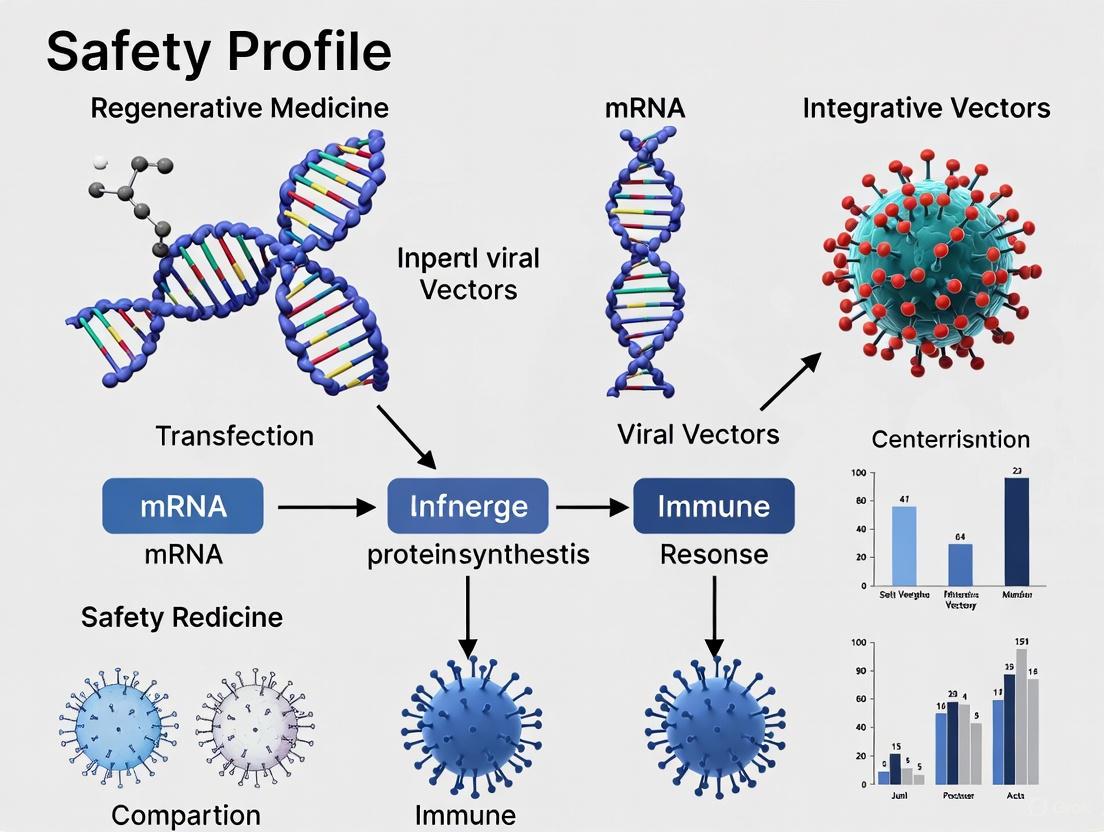
This article provides a comprehensive comparative analysis of the safety profiles of mRNA and viral vector vaccine platforms, tailored for researchers, scientists, and drug development professionals.
mRNA vs. Viral Vector Vaccines: A Comparative Analysis of Safety Profiles for Drug Development
Abstract
This article provides a comprehensive comparative analysis of the safety profiles of mRNA and viral vector vaccine platforms, tailored for researchers, scientists, and drug development professionals. It explores the foundational biological mechanisms of each platform, examines methodological approaches for safety assessment in clinical applications, addresses key safety challenges and optimization strategies, and presents validation data from recent studies and clinical trials. The synthesis of this information aims to inform strategic decision-making in the development of next-generation biologics.
Core Mechanisms: Deconstructing the Biological Platforms of mRNA and Viral Vector Vaccines
Fundamental Principles of mRNA Vaccine Technology and Structure
Messenger RNA (mRNA) vaccines represent a transformative class of biotherapeutics that leverage synthetic mRNA molecules to direct cells to produce specific antigens, thereby inducing a protective immune response [1]. Unlike traditional vaccine platforms, mRNA vaccines do not deliver a viral protein or inactivated pathogen but instead provide the genetic instructions for the host's own cells to temporarily produce the target antigen [2]. This technology platform offers high programmability, rapid development cycles, and the ability to encode multiple antigens simultaneously [1] [3].
The structural design of mRNA vaccines is engineered to mimic mature eukaryotic mRNA, with several optimized components working together to ensure stability, efficient delivery, and high levels of protein expression [3] [4]. The following sections will explore the fundamental structure of mRNA vaccines, compare their safety profile with integrating viral vectors, and provide experimental methodologies for their evaluation.
Structural Components and Design Principles
The effectiveness of mRNA vaccines depends on careful optimization of each structural component to enhance stability, translational efficiency, and immune activation while minimizing undesirable immunogenicity [4].
Table 1: Core Structural Components of mRNA Vaccines
| Component | Structure & Function | Optimization Strategies |
|---|---|---|
| 5' Cap | 7-methylguanosine (m7G) linked via 5'-5' triphosphate bond; prevents exonuclease degradation, facilitates ribosome binding [3] [4]. | Cap 0 (m7GpppN) → Cap 1 (m7GpppN1mp) via 2'-O-methylation reduces immunogenicity. CleanCap technology enables >94% co-transcriptional Cap 1 formation [3] [4]. |
| 5' & 3' Untranslated Regions (UTRs) | Flanking regions that regulate mRNA stability, half-life, and translational efficiency [3]. | Sequences derived from highly expressed human genes (e.g., α-globin, β-globin). Shorter 5' UTR avoids complex secondary structures [3] [4]. |
| Open Reading Frame (ORF) | Codes for the target antigenic protein; the primary payload [1]. | Codon optimization for human cells; nucleotide modification (e.g., pseudouridine) to reduce innate immune recognition and enhance stability [1] [3]. |
| Poly(A) Tail | 3' tail of adenosine residues; enhances stability and synergizes with 5' cap for translation initiation [3]. | Optimal length (typically 100-150 nucleotides) is critical; encoded in plasmid template or added enzymatically post-transcription [4]. |
The manufacturing of mRNA vaccines occurs through in vitro transcription (IVT), a cell-free process that uses phage RNA polymerases (T7, T3, or SP6) and a linearized DNA template [3] [4]. This allows for rapid, scalable production of vaccine candidates within weeks of identifying a pathogen sequence [3].
Mechanism of Action and Immune Activation
The mechanism by which mRNA vaccines induce an immune response involves a coordinated sequence of delivery, cellular uptake, protein expression, and antigen presentation.
Diagram 1: mRNA Vaccine Immune Activation Pathway.
As shown in Diagram 1, the process begins when the mRNA vaccine, formulated within lipid nanoparticles (LNPs), is administered and taken up by host cells, often myocytes or specialized antigen-presenting cells (APCs) near the injection site [1]. The LNPs fuse with the cell membrane, releasing the mRNA into the cytoplasm where it is translated into the target antigen protein by the host's ribosomes [3].
The resulting antigen is then processed and presented to the immune system through both MHC class I and MHC class II pathways. Presentation via MHC I activates CD8+ cytotoxic T-cells, which are capable of directly destroying infected cells, while presentation via MHC II activates CD4+ helper T-cells, which are essential for orchestrating a broader immune response, including the activation of B-cells for antibody production [1]. This ability to robustly activate both arms of the adaptive immune system is a key advantage of the mRNA vaccine platform.
Safety Comparison: mRNA Vaccines vs. Integrating Viral Vectors
A critical differentiator between vaccine platforms is their mechanism of interaction with the host genome, which directly impacts their long-term safety profile.
Table 2: Safety Profile Comparison: mRNA Vaccines vs. Integrating Viral Vectors
| Parameter | mRNA Vaccines | Integrating Viral Vectors (e.g., Retroviruses, Lentiviruses) |
|---|---|---|
| Genomic Integration | No risk of integration. mRNA functions in the cytoplasm and is degraded by normal cellular processes [1] [3]. | Risk of insertional mutagenesis. Viral integrase enzyme inserts DNA into the host genome, potentially disrupting tumor suppressor genes or activating oncogenes [5] [6]. |
| Primary Safety Concern | Short-term inflammatory reactions (e.g., pain, fever). Rare allergic reactions to LNP components [4]. | Long-term genotoxicity. Uncontrolled transgene expression and theoretical cancer risk from insertional mutagenesis [7] [6]. |
| Persistence | Transient. mRNA and the encoded protein have a short half-life, limiting the duration of exposure [1]. | Permanent/Long-lasting. Integrated DNA can lead to persistent transgene expression, which is desirable for therapy but raises safety concerns [6]. |
| Innate Immune Recognition | Can be recognized by cytoplasmic RNA sensors (e.g., RIG-I), triggering type I interferon response. Mitigated by nucleotide modifications and purified Cap 1 structure [3] [4]. | Primarily sensed during viral entry. The immune response is often directed against the viral capsid proteins [6]. |
| Mitigation Strategies | Nucleoside modifications, HPLC purification, Cap 1 structure, and optimized UTRs to reduce immunogenicity [1] [4]. | Engineered to target "safe harbor" genomic sites; use of non-integrating vectors; incorporation of suicide genes [5] [6]. |
The non-integrating nature of mRNA vaccines is a foundational safety feature. The mRNA does not enter the cell nucleus and is degraded by normal physiological processes, eliminating the risk of insertional mutagenesis [1] [3]. In contrast, viral vectors used in gene therapy, such as those based on retroviruses or lentiviruses, are prized for their ability to integrate a corrective gene into the host cell's DNA to achieve long-term expression [5] [6]. However, this very mechanism poses a significant safety risk, as the integration event can disrupt normal gene function. Research has shown that the integration pattern of viruses like the Prototype Foamy Virus (PFV) can be altered by mutations in the Gag protein, changing its preference from gene-rich regions to gene-poor regions, which could potentially be safer [5]. This highlights ongoing efforts to improve the safety of viral vectors.
Furthermore, manufacturing contaminants present another safety distinction. Adeno-associated virus (AAV) vector preparations can contain packaged bacterial plasmid backbone sequences, which are potentially toxic and have been linked to adverse effects in animal models [7]. Next-generation plasmids that reduce these contaminants by up to 70% are under development to mitigate this risk [7]. mRNA vaccine manufacturing, being a cell-free process, is not susceptible to this specific issue.
Key Experimental Protocols for mRNA Vaccine Analysis
Protocol: Evaluating mRNA Vaccine Immunogenicity in Preclinical Models
This protocol is used to assess the innate and adaptive immune response triggered by an mRNA vaccine candidate.
- Vaccine Formulation: Synthesize mRNA via IVT using a CleanCap analogue for co-transcriptional capping to achieve >94% Cap 1 structure. Encapsulate the mRNA in LNPs via microfluidics, targeting a particle size of 70-100 nm with low polydispersity [8] [3] [4].
- Animal Immunization: Adminstrate the LNP-mRNA vaccine to animal models (e.g., C57BL/6 mice) via intramuscular injection. Include control groups receiving saline, empty LNPs, or a benchmark vaccine [8].
- Sample Collection: Collect blood serum and spleens at predetermined timepoints post-immunization (e.g., days 7, 14, 28) [8].
- Humoral Response Analysis: Measure antigen-specific antibody titers (IgG, IgM) from serum using Enzyme-Linked Immunosorbent Assay (ELISA) [2].
- Cell-Mediated Response Analysis: Isolate splenocytes. Stimulate cells with antigen peptides and measure T-cell activation via:
- Innate Immune Profiling: Analyze serum cytokines/chemokines using a multiplex Luminex assay to quantify levels of IFN-α, IL-6, and other inflammatory mediators [8].
Protocol: Assessing Antigen-Specific T-cell Priming and Epitope Spreading
This protocol is critical for understanding the breadth of the vaccine-induced immune response, particularly in the context of combination therapies.
- Vaccination and Checkpoint Inhibition: In tumor-bearing mouse models, administer the mRNA vaccine followed by an immune checkpoint inhibitor (anti-PD-1 or anti-PD-L1 antibody) [8].
- Immune Cell Isolation: Harvest tumor-draining lymph nodes and tumors. Process tissues into single-cell suspensions.
- T-cell Reactivity Assay: Co-culture isolated T-cells with a library of peptides representing the vaccine antigen, tumor-associated antigens (TAAs), and neoantigens.
- Data Analysis: Use IFN-γ ELISpot or flow cytometry to identify T-cell responses. Epitope spreading is confirmed when T-cells react to TAAs not included in the vaccine construct, indicating a broadened anti-tumor immune response [8].
Diagram 2: mRNA Vaccine Immunogenicity Workflow.
The Scientist's Toolkit: Essential Research Reagents
Table 3: Key Research Reagent Solutions for mRNA Vaccine Development
| Reagent / Solution | Function & Application | Key Feature / Benefit |
|---|---|---|
| CleanCap Reagent | Co-transcriptional capping agent for IVT mRNA. | Enables one-step synthesis of Cap 1 mRNA with >94% efficiency, enhancing translation and reducing immunogenicity [3]. |
| Nucleoside Modifications (e.g., N1-methylpseudourine) | Modified nucleotides incorporated into the mRNA ORF. | Deactivate Toll-like Receptor (TLR) recognition, dramatically reduce innate immune sensing, and increase protein yield [3] [4]. |
| Ionizable Lipids | Critical component of LNPs for mRNA encapsulation and delivery. | Positively charged at low pH for RNA complexation, neutral at physiological pH for reduced toxicity. Enables endosomal escape [1] [3]. |
| Vaccinia Capping Enzyme | Two-enzyme system for post-transcriptional mRNA capping. | Adds a Cap 0 structure to mRNA; used when co-transcriptional capping is not feasible [4]. |
| VSV-G Pseudotyped Lentiviral Vectors | Control integrating vector for comparative safety and efficacy studies. | Broad tropism; allows comparison of transient mRNA expression vs. stable genomic integration [6]. |
mRNA vaccine technology represents a versatile and safe platform characterized by its well-defined, modular structure and transient mechanism of action. Its non-integrating nature provides a distinct safety advantage over viral vector platforms by fundamentally avoiding the risk of insertional mutagenesis. The rapid and adaptable production process, coupled with the ability to induce robust humoral and cellular immunity, positions mRNA technology as a cornerstone for future vaccines and therapeutics. Continued research into optimizing mRNA design, delivery systems, and manufacturing processes will further solidify its role in advancing global health, particularly when a favorable safety profile is paramount.
Viral vector-based vaccines represent a powerful class of biologics that utilize engineered viruses to deliver genetic material encoding target antigens directly into host cells. These platforms have emerged as some of the most versatile and potent technologies in modern vaccinology, capable of inducing robust cellular and humoral immune responses that often surpass those achieved by traditional inactivated or subunit vaccines [9]. The fundamental principle involves harnessing the natural ability of viruses to infect cells and express viral proteins, but redirecting this process to produce antigens from pathogens of interest rather than causing disease. This approach enables direct antigen presentation through both major histocompatibility complex (MHC) class I and class II pathways, leading to activation of CD8+ and CD4+ T cells alongside B cell-mediated antibody production [10].
The development of viral vector vaccines has accelerated dramatically in response to emerging infectious diseases, with notable successes against Ebola virus and SARS-CoV-2 highlighting their potential for rapid deployment during public health emergencies [9]. The COVID-19 pandemic particularly underscored the agility of viral vector platforms, with several adenovirus-based vaccines receiving emergency authorization and global deployment within unprecedented timelines [9]. Beyond infectious diseases, these platforms show promising applications in cancer immunotherapy and treatment of genetic disorders, demonstrating their versatility across medical specialties [11].
This review provides a comprehensive comparison of major viral vector platforms, examining their mechanisms of antigen delivery, immunogenicity profiles, safety considerations, and manufacturing challenges, with particular emphasis on their positioning within the broader landscape of vaccine technologies, including mRNA alternatives.
Comparative Analysis of Major Viral Vector Platforms
Platform Characteristics and Mechanisms
Adenovirus Vectors constitute one of the most extensively utilized viral vector platforms. These non-enveloped, double-stranded DNA viruses offer broad host cell tropism, robust transgene expression, and inherent adjuvant properties through stimulation of innate immune pathways [9]. First-generation adenovirus vectors were primarily based on human serotype 5 (Ad5), but high global seroprevalence of neutralizing antibodies against common human adenoviruses has prompted development of alternative serotypes with lower immunity rates, such as Ad26, and non-human adenoviruses like chimpanzee-derived ChAdOx1 [9]. The mechanism of antigen delivery involves receptor-mediated cell entry, endosomal escape, nuclear translocation of the viral DNA, and subsequent transcription and translation of the encoded antigen without integration into the host genome [10].
Vesicular Stomatitis Virus (VSV) vectors are negative-sense RNA viruses that have gained prominence following the successful approval of rVSV-ZEBOV for Ebola virus disease prevention [9]. As enveloped viruses, VSV vectors can incorporate foreign envelope proteins that mediate cell entry while delivering genetic material encoding the target antigen. Their rapid replication cycle and cytoplasmic transcription without nuclear phase contribute to strong immunogenicity with relatively short-term transgene expression [9].
Poxvirus Vectors, particularly Modified Vaccinia Ankara (MVA), represent another significant platform with historical importance in smallpox eradication [9]. These large, enveloped DNA viruses accommodate substantial genetic inserts (up to 25kb) and replicate exclusively in the cytoplasm, eliminating risks of genomic integration. MVA vectors are highly attenuated with a superior safety profile compared to earlier vaccinia strains, while maintaining strong immunogenicity through their complex structure that presents numerous pathogen-associated molecular patterns to the immune system [9].
Adeno-Associated Virus (AAV) vectors are small, non-enveloped single-stranded DNA viruses that have become a leading platform for gene therapy applications, with growing interest in their vaccine potential [9] [12]. AAVs are characterized by low pathogenicity and the ability to establish long-term episomal persistence in non-dividing cells, enabling sustained antigen expression [9]. However, their limited cargo capacity (~4.5 kb) may restrict antigen design options, and pre-existing immunity to naturally circulating AAV serotypes presents a challenge for vaccine applications [9] [12].
Table 1: Comparative Characteristics of Major Viral Vector Platforms
| Vector Platform | Virus Type | Genome Capacity | Integration Potential | Primary Immune Response | Key Advantages |
|---|---|---|---|---|---|
| Adenovirus | dsDNA | ~8 kb | Non-integrating | Strong CD8+ T cells, antibodies | High immunogenicity, scalable production |
| AAV | ssDNA | ~4.5 kb | Predominantly non-integrating | Humoral bias, some T cells | Excellent safety profile, long-term expression |
| VSV | (-)ssRNA | ~5 kb | Non-integrating | Strong antibodies, T cells | Rapid production, single-dose efficacy |
| Poxvirus (MVA) | dsDNA | ~25 kb | Non-integrating | Balanced T cell and antibody | Large capacity, thermostability |
Immunogenicity and Immune Response Profiles
The immune responses elicited by viral vector vaccines vary significantly across platforms, influenced by their biology, route of administration, and pre-existing host immunity. Adenovirus vectors typically induce potent, multifunctional CD8+ T cell responses alongside robust antibody production, making them particularly valuable for pathogens where cellular immunity is crucial for protection [10]. Studies of SARS-CoV-2 vaccines have demonstrated that adenovirus platforms can generate T cells recognizing 6-19 epitopes, providing broad recognition even against variants with mutations in key antibody-binding sites [10].
AAV vectors tend to favor humoral immune responses, generating sustained antibody titers but typically weaker CD8+ T cell activation compared to adenovirus platforms [9]. This profile may be advantageous for pathogens where neutralizing antibodies constitute the primary correlate of protection. The persistence of AAV vectors enables long-term antigen expression, potentially supporting durable antibody responses without repeated immunization [9].
VSV vectors have demonstrated exceptional efficacy in single-dose regimens, as evidenced by the rVSV-ZEBOV Ebola vaccine [9]. These platforms induce strong neutralizing antibody responses complemented by substantial T cell activation. The envelope incorporation of target antigens may contribute to authentic conformational presentation of key epitopes, potentially enhancing antibody quality [9].
Comparative analyses of vaccine platforms reveal distinct immunogenicity patterns. When assessed for respiratory virus protection, viral vector vaccines generally induce stronger cellular immunity than inactivated vaccines, though typically somewhat lower than mRNA platforms [10]. However, viral vectors may offer advantages in mucosal immunity induction, particularly when administered via intranasal routes, potentially providing superior protection at the site of pathogen entry [10].
Safety Profile Analysis: Viral Vector vs. mRNA Vaccines
Comparative Safety Data from Clinical Studies
Direct comparisons of safety profiles between viral vector and mRNA vaccines have been conducted in multiple settings, with study populations ranging from healthcare professionals to general populations. A prospective longitudinal cohort study conducted in Malaysia between 2021-2022 compared adverse events following primary and booster doses of different COVID-19 vaccine platforms, including the viral vector vaccine Vaxzevria (ChAdOx1 nCoV-19), the mRNA vaccine Comirnaty (BNT162b2), and the inactivated vaccine CoronaVac [13] [14].
The findings demonstrated distinct reactogenicity patterns between platforms. Recipients of the viral vector vaccine Vaxzevria reported the highest incidence of adverse events following the first dose, with the most frequent being pain at the injection site (84.4%), fever (76.7%), headache (58.9%), and myalgia (53.3%) [13] [14]. The average number of adverse events was highest for Vaxzevria after both the first dose (n=6) and booster dose (n=6) [13] [14]. In contrast, mRNA vaccine recipients (Comirnaty) experienced increasing reactogenicity with successive doses, with pain rising from 87.4% after the first dose to 92.1% after the booster, and fever increasing dramatically from 17.5% to 48% across the same schedule [13] [14]. The inactivated vaccine CoronaVac demonstrated the most favorable safety profile, with lower incidence of adverse events that decreased further after second and booster doses [13] [14].
Table 2: Comparison of Adverse Event Incidence Following COVID-19 Vaccination by Platform
| Adverse Event | Vaxzevria (Viral Vector) 1st Dose | Comirnaty (mRNA) 1st Dose | CoronaVac (Inactivated) 1st Dose | Vaxzevria Booster | Comirnaty Booster | CoronaVac Booster |
|---|---|---|---|---|---|---|
| Pain | 84.4% | 87.4% | 69.1% | 84.4% | 92.1% | 69.1% |
| Fatigue | 52.2% | 56.9% | 49.1% | 52.2% | 72.8% | 49.1% |
| Fever | 76.7% | 17.5% | 12.7% | 76.7% | 48.0% | 12.7% |
| Headache | 58.9% | 29.5% | 18.2% | 58.9% | 42.1% | 18.2% |
| Myalgia | 53.3% | 37.2% | 25.5% | 53.3% | 51.2% | 25.5% |
Unique Safety Considerations for Viral Vector Platforms
Viral vector vaccines present several unique safety considerations that distinguish them from mRNA platforms. Pre-existing immunity against the vector backbone represents a fundamental challenge, particularly for commonly used adenovirus serotypes [9]. Antibodies against the vector itself can neutralize the vaccine before it delivers its genetic payload to target cells, potentially reducing immunogenicity and efficacy. This phenomenon was prominently observed in the STEP trial for an HIV vaccine using Ad5, where pre-existing immunity significantly dampened vaccine efficacy [9]. Development of novel vectors from rare human serotypes or non-human sources represents a key strategy to circumvent this limitation [9].
Rare but serious adverse events have been associated with specific viral vector platforms. Vaccine-induced immune thrombotic thrombocytopenia (VITT) emerged as a rare complication of adenovirus-based COVID-19 vaccines, occurring in approximately 1 in 100,000 recipients [9]. This condition is characterized by thrombosis at unusual sites alongside thrombocytopenia and appears to involve platelet-activating antibodies against platelet factor 4, similar to heparin-induced thrombocytopenia [9]. The risk-benefit profile remains strongly favorable, particularly in pandemic settings, but has prompted enhanced surveillance and research into mechanisms to mitigate this risk in future vector designs.
Vector-associated inflammatory responses represent another consideration, often manifesting as transient flu-like symptoms including fever, fatigue, and myalgia [9] [13]. These reactogenicity events are generally mild to moderate in severity and self-limiting, reflecting the robust innate immune activation that contributes to the immunogenicity of viral vector platforms. Systematic analyses of post-licensure safety data from over one billion administered doses have generally confirmed the favorable safety profile of viral vector vaccines, with serious adverse events remaining rare [9].
Manufacturing and Scalability Considerations
The production of viral vector vaccines presents distinct challenges and considerations compared to other platforms like mRNA. Manufacturing complexity arises from the biological nature of viral vectors, which require cell culture systems for propagation rather than chemical synthesis [11]. The global viral vector manufacturing market was valued at approximately US$1.40 billion in 2025 and is projected to reach US$3.75 billion by 2032, growing at a compound annual growth rate of 15.11% [11]. This expansion reflects increasing demand for viral vector-based therapies and vaccines across multiple therapeutic areas.
Manufacturing processes vary significantly by vector type, with adenoviral vectors generally offering advantages in scalability and established industrial production methods [9]. These characteristics contributed to their prominent role in COVID-19 vaccine responses. In contrast, AAV vector production faces greater challenges in scaling and achieving high yields, with current Good Manufacturing Practice (GMP) production processes representing a significant bottleneck [9] [12]. The AAV vector market was estimated at $3.6 billion, projected to grow to $6.0 billion by 2035, reflecting increasing demand despite production challenges [12].
The growing viral vector manufacturing market encompasses production technologies for lentiviral, adenoviral, adeno-associated viral, and retroviral vectors [11]. Key industry players are actively investing in innovation, capacity expansion, and partnerships to strengthen their market positions and develop scalable solutions to meet global demand [11]. Contract development and manufacturing organizations (CDMOs) play a particularly significant role in this ecosystem, providing production capacity and expertise to biotechnology companies and academic institutions [11].
Compared to mRNA vaccines, viral vector platforms generally offer superior thermostability, reducing cold chain requirements that complicate distribution in resource-limited settings [9]. However, mRNA manufacturing benefits from a more standardized in vitro transcription process that may enable more rapid production scaling once initial capacity is established [9].
Research Applications and Experimental Approaches
Key Research Reagent Solutions
Advancing research on viral vector platforms requires specialized reagents and tools tailored to the unique characteristics of these systems. The following table outlines essential research reagents and their applications in viral vector development and evaluation:
Table 3: Essential Research Reagents for Viral Vector Vaccine Development
| Research Reagent | Function | Application Examples |
|---|---|---|
| Neutralizing Antibody Assays | Measure pre-existing immunity to vector backbone | Screening human sera for anti-vector antibodies; evaluating novel vector serotypes |
| IFN-γ ELISpot Assays | Quantify antigen-specific T cell responses | Assessing CD8+ T cell activation in immunized subjects; epitope mapping |
| Pseudotyping Systems | Modify vector tropism; incorporate novel envelope proteins | Creating chimeric vectors; altering tissue specificity |
| Producer Cell Lines | Support vector propagation under controlled conditions | GMP manufacturing; scalable production |
| MHC Multimers | Identify and characterize antigen-specific T cells | Tracking vaccine-induced T cell responses; assessing response breadth |
| Next-Generation Sequencing | Verify vector genome integrity; monitor stability | Quality control; detecting recombination events |
| Cryo-Electron Microscopy | Characterize vector structure and composition | Quality assessment; optimizing vector design |
Experimental Workflows for Vector Evaluation
Standardized experimental protocols are essential for rigorous evaluation of viral vector platforms. The following diagram illustrates a generalized workflow for assessing the immunogenicity and protective efficacy of viral vector vaccines in preclinical models:
The methodology from the Malaysian safety study provides an example of systematic safety evaluation across platforms [13]. This prospective longitudinal cohort study conducted between September 2021 to September 2022 enrolled healthcare professionals and medical students who received different COVID-19 vaccines. Participants completed self-report questionnaires documenting adverse events on days 1, 2, 4, and 7 following their primary and booster vaccinations [13]. Standardized data collection instruments captured local reactions (pain, redness, swelling) and systemic symptoms (fever, fatigue, myalgia, headache), with severity grading to enable cross-platform comparisons [13]. This systematic approach to safety monitoring provides a template for objective comparison of reactogenicity profiles across different vaccine platforms.
Future Directions and Platform Evolution
The viral vector field continues to evolve rapidly in response to both challenges and new opportunities. Engineering strategies to overcome pre-existing immunity include developing chimeric capsids with modified surface epitopes, exploring novel viral vectors from non-human sources, and creating synthetic viral particles that retain delivery efficiency while evading neutralizing antibodies [9]. For instance, the FDA recently granted platform technology designation to Krystal Biotech for a genetically modified, nonreplicating herpes simplex virus type 1 (HSV-1) viral vector, recognizing its potential as a reproducible and scalable gene delivery platform [15].
Safety enhancements represent another active area of innovation, with approaches including integrase-defective lentiviral vectors that minimize integration risks, self-inactivating designs, and tissue-specific promoters that restrict transgene expression to target cells [9]. These refinements aim to maintain the potent immunogenicity of viral vector platforms while further improving their safety profiles.
The emergence of novel applications beyond prophylactic vaccines continues to expand the potential of viral vector platforms. In situ generation of chimeric antigen receptor (CAR) T cells represents a particularly promising approach, exemplified by Umoja Biopharma's UB-VV111, which received FDA fast track designation for creating CD19-directed CAR T cells within the body [15]. This in vivo strategy could overcome limitations of conventional ex vivo CAR-T manufacturing, including long wait times and high costs [15].
Advances in manufacturing technology are critical for addressing current production bottlenecks. Development of stable producer cell lines, implementation of single-use bioprocessing systems, and adoption of advanced analytics for quality control are all active areas of innovation [11]. The growing involvement of contract development and manufacturing organizations in the viral vector space is helping to standardize production processes and expand capacity [11].
Viral vector vaccines represent a diverse and powerful class of biologics with distinct strengths and considerations compared to other platforms like mRNA vaccines. Their ability to induce robust, balanced immune responses combining cellular and humoral immunity positions them uniquely for addressing complex infectious disease challenges and expanding into therapeutic applications beyond traditional vaccinology.
The comparative analysis presented herein demonstrates that viral vector platforms, particularly adenovirus-based systems, generally offer strong immunogenicity with favorable thermostability profiles, though with typically higher reactogenicity than inactivated vaccines and some unique safety considerations like VITT that require ongoing monitoring and platform refinement. Manufacturing complexities remain a challenge, though continued investment and innovation in production technologies are steadily addressing these limitations.
As the field advances, next-generation viral vectors with enhanced specificity, reduced pre-existing immunity, and improved safety profiles will likely expand the applications of this versatile platform. Their integration with emerging approaches in synthetic biology, computational antigen design, and advanced delivery systems promises to unlock new possibilities in both preventive and therapeutic medicine, ensuring viral vectors remain a cornerstone of biologics development for the foreseeable future.
The rapid development of vaccines based on novel platforms, particularly mRNA and viral vectors, has been a cornerstone of the global response to the COVID-19 pandemic. Understanding the innate immune recognition of these platforms is crucial, as the initial interactions between the vaccine and the host immune system set the stage for the quality, magnitude, and durability of the adaptive immune response. This guide provides a comparative analysis of the immunogenicity profiles of mRNA and viral vector vaccines, with a specific focus on the innate immune pathways they activate. Framed within a broader thesis on safety research, this article synthesizes current experimental data to objectively compare the performance of these platforms, providing methodologies and resources to support ongoing drug development efforts.
Comparative Innate Immune Activation Profiles
The innate immune system recognizes vaccine platforms through various Pathogen Recognition Receptors (PRRs), leading to distinct cytokine and cellular responses. The tables below summarize key experimental findings from head-to-head studies and platform-specific investigations.
Table 1: Comparative Innate Immune Signatures of mRNA and Adenovirus-Vectored COVID-19 Vaccines (from a Systems Immunology Study)
| Immune Parameter | mRNA Vaccine (BNT162b2) | Adenovirus-Vectored Vaccine (ChAdOx1-S) | Measurement Method |
|---|---|---|---|
| Key Cytokines/Chemokines | Increased levels of IFN-γ, IL-6, IL-2Ra, CXCL9, IP-10, MCP-2, and MIP-1β post-vaccination [16] | Induction of proteins associated with thrombosis (potential link to TTS) [17] | Multiplex cytokine profiling, Proteomics [17] [16] |
| Immune Cell Recruitment | Robust activation of monocyte and neutrophil pathways [16] | Strong adenoviral vector-specific memory response after first dose [17] | High-dimensional flow cytometry, RNA-seq [17] |
| Antibody & T Cell Correlates | Correlated with early IFN and myeloid cell signatures [17] | Correlated with antigen-specific antibody and T cell responses [17] | Neutralization assay, ELISpot, TCR sequencing [17] |
| Underlying Mechanism | LNP delivery and mRNA sensed by TLRs and RIG-I, leading to inflammatory cytokine production [16] [4] | Adenovirus particle and DNA sensed by intracellular sensors, potentially triggering distinct inflammatory cascades [17] [9] | Multi-omics integration (lipidomics, transcriptomics) [17] |
Table 2: Safety and Reactogenicity Profile Comparison
| Parameter | mRNA Vaccine (Comirnaty) | Adenovirus-Vectored (Vaxzevria) | Inactivated Vaccine (CoronaVac) |
|---|---|---|---|
| Most Frequent Local AE (1st Dose) | Pain (87.4%) [13] [14] | Pain (84.4%) [13] [14] | Pain (69.1%) [13] [14] |
| Most Frequent Systemic AE (1st Dose) | Fatigue (56.9%), Myalgia (37.2%), Fever (17.5%) [13] [14] | Fever (76.7%), Headache (58.9%), Myalgia (53.3%) [13] [14] | Fatigue (49.1%) [13] [14] |
| AE Trend (Primary to Booster) | Gradual increase in AEs (e.g., fever rose to 48% post-booster) [13] [14] | Reduced after 2nd dose, sharply increased after booster [13] [14] | Subsequent decrease after 2nd and booster doses [13] [14] |
| Average Number of AEs | Moderate [13] | Highest (6 after 1st and booster dose) [13] [14] | Lowest (2-3 across doses) [13] [14] |
| Serious Rare AE | Myocarditis, Pericarditis [18] [19] | Thrombosis with Thrombocytopenia Syndrome (TTS) [17] [9] | Not prominently associated with rare serious AEs [13] |
Key Experimental Methodologies for Profiling Immunogenicity
To generate the comparative data outlined above, several sophisticated experimental protocols are employed.
Multi-Omics Systems Immunology Approach
This methodology provides a holistic view of the immune response by integrating multiple data layers [17].
- Protocol: In a longitudinal cohort study, blood samples are collected from vaccine recipients at multiple time points (e.g., pre-vaccination, and after each dose). Peripheral blood mononuclear cells (PBMCs) and plasma are isolated for analysis [17].
- Transcriptomics: RNA sequencing (RNA-seq) is performed on PBMCs to profile global gene expression changes and identify differentially expressed pathways related to innate and adaptive immunity [17].
- Proteomics and Lipidomics: High-throughput mass spectrometry is used to quantify proteins and lipid mediators in plasma. This can identify inflammatory biomarkers and, in the case of viral vectors, proteins linked to rare adverse events like TTS [17].
- Immunophenotyping: High-dimensional flow or mass cytometry (CyTOF) is used to deeply characterize changes in immune cell populations, activation states, and cytokine production following vaccination [17].
- Data Integration: Computational tools are used to integrate the transcriptomic, proteomic, and cellular data to build a comprehensive network of vaccine-induced immune responses [17].
Solicited Adverse Event Monitoring
This is a standard method for assessing vaccine reactogenicity, which is a direct reflection of innate immune activation.
- Protocol: In clinical trials and post-marketing studies, participants complete a diary card for 7 days post-vaccination [13] [18].
- Data Collection: The diary cards solicit specific local (injection site pain, redness, swelling) and systemic (fever, fatigue, myalgia, headache) adverse reactions. Grading scales (e.g., mild, moderate, severe) are used to standardize reporting [13] [18].
- Analysis: The incidence, severity, and duration of AEs are calculated and compared across vaccine groups to profile the reactogenicity of each platform [13] [14].
Signaling Pathways in Vaccine Immunogenicity
The following diagrams illustrate the innate immune signaling pathways triggered by mRNA and viral vector vaccines, which underpin their immunogenicity and reactogenicity profiles.
mRNA Vaccine Innate Immune Activation
Diagram 1: mRNA Vaccine Innate Immune Activation. The mRNA-LNP complex is internalized into endosomes, where it can activate TLR7. The mRNA is also released into the cytosol, where it is sensed by RIG-I/MDA5. These pathways converge on NF-κB and IRF signaling, driving the production of pro-inflammatory cytokines and type I interferons. This cytokine response contributes to both clinical reactogenicity (adverse events) and the effective priming of adaptive immunity [16] [4].
Viral Vector Vaccine Innate Immune Activation
Diagram 2: Viral Vector Vaccine Innate Immune Activation. The adenovirus vector enters cells and escapes the endosome to release its DNA genome into the cytosol. Viral DNA is sensed by TLR9 in endosomes and the cGAS-STING pathway in the cytosol. The vector can also potently activate the inflammasome, leading to pyroptosis. These pathways induce a strong inflammatory cytokine and interferon response. A critical limitation is pre-existing immunity to the vector, which can neutralize the vaccine before it infects cells, reducing transgene expression and immunogenicity [17] [9].
The Scientist's Toolkit: Key Research Reagent Solutions
Table 3: Essential Reagents and Tools for Profiling Vaccine Immunogenicity
| Research Reagent / Tool | Function / Application | Specific Examples / Assays |
|---|---|---|
| Multiplex Bead-Based Immunoassays | Simultaneous quantification of multiple cytokines and chemokines in serum/plasma. | Luminex, MSD, ProcartaPlex to measure IFN-γ, IL-6, IP-10, etc. [16] |
| High-Parameter Flow Cytometry | Deep immunophenotyping of innate and adaptive immune cell subsets. | Panels for monocytes, neutrophils, dendritic cells, NK cells, and T/B cell activation markers [17]. |
| Single-Cell RNA Sequencing (scRNA-seq) | Unbiased profiling of gene expression at single-cell resolution. | 10x Genomics platform to identify rare cell types and heterogeneous responses to vaccination [17]. |
| Neutralization Assays | Functional assessment of antibody-mediated inhibition of viral infection. | FRNT, PRNT to quantify neutralizing antibody titers against live or pseudotyped virus [18] [19]. |
| ELISpot/FluoroSpot | Enumeration of antigen-specific T cells based on cytokine secretion. | IFN-γ ELISpot to quantify T-cell responses post-vaccination [17]. |
| Lipid Nanoparticles (LNPs) | Delivery vehicle for mRNA; its composition can influence reactogenicity. | Commercially available pre-formulated LNPs or custom synthesis for novel mRNA vaccine testing [4] [19]. |
| Adenovirus Vectors | Tool for antigen delivery; choice of serotype is critical to circumvent pre-existing immunity. | Human (Ad5, Ad26) or simian (ChAdOx1) adenovirus vectors for comparative immunogenicity studies [17] [9]. |
mRNA and viral vector vaccines display distinct innate immune recognition profiles that directly influence their immunogenicity and safety. mRNA vaccines, leveraging LNPs, trigger robust TLR7 and RIG-I-mediated responses, leading to a predictable reactogenicity profile that includes cytokine release and a lower incidence of severe rare AEs, though with a noted risk of myocarditis [16] [19]. In contrast, adenovirus-vectored vaccines provoke a potent response through DNA sensors like cGAS-STING and TLR9, which is effective at priming immunity but is associated with a higher rate of systemic reactions like fever after the first dose and a risk of rare TTS, potentially linked to the anti-vector memory response and platelet factor pathways [17] [13] [9]. These differences underscore that the safety profile of a vaccine platform is inextricably linked to its mechanism of innate immune activation. Future research and platform optimization must focus on modulating these early immune signals to fine-tune the balance between high immunogenicity and acceptable reactogenicity.
Key Safety Considerations Inherent to Each Platform's Design
The emergence of novel vaccine platforms, particularly mRNA and viral vectors, represents a pivotal advancement in modern immunology. The global deployment of these platforms during the COVID-19 pandemic provided unprecedented real-world safety data, highlighting distinct safety profiles inherent to their fundamental design principles. Understanding these inherent safety considerations is crucial for researchers, drug development professionals, and regulatory bodies navigating vaccine development and assessment. This guide provides a comparative analysis of the safety characteristics of mRNA and viral vector platforms, supported by experimental data and mechanistic insights, to inform future platform selection and risk evaluation for both infectious disease and oncology applications.
Platform Mechanisms and Associated Safety Implications
The safety profiles of mRNA and viral vector vaccines are intrinsically linked to their biological mechanisms of action and structural components.
mRNA Vaccine Platform
mRNA vaccines function by delivering synthetic messenger RNA sequences encapsulated within lipid nanoparticles (LNPs) into host cell cytoplasm. The host ribosomes then translate this mRNA into the target antigenic protein, which is presented to the immune system to elicit protection [20]. The LNPs typically consist of ionizable lipids, cholesterol, phospholipids, and polyethylene glycol (PEG)-lipid conjugates, which collectively protect the mRNA from degradation and facilitate cellular delivery [20].
- Key Safety Consideration: The platform's design avoids genomic integration as the mRNA does not enter the nucleus and is degraded by normal cellular processes [19]. However, the lipid nanoparticles and the innate immune recognition of exogenous RNA are primary contributors to its reactogenicity profile.
- Immune Activation: mRNA vaccines act as both an immunogen and an adjuvant due to the intrinsic immunostimulatory properties of mRNA. Unmodified RNA can be recognized by pattern recognition receptors (e.g., Toll-like receptors 3, 7, 8), potentially leading to interferon production and inflammation [21]. This can be mitigated through nucleoside modification (e.g., incorporation of pseudo-uridine), which down-regulates innate immune activation and reduces reactogenicity while enhancing translation [21].
Viral Vector Platform
Viral vector vaccines utilize a modified virus (e.g., adenovirus) engineered to be replication-incompetent. This vector serves as a delivery vehicle to introduce DNA encoding the target antigen into host cells. The cell's machinery then transcribes and translates this DNA into the antigenic protein [22].
- Key Safety Consideration: A primary safety consideration is pre-existing immunity against the viral vector, which can neutralize the vector and reduce vaccine efficacy [22]. While the DNA is designed to remain episomal (non-integrating), the theoretical, though extremely rare, risk of genomic integration requires thorough investigation [20].
- Immune Profile: Viral vectors are potent inducers of both cellular and humoral immunity. However, the strong immune response against the vector itself can limit the effectiveness of booster doses using the same platform.
The following diagram illustrates the fundamental mechanisms of action for each platform, highlighting key steps where safety considerations arise.
Comparative Clinical Safety Data
Prospective clinical studies and post-marketing surveillance provide critical insights into the reactogenicity and adverse event profiles of these platforms. A 2025 prospective longitudinal cohort study among medical professionals in Malaysia offers a direct comparison of adverse events following immunization (AEFIs) with different COVID-19 vaccines [13].
Table 1: Incidence of Common Local and Systemic Adverse Events Following Primary Doses (Malaysian Cohort Study, 2025) [13]
| Adverse Event | Comirnaty (mRNA) (n=271) | Vaxzevria (Viral Vector) (n=90) | CoronaVac (Inactivated) |
|---|---|---|---|
| Pain at Injection Site | 87.4% | 84.4% | 69.1% |
| Fatigue | 56.9% | Not Reported | 49.1% |
| Myalgia | 37.2% | 53.3% | Not Reported |
| Fever | 17.5% | 76.7% | Not Reported |
| Headache | Not Reported | 58.9% | Not Reported |
| Average Number of AEFIs | Data Not Specified | 6 | 3 |
The study further highlighted distinct trends following booster doses: adverse events for the mRNA vaccine (Comirnaty) increased (e.g., pain: 92.1%, fatigue: 72.8%), while they decreased for the inactivated vaccine (CoronaVac). The viral vector vaccine (Vaxzevria) showed a sharp increase in reactions after the booster dose, with an average of 6 AEFIs [13]. This underscores a key difference in the reactogenicity patterns between platforms across multiple doses.
Preclinical Safety and Toxicology Assessments
Rigorous preclinical studies in animal models are essential for evaluating potential toxicities and establishing an initial safety profile before human trials. The methodologies and findings from these studies are critical for identifying platform-specific risks.
Experimental Protocols for Preclinical Safety Assessment
A 2025 study on a novel multivalent mRNA vaccine (RGV-DO-003) in Sprague-Dawley rats provides a template for comprehensive preclinical safety evaluation [19].
- Study Design: Single-dose and repeated-dose toxicity studies.
- Administration: Intramuscular injection, with doses of 5 and 50 μg/head.
- Duration: Repeated-dose study included a recovery period to assess the reversibility of findings.
- Key Assessments:
- Clinical Observations: Mortality, clinical signs, body weight, food consumption.
- Ophthalmological Examinations.
- Clinical Pathology: Hematology, clinical chemistry, urinalysis.
- Gross Necropsy and Histopathology: Comprehensive examination of organs and tissues, with special attention to the injection site, spleen, liver, bone marrow, and reproductive organs.
- Safety Pharmacology: Core battery of tests including Modified Irwin's test (neurobehavioral), body temperature, and respiratory function.
Representative Preclinical Findings
The study on the RGV-DO-003 mRNA vaccine reported mostly mild and transient findings [19]:
- Hematological Changes: Significantly increased white blood cell and neutrophil counts, with decreased lymphocytes, reversing during recovery.
- Clinical Chemistry: Increased creatine phosphokinase (CK) and decreased albumin/globulin ratio.
- Pathology: Mild-to-severe purulent inflammation at the injection site and increased cellularity in the bone marrow and spleen, all of which were resolved after the recovery period.
- Safety Pharmacology: No toxicological changes were observed in neurobehavioral, cardiovascular, or respiratory systems, except for a transient increase in body temperature 6 hours post-administration.
These findings are consistent with a robust, but self-limiting, immune and inflammatory response, which is a characteristic class effect of mRNA-LNP platforms.
Table 2: Summary of Key Preclinical Toxicology Findings from mRNA-LNP Vaccine Studies (Representative Data) [19]
| Organ System / Parameter | Observed Findings | Reversibility | Interpretation |
|---|---|---|---|
| Hematology | Increased WBC, Neutrophils; Decreased Lymphocytes | Yes | Expected immunostimulatory effect |
| Clinical Chemistry | Increased Creatine Phosphokinase (CK) | Yes | Potential muscle injury at injection site |
| Injection Site | Purulent inflammation, mononuclear cell infiltration | Yes | Local reactogenicity to LNP or antigen |
| Lymphoid Tissues | Increased cellularity in spleen and bone marrow | Yes | Immune activation and expansion |
| Body Temperature | Transient elevation | Yes | Pyrexia, a common systemic reaction |
The Scientist's Toolkit: Essential Reagents and Materials
Research into the safety and performance of these vaccine platforms relies on specialized reagents and methodologies. The following table details key solutions used in their development and evaluation.
Table 3: Key Research Reagent Solutions for Vaccine Platform Development and Safety Assessment
| Reagent / Material | Function | Safety / Platform Consideration |
|---|---|---|
| Ionizable Lipids | Core component of LNPs; enables mRNA encapsulation and endosomal escape. | Critical for efficacy and reactogenicity; composition can influence inflammatory responses [20]. |
| PEGylated Lipids | Component of LNPs; improves nanoparticle stability and circulation time. | Associated with rare cases of hypersensitivity reactions; potential anti-PEG antibodies [20]. |
| Nucleoside-Modified mRNA | Incorporation of modified nucleosides (e.g., pseudo-uridine) into mRNA sequence. | Reduces innate immune activation, decreases reactogenicity, and increases protein expression [21]. |
| Adenoviral Vectors | Engineered viral shells (e.g., ChAdOx) for delivering genetic material. | Pre-existing immunity can reduce efficacy; strong T-cell responses require assessment of immunodominance [22]. |
| Plasmid DNA Template | DNA template for in vitro transcription (IVT) of mRNA. | Critical raw material; quality (e.g., supercoiled ratio, purity) impacts mRNA yield and safety [23]. |
| In Vitro Transcription System | Cell-free enzymatic system for mRNA synthesis. | Key for rapid production; requires strict control to minimize double-stranded RNA contaminants, which are potent innate immune activators [21]. |
| Limulus Amebocyte Lysate (LAL) | Assay to detect and quantify bacterial endotoxins. | Essential safety test; endotoxin contamination can cause severe pyrogenic reactions [19]. |
The safety considerations for mRNA and viral vector vaccine platforms are inherently rooted in their distinct designs and biological mechanisms. The mRNA platform's primary considerations revolve around local and systemic reactogenicity driven by the LNP components and the intrinsic immunogenicity of RNA, which can be managed through technological refinements like nucleoside modification. In contrast, the viral vector platform's key considerations include pre-existing immunity and the nature of the robust immune response it elicits. The clinical data from large-scale deployment confirms that both platforms have acceptable safety profiles, albeit with different reactogenicity patterns. The choice between platforms for future vaccine development must be guided by a careful risk-benefit analysis that considers the target population, the pathogen, and the specific safety attributes of each technology. Continued research into platform improvements, such as novel LNP formulations for mRNA and low-prevalence viral vectors, will further enhance their safety and utility in combating a wide range of diseases.
From Bench to Clinic: Safety Assessment and Clinical Application Strategies
Clinical Surveillance Methodologies for Adverse Event Monitoring
Robust clinical surveillance methodologies are fundamental to characterizing the safety profiles of novel vaccine platforms, such as mRNA and adenoviral vector-based COVID-19 vaccines. The unprecedented speed of development and global deployment of these vaccines necessitated the use of complementary, large-scale pharmacovigilance systems to detect both common, reactogenic symptoms and rare, serious adverse events (AEs) [24] [25]. While pre-authorization randomized controlled trials (RCTs) established the initial safety profile, their limited sample sizes and relatively short follow-up durations were insufficient to identify very rare complications [26] [27]. Consequently, post-marketing surveillance has played a critical role in providing the real-world evidence needed for a comprehensive benefit-risk assessment. This guide objectively compares the primary surveillance methodologies used to monitor AEs, framing the discussion within the broader context of evaluating the safety profiles of mRNA versus viral vector vaccines, and provides the supporting experimental data and protocols that underpin this evidence [28] [29].
Comparison of Major Surveillance Systems
Clinical safety surveillance for vaccines operates through a multi-faceted framework that includes both passive and active monitoring systems. Each system possesses unique strengths and limitations, making them complementary rather than substitutive. The table below summarizes the core characteristics of the primary systems discussed in the scientific literature for COVID-19 vaccine safety monitoring.
Table 1: Key Surveillance Systems for Vaccine Adverse Event Monitoring
| System Name | System Type | Primary Data Source | Key Strengths | Inherent Limitations |
|---|---|---|---|---|
| Vaccine Adverse Event Reporting System (VAERS) [29] [30] | Passive, Spontaneous Reporting | Reports from healthcare professionals, patients, manufacturers | Broad national coverage; early warning signal detection; all vaccines and AEs | Under-reporting; variable data quality; cannot establish causality |
| EudraVigilance [31] [28] | Passive, Spontaneous Reporting | Reports from national competent authorities, marketing authorization holders in EEA | Extensive regional coverage; detailed Individual Case Safety Reports (ICSRs) | Similar limitations to VAERS; data reflects reporting trends, not true incidence |
| v-safe [30] | Active Surveillance | Pre-programmed smartphone-based surveys sent to vaccine recipients | Proactive data collection; defined denominator; direct patient-reported outcomes | Limited to pre-specified reactions; potential participant selection bias |
| Randomized Controlled Trials (RCTs) [25] [32] | Experimental Study | Pre-defined patient population in a controlled setting | Gold standard for causality; controlled environment; direct comparison to placebo | Limited size and duration; homogeneous population; cannot detect rare AEs |
Quantitative Safety Data Across Platforms and Methodologies
Systematic reviews, meta-analyses, and large-scale database studies provide quantitative insights into the safety profiles of different vaccine platforms and the performance of surveillance methodologies.
Safety Profile by Vaccine Platform
A 2021 meta-analysis of 87 publications provided a platform-based comparison of solicited adverse reaction rates, revealing clear patterns of reactogenicity [25].
Table 2: Pooled Rates of Solicited Reactions by Vaccine Platform from Meta-Analysis
| Vaccine Platform | Pooled Local Reactions Rate | Pooled Systemic Reactions Rate | Example Vaccines |
|---|---|---|---|
| RNA Vaccines | 89.4% | 83.3% | Pfizer-BioNTech (BNT162b2), Moderna (mRNA-1273) |
| Non-replicating Viral Vector | 55.9% | 66.3% | AstraZeneca (ChAdOx1), Janssen (Ad26.COV2.S) |
| Inactivated Vaccines | 23.7% | 21.0% | CoronaVac, Sinopharm |
| Protein Subunit | 33.0% | 22.3% | Novavax |
The most common local reaction across all platforms was injection-site pain, while the most frequent systemic reactions were fatigue and headache [25]. The frequency of vaccine-related serious adverse events (SAEs) was consistently low (<0.1%) across all platforms in clinical trials [25].
Incidence of Serious Adverse Events from Post-Marketing Data
An analysis of the EudraVigilance database involving 250,966 suspected Serious Adverse Drug Reactions (SADRs) provided a direct, large-scale comparison of reported SAE rates, normalized per million administered doses [28].
Table 3: Reported Serious Adverse Event Rates from EudraVigilance Database Analysis
| Vaccine (Platform) | Reported SAE Rate (per million doses) | Most Common SAE Categories |
|---|---|---|
| Vaxzevria (Adenovirus Vector) | 2,301 | Neuropsychiatric, Cardiovascular, Musculoskeletal |
| Jcovden (Adenovirus Vector) | 1,248 | Neuropsychiatric, Cardiovascular, Musculoskeletal |
| Spikevax (mRNA) | 785 | Neuropsychiatric, Cardiovascular, Musculoskeletal |
| Comirnaty (mRNA) | 754 | Neuropsychiatric, Cardiovascular, Musculoskeletal |
The study concluded that while SADRs are relatively rare, mRNA vaccines demonstrated a lower reported risk of SADRs compared to adenovirus-based vector vaccines, though the benefits of vaccination outweigh the risks for both platforms [28].
Methodological Performance and Consistency
A 2022 study investigated the consistency of safety signals between RCT data and the passive surveillance data from VAERS [27]. Despite vast differences in absolute AE rates, the relative ranking of vaccines based on AE risk was highly consistent between the two data sources, especially for systemic AEs. This consistency validates the use of VAERS for relative safety comparisons and allows for the extrapolation of its data to rank vaccines for rare, serious AEs not sufficiently captured in RCTs.
Detailed Experimental Protocols
Understanding the operational workflows of these surveillance systems is crucial for interpreting the data they generate.
Protocol for Spontaneous Reporting Systems (VAERS/EudraVigilance)
Objective: To collect and analyze unsolicited reports of suspected adverse events following immunization from a wide range of sources to identify potential safety signals [29] [30].
- Report Submission: Reports are submitted voluntarily by healthcare professionals, patients, or caregivers via online portals, fax, or mail. Marketing authorization holders are legally obligated to report AEs they receive [30].
- Data Processing and Coding: Received reports are processed, quality-checked, and the described adverse events are coded using standardized medical terminologies, primarily the Medical Dictionary for Regulatory Activities (MedDRA) [31] [30].
- Causality Assessment (If performed): For serious reports, health authorities or manufacturers may perform a causality assessment to determine the likelihood of a relationship between the vaccine and the event.
- Data Analysis and Signal Detection: The aggregated, coded data is analyzed using statistical methods and manual review to detect disproportionalities or patterns that indicate a potential safety signal worthy of further investigation [31].
- Signal Validation and Epidemiological Investigation: Identified signals are investigated further using dedicated epidemiological studies in other data sources (e.g., claims databases, electronic health records) to confirm or refute a potential causal link.
Protocol for Active Surveillance (v-safe)
Objective: To proactively monitor a large population of vaccine recipients for pre-specified, common reactogenicity events and health impacts [30].
- Participant Enrollment: Vaccine recipients voluntarily enroll in v-safe via a smartphone app or website, providing basic demographic information.
- Automated Survey Administration: Participants receive text messages with links to web-based surveys at pre-defined intervals after each vaccine dose (e.g., daily for days 0-7).
- Data Collection on Reactogenicity and Health Impact: Surveys ask about:
- Local reactions: Injection site pain, redness, swelling.
- Systemic reactions: Fatigue, headache, myalgia, fever, chills.
- Severity Grading: Mild, moderate, severe.
- Health Impacts: Whether the recipient was unable to perform normal daily activities, unable to work, or sought medical care.
- Automated Follow-up for Significant Reports: Participants who report seeking medical care are automatically flagged for telephone follow-up by CDC staff to collect additional details, and a VAERS report may be completed if warranted [30].
Protocol for a Systematic Review and Meta-Analysis
Objective: To systematically identify, evaluate, and synthesize all available scientific evidence on the safety of COVID-19 vaccines [24] [25].
- Search Strategy Development: Define a highly sensitive search string using keywords (e.g., "COVID-19", "Vaccine", "Safety", "Adverse event") and Medical Subject Headings (MeSH) for databases like PubMed, Scopus, and Web of Science [24].
- Study Selection (PRISMA Guidelines): Implement a two-phase screening process:
- Phase 1: Screen records by title and abstract against pre-defined eligibility criteria (e.g., original studies, human subjects, specific vaccine types).
- Phase 2: Retrieve and screen the full text of potentially eligible studies. The flow of this process is typically detailed using a PRISMA diagram [24] [26].
- Data Extraction: Multiple independent researchers extract data into a standardized sheet, including first author, study type, population demographics, vaccine manufacturer, and detailed local and systemic adverse event rates.
- Quality and Bias Assessment: The quality of included studies is assessed using tools like the Newcastle-Ottawa Scale (NOS) for observational studies, which scores studies on selection, comparability, and outcome [24] [26].
- Data Synthesis: Perform a meta-analysis of proportions to calculate pooled incidence rates of AEs, often using a random-effects model to account for heterogeneity. Subgroup analyses by vaccine platform and age group are common [25].
Visual Workflow of Integrated Vaccine Safety Surveillance
The diagram below illustrates how different surveillance methodologies interact to form a comprehensive safety monitoring ecosystem, from initial signal detection to confirmation and regulatory action.
Successful safety surveillance relies on a foundation of standardized tools, databases, and assessment scales. The following table details essential components of the vaccine safety researcher's toolkit.
Table 4: Essential Reagents and Resources for Vaccine Safety Research
| Tool/Resource Name | Type | Primary Function in Research |
|---|---|---|
| MedDRA (Medical Dictionary for Regulatory Activities) [30] | Standardized Terminology | Provides a unified, international medical terminology used to code adverse event reports in regulatory systems like VAERS and EudraVigilance. |
| PRISMA (Preferred Reporting Items for Systematic Reviews and Meta-Analyses) [24] [26] | Research Reporting Guideline | Ensures the transparent and complete reporting of systematic reviews and meta-analyses, improving reliability and reproducibility. |
| Newcastle-Ottawa Scale (NOS) [24] [26] | Quality Assessment Tool | Used to assess the quality and risk of bias of non-randomized studies included in systematic reviews. |
| EudraVigilance/VAERS Databases [31] [28] [29] | Pharmacovigilance Database | Large, searchable databases containing millions of individual case safety reports (ICSRs) used for signal detection and analysis. |
| Vaccine Serology Assays (e.g., Neutralization Assay) [32] | Laboratory Assay | Measures the level of functional, neutralizing antibodies in blood samples from vaccine recipients, correlating immunogenicity with safety outcomes. |
The comprehensive monitoring of COVID-19 vaccine safety has demonstrated the critical importance of a multi-modal surveillance strategy. No single methodology is sufficient; rather, the synergy between passive systems (VAERS, EudraVigilance) for broad signal detection, active systems (v-safe) for systematic reactogenicity data, and formal epidemiological studies for hypothesis testing creates a robust safety net. The data generated through these coordinated efforts consistently show that both mRNA and viral vector COVID-19 vaccines have acceptable safety profiles, with serious adverse events being rare. Quantitative comparisons indicate that while mRNA vaccines are associated with higher rates of transient reactogenicity, they have demonstrated a favorable safety profile concerning serious reported events compared to adenoviral vector vaccines [25] [28]. The continued refinement and integration of these clinical surveillance methodologies are paramount for ensuring public confidence and for the rapid, evidence-based assessment of future vaccines.
Safety Data in Special Populations and Immunocompromised Individuals
Robust vaccine safety monitoring systems are essential for identifying rare adverse events that may not emerge during pre-market clinical trials, particularly in special populations like immunocompromised individuals. The Vaccine Safety Datalink (VSD), established in 1990, represents a cornerstone of U.S. post-licensure vaccine safety monitoring through collaboration between the CDC and multiple healthcare organizations [33]. This system conducts near-real-time surveillance and observational studies by reviewing electronic health record data from member sites, enabling rapid detection of potential safety signals [33]. The VSD population includes over 8 million individuals, representing approximately 2.6% of the total U.S. population, and demonstrates strong demographic representation across sex, race, ethnicity, and educational attainment compared to the general population [34].
For special populations, including immunocompromised patients, active vaccine safety surveillance (AVSS) systems employ standardized frameworks to ensure comprehensive monitoring. Recent initiatives have focused on defining Minimum Data Sets (MDS) for vaccine safety studies, typically organized across four key dimensions: "Vaccine," "Outcome," "Demographic Data," and "Covariate" [35]. These frameworks facilitate standardized data collection and analysis, particularly important for comparing safety profiles across different vaccine platforms in vulnerable populations. The World Health Organization has prioritized establishing a global vaccine safety surveillance ecosystem that emphasizes proactive vigilance, though implementation challenges remain in low- and middle-income countries [35].
Comparative Safety Profiles of COVID-19 Vaccine Platforms
Safety in General Populations
The comparative safety of different COVID-19 vaccine platforms has been extensively studied through prospective surveillance. A 2025 prospective longitudinal cohort study in Malaysia compared adverse events following primary and booster doses of three vaccine types: Comirnaty (mRNA), Vaxzevria (viral vector), and CoronaVac (inactivated virus) among 1,283 healthcare professionals [13]. The study documented distinct adverse event profiles across platforms, with viral vector vaccines demonstrating higher rates of systemic reactions after initial dosing, while mRNA vaccines showed progressively increasing reactogenicity with booster doses.
Table 1: Frequency of Most Common Adverse Events Following COVID-19 Vaccination by Platform and Dose
| Vaccine Platform | Dose | Pain at Injection Site | Fatigue | Myalgia | Fever |
|---|---|---|---|---|---|
| Comirnaty (mRNA) | First | 87.4% | 56.9% | 37.2% | 17.5% |
| Booster | 92.1% | 72.8% | 51.2% | 48.0% | |
| Vaxzevria (Viral Vector) | First | 84.4% | - | 53.3% | 76.7% |
| Second | Reduced from first dose | - | Reduced from first dose | Reduced from first dose | |
| Booster | Increased from second dose | - | Increased from second dose | Increased from second dose | |
| CoronaVac (Inactivated) | First | 69.1% | 49.1% | - | - |
| Second | Decreased from first dose | Decreased from first dose | - | - | |
| Booster | Decreased from first dose | Decreased from first dose | - | - |
The average number of adverse events was highest for Vaxzevria after both the first dose (n=6) and booster dose (n=6), and lowest for CoronaVac after the first (n=3), second (n=2), and booster doses (n=2) [13]. These findings demonstrate platform-specific reactogenicity patterns that inform safety expectations across different technologies.
Special Safety Considerations in Immunocompromised Populations
Immunocompromised individuals represent a diverse population with distinct vaccine safety considerations. According to the Infectious Diseases Society of America (IDSA) 2025 guidelines, immunocompromised patients include those with hematologic malignancies, primary immunodeficiencies, autoimmune diseases treated with immunosuppressants or biologics, HIV with severe immunosuppression (CD4 <15% or <200/mm³), and recipients of solid organ transplants, hematopoietic cell transplantation, CAR-T therapy, or solid-tumor chemotherapy [36].
For these special populations, extensive safety monitoring data has proven generally reassuring. A comprehensive systematic review published in 2025 analyzed 511 studies on COVID-19, RSV, and influenza vaccines, finding that "safety analysis encompassed hundreds of studies tracking millions of vaccine recipients" with reassuring findings for immunocompromised populations [37]. Specifically for COVID-19 vaccines, the review identified no new or higher myocarditis risks with updated XBB.1.5 vaccines and noted that myocarditis risk after COVID infection exceeds post-vaccine risk [37].
The IDSA guidelines strongly recommend COVID-19 vaccination for immunocompromised patients, noting "moderate certainty evidence" for protection against COVID-19-associated hospitalization with effectiveness estimates ranging from 33% to 56% in this population [36]. Similarly, these guidelines recommend influenza vaccination with the specific remark that "high dose or adjuvanted influenza vaccines provide more robust immune response, which may be of particular importance in immunocompromised patients" [36].
Table 2: Vaccine Effectiveness in Immunocompromised Populations
| Vaccine Type | Outcome | Effectiveness in Immunocompromised | Certainty of Evidence |
|---|---|---|---|
| COVID-19 | Hospitalization | 33-56% | Moderate certainty |
| Critical Illness | 40% (95% CI 26-51) | Moderate certainty | |
| Mortality | 61% (95% CI 36-77) | Low certainty | |
| Influenza | Hospitalization | Consistent benefit demonstrated | Moderate certainty |
| RSV | Hospitalization | Protection demonstrated | Moderate certainty |
Memorial Sloan Kettering Cancer Center emphasizes that for immunocompromised individuals, including cancer patients, COVID-19 vaccines are safe and recommended, with serious side effects being "very rare, and they are treatable" [38]. They specifically note that COVID-19 mRNA vaccines do not cause cancer or make cancer come back, and that the same mRNA technology is being studied as a way to prevent cancer recurrence [38].
Vaccine Safety Surveillance Methodologies
Active Surveillance Systems and Protocols
The Vaccine Safety Datalink employs sophisticated near-real-time surveillance methodologies to detect potential safety signals. The system analyzes electronic health record data from member sites weekly to determine if rates of specific adverse events of special interest following vaccination are higher than in comparison groups [33]. This Rapid Cycle Analysis methodology enables prompt detection of potential safety concerns, with follow-up investigations triggered when rates exceed predetermined thresholds.
The VSD has developed specialized algorithms for monitoring vaccine safety in particularly vulnerable subpopulations, including pregnant women. These algorithms "identify women who are pregnant, determine the start and end dates of their pregnancies, and link medical records for pregnant women and their infants" to enable comprehensive safety assessment across this vulnerable population [33]. Similar tailored approaches are employed for immunocompromised populations through identification of specific diagnostic codes and immunosuppressive treatments.
For international safety monitoring, the Minimum Data Set framework standardizes data elements required for robust vaccine safety surveillance. This framework includes 54 variables for COVID-19 vaccine safety studies organized across four dimensions: vaccine details (manufacturer, lot number, dosing interval), outcome specifications (adverse event type, severity, timing), demographic data (age, sex, race/ethnicity), and covariates (comorbidities, concomitant medications, immunosuppressive status) [35]. This standardization enables meaningful comparisons across different healthcare systems and populations.
Analytical Approaches for Safety Signal Detection
Vaccine safety surveillance employs multiple methodological approaches to balance signal sensitivity with specificity. The VSD utilizes both self-controlled case series and observational studies to evaluate potential associations between vaccination and adverse events [36] [33]. These designs help control for confounding factors that might otherwise obscure or create false safety signals.
For immunocompromised populations specifically, safety assessments must account for the potential impact of underlying conditions and immunosuppressive treatments on adverse event risk. The IDSA guidelines development process evaluated safety using the GRADE methodology, assessing certainty of evidence for both vaccine effectiveness and adverse events, including "serious adverse events, or exacerbation of immunocompromising or autoimmune conditions" [36]. This rigorous approach ensures that safety recommendations for immunocompromised patients are based on systematic evidence review rather than isolated reports.
Essential Research Reagents and Methodological Tools
Conducting robust vaccine safety research in special populations requires specialized methodological approaches and analytical tools. The following table details key components of the vaccine safety researcher's toolkit.
Table 3: Research Reagent Solutions for Vaccine Safety Studies
| Research Tool Category | Specific Examples | Function in Safety Research |
|---|---|---|
| Data Infrastructure | Vaccine Safety Datalink (VSD) | Provides large-scale electronic health record data from multiple integrated healthcare systems for observational studies [33]. |
| Analytical Frameworks | Rapid Cycle Analysis (RCA) | Enables near-real-time surveillance by comparing adverse event rates in recently vaccinated vs. comparison groups [33]. |
| Self-Controlled Case Series | Controls for time-invariant confounding by using individuals as their own controls in pre- and post-vaccination periods [36]. | |
| Standardization Tools | Minimum Data Set (MDS) Frameworks | Standardizes data elements (vaccine details, outcomes, demographics, covariates) across studies [35]. |
| WHO-UMC Causality Assessment | Provides systematic methodology for evaluating causal relationships between vaccination and adverse events. | |
| Special Population Algorithms | Immunocompromised Status Identifiers | Algorithmic identification of immunocompromising conditions through diagnosis codes and medication records [36] [38]. |
| Pregnancy Algorithms | Identify pregnant women and determine pregnancy start/end dates for maternal vaccine safety monitoring [33]. |
These methodological tools enable researchers to address unique challenges in vaccine safety studies, particularly concerning confounding control, signal detection specificity, and specialized population assessment. The integration of multiple data sources and analytical approaches strengthens the evidence base for vaccine safety recommendations in immunocompromised and other special populations.
Safety monitoring data across multiple surveillance platforms demonstrates generally favorable safety profiles for COVID-19 vaccines in immunocompromised populations, with platform-specific differences in reactogenicity patterns. The established safety infrastructure, including the Vaccine Safety Datalink and standardized Minimum Data Set frameworks, provides robust mechanisms for ongoing safety evaluation in these vulnerable populations. While mRNA vaccines show increasing reactogenicity with successive doses, and viral vector vaccines demonstrate higher initial reactogenicity, both platforms demonstrate acceptable safety profiles for immunocompromised patients. The continued evolution of safety surveillance methodologies will further enhance detection capabilities for rare adverse events in special populations, ensuring that vaccine recommendations remain grounded in comprehensive safety evidence.
The choice of delivery platform—messenger RNA (mRNA) versus viral vectors—is a pivotal decision in modern oncology therapeutic development, carrying significant implications for both safety and efficacy. mRNA platforms represent a transient, non-integrating approach, where genetic material instructs cells to produce therapeutic proteins without altering the host genome [39] [40]. In contrast, viral vectors, particularly adeno-associated viruses (AAVs), are engineered viruses designed to deliver genetic material into cells, often resulting in more sustained transgene expression but raising potential safety considerations [41]. Within the context of oncology, where the immune system plays a critical role in both disease control and therapy-related adverse events, understanding the nuanced safety profiles of these platforms is essential for researchers developing next-generation cancer treatments. This guide provides a structured comparison of these technologies, focusing on their safety characteristics, supported by experimental data and methodological details to inform strategic decisions in oncologic drug development.
Platform Safety Profiles: A Structured Comparison
Table 1: Comparative Safety Profiles of mRNA and Viral Vector Platforms
| Safety Parameter | mRNA Platform | Viral Vector (AAV) Platform |
|---|---|---|
| Genomic Integration | Non-integrating; transient expression [39] | Predominantly non-integrating, but risk of insertional mutagenesis exists [41] |
| Primary Safety Concerns | Myocarditis (rare, in young males) [39] | Hepatotoxicity, immune responses, thrombotic microangiopathy [41] |
| Pre-existing Immunity | Lower concern; short lifespan of mRNA reduces impact | Significant concern; can neutralize vector and reduce efficacy [41] |
| Re-dosing Potential | Feasible due to transient nature and lack of persistent immune memory against platform [39] | Limited; robust immune response against vector prevents effective re-administration [41] |
| Typical Immune Response | Local and systemic reactogenicity (e.g., pain, fever, fatigue); type I interferon response [13] [8] | Innate and cellular immune responses; potential for complement activation [41] |
| Manufacturing-Related Risks | Well-defined process; lipid nanoparticle (LNP) components can cause reactogenicity [40] | Risk of bacterial DNA contaminants from plasmid raw materials [7] |
Table 2: Analysis of Clinical Adverse Events from Vaccine Studies (Non-Oncology Context)
| Vaccine Platform (Example) | Most Frequent Local Adverse Event | Most Frequent Systemic Adverse Events | Frequency of Severe Systemic AEs |
|---|---|---|---|
| mRNA (Comirnaty) [13] | Pain (87.4% after 1st dose) | Fatigue (56.9%), Myalgia (37.2%), Fever (17.5%) | Low incidence |
| Viral Vector (Vaxzevria) [13] | Pain (84.4% after 1st dose) | Fever (76.7%), Headache (58.9%), Myalgia (53.3%) | Low incidence |
| sa-mRNA (ARCT-154) [32] | Pain/Tenderness (39.5% after 1st dose) | Fatigue, Headache, Chills, Arthralgia | 3.0% after first or second dose |
| Viral Vector (ChAdOx1-S) [32] | Pain/Tenderness (35.4% after 1st dose) | Fatigue, Headache, Chills, Arthralgia | 3.7% after first or second dose |
Mechanistic Insights: Signaling Pathways and Immune Activation
mRNA Platform Innate Immune Activation
The innate immune response is a double-edged sword in mRNA therapeutics, potentially contributing to both efficacy and reactogenicity. The following diagram illustrates the key signaling pathways involved.
Figure 1: mRNA Platform Innate Immune Activation. This diagram depicts the signaling pathways by which mRNA-LNP vaccines activate innate immunity, leading to Type I interferon production and T cell priming, a mechanism relevant for cancer immunotherapy [8]. Abbreviation: TLR, Toll-like receptor.
Viral Vector (AAV) Toxicity Pathways
The therapeutic profile of AAV vectors is influenced by specific toxicity pathways, which are distinct from those of the mRNA platform. The following diagram outlines the primary mechanisms involved in AAV-related adverse events.
Figure 2: Viral Vector (AAV) Toxicity Pathways. This diagram illustrates the primary pathways contributing to AAV vector toxicity, including hepatotropism, pre-existing immunity, and manufacturing-related contaminants [41] [7].
Experimental Evidence: Key Protocols and Outcomes in Oncology
Retrospective Clinical Cohort Analysis: mRNA Vaccines and Immune Checkpoint Inhibitors
Objective: To determine if SARS-CoV-2 mRNA vaccination was associated with improved responses to immune checkpoint blockade (ICI) in cancer patients [8].
Methodology:
- Study Design: Large, multi-center, retrospective cohort analysis.
- Patient Cohorts:
- Non-Small Cell Lung Cancer (NSCLC): 180 patients who received an mRNA vaccine (BNT162b2 or mRNA-1273) within 100 days of ICI initiation vs. 704 unvaccinated patients receiving ICI.
- Metastatic Melanoma: 43 vaccinated patients vs. 167 unvaccinated patients.
- Data Adjustment: Controlled for >39 covariables including clinical stage, histology, steroid use, performance status, and comorbidities using Cox proportional hazards regression. Propensity score matching was also performed.
- Primary Endpoint: Overall Survival (OS).
- Secondary Endpoint: Progression-Free Survival (PFS) for melanoma cohort.
- Mechanistic Correlates: Type I interferon (IFN) levels, immune cell activation, and tumor PD-L1 expression were analyzed in preclinical models and human samples.
Key Outcomes:
- NSCLC Cohort: Vaccinated patients showed significantly improved median OS (37.3 vs. 20.6 months) and 3-year OS (55.7% vs. 30.8%) with an adjusted hazard ratio (HR) of 0.51.
- Melanoma Cohort: Vaccinated patients showed significantly improved OS (HR=0.37) and PFS (HR=0.63).
- Mechanistic Findings: The mRNA vaccine induced a type I IFN response that enabled innate immune cells to prime CD8+ T cells against tumor-associated antigens. Tumors responded by increasing PD-L1 expression, explaining the synergy with ICI [8].
Preclinical Modeling of mRNA Vaccine and ICI Synergy
Objective: To validate the causal relationship and mechanism underlying the synergy between SARS-CoV-2 mRNA vaccines and ICIs observed in clinical cohorts [8].
Methodology:
- Vaccine Formulation: Recreated clinical-grade BNT162b2 mRNA lipid nanoparticles (LNPs). Rigorously validated for mRNA size, encapsulation efficiency, LNP size distribution, polydispersity, and charge to match clinical specifications.
- Animal Models: Used immunologically "cold" tumor-bearing mouse models, which typically do not respond to ICI monotherapy.
- Experimental Groups: Animals were treated with:
- Control
- mRNA-LNP vaccine only
- ICI only (anti-PD-1/anti-CTLA-4)
- mRNA-LNP vaccine + ICI
- Immune Monitoring: Analyzed immune cell populations in lymphoid organs and tumors via flow cytometry. Measured cytokine levels (e.g., IFNα). Assessed T cell specificity through epitope spreading analysis.
Key Outcomes:
- Tumor Growth & Survival: The combination of mRNA vaccine and ICI led to significant tumor regression and improved survival compared to any single-agent group.
- Immune Mechanism: The vaccine induced a robust type I IFN surge. This was essential for dendritic cell activation and subsequent priming of tumor-specific CD8+ T cells in lymphoid organs.
- Role of ICI: The tumor microenvironment upregulated PD-L1 in response to the vaccine-induced immune attack. ICI blocked this inhibitory signal, allowing the primed T cells to effectively kill tumor cells.
Novel AAV Manufacturing for Improved Safety
Objective: To design and test a new AAV proviral plasmid that reduces the level of potentially toxic DNA contaminants in AAV vector preparations [7].
Methodology:
- Plasmid Engineering: Developed a novel AAV proviral plasmid ("second-generation") with the following modifications:
- Addition of insulator sequences to prevent unwanted gene activation.
- Incorporation of safe human DNA into the plasmid backbone.
- Removal of bacterial start signals to eliminate unintended protein production from packaged backbone sequences.
- Comparison: Compared the new plasmid against standard first-generation plasmids currently used in manufacturing.
- Output Analysis: Quantified the ratio of correctly packaged therapeutic DNA versus incorrectly packaged plasmid backbone DNA sequences in the final AAV product.
Key Outcomes:
- The novel plasmid design significantly reduced cross-packaged plasmid backbone sequences by 46%.
- It reduced cross-packaged potentially toxic bacterial sequences by 70%.
- This approach demonstrates a promising manufacturing advance to improve the safety profile of AAV-based therapies by reducing product-related impurities [7].
The Scientist's Toolkit: Essential Research Reagents
Table 3: Key Research Reagents for Investigating mRNA and Viral Vector Platforms
| Reagent / Solution | Function | Application Context |
|---|---|---|
| Nucleoside-Modified mRNA | Reduces innate immunogenicity and increases protein yield by evading pattern recognition receptors [40]. | Core component of therapeutic mRNA constructs. |
| Lipid Nanoparticles (LNPs) | Protects mRNA from degradation and enables efficient cellular delivery in vivo [8] [40]. | Standard delivery system for in vivo mRNA administration. |
| AAV Proviral Plasmids | Circular DNA templates used in bacteria for large-scale production of recombinant AAV vectors [7]. | Manufacturing raw material for AAV-based therapies. |
| Inverted Terminal Repeats (ITRs) | Short DNA sequences from the native AAV genome that are essential for proper packaging of the therapeutic gene into the viral capsid [7]. | Critical cis-element in AAV vector design. |
| Anti-PD-1/anti-CTLA-4 Antibodies | Immune checkpoint inhibitors that block T-cell inhibitory signals, reversing tumor-induced immunosuppression [8]. | Used in combination studies to evaluate synergy with immunostimulatory platforms (e.g., mRNA vaccines). |
| IFNα/β Receptor Antibodies | Tools to block the type I interferon signaling pathway. | Mechanistic studies to validate the role of IFN in vaccine-induced immune activation [8]. |
Addressing Safety Hurdles: Mitigation and Platform Optimization Techniques
Messenger RNA (mRNA) vaccines represent a transformative platform in prophylactic and therapeutic medicine, demonstrated by their rapid development and deployment during the COVID-19 pandemic. Unlike traditional vaccine approaches, mRNA vaccines deliver genetic instructions that direct host cells to produce specific antigens, thereby eliciting protective immune responses [1]. This technology offers exceptional advantages including high programmability, rapid production cycles, and no risk of genomic integration—addressing a critical safety concern associated with viral vector vaccines [42] [1]. However, the clinical translation of mRNA vaccines faces substantial biological barriers: naked mRNA is inherently unstable and susceptible to enzymatic degradation, exhibits poor cellular uptake due to its negative charge, and can trigger unwanted immune recognition [1] [43].
Two cornerstone technologies have emerged to overcome these challenges: nucleoside modifications that enhance mRNA stability and translational efficiency while reducing immunogenicity, and lipid nanoparticle (LNP) systems that protect mRNA and facilitate intracellular delivery [44] [45]. This review comprehensively compares these technological approaches within the broader safety context of non-integrating mRNA vaccines versus integrating viral vectors. We examine experimental data on optimization strategies, provide detailed methodological protocols for key studies, and analyze how rational design of both mRNA molecules and their delivery vehicles is paving the way for next-generation vaccines with improved safety profiles and therapeutic efficacy.
Lipid Nanoparticles vs. Viral Vectors: A Safety and Efficacy Comparison
The delivery system constitutes a fundamental determinant of vaccine performance and safety profile. Viral vectors and lipid nanoparticles represent the two dominant platforms for nucleic acid delivery, each with distinct mechanisms and characteristics [42].
Viral vectors utilize modified viruses (e.g., adenoviruses, adeno-associated viruses) engineered to be replication-deficient but retain their natural infection machinery. These systems offer high delivery efficiency and, for some platforms, long-term gene expression through genomic integration [42]. However, this integration capacity presents safety concerns including insertional mutagenesis, where viral DNA disrupts host gene function [42]. Additionally, viral vectors often trigger strong immune responses that may limit their suitability for repeated administration [42].
Lipid nanoparticles represent a synthetic alternative comprising four key lipid components: ionizable lipids (for mRNA encapsulation and endosomal escape), phospholipids (structural support), cholesterol (membrane stability), and PEG-lipids (nanoparticle stability and circulation time) [46] [43]. As non-viral vectors, LNPs eliminate integration risks and typically exhibit lower immunogenicity, making them preferable for regimens requiring multiple doses [42]. The following table provides a systematic comparison of these platforms:
Table 1: Comprehensive Comparison Between Lipid Nanoparticles and Viral Vectors
| Characteristic | Lipid Nanoparticles (LNPs) | Viral Vectors |
|---|---|---|
| Mechanism of Action | Fusion with cell membrane; payload release into cytoplasm | Viral infection mechanism; entry via receptor-mediated endocytosis |
| Immune Response | Lower immunogenicity; suitable for repeated dosing | Often strong immune response; may limit repeated use |
| Delivery Efficiency | High efficiency for systemic delivery; improving targeting capabilities | Very high efficiency; superior for specific tissue targeting |
| Gene Integration | Non-integrating; transient expression | Some types (e.g., lentivirus) integrate into host genome |
| Expression Duration | Transient expression (days to weeks) | Long-term or permanent expression possible |
| Safety Profile | No risk of insertional mutagenesis; optimized lipids minimize toxicity | Risk of insertional mutagenesis; potential for inflammatory responses |
| Manufacturing Scalability | Highly scalable production; demonstrated during COVID-19 pandemic | Complex and costly large-scale production |
| Tissue Targeting Capability | Can be engineered for specific targeting; capabilities improving | Naturally tissue-tropic; can be engineered for precision |
Clinical safety data from vaccine administration reveals distinct adverse event profiles between platforms. A prospective longitudinal study comparing COVID-19 vaccines found that mRNA vaccines (Comirnaty) primarily elicited local reactions such as injection site pain (87.4% after first dose), fatigue (56.9%), and myalgia (37.2%), with these adverse events increasing after booster doses [13]. In contrast, viral vector vaccines (Vaxzevria) demonstrated higher rates of systemic reactions like fever (76.7% after first dose) and headache (58.9%) [13]. These differences highlight how delivery platform selection influences reactogenicity and should be considered in vaccine design.
Nucleoside Modifications: Optimizing mRNA Stability and Immunogenicity
Nucleoside modification represents a critical strategy to enhance the pharmaceutical properties of synthetic mRNA. Unmodified in vitro transcribed mRNA activates multiple pathogen recognition receptors (including TLR3, TLR7, TLR8, RIG-I, and MDA-5), triggering type I interferon responses that can inhibit translation and reduce antigen expression [45] [47]. Replacement of uridine with N1-methylpseudouridine (m1ψ) has emerged as a particularly effective modification that reduces innate immune activation while significantly enhancing mRNA stability and translational efficiency [45] [47].
The functional benefits of nucleoside modification, however, are context-dependent and influenced by LNP composition. A comprehensive investigation encapsulated both unmodified and m1ψ-modified mRNA encoding influenza hemagglutinin into three distinct LNPs varying only in their ionizable lipids (MC3, KC2, and L319) [45]. The researchers observed that m1ψ modification differentially impacted vaccine performance depending on the LNP delivery system:
Table 2: Impact of Nucleoside Modification Across Different LNP Formulations
| LNP Formulation | Ionizable Lipid pKa | Effect of m1ψ Modification on Protein Expression | Impact on Innate Immune Activation | Effect on Functional Antibody Titers |
|---|---|---|---|---|
| MC3 LNPs | 6.4 | Significant increase | Substantial reduction in innate cytokines | Strong positive impact |
| KC2 LNPs | 6.7 | Significant increase | Substantial reduction in innate cytokines | Strong positive impact |
| L319 LNPs | 6.4 | Minimal improvement | Minimal effect on immune parameters | Minimal impact |
This demonstrates a synergistic relationship between mRNA chemistry and delivery system, where the benefit of nucleoside modification depends critically on the LNP formulation [45] [47].
Experimental Protocol: Evaluating Nucleoside Modification Effects
Objective: To assess how nucleoside modification influences protein expression, innate immune activation, and translational efficiency across different LNP formulations.
Methodology:
- mRNA Preparation: Prepare unmodified (UNR) and N1-methylpseudouridine-modified (MNR) mRNA encoding target antigen (e.g., influenza hemagglutinin) using in vitro transcription [45].
- LNP Formulation: Encapsulate both mRNA types in LNPs varying in ionizable lipid composition (MC3, KC2, L319) while maintaining constant ratios of other components (50:10:38.5:1.5 molar ratio of ionizable lipid:DSPC:cholesterol:DMPE-PEG2000) [45].
- In Vitro Transfection: Transfect primary human myoblasts (HSKM) and dendritic cells (hDCs) with escalating doses (e.g., 0.1-1.0 μg/mL) of each LNP-mRNA formulation [47].
- Protein Expression Analysis:
- Immune Activation Profiling:
- In Vivo Immunogenicity: Administer formulations to animal models (mice/non-human primates) and evaluate functional antibody titers via HAI assay [45].
This protocol enables comprehensive characterization of how nucleoside modifications interact with specific delivery systems to influence vaccine performance.
LNP Formulation Optimization: Enhancing Delivery Efficiency and Safety
Rational design of lipid nanoparticles focuses on optimizing each component to improve delivery efficiency, minimize toxicity, and enable tissue-specific targeting. Advanced LNP systems have evolved beyond simple liposomal structures to incorporate ionizable lipids that undergo charge transitions in response to pH changes, facilitating endosomal escape—a critical bottleneck in mRNA delivery [46] [43].
Ionizable Lipid Design
Ionizable lipids represent the most critical LNP component, with their molecular structure dictating delivery efficiency and reactogenicity. These lipids remain neutral at physiological pH (reducing cytotoxicity) but become positively charged in acidic endosomes, enabling membrane disruption and mRNA release [46]. Key optimization strategies include:
- pKa Optimization: Ideal ionizable lipids exhibit pKa values between 6.0-6.5, enabling efficient protonation in endosomes (pH 5.5-6.5) while maintaining neutrality in circulation [46].
- Biodegradability: Incorporation of ester bonds promotes metabolic clearance, reducing cumulative toxicity [44] [46].
- Stereochemistry: Stereopure lipids demonstrate up to 6.1-fold higher mRNA delivery efficiency compared to racemic mixtures [46].
Advanced LNP Formulation Strategies
Innovative approaches are addressing fundamental LNP limitations:
Metal Ion-Mediated mRNA Enrichment: Conventional LNPs exhibit low mRNA loading capacity (<5% by weight), necessitating high lipid doses that increase toxicity risks [48]. A novel strategy employing Mn²⁺ ions to pre-condense mRNA into dense cores before lipid coating nearly doubles loading capacity (95.6% mRNA by weight in Mn-mRNA core) [48]. This L@Mn-mRNA system demonstrates 2-fold greater cellular uptake and enhanced antigen-specific immune responses at equivalent mRNA doses while reducing anti-PEG antibody generation [48].
Component Engineering:
- Cholesterol Derivatives: Partial replacement (25-50%) with 7α-hydroxycholesterol improves mRNA delivery 1.8-2.0-fold by modulating endosomal trafficking [46].
- PEG-Lipid Alternatives: Addressing PEG immunogenicity through replacement with poly(2-oxazoline) or polysarcosine-based lipids [44] [46].
- Phospholipid Selection: DOPE preferentially promotes hexagonal phase formation, enhancing membrane fusion and endosomal escape compared to DSPC [46].
Table 3: Optimization Strategies for LNP Components
| LNP Component | Current Standard | Innovation | Mechanism of Improvement | Experimental Evidence |
|---|---|---|---|---|
| Ionizable Lipid | MC3, SM-102 | OF-02, cKK-E10 | Optimized pKa and biodegradability | Cell-type specific protein expression; reduced reactogenicity [47] |
| Phospholipid | DSPC | DOPE | Enhanced membrane fusion | Improved endosomal escape and cytosolic delivery [46] |
| Cholesterol | Native cholesterol | Hydroxycholesterol derivatives | Alters endosomal trafficking | 2.0-fold increase in mRNA delivery efficiency [46] |
| PEG-Lipid | DMG-PEG2000 | Poly(2-oxazoline) | Reduced anti-PEG immunogenicity | Decreased accelerated blood clearance phenomenon [44] |
| mRNA Loading | Aqueous encapsulation | Mn²⁺ pre-condensation | Increased mRNA density in core | 2-fold higher loading capacity and cellular uptake [48] |
Experimental Protocol: Evaluating LNP Formulation Performance
Objective: To systematically compare the delivery efficiency and innate immune activation of LNP formulations varying in ionizable lipid composition.
Methodology:
- LNP Preparation: Formulate LNPs using microfluidic mixing with constant phospholipid (DSPC), cholesterol, and PEG-lipid ratios while varying ionizable lipids (MC3, KC2, L319, SM-102, OF-02, cKK-E10) [45] [47].
- Physicochemical Characterization:
- In Vitro Delivery Assessment:
- Innate Immune Profiling:
- In Vivo Performance:
This systematic approach enables rational selection of LNP components based on their performance characteristics for specific applications.
The Scientist's Toolkit: Essential Reagents and Methodologies
Advancing mRNA vaccine technology requires specialized reagents and methodologies. The following table details key research tools for LNP development and evaluation:
Table 4: Essential Research Reagents for mRNA Vaccine Development
| Reagent/Methodology | Function/Purpose | Key Considerations |
|---|---|---|
| Ionizable Lipids (MC3, SM-102, KC2, OF-02) | mRNA complexation and endosomal escape | pKa optimization (6.0-6.5); biodegradable linkers reduce toxicity [45] [46] |
| Microfluidic Mixers (NanoAssemblr) | Precision LNP formulation | Enables reproducible, scalable production; controls particle size [45] |
| Ribogreen Assay | mRNA encapsulation efficiency measurement | Distinguishes encapsulated vs. free mRNA; critical for quality control [45] |
| TNS Assay | LNP apparent pKa determination | Fluorescent dye reveals protonation behavior; predicts endosomal escape [45] |
| Puromycin Incorporation Assay | Global translational efficiency assessment | Quantifies vaccine impact on cellular protein synthesis [47] |
| Dynamic Light Scattering | Particle size and PDI characterization | Ensures uniform LNP populations; affects biodistribution [45] |
| Differential Scanning Calorimetry | Lipid phase behavior analysis | Reveals membrane fluidity and fusion capability [46] |
| Gene Set Variation Analysis (GSVA) | Innate immune response profiling | Systems biology approach to vaccine reactogenicity [47] |
The synergistic optimization of nucleoside modifications and lipid nanoparticle formulations represents the cornerstone of advancing mRNA vaccine technology. The experimental evidence demonstrates that these two components function interdependently rather than in isolation—the benefit of nucleoside modification is profoundly influenced by LNP composition, and vice versa [45] [47]. This relationship underscores the necessity of integrated design approaches rather than sequential optimization.
Future directions focus on enhancing precision and safety through several key strategies: First, developing organ-selective LNP systems through combinatorial lipid screening and novel targeting ligands will enable tissue-specific delivery while minimizing off-target effects [44] [46]. Second, implementing novel biodegradable lipids and PEG alternatives will address immunogenicity concerns associated with repeated administration [44] [46]. Third, leveraging artificial intelligence and machine learning approaches will accelerate rational LNP design by predicting structure-function relationships [44]. Finally, advancing high-loading capacity systems like metal ion-mRNA cores will improve potency while reducing lipid-associated toxicity [48].
When contextualized within the broader field of genetic medicine, mRNA-LNP platforms offer a compelling safety advantage over integrating viral vectors by eliminating genomic integration risks while maintaining robust immunogenicity [42] [1]. As research advances, the continued refinement of both mRNA chemistry and delivery systems will undoubtedly expand the therapeutic applications of this versatile technology beyond infectious diseases to cancer immunotherapy, protein replacement therapies, and treatment of genetic disorders [1] [43].
Viral vector vaccines represent a powerful platform in modern immunology, demonstrating remarkable agility during the COVID-19 pandemic. Their capacity to induce robust cellular immunity and provide single-dose protection makes them invaluable for outbreak response. However, two significant challenges persist: pre-existing immunity to the vector backbone itself, which can neutralize vaccine efficacy before it establishes protection, and the emergence of rare but serious adverse events, such as Vaccine-Induced Immune Thrombotic Thrombocytopenia (VITT). These concerns necessitate a rigorous comparison with other established platforms, particularly mRNA vaccines, to contextualize their safety profile and inform risk-mitigation strategies in therapeutic development. This guide objectively examines the experimental data quantifying these concerns and details the advanced methodologies employed by researchers to advance the safety of viral vector-based medical interventions.
Comparative Safety Profiles of Vaccine Platforms
A prospective longitudinal cohort study conducted in Malaysia between 2021 and 2022 offers direct, quantitative comparison of adverse events following immunization with different COVID-19 vaccine platforms. The study tracked healthcare professionals receiving primary and booster doses of mRNA (Comirnaty), viral vector (Vaxzevria), and inactivated (CoronaVac) vaccines, with data collected on days 1, 2, 4, and 7 post-vaccination [13] [14].
Table 1: Frequency of Common Local and Systemic Adverse Events After First Dose
| Adverse Event | mRNA (Comirnaty) (n=271) | Viral Vector (Vaxzevria) (n=90) | Inactivated (CoronaVac) |
|---|---|---|---|
| Pain at injection site | 87.4% | 84.4% | 69.1% |
| Fatigue | 56.9% | Not Specified | 49.1% |
| Myalgia | 37.2% | 53.3% | Not Specified |
| Fever | 17.5% | 76.7% | Not Specified |
| Headache | Not Specified | 58.9% | Not Specified |
| Increased Hunger | Not Specified | Not Specified | 34.5% |
The data reveals distinct reactogenicity patterns. The viral vector vaccine Vaxzevria was associated with a high incidence of systemic events like fever and myalgia after the first dose [13]. The average number of adverse events was highest for Vaxzevria after both the first dose (n=6) and booster dose (n=6) [13].
Table 2: Evolution of Adverse Events Across Doses (Selected Platforms)
| Vaccine Platform | Dose | Pain | Fatigue | Myalgia | Fever |
|---|---|---|---|---|---|
| mRNA (Comirnaty) | First | 87.4% | 56.9% | 37.2% | 17.5% |
| Booster | 92.1% | 72.8% | 51.2% | 48.0% | |
| Viral Vector (Vaxzevria) | First | 84.4% | Not Specified | 53.3% | 76.7% |
| Second | Reduced | Not Specified | Reduced | Reduced | |
| Booster | Sharply Increased | Sharply Increased | Sharply Increased | Sharply Increased | |
| Inactivated (CoronaVac) | First | 69.1% | 49.1% | Not Specified | Not Specified |
| Second | Decreased | Decreased | Decreased | Decreased | |
| Booster | Decreased | Decreased | Decreased | Decreased |
The trajectory of adverse events varied significantly by platform. Reactogenicity for the mRNA vaccine Comirnaty increased with subsequent doses, whereas adverse events for the inactivated vaccine CoronaVac decreased after the first dose [13]. The viral vector platform showed a sharp increase in adverse events following a booster dose after a reduction post-second dose [13].
Regarding rare serious adverse events, a comprehensive review of viral vector platforms confirms that VITT emerged as a rare but serious complication associated with certain adenovirus-based COVID-19 vaccines [9]. A Swedish nationwide pharmacovigilance study provided quantitative context, finding that fatal outcomes after COVID-19 vaccination were extremely rare, with a reporting rate of 1.7 per 100,000 vaccine doses administered [49]. Most fatalities occurred in elderly individuals with multiple pre-existing conditions, and causality assessment concluded that only a minute fraction (0.1 per 100,000 persons vaccinated) were consistent with a causal link to vaccination [49].
Mechanisms and Methodologies for Viral Vector Safety Assessment
Pre-existing Immunity and Vector Engineering
Pre-existing immunity to viral vectors, particularly common human adenoviruses like Ad5, presents a major challenge by neutralizing the vector before it can deliver its genetic payload, significantly blunting immunogenicity [9]. This was starkly demonstrated in the STEP trial for an HIV vaccine, where pre-existing immunity to Ad5 correlated with reduced efficacy [9].
Experimental and Engineering Strategies:
- Serotype Switching: Researchers now employ rare human serotypes (e.g., Ad26) or non-human adenoviruses (e.g., chimpanzee-derived ChAdOx1) to circumvent widespread pre-existing immunity in human populations [9].
- Vector Pseudotyping: This involves engineering the viral capsid to display proteins from different serotypes, effectively disguising the vector from host neutralizing antibodies.
- Advanced In Vitro Protocols: A critical experimental method involves incubating candidate vaccine vectors with serum from diverse human cohorts to measure the reduction in transduction efficiency via plaque assay or flow cytometry. This directly quantizes the impact of pre-existing immunity and validates the choice of alternative serotypes [9].
Insertional Mutagenesis and Integration Site Analysis
For integrating viral vectors, such as lentivirus, a primary safety concern is insertional mutagenesis—the disruption or dysregulation of a host gene (e.g., a proto-oncogene or tumor suppressor) by the integrated vector, potentially leading to clonal dominance and oncogenic transformation [50] [51]. The FDA requires long-term follow-up of up to 15 years for patients receiving integrating gene therapies [51].
Experimental Protocol: Integration Site Analysis (ISA) The gold standard for assessing this risk is Integration Site Analysis (ISA), which maps the location of vector integrations in the host genome and tracks clonal abundance over time [51].
- Sample Collection & DNA Extraction: Genomic DNA is isolated from transduced patient samples, typically whole blood or enriched cell populations (e.g., CD34+ HSPCs). High molecular weight DNA is required for long-read sequencing approaches [51].
- Junction Fragmentation & Enrichment: Two primary NGS-based methods are employed:
- PCR-Based Methods (LAM-PCR, S-EPTS/LM-PCR): Use primers specific to the vector's Long Terminal Repeats (LTRs) to linearly amplify the vector-genome junctions. This is highly sensitive but may miss truncated integrations [51].
- Targeted Enrichment Sequencing (TES): Uses biotinylated "baits" complementary to the vector sequence to capture DNA fragments containing the integration site via hybrid-capture. This method can detect truncated insertions and offers more flexibility in bait design [51].
- Sequencing & Bioinformatics: The enriched DNA fragments are sequenced (using short-read or long-read platforms). Subsequent bioinformatics processing aligns the sequences to the reference genome to identify the precise integration site, annotate nearby genes, and calculate the relative abundance of each clone [51].
The following diagram illustrates the core ISA workflow and its role in the overall safety assessment of viral vector-based therapies and vaccines.
Mitigating Manufacturing-Related Impurities
The presence of DNA contaminants from the manufacturing process, specifically the bacterial plasmid backbone used to produce AAV vectors, poses a theoretical toxicity risk [7]. A novel AAV proviral plasmid design has been shown to reduce these cross-packaged bacterial sequences by 70% [7].
Key Engineering Modifications:
- Addition of Insulator Sequences: To prevent unwanted gene activation from the vector backbone.
- Incorporation of "Safe" Human DNA: Added to the plasmid backbone to compete with and reduce the packaging of bacterial DNA sequences.
- Removal of Start Signals (ATG): To eliminate the production of unintended proteins from the backbone [7].
The Scientist's Toolkit: Key Research Reagent Solutions
Successfully navigating the challenges of viral vector development requires a suite of specialized reagents and tools. The following table details essential solutions for critical research and development activities.
Table 3: Essential Reagents and Tools for Viral Vector Safety Research
| Research Reagent / Solution | Function in Viral Vector Safety Research |
|---|---|
| Serotype-Specific Neutralizing Antibody Panels | Used in in vitro neutralization assays to quantify the impact of pre-existing immunity on novel vector serotypes. |
| Chimpanzee Adenovirus (ChAd) Vectors | Vector backbones (e.g., ChAdOx1) with low seroprevalence in human populations, used to circumvent pre-existing immunity. |
| Integration Site Analysis (ISA) Kits | Optimized reagent kits (e.g., for LAM-PCR or hybrid-capture) for the sensitive and reproducible isolation of vector-genome junctions from genomic DNA. |
| Long-Read Sequencing Platforms (e.g., PacBio) | Enable unambiguous identification of complex integration events, including concatemers and exact breakpoints, providing orthogonal validation for targeted ISA. |
| Proviral Plasmids with "Safe" Human DNA Backbone | Next-generation manufacturing raw materials designed to minimize the packaging of potentially toxic bacterial DNA sequences into AAV vector preps. |
| MELISSA R Package | A specialized statistical framework for analyzing ISA data to estimate gene-specific integration rates and their impact on clone fitness, supporting quantitative safety assessment [50]. |
The viral vector vaccine platform, while powerful, presents distinct safety considerations in pre-existing immunity and rare adverse events. Quantitative data shows its reactogenicity profile differs from mRNA and inactivated platforms, and rare risks like VITT, while extremely rare, necessitate vigilance. The future of the platform is being shaped by sophisticated engineering and analytical tools. Serotype switching, advanced manufacturing plasmids, and rigorous Integration Site Analysis are no longer research concepts but essential components of the development toolkit. Framed within the broader safety context, viral vectors offer a complementary profile to mRNA vaccines, particularly valued for their strong cellular immunogenicity and logistical flexibility. The continued development of these mitigation strategies, underpinned by robust experimental data and transparent monitoring, is paramount to fully realizing the potential of viral vectors in treating and preventing human disease.
Formulation Strategies to Enhance Reactogenicity Profiles
Formulation strategies are critical in vaccine development for modulating reactogenicity profiles, which refer to the expected inflammatory side effects following vaccination. These reactions, while often transient, significantly impact vaccine safety, public acceptance, and clinical usability. This guide objectively compares the reactogenicity and underlying mechanisms of two leading vaccine platforms: mRNA-based vaccines and viral vector vaccines. The comparative analysis is framed within the broader context of safety profile research, examining how distinct formulation approaches—from lipid nanoparticle (LNP) encapsulation for mRNA to vector engineering and purification for viral platforms—influence innate immune activation and the resultant clinical reactogenicity. Understanding these relationships is essential for researchers and drug development professionals aiming to optimize the benefit-risk profile of next-generation vaccines.
Theoretical Foundations of Reactogenicity
Vaccine reactogenicity primarily stems from the activation of the innate immune system, a necessary step to initiate a potent adaptive immune response. The mechanisms, however, differ substantially between platforms.
mRNA Vaccine Reactogenicity: The inherent immunostimulatory properties of in vitro transcribed (IVT) mRNA are a primary driver. Exogenous mRNA can be recognized as a Pathogen-Associated Molecular Pattern (PAMP) by various Pattern Recognition Receptors (PRRs). Single-stranded RNA (ssRNA) activates Toll-like receptors (TLR7/8) within endosomes, while double-stranded RNA (dsRNA) impurities can activate TLR3, RIG-I, MDA-5, PKR, and OAS [52]. This signaling cascade, particularly through adaptors like MyD88 and MAVS, triggers the production of type I interferons (IFN-I) and pro-inflammatory cytokines such as IL-6 [53] [52]. The LNP delivery system itself can also act as an adjuvant. Ionizable lipids can contribute to local inflammatory reactions at the injection site and are associated with systemic symptoms like fever and fatigue [53].
Viral Vector Reactogenicity: Recombinant viral vectors, such as those based on adenovirus, trigger innate immunity through different mechanisms. The viral capsid proteins are recognized by PRRs, and the infection process itself can stimulate inflammatory pathways. A significant factor for reactogenicity is preexisting immunity against the vector. In individuals with prior exposure, anti-vector antibodies can form immune complexes upon vaccination, potentially amplifying inflammatory responses [54]. Furthermore, viral DNA can activate cytosolic DNA sensors, further contributing to the cytokine release [55] [54].
The following diagram illustrates the key innate immune signaling pathways activated by these two vaccine platforms, leading to the production of inflammatory mediators responsible for reactogenicity.
Direct Platform Comparison: Immunogenicity and Reactogenicity
Controlled studies provide direct insights into how these platforms perform head-to-head. A comparative study in mice evaluating Ad5, mRNA, and protein vaccines revealed distinct differences in innate immune activation. The mRNA platform induced a more potent IFN-related response, including higher levels of IP-10, IFN-β, and IFN-γ at 6 hours post-vaccination compared to Ad5 and protein vaccines. It also induced a significant increase in IL-6, a key cytokine linked to systemic symptoms like fever and myalgia [55]. Single-cell RNA-Seq analysis confirmed that mRNA vaccination elicited the most pronounced transcriptional changes, with strong enrichment of interferon-stimulated genes (ISGs) in immune cells from draining lymph nodes [55].
This robust innate immunity translates to clinical outcomes. A randomized controlled trial comparing a bivalent mRNA vaccine (Moderna) with a protein vaccine (Novavax) as a fourth dose found a clear trade-off. The geometric mean ratio (GMR) of anti-Spike IgG was significantly higher for the mRNA vaccine across all tested variants (Ancestral: 2.11; JN.1: 2.40), indicating superior immunogenicity. However, this came with a higher reactogenicity profile. The frequency of any local and systemic reactions was 89.8% for the mRNA group compared to 73.9% for the protein group [56]. This data underscores a common pattern where enhanced immunogenicity is often accompanied by increased reactogenicity.
Table 1: Head-to-Head Comparison of Vaccine Platform Properties
| Parameter | mRNA-LNP Platform | Adenoviral Vector Platform |
|---|---|---|
| Key Innate Immune Triggers | IVT mRNA (dsRNA impurities), LNP components | Viral capsid, viral DNA, pre-existing immune complexes |
| Primary PRRs Engaged | TLR7/8, RIG-I, MDA-5, PKR | TLRs, cytosolic DNA sensors (e.g., cGAS-STING) |
| Key Cytokines Induced | IFN-α/β, IP-10, IL-6 | IFN-α/β, IL-6, TNF-α |
| Typical Local Reactions | Pain, redness, swelling at injection site | Pain, redness, swelling at injection site |
| Typical Systemic Reactions | Fever, fatigue, headache, myalgia, chills | Fever, fatigue, headache, myalgia, chills |
| Impact of Preexisting Immunity | Minimal impact on efficacy; no enhanced safety risk | Can significantly reduce efficacy and potentially enhance reactogenicity [54] |
| Antigen Persistence | Short-lived (days) | More sustained (weeks) [55] |
| T-cell Response (CD8+) | Strong with prime-boost, MPEC-skewed [55] | Strong with single dose, SLEC-skewed [55] |
Formulation Strategies to Mitigate Reactogenicity
mRNA Platform Optimization
Strategies to improve the reactogenicity profile of mRNA vaccines focus on refining the mRNA molecule itself and the LNP delivery system.
mRNA Sequence Engineering and Purification: A primary goal is to reduce the immunostimulatory potential of the mRNA. This involves using nucleoside modifications (e.g., pseudouridine) to decrease recognition by TLRs and other PRRs [53]. Furthermore, advanced purification methods to remove dsRNA contaminants are critical to minimize unwanted IFN activation and its inhibitory effect on antigen translation [53] [52]. Codon optimization and sequence engineering also contribute to producing the desired protein more efficiently with less immunogenic byproducts [57].
Lipid Nanoparticle (LNP) Engineering: The composition of LNPs is a major lever for modulating reactogenicity. Research is focused on developing novel, biodegradable ionizable lipids that maintain high delivery efficiency while reducing the inflammatory profile. Replacing the PEG-lipid component with alternatives or optimizing its structure can help mitigate PEG-associated reactions [53]. Some studies are exploring the incorporation of anti-inflammatory molecules directly into the LNP formulation to temper the innate response without compromising immunogenicity [53].
Viral Vector Platform Optimization
For viral vectors, strategies aim to circumvent preexisting immunity and reduce vector-induced inflammation.
Vector Serotype Switching: To overcome the limitation of preexisting immunity, developers have moved to using low-seroprevalence human adenoviruses (e.g., Ad26) or non-human adenoviruses (e.g., Chimpanzee Adenovirus - ChAd) [54]. This avoids neutralization by pre-existing antibodies and reduces the risk of immune complex-driven inflammation.
Vector Engineering and Purification: Creating replication-incompetent vectors by deleting essential genes (e.g., E1 region) enhances safety by preventing viral replication [54]. Advanced purification processes are employed to remove excess viral proteins and cellular debris from manufacturing, which can contribute to inflammatory responses [54].
Table 2: Formulation Strategies for Enhanced Reactogenicity Profiles
| Strategy | Platform | Mechanism of Action | Impact on Reactogenicity & Immunogenicity |
|---|---|---|---|
| Nucleoside Modification | mRNA | Reduces recognition by PRRs (e.g., TLR7) | Lowers reactogenicity, maintains or enhances immunogenicity by preventing IFN-mediated translation inhibition [53]. |
| dsRNA Impurity Removal | mRNA | Eliminates key PAMP that activates RIG-I, PKR, OAS | Lowers reactogenicity, improves antigen expression and immunogenicity [53] [52]. |
| Novel Ionizable Lipids | mRNA (LNP) | Improves biodegradability, reduces inflammatory potential of carrier. | Lowers systemic reactogenicity, aims to maintain potent immunogenicity [53]. |
| Use of Rare Serotypes | Viral Vector | Evades pre-existing anti-vector immunity. | Reduces risk of immune complex-mediated reactions; preserves immunogenicity in seropositive populations [54]. |
| Adjuvant Selection | Protein/Inactivated | Provides tailored immune stimulation; not inherent to platform. | Can be selected to modulate reactogenicity profile; modern adjuvants (e.g., Matrix-M) offer strong immunity with acceptable reactogenicity [56]. |
Experimental Protocols for Profiling Reactogenicity
To systematically evaluate the success of these formulation strategies, standardized experimental protocols are essential.
Innate Immune Profiling In Vitro
Human Peripheral Blood Mononuclear Cell (PBMC) Assays: Incubate novel vaccine formulations with primary human PBMCs from multiple donors for 6-24 hours. Measure the supernatant for key cytokines and chemokines (e.g., IFN-α, IP-10, IL-6, TNF-α) using multiplex Luminex or ELISA. This provides a high-throughput screen for the innate immunostimulatory capacity of different LNP compositions or vector designs [55].
Dendritic Cell Activation Assay: Differentiate monocyte-derived dendritic cells (moDCs) and expose them to vaccine candidates. Analyze surface expression of costimulatory molecules (CD80, CD86, CD40) via flow cytometry after 18-24 hours. This measures the direct activation potential of the vaccine on key antigen-presenting cells, a critical step linked to both immunogenicity and reactogenicity [55].
Comparative Immunogenicity and Reactogenicity In Vivo
The following workflow outlines a comprehensive preclinical study design for comparing vaccine formulations.
This integrated protocol allows researchers to directly correlate early innate immune signals (a proxy for reactogenicity) with the magnitude and quality of the adaptive immune response.
The Scientist's Toolkit: Essential Research Reagents
The following table details key reagents and their applications for investigating vaccine reactogenicity, as utilized in the cited studies.
Table 3: Research Reagent Solutions for Reactogenicity Profiling
| Research Reagent / Assay | Primary Function | Application in Reactogenicity Research |
|---|---|---|
| Luminex Multiplex Assay | Simultaneous quantification of multiple cytokines/chemokines in serum or supernatant. | Profiling innate immune responses (e.g., IFN-β, IP-10, IL-6) following vaccination in vivo or in vitro [55]. |
| Single-Cell RNA Sequencing (scRNA-Seq) | High-resolution analysis of transcriptional profiles in individual cells from a heterogeneous sample. | Identifying specific immune cell populations and pathways (e.g., IFN-signatures in DCs) activated by vaccine formulations in draining lymph nodes [55]. |
| MHC Class I Tetramers | Fluorescently labeled multimers for staining and identifying antigen-specific CD8+ T cells via flow cytometry. | Quantifying the magnitude of T-cell responses induced by different platforms, independent of function [55]. |
| Enzyme-Linked Immunosorbent Assay (ELISA) | Quantification of antigen-specific antibodies in serum. | Measuring immunogenicity via binding antibody titers against specific antigens (e.g., Spike protein) [56]. |
| Pseudovirus Neutralization Assay | Measurement of functional, neutralizing antibody responses. | Assessing the quality of the humoral immune response elicited by the vaccine, a key efficacy correlate [57]. |
| Ionizable Lipids (e.g., F-L319) | Critical component of LNPs for encapsulating and delivering mRNA. | Screening novel lipids for improved mRNA delivery efficiency and reduced inflammatory potential [53]. |
| Ad5-Empty Vector | Adenoviral vector without a transgene antigen. | Used to establish pre-existing immunity in animal models to study its impact on the efficacy and safety of Ad5-based vaccines [55] [54]. |
Advances in Purification and Manufacturing to Improve Safety
The safety profile of biotherapeutics, particularly mRNA vaccines and viral vector-based products, is heavily influenced by advances in purification and manufacturing. This guide compares the safety-related performance of these platforms, focusing on purification efficiency, manufacturing innovations, and viral clearance capabilities, supported by experimental data and standardized protocols.
Safety Context: mRNA versus Viral Vectors
The fundamental difference between these platforms lies in their mechanism of action and associated risks:
- mRNA Vaccines: Comprise non-integrating genetic material encapsulated in lipid nanoparticles (LNPs). They pose no risk of genomic integration but require stringent control over LNP quality and reactogenicity [58] [19].
- Viral Vectors (e.g., AAV, Lentivirus): Integrate or persist in host cells, raising concerns about insertional mutagenesis, pre-existing immunity, and contamination from helper viruses [59].
Comparative Safety and Efficacy Data
Quantitative data from preclinical and clinical studies highlight key safety and performance differences.
Table 1: Safety and Efficacy Comparison of Vaccine Platforms
| Parameter | mRNA Platform (e.g., BNT162b2) | Viral Vector Platform (e.g., ChAdOx1) | Inactivated Virus (e.g., CoronaVac) |
|---|---|---|---|
| Efficacy (SUCRA Value) | 0.09 (Highest) [60] | Intermediate (Data not specified) | Lower (Data not specified) |
| Serious Adverse Events (SAEs) | Higher incidence [60] | Intermediate | 0.16 (Lowest) [60] |
| Myocarditis Risk | 20–30 per million doses [58] | Not reported | Not reported |
| Genomic Integration Risk | None [58] | Possible (e.g., AAV) [59] | None |
| Common Adverse Events | Mild injection-site inflammation, fever [19] | Immune-mediated responses [59] | Mild systemic reactions [60] |
Table 2: Viral Clearance Efficiency in Gene Therapy Vectors (Log Reduction Values)
| Purification Step | Parvovirus | Adenovirus | Retrovirus | Remarks |
|---|---|---|---|---|
| Anion Exchange Chromatography | 3.5–4.5 [59] | 4.0–5.0 [59] | 4.5–5.5 [59] | Most robust step for enveloped viruses |
| Affinity Chromatography | 1.0–3.0 [59] | 2.0–4.0 [59] | 1.5–3.5 [59] | Variable performance |
| Viral Filtration (>30 nm) | 1.0–2.0 [59] | 4.0–6.0 [59] | 4.0–6.0 [59] | Inapplicable to larger vectors (e.g., AAV) |
| Detergent Treatment | Ineffective [59] | Ineffective [59] | 4.0–6.0 [59] | Specific for enveloped viruses |
Advances in Manufacturing for Enhanced Safety
mRNA Platform Innovations
- Continuous-Flow Manufacturing: Systems like Quantoom’s Ntensify use microfluidic reactors for in vitro transcription (IVT), reducing batch-to-batch variability by 85% and production costs by 60% [23].
- Decentralized Production: BioNTech’s BioNTainer (modular GMP containers) enables rapid, local vaccine production, cutting logistics-related contamination risks [23].
- Thermostable Formulations: Lyophilized mRNA vaccines eliminate cold-chain requirements, minimizing storage-associated safety breaches [23].
Viral Vector Purification Advances
- Chromatography Optimization: Anion exchange (AEX) chromatography achieves >4 log₁₀ reduction for most viruses [59].
- Affinity Resins: AAV-specific resins improve purity by selectively capturing capsids, reducing empty/full vector ratios [61].
- Closed-System Processing: Single-use bioreactors prevent environmental contamination [59].
Experimental Protocols for Safety Assessment
Viral Clearance Studies for Gene Therapy Vectors
Objective: Validate log reduction of model viruses (e.g., MuLV, BVDV) during purification [59]. Methodology:
- Spiking: Introduce model viruses into the product intermediate.
- Processing: Subject the spiked material to chromatography/filtration.
- Titration: Quantify infectious viruses pre- and post-processing via TCID₅₀ assay.
- Calculation: Log Reduction Value (LRV) = Log₁₀ (Virus pre-processing / Virus post-processing).
Model Viruses:
- MuLV (Enveloped RNA virus): Surrogate for retroviruses.
- BVDV (Enveloped RNA virus): Models contamination from bovine sera.
- MVM (Non-enveloped DNA virus): Challenges parvovirus retention.
mRNA Vaccine Safety Pharmacology
Protocol (Based on RGV-DO-003 mRNA vaccine [19]):
- Animals: Sprague-Dawley rats (single/repeated doses).
- Endpoints:
- Clinical Observations: Injection-site swelling, body temperature.
- Hematology: WBC counts, creatine phosphokinase (CK) levels.
- Histopathology: Purulent inflammation at injection sites.
- Organ Weights: Spleen, liver.
- Statistical Analysis: One-way ANOVA with post-hoc Dunnett’s test.
Visualization of Workflows
Figure 1: Continuous mRNA Manufacturing Workflow. Integrated steps reduce operational variability and contamination risks [23].
Figure 2: Viral Vector Purification Workflow. Multi-step chromatography and filtration ensure viral clearance [59].
The Scientist’s Toolkit: Essential Reagents & Solutions
Table 3: Key Reagents for Purification and Safety Assessment
| Reagent/Solution | Function | Application |
|---|---|---|
| ANBESO AEX Resin | Binds viral vectors via charge interaction; achieves >4 LRV for enveloped viruses [59]. | Gene therapy purification |
| Quantoom Ntensify Reactor | Continuous-flow IVT with 60% cost reduction and 85% lower variability [23]. | mRNA manufacturing |
| Model Viruses (MuLV, MVM) | Surrogates for viral clearance validation [59]. | Safety studies for gene therapies |
| Limulus Amebocyte Lysate (LAL) | Detects endotoxins (<0.05 EU/mL) [19]. | Quality control for LNPs/mRNA products |
| CHO Host Cell Proteins ELISA | Quantifies residual impurities post-purification [59]. | Lot release testing for viral vectors |
| Single-Use Bioreactors | Prevent cross-contamination in multi-product facilities [59]. | Upstream production |
Advances in purification and manufacturing directly enhance the safety of mRNA and viral vector platforms. mRNA technologies excel in rapid, flexible production with minimal genomic risks, while viral vectors require robust viral clearance strategies. The experimental frameworks and data presented here provide researchers with standardized methods for objective safety comparisons. Future work should focus on automating purification workflows and developing novel excipients to further reduce immunogenicity.
Evidence and Comparison: Validating Safety Through Clinical and Real-World Data
Comparative Analysis of Clinical Trial Safety Data Across Platforms
The rapid development and deployment of novel vaccine platforms, particularly mRNA and viral vectors, during the COVID-19 pandemic represented a paradigm shift in vaccinology. While these platforms demonstrated remarkable efficacy, their safety profiles have become a critical area of investigation for researchers, scientists, and drug development professionals. Understanding the comparative safety characteristics of these platforms is essential for making informed decisions in clinical practice and guiding the development of next-generation vaccines. This analysis provides a systematic comparison of clinical trial safety data between non-integrating mRNA vaccines and integrating viral vector platforms, focusing on the mechanistic bases for their distinct adverse event profiles. The assessment is framed within a broader thesis on vaccine safety, aiming to objectively evaluate risk-benefit considerations across platform technologies to inform future therapeutic development.
Platform Safety Profiles: Head-to-Head Comparison
Clinical Adverse Event Incidence
Table 1: Comparative Incidence of Common Adverse Events Following Primary Vaccination
| Adverse Event | mRNA Vaccine (Comirnaty) | Viral Vector Vaccine (Vaxzevria) | Inactivated Vaccine (CoronaVac) |
|---|---|---|---|
| Injection Site Pain | 87.4% | 84.4% | 69.1% |
| Fatigue | 56.9% | Not reported | 49.1% |
| Myalgia | 37.2% | 53.3% | Not reported |
| Fever | 17.5% | 76.7% | Not reported |
| Headache | Not reported | 58.9% | Not reported |
| Mean Number of AEs | 4 | 6 | 3 |
Data derived from prospective longitudinal cohort study of medical professionals in Malaysia [13]
A prospective longitudinal cohort study conducted in Malaysia between 2021-2022 provided direct comparative safety data among different COVID-19 vaccine platforms. The study monitored 1,283 healthcare professionals following primary and booster vaccinations. The findings revealed that Vaxzevria (viral vector platform) recipients experienced the highest number of adverse events after the first dose, with a mean of 6 events per recipient, compared to 4 events for Comirnaty (mRNA platform) and 3 events for CoronaVac (inactivated platform) [13].
The trajectory of adverse events across doses varied significantly by platform. For mRNA vaccines, adverse events increased gradually from primary to booster dose, with pain increasing from 87.4% to 92.1% and fever from 17.5% to 48% following the booster. In contrast, viral vector vaccine recipients experienced a sharp increase in adverse events after the booster dose following a reduction after the second dose. Recipients of inactivated vaccines showed progressively lesser adverse events with subsequent doses [13].
Platform-Specific Serious Safety Concerns
Table 2: Platform-Specific Serious Adverse Events and Biological Mechanisms
| Platform | Serious Adverse Event | Proposed Mechanism | Risk Level |
|---|---|---|---|
| Viral Vector | Vaccine-induced immune thrombotic thrombocytopenia (VITT) | Anti-platelet factor 4 antibodies triggering platelet activation | Rare (but significant) |
| Viral Vector | Vector-associated inflammatory responses | Preexisting immunity to vector leading to strong inflammatory cascade | Context-dependent |
| mRNA | Myocarditis/Pericarditis | Unknown, potentially related to robust IFN responses and innate immune activation | Rare (higher in young males) |
| mRNA | Anaphylactic reactions | Hypersensitivity to vaccine components (e.g., PEG) | Rare |
| Viral Vector | Insertional mutagenesis (theoretical) | Random integration of vector DNA into host genome | Theoretical risk for some platforms |
Data synthesized from multiple studies [19] [9] [62]
Beyond common transient adverse events, each platform demonstrates distinct serious safety concerns. For viral vector platforms, particularly adenovirus-based vaccines, vaccine-induced immune thrombotic thrombocytopenia (VITT) has emerged as a rare but significant safety concern. This condition is characterized by anti-platelet factor 4 antibodies that trigger platelet activation, potentially leading to thrombosis [9]. Additionally, preexisting immunity to the vector backbone can blunt vaccine immunogenicity and potentially lead to vector-associated inflammatory responses [9] [63].
For mRNA vaccines, the most significant safety concern has been myocarditis and pericarditis, particularly in younger male recipients. While the exact mechanism remains unknown, it may be related to the potent IFN responses and robust innate immune activation characteristic of this platform [19]. Anaphylactic reactions, though rare, have also been reported, potentially related to hypersensitivity to vaccine components such as polyethylene glycol (PEG) used in the lipid nanoparticles [19].
A critical differentiator between these platforms lies in genomic interaction. mRNA vaccines are considered non-integrating platforms, as mRNA remains in the cytoplasm and does not enter the nucleus, thus avoiding any risk of insertional mutagenesis [64]. In contrast, viral vector platforms, particularly those based on retroviruses or lentiviruses, pose a theoretical risk of insertional mutagenesis due to random integration of vector DNA into the host genome, potentially disrupting tumor suppressor genes or activating oncogenes [50] [9].
Methodological Approaches to Safety Assessment
Clinical Trial Designs for Safety Monitoring
Experimental Protocol 1: Prospective Longitudinal Cohort Design for Adverse Event Monitoring
The Malaysian safety comparison study employed a prospective longitudinal cohort design with systematic monitoring of adverse events. Healthcare professionals receiving different COVID-19 vaccines (Comirnaty, Vaxzevria, and CoronaVac) were followed between September 2021 and September 2022. Participants completed a self-report questionnaire documenting adverse events on days 1, 2, 4, and 7 following their primary (first and second) and booster (third) vaccinations. The questionnaires captured local and systemic reactions, including pain, fatigue, myalgia, fever, and headache. The study employed universal sampling to minimize selection bias, though it faced challenges with a 24% response rate. Statistical analysis compared the incidence and severity of adverse events across platforms and doses [13].
Preclinical Safety Assessment Models
Experimental Protocol 2: Comprehensive Preclinical Toxicity and Safety Pharmacology Assessment
The non-clinical evaluation of the RGV-DO-003 mRNA vaccine exemplifies rigorous preclinical safety assessment. The evaluation included a series of standardized tests in experimental animals: (1) General toxicity studies (single- and repeated-dose); (2) Immunogenicity analysis to measure binding antibody titers; (3) Safety pharmacology assessments of neurobehavioral function (Modified Irwin's Test), body temperature, and respiratory and cardiovascular systems. In the repeated-dose toxicity study, researchers administered vaccine doses of 5 and 50 μg/head to Sprague-Dawley rats via intramuscular injection and monitored hematological parameters, clinical chemistry, urinalysis, organ weights, and histological changes. Animals were observed for both immediate reactions and recovery after cessation of dosing. This comprehensive approach allows identification of potential toxicological signals before human trials [19].
Post-Marketing Surveillance Methodologies
Experimental Protocol 3: Disproportionality Analysis in Spontaneous Reporting Databases
Post-marketing surveillance utilizes spontaneous reporting databases like VAERS (Vaccine Adverse Event Reporting System) and EudraVigilance to detect potential safety signals. A recent study compared adverse events in pregnant persons receiving COVID-19 versus influenza vaccines by implementing a disproportionality analysis. Researchers retrieved individual case safety reports (ICSRs) from December 2020 to October 2023 and identified pregnancy-related reports using an adapted algorithm based on age and key medical conditions. After deduplication using a Common Data Model, they calculated proportional reporting ratios (PRR) to identify statistically significant overreporting of specific adverse events. A PRR ≥2 with lower 95% confidence interval ≥2 and at least 3 cases was considered a signal of disproportionate reporting, triggering further investigation [62].
Molecular and Cellular Mechanisms Underlying Safety Profiles
Innate Immune Recognition and Activation
The differential safety profiles between mRNA and viral vector vaccines stem largely from their distinct interactions with the host immune system. mRNA vaccines stimulate potent type I interferon (IFN) responses, which contribute to both their immunogenicity and certain adverse events. Studies comparing platform immunogenicity have demonstrated that mRNA vaccination induces diffuse antigen expression beyond the injection site and rapid, robust activation of innate immunity [63]. This potent IFN response is associated with enhanced antigen presentation and costimulation, but may also contribute to the inflammatory adverse events like fever, fatigue, and myalgia more commonly observed with this platform [63].
Viral vector vaccines, particularly adenovirus-based platforms, exhibit different kinetics of antigen expression. While mRNA vaccines show peak antigen levels at 6 hours post-vaccination followed by rapid decline, adenovirus vectors demonstrate lower initial antigen expression but more prolonged persistence [63]. This sustained antigen expression may contribute to the strong T-cell responses characteristic of viral vector platforms, but also to the delayed adverse events observed, including the rare but serious VITT associated with adenoviral vectors [9].
Figure 1: Comparative Signaling Pathways and Adverse Event Mechanisms Between Vaccine Platforms. The diagram illustrates key differences in how mRNA and viral vector vaccines interact with host cells, leading to distinct immune activation profiles and platform-specific adverse events [19] [9] [63].
Genomic Integration Risk Assessment
A fundamental safety distinction between these platforms lies in their potential for host genome interaction. mRNA vaccines pose minimal risk of genomic integration as their mechanism involves cytosolic protein translation without nuclear entry. The mRNA molecule is degraded by normal cellular processes and does not interact with the host genome [64].
In contrast, certain viral vector platforms, particularly those based on retroviruses and lentiviruses, are designed to integrate into the host genome, raising theoretical concerns about insertional mutagenesis. This risk is monitored using advanced statistical frameworks like MELISSA (ModELing IS for Safety Analysis), which analyzes integration site (IS) data to assess insertional mutagenesis risk by estimating gene-specific integration rates and their impact on clone fitness [50]. MELISSA employs regression-based approaches to determine whether viral vector integration within specific genomic regions provides clones with growth advantages that could potentially lead to oncogenic transformation [50].
Essential Research Reagents and Methodologies
Table 3: Research Reagent Solutions for Vaccine Safety Assessment
| Reagent/Methodology | Application in Safety Assessment | Technical Function |
|---|---|---|
| MELISSA R Package | Insertional mutagenesis risk assessment | Statistical analysis of integration site data to quantify gene targeting rates and clone fitness |
| Modified Irwin's Test | Neurobehavioral safety pharmacology | Standardized battery for assessing neurobehavioral changes in animal models |
| Focus Reduction Neutralization Test (FRNT) | Vaccine efficacy assessment | Measures neutralizing antibody titers against live virus |
| Limulus Amebocyte Lysate (LAL) Assay | Endotoxin contamination testing | Detects and quantifies bacterial endotoxins in vaccine formulations |
| Dynamic Light Scattering | Lipid nanoparticle characterization | Measures particle size distribution and polydispersity index |
| Common Data Model (CDM) | Post-marketing safety surveillance | Standardizes data structure from different safety databases for integrated analysis |
| Proportional Reporting Ratio (PRR) | Signal detection in pharmacovigilance | Statistical measure to identify disproportionate reporting of adverse events |
Research tools compiled from multiple methodological sources [19] [50] [62]
The comparative analysis of clinical trial safety data across vaccine platforms reveals distinct safety profiles rooted in their fundamental biological mechanisms. mRNA vaccines demonstrate a favorable safety overall but are associated with potent innate immune activation that may contribute to inflammatory adverse events and rare myocarditis. Viral vector vaccines show excellent immunogenicity but carry concerns about preexisting immunity and rare thrombotic events. The risk of genomic integration remains a theoretical consideration primarily for certain viral vector platforms, though advanced monitoring frameworks like MELISSA provide robust assessment tools. As these platforms evolve, ongoing safety monitoring and transparent risk-benefit communication will remain essential for maintaining public trust and advancing the field of vaccinology. Future platform development should focus on engineering strategies that mitigate these safety concerns while preserving immunogenicity, potentially through novel vector designs, improved mRNA constructs, and optimized delivery systems.
The rapid development and deployment of advanced vaccine platforms, particularly messenger RNA (mRNA) and viral vector-based systems, have revolutionized our response to emerging infectious diseases. However, their novel mechanisms of action necessitate robust long-term safety monitoring and surveillance to fully characterize their risk-benefit profiles. Within the broader thesis on the safety profile of mRNA versus integrating viral vectors, real-world evidence (RWE) plays a critical role in complementing data from pre-authorization clinical trials. While traditional clinical trials establish initial safety and efficacy, they are inherently limited by sample size, duration, and patient diversity. RWE gathered from post-marketing surveillance, expanded access programs, and electronic health records provides invaluable insights into rare adverse events, delayed complications, and safety performance across broader populations. This comparison guide objectively examines the long-term safety profiles of these platforms, with a specific focus on persistent concerns: cardiac safety for mRNA vaccines and genotoxicity risks for integrating viral vectors.
Comparative Safety Profiles of mRNA and Viral Vector Platforms
Long-term surveillance studies have delineated distinct safety profiles for mRNA and viral vector vaccine platforms. The tables below summarize key quantitative findings from major studies and the postulated mechanisms behind their most significant identified risks.
Table 1: Summary of Key Long-Term Safety Findings from Real-World Evidence
| Safety Parameter | mRNA Vaccine Platform | Integrating Viral Vector Platform |
|---|---|---|
| Most Recognized Risk | Myocarditis/Pericarditis [65] | Insertional Mutagenesis & Genotoxicity [66] |
| Risk Timeline | Typically within 14 days, predominantly after second dose [65] | Delayed onset (months to years post-treatment) [66] |
| Highest-Risk Population | Males 12-39 years [65] | Patients with hematologic conditions receiving HSC gene therapy [66] |
| Clinical Outcome | Generally favorable; lower frequency of cardiovascular complications than conventional myocarditis at 18 months [65] | Can lead to leukemias (T-ALL, AML) and myelodysplastic syndrome (MDS) [66] |
| Relative Risk vs. Infection | ~42x higher risk of myocarditis from COVID-19 infection vs. vaccination [65] | Varies by underlying disease and vector design |
Table 2: Mechanisms and Risk Mitigation in Vaccine and Gene Therapy Platforms
| Aspect | mRNA Vaccine Platform | Integrating Viral Vector Platform |
|---|---|---|
| Key Mechanism of Concern | Inflammatory immune response leading to cardiac inflammation [65] | Vector integration near proto-oncogenes leading to transactivation [66] |
| Contributing Factors | Platform (Moderna slightly higher than Pfizer), age, sex, dose number [65] | Vector design (γRV risk > LV), endogenous promoter strength, specific disease background [66] |
| Risk Mitigation Strategies | Updated labels, preferential use in certain age groups [65] | Self-Inactivating (SIN) designs, altered tropism, engineered insulators [66] |
Analysis of Key Long-Term Safety Evidence
mRNA Vaccines and Cardiac Safety
Post-authorization surveillance quickly identified myocarditis and pericarditis as rare but significant adverse events following mRNA vaccination. A large meta-analysis confirmed that the risk of myocarditis after COVID-19 infection is approximately 42 times higher than the risk after COVID-19 vaccination [65]. The risk profile is characterized by:
- Demographic Specificity: The highest risk is in males aged 12-39 years within 14 days after the second dose [65].
- Clinical Course: Outcomes are generally favorable. A French nationwide study found that patients with post-vaccination myocarditis had a lower frequency of cardiovascular complications at 18 months compared to those with conventional myocarditis [65]. Mid-term studies show no cardiac-related deaths or need for heart transplantations at a median follow-up of 178 days [65].
- Platform Comparison: A prospective longitudinal cohort study in Malaysia noted that adverse events following the first dose were highest among Vaxzevria (viral vector) recipients. However, adverse events following the Comirnaty (mRNA) vaccine increased gradually from the primary to the booster dose [13].
Long-term follow-up data (≥36 months) in specialized populations also provides reassurance. A study of patients with systemic lupus erythematosus (SLE) and a history of myocarditis who received mRNA vaccines reported no disease flares or signs of myocarditis recurrence, suggesting a good long-term safety profile even in this autoimmune cohort [67].
Viral Vector Platforms and Genotoxicity
For integrating viral vectors, such as those based on gamma-retroviruses (γRV) and lentiviruses (LV) used in gene therapies, the principal long-term concern is genotoxicity leading to secondary malignancies.
- Historical Context: Early γRV vectors were associated with leukemogenesis in clinical trials for X-SCID (X-linked Severe Combined Immunodeficiency). A recent systematic review documented 21 genotoxicity events across seven trials, with vector integration and transactivation of proto-oncogenes like LMO2 and MDS-EVI1 being the primary drivers [66].
- Self-Inactivating (SIN) Lentiviral Vectors: These were developed to improve safety. While their integration profile is safer, recent long-term follow-up has revealed that risks are not eliminated. As of 2025, seven cases of myeloid malignancies have been reported post-treatment for X-ALD (X-linked adrenoleukodystrophy) using a SIN-LV product (eli-cel) [66]. Investigations frequently find lentiviral vector integration into proto-oncogenes, suggesting a potential link to the transformation events.
- Ongoing Risk Management: The field has responded with advanced vector engineering, including the incorporation of genetic insulators and modifications to regulatory elements. However, the occurrence of these delayed adverse events underscores the critical need for life-long monitoring for patients receiving integrating gene therapies [66].
Experimental Protocols in Safety Surveillance
Prospective Cohort Study for Vaccine Safety
Objective: To actively monitor and compare the short-term adverse events (AEs) following primary and booster doses of different COVID-19 vaccines [13].
- Study Design: Prospective longitudinal cohort study.
- Population: 1283 healthcare professionals and medical students in Malaysia.
- Vaccines: Comirnaty (mRNA), Vaxzevria (viral vector), CoronaVac (inactivated virus).
- Data Collection: Recipients completed a self-report questionnaire on days 1, 2, 4, and 7 following each vaccination dose. The questionnaire captured local and systemic AEs.
- Analysis: Incidence of AEs (e.g., pain, fatigue, myalgia, fever) was calculated for each vaccine type and dose. The average number of AEs per vaccine was also compared.
This methodology allows for direct, quantitative comparison of reactogenicity profiles between platforms in a real-world setting.
Long-Term Monitoring for Genotoxicity in Gene Therapy
Objective: To assess the long-term risk of malignant transformation following gene therapy with integrating vectors [66].
- Study Design: Long-term retrospective follow-up of clinical trial participants and post-marketing surveillance.
- Patients: Patients treated with γRV or LV vector-based gene therapies for various genetic disorders (e.g., X-SCID, X-ALD, beta-thalassemia).
- Methods:
- Integration Site Analysis (ISA): Using next-generation sequencing to track the genomic locations of vector integrations in patient blood cells over time. Clonal abundance and dynamics are monitored.
- Clonal Dominance: Identification of cell clones that expand to constitute a substantial fraction of the hematopoiesis.
- Molecular Investigation: When malignancy occurs, a thorough analysis is conducted to link the vector integration site to nearby proto-oncogenes (e.g., LMO2, MECOM) via expression studies and to identify other cooperating somatic mutations.
This multi-pronged approach is critical for establishing a causal link between the vector and a malignancy and for informing the design of safer vectors.
Safety Surveillance Workflows and Risk Pathways
The long-term safety surveillance for novel medical products involves coordinated efforts across multiple systems and follows specific logical pathways for risk identification and analysis. The diagram below illustrates a generalized workflow for pharmacovigilance and signal detection.
Generalized Pharmacovigilance Workflow. This diagram outlines the key stages in ongoing safety surveillance, from data collection from multiple sources to regulatory action, forming a continuous cycle of monitoring and improvement.
The following diagram details the specific molecular and cellular pathway through which integrating viral vectors can potentially lead to genotoxicity, a key long-term safety concern.
Pathway of Viral Vector Genotoxicity. This sequence illustrates the molecular mechanism from vector integration to potential malignancy, highlighting key risk factors and the critical mitigation strategy of long-term monitoring. ISA: Integration Site Analysis; TSS: Transcription Start Site.
The Scientist's Toolkit: Essential Reagents for Safety Research
Table 3: Key Research Reagent Solutions for Vaccine and Gene Therapy Safety Monitoring
| Research Reagent / Tool | Function in Safety Research |
|---|---|
| Spontaneous Reporting Systems (e.g., VAERS) | Passive surveillance systems for collecting de-identified reports of adverse events from healthcare professionals and the public to detect potential safety signals [65]. |
| Limulus Amebocyte Lysate (LAL) Assay | A critical quality control test used during vaccine manufacturing to detect and quantify endotoxin contamination, ensuring product safety and preventing pyrogenic reactions [19]. |
| Endomyocardial Biopsy / Cardiac MRI | Diagnostic tools used to confirm suspected cases of myocarditis, allowing for histological assessment or visualization of cardiac tissue inflammation and injury [67]. |
| Next-Generation Sequencing (NGS) | Used for Integration Site Analysis (ISA) to track the genomic location of viral vectors in patients' cells over the long term, identifying clones with integrations near oncogenes [66]. |
| SLEDAI-2K & BILAG 2004 Scales | Validated clinometric indices used in clinical studies to quantitatively measure disease activity in Systemic Lupus Erythematosus (SLE) patients, helping to assess if vaccination triggers disease flares [67]. |
Real-world evidence from long-term safety and surveillance studies confirms that both mRNA and viral vector platforms present distinct risk profiles that necessitate ongoing, specialized monitoring. The mRNA vaccine platform is associated with a rare risk of myocarditis, which exhibits a favorable clinical course in the vast majority of cases. In contrast, integrating viral vector therapies, while transformative for genetic diseases, carry a latent risk of genotoxicity and insertional mutagenesis that can manifest years after treatment. The continuous evolution of vector design aims to mitigate these risks. For both platforms, the data underscore that the risks of the respective conditions they prevent or treat—severe COVID-19 or debilitating genetic disorders—far outweigh the risks of vaccination or gene therapy. The commitment to transparent reporting and robust, long-term surveillance systems remains the cornerstone of ensuring the safe application of these advanced biomedical technologies.
Head-to-Head Comparison of Reactogenicity and Rare Event Incidence
The rapid development and global deployment of novel vaccine platforms, specifically mRNA and viral vector technologies, represented a pivotal scientific achievement in controlling the COVID-19 pandemic. For researchers, scientists, and drug development professionals, a critical understanding of their comparative safety profiles—encompassing both expected reactogenicity and rare adverse events—is essential for informing future vaccine development, clinical guidance, and public health strategy. This guide objectively compares the reactogenicity and safety of these platforms using available clinical and real-world evidence, framed within the broader context of advancing vaccine safety science. The data presented herein focus on direct comparative studies to provide a clear, evidence-based analysis of these platforms' performance.
Comparative Safety Data: Reactogenicity and Medical Consultations
Clinical studies have directly compared the frequency and type of adverse events following immunization with mRNA, viral vector, and other COVID-19 vaccine platforms. The tables below summarize key quantitative findings from recent research.
Table 1: Systemic Reactogenicity After Primary Vaccination Series
| Vaccine Platform | Specific Vaccine | Systemic Reaction Incidence (1st Dose) | Most Common Systemic Reactions | Study (Year) |
|---|---|---|---|---|
| Viral Vector | Vaxzevria (ChAdOx1) | 79.8% [68] | Fever, Headache, Fatigue, Myalgia [13] [68] | Alghamdi et al. (2025) [13] |
| Viral Vector | Vaxzevria (ChAdOx1) | 85.5% (ChAdOx1-mRNA-1273 regimen) [69] | Fever, Headache, Fatigue [69] | PMC (2023) [69] |
| mRNA | Comirnaty (BNT162b2) | 56.9% (Fatigue) [13] | Fatigue, Myalgia, Fever [13] | Alghamdi et al. (2025) [13] |
| mRNA | mRNA-1273 (Moderna) | 85.1% (homologous regimen) [69] | Headache, Fatigue, Myalgia, Chills [69] | PMC (2023) [69] |
| Inactivated Virus | CoronaVac | 49.1% (Fatigue) [13] | Fatigue, Increased Hunger [13] | Alghamdi et al. (2025) [13] |
Table 2: Local Reactogenicity and Medical Consultations
| Vaccine Platform | Specific Vaccine | Local Reaction Incidence (1st Dose) | Most Common Local Reaction | Medical Consultations (Follow-up) |
|---|---|---|---|---|
| Viral Vector | Vaxzevria (ChAdOx1) | 32.6% (homologous) [69] | Pain at injection site [13] | Lower odds vs. comparators in one study [68] |
| mRNA | Comirnaty (BNT162b2) | 87.4% [13] | Pain at injection site [13] | Between 8.2-30.9% (all COVID vaccines) [69] |
| mRNA | mRNA-1273 (Moderna) | 73.9% [69] | Pain at injection site [26] | ~1 in 10 suspected vaccine link [68] |
| Inactivated Virus | CoronaVac | 69.1% [13] | Pain at injection site [13] | Not specifically reported |
Key Patterns in Reactogenicity
- Platform-Specific Trends: Viral vector vaccines, particularly Vaxzevria, were associated with a high incidence of systemic reactions like fever and headache after the first dose [13] [68]. In contrast, mRNA vaccines, especially Comirnaty and Moderna, frequently caused higher local reactogenicity, such as injection site pain [69] [13].
- Dose-Regimen Variations: The viral vector vaccine Vaxzevria showed a sharp decrease in adverse events after the second primary dose, whereas the mRNA vaccine Comirnaty showed a gradual increase in reactogenicity from the first to the booster dose [13]. Heterologous regimens (mixing platforms) often induced more reactions than homologous regimens [69].
- Impact on Daily Activity: Consequences like medication intake or sick leave were reported for 4.5% to 37.9% of systemic reactions. However, most reactions were transient and self-limiting, with medical consultations required in a minority of cases and hospital care sought in 0-5.4% of participants across all vaccine regimens [69].
Experimental Protocols for Safety Assessment
The comparative data in this guide are derived from rigorous observational study designs. The following methodologies detail how this evidence was generated.
Prospective Longitudinal Cohort Study Design
This design is used to assess short-term reactogenicity and utilize long-term safety surveillance.
- Objective: To monitor and compare the incidence of adverse events following different COVID-19 vaccines over time [13].
- Population Recruitment: Healthcare professionals and medical students who received COVID-19 vaccinations are enrolled, often via universal sampling to minimize bias [13]. Large cohorts of over 16,000 participants have been utilized in such studies [68].
- Data Collection: Participants complete self-report questionnaires at predefined intervals (e.g., days 1, 2, 4, and 7 or day 14) after each vaccine dose [69] [13].
- Variables Assessed:
- Long-Term Follow-Up: Additional surveys are conducted at 40 days and 124 days post-vaccination to capture any delayed or sustained health problems leading to medical consultation [69] [68].
- Analysis: Comparison of adverse event rates between vaccine groups using multivariate regression analyses to control for confounders like age, gender, and comorbidities [69] [68].
Systematic Review and Meta-Analysis Protocol
This methodology provides a comprehensive, evidence-synthesized overview of vaccine safety across multiple trials.
- Objective: To compare reactogenicity, immunogenicity, and efficacy across different vaccine platforms by synthesizing data from Phase I/II/III human trials and non-human primate (NHP) studies [70].
- Search Strategy: Systematic searches of databases (e.g., PubMed, EMBASE) using predefined terms related to COVID-19 vaccines, safety, and adverse events [26] [70].
- Eligibility Criteria: Inclusion of original studies reporting adverse events of mRNA or viral vector COVID-19 vaccines. Exclusion of reviews, meta-analyses, and studies on other vaccine types [26].
- Data Extraction: Standardized extraction of study characteristics, participant demographics, vaccine types, and incidence of local and systemic adverse events [26] [70].
- Quality Assessment: Use of tools like the Newcastle-Ottawa Scale to assess the quality of included studies [26].
- Data Synthesis: Qualitative synthesis and meta-analysis where possible, with forest plots to compare relative risks of adverse events between vaccine and control groups [70].
The workflow for the safety assessment and evidence synthesis is summarized in the diagram below.
Analysis of Rare Adverse Events
While reactogenicity describes common, expected side effects, surveillance of rare adverse events is crucial for a complete safety profile.
- Viral Vector Vaccines and VITT: Adenovirus-based vaccines (e.g., Vaxzevria, Ad26.COV2.S) have been associated with a rare but serious condition termed Vaccine-Induced Immune Thrombotic Thrombocytopenia (VITT), characterized by thrombosis and thrombocytopenia occurring 6-15 days post-vaccination [9] [54]. The scientific community has recognized this as a key safety consideration for viral vector platforms, leading to updated risk-benefit analyses and regulatory guidance [54].
- mRNA Vaccines and Myopericarditis: mRNA vaccines have been linked to a small increased risk of myopericarditis, predominantly in younger male populations shortly after the second dose [26] [71]. A systematic review acknowledged cardiac complications as the most commonly reported severe adverse events for mRNA vaccines but found no significant association with cardiac events except for myopericarditis [26].
- Overall Risk-Benefit Context: It is critical to emphasize that these rare events remain exceedingly uncommon, and the benefits of vaccination in preventing severe COVID-19, hospitalization, and death overwhelmingly outweigh the risks [26] [54].
The diagram below illustrates the hypothesized mechanism of VITT, a key rare event for viral vector platforms.
The Scientist's Toolkit: Research Reagent Solutions
The following table details key reagents and materials essential for conducting vaccine safety and immunogenicity research.
Table 3: Essential Reagents for Vaccine Research
| Research Reagent / Material | Primary Function in Research | Example Application |
|---|---|---|
| ELISA Kits (IgG/IgA) | Quantification of antigen-specific antibody binding (e.g., to Spike protein or RBD) [70]. | Measuring humoral immunogenicity and antibody persistence post-vaccination [70]. |
| Pseudovirus or Live Virus Neutralization Assays | Assessment of functional, neutralizing antibody (nAb) titers against the vaccine antigen [70]. | Determining the quality of the humoral immune response and efficacy against variants [70]. |
| IFN-γ ELISpot Kits | Measurement of antigen-specific T-cell responses by detecting IFN-γ secretion [70]. | Evaluating cellular immunogenicity using overlapping peptide pools for spike antigen [70]. |
| Overlapping Peptide Pools (e.g., Spike) | Stimulation of T-cells for functional assays like ELISpot or intracellular cytokine staining (ICS) [70]. | Characterizing the breadth and magnitude of T-cell responses induced by different vaccine platforms [70]. |
| Intracellular Cytokine Staining (ICS) Reagents | Flow cytometry-based profiling of cytokine-producing T-cell subsets (CD4+/CD8+) [70]. | Deep phenotyping of the cellular immune response, including polyfunctionality. |
| Adverse Event Following Immunization (AEFI) Forms | Standardized data collection on local, systemic, and serious adverse events in clinical trials [72]. | Enabling consistent safety monitoring and comparison across different vaccine studies [13] [72]. |
| Quality-Controlled Viral Vectors & mRNA Constructs | Antigen delivery vehicles for in vitro and in vivo mechanistic and challenge studies [54]. | Preclinical evaluation of vaccine candidate immunogenicity and safety in animal models [70]. |
The direct comparison of mRNA and viral vector COVID-19 vaccines reveals distinct and consistent safety profiles. Viral vector vaccines, notably Vaxzevria, demonstrate a higher initial systemic reactogenicity (e.g., fever, fatigue) after the first dose, while mRNA vaccines are associated with prominent local reactions and, in some cases, increasing reactogenicity with booster doses. These common reactions are generally transient and self-limiting. Regarding rare serious events, each platform carries a unique, minimal risk profile: VITT for adenoviral vectors and myopericarditis for mRNA vaccines. Critically, large-scale real-world evidence indicates that across all platforms, adverse reactions rarely lead to significant medical utilization in the long term [69] [68]. For researchers and developers, these findings underscore that platform choice involves trade-offs between immunogenicity, reactogenicity, and specific safety considerations. This comparative safety analysis provides a foundational framework for future vaccine development and clinical decision-making.
The rapid development of vaccines against SARS-CoV-2 represented an unprecedented scientific achievement, predominantly leveraging two innovative technological platforms: messenger RNA (mRNA) and viral vectors. For researchers and drug development professionals, a nuanced understanding of the comparative risk-benefit profiles of these platforms is essential for guiding future vaccine development against emerging infectious diseases. This comparison guide objectively evaluates both platforms by integrating systematic reviews, network meta-analyses, and post-marketing surveillance data to provide a comprehensive assessment of their efficacy, safety, and practical implementation considerations.
The fundamental distinction between these platforms lies in their mechanism of antigen presentation. mRNA vaccines deliver lipid-nanoparticle-encapsulated RNA sequences that instruct host cells to produce the target SARS-CoV-2 spike protein, triggering an immune response without using viral particles [73]. In contrast, viral vector vaccines employ modified, non-replicating viruses (such as adenoviruses) as delivery vehicles to introduce DNA encoding the target antigen into host cells [9]. This foundational difference in design principle carries significant implications for immunogenicity, reactogenicity, manufacturing, and real-world deployment.
Comparative Efficacy Profiles: Quantitative Analysis
Efficacy Against Symptomatic Infection and Severe Disease
Table 1: Comparative Vaccine Efficacy from Phase III Clinical Trials
| Vaccine Platform | Specific Vaccines | Efficacy Against Symptomatic Infection (%) | Efficacy Against Severe Disease/Hospitalization (%) | Key Clinical Trial Findings |
|---|---|---|---|---|
| mRNA | Pfizer-BioNTech (BNT162b2), Moderna (mRNA-1273) | 94.1-95% [74] | >95% [74] | Highest efficacy in preventing symptomatic infection; robust protection across multiple demographics |
| Viral Vector | Oxford-AstraZeneca (ChAdOx1 nCoV-19), Janssen (Ad26.COV2.S) | 66-90% (varied by study design and interval) [9] | High against severe disease (specific percentages vary) [9] | Strong protection against severe outcomes despite lower efficacy against any symptomatic infection |
| Inactivated Virus | Sinopharm (BBIBP-CorV), CoronaVac | 50-79% [74] | 67-72.8% [74] | Moderate efficacy overall; lower immunogenicity in elderly populations |
A network meta-analysis of 25 randomized controlled trials provides robust efficacy rankings across platforms. The mRNA vaccines demonstrated the highest surface under the cumulative ranking curve (SUCRA) values for preventive efficacy (SUCRA: 0.09 for platform, 0.02 for BNT162b2 specifically), indicating superior performance in preventing symptomatic SARS-CoV-2 infection [75]. Viral vector vaccines showed somewhat lower efficacy against any symptomatic infection but maintained strong protection against severe disease, hospitalization, and mortality [9].
Real-World Effectiveness Against Evolving Variants
Real-world effectiveness data collected during variant emergence reveals crucial patterns. mRNA vaccines demonstrated 41-75% effectiveness against hospitalization during the 2024-2025 season with updated formulations, representing additional protection layered onto pre-existing immunity from prior vaccination or infection [37]. Viral vector vaccines maintained durable protection against severe outcomes, though their effectiveness showed greater variability across populations [9].
Notably, both platforms demonstrated significant protection against long COVID, with systematic reviews confirming that vaccination prior to infection reduces the risk of persistent symptoms, regardless of the platform used [76].
Safety Profiles: Systematic Assessment of Adverse Events
Frequency and Severity of Adverse Events
Table 2: Comparative Safety Profiles Across Vaccine Platforms
| Safety Parameter | mRNA Vaccines | Viral Vector Vaccines | Inactivated Vaccines |
|---|---|---|---|
| Local Adverse Events (Pain, redness, swelling) | 87.4% (1st dose) to 92.1% (booster) [13] | 84.4% (1st dose) [13] | 69.1% (1st dose) [13] |
| Systemic Adverse Events (Fever, fatigue, headache) | 56.9% fatigue (1st dose) to 72.8% (booster) [13] | 76.7% fever (1st dose) [13] | 49.1% fatigue (1st dose) [13] |
| Serious Adverse Events (SAEs) | No higher than placebo [75] | No higher than placebo [75] | Lowest incidence (SUCRA: 0.16) [75] |
| Specific Safety Signals | Myopericarditis (rare, predominantly young males) [26] | Vaccine-induced immune thrombotic thrombocytopenia (VITT, rare) [9] | Favorable safety profile with mild side effects [74] |
A prospective longitudinal cohort study in Malaysia systematically compared adverse events following primary and booster doses across platforms. The findings revealed distinct reactogenicity patterns: viral vector vaccines (Vaxzevria) exhibited the highest number of adverse events after the first dose (average 6 events), while mRNA vaccines (Comirnaty) showed increasing reactogenicity with successive doses [13]. Inactivated vaccines (CoronaVac) demonstrated the most favorable safety profile with the lowest incidence of adverse events across all doses [13].
The Malaysian study employed rigorous methodology, with participants completing standardized questionnaires on days 1, 2, 4, and 7 following each vaccination. This systematic data collection provided robust comparison of temporal patterns in reactogenicity across platforms [13].
Rare but Serious Adverse Events
Both platforms demonstrated excellent safety profiles overall, but surveillance identified rare, serious adverse events with distinct biological mechanisms:
mRNA vaccines: Associated with rare cases of myocarditis and pericarditis, predominantly in adolescent and young adult males, typically occurring within days after the second dose [26]. The risk remains substantially lower than myocarditis risk from COVID-19 infection itself [37].
Viral vector vaccines: Associated with vaccine-induced immune thrombotic thrombocytopenia (VITT), a rare condition characterized by blood clots with low platelet counts, believed to result from anti-platelet factor 4 antibodies [9]. The estimated incidence ranges from 1-10 cases per million doses, depending on the specific vector [9].
Immunological Mechanisms and Signaling Pathways
The differential safety and efficacy profiles of these platforms stem from their distinct mechanisms of immune activation.
The diagram illustrates the distinct mechanisms through which mRNA and viral vector vaccines elicit immune responses. mRNA vaccines leverage the host's ribosomal machinery to directly translate spike proteins, leading to balanced MHC I and MHC II presentation and robust neutralizing antibodies [73]. Viral vector vaccines utilize adenovirus-mediated DNA delivery, resulting in particularly strong CD8+ T-cell responses through endogenous antigen processing, but potentially hampered by pre-existing immunity to the vector itself [9].
Research and Development Considerations
Platform-Specific Advantages and Limitations
Table 3: Research and Development Considerations by Platform
| Development Consideration | mRNA Platform | Viral Vector Platform |
|---|---|---|
| Production Timeline | Shorter production cycle [77] | More complex manufacturing [9] |
| Manufacturing Complexity | Rapid, cell-free synthesis [77] | Requires cell culture systems [9] |
| Thermal Stability | Requires ultra-cold chain (-20°C to -80°C) [77] | Stable at refrigerator temperatures (2-8°C) [9] |
| Platform Flexibility | Highly adaptable to new variants [77] | Moderate adaptability [9] |
| Pre-existing Immunity | No known pre-existing immunity issues [77] | Anti-vector immunity can reduce efficacy [9] |
| Dosing Regimen | Two primary doses + boosters [73] | Often single-dose or longer intervals [9] |
Essential Research Reagent Solutions
Table 4: Key Research Reagents for Vaccine Development and Evaluation
| Research Reagent | Function in Vaccine Research | Application Examples |
|---|---|---|
| Pseudouridine-modified nucleotides | Reduce immunogenicity of exogenous mRNA [77] | Optimization of mRNA therapeutics |
| Lipid Nanoparticles (LNPs) | Protect and deliver mRNA cargo to cells [77] | mRNA vaccine formulation |
| Adenovirus serotypes (Ad26, ChAdOx1) | Viral vector backbones with low seroprevalence [9] | Vector vaccine development |
| IFN-γ ELISpot assays | Measure T-cell responses to vaccine antigens [9] | Immunogenicity assessment |
| Pseudovirus neutralization assays | Evaluate antibody-mediated protection [75] | Vaccine efficacy testing |
| 3ABC serological tests | Differentiate infected from vaccinated animals (DIVA) [78] | Veterinary vaccine development |
Experimental Protocols for Comparative Assessment
Standardized Immunogenicity Assessment Protocol
To ensure comparable results across vaccine platforms, researchers should implement standardized immunogenicity protocols:
Sample Collection Timeline: Collect serum and PBMCs at pre-vaccination, 2-4 weeks post-each dose, and at 3-6 month intervals for longevity assessment [13].
Humoral Immunity Measures:
- Primary Endpoint: SARS-CoV-2 spike protein-specific IgG titers via ELISA
- Secondary Endpoints: Pseudovirus neutralization assays against variants of concern; avidity indices [75]
Cellular Immunity Measures:
- IFN-γ ELISpot using overlapping spike peptide pools
- Flow cytometry for spike-specific CD4+ and CD8+ T-cell characterization (activation markers, memory subsets) [9]
Standardized Reference Materials: Include WHO international standards for neutralization assays to enable cross-study comparisons [75].
Safety and Reactogenicity Assessment Protocol
Comparative safety assessment requires systematic data collection:
Active Surveillance: Utilize standardized diaries (electronic or paper) to record local and systemic adverse events for 7 days post-vaccination [13].
Grading Criteria: Apply FDA toxicity grading scales (mild, moderate, severe) for standardized assessment [13].
Long-term Monitoring: Implement systems for capturing adverse events of special interest (AESIs) through electronic health record linkages or periodic follow-up [26].
Risk-Benefit Analysis Framework: Calculate excess events per vaccine dose compared to clinical benefits in target populations [37].
The comprehensive analysis of mRNA and viral vector vaccine platforms reveals a complex risk-benefit landscape where platform selection depends heavily on specific use cases and target populations. mRNA vaccines demonstrate superior efficacy against symptomatic infection and faster adaptation to variants, offset by higher reactogenicity and cold-chain requirements. Viral vector vaccines offer practical advantages in storage stability and single-dose regimens, balanced against rare thrombotic complications and pre-existing immunity concerns.
For researchers and drug development professionals, these comparative data inform platform selection for future vaccine development. The optimal choice depends on multiple factors: target pathogen epidemiology, population characteristics, manufacturing capacity, and implementation infrastructure. Both platforms have proven highly effective at reducing severe disease and mortality – the primary goals of vaccination – with favorable benefit-risk profiles that substantially outweigh their risks.
Future research should focus on platform refinement to mitigate known safety concerns, combination approaches leveraging the strengths of both technologies, and predictive models to guide platform selection for emerging pathogens. The successful deployment of both platforms during the COVID-19 pandemic provides a robust foundation for next-generation vaccine development across the research community.
Conclusion
The safety profiles of mRNA and viral vector vaccines are distinct, characterized by platform-specific advantages and challenges. mRNA vaccines, while associated with transient reactogenicity, benefit from a non-integrating mechanism and rapid adaptability. Viral vector platforms induce robust immunity but face considerations regarding pre-existing immunity and rare adverse events. Future directions in biomedical research should focus on advancing platform technologies to further mitigate reactogenicity, developing sophisticated predictive models for safety, and exploring the therapeutic potential of these platforms beyond infectious diseases, particularly in oncology and personalized medicine. Continuous, robust pharmacovigilance and transparent communication are paramount for the successful development and deployment of next-generation vaccines and biologics.
References
- 1. mRNA Vaccines: Current Applications and Future Directions [https://pmc.ncbi.nlm.nih.gov/articles/PMC12572956/]
- 2. Giving mRNA vaccines a technological shot in the arm [https://news.yale.edu/2025/08/26/giving-mrna-vaccines-technological-shot-arm]
- 3. a comprehensive review of mRNA vaccine technology and ... [https://virologyj.biomedcentral.com/articles/10.1186/s12985-025-02645-6]
- 4. Research progress of mRNA vaccines for infectious diseases [https://eurjmedres.biomedcentral.com/articles/10.1186/s40001-025-03060-x]
- 5. Dana-Farber Research Points to Potential Gene Therapy ... [https://blog.dana-farber.org/insight/2025/09/dana-farber-research-points-to-potential-gene-therapy-improvements/]
- 6. Reducing Risk in Lentiviral-Based Gene Therapy with ... [https://www.isctglobal.org/telegrafthub/blogs/isct-head-office1/2025/08/11/reducing-risk-in-lentiviral-based-gene-therapy-wit]
- 7. Novel Viral Vector Manufacturing Approach Could Improve ... [https://pediatricsnationwide.org/2025/05/15/novel-viral-vector-manufacturing-approach-could-improve-safety-of-gene-therapy/]
- 8. SARS-CoV-2 mRNA vaccines sensitize tumours to immune ... [https://www.nature.com/articles/s41586-025-09655-y]
- 9. Past, Present, and Future of Viral Vector Vaccine Platforms [https://pmc.ncbi.nlm.nih.gov/articles/PMC12115715/]
- 10. Harnessing cellular immunity for next-generation vaccines ... [https://www.frontiersin.org/journals/immunology/articles/10.3389/fimmu.2025.1618406/full]
- 11. Viral Vector Manufacturing Research Report 2025 with ... [https://www.globenewswire.com/news-release/2025/10/09/3164338/28124/en/Viral-Vector-Manufacturing-Research-Report-2025-with-Market-Forecast-to-2032.html]
- 12. Adeno-Associated Viral (AAV) Vector Market Research ... [https://finance.yahoo.com/news/adeno-associated-viral-aav-vector-094300442.html]
- 13. Safety comparison of mRNA, viral vector, and inactivated ... [https://bmcinfectdis.biomedcentral.com/articles/10.1186/s12879-025-11254-1]
- 14. incidence of adverse events following primary and booster ... [https://pubmed.ncbi.nlm.nih.gov/40624462/]
- 15. FDA Activity Recap: October 2025 Features New Platform ... [https://www.cgtlive.com/view/fda-activity-recap-october-2025-features-new-platform-technology-designation-rdea-pilot-program-selection]
- 16. Frontiers | Shared clinical and immunologic features of mRNA vaccines... [https://www.frontiersin.org/journals/immunology/articles/10.3389/fimmu.2025.1501275/full]
- 17. A systems immunology study comparing and adaptive innate ... immune [https://pubmed.ncbi.nlm.nih.gov/36871558/]
- 18. Safety and immunogenicity of an mRNA-based RSV vaccine ... [https://pmc.ncbi.nlm.nih.gov/articles/PMC12439546/]
- 19. Efficacy and safety of a novel multivalent mRNA vaccine ... [https://www.nature.com/articles/s41598-025-07661-8]
- 20. mRNA vaccine platforms: linking infectious disease ... [https://www.frontiersin.org/journals/bioengineering-and-biotechnology/articles/10.3389/fbioe.2025.1547025/full]
- 21. Considerations for mRNA Product Development, ... [https://www.mdpi.com/2076-393X/13/5/473]
- 22. Harnessing mRNA vaccines for viral diseases [https://www.explorationpub.com/Journals/ei/Article/1003212]
- 23. Advancements and challenges in next-generation mRNA ... [https://pmc.ncbi.nlm.nih.gov/articles/PMC12599430/]
- 24. Safety and Adverse Effects Related to COVID-19 Viral ... [https://pmc.ncbi.nlm.nih.gov/articles/PMC11825072/]
- 25. Evaluation of the safety profile of COVID-19 vaccines [https://pmc.ncbi.nlm.nih.gov/articles/PMC8315897/]
- 26. Safety and Adverse Events Related to COVID-19 mRNA ... [https://pmc.ncbi.nlm.nih.gov/articles/PMC9206826/]
- 27. Comparability of clinical trials and spontaneous reporting ... [https://www.nature.com/articles/s41598-022-13809-7]
- 28. Serious adverse drug reactions associated with anti-SARS ... [https://www.nature.com/articles/s41598-025-03428-3]
- 29. The Safety of mRNA-1273, BNT162b2 and JNJ-78436735 ... [https://www.mdpi.com/2076-393X/10/2/320]
- 30. Safety of mRNA vaccines administered during the initial 6 ... [https://pmc.ncbi.nlm.nih.gov/articles/PMC8901181/]
- 31. Network analysis of adverse event patterns following ... [https://www.frontiersin.org/journals/medicine/articles/10.3389/fmed.2025.1501921/full]
- 32. A randomized trial comparing safety, immunogenicity and ... [https://www.nature.com/articles/s41541-024-01017-5]
- 33. About the Vaccine Safety Datalink (VSD) [https://www.cdc.gov/vaccine-safety-systems/vsd/?ref=blog.omnimaker.io]
- 34. Demographic characteristics of members of the Vaccine ... [https://pmc.ncbi.nlm.nih.gov/articles/PMC4547875/]
- 35. Minimum Data Set and Metadata for Active Vaccine Safety ... [https://publichealth.jmir.org/2025/1/e63161]
- 36. Seasonal RTI Vaccinations in Immunocompromised Patients [https://www.idsociety.org/Seasonal-RTI-Vaccinations-in-Immunocompromised-Patients/]
- 37. CIDRAP Op-Ed: Vaccine effectiveness and safety [https://www.cidrap.umn.edu/covid-19/cidrap-op-ed-vaccine-effectiveness-and-safety-what-numbers-truly-mean-2025]
- 38. 2025–2026 COVID-19 Vaccine for People With Cancer & ... [https://www.mskcc.org/coronavirus/for-people-with-cancer]
- 39. The Future of mRNA Platforms: Strategic Pause or ... [https://pmc.ncbi.nlm.nih.gov/articles/PMC12557348/]
- 40. Clinical development of therapeutic mRNA applications [https://www.sciencedirect.com/science/article/pii/S1525001625002084]
- 41. Is the tide turning on viral vectors? The shifting landscape ... [https://www.bioprocessintl.com/therapeutic-class/is-the-tide-turning-on-viral-vectors-the-shifting-landscape-of-gene-therapy-delivery]
- 42. Lipid Nanoparticles vs. Viral Vectors: A Comparison for ... [https://www.helixbiotech.com/post/lipid-nanoparticles-vs-viral-vectors-a-comparison-for-gene-therapy]
- 43. Design Strategies for Novel Lipid Nanoparticle for mRNA ... [https://pmc.ncbi.nlm.nih.gov/articles/PMC12497691/]
- 44. mRNA-LNP vaccines: rational design, delivery optimization ... [https://pubs.rsc.org/en/Content/ArticleLanding/2025/TB/D5TB01972A]
- 45. The impact of nucleoside base modification in mRNA vaccine ... [https://pmc.ncbi.nlm.nih.gov/articles/PMC10280092/]
- 46. Recent Advances in Lipid Nanoparticles and Their Safety ... [https://pmc.ncbi.nlm.nih.gov/articles/PMC11510967/]
- 47. Synergistic effect of nucleoside modification and ionizable ... [https://www.nature.com/articles/s41541-025-01263-1]
- 48. Engineering of mRNA vaccine platform with reduced lipids ... [https://www.nature.com/articles/s41467-025-63965-3]
- 49. Spontaneous Reports of Adverse Reactions with Fatal ... [https://link.springer.com/article/10.1007/s40261-025-01466-3]
- 50. Modeling integration site data for safety assessment with ... [https://www.nature.com/articles/s41467-025-63017-w]
- 51. Improving viral vector safety for gene therapies [https://www.ddw-online.com/improving-viral-vector-safety-for-gene-therapies-31207-202408/]
- 52. Technological breakthroughs and advancements in the ... [https://www.frontiersin.org/journals/immunology/articles/10.3389/fimmu.2025.1524317/full]
- 53. Revolutionizing mRNA Vaccines Through Innovative ... [https://pmc.ncbi.nlm.nih.gov/articles/PMC11940278/]
- 54. The use of viral vectors in vaccine development [https://www.nature.com/articles/s41541-022-00503-y]
- 55. Comparative analysis of adenovirus, mRNA, and protein ... [https://pmc.ncbi.nlm.nih.gov/articles/PMC12643482/]
- 56. The immunogenicity, reactogenicity, and safety of a ... [https://www.sciencedirect.com/science/article/pii/S0163445325000416]
- 57. Comparing Moderna's mRNA-1083 and Pfizer's dual-target ... [https://www.nature.com/articles/s41541-025-01145-6]
- 58. Risks of Cuts to mRNA Vaccine Development | Johns Hopkins [https://publichealth.jhu.edu/2025/risks-of-cuts-to-mrna-vaccine-development]
- 59. Ensuring viral safety in advanced therapies [https://www.cellgenetherapyreview.com/3975-Featured-Articles/621997-Ensuring-viral-safety-in-advanced-therapies/]
- 60. Comparative efficacy and safety of COVID-19 vaccines in ... [https://pmc.ncbi.nlm.nih.gov/articles/PMC10880292/]
- 61. Viral Vector Purification 2025 Trends and Forecasts 2033 [https://www.archivemarketresearch.com/reports/viral-vector-purification-140777]
- 62. Comparison of Adverse Events in Pregnant Persons ... [https://link.springer.com/article/10.1007/s40264-025-01561-6]
- 63. Comparative analysis of adenovirus, mRNA, and protein ... [https://insight.jci.org/articles/view/198069]
- 64. A Systematic Review of Clinical Trials Using mRNA Vaccines ... [https://www.frontierspartnerships.org/journals/british-journal-of-biomedical-science/articles/10.3389/bjbs.2025.14557/full]
- 65. Pfizer Shares Available Analyses of Myocarditis and ... [https://www.pfizer.com/news/announcements/pfizer-shares-available-analyses-myocarditis-and-covid-19-vaccines]
- 66. Current landscape of vector safety and genotoxicity after ... [https://pmc.ncbi.nlm.nih.gov/articles/PMC12133570/]
- 67. Long-Term Safety of Anti-COVID-19 mRNA Vaccines in ... [https://pmc.ncbi.nlm.nih.gov/articles/PMC12566343/]
- 68. Patient-reported reactogenicity and safety of COVID-19 ... [https://bmcmedicine.biomedcentral.com/articles/10.1186/s12916-023-03064-6]
- 69. Reactogenicity and safety of COVID-19 primary ... [https://pmc.ncbi.nlm.nih.gov/articles/PMC10283194/]
- 70. Comparative systematic review and meta-analysis of ... [https://www.nature.com/articles/s41541-021-00336-1]
- 71. Comparative safety analysis of mRNA and adenoviral ... [https://www.sciencedirect.com/science/article/pii/S1198743X23006006]
- 72. Adverse effects and SARS-CoV-2 infection after COVID-19 ... [https://www.nature.com/articles/s41598-025-12690-4]
- 73. Comparing the COVID-19 Vaccines: How Are They Different? [https://www.yalemedicine.org/news/covid-19-vaccine-comparison]
- 74. Efficacy and limitations of SARS-CoV-2 vaccines [https://www.sciencedirect.com/science/article/pii/S0024320525002449]
- 75. Comparative efficacy and safety of COVID-19 vaccines in ... [https://bmcinfectdis.biomedcentral.com/articles/10.1186/s12879-023-08754-3]
- 76. Pfizer Reaffirms Safety and Efficacy of COVID-19 Vaccines [https://www.pfizer.com/news/announcements/pfizer-reaffirms-safety-and-efficacy-covid-19-vaccines]
- 77. Progress and prospects of mRNA-based drugs in pre- ... [https://www.nature.com/articles/s41392-024-02002-z]
- 78. Systematic review and meta-analysis of the effectiveness of ... [https://pmc.ncbi.nlm.nih.gov/articles/PMC12603288/]