Navigating Autologous Therapy Comparability: A Strategic Guide for Process Changes in 2025
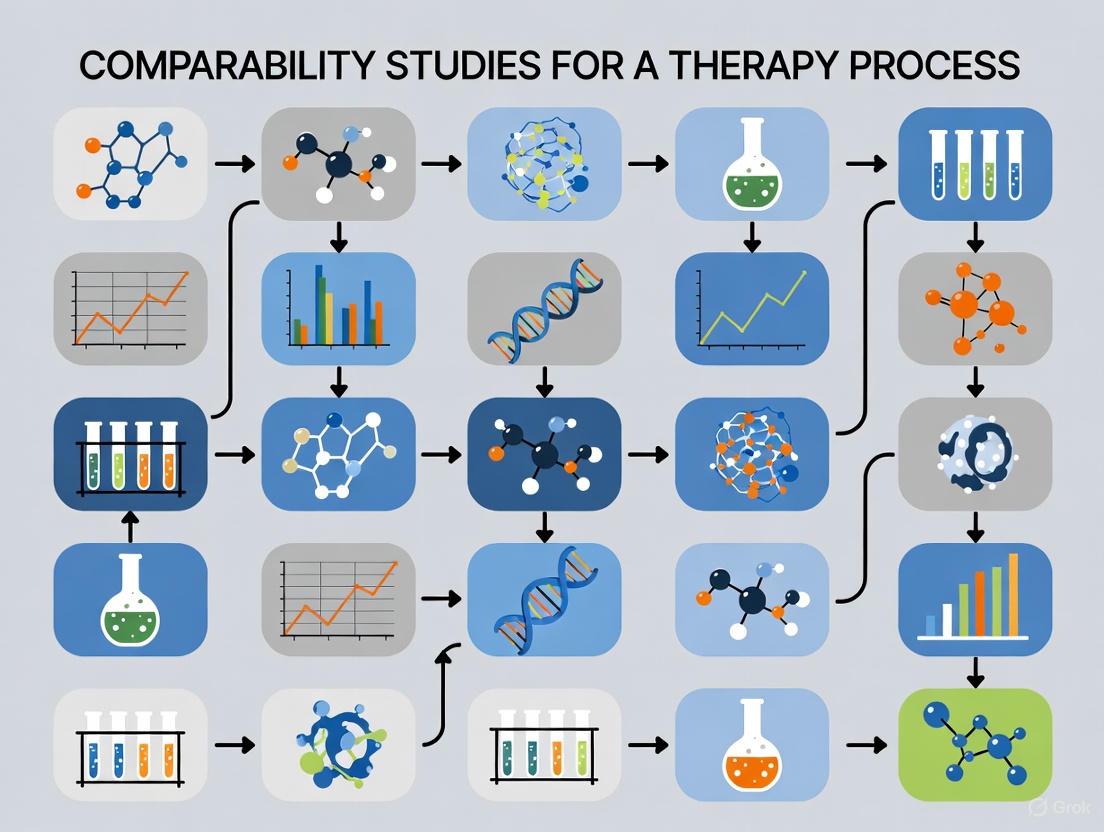
This article provides a comprehensive guide for researchers and drug development professionals on designing and implementing robust comparability studies for process changes in autologous cell and gene therapies.
Navigating Autologous Therapy Comparability: A Strategic Guide for Process Changes in 2025
Abstract
This article provides a comprehensive guide for researchers and drug development professionals on designing and implementing robust comparability studies for process changes in autologous cell and gene therapies. It covers the foundational regulatory principles from the FDA and EMA, outlines practical methodological frameworks for analytical and functional testing, addresses common troubleshooting scenarios in manufacturing, and details strategies for data validation. With recent updates to regulatory guidance and an ICH Q5E annex in development, establishing a risk-based, science-driven comparability protocol is critical for maintaining product quality and ensuring patient safety without impeding innovation.
Understanding the Regulatory Bedrock for Autologous Therapy Comparability
In the rapidly advancing field of cell and gene therapy, autologous treatments represent a paradigm shift in personalized medicine. Unlike conventional pharmaceuticals or allogeneic "off-the-shelf" therapies, autologous therapies are manufactured from a patient's own cells, creating a unique "n=1" manufacturing paradigm for each individual. This personalized approach introduces fundamental challenges for traditional comparability assessments, which were designed for large-batch, chemically synthesized drugs. Defining comparability in this context requires a sophisticated framework that balances regulatory requirements with the inherent biological variability of patient-derived starting materials.
The concept of comparability is central to implementing manufacturing changes during clinical development and commercialization. According to regulatory principles outlined in ICH Q5E, comparability demonstrates that a process change does not adversely affect the critical quality attributes (CQAs) of a product, thereby ensuring consistent safety and efficacy profiles. For autologous therapies, this assessment is complicated by the fact that each manufacturing run represents a unique product derived from a different patient, with inherent variability in cellular starting material that can affect both process performance and final product quality [1]. This article examines the key principles, unique challenges, and experimental approaches for establishing comparability for autologous cell therapies, providing a strategic framework for researchers and drug development professionals.
Key Principles of Comparability
Regulatory Foundations and ICH Q5E
The foundational guidance for comparability studies stems from the ICH Q5E guideline, which establishes the principle that comparability does not necessarily mean identical quality attributes between pre-change and post-change products, but rather that they are "highly similar" and that existing knowledge sufficiently predicts that differences will not adversely affect safety or efficacy [1]. This principle is particularly relevant for autologous therapies, where inherent biological variability makes identical attributes statistically improbable. The risk-based approach recommended by ICH Q5E requires sponsors to evaluate the potential impact of manufacturing changes on product quality attributes and to design targeted studies to address areas of highest risk.
Regulatory agencies including the FDA, EMA, and MHLW have issued tailored guidance documents specifically addressing comparability for advanced therapy medicinal products (ATMPs) [2]. These documents emphasize risk-based comparability assessments, extended analytical characterization, and staged testing approaches. A key distinction for autologous therapies is the regulatory expectation that product and process characterization should begin early in development and continue throughout the product lifecycle, acknowledging the evolving understanding of these complex biological products [1].
Critical Quality Attributes (CQAs) and Mechanism of Action
Establishing comparability for autologous therapies requires thorough identification and monitoring of Critical Quality Attributes (CQAs) – physical, chemical, biological, or microbiological properties or characteristics that should be within an appropriate limit, range, or distribution to ensure the desired product quality [2]. The challenge for autologous therapies lies in the current limited understanding of clinically relevant product quality attributes, particularly those linked to the mechanism of action (MoA) [1]. Unlike traditional pharmaceuticals with well-characterized active ingredients, the therapeutic effect of cell therapies often involves complex, multifactorial biological processes that are not fully understood.
A robust, mechanism-based potency assay is considered the most powerful tool in the comparability toolbox, as it can establish a correlation between patient outcomes (safety and efficacy) and product quality attributes [1]. For autologous therapies, developing such assays is particularly challenging due to product heterogeneity. The MoA must guide the identification of CQAs, which then become the primary focus of comparability assessments. Common CQAs for autologous therapies include cell viability, identity, purity, potency, and freedom from contamination, though product-specific attributes will vary based on the therapeutic modality and target indication.
Table 1: Key Principles of Comparability for Autologous Therapies
| Principle | Description | Application to Autologous Therapies |
|---|---|---|
| Risk-Based Approach | Focus resources on changes with highest potential impact on safety/efficacy | Assess impact of manufacturing changes on CQAs most susceptible to process variations |
| Holistic Assessment | Combine analytical, non-clinical, and clinical data as needed | Acknowledge that analytical comparability alone may be insufficient; may require clinical bridging studies |
| Body of Evidence | Rely on cumulative process and product understanding | Leverage data from development history to interpret comparability results |
| Product Lifecycle Management | Continuously refine understanding of CQAs | Begin characterization early and continue throughout commercial phase |
Unique n=1 Manufacturing Challenges
Inherent Variability of Patient-Derived Starting Material
The most distinctive challenge for autologous therapy comparability is the inherent variability of patient-derived cellular starting material [1]. Unlike traditional biopharmaceutical manufacturing that begins with well-characterized cell banks, each batch of autologous therapy begins with cells from a different patient, with variability influenced by factors including age, disease status, prior treatments, and genetic background [3]. This donor-to-donor variability introduces heterogeneity that can persist throughout manufacturing and into the final product, making it difficult to distinguish whether observed differences in final product quality are due to the manufacturing process change being evaluated or simply reflect normal biological variation in the starting material [1].
This variability creates significant challenges for statistical analysis in comparability studies. Conventional statistical approaches designed for large sample sizes may be inappropriate for autologous therapies, where the "n" in statistical terms represents the number of patients rather than the number of manufacturing runs. Additionally, the limited availability of test material from each patient lot further constrains analytical evaluation, creating practical limitations on comparability study designs [1]. This material limitation often necessitates innovative approaches to study design, including the strategic use of non-GMP process development lots to supplement the available data.
Scale-Out and Multi-Site Manufacturing Hurdles
For autologous therapies, manufacturing scalability typically involves "scale-out" – replicating manufacturing processes across multiple geographically dispersed sites rather than increasing batch size at a single facility [4]. This approach brings the manufacturing closer to patients, addressing the short ex vivo half-life of autologous products, which can be as little as a few hours [3]. However, establishing comparability across multiple manufacturing sites presents extraordinary regulatory challenges, as the existing regulatory structure in both Europe and the United States imposes a requirement to establish and maintain comparability between sites [4].
Under a single market authorization, demonstrating comparability across numerous manufacturing sites may become an "unsurmountable burden beyond two or three sites" [4]. This creates a significant translational gap between clinical development and commercial implementation, potentially limiting patient access to transformative therapies. The problem is further compounded by the need for complex supply logistics and the coordination of multiple facilities operating under potentially slightly different conditions, while still maintaining consistent product quality and meeting stringent regulatory standards for each unique patient-specific batch.
Analytical and Statistical Limitations
The analytical toolbox for autologous therapies continues to evolve, but current technologies face limitations in fully characterizing these complex living products. A primary challenge is the limited understanding of clinically relevant product quality attributes (PQAs), which makes it difficult to identify which specific attributes are most relevant to product safety and efficacy [1]. Without this fundamental understanding, comparability assessments may focus on convenient but potentially irrelevant metrics, missing meaningful differences in product characteristics.
From a statistical perspective, the heterogeneity of autologous products complicates the establishment of appropriate acceptance criteria and statistical approaches for demonstrating comparability [1]. The choice of statistical methodology – whether to use rigorous statistical tests or descriptive summary statistics – depends on the size of available datasets, which is often limited in autologous therapy development. Additionally, the personalized nature of these therapies means that traditional process capability indices and other statistical process control tools may be less applicable, requiring development of novel statistical approaches tailored to the n=1 manufacturing paradigm.
Table 2: Unique Challenges in Autologous Therapy Comparability
| Challenge Category | Specific Challenges | Impact on Comparability |
|---|---|---|
| Starting Material | Donor-to-donor variability; Disease state effects; Limited cell availability | Difficult to distinguish process effects from inherent biological variation |
| Manufacturing | Scale-out vs scale-up; Multiple sites; Short product shelf-life; Complex logistics | Establishing comparability across sites becomes increasingly difficult with each additional site |
| Analytical | Limited PQA understanding; Material constraints for testing; Immature potency assays | Reduced ability to detect meaningful differences in product quality |
| Regulatory | ICH Q5E not fully applicable; Site comparability requirements; Evolving guidelines | Significant regulatory burden for manufacturing changes and multi-site operations |
Experimental Approaches and Case Studies
Comprehensive Analytical Comparison Strategies
A well-designed comparability study for autologous therapies employs a tiered analytical approach that includes release testing, extended characterization, and stability studies [1]. This approach acknowledges that not all tests have equal importance in assessing comparability, allowing sponsors to focus resources on the most informative analyses. Orthogonal analytical methods are particularly valuable, employing different measurement principles to evaluate the same quality attribute, thereby providing a more comprehensive assessment of potential differences [1]. For example, vector copy number analysis in gene-modified autologous therapies might employ both qPCR and ddPCR to ensure robust results.
Advanced analytical technologies are increasingly being applied to autologous therapy characterization. Techniques such as next-generation sequencing (NGS) enable detailed assessment of product heterogeneity and genetic stability, while multi-parameter flow cytometry and mass cytometry provide deep immunophenotyping capabilities [5]. As noted in regulatory discussions, health authorities encourage developers to use "precise, accurate, and sensitive assays that leverage current technological advances," such as moving from qPCR to digital droplet PCR (ddPCR) for vector copy number analysis [1]. The implementation of these advanced technologies must be balanced against practical constraints, including limited product availability for testing and the need for method validation.
Non-Clinical and Clinical Bridging Studies
When analytical studies alone cannot demonstrate comparability, non-clinical and clinical bridging studies may be necessary. For autologous therapies, in vivo studies using relevant animal models can provide valuable data on the comparative safety and bioactivity of pre-change and post-change products [1]. However, animal models for autologous human cell therapies face significant limitations, including immunological incompatibility that may require specialized immunodeficient mouse models such as NOG/NSG mice for tumorigenicity assessments [2].
In cases where substantial manufacturing changes are implemented late in development, clinical bridging studies may be required to demonstrate comparable clinical performance. These studies face ethical and practical challenges for autologous therapies, particularly for serious conditions where placebo controls are inappropriate and patient numbers are limited. Creative study designs, such as using historical controls or adaptive designs, may be necessary. The risk-based approach to comparability determinations should guide the extent of non-clinical and clinical studies required, with more substantial changes typically requiring more comprehensive data packages [1].
Process Characterization and Control Strategies
Establishing comparability for autologous therapies requires deep process understanding to identify which process parameters most significantly impact CQAs. This understanding is developed through rigorous process characterization studies that evaluate the effect of parameter variations on product attributes. Due to the patient-specific nature of autologous therapies, these studies often employ healthy donor cells or well-characterized patient cell pools to enable controlled experimentation while recognizing the limitations of these models.
A robust control strategy is essential for maintaining comparability throughout the product lifecycle. For autologous therapies, this includes controls on raw materials (including patient cells), in-process testing, and final product specifications. The control strategy should focus on the aspects of manufacturing most critical to product quality, employing process analytical technologies (PAT) where possible to enable real-time monitoring and control [5]. As process understanding increases through development and commercial experience, the control strategy should evolve, potentially allowing for real-time release testing and reduced end-product testing while maintaining product quality.
Diagram 1: Comparability Assessment Workflow for Autologous Therapies
Regulatory Framework and Future Directions
Evolving Regulatory Landscape
The regulatory framework for autologous therapy comparability continues to evolve as agencies gain experience with these complex products. The FDA's draft comparability guidance issued in July 2023 provides specific recommendations for cell and gene therapies, acknowledging that some of the flexibility needed for these products goes beyond what is currently addressed in ICH Q5E [1]. Regional differences in regulatory expectations create additional complexity for global development programs, with agencies in the US, EU, and Japan having issued tailored guidance documents that, while sharing common principles, contain important distinctions in their implementation [2].
A significant regulatory challenge for autologous therapies is the multi-site manufacturing requirement. Under current frameworks, establishing comparability across multiple sites under a single marketing authorization may become prohibitively burdensome as the number of sites increases [4]. This has led to calls for more flexible regulatory approaches that could facilitate broader patient access while maintaining appropriate oversight. Regulatory agencies have shown willingness to engage in discussion of these challenges through forums such as CASSS meetings, where industry, academic, and regulatory experts collaborate to advance the field [1].
Innovative Technologies and Approaches
Emerging technologies offer promising approaches to address current challenges in autologous therapy comparability. Artificial intelligence (AI) and machine learning show particular promise for analyzing complex multivariate data from autologous manufacturing, potentially identifying subtle patterns that would escape conventional analysis [2]. These technologies could help distinguish process-related differences from normal donor variation, a fundamental challenge in autologous therapy comparability.
Advanced analytical technologies including multi-omics approaches (transcriptomics, proteomics, metabolomics) provide increasingly comprehensive characterization of autologous products [5]. As these technologies mature and become more accessible, they may enable deeper understanding of critical quality attributes and their relationship to clinical outcomes. Similarly, automated, closed manufacturing systems can reduce process variability, making it easier to distinguish meaningful differences when process changes are implemented [3]. These systems also facilitate scale-out by making technology transfer to multiple sites more straightforward and reproducible.
Diagram 2: Enabling Technologies for Comparability Assessment
The Scientist's Toolkit: Essential Research Reagents and Materials
Table 3: Essential Research Reagents and Materials for Comparability Studies
| Reagent/Material | Function in Comparability Studies | Key Considerations |
|---|---|---|
| ddPCR/qPCR Reagents | Vector copy number analysis; Residual DNA quantification | Higher sensitivity and precision of ddPCR preferred for comparability studies [1] |
| Flow Cytometry Antibodies | Cell phenotype, identity, and purity assessment | Multi-parameter panels enable comprehensive characterization of cell populations |
| Cell Culture Media | Maintenance of cell viability and function during testing | Serum-free, defined formulations reduce variability in analytical results |
| Potency Assay Reagents | Measurement of biological activity relative to mechanism of action | Should reflect proposed mechanism of action; critical for comparability assessment |
| Reference Standards | Calibration and qualification of analytical methods | Well-characterized standards essential for method performance and data comparison |
Establishing comparability for autologous cell therapies represents one of the most complex challenges in the development of advanced therapies. The unique "n=1" manufacturing paradigm, characterized by inherent variability in patient-derived starting materials and the necessity for multi-site scale-out, requires a fundamentally different approach to comparability than traditional pharmaceuticals. Success in this endeavor depends on deep process understanding, identification of clinically relevant critical quality attributes, and the application of increasingly sophisticated analytical technologies.
The field continues to evolve rapidly, with regulatory frameworks adapting to the unique challenges of autologous therapies. A science-based, risk-adjusted approach that leverages accumulating process and product knowledge offers the most promising path forward. As technologies for characterization, manufacturing, and data analysis advance, so too will our ability to implement manufacturing improvements while ensuring consistent quality, safety, and efficacy of these transformative personalized therapies. Through continued collaboration between industry, regulators, and academia, the field can develop more standardized yet flexible approaches to comparability that foster innovation while protecting patient safety.
Regulatory guidance for biological products provides a critical framework for ensuring that manufacturing changes do not adversely affect product quality. For autologous cell therapies, where each batch is unique to a single patient, demonstrating comparability following process changes presents distinctive challenges. The U.S. Food and Drug Administration (FDA) and European Medicines Agency (EMA) have established pathways to guide sponsors through these complex scenarios, balancing the need for manufacturing innovation with the imperative of patient safety.
The FDA's 2023 Draft Guidance for Industry on "Manufacturing Changes and Comparability for Human Cellular and Gene Therapy Products" specifically addresses the unique challenges posed by these complex biologics [6]. It outlines a lifecycle approach to managing manufacturing changes, recognizing that processes for these products inevitably evolve. Similarly, while EMA does not have an identical standalone document, its published requirements for COVID-19 vaccine approvals and various scientific guidelines establish a comparable framework for evaluating changes to biological products, emphasizing that modified vaccines must demonstrate an improved immune response against variants while maintaining safety profiles comparable to originally authorized products [7].
For developers of autologous cell therapies—where treatments are created from a patient's own cells—these regulatory frameworks provide essential direction for navigating process changes while maintaining product consistency, despite inherent patient-to-patient variability [3].
Comparative Analysis of FDA and EMA Approaches
Core Principles and Scope
FDA Draft Guidance (2023) The FDA guidance takes a lifecycle approach to manufacturing changes, acknowledging that processes for cellular and gene therapy (CGT) products will evolve from clinical development through post-approval phases. It provides recommendations for sponsors of Investigational New Drug Applications (INDs) and Biologics License Applications (BLAs) regarding product comparability and the management of manufacturing changes for both investigational and licensed CGT products [6]. The document is specifically tailored to address the challenges of CGT products, which are particularly complex due to their living cellular nature.
EMA Regulatory Framework While the EMA operates within a different regulatory structure, its requirements for biological products demonstrate a similar philosophy. For COVID-19 vaccines, the EMA has emphasized that adapted vaccines must be approved based on all available evidence, including quality, non-clinical, and clinical data from previous evaluations [7]. This comprehensive evidence-based approach allows for extrapolation of data when changes are made, similar to the FDA's comparability concept. The EMA also stresses that the benefits of authorized vaccines must continue to outweigh their risks when changes are implemented [8].
Key Similarities and Differences
Table: Key Similarities Between FDA and EMA Approaches
| Aspect | FDA Position | EMA Position |
|---|---|---|
| Evidence Standard | Recommends comparability studies to assess effect of changes on product quality [6] | Decisions based on all available evidence, including existing data on original products [7] |
| Product Quality Focus | Emphasis on demonstrating consistent product quality despite manufacturing changes [6] | Requires information on vaccine quality, including ingredients, purity, and manufacturing control [7] |
| Risk-Based Approach | Implicit in recommendations for managing changes throughout product lifecycle [6] | Explicit in requiring benefits to outweigh risks after changes [8] |
| Clinical Data Requirements | Varies based on extent of change and product understanding | For significant changes (e.g., variant vaccines), better immune response must be demonstrated [7] |
Table: Key Differences in Emphasis and Application
| Aspect | FDA Approach | EMA Approach |
|---|---|---|
| Document Type | Dedicated draft guidance for CGT products [6] | Requirements embedded in multiple scientific guidelines and product-specific documents [7] |
| Stage Specificity | Explicit recommendations for both investigational and licensed products [6] | Often distinguishes between initial approval and post-authorization changes |
| Centralized Framework | Single guidance document for CGT comparability [9] | Frameworks distributed across multiple regulations and guidelines |
Experimental Protocols for Comparability Studies
Analytical Comparability Assessment
A robust analytical comparability study forms the foundation for assessing the impact of manufacturing changes. The FDA guidance emphasizes the need for side-by-side testing of pre-change and post-change products using validated methods [6]. This testing should evaluate critical quality attributes (CQAs) known to or expected to influence the product's safety and efficacy profile.
For autologous cell therapies, this is particularly challenging due to inherent patient-to-patient variability. Therefore, the experimental design must account for this variability by testing multiple lots from different donors. The analytical package should include:
- Identity testing: Comprehensive profiling of cell surface markers and genetic signatures
- Potency assays: Functional assays measuring biological activity
- Purity and impurity profiling: Assessment of process-related impurities and contaminants
- Viability and cellular characteristics: Including cell count, viability, and morphological assessment
The EMA's approach to COVID-19 vaccine updates illustrates how analytical similarity can be leveraged alongside other evidence. For adapted vaccines, EMA considers "quality as well as non-clinical and clinical data from previous evaluations of comparable subvariants and/or other variants of concern" [7]. This allows for some extrapolation of existing data when changes are minor.
In Vitro and In Vivo Studies
Beyond analytical comparability, functional studies provide critical evidence of comparable biological activity. The FDA recommends a tiered approach to in vitro and in vivo studies based on the significance of the manufacturing change and the level of product understanding [6].
In vitro studies should evaluate:
- Functional potency: Using biologically relevant assays that measure the mechanism of action
- Dose-response relationships: To identify potential shifts in potency
- Kinetics of response: Timing and magnitude of biological effect
In vivo studies may be necessary for more significant changes and should evaluate:
- Bioactivity in pharmacologically relevant models
- Biodistribution: For some gene therapy products, assessing whether the change affects tissue targeting [7]
- Toxicology: Especially if the change could potentially introduce new impurities or alter product behavior
The EMA's requirements for non-clinical studies include immunogenicity assessments, animal-challenge studies (where feasible), and for some vaccine types, biodistribution studies to show which tissues and organs the product reaches after administration [7].
Clinical Evaluations
The need for clinical data to support comparability depends on the magnitude of the manufacturing change and the ability of non-clinical studies to resolve residual uncertainty. Both agencies acknowledge that not all changes require clinical studies.
For significant changes that cannot be fully characterized through analytical and non-clinical approaches, targeted clinical evaluations may be necessary. These studies typically focus on:
- Pharmacokinetics/Pharmacodynamics: Where applicable, demonstrating similar exposure-response relationships
- Immunogenicity: Assessing potential differences in immune responses
- Safety: Evaluating whether the safety profile remains consistent
The EMA's strategy for adapted COVID-19 vaccines demonstrates a pragmatic approach where "clinical data for one adapted vaccine can help in the evaluation of other adapted vaccines" [7], potentially reducing the clinical burden for similar changes.
Visualizing Comparability Study Workflows
Comparability Study Decision Algorithm
The following diagram illustrates the logical decision process for designing and executing a comparability study, integrating requirements from both FDA and EMA frameworks:
Autologous Therapy Manufacturing and Testing Pathway
This workflow details the specific testing and decision points for autologous cell therapies, highlighting where comparability assessments are critical:
The Scientist's Toolkit: Essential Reagents and Materials
Table: Key Research Reagent Solutions for Comparability Studies
| Reagent/Material | Function in Comparability Studies | Application Examples |
|---|---|---|
| Flow Cytometry Antibody Panels | Characterization of cell surface and intracellular markers | Identity testing, purity assessment, immunophenotyping [3] |
| Cell Culture Media & Supplements | Maintenance of cell viability and function during testing | In vitro functional assays, cell expansion studies [3] |
| Functional Assay Kits | Measurement of biological activity and potency | Cytokine release assays, cytotoxicity measurements, enzymatic activity tests |
| Molecular Biology Reagents | Genetic characterization and identity testing | PCR/qPCR reagents, sequencing kits, gene expression analysis [3] |
| Reference Standards | Calibration and normalization of analytical methods | Qualified cell lines, characterization standards, potency references |
| Viability/Proliferation Assays | Assessment of cell health and growth kinetics | MTT/XTT assays, ATP quantification, dye exclusion tests [3] |
Data Presentation and Documentation
Structured Data Summaries for Regulatory Submissions
Effective presentation of comparability data is essential for regulatory review. The FDA guidance emphasizes the importance of structured, side-by-side data comparison that clearly demonstrates the similarity between pre-change and post-change products [6].
Table: Example Comparability Study Results Summary
| Quality Attribute | Acceptance Criteria | Pre-Change Results (n=5) | Post-Change Results (n=5) | Statistical Comparison | Conclusion |
|---|---|---|---|---|---|
| Cell Viability (%) | ≥70% | 85.2 ± 3.1 | 83.7 ± 4.2 | p=0.52 (NS) | Comparable |
| Potency (EC50) | ±30% of historical mean | 1.25 ± 0.15 nM | 1.31 ± 0.18 nM | p=0.61 (NS) | Comparable |
| Purity (%) | ≥90% | 95.8 ± 1.2 | 94.9 ± 1.8 | p=0.38 (NS) | Comparable |
| Specific Marker Expression | ≥80% positive | 88.5 ± 2.3% | 85.7 ± 3.1% | p=0.15 (NS) | Comparable |
For autologous therapies, where traditional statistical approaches may be challenging due to limited sample sizes and inherent variability, the EMA's approach to variant vaccines demonstrates alternative strategies. EMA may accept "immunogenicity of the vaccine (e.g., levels of antibodies or other types of immune responses induced by the vaccine) as a surrogate for efficacy" when traditional efficacy studies become less feasible [7].
Documentation Strategies
Comprehensive documentation should include:
- Detailed description of the manufacturing change and its justification
- Analytical method validation data demonstrating the methods can detect differences
- Raw data from all comparability studies
- Statistical analysis plans and results
- Risk assessment evaluating potential impact on safety and efficacy
The FDA specifically recommends that sponsors document their approach to managing changes throughout the product lifecycle, maintaining a comprehensive history of manufacturing evolution and the data supporting continuity of quality [6].
The regulatory landscape for comparability studies of autologous cell therapies continues to evolve as these innovative treatments advance. The FDA's 2023 draft guidance provides a structured framework for managing manufacturing changes, while the EMA's distributed guidance offers complementary principles for demonstrating maintained product quality and consistency.
For autologous therapies, the fundamental challenge remains demonstrating comparability despite inherent patient-specific variability. Success in this area requires:
- Advanced analytical methods capable of detecting clinically meaningful differences
- Mechanistic understanding of the relationship between quality attributes and clinical performance
- Statistical approaches appropriate for small sample sizes and high variability
- Proactive engagement with regulatory agencies throughout the product lifecycle
As the field progresses toward more automated and standardized manufacturing processes for autologous therapies, the approaches to demonstrating comparability will likewise evolve, potentially incorporating novel analytical platforms, advanced statistical models, and potentially reduced clinical study requirements as product and process knowledge increases.
The harmonization between FDA and EMA approaches, while not complete, provides a solid foundation for developers seeking global approval of these promising therapies. By strategically applying the principles outlined in both regulatory frameworks, sponsors can successfully navigate manufacturing changes while ensuring consistent product quality for patients.
The Critical Role of a Risk-Based Approach in Comparability Study Design
For researchers and drug development professionals working with autologous cell therapies, demonstrating comparability following a manufacturing process change is a critical yet complex hurdle. A rigorous, risk-based approach provides the essential framework for these studies, ensuring that patient safety and product efficacy are maintained without unnecessarily impeding process improvements. This guide compares different methodological and regulatory strategies for designing robust comparability studies.
Understanding Comparability and Its Unique Challenges in Autologous Therapies
In autologous therapies, where the product is derived from a patient's own cells, the inherent variability of the starting material itself presents a unique challenge for comparability assessment [10]. Unlike traditional biologics, each manufacturing batch is a unique product for a single patient. Consequently, the goal of a comparability study is not to demonstrate that pre- and post-change products are identical, but that they are "essentially similar" with no adverse impact on the critical quality attributes (CQAs) that influence safety and efficacy [11].
Regulatory bodies recognize that autologous cell and gene therapy (CGT) products are often outside the direct scope of ICH Q5E, though its principles are applied through region-specific guidances [12]. The American Society of Gene & Cell Therapy (ASGCT) emphasizes that a risk-based approach is vital because it can be "difficult to fully characterize CGT products using analytical methods," and in some cases, analytical studies alone may be insufficient [13]. A well-executed, risk-based comparability study is therefore a key enabler for the life cycle management of these transformative therapies.
Regulatory Landscape for Comparability Studies
Navigating the regulatory expectations for comparability requires an understanding of both overarching principles and region-specific nuances. The following table summarizes the core regulatory considerations and how a risk-based approach addresses them.
Table 1: Regulatory Framework for Comparability Studies of Autologous Therapies
| Regulatory Aspect | Key Consideration | Role of Risk-Based Approach |
|---|---|---|
| Guideline Basis | CGTs often considered outside ICH Q5E; EMA, FDA, and MHLW have issued tailored guidance [12] [2]. | Provides a scientifically rigorous and defensible justification for the study design in the absence of a single harmonized guideline. |
| Statistical Relevance | Establishing statistical relevance with limited lot numbers is a recognized challenge [13]. | Justifies the use of alternative methodologies and a targeted, tiered-testing strategy when large sample sizes are not feasible. |
| Stability Data | FDA may require thorough stability assessment with real-time data for certain changes; EMA may not always require it [12]. | Risk assessment determines if stability is a relevant attribute to test based on the nature of the change (e.g., formulation, container closure). |
| Nonclinical/Clinical Studies | Nonclinical or clinical studies may be warranted if analytical comparability is insufficient [13]. | Identifies residual uncertainties after analytical testing, determining if and what additional in-vivo or clinical data is needed. |
| Post-Approval Changes | For approved products, some changes to manufacturing networks may be submitted via CBE-30 pathway [14]. | Forms the foundation for justifying that a change does not adversely affect the product, supporting a faster regulatory notification. |
Core Principles of a Risk-Based Comparability Study Design
A risk-based methodology is a systematic process that moves from planning to data evaluation. The workflow below visualizes this iterative process.
Step 1: Risk Assessment and Identifying Critical Quality Attributes
The foundation of the study is a risk assessment that evaluates the potential impact of the manufacturing change on product CQAs [11]. This assessment is based on prior knowledge and the principles of ICH Q9(R1) [11]. The first action is to link the specific process change to the CQAs most likely to be affected.
Table 2: Example Risk Assessment Linking Process Changes to CQAs
| Manufacturing Change | Potentially Impacted CQAs | Risk Level | Justification |
|---|---|---|---|
| Change in Cell Culture Media | Viability, Potency, Purity (e.g., impurity profile), Identity (phenotype) | High | Direct contact with cells; formulation changes can critically affect growth and function. |
| Introduction of a New Cryopreservation Solution | Post-thaw Viability, Potency, Identity | Medium | Alters the cellular environment during a critical, stressful process. |
| Scale-Up in a New Bioreactor | Viability, Identity (differentiation status), Potency | Medium to High | Changes in shear stress, gas exchange, and nutrient gradients can alter cell biology. |
| Change in Supplier for a Critical Raw Material | Purity (process-related impurities), Potency | Low to Medium | Risk depends on the material's function and the ability to qualify the new supplier to meet specifications. |
Step 2: Designing a Targeted and Broad Analytical Comparability Study
The testing strategy should be both targeted to measure differences in the potentially affected CQAs identified in the risk assessment, and broad enough to detect unexpected consequences [11]. The extent of testing is driven by the product's development stage and the magnitude of the change [12]. The study should utilize a combination of release tests, extended characterization, and stability tests.
Experimental Protocol: Analytical Comparability Testing
- Define Pre- and Post-Change Materials: Select a sufficient number of pre- and post-change batches for side-by-side testing. For autologous therapies, this may involve data from multiple patient batches to account for donor-to-donor variability [10]. The pre-change material used in pivotal trials or reference standards are often the benchmark [11].
- Select Analytical Methods: Choose methods suitable for their intended purpose. The methods should be validated or at least qualified to demonstrate specificity, accuracy, precision, and robustness for detecting differences [11].
- Tiered Testing Strategy:
- Tier 1 (Critical): Apply fully validated, stability-indicating methods to CQAs with a high risk of impact. Use statistical criteria with pre-defined equivalence margins.
- Tier 2 (Supportive): Use qualified methods for attributes with medium or low risk. Evaluation may be more qualitative, focusing on patterns and trends rather than strict statistical equivalence.
- Tier 3 (Characterization): Use exploratory methods for extensive characterization to "look into the unknown" and detect unexpected changes.
- Establish Pre-Defined Acceptance Criteria: The risk assessment outcome and the potentially impacted CQAs drive the extent of testing and the selection of techniques [11]. For late-stage development, criteria should be pre-defined. For early-stage, a qualitative or retrospective approach may be sufficient [11].
Step 3: Data Evaluation and Reporting
The final analytical comparability report must clearly summarize the results to facilitate a comparison. It should [11]:
- Describe the manufacturing change and the batches selected for the assessment.
- Reference the risk assessment that justified the testing strategy.
- Clearly point out and scientifically evaluate any observed differences in quality attributes.
- Conclude on whether the pre- and post-change products are comparable, meaning no adverse impact on safety and efficacy is anticipated.
The Scientist's Toolkit: Essential Reagents and Assays for Comparability
A robust comparability study relies on a suite of analytical methods to interrogate the product's quality attributes. The following table details key research solutions and their functions.
Table 3: Essential Reagents and Assays for Cell Therapy Comparability
| Research Reagent / Assay | Function in Comparability Study |
|---|---|
| Flow Cytometry Panel | Measures cell identity (surface and intracellular markers), purity, and viability. Critical for assessing changes in cell population composition. |
| Cell-based Potency Assay (e.g., Cytotoxicity) | A biologically relevant functional assay that demonstrates the mechanism of action (MoA). Essential for confirming that product efficacy is unchanged [12]. |
| qPCR/ddPCR for Vector Copy Number | For genetically modified therapies, this assay quantifies the number of integrated transgenes, a critical safety and identity attribute. |
| Liquid Chromatography-Mass Spectrometry (LC-MS) | Detects and quantifies process-related impurities (e.g., residual cytokines, media components) or product-related variants (e.g., post-translational modifications). |
| Next-Generation Sequencing (NGS) | Provides comprehensive characterization of the product's genetic stability (e.g., karyotyping) or the genetic modification (e.g., full vector sequencing) [12] [2]. |
| Metabolomics/Luminescence Assays | Measures metabolic activity (e.g., ATP levels) as a surrogate for cell health and vitality, useful for assessing impact on viability. |
| Stability-Indicating Assays | Methods (e.g., size-exclusion chromatography for aggregates) that can detect product degradation over time, crucial if the change affects formulation or storage [11]. |
Navigating Complex Changes: Facility Comparability for Decentralized Manufacturing
A significant challenge in scaling autologous therapies is implementing decentralized manufacturing at multiple or point-of-care sites. Regulatory authorities require sponsors to demonstrate that a comparable product is manufactured at each location [10]. The risk-based approach is fundamental to this endeavor. The following diagram outlines the logical relationship and control strategy for a decentralized network.
The strategy involves using a centralized "Control Site" that acts as the regulatory nexus. This site maintains the overall Quality Management System (QMS) and ensures consistency across all decentralized sites by deploying standardized, automated, closed-system manufacturing platforms and a unified training program [10]. The comparability exercise then focuses on demonstrating that the platform and controls, rather than the product from every single batch, are equivalent across sites.
In the field of autologous cell therapies, such as CAR-T cells, Critical Quality Attributes (CQAs) are fundamental properties that must be controlled to ensure the product's safety, identity, purity, potency, and efficacy. According to the ICH Q8(R2) guideline, a CQA is a "physical, chemical, biological, or microbiological property or characteristic that should be within an appropriate limit, range, or distribution to ensure the desired product quality" [15]. For autologous products, which involve using a patient's own cells, the definition and control of CQAs present unique challenges. Unlike traditional biologics or allogeneic therapies, manufacturers have limited control over the starting material, as they are "beholden to the quality of the patient cells" [16]. This variability inherent to the patient's material must be carefully managed throughout the manufacturing process to consistently produce a safe and effective final dose.
This guide objectively compares the performance of different testing methodologies and strategies for monitoring these CQAs. The content is framed within the critical context of comparability studies, which are essential for validating any process changes in autologous therapy manufacturing. Ensuring that CQAs remain consistent before and after a process modification is a regulatory requirement to guarantee that product quality and performance are not adversely affected [10] [17].
Defining the CQA Landscape for Autologous Products
The control strategy for an autologous product requires monitoring a well-defined set of CQAs from the initial patient material to the final infused dose. The table below summarizes the core CQAs, their definitions, and their broad significance in autologous therapies like CAR-T cells.
Table 1: Core Critical Quality Attributes for Autologous Cell Therapies
| CQA Category | Definition | Significance in Autologous Therapy |
|---|---|---|
| Safety | Relative freedom from harmful effects when the product is administered [18]. | Underlies all other CQAs; ensures patient protection from adventitious agents and process-related impurities. |
| Identity | A characteristic that confirms the product and distinguishes it from others made in the same facility [18]. | Crucial for preventing mix-ups in a single-patient batch system; confirms the presence of the target cell population. |
| Purity | The absence of interfering substances, such as residual impurities or unintended cell types [15]. | Ensures the product is free from contaminants that could cause adverse events or reduce efficacy. |
| Potency | The specific ability or capacity of the product to effect a given result [18]. | A direct measure of the biological activity and the therapeutic's intended effect; a key indicator of efficacy. |
| Viability | The proportion of live and functional cells in the final product. | Ensures a sufficient dose of functional cells is administered to the patient; often a release criterion. |
| Sterility | The absence of viable contaminating microorganisms [15]. | Critical for patient safety, especially as these products are infused and cannot be terminally sterilized. |
For autologous therapies, the starting material itself is a critical source of variability. Factors such as the patient's disease status, prior treatments, and the quality of the collected apheresis material directly influence the quality of the end product [16]. Consequently, controlling apheresis collection procedures with defined parameters (e.g., collection volume, anticoagulant used) becomes the first step in managing CQAs. Unlike allogeneic therapies, autologous products are typically exempt from mandatory infectious disease screening for the donor (the patient), which alters the safety testing profile [16] [15].
Comparative Analysis of Key CQAs and Testing Methodologies
A robust Chemistry, Manufacturing, and Controls (CMC) strategy requires quantitative testing methods for each CQA. The choice of method can significantly impact the reliability, speed, and cost of product release. The following section provides a detailed, data-driven comparison of experimental protocols and their performance in assessing critical attributes.
Identity, Purity, and Transgene Integrity
Identity and purity are closely linked CQAs. Identity confirms the presence of the intended therapeutic cell (e.g., CAR-positive T-cells), while purity ensures the absence of unintended cell types or impurities. For genetically modified products like CAR-T cells, transgene integrity is also critical.
Table 2: Comparison of Testing Methods for Identity, Purity, and Transgene Integrity
| Attribute | Common Testing Methods | Key Measured Outputs | Typical Acceptance Criteria | Considerations for Comparability |
|---|---|---|---|---|
| Identity & Purity | Flow Cytometry | Percentage of CD3⁺/CAR⁺ double-positive cells; Percentage of untransduced T-cells, NK cells, or other leukocytes [15]. | Predominance of CAR-expressing T-cells; Limits for untransduced cells. | Antibody panel, gating strategy, and instrument calibration must be standardized across sites for comparable results [15]. |
| Transgene Integrity | Quantitative PCR (qPCR) or Droplet Digital PCR (ddPCR) | Vector Copy Number (VCN) - average number of CAR transgene copies per genome [15]. | VCN within a predefined limit (e.g., set by regulators to mitigate insertional mutagenesis risk) [15]. | ddPCR often offers greater precision and reproducibility than qPCR, making it preferable for comparability studies [19]. |
| Genomic Integrity | Whole-Genome Sequencing (WGS) | Assessment of off-target integration sites and unintended genomic edits [15]. | No disruption of essential genes or oncogenic transformation. | A high-sensitivity method critical for assessing the impact of process changes on product safety. |
Experimental Protocol for Vector Copy Number (VCN) Quantification via ddPCR:
- Sample Preparation: Extract genomic DNA from a defined number of CAR-T cells (e.g., 1x10^6 cells) using a validated method.
- Assay Preparation: Prepare a reaction mix containing the DNA sample, ddPCR supermix, primers, and a fluorescent probe specific to the CAR transgene. A separate assay for a reference gene (e.g., RPP30) is run in parallel for normalization.
- Droplet Generation: The reaction mix is partitioned into thousands of nanoliter-sized droplets using a droplet generator.
- Amplification: The droplets undergo PCR amplification in a thermal cycler.
- Reading and Analysis: A droplet reader counts the positive and negative droplets for both the CAR and reference gene assays.
- Calculation: VCN is calculated using the formula: VCN = (Concentration of CAR target) / (Concentration of reference gene target) [15] [19]. This method is highly precise and is recommended for harmonized quality control in academic production [19].
Potency and Viability
Potency is perhaps the most critical CQA, as it represents the product's biological activity and is a direct predictor of clinical efficacy. Viability ensures that a sufficient number of cells are functional.
Table 3: Comparison of Testing Methods for Potency and Viability
| Attribute | Common Testing Methods | Key Measured Outputs | Typical Acceptance Criteria | Considerations for Comparability |
|---|---|---|---|---|
| Potency | IFN-γ ELISA after antigenic stimulation | Concentration of IFN-γ (or other cytokines) released upon exposure to target antigen [19]. | Signal above a predefined threshold indicating biological activity. | Requires standardization of stimulant, incubation time, and detection reagents. A validated, quantitative readout is essential [20] [19]. |
| Potency (Matrix Assay) | Multiple complementary assays (e.g., cytokine release, cytotoxicity, CD107a degranulation) | A composite score based on several functional readouts [18]. | A combined score within a specified range. | Useful for complex products where a single assay is insufficient. More complex to validate but provides a comprehensive potency profile [20]. |
| Viability | Flow cytometry (7-AAD, Annexin V/PI) or Trypan Blue exclusion | Percentage of live cells [15]. | Often >70% at the time of release [15]. | Post-thaw viability is critical for cryopreserved products. Method must be consistent to compare results across process changes. |
Experimental Protocol for Potency Assay via IFN-γ ELISA:
- Stimulation: Incubate CAR-T cells with target cells expressing the cognate antigen (e.g., CD19) or with anti-CD3/anti-CD28 beads in a CO₂ incubator for a specified time (e.g., 24 hours).
- Sample Collection: Centrifuge the culture plate and collect the cell-free supernatant.
- ELISA Procedure:
- Coat a microtiter plate with a capture antibody specific for IFN-γ.
- Block the plate to prevent non-specific binding.
- Add the supernatant and IFN-γ standard dilutions to the plate and incubate.
- Wash the plate and add a biotinylated detection antibody specific for IFN-γ.
- Wash again and add streptavidin-conjugated enzyme (e.g., Horseradish Peroxidase).
- Add a colorimetric substrate solution and stop the reaction after a defined period.
- Measurement and Analysis: Measure the absorbance using a microplate reader. Generate a standard curve from the known standards and calculate the IFN-γ concentration in the test samples [19]. This assay is recognized as a standardized method for potency assessment in harmonized guidelines [19].
Sterility and Safety
Sterility testing ensures the product is free from microbial contamination, which is paramount for patient safety given that these living cells are infused and cannot be filtered or terminally sterilized.
Table 4: Comparison of Testing Methods for Sterility and Safety
| Attribute | Common Testing Methods | Key Measured Outputs | Typical Acceptance Criteria | Considerations for Comparability |
|---|---|---|---|---|
| Sterility | Automated Rapid Tests (e.g., BacT/ALERT) | Detection of microbial growth through CO₂ production or other metrics. | No growth of microorganisms. | Provides faster results (~7 days) than traditional 14-day culture, enabling faster release. Essential for fresh products [15]. |
| Mycoplasma | Nucleic Acid Amplification (PCR) | Detection of mycoplasma DNA. | Absence of mycoplasma. | Turnaround time of hours, unlike the 28-day reference method. Must be validated to detect at least 10 CFU/mL for specified strains [19]. |
| Endotoxin | Limulus Amebocyte Lysate (LAL) or Recombinant Factor C (rFC) | Endotoxin Units (EU) per dose or per mL. | Below a specified limit (e.g., 5 EU/kg/hr) [19]. | rFC is an animal-free alternative. The assay must be validated to prevent matrix interference from the product [19]. |
The Scientist's Toolkit: Essential Research Reagent Solutions
The consistent and reliable assessment of CQAs depends on high-quality, well-defined reagents and materials. The following table details key solutions used in the featured experiments.
Table 5: Key Research Reagent Solutions for CQA Testing
| Reagent / Material | Function | Application Example |
|---|---|---|
| Serum-Free Cell Culture Media | Supports cell expansion and maintenance without introducing variability from animal sera [15]. | Used during CAR-T or MSC expansion to ensure defined culture conditions and minimize impurities. |
| Flow Cytometry Antibody Panels | Antibodies conjugated to fluorescent dyes used to identify and characterize specific cell populations. | Critical for identity (CD3, CAR) and purity (CD19, CD14) testing. Panel must be optimized and validated [15]. |
| qPCR/ddPCR Kits & Assays | Reagents for amplifying and quantifying specific DNA sequences. | Essential for measuring Vector Copy Number (VCN) and residual host cell DNA. |
| ELISA Kits | Pre-coated plates and reagents for quantifying specific proteins. | Used in potency assays (e.g., IFN-γ release) and impurity testing (host cell proteins). |
| Validated Mycoplasma PCR Kits | Reagents for the rapid and sensitive detection of mycoplasma DNA. | Used for routine, high-sensitivity sterility testing where the 28-day culture method is not feasible [19]. |
| LAL/rFC Assay Kits | Reagents for the quantitative determination of bacterial endotoxins. | A critical safety test for all parenteral products to ensure pyrogen-free doses. |
CQAs in Process Changes and Comparability Studies
In autologous therapy, process changes are inevitable during scale-up, technology transfer, or to improve efficiency. Any change, from raw materials to manufacturing scale or site, necessitates a comparability study to demonstrate that the modified process produces a product with comparable quality, safety, and efficacy [10] [17]. CQAs are the central metrics in these studies. The following diagram illustrates the logical workflow for linking process changes to CQA assessment and successful comparability.
The diagram above outlines the critical pathway for evaluating process changes. For example, expanding manufacturing to a new site (a common long-term capacity expansion strategy) requires demonstrating that the product manufactured at the new site is comparable to that from the original site [17]. This is achieved by manufacturing multiple batches at the new site and conducting head-to-head testing of the predefined CQAs. If the CQAs, especially potency and purity, fall within the predefined, justified equivalence margins, comparability is established [10] [17]. Failure to demonstrate comparability can halt the implementation of the process change, underscoring the pivotal role of well-defined and rigorously monitored CQAs.
The successful development and commercialization of autologous cell therapies are intrinsically linked to the rigorous identification and control of Critical Quality Attributes. From the highly variable patient starting material to the final infused dose, CQAs such as potency, purity, identity, and sterility serve as the benchmarks for product quality. As this guide has detailed through comparative methodology and data, the selection of robust, reproducible testing protocols is non-negotiable for generating reliable CQA data. Furthermore, within the context of a dynamic manufacturing environment, these CQAs form the foundation of comparability studies, providing the objective evidence needed to justify process changes without compromising product quality. A deep understanding of CQAs, supported by harmonized testing approaches and a well-stocked toolkit of reagents, empowers researchers and drug developers to navigate the complex path from patient material to final dose, ultimately ensuring consistent, safe, and effective therapies for patients.
Building Your Comparability Protocol: Analytical and Functional Frameworks
For autologous cell therapies, such as Chimeric Antigen Receptor (CAR)-T cells and T-cell receptor (TCR)-engineered T cells, a well-defined tiered testing strategy is not merely a regulatory requirement but a cornerstone for ensuring product safety, efficacy, and consistent quality. These Advanced Therapy Medicinal Products (ATMPs) present unique challenges due to their patient-specific (autologous) nature, complex biological composition, and limited shelf lives [2] [21]. A robust testing strategy must effectively manage these challenges while accommodating necessary process changes during the product lifecycle. Such changes are inevitable as therapies transition from clinical to commercial-scale manufacturing, and demonstrating comparability post-change is critical [2] [22]. This guide objectively compares the core components of a tiered testing strategy—release, characterization, and stability studies—framed within the context of autologous therapy comparability studies.
The fundamental principle of tiered testing is to assign tests to different tiers based on their criticality and frequency. This approach ensures thorough product understanding without rendering the control strategy unnecessarily burdensome or costly. Release tests are performed on every lot to confirm the product meets pre-defined specifications for safety, purity, identity, and potency. Characterization tests are conducted to gain a deep, comprehensive understanding of the product's attributes, typically during early development and after significant process changes. Stability studies monitor the product's quality over time under defined storage conditions to establish its shelf life [22] [23]. For autologous therapies, the "product" encompasses not just the final infused cells but also the critical raw materials, such as patient apheresis material, and the intermediary products during manufacturing [2]. The following sections will dissect each tier, providing comparative data, experimental protocols, and a discussion on their pivotal role in successful comparability studies.
Release Testing: Ensuring Lot-to-Lot Safety and Quality
Release testing constitutes the first line of defense in quality control, providing assurance that each patient-specific batch of an autologous therapy is safe and fit for infusion. The tests in this tier are characterized by their high frequency, rapid turnaround time, and direct impact on the lot disposition decision.
Core Release Assays and Comparative Data
The release criteria for autologous therapies must be strategically designed to balance rigorous safety standards with the practical constraints of a patient-specific, time-sensitive manufacturing process. The table below summarizes the essential quality attributes and commonly employed assays for release testing.
Table 1: Core Quality Attributes and Assays for Autologous Therapy Release Testing
| Quality Attribute | Description & Importance | Common Analytical Methods |
|---|---|---|
| Viability and Cell Count | Ensures a sufficient dose of living cells is administered; critical for efficacy. | Trypan Blue Exclusion, Flow Cytometry with viability dyes [2] |
| Identity | Verifies the product is the correct one for the intended patient and confirms the presence of the engineered cells. | PCR for vector sequence, Flow Cytometry for CAR or TCR expression [21] [24] |
| Potency | Measures the biological activity of the product; a key indicator of efficacy. | In vitro cytotoxicity assays, cytokine release assays [2] [21] |
| Purity and Safety (Sterility) | Ensures the product is free from adventitious agents and microbial contamination. | BacT/ALERT, Mycoplasma PCR, Endotoxin (LAL) testing [2] |
| Purity and Safety (Process-Related) | Confirms removal of process residuals like cytokines, antibiotics, or selection beads. | ELISA, HPLC [2] |
A critical challenge in release testing is the validation of these analytical methods. As per regulatory guidelines, methods used for Good Manufacturing Practice (GMP) testing require full validation to ensure they are reliable, reproducible, and suitable for their intended purpose [22]. The transition of a method from characterization to release status must be supported by a robust validation package.
The Role of Release Testing in Comparability Studies
In a comparability study following a manufacturing process change, release testing data serves as the primary evidence for demonstrating product consistency. For example, a change in the cell culture medium or the duration of ex vivo expansion could impact critical quality attributes (CQAs) like cell phenotype and potency [21]. A successful comparability exercise would show that the CQAs of batches produced with the new process fall within the validated ranges established by the historical data from the old process. The lot-by-lot data from release tests provides a statistical basis for this assessment, ensuring that the change did not adversely affect the product's critical safety and quality profiles [2] [22].
Characterization Testing: Deep-Dive Product Understanding
Characterization testing provides a comprehensive analysis of the product's physicochemical and biological properties. Unlike release tests, characterization is not performed on every lot but is essential for understanding the product's mechanism of action, identifying CQAs, and justifying the specifications used in release testing.
Advanced Analytical Methods for Characterization
Characterization employs a broader and often more sophisticated set of analytical tools to probe the product's heterogeneity and complexity. This deep understanding is vital for troubleshooting process issues and for justifying the control strategy to regulators.
Table 2: Advanced Methods for Autologous Therapy Characterization
| Characterization Focus | Method | Application and Data Output |
|---|---|---|
| Cell Phenotype Deep-Dive | Multicolor Flow Cytometry, Mass Cytometry (CyTOF) | Quantifies proportions of T-cell subsets (e.g., naïve, stem cell memory, effector memory, terminally differentiated) to understand the impact of phenotype on persistence and efficacy [21]. |
| Genomic & Transcriptomic Profile | Next-Generation Sequencing (NGS), scRNA-seq | Assesses vector integration sites, transcriptional profiles, and monitors for genetic instability [2] [24]. |
| Functional Potency | Multi-parameter Cytotoxicity Assays, Cytokine Multiplexing | Measures kinetic killing of target cells and simultaneous secretion of multiple cytokines (e.g., IFN-γ, IL-2, Granzyme B), providing a more predictive potency assay [21]. |
| Tumorigenicity Safety | In vivo Teratoma Assay, Digital Soft Agar Assay | Evaluates the risk of tumor formation, a key safety concern for cell-based products, using highly sensitive in vitro methods [2]. |
Characterization as the Foundation for Comparability
Characterization studies are the backbone of any comparability protocol. When a manufacturing process is changed, a side-by-side characterization of products from the old and new processes is required. This "deep compare" goes beyond release criteria to uncover subtle but potentially impactful differences. For instance, a switch to a new activation reagent might result in a final product that meets all release specifications but has a shifted T-cell phenotype profile (e.g., a lower proportion of the desirable TSCM cells). Characterization would identify this shift, allowing scientists to assess its potential clinical impact and determine if the new process is indeed comparable or requires further optimization [21]. The ICH Q5E guideline provides a framework for such comparability exercises, emphasizing the need for a rigorous, analytical approach [22].
Stability Studies: Defining Product Shelf Life and Storage
Stability studies are critical for establishing the shelf life of the drug product and defining its storage conditions. For autologous therapies, which are living cells with limited viability, these studies are particularly challenging and time-sensitive.
Stability Study Design and Regulatory Framework
Stability protocols for ATMPs must demonstrate the product's quality over time under specific storage conditions, typically involving cryopreservation. The International Council for Harmonisation (ICH) provides key guidelines for stability testing, though their application to cell therapies often requires adaptation.
Table 3: Stability Study Types and Requirements Based on ICH Guidelines
| Study Type | Purpose | Storage Conditions (Example) | Minimum Duration |
|---|---|---|---|
| Real-Time (Long-Term) | Establish shelf life under recommended storage conditions. | -80°C or -196°C (vapor phase liquid nitrogen) | Proposed shelf life (e.g., 24 months) [23] |
| Accelerated | Evaluate short-term stability under stress conditions; predicts degradation profiles. | -20°C or higher stress temperatures | 6 months [23] |
| Intermediate | Bridge long-term and accelerated data if needed. | Condition specific to the product's sensitivity | 6 months [23] |
The testing intervals for stability studies are defined in the stability protocol. A typical schedule for a long-term study might include time points at time zero (pre-freeze and post-thaw), 3, 6, 12, 18, and 24 months. At each interval, samples are tested for a battery of parameters that typically include all release tests (e.g., viability, identity, potency, sterility) to build a comprehensive stability profile [23].
Stability in Comparability and Method Bridging
Stability data is a critical component of comparability. A process change must not adversely affect the product's stability profile. Therefore, a side-by-side stability study is often a regulatory requirement to demonstrate that the product manufactured with the new process degrades in a similar manner and has at least the same shelf life as the original product [22].
A related challenge is analytical method bridging. During a product's lifecycle, it is common to improve or replace an analytical method. When a method used for stability testing is changed, a bridging study is essential. This study is distinct from a method transfer; it involves testing a set of stability samples with both the old and new methods to demonstrate that the new method provides equivalent or better results. This ensures that the historical stability data generated with the old method remains valid and that the new method does not create a discontinuity in the stability trend analysis [22]. As noted by regulatory experts, sponsors must show that the new method is "equivalent to or better than the method being replaced for measured parameters" [22].
The Scientist's Toolkit: Essential Reagents and Materials
The execution of a tiered testing strategy relies on a suite of specialized reagents and equipment. The following table details key research reagent solutions essential for developing and performing these critical assays.
Table 4: Essential Research Reagent Solutions for Tiered Testing of Autologous Therapies
| Reagent / Material | Function in Testing | Application Examples |
|---|---|---|
| Recombinant Human Cytokines (e.g., IL-2, IL-7, IL-15) | Used in cell culture media during ex vivo expansion and as critical components in functional potency assays to support T-cell growth and activity. | Potency assays (cytokine release), characterization of T-cell phenotype [21] [24]. |
| Antigen-Presenting Cells & Target Cell Lines | Engineered cell lines expressing the target antigen (e.g., PRAME, CD19) are used in co-culture assays to measure the cytotoxic function and specificity of the therapeutic cells. | In vitro cytotoxicity assays, flow cytometry-based specificity tests [21] [24]. |
| Flow Cytometry Antibody Panels | Fluorescently-labeled antibodies against cell surface (e.g., CD3, CD4, CD8, CD45RO, CCR7) and intracellular markers (e.g., cytokines, transcription factors) for deep phenotypic and functional characterization. | Identity testing, characterization of T-cell differentiation subsets, purity analysis [21] [24]. |
| qPCR/dPCR Assays | Quantitative and digital PCR assays for detecting vector copy number, measuring residual host cell DNA, and conducting mycoplasma testing. | Identity testing, safety testing (mycoplasma), process-related impurity testing [2] [24]. |
| LAL Reagent Kits | A critical reagent for the kinetic chromogenic or turbidimetric Limulus Amebocyte Lysate (LAL) test, which quantifies endotoxin levels as a safety release test. | Endotoxin testing for final product release [2]. |
Workflow and Decision Pathways
The integration of release, characterization, and stability data within a comparability study follows a logical, sequential workflow. The diagram below outlines the key stages and decision points when evaluating a manufacturing process change.
Figure 1: Decision Workflow for a Comparability Study
The successful execution of a comparability study often relies on sophisticated experimental design and data analysis tools. The diagram below illustrates the workflow for using Design of Experiments (DoE), a powerful statistical approach, to optimize a process parameter and generate data for a comparability assessment.
Figure 2: DoE Workflow for Process Optimization
As demonstrated in a study on gene-edited T cells for IPEX syndrome, a DoE approach was used to understand the impact of factors like the multiplicity of infection (MOI) of adeno-associated virus (AAV) and the amount of single guide RNA (sgRNA) on gene editing efficiency. The initial screening experiment narrowed down the significant factors, which were then used in an optimization experiment to generate a response contour plot. Cost analysis was then applied to find the optimal balance between high gene editing efficiency and cost-effectiveness, leading to a data-driven process change [25]. This structured approach provides a high-quality dataset that strongly supports a comparability conclusion.
A scientifically rigorous, tiered testing strategy is indispensable for the development and lifecycle management of autologous cell therapies. The distinct yet interconnected roles of release, characterization, and stability studies create a comprehensive framework for controlling product quality. As demonstrated, release testing acts as the gatekeeper for each batch, characterization provides the deep understanding needed for intelligent development and troubleshooting, and stability defines the viable window for patient treatment.
Within the context of comparability studies for process changes, this tiered approach becomes the primary engine for generating evidence. The integration of advanced tools like Design of Experiments (DoE) and a thorough understanding of regulatory expectations for method validation and bridging are critical for success. By implementing a well-designed tiered strategy from the outset, developers of autologous therapies can build a robust data package that not only supports regulatory submissions but also facilitates continuous process improvement, ultimately ensuring that these transformative medicines can be manufactured consistently and delivered safely to patients.
For researchers navigating autologous therapy process changes, robust analytical methods are the cornerstone of successful comparability studies. This guide provides a structured comparison of core methods and protocols essential for demonstrating product consistency.
Comparative Analysis of Core Analytical Methods
The table below summarizes the fundamental assays for assessing Critical Quality Attributes (CQAs), highlighting their application in comparability studies.
| Analytical Method | Key Technologies & Platforms | Key Metrics & Readouts | Role in Comparability Studies |
|---|---|---|---|
| Potency | Functional bioassays (co-culture, cytokine secretion), Flow cytometry, ELISA, Molecular assays (qPCR, scRNA-seq) [26] [27] | - Biological activity (e.g., suppression of Teff cell proliferation) [26]- Expression of functional proteins (e.g., FOXP3) [28]- Secreted factor profiles (e.g., IL-10, TGF-β) [29] | Serves as a primary indicator that a process change does not impact the product's biological function or mechanism of action (MoA) [26] [27]. |
| Identity | Flow Cytometry (FACS), Magnetic-Activated Cell Sorting (MACS) [29] [28] | - Cell surface markers (e.g., CD4+, CD25+, CD127lo/- for Tregs) [29]- Intracellular markers (e.g., FOXP3) [29] | Confirms that the cellular product's defining characteristics are maintained post-change [29]. |
| Purity | Flow Cytometry, Viability stains with cell counters [30] | - Percentage of target cell population- Level of contaminating cells (e.g., Teff cells in a Treg product) [28] | Ensures that the impurity profile remains consistent and within acceptable limits [30]. |
| Viability | Membrane integrity dyes (e.g., Trypan Blue), Automated cell counters, Metabolic assays [30] | - Percentage of live cells [30] | A critical process performance indicator; significant shifts can signal changes in manufacturing robustness [30]. |
Detailed Experimental Protocols for Method Qualification
Potency Assay: Suppressive Treg Co-culture Bioassay
This protocol measures the functional suppression of effector T cell (Teff) proliferation, a key MoA for Treg therapies [26] [27].
Workflow:
Key Steps:
- Teff Preparation: Isolate CD4+CD25- T cells from PBMCs using MACS. Label with CFSE (5µM) to track proliferation.
- Treg Preparation: Isolate CD4+CD25+ Tregs from the same donor. The test article is the Treg product from the new manufacturing process; the reference is from the original process.
- Co-culture Setup: Plate activated, CFSE-labeled Teffs (e.g., 50,000 cells/well) with Tregs at varying ratios (e.g., 1:1, 1:0.5, 1:0.25 Treg:Teff) in a 96-well U-bottom plate. Include control wells for Teffs alone (maximum proliferation) and Tregs alone (background).
- Stimulation & Culture: Activate cultures with anti-CD3/CD28 beads and add IL-2 (e.g., 100 U/mL). Culture for 3-5 days.
- Analysis: Harvest cells and analyze CFSE dilution by flow cytometry. Use Teff-alone proliferation to calculate percent suppression:
(1 - (Proliferation in Co-culture / Proliferation of Teffs alone)) * 100. - Comparability Criterion: The potency of the test article, measured as % suppression, must fall within a pre-defined range (e.g., 80-125%) of the reference material to demonstrate comparability.
Identity and Purity Assay: Multi-Color Flow Cytometry Panel
This method simultaneously confirms product identity and assesses purity by quantifying contaminating cells.
Workflow:
Key Steps:
- Sample Preparation: Aliquot a defined number of cells (e.g., 0.5-1x10^6) from the final drug product.
- Surface Staining: Wash cells and incubate with a surface antibody cocktail (e.g., anti-CD4, CD25, CD127) for 20-30 minutes at 4°C in the dark.
- Viability Staining: Include a viability dye (e.g., Zombie Aqua) to exclude dead cells from the analysis.
- Intracellular Staining (if required): Fix and permeabilize cells using a commercial kit (e.g., Foxp3/Transcription Factor Staining Buffer Set), then stain for intracellular markers like FOXP3.
- Data Acquisition & Analysis: Acquire data on a flow cytometer calibrated with compensation beads. Apply a sequential gating strategy to identify the target population. For Tregs, this would be Live / Singlets / Lymphocytes / CD4+ / CD25+FOXP3+ / CD127lo/-.
- Comparability Criterion: The percentage of the identified target cell population (Identity) and the level of any critical impurities (Purity) from the new process must be statistically equivalent to or within a pre-defined acceptance range of the historical data from the original process.
The Scientist's Toolkit: Key Research Reagent Solutions
| Reagent / Material | Critical Function in Comparability |
|---|---|
| Defined & GMP-Grade Media/Reagents | Mitigates raw material variability, a major confounder in comparability studies. Switching from research-grade to clinical-grade materials is a common process change that requires demonstration of product comparability [31]. |
| Reference Standard / Cell Bank | Provides a consistent benchmark for measuring potency and other CQAs across different manufacturing batches and process versions. A well-characterized reference is indispensable [26] [27]. |
| Characterized Starting Material | Using cryopreserved, qualified PBMCs or apheresis material as a common starting point for split-mass comparability studies helps isolate the impact of the process change from donor variability [32]. |
| Validated Critical Reagents | Antibodies, viability dyes, and assay kits that are qualified for performance and consistency ensure that analytical results are reliable and attributable to the product, not reagent drift [30]. |
| Process-Matched Samples | Intentionally generated samples from process characterization studies (e.g., stressed, subpotent) are used to demonstrate that potency and identity assays can detect meaningful changes in product quality [26] [33]. |
Strategic Framework for Analytical Method Qualification
A phased, "fit-for-purpose" strategy ensures methods are sufficiently qualified at each stage of process development and comparability assessment [33] [30].
Diagram: Analytical Method Lifecycle
Key Phase-Appropriate Activities:
- Stage 1: Early R&D: Focus on identifying CQAs linked to the product's MoA. Use research-grade methods to establish a foundational understanding of the product's biology and define what "success" looks like for identity, purity, potency, and viability [27].
- Stage 2: Process Development & Change: As process changes are introduced, methods must be qualified. This involves demonstrating precision (repeatability and intermediate precision) and specificity to ensure the method can reliably detect differences attributable to the process change versus inherent assay variability [33]. A key activity is "power testing" – proving the assay can fail subpotent or adulterated product [26].
- Stage 3: Pre-Commercial Comparability: For a pivotal comparability study (e.g., to support a BLA), methods must be fully validated per ICH guidelines. This includes formal assessment of accuracy, precision, specificity, range, linearity, and robustness to generate the high-quality data required for regulatory approval [26] [31].
In the development and manufacturing of autologous therapies, where a patient's own cells are manipulated and reinfused, demonstrating product comparability after process changes presents a significant challenge. Advanced analytical technologies are paramount in characterizing these complex biological products and ensuring that process modifications do not adversely impact critical quality attributes. Next-generation sequencing (NGS), multi-parameter flow cytometry (MPFC), and polymerase chain reaction (PCR) have emerged as powerful tools in the analytical toolkit. This guide provides a objective comparison of these technologies, focusing on their performance in detecting minimal residual disease (MRD)—a key application for monitoring the purity and safety of cell-based products—and their applicability in autotherapy comparability studies [34] [35].
Each technology offers distinct advantages and is governed by different principles of detection. The table below summarizes their core characteristics.
Table 1: Fundamental Characteristics of Analytical Technologies
| Technology | Primary Principle | Key Advantage | Major Limitation | Throughput |
|---|---|---|---|---|
| NGS | Massively parallel sequencing of DNA | Unbiased discovery of novel and known variants [36] | Can be less economical for a very small number of targets (e.g., 1-20) [37] | High |
| MPFC | Immunophenotyping via light scattering and fluorescence | Rapid analysis of millions of single cells | Limited to known immunophenotypes; lower sensitivity than molecular methods [38] | High |
| PCR | Enzymatic amplification of specific DNA sequences | High sensitivity and speed for detecting known targets [36] | Limited to detecting known sequences; low discovery power [36] | Medium (for multiple targets) |
Comparative Performance in Minimal Residual Disease Detection
The sensitivity, specificity, and reproducibility of an analytical method are critical for its use in comparability studies. MRD detection, which measures low levels of diseased cells, serves as a rigorous benchmark for comparing these technologies. The following table consolidates quantitative performance data from key clinical studies.
Table 2: Comparative Performance Data in MRD Detection for Hematological Cancers
| Performance Metric | NGS | Multi-parameter Flow Cytometry | PCR (ASO RQ-PCR) |
|---|---|---|---|
| Documented Sensitivity | (10^{-6}) (0.0001%) [34] | (10^{-4}) to (10^{-5}) (0.01% to 0.001%) [38] | (10^{-5}) to (10^{-6}) (0.001% to 0.0001%) [38] |
| Concordance with Other Methods | 79.1% with NGF [34]; More accurate predictor of relapse than MPFC in B-ALL [35] | Weak agreement with qRT-PCR in AML [39]; 65% concordance with ASO RQ-PCR in MM [38] | Good correlation with MFC when positive (r=0.861) [38] |
| Reproducibility | 100% intra- and inter-assay reproducibility [34] | Not explicitly quantified in studies reviewed | High when patient-specific assays are optimally constructed [38] |
| Key Advantage in Context | Higher sensitivity and discovery power; standardized reagents [34] [35] | Broad applicability; rapid results [40] | High sensitivity for known targets; considered a gold standard [38] |
Detailed Experimental Protocols for MRD Detection
To understand the data generated by each technology, it is essential to grasp their underlying workflows. The following sections detail standard protocols for detecting MRD in bone marrow samples from patients with hematological cancers.
NGS-based MRD Detection Protocol (e.g., Using LymphoTrack Assays)
The NGS workflow leverages high-throughput sequencing to identify unique DNA sequences associated with clonal cell populations [34].
- DNA Extraction: Genomic DNA is isolated from bone marrow aspirates using a commercial kit (e.g., Promega). DNA quantity and quality are assessed (e.g., using a Qubit instrument) [34].
- Library Preparation (Targeted Amplification): DNA is amplified using master mixes containing primers targeting specific regions (e.g., IGH-FR1, FR2, FR3 for B-cell malignancies) with barcoded sequence adaptors. This step, often using kits like LymphoTrack, enriches for the regions of interest and attaches sequencing adapters [34].
- Purification and Quantification: The resulting PCR products (libraries) are purified to remove contaminants and accurately quantified to ensure optimal sequencing [34].
- Sequencing: Libraries are loaded onto a next-generation sequencer (e.g., Ion S5) where massively parallel sequencing occurs [34].
- Data Analysis: Sequencing data in FASTQ format are analyzed using specialized software (e.g., LymphoTrack software). The software identifies clonal sequences by grouping identical reads and compares them to the index clonal sequence from the original tumor sample. A sample is considered MRD-positive if the same clonal sequence is detected above a defined threshold [34].
NGS MRD Detection Workflow
Multi-parameter Flow Cytometry-based MRD Detection Protocol
MPFC detects aberrant immunophenotypes on the surface and inside of cells, differentiating residual diseased cells from normal populations [39] [38].
- Sample Preparation: Bone marrow aspirates are washed with phosphate-buffered saline (PBS). A sufficient cell count (e.g., 2-20 million cells) is used to achieve the desired sensitivity [34] [38].
- Antibody Staining: Cells are stained with a panel of fluorescently-labeled antibodies targeting membrane proteins (e.g., CD138, CD38, CD19, CD45, CD56) and, for intracellular targets like light chains, cells are permeabilized before staining [34] [38].
- Data Acquisition: Stained cells are analyzed using a flow cytometer (e.g., Navios, FACSCanto). A high number of events (e.g., >1 million) are acquired to ensure detection of rare cell populations [34] [38].
- Gating and Analysis: Acquired data are analyzed using flow cytometry software. Plasma cells are first gated based on CD138 and CD38 expression. Normal and neoplastic plasma cells are then differentiated based on the presence of aberrant antigen expression (e.g., CD19-, CD56+). The MRD level is reported as the percentage of aberrant cells among total nucleated cells [38].
PCR-based MRD Detection Protocol (ASO RQ-PCR)
Allele-Specific Oligonucleotide Real-Time Quantitative PCR (ASO RQ-PCR) uses patient-specific primers to achieve high-sensitivity detection of known clonal markers [38].
- Target Identification (Diagnosis): At diagnosis, the specific clonal sequence (e.g., of the immunoglobulin gene) is identified for each patient via sequencing [38].
- Patient-Specific Assay Design: Tailored primers and a TaqMan probe are designed to be complementary to the unique junctional region of the patient's clonal sequence. This step is critical for assay specificity [38].
- DNA Extraction and Quantification: Genomic DNA is isolated from follow-up bone marrow samples and quantified [34].
- Real-Time PCR Amplification: DNA is amplified using the patient-specific primers and probe. The fluorescence signal is monitored in real-time. The cycle threshold (Ct) at which the signal crosses a defined threshold is proportional to the amount of target DNA in the sample [38].
- Quantification: The MRD level is calculated by comparing the Ct value to a standard curve, allowing for absolute quantification of the residual disease burden [38].
Decision Framework: Selecting the Right Technology
The choice between NGS, MPFC, and PCR depends on the specific requirements of the comparability study. The following diagram outlines a decision pathway based on key experimental parameters.
Technology Selection Decision Framework
Essential Research Reagent Solutions
Successful implementation of these technologies relies on a suite of core reagents and instruments.
Table 3: Key Research Reagents and Materials
| Item | Function | Example Products/Citations |
|---|---|---|
| NGS Panels | Targeted amplification of genes of interest for MRD (e.g., IGH rearrangements) | LymphoTrack Assays (Invivoscribe) [34] |
| Flow Cytometry Antibodies | Tag cell surface and intracellular proteins to identify aberrant immunophenotypes | Antibodies against CD138, CD38, CD19, CD45, CD56, cytoplasmic κ/λ [34] [38] |
| PCR Kits | Enable sensitive and specific amplification of clonal DNA sequences | IdentiClone or similar kits for IGH rearrangement detection [34] |
| DNA Extraction Kits | Isolate high-quality genomic DNA from complex biological samples | DNA Extraction Kit (Promega) [34] |
| Next-Generation Sequencer | Platform for performing massively parallel sequencing | Ion S5 platform (Thermo Fisher) [34] |
| Flow Cytometer | Instrument for acquiring and analyzing multi-parameter fluorescence data from single cells | Navios (Beckman Coulter), FACSCanto (BD Biosciences) [34] [38] |
NGS, MPFC, and PCR each offer a unique combination of sensitivity, throughput, and discovery power for characterizing cellular products in autologous therapy. NGS provides the highest sensitivity and an unbiased approach for comprehensive profiling, making it ideal for detecting unexpected changes during process modifications. PCR remains the gold standard for ultra-sensitive tracking of known targets, while MPFC offers rapid, broad-based immunophenotyping. A holistic comparability strategy may involve leveraging these technologies in a complementary manner, using MPFC for initial screening and NGS or PCR for deep, targeted analysis. The choice ultimately hinges on the specific critical quality attributes being monitored and the required level of evidence for demonstrating product comparability.
Addressing Patient-to-Patient Variability in Study Design and Data Interpretation
Autologous cell therapies represent a groundbreaking class of advanced therapy medicinal products (ATMPs) where a patient's own cells are harvested, potentially modified, and reintroduced as a therapeutic agent [2] [3]. Unlike traditional pharmaceuticals or allogeneic therapies that use donor-derived cells, each autologous product batch is unique to an individual patient, creating fundamental challenges in manufacturing consistency, quality control, and study design [41] [3]. This inherent patient-to-patient variability profoundly impacts every aspect of product development, from process optimization to comparability studies required for manufacturing changes.
The personalized nature of autologous therapies means they follow a "service-based" model rather than traditional mass production [3]. Each batch must be manufactured separately regardless of patient-specific factors that influence cellular starting materials, creating a fundamental tension between personalized medicine and regulatory requirements for consistent safety, quality, and efficacy [41] [42]. This article examines the sources and impacts of patient variability in autologous therapy development and provides structured approaches for designing robust studies and interpreting resulting data within comparability frameworks.
Patient-derived cellular starting materials exhibit variability from multiple biological and technical sources that can significantly impact manufacturing success and therapeutic outcomes [41] [43]. These factors collectively influence the critical quality attributes (CQAs) of final products and present challenges for demonstrating comparability during process changes.
Table: Major Sources of Variability in Autologous Therapy Starting Materials
| Variability Category | Specific Factors | Impact on Manufacturing |
|---|---|---|
| Patient-Related Factors | Disease severity and prior treatments (chemotherapy, radiation) [43]; Genetic and epigenetic background [43]; Age, comorbidities, and lifestyle factors [41] [44] | Cell quality, quantity, expansion capability, and functionality [43] |
| Collection Procedure Factors | Apheresis device type and protocol differences [43]; Anticoagulant type and concentration [43]; Operator training and experience [43]; Time from collection to processing [43] | Initial cell viability, composition, and subsequent performance in manufacturing process [45] [43] |
| Material Handling Factors | Cryopreservation media formulation [41]; Freezing and thawing methods [43]; Shipping conditions and duration [43] | Post-thaw recovery, cellular stress responses, and growth kinetics [43] |
The cumulative effect of these variability sources means that "it is entirely possible that a manufacturing process will work with a very high yield, meeting all CQAs and release specifications for one patient's cells and fail miserably for another" [43]. In autologous therapies, such failure carries tremendous consequences as "there are no additional chances for many of these patients" [43].
Impact on Manufacturing and Comparability
Variability in cellular starting materials propagates through manufacturing processes, affecting both upstream and downstream operations [43]. This manifests in differences in cell growth kinetics, metabolic activity, differentiation potential, and final product composition [41] [43]. For mesenchymal stromal cell (MSC)-based therapies, for instance, "donor to donor difference can be linked not only to the genetic profile of each patient but also to factors such as disease and life style," which can affect "not only the final product characteristics, but also in-process performance and sensitivity to bioreactor operating parameters" [41].
The inherent heterogeneity of autologous products creates particular challenges for comparability studies following manufacturing changes [46] [42]. When process modifications are introduced, distinguishing between changes caused by the manufacturing system versus inherent patient variability requires careful study design and appropriate reference materials [1] [42]. Regulatory agencies recognize that "demonstrating comparability may be difficult for cell-based medicinal products" due to these fundamental characteristics [46].
Figure 1: Relationship between variability sources and their impact on therapeutic development. Multiple factors contribute to overall variability that challenges manufacturing consistency and comparability assessments.
Experimental Approaches for Quantifying Variability
Analytical Methods for Characterizing Variability
Comprehensive characterization of autologous starting materials and intermediate products requires a multifaceted analytical approach capable of capturing relevant biological diversity. Effective strategies employ orthogonal methods to assess cellular composition, functional potency, and molecular phenotypes across multiple donor samples [43] [44].
Table: Essential Analytical Methods for Assessing Patient Variability
| Method Category | Specific Techniques | Information Provided | Application in Comparability |
|---|---|---|---|
| Cellular Composition Analysis | Flow cytometry with extended panels [44]; Automated cell counting and viability [43]; Single-cell RNA sequencing [41] | Immune cell subsets; Viability and activation markers; Transcriptional heterogeneity | Quantifying differences in critical cell populations; Identifying donor-specific patterns |
| Functional Potency Assessment | In vitro differentiation assays [41]; Cytokine secretion profiling [44]; Mechanism-of-action relevant bioassays [1] | Differentiation potential; Secretory profile; Biological activity | Linking product attributes to clinical effects; Most critical for comparability [46] [1] |
| Molecular Characterization | Gene expression profiling [44]; Epigenetic analysis [41]; Metabolic profiling [41] | Transcriptional responses; Epigenetic signatures; Metabolic activity | Detecting subtle changes in cell state; Understanding genetic predisposition |
Flow cytometric analysis has revealed significant donor-dependent differences in immune cell composition in autologous products. One study of Autologous Protein Solution (APS) found that "neutrophils (24 million ± 11 million cells/mL) and T cells (9.8 million ± 6.9 million cells/mL) were the most abundant immune cell types," with substantial variation between healthy donors [44]. Similarly, gene expression profiling demonstrates that "APS processing results in differential gene expression changes dependent on immune cell type, with the most significantly differentially regulated genes occurring in the monocytes" [44].
Process Performance Monitoring
Monitoring manufacturing processes across multiple patient batches provides crucial data on how variability manifests during production. Implementing in-process controls and real-time monitoring technologies allows developers to establish acceptable ranges for critical process parameters (CPPs) that accommodate expected biological variation [41] [43].
For autologous MSC therapies, studies show that "bioreactor operating parameters" including "cell seeding densities per passage, media refreshment strategies, response to shear type and magnitude, perfusion rates and dissolved oxygen tension" may need optimization for different donor materials [41]. This suggests that flexible, rather than fixed, process parameters may be necessary to accommodate biological variability while still meeting target product profile specifications.
Discrete event simulation (DES) models represent another powerful approach for understanding variability impacts on manufacturing operations. These models "incorporate variability, which is their primary differentiator from typical spreadsheet calculations" and can evaluate how "apheresis receipt schedule has a large impact on facility throughput capacity when lead time limitations exist" [45]. Such tools help design manufacturing systems robust to the inherent uncertainties of patient-derived materials.
Figure 2: Experimental workflow for quantifying patient variability. Comprehensive assessment combines multiple analytical approaches with process monitoring to establish acceptable variability ranges.
Strategic Approaches to Study Design
Robust Comparability Study Design
Designing effective comparability studies for autologous therapies requires strategic approaches that account for inherent patient variability while demonstrating that manufacturing changes do not adversely impact product safety or efficacy [46] [42]. Regulatory agencies emphasize that "comparability does not necessarily mean that the quality attributes of pre-change and post-change material will be identical, but rather that they are highly similar and that the existing knowledge is sufficiently predictive to ensure that any differences will have no adverse effects on safety or efficacy" [1].
A risk-based approach should guide comparability study design, with the extent of evaluation matching the potential impact of the change [42]. For lower-risk changes, analytical comparability alone may suffice, while higher-risk changes may require nonclinical or clinical data [42]. The stage of development also influences strategy - early development focuses mainly on safety, while changes after confirmatory trials generally require more extensive data [42].
Statistical Considerations for Variable Materials
The statistical analysis of comparability data for autologous therapies presents unique challenges due to limited batch numbers and inherent biological variation [1]. Appropriate statistical approaches must account for these constraints while providing meaningful conclusions about the impact of manufacturing changes.
"Selecting appropriate statistical approaches to demonstrate a meaningful difference is often a vexing issue among developers of CGT products," with solutions ranging from "descriptive summary statistics" to "robust statistical methodology" depending on available data set size and manufacturing experience [1]. For small sample sizes typical in autologous therapy development, descriptive statistics comparing central tendency and variability may be more appropriate than complex statistical tests requiring large sample sizes.
The Scientist's Toolkit: Essential Research Reagents and Materials
Successful investigation of patient variability requires carefully selected reagents and materials designed to address the unique challenges of autologous therapy development. The following toolkit highlights critical components for robust experimental design.
Table: Essential Research Reagents for Studying Patient Variability
| Reagent Category | Specific Examples | Function in Variability Studies | Considerations for Selection |
|---|---|---|---|
| Cell Culture Media | Chemically defined, xeno-free media [41]; Human Platelet Lysate (HPL) [41]; Serum-free formulations [41] | Support cell expansion while minimizing batch variability; Enable consistent performance across donors | Defined composition reduces introduction of extraneous variability; Ensure compatibility with autologous cells from diverse patients |
| Characterization Reagents | Extended flow cytometry panels [44]; Molecular profiling kits [41]; Functional assay reagents [1] | Comprehensive cell phenotyping; Assessment of potency and critical quality attributes | Panels must capture relevant cell subpopulations; Assays should reflect mechanism of action |
| Process Materials | Consistent cryopreservation systems [43]; Standardized activation reagents [42]; Closed-system processing materials [42] | Maintain cell viability and function; Minimize technical variability introduction | Materials should be qualified for use with variable starting materials; Closed systems reduce contamination risk |
Regulatory and Analytical Considerations
Regulatory Framework for Comparability
Regulatory agencies worldwide recognize the unique challenges of autologous therapy comparability and have developed specific guidance to address these products [42]. The fundamental principle remains that "the applicant/MAH is responsible for change management, manufacturing change and change assessment" with encouragement to "continuously improve product quality, safety through process optimization/changes" while demonstrating no adverse impacts [42].
The product lifecycle stage significantly influences regulatory expectations for comparability studies [42]. During early development, changes are expected as processes are optimized, with focus mainly on safety assessment [42]. However, "major manufacturing changes should be accomplished, manufacturing process should be locked before the start of the confirmatory clinical trial" to ensure that "manufacturing site, capacity, process, materials, testing, and product quality and other aspects of the confirmatory clinical trial are closely interconnected with commercial manufacturing" [42].
Critical Quality Attributes and Potency Assessment
Defining relevant CQAs and developing meaningful potency assays represents perhaps the most significant challenge in addressing patient variability in autologous therapies [41] [1]. These elements form the foundation for assessing both initial product quality and comparability after manufacturing changes.
For MSC-based therapies, current characterization approaches often rely on criteria suggested by the International Society of Cell Therapy (ISCT) including "adhesion to plastic, several CD markers and in vitro differentiation tests" [41]. However, researchers note that "currently, no single-cell surface marker is available for the unambiguous identification of MSCs" and that "these metrics do not reflect the identity or potency of MSC populations" [41]. This highlights the need for "quality controls of higher biological specificity and discriminative power that would also link to cell potency" [41].
Potency assays present particular challenges as they "should be also linked to the mechanism of action of the harvested and expanded progenitor cell populations" [41]. For complex autologous products with potentially multiple mechanisms of action, developing representative potency assays requires careful consideration of which biological functions are most critical to therapeutic efficacy.
Addressing patient-to-patient variability in autologous therapy development requires integrated strategies spanning analytical characterization, process design, and study methodology. Rather than attempting to eliminate biological variability - an impossible goal for personalized medicines - successful approaches acknowledge and accommodate this diversity while ensuring consistent product quality and performance.
The most effective frameworks combine comprehensive analytical assessment with flexible process design and robust comparability protocols. By implementing these approaches, developers can advance innovative autologous therapies while providing regulators with sufficient evidence of product consistency and manufacturing control. As the field evolves, increased process understanding and improved analytical methods will further enhance our ability to distinguish between acceptable biological variation and meaningful product differences, ultimately benefiting patients through more predictable and effective personalized treatments.
Solving Common Comparability Challenges in Autologous Manufacturing
The successful development and manufacturing of autologous cell therapies are fundamentally challenged by the inherent variability of their raw and starting materials. Unlike traditional pharmaceuticals, where the active pharmaceutical ingredient is chemically synthesized and highly consistent, the "starting material" for autologous therapies is a patient's own cells. This biological material is subject to immense donor-to-donor variability, influenced by factors such as disease state, prior treatments, age, and genetic background [47] [43]. This variability presents a significant hurdle for achieving product comparability, especially when implementing process changes during therapy development.
Managing this variability is not merely a technical obstacle but a core requirement for regulatory approval and clinical success. A thorough understanding and strategic control of donor selection and cell sourcing are, therefore, prerequisites for ensuring that autologous cell therapy products are safe, efficacious, and comparable across different production batches and process iterations [48] [41]. This guide objectively compares the key sources of variability and the strategies employed to mitigate them, providing a framework for robust comparability studies.
The impact of variability can be observed across different stages of the therapy lifecycle. The following table summarizes the major sources of variability and the data-driven evidence for their effects on manufacturing and clinical outcomes.
Table 1: Key Sources of Variability and Their Demonstrated Impact in Autologous Therapies
| Source of Variability | Impact on Manufacturing & Clinical Outcomes | Supporting Data / Evidence |
|---|---|---|
| Patient Disease State & Prior Treatment [47] [43] | Directly affects mononuclear cell (MNC) counts, T-cell functionality, and manufacturing success rates. | Lymphoma patients often show lymphopenia and lower MNC counts, leading to lower manufacturing success rates compared to other indications [47]. Prior chemotherapy/radiation can compromise cell quality, quantity, and suitability for genetic modification [43]. |
| Donor Demographics (Age, Genetics) [41] [49] | Influences cell growth kinetics, expansion potential, and final product characteristics. | Genetic profile, age, and patient lifestyle are linked to differences in MSC expansion performance and sensitivity to bioreactor operating parameters [41]. Immune cell phenotype and CD4:CD8 T cell ratio impact manufacturability and in vivo efficacy [49]. |
| Apheresis Collection Procedure [47] [48] | Affects the purity and composition of the collected cellular starting material. | Collection can be contaminated with non-T cells (e.g., monocytes, granulocytes) if blood flow is interrupted, which can inhibit T-cell proliferation or induce apoptosis downstream [47]. Varying apheresis protocols, devices, and operator training contribute to collection variability [43] [48]. |
| Post-Collection Handling & Logistics [43] | Impacts cell viability and recovery before manufacturing even begins. | Differences in cryopreservation media, freezing/thawing methods, transport time, and transient warming events during storage affect post-thaw recovery and cell quality [47] [43]. |
Comparative Evaluation of Donor Selection and Cell Sourcing Strategies
Multiple strategies have been developed to mitigate variability, each with distinct advantages, limitations, and experimental support. The choice of strategy often depends on the stage of development and the specific nature of the therapy.
Table 2: Comparison of Strategic Approaches to Manage Starting Material Variability
| Strategy | Methodology & Protocols | Key Findings & Experimental Outcomes |
|---|---|---|
| Stringent Donor Eligibility Criteria [43] | Defining patient inclusion/exclusion criteria for clinical trials and commercial product eligibility based on pre-specified cellular health metrics. | Setting specifications for pre-apheresis CD3+ cell counts, hematocrit, and platelet levels helps standardize input material. Limitation: Overly restrictive criteria can limit patient access [43]. |
| Optimized & Standardized Apheresis [43] [48] | Implementing standardized operator training, consistent collection devices, and protocols optimized for the target cell population. | Optimizing collection to reduce non-target cells (e.g., granulocytes, platelets) improves downstream processing. Standardization across collection sites is critical for reducing procedural variability [43] [48]. |
| Sequential Manufacturing Enrichment [47] [48] | A multi-step process designed to sequentially reduce variability and enrich target cell populations through purification, activation, and expansion. | Effective at reducing overall variability and generating a more pure final product, but can be inefficient and unpredictable. The final purity is influenced by the initial contaminant profile [47]. |
| Adaptive & Flexible Processing [43] [41] | Using flexible SOPs and modular process designs that can accommodate variable growth kinetics of different patient samples. | In-process quality checks and the ability to freeze materials at various stages allow for quicker decision-making. Manufacturing platforms must be responsive to diverse input materials to achieve reproducible final products [43] [48]. |
| Robust Donor Characterization [49] | Deep phenotypic, functional, and metabolic profiling of donor cells to understand the link between donor attributes and final product quality. | Characterizing factors like T-cell exhaustion markers, CD4:CD8 ratios, and KIR typing for NK cells helps identify "optimal donors" and informs which cellular attributes are critical to control for a given process [49]. |
Experimental Workflow for a Comparability Study
When a change is made to an autologous therapy process—be it a new cell sourcing method or a manufacturing update—a structured comparability study is essential. The following diagram and accompanying protocol detail a standard workflow for such a study.
Diagram 1: Comparability Study Workflow
Detailed Experimental Protocol for a Donor Strategy Comparability Study:
Define Study Objective and Critical Quality Attributes (CQAs): Clearly state the change being evaluated (e.g., "Evaluate the impact of revised donor age criteria on process performance and product CQAs"). Identify and prioritize the CQAs that define product safety, purity, and potency, such as cell viability, identity, purity, transduction efficiency, and in vitro cytotoxic activity [48] [50].
Establish Baseline and Implement New Strategy:
- Baseline (Control) Arm: Use historical or prospectively collected data from the established process with the original donor strategy. This dataset must be robust and well-characterized.
- New Strategy (Test) Arm: Apply the new donor selection or cell sourcing strategy (e.g., broader apheresis volume acceptance criteria) to a new cohort.
Parallel Processing and Data Collection: Process samples from both arms in parallel using the same downstream manufacturing process. Collect extensive data across the entire workflow, including:
Analytical and Statistical Comparison: Use statistical tools (e.g., multivariate analysis, design-of-experiments) to compare the two arms. The goal is to demonstrate that any observed differences are within a pre-defined, justified range and do not adversely impact the product's safety or efficacy profile [48] [50].
Report and Conclude: Document all data and analyses in a formal comparability report. The conclusion should clearly state whether the new donor strategy produces a comparable product to the baseline, supporting—or not supporting—the implementation of the change.
The Scientist's Toolkit: Essential Reagents and Materials
Successfully managing variability requires a suite of specialized reagents and platforms. The following table details key solutions used in this field.
Table 3: Key Research Reagent Solutions for Managing Variability
| Research Tool / Reagent | Primary Function in Managing Variability |
|---|---|
| GMP-grade Cell Separation Reagents (e.g., antibodies, density gradients) [47] [48] | Isolate and enrich target cell populations (e.g., T cells, MSCs) from heterogeneous apheresis or tissue samples, reducing the impact of initial contaminating cells. |
| Chemically Defined, Xeno-free Media [41] | Provide a consistent and defined environment for cell culture, removing the variability introduced by serum-containing media (e.g., FBS, HPL) and reducing pathogen transmission risk. |
| Validated Cytokine Pairs (e.g., IL-2/IL-15 for NK cells) [51] | Activate and expand specific immune cell subsets in a controlled manner. Using consistent cytokine cocktails helps standardize cell growth and functional potential across different donor samples. |
| Process Analytical Technology (PAT) [43] [50] | Tools for real-time monitoring of critical process parameters (e.g., metabolite levels, dissolved oxygen). Enables timely adjustments to accommodate variable donor material and maintain process control. |
| Standardized Panel for QC Assays [43] [41] | A standardized set of assays (e.g., flow cytometry for identity, PCR for vector copy number, functional cytotoxicity assays) to consistently measure CQAs and ensure product comparability. |
Navigating the complexity of raw and starting material variability is a defining challenge in the advancement of autologous cell therapies. A systematic approach—combining strategic donor selection, standardized cell sourcing, and flexible, data-driven manufacturing—is essential for achieving product comparability. As the field evolves, the adoption of advanced analytical technologies and robust donor characterization will be key to unlocking the full potential of these personalized medicines, ensuring they can be developed rapidly and delivered reliably to patients in need.
The advanced cell therapy sector is confronting multifaceted challenges encompassing product quality, regulatory compliance, and manufacturing scalability. Traditional autologous cell therapy workflows, which are often reliant on manual processing, inherently introduce risks such as contamination, human error, and data integrity vulnerabilities, all of which directly impact patient safety and therapeutic efficacy [52]. The core challenge lies in understanding how manufacturing conditions affect therapeutic efficacy—particularly how expansion protocols and culture conditions impact cell persistence and functionality post-infusion [53]. As the demand for these transformative therapies grows, the sector must address manufacturing bottlenecks head-on. Without significant innovations that enhance production efficiency, the gap between scientific innovation and patient accessibility will continue to widen [53].
This comparison guide objectively examines the transition from manual processes to automated scale-up (vertical scaling) and scale-out (horizontal scaling) strategies within the critical context of comparability studies for autologous therapy process changes. For researchers and drug development professionals, demonstrating comparability after process changes is paramount. We provide experimental data and detailed methodologies to inform scaling decisions that maintain product quality, safety, and efficacy profiles.
Current Challenges in Manual Autologous Therapy Manufacturing
Autologous cell therapies face significant challenges due to their personalized nature. Each treatment is made from a patient's cells, requiring complex coordination for collection, manufacturing, and delivery [3]. Key hurdles include:
Product Variability: Starting material from different donors produces cells with varying metabolic profiles and capabilities, yet current manufacturing processes lack the adaptability to normalize these differences [53]. This high variability in donor cells can result in unpredictable drug product performance, creating significant challenges for comparability studies [53].
Time Sensitivity and Logistics: The process begins with collecting cells from an individual patient and concludes with delivering a customized therapy back to the same individual [53]. This patient-specific supply chain introduces unique challenges including cold-chain maintenance, strict time constraints, and the critical need for end-to-end traceability and chain-of-identity [53].
High Operational Costs: The biggest near-term challenge continues to be the high cost of manufacturing doses, particularly with autologous products [53]. These costs are driven by the complexity of the therapies, labor inputs, QC testing, and the use of expensive raw materials [53].
Table 1: Key Challenges in Manual Autologous Therapy Manufacturing
| Challenge Category | Specific Limitations | Impact on Comparability |
|---|---|---|
| Process Control | High variability in donor starting material; Bespoke processes requiring expert input [53] | Challenges in establishing a consistent baseline for comparing pre- and post-change products |
| Quality Control | Extensive manual handling for scheduling, reagent/sample prep, assay execution [52] | Susceptibility to variability and human error; difficult to maintain consistent quality attributes |
| Manufacturing Logistics | Time-sensitive cold chain transport; Limited product shelf-life [53] [3] | Introduces variables that can affect product critical quality attributes (CQAs) |
| Economic Sustainability | Labor-intensive processes; Expensive raw materials; High QC costs [53] | Limits the number of runs that can be performed for comprehensive comparability assessment |
Scaling Strategies: Theoretical Framework and Definitions
In the context of biomanufacturing, scaling strategies can be fundamentally categorized into two paradigms, each with distinct implications for process comparability:
Scale-Up (Vertical Scaling): This approach adds more power to existing manufacturing systems—enhancing a single production line with increased capacity, improved equipment, or advanced capabilities [54] [55]. In autologous therapy, this could involve upgrading a bioreactor to a larger volume model or implementing more advanced sensors within the same manufacturing suite. Scale-up typically reduces latency but may limit throughput, and it often requires significant upfront investment [54].
Scale-Out (Horizontal Scaling): This strategy distributes workload across multiple identical manufacturing units or sites [54] [55]. For autologous therapies, this could involve establishing decentralized, point-of-care manufacturing facilities to serve broader geographic regions [53]. Scaling out excels at throughput and can theoretically add unlimited units to handle more patients, but it introduces complexity in coordination and requires sophisticated quality control systems to ensure consistency across sites [54].
A hybrid approach, sometimes called diagonal scaling, combines both strategies—initially scaling up existing processes until reaching a performance or cost threshold, then scaling out by replicating the optimized system across additional nodes [55]. This method provides flexibility for biomanufacturers seeking to balance resource optimization with expanded production capacity.
Comparative Analysis: Scale-Up vs. Scale-Out Performance Data
The following tables summarize quantitative comparisons between scaling approaches, focusing on key performance metrics relevant to autologous therapy manufacturing and comparability assessments.
Table 2: Technical and Operational Comparison of Scaling Strategies
| Performance Metric | Scale-Up (Vertical) | Scale-Out (Horizontal) | Manual Process (Baseline) |
|---|---|---|---|
| Throughput Capacity | Moderate improvement (2-5x) limited by single system [54] | High improvement (theoretically unlimited via node addition) [54] | Baseline (limited by manual operations) |
| Process Consistency | Higher (single system, reduced variability) [52] | Moderate (requires rigorous cross-node standardization) [53] | Low (high operator-dependent variability) [53] |
| Contamination Risk | Significant reduction via closed systems [52] | Significant reduction via closed systems [52] | High (frequent manual interventions) [52] |
| Implementation Timeline | Medium (6-12 months for equipment qualification) | Long (12-24 months for multi-site validation) | N/A (established baseline) |
| Comparability Study Complexity | Medium (single process change) | High (multiple site qualifications) | N/A (baseline) |
Table 3: Economic and Quality Metric Comparison
| Parameter | Scale-Up (Vertical) | Scale-Out (Horizontal) | Manual Process (Baseline) |
|---|---|---|---|
| Initial Capital Investment | High (premium equipment) [54] | Moderate (commodity hardware) but scales [54] | Low (initial setup) |
| Cost per Dose | Moderate reduction (15-30%) [53] | Significant reduction potential (30-50%+) with volume [53] | High (labor-intensive) [53] |
| Data Integrity | Improved (automated tracking) [52] | Improved but requires integration [52] | Vulnerable (manual documentation) [52] |
| Process Control | Enhanced (parameter monitoring) [53] | Enhanced but must be synchronized [53] | Operator-dependent [53] |
| Regulatory Path | Straightforward (single process modification) | Complex (multi-site licensing required) | Established (known limitations) |
Experimental data from automated systems demonstrates tangible improvements over manual processes. For example, integrated automation platforms like Cellares' Cell Shuttle have shown the ability to process up to 16 cartridges in parallel within a compact footprint, significantly improving sterility assurance by minimizing manual movements and aseptic risks [52]. This closed, automated system scales manufacturing capacity from tens to hundreds of patients annually while maintaining product consistency—a critical factor in comparability studies [52].
Experimental Protocols for Scalability and Comparability Assessment
Protocol 1: Automated versus Manual Process Comparability Study
Objective: To evaluate the comparability of autologous cell therapy products manufactured using traditional manual processes versus automated scale-up platforms.
Methodology:
- Study Design: Split-sample study where identical donor starting material is divided and processed in parallel through manual and automated workflows.
- Critical Quality Attributes (CQAs) Monitoring:
- Potency: Cell viability, expansion fold, and phenotypic characterization (flow cytometry for CD3+, CD4+, CD8+ markers) at harvest [53] [56].
- Identity: Genetic stability assessment via whole-exome sequencing of pre- and post-manufactured products [56].
- Purity: Residual reagent detection and endotoxin testing per USP guidelines.
- Process Parameter Monitoring: Temperature, gas exchange, nutrient/metabolite levels throughout manufacturing [53].
- Statistical Analysis: Equivalence testing with pre-specified acceptance criteria (typically 90% confidence intervals within ±15% difference for key CQAs).
Key Experimental Controls:
- Utilize the same donor starting material for both arms to eliminate donor-to-donor variability.
- Implement identical media formulations and culture conditions where possible.
- Blind analysts performing quality attribute testing to prevent bias.
Protocol 2: Multi-Site Consistency Study for Scale-Out Validation
Objective: To demonstrate consistent product quality across multiple manufacturing sites implementing the same automated platform.
Methodology:
- Study Design: Utilize a common cell bank to manufacture identical products across three geographically distinct sites using standardized automated platforms.
- Inter-site Comparison Metrics:
- Process Consistency: Day-to-day variability in cell growth kinetics, metabolite consumption/production rates.
- Product Consistency: CQAs including viability, potency markers, and functional assays across all manufactured lots.
- Operational Consistency: Environmental monitoring data, aseptic technique efficacy, and equipment performance metrics.
- Statistical Analysis: One-way ANOVA to compare means across sites with pre-defined equivalence margins.
Acceptance Criteria: All CQAs must fall within validated ranges with no statistically significant differences (p > 0.05) between sites.
The Scientist's Toolkit: Essential Research Reagents and Materials
Table 4: Key Research Reagent Solutions for Scalability and Comparability Studies
| Reagent/Material | Function in Scaling Studies | Example Application |
|---|---|---|
| Closed System Consumables | Single-use, sterile fluid pathway components | Cellares' Cell Shuttle cartridge integrating all unit operations [52] |
| Characterized Cell Banks | Standardized starting material for process comparison | Donor peripheral blood mononuclear cells (PBMCs) for autologous process development [56] |
| Advanced Culture Media | Support cell expansion and maintain phenotypic stability | Serum-free media formulations supporting T-cell expansion [56] |
| Process Analytical Technology (PAT) | In-line monitoring of critical process parameters | Sensors for pH, dissolved oxygen, glucose/lactate in bioreactors [53] |
| Flow Cytometry Panels | Characterization of cell product identity and potency | CD3/CD4/CD8 for T-cell therapies; stemness/exhaustion markers [53] [56] |
| Cell Counting & Viability Assays | Assessment of expansion efficiency and product quality | Automated cell counters with viability staining capabilities [52] |
| qPCR/dPCR Assays | Detection of residual vector/contaminants and genetic stability | Measuring vector copy number in genetically modified therapies |
| Cytokine Release Assays | Evaluation of product functionality and potential toxicity | IFN-γ, IL-2, IL-6 measurement post-activation [56] |
The transition from manual to automated processes in autologous therapy manufacturing presents significant opportunities to address critical industry challenges related to cost, scalability, and consistency. Both scale-up and scale-out strategies offer distinct advantages, with scale-up providing more immediate process control enhancements for existing facilities, and scale-out enabling broader patient access through distributed manufacturing networks [53] [54].
For researchers and drug development professionals conducting comparability studies, the experimental protocols and data presented herein provide a framework for demonstrating that scaled processes produce equivalent or superior products compared to manual manufacturing. The integration of advanced automation not only addresses the high costs and variability associated with personalized therapies but also enhances data integrity and regulatory compliance through improved process control and monitoring capabilities [52].
As the field continues to evolve, strategic implementation of these scaling approaches—supported by robust comparability assessments—will be essential for fulfilling the promise of autologous therapies for patients worldwide while maintaining the rigorous quality standards required for regulatory approval.
In the rapidly advancing field of autologous cell therapies, demonstrating product comparability after manufacturing process changes presents a formidable scientific challenge. These therapies, which use a patient's own cells, are highly variable by nature, making analytical comparisons particularly complex [1]. When ideal, fully validated analytical methods are unavailable—a common scenario especially during early clinical development—researchers must implement robust strategies to ensure reliable comparability assessments.
This guide examines practical approaches for addressing analytical gaps, objectively comparing methodologies based on their applications, requirements, and limitations to support confident decision-making in autologous therapy development.
The Comparability Framework in Autologous Therapies
Autologous cell therapies present unique comparability challenges due to inherent biological variability and complex manufacturing processes. Regulatory guidance emphasizes a risk-based approach where comparability does not require identical attributes but rather demonstration that differences have no adverse impact on safety or efficacy [1] [57]. The following diagram illustrates the comprehensive strategy for addressing analytical gaps in this context:
Comparative Analysis of Strategies for Addressing Analytical Gaps
Table 1: Methodological Approaches for Analytical Gaps
| Approach | Key Implementation | Data Requirements | Regulatory Considerations | Best Suited Scenarios |
|---|---|---|---|---|
| Orthogonal Methods [1] [57] | Employ multiple assay formats measuring same attribute | Method precision data, correlation statistics | Agencies encourage technologically advanced methods; precision must be documented | When no single method fully captures critical quality attributes |
| Method Bridging Studies [1] | Parallel testing of pre- and post-change product with old and new methods | Sufficient sample quantity for multiple assays | Required when implementing new methods during comparability assessment; statistical agreement must be shown | Early-phase development when analytical methods are evolving |
| Leveraging Process Data [1] | Incorporate data from non-GMP development lots and historical experience | Extensive process development database | Acceptable when justified; demonstrates process understanding | When limited GMP material available for testing |
| Advanced Statistical Approaches [1] [57] | Use of equivalence testing (e.g., TOST) rather than significance testing | Appropriate sample size, understanding of variability | Absence of statistical significance doesn't prove comparability; confidence intervals preferred | When dealing with highly variable autologous starting materials |
Experimental Protocols for Addressing Analytical Gaps
Protocol 1: Orthogonal Method Validation for Critical Quality Attributes
Objective: Establish confidence in product quality attributes when primary methods are insufficient.
Methodology:
- Identify Susceptible Attributes: Based on risk assessment, determine which product quality attributes are most likely affected by the manufacturing change and have inadequate analytical methods [57].
- Select Orthogonal Assays: Choose alternative methods based on different biological or physicochemical principles. For example:
- Establish Correlation: Test identical reference materials across all method platforms to determine inter-method correlation.
- Define Acceptance Criteria: Set multivariate acceptance ranges based on combined results from orthogonal methods.
Data Interpretation: Consider attributes comparable when results from all method platforms collectively fall within pre-defined multivariate ranges, even if individual method results show variation.
Protocol 2: Split-Donor Approach for Autologous Products
Objective: Overcome material limitations while controlling for donor variability in comparability studies.
Methodology:
- Starting Material Collection: Obtain sufficient cellular material from a single donor to split into two representative sublots [57].
- Parallel Processing: Manufacture final drug product from both sublots using pre-change and post-change manufacturing processes.
- Comprehensive Testing: Apply all available analytical methods to both products in parallel testing schemes.
- Statistical Analysis: Use paired statistical tests appropriate for dependent samples, as data from each half are not independent [57].
Variation for Limited Material: When single donations provide insufficient cells, pool multiple collections from the same healthy donor or single collections from multiple healthy donors [57].
Protocol 3: Tiered Comparability Assessment Strategy
Objective: Systematically evaluate comparability with limited analytical capabilities.
Methodology:
- Tier 1 - Critical Attributes: Focus on attributes with established clinical relevance using most sensitive available methods.
- Tier 2 - Orthogonal Confirmation: Apply secondary methods to confirm Tier 1 findings.
- Tier 3 - Nonclinical Bridging: Conduct in vivo studies using relevant animal models when analytical gaps remain [1].
- Totality of Evidence: Integrate findings across all tiers for final comparability determination.
Visualization of Orthogonal Method Strategy
The following workflow details the implementation of orthogonal methods to address specific analytical gaps:
The Scientist's Toolkit: Essential Research Reagents and Materials
Table 2: Key Research Reagent Solutions for Comparability Studies
| Reagent/Material | Function in Comparability Studies | Application Notes |
|---|---|---|
| Reference Standards [1] | Serve as benchmarks for method performance assessment | Critical for bridging studies; should be well-characterized and stable |
| Characterized Cell Banks [2] | Provide consistent biological material for assay validation | Help control for variability inherent in patient-derived starting materials |
| GMP-grade Raw Materials [2] | Ensure manufacturing consistency during process changes | Sourcing from qualified suppliers is essential for comparability |
| Advanced Analytical Tools [1] [57] | Enable more sensitive detection of product attributes | ddPCR, advanced flow cytometry, and novel potency assays |
| Process-specific Reagents [2] | Maintain manufacturing process consistency | Include cell culture media, cytokines, growth factors, and transduction enhancers |
Addressing analytical gaps in autologous therapy comparability studies requires a multifaceted approach that acknowledges both technical limitations and regulatory expectations. No single strategy suffices for all scenarios; rather, successful comparability demonstrations rely on selecting appropriate combinations of orthogonal methods, statistical approaches, and—when necessary—supplemental nonclinical data.
The most effective implementations begin with thorough risk assessments, employ fit-for-purpose methodologies that acknowledge current technological limitations, and transparently communicate analytical gaps and mitigation strategies to regulatory agencies. As the field advances, continued development of more sensitive and predictive analytical methods will gradually reduce these gaps, but the strategic frameworks outlined here will remain essential for navigating the complex landscape of autologous therapy development.
Utilizing Engineering Runs and Historical Data to Support Comparability Claims
In the development and manufacturing of autologous cell and gene therapies, process changes are inevitable as production scales up or optimizes. Demonstrating that these changes do not adversely impact the critical quality attributes (CQAs) of the product requires robust comparability studies. Regulatory guidance emphasizes that sponsors must demonstrate a comparable product is manufactured despite facility or process differences [10]. Two fundamental approaches for generating this evidence are the use of controlled engineering runs and the strategic analysis of historical manufacturing data.
Engineering runs are small-scale, non-clinical manufacturing exercises designed specifically to generate comparative data under controlled conditions. Historical data analysis leverages information accumulated from previous production campaigns to identify trends and establish expected variability. When used together, they provide a powerful framework for assessing the impact of process changes.
Regulatory Framework and Key Concepts
Regulatory bodies like the FDA and EMA have provided guidance relevant to comparability for cellular and gene therapy products. Key documents include the FDA's "Manufacturing Changes and Comparability for Human Cellular and Gene Therapy Products" and considerations for CAR-T cell products, which state that if the same product is manufactured at multiple sites, sponsors should demonstrate comparability across locations [9] [10].
The Comparability Paradox
A significant challenge in utilizing historical data is what can be termed the "comparability paradox": the very process improvements and changes that make a therapy more scalable and accessible also introduce variability that can complicate direct comparison with past data. Assays and methods may drift over time due to changes in operators, equipment, or software, making historical data sets difficult to compare directly [58].
Experimental Design and Methodologies
A well-designed comparability study must pre-define its acceptance criteria based on a thorough understanding of the product and its CQAs.
Designing Engineering Runs
Engineering runs, also called demonstration runs, are executed using the new or modified process. The following protocol outlines a standard approach:
- Objective: To generate representative product from a modified process for comparative analysis against pre-change product.
- Materials:
- Starting Material: Use cell sources (e.g., donor apheresis material) that are representative of the patient population. Pooled cells from multiple donors can be used to capture biological variability.
- Equipment & Reagents: Use the new or modified manufacturing equipment, consumables, and reagents as per the proposed process change.
- Procedure:
- Plan: Define the number of runs (typically n≥3-5) to account for procedural variability.
- Execute: Manufacture the product according to the new process protocol.
- Sample: Collect in-process samples at critical manufacturing steps.
- Test: Analyze the final product and in-process samples for pre-defined CQAs.
- Data Analysis: Compare the CQA data from the engineering runs to the historical data or a concurrently generated control run using the old process. Use statistical models like Equivalence Testing (e.g., TOST) or Quality Ranges to determine comparability.
Leveraging Historical Data
Historical data provides the baseline for understanding normal process variability.
- Objective: To establish the expected range of CQAs for the established manufacturing process.
- Data Collection: Compile data from all relevant previous manufacturing campaigns (e.g., 10-30 lots) for the CQAs of interest.
- Data Curation: This is a critical step. Address statistical discipline by identifying and accounting for known drifts in assays, changes in raw material sources, or equipment upgrades [58]. Incomplete metadata can make this analysis unreliable.
- Data Analysis:
- Calculate descriptive statistics (mean, standard deviation) for each CQA.
- Establish a statistical model (e.g., Tolerance Interval, Mahalanobis Distance) that defines the "normal operating range" for the process with a specified confidence level (e.g., 95%).
- The output is a quantifiable, data-driven boundary for what constitutes a comparable product.
The logical relationship between these components in a comparability study is outlined below.
Quantitative Data Comparison
The following table summarizes the types of quantitative data typically collected and compared from both historical data and engineering runs for an autologous T-cell therapy.
Table 1: Key Comparative Metrics for an Autologous Cell Therapy Product
| Category | Critical Quality Attribute (CQA) | Data Source | Typical Acceptance Criterion for Comparability |
|---|---|---|---|
| Identity & Purity | Percentage of CD3+ T-cells | FACS | Equivalent within pre-set range (e.g., ± 15%) |
| Percentage of Transduced Cells | FACS / qPCR | Equivalent within pre-set range | |
| Potency | Cytokine Release (e.g., IFN-γ) | ELISA / Bioassay | No significant decrease |
| Target Cell Cytotoxicity | Co-culture Assay | No significant decrease | |
| Viability | Viability (e.g., by Trypan Blue) | Viability Stain | Equivalent or improved |
| Safety | Vector Copy Number | qPCR | Within established range, no significant increase |
| Endotoxin Level | LAL Assay | Below acceptable limit | |
| Process Metrics | Fold Expansion | Calculated | Within historical tolerance interval |
| Final Cell Dose | Cell Counter | Within historical tolerance interval |
The Scientist's Toolkit: Research Reagent Solutions
Successful execution of comparability studies relies on a suite of critical reagents and analytical tools.
Table 2: Essential Materials and Reagents for Comparability Studies
| Item | Function in Comparability Studies |
|---|---|
| Flow Cytometry Antibody Panels | Characterize cell identity, purity, and transduction efficiency. Crucial for confirming the product's cellular composition remains consistent. |
| qPCR Assays for Vector Copy Number | Quantify the number of viral vector integrations per cell, a key safety attribute for gene-modified therapies. |
| Cytokine ELISA Kits | Measure cytokine secretion (e.g., IFN-γ, IL-2) as part of a potency assay to demonstrate functional equivalence. |
| Cell Viability Stains (e.g., Trypan Blue, 7-AAD) | Assess cell health and viability throughout the manufacturing process and in the final product. |
| LAL Endotoxin Test Kits | Detect and quantify bacterial endotoxins, a critical safety release test for the final product. |
| Reference Standard | A well-characterized cell sample or material used to qualify assays and ensure analytical performance is maintained over time, enabling valid historical data comparison. |
Statistical Analysis and Data Interpretation
The final, critical phase is the statistical comparison of the data. The workflow for integrating data from both sources into a definitive conclusion is shown below.
- Tolerance Intervals: Using historical data, calculate an interval (e.g., a 95%/95% tolerance interval) that you are 95% confident contains 95% of the future population of the established process. The CQA results from the engineering runs should fall within this interval.
- Equivalence Testing: This is often the more powerful approach. Pre-define a "equivalence margin" (a small, clinically irrelevant difference). Using a statistical test like the Two One-Sided Tests (TOST) procedure, demonstrate with high confidence (e.g., 90% or 95%) that the difference between the old and new process means is less than this margin.
A successful comparability claim is supported when the data from the engineering runs are both within the historical tolerance intervals and demonstrate statistical equivalence to the historical baseline.
Demonstrating Comparability: Data Analysis and Regulatory Submission
In biopharmaceutical development, comparability studies are essential for demonstrating that a product manufactured after a process change is highly similar to the product manufactured before the change, with no adverse impact on safety or efficacy [42]. These studies are particularly critical for complex modalities like autologous CAR-T cell therapies, where inherent variability in starting materials, complex manufacturing processes, and limited batch sizes present unique challenges [42]. Establishing scientifically sound and statistically justified acceptance criteria is the cornerstone of a successful comparability exercise, ensuring that any observed differences remain within boundaries that do not affect the product's critical quality attributes (CQAs).
The foundation of any comparability study is a well-defined research question and a risk-based approach. For autologous therapies, this requires careful consideration of the impact of changes on materials, processes, and analytical methods [42]. The question, "Are products manufactured in the post-change environment comparable to those in the pre-change environment?" guides the entire statistical framework, from hypothesis formulation through data analysis [59].
Statistical Fundamentals for Comparability
The Inadequacy of Basic Statistical Methods
Common statistical methods like correlation analysis and t-tests are often misapplied in comparability studies. Correlation analysis measures the linear relationship between two variables but cannot detect constant or proportional bias. A perfect correlation coefficient (r = 1.00) can exist even when two methods produce vastly different results, providing false assurance of comparability [60]. Similarly, the t-test only determines whether the averages of two datasets are statistically different but does not assess whether they are clinically or analytically equivalent. A t-test might show no statistical difference with small sample sizes even when clinically meaningful differences exist, or it might detect statistically significant but practically irrelevant differences with very large sample sizes [60].
Appropriate Statistical Frameworks
Advanced statistical methods are required to properly demonstrate comparability. The following table summarizes the key approaches:
Table 1: Statistical Methods for Comparability Analysis
| Method | Primary Use | Key Features | Data Requirements |
|---|---|---|---|
| Two One-Sided Tests (TOST) [59] [61] | Equivalence testing for Tier 1 CQAs | Uses two one-sided tests to confirm a difference is within a pre-specified equivalence margin (δ); advocated by FDA. | Normally distributed data; pre-defined equivalence margin. |
| Tolerance Interval (TI) & Plausibility Interval (PI) [61] | Capability-based comparability | Assesses if the TI for the test-reference difference falls within the PI based on reference product variability. | Estimates of process and analytical variability for both products. |
| Passing-Bablok Regression [59] | Method comparison | Non-parametric, robust against outliers; does not assume normally distributed errors. | Paired measurements across the analytical range. |
| Deming Regression [60] | Method comparison | Accounts for measurement error in both methods; requires normally distributed errors. | Paired measurements; error variance ratio. |
For Tier 1 CQAs (those with the highest potential impact on safety and efficacy), the Two One-Sided Tests (TOST) procedure is widely used. The hypotheses are structured as:
- H₀: |μᵣ - μₜ| ≥ δ (The products are not equivalent)
- H₁: |μᵣ - μₜ| < δ (The products are equivalent)
Where μᵣ is the mean of the reference (pre-change) product, μₜ is the mean of the test (post-change) product, and δ is the pre-specified equivalence margin [59]. This is visually represented by a two-sided confidence interval for the difference falling entirely within the range of -δ to +δ.
An alternative capability-based approach uses Tolerance Intervals (TI) and Plausibility Intervals (PI). The PI defines an acceptable range for the quality attribute difference based on the reference product's variability. A product is considered comparable if the TI for the difference between the test and reference falls entirely within the PI, and the estimated mean ratio is within a specified boundary (e.g., [0.8, 1.25]) [61].
The following diagram illustrates the key decision points in selecting and applying a statistical method for comparability studies:
For analytical method comparisons, Passing-Bablok regression is often preferred over Deming regression because it is non-parametric, makes no assumptions about the distribution of errors, and is robust against outliers [59]. It provides estimates of both constant bias (intercept) and proportional bias (slope) between two methods.
Designing the Comparability Study Protocol
Sample Size and Study Design
A well-designed comparability study requires careful planning. For method comparison studies, a minimum of 40, and preferably 100, patient samples is recommended to cover the entire clinically meaningful measurement range and identify unexpected errors [60]. Samples should be measured over several days (at least 5) and multiple runs to mimic real-world conditions [60]. For autologous therapies, where batch size is limited, the number of lots (batches) used is critical. Simulation studies recommend using at least two different batches in head-to-head comparisons, with more batches required when between-batch variability is higher [61].
Experimental Protocol for a Typical Comparability Study
The following workflow details the key steps for executing a comparability study, from sample preparation to statistical analysis:
The Scientist's Toolkit: Key Reagents and Materials
Table 2: Essential Research Reagent Solutions for Comparability Studies
| Reagent/Material | Function in Comparability Studies | Critical Considerations |
|---|---|---|
| Reference Standard [61] | Serves as a benchmark for qualifying the pre-change product; essential for relative potency assays. | Must be well-characterized and qualified as per ICH Q6B guidelines. |
| Genetic Modification Systems [42] | Critical raw material for CAR-T products; enables genetic modification of patient T-cells. | Changes in this system are high-risk and require extensive comparability testing. |
| Cell Culture Media & Beads [42] | Supports the growth and activation of T-cells during the manufacturing process. | Changes can significantly impact cell composition, expansion, and biological activity. |
| Flow Cytometry Antibodies | Characterizes cell subtypes, purity, and identity of the final cellular product. | Key for assessing critical quality attributes; variability in reagents can affect results. |
| Biological Activity Assay Reagents | Measures the mechanism-of-action and potency of the product (e.g., cytokine release, cytotoxicity). | Must be robust and reflective of the product's biological function; challenging to establish. |
Special Considerations for Autologous Therapies
Autologous CAR-T cell therapies present unique challenges for comparability studies. The inherent variability of starting materials (patient-derived T-cells), the complex and often personalized manufacturing process, and the limited number of cells available for testing necessitate a highly tailored approach [42]. A risk-based strategy is paramount, where the extent of the comparability study is aligned with the stage of product development and the nature of the change.
For early-stage clinical products, risk assessment should focus primarily on safety, while for confirmatory trials and marketed products, the manufacturing process should be locked, and major changes are generally discouraged without comprehensive comparability studies [42]. Furthermore, due to the limited understanding of the correlation between CQAs and clinical outcomes for these complex living products, it is recommended that applicants continuously collect post-change data to retrospectively analyze and confirm the impact of manufacturing changes on product quality [42].
Integrating Stability Data and Real-Time Monitoring into Your Comparability Argument
For developers of autologous cell therapies, making a robust comparability argument following a manufacturing process change is a critical yet formidable challenge. Unlike traditional pharmaceuticals, each batch of an autologous therapy is a unique product manufactured from an individual patient's cells. This inherent variability, combined with the complex nature of living cellular products and typically limited shelf life, creates a scenario where traditional comparability approaches often fall short [3] [4]. Consequently, regulators emphasize that successful comparability assessments must convincingly demonstrate that pre- and post-change products have similar profiles regarding critical quality attributes (CQAs), and that the change causes no adverse impact on safety or efficacy [13].
This guide argues that a holistic strategy, which strategically integrates advanced stability studies with cutting-edge real-time monitoring technologies, provides the most powerful framework for building a compelling comparability case. By moving beyond a snapshot comparison to a dynamic, data-rich understanding of product behavior, developers can generate the evidence needed to support manufacturing innovations while maintaining regulatory compliance and ensuring patient safety.
Scientific and Regulatory Foundations of Comparability
Defining the Comparability Framework
A comparability study is an exhaustive assessment following a planned manufacturing change to determine if the resulting product (post-change) is highly similar to the product produced prior to the change (pre-change) [13]. The ultimate goal is not to prove that the two products are identical, but to establish that the differences are not meaningful in terms of product quality, safety, and efficacy. For autologous therapies, this is complicated by significant patient-to-patient variability and the logistical challenges of a decentralized or multi-site manufacturing model [3] [4].
The regulatory framework for these studies, as outlined in draft guidance from the U.S. FDA, is built on a risk-management foundation. It requires a rigorous analytical comparison and acknowledges that for complex Cell and Gene Therapy (CGT) products, analytical studies alone may sometimes be insufficient, potentially necessitating supplementary nonclinical or clinical data [13]. The American Society of Gene & Cell Therapy (ASGCT) has highlighted the practical challenges in this area, particularly the difficulty of establishing statistical relevance with limited lot numbers and the need for regulatory flexibility to encourage innovation [13].
Key Challenges for Autologous Therapies
- Product Stability and Limited Shelf Life: Autologous cell therapies often exhibit a short ex vivo half-life, sometimes as little as a few hours, placing immense pressure on the entire manufacturing and testing timeline [3].
- Logistical Complexity: The "service-based" model requires perfect coordination between cell collection, manufacturing, and re-infusion, with high risks of cross-contamination and process variability [3].
- Scalability and Multi-Site Production: Establishing comparability across multiple manufacturing sites is a major hurdle. Under a single market authorization, proving comparability beyond two or three sites can become an "unsurmountable burden," creating a significant translational gap [4].
- Defining Critical Quality Attributes (CQAs): The living nature of the product makes it difficult to fully characterize using analytical methods. Identifying the true CQAs that predict in vivo performance is a complex scientific challenge [2] [13].
The Stability Data Component in Comparability
Stability data provides the longitudinal evidence necessary to demonstrate that a product maintains its critical quality attributes throughout its shelf life under specified storage conditions. For a comparability argument, this is not merely about shelf-life confirmation but about comparing the degradation profiles and time-dependent behavior of the pre- and post-change products.
Designing Stability Studies for Comparability
A well-designed stability study for a comparability exercise must be more comprehensive than a standard shelf-life study.
- Forced Degradation (Stress Testing): Exposing both pre- and post-change products to controlled stress conditions (e.g., temperature variations, mechanical agitation, light exposure) can help identify potential differences in product fragility and reveal degradation pathways. This is crucial for understanding the impact of a process change on product robustness [13].
- Real-Time vs. Accelerated Stability: While real-time stability data at the recommended storage condition is the gold standard for setting shelf life, accelerated stability studies are invaluable during comparability. They can rapidly identify stability-indicating attributes and highlight potential differences between products [13]. Regulators note that "generating real-time long-term stability data can delay product development," especially for late-stage changes, but this data is often still required for licensure [13].
- Extended Characterization: Stability testing for comparability should include a full panel of assays that monitor not only potency and viability but also phenotypic markers, genetic stability, secretome profiles, and other CQAs over time. The objective is to demonstrate that the kinetic profiles of these attributes are comparable between the two products.
Key Experimental Protocols for Stability Assessment
Protocol 1: Comparative Real-Time Stability Study
- Objective: To directly compare the stability profiles of pre- and post-change products over the proposed shelf life under identical, recommended storage conditions.
- Methodology: Products are stored in their final formulation and container closure system at the specified long-term storage temperature (e.g., vapor phase of liquid nitrogen for cryopreserved cells, or 2-8°C for liquid products). Samples are pulled at predefined time points (e.g., initial, 3, 6, 9, 12 months) and tested against a comprehensive panel of quality control assays.
- Key Parameters: Viability (e.g., via flow cytometry), potency (e.g., in vitro cytotoxic activity or cytokine secretion assay), phenotype (surface marker expression), sterility, mycoplasma, and endotoxin.
- Data Analysis: Use statistical models (e.g., linear regression for degradation kinetics, analysis of covariance) to compare the stability slopes and confidence intervals for each CQA between the two products. Establishing similarity in degradation rates is more powerful than simply showing point-in-time similarity.
Protocol 2: Accelerated Stress Testing
- Objective: To rapidly identify differences in product susceptibility to environmental stresses.
- Methodology: Aliquot samples of both products are subjected to sub-optimal conditions. For cryopreserved cells, this may include temperature cycling or elevated storage temperatures (e.g., -80°C instead of -150°C). For liquid products, agitation or light exposure stress tests may be applicable.
- Key Parameters: Monitor the same CQAs as in the real-time study, but at more frequent intervals (e.g., 0, 24, 48, 72 hours).
- Data Analysis: Compare the time at which a CQA falls outside its acceptance criterion for each product. A significant difference in the time to failure suggests a meaningful impact of the manufacturing change on product stability.
The Real-Time Monitoring Component in Comparability
Real-time monitoring involves the use of advanced analytical technologies to continuously or frequently assess CQAs and critical process parameters (CPPs) during the manufacturing process itself. In the context of comparability, it shifts the paradigm from comparing two end products to comparing two dynamic manufacturing processes and their control.
Technologies for Real-Time Monitoring
The implementation of a Process Analytical Technology (PAT) framework is central to real-time monitoring. The following table summarizes the key technologies and their applications in autologous therapy manufacturing.
Table 1: Real-Time Monitoring Technologies for Comparability Assessments
| Technology | Mode of Operation | Application in Autologous Therapy | Key Advantage for Comparability |
|---|---|---|---|
| In-line Biosensors [62] | Placed within the bioreactor or process stream. | Real-time monitoring of metabolites (glucose, lactate), dissolved oxygen, pH. | Provides continuous data on process consistency; can detect subtle process drifts post-change. |
| Vibrational Spectroscopy (Raman, FT-IR) [62] | In-line probe measuring molecular vibrations. | Monitoring key CQAs like cell density, viability, and metabolite concentrations in bioreactors. | Generates a holistic "process fingerprint"; multivariate models can compare overall process trajectory. |
| Automated Samplers with On-line Analytics [62] | Automatically extracts and prepares a sample for analysis. | Coupled with analyzers for off-line assays (e.g., cell counters, flow cytometers). | Automates time-point sampling, reducing operator-induced variability and improving data richness. |
| Soft Sensors [62] | Mathematical models that predict hard-to-measure variables from easy-to-measure ones. | Predicting final cell potency based on real-time metabolite and gene expression data. | Allows for inference of CQAs that cannot be measured directly in real-time, enriching the dataset. |
Key Experimental Protocols for Process Monitoring
Protocol 1: Implementing In-line Raman Spectroscopy for Bioreactor Monitoring
- Objective: To non-invasively monitor and compare the metabolic state and growth kinetics of cells during the expansion phase pre- and post-manufacturing change.
- Methodology: Install a sterilizable Raman probe directly into the bioreactor. Collect spectra continuously throughout the culture process. Use a pre-developed Partial Least Squares (PLS) regression model to convert spectral data into predictions of critical variables like viable cell density, viability, and key metabolite concentrations.
- Data Analysis for Comparability: Compare the multi-dimensional process trajectories. Instead of just comparing end-point titers, use multivariate analysis (e.g., Principal Component Analysis - PCA) of the entire spectral dataset to see if the post-change process operates within the same "process signature" space as the pre-change process. This provides a much more sensitive measure of process comparability.
Protocol 2: Using a Soft Sensor for Potency Prediction
- Objective: To provide a real-time comparability assessment of a Critical Quality Attribute (potency) that is typically measured only at the end of the process.
- Methodology: During process development, build a machine learning model (e.g., Random Forest or Neural Network) that correlates real-time process data (e.g., metabolite consumption rates, specific growth rate, oxygen uptake rate) with the final off-line potency assay result.
- Data Analysis for Comparability: During the comparability study, run the soft sensor in real-time for multiple pre- and post-change batches. Statistically compare the predicted potency profiles throughout the process. A consistent prediction between the two groups provides strong supporting evidence for product comparability long before the final product is tested.
Integrated Workflow: Combining Stability and Real-Time Data
The true power of this approach is realized when stability and real-time monitoring data are combined into a single, cohesive argument. The following workflow diagram illustrates this integrated strategy for a typical autologous therapy process change.
Integrated Comparability Assessment Workflow
The Scientist's Toolkit: Essential Research Reagent Solutions
Building a robust comparability argument relies on high-quality, standardized reagents and materials. The following table details key solutions for the experiments described in this guide.
Table 2: Essential Research Reagent Solutions for Comparability Studies
| Reagent/Material | Function | Key Consideration for Comparability |
|---|---|---|
| Defined, Xeno-Free Cell Culture Media | Provides nutrients for cell growth and expansion. | Using a consistent, GMP-compliant media batch for all pre- and post-change runs is critical to isolate the effect of the process change from media variability [2]. |
| Calibrated In-line Sensor Probes (pH, DO, Raman) | Measures Critical Process Parameters (CPPs) in real-time. | Probes must be properly calibrated before the study to ensure data accuracy. Using the same probe models and calibration protocols is essential for a fair comparison [62]. |
| Flow Cytometry Antibody Panels | Characterizes cell phenotype and purity (CQAs). | Validated antibody panels with tight quality control are needed. The same lot of antibodies should be used for testing all batches in the comparability study to minimize assay variation. |
| Reference Standard | Serves as a benchmark for analytical assays. | A well-characterized cell sample or process intermediate, stored in a stable manner, can be used to monitor the performance of analytical methods throughout the long comparability study. |
| Stability-Indicating Assay Kits | Measures product potency and other CQAs over time. | Assays must be validated to show they can detect degradation (e.g., loss of potency). Using the same kit lot for all time-points in a stability study minimizes inter-assay variability. |
Data Presentation and Statistical Analysis for the Comparability Argument
The final step is to synthesize the collected data into a clear, statistically sound comparability argument. This involves moving from raw data to insightful visualizations and rigorous statistical comparisons.
Structuring Data for Maximum Impact
Presenting data in a consolidated, easy-to-interpret format is crucial for regulators and internal decision-makers. The following table provides a template for summarizing the results of a comprehensive comparability exercise.
Table 3: Summary Table for a Holistic Comparability Argument
| Category | Attribute / Parameter | Pre-Change Result (Mean ± SD or Profile) | Post-Change Result (Mean ± SD or Profile) | Statistical Outcome & Conclusion | Supports Comparability? (Y/N) |
|---|---|---|---|---|---|
| Real-Time Process Data | Max Viable Cell Density (x10^6/mL) | 2.1 ± 0.3 | 2.3 ± 0.2 | p=0.15 (t-test), NS | Y |
| Specific Growth Rate (day⁻¹) | 0.48 ± 0.04 | 0.51 ± 0.05 | p=0.28 (t-test), NS | Y | |
| Raman PCA Trajectory | Consistent Profile A | Consistent Profile A | Overlap in 95% confidence region | Y | |
| Product CQAs (Release) | Potency (% of Reference) | 98% ± 5% | 102% ± 6% | p=0.32 (t-test), NS | Y |
| Viability (%) | 95% ± 2% | 94% ± 3% | p=0.45 (t-test), NS | Y | |
| Purity (CD3+ %) | 88% ± 4% | 85% ± 5% | p=0.22 (t-test), NS | Y | |
| Stability Data | Viability at 6 months (%) | 92% ± 3% | 90% ± 4% | p=0.35 (t-test), NS | Y |
| Potency at 6 months (%) | 95% ± 6% | 91% ± 7% | p=0.41 (t-test), NS | Y | |
| Degradation Rate (Viability/month) | -0.5% ± 0.2% | -0.6% ± 0.3% | p=0.40 (Slope Comparison), NS | Y |
Statistical Approaches for Comparability
The statistical bar for demonstrating comparability is high. Equivalence testing (e.g., using a two-one-sided t-test, or TOST) is often more appropriate than simple significance testing, as it aims to prove that the difference between two products is within a pre-defined, clinically irrelevant margin. This pre-specified equivalence margin is the cornerstone of the analysis and must be scientifically justified based on process knowledge and clinical experience.
For complex, multivariate data like spectroscopic fingerprints, multivariate statistical process control (MSPC) charts can be used to show that the post-change process operates within the same statistical boundaries as the pre-change process. When dealing with the small sample sizes common in cell therapy (e.g., 5-10 batches per group), descriptive statistics and graphical representation (e.g., overlaying all profiles) can be as informative as formal statistical tests, provided they show clear overlap and no concerning trends.
In the rapidly advancing field of autologous cell therapies, manufacturing process changes are inevitable as products transition from research to commercial scale. Unlike traditional pharmaceuticals, autologous cell therapies present unique challenges for comparability studies due to their personalized nature, inherent patient-to-patient variability, and complex biological characteristics [42] [3]. These therapies are manufactured on a per-patient basis using the patient's own cells, creating significant hurdles when demonstrating that pre- and post-change products possess comparable quality attributes, safety, and efficacy profiles [4] [42].
The fundamental principle governing manufacturing changes is that product quality must be maintained throughout process improvements. Regulatory agencies worldwide emphasize that while improvement of product quality is always desirable, significant enhancements may lead regulators to consider the post-change product as different from its predecessor, potentially necessitating additional clinical studies [13]. This creates a delicate balance for developers seeking to optimize manufacturing while maintaining regulatory continuity. This article examines the framework for comparability studies, presents experimental approaches through case studies, and synthesizes lessons learned to guide researchers and drug development professionals in this complex landscape.
Regulatory Framework and Principles
The regulatory framework for managing manufacturing changes in autologous cell therapies emphasizes risk-based approaches and comprehensive comparability protocols. According to regulatory guidelines from the Center for Drug Evaluation (China NMPA), the fundamental principles for managing changes include thorough risk assessment, appropriate study design based on product development phase, and potentially, non-clinical or clinical bridging studies when analytical comparability is insufficient [42]. The American Society of Gene & Cell Therapy (ASGCT) emphasizes that regulatory guidance must remain flexible enough to respond to the varying situations sponsors face, particularly given the challenges of establishing statistical significance with limited product lots [13].
Risk-Based Approach to Manufacturing Changes
A risk-based framework is essential for evaluating manufacturing changes in autologous therapies. The level of scrutiny and extent of comparability studies should correspond to the potential risk the change poses to critical quality attributes (CQAs) [42]. Higher-risk changes typically include modifications to critical raw materials (e.g., genetic modification systems), key cell culture operations, and changes that may significantly impact cell composition and biological activity [42]. The following table outlines common manufacturing changes and their associated risk levels:
Table 1: Risk Classification of Common Manufacturing Changes in Autologous Cell Therapies
| Change Category | Specific Examples | Typical Risk Level | Key Considerations |
|---|---|---|---|
| Raw Materials | Change of genetic modification system, media, or beads [42] | High | Impact on cell composition, biological activity, and genetic stability [42] |
| Manufacturing Process | Introduction of automated steps, scale-up/scale-out, new gene modification technologies [42] | Medium-High | Effect on critical process parameters, cell viability, and identity [42] |
| Analytical Methods | Implementation of new potency assays or characterization methods [42] | Medium | Ability to detect relevant product quality attributes [42] |
| Manufacturing Site | Technology transfer to new facility [4] | Medium | Maintenance of aseptic processing and environmental controls [4] |
Regulatory Challenges and Perspectives
Recent regulatory feedback highlights ongoing challenges in the field. ASGCT has commented that the draft FDA guidance on manufacturing changes may overestimate the field's current ability to predict and demonstrate the impact of planned manufacturing changes [13]. This is particularly true for autologous products where inherent variability in starting materials complicates statistical comparisons [42] [13]. Regulatory agencies generally recommend implementing extensive manufacturing changes prior to initiating pivotal clinical trials intended to support licensure, though what constitutes "extensive" requires clearer definition [13].
Experimental Design for Comparability Studies
Designing scientifically sound comparability studies requires careful consideration of autologous therapy particularities. Unlike traditional biologics, these products face challenges related to donor variability, limited batch sizes, and complex analytical methods [42].
Analytical Comparability Framework
The foundation of comparability assessment lies in comprehensive analytical testing. When designing an analytical comparability study, developers should employ a quality-by-design approach, focusing on critical quality attributes that may be impacted by the specific manufacturing change [42]. The following diagram illustrates a systematic approach to comparability assessment:
Systematic Approach to Comparability Assessment
Key Analytical Methods and Quality Attributes
For autologous cell therapies, a multifaceted analytical approach is essential to capture the complexity of the products. The specific methods selected should be capable of detecting differences in product quality attributes that might result from the manufacturing change. The following table outlines critical quality attributes and corresponding analytical methods used in comparability studies:
Table 2: Key Analytical Methods for Autologous Therapy Comparability Studies
| Quality Attribute Category | Specific Parameters | Common Analytical Methods | Importance in Comparability |
|---|---|---|---|
| Identity & Purity | Cell phenotype, surface markers, CAR expression [42] | Flow cytometry, PCR, immunohistochemistry [42] | High - Confirms target cell population maintained [42] |
| Potency | Biological activity, cytotoxic function, cytokine secretion [42] | In vitro cytotoxicity assays, cytokine release assays [3] | High - Direct link to proposed mechanism of action [42] |
| Viability & Cellular Function | Cell viability, expansion capacity, metabolic status [42] [63] | Trypan blue exclusion, metabolic assays, growth kinetics [63] | Medium-High - Indicators of product fitness [63] |
| Safety | Sterility, mycoplasma, endotoxin, replication-competent virus [63] | Microbial culture, LAL testing, PCR-based assays [63] | High - Essential for all cellular products [63] |
| Genetic Stability | Karyotype, vector integration sites, oncogenic mutations [64] | G-band karyotyping, FISH, next-generation sequencing [64] | Medium-High - Particularly important for genetically modified cells [64] |
Statistical Considerations for Limited Sample Sizes
A significant challenge in autologous therapy comparability is the limited number of lots available for testing, making traditional statistical approaches difficult [42] [13]. ASGCT recommends that regulatory guidance encompass alternative methodologies for demonstrating comparability when small sample sizes preclude statistical significance [13]. Practical approaches include using historical controls from development data, employing trend analysis across multiple lots, and establishing equivalence margins based on process capability rather than statistical significance [42].
Case Studies in Autologous Therapy Comparability
Case Study 1: Raw Material Change in CAR-T Therapy
A common manufacturing change involves transitioning from research-grade to clinical-grade raw materials. In one documented case, a CAR-T developer needed to change the viral vector system used for T-cell transduction due to scalability requirements [42].
Experimental Protocol: The comparability study designed employed a side-by-side analysis of pre- and post-change products using cells from the same leukapheresis donor material split into two equal portions [42]. This approach controlled for donor variability, allowing direct comparison of the manufacturing change impact.
Key Metrics and Results: The study evaluated critical quality attributes across both manufacturing processes:
Table 3: Comparative Results for Viral Vector System Change
| Quality Attribute | Pre-Change Product | Post-Change Product | Acceptance Criterion Met? |
|---|---|---|---|
| Transduction Efficiency | 45% ± 8% | 52% ± 6% | Yes (≥30%) |
| CAR Expression Level | 12,000 molecules/cell | 11,500 molecules/cell | Yes (≥10,000) |
| Cellular Viability | 95% ± 2% | 93% ± 3% | Yes (≥90%) |
| CD4:CD8 Ratio | 1.5:1 | 1.6:1 | Yes (0.5:1 to 3:1) |
| Cytokine Release | 1,250 pg/mL | 1,180 pg/mL | Yes (≥800 pg/mL) |
| T-cell Expansion | 150-fold | 145-fold | Yes (≥100-fold) |
Lessons Learned: The side-by-side approach using the same donor material provided a robust assessment despite small sample sizes. The post-change product showed comparable critical quality attributes, enabling implementation with continued process monitoring. The sponsor maintained the same container closure system and cryopreservation formulation to minimize additional variables [42].
Case Study 2: Scale-Out Manufacturing Model
Academic developers often face challenges when transitioning from a single-site manufacturing model to multi-site production to increase patient access. One autologous cell therapy program addressed the challenge of establishing comparability between manufacturing sites [4].
Experimental Protocol: The comparability study utilized a stratified approach with cells from multiple donors (n=6) processed in parallel at the original and new manufacturing site. This approach accounted for donor-to-donor variability while assessing site-to-site differences [4].
Key Metrics and Results: The study focused on demonstrating equivalent process performance and product quality across sites:
Table 4: Comparability Study Results for Multi-Site Manufacturing
| Performance Metric | Original Site | New Site | Comparability Conclusion |
|---|---|---|---|
| Manufacturing Success Rate | 92% (n=24) | 90% (n=20) | Comparable |
| Final Cell Viability | 88% ± 5% | 86% ± 6% | Comparable |
| Identity (Target Marker) | 94% ± 3% | 92% ± 4% | Comparable |
| Potency (Target Activity) | 100% ± 15% | 95% ± 18% | Comparable |
| Process Duration | 12 days ± 0.5 | 12 days ± 0.7 | Comparable |
| Release Specification Pass Rate | 96% | 94% | Comparable |
Lessons Learned: The multi-donor approach provided greater confidence in assessing comparability across sites. Minor differences in process performance were deemed acceptable based on comparable product quality attributes. The implementation required extensive documentation practices and personnel training to ensure consistency [4] [63]. This case highlights that for autologous therapies, demonstrating comparable process outcomes can be as important as product quality comparability.
The Scientist's Toolkit: Essential Research Reagents
Successful comparability studies require carefully selected reagents and materials. The following table outlines essential research tools used in autologous therapy comparability assessment:
Table 5: Essential Research Reagents for Comparability Studies
| Reagent/Material | Function in Comparability Studies | Key Considerations |
|---|---|---|
| Clinical-Grade Cell Culture Media | Supports cell expansion and maintenance during manufacturing [63] | Serum-free formulations preferred; requires qualification for cell growth and functionality [63] |
| Validated Cytokines/Growth Factors | Directs cell differentiation, expansion, and functionality [63] | Concentration, biological activity, and stability must be consistent between pre- and post-change [42] |
| Genetic Modification Systems | Introduces therapeutic genes (e.g., CAR constructs) [42] | Critical reagent; changes require extensive comparability testing [42] |
| Flow Cytometry Antibody Panels | Characterizes cell phenotype, purity, and identity [42] | Must be validated for consistency; panels should target critical surface markers [42] |
| Potency Assay Reagents | Measures biological activity relevant to mechanism of action [42] | Should reflect proposed mechanism of action; may include target cells, detection antibodies [42] |
| Cryopreservation Solutions | Maintains cell viability during storage and transport [63] | Formulation changes can impact post-thaw viability and function [63] |
The evolving landscape of autologous cell therapies continues to present challenges for comparability assessment. As regulatory agencies acknowledge, complete analytical characterization alone may not always suffice to demonstrate comparability, particularly when the understanding of critical quality attributes and their relationship to clinical outcomes is still evolving [42] [13]. In such cases, a totality-of-evidence approach incorporating analytical, nonclinical, and when necessary, clinical data becomes essential.
Future directions in the field include developing more predictive potency assays, establishing novel analytical methods for characterizing complex cell products, and creating statistical frameworks appropriate for small sample sizes [42] [13]. The scientific consensus emphasizes early and frequent communication with regulatory agencies throughout process development and change implementation [13]. As the field matures, the lessons learned from these comparability studies will contribute to a more robust framework for ensuring that manufacturing changes maintain the safety and efficacy profiles of these promising therapies while enabling necessary process improvements.
For developers of autologous therapies, such as T-cell therapies, the Chemistry, Manufacturing, and Controls (CMC) section of regulatory submissions represents a particularly complex challenge. These therapies involve manufacturing a unique product for each patient using their own cells, creating inherent variability that must be carefully controlled and documented [65]. When process changes are introduced—such as transitioning from manual to automated manufacturing—a rigorous comparability exercise is required to demonstrate that the changes do not adversely affect the critical quality attributes of the final product [66]. This guide objectively compares regulatory approaches and provides experimental frameworks for demonstrating comparability after process changes, directly supporting the broader thesis that robust comparability studies are essential for the advancement of autologous therapy manufacturing.
The comparability protocol (CP) serves as a foundational tool for managing these changes. The U.S. Food and Drug Administration (FDA) defines a CP as "a comprehensive, prospectively written plan for assessing the effect of a proposed postapproval CMC change(s) on the identity, strength, quality, purity, and potency of a drug product" [67]. Similarly, the European Medicines Agency (EMA) requires demonstration of comparability through a scientific exercise that may include non-clinical and clinical bridging studies [66]. For autologous therapies, this demonstration must account for unique product characteristics, including the high degree of patient-specific variability and the complex, multi-step manufacturing processes involved.
Regulatory Framework Comparison: FDA vs. EMA
Core Guidance Documents and Requirements
Navigating the regulatory landscape for autologous therapies requires a clear understanding of both FDA and EMA requirements. The table below provides a structured comparison of key guidance documents and their focus areas.
Table 1: Comparison of FDA and EMA Regulatory Frameworks for Comparability
| Aspect | FDA Approach | EMA Approach |
|---|---|---|
| Primary Guidance | Comparability Protocols for Postapproval Changes [67] | Comparability of Biotechnology-Derived Medicinal Products After a Change in Manufacturing Process [66] |
| Document Type | Comprehensive, prospectively written plan (Comparability Protocol) | Scientific comparability exercise |
| Scope | Postapproval CMC changes for NDAs, ANDAs, BLAs | Manufacturing process changes by a single manufacturer |
| Key Focus | Identity, strength, quality, purity, potency | Quality, safety, efficacy |
| Evidence Requirements | Analytical, non-clinical, and clinical data as needed | Non-clinical and/or clinical bridging studies |
Strategic Regulatory Programs
The FDA offers specialized programs to facilitate CMC development for innovative therapies. The Chemistry, Manufacturing, and Controls Development and Readiness Pilot (CDRP) program is particularly relevant for autologous therapies with accelerated clinical development timelines [68]. This program provides:
- Enhanced Communication: Two additional CMC-focused Type B meetings with FDA review staff
- Expanded Assessment Teams: Representation from all relevant disciplines to address CMC complexities
- Expedited Development: Focus on aligning CMC readiness with accelerated clinical timelines [69]
To be eligible for the CDRP program, sponsors must have an active commercial IND with Breakthrough Therapy (BT) or Regenerative Medicine Advanced Therapy (RMAT) designation for CBER-regulated products, or similar expedited designations for CDER-regulated products [69]. This program is especially valuable for autologous therapy sponsors navigating complex process changes, as it provides early regulatory alignment on comparability strategies.
Case Study: Transitioning from Manual to Automated Manufacturing
Experimental Design and Comparability Assessment
A recent study demonstrates a comprehensive approach to evaluating comparability when transitioning from manual to automated processes for autologous T-cell therapy manufacturing. Researchers developed a Bioreactor with Expandable Culture Area (BECA) platform that enables seamless transition between manual (BECA-S) and automated (BECA-Auto) operations using the same fundamental culture vessel design [70]. This strategic approach minimizes process variables when comparing manual and automated methods.
The experimental protocol for the comparability study involved:
- Cell Source: Peripheral blood mononuclear cells (PBMCs) from healthy donors
- Cell Activation: Anti-CD3/CD28 antibodies for T-cell activation
- Culture Conditions: Comparable media composition, gas exchange (5% CO₂), temperature (37°C), and humidity (90%) across both systems
- Process Parameters: Similar inoculation densities and feeding schedules
- Analytical Assessment: Comprehensive evaluation of critical quality attributes throughout the culture period [70]
Quantitative Comparability Data
The study generated robust quantitative data comparing the manual and automated processes across multiple critical quality attributes, as summarized in the table below.
Table 2: Experimental Comparability Data for Manual vs. Automated T-Cell Culture [70]
| Critical Quality Attribute | Manual Process (BECA-S) | Automated Process (BECA-Auto) | Significance |
|---|---|---|---|
| Fold Expansion (Day 10) | 12.5 ± 2.3 | 13.1 ± 1.9 | Not significant (p>0.05) |
| Viability (%) | 95.2 ± 1.5 | 96.1 ± 1.2 | Not significant (p>0.05) |
| CD3+ Population (%) | 98.5 ± 0.8 | 98.2 ± 1.1 | Not significant (p>0.05) |
| CD4/CD8 Ratio | 1.8 ± 0.3 | 1.7 ± 0.4 | Not significant (p>0.05) |
| Glucose Consumption Rate | Consistent profiles | Comparable profiles | Process equivalence |
| Metabolite Profiles | Characteristic patterns | Similar patterns | Functional equivalence |
The data demonstrates successful comparability between the manual and automated processes, with no statistically significant differences in the critical quality attributes assessed. This experimental approach provides a template for autologous therapy developers seeking to implement similar process changes while maintaining product quality.
Experimental Protocols for Comparability Studies
Manufacturing Process Comparison Methodology
The transition from manual to automated processes requires meticulous experimental design. The BECA platform study established a standardized protocol:
Manual Process (BECA-S) Protocol:
- Culture Vessel: Single-use BECA-S with movable internal wall
- Culture Area Expansion: Manual adjustment from 19 cm² to 102.4 cm²
- Handling Environment: Biosafety cabinet (BSC) for all open operations
- Media Exchange: Manual fluid transfer via culture region port
- Environmental Control: Maintained in conventional CO₂ incubator [70]
Automated Process (BECA-Auto) Protocol:
- Culture Vessel: Modified BECA-S with closed tubing network
- Culture Area Expansion: Automated actuation platform control
- Handling Environment: Functionally closed system with HEPA-filtered gas exchange
- Media Exchange: Automated peristaltic pumps and pinch valves (CIFC unit)
- Environmental Control: Self-contained enclosure with precise control of temperature, humidity, and gas levels [70]
Analytical Methods for Comparability Assessment
Comprehensive analytical characterization is essential for demonstrating comparability. The following methodologies were employed in the case study:
- Cell Counting and Viability: Flow cytometry with viability dyes and automated cell counters
- Immunophenotyping: Comprehensive T-cell marker analysis (CD3, CD4, CD8, CD25, CD69) using multi-color flow cytometry
- Metabolic Analysis: Glucose and lactate measurements throughout culture period
- Functional Assessment: Cytokine production upon stimulation and cytotoxicity assays
- Sterility Testing: Bacterial and fungal culture to ensure process control [70]
These methods provide a framework for assessing both the product quality and functional characteristics of autologous T-cell therapies during process changes.
Visualization of Comparability Study Workflows
Comparability Protocol Development Pathway
The following diagram illustrates the strategic pathway for developing and executing a successful comparability protocol for autologous therapy process changes:
Automated Manufacturing System Architecture
For autologous therapies transitioning to automated platforms, understanding the system architecture is crucial. The following diagram depicts the key components of an automated manufacturing system:
Essential Research Reagents and Materials
Successful comparability studies require carefully selected reagents and materials. The following table details key solutions used in autologous therapy process development and comparability assessment.
Table 3: Essential Research Reagent Solutions for Autologous Therapy Comparability Studies
| Reagent/Material | Function | Application in Comparability Studies |
|---|---|---|
| Cell Activation Reagents | Anti-CD3/CD28 antibodies activate T-cells through TCR complex | Standardized activation across manual and automated processes [70] |
| Cell Culture Media | Formulated basal media with supplements, cytokines (IL-2) | Maintain consistent nutrient composition between systems [70] |
| Phenotyping Antibodies | Fluorochrome-conjugated antibodies against CD3, CD4, CD8, etc. | Characterize cell population consistency after process changes [70] |
| Viability Assays | Dyes excluding viable cells (7-AAD, propidium iodide) | Assess impact of process change on cell health and function [70] |
| Metabolic Assay Kits | Glucose, lactate measurement systems | Monitor metabolic activity consistency between processes [70] |
| Sterility Testing Media | Bacterial and fungal culture media | Ensure equivalent aseptic processing capabilities [70] |
| Cryopreservation Solutions | DMSO-based cell freezing media | Assess post-thaw recovery and function comparability [71] |
Strategic Implementation and Global Considerations
Integrated Regulatory Strategy
Developing an integrated regulatory strategy for autologous therapy process changes requires consideration of both FDA and EMA expectations while acknowledging their distinct approaches. The comparability protocol (FDA) and comparability exercise (EMA) share the common goal of ensuring that process changes do not adversely impact product quality, safety, or efficacy [67] [66]. A strategic approach should include:
- Early Regulatory Engagement: Utilizing programs like FDA's CDRP for preliminary feedback on comparability strategies [68] [69]
- Prospective Planning: Developing detailed comparability protocols before implementing changes
- Risk-Based Approaches: Focusing comparability studies on critical quality attributes most likely to be impacted
- Comprehensive Data Collection: Including analytical, functional, and potentially clinical data to support comparability
Managing Complex Logistics
Autologous therapies present unique logistical challenges that must be addressed in comparability studies, particularly when implementing process changes:
- Chain of Identity Maintenance: Ensuring patient-specific product integrity throughout manufacturing
- Transportation Conditions: Maintaining comparable temperature controls and transit times
- Apheresis Center Coordination: Standardizing starting material collection across clinical sites [71]
- Cross-Border Regulatory Compliance: Navigating country-specific requirements for genetically modified organisms (GMOs) and import/export regulations [71]
Successful implementation requires meticulous planning, including process mapping, risk assessment, and dry runs to verify that changes do not introduce variability in these critical logistical aspects.
The successful preparation of CMC sections for autologous therapy submissions requires a systematic approach to demonstrating comparability after manufacturing process changes. As evidenced by the case study transitioning from manual to automated processes, robust experimental design and comprehensive analytical characterization are essential for establishing that product quality, safety, and efficacy are maintained [70]. Regulatory strategies should leverage available programs like FDA's CDRP to facilitate early alignment and implement science- and risk-based approaches [68] [69].
For autologous therapy developers, the framework presented in this guide provides a pathway for navigating complex process changes while meeting both FDA and EMA requirements. Through careful planning, strategic regulatory engagement, and rigorous comparability assessment, sponsors can successfully implement manufacturing innovations that enhance scalability and consistency without compromising product quality—ultimately accelerating patient access to these transformative therapies.
Conclusion
Successfully navigating comparability for autologous therapy process changes requires a proactive, science-driven strategy grounded in a deep understanding of product CQAs and a thorough risk assessment. The evolving regulatory landscape, including the forthcoming ICH Q5E annex for ATMPs, underscores the need for greater harmonization and flexible, risk-based approaches. Future success will depend on the adoption of advanced analytical technologies, platform processes where applicable, and continued collaboration between industry and regulators. By embedding comparability planning early in process development, sponsors can accelerate improvements, enhance scalability, and ultimately ensure that these transformative therapies reach patients without compromising on quality, safety, or efficacy.
References
- 1. Cell and Gene Therapy Product Comparability Strategies [https://www.bioprocessintl.com/cell-therapies/comparability-for-cell-and-gene-therapy-products-a-challenge-and-an-opportunity]
- 2. Current challenges and future directions of ATMPs in ... [https://pmc.ncbi.nlm.nih.gov/articles/PMC12274769/]
- 3. Autologous vs. Allogeneic Cell Therapies: Promises & ... [https://www.genedata.com/resources/learn/details/blog/autologous-allogeneic-cell-therapies]
- 4. Manufacturing models permitting roll out/scale out of ... [https://www.sciencedirect.com/science/article/pii/S1465324914005453]
- 5. Cell and Gene Therapy Spotlights 2025 [https://www.insights.bio/cell-and-gene-therapy-insights/spotlights/year/2025]
- 6. Manufacturing Changes and Comparability for Human ... [https://www.fda.gov/regulatory-information/search-fda-guidance-documents/manufacturing-changes-and-comparability-human-cellular-and-gene-therapy-products]
- 7. COVID-19 vaccines: studies for approval [https://www.ema.europa.eu/en/human-regulatory-overview/public-health-threats/coronavirus-disease-covid-19/covid-19-public-health-emergency-international-concern-2020-23/covid-19-vaccines-studies-approval]
- 8. COVID-19 vaccines: key facts - European Medicines Agency [https://www.ema.europa.eu/en/human-regulatory-overview/public-health-threats/coronavirus-disease-covid-19/covid-19-medicines/covid-19-vaccines-key-facts]
- 9. Cellular & Gene Therapy Guidances [https://www.fda.gov/vaccines-blood-biologics/biologics-guidances/cellular-gene-therapy-guidances]
- 10. Implementation of a quality management system for ... [https://pmc.ncbi.nlm.nih.gov/articles/PMC12361990/]
- 11. Review Patient-centric Comparability Assessment of ... [https://www.sciencedirect.com/science/article/abs/pii/S0022354924000534]
- 12. Manufacturing and control strategies for Cell and Gene ... [https://www.parexel.com/insights/blog/manufacturing-and-control-strategies-for-cell-and-gene-therapy-products-navigating-eu-and-us-regulatory-requirements]
- 13. Manufacturing Changes and Comparability for Human ... [https://www.asgct.org/advocacy/policy-statements/manufacturing-changes-and-comparability-for-human-human-cellular-and-gene-therapy-products]
- 14. Breaking the Bottleneck to Clear Access to Cell and Gene ... [https://biobridgeglobal.org/industry/breaking-the-bottleneck-to-clear-access-to-cell-and-gene-therapy/]
- 15. Understanding Critical Quality Attributes (CQAs) in T-Cell ... [https://www.atlantisbioscience.com/blog/understanding-critical-quality-attributes-cqas-in-t-cell-and-msc-therapy/?srsltid=AfmBOoogoVp3RxGc4YjSAtmk95WwHOxtutkFj6Rk52PBP-qWfq_-mVRT]
- 16. Understanding the Role of Critical Quality Attributes along ... [https://www.insights.bio/cell-and-gene-therapy-insights/journal/article/344/Understanding-the-Role-of-Critical-Quality-Attributes-along-the-Commercialization-Pathway]
- 17. Manufacturing Capacity Expansion and Validation for ... [https://www.pda.org/pda-letter-portal/home/full-article/manufacturing-capacity-expansion-and-validation-for-autologous-cell-therapies]
- 18. What are CQAs?: Understanding the FDA's Critical Quality ... [https://mkainsights.com/what-are-cqas-understanding-the-fdas-critical-quality-attributes/]
- 19. Harmonisation of quality control tests for academic ... [https://www.nature.com/articles/s41409-025-02637-8]
- 20. Cell and gene therapy answers: Assessing the critical ... [https://www.labcorp.com/education-events/articles/cell-and-gene-therapy-answers-assessing-critical-quality-attributes-challenges-and-importance-cmc]
- 21. Model‐informed drug development of autologous CAR‐T cell ... [https://pmc.ncbi.nlm.nih.gov/articles/PMC10681459/]
- 22. Bridging Analytical Methods for Release and Stability Testing [https://www.bioprocessintl.com/product-characterization/bridging-analytical-methods-for-release-and-stability-testing-technical-quality-and-regulatory-considerations]
- 23. ICH versus Accelerated Predictive Stability Studies [https://pmc.ncbi.nlm.nih.gov/articles/PMC9693625/]
- 24. Autologous T cell therapy for PRAME + advanced solid ... [https://www.nature.com/articles/s41591-025-03650-6]
- 25. Design of experiments as a decision tool for cell therapy ... [https://www.sciencedirect.com/science/article/abs/pii/S1465324922000445]
- 26. “Hard Cell”: Potency Testing for Cellular Therapy Products [https://www.bioprocessintl.com/cell-therapies/-hard-cell-potency-testing-for-cellular-therapy-products]
- 27. The Essential Need for a Validated Potency Assay for Cell ... [https://pmc.ncbi.nlm.nih.gov/articles/PMC8599250/]
- 28. Treg cell therapy manufacturability: current state of the art, ... [https://www.frontiersin.org/journals/immunology/articles/10.3389/fimmu.2025.1604483/full]
- 29. Navigating the manufacturing, testing and regulatory ... [https://pmc.ncbi.nlm.nih.gov/articles/PMC12307197/]
- 30. Analytical considerations for cellular therapy manufacturing [https://www.insights.bio/cell-and-gene-therapy-insights/journal/article/448/Analytical-considerations-for-cellular-therapy-manufacturing]
- 31. Bridging preclinical to commercial manufacturing in cell ... [https://www.insights.bio/cell-and-gene-therapy-insights/journal/article/3605/bridging-preclinical-to-commercial-manufacturing-in-cell-therapy-mind-the-gap]
- 32. Opinion: To Scale Cell Therapy, Regional Manufacturing Is ... [https://www.biospace.com/business/opinion-to-scale-cell-therapy-regional-manufacturing-is-the-smart-middle-path]
- 33. Designing Cell Therapy Analytical Programs for Regulatory ... [https://kincellbio.com/designing-cell-therapy-analytical-programs-for-regulatory-success/]
- 34. Evaluation of next-generation sequencing versus ... [https://pmc.ncbi.nlm.nih.gov/articles/PMC10951185/]
- 35. Measurable residual disease testing by next generation ... [https://www.sciencedirect.com/science/article/abs/pii/S0304383524004993]
- 36. NGS vs qPCR [https://www.illumina.com/science/technology/next-generation-sequencing/beginners/advantages/ngs-vs-qpcr.html]
- 37. Next Generation Sequencing (NGS) vs. PCR [https://www.cd-genomics.com/resource-ngs-vs-pcr.html]
- 38. Comparative analysis of minimal residual disease ... [https://www.nature.com/articles/bcj201469]
- 39. PMC Search Update - PubMed Central - NIH [https://pmc.ncbi.nlm.nih.gov/articles/PMC6272803/]
- 40. Comparison of flow cytometry and next-generation ... [https://pubmed.ncbi.nlm.nih.gov/34585519/]
- 41. Bioprocess engineering strategies for autologous human MSC-based... [https://www.insights.bio/cell-and-gene-therapy-insights/journal/article/404/Bioprocess-engineering-strategies-for-autologous-human-MSC-based-therapies-one-size-does-not-fit-all]
- 42. QuestionsandAnswersontheMan... [https://www.ccfdie.org/en/fgflf/webinfo/2024/12/1732613151824791.htm]
- 43. Managing Raw Material Variability for Autologous Cell ... [https://www.biopharminternational.com/view/managing-raw-material-variability-for-autologous-cell-therapies]
- 44. Protein Solution processing alters lymphoid and myeloid... Autologous [https://arthritis-research.biomedcentral.com/articles/10.1186/s13075-022-02875-x]
- 45. How biotech is optimizing autologous cell therapy ... - CRB [https://www.crbgroup.com/projects/autologous-cell-therapy-manufacturing-des]
- 46. Comparability: manufacturing, characterization and controls ... [https://pmc.ncbi.nlm.nih.gov/articles/PMC5422032/]
- 47. Addressing Variability in Donor Tissues and Cells - NCBI - NIH [https://www.ncbi.nlm.nih.gov/books/NBK544028/]
- 48. Limiting variability to achieve reproducibility in cell ... [https://www.insights.bio/cell-and-gene-therapy-insights/journal/article/1813/Limiting-variability-to-achieve-reproducibility-in-cell-manufacturing]
- 49. Creating a Robust Donor Ecosystem to Accelerate Patient ... [https://allcells.com/blog-creating-a-robust-donor-ecosystem-to-accelerate-patient-access-to-cell-and-gene-therapies/]
- 50. Four Keys to Reducing Variability in the Cell Therapy ... [https://www.roslinct.com/insights/four-keys-to-reducing-variability-in-the-cell-therapy-process/]
- 51. Advances in clinical NK cell studies: Donor selection, ... [https://pmc.ncbi.nlm.nih.gov/articles/PMC4839369/]
- 52. PDA 2025: How Automation Assures Product Quality for ... [https://www.biopharminternational.com/view/pda-2025-how-automation-assures-product-quality-for-next-gen-biopharma]
- 53. 2025 cell and gene challenges: Scalability, supply chain ... [https://www.cellgenetherapyreview.com/3975-Featured-Articles/617533-2025-cell-and-gene-challenges-Scalability-supply-chain-and-manufacturing/]
- 54. Scaling Up vs Scaling Out: Why Your Infrastructure ... [https://www.runpod.io/articles/comparison/scaling-up-vs-scaling-out]
- 55. Horizontal Vs. Vertical Scaling: Which Should You Choose? [https://www.cloudzero.com/blog/horizontal-vs-vertical-scaling/]
- 56. Personalized, autologous neoantigen-specific T cell therapy in... [https://www.nature.com/articles/s41591-024-03418-4?error=cookies_not_supported&code=e5000a9c-ecd2-4100-818f-b3e3a3f18aa9]
- 57. New FDA Guidance Addresses Challenges with Cell and ... [https://globalforum.diaglobal.org/issue/november-2023/new-fda-guidance-addresses-challenges-with-cell-and-gene-manufacturing-comparability-and-complexity/]
- 58. Making science run at the speed of thought: the reality of AI ... [https://www.drugtargetreview.com/article/190632/making-science-run-at-the-speed-of-thought-the-reality-of-ai-in-drug-discovery-part-1/]
- 59. A Journey Through the Statistical Fundamentals of ... [https://bebpa.org/before-the-beginning-comes-the-question-a-journey-through-the-statistical-fundamentals-of-comparability/]
- 60. Statistical analysis in method comparison studies part one [https://acutecaretesting.org/en/articles/statistical-analysis-in-method-comparison-studies-part-one]
- 61. Statistical Methods for Comparability Studies [https://basicmedicalkey.com/statistical-methods-for-comparability-studies/]
- 62. Real Time Process Monitoring in Biologics Development [https://www.americanpharmaceuticalreview.com/Featured-Articles/564225-Real-Time-Process-Monitoring-in-Biologics-Development/]
- 63. Guidance in Developing Commercializable Autologous ... [https://pmc.ncbi.nlm.nih.gov/articles/PMC3808202/]
- 64. Lessons learnt, and still to learn, in first in human stem cell trials [https://pmc.ncbi.nlm.nih.gov/articles/PMC10444539/]
- 65. Autologous Therapies in Dermatology - PMC [https://pmc.ncbi.nlm.nih.gov/articles/PMC4285449/]
- 66. Comparability of biotechnology-derived medicinal products ... [https://www.ema.europa.eu/en/comparability-biotechnology-derived-medicinal-products-after-change-manufacturing-process-non-clinical-clinical-issues-scientific-guideline]
- 67. Comparability Protocols for Postapproval Changes to the ... [https://www.fda.gov/regulatory-information/search-fda-guidance-documents/comparability-protocols-postapproval-changes-chemistry-manufacturing-and-controls-information-nda]
- 68. Chemistry, Manufacturing, and Controls Development ... [https://www.fda.gov/drugs/pharmaceutical-quality-resources/chemistry-manufacturing-and-controls-development-and-readiness-pilot-cdrp-program]
- 69. Chemistry, Manufacturing, and Controls Development and ... [https://www.federalregister.gov/documents/2025/08/28/2025-16513/chemistry-manufacturing-and-controls-development-and-readiness-pilot-program-program-announcement]
- 70. Transition from manual to automated processes for ... [https://www.nature.com/articles/s41598-025-00015-4]
- 71. Case Study: Conducting Autologous Cell Therapy ... [https://www.precisionformedicine.com/blog/case-study-conducting-autologous-cell-therapy-research-across-3-continents-with-zero-sample-loss]