The Critical Role of the Qualified Person in ATMP Batch Certification: A Guide for Developers
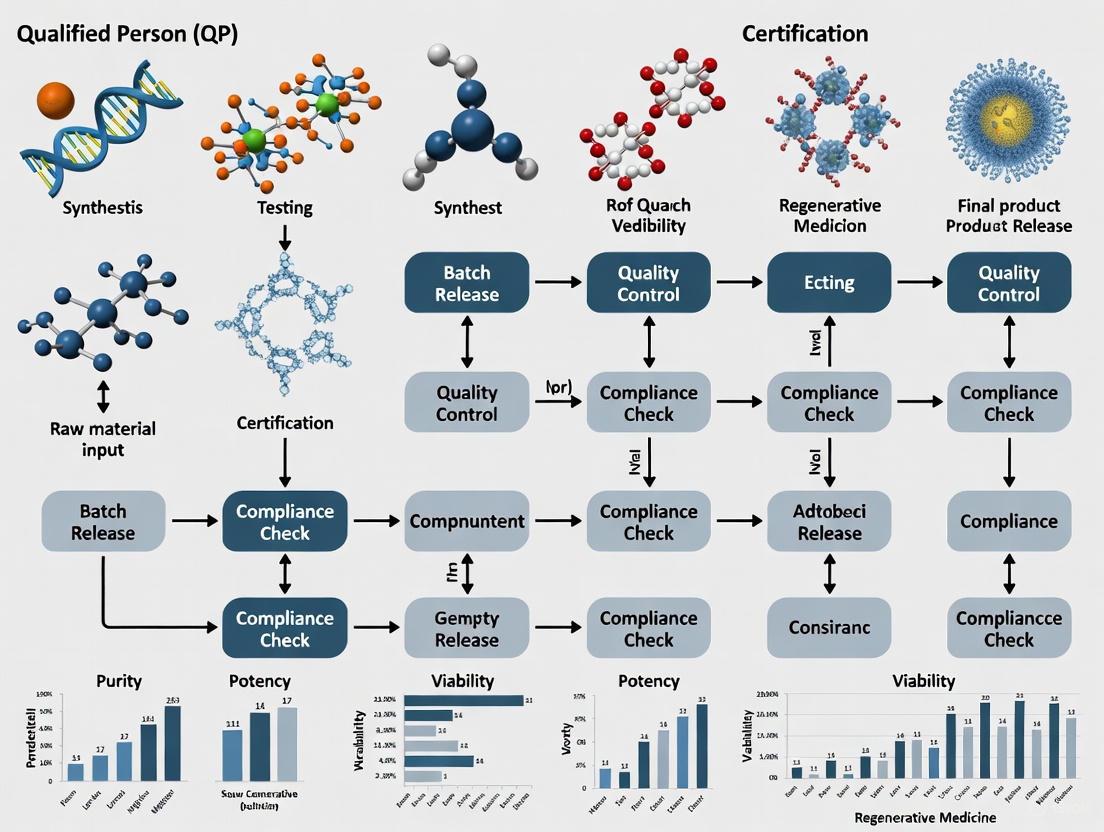
This article provides a comprehensive overview of the Qualified Person's (QP) pivotal role in the batch certification of Advanced Therapy Medicinal Products (ATMPs).
The Critical Role of the Qualified Person in ATMP Batch Certification: A Guide for Developers
Abstract
This article provides a comprehensive overview of the Qualified Person's (QP) pivotal role in the batch certification of Advanced Therapy Medicinal Products (ATMPs). Tailored for researchers, scientists, and drug development professionals, it explores the unique regulatory landscape of ATMPs, details the QP's responsibilities from documentation review to final release, and addresses common challenges in complex supply chains. It further offers strategic insights into troubleshooting, process optimization, and adapting validation strategies to meet the specific demands of these innovative, high-potency therapies, ensuring compliance with EU GMP guidelines and ultimately safeguarding patient safety.
The QP and ATMPs: Understanding the Regulatory Foundation and Unique Challenges
Within the European Union's regulatory framework for medicinal products, the Qualified Person (QP) serves as a critical guardian of public health, holding unique legal responsibilities for batch certification as outlined in EU GMP Annex 16. This whitepaper examines the QP's role from the perspective of Advanced Therapy Medicinal Product (ATMP) research and development, where complex manufacturing paradigms and novel scientific challenges place exceptional demands on quality assurance systems. Through analysis of the legal foundations, detailed responsibilities, and practical implementation frameworks, we provide ATMP researchers and developers with essential knowledge for navigating EU batch release requirements. The guidance specifically addresses challenges relevant to ATMPs, including complex global supply chains, the criticality of cold chain management, and adaptation of traditional GMP principles to innovative therapeutic modalities.
The Qualified Person is a legally mandated role within the European pharmaceutical regulatory system, established under Directive 2001/83/EC for human medicinal products and Directive 2001/20/EC for investigational medicinal products [1]. The QP's primary function is to certify that each batch of medicinal product has been manufactured and checked in compliance with three essential elements: the national laws of the Member State where certification occurs, the requirements of the Marketing Authorisation (MA), and the principles of Good Manufacturing Practice (GMP) [2]. This certification is a prerequisite before any batch can be released for sale, supplied within the EU, or exported to other markets [3].
For researchers developing Advanced Therapy Medicinal Products, understanding the QP role is particularly crucial during technology transfer and pre-marketing phases. The QP system represents a very different paradigm from the US approach, where quality responsibilities are distributed across the quality unit rather than vested in a specifically nominated individual with personal legal liability [1]. The personal accountability of the QP is a defining characteristic of the EU system, making the selection and integration of QP expertise a strategic consideration for ATMP developers aiming for European market access.
Table: Foundational Legal Documents Defining the QP Role
| Document | Relevance to QP Responsibilities | Key Provision |
|---|---|---|
| Directive 2001/83/EC, Article 51 | Legal basis for QP role for commercial medicinal products | Mandates QP certification before batch release |
| Directive 2001/20/EC, Article 13 | Legal basis for QP role for investigational medicinal products | Requires QP certification for IMPs used in clinical trials |
| EU GMP Annex 16 | Detailed technical guidance for QP activities | Elaborates 21 specific responsibilities for batch certification |
| EudraLex Volume 4 | Comprehensive GMP guidelines | Provides overall quality framework for medicinal products |
Core Responsibilities of the Qualified Person under Annex 16
The Certification Process
Annex 16 establishes that batch certification represents the QP's primary task and must be conducted before a batch is transferred to saleable stock [4] [3]. The certification process is systematic and requires the QP to ensure numerous conditions have been met, documented through a formal register or equivalent electronic system [3]. This certification is not merely a administrative signature but represents a comprehensive professional judgment based on review of extensive manufacturing and quality control data.
For ATMPs, where batches often have high patient-specific value and limited shelf lives, the certification process must be both rigorous and efficient. The QP must verify that the entire manufacturing and testing process aligns with the product's Marketing Authorisation, with particular attention to the unique characteristics of cell and gene therapies, including their complex biological attributes, limited stability, and often patient-specific manufacturing approaches.
Comprehensive Responsibility Framework
Annex 16, Section 1.7 outlines an extensive list of professional responsibilities that the QP must ensure prior to batch certification [1] [4]:
Supply Chain Oversight: The entire supply chain of the active substance and medicinal product up to the stage of certification must be documented and available to the QP, including all manufacturing sites of starting materials, packaging materials, and any other materials deemed critical through risk assessment [1] [4].
Audit Compliance: All audits of sites involved in the manufacture and testing of the medicinal products and in the manufacture of the active substance must have been carried out, with audit reports available to the QP performing certification [1].
Regulatory Compliance: All manufacturing and analysis sites must be compliant with the terms of the Marketing Authorisation or Product Specification File for the intended territory [1].
Quality System Verification: The QP must ensure that all manufacturing and testing activities have been conducted under an appropriate pharmaceutical quality system, with all processes validated, personnel appropriately trained, and records complete and endorsed by authorized personnel [5].
Material Qualification: The source and specifications of starting materials and packaging materials used in the batch must be compliant with the Marketing Authorisation, with supplier quality management systems ensuring only materials of the required quality have been supplied [1].
Change Management and Investigation Review: The impact of any changes to product manufacturing or testing must have been evaluated, and all investigations pertaining to the batch (including out-of-specification and out-of-trend results) must be completed to a sufficient level to support certification [1].
Table: Key Verification Areas for QP Batch Certification
| Verification Category | Specific Elements to Confirm | Documentation Required |
|---|---|---|
| Supply Chain Integrity | All manufacturing sites documented; materials traceable | Supply chain map; audit reports; quality agreements |
| Manufacturing Compliance | GMP adherence at all sites; process validation | Batch manufacturing records; validation reports |
| Quality Control | Testing compliance with MA; investigation closure | Certificates of Analysis; OOS/OOT reports |
| Personnel & Systems | Trained personnel; validated systems | Training records; system validation documentation |
| Regulatory Alignment | MA/PSF compliance; ongoing stability data | Marketing Authorisation; stability study reports |
Diagram 1: QP Batch Certification Workflow. The process involves sequential verification stages culminating in the QP's professional judgment and formal certification.
Special Considerations for Imported Products
Enhanced Verification Requirements
For medicinal products manufactured outside the EU, Annex 16 establishes additional verification requirements that the QP must fulfill [6]. This is particularly relevant for ATMPs, which often involve global manufacturing collaborations or technology transfer between research institutions in different countries. The QP must ensure that products manufactured in third countries (non-EU countries) comply with EU GMP standards, regardless of whether a Mutual Recognition Agreement (MRA) exists between the EU and the country of manufacture [6].
When manufacturing occurs in a country without an MRA, additional testing within the EU/EEA becomes mandatory before batch release [6]. This testing must be conducted in an EU-based facility and must confirm compliance with specifications outlined in the Marketing Authorisation. The QP is responsible for comparing test results from both the non-EU manufacturer and the EU-based laboratory to identify any discrepancies that might indicate quality issues [6].
Supply Chain and Importation Controls
Annex 21 on the importation of medicinal products further clarifies responsibilities, requiring that importation must take place through an EU-licensed site with a valid Manufacturer's/Importer's Authorization (MIA) [6]. The QP must maintain oversight of all supply chain activities, including transportation and storage conditions that are particularly critical for temperature-sensitive ATMPs. The QP must have access to critical documentation, including batch records, certificates of analysis, and deviation reports from all sites involved in the product's lifecycle [6].
For ATMPs with complex supply chains involving multiple countries or handling steps, the QP must implement a risk-based verification approach that may include enhanced sampling, periodic quality reviews, and ongoing stability monitoring. The diagram below illustrates the comprehensive verification process for imported medicinal products.
Diagram 2: Imported Product Verification Process. The pathway differs based on Mutual Recognition Agreement status, with full quality control testing required in the absence of an MRA.
Operational Implementation in ATMP Environments
Quality & Technical Agreements
Given the complex and often multi-site nature of ATMP manufacturing, Quality and Technical Agreements (QTAs) are essential tools for defining responsibilities between the various parties involved in product development and manufacturing [1]. As specified in EudraLex Volume 4, Chapter 7, any activity covered by the GMP guide that is outsourced should be appropriately defined, agreed, and controlled through a written contract that clearly establishes the duties of each party [1].
When multiple QPs are involved at different manufacturing stages (e.g., for drug substance versus drug product, or for different manufacturing steps), a formal 'QP to QP' agreement must be established [4]. This document formally agrees how responsibilities are shared among QPs and ensures there are no gaps in quality oversight. For ATMP sponsors, particularly those working with contract manufacturing organizations, ensuring these agreements are properly established early in process development is critical to preventing batch release delays during clinical trials or commercial distribution.
Handling Deviations in ATMP Manufacturing
Annex 16 provides specific guidance on handling unexpected deviations from details described in the Marketing Authorisation or standard GMP requirements [1] [3]. This flexibility is particularly important for ATMPs, where process understanding may evolve during development and early commercialization. A batch with an unplanned deviation may still be certified if a comprehensive risk assessment clearly indicates that the deviation has no adverse effect on product safety, quality, or efficacy [3].
For ATMP researchers, establishing robust deviation management systems that incorporate quality risk management principles per ICH Q9 is essential. The QP's assessment of deviations must be science-based and thoroughly documented, with particular attention to the potential impact on the unique mode of action of biological therapies. This approach allows for appropriate flexibility while maintaining the rigorous quality standards required for patient safety.
Remote Batch Certification
Recent regulatory updates, including guidance from the European Medicines Agency, have addressed the possibility of remote batch certification by QPs [5] [7]. This practice became particularly relevant during the COVID-19 pandemic and may offer operational flexibility for ATMP organizations with distributed teams or limited access to manufacturing sites. However, requirements vary between EU Member States, with some countries like Ireland requiring specific regulatory approval for remote certification, while the UK allows it with appropriate pharmaceutical quality system controls [7].
Regardless of the physical location of certification, the QP must have secure access to all batch-specific documentation and quality system records necessary to make an informed certification decision [7]. For ATMPs with complex digital data systems or novel analytical methods, ensuring remote access to these systems while maintaining data integrity requires careful advance planning and potentially system validation under remote access conditions.
Experimental Protocols for QP Verification Activities
Supply Chain Mapping and Verification Protocol
Purpose: To systematically document and verify the entire supply chain for an ATMP, from starting materials to finished product, ensuring QP oversight as required by Annex 16.
Methodology:
- Identify Critical Supply Chain Nodes: Document all sites involved in the manufacture, testing, storage, and transportation of the ATMP, including suppliers of critical raw materials, single-use systems, and primary packaging components.
- Conduct Risk Assessment: Classify each node based on its potential impact on product critical quality attributes using a standardized risk assessment matrix.
- Establish Verification Activities: For each critical node, define appropriate verification activities, which may include:
- Supplier Audits: On-site or remote GMP assessments of critical material suppliers
- Documentation Review: Assessment of quality agreements, technical agreements, and quality system documentation
- Material Qualification: Testing of incoming materials against established specifications
- Transportation Validation: Verification of shipping conditions for temperature-sensitive materials
- Document in Supply Chain Map: Create a visual representation of the supply chain with verification status clearly indicated for each node.
Deliverables: Comprehensive supply chain map; supplier qualification reports; risk assessment documentation; verification activity reports.
Imported Product Testing Protocol (Non-MRA Countries)
Purpose: To fulfill EU testing requirements for ATMPs manufactured in countries without Mutual Recognition Agreements, ensuring compliance with Annex 16 provisions.
Methodology:
- Sample Management:
- Obtain representative samples from imported batches
- Maintain chain of identity and chain of custody documentation
- Ensure sample storage conditions mirror product storage conditions
- Testing Program:
- Perform full qualitative and quantitative analysis of all active substances
- Conduct all tests necessary to ensure quality according to Marketing Authorisation specifications
- Include additional comparability testing between EU and non-EU test results
- Implement periodic random analysis of samples to verify ongoing consistency
- Method Verification:
- Confirm validated analytical methods are used
- Verify compliance with relevant pharmacopoeial standards (Ph. Eur., etc.)
- Conduct method equivalence studies if different methods are used at different sites
- Data Review and Comparison:
- Systematically compare test results from non-EU manufacturer and EU testing facility
- Investigate any discrepancies using structured deviation management processes
- Document investigation outcomes and corrective actions
Deliverables: Import testing protocol; Certificates of Analysis from EU testing; comparability assessment report; discrepancy investigation reports.
Table: Essential Research Reagents and Solutions for ATMP Quality Testing
| Reagent/Solution Category | Specific Examples | Function in QP Verification |
|---|---|---|
| Cell Viability and Identity Assays | Flow cytometry antibodies; PCR reagents; cell staining dyes | Verification of critical quality attributes for cell-based ATMPs |
| Potency Assay Components | Cytokine standards; reference materials; substrate solutions | Determination of biological activity per Marketing Authorisation |
| Vector Quantification Reagents | qPCR master mixes; reference standards; plaque assay components | Viral vector quantification for gene therapy products |
| Sterility Testing Media | Fluid thioglycollate medium; soybean-casein digest medium | Microbiological safety verification according to Ph. Eur. 2.6.1 |
| Endotoxin Detection Reagents | LAL reagents; endotoxin standards; buffer solutions | Pyrogenicity testing for patient safety |
The Qualified Person's role under EU GMP Annex 16 represents a cornerstone of the European pharmaceutical quality system, with personal legal responsibility for ensuring that each batch of medicinal product meets all quality, safety, and efficacy requirements before release. For developers of Advanced Therapy Medicinal Products, understanding and integrating QP requirements throughout the product lifecycle - from early development through commercial manufacturing - is essential for successful European market access.
The complex and globalized nature of many ATMP manufacturing processes places particular emphasis on supply chain oversight, importation requirements, and the management of multi-site operations through robust quality and technical agreements. By establishing strong collaboration between ATMP researchers and QPs early in development, organizations can build quality-focused manufacturing strategies that anticipate regulatory requirements and facilitate efficient batch release processes, ultimately accelerating patient access to these innovative therapies.
Advanced Therapy Medicinal Products (ATMPs) represent a groundbreaking category of biological-based medications that utilize genes, cells, or tissues to treat, diagnose, or prevent diseases. Unlike conventional pharmaceuticals, ATMPs often target the root causes of disease, offering potential solutions for complex conditions where traditional treatments have failed. The European Medicines Agency (EMA) classifies ATMPs into three main types, with a fourth combined category [8]:
- Gene Therapy Medicines (GTMPs): These contain genes that lead to a therapeutic, prophylactic, or diagnostic effect. They work by inserting 'recombinant' genes into the body, typically to treat genetic disorders, cancer, or long-term diseases.
- Somatic-Cell Therapy Medicines (sCTMPs): These contain cells or tissues that have been manipulated to change their biological characteristics or are not intended for the same essential function in the body as they originally had.
- Tissue-Engineered Medicines (TEPs): These contain cells or tissues that have been modified to repair, regenerate, or replace human tissue.
- Combined ATMPs: These incorporate one or more medical devices as an integral part of the medicine, such as cells embedded in a biodegradable matrix or scaffold.
The global market for ATMP services is valued at $16.68 Billion in 2024 and is predicted to reach $42.57 Billion by 2034, reflecting the rapid growth and immense potential of this sector [9].
Unique Characteristics of ATMPs and Their Implications
The distinctive biological nature of ATMPs fundamentally differentiates them from traditional small-molecule drugs and even other biologics, creating unique challenges for their development, manufacturing, and regulation.
Table 1: Key Characteristics and Associated Challenges of ATMPs
| Characteristic | Description | Implications for Oversight |
|---|---|---|
| Living Biological Material | Active substances consist of living cells or replicating genetic material [8]. | Requires stringent control over sourcing, aseptic processing, and viability testing to prevent contamination and ensure product potency [10]. |
| High Complexity and Variability | Products are often patient-specific (autologous) or derived from human donors (allogeneic), introducing inherent biological variability [10]. | Demands rigorous analytical methods and process controls to ensure batch-to-batch consistency, quality, and safety despite variable starting materials [10]. |
| Substantial Manipulation | Cells or tissues are engineered or manipulated ex vivo, changing their biological properties [8]. | Necessitates extensive validation that the manufacturing process consistently yields a product with the intended critical quality attributes (CQAs) [10]. |
| Durable or Curative Effect | Aims for long-lasting or one-time curative treatment, often through irreversible mechanisms like genetic modification [11]. | Requires exceptionally high safety standards and long-term follow-up (pharmacovigilance) to monitor for delayed adverse events, such as tumorigenicity [8] [10]. |
| Complex Supply Chain (Cold Chain) | Products are often fragile, with limited shelf life and specific storage/transport conditions [9] [10]. | Needs specialized logistics, including cryopreservation and real-time stability monitoring, to maintain product integrity from factory to patient [9]. |
These characteristics mean that standard pharmaceutical production and control strategies are often insufficient. For instance, traditional sterilization methods are not feasible as they would compromise product viability, making aseptic processing paramount [10]. Furthermore, demonstrating product comparability after any change in the manufacturing process is a major hurdle during scale-up, requiring extensive analytical and functional testing to ensure that changes do not impact safety or efficacy [10].
The Critical Role of the Qualified Person (QP) in ATMP Certification
Within the European Union, the role of the Qualified Person (QP) is a legal requirement and a cornerstone of patient safety for all medicinal products, including ATMPs. The QP bears personal responsibility for ensuring that each batch of a medicine has been manufactured and checked in compliance with four key pillars [5]:
- The laws in force in the Member State.
- The requirements of the Marketing Authorization (MA).
- Good Manufacturing Practice (GMP).
- That the product is released to the market with the correct quality, safety, and efficacy.
For ATMPs, the QP's role is exponentially more complex. The QP cannot personally perform every test but must rely on a validated Pharmaceutical Quality System (PQS). For ATMPs, this requires a deep, specialized understanding of the unique processes and controls involved [5]. The QP's due diligence includes overseeing critical systems for handling deviations, out-of-specification (OOS) results, complaints, and change control [5]. Before batch certification, the QP must ensure that all critical manufacturing and quality control processes are validated according to GMP guidelines, a particularly demanding task for the novel and complex processes used in ATMP manufacturing [5].
Diagram 1: The QP Batch Certification and Release Workflow. This diagram outlines the critical decision-making process a Qualified Person must follow, ensuring compliance with GMP, marketing authorization, and legal regulations before a batch can be released.
Methodologies and Protocols for ATMP Oversight
The specialized oversight of ATMPs is embedded in specific, rigorous experimental and control methodologies deployed throughout the product lifecycle.
Critical Manufacturing and Safety Protocols
Table 2: Essential Experimental & Control Protocols for ATMPs
| Protocol / Test | Methodology Overview | Purpose & Significance for Oversight |
|---|---|---|
| Aseptic Process Validation (Media Fill) | A simulation of the entire aseptic manufacturing process using a microbial growth medium instead of the actual cell culture. The medium is then incubated and monitored for microbial contamination [10]. | Validates that the aseptic manufacturing process and environment are capable of producing a sterile product. This is critical as terminal sterilization is not an option for living cell-based products [10]. |
| Tumorigenicity Testing | A multi-faceted approach: • In Vivo Teratoma Assay: For pluripotent stem cell (PSC)-derived products, undifferentiated PSCs are implanted into immunocompromised mice to assess their potential to form teratomas [10]. • In Vivo Studies in Immunocompromised Models: For somatic cell therapies, cells are implanted in models like NOG/NSG mice to monitor for tumor formation [10]. • In Vitro Soft Agar Assay: A colony formation assay in a semi-solid medium to detect anchorage-independent growth, a hallmark of transformed cells. More sensitive digital versions are now recommended [10]. | Assesses the potential risk of the ATMP inducing tumor formation in the patient, a primary safety concern, especially for products involving stem cells or genetic manipulation [10]. |
| Process Comparability Exercise | A comprehensive assessment conducted when scaling up or changing a manufacturing process. It involves an extensive side-by-side comparison of the Critical Quality Attributes (CQAs) of the product made by the old and new processes. This includes analytical testing, functional assays, and often non-clinical or clinical data [10]. | Required by regulators (FDA, EMA) to demonstrate that the change in process does not adversely impact the product's safety, purity, or efficacy. This is a major hurdle in transitioning from lab-scale to commercial-scale production [10]. |
| Karyotype Analysis | A cytogenetic technique used to analyze the number and structure of chromosomes in a sample of cells. This is typically performed on cells after extended periods in culture during the manufacturing process [10]. | Monitors the genetic stability of the cell-based product. Successive culture can lead to genetic abnormalities, and this test ensures the final product is genetically normal and safe for administration [10]. |
The Scientist's Toolkit: Key Reagents and Materials
The development and quality control of ATMPs rely on a suite of specialized reagents and materials.
Table 3: Essential Research Reagent Solutions for ATMP Development and Testing
| Reagent / Material | Function in ATMP Workflow |
|---|---|
| GMP-grade Cell Culture Media & Supplements | Provides the nutrients and growth factors necessary for the ex vivo expansion and maintenance of cells. Using GMP-grade material is essential to ensure consistency and avoid introducing contaminants or variability from animal-derived components [10]. |
| Viral Vectors (e.g., Lentivirus, AAV) | Serves as the delivery vehicle (vector) for introducing therapeutic genes into a patient's cells in Gene Therapy Medicinal Products (GTMPs). Their production and quality control are complex and critical to the product's safety and efficacy [11]. |
| Cell Separation & Activation Reagents | Includes antibodies (e.g., for CD3/CD28 activation in CAR-T therapy) and other molecules used to isolate, purify, or stimulate specific cell populations from a patient's or donor's starting material. The quality and specificity of these reagents directly impact the composition and potency of the final product. |
| Flow Cytometry Antibodies & Kits | Enables the identification, enumeration, and characterization of different cell types within a product. This is vital for assessing the identity, purity, and potency of the cell-based ATMP, serving as a key quality control release criterion. |
| Endotoxin Testing Kits | Detects and quantifies bacterial endotoxins, which are pyrogenic (fever-causing) contaminants. Testing for endotoxins is a mandatory safety release test for all parenteral medicinal products, including ATMPs [9] [10]. |
| PCR & Bioanalytical Assays | Used for a variety of purposes, including sterility testing (mycoplasma), vector copy number analysis in gene therapies, and monitoring for replication-competent viruses. These molecular tools are essential for comprehensive quality and safety testing [9]. |
ATMPs are undeniably at the forefront of a medical revolution, offering hope for curative treatments. However, their sophisticated biological nature, involving living cells and complex genetic manipulations, inherently demands an equally sophisticated and specialized oversight system. The role of the Qualified Person is pivotal in this ecosystem, acting as the final guarantor that every batch released to patients meets the stringent requirements for quality, safety, and efficacy. This requires navigating unprecedented challenges in manufacturing, safety testing, and supply chain logistics. As the industry evolves with advancements in AI and automation, the fundamental principle remains unchanged: robust, science-driven oversight, anchored by the diligent work of the QP and their peers worldwide, is the non-negotiable foundation for the safe and effective application of these powerful therapies.
Advanced Therapy Medicinal Products (ATMPs) represent a groundbreaking category of medicines for human use based on genes, tissues, or cells, offering transformative potential for treating various diseases and injuries. These complex therapies include gene therapy medicines, somatic cell therapy medicines, and tissue-engineered medicines. The European Union's regulatory framework for these products recognizes their unique nature and has established a specialized Good Manufacturing Practice (GMP) environment to ensure their quality, safety, and efficacy while addressing their distinct challenges [12].
The regulatory framework for ATMPs in the EU is primarily outlined in EudraLex Volume 4, Part IV, which contains GMP guidelines specifically tailored for advanced therapies. This specialized guidance acknowledges that traditional GMP principles for conventional pharmaceuticals require adaptation to address the peculiarities of ATMPs, which often include starting materials of human origin, complex manufacturing processes, limited batch sizes, and abbreviated shelf lives [13] [12]. For Qualified Persons (QPs) involved in batch certification, understanding this nuanced framework is essential, as it directly impacts release decisions for these life-changing therapies.
Core EU GMP Guidelines Governing ATMPs
EudraLex Volume 4, Part IV: The Central Pillar
The cornerstone of ATMP GMP requirements is EudraLex Volume 4, Part IV, which provides the central guidelines specifically adapted for advanced therapies. This document operates in conjunction with other relevant annexes and guidelines to form a comprehensive regulatory structure. A significant development occurred in May 2025, when the European Medicines Agency (EMA) released a concept paper proposing substantial revisions to Part IV, aiming to align it with updated regulatory and technological landscapes [12].
The proposed revisions focus on several critical areas: (1) alignment with the revised Annex 1 for sterile medicinal products, particularly emphasizing Contamination Control Strategy (CCS) development; (2) integration of ICH Q9 (Quality Risk Management) and ICH Q10 (Pharmaceutical Quality System) principles to promote systematic risk management; (3) adaptation to technological advancements including automated systems, closed single-use systems, and rapid microbiological testing methods; and (4) updated expectations for cleanroom classifications and barrier systems while maintaining provisions for biosafety cabinets necessary for manual manipulations in individualized ATMP batches [12]. These revisions, currently under public consultation until July 2025, signify the dynamic nature of ATMP regulation and the importance for QPs to maintain current knowledge.
Related Regulatory Provisions and Annexes
Beyond Part IV, several additional regulatory elements complete the ATMP GMP framework:
Annex 1 (Manufacture of Sterile Medicinal Products): Although fully applicable since August 2023, its implementation for ATMPs requires careful interpretation through Part IV's adaptations, particularly regarding environmental classifications and aseptic processing [13] [12].
PIC/S Annex 2A: The Pharmaceutical Inspection Co-operation Scheme's annex addressing ATMP manufacture, which shares similar organization with EudraLex Part IV and provides additional implementation clarity through example process flowcharts [14].
Commission Directive 2017/1572: Provides the legal foundation for GMP principles for human medicinal products, supplemented by specific ATMP adaptations [13].
Table: Core EU Regulatory Documents for ATMP GMP Compliance
| Document Name | Scope & Application | Key Emphasis for ATMPs |
|---|---|---|
| EudraLex Vol. 4, Part IV | Primary GMP guidelines for ATMPs | Tailored requirements for biological starting materials, personalized batches, and novel technologies |
| Revised Annex 1 | Manufacture of sterile products | Contamination Control Strategy (CCS) with ATMP-specific flexibilities |
| PIC/S Annex 2A | Manufacture of ATMPs (international perspective) | Clarification of GMP application boundaries and example processes |
| ATMP Regulation (EC) 1394/2007 | Legal framework for ATMPs | Certification procedure for SMEs (Article 18) |
For small and medium-sized enterprises (SMEs), the regulatory framework provides a specific certification procedure under Article 18 of Regulation (EC) No 1394/2007, which involves scientific evaluation of quality and non-clinical data by the Committee for Advanced Therapies (CAT). This 90-day evaluation process aims to identify potential issues early in development, prior to marketing authorization application submission [15].
The Qualified Person's Role in ATMP Batch Certification
Fundamental Responsibilities and Legal Framework
The Qualified Person (QP) bears critical legal responsibility for certifying that each batch of ATMPs has been manufactured and checked in compliance with several essential requirements. According to Annex 16 of the EU GMP Guide, the QP must ensure that each batch conforms to: (1) the laws in force in the Member State where certification occurs; (2) the requirements of the marketing authorization (MA); and (3) Good Manufacturing Practice principles [16] [5]. This certification responsibility requires the QP to review comprehensive documentation covering the entire production and quality control process, including any deviations or defects, with the ultimate objective of delivering an effective and safe product to the patient [5].
Before performing batch certification, the QP must ensure that all critical manufacturing and quality control processes are properly validated according to GMP guidelines. The QP relies on the Pharmaceutical Quality System (PQS) of the manufacturer but must maintain ongoing assurance that this reliance is well-founded, requiring deep understanding of quality systems for handling deviations, out-of-specification results, complaints management, and environmental monitoring excursions [5]. This comprehensive oversight extends to evaluating the impact of ongoing investigations on batch certification decisions, underscoring the significant responsibility personal to the QP.
ATMP-Specific Challenges for QPs
The unique characteristics of ATMPs present distinctive challenges for QPs during batch certification:
Variable Starting Materials: For autologous and donor-matched allogenic therapies, the starting materials (cells/tissues) exhibit inherent biological variability that cannot always be overcome by the manufacturing process or in-process controls. This natural variability complicates the setting of specifications and manufacturing parameters, as demonstrated when Novartis produced significant out-of-specification material because release specifications were based on healthy donor variability not representative of the actual patient population [14].
Expedited Turnaround Times: Many cell-based ATMPs have extremely short process times due to patient need or product stability limitations. This often prevents completion of traditional analytical tests (e.g., sterility, endotoxin) before product administration, necessitating two-stage batch certification [14]. The initial certification for shipment is based on in-process data, deviation resolution, and rapid test methods, while secondary certification occurs after final test results, requiring robust procedures to address potential out-of-specification findings post-administration.
Limited Batch Sizes and Medicinal Product: For autologous therapies, each batch represents a single patient's treatment, dramatically increasing the consequence of batch failure. The QP must balance rigorous quality standards with the potentially life-saving nature of these products, particularly when considering release of non-conforming product for patients with limited alternatives [14].
Table: QP Batch Certification Considerations for Different ATMP Types
| ATMP Category | Batch Certification Timing | Key Risk Considerations | Documentation Emphasis |
|---|---|---|---|
| Autologous Cell Therapies | Two-stage certification often required | Patient-specific material variability, chain of identity verification | Donor tracking, individualized batch records, rapid test validation |
| Allogenic Cell Therapies | Traditional end-point certification possible | Donor screening, cross-contamination prevention, cell bank validation | Master and working cell bank characterization, stability data |
| Gene Therapies | Varies by product stability | Viral vector safety (replication competence), genetic material stability | Vector characterization, environmental monitoring for vector containment |
| Tissue-Engineered Products | Often time-sensitive based on product viability | Scaffold biocompatibility, functional testing validation | Biocompatibility studies, mechanical testing validation, sterilization records |
Implementing ATMP GMP Guidelines: Key Technical Considerations
Contamination Control Strategy for ATMPs
Developing a robust Contamination Control Strategy (CCS) represents a fundamental requirement under the evolving ATMP GMP framework. The revised Part IV guidelines emphasize alignment with Annex 1's CCS approach while recognizing ATMP-specific challenges, including the reduced ability to remove contaminants through filtration or other traditional methods and the potential for patient-to-patient contamination [12] [14]. For cell-based ATMPs specifically, the guidance highlights the need to evaluate particulates due to the lack of final filtration in many processes, requiring assessment of particulates from single-use systems and development of protocols to purge, sterilize, and prepare each system for use [14].
The regulatory framework provides certain flexibilities for ATMPs treating life-threatening conditions where no satisfactory alternatives exist. A risk-based justification may permit less stringent environmental conditions than the traditional Grade A space with Grade B background for aseptic manipulations, subject to regulatory approval. However, this exceptional approval carries the requirement for manufacturers to improve the environment to standard GMP aseptic levels or implement closed processes as technology develops [14]. This "phase-appropriate" approach requires serious risk assessment comparing HVAC classifications, manipulation processes, and transfer systems against Annex 1 standards, with a documented transition plan to more robust controls as products advance through clinical development.
Traceability and Chain of Identity
A validated system enabling bidirectional tracking of cells and tissues from donation through manufacturing to delivery of the finished product to the recipient represents a mandatory requirement per ATMP GMP guidelines, extending even to clinical trial batches [14]. This chain of identity management presents unique challenges distinct from traditional pharmaceutical serialization, particularly when working with multiple hospital systems and handling protected health information under regulations like HIPAA.
Implementation approaches vary significantly between allogenic, donor-matched allogenic, and autologous therapies. For autologous therapies, dynamic finite-level manufacturing planning with physicians on a patient-by-patient basis must be established to comply with regulatory requirements [14]. While manual tracking systems might suffice for initial clinical trials, robust electronic systems using 2D barcodes, RFID, or equivalent mechanisms become necessary for commercial production, with specific attention to challenges such as label obscuration by frost during retrieval of cryopreserved materials.
Quality Risk Management and Phase-Appropriate Validation
The integration of ICH Q9 principles into the revised Part IV guidelines reinforces the expectation for a systematic approach to quality risk management throughout the ATMP lifecycle [12]. This risk-based approach extends to validation requirements, where for Phase 1 and 2 trials, validation activities may be limited in scope but must remain appropriate for the therapy based on documented risk assessment. The guidance specifically notes that surrogate cells may be used for process validation of autologous or donor-matched allogenic therapies with proper scientific justification [14].
Critical validation expectations that remain applicable even for early-phase trials include aseptic process simulations and validation of disinfection methods. As processes advance toward commercialization, the expectation for comprehensive process validation increases, with the CCS serving as the framework for identifying and controlling critical parameters throughout the product lifecycle.
Operationalizing ATMP GMP Requirements
Essential Documentation and Agreements
Successful implementation of ATMP GMP requirements depends on establishing comprehensive documentation systems and formal agreements across the manufacturing network. The guidelines specifically mandate written agreements with each hospital or center supplying starting materials, defining responsible parties and practices covering material procurement, data handling, transport, testing, and acceptance criteria [14]. For clinical trials, selecting centers with experience in GMP manufacturing or administration of approved autologous therapies significantly reduces implementation risk.
The dynamic nature of ATMP manufacturing, particularly for autologous products, requires sophisticated electronic batch record systems capable of managing real-time documentation and review. The 2023 EMA Q&A on remote batch certification acknowledges the evolving digital landscape and provides minimum requirements for remote batch certification by QPs, enabling traceability and reducing human error through digital platforms [5].
Control Strategy and Specification Setting
The ATMP GMP guidelines acknowledge that "for many cell-based products, there is variability introduced through the starting materials that cannot be overcome by the manufacturing process or In-Process Controls (IPCs)" [14]. This inherent variability necessitates a scientifically rigorous approach to setting specifications and developing control strategies that account for natural biological variation rather than attempting to force process uniformity where biologically impossible.
For autologous or donor-matched therapies where failed production could have life-threatening consequences due to lack of alternatives, the guidelines require procedures describing steps for communicating out-of-specification results, performing risk assessments, and enabling case-by-case release to treating physicians [14]. This structured exception process acknowledges the critical balance between quality assurance and patient access for these transformative therapies.
Two-Stage ATMP Batch Certification Process: This workflow illustrates the unique two-stage certification pathway often required for ATMPs with expedited turnaround times, where traditional quality control testing cannot be completed prior to product administration.
The Scientist's Toolkit: Essential Research Reagent Solutions for ATMP Development
Table: Key Research Reagents and Materials for ATMP Process Development and Quality Control
| Reagent/Material Category | Specific Examples | Function in ATMP Development & Manufacturing |
|---|---|---|
| Cell Culture Media & Supplements | Serum-free media, cytokines, growth factors, differentiation agents | Support expansion, maintenance, and differentiation of cellular components during manufacturing |
| Viral Vector Systems | Lentiviral, retroviral, AAV vectors, packaging plasmids, transfection reagents | Enable genetic modification of cells for gene and cell-based therapies |
| Process Ancillary Materials | Trypsin/accutase, cytokines, antibodies, selection markers, single-use system components | Facilitate manufacturing steps including cell detachment, purification, and process operations |
| Quality Control Reagents | Flow cytometry antibodies, ELISA kits, PCR reagents, rapid sterility test systems | Characterize product attributes, identity, purity, potency, and safety |
| Cryopreservation Solutions | DMSO-containing cryomedium, protein stabilizers, controlled-rate freezing containers | Maintain cell viability and function during frozen storage and transport |
| Single-Use Systems (SUS) | Bioreactors, connection systems, tubing, sterile welders/sealers | Provide closed system manufacturing platforms to minimize contamination risk |
The EU GMP framework for ATMPs represents a carefully balanced regulatory environment that maintains fundamental quality principles while adapting to the unique challenges of advanced therapies. For Qualified Persons, this specialized framework demands sophisticated understanding of both traditional GMP principles and their nuanced application to ATMP-specific scenarios, from contamination control strategies for personalized batches to the implementation of two-stage certification processes for time-sensitive products. As the regulatory landscape continues to evolve with the proposed revisions to Part IV, QPs must maintain vigilance in updating their knowledge to ensure compliant batch certification decisions that protect patients while facilitating access to these transformative therapies. The successful navigation of this complex framework ultimately supports the translation of innovative ATMP concepts into reliable medicinal products that fulfill their promise for patients with previously untreatable conditions.
The development and manufacture of Advanced Therapy Medicinal Products (ATMPs), including cell and gene therapies, represent a frontier in modern medicine. For the Qualified Person (QP), these products introduce a new dimension of complexity in batch certification, moving beyond traditional sterile medicinal products into highly personalized, often patient-specific, therapies. The QP's responsibility extends across a challenging triad: ensuring sterility via advanced aseptic processing, managing incredibly complex and time-critical supply chains, and verifying the quality of personalized treatments. This whitepaper provides a technical analysis of these core challenges, framed within the context of the QP's legal duty to certify that every batch of a medicinal product has been manufactured and checked in compliance with the marketing authorization, Good Manufacturing Practice (GMP), and the relevant laws of the Member State [5]. The convergence of updated regulatory guidelines, such as the revised EU GMP Annex 1, and the unique nature of ATMPs, demands a proactive and deeply technical approach from the QP to ensure that these groundbreaking therapies are both safe and efficacious for patients.
Technical Challenge 1: Aseptic Processing and Manufacturing
Regulatory and Technological Landscape
Aseptic processing is foundational to ATMPs, as these living products cannot tolerate terminal sterilization. The regulatory landscape has recently evolved, most notably with the comprehensive revision of EU GMP Annex 1, which mandates a holistic, risk-based approach to contamination control [17]. For the QP, this update has critical implications. It effectively makes the use of barrier isolators or Restricted Access Barrier Systems (RABS) a basic requirement for new authorizations, as these systems provide a physical separation between the operator and the aseptic process [17]. The guidelines also introduce specific, phased deadlines for compliance, such as those for freeze-drying and product transfer processes.
The transition from non-clinical Good Laboratory Practice (GLP) studies to GMP-compliant manufacturing poses a significant hurdle. The manufacturing process must be designed to consistently achieve the Critical Quality Attributes (CQAs) identified during development [10]. This requires extensive process validation and robust quality control to manage the inherent variability of biological starting materials.
Table 1: Key Challenges in Aseptic Manufacturing of ATMPs
| Challenge Category | Specific Challenge | Potential Impact | QP's Consideration for Batch Certification |
|---|---|---|---|
| Contamination Control | Inability to use traditional sterilization methods (heat, filtration) on living cells. | Product contamination with bacteria, fungi, mycoplasma, or endotoxins. | Review of media fill simulation results and environmental monitoring data for the entire production process. |
| Facility & Equipment | Adapting research-scale equipment and labs to meet GMP standards for aseptic production. | High risk of non-compliance and product contamination. | Assurance that facilities and equipment are qualified and that processes are validated under GMP conditions. |
| Process Validation | Demonstrating consistent product quality, safety, and efficacy with variable biological starting materials. | Batch-to-batch inconsistency; failure to meet CQAs. | Confirmation that the process validation protocol is comprehensive and that it reliably produces a product meeting its specifications. |
| Safety Testing | Risk of tumorigenesis from stem cell-derived products. | Potential for serious patient harm. | Verification of appropriate and sensitive tumorigenicity testing (e.g., in vivo studies in immunocompromised models). |
Experimental Protocols for Aseptic Validation
For a QP to certify a batch, they must have confidence that the aseptic process is validated. Key experimental protocols providing this assurance include:
Media Fill Simulation: This is a critical validation study that simulates the entire aseptic manufacturing process using a microbial growth medium instead of the actual product. The protocol involves:
- Design: The simulation should mimic the entire process, including all manual interventions, maximum holding times, and the number of personnel involved. It must be representative of worst-case conditions.
- Execution: The culture medium (e.g., Tryptic Soy Broth) is processed through all aseptic steps, including formulation, filtration, filling, and sealing.
- Incubation & Observation: All units are incubated at defined temperatures for a set period and then examined for microbial growth. The acceptance criteria are typically zero contaminated units out of thousands processed, providing statistical confidence in the aseptic process [10].
Tumorigenicity Testing: For ATMPs involving pluripotent stem cells, assessing the risk of tumor formation is a vital safety check. The protocol can involve:
- In Vivo Teratoma Formation Assay: Used to validate the pluripotency of starting materials and detect residual undifferentiated cells in the final product. Cells are implanted into immunocompromised mice, and the formation of complex tissues (teratomas) is monitored [10].
- In Vivo Studies in Immunocompromised Models: For somatic cell-based therapies, cells are implanted into models like NOG/NSG mice to assess tumorigenic potential over an extended period.
- Advanced In Vitro Assays: More sensitive methods, such as digital soft agar assays, are now recommended to detect rare transformed cells with greater sensitivity than conventional methods [10].
Diagram: Core Validation Workflows for Aseptic ATMP Manufacturing. These three parallel streams of evidence (Media Fill, Tumorigenicity Testing, and Environmental Monitoring) are critical for the QP's release decision.
Research Reagent Solutions for Aseptic Processing
Table 2: Essential Reagents and Materials for Aseptic Process Validation
| Reagent/Material | Function/Application | Key Consideration for QP Review |
|---|---|---|
| Tryptic Soy Broth (TSB) | Culture medium used in media fill simulations to support microbial growth. | Must be prepared and sterilized according to validated procedures; growth promotion testing is required. |
| Closed-System Bioreactors | Scalable, automated equipment for cell expansion that minimizes open manipulations and contamination risk. | The system must be validated for aseptic operation; cleaning and sterilization cycles must be documented. |
| Barrier Isolators / RABS | Physical barriers that separate the aseptic processing area from the human operator and surrounding environment. | Qualification documents (DQ/IQ/OQ/PQ) must be reviewed to confirm the barrier's integrity and performance. |
| Digital Soft Agar Assay Kits | Sensitive in vitro method for detecting rare transformed cells in a product, assessing tumorigenic risk. | The assay must be appropriately validated for its intended purpose, with defined acceptance criteria. |
Technical Challenge 2: Complex and Personalized Supply Chains
Orchestrating the Chain from Apheresis to Dosing
The supply chain for autologous ATMPs (where the patient is their own donor) is a critical part of the product's identity and quality. It is a time-critical, geographically dispersed process that begins with cell collection (apheresis) and ends with the infusion of the finished product back into the patient. For the QP, this presents a unique challenge: the "batch" is not a large lot for thousands of patients, but a single, patient-specific dose that moves across multiple sites and legal jurisdictions. The integrity of this chain is paramount.
Key strategies for de-risking this complex logistics include:
- Secure Single Ownership: Appointing a single, accountable Case Manager with 24/7 coverage to coordinate all parties—sponsors, apheresis sites, CDMOs, QPs, and couriers. This individual triggers contingency plans before a dose is at risk [18].
- Comprehensive Instrumentation: Every leg of the journey must be instrumented with active GPS and temperature telemetry. This provides real-time visibility of the product's location and critical environmental conditions, allowing for immediate intervention if an excursion occurs [18].
- Early QP Involvement: The QP must be involved at the design stage of the supply chain, not just at the point of batch release. This is crucial for defining the chain of identity, chain of custody, and the legal roles (e.g., importer of record) for cross-border movements, especially between the EU and UK where QP certification is not mutually recognized [18].
Experimental Protocols for Supply Chain Validation
Validating the supply chain is as critical as validating the manufacturing process. Key methodologies include:
Hold-Time Studies: These studies are essential, particularly for autologous products with narrow viability windows. The protocol involves:
- Sample Preparation: Product or representative starting materials (e.g., apheresis material) are placed in the same container system used for shipping.
- Stressed Storage: Samples are stored under validated worst-case temperature conditions for durations that exceed the expected maximum transit time.
- Testing: At predefined intervals, samples are tested for Critical Quality Attributes (e.g., cell viability, potency, sterility) to establish the maximum permissible hold time for both incoming apheresis and the outbound final product [18].
Shipping Validation / Qualification: This process ensures that the shipping system (insulated container, coolant, packaging) can maintain the required temperature range over the expected transit duration. The protocol involves:
- Thermal Mapping: The shipping system is subjected to a simulated distribution cycle that includes temperature extremes and shocks in an environmental chamber.
- Real-World Testing: "Mock shipments" using data loggers are sent through actual courier routes to collect real-world performance data, confirming the thermal mapping results.
Diagram: The Integrated ATMP Supply Chain and QP Oversight. The linear, patient-specific journey is supported by continuous, real-time oversight functions that are critical for the QP's final certification.
Technical Challenge 3: Batch Certification of Personalized Medicines
The QP's Role in a Shifting Paradigm
The batch certification of personalized ATMPs requires a fundamental shift from the QP's role in traditional pharmaceuticals. The QP's ultimate responsibility remains—ensuring each batch is produced in compliance with GMP and the marketing authorization—but the pathway to achieving this is different [5]. The QP must now rely on a validated, digitized system that maintains chain of identity and custody across a decentralized network, rather than on a single, centralized production facility.
A central challenge is the narrow therapeutic window for fresh autologous products. This has led to the development of a two-phase batch release strategy:
- Immediate Release: Based on data-rich, rapid checks (e.g., rapid sterility testing, cell count, viability) that support disposition within hours. The QP must pre-approve the criteria for "shipment under quarantine" and the specific rapid results required before the product can leave the manufacturing site.
- Confirmatory Release: Followed by traditional, longer-term sterility and extended assays, the results of which are reviewed retrospectively. If a later result fails, a comprehensive deviation investigation and potential patient follow-up must be triggered [18].
The QP's reliance on the Pharmaceutical Quality System (PQS) is absolute. They must have an ongoing assurance that the PQS is effective in managing deviations, out-of-specification (OOS) results, and changes across the entire network of apheresis sites, transit routes, and manufacturing facilities [5].
Quantitative Data and Market Context
The challenges discussed are set against a backdrop of rapid market growth and technological advancement, which the QP must navigate.
Table 3: Market and Regulatory Data Impacting QP Decisions
| Metric | Quantitative Data | Significance for the QP and ATMP Ecosystem |
|---|---|---|
| Aseptic Processing Market Value | Valued at USD 8.22 Billion in 2024, projected to reach USD 15.80 Billion by 2030 at a CAGR of 11.46% [19]. | Indicates rapid scaling and investment, demanding that QP knowledge and processes keep pace with industry expansion. |
| Primary Market Driver | Nearly 70% of global shoppers examine food ingredient lists; 78% will pay a premium for "all-natural" or "no artificial ingredients" labels [19]. | Highlights consumer demand for "clean-label" products, indirectly increasing pressure for sterile, preservative-free pharmaceuticals that rely on aseptic processing. |
| Key Technological Drivers | Integration of robotics, AI, and automation; adoption of single-use systems and barrier isolators [19] [17]. | QPs must understand and qualify these new technologies, as they are becoming fundamental to modern, contamination-free manufacturing. |
| Primary Financial Barrier | High initial capital investment for specialized aseptic equipment (fillers, sterilizers, isolators, cleanrooms) and ongoing validation [19]. | Can be a barrier for SMEs, and increases the QP's duty to ensure expensive equipment is properly qualified and validated before use in GMP production. |
The role of the Qualified Person in the certification of ATMPs is more dynamic and integrated than ever before. The triad of challenges—aseptic processing, complex supply chains, and personalization—requires the QP to be involved from the strategic design phase through to the final batch release. Success hinges on a proactive, data-driven approach: embracing advanced technologies like AI and robotics for aseptic assurance, instrumenting the supply chain with real-time telemetry, and designing lean, risk-based release strategies for time-critical patient-specific doses.
The regulatory landscape will continue to evolve, as seen with the updated Annex 1 and specific ATMP guidelines. For researchers, scientists, and drug development professionals, the implication is clear: close collaboration with QP expertise from the earliest stages of process and supply chain design is not just beneficial—it is essential for transforming these fragile pilot therapies into reliable, commercially viable, and life-saving medicines. The future of ATMPs depends on building robust, transparent, and qualified systems that a QP can confidently certify, ensuring patient safety remains the paramount concern.
The QP in Action: A Step-by-Step Guide to ATMP Batch Certification and Release
Within the stringent regulatory framework for Advanced Therapy Medicinal Products (ATMPs), the Qualified Person (QP) bears the critical responsibility of batch certification, ensuring that every batch meets the required standards of quality, safety, and efficacy. This certification is a legal prerequisite before any batch of an investigational or market-authorized medicinal product can be used in the European Union [20]. For ATMPs, which include gene therapy, somatic cell therapy, and tissue-engineered products, this role is particularly complex due to the novel and intricate nature of these biologics.
The QP's certification decision is fundamentally reliant on a comprehensive and accurate documentation system. Two documents are paramount: the Product Specification File (PSF) and the Batch Records. The PSF serves as the definitive source of all product-specific information, while the Batch Records provide the complete history of each individual batch's production [21] [22]. A meticulous review of these documents is, therefore, not merely an administrative task but a core scientific and quality activity that forms the bedrock of patient safety and regulatory compliance for ATMPs.
The Product Specification File (PSF): The Product's Definitive Blueprint
Purpose and Regulatory Significance
The Product Specification File is a structured compilation of all specifications and requirements related to a product [22]. As defined in EU GMP Annex 13, the PSF is “a reference file containing, or referring to files containing, all the information necessary to draft the detailed written instructions on processing, packaging, quality control testing, batch release and shipping of an investigational medicinal product” [21]. It acts as the single source of truth for product knowledge and quality, providing the precise details against which a batch is certified [22] [20].
Despite its central role, there are numerous interpretations of PSF requirements across the industry. It is crucial to understand that the PSF is not simply the QP's personal file or a general project management file. When designed appropriately, it contains the source information for both technical review and Quality Assurance (QA) approval of manufacturing documents throughout the product's life cycle [21].
Key Components of the PSF
The PSF is a comprehensive file that covers the entire product lifecycle. Its key components, particularly for an ATMP, are detailed in the table below.
Table: Essential Components of a Product Specification File (PSF) for ATMPs
| Component Category | Specific Elements & Specifications | Function & Regulatory Relevance |
|---|---|---|
| Product Description & Definition | Product description & intended use; Summary of critical quality attributes (CQAs) | Defines the product and its target profile, ensuring a shared understanding of what is being manufactured [22]. |
| Starting Materials | Raw material & Active Substance (API) specifications; Information on substances of human/animal origin [23] | Ensures all inputs, especially biologically-sourced materials, meet strict quality and safety standards, complying with relevant directives [23] [22]. |
| Manufacturing Process | Manufacturing process instructions & critical process parameters (CPPs); Master Batch Record [22] | Provides the authorized recipe and defines the critical steps that must be controlled to ensure product quality [22]. |
| Control & Testing | In-process and finished product testing requirements; Analytical methods (e.g., HPLC for related substances) [24] | Details the tests and validated methods used to verify the product meets all specifications at every stage [22] [24]. |
| Packaging & Labeling | Packaging & labeling specifications [22] | Ensures the product is stored in a suitable container and is correctly identified, preventing mix-ups [22]. |
| Lifecycle Management | Storage, transportation, and distribution conditions; Change control and revision history [22] | Controls the product's environment post-manufacture and provides a full audit trail of all changes to the product design or process [22]. |
The PSF within the ATMP Ecosystem
The development and maintenance of the PSF for an ATMP must consider the specific regulatory ecosystem. The European Medicines Agency (EMA) emphasizes that developers must be aware of the legislation applicable to different stages of the process [23]. This includes compliance with the European Commission's GMP guidelines specific to ATMPs, which adapt standard EU GMP requirements to the unique characteristics of these products and foster a risk-based approach to manufacturing and testing [23]. The following diagram illustrates the central role of the PSF and its relationship with other key elements in the ATMP batch release process.
Diagram 1: PSF in the ATMP Batch Release Process.
Batch Records: The Batch's Historical Ledger
Definition and Types of Batch Records
While the PSF defines what the product is and what should be done, Batch Records document what was actually done for a specific batch. A Batch Record provides the complete manufacturing history of a pharmaceutical product, documenting the process exactly as executed to assure safety and quality [25]. They are the crown witnesses of product quality [25]. There are several key types of records, each serving a distinct purpose:
- Master Batch Record (MBR): The blueprint or official "recipe" for the product. It is a controlled document containing detailed instructions for manufacturing a specific product type [26].
- Batch Production Record (BPR): The executed recipe for a specific batch. It is created for each individual batch and documents the actual execution, including any deviations from the MBR [26].
- Electronic Batch Record (EBR): A digital version of the BPR. Modern EBR systems improve data integrity, reduce errors, and streamline review by integrating with other systems (e.g., LIMS, ERP) and enforcing data entry rules [25].
Essential Requirements for Batch Records
For a Batch Record to be considered complete and compliant, it must contain specific information. Regulatory requirements, such as those outlined in 21 CFR 211.188, provide a definitive list [27]. The key data elements can be summarized as follows:
Table: Key Data Elements and Requirements for Compliant Batch Records
| Data Category | Required Information | ALCOA+ Principle |
|---|---|---|
| Production History | Dates; Identity of major equipment; Specific identification of components used; Weights and measures; Actual and theoretical yield [27] | Contemporaneous, Accurate |
| Personnel & Verification | Identification of persons performing, supervising, and checking each significant step [27] | Attributable |
| Quality Control Data | In-process and laboratory control results; Results of inspections; Any sampling performed [27] | Accurate, Complete |
| Packaging & Labeling | Complete labeling control records; Description of containers and closures [27] | Complete, Consistent |
| Deviations & Integrity | Any investigation made; Results of examinations [27]; A live-updating audit trail for EBRs [25] | Legible, Enduring, Available |
The move towards EBRs is driven by the need to enhance data integrity, often defined by the ALCOA+ principles (Attributable, Legible, Contemporaneous, Original, Accurate, plus Complete, Consistent, Enduring, and Available) [25]. Electronic systems mitigate the risks of manual paper-based records, such as missed signatures, transcription errors, and illegible entries, by using features like barcode scanning, automated calculations, and mandatory field completion [25].
Methodologies for Documentation Review: A QP's Experimental Protocol
The QP's review of the PSF and Batch Records is a systematic process analogous to a scientific experiment. The following section outlines a detailed protocol for this critical assessment.
Experimental Aim
To verify and certify that a specific batch of an ATMP has been manufactured and controlled in accordance with the requirements of its Product Specification File (PSF), the relevant Marketing Authorisation (MA) or Investigational Medicinal Product Dossier (IMPD), and Good Manufacturing Practice (GMP) [20].
Research Reagent Solutions: Essential Tools for the Documentation Review
The QP's review relies on a suite of documented systems and tools, which function as the "research reagents" for this process.
Table: Essential Tools for the QP's Documentation Review
| Tool / System | Function in the Review Process |
|---|---|
| Product Specification File (PSF) | The primary reference standard containing all approved product and process specifications [21] [22]. |
| Marketing Authorisation (MA) / IMPD | The legally approved dossier against which the product's quality, safety, and efficacy are authorized [20]. |
| Electronic Batch Record (EBR) System | The software platform for executing and reviewing batch records, ensuring data integrity via features like audit trails and electronic signatures (21 CFR 11 compliant) [25]. |
| LIMS (Laboratory Information Management System) | Provides verified and traceable analytical results for in-process and final product testing, which are linked to the batch record [25]. |
| ERP (Enterprise Resource Planning) System | Allows verification of raw material status (e.g., quarantined, released) and inventory, ensuring only approved materials were used [25]. |
| Quality Management System (QMS) | Provides access to linked records for deviations, corrective and preventive actions (CAPAs), change controls, and investigations related to the batch [26]. |
Procedural Workflow & Review Methodology
The review process is a logical sequence of verification steps, ensuring every aspect of the batch's history is scrutinized against the predefined specifications. The workflow can be broken down into three major phases: Pre-Review Verification, In-Depth Record Analysis, and Final Certification.
Diagram 2: QP Batch Record Review Workflow.
Phase 1: Pre-Review Verification
- Step 1: Verify PSF Status: Confirm that the PSF is the current, approved version and that it is aligned with the IMPD or MA [21].
- Step 2: Confirm Document Availability: Ensure the entire batch documentation packet is available, including the BPR, packaging records, analytical certificates, and cleaning records [26].
Phase 2: In-Depth Record Analysis
- Step 3: BPR vs. MBR/PSF Comparison: Conduct a line-by-line review to ensure every step in the BPR was performed in accordance with the instructions in the MBR, which is itself sourced from the PSF [21] [26]. For EBRs, this includes verifying that all required steps were electronically completed and signed.
- Step 4: Material, Equipment, and Personnel Verification: Confirm that the correct raw materials (with correct lot numbers and status), major equipment, and lines were used [27]. Verify that all personnel involved are identified and trained for the tasks they performed.
- Step 5: Review of Quality Control Data: Scrutinize all in-process and release test results to verify they meet the acceptance criteria defined in the PSF [27] [24]. This includes a review of chromatograms and other raw data for analytical tests, such as HPLC for related substances [24].
- Step 6: Assessment of Deviations and Investigations: Review all recorded deviations from the standard process. The QP must ensure that any investigations according to § 211.192 have been performed, are adequate, and that any resulting CAPAs have been implemented [27] [25].
Phase 3: Final Certification
- Step 7: Final Disposition Decision: The QP synthesizes all information from the previous steps. The fundamental question is: "Does the batch record provide complete and incontrovertible evidence that this batch was manufactured and controlled in compliance with GMP and the PSF?" [20].
- Step 8: Certification or Action: If all criteria are met, the QP certifies the batch for release. If not, certification is withheld, and a thorough investigation is initiated to resolve the outstanding issues [26].
For Advanced Therapy Medicinal Products, the certification of a batch by a Qualified Person is a decision of profound importance, directly impacting patient safety and the validity of clinical trials. This decision is entirely dependent on the robustness and clarity of the underlying documentation. A meticulously maintained Product Specification File provides the definitive blueprint, while accurately executed Batch Records deliver an unassailable historical account of the batch's journey.
The QP's review of these documents is a rigorous, systematic, and evidence-based process. It requires a deep understanding of both the scientific aspects of the ATMP and the regulatory framework that governs it. By adhering to a structured methodology—verifying the PSF, scrutinizing the batch record for compliance and data integrity, and thoroughly investigating any deviations—the QP fulfills their legal and ethical duty. This process ultimately guarantees that every batch released is of the required quality, thereby protecting patients and upholding the integrity of the pharmaceutical industry.
Ensuring GMP Compliance Across the Entire Manufacturing and Supply Chain
For researchers and scientists developing Advanced Therapy Medicinal Products (ATMPs), navigating the complex framework of Good Manufacturing Practice (GMP) compliance is a critical translational challenge. Current Good Manufacturing Practice (CGMP) regulations establish the minimum requirements for the methods, facilities, and controls used in manufacturing, processing, and packing of a drug product, ensuring that a product is safe for use and contains the ingredients and strength it claims to have [28]. In the European Union and United Kingdom, the Qualified Person (QP) plays a pivotal role in this ecosystem, carrying personal legal responsibility for certifying that each batch of medicinal product has been manufactured and checked in accordance with the requirements of the marketing authorization and GMP regulations [29] [30]. This whitepaper examines the integral relationship between robust quality systems, supply chain control, and the final QP certification, with particular emphasis on the unique challenges presented by ATMPs.
The QP's role extends beyond final batch certification to providing ongoing assurance that all quality tasks throughout the manufacturing and supply chain are completed according to GMP regulations [29]. For ATMP developers, understanding this role is essential, as QPs must have access to all documentation relevant to the batch and comprehensive knowledge of the company's quality system and processes [29]. The complex, often decentralized nature of ATMP manufacturing, which may involve multiple specialized facilities and external contractors, makes establishing this comprehensive GMP compliance framework particularly challenging yet critically important for successful product certification and patient access.
Regulatory Framework for GMP Compliance
Core GMP Regulations Across Major Regions
A foundational understanding of the major regulatory frameworks is essential for ensuring compliance throughout the manufacturing and supply chain. The following table summarizes the key GMP regulations across major jurisdictions:
Table 1: Key GMP Regulations Across Major Regions
| Region | Key Regulatory Bodies | Core GMP Regulations | Application |
|---|---|---|---|
| United States | FDA (Food and Drug Administration) [28] [31] | 21 CFR Parts 210 & 211 (CGMP) [28], 21 CFR Part 820 (Medical Devices) [32] | Drugs, biologics, medical devices |
| European Union | European Medicines Agency (EMA) and National Competent Authorities [29] | EU GMP Directives (2001/83/EC, 2003/94/EC) [29], EudraLex Volume 4 [29] | Medicinal products for human use |
| United Kingdom | MHRA (Medicines and Healthcare products Regulatory Agency) [30] | UK GMP (post-Brexit) [30], The Human Medicines Regulations 2012 [30] | Medicinal products for the UK market |
| International | Various National Authorities | ISO 9001 (Quality Management) [32] [33], ICH Q7 [33] | Quality management systems for various industries |
The FDA's CGMP requirements for drugs are codified in Title 21 of the Code of Federal Regulations (CFR), particularly Parts 210 and 211, which provide minimum standards for methods, facilities, and controls used in manufacturing, processing, and packing [28]. In the EU, the foundational requirement for QP oversight is established in Directive 2001/83/EC, Article 51, which mandates that no batch of medicinal product can be released without a QP certification [29]. The detailed responsibilities and duties of the QP are further elaborated in Annex 16 of the EU GMP Guidelines [29].
The Legal Role and Responsibilities of the Qualified Person
The QP carries a unique position of personal legal responsibility for the products they certify. Unlike quality representatives in the U.S. system, where the company bears responsibility, a QP in the EU and UK is personally liable if a defective batch they certified causes harm to a patient [30]. This legal accountability means QPs operate with full authority, and their batch release decisions cannot be overruled by management [30].
The routine duties of the QP, as detailed in Annex 16 of the EU GMP Guidelines, include ensuring that [29]:
- Each batch has been manufactured and checked in compliance with GMP regulations and the marketing authorization.
- Manufacturing and testing processes have been properly validated.
- All necessary checks and tests have been performed, including authorization of deviations.
- All production and quality control documents are complete and have been endorsed by appropriate personnel.
- All required audits have been carried out.
For ATMPs, these responsibilities extend to overseeing the complex supply chain and manufacturing processes that often involve novel technologies and specialized facilities, including potentially decentralized final preparation at the point of care [34].
GMP Compliance Challenges in Advanced Therapy Medicinal Products (ATMPs)
Unique Manufacturing and Supply Chain Complexities
ATMPs, which include gene therapies, somatic cell therapies, and tissue-engineered products, present distinctive GMP compliance challenges due to their biological nature, complex manufacturing processes, and often limited shelf lives [10]. A critical barrier is implementing GMP-compliant manufacturing processes that reliably meet the quality specifications defined during product development, including data from Good Laboratory Practice (GLP)-compliant non-clinical studies [10]. The transition from GLP (which focuses on protecting scientific data from contamination) to GMP (which protects the product from contamination) requires extensive validation and process controls [10].
Key manufacturing challenges for ATMPs include [10]:
- Raw Material Variability: Securing a reliable supply of GMP-grade raw materials, reagents, and critical components can be complex, especially for novel products. Patient or donor-derived cells exhibit significant biological variability that must be controlled.
- Scalability and Process Control: Scaling up from laboratory research to clinically relevant volumes while maintaining consistent cell phenotype and functionality is difficult. Automated closed-system bioreactors are emerging as potential solutions.
- Contamination Control: Traditional sterilization methods are often not feasible for cell-based products, placing greater emphasis on aseptic processing, media fill validation, and comprehensive environmental monitoring.
- Tumorigenicity Risk: For pluripotent stem cell-derived products, rigorous tumorigenicity testing, including in vivo teratoma formation assays and sensitive in vitro methods like digital soft agar assays, is required to detect residual undifferentiated cells.
Regulatory and Efficacy Demonstration Hurdles
Proving the efficacy of ATMPs presents significant challenges for researchers and developers. A major obstacle is demonstrating long-term clinical benefit through well-structured trials, which is particularly difficult for ATMPs often targeting rare diseases with limited patient populations [10]. This limited availability of clinical samples, combined with complexities in trial design and endpoint selection, raises concerns about the reliability and durability of therapeutic outcomes [10].
Regulatory agencies have begun issuing tailored guidance to address ATMP-specific challenges. Authorities in the US (FDA 2023), EU (EMA 2019), and Japan (MHLW 2024) have emphasized risk-based comparability assessments, extended analytical characterization, and staged testing to ensure process changes do not impact safety or efficacy [10]. However, harmonization remains limited, creating additional complexity for global development programs. For ATMP developers, early engagement with regulatory agencies and thorough understanding of QP requirements are essential for successful technology translation.
Implementing Effective GMP Compliance Across the Supply Chain
Quality Management Systems and Documentation Practices
Robust quality management systems (QMS) form the foundation of GMP compliance throughout the manufacturing and supply chain. These systems should be designed to meet international standards such as ISO 9001, which provides a framework for quality assurance and continuous improvement [32] [33]. For pharmaceutical manufacturers, QMS must encompass all aspects of operations, from document control and change management to deviation handling and corrective/preventive actions (CAPA) [29].
Complete and accurate documentation is particularly crucial for ATMPs, where the product's critical quality attributes (CQAs) must be maintained throughout a potentially complex supply chain. The QP must have access to all documentation relevant to the batch, including [30]:
- Regulatory documents (IMPD, study protocol, regulatory approvals)
- Supply chain records (QP declarations, quality agreements)
- Batch-specific records (manufacturing data, in-process controls)
- Stability data and labeling information
While the QP is personally responsible for batch certification, the initial review of batch manufacturing records is typically conducted by production personnel and quality functions, with the QP ensuring that systems are in place to highlight special observations and any changes to critical data [35].
Supply Chain Management and Control Strategies
Managing GMP compliance across the entire supply chain is particularly challenging for ATMPs, which often rely on multiple external contractors and specialized facilities. Various stages of product manufacturing are frequently completed by external companies, requiring meticulous oversight and control [29]. Key strategies for ensuring supply chain compliance include:
- Quality Agreements: Formal contracts describing the arrangements for certification by each supplier's QP [29].
- Supplier Qualification and Monitoring: Implementing robust supplier qualification programs and ongoing monitoring to ensure continued compliance [32].
- Audit Programs: Conducting regular audits of all critical suppliers to verify GMP compliance [29].
- Supply Chain Visibility: Maintaining complete documentation for all supply chain activities involving the active substance and medicinal product up to the stage of certification [29].
The complexity of ATMP supply chains necessitates particular diligence, as these products may involve specialized raw materials, cryopreservation, and complex logistics to maintain product stability and viability [10]. The QP certifying the finished product must ensure that all quality steps are completed according to accepted pharmaceutical GMP guidelines, regardless of how many sites are involved in the manufacturing process [29].
The Batch Certification Process: A QP's Perspective
Batch Record Review and Release Decision-Making
The batch certification process represents the final quality gate before medicinal products can be released to market or used in clinical trials. For ATMPs destined for clinical trials, QP certification involves reviewing extensive documentation before release, typically categorized into three areas: regulatory documents, supply chain records, and batch-specific records [30]. The QP must ensure that all required checks and tests have been performed and that the batch complies with the provisions of the marketing authorization or clinical trial authorization [29].
The workflow below illustrates the key stages in the GMP compliance and batch certification process for an ATMP, highlighting the critical decision points and documentation requirements:
Figure 1: ATMP Batch Certification and Release Workflow
Managing Deviations and Implementing Risk-Based Decisions
A critical aspect of the QP's role involves exercising professional judgment when unexpected deviations occur during manufacturing or testing. According to Annex 16 of the EU GMP Guidelines, a batch with an unexpected deviation may be certified if a risk analysis shows that "the potential impact of the deviation on quality, safety or efficacy of the batch(es) concerned and conclusion that the impact is negligible" [29]. However, it is important to note that repeated deviations cannot continue to be classified as unexpected, necessitating process improvements or corrective actions [29].
For deviations concerning specifications defined in the marketing authorization as essential for release (out of specification results), the QP typically has no scope for release [29]. This underscores the importance of robust process validation and control, particularly for ATMPs where process parameters are often closely linked to critical quality attributes.
The relationship between different regulatory frameworks and the QP's responsibilities can be visualized as follows:
Figure 2: Regulatory Framework Governing QP Responsibilities
Essential Research Reagents and Solutions for GMP Compliance
Establishing and maintaining GMP compliance requires specialized materials, systems, and documentation practices. The following table outlines key resources essential for implementing effective GMP compliance systems in ATMP manufacturing and supply chains:
Table 2: Essential Research Reagents and Solutions for GMP Compliance
| Category | Specific Items/Solutions | Function in GMP Compliance | Application in ATMPs |
|---|---|---|---|
| Quality Management Systems | Electronic Batch Records (EBR) [32], Document Control Systems [32] | Digitizes and standardizes documentation to ensure completeness and audit readiness | Batch record management across decentralized manufacturing |
| Supply Chain Management | Quality Agreements [29], Supplier Qualification Programs [32] | Formalizes relationships and responsibilities with contractors and suppliers | Managing multiple specialized vendors in complex ATMP supply chains |
| Process Validation Tools | Automated Closed-System Bioreactors [10], Process Analytical Technology (PAT) | Enables scalable, GMP-compliant manufacturing with controlled environments | Cell expansion while maintaining phenotype and functionality |
| Safety Testing Assays | Digital Soft Agar Assays [10], In Vivo Tumorigenicity Tests [10] | Detects rare transformed cells in therapeutic products | Tumorigenicity risk assessment for stem cell-derived products |
| Environmental Monitoring | Microbial Air Samplers, Particle Counters, Contact Plates | Monitors and controls aseptic processing environments | Contamination control in cell-based product manufacturing |
| Compliance Management | Regulatory Intelligence Systems [32], Compliance Management Software (CMS) [32] | Tracks country-specific regulatory updates and centralizes documentation | Managing evolving ATMP regulations across multiple regions |
For researchers and scientists working with Advanced Therapy Medicinal Products, ensuring comprehensive GMP compliance across the entire manufacturing and supply chain is not merely a regulatory requirement but a fundamental component of product quality and patient safety. The Qualified Person plays a critical role in this ecosystem, providing independent certification that each batch has been manufactured and controlled in accordance with the marketing authorization and GMP standards. The unique challenges presented by ATMPs—including complex supply chains, specialized manufacturing processes, and stringent quality requirements—demand robust quality systems, meticulous documentation, and proactive risk management. By understanding the regulatory framework, implementing comprehensive compliance strategies, and fostering effective collaboration with QPs throughout product development, ATMP researchers can navigate the complex transition from laboratory discovery to clinically implemented therapy, ultimately advancing the field of regenerative medicine while ensuring patient safety and regulatory compliance.
The role of the Qualified Person (QP) in the certification of Advanced Therapy Medicinal Product (ATMP) batches represents a critical final gate ensuring that these complex, often personalized, therapies are safe, efficacious, and manufactured in full compliance with regulatory requirements. For researchers and drug development professionals, understanding the QP's decision-making process is paramount. This process involves a meticulous synthesis of multifactorial data, where the QP bears personal responsibility for certifying that each batch has been manufactured and checked in compliance with laws, the marketing authorization (MA), and Good Manufacturing Practice (GMP) [5]. Within the specialized context of ATMPs—which include gene therapies, somatic cell therapies, and tissue-engineered products—this certification process encounters unique challenges not present with traditional small-molecule drugs. These challenges stem from the biological nature of the starting materials, the complexity of the manufacturing processes, and the often-irreversible nature of the treatments [36] [37]. This guide delves into the technical and regulatory framework governing the final batch release decision, providing a detailed examination of the data synthesis required to navigate this critical endpoint successfully.
Regulatory Framework and QP Responsibilities
The QP's activities are governed by a strict regulatory framework, primarily detailed in Annex 16 of the EU GMP Guide [5]. The core duty is batch certification, which is not a mere administrative check but a comprehensive review of the documentation covering the entire production and quality control process. This includes a thorough assessment of any deviations or defects [5]. The objective is always the protection of the patient by delivering an effective and safe product.
A key concept for researchers to grasp is that the QP must rely on the Pharmaceutical Quality System (PQS) of the company. The QP is required to have an ongoing assurance that this reliance is well-founded, which necessitates a deep understanding of quality systems for handling deviations, out-of-specification (OOS) results, complaints, and change control [5]. The regulatory landscape is also evolving; for instance, the European Medicines Agency (EMA) has now published guidance on remote batch certification, incorporating digital workflows while maintaining the QP's personal responsibility [5].
Handling Deviations in In-Process Controls
A critical and common scenario in ATMP batch release is the handling of deviations from registered in-process controls. According to EMA Q&As on Annex 16, "Registered specifications for medicinal products include in-process, bulk and finished product specifications which have been included in the MA application" [38]. This means deviations in these controls must be formally addressed.
The QP may, under specific conditions, certify a batch despite an unexpected deviation. The criticality of the in-process specification is assessed based on "the quality attribute tested, the impact to subsequent manufacturing processes and ability to test the quality attribute in the finished product" [38]. The pivotal prerequisite is that a risk assessment must confirm there is "no impact to manufacturing process or product quality" [38]. It is vital to note that non-compliance with finished product specifications falls outside this provision, and a QP cannot certify an affected batch in such cases [38].
Table: QP Batch Release Decision Matrix Following Deviations
| Deviation Type | Potential for QP Certification | Key Pre-requisites & Actions |
|---|---|---|
| Unexpected deviation in a registered in-process control | Yes, possible. | A risk assessment confirms no impact on process or final product quality [38]. |
| Non-compliance with a registered finished product specification | No. | Falls outside the scope of Annex 16, section 3. Batch cannot be certified [38]. |
| Repeated deviation in multiple batches (discovered after manufacture) | Yes, possible for already manufactured batches. | For batches made after discovery, a variation to the marketing authorization is required [38]. |
Data Synthesis for the Certification Decision
The QP's certification decision is an integrative analysis of data spanning the entire product lifecycle. For ATMPs, this data synthesis is particularly complex due to the living nature of the starting materials and the personalized logistics chains involved.
The CMC Data Journey
Chemistry, Manufacturing, and Controls (CMC) data presents one of the biggest challenges for CGT developers, with regulators signaling a rigorous review of CMC strategies [36]. The expectations are phase-appropriate:
- Phase 1: A facility must be "fit-for-purpose," with emphasis on patient safety and sterility assurance. Commercial standards are not yet required [36].
- Phase 2: Process consistency is expected. Developers must start refining critical process parameters, tightening specifications, and showing phase-appropriate validation [36].
- Phase 3 and Commercial: Fully GMP-compliant, validated processes must be demonstrated to ensure readiness for commercial supply [36].
Critical Data Types and Their Synthesis
The QP must synthesize data from multiple domains to make a final release decision. The table below summarizes key data types and their role in the decision-making process.
Table: Synthesis of Critical Data Types for ATMP Batch Release
| Data Category | Specific Data Points | Role in QP Decision-Making |
|---|---|---|
| Starting Materials & SoHO Compliance | Donor eligibility, traceability, quality of vectors/editing machinery, compliance with Substances of Human Origin (SoHO) legislation [36] [39]. | Ensures patient and donor safety. Confirms qualification of inputs. SoHO regulation compliance is mandatory for donor-related activities [36]. |
| Manufacturing Process Data | Batch manufacturing records, environmental monitoring data, process parameters, in-process control results, deviation reports [5] [38]. | Verifies process adherence to validated and approved parameters. Any deviations are assessed for impact on product quality. |
| Analytical Testing & Orthogonal Methods | Potency (functional assay), identity, purity, sterility, vector genome titer, viability. Use of orthogonal methods (e.g., qPCR + NGS) [36]. | Orthogonal methods build confidence in Critical Quality Attributes (CQAs). Potency assays are critical; FDA views lack of a relevant biological assay as a major CMC deficiency [36]. |
| Logistics & Chain of Identity | Chain of Identity/Chain of Custody data, shipping temperature logs, cryopreservation records, reconciliation at each step [40]. | For autologous ATMPs, this is paramount. Confirms the right product is delivered to the right patient in a state that maintains quality and potency. |
| Facility & Quality System | GMP compliance of manufacturing site (EU GMP certification for import), QP oversight of quality systems (deviations, OOS, change control) [36] [5] [40]. | The batch can only be released if manufactured in a qualified facility under a robust PQS. For import to the EU, the site must have EU GMP certification [40]. |
The following workflow diagram maps the logical sequence of the QP's data synthesis and decision-making process, from initial data gathering to the final certification outcome.
Experimental Protocols for Key Release Assays
The potency assay is widely recognized as one of the most challenging yet critical release tests for ATMPs. The following provides a detailed methodology for establishing a robust, orthogonal potency-testing strategy.
Orthogonal Potency Assay Protocol
Objective: To measure the biological activity of an ATMP (e.g., a CAR-T cell product) using two independent methods to ensure accuracy and reliability of the potency result, a key CQA for QP release.
Principle: Potency is measured using a co-culture assay that quantifies target cell killing and a cytokine release assay that measures T-cell activation. These orthogonal methods use different scientific principles to measure the product's functional activity.
Materials:
- Target Cells: Appropriate antigen-positive and antigen-negative cell lines.
- Effector Cells: The CAR-T cell product (test article) and control T-cells (non-transduced).
- Culture Medium: Appropriate cell culture medium, e.g., RPMI-1640 supplemented with 10% FBS.
- Detection Reagents:
- Lactate Dehydrogenase (LDH) Release Assay Kit: For quantifying cytolytic activity.
- ELISA or Luminex Kit: For measuring IFN-γ and IL-2.
Procedure:
- Effector-Target Co-culture:
- Seed target cells (antigen-positive and antigen-negative) in a 96-well plate.
- Add CAR-T cells (effector cells) at multiple Effector:Target (E:T) ratios (e.g., 10:1, 5:1, 1:1). Include controls for spontaneous LDH release (target cells only) and maximum LDH release (target cells with lysis buffer).
- Incubate for 4-6 hours at 37°C, 5% CO₂.
Cytolytic Activity Measurement (LDH Assay):
- Centrifuge the plate and transfer supernatant to a new plate.
- Add the LDH reaction mixture according to the manufacturer's protocol.
- Incubate in the dark for 30 minutes and measure absorbance at 490 nm with a reference wavelength of 620 nm.
- Calculate specific cytolysis as:
(Experimental - Spontaneous) / (Maximum - Spontaneous) * 100.
Cytokine Release Measurement:
- From the same co-culture setup, collect supernatant after 20-24 hours of incubation.
- Using the collected supernatant, perform an IFN-γ and IL-2 ELISA according to the manufacturer's instructions.
- Quantify cytokine concentration against a standard curve.
Data Analysis and QP Relevance:
- The results from the two assays provide an orthogonal confirmation of potency.
- The LDH assay measures direct functional output (killing), while the cytokine assay measures immunological activation.
- For QP release, the results must meet pre-defined specifications for both the level of specific lysis and the amount of cytokine produced. The use of orthogonal methods builds the confidence required for the QP to certify the batch's potency [36].
The Scientist's Toolkit: Essential Research Reagents & Materials
The development and quality control of ATMPs require a specific set of high-quality reagents and materials. The table below details key items essential for researchers in this field.
Table: Key Research Reagent Solutions for ATMP Development & QC
| Item / Reagent | Function in ATMP R&D and QC | Critical Notes for GMP Compliance |
|---|---|---|
| GMP-Grade Starting Materials | Cells, plasmids, viral vectors, and genome editing machinery used as inputs for manufacturing. | FDA does not allow research-grade starting materials. They must be fully qualified, as non-qualified materials pose a patient risk [36]. |
| Defined Culture Media & Supplements | Supports the ex vivo growth, differentiation, and genetic modification of cells. | Moving from research to clinical grade requires a switch to GMP-grade, fully characterized media and growth factors to ensure consistency and safety. |
| Functional Potency Assay Kits | Measures the biological activity of the final product (a Critical Quality Attribute). | As highlighted in the protocol, kits (e.g., LDH, cytokine ELISA) must be qualified/validated. Potency is a common CMC deficiency point [36]. |
| Orthogonal Analytical Methods | Utilizing different scientific principles (e.g., qPCR and NGS) to measure the same attribute. | FDA and EMA encourage orthogonal methods to build confidence in CQAs like identity, potency, and purity [36]. |
| Chain of Identity (COI) System | A robust tracking system (often electronic) to uniquely link the patient to their apheresis material and final product. | Critical for autologous therapies to prevent misadministration. The system must be validated and reliable [40]. |
The QP's decision to certify an ATMP batch is the culmination of a rigorous, evidence-driven process of data synthesis. It extends far beyond a simple check of the Certificate of Analysis, requiring a deep understanding of the product's biology, its manufacturing process, and the complex regulatory framework governing these advanced therapies. For researchers and developers, building quality and scalability into the process from the earliest stages—using GMP-grade materials, implementing orthogonal analytical methods, and designing robust potency assays—is not merely a regulatory hurdle. It is a foundational element that generates the reliable data essential for the QP to make the final certification decision, thereby ensuring that these groundbreaking therapies can be delivered safely and effectively to the patients who need them.
The role of the Qualified Person (QP) is a legal cornerstone of pharmaceutical manufacturing and batch certification in the European Union (EU) and United Kingdom (UK). For Advanced Therapy Medicinal Products (ATMPs)—a category encompassing gene therapies, somatic cell therapies, and tissue-engineered products—the QP's duties are particularly critical. The QP bears the ultimate legal responsibility for ensuring that every batch of a medicinal product, including investigational ATMPs for clinical trials, has been manufactured and checked in compliance with national laws, the provisions of the marketing authorization, and Good Manufacturing Practice (GMP) [29] [41]. This function is a mandatory requirement for medicines to be released onto the market or used in clinical trials within the EU and UK [42].
This guide examines the QP's role in navigating three complex, modern scenarios: multi-site production, importation from outside the EU/UK, and the ongoing implications of Brexit. The complexity of ATMPs, often involving human-derived starting materials and sophisticated manufacturing processes, makes the QP's oversight in these areas essential for ensuring patient safety and product quality. Furthermore, the regulatory landscape is dynamic, with the European Medicines Agency (EMA) having recently proposed revisions to the GMP guidelines specific to ATMPs to align with updated standards and technological advancements [12].
The QP's Core Responsibilities and the Regulatory Framework for ATMPs
Legal Duties and Batch Certification
The responsibilities of the QP are defined in European Directive 2001/83/EC [29]. The QP's primary duty, as articulated in Article 51, is to ensure that each batch has been manufactured and checked according to the relevant marketing authorization and GMP [29]. This duty is operationalized through batch certification, a formal act whereby the QP signs a document attesting to the batch's compliance. This certification is a pre-requisite for the batch's release for distribution or use in a clinical trial [41] [30].
For ATMPs used in clinical trials, the requirement for QP certification of each investigational medicinal product (IMP) batch is equally stringent, ensuring patient safety even at the research stage [41]. The QP must have access to all documentation relevant to the quality of the batch, including data on deviations, investigations, change control, and corrective and preventive actions (CAPA) [29].
ATMP-Specific GMP Considerations
ATMPs are subject to the general principles of GMP, but their unique characteristics have prompted the development of specific guidelines. The European Commission has published Guidelines on GMP specific to ATMPs to address the complexities of products involving human tissues and cells [42]. Key areas of focus include:
- Starting Materials: Ensuring the quality and safety of substances of human origin (e.g., cells, tissues) is paramount, with strict donor screening and testing requirements [43] [42].
- Manufacturing Process: ATMP processes are often complex, personalized, and cannot be sterilized by terminal methods. This places greater emphasis on aseptic processing and environmental controls [12] [42].
- Quality Control: Given the biological nature of ATMPs, testing methods are often complex, and the concept of potency assays is critically important [43].
The EMA is currently proposing revisions to Part IV of the EU GMP guidelines (specific to ATMPs) to integrate modern ICH concepts like Q9 (Quality Risk Management) and Q10 (Pharmaceutical Quality System), and to provide clarity on new technologies such as automated systems and single-use systems [12].
Table: Core QP Responsibilities in ATMP Batch Certification
| Responsibility Area | Key Actions | Legal/Regulatory Basis |
|---|---|---|
| GMP Compliance | Ensure manufacturing & checking follows GMP; Review all relevant documentation (deviations, CAPA, change control); Conduct or oversee quality audits. | EU Directive 2001/83/EC, Annex 16 [29] |
| Batch Certification & Release | Perform final review of batch-specific data; Formally certify the batch for release; Ensure compliance with Marketing Authorisation. | EU Directive 2001/83/EC, Art. 51 [29] [41] |
| Multi-Site Oversight | Rely on confirmation from QPs at other manufacturing sites; Ensure a complete and accessible documentation trail across the supply chain. | Annex 16, GMP Guidelines [29] |
| Importation | Certify batches manufactured outside the EU/UK; Ensure non-EU/UK manufacturing standards are equivalent to EU GMP. | EU GMP Guidelines [41] [30] |
Multi-Site Production and Complex Supply Chains
The manufacturing of ATMPs frequently involves multiple sites specializing in different stages of production, such as cell collection, processing, modification, and final product formulation. In these decentralized models, the QP certifying the finished product cannot be physically present at all locations and must therefore rely on a system of confirmed quality.
The Principle of Reliance
Annex 16 of the EU GMP guidelines allows a QP to rely on the confirmation of compliance provided by QPs at other authorized manufacturing sites [29]. This does not absolve the final QP of responsibility but provides a structured mechanism for delegation. The QP must have on-going assurance that this reliance is well-founded [29]. This is achieved through:
- Quality Agreements: Legally binding contracts that clearly define the responsibilities of each party in the supply chain [29] [41].
- Audits: A comprehensive supplier quality management system, including regular audits of all contract manufacturers and testing laboratories, is essential [29] [41].
- Complete Documentation: The QP must have real-time visibility and access to all documentation for every activity in the supply chain, from the active substance to the finished product [29] [30]. A centralized document management system is highly recommended for this purpose [41].
Managing Deviations in a Multi-Site Context
When an unexpected deviation occurs at one site in the supply chain, the QP certifying the finished batch must ensure it is fully investigated. A risk analysis must demonstrate that the deviation has a negligible impact on the quality, safety, or efficacy of the batch [29]. It is crucial to note that a repeated deviation can no longer be considered "unexpected," requiring a robust corrective action to prevent recurrence. For critical out-of-specification (OOS) results related to an essential marketing authorization specification, the QP typically has no scope to release the batch [29].
The diagram below illustrates the document flow and QP reliance in a multi-site ATMP production network.
Diagram: QP Reliance and Document Flow in Multi-Site ATMP Production
Importation and Brexit Implications
The landscape for importing ATMPs into the EU and UK has been significantly reshaped by the UK's withdrawal from the EU, creating a new set of challenges that QPs must navigate.
The New Post-Brexit Reality for QPs
A fundamental change following the Brexit transition period is that a UK QP certification is no longer valid for the EU market, and vice versa [30]. A batch manufactured in the UK and intended for an EU clinical trial or market must be physically imported into the EU and recertified by an EU-based QP [30]. Similarly, while an EU QP can certify a batch for the UK market, this often requires oversight from a UK QP [30]. This dual certification requirement introduces complexity, cost, and potential for delays in the supply chain for products destined for both markets.
Beyond batch certification, general import procedures have also become more complex. The UK has introduced new Sanitary and Phytosanitary (SPS) checks and associated Common User Charges for medium to high-risk animal and plant products (up to £145 per consignment), which can impact the import of certain biological materials [44]. These processes have, in some cases, led to logistical delays for perishable goods [44].
Table: Impact of Brexit on Key Pharmaceutical Trade Aspects
| Aspect | Pre-Brexit Situation | Post-Brexit Situation | QP Consideration |
|---|---|---|---|
| QP Batch Certification | Single QP certification valid across EU and UK. | Two separate certifications required: EU QP for EU, UK QP for UK. | Requires dual release strategy and clear supply chain segregation [30]. |
| Trade Friction | Minimal friction as part of EU Single Market and Customs Union. | Increased red tape and border checks; OBR estimates long-run goods trade to be 15% lower. | Must factor in potential for customs delays impacting product stability [45]. |
| Tariff Context | Common EU external tariff. | UK has independent trade deals (e.g., with U.S.); potential for EU-U.S. trade tensions. | May influence future decisions on manufacturing location [46]. |
QP Declaration for Imported Active Substances
For ATMPs imported from outside the EU/UK, a critical document is the QP Declaration. This declaration, required for the Marketing Authorisation Application (MAA), confirms that the active substance has been manufactured in accordance with GMP that is at least equivalent to EU GMP standards [47] [41]. The QP provides this declaration based on a review of evidence, such as audit reports of the foreign manufacturing site [30]. This is distinct from the batch-specific certification and is a one-time requirement for the authorization, whereas batch certification is an ongoing, per-batch activity.
The following diagram outlines the post-Brexit certification pathways for ATMP batches moving between the UK, EU, and the rest of the world.
Diagram: Post-Brexit ATMP Batch Certification Pathways
Experimental Protocols for QP-Led Risk Assessment
Given their legal responsibilities, QPs must employ systematic, documented methodologies to assess risk in complex scenarios. The following protocol, based on Quality Risk Management principles (ICH Q9), provides a framework for such assessments.
Protocol for Risk Assessment of a Multi-Site Deviation
Objective: To determine the impact of a manufacturing deviation at one site on the quality of the finished ATMP batch and to support the QP's batch release decision.
Materials and Reagents:
- Quality Agreement: Defines responsibilities of all sites.
- Batch Documentation: Complete records from all manufacturing sites.
- Deviation Report: A detailed investigation report from the site where the deviation occurred.
- Product Specification File (PSF): Defines critical quality attributes (CQAs).
- Risk Assessment Tool: e.g., Failure Mode and Effects Analysis (FMEA) matrix.
Methodology:
- Information Gathering: The QP ensures receipt of all pertinent data, including the deviation report, investigation findings (root cause analysis), and an impact assessment from the responsible site.
- Impact Analysis on CQAs: The QP evaluates the deviation against the CQAs listed in the PSF. For example, a temperature excursion during transport would be assessed for its impact on product potency and viability.
- Risk Scoring: Using a risk matrix, the QP scores the potential severity of the harm and the probability of its occurrence based on the available data. The risk is categorized as high, medium, or low.
- Review of Corrective Actions: The QP assesses the adequacy and timeliness of any immediate corrections and planned preventive actions (CAPA) to ensure the deviation will not recur.
- Final Decision Matrix:
- Release: Deviation is minor, risk is negligible, and impact on CQAs is ruled out.
- Reject: Deviation is critical (e.g., OOS on a sterility test) [29].
- Conditional Release (Under QP Discretion): The deviation is unexpected, a single event, and the risk analysis concludes the impact on safety and efficacy is negligible. This decision must be fully justified and documented [29].
The Scientist's Toolkit: Essential Reagents and Materials for ATMP Quality Control
The QP's reliance on accurate and comprehensive quality control data is absolute. The table below details key reagents and materials used in the quality control assays that generate the data essential for batch release decisions.
Table: Key Research Reagent Solutions for ATMP Quality Control
| Reagent/Material | Function in QC Testing | Relevance to QP Release Decision |
|---|---|---|
| Cell Viability Assays (e.g., based on flow cytometry) | To determine the percentage of live cells in a cell-based ATMP. | Confirms the product meets the minimum viability specification, a critical quality attribute for efficacy [42]. |
| Potency Assay Kits (e.g., ELISA, functional cytotoxicity assays) | To measure the biological activity of the ATMP, reflecting its mechanism of action. | Provides evidence that the product is potent and functional; a failed potency test is typically a lot-rejecting event [43]. |
| Mycoplasma Detection Kits | To test for the presence of mycoplasma contamination in the cell culture. | Ensures the batch is free from this specific contaminant, a mandatory safety release test [42]. |
| Endotoxin Testing Kits (e.g., LAL) | To detect and quantify bacterial endotoxins. | Verifies the batch is within safe limits for endotoxins, a critical safety parameter [42]. |
| Vector Titer Assays (for Gene Therapies) | To quantify the concentration of functional viral vectors. | Confirms the delivered dose meets the clinical specification, impacting both safety and efficacy [43]. |
| Stability Testing Materials (e.g., validated storage conditions) | To assess product degradation over time and establish shelf life. | Provides the data the QP needs to verify the product is within its validated shelf life at the time of release and use [41]. |
The role of the Qualified Person in the certification of ATMP batches is more critical than ever in the face of multi-site production, global importation, and the complex post-Brexit regulatory environment. The QP's unique position, blending deep technical understanding with legal accountability, serves as the final guarantor of product quality and patient safety. Success in this arena requires a proactive, risk-based approach, built on robust quality agreements, seamless documentation systems, and a clear understanding of the distinct requirements for the EU and UK markets. As the ATMP field continues to evolve with new technologies, the framework of QP oversight—guided by principles of GMP, quality risk management, and relentless attention to detail—will remain a foundational element of bringing these advanced therapies to patients.
Beyond Compliance: Proactive Risk Management and Supply Chain Optimization for QPs
For the Qualified Person (QP) responsible for Advanced Therapy Medicinal Product (ATMP) batch certification, the integrity of the supply chain is not merely a logistical concern but a fundamental determinant of product quality, safety, and efficacy. The unique characteristics of ATMPs—including their use of living cells, limited shelf life, and high degree of personalization—create unprecedented supply chain vulnerabilities that extend the QP's responsibility far beyond the manufacturing facility walls [48] [49]. This guide establishes a comprehensive framework for auditing ATMP supply chains, with particular emphasis on qualifying vendors and managing contractors, to ensure that every certified batch meets the stringent requirements of EU Good Manufacturing Practice (GMP) and marketing authorization obligations.
The QP's due diligence requires a holistic understanding of the entire product journey, from donor procurement to final administration to the patient. As Article 5 of Regulation (EC) No 1394/2007 underscores, ATMPs must comply with specific GMP guidelines that account for their novel manufacturing scenarios and complex supply chain interactions [23]. This document provides the technical protocols and assessment methodologies necessary to extend effective quality oversight across the distributed network of vendors and contractors that characterize most ATMP development and commercial programs.
Regulatory Framework for ATMP Supply Chains
Foundational Legal Requirements
ATMP supply chain operations must comply with a multifaceted regulatory framework that governs both medicinal products and substances of human origin. The foundational legal requirements include:
- Directive 2001/83/EC: Establishes the community code relating to medicinal products for human use, including manufacturing authorization requirements [49].
- Directive 2001/20/EC: Governs clinical trials in the EU and mandates QP certification of investigational medicinal products [50].
- Tissues and Cells Directives (2004/23/EC, 2006/17/EC, 2006/86/EC): Regulates the procurement, testing, processing, and storage of human tissues and cells, requiring procurement from licensed establishments [23] [48].
- Blood Directive (2004/33/EC): Sets standards for the quality and safety of human blood and blood components [48].
- GMP Specific to ATMPs: Published by the European Commission in 2017, these guidelines adapt EU GMP requirements to the specific characteristics of ATMPs [23] [49].
QP Responsibilities in Supply Chain Oversight
The QP's legal responsibilities encompass the entire supply chain, with specific duties including:
- Certifying that each batch has been manufactured and checked in compliance with GMP, the product specification file, and relevant marketing or clinical trial authorizations [20] [50].
- Ensuring that all vendors and contractors involved in the supply chain operate under appropriate manufacturing authorizations issued by national competent authorities [49].
- Verifying that human cells and tissues used as starting materials are procured from establishments licensed under the relevant directives and properly screened for infectious disease markers [48].
- Maintaining oversight of decentralized manufacturing sites, including potential point-of-care facilities, through robust quality agreements and audit programs [49].
ATMP Supply Chain Architecture and Vulnerabilities
Supply Chain Models and Audit Implications
ATMPs employ various supply chain models, each presenting distinct audit challenges:
Centralized Manufacturing involves direct shipment of donor materials from multiple clinical procurement sites to a single global or regional manufacturing facility. This model offers greater control but requires starting materials with sufficient stability to withstand transport [48]. Audit focus: validated transport conditions, shipping lane qualifications, and coordinated quality systems across procurement sites.
Distributed Pre-Processing with Central Manufacturing utilizes regional hubs for initial processing (e.g., cryopreservation of mononuclear cells) before shipment to a central manufacturing facility. This approach accommodates time-sensitive starting materials but introduces additional quality handoff points [48]. Audit focus: technology transfer validation, process standardization across hubs, and intermediate material specifications.
Regionally Distributed Manufacturing establishes multiple complete manufacturing facilities serving specific geographical regions. While reducing transport time for fragile products, this model significantly increases capital investment and requires rigorous harmonization [48]. Audit focus: process comparability, facility qualification, and cross-site quality alignment.
Critical Supply Chain Vulnerabilities
Recent industry analysis identifies several high-risk areas in ATMP supply chains:
Table: ATMP Supply Chain Vulnerability Assessment
| Vulnerability Category | Specific Risk Factors | Impact on Product Quality |
|---|---|---|
| Starting Material Procurement | Inadequate donor screening, improper collection techniques, unvalidated transport conditions | Cellular viability loss, microbial contamination, altered biological function |
| Raw Material Sourcing | Single-source dependencies, inadequate qualification of critical reagents (media, cytokines) | Process failure, batch loss, product variability |
| Manufacturing Operations | Insufficient aseptic processing capability, inadequate environmental monitoring, poor cell culture techniques | Microbial contamination, cross-contamination, failure to meet specifications |
| Logistics and Transport | Temperature excursions, inadequate monitoring, shipping delays, improper handling | Reduced potency, viability loss, complete product failure |
| Personnel Competency | Shortages in technical skills (aseptic processing, digital automation, bioinformatics) [51] | GMP non-compliance, process deviations, data integrity issues |
Vendor Qualification Framework
Tiered Qualification Methodology
A risk-based tiered qualification approach ensures appropriate resource allocation while maintaining supply chain integrity:
Tier 1: Critical Vendors (Direct impact on product quality)
- Requires: Full on-site audit, quality agreement, routine requalification (annual)
- Examples: Cell/tissue procurement facilities, contract manufacturing organizations (CMOs), critical reagent suppliers (serum, cytokines, media)
Tier 2: Operational Vendors (Indirect impact on product quality)
- Requires: Desktop audit/questionnaire, supplier certification review, periodic reassessment (biennial)
- Examples: Single-use disposable suppliers, equipment calibration services, controlled temperature shipping providers
Tier 3: General Suppliers (No direct product impact)
- Requires: Certification/qualification document review, spot-check verification
- Examples: General lab supplies, office equipment, facility maintenance
Vendor Audit Protocol
The vendor audit process should follow a structured methodology:
Pre-Audit Phase (30-45 days before audit)
- Document Request: Quality Manual, organizational structure, GMP certificates, manufacturing authorizations, list of equipment, validation summaries (equipment, facility, process), stability data, previous audit reports [49].
- Risk Assessment: Evaluate based on material criticality, technological complexity, historical performance, and geographic location.
- Audit Agenda: Distribute to vendor at least 10 business days before scheduled audit, including specific areas of focus and personnel requirements.
On-Site Audit Execution (1-3 days)
- Quality System Assessment: Document control, change management, deviation management, CAPA effectiveness, management review process, internal audit program.
- Facility and Equipment Review: Cleanroom classification and monitoring, utilities qualification (HVAC, water systems), equipment calibration and maintenance, material and personnel flows.
- Process-specific Evaluation: For procurement sites - review compliance with Tissues and Cells Directives, donor eligibility determination, infectious disease marker testing, collection process validation [48]. For CMOs - review aseptic processing validation, environmental monitoring program, cell culture operations, testing methods validation.
Post-Audit Activities (Within 30 days)
- Audit Report: Issue within 15 business days using standardized format: executive summary, detailed observations (categorized by critical, major, minor), recommendation for qualification status.
- CAPA Response: Vendor submits formal response within 15 business days with proposed corrective actions and timelines.
- Effectiveness Verification: Follow-up audit or documentation review to verify CAPA implementation and effectiveness.
Essential Documentation Review
The QP must verify these critical documents during vendor qualification:
Table: Essential Vendor Qualification Documents
| Document Category | Specific Documents | QP Verification Focus |
|---|---|---|
| Regulatory Compliance | Manufacturing Authorization, GMP Certificates, Establishment License (for tissue procurement), QP Declaration | Validity, scope (matches activities), conditions or restrictions |
| Quality Management | Quality Manual, Organizational Chart, Training Records, Internal Audit Program, Supplier Qualification Procedures | Management commitment, resource adequacy, procedure completeness, compliance history |
| Facility and Equipment | Facility Layouts, Cleanroom Classification, Equipment List, Qualification/Validation Protocols (IQ/OQ/PQ), Calibration Records | Appropriate design for intended use, validation status, maintenance program |
| Process-specific | Process Validation Protocols/Reports, Analytical Method Validation, Stability Data, Donor Screening Procedures (if applicable) | Scientific rationale, protocol adequacy, data completeness, compliance with specifications |
Technical Skills Assessment for ATMP Vendors
Critical Competency Evaluation
Industry surveys identify significant skills shortages in the ATMP sector, with 90% of respondents reporting talent shortages [51]. The QP must assess these critical technical competencies during vendor audits:
Table: Technical Skills Assessment for ATMP Vendors
| Skill Category | Specific Techniques/Knowledge | Assessment Method | Industry Shortage Level |
|---|---|---|---|
| Aseptic Processing | Aseptic technique, environmental monitoring, cleanroom behavior, media fill validation | Observation, media fill review, EM data trend analysis | 22/40 respondents cite shortage [51] |
| Cell Culture | Primary cell isolation, expansion, cryopreservation, cell banking, viability assessment | Process observation, training records, batch record review | 18/40 respondents cite shortage [51] |
| Analytical Techniques | Flow cytometry, PCR, potency assays, sterility testing, mycoplasma testing | Method validation review, analyst qualification, proficiency testing | 15/40 respondents cite shortage [51] |
| Digital and Automation | SCADA systems, MES, electronic batch records, data analytics, LIMS | System validation review, data integrity assessment, user access controls | 18/40 respondents cite shortage [51] |
Skills Gap Mitigation Strategies
For vendors with identified skills gaps, the QP should verify implementation of:
- Structured Training Programs: Including theoretical knowledge assessment and practical proficiency demonstration.
- Knowledge Transfer Protocols: For critical techniques with limited industry expertise.
- Succession Planning: For key technical positions with limited qualified personnel availability.
- Continuous Professional Development: Evidence of ongoing training in emerging ATMP technologies and regulatory requirements.
Quality Agreement Requirements with Contractors
Essential Quality Agreement Elements
Formal quality agreements must establish clear responsibilities between the marketing authorization holder and contractors [48] [49]. These agreements must specify:
- Roles and Responsibilities: Clearly delineated quality functions, decision-making authority, and escalation pathways.
- Change Control Procedures: Requirements for notification and approval of changes to processes, equipment, materials, or specifications.
- Deviation Management: Defined processes for investigation, reporting, and impact assessment of deviations from established procedures.
- Product Quality Review: Responsibilities for data collection, analysis, and reporting for annual product quality reviews.
- Audit Rights: Provisions for routine and for-cause audits by the marketing authorization holder and regulatory authorities.
- Subcontractor Control: Requirements for prior approval and qualification of subcontractors.
- Documentation and Record Keeping: Specifications for document retention, including time periods and transfer requirements at contract termination.
Special Considerations for ATMP Contractors
- Starting Material Controls: For tissue establishments, specific requirements regarding donor screening, infectious disease testing, and material traceability [48].
- Chain of Identity/Chain of Custody: Procedures ensuring maintenance of patient-specific material identification throughout the supply chain.
- Emergency Contingency Plans: Protocols for handling power failures, equipment malfunctions, or natural disasters that could compromise product viability.
- Product Recall/Stock Recovery: Defined responsibilities and timelines for executing recalls or stock recovery in case of quality issues.
Risk Management Strategies for ATMP Supply Chains
Supply Chain Vulnerability Assessment
The QP must ensure implementation of comprehensive risk assessment across the ATMP supply chain:
- Single-Point Failure Analysis: Identification of critical components with limited alternative sources and implementation of contingency plans.
- Supply Chain Mapping: Comprehensive understanding of tier-2 and tier-3 suppliers for critical materials.
- Transportation Risk Assessment: Evaluation of shipping routes, customs clearance procedures, and carrier capabilities [50].
- Temperature Excursion Management: Defined procedures for handling and investigating temperature excursions during transport.
Business Continuity Planning
For critical vendors, the QP should verify the existence and adequacy of business continuity plans addressing:
- Alternative Sourcing Strategies: Qualified back-up suppliers for critical materials and services.
- Inventory Management: Strategic stockpiling of high-risk materials with limited availability [52].
- Capacity Redundancy: Provisions for transferring activities to alternative sites in case of facility-specific disruptions.
- Cyber Security: Protection of critical digital systems supporting supply chain operations [52].
The Scientist's Toolkit: ATMP Supply Chain Audit Essentials
Table: Essential Tools and Reagents for ATMP Supply Chain Assessment
| Tool/Reagent | Function in Supply Chain Audit | Application Specifics |
|---|---|---|
| Environmental Monitoring Equipment | Assessment of aseptic processing environments | Active air samplers, particulate counters, settle plates, contact plates |
| Temperature Monitoring Devices | Verification of transport and storage conditions | Data loggers, RFID tags, wireless sensors with real-time monitoring capability [50] |
| Cryopreservation Validation Tools | Assessment of cell viability post-cryopreservation | Trypan blue exclusion, flow cytometry with viability stains, colony-forming unit assays |
| Rapid Microbiological Methods | Evaluation of microbial contamination control | PCR-based detection, flow cytometry, isothermal amplification technologies |
| Data Integrity Assessment Tools | Verification of electronic record compliance | Audit trail review, user privilege verification, data backup and recovery testing |
| Supply Chain Mapping Software | Visualization of multi-tier supplier relationships | Digital platforms for supplier relationship management, risk assessment dashboards |
| Quality Agreement Templates | Standardization of contractor quality expectations | Pre-approved templates covering GMP responsibilities, change control, deviation management |
For the Qualified Person certifying ATMP batches, comprehensive supply chain oversight is not an optional activity but a fundamental prerequisite for batch release decisions. The complex, geographically distributed nature of ATMP manufacturing necessitates a systematic approach to vendor qualification and contractor management that addresses the unique vulnerabilities of these innovative therapies. By implementing robust audit protocols, evidence-based qualification criteria, and risk-based monitoring programs, the QP can extend appropriate oversight across the entire supply network. This holistic approach ensures that each certified batch meets the quality requirements mandated by EU regulations while facilitating patient access to these groundbreaking therapies. As the ATMP field continues to evolve, with increasing regulatory attention on supply chain resilience through initiatives like the Critical Medicines Act [53], the QP's role in supply chain oversight will remain essential to the successful commercialization of advanced therapies.
Investigating Deviations and Out-of-Specification (OOS) Results in ATMP Processes
In the specialized field of Advanced Therapy Medicinal Products (ATMPs), the investigation of deviations and Out-of-Specification (OOS) results represents a critical quality assurance imperative. ATMPs, which include cell and gene therapies, possess unique manufacturing challenges due to their inherent biological variability, particularly in autologous products derived from patient-specific tissues [54]. This variability occasionally leads to the generation of OOS products—those failing to meet predefined quality attributes specified in the Investigational Medicinal Product Dossier (IMPD) [55]. The role of the Qualified Person (QP) in this context extends beyond traditional batch certification to encompass sophisticated risk-benefit assessments necessary for these groundbreaking therapies. The framework for OOS investigation must balance regulatory compliance with the recognition that, for patients with serious conditions and no alternative treatments, the administration of an OOS ATMP may be justified following a thorough investigation and positive benefit-risk determination [54] [55].
Regulatory Framework and Definitions
Global Regulatory Perspectives on OOS ATMPs
Regulatory authorities worldwide recognize that the exceptional nature of ATMPs may necessitate flexible approaches to OOS results while maintaining rigorous safety standards. The European Medicines Agency (EMA) guidelines on Good Manufacturing Practice for ATMPs specifically acknowledge that in exceptional circumstances, OOS products may be administered when necessary to avoid immediate significant hazard to the patient, considering alternative options and the consequences of not receiving the treatment [55]. In the United States, the Food and Drug Administration (FDA) provides for OOS product use through Expanded Access Programs (EAPs) under Investigational New Drug applications, particularly when products fail to meet shipping specifications but still demonstrate potential therapeutic benefit [54]. In Japan, OOS products are typically administered within clinical trial frameworks, creating significant administrative burdens for medical institutions and marketing authorization holders [54]. These regulatory approaches share common elements: requirement for thorough risk assessment, informed consent, and transparent communication between manufacturers, physicians, and regulators.
The Qualified Person's Role in the Regulatory Landscape
The Qualified Person bears legal responsibility for certifying ATMP batches before release for clinical trials or treatment use within the EU and UK [30] [41]. This certification process requires the QP to ensure compliance with Good Manufacturing Practice and product specifications. For OOS results, the QP must exercise professional judgment in evaluating investigation outcomes and determining whether the product may be released under exceptional circumstances. The QP operates with full authority, and their decisions cannot be overruled by management, emphasizing the critical nature of their role in patient protection [30]. The QP must maintain a comprehensive understanding of evolving regulatory expectations regarding OOS ATMPs across different jurisdictions, particularly as the field advances and standards continue to develop.
OOS Investigation Methodology: A Phase-Based Approach
Phase I: Initial Laboratory Assessment
The investigation of OOS results begins with an immediate preliminary assessment to determine whether the error is attributable to analytical methodology, technical execution, or equipment malfunction. This initial phase must be conducted with strict documentation standards and should include verification of instrument calibration, sample handling procedures, reagent preparation, and calculation accuracy. The initial assessment should be completed within a defined timeframe, typically not exceeding two business days, to ensure timely decision-making while maintaining investigational rigor. Any identified analytical error during this phase must be thoroughly documented, and the original OOS result should not be excluded from quality consideration unless a clear, assignable cause is established. The principles of data integrity must be maintained throughout this process, with particular attention to audit trail review and documentation practices [56].
Phase II: Manufacturing Process Investigation
If the initial laboratory assessment confirms the OOS result is valid, the investigation escalates to a comprehensive manufacturing review. This phase requires a systematic examination of all process parameters, raw materials, in-process controls, and environmental conditions that may have contributed to the deviation. For ATMPs, this investigation presents unique challenges due to the biological variability of starting materials and the limited batch sizes, which can complicate statistical analysis [54]. The investigation should employ structured root cause analysis methodologies, potentially including Ishikawa diagrams, Five Whys analysis, or fault tree analysis, to identify underlying causes rather than superficial symptoms. This manufacturing investigation should specifically evaluate:
- Donor/patient material characteristics and their potential impact on process performance
- Equipment performance and maintenance records
- Environmental monitoring data throughout the process
- Operator training and adherence to established procedures
- Process parameter trends and their relationship to product quality attributes
Phase III: Expanded Investigation and Impact Assessment
When the manufacturing investigation fails to identify a definitive root cause, an expanded investigation is necessary to evaluate broader systemic issues and determine the impact on product quality. This phase may include additional testing, retrospective analysis of previous batches, and evaluation of potential process-related causes. For ATMPs, this assessment must carefully consider the autologous nature of many products, where the option to manufacture a replacement batch may not exist due to patient-specific constraints [54]. The expanded investigation should specifically address:
- Trend analysis of similar deviations across multiple batches
- Process capability and validation status
- Raw material qualification and vendor certification
- Stability implications for the OOS attribute
- Comparative analysis with historical data from successful batches
The QP's Role in OOS Assessment and Batch Certification
Legal Responsibilities and Decision-Making Framework
The Qualified Person carries personal legal responsibility for the certification of ATMP batches, including decisions regarding OOS products [30]. This responsibility requires the QP to maintain independence and exercise professional judgment without management override. When confronted with an OOS result, the QP must evaluate the completeness of the investigation, the potential impact on product safety, and the justification for product use despite the specification failure. This decision-making framework must balance regulatory requirements with ethical considerations, particularly for patients with serious or life-threatening conditions without alternative treatment options [54] [55]. The QP must ensure that all certification decisions are based on comprehensive documentation and scientific rationale, creating a defensible position should regulatory scrutiny occur.
Risk-Benefit Assessment for OOS ATMPs
The QP's assessment of OOS ATMPs requires a structured risk-benefit analysis that considers both quantitative and qualitative factors. This analysis should evaluate the clinical context, including disease severity, availability of alternative treatments, and consequences of not receiving the ATMP. The specific OOS parameter and its magnitude must be assessed for potential impact on safety and efficacy, supported by available preclinical or clinical data. The following table summarizes key considerations in the risk-benefit assessment for OOS ATMPs:
| Assessment Factor | Considerations | Documentation Requirements |
|---|---|---|
| Clinical Context | Disease severity, availability of alternative treatments, time constraints for treatment | Physician statement, patient medical history, clinical trial protocol |
| Product Quality | Nature and magnitude of OOS result, stability implications, potential immunogenicity | Investigation report, comparative analytics, stability data |
| Manufacturing Process | Process capability, historical performance, validation status | Batch records, trend analysis, process validation reports |
| Preclinical/Clinical Data | Existing evidence for safety and efficacy, relationship between OOS parameter and clinical outcomes | IMPD, preclinical studies, prior clinical experience |
| Regulatory Status | Approved indications, existing risk management plans, regulatory precedents | Marketing authorization, risk evaluation and mitigation strategies |
Table 1: Risk-benefit assessment factors for OOS ATMPs
Certification Documentation and Regulatory Communication
When a QP decides to certify an OOS ATMP batch, the documentation requirements exceed those for standard batch release. The QP must ensure comprehensive recording of the investigation, risk assessment, and justification for release. This documentation typically includes the complete OOS investigation report, manufacturer's risk assessment, physician's statement of acceptance, patient informed consent, and the QP's certification rationale [55]. Additionally, regulatory communication protocols must be followed, including notification to competent authorities within specified timelines—within 15 days via CTIS for non-authorized ATMPs or periodic reporting for authorized products [55]. The QP must maintain awareness of evolving reporting requirements across different jurisdictions, particularly in the post-Brexit regulatory landscape where UK and EU requirements may differ [30].
Analytical Methods and Data Integrity in OOS Investigations
Method Validation and Verification
Robust OOS investigations depend on adequately validated analytical methods capable of generating reliable data. For ATMPs, method validation should address matrix effects, sample stability, and assay precision specific to these complex biological products. When investigating OOS results, the initial step must include verification of method performance, including review of system suitability tests, quality control samples, and method validation data. Any limitations in method validation should be considered when interpreting OOS results, particularly for novel assays developed specifically for ATMP characterization. The increasing complexity of ATMP analytics necessitates ongoing method verification throughout the product lifecycle, with particular attention to analytical comparability following process changes.
Data Integrity Considerations
Maintaining data integrity throughout OOS investigations is paramount, as failures in this area were specifically cited in FDA Warning Letters [56]. Comprehensive data integrity measures for ATMP investigations should include:
- Controlled system access with unique user identities to prevent shared logins
- Audit trail functionality with regular review procedures
- Electronic signature capabilities compliant with 21 CFR Part 11 and EU Annex 11
- Integration of laboratory systems including LIMS, ELN, and SDMS [57]
The implementation of digital laboratory solutions specifically configured for biopharmaceutical quality control can significantly enhance data integrity while reducing investigation timelines. These systems provide pre-validated, pre-configured platforms that support OOS investigation workflows while maintaining regulatory compliance [57].
Clinical Implications of OOS ATMPs
Safety and Efficacy Profiles of OOS Products
Clinical evidence regarding OOS ATMP administration provides critical context for investigation outcomes and risk-benefit decisions. Recent studies have demonstrated that carefully selected OOS products can maintain acceptable safety and efficacy profiles in specific clinical contexts. The following table summarizes available clinical evidence for OOS CAR-T cell therapies:
| Therapeutic Product | Clinical Context | Safety Outcomes (OOS vs. Commercial) | Efficacy Outcomes (OOS vs. Commercial) |
|---|---|---|---|
| Tisagenlecleucel [54] | Pediatric ALL (33 vs. 212 patients) | CRS (Grade 3-4): 21% vs. 15%; ICANS (Grade 3-4): 15% vs. 8% | Best Overall Response: 94% vs. 84% |
| Axicabtagene ciloleucel [54] | DLBCL (11 vs. 33 patients) | CRS (Grade 3-4): 0% vs. 3%; ICANS (Grade 3-4): 3% vs. 9% | 1-year PFS: 45.5% vs. 36.4% |
| Brexucabtagene autoleucel [54] | R/R LBCL (36 vs. 25 patients) | CRS (Grade 3-4): 3% vs. 0%; ICANS (Grade 3-4): 19% vs. 36% | 1-year OS: 62% vs. 76% |
| CAR-T formulations [54] | LBCL (13 vs. 38 patients) | CRS (Grade 3-4): 15.4% vs. 6.9%; ICANS (Grade 3-4): 7.7% vs. 10.3% | 1-year PFS: 46.2% vs. 41.4% |
Table 2: Clinical outcomes for OOS versus commercial CAR-T cell therapies
These data suggest that while OOS products may demonstrate different safety profiles, they can maintain therapeutic efficacy in specific clinical contexts, supporting case-by-case assessment rather than automatic rejection.
Ethical and Operational Considerations
The administration of OOS ATMPs raises significant ethical considerations regarding patient autonomy, beneficence, and justice. The principle of informed consent is paramount, requiring clear communication about the OOS status, potential risks, and uncertain efficacy compared to standard products [55]. Operational challenges include the significant administrative burden on medical institutions and marketing authorization holders, particularly in Japan where OOS products are administered within clinical trial frameworks [54]. The sustainability of these approaches requires careful consideration, with potential solutions including standardized protocols, streamlined regulatory reporting, and centralized documentation systems to reduce administrative overhead while maintaining patient safety.
Preventive Strategies and Quality Systems
Robust Process Design and Control
Preventing OOS results begins with robust process design that incorporates sufficient capability to handle inherent biological variability in ATMP starting materials. Process development should focus on identifying critical process parameters and their relationship to critical quality attributes, establishing appropriate control strategies that accommodate expected variability. For autologous products, this may include implementing donor screening criteria, process adjustments based on incoming material characteristics, and intermediate testing to identify potential OOS results early in the manufacturing process. The implementation of continuous process verification approaches can provide ongoing assessment of process performance and early detection of trends that may lead to OOS results.
Advanced Manufacturing Technologies
Emerging technologies offer promising approaches to reduce OOS rates in ATMP manufacturing. Automated manufacturing platforms can enhance process consistency while reducing human error, particularly in complex cell processing operations. Continuous manufacturing systems, such as the continuous sterilization automatic control system described in Chinese patent CN107648623A, demonstrate potential for improved consistency and reduced processing failures in biopharmaceutical operations [58]. These systems utilize integrated control strategies with multiple配料 tanks, steam injectors, retention tanks, and heat exchangers to maintain continuous process flow while ensuring quality attributes. The implementation of such advanced technologies requires significant capital investment but may substantially reduce OOS incidence through improved process control.
Comprehensive Quality Systems
A proactive quality system approach to OOS prevention includes robust deviation management systems, effective change control procedures, and rigorous supplier qualification. The quality system should emphasize trend analysis of deviations and OOS results to identify systemic issues rather than addressing each occurrence in isolation. The FDA Warning Letter to Person & Covey, Inc. highlights the consequences of inadequate quality systems, specifically noting failures to investigate OOS results thoroughly and discontinuing stability programs despite ongoing failures [56]. A comprehensive pharmaceutical quality system for ATMPs should include:
- Prospective stability studies covering the entire shelf life
- OOS investigation procedures with clear escalation criteria
- Data integrity governance with regular audit trail review
- Supplier quality management programs
- Periodic product quality reviews analyzing OOS trends
The investigation of deviations and OOS results in ATMP processes represents a complex challenge requiring scientific rigor, regulatory knowledge, and ethical consideration. The Qualified Person plays a central role in evaluating OOS investigations and making certification decisions that balance patient safety with therapeutic need. As the ATMP field continues to evolve with groundbreaking technologies like CRISPR-based therapies [40], OOS investigation frameworks must similarly advance to address new scientific developments while maintaining fundamental quality principles. The ongoing collection and analysis of clinical outcomes for OOS ATMPs will further refine risk-benefit assessment parameters, supporting more informed decision-making. Through robust investigation methodologies, comprehensive quality systems, and collaborative approaches between manufacturers, clinicians, and regulators, the ATMP field can continue to advance while appropriately managing the risks associated with OOS results.
Appendix
Experimental Workflow for OOS Investigation
Diagram 1: OOS investigation workflow
Essential Research Reagent Solutions for ATMP OOS Investigations
| Reagent/Category | Function in OOS Investigation | Specific Application Examples |
|---|---|---|
| Flow Cytometry Reagents | Characterization of cell surface and intracellular markers | Immunophenotyping, viability assessment, transduction efficiency |
| qPCR/qRT-PCR Assays | Quantification of vector copy number, viral titers, gene expression | Vector copy number determination, replication-competent virus testing |
| Cell Viability Assays | Assessment of cell health and functionality | Apoptosis detection, metabolic activity measurement |
| Cytokine Detection Kits | Evaluation of inflammatory responses and product potency | Cytokine release syndrome risk assessment, product potency testing |
| Mycoplasma Detection Kits | Contamination screening in cell culture systems | Regulatory-required sterility testing, contamination investigation |
| DNA/Extraction Kits | Nucleic acid isolation for genetic characterization | Vector integration site analysis, identity testing |
| Endotoxin Testing Reagents | Detection of bacterial endotoxins | Pyrogenicity testing, sterility failure investigation |
Best Practices for Early QP Engagement to Prevent Costly Clinical Trial Delays
Qualified Person (QP) engagement is a critical regulatory requirement for clinical trials conducted in the European Union and United Kingdom, serving as a cornerstone for patient safety and product quality. For developers of Advanced Therapy Medicinal Products (ATMPs), which include gene therapies, somatic cell therapies, and tissue-engineered products, early and strategic QP involvement is particularly crucial. These complex, often patient-specific therapies present unique manufacturing and supply chain challenges that, if not addressed proactively, can lead to significant clinical trial delays, costly batch rejections, and compromised trial integrity. This whitepaper provides a comprehensive technical guide for researchers and drug development professionals, outlining data-driven strategies for early QP engagement to streamline batch certification processes, mitigate risks, and ensure uninterrupted clinical trial supply for ATMPs.
The Indispensable Role of the QP in ATMP Clinical Trials
The Qualified Person is a legally mandated role under EU legislation, requiring specific qualifications and experience to certify batches of investigational medicinal products (IMPs) before their release for use in clinical trials [41]. For ATMPs, the QP's responsibility extends across a highly complex landscape, ensuring compliance with Good Manufacturing Practice (GMP) and the product's Investigational Medicinal Product Dossier (IMPD) while navigating the unique challenges of living cells, biological materials, and often patient-specific manufacturing processes [41] [59].
The QP's core functions in the ATMP clinical trial supply chain include [41]:
- Batch Certification and Release: Formally certifying each IMP batch before it can be shipped to trial sites, confirming compliance with GMP and regulatory requirements.
- Quality Audits: Conducting thorough audits of manufacturers, testing laboratories, and distribution facilities to ensure compliance throughout the supply chain.
- Risk Assessment: Identifying potential quality issues that could disrupt clinical trial supplies or compromise patient safety.
- GMP Compliance Verification: Reviewing supply chain records, batch documentation, and quality control data to ensure adherence to GMP standards.
The consequences of inadequate QP engagement are severe. Without early QP involvement, sponsors risk batch rejection, regulatory non-compliance, and costly clinical trial delays that can set back development timelines by months and increase costs substantially [41].
Quantifying the Clinical Trial Delay Problem
Understanding the broader context of clinical trial delays highlights the importance of proactive quality assurance strategies like early QP engagement. Recent industry analyses reveal the staggering impact of delays across the clinical development continuum.
Table 1: Clinical Trial Attrition Rates and Durations [60]
| Development Phase | Success Rate | Average Duration | Average Gap Between Phases |
|---|---|---|---|
| Phase I | 50-70% | 33.1 months | 19.8 months |
| Phase II | 30-40% | 37.9 months | 30.3 months |
| Phase III | 50-60% | 45.1 months | 30.7 months |
Table 2: Top Site Challenges Impacting Trial Timelines [61]
| Challenge Category | Percentage of Sites Citing as Top 3 Issue |
|---|---|
| Complexity of Clinical Trials | 35% |
| Study Start-up | 31% |
| Site Staffing | 30% |
| Recruitment & Retention | 28% |
| Long Study Initiation Timelines | 26% |
| Trial Delays & Cancellations | 23% |
The data reveals that only approximately 10% of compounds entering Phase I trials eventually reach the market, with the entire clinical development process typically spanning 6-12 years [60]. Furthermore, 85% of clinical trials experience delays, primarily due to patient recruitment challenges and lengthy startup phases [60]. These statistics underscore the critical importance of eliminating preventable delays in areas like batch certification through strategic QP engagement.
QP Engagement Workflow: From Protocol to Patient
The following diagram illustrates the ideal QP engagement workflow throughout the ATMP clinical trial lifecycle, highlighting critical touchpoints where early involvement prevents downstream delays.
QP Engagement in ATMP Trial Lifecycle: This workflow demonstrates how early QP involvement in protocol design and IMPD development creates a foundation for efficient manufacturing and batch certification.
Best Practices for Early QP Engagement
Strategic Pre-Trial Engagement
Engaging QPs during the planning and protocol development stages is the most critical factor in preventing future delays. Early QP involvement should focus on:
- IMPD Strategy Development: QPs provide essential input on the CMC (Chemistry, Manufacturing, and Controls) sections of the IMPD, ensuring manufacturing and control strategies align with regulatory expectations and GMP requirements [41] [59].
- Vendor Qualification: QPs should participate in auditing and selecting contract manufacturing organizations (CMOs) and testing laboratories before final contracts are executed [41]. This prevents the common scenario of discovering GMP compliance issues after manufacturing has begun.
- Protocol Design Input: QPs can advise on practical manufacturing constraints, shelf-life considerations, and testing requirements that might otherwise create protocol amendments later in the trial [59].
Documentation and Quality Management Systems
Robust documentation forms the foundation for efficient QP certification. Best practices include:
- Centralized Document Management: Implementing a centralized task and document management system that provides QPs with real-time visibility and easy access to all required documentation, including batch records, manufacturing reports, and stability data [41].
- Structured Information Flow: Compiling all product and quality regulatory information in a structured, easily accessible manner from the outset of trial planning. One common pitfall is failing to include key third-party testing laboratories in the QP Declaration of GMP Compliance during Clinical Trial Application submission, resulting in significant project delays and financial costs [41].
- Electronic Quality Management Systems (eQMS): For ATMPs specifically, implementing digital QMS platforms with automated workflows, electronic signatures, and integration with Manufacturing Execution Systems (MES) and Laboratory Information Management Systems (LIMS) significantly improves batch release efficiency [59].
ATMP-Specific Considerations
ATMPs present unique challenges that require specialized QP expertise:
- Patient-Specific Production: For autologous therapies, QPs must verify enhanced traceability systems that maintain patient identity throughout manufacturing and prevent mix-ups [59].
- Chain of Custody Protocols: Implementing and verifying robust chain of custody controls for patient materials from collection through final product delivery [59].
- Short Shelf-Life Considerations: Establishing rapid review and release processes for products with limited stability, where traditional end-product testing approaches may not be feasible [59].
- Environmental Monitoring: Ensuring comprehensive environmental monitoring programs for ATMP manufacturing facilities, given the sensitivity of biological materials to environmental conditions [59].
Risk Management and Contingency Planning
Proactive risk assessment is a fundamental QP function that prevents delays:
- Supply Chain Mapping: QPs should conduct end-to-end supply chain risk assessments, identifying single points of failure and implementing appropriate controls [41].
- Contingency Strategies: Developing contingency plans for potential manufacturing deviations, testing failures, or logistical interruptions that could impact product supply to clinical sites [59].
- Change Control Management: Establishing robust change control procedures that accommodate the iterative development nature of ATMPs while maintaining regulatory compliance [59].
Essential Research Reagents and Solutions for ATMP Quality Control
The complex nature of ATMPs requires specialized quality control reagents and materials throughout manufacturing and testing. The following table outlines key solutions essential for maintaining quality and facilitating QP certification.
Table 3: Essential Research Reagent Solutions for ATMP Quality Control
| Reagent/Solution Category | Function in ATMP Development | QP Certification Consideration |
|---|---|---|
| Cell Culture Media & Supplements | Supports expansion and maintenance of cellular starting materials | Required documentation of qualification, sterilization validation, and batch-to-batch consistency |
| Vector & Plasmid Systems | Gene delivery vehicles for genetic modification in gene therapies | Verification of purity, potency, identity, and freedom from adventitious agents |
| Critical Process Reagents | Cytokines, growth factors, differentiation agents | Qualification and validation data demonstrating removal during manufacturing process |
| Cell Separation & Selection Kits | Isolation and purification of specific cell populations | Documentation of performance characteristics and validation for intended use |
| Cryopreservation Solutions | Maintains cell viability during frozen storage and transport | Validation of impact on post-thaw viability, potency, and functionality |
| Sterility Testing Kits | Detection of microbial contamination in final product | Validation according to pharmacopeial standards and demonstration of suitability for matrix |
| Mycoplasma Detection Assays | Screening for mycoplasma contamination throughout manufacturing | Verification of sensitivity, specificity, and validation for product matrix |
Regulatory Framework and Compliance Protocols
EU Regulatory Requirements
The QP role is enshrined in EU law, with specific requirements outlined in several key documents:
- EU GMP Guidelines: Particularly Annex 16, which details the QP's responsibilities for certification and batch release [62].
- ATMP-Specific GMP Guidelines: The European Commission has published GMP guidelines specific to ATMPs, which adapt EU GMP requirements to the specific characteristics of these complex products [23].
- Remote QP Certification: The EMA has provided guidance on remote batch certification, noting it could be allowed if accepted by the national competent authority where the authorized site is located, with specific requirements for implementation [62].
Experimental Protocols for ATMP Quality Control
A robust quality control strategy is essential for successful QP certification. Key methodological approaches include:
- Potency Assay Development: Establishing quantitative, validated bioassays that measure the biological activity of the ATMP relative to its intended mechanism of action. These assays must be stability-indicating and qualified to show they measure clinically relevant biological functions.
- Identity and Purity Testing: Implementing a combination of flow cytometry, PCR-based methods, and other analytical techniques to verify product identity and purity. Methods must be validated to demonstrate specificity, accuracy, and precision.
- Sterility Testing Protocols: Following pharmacopeial methods with appropriate validation for the specific ATMP matrix, considering the short shelf-life of many ATMPs that may require rapid microbiological methods.
- Vector Copy Number Analysis: For genetically modified ATMPs, implementing validated qPCR or digital PCR methods to quantify vector copy number per cell, ensuring consistency between batches.
Early and strategic engagement of Qualified Persons is not merely a regulatory formality but a critical success factor in ATMP clinical development. The complexity of ATMPs, combined with stringent regulatory requirements and the patient-specific nature of many advanced therapies, demands QP involvement from the earliest stages of protocol design through final batch certification. By implementing the best practices outlined in this whitepaper—including pre-trial QP engagement, robust documentation systems, ATMP-specific quality strategies, and proactive risk management—sponsors can significantly reduce the risk of costly clinical trial delays, ensure uninterrupted supply of investigational products, and ultimately accelerate the development of transformative therapies for patients in need.
Leveraging Digital Platforms for Robust Documentation and Real-Time Oversight
The role of the Qualified Person (QP) in the certification of Advanced Therapy Medicinal Products (ATMPs) is one of significant personal and legal responsibility, requiring a comprehensive oversight of the entire manufacturing and quality control process. As defined in European Directive 2001/83/EC, the QP is personally responsible for ensuring that each batch of a medicinal product has been manufactured and checked in compliance with the law, the requirements of the marketing authorization, and Good Manufacturing Practice (GMP) [5] [63]. In the highly complex and sensitive realm of ATMPs, which include gene therapies, somatic cell therapies, and tissue-engineered products, this responsibility is magnified. The dynamic and often patient-specific nature of ATMPs generates vast amounts of critical data, making traditional, paper-based documentation systems inadequate.
This whitepaper outlines how modern digital platforms are transforming the role of the QP in ATMP batch certification. By enabling robust documentation management and providing tools for real-time oversight, these technologies empower QPs to make more informed, defensible, and timely batch release decisions. They shift the paradigm from reactive document review to proactive quality assurance, enhancing compliance with regulatory frameworks like Annex 16 of the EU GMP Guide and creating a more agile, patient-centric release process for these groundbreaking therapies [5].
Core Digital Platforms for the QP's Toolkit
A modernized QP function relies on an integrated digital ecosystem. The following platforms form the technological backbone that supports robust documentation and real-time oversight in ATMP operations.
Pharmaceutical Quality Systems (PQS)
A robust, digitally-enabled Pharmaceutical Quality System (PQS) is the foundation upon which the QP's reliance is built. A modern electronic Quality Management System (eQMS) centralizes and automates key quality processes, providing the QP with ongoing assurance that the system is functioning as intended [5] [64].
Core Components of an eQMS:
- Document Management: Manages SOPs, forms, and policies, ensuring only current versions are accessible.
- Training Management: Automates training assignments and maintains records, ensuring personnel are qualified for their roles.
- Deviation and Nonconformance Management: Tracks and manages unplanned events from detection through investigation.
- Corrective and Preventive Action (CAPA): Facilitates root cause analysis and tracks the effectiveness of corrective actions.
- Change Control: Provides a structured workflow for evaluating, approving, and implementing changes.
- Audit Management: Schedules and tracks internal and external audits.
For a QP, a cloud-based eQMS offers real-time visibility into the health of the quality system, from the status of ongoing investigations to the tracking of overdue CAPAs, which is critical for the batch certification decision [64].
Pharmacovigilance (PV) Software
For ATMPs, which often have limited long-term safety data, proactive safety monitoring is paramount. Modern Pharmacovigilance (PV) software provides the tools necessary for this vigilance, moving beyond simple compliance to active risk management [65] [66].
Key Features Impacting QP Oversight:
- Automated Adverse Event Reporting: Streamlines the intake, validation, and regulatory submission of Individual Case Safety Reports (ICSRs), ensuring compliance with global reporting timelines [65].
- AI-Powered Signal Detection: Uses machine learning algorithms to sift through millions of data points from clinical trials, spontaneous reports, and real-world evidence (RWE) to identify subtle safety trends that might otherwise be missed [65] [66].
- Integrated Terminologies: Seamless integration with MedDRA and WHO-DD ensures consistent coding of events and products across all data [65].
- Real-Time Safety Dashboards: Provide stakeholders, including QPs, with a single source of truth for case processing status and key safety metrics [66].
Integrated Clinical and Regulatory Platforms
ATMP batch certification often requires the QP to consider data from clinical trials and regulatory submissions. Unified platforms, like those offered by RealTime eClinical Solutions, create a centralized, secure environment for all regulatory documents (eReg/eISF) [67]. These systems provide:
- Built-in version tracking and automated expiration alerts for documents like certificates of analysis.
- Full audit trails for all document interactions.
- Streamlined delegation and signature workflows.
- Remote access for monitors and auditors, significantly accelerating inspection readiness [67].
For the QP, this integration means immediate access to a complete and verified regulatory package, supporting a more efficient and thorough batch record review.
Table 1: Comparison of Key Digital Platform Types for ATMP Oversight
| Platform Type | Primary Function | Key Benefit for QP | Example Systems |
|---|---|---|---|
| Electronic QMS (eQMS) | Manages quality system processes (CAPA, Change Control, Doc Management) | Real-time visibility into quality system health and compliance status | DotCompliance, Veeva Vault QualityDocs [64] |
| Pharmacovigilance (PV) Software | Manages drug safety data, adverse event reporting, and signal detection | Proactive insight into product safety profile and potential risks | Oracle Argus Safety, ArisGlobal LifeSphere, Veeva Vault Safety [65] |
| eRegulatory (eReg/eISF) Platforms | Centralizes and manages trial-related regulatory documents | Immediate access to a complete, audit-ready regulatory submission package | RealTime eClinical eReg/eISF [67] |
A Framework for Implementation and Human Oversight
The deployment of digital platforms must be strategic, with a focus on maintaining meaningful human control. Simply implementing technology is insufficient; the QP must remain an active, empowered decision-maker within the automated system.
A Practical Implementation Methodology
Deploying digital platforms in a GMP environment requires a structured, validated approach. The following methodology ensures system integrity and compliance.
Table 2: Phased Implementation and Validation Methodology for Digital Platforms
| Phase | Key Activities | Deliverables | QP's Role |
|---|---|---|---|
| 1. Planning & Requirements | - Define User Requirements Specification (URS)- Conduct vendor risk assessment- Select deployment model (Cloud/On-Prem) | URS Document, Vendor Assessment Report | Review and approve URS to ensure all oversight needs are captured. |
| 2. System Design & Configuration | - Develop Functional & Configuration Specifications- Configure workflows, user roles, and reports | Design Specification Documents, Configured System | Provide input on workflow design, especially for batch review and exception handling. |
| 3. Validation Testing | - Installation Qualification (IQ): Verify installation.- Operational Qualification (OQ): Verify processes.- Performance Qualification (PQ): Simulate real use. | IQ/OQ/PQ Protocols and Reports, Test Scripts | May review validation summary report to confirm system fitness for use. |
| 4. Deployment & Training | - System Go-Live- Role-based training for all users | Trained Users, Go-Live Support Plan | Participate in training on functionalities specific to batch certification. |
| 5. Ongoing Management | - Monitor system performance- Manage changes via Change Control- Periodic review and re-validation | System Performance Logs, Change Control Records | Rely on the validated state of the system for daily decision-making. |
Ensuring Meaningful Human Oversight
Automation must enhance, not replace, the QP's expert judgment. Real-time AI and automated systems introduce efficiency but require guardrails to mitigate risks such as algorithmic bias or over-reliance [68] [69].
Principles for Effective Human Oversight:
- Explainability and Auditability: Decisions made or supported by AI must be explainable and auditable. The QP must have access to the rationale behind an AI's signal detection alert or a risk classification [68] [69].
- Clear Accountability: An AI accountability framework must clearly assign ownership and decision-making authority to a human stakeholder, such as the QP [68].
- Guarded Automation: Systems should be designed with safeguards that halt automation or flag decisions when they encounter outlier situations or high levels of uncertainty, ensuring the QP is involved in critical or atypical cases [69].
- Active Monitoring, Not Passive Reliance: The QP must engage in active monitoring of the system's outputs, supported by interfaces that facilitate timely and effective intervention. This moves beyond a procedural formality to substantive oversight [69].
The European Medicines Agency (EMA) has acknowledged this evolution, providing guidance for remote batch certification by QPs, which hinges on secure, reliable digital platforms that ensure traceability and reduce human error [5].
Digital Oversight Workflow for QP Batch Certification: This diagram illustrates the integrated data flow and decision points in a modern, digitally-supported batch certification process, highlighting the QP's critical role in the final decision loop.
The Scientist's Toolkit: Essential Digital Research Reagents
For researchers and scientists developing and validating ATMP processes, the following "digital research reagents" are as critical as physical laboratory materials. These tools form the essential kit for building a data-driven, QP-ready manufacturing system.
Table 3: Essential Digital "Research Reagents" for ATMP Development
| Tool / Solution | Function | Role in Supporting QP Oversight |
|---|---|---|
| Cloud-Based eQMS | Provides a pre-validated, scalable platform for managing quality events and documents. | Creates the immutable, audit-ready records of deviations, changes, and CAPAs that the QP must review for batch certification [64]. |
| Data Integration API | Allows disparate systems (e.g., MES, LIMS, ERP) to communicate and share data seamlessly. | Aggregates all batch-related data into a single source of truth, giving the QP a holistic view and preventing data silos [70]. |
| AI-Powered Signal Detection Algorithm | Applies machine learning to large datasets to identify potential process or product quality trends. | Serves as an early warning system, alerting the QP to potential issues that may not be apparent through manual review [65] [66]. |
| Electronic Lab Notebook (ELN) | Digitally records experimental procedures, results, and observations in a structured format. | Provides traceable and structured data for process development and validation, forming the basis for the knowledge the QP relies on [70]. |
| Automated Audit Trail Software | Logs every action and change within a digital system in compliance with ALCOA+ principles. | Delivers the complete data integrity trail required by the QP to verify the authenticity and reliability of the electronic batch record [65] [64]. |
The integration of digital platforms for documentation and oversight is no longer a forward-looking concept but a present-day necessity for the effective certification of ATMP batches. These technologies directly empower the QP by transforming vast data streams into actionable intelligence, providing real-time visibility into manufacturing and quality systems, and embedding human oversight within automated workflows.
For researchers and drug development professionals, the strategic adoption of these tools is crucial. It represents a shift from a document-centric to a data-driven quality culture. This digital foundation not only supports the QP in fulfilling their legal duties with greater confidence and efficiency but also ultimately accelerates the delivery of safe and efficacious advanced therapies to patients. The future of ATMP batch certification lies in a collaborative partnership between the expert QP and the intelligent, enabling digital ecosystem.
Validation Strategies and Evolving Standards: Ensuring ATMP Quality and Efficacy
The development of Advanced Therapy Medicinal Products (ATMPs), including cell and gene therapies, represents one of the most innovative yet challenging frontiers in biopharmaceuticals. The inherent complexity and variability of these products demand a fundamental shift in how analytical methods are developed and validated. This technical guide outlines a systematic, risk-based framework for analytical method validation tailored to ATMPs, aligning with Analytical Quality by Design (AQbD) principles and addressing the unique regulatory challenges these products present. For Qualified Persons (QPs) responsible for ATMP batch certification, this approach provides the scientific evidence necessary to ensure product quality, safety, and efficacy while navigating the regulatory expectations for these novel therapies.
ATMPs constitute a novel and varied group of biotherapeutics developed to treat conditions with limited or no effective treatments, regulated as Advanced Therapy Medicinal Products in the European Union and as cell and gene therapy products in the United States [71]. Unlike traditional biologics, ATMPs often exhibit:
- High structural complexity and heterogeneity
- Patient-specific manufacturing paradigms
- Limited manufacturing volumes and shelf-lives
- Multi-component, multi-targeted mechanisms of action [72] [73]
For these products, conventional analytical method validation approaches based on fixed parameters and one-time validation events are insufficient. The European Directive 2001/83/EC defines that the QP must ensure each batch has been manufactured and checked according to the marketing authorization and GMP guidelines [63]. Given the limitations of traditional approaches, a more flexible yet scientifically rigorous framework is required.
Foundations of Risk-Based Analytical Method Validation
Regulatory Framework and Guidance
The International Council for Harmonisation (ICH) provides foundational guidance through ICH Q2(R2) on analytical procedure validation and ICH Q14 on analytical procedure development [74]. Additionally, the Parenteral Drug Association's Technical Report 57 offers practical guidance specific to biopharmaceuticals [72]. These guidelines emphasize:
- A lifecycle approach to analytical procedures
- The importance of method understanding through risk assessment
- Flexible control strategies within a defined method operable design region (MODR)
- Phase-appropriate validation strategies that evolve with product development [72] [74]
Core Principles of Analytical Quality by Design
Analytical Quality by Design (AQbD) applies the concepts of Quality by Design to analytical methods, focusing on building quality into the method rather than merely testing for it [73]. The AQbD framework involves:
- Establishing Analytical Target Profiles (ATP) - prospective descriptions of the desired method performance characteristics
- Systematic risk assessment to identify critical method parameters
- Design of Experiments (DoE) to understand parameter interactions
- Defining a Method Operable Design Region (MODR) within which method adjustments can be made without requiring revalidation
- Implementing control strategies to ensure method performance throughout its lifecycle [73] [75]
Table 1: Key Terminology in Risk-Based Method Validation
| Term | Definition | Significance for ATMPs |
|---|---|---|
| Analytical Target Profile (ATP) | A prospective description of the desired performance of an analytical procedure that defines required quality of reportable values [73] | Ensures methods are designed to measure ATMP-specific critical quality attributes |
| Method Operable Design Region (MODR) | Established ranges for critical method parameters that have been demonstrated to provide suitable method performance [73] | Allows flexibility for patient-specific product variations without requiring revalidation |
| Critical Analytical Procedure Parameters (CAPPs) | Parameters that have an intimate effect on critical analytical attributes and should be controlled or monitored [73] | Helps prioritize control efforts for complex ATMP methods |
| Phase-Appropriate Validation | Validation approach scaled to the stage of product development [72] | Enables timely progression of ATMPs through clinical development |
Implementing the AQbD Framework for ATMPs
Defining the Analytical Target Profile for ATMPs
The ATP serves as the cornerstone of the AQbD approach, defining the performance requirements for the analytical method before development begins. For ATMPs, the ATP should specifically address:
- Measurement uncertainty appropriate for variable starting materials
- Specificity for complex matrices and related substances
- Detection capabilities for low-abundance critical quality attributes
- Throughput considerations for products with limited shelf-lives [74] [75]
Risk Assessment and Critical Parameter Identification
A systematic risk assessment is crucial for identifying parameters that may affect method performance. For ATMP methods, this assessment should consider:
- Sample-related risks: Matrix complexity, sample stability, and inter-patient variability
- Technology-related risks: Novel platform technologies, detection limitations
- Operational risks: Technical expertise, transferability between laboratories
- Product-related risks: Lack of well-characterized reference standards, mechanism of action complexity [72] [76]
Risk assessment tools such as Fishbone diagrams, Failure Modes and Effects Analysis (FMEA), and Traffic Light risk analysis can help identify Critical Analytical Procedure Parameters (CAPPs) that require controlled ranges to ensure method performance [73].
Experimental Design for Method Optimization
For ATMP methods where multiple parameters may interact to affect performance, Design of Experiments (DoE) provides an efficient approach to understanding these relationships. The experimental workflow typically involves:
- Screening designs to identify the most influential factors
- Optimization designs (e.g., Response Surface Methodology) to model the relationship between factors and responses
- Robustness testing to verify method performance under small, deliberate variations
- MODR establishment to define the operable ranges for critical parameters [73] [75]
Figure 1: AQbD Workflow for ATMP Analytical Methods
Practical Implementation Protocols
Phase-Appropriate Validation Strategy
For ATMPs with compressed development timelines, a phase-appropriate validation approach is essential [72]. The validation rigor should increase throughout clinical development:
Table 2: Phase-Appropriate Validation for ATMPs
| Development Phase | Validation Focus | Documentation Requirements |
|---|---|---|
| Preclinical/Phase I | Method feasibility, identification of CQAs, preliminary specificity and precision | ATP, risk assessment, preliminary validation data |
| Phase II | Establishment of MODR, full validation of key methods, partial validation of supportive methods | DoE results, MODR definition, interim validation report |
| Phase III/Commercial | Complete method validation, formal robustness testing, transfer to quality control laboratories | Full validation report, control strategy, lifecycle management plan |
Method Transfer and Continuity
The transfer of methods from development to quality control laboratories presents particular challenges for ATMPs. A successful transfer requires:
- Comprehensive knowledge transfer covering method development decisions and failure modes
- Joint execution of experiments by sending and receiving units
- Statistical comparison of results using pre-defined acceptance criteria
- Ongoring monitoring of method performance in the receiving unit [72] [75]
For ATMPs with patient-specific manufacturing, methods must demonstrate reliability across multiple operators, instruments, and environmental conditions that may be encountered during routine use.
Continued Method Verification
Once implemented, analytical methods require ongoing verification to ensure they remain in a state of control. This includes:
- Trending system suitability data to detect performance drift
- Monitoring precision from stability studies and quality control charts
- Regular analysis of reference materials to verify method consistency
- Periodic assessment of the control strategy effectiveness [75]
The Scientist's Toolkit: Essential Research Reagent Solutions
Table 3: Key Reagents and Materials for ATMP Method Development
| Reagent/Material | Function in ATMP Analysis | Critical Considerations |
|---|---|---|
| Reference Standards | Quantification and method qualification | Linkage to clinical trial material and current manufacturing process; two-tiered approach recommended [72] |
| Cell-Based Assay Reagents | Potency and biological activity assessment | Relevance to mechanism of action; may require surrogate methods when direct potency tests don't exist [72] |
| Matrix Components | Specificity and selectivity testing | Representative of patient population variability; should include diseased state matrices when relevant [76] |
| Critical Reagents | Specific binding agents (antibodies, receptors) | Rigorous characterization and stability testing; establishment of appropriate acceptance criteria [74] |
Integration with QP Responsibilities in ATMP Batch Certification
The Qualified Person plays a critical role in ATMP batch certification, with personal responsibility for ensuring that each batch has been manufactured and checked according to the marketing authorization and GMP guidelines [5] [63]. The risk-based approach to analytical method validation directly supports QP responsibilities by:
- Providing scientific evidence that analytical methods are capable of detecting critical quality attributes
- Demonstrating method robustness across expected operating conditions
- Establishing a lifecycle management approach for continuous method verification
- Enabling informed decision-making when deviations occur [5] [63]
For ATMPs, where conventional three-batch validation may not be feasible, the QP can rely on scientific justification built through the AQbD approach, including MODR and control strategy implementation. This is particularly important when dealing with unexpected deviations, where Annex 16 of the EU GMP Guide allows batch certification if a risk analysis shows "negligible" impact on quality, safety, or efficacy [63].
The adaptation of analytical method validation for ATMPs requires a fundamental shift from traditional compliance-focused approaches to science-based, risk-informed strategies. The AQbD framework provides a structured methodology for developing and validating methods that are fit-for-purpose throughout the product lifecycle. For Qualified Persons, this approach delivers the scientific evidence necessary to make informed batch certification decisions, particularly critical for ATMPs with their complex manufacturing paradigms and patient-specific applications. As regulatory expectations evolve, the implementation of these principles will be essential for advancing innovative therapies to patients while ensuring product quality, safety, and efficacy.
The role of the Qualified Person (QP) is a legal requirement in the European Union (EU) and United Kingdom (UK) for certifying that every batch of a medicinal product meets all specified requirements before it can be released for use in clinical trials or placed on the market [77] [78]. This individual carries personal legal responsibility for certifying that each batch is manufactured in compliance with Good Manufacturing Practice (GMP) and meets the marketing authorization specifications, serving as a critical gatekeeper for patient safety [30].
For Advanced Therapy Medicinal Products (ATMPs) – which include gene therapies, somatic-cell therapies, and tissue-engineered products – the QP's role takes on additional complexity [8]. ATMPs are biologically active products often designed as personalized, curative treatments with unique manufacturing and regulatory challenges compared to traditional pharmaceuticals and biologics [79] [80]. This technical guide examines the key differences in QP requirements across these product categories within the context of ATMP batch certification research.
Fundamental Differences in Product Characteristics
ATMPs differ fundamentally from traditional pharmaceuticals and biologics in their mechanism of action, manufacturing complexity, and treatment approach. Understanding these distinctions is essential for appreciating the different regulatory requirements facing QPs.
Table 1: Key Characteristics of ATMPs vs. Traditional Medicines
| Characteristic | ATMPs | Traditional Pharmaceuticals & Biologics |
|---|---|---|
| Mechanism of Action | Directly alters patient's genes, cells, or tissues [79] | Interacts with specific molecules, receptors, or pathways [79] |
| Manufacturing Complexity | Highly complex, often individualized processes; challenging scalability and consistency [79] | Established, scalable processes with consistent quality [79] |
| Personalization | Often personalized using patient's own cells/genetic material [79] | Generally mass-produced for broad populations [79] |
| Treatment Approach | Potential for curative or long-lasting effects by addressing root causes [79] [80] | Typically provides symptomatic relief or disease management [79] |
| Shelf Life | Days (live cells) [79] | Months to years [79] |
| Clinical Trial Design | Small patient populations, longer follow-up [79] | Larger populations, shorter follow-up [79] |
The live nature of ATMPs creates unique constraints, particularly regarding shelf life. Unlike traditional medicines that can be stored for extended periods, ATMPs typically have viability measured in days, creating significant logistical challenges for the QP release process [79].
QP Batch Release Requirements: Comparative Analysis
The core QP responsibilities span batch certification, GMP compliance oversight, quality deviation investigation, and management of product recalls [78]. However, the implementation of these responsibilities differs significantly between product categories.
Table 2: QP Release Requirements Comparison
| Release Aspect | ATMPs | Traditional Pharmaceuticals & Biologics |
|---|---|---|
| Batch Certification Timing | Provisional release often required before sterility test results due to short shelf life; final certification after all tests pass [79] | Standard release only after all testing completed [79] |
| Sterility Verification | Parametric release based on process validation and monitoring; final sterility results (taking ~14 days) received post-administration [79] | Typically includes full end-product sterility testing before release [79] |
| Legal Framework | EU GMP Annex 16 + ATMP-specific GMP guidelines [23] [16] | EU GMP Annex 16 + product-specific GMP guidelines [16] |
| Documentation Scope | Extensive chain of identity/chain of custody documentation; personalized patient-specific records [40] | Standardized batch records with established specifications [78] |
| QP Fee Incentives | 65-90% fee reductions for scientific advice and certification procedures available [23] | Standard fee structure typically applies |
The provisional QP release for ATMPs represents one of the most significant operational differences. Because ATMPs must be administered to patients before final sterility test results are available (which can take up to 14 days), the QP must rely on parametric release based on evidence of successful process validation and comprehensive review of process monitoring data during manufacturing [79]. The final QP release certificate is generated only after confirmation that all tests have passed, even though the product has already been administered [79].
Diagram: Contrasting QP Release Pathways for ATMPs vs. Traditional Medicines
Regulatory and Operational Framework
Regulatory Foundations
ATMPs are governed by the same core GMP requirements as traditional medicines but with important adaptations. The European Commission has published ATMP-specific GMP guidelines that adapt EU GMP requirements to the specific characteristics of ATMPs and address the novel and complex manufacturing scenarios utilized for these products [23]. These guidelines foster a risk-based approach to the manufacture and testing of such products [23].
For all medicinal products, EU GMP Annex 16 provides the fundamental framework for QP certification and batch release, outlining the QP's responsibilities for ensuring that:
- Each batch has been manufactured and checked in compliance with relevant legislation
- Manufacturing operations follow GMP guidelines
- Principal manufacturing and testing processes have been validated
- All necessary quality control documentation is complete and signed [16]
Legal Responsibility and Post-Brexit Considerations
QPs carry personal legal responsibility for the products they certify and release. If a defective batch is knowingly approved and harms a patient, the QP is held personally liable – unlike in the US system, where quality representatives exist but do not bear the same individual legal accountability [30]. QPs operate with full authority, and their decisions cannot be overruled by management [30].
The UK's withdrawal from the EU created significant complexity for QP certification. UK QP certifications are no longer valid in the EU, requiring all batches to be recertified by an EU QP for the EU market. However, an EU QP can still certify batches for the UK market if a UK QP provides oversight [30]. This creates additional layers of complexity for ATMP developers seeking to serve both markets.
Experimental Protocols for ATMP Batch Certification Research
Methodology for Provisional QP Release Validation
Objective: To establish a scientifically sound protocol for provisional QP release of ATMPs based on parametric review when final sterility results are unavailable.
Materials and Equipment:
- Closed-system bioreactors or cell processing equipment
- Environmental monitoring systems (viable and non-viable particulates)
- Process analytical technology (PAT) for real-time monitoring
- Chain of identity/chain of custody tracking system
- Quality management system documentation
Procedure:
- Process Validation Phase: Conduct at least three consecutive validation runs demonstrating consistent process control and acceptable microbial quality of intermediate products.
- Environmental Monitoring: Implement comprehensive monitoring of ISO 5 critical zones throughout manufacturing with established action limits.
- In-process Controls: Define and validate critical process parameters (CPPs) and critical quality attributes (CQAs) with real-time monitoring.
- Media Fill Simulation: Perform media fill runs that simulate the entire aseptic process, including all manual interventions.
- Data Review Protocol: Establish a structured review matrix for batch-specific documentation prior to provisional release.
- Sterility Test Correlation: Analyze historical data to correlate process parameters with final sterility test outcomes.
Validation Criteria: Provisional release may be justified when all process parameters remain within validated ranges, environmental monitoring shows no adverse trends, and all in-process controls meet acceptance criteria.
Protocol for Chain of Identity Verification
Objective: To validate systems maintaining unambiguous association between a specific ATMP and its intended patient throughout manufacturing.
Materials and Equipment:
- Unique patient identifier system (barcodes, RFID)
- Electronic tracking system with audit trail
- Sample collection and labeling materials
- Verification checkpoints at process transitions
Procedure:
- Initial Labeling: Apply unique patient identifiers at point of collection (apheresis, tissue biopsy).
- Verification at Receipt: Confirm identity match between received material and manufacturing order.
- In-process Verification: Implement dual verification at each critical manufacturing step.
- Final Product Labeling: Verify identity match between final product and patient-specific documentation.
- Record Reconciliation: Ensure all identity verification steps are documented in batch record.
Acceptance Criteria: Zero discrepancies in identity verification throughout process; complete documentation trail.
Table 3: Essential Research Reagent Solutions for ATMP QP Studies
| Reagent/Material | Function in QP Research | Application Context |
|---|---|---|
| Rapid Sterility Testing Kits | Reduced time-to-result for microbial detection | Validation of alternative testing methods for ATMP release |
| Process Analytical Technology (PAT) | Real-time monitoring of critical process parameters | Parametric release justification studies |
| Cell Viability Assays | Assessment of product potency and stability | Determination of shelf-life and storage conditions |
| Environmental Monitoring Media | Assessment of aseptic processing conditions | Media fill simulations and facility qualification |
| Reference Standards | System suitability and assay validation | Analytical method transfer and verification |
| Data Integrity Systems | Maintenance of ALCOA+ principles for records | Electronic batch record and audit trail review |
Challenges and Future Directions
The QP role in ATMP certification faces several evolving challenges. The personalized nature of many ATMPs creates immense documentation complexity, as each batch is essentially a single patient-specific lot [79] [40]. The compressed timelines due to short shelf lives require QPs to make critical decisions under significant time pressure [79]. Additionally, the global regulatory divergence post-Brexit has introduced additional certification requirements for companies wishing to market products in both the EU and UK [30].
The industry is responding through increased standardization, with developing guidance on parametric release and real-time release testing [79]. There is also growing emphasis on digital integration of supply chain data to provide QPs with comprehensive visibility into the entire product lifecycle [40]. As one industry expert noted, "The supply chain becomes a strategic driver of success to make sure that we're ultimately protecting the promise of the therapy" [40].
Diagram: ATMP QP Challenges and Emerging Solutions
The QP's role in ATMP certification represents a significant evolution from traditional pharmaceutical quality assurance. While the fundamental responsibility for product quality and compliance remains constant, the tools, timelines, and technical challenges differ substantially. The requirement for provisional batch release based on parametric review, the patient-specific nature of many ATMPs, and the compressed decision timelines create a unique operating environment that demands specialized knowledge and adapted protocols.
For researchers and drug development professionals, understanding these distinctions is crucial for designing robust manufacturing processes and quality systems. The continued evolution of ATMP-specific GMP guidelines, the development of standardized approaches to parametric release, and the emergence of specialized service providers all contribute to maturing this critical field. As the industry addresses current challenges in scalability and access, the QP will remain an essential guardian of product quality and patient safety in the advanced therapy landscape.
The field of Advanced Therapy Medicinal Products (ATMPs) operates within a dynamically evolving regulatory framework where the roles of the Qualified Person (QP) and the expectations for analytical control are becoming increasingly integrated. For researchers and drug development professionals, understanding the intersection of ICH Q2(R2), ICH Q14, and data integrity requirements is crucial for establishing robust control strategies for these complex biological products. The QP's responsibility in batch certification extends beyond traditional compliance to encompass a deep understanding of the entire product lifecycle, from analytical method development to final product release [5]. This technical guide explores how the implementation of modernized analytical guidelines strengthens the scientific foundation for ATMP control, thereby providing the QP with the necessary evidence to make informed batch certification decisions.
The European Medicines Agency (EMA) has recognized the need to adapt Good Manufacturing Practice (GMP) requirements specifically for ATMPs. A concept paper released in May 2025 proposes significant revisions to Part IV of the EU GMP guidelines to align with technological advancements and updated regulatory expectations [12]. These proposed revisions seek to harmonize ATMP-specific GMP requirements with the recently updated Annex 1 on sterile medicinal products and integrate fundamental ICH concepts including ICH Q9 (Quality Risk Management) and ICH Q10 (Pharmaceutical Quality System) [12]. For the QP, this evolution signifies a shift toward a more holistic, risk-based approach to quality assurance where analytical control strategies built on Q2(R2) and Q14 provide critical data integrity foundations for batch release decisions.
ICH Q2(R2) and Q14: Foundational Concepts for Modern Analytical Control
ICH Q2(R2): Validation of Analytical Procedures
The updated ICH Q2(R2) guideline, "Validation of Analytical Procedures," represents a significant advancement in the standards for demonstrating that analytical methods are suitable for their intended purpose. Unlike its predecessor, Q2(R2) provides expanded guidance on validation principles for various analytical techniques, including those particularly relevant to ATMPs such as bioassays, binding assays, and cell-based assays [81] [82]. The guideline emphasizes a lifecycle approach to method validation, aligning with contemporary quality by design (QbD) principles that are essential for characterizing complex ATMPs with inherent biological variability.
ICH Q2(R2) introduces more detailed validation strategies and expands on validation terms across different types of analytical procedures. The validation parameters covered include accuracy, precision, specificity, detection limit, quantitation limit, linearity, and range, but with enhanced descriptions of how these should be applied to modern analytical technologies [81]. For ATMP researchers, understanding the application of these parameters to methods like flow cytometry, PCR, and next-generation sequencing is crucial for generating reliable data that will support both process development and quality control. The International Council for Harmonisation (ICH) has released comprehensive training materials in July 2025, including modules on fundamental principles of Q2(R2) and practical applications with detailed case studies, to support consistent global implementation [81].
ICH Q14: Analytical Procedure Development and the AQbD Framework
ICH Q14, "Analytical Procedure Development," establishes a structured framework for developing analytical methods based on Analytical Quality by Design (AQbD) principles [83]. This guideline formalizes the concept that quality should be built into analytical methods through strategic development rather than merely verified through validation. A central element of ICH Q14 is the Analytical Target Profile (ATP), which defines the intended purpose of the analytical procedure by specifying the analyte(s) to be measured, the required performance criteria, and the appropriate conditions under which the measurements should be made [82].
The guideline introduces both minimal and enhanced approaches to analytical development [83]. The minimal approach represents traditional development practices, while the enhanced approach provides a more systematic framework based on AQbD principles, including risk assessment, design of experiments (DoE), and defined method operable design regions [82]. For ATMPs, where method robustness is critical due to product complexity and limited shelf life, the enhanced approach offers significant advantages through improved method understanding, greater flexibility for continuous improvement, and more effective knowledge management throughout the product lifecycle.
Table 1: Key Elements of ICH Q14 Enhanced Approach
| Element | Description | Application to ATMP Control |
|---|---|---|
| Analytical Target Profile (ATP) | Defines the intended purpose of the analytical procedure and performance criteria | Critical for establishing product-specific acceptance criteria for complex attributes like potency and identity |
| Risk Assessment | Systematic process to identify and prioritize variables that may impact method performance | Enables focused control on critical parameters affecting measurement of ATMP critical quality attributes |
| Design of Experiments (DoE) | Structured approach to understand relationship between method parameters and performance | Efficiently characterizes method robustness despite limited ATMP sample availability |
| Method Operable Design Region (MODR) | Multidimensional combination of factor ranges where method performance meets ATP criteria | Provides flexibility within defined boundaries to accommodate biological variability |
| Control Strategy | Set of controls derived from current product and process understanding | Ensures ongoing method performance through systematic monitoring and maintenance |
The Synergistic Relationship Between Q2(R2) and Q14
ICH Q14 and Q2(R2) form a complementary pair of guidelines that cover the entire analytical procedure lifecycle, from initial development through validation and ongoing routine use [82]. The enhanced approach described in Q14 directly informs the validation activities outlined in Q2(R2), creating a seamless transition from development to validation. This integrated perspective is particularly valuable for ATMPs, where conventional approaches to method development and validation may be insufficient to address product complexity.
The BioPhorum guidance document published in March 2025 emphasizes this connection, stating that "the implementation of ICH Q2(R2) and Q14 guidelines for the development, validation and registration of analytical procedures represents a significant advancement in the biopharmaceutical industry" [82]. By adopting a systematic, risk-based approach, these guidelines collectively ensure that analytical procedures for ATMPs are robust, reliable, and fit for their intended purpose throughout the product lifecycle, thereby providing the QP with greater confidence in the analytical data used for batch disposition decisions.
Practical Implementation in ATMP Development and Control
Implementing AQbD for ATMP Analytical Methods
The practical implementation of Analytical Quality by Design begins with defining a precise ATP that aligns with the critical quality attributes (CQAs) of the ATMP. For a cell-based therapy, this might involve establishing an ATP for potency assessment that defines the required accuracy, precision, and range appropriate for detecting clinically relevant biological activity [83]. The ATP serves as the foundation for all subsequent development activities and should be collaboratively developed by stakeholders from research, development, and quality control functions.
A practical approach to implementing ICH Q14 involves a stepwise process that includes technology selection, risk assessment, systematic method optimization, and validation [83]. Technology selection should be guided by the ATP requirements, with consideration given to the unique characteristics of ATMPs, such as limited sample volumes, high variability, and complex matrices. Risk assessment tools like Ishikawa diagrams and Failure Mode Effects Analysis (FMEA) help identify critical method parameters that require careful control during both development and validation. As noted in recent research, "implementing ICH Q14 remains challenging due to the lack of complete examples and training resources, making it difficult for organizations to translate theory into practice" [83]. This highlights the importance of practical tools and case studies specifically tailored to ATMP analytical methods.
Diagram 1: AQbD Implementation Workflow for ATMPs. This workflow illustrates the systematic approach to analytical method development following ICH Q14 guidelines, from defining the Analytical Target Profile through establishing a control strategy that feeds into validation under ICH Q2(R2).
Analytical Control Strategies for ATMPs
Developing an appropriate analytical control strategy for ATMPs requires careful consideration of product-specific characteristics, including the biological nature of the starting materials, complex manufacturing processes, and often limited stability profiles. The control strategy should be based on a thorough understanding of the product and process, with analytical methods designed to monitor critical quality attributes that impact safety and efficacy. For the QP responsible for batch certification, this control strategy provides the evidentiary foundation for confirming that each batch has been manufactured and checked in compliance with the marketing authorization and GMP requirements [5].
The EMA's proposed revisions to Part IV of the EU GMP guidelines for ATMPs acknowledge the emergence of new technologies in ATMP manufacturing, such as automated systems, closed single-use systems, and rapid microbiological testing methods [12]. These technological advancements have parallel implications for analytical control, enabling more rapid, sensitive, and informative characterization of ATMP critical quality attributes. The revised guidelines are expected to provide clarifications on expectations for these technologies, supporting their appropriate implementation in ATMP control strategies.
Table 2: Essential Research Reagent Solutions for ATMP Analytical Development
| Reagent Category | Specific Examples | Function in ATMP Analysis |
|---|---|---|
| Cell Characterization Reagents | Flow cytometry antibodies, Viability dyes, Cell tracking dyes | Enable characterization of cell identity, purity, potency, and viability for cell-based therapies |
| Molecular Biology Reagents | PCR/qPCR reagents, Sequencing kits, Nucleic acid extraction kits | Support genetic characterization, vector copy number determination, and detection of contaminants |
| Bioassay Components | Culture media, Cytokines/Growth factors, Reporter cell lines | Facilitate potency assays through cell-based functional responses and biological activity measurements |
| Reference Standards & Controls | Characterized cell banks, DNA standards, Protein quantitation standards | Provide benchmarks for assay qualification and validation, ensuring data comparability across batches |
| Matrix Interference Controls | Human serum/plasma pools, Sample dilution buffers | Assess and mitigate matrix effects in complex biological samples from ATMP manufacturing |
Method Validation Approaches for ATMP-Specific Challenges
Validating analytical methods for ATMPs presents unique challenges due to factors such as sample limitation, inherent biological variability, and the need for sometimes novel technology platforms. ICH Q2(R2) provides a flexible framework for addressing these challenges through a science- and risk-based approach to validation. For example, validation of a potency assay for a gene therapy product might prioritize accuracy and precision at the specification limit, while placing relatively less emphasis on linearity across an extensive concentration range.
The BioPhorum guidance document recommends validation strategies that consider the specific context of use for each analytical procedure [82]. For ATMPs with very small batch sizes, approaches such as "concurrent validation" using actual batch samples may be appropriate, where validation activities are integrated with routine testing of GMP batches. Similarly, for methods with limited sample availability, the use of platform data and prior knowledge can supplement experimental data to build the validation package. The QP must have assurance that these validation approaches, while sometimes deviating from traditional small molecule approaches, are scientifically sound and justify the reliance placed on the resulting analytical data for batch release decisions [5].
Data Integrity Considerations for ATMP Analytical Data
Data integrity is a fundamental requirement for all GMP-related activities, including the analytical control of ATMPs. For the QP, the assurance of data integrity is non-negotiable, as the batch certification decision relies completely on the accuracy, completeness, and reliability of the data generated throughout manufacturing and quality control [5]. The implementation of ICH Q2(R2) and Q14 strengthens data integrity by promoting better method understanding, more robust procedures, and clearer documentation practices.
The integration of modern technologies in analytical control, including electronic laboratory notebooks (ELNs), laboratory information management systems (LIMS), and electronic data capture systems, presents both opportunities and challenges for data integrity in ATMP development and control. The EMA's 2023 Q&A on remote batch certification by the QP acknowledges the role of digital platforms in supporting traceability and reducing human error in the release process [5]. These systems, when properly validated and controlled, can enhance data integrity by enforcing access controls, maintaining audit trails, and preventing unauthorized changes to electronic records.
Diagram 2: Data Integrity Framework Supporting QP Batch Certification. This diagram illustrates how robust data governance encompassing people, processes, and technology supports ALCOA+ principles, enabling Qualified Person reliance on data for batch certification decisions.
The Qualified Person's Role in the Modernized Analytical Landscape
The Qualified Person bears legal responsibility for certifying that each batch of medicinal product has been manufactured and tested in accordance with the requirements of the marketing authorization and Good Manufacturing Practice before being released for use in humans [16] [5]. In the context of ATMPs controlled under modernized analytical approaches, the QP's role evolves to include an assessment of the appropriateness of the analytical control strategy, the validity of the method validation data, and the overall robustness of the data integrity framework.
The QP must have an ongoing assurance that reliance on the Pharmaceutical Quality System (PQS) is well-founded, requiring a comprehensive understanding of quality systems for handling deviations, out-of-specification (OOS) results, complaints management, and environmental monitoring excursions [5]. With the implementation of ICH Q2(R2) and Q14, the QP can place greater confidence in analytical data generated through enhanced approaches, as these guidelines promote deeper method understanding, more systematic control, and better lifecycle management. The template for the QP's declaration provided by the EMA harmonizes the format for confirming GMP compliance of active substances, though similar expectations apply to the finished product [47].
Recent regulatory updates, including the EMA's 2023 Q&A on remote batch certification, acknowledge that QPs may increasingly rely on digital platforms for documentation review and batch certification [5]. This shift aligns with the enhanced documentation practices inherent in the implementation of Q2(R2) and Q14, including structured knowledge management, systematic method development reports, and comprehensive validation documentation. For ATMPs, where production may be decentralized or personalized, these digital tools and systematic approaches provide the QP with the necessary oversight to fulfill their responsibilities effectively.
The implementation of ICH Q2(R2) and ICH Q14 represents a significant advancement in the analytical control of Advanced Therapy Medicinal Products. By adopting the enhanced approaches described in these guidelines, ATMP developers can establish more robust, reliable, and fit-for-purpose analytical procedures that effectively support product characterization, quality control, and ultimately, patient safety. The systematic framework provided by these guidelines enables a science- and risk-based approach to analytical development and validation that is particularly appropriate for addressing the unique challenges presented by ATMPs.
For the Qualified Person, the modernization of analytical guidelines strengthens the evidentiary basis for batch certification decisions. The enhanced method understanding, robust control strategies, and strengthened data integrity resulting from proper implementation of Q2(R2) and Q14 provide greater assurance that analytical data accurately reflects product quality and compliance with the marketing authorization. As the regulatory landscape continues to evolve with proposed revisions to ATMP-specific GMP guidelines [12], the integration of these modernized analytical approaches will be increasingly essential for successful ATMP development and commercialization.
The ongoing development of training materials by the ICH [81] and implementation guides by organizations such as BioPhorum [82] provides valuable resources for professionals navigating this transition. By embracing these guidelines and the principles they represent, the ATMP field can continue to advance while maintaining the highest standards of product quality and patient safety.
The role of the Qualified Person (QP) is fundamentally transforming amid rapid technological advancement. In the highly regulated realm of Advanced Therapy Medicinal Products (ATMPs), the QP bears the personal legal responsibility for certifying that each batch of a medicinal product has been manufactured and checked in compliance with laws, the marketing authorization, and Good Manufacturing Practice (GMP) [5] [30]. This traditional model, while robust, is being reshaped by three powerful forces: the formal acceptance of remote batch certification, the integration of Artificial Intelligence (AI) in quality systems, and the application of advanced analytics for release oversight. For researchers and drug development professionals working with ATMPs—products often characterized by complex manufacturing and short shelf-lives—these shifts are not merely administrative but are critical to achieving efficient, scalable, and compliant production. This technical guide explores the emerging framework of modern QP oversight, detailing the protocols, technologies, and data-driven approaches that define its future.
The Regulatory Landscape for Remote QP Certification
The European Medicines Agency (EMA) has provided clarifications that open the door for remote QP activities, a change with significant implications for the agile management of ATMP supply chains.
Regulatory Foundation for Remote Oversight
The EMA stipulates that remote batch certification or confirmation is permissible, provided it is accepted by the national competent authority where the authorized site is located [62]. This flexibility is crucial for ATMPs, which may be manufactured in centralized facilities for distributed clinical trials. The core regulatory principles governing remote QP certification are summarized in the table below.
Table 1: Key Regulatory Requirements for Remote QP Certification
| Requirement Category | Specific stipulation |
|---|---|
| Geographical Scope | Must take place within the EU/EEA (or Northern Ireland) [62]. |
| Quality System Integration | The process must be described and controlled within the Pharmaceutical Quality System (PQS) [62]. |
| Documentation & Access | The QP must have remote, contemporaneous access to all necessary data and computer systems [62]. |
| Technical Agreements | Contracts with a contract QP must specify the circumstances for remote work and when on-site attendance is required [62]. |
| Data Integrity | Data transfer must be complete and unchanged, with an electronic signature compliant with Annex 11 [62]. |
Operationalizing Remote Certification
For ATMP researchers, implementing remote certification requires a robust digital infrastructure. The QP must be able to rely on the PQS, which requires comprehensive understanding of systems for handling deviations, out-of-specification (OOS) results, and change control [5]. The entire workflow, from data generation to final certification, must be secured and validated to ensure that the QP can make a fully informed decision from a remote location [62] [5]. This digital backbone is a prerequisite for leveraging more advanced AI tools.
AI and Advanced Analytics in GMP Oversight
The integration of AI and advanced analytics into GMP systems presents a transformative opportunity for the QP role, shifting focus from retrospective document review to proactive quality assurance.
The AI-Enhanced Pharmaceutical Quality System
An AI-augmented PQS provides the QP with powerful tools for ongoing assurance. Machine learning algorithms can analyze vast datasets from manufacturing batch records, environmental monitoring, and quality control to identify subtle, out-of-trend patterns long before they become a critical deviation [5]. For ATMPs, where process consistency is paramount, this predictive capability is invaluable. AI systems can also automate the review of complex data sets, such as those generated for annual Product Quality Reviews (PQR), freeing the QP to focus on higher-level risk assessment and exception management [5].
Experimental Protocols for AI Model Validation
Implementing AI in a GMP environment requires rigorous validation. The following protocol outlines a standard methodology for validating an AI-based trend detection system.
Table 2: Key Reagent Solutions for AI Model Validation in GMP Systems
| Reagent / Solution | Function in Validation |
|---|---|
| Historical Batch Record Database | Serves as the training dataset to establish a baseline for "normal" process parameters and product attributes. |
| Annotated Deviation Library | A curated set of known deviation events used as positive controls to test the model's detection sensitivity. |
| Synthetic Data Generator | Creates simulated data with introduced anomalies to stress-test the model's specificity and false-positive rate. |
| Model Version Control System | Tracks iterations of the AI algorithm to ensure reproducibility and auditability of the validation exercise. |
Protocol 1: Validation of an AI-based Anomaly Detection System for Aseptic Processing
- Objective: To demonstrate that the AI model can reliably detect emerging trends in environmental monitoring data that indicate a potential loss of control in the aseptic processing environment for an ATMP.
- Methodology:
- Data Sourcing & Preparation: Compile at least three years of historical data for critical parameters (e.g., viable particle counts, non-viable particle counts, personnel monitoring) from the ATMP cleanroom. This data must be cleaned and normalized.
- Model Training: Train a supervised machine learning model (e.g., an Isolation Forest or Autoencoder) on the first two years of data, which has been pre-classified by quality assurance as representing a state of control.
- Blinded Testing: Use the remaining one year of data for testing. This dataset should include previously documented minor drift events that were ultimately investigated. The model's task is to flag these drifts without prior knowledge of the investigation reports.
- Performance Metrics: Calculate standard performance metrics including:
- Sensitivity (Recall): Proportion of actual drift events correctly identified.
- Specificity: Proportion of normal periods correctly identified.
- False Discovery Rate (FDR): Proportion of flagged alerts that are false positives [84].
- Acceptance Criteria: The model must achieve a sensitivity of >95% and an FDR of <5% to be considered suitable for use as a decision-support tool. The QP must review and approve the entire validation package.
The diagram below illustrates the logical workflow for implementing and validating an AI tool for GMP oversight, from data integration to QP decision-making.
Diagram: AI-Driven QP Oversight Workflow. This diagram outlines the continuous data flow from source systems to the QP's decision, highlighting the critical validation and PQS update feedback loop.
A Framework for Integrated Remote QP Oversight
The future of QP oversight for ATMPs lies in a cohesive framework that unites remote capabilities with data-driven analytics. This integrated model enhances both compliance and supply chain resilience.
The Connected Certification Workflow
A fully integrated system allows the QP, operating remotely, to oversee the entire batch lifecycle. The workflow begins with data automatically populated from validated systems (e.g., ERP, LIMS, MES) into a centralized, secure digital platform. Advanced analytics and AI tools, validated per the protocols above, continuously monitor this data stream for risks. The QP accesses a unified dashboard that highlights exceptions, trends, and verification points against the Marketing Authorization and GMP requirements [62] [5]. This system ensures that the "ongoing reliance on the relevant pharmaceutical quality system is well founded," a key regulatory expectation for remote certification [62].
Addressing Brexit-Related Complexities
For global ATMP development, the post-Brexit regulatory landscape adds complexity. A UK QP certification is no longer valid in the EU, and batches must be recertified by an EU QP for use in the EU market [30] [85]. This underscores the necessity of digital platforms that can provide "real-time visibility into all documentation" [30] to seamless QP collaborations across jurisdictions, preventing critical delays in clinical trials.
The diagram below maps the logical relationships and data flow in this integrated remote oversight model, from manufacturing data generation to the final QP certification.
Diagram: Integrated Remote QP Oversight. This dataflow illustrates how information from disparate GMP sources is consolidated, analyzed, and presented to a remote QP for a informed batch certification decision.
The future of QP oversight is one of empowered, data-driven decision-making. The convergence of regulatory acceptance for remote certification and the power of AI and advanced analytics creates a new paradigm for the QP role, particularly in the complex field of ATMPs. This evolution does not dilute the QP's personal responsibility; rather, it enhances their ability to fulfill it by providing deeper, faster, and more predictive insights into product quality. For researchers and drug development professionals, embracing this integrated framework—building robust digital quality systems and leveraging intelligent analytics—is essential to accelerating the development of advanced therapies without compromising the unwavering commitment to patient safety and quality.
Conclusion
The role of the Qualified Person is indispensable in bridging the gap between groundbreaking ATMP science and robust, compliant manufacturing. As explored through the foundational, methodological, troubleshooting, and validation intents, the QP's duty extends far beyond a final signature—it requires a deep understanding of complex biology, adaptable quality systems, and proactive risk management across global supply chains. The successful certification of ATMP batches relies on early and continuous QP involvement, the application of a risk-based philosophy to validation, and the navigation of an evolving regulatory landscape. For biomedical research and clinical development, mastering this interface is crucial. It not only ensures patient safety and trial integrity but also accelerates the reliable delivery of these transformative therapies to the market. Future directions will see QPs increasingly leveraging digital tools and advanced analytics to manage the complexities of personalized and decentralized manufacturing, further solidifying their role as guardians of quality in the new era of medicine.
References
- 1. Understanding the Qualified Person's ( QP ) Role in EU Pharmaceutical... [https://www.piramalpharmasolutions.com/resources/blogs/the-qp-in-the%20-eu]
- 2. The responsibilities of the Qualified Person according to EU Annex 16 [https://www.gmp-publishing.com/content/en/gmp-questionoftheday/what-are-responsibilities-of-the-qualified-person-according-to-eu-annex-16]
- 3. Presentation on EU - Certification by GMP | PPTX Annex 16 QP [https://www.slideshare.net/slideshow/presentation-on-eu-gmp-annex-16-certification-by-qp/56038236]
- 4. Annex 16 and Achieving QP Release for EU Clinical Trials [https://www.clinicaltrialsarena.com/news/annex-16-achieving-qp-release-eu-clinical-trials-adapting-operationally-meet-latest-requirements/]
- 5. The Role of the Qualified Person (QP) in the Pharmaceutical ... [https://progress-lifesciences.nl/publicaties/role-of-a-qualified-person-in-pharmaceutical-industry/]
- 6. How QPs Ensure GMP Compliance for Non- EU Imported... | QbD Group [https://www.qbdgroup.com/en/blog/qp-gmp-compliance-imported-products]
- 7. Attention all QPs, Where are you certifying your batches ... [https://www.pharmalex.com/thought-leadership/blogs/qp-batch-certification/]
- 8. Advanced therapy medicinal products: Overview | European Medicines... [https://www.ema.europa.eu/en/human-regulatory-overview/advanced-therapy-medicinal-products-overview]
- 9. ATMP Service Providers Market Share, Size, Growth and ... [https://www.insightaceanalytic.com/report/global-atmp-service-providers-market-/1228]
- 10. Current challenges and future directions of ATMPs in ... [https://pmc.ncbi.nlm.nih.gov/articles/PMC12274769/]
- 11. The Future of Cell and Gene Therapy [https://www.biospace.com/drug-development/the-future-of-cell-and-gene-therapy-navigating-innovation-regulation-and-manufacturing-challenges]
- 12. EMA Proposes Revisions to GMP Guideline for ATMPs [https://www.gmp-compliance.org/gmp-news/ema-proposes-revisions-to-gmp-guideline-for-atmps]
- 13. EudraLex - Volume 4 - Public Health - European Commission [https://health.ec.europa.eu/medicinal-products/eudralex/eudralex-volume-4_en]
- 14. PIC/S Annex Update: What Is Your ATMP Control Strategy? [https://www.cellandgene.com/doc/pic-s-annex-update-what-is-your-atmp-control-strategy-0001]
- 15. Certification procedures for advanced therapies under ... [https://www.ema.europa.eu/en/human-regulatory-overview/advanced-therapy-medicinal-products-overview/certification-procedures-advanced-therapies-under-development-micro-small-medium-sized-enterprises-smes]
- 16. EU GMP Annex 16: Certification by a Qualified Person and ... [https://www.gmp-compliance.org/guidelines/gmp-guideline/eu-gmp-annex-16-certification-by-a-qualified-person-and-batch-release]
- 17. The new challenges in aseptic manufacture [https://cleanroomtechnology.com/the-new-challenges-in-aseptic-manufacture]
- 18. Apheresis to Dose: De-risking the ATMP Supply Chain [https://www.phacilitate.com/insights-resources/apheresis-dose-de-risking-atmp-supply-chain]
- 19. Aseptic Processing Market Analysis Report 2025 [https://finance.yahoo.com/news/aseptic-processing-market-analysis-report-093400463.html]
- 20. Batch Certification for Investigational and Medicinal Products [https://www.sciencepharma.com/services/batch-certification-for-medicinal-products/]
- 21. What's in Your Product Specification File? [https://www.jwqc.co.uk/news/whats-in-your-product-specification-file]
- 22. What is a Product Specification File (PSF) and why is it ... [https://www.linkedin.com/posts/rishu-jaiswal-65a95994_pharma-biotech-medicaldevices-activity-7369231023517118468-4ycP]
- 23. Support for advanced-therapy developers [https://www.ema.europa.eu/en/human-regulatory-overview/advanced-therapy-medicinal-products-overview/support-advanced-therapy-developers]
- 24. Recommendations for the Contents of a Product ... [https://doaj.org/article/7789422150b747579bc1336006ca9a0a]
- 25. 7 key requirements for electronic batch records [https://www.mycellhub.com/resources/7-key-requirements-for-electronic-batch-records-for-gmp-processes]
- 26. Batch Records 101: What You Need to Know [https://www.batchwize.com/blog/6ni52o33tbol5y4h1at24jlbh0vezv]
- 27. 21 CFR 211.188 -- Batch production and control records. [https://www.ecfr.gov/current/title-21/chapter-I/subchapter-C/part-211/subpart-J/section-211.188]
- 28. Current Good Manufacturing Practice (CGMP) Regulations [https://www.fda.gov/drugs/pharmaceutical-quality-resources/current-good-manufacturing-practice-cgmp-regulations]
- 29. The European Qualified Person - What's it all about? [https://www.qp-association.eu/news/news-detail/the-european-qualified-person-whats-it-all-about.html]
- 30. The Role of Qualified Persons (QP) in Clinical Trials [https://www.patheon.com/us/en/insights-resources/blog/role-of-qualified-persons-in-clinical-trials.html]
- 31. Industrial Regulatory Compliance Guide 2025 for ... [https://athena-solutions.com/industrial-regulatory-compliance-guide-2025-for-manufacturers/]
- 32. Compliance in Manufacturing: The Ultimate Guide 2025 [https://springsapps.com/knowledge/compliance-in-manufacturing-the-ultimate-guide-2025]
- 33. 2025 Compliance Guide for the Manufacturing Industry [https://www.ganintegrity.com/resources/blog/a-compliance-guide-for-the-manufacturing-industry/]
- 34. Final Preparation of ATMPs at Point of Care [https://ispe.org/pharmaceutical-engineering/may-june-2025/final-preparation-atmps-point-care]
- 35. Who should review a Batch Record? [https://www.gmp-compliance.org/gmp-news/who-should-review-a-batch-record]
- 36. Where the US and EU differ and overlap with CGTs/ATMPs [https://www.pharmalex.com/thought-leadership/blogs/qa-for-innovators-navigating-the-complex-regulatory-world-of-atmps-cgts/]
- 37. The clinical quality management system of advanced ... [https://www.sciencedirect.com/science/article/pii/S2329050125000804]
- 38. Is QP Release possible after deviating In-Process Controls? [https://www.gmp-compliance.org/gmp-news/is-qp-release-possible-after-deviating-in-process-controls]
- 39. Google New Color Palette [https://www.color-hex.com/color-palette/51381]
- 40. ATMP Development in 2025: Promise, Pressure, and the ... [https://www.cryoport.com/bio-blog-atmp-development-in-2025-promise-pressure-and-the-push-to-scale/]
- 41. Understanding the Role of Qualified Persons in ... [https://www.pronavclinical.com/post/understanding-the-role-of-qualified-persons-in-clinical-trial-supply-chains]
- 42. Good Manufacturing Practice for ATMPs [https://www.eurogct.org/research-pathways/manufacturing/good-manufacturing-practice-atmps]
- 43. EMA Guideline On Clinical-Stage ATMPs Comes Into Effect [https://www.cellandgene.com/doc/ema-guideline-on-clinical-stage-atmps-comes-into-effect-on-the-verge-of-convergence-0001]
- 44. Will the New Post-Brexit Import Fees Affect UK Businesses? [https://www.rapidformations.co.uk/blog/post-brexit-import-fees-affect-uk-businesses/]
- 45. The latest evidence on the impact of Brexit on UK trade - OBR [https://obr.uk/box/the-latest-evidence-on-the-impact-of-brexit-on-uk-trade/]
- 46. Brexit made firms leave the UK. Trump's tariffs could bring ... [https://www.cnbc.com/2025/07/21/brexit-made-firms-leave-the-uk-trumps-tariffs-could-bring-them-back.html]
- 47. Template for the qualified person's (QP) declaration ... [https://www.ema.europa.eu/en/template-qualified-persons-qp-declaration-concerning-good-manufacturing-practice-compliance-active-substance-manufacture-qp-declaration-template-scientific-guideline]
- 48. Supply Chain Management in the Delivery of ATMPs for Trials & as Licensed Medicines [https://www.insights.bio/cell-and-gene-therapy-insights/journal/article/364/Supply-Chain-Management-in-the-Delivery-of-ATMPs-for-Trials-as-Licensed-Medicines]
- 49. Manufacturing Authorisation of ATMPs [https://www.eurogct.org/research-pathways/manufacturing/manufacturing-authorisation-atmps]
- 50. Navigating Your Path To Globalization: Untangling The Regulatory Maze Of The ATMP Supply Chain [https://www.cellandgene.com/doc/navigating-your-path-to-globalization-untangling-the-regulatory-maze-of-the-atmp-supply-chain-0001]
- 51. Skill Needs for ATMP Manufacturing: A Heatmap Tool [https://www.bioprocessintl.com/cell-therapies/skill-needs-for-advanced-therapy-medicinal-product-manufacturing-a-survey-report-and-proposed-skills-heatmap]
- 52. Future-Proofing Pharmaceutical Imports: Tactics for a ... [https://www.supplychainbrain.com/blogs/1-think-tank/post/42177-future-proofing-pharmaceutical-imports-tactics-for-a-volatile-2025]
- 53. Securing the Supply of Medicines in the EU through ... [https://www.gmp-compliance.org/gmp-news/securing-the-supply-of-medicines-in-the-eu-through-the-critical-medicines-act]
- 54. Challenges and opportunities in the compassionate use of ... [https://pmc.ncbi.nlm.nih.gov/articles/PMC12076910/]
- 55. Research with ATMP's (Out of specification, OOS) [https://english.ccmo.nl/investigators/additional-requirements-for-certain-types-of-research/research-with-atmps]
- 56. FDA Warning Letter Highlights OOS Handling and Stability ... [https://www.gmp-compliance.org/gmp-news/fda-warning-letter-highlights-oos-handling-and-stability-failures]
- 57. 实 生 室数字化LIMS解决 物 案 制 药 验 方 [https://www.nnit.com/cn/our-solutions/laboratory/%E7%94%9F%E7%89%A9%E5%88%B6%E8%8D%AF%E5%AE%9E%E9%AA%8C%E5%AE%A4%E6%95%B0%E5%AD%97%E5%8C%96lims%E8%A7%A3%E5%86%B3%E6%96%B9%E6%A1%88/]
- 58. patents.google.com/patent/CN107648623A/zh [https://patents.google.com/patent/CN107648623A/zh]
- 59. QMS for ATMPs: Quality Management Best Practices [https://quality.eleapsoftware.com/qms-for-atmps-quality-management-best-practices/]
- 60. Clinical Trial Delays: Key Challenges from Phase I to III [https://intuitionlabs.ai/articles/clinical-trial-delays-phase-i-iii]
- 61. Unveiling 2025's Biggest Site Challenges: Data-Driven ... [https://acrpnet.org/2025/10/14/unveiling-2025s-biggest-site-challenges-data-driven-insights-to-optimize-site-success]
- 62. Is remote QP Batch Certification/Confirmation allowed? [https://www.gmp-compliance.org/gmp-news/eu-gmp-is-remote-qp-batch-certification-confirmation-allowed]
- 63. The EU Qualified Person - What's it all about? [https://www.gmp-compliance.org/gmp-news/the-eu-qualified-person-whats-it-all-about]
- 64. QMS for Life Sciences: Buyer's Guide for 2025 [https://www.dotcompliance.com/blog/eqms/qms-for-life-sciences-buyers-guide-for-2025/]
- 65. Top Pharmacovigilance Software Compared (2025 Directory) [https://ccrps.org/clinical-research-blog/pharmacovigilance-software-directory-reviews-and-features-compared]
- 66. Pharmacovigilance Software Tools in 2025 [https://www.linkedin.com/pulse/pharmacovigilance-software-tools-enhance-drug-safety-2025-qqchc]
- 67. Top 5 Global CRO Chooses RealTime ... [https://realtime-eclinical.com/2025/11/05/top-5-global-cro-chooses-realtime-eclinical-solutions-to-modernize-regulatory-oversight-across-hundreds-of-studies/]
- 68. Real-Time AI In 2025: The New Rules Of Speed, Trust And ... [https://www.forbes.com/councils/forbestechcouncil/2025/10/10/real-time-ai-in-2025-the-new-rules-of-speed-trust-and-accountability/]
- 69. TechDispatch #2/2025 - Human Oversight of Automated ... [https://www.edps.europa.eu/data-protection/our-work/publications/techdispatch/2025-09-23-techdispatch-22025-human-oversight-automated-making]
- 70. How Biotech Companies Can Stay Ahead of FDA ... [https://www.kazmarek.com/2025/09/25/how-biotech-companies-can-stay-ahead-of-fda-compliance/]
- 71. A Regulatory Risk-Based Approach to ATMP/CGT Development [https://pmc.ncbi.nlm.nih.gov/articles/PMC9139109/]
- 72. Challenges in Analytical Method Development and ... [https://www.biopharminternational.com/view/challenges-analytical-method-development-and-validation]
- 73. Analytical Quality by Design (AQbD) Approach to the ... [https://pmc.ncbi.nlm.nih.gov/articles/PMC9653622/]
- 74. ICH Q2(R2) & Q14 for biologics: Best practices [https://www.biophorum.com/download/best-practices-for-the-development-validation-and-registration-of-analytical-procedures-implementation-of-ich-q2-r2-and-q14-for-biologics/]
- 75. Quality by Design for Analytical Methods: Implications ... [https://www.pharmtech.com/view/quality-design-analytical-methods-implications-method-validation-and-transfer]
- 76. Bioanalytical method validation: a risk-based approach? [https://www.sciencedirect.com/science/article/abs/pii/S0731708504001153]
- 77. Qualified Person (QP) [https://www.abpi.org.uk/careers/working-in-the-industry/manufacturing-and-supply/quality/qualified-person-qp/]
- 78. Role of Qualified Person (QP) in Pharmaceutical Quality [https://www.masuuglobal.com/what-is-qualified-person-qp/]
- 79. Key differences between ATMPs and other complex products [https://miaspharma.com/key-differences-between-atmps-and-other-complex-products/]
- 80. Traditional biologics vs ATMPs - BioProcess Insider [https://www.bioprocessintl.com/therapeutic-class/the-same-challenges-under-new-circumstances-traditional-biologics-vs-atmps]
- 81. ICH publishes Training Materials on Q2(R2) and Q14 [https://www.gmp-compliance.org/gmp-news/ich-publishes-training-materials-on-q2r2-and-q14]
- 82. BioPhorum publishes Guidance for ICH Q2(R2) and Q14 ... [https://www.gmp-compliance.org/gmp-news/biophorum-publishes-guidance-for-ich-q2r2-and-q14-implementation]
- 83. A Practical Approach to Implementing ICH Q14: Tools for ... [https://pubmed.ncbi.nlm.nih.gov/40099702/]
- 84. Statistical Assumptions [https://wiki.q-researchsoftware.com/wiki/Statistical_Assumptions]
- 85. Understanding the Essential Role of a Qualified Person [https://sentrybps.com/understanding-the-essential-role-of-a-qualified-person/]