Three-Dimensional Microenvironments: Revolutionizing Cellular Reprogramming for Regenerative Medicine and Drug Discovery
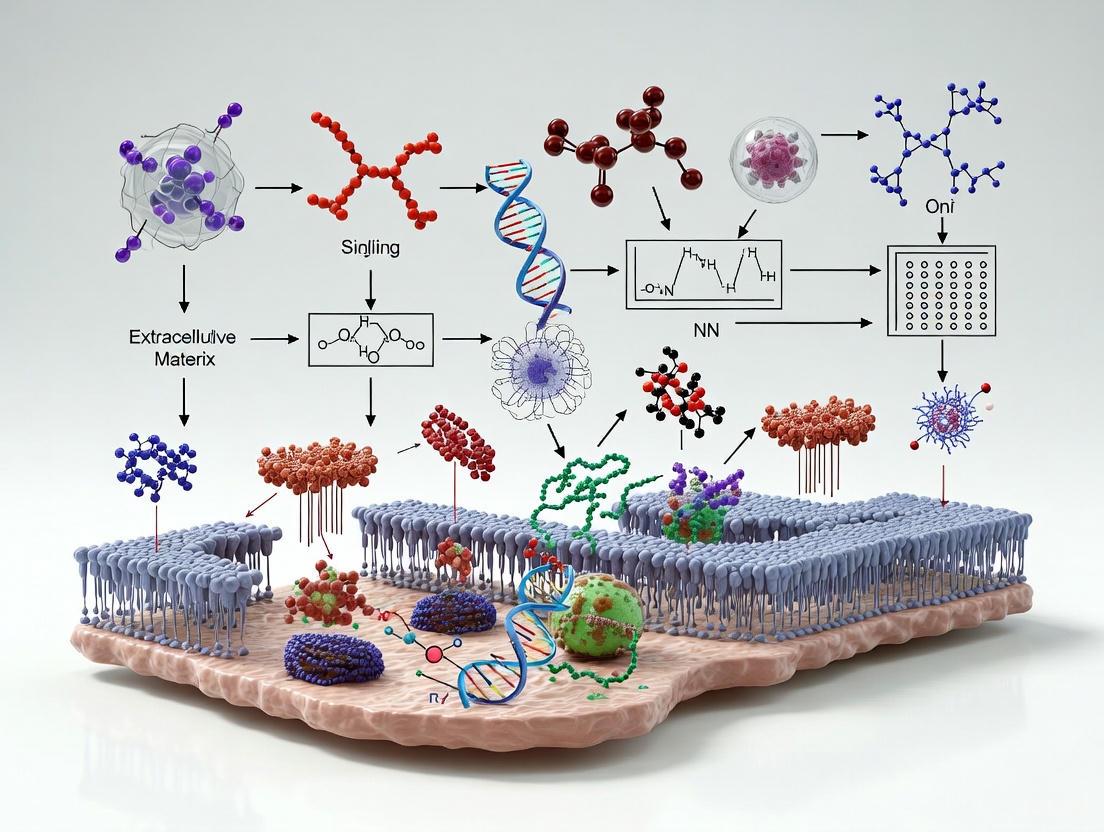
This article explores the transformative role of three-dimensional (3D) microenvironments in enhancing the efficiency and functionality of cellular reprogramming.
Three-Dimensional Microenvironments: Revolutionizing Cellular Reprogramming for Regenerative Medicine and Drug Discovery
Abstract
This article explores the transformative role of three-dimensional (3D) microenvironments in enhancing the efficiency and functionality of cellular reprogramming. Moving beyond traditional two-dimensional (2D) cultures, 3D systems more faithfully recapitulate native stem cell niches, leading to improved reprogramming outcomes for generating induced neurons, hepatic organoids, and alveolar epithelial cells. We cover the foundational principles of how 3D geometry and cell-cell interactions boost reprogramming, detail cutting-edge methodological applications, address key troubleshooting and optimization strategies, and provide a comparative analysis of 3D vs. 2D outcomes. This resource is tailored for researchers, scientists, and drug development professionals seeking to leverage 3D reprogramming for advanced disease modeling, pharmaceutical applications, and regenerative therapies.
The Core Principles: How a 3D Microenvironment Reshapes Cell Fate
The regenerative capacity, plasticity, and pathological conversion of stem cells are determined as much by their surrounding three-dimensional (3D) niche as by the intrinsic properties of the cells themselves [1]. This represents a significant shift in perspective—from a cell-centric to a niche-centric view—that forms the conceptual foundation for modern regenerative medicine. Traditional two-dimensional (2D) cell culture systems, while useful for simplified experiments, fail to recapitulate the architectural, mechanical, and biochemical complexity of native stem cell microenvironments [2]. This application note examines the fundamental role of 3D structure in stem cell niches and provides detailed methodologies for recreating these environments to enhance the fidelity of cellular reprogramming research and drug development.
Architectural Components of the Stem Cell Niche
Stem-cell niches are anatomically discrete microenvironments where resident stem cells, their stromal neighbors, and a specialized extracellular matrix (ECM) scaffold cooperate to balance quiescence, self-renewal, and lineage commitment [1]. The following table summarizes the core components across diverse tissue types:
Table 1: Core Components of Stem Cell Niches Across Tissues
| Tissue (Representative Niche) | Core Cellular Constituents | ECM/Mechanical Hallmark | Dominant Signaling Axes | Primary Homeostatic Role |
|---|---|---|---|---|
| Bone marrow (endosteal and perivascular) | Osteoblasts, sinusoidal endothelial cells, CAR cells, LepR+ MSCs, macrophages | 3D trabecular matrix; oxygen and CXCL12 gradients | Wnt BMP, Notch, Tie2/Ang-1 | Balance quiescence vs. rapid hematopoietic output |
| Intestinal crypt | Lgr5+ stem cells, Paneth cells, pericryptal myofibroblasts | 2-D basement membrane; steep Wnt/BMP gradient | Wnt3, Dll4/Notch, EGF, BMP | Continuous epithelial renewal |
| Skin (hair follicle bulge) | K15+ bulge stem cells, dermal papilla fibroblasts, melanocyte progenitors | Flexible basement membrane; low stiffness | Wnt/Shh, BMP antagonists | Cyclic hair regeneration and wound repair |
| Neural (SVZ/SGZ) | GFAP+ NSCs, endothelial cells, ependymal cells, microglia | Laminin-rich fractal matrix; CSF contact | FGF, EGF, IGF-1, Wnt, BMP | Adult neurogenesis and cognitive plasticity |
| Skeletal muscle (satellite) | Pax7+ satellite cells, FAPs, macrophages, endothelial cells | Sub-laminar niche; rapid viscoelastic relaxation | HGF/c-Met, FGF2, Notch, Wnt | Myofiber repair and hypertrophy control |
| Heart (sub-epicardial CSC niche) | c-Kit+/Sca1+ CSCs, cardiomyocytes, fibroblasts, vSMCs | Low-stress ECM; anisotropic stiffness | VEGF, TGF-β, HIF-1α, Wnt | Paracrine support and limited cardiomyocyte turnover |
The ECM provides both a structural lattice and a reservoir of biochemical and mechanical cues. Laminin, collagen, fibronectin, and proteoglycans organize spatial relationships between niche residents, create morphogen gradients, and transmit force [1]. Integrins and cadherins on the stem-cell surface translate ECM stiffness, viscoelasticity, and topography into intracellular signaling cascades that steer proliferation or differentiation [1].
Quantitative Evidence: Enhanced Reprogramming in 3D Microenvironments
Recent research provides compelling quantitative evidence that 3D microenvironments significantly enhance cellular reprogramming efficiency compared to traditional 2D cultures. A seminal study demonstrated that a tissue-engineered 3D hydrogel environment enhanced microRNA-mediated reprogramming of fibroblasts into cardiomyocytes [3]. The following table summarizes the key quantitative findings:
Table 2: Quantitative Comparison of Reprogramming Efficiency in 2D vs. 3D Cultures
| Parameter | 2D Culture Results | 3D Culture Results | Significance |
|---|---|---|---|
| Reprogramming efficiency (CFP+ cells) | 7.8% CFP(+) cells for miR combo | 23.1% CFP(+) cells for miR combo | ~3-fold increase in 3D |
| Fold-increase over control | ~5-fold increase | ~20-fold increase | 4x greater relative improvement in 3D |
| Cardiac gene expression (αMHC, cTnI, etc.) | Moderate increase | Significantly enhanced mRNA levels | p < 0.05 for all cardiac markers |
| MMP expression | Baseline levels | Strongly induced MMP-2 and MMP-3 | MMP activity necessary for enhanced reprogramming |
| Pharmacological MMP inhibition | N/A | Abolished enhanced cardiac reprogramming | Confirms MMP-dependent mechanism |
This research demonstrated that culturing fibroblasts within a 3D fibrin-based hydrogel environment significantly improves the efficiency of direct cardiac reprogramming by miR combo as assessed by gene and protein expression of early and later cardiac differentiation markers [3]. The improved cardiac reprogramming is mediated by enhanced expression of Matrix Metalloproteinases (MMPs) in the 3D culture environment, and pharmacological inhibition of MMPs blocks this enhancing effect [3].
Experimental Protocol: 3D Hydrogel-Based Fibroblast to Cardiomyocyte Reprogramming
Materials and Reagents
Table 3: Essential Research Reagents for 3D Reprogramming Protocols
| Reagent/Category | Specific Examples | Function/Application |
|---|---|---|
| Hydrogel Polymers | Fibrin, collagen, Matrigel, PEG-based hydrogels | Provides 3D scaffold mimicking native ECM structure and mechanics |
| Reprogramming Factors | miR combo (miR-1, miR-133, miR-208, miR-499), OSKM factors | Induces transdifferentiation or pluripotency; initiates lineage conversion |
| MMP Modulators | Broad-spectrum inhibitor BB94 (Batimastat), MMP-2/MMP-9 inhibitors | Investigates MMP-dependent mechanisms in 3D reprogramming |
| Cell Sources | Neonatal cardiac fibroblasts, tail-tip fibroblasts, lineage-traced cells (Fsp1-tdTomato) | Provides starting population for reprogramming; enables lineage tracing |
| Characterization Tools | αMHC-CFP reporter mice, Fsp1-tdTomato lineage tracer, cardiac-specific antibodies | Tracks reprogramming efficiency and confirms cardiomyocyte identity |
Detailed Methodology
Step 1: Hydrogel Preparation and 3D Construct Fabrication
- Prepare fibrinogen solution at 10 mg/mL in serum-free DMEM
- Thrombin solution at 2 U/mL in DMEM
- Suspend fibroblasts at 10 × 10^6 cells/mL in fibrinogen solution
- Mix cell-fibrinogen suspension with thrombin solution at 9:1 ratio
- Pipette 100 μL aliquots into custom-made rectangular molds (10 × 5 × 2 mm)
- Incubate at 37°C for 30 minutes for complete polymerization
- Transfer tissue bundles to 6-well plates with 3 mL culture medium
Step 2: microRNA Transfection and Induction
- Transfect fibroblasts with miR combo (miR-1, miR-133, miR-208, miR-499) or negative control microRNA using appropriate transfection reagent
- Use final concentration of 50 nM for each microRNA in the combination
- For 3D groups, perform transfection prior to hydrogel encapsulation
- Culture constructs for 14 days with medium changes every 48 hours
Step 3: MMP Inhibition Studies
- Prepare BB94 (Batimastat) stock solution at 10 mM in DMSO
- Add to culture medium at final concentration of 10 μM
- Refresh inhibitor-containing medium every 48 hours
- Include vehicle control (0.1% DMSO) for comparison
Step 4: Assessment of Reprogramming Efficiency
- At day 14, analyze constructs for cardiac markers:
- Quantitative PCR for αMHC, Cardiac troponin-I, α-Sarcomeric actinin, Kcnj2
- Immunostaining for Cardiac troponin-T and α-Sarcomeric actinin
- Flow cytometry for CFP expression in αMHC-CFP reporter system
- Confocal imaging for structural analysis of reprogrammed cells
Figure 1: Experimental workflow for 3D cellular reprogramming.
Computational and Imaging Tools for Niche Analysis
Computational Modeling of Stem Cell Niches
Advanced computational methods are revolutionizing our ability to identify and characterize stem cell niches from spatially resolved omics data. NicheCompass is a graph deep-learning method that models cellular communication to learn interpretable cell embeddings that encode signaling events, enabling the identification of niches and their underlying processes [4]. This approach:
- Constructs spatial neighborhood graphs where nodes represent cells/spots and edges indicate spatial proximity
- Uses a graph neural network encoder to generate cell embeddings capturing microenvironments
- Incorporates domain knowledge of intercellular and intracellular interaction pathways
- Identifies signaling-based niches and characterizes their specific activities
- Enables quantitative comparison of niche organization across developmental stages, healthy and diseased tissues, and treatment conditions
Virtual Cell (VCell) modeling software provides a comprehensive platform for mathematical modeling of cell biological systems, including stem cell niches [5]. This web-based resource enables researchers to create computational models that integrate spatial and temporal aspects of niche signaling, including reaction-diffusion processes, mechanical interactions, and biochemical signaling networks.
Advanced 3D Live Cell Imaging
Label-free live cell imaging in 3D represents a breakthrough for monitoring stem cell dynamics within engineered niches. Holotomographic microscopy (e.g., 3D Cell Explorer) enables long-term imaging of fine cellular dynamics with minimal phototoxicity, capturing stem cell behaviors in their native 3D context [6]. Key advantages include:
- Injection of ~100 times less energy (~0.2 nW/µm²) than light sheet microscopes
- Resolution of 195nm enabling visualization of mitochondria, lipid droplets, filopodia, and nuclear dynamics
- Continuous imaging capability with acquisition rates up to 1 image per 1.7 seconds
- Combination with fluorescence imaging for multimodal analysis
- Preservation of native cell function through avoidance of phototoxic damage
Figure 2: Signaling mechanisms in 3D stem cell niches.
Application in Disease Modeling: Biomimetic 3D Environments
The critical importance of 3D microenvironments extends to disease modeling, where engineered niches enable more accurate representation of pathological processes. Recent advances in 3D bioprinting and ECM-like biomaterials have facilitated the development of biomimetic models for conditions such as polycystic kidney disease, demonstrating how tuning the 3D microenvironment enhances disease modeling accuracy [7]. These approaches allow researchers to:
- Recreate disease-specific ECM composition and stiffness
- Model spatial organization of multiple cell types within pathological niches
- Recapitulate gradient-dependent signaling abnormalities
- Test therapeutic interventions in a more physiologically relevant context
Similarly, in cancer research, NicheCompass has been deployed to decode the tumor microenvironment, capturing donor-specific spatial organization and cellular processes [4]. This enables identification of tumor-specific niches and their characteristic signaling activities, potentially revealing new therapeutic targets.
The integration of advanced biomaterials, computational modeling, and high-resolution imaging is transforming our ability to study and manipulate stem cell niches in three dimensions. As research continues to illuminate how 3D microenvironments control stem cell fate, clinical applications will increasingly incorporate niche-informed strategies—from engineered tissue constructs that replicate native niche mechanics to therapeutic approaches that target pathological niche signaling [1]. Successful regenerative interventions must treat stem cells and their microenvironment as an inseparable therapeutic unit, marking a new era of microenvironmentally integrated medicine.
This document details the critical role of the three-dimensional (3D) microenvironment in cellular reprogramming, focusing on the biophysical transduction of mechanical cues into sustained epigenetic changes. Within realistic 3D cultures, mechanical stimuli—such as matrix stiffness, viscoelasticity, and spatial confinement—are sensed by cells and converted into biochemical signals that direct chromatin remodeling and gene expression. This application note provides a consolidated summary of quantitative data, standardized protocols for establishing physiological 3D microenvironments, and visualizations of the core mechano-epigenetic signaling pathways. The insights and methods herein are designed to equip researchers and drug development professionals with the tools to advance regenerative medicine and cancer research.
Quantitative Data in Mechano-Epigenetic Reprogramming
The following tables summarize key quantitative findings from recent studies on how mechanical properties of the microenvironment influence cellular behavior and epigenetic states.
Table 1: Impact of Microenvironment Mechanics on Cell Fate and Reprogramming
| Mechanical Cue | Experimental System | Key Quantitative Finding | Functional Outcome |
|---|---|---|---|
| Substrate Stiffness | MSC culture on tunable substrates [8] | Long-term culture on stiff surfaces (≥20 kPa) leads to irreversible commitment to a specific lineage. | Establishes a "mechanical memory" that persists even after transferring cells to a soft substrate. |
| Viscoelasticity & Nonlinearity | Fibroblasts on tissue-mimicking IPN hydrogels [9] | Stiff IPN (15 mM Ca²⁺) promoted large mesenchymal aggregate formation (up to 100 μm diameter), unlike soft IPN (5 mM Ca²⁺) or linear elastic controls. | Aggregates showed elevated stemness genes and enhanced adipogenic/osteogenic differentiation potential. |
| 3D Spatial Localization | CLL B cells in 3D scaffold co-culture [10] | CLL B cells localized in the core of 3D structures showed significant upregulation of AP-1 transcription factor complex. | Core-localized cells exhibited significant protection against therapy-induced cell death (drug resistance). |
| Traction Forces | Mature vs. Developmental Tenocytes [11] | Mature tenocytes (40-45 weeks) exerted significantly higher traction stress and migrated ~50% faster than developmental tenocytes (4-4.5 weeks). | Increased contractility linked to transcriptomic shifts towards cytoskeletal and ECM gene expression. |
Table 2: Epigenetic Changes Driven by Mechanical Cues
| Epigenetic Marker | Experimental System | Quantitative Change | Associated Cellular State |
|---|---|---|---|
| H3K27me3 (Repressive mark) | Mature Tenocytes [11] | Notable increase in mature tenocytes vs. developmental tenocytes. | Chromatin condensation, transcriptional repression, age-related functional shift. |
| H3K4me3 (Activating mark) | Mature Tenocytes [11] | Decrease in mature tenocytes vs. developmental tenocytes. | Reduced transcriptional activity of genes essential for tissue homeostasis. |
| Chromatin Condensation | Mature Tenocytes (STORM imaging) [11] | Significantly increased condensation in mature tenocytes. | Correlated with a more transcriptionally repressed state and altered mechanobiological function. |
| Histone Methylation (H3K9me3) | MSCs on stiff surfaces [8] | Altered distribution from nuclear lamina-associated to puncta form in late passages. | Associated with loss of cellular plasticity and establishment of mechanical memory. |
Experimental Protocols
Protocol 1: Establishing a 3D Scaffold-Based Co-Culture Model for Tumor Microenvironment Studies
This protocol, adapted from a CLL study [10], is ideal for investigating heterotypic cell-cell interactions and spatial heterogeneity in drug response.
- Key Applications: Modeling tumor-stromal-immune cell interactions; studying region-specific (core vs. periphery) drug resistance and epigenetic reprogramming.
Materials:
- Scaffolds: Alvetex scaffolds (200 μm thickness, 36-40 μm pore size).
- Stromal Cells: HS-5 human bone marrow-derived stromal cell line (or primary stromal cells).
- Primary Cells: Patient-derived primary cells (e.g., CLL B cells and autologous T cells).
- Coating: 0.1% gelatin solution.
- Culture Media: Appropriate for all cell types used (e.g., DMEM for HS-5, RPMI-1640 for PBMCs).
Methodology:
- Scaffold Preparation: Place the sterile scaffold in a suitable plate. Add 0.1% gelatin solution to cover the scaffold and incubate for 20 minutes at room temperature. Aspirate the gelatin.
- Stromal Seeding: Trypsinize and resuspend stromal cells (e.g., HS-5). Pipette 70 μL of cell suspension (density ~0.4 × 10⁶ cells/cm²) directly onto the center of the scaffold. Incubate for 1 hour at 37°C to allow cell attachment before carefully adding culture medium. Culture for 7 days to allow stromal cells to form a network.
- Primary Cell Seeding: Isolate and resuspend primary cells (e.g., PBMCs containing CLL and T cells). After 7 days, add the primary cell suspension (e.g., 2 × 10⁶ cells) to the scaffold and culture for an additional 4 days.
- Spatial Fractionation (Core vs. Periphery):
- Peripheral Cell Harvest: Gently rinse the scaffold 5-7 times in a spiral motion with PBS. Collect the entire supernatant, which contains the loosely attached "peripheral" population.
- Core Cell Harvest: After rinsing, physically cut the scaffold into small pieces. Place the pieces in PBS and agitate continuously at 250 rpm to dislodge the tightly embedded "core" population.
- Downstream Analysis: Isolated core and peripheral cells can be used for transcriptomic analysis (RNA-Seq), epigenetic profiling (ChIP-Seq for AP-1 factors or histone marks), and drug sensitivity assays.
Protocol 2: Fabricating and Utilizing Tissue-Mimicking Interpenetrating Network (IPN) Hydrogels for Mechanical Reprogramming
This protocol details the creation of hydrogels that replicate the key viscoelastic and nonlinear elastic properties of native tissues, enabling the study of mechanical reprogramming [9].
- Key Applications: Reprogramming of fibroblasts and cancer cells; enhancing stem cell differentiation potential; studying cell aggregation and mechanosensing.
Materials:
- IPN Components: Type I Collagen (e.g., from rat tail), Sodium Alginate.
- Cross-linker: Calcium Chloride (CaCl₂) solution at varying concentrations (e.g., 5 mM and 15 mM).
- Buffers: Culture medium and PBS for dilution and neutralization.
Methodology:
- Hydrogel Precursor Preparation: Prepare the precursor solution by combining collagen (final conc. 1.5 mg/mL) and alginate (final conc. 10 mg/mL) in a neutral buffer or culture medium on ice to prevent premature collagen polymerization.
- Cross-linking: Add CaCl₂ solution to the collagen-alginate mixture to achieve the desired final concentration (e.g., 5 mM for "soft" or 15 mM for "stiff" IPNs). Mix gently and pipette the solution into the desired culture plates or molds.
- Gelation: Incubate the hydrogels at 37°C for 30 minutes to allow simultaneous collagen fibrillogenesis and calcium-mediated alginate cross-linking, forming a stable IPN.
- Cell Seeding and Culture: Seed cells (e.g., 3T3-L1 fibroblasts, MSCs, or cancer cells) directly onto the surface of the polymerized IPN hydrogels. Culture for several days, observing for morphological changes and aggregate formation.
- Functional Assays: Assess reprogramming outcomes via:
- Gene Expression: qPCR for stemness markers (e.g., Oct4, Sox2, Nanog) and lineage-specific genes.
- Differentiation Potential: Induce adipogenesis or osteogenesis and quantify differentiation efficiency.
- Cancer Reversion: Monitor epithelial-to-mesenchymal transition (EMT) marker expression and oncogene downregulation.
Visualization of Signaling Pathways
Diagram 1: Core Mechano-Epigenetic Signaling Pathway
This diagram illustrates the primary pathway through which external mechanical cues from the 3D microenvironment are transduced into sustained epigenetic changes and cellular reprogramming, integrating data from multiple sources [10] [11] [12].
The Scientist's Toolkit: Research Reagent Solutions
Table 3: Essential Materials for 3D Mechano-Epigenetic Research
| Item | Function/Application | Specific Example |
|---|---|---|
| Alvetex Scaffolds | Provides a porous 3D structure for studying spatially defined cell interactions and core-periphery effects. | Alvetex (Polystyrene, 200μm thick, 36-40μm pore size) [10] |
| Tissue-Mimicking IPN Hydrogel | Mimics the viscoelastic and nonlinear mechanical properties of native tissue for mechanical reprogramming studies. | Collagen-Alginate IPN (1.5 mg/mL Collagen I, 10 mg/mL Alginate, cross-linked with CaCl₂) [9] |
| YAP/TAZ Inhibitor | A chemical tool to inhibit the key mechanotransduction effectors YAP/TAZ, used to validate their role in the signaling pathway. | Verteporfin [12] [8] |
| ROCK Inhibitor | Inhibits Rho-associated kinase (ROCK) to disrupt actomyosin-mediated cellular contractility, a critical step in mechanotransduction. | Y-27632 [8] |
| H3K27me3-specific Antibody | For chromatin immunoprecipitation sequencing (ChIP-Seq) or immunofluorescence to map/quantify this repressive histone mark. | Anti-H3K27me3 Rabbit Monoclonal Antibody [11] |
| EZH2 (PRC2) Inhibitor | A chemical inhibitor of the histone methyltransferase EZH2, used to probe the role of H3K27me3 in maintaining mechanical memory. | GSK126 [8] |
Accelerating Mesenchymal-to-Epithelial Transition (MET) Through Physical Cell Confinement
Within the field of cellular reprogramming, the Mesenchymal-to-Epithelial Transition (MET) is widely recognized as a critical, rate-limiting step for converting somatic cells, such as fibroblasts, into induced pluripotent stem cells (iPSCs) [13]. This process involves a dramatic morphological and functional shift, where cells lose their migratory, elongated mesenchymal characteristics and adopt a polarized, cobblestone-like epithelial identity, a change essential for establishing pluripotency. However, the reprogramming process is inherently stochastic, with only a small fraction of cells successfully navigating this transition, thereby limiting efficiency and predictability for research and therapeutic applications [13]. Emerging evidence suggests that the biophysical properties of a cell's microenvironment are potent regulators of cell fate. This protocol details the application of a superhydrophobic microwell array chip (SMAR-chip) to impose defined physical confinement on cells, thereby providing a reproducible and highly efficient method to accelerate MET and enhance iPSC generation. This approach aligns with the growing consensus that three-dimensional microenvironments can significantly enhance reprogramming efficiency by more closely mimicking native tissue conditions and providing critical mechanical cues [3].
Materials and Reagents
Research Reagent Solutions
The following table catalogues the essential materials required for implementing this protocol.
Table 1: Essential Research Reagents and Materials
| Item | Function/Description |
|---|---|
| SMAR-Chip | A Polydimethylsiloxane (PDMS) substrate containing a 12x16 microwell array, surrounded by a non-adhesive superhydrophobic layer to confine cells and aggregates within the microwells [13]. |
| Doxycycline (DOX)-Inducible OSKM MEFs | Mouse Embryonic Fibroblasts (MEFs) carrying a doxycycline-inducible polycistronic cassette for the expression of Oct4, Sox2, Klf4, and c-Myc (Yamanaka factors) [13]. |
| Doxycycline | An antibiotic used to induce the expression of the reprogramming factors in the transgenic MEF system. |
| Fibrin-Based Hydrogel | A component for creating 3D tissue-engineered environments that enhance reprogramming; used here to illustrate the principle of 3D microenvironments [3]. |
| MMP Inhibitor (e.g., BB94/Batimastat) | A broad-spectrum pharmacological inhibitor used to investigate the role of Matrix Metalloproteinase (MMP) activity in the reprogramming process [3]. |
| Antibodies for Immunostaining | Specific antibodies for detecting epithelial (E-cadherin) and mesenchymal (Vimentin, N-cadherin) markers, as well as pluripotency factors (Nanog, Oct4) [14] [13]. |
Methodological Protocols
Protocol 1: Fabrication and Preparation of the SMAR-Chip
- Fabrication: The SMAR-chip is composed of a PDMS substrate patterned with a 12 x 16 array of microwells. The top surface, excluding the microwells themselves, is grafted with a layer of superhydrophobic material [13].
- Sterilization: Prior to cell culture, sterilize the SMAR-chip using standard methods appropriate for PDMS (e.g., UV irradiation or ethanol treatment followed by rinsing with sterile phosphate-buffered saline).
- Assembly: Attach the sterilized SMAR-chip to the bottom of a standard 6-cm petri dish to facilitate routine cell seeding and media exchange.
Protocol 2: Cell Seeding and Reprogramming on the SMAR-Chip
- Cell Preparation: Isolate secondary MEFs from appropriate transgenic mice (e.g., R26rtTA; Col1a1 4F2A mice) carrying the inducible OSKM cassette. Seed the MEFs onto the SMAR-chip in standard fibroblast culture medium [13].
- Initiation of Reprogramming: Twenty-four hours after seeding, replace the medium with reprogramming medium supplemented with 2 µg/mL doxycycline to activate the expression of Oct4, Sox2, Klf4, and c-Myc.
- Culture Maintenance: Refresh the doxycycline-containing reprogramming medium every day. The non-adherent nature of the superhydrophobic material will confine the cells within the microwells, promoting the formation of 3D cell aggregates.
- Monitoring and Analysis: Monitor the emergence of compact, iPSC-like colonies, typically occurring between days 6 and 9 post-induction. The confined environment of the SMAR-chip directs these colonies to form specifically within the microwells, making their location predictable.
Protocol 3: Assessment of MET and Reprogramming Efficiency
Quantitative PCR (qPCR):
- Timeframe: Days 3-6 post-doxycycline induction.
- Method: Harvest cells from the SMAR-chip and control 2D cultures. Extract total RNA and synthesize cDNA.
- Targets: Analyze the expression of early epithelial markers (e.g., E-cadherin) and the downregulation of mesenchymal markers (e.g., Vimentin, N-cadherin). Subsequently, assess the expression of pluripotency genes such as Nanog and Oct4 [13].
Immunofluorescence Staining:
- Timeframe: Days 7-14.
- Method: Fix cells directly within the SMAR-chip microwells or in control wells. Perform immunostaining to visualize protein localization and expression.
- Key Markers:
Flow Cytometry:
- Timeframe: Day 14.
- Method: Dissociate cells into a single-cell suspension. Use a reporter cell line (e.g., αMHC-CFP for cardiac reprogramming or a Nanog-GFP reporter for pluripotency) to quantify the percentage of successfully reprogrammed cells via flow cytometry [3]. This provides a robust, quantitative measure of final reprogramming efficiency.
Key Data and Comparative Analysis
The following tables summarize the quantitative enhancements in reprogramming efficiency and molecular dynamics driven by physical confinement.
Table 2: Quantitative Impact of 3D Confinement on Reprogramming Efficiency
| Parameter | 2D Culture (Traditional) | 3D SMAR-Chip Culture | Notes / Measurement Method |
|---|---|---|---|
| Reprogramming Efficiency | Low / Stochastic | ~6x higher than 2D | Bona fide colonies formed in ~90% of microwells [13]. |
| Cell Cycle Arrest | Prevalent | Overcome | 3D aggregates promoted re-entry into the cell cycle [13]. |
| MET Kinetics | Slower, Heterogeneous | Accelerated, Synchronized | Based on qPCR and immunostaining for E-cadherin and Vimentin [13]. |
| Epigenetic Modification | Baseline | Enhanced | Increased levels of histone H3 acetylation (AcH3) and H3K4me3 [13]. |
| Lineage Tracing (tdTomato+/cTnT+ cells) | Confirmed presence | Dramatically increased number | Using Fsp1-tdTomato reporter models [3]. |
Table 3: Molecular Dynamics in 2D vs. 3D Microenvironments
| Molecular Marker / Process | Response in 2D Culture | Response in 3D Confinement | Proposed Mechanism |
|---|---|---|---|
| MMP (e.g., MMP-2, MMP-3) Expression | Lower baseline | Strongly induced [3] | Cellular sensing of 3D geometry leading to cytoskeletal remodeling and MMP upregulation. |
| Early Cardiac TF Induction (Mef2C) | Standard induction | Significantly up-regulated at day 2 [3] | Enhanced activation of key transcriptional programs in a 3D context. |
| Effect of MMP Inhibition (BB94) | N/A | Abolished enhanced reprogramming [3] | MMP activity is necessary for the 3D environment's pro-reprogramming effect. |
| Tissue Stiffness | N/A | Lower in reprogrammed bundles [3] | Mirrors the shift from stiff fibrotic tissue to softer healthy myocardium. |
Signaling Pathway and Workflow Visualization
The diagram below illustrates the proposed mechanistic workflow through which physical confinement accelerates MET and enhances reprogramming.
Within the field of regenerative medicine, the three-dimensional (3D) microenvironment is increasingly recognized as a critical determinant of cell fate. This application note details a specific case study demonstrating that forcing fibroblasts into a 3D spheroid morphology alone, without genetic modification, is sufficient to reprogram them into a state exhibiting neural progenitor-like properties. This approach bypasses the tumorigenic risks associated with transgenic interventions and leverages biomechanical cues to initiate reprogramming, aligning with the broader thesis that the 3D microenvironment is a powerful tool for cellular reprogramming research [15].
The following workflow diagram outlines the key experimental and mechanistic stages of the 3D spheroid reprogramming process.
Case Study Details and Key Findings
A 2025 study provided direct evidence that neonatal mouse dermal fibroblasts (MDFs) can be reprogrammed into neural progenitor-like cells (NPCs) solely through 3D spheroid culture [15]. This process resulted in cells exhibiting neural cell-like properties and a significant functional capacity to promote neurite extension from dorsal root ganglion (DRG) neurons. Subsequent transplantation of these 3D spheroid MDFs into a rat model of sciatic nerve transection significantly accelerated nerve regeneration and improved motor function compared to transplantation of traditional 2D monolayer MDFs [15].
The following tables summarize the key quantitative findings from the in vitro and in vivo analyses.
Table 1: In Vitro Characterization of 3D Spheroid MDFs
| Parameter Investigated | Experimental Finding | Significance / Implication |
|---|---|---|
| Neurite Outgrowth | Significantly enhanced DRG neuron neurite extension in co-culture [15] | Demonstrates acquired bioinductive, pro-neural function |
| ID3 Protein Expression | Significantly upregulated in 3D spheroids [15] | Identified as a critical upstream regulator of reprogramming |
| HIF-1α Protein Expression | Significantly upregulated in 3D spheroids [15] | Indicates a hypoxic core in spheroids; synergizes with ID3 |
| Semaphorin7a Expression | Significantly upregulated by synergistic ID3/HIF-1α action [15] | Key axonal guidance protein mediating improved outcomes |
Table 2: In Vivo Functional Outcomes
| Assessment Model | Experimental Result | Functional Conclusion |
|---|---|---|
| Sciatic Nerve Transection (Rat) | Accelerated regeneration of the transected sciatic nerve [15] | Confirms therapeutic potential for peripheral nerve injury |
| Motor Function Analysis (Rat) | Improved motor function recovery post-transection [15] | Demonstrates translation of cellular changes to meaningful physiological repair |
Mechanism of Action
Mechanistic investigations revealed that the 3D spheroid culture induced a significant upregulation of the inhibitor of DNA binding 3 (ID3) and hypoxia-inducible factor-1α (HIF-1α) [15]. The study identified ID3 as a master regulator essential for the acquisition of neural progenitor-like properties. Furthermore, the upregulated ID3 and HIF-1α acted synergistically to increase the expression of the axonal guidance protein Semaphorin7a, which was identified as the key factor responsible for the observed enhancement of axon extension and nerve regeneration both in vitro and in vivo [15].
The signaling pathway below illustrates the molecular mechanism by which the 3D microenvironment drives reprogramming.
Experimental Protocols
Protocol 1: Isolation of Mouse Dermal Fibroblasts (MDFs)
Primary Cell Isolation:
- Collect dorsal skin tissues from neonatal C57BL/6 mouse.
- Remove subcutaneous tissues carefully and cut the remaining dermis into 1-2 cm² pieces.
- Digest overnight at 4°C with a medium containing 1 mg/mL dispase.
- The following day, separate and strip away the epidermis.
- Mince the isolated dermis and further digest with 0.25% collagenase I at 37°C for 1 hour with shaking.
- Pass the digested cell suspension through a 75 µm cell strainer, centrifuge, and resuspend the pellet in DMEM supplemented with 10% fetal bovine serum and 1% penicillin/streptomycin [15].
Expansion and Maintenance:
- Culture the isolated MDFs in standard tissue culture flasks.
- Use the above DMEM-based growth medium for all expansion and maintenance steps.
- Cells at the third passage are suitable for initiating 3D spheroid culture.
Protocol 2: 3D Spheroid Culture and Reprogramming
Preparation:
- Harvest MDFs from 2D culture using standard trypsinization.
- Count cells and prepare a suspension at the desired concentration.
3D Spheroid Formation:
- Seed 6 × 10⁶ MDFs into a 6-well ultra-low attachment plate. The use of ultra-low attachment surfaces is crucial to prevent cell adhesion and force aggregation.
- Do not change the culture media after seeding.
- Culture the cells at 37°C with 5% CO₂ for 48 hours. Spheroids are typically fully formed and can be used for subsequent experiments at this time point [15].
Key Considerations:
- Do not disturb the culture during the initial 48-hour period to allow for stable spheroid formation.
- The same culture medium used for 2D expansion can be used for 3D spheroid culture.
Protocol 3: Functional Validation - Co-culture with DRG Neurons
DRG Neuron Isolation:
- Dissect bilateral lumbar DRGs from 10-week-old Sprague-Dawley (SD) rats.
- Cut DRGs into 1–2 mm pieces and incubate in a digestion medium (DMEM/Ham's F-12 with 1% collagenase XI) for 45 minutes at 37°C.
- Terminate digestion with DMEM containing 10% FBS.
- Triturate the tissue pieces gently in neuron culture medium (Neurobasal Medium supplemented with 2% B27, 2mM L-glutamine, and 1% P/S) to acquire a single-cell suspension [15].
Co-culture Setup:
- Seed 1 × 10⁴ monolayer or 3D spheroid MDFs (gently dissociated if needed) into a 0.1% gelatin-coated 24-well plate. Allow them to adhere for 24 hours.
- Replace the fibroblast culture medium with the neuron culture medium.
- Seed 5 × 10³ DRG neurons directly onto the fibroblast monolayer.
- Co-culture for 48 hours, then fix the cells with 4% polyoxymethylene for immunocytochemical analysis (e.g., staining with the neuronal marker Tuj1 to visualize and quantify neurite outgrowth) [15].
The Scientist's Toolkit: Research Reagent Solutions
Table 3: Essential Materials and Reagents
| Item | Function / Application in the Protocol | Specific Example / Note |
|---|---|---|
| Ultra-Low Attachment Plates | Prevents cell adhesion, forcing cells to aggregate into 3D spheroids. | 6-well format used for spheroid generation [15]. |
| Dispase | Enzymatic separation of the dermis and epidermis during primary fibroblast isolation. | Used at 1 mg/mL for overnight digestion at 4°C [15]. |
| Collagenase I | Further digestion of the isolated dermis to liberate individual fibroblasts. | Used at 0.25% for 1 hour at 37°C [15]. |
| Neurobasal Medium | A optimized base medium for maintaining low proliferation and high viability of post-mitotic neurons. | Used for DRG neuron culture and co-culture experiments [15]. |
| B27 Supplement | A serum-free supplement essential for the long-term survival of neurons in culture. | Added to Neurobasal Medium at 2% concentration [15]. |
| Antibody: Tuj1 (βIII-Tubulin) | Immunocytochemical marker for mature neurons; used to stain and quantify neurite outgrowth in co-culture. | Standard marker for neuronal morphology [15]. |
Protocols and Progress: Implementing 3D Reprogramming for Specific Cell Lineages
The extracellular matrix (ECM) is a dynamic, complex network that provides far more than just structural support to cells; it serves as a critical signaling hub that actively orchestrates cellular behavior and fate [16] [17]. In the context of cellular reprogramming, the three-dimensional microenvironment presents a powerful, yet often underexploited, tool for enhancing the efficiency and quality of cell fate conversion [18]. Traditional two-dimensional (2D) culture systems fail to recapitulate the intricate biophysical and biochemical cues that cells experience in vivo, often resulting in incomplete maturation and functionality of reprogrammed cells [18] [19]. This application note details the design principles, fabrication protocols, and characterization methods for creating engineered matrices and scaffolds that mimic native ECM properties to optimize the 3D extracellular environment for cellular reprogramming research and therapeutic applications.
The paradigm is shifting from considering biomaterials as passive cell carriers to designing them as active instructors of cellular behavior [20]. By precisely controlling scaffold properties—including mechanical stiffness, architectural topology, and biochemical composition—researchers can create microenvironments that significantly enhance direct reprogramming outcomes. For instance, recent studies demonstrate that decellularized heart ECM in a 3D hydrogel format improves chemically induced direct reprogramming of fibroblasts into cardiomyocytes, yielding cells with more mature structural and functional characteristics compared to those reprogrammed in conventional 2D formats [18]. Similarly, scaffolds with aligned microchannels have shown remarkable capabilities in guiding spatial organization and enhancing maturation of various cell types, including muscle, nerve, and vascular cells [21].
Scaffold Design Principles for Reprogramming Microenvironments
Recapitulating Native Extracellular Matrix Properties
The optimal engineered scaffold must replicate key aspects of the native ECM to successfully direct cellular reprogramming. Four fundamental design principles guide this process:
Biomimetic Architecture: Create three-dimensional structures with tissue-specific porosity and topography that enable cell migration, nutrient diffusion, and spatial organization [17] [21]. The scaffold should feature interconnected pores with diameters appropriate for the target tissue (typically 50-200μm) to facilitate cell infiltration and vascularization [22].
Mechanical Competence: Match the elastic modulus (stiffness) of the target tissue, as this parameter profoundly influences stem cell differentiation and reprogramming efficiency [23] [17]. For example, soft matrices (∼1 kPa) promote neuronal differentiation, while stiffer matrices (10-20 kPa) favor myogenic differentiation, and rigid substrates (>30 kPa) enhance osteogenic commitment [23].
Biochemical Signaling: Incorporate tissue-specific ECM components (collagens, laminins, fibronectin) and controlled-release mechanisms for growth factors that guide reprogramming [17] [20]. Decellularized ECM scaffolds retain tissue-specific matrisome proteins that significantly enhance reprogramming efficiency compared to generic matrices like Matrigel [18].
Dynamic Responsiveness: Implement scaffolds capable of temporal evolution in their properties to match different stages of the reprogramming process, from initial fate commitment to functional maturation [24]. This includes designing materials with controlled degradation profiles that synchronize with new matrix deposition by the reprogrammed cells [21].
Material Selection for Reprogramming Scaffolds
Table 1: Biomaterial Options for Engineering Reprogramming Microenvironments
| Material Category | Key Examples | Advantages | Limitations | Reprogramming Applications |
|---|---|---|---|---|
| Natural Polymers | Collagen, Fibrin, Hyaluronic Acid, Laminin | Innate bioactivity, inherent cell adhesion motifs, natural degradation products | Batch-to-batch variability, limited mechanical strength, potential immunogenicity | Cardiac reprogramming [18], Neural reprogramming [19] |
| Decellularized ECM | Heart ECM, Liver ECM, Brain ECM | Tissue-specific biochemical composition, preserved structural complexity, endogenous growth factors | Potential residual DNA content, complex sterilization requirements, source-dependent properties | Enhanced cardiac reprogramming [18], Muscle regeneration [21] |
| Synthetic Polymers | PLGA, PEG, PCL, Self-assembling peptides | Precise control over properties, reproducible manufacturing, tunable degradation | Lack of innate bioactivity, potential inflammatory degradation products | Customizable platforms for reprogramming [23] [24] |
| Hybrid Materials | PEG-collagen, Peptide-functionalized PLGA | Combines bioactivity with mechanical control, customizable degradation profiles | Complex fabrication, potential interface issues | Advanced reprogramming systems with spatial control [17] |
Experimental Protocols for Scaffold Fabrication and Application
Protocol 1: Preparation of Decellularized Heart ECM Hydrogel for Cardiac Reprogramming
This protocol describes the methodology for creating heart ECM-derived hydrogels that have demonstrated significant enhancement in chemical reprogramming of fibroblasts to cardiomyocytes [18].
Materials and Reagents:
- Heart tissue (porcine or murine)
- Sodium dodecyl sulfate (SDS) solution (0.5-1%)
- Triton X-100 (1%)
- DNase/RNase solution
- Pepsin solution (0.1M HCl)
- Phosphate-buffered saline (PBS)
- Neutralization solution (0.1M NaOH + 10× PBS)
Procedure:
- Tissue Decellularization:
- Rinse heart tissue thoroughly in PBS to remove blood components.
- Cut tissue into 1-2mm sections using a surgical blade.
- Treat tissue with 0.5% SDS solution for 4-6 hours with constant agitation.
- Rinse with 1% Triton X-100 for 2 hours to remove residual SDS.
- Incubate with DNase/RNase solution (50U/mL in PBS) for 3 hours at 37°C to remove nucleic acids.
- Validate decellularization by measuring DNA content (<50ng/mg dry weight) [18].
- ECM Solubilization and Hydrogel Formation:
- Minced decellularized tissue in 0.1M HCl containing 1mg/mL pepsin at a ratio of 10mg tissue per 1mL solution.
- Stir continuously for 48-72 hours at room temperature until completely dissolved.
- Neutralize the pre-gel solution using neutralization solution (10% v/v) and maintain on ice.
- Adjust protein concentration to 8-12mg/mL using PBS.
- Incubate at 37°C for 30-60 minutes to form hydrogel.
Quality Control:
- Perform proteomic analysis to verify retention of key matrisome proteins (collagens VI and XI, elastin, fibronectin) [18].
- Confirm absence of cellular remnants via DAPI staining and histological analysis.
- Assess gelation kinetics using rheometry.
Protocol 2: In Vivo Engineered ECM Scaffolds with Aligned Microchannels
This advanced protocol creates ECM scaffolds with instructive parallel microchannels that guide cell organization and enhance tissue maturation [21].
Materials and Reagents:
- Polycaprolactone (PCL) microfibers (diameter: 141.8 ± 5.2μm)
- Surgical tools for subcutaneous implantation
- SDS and Triton X-100 solutions
- DNase/RNase solution
- Cell culture reagents for in vitro assessment
Procedure:
- Template Fabrication and Implantation:
- Create aligned PCL microfiber membranes (thickness: 1.5mm) using electrospinning or melt-spinning techniques.
- Sterilize templates via ethylene oxide or ethanol immersion.
- Surgically implant templates into rat subcutaneous pockets for 4 weeks to allow cellular infiltration and ECM deposition.
- ECM Scaffold Generation:
- Harvest tissue-embedded templates after 4 weeks.
- Remove PCL microfibers by immersion in organic solvents (e.g., acetone or chloroform) with agitation.
- Decellularize using a combination of 0.5% SDS and DNase/RNase treatment.
- Validate complete PCL removal using gel permeation chromatography [21].
Characterization:
- Verify aligned microchannel structure (diameter: 146.6 ± 6.9μm) using scanning electron microscopy.
- Assess porosity (target: 74.4 ± 2.1%) and anisotropy (target: 0.89 ± 0.12) using microCT scanning.
- Confirm retention of ECM components (collagen, elastin, sGAG) through biochemical assays and histology.
Protocol 3: 3D Reprogramming in Engineered Microenvironments
This application protocol describes the process for implementing reprogramming protocols within optimized 3D environments.
Materials and Reagents:
- Fabricated scaffolds (decellularized ECM hydrogels or ECM-C scaffolds)
- Source cells (typically fibroblasts for direct reprogramming)
- Reprogramming factors (small molecules or gene delivery systems)
- Cell culture medium appropriate for target cell type
- Analytical reagents for assessment (antibodies, PCR reagents, electrophysiology equipment)
Procedure:
- 3D Cell Seeding:
- For hydrogel systems: Suspend cells in pre-gel solution at desired density (1-5 × 10^6 cells/mL) and plate followed by gelation at 37°C.
- For pre-formed scaffolds: Seed cells dropwise onto scaffolds and allow attachment for 4-6 hours before adding medium.
Reprogramming Induction:
- Initiate reprogramming 24 hours after seeding using established chemical cocktails or gene delivery methods.
- For cardiac reprogramming: Use reported small molecule combinations (e.g., CHIR99021, RepSox, Forskolin, VPA) [18].
- Maintain cultures with medium changes every 2-3 days.
Functional Maturation:
- After initial reprogramming (7-14 days), switch to maturation media containing appropriate factors (e.g., T3 hormone for cardiomyocytes).
- For electrically excitable cells, consider applying electrical stimulation or mechanical conditioning to enhance maturation.
Assessment Methods:
- Track reprogramming efficiency via immunostaining for cell-specific markers at multiple time points.
- Assess functional maturity: calcium transients and electrophysiology for cardiomyocytes [18], synaptic activity for neurons.
- Evaluate structural organization via confocal microscopy and analysis of sarcomeric organization (cardiomyocytes) or process extension (neurons).
Signaling Pathways in ECM-Mediated Reprogramming
The extracellular microenvironment influences cellular reprogramming through several key signaling pathways that are activated by cell-ECM interactions. The following diagram illustrates the major signaling mechanisms through which engineered matrices influence cellular reprogramming:
The mechanical properties of the scaffold, particularly substrate stiffness, directly influence cytoskeletal tension and subsequent YAP/TAZ signaling—a critical mechanotransduction pathway that regulates cell fate decisions [23] [17]. Simultaneously, integrin engagement with scaffold-bound ligands initiates FAK phosphorylation, which activates multiple downstream pathways including MAPK/ERK for proliferation and differentiation, and PI3K/Akt for cell survival [24]. The convergence of these signaling cascades ultimately determines the efficiency and quality of cellular reprogramming, highlighting how engineered matrices can actively instruct rather than passively support cell fate conversion.
Quantitative Characterization of Engineered Microenvironments
Critical Parameters for Reprogramming Scaffolds
Table 2: Key Characterization Parameters for Reprogramming Scaffolds
| Parameter Category | Specific Measurements | Optimal Range for Reprogramming | Analytical Methods |
|---|---|---|---|
| Structural Properties | Porosity | 70-90% [21] | MicroCT scanning, SEM analysis |
| Pore Size/Channel Diameter | 100-200μm (cell infiltration), 146.6 ± 6.9μm (aligned channels) [21] | SEM, histological sectioning | |
| Fiber Diameter | 0.5-5μm (nanofibrous scaffolds) | SEM, TEM | |
| Mechanical Properties | Elastic Modulus | Tissue-specific: ~1kPa (neural), 10-20kPa (muscle), >30kPa (bone) [23] | Atomic force microscopy, rheometry |
| Tensile Strength | Sufficient for surgical handling (>0.69N for suture retention) [21] | Uniaxial tensile testing | |
| Degradation Profile | Matches tissue formation rate (weeks to months) | Mass loss measurements, GPC | |
| Biochemical Composition | DNA Content (decellularized) | <50ng/mg dry weight [18] [21] | DNA quantification assays |
| Collagen Content | Tissue-specific retention (>50% of native) [18] | Hydroxyproline assay, Sirius red staining | |
| GAG Content | Tissue-specific retention | Alcian blue staining, DMMB assay | |
| Growth Factor Retention | Varies by application | ELISA, proteomic analysis | |
| Biological Performance | Reprogramming Efficiency | Significant enhancement over 2D controls [18] | Flow cytometry, immunostaining quantification |
| Functional Maturation | Enhanced sarcomeric organization, electrophysiological properties [18] | Confocal microscopy, patch clamping, calcium imaging |
The Scientist's Toolkit: Essential Research Reagents
Table 3: Key Research Reagent Solutions for ECM Engineering and Reprogramming
| Reagent Category | Specific Examples | Function in Reprogramming | Application Notes |
|---|---|---|---|
| Decellularization Agents | SDS (0.5-1%), Triton X-100 (1%), CHAPS | Remove cellular material while preserving ECM structure and composition | SDS effectively removes DNA but may damage ECM; Triton X-100 is gentler but less efficient; often used in combination [17] [18] |
| Enzymatic Modifiers | Pepsin, Trypsin, DNase/RNase, MMP inhibitors | Solubilize ECM, remove nucleic acid remnants, control ECM degradation | Pepsin digestion under acidic conditions solubilizes ECM for hydrogel formation [18]; MMP inhibitors control scaffold degradation rate |
| Natural Polymer Scaffolds | Collagen I, Fibrin, Laminin, Hyaluronic Acid | Provide innate bioadhesive properties and biochemical cues | Collagen I supports broad cell types; laminin enhances neural and epithelial reprogramming [20] |
| Synthetic Polymers | PLGA, PEG, PCL, Self-assembling peptides | Offer controlled mechanical properties and customizable functionality | PEG can be modified with RGD peptides to enhance cell adhesion [24]; PCL provides structural stability [21] |
| Functionalization Agents | RGD peptides, IKVAV peptides, Growth factors (FGF, VEGF, TGF-β) | Enhance cell adhesion, promote specific differentiation pathways | RGD peptides engage integrins αvβ3 and α5β1 to promote cell adhesion and survival [24] |
| Reprogramming Cocktails | Small molecules (CHIR99021, RepSox, Forskolin), Transcription factors, miRNAs | Induce cell fate conversion | 3D environments enhance efficiency of both chemical and genetic reprogramming approaches [18] [19] |
Engineered matrices and scaffolds represent a transformative approach in cellular reprogramming research, moving beyond passive support systems to active instructors of cell fate. The protocols and design principles outlined in this application note provide researchers with practical methodologies for creating 3D microenvironments that significantly enhance reprogramming outcomes. Key advances include the use of tissue-specific decellularized ECM to provide appropriate biochemical cues [18], the incorporation of aligned microarchitectures to guide tissue organization [21], and the precise control of mechanical properties to direct lineage specification [23] [17].
Future developments in this field will likely focus on creating even more dynamic and responsive scaffold systems that can adapt their properties in real-time to guide different stages of the reprogramming process. The integration of advanced fabrication technologies such as 3D bioprinting will enable creation of complex, heterogenous tissue structures with regional variations in ECM composition and mechanical properties [16] [25]. Additionally, the incorporation of biosensors within scaffolds to monitor reprogramming progress and the development of closed-loop systems that adjust scaffold properties based on cell behavior represent exciting frontiers in smart biomaterial design for regenerative medicine applications.
As these technologies mature, standardized characterization of scaffold properties—as detailed in the quantitative tables provided—will be essential for comparing results across studies and advancing the field. By systematically applying these engineering principles to the design of reprogramming microenvironments, researchers can overcome current limitations in reprogramming efficiency and functional maturation, accelerating progress toward therapeutic applications.
Direct reprogramming of somatic cells into induced neurons (iNs) holds promise for disease modeling and regenerative therapy. However, conventional two-dimensional (2D) cultures face limitations in neuronal maturity, survival, and post-transplantation integration. This protocol details a robust method for reprogramming adult human dermal fibroblasts (hDFs) into functional iNs within three-dimensional suspension microcultures (3D-iNs). The 3D microenvironment enhances neuronal identity, functional maturation, and graft survival in vivo, addressing critical bottlenecks in translational applications [26] [27] [28].
The 3D reprogramming platform leverages cell-cell interactions and spatial confinement to promote epigenetic remodeling and neuronal commitment. Compared to 2D systems, 3D-iNs exhibit improved transcriptional profiles, extended viability, and successful integration into host brain circuits post-transplantation [27]. This protocol aligns with the broader thesis that 3D microenvironments are critical for mimicking physiological conditions in cellular reprogramming research.
Table 1: Key Metrics of 3D-iNs vs. 2D-iNs
| Parameter | 3D-iNs | 2D-iNs |
|---|---|---|
| Reprogramming Efficiency | 39.8–49.5% MAP2+ cells [27] | ~20–30% (literature estimates) |
| Culturing Span | Extended (>30 days) [27] | Limited (<21 days) [26] |
| Graft Survival | Neuron-rich grafts in rodent brains [27] | Poor survival post-transplantation [26] |
| Neuronal Subtypes | Primarily GABAergic (GAD65/67+) [27] | Heterogeneous subtypes |
Table 2: Transcriptomic Analysis of 3D Reprogramming
| Time Point | Key Findings |
|---|---|
| Day 2 | Initiation of fibroblast-to-neuron transcriptional shift [27] |
| Day 7 | Upregulation of neuronal genes (e.g., MAP2, GAD2) [27] |
| Day 21 | Clear separation from fibroblast identity via PCA [27] |
Experimental Workflow
The diagram below outlines the core 3D reprogramming protocol:
Detailed Protocols
3D Microculture Setup and Reprogramming
Materials:
- Source hDFs: Adult human dermal fibroblasts (e.g., from patient biopsies) [27].
- Lentiviral Vectors: All-in-one construct expressing Ascl1, Brn2, and shRNA against REST [27].
- Microwell Array: Conical ultralow-attachment plates (e.g., AggreWell) [27].
- Media:
Steps:
- Cell Preparation: Mix hDFs with lentivirus (MOI = 5–10) in suspension.
- Seeding: Transfer 250–4,000 cells/microwell into pre-chilled arrays. Centrifuge at 500 × g for 10 min.
- Culture:
- Days 0–14: Maintain in induction medium at 37°C/5% CO₂.
- Days 14–30: Replace with maturation medium, half-changed twice weekly.
- Harvesting: Gently pipette microspheres without enzymatic dissociation.
Functional Validation
- Immunostaining: Fix 3D-iNs and stain for MAP2 (mature neurons), TAU (axonal markers), and GAD65/67 (GABAergic identity) [27].
- Electrophysiology: Perform patch-clamping to confirm action potentials and synaptic currents [27].
- Transplantation: Inject 3D-iNs into rodent striatum using glass capillaries. Monitor graft survival via histology at 4–12 weeks [27].
Signaling Pathways in 3D Reprogramming
The 3D microenvironment activates critical signaling cascades for neuronal maturation:
Research Reagent Solutions
Table 3: Essential Reagents for 3D-iN Generation
| Reagent | Function | Example Product |
|---|---|---|
| Ultralow-Attachment Plates | Enables self-assembly of microspheres | AggreWell (STEMCELL Technologies) |
| Lentiviral Vectors | Delivery of reprogramming factors (Ascl1, Brn2, shREST) | Custom all-in-one constructs [27] |
| Neurobasal-A Medium | Base for neuronal induction and maturation | Gibco Neurobasal-A |
| B27 Supplement | Supports neuronal survival and differentiation | Gibco B27-VA |
| BDNF/GDNF/NT-3 | Promotes neuronal maturation and synaptic plasticity | PeproTech recombinant proteins |
| Anti-MAP2 Antibody | Validation of neuronal identity via immunostaining | Abcam #ab5392 |
This protocol demonstrates that 3D suspension microcultures overcome key limitations of 2D reprogramming by enhancing neuronal conversion, functionality, and translational utility. The platform is scalable for high-throughput drug screening and personalized regenerative medicine [26] [27].
The study of liver biology and the development of treatments for liver diseases have been historically constrained by the limitations of traditional two-dimensional (2D) cell culture systems and animal models. Two-dimensional cultures fail to mimic the complex three-dimensional (3D) architecture and cellular heterogeneity of the liver, while animal models are limited by inter-species differences and ethical considerations [29] [30]. The emergence of 3D human cell culture systems, particularly organoids, presents a transformative solution. Organoids are 3D structures that recapitulate aspects of native tissue architecture and function in vitro through self-organization of cells [31].
This application note provides a detailed protocol for generating complex hepatic organoids starting from human fibroblasts. We outline a methodology for reprogramming fibroblasts into induced pluripotent stem cells (iPSCs), directing their differentiation through key hepatic lineages, and co-culturing them with supporting cell types in a 3D matrix to form vascularized liver organoids. This model replicates the in vivo liver microenvironment more accurately than previous systems, providing a powerful platform for disease modeling, drug screening, and regenerative medicine [32] [33].
The Scientist's Toolkit: Research Reagent Solutions
The following tables catalog the essential reagents, factors, and culture systems required for the successful generation of hepatic organoids.
Table 1: Key Reagents for Fibroblast Reprogramming and Hepatic Differentiation
| Reagent Category | Specific Examples | Function in Protocol |
|---|---|---|
| Reprogramming Factors | OCT4, SOX2, KLF4, c-MYC (Yamanaka factors) [33]; LIN28 [33] | Reprogram somatic fibroblasts to a pluripotent state (iPSCs) |
| Reprogramming Method | mRNA Transfection [33]; Sendai Virus [33]; Small Molecules [33] | Non-integrating delivery of reprogramming factors |
| Signaling Pathway Agonists | CHIR99021 (GSK3β inhibitor) [31] | Activates Wnt pathway for progenitor expansion |
| Signaling Pathway Antagonists | A83-01 (TGF-β inhibitor) [31] | Inhibits differentiation-promoting TGF-β signaling |
| Growth Factors | Hepatocyte Growth Factor (HGF) [30]; Fibroblast Growth Factors (FGF7, FGF10, FGF-basic) [30] [31]; Epidermal Growth Factor (EGF) [31] | Promote hepatic endoderm specification, progenitor expansion, and maturation |
| Extracellular Matrix (ECM) | Matrigel [30]; Synthetic PEG Hydrogels [30] | Provides a 3D scaffold that mimics the native stem cell niche |
Table 2: Core Cell Culture Media Formulations
| Media Type | Base | Critical Supplements | Function |
|---|---|---|---|
| Reprogramming Media | As per mRNA/method protocol | OCT4, SOX2, KLF4, c-MYC mRNAs [33] | Supports conversion of fibroblasts to iPSCs |
| Definitive Endoderm (DE) Media | DMEM/F12 | Activin A, Wnt3a [33] | Directs iPSCs toward definitive endoderm lineage |
| Hepatic Progenitor Expansion Media | AdDMEM/F12 [31] | N2/B27 supplements [31], N-Acetylcysteine [31], R-Spondin-1 [32], EGF, FGF10 [31], A83-01 [31], CHIR99021 [31] | Supports long-term expansion of bipotent liver progenitors |
| Hepatic Maturation Media | DMEM/F12 or similar | Oncostatin M, Dexamethasone [30] | Promotes terminal differentiation into functional hepatocytes |
Experimental Protocols
Protocol 1: Reprogramming of Human Fibroblasts to iPSCs
This protocol describes a non-integrating mRNA-based method for generating iPSCs, which minimizes the risk of insertional mutagenesis and provides high reprogramming efficiency [33].
- Cell Source: Obtain human dermal fibroblasts from a commercial source or tissue biopsy.
- Culture and Expansion: Maintain fibroblasts in standard fibroblast growth medium. Passage as needed until a sufficient number of cells (e.g., 1x10^5) are available for reprogramming.
- mRNA Transfection: Transfect fibroblasts with synthetic mRNAs encoding the reprogramming factors (OCT4, SOX2, KLF4, c-MYC, and optionally LIN28) using a commercially available mRNA transfection kit. Repeat transfections every other day for approximately 2-3 weeks [33].
- iPSC Colony Picking: Between days 21-28, identify and manually pick embryonic stem cell-like colonies exhibiting tight borders and high nucleus-to-cytoplasm ratios.
- Expansion and Validation: Expand picked colonies on a feeder layer or in feeder-free conditions. Validate successful reprogramming through analysis of pluripotency markers (e.g., NANOG, TRA-1-60) by immunocytochemistry and/or RT-qPCR. Karyotype analysis is recommended to confirm genomic stability.
Protocol 2: Directed Hepatic Differentiation of iPSCs
This multi-stage protocol guides iPSCs through developmental steps to form functional hepatocyte-like cells [33].
Definitive Endoderm (DE) Differentiation:
- Culture iPSCs to 80-90% confluence.
- Replace medium with DE induction medium containing Activin A (100 ng/mL) and Wnt3a (50 ng/mL) for 3-5 days.
- Quality Control: Confirm efficient DE differentiation by verifying that >80% of cells express DE markers (SOX17, FOXA2) via flow cytometry.
Hepatic Progenitor Specification:
- Following DE formation, switch to hepatic specification medium containing BMP-4 and FGF-basic for 5-7 days.
- Cells should transition into a hepatic endoderm state, expressing markers like HNF4A and AFP.
Hepatoblast Expansion:
- Dissociate the hepatic endoderm cells into a single-cell suspension.
- Embed the cells in droplets of Matrigel or a synthetic PEG-based hydrogel and culture with hepatic progenitor expansion media (see Table 2).
- Over 7-14 days, the cells will self-organize into 3D structures. These can be passaged every 2-3 weeks by mechanical/enzymatic dissociation and re-embedding in matrix [30].
Hepatocyte Maturation:
- Transfer the expanded progenitor organoids to hepatic maturation media containing Oncostatin M and Dexamethasone for 10-14 days.
- Functional Validation: Assess maturity by measuring albumin and urea production in the supernatant, analyzing cytochrome P450 activity, and staining for hepatic markers (ALB, HNF4A, AAT) [30] [32].
Protocol 3: Generation of a Multiple-Cell Microenvironment Organoid
To enhance physiological relevance, this protocol incorporates stromal and endothelial cells to create a vascularized liver organoid model [32] [33].
Cell Preparation:
- Generate iPSC-derived hepatic endoderm cells (iPSC-HEs) as described in Protocol 2, Step 3.
- Acquire human Mesenchymal Stem Cells (MSCs) and Human Umbilical Vein Endothelial Cells (HUVECs).
Cell Aggregation:
- Combine the three cell types (iPSC-HEs, MSCs, HUVECs) in a defined ratio (e.g., 5:3:2) in a low-adhesion U-bottom plate.
- Centrifuge the plate gently to encourage aggregate formation.
3D Culture and Maturation:
- After 24-48 hours, transfer the self-assembled cellular aggregates onto a pre-solidified bed of Matrigel or a synthetic hydrogel.
- Culture the organoids in a mixture of hepatic maturation media and endothelial cell media to support all cell types.
- Within 5-10 days, the organoids will form complex, vascularized structures that exhibit improved morphological organization and liver-specific function compared to single-cell-type organoids [32].
Workflow and Pathway Diagrams
The following diagrams, generated using Graphviz DOT language, illustrate the core experimental workflow and the key signaling pathways governing cell fate.
Diagram 1: Experimental workflow for generating vascularized liver organoids.
Diagram 2: Key signaling pathways in hepatic organoid development.
Theoretical Foundation: The Role of the 3D Microenvironment in Direct Reprogramming
Direct reprogramming, or transdifferentiation, represents a paradigm shift in regenerative medicine by enabling the conversion of somatic cells directly into a target cell lineage, bypassing an intermediate pluripotent stem cell state. This approach offers significant advantages, including reduced tumorigenic risk, increased efficiency, and faster processing times compared to induced pluripotent stem cell (iPSC)-based methods [34] [35]. The success of this process is profoundly influenced by the cellular microenvironment. Traditional two-dimensional (2D) cultures lack the necessary tissue architecture, cellular organization, and cell-to-cell interactions found in vivo [36].
The transition to three-dimensional (3D) organoid culture systems has been a critical advancement. These systems provide a biomimetic environment that more accurately replicates the biochemical and biomechanical cues of native tissue, supporting complex cellular behaviors such as self-organization and spatial differentiation [36] [37]. For reprogramming somatic cells into pulmonary alveolar epithelial-like cells (iPULs), the 3D microenvironment is not merely supportive but essential, as it facilitates the structural organization and functional maturation necessary for a successful cell fate conversion [38].
iPUL Generation Protocol: From Mouse Fibroblasts to Alveolar Epithelial-like Cells
The following diagram illustrates the core process for generating iPULs from mouse fibroblasts, combining transcription factor reprogramming with a 3D culture system.
Detailed Stepwise Protocol
Step 1: Transcription Factor Screening and Selection
- Objective: Identify the minimal combination of transcription factors sufficient to induce an alveolar epithelial cell fate.
- Initial Candidate Pool: 14 genes known to be associated with lung development were screened: Nkx2-1, Foxa1, Foxa2, Foxj1, Tcf21, Hoxa5, Sox17, Gata6, Tbx4, Gata5, Foxf1, Foxl1, Gli2, and Gli3 [38].
- Screening Method:
- Transduce mouse tail-tip fibroblasts (TTFs) with a mixture of retrovirus vectors carrying all 14 genes.
- Culture transduced cells in 2D dishes for 7 days.
- Assess induction of the AT2 cell marker Surfactant Protein-C (Sftpc) by systematically omitting one factor at a time.
- Outcome: Omission of Nkx2-1 drastically reduced Sftpc expression. The most potent combination for inducing Sftpc was found to be four transcription factors (4TFs): Nkx2-1, Foxa1, Foxa2, and Gata6 [38].
Step 2: Cell Source Preparation and Transduction
- Recommended Cell Sources:
- Mouse Embryonic Fibroblasts (MEFs) isolated from Sftpc-GFP reporter mice.
- Mouse Tail-tip Fibroblasts (TTFs).
- Mouse Dermal Fibroblasts (MDFs).
- Procedure:
- Isolate and expand fibroblasts using standard tissue culture techniques.
- Using retroviral vectors, transduce fibroblasts with the 4TFs (Nkx2-1, Foxa1, Foxa2, Gata6).
- Confirm transduction efficiency; approximately 80% of cells should be DsRed-positive 3 days post-transduction [38].
Step 3: 3D Organoid Culture and Enhanced Reprogramming
- Rationale: Switching from 2D to 3D organoid culture significantly improves reprogramming efficacy by providing a physiologically relevant microenvironment [38] [36].
- Culture Setup:
- After transduction, embed cells in a suitable 3D matrix such as Matrigel or tunable synthetic hydrogels [37].
- Culture cells in a defined, serum-free medium supplemented with:
- Timeline and Observations:
- Over 7 days, transduced MEFs gradually lose the fibroblast marker Vimentin (Vim).
- Organoids emitting Sftpc-GFP fluorescence will form, indicating successful reprogramming toward an AT2-like fate [38].
Step 4: Isolation and Purification of iPULs
- Marker Profile for Sorting:
- Positive: Sftpc-GFP (AT2 cell marker), EpCAM (epithelial cell adhesion marker).
- Negative: Thy1.2 (fibroblast marker).
- Fluorescence-Activated Cell Sorting (FACS) Protocol:
- Harvest organoids between day 7 and 10 post-transduction.
- Dissociate organoids into single-cell suspension using enzymatic digestion (e.g., TrypLE).
- Resuspend cells in FACS buffer and sort for the population: Sftpc-GFP+ / Thy1.2- / EpCAM+.
- Expected Outcome: This sorted population, designated iPULs, typically constitutes 2-3% of all cells on day 7 [38]. These purified iPULs can be expanded and maintained through several passages while retaining key characteristics.
Key Quantitative Data from Reprogramming
The tables below summarize the critical quantitative findings from the iPUL generation protocol.
Table 1: Key Quantitative Outcomes of iPUL Generation and Characterization
| Parameter | Result | Context / Notes |
|---|---|---|
| Reprogramming Efficiency (2D) | 0.002% ± 0.0004% | Sftpc-positive colonies from TTFs with 4TFs [38]. |
| Reprogramming Efficiency (3D) | ~34% | Sftpc-GFP+ Thy1.2- cells from MEFs at day 7 [38]. |
| Final iPUL Yield | 2-3% | Sftpc-GFP+ Thy1.2- EpCAM+ cells after FACS [38]. |
| Sftpc Expression Fold-Change | ~1000x | In Adult Lung Fibroblasts (ALFs) at day 7 vs. control (qPCR) [38]. |
Table 2: In Vivo Functional Validation of iPULs
| Assay | Model | Key Finding |
|---|---|---|
| Intratracheal Administration | Bleomycin-induced pulmonary fibrosis mouse model | iPULs integrated into the alveolar surface and formed both AT1-like and AT2-like cells in vivo [38]. |
The Scientist's Toolkit: Essential Reagents and Materials
Successful replication of this protocol requires the following key reagents and solutions.
Table 3: Research Reagent Solutions for iPUL Generation
| Item | Function / Role | Specific Examples / Notes |
|---|---|---|
| Transcription Factors | Master regulators of alveolar cell fate conversion. | Nkx2-1, Foxa1, Foxa2, Gata6 (delivered via retroviral vectors) [38]. |
| 3D Culture Matrix | Provides a scaffold for 3D organoid formation and biomechanical cues. | Matrigel; or advanced alternatives like tunable synthetic hydrogels (e.g., gelatin methacrylate) for reduced variability [37]. |
| Signaling Molecules | Enhances reprogramming efficiency and directs cell fate. | Wnt activators (e.g., CHIR99021), Growth Factors (KGF, FGFs), SMAD inhibitors (SB431542, Dorsomorphin) [38]. |
| FACS Antibodies | Enables isolation of pure iPUL population based on surface and reporter markers. | Anti-Thy1.2, Anti-EpCAM; relies on Sftpc-GFP reporter expression [38]. |
| Serum-Free Media | Defined culture conditions to support reprogrammed epithelial cells. | Base media (e.g., DMEM/F12) supplemented with N2, B27, and other specific factors [38]. |
Characterization and Functional Validation of iPULs
In Vitro Characterization
- Transcriptomic Analysis: RNA sequencing confirmed that iPULs present an AT2-like transcriptome, expressing key genes characteristic of alveolar epithelial type 2 cells [38].
- Morphological Assessment: Transmission electron microscopy can be used to identify the presence of lamellar body-like structures, which are secretory organelles unique to AT2 cells [38].
- Self-Renewal Capacity: Purified iPULs sorted via FACS can form new organoids upon passaging, demonstrating self-renewal capability similar to primary AT2 cells [38].
In Vivo Functional Validation
The ultimate validation of iPUL function involves testing their ability to integrate into injured lung tissue and contribute to repair.
- Procedure:
- Use a well-established mouse model of lung injury, such as the bleomycin-induced pulmonary fibrosis model.
- Administer iPULs via intratracheal instillation.
- After a suitable period (e.g., 1-2 weeks), analyze lung tissues.
- Expected Outcome: The administered iPULs integrate into the damaged alveolar walls. Notably, they demonstrate plasticity by differentiating into both alveolar epithelial type 1 (AT1)-like cells and AT2-like cells in vivo, contributing to the restoration of the alveolar epithelium [38].
Concluding Remarks
The direct reprogramming of fibroblasts into self-renewable iPULs using a defined set of transcription factors combined with a 3D organoid culture system represents a significant breakthrough in pulmonary regenerative medicine. This protocol successfully generates a cell population with key molecular and functional features of alveolar epithelial cells, capable of integrating into injured lung tissue in vivo. The reliance on a 3D microenvironment underscores its critical role in facilitating complete cellular reprogramming and functional maturation. This technology holds great promise for developing novel cell-based therapies for intractable lung diseases such as idiopathic pulmonary fibrosis (IPF) and chronic obstructive pulmonary disease (COPD), and provides a powerful new platform for disease modeling and drug screening.
The pursuit of personalized medicine has created a paradigm shift in cellular reprogramming research, moving away from one-size-fits-all models toward patient-specific therapeutic strategies. Central to this shift is the ability to recreate the native three-dimensional (3D) microenvironment, which is critical for maintaining cellular functions and responses that accurately mimic human physiology [39]. Traditional two-dimensional (2D) cell cultures and animal models have significant limitations; 2D cultures lack crucial cell-cell and cell-extracellular matrix (ECM) interactions [39] [40], while animal models suffer from interspecies differences that limit their predictive value for human outcomes [41]. These limitations contribute to the staggering 90% failure rate of drug candidates during clinical development [42].
3D bioprinting emerges as a transformative technology that addresses these challenges by enabling the precise, spatially controlled deposition of cells, biomaterials, and biological factors to create complex, patient-specific tissue constructs [43] [40]. This advanced fabrication technique allows researchers to build sophisticated models of human tissues and disease states that more accurately recapitulate the dynamic nature of native tissue environments, providing powerful platforms for studying disease mechanisms, screening drug efficacy and toxicity, and developing personalized regenerative therapies [44] [41].
The Convergence of 3D Bioprinting and Cellular Reprogramming
Fundamentals of the 3D Microenvironment in Cellular Reprogramming
Cellular reprogramming involves redirecting cellular fate and function, typically through the introduction of specific transcription factors or environmental cues to create induced pluripotent stem cells (iPSCs) or to direct differentiation toward specific lineages. The success of these processes is profoundly influenced by the surrounding microenvironment, or niche, which provides a complex array of biochemical and biophysical signals [45]. In native tissues, the extracellular matrix (ECM) provides not only structural support but also critical biochemical signaling through embedded growth factors and adhesion motifs, alongside mechanical cues through its stiffness and topography [39] [40].
The transition from 2D to 3D culture systems represents a fundamental advancement in cellular reprogramming research. Fibroblasts cultured in 3D matrices demonstrate three-fold more adhesion sites and significantly increased ECM secretion and cellular function compared to those cultured on 2D substrates [39]. Furthermore, 3D environments enable the establishment of physiological gradients, such as oxygen and nutrients, that drive important biological processes including hypoxia-induced signaling, which is crucial for studying cancer development and other pathological states [39].
The Strategic Advantage of 3D Bioprinting
3D bioprinting offers unique capabilities for cellular reprogramming research that distinguish it from other 3D culture methods:
Precision and Spatial Control: Bioprinting enables precise placement of cells and matrix components at microscale resolution, allowing researchers to recreate the complex architectural features of native tissues [43] [40]. This spatial control extends to matrix properties such as stiffness, which plays a critical role in metastatic behavior of cancer cells and stem cell differentiation [40].
Integration of Vascular Networks: The technology allows for the creation of perfusable vascular channels within constructs, which is essential for nutrient delivery, waste removal, and the survival of larger tissue constructs [40]. This capability is particularly important for modeling systemic processes such as cancer metastasis and for creating clinically relevant tissue volumes for transplantation.
High-Throughput Capability: Automated bioprinting processes enable the reproducible fabrication of numerous standardized tissue constructs, facilitating high-throughput screening of drug candidates or reprogramming factors [40]. Droplet-based bioprinting, for instance, can achieve deposition rates of approximately 1000 droplets per second, making it suitable for pharmaceutical screening applications [40].
Patient-Specific Modeling: By using patient-derived cells, researchers can create personalized tissue models that capture individual genetic variations and disease characteristics [39] [45]. This approach enables the development of tailored therapeutic strategies and more predictive assessment of drug responses.
Application Notes: Technical Considerations for Bioprinting in Cellular Reprogramming
Bioprinting Modalities and Their Applications
Table 1: Comparison of Primary 3D Bioprinting Technologies
| Bioprinting Method | Working Principle | Resolution | Advantages | Ideal Applications in Cellular Reprogramming |
|---|---|---|---|---|
| Extrusion-Based | Pneumatic or mechanical dispensing of continuous bioink filaments [43] | 100-1000 μm [43] | High cell density printing; versatile material compatibility [43] | Creating structured tissue models with stromal components; vascularized constructs |
| Droplet-Based | Thermal, piezoelectric, or solenoid actuation to generate discrete bioink droplets [43] | 50-100 μm [40] | High printing speed; single-cell precision potential [43] [40] | High-throughput screening platforms; precision patterning of multiple cell types |
| Photocuring-Based | Light-induced polymerization of photosensitive bioinks [43] | 10-100 μm [43] | High resolution; fast polymerization [43] | Creating intricate tissue architectures; engineering complex microenvironments |
Essential Research Reagent Solutions
Table 2: Key Research Reagents for 3D Bioprinting Applications
| Reagent Category | Specific Examples | Function in Cellular Reprogramming | Application Notes |
|---|---|---|---|
| Base Hydrogels | Alginate, Gelatin, Fibrin, Collagen [43] | Provide structural support and biochemical cues; mimic native ECM [43] | Alginate offers excellent printability but lacks cell adhesion motifs without modification |
| Advanced Bioinks | GelMA, PEG-based hydrogels, dECM [44] [40] | Tunable mechanical properties; tissue-specific biochemical composition [44] | dECM preserves native tissue complexity but has batch-to-batch variability |
| Cellular Components | iPSCs, MSCs (various sources), Primary differentiated cells [45] | Foundation for tissue-specific differentiation; source for patient-specific models [45] | Patient-derived iPSCs enable personalized models with minimal immunogenicity |
| Biochemical Modulators | Yamanaka factors, Growth factors (BMPs, FGF, VEGF), Small molecules [44] [45] | Direct cellular reprogramming and differentiation; modulate tissue maturation [45] | Controlled release systems can maintain signaling gradients within bioprinted constructs |
Signaling Pathways in the Bioprinted Microenvironment
The following diagram illustrates key signaling pathways that can be modulated within 3D bioprinted environments to direct cellular reprogramming and tissue maturation:
Diagram 1: Signaling pathways modulated by the 3D bioprinted microenvironment that influence cellular reprogramming outcomes. The diagram illustrates how various elements of the engineered environment activate specific signaling cascades that collectively direct cell fate and function.
Experimental Protocols
Protocol 1: Bioprinting a Patient-Specific Breast Cancer Model for Drug Screening
Objective: To create a patient-specific 3D breast cancer model incorporating cancer-associated fibroblasts (CAFs) and endothelial cells to evaluate personalized drug responses [44].
Materials:
- Patient-derived breast cancer cells (primary or iPSC-derived)
- Cancer-associated fibroblasts (CAFs)
- Human umbilical vein endothelial cells (HUVECs)
- GelMA bioink (5-10% w/v) with 0.1% photoinitiator
- Extrusion bioprinter (e.g., CELLINK BIO X)
- Cell culture media optimized for each cell type
- Drug candidates for screening (e.g., chemotherapeutics, targeted therapies)
Methodology:
- Cell Isolation and Expansion:
- Isolate patient-specific cells through biopsy or reprogram somatic cells to iPSCs followed by differentiation toward breast epithelial lineages [45].
- Expand each cell type (cancer cells, CAFs, HUVECs) in their respective culture media.
Bioink Preparation:
- Prepare three distinct bioinks:
- Bioink A: Cancer cells suspended in GelMA at 10×10^6 cells/mL
- Bioink B: CAFs suspended in GelMA at 5×10^6 cells/mL
- Bioink C: HUVECs suspended in GelMA at 8×10^6 cells/mL
- Maintain bioinks on ice until printing to prevent premature crosslinking.
- Prepare three distinct bioinks:
Bioprinting Process:
- Load each bioink into separate printing cartridges.
- Utilize a multi-material printing approach with the following parameters:
- Nozzle diameter: 200-400 μm
- Printing pressure: 15-25 kPa
- Printing speed: 5-10 mm/s
- Printing temperature: 22-25°C
- Print concentric structures with cancer cells in the core, surrounded by CAFs, with endothelial channels patterned throughout the construct.
Post-Printing Processing:
- Crosslink the construct using UV light (365 nm, 5-10 mW/cm²) for 30-60 seconds.
- Transfer to culture media and maintain under standard cell culture conditions.
- Allow tissue maturation for 7-14 days with media changes every 2-3 days.
Drug Testing:
- After maturation, expose constructs to drug candidates at clinically relevant concentrations.
- Assess drug response through viability assays, immunohistochemistry for markers of proliferation and apoptosis, and analysis of tumor invasion metrics.
Validation: Compare drug response profiles in the bioprinted model with clinical outcomes when available. Analyze expression of breast cancer subtype markers (ER, PR, Her2) to confirm maintenance of patient-specific phenotype [44].
Protocol 2: High-Throughput Screening Platform for Hepatotoxic Compounds
Objective: To establish a bioprinted 3D liver model for high-throughput assessment of drug-induced liver injury (DILI) during preclinical drug development [42].
Materials:
- Primary human hepatocytes or iPSC-derived hepatocyte-like cells
- Human hepatic stellate cells
- Liver sinusoidal endothelial cells
- BIO X bioprinter (CELLINK) or comparable system
- PEG-based bioink with RGD adhesion peptides
- 384-well microtiter plates
- Automated imaging and analysis system
Methodology:
- Cell Preparation:
- Differentiate iPSCs to hepatocyte-like cells using established protocols [45].
- Expand all liver cell types to sufficient quantities for high-throughput printing.
Bioink Optimization:
- Prepare a multicellular bioink containing hepatocytes, stellate cells, and endothelial cells at a ratio of 70:15:15 in PEG-based bioink.
- Final cell density should be 20×10^6 cells/mL.
High-Throughput Bioprinting:
- Utilize droplet-based bioprinting for rapid deposition into 384-well plates.
- Printing parameters:
- Droplet volume: 50-100 nL
- Printing frequency: 100-1000 Hz
- Nozzle diameter: 50-100 μm
- Print one tissue construct per well with consistent volume and cell composition.
Tissue Maturation:
- Crosslink constructs post-printing using visible light for cell-compatible crosslinking.
- Maintain cultures with liver-specific media supplemented with maturation factors.
- Culture for 10-14 days to allow functional maturation before compound screening.
Compound Screening:
- Treat constructs with test compounds across a range of concentrations.
- Include known hepatotoxins as positive controls and safe compounds as negative controls.
- Assess hepatotoxicity using:
- ATP-based viability assays
- Albumin and urea production as functional markers
- CYP450 activity assays
- Imaging of tissue morphology and apoptosis markers
Validation: Compare the sensitivity and specificity of DILI prediction against historical clinical data. Benchmark against existing 2D models and animal testing data to establish improved predictive value [42].
Advanced Workflow for Personalized Drug Screening
The following diagram outlines an integrated workflow for developing personalized drug screening platforms using 3D bioprinting and patient-specific cells:
Diagram 2: Integrated workflow for developing personalized drug screening platforms using 3D bioprinting. The process begins with patient sample acquisition and progresses through cellular reprogramming, tissue engineering, and comprehensive drug testing to inform clinical decision-making.
The integration of 3D bioprinting with personalized cellular reprogramming represents a transformative approach in biomedical research and drug development. By enabling the creation of patient-specific tissue models that faithfully recapitulate the native 3D microenvironment, this technology addresses critical limitations of traditional 2D cultures and animal models. The precise spatial control, ability to incorporate vascular networks, and compatibility with high-throughput screening make 3D bioprinting particularly valuable for advancing personalized medicine.
As the field continues to evolve, addressing challenges related to standardization, scalability, and functional maturation of bioprinted tissues will be essential. Future developments in bioink design, printing resolution, and integration with other technologies such as organs-on-chips and artificial intelligence will further enhance the physiological relevance and application breadth of these models. Ultimately, 3D bioprinting promises to accelerate the drug discovery process, reduce reliance on animal testing, and enable truly personalized therapeutic strategies that account for individual patient variations in disease presentation and treatment response.
The protocols and applications detailed in this article provide a foundation for researchers to leverage 3D bioprinting technology in cellular reprogramming research, contributing to the advancement of precision medicine and the development of more effective, patient-specific therapies.
Overcoming Hurdles: Strategies for Enhancing 3D Reprogramming Efficiency and Viability
The three-dimensional cellular microenvironment is a critical determinant of cell fate, influencing processes from development to disease progression and cellular reprogramming. For researchers aiming to direct cell behavior predictably, a deep understanding of three tunable parameters—stiffness, degradability, and biochemical composition—is essential. This document provides detailed application notes and protocols for the quantitative analysis and optimization of these parameters within biomaterial scaffolds, specifically framed for cellular reprogramming and the creation of physiologically relevant in vitro models.
Quantitative Characterization of the Microenvironment
Key Mechanical Properties and Their Biological Impact
The mechanical properties of a scaffold must be tailored to mimic the target tissue. The following table summarizes quantitative stiffness data and its direct cellular consequences.
Table 1: Experimentally Measured Tissue and Scaffold Stiffness and Corresponding Cellular Outcomes
| Tissue/Scaffold Type | Measured Stiffness (Elastic Modulus) | Key Experimental Findings | Source Model |
|---|---|---|---|
| Normal Breast Tissue (Murine) | 0.51 ± 0.13 kPa | Serves as a baseline for healthy tissue mechanics. | Murine adipose tissue [46] |
| Fibrotic Breast Tissue (Mimicked) | 3.40 ± 0.53 kPa | Represents an intermediate, pre-tumoral state. | Alginate-Chitosan Scaffold [46] |
| Tumoral Breast Tissue (Murine) | 11.40 ± 0.96 kPa | Induced enhanced proliferation, stemness (↑Sox2, Nanog, Oct4), and metastatic spread. | 4T1 Murine Breast Cancer [46] |
Research Reagent Solutions for Microenvironment Engineering
A standardized toolkit of materials and assays is fundamental for consistent and reproducible research.
Table 2: Essential Research Reagents and Their Functions in Microenvironment Modeling
| Research Reagent / Material | Core Function in Experimentation |
|---|---|
| Alginate-Chitosan Scaffolds | Tunable 3D biomaterial system to isolate and study the biophysical effects of stiffness. [46] |
| Hydrogels (e.g., Hyaluronic Acid, Collagen, PEG) | Hydrated polymers that mimic the extracellular matrix (ECM); used for 3D cell culture and as drug delivery vehicles. [47] |
| c-MYC-based Sensing Circuit (cMSC) | A synthetic gene circuit activated by aberrant c-MYC levels to study and overcome intratumor heterogeneity. [48] |
| Xenium In Situ Analysis | Targeted, high-plex gene expression panel for high-resolution spatial mapping of the tumor microenvironment. [49] |
Detailed Experimental Protocols
Protocol: Fabrication and Validation of Tunable Stiffness Scaffolds
This protocol details the creation of alginate-chitosan scaffolds with defined mechanical properties, based on methods used to study mechanical memory in breast cancer [46].
1. Objectives:
- To fabricate 3D scaffolds with stiffness values mimicking normal, fibrotic, and tumoral tissues.
- To provide a platform for studying stiffness-induced cellular reprogramming, such as the acquisition of stemness.
2. Materials:
- Alginic acid sodium salt (very low viscosity)
- Low molecular weight chitosan (50,000–190,000 Da)
- Calcium Chloride (CaCl₂) crosslinking solution
- SANTAM Universal Testing Machine (or equivalent mechanical tester)
3. Step-by-Step Procedure:
- Step 1: Scaffold Preparation. Prepare alginate and chitosan solutions per established methods. Combine them under controlled conditions to form a hybrid gel. [46]
- Step 2: Stiffness Tuning. Vary the crosslinking density by modulating the concentration of CaCl₂ or the polymer ratio to achieve target stiffness values (e.g., ~0.5 kPa, ~3.5 kPa, ~11.5 kPa).
- Step 3: Mechanical Validation. Perform uniaxial compressive testing on hydrated scaffolds.
- Use a crosshead speed of 1 mm/min.
- Calculate the compressive modulus (in kPa) from the slope of the initial linear region of the stress-strain curve.
- Confirm scaffold stiffness matches the desired physiological range (see Table 1).
4. Key Applications:
- Investigate "mechanical memory" by preconditioning cells on scaffolds of varying stiffness and observing subsequent tumorigenesis and metastatic potential in vivo. [46]
- Study stiffness-driven changes in stemness marker expression (e.g., Sox2, Nanog, Oct4) via qPCR or immunofluorescence.
Protocol: High-Resolution Spatial Mapping of Engineered Microenvironments
This protocol describes an integrative approach to validate the composition and cellular responses within a complex engineered microenvironment. [49]
1. Objectives:
- To spatially resolve cell types and their functional states within a 3D construct.
- To integrate multi-modal data for a systems-level understanding of microenvironmental cues.
2. Materials:
- Formalin-Fixed Paraffin-Embedded (FFPE) tissue or an engineered 3D construct.
- Chromium Single Cell Gene Expression Flex kit (10x Genomics)
- Visium CytAssist Spatial kit (10x Genomics)
- Xenium In Situ platform with a custom gene panel (10x Genomics)
3. Step-by-Step Procedure:
- Step 1: Single-Cell Dissociation and Sequencing. Generate single-cell suspensions from part of the 3D model. Prepare libraries using the scFFPE-seq protocol and sequence to create a reference cell atlas. [49]
- Step 2: Whole Transcriptome Spatial Analysis. Section the 3D model and process using the Visium CytAssist workflow. This maps gene expression to specific, albeit larger, tissue areas.
- Step 3: Targeted In Situ Analysis. On a serial section, run the Xenium In Situ platform with a targeted panel of ~300 genes, selected from the single-cell data. This provides subcellular resolution. [49]
- Step 4: Data Integration. Use computational tools to deconvolute the Visium data with the single-cell reference and validate findings with the high-resolution Xenium data.
4. Key Applications:
- Identify rare cell populations (e.g., boundary cells at the tumor-stroma interface) driven by specific microenvironmental conditions. [49]
- Uncover unique cellular neighborhoods and ligand-receptor interactions that define the functional state of a reprogrammed microenvironment.
Signaling Pathways and Experimental Workflows
The following diagrams illustrate the core signaling pathways involved in mechanotransduction and the integrated experimental workflow for microenvironment analysis.
Diagram 1: Mechanotransduction pathways and cellular outcomes. This diagram illustrates how increased matrix stiffness and biochemical cues activate key signaling pathways like Hippo/YAP, mTOR, and TGF-β/Smad. These pathways converge to drive cellular reprogramming towards a stem-like, proliferative, and pro-metastatic state, which can be imprinted as a persistent mechanical memory. [46] [50]
Diagram 2: Integrated workflow for microenvironment analysis. This workflow begins with a characterized 3D scaffold and employs complementary single-cell, spatial, and in situ technologies. The integration of these datasets yields a comprehensive high-resolution map of the cellular composition and organization within the engineered microenvironment. [49]
Addressing Cell Death and Debris Accumulation in Long-Term 3D Microcultures
In the field of cellular reprogramming research, three-dimensional (3D) microcultures have emerged as a powerful tool for generating more physiologically relevant models, from induced neurons (iNs) to complex organoids [27] [51]. Unlike traditional two-dimensional (2D) systems, 3D microcultures provide environmental cues that better mimic the in vivo state, promoting robust cell fate conversion and supporting the development of intricate tissue-like structures [27] [52]. However, maintaining these cultures over extended periods presents a significant challenge: progressive cell death and the accumulation of cellular debris. This degradation not only compromises cellular viability and function but also introduces confounding variables that can skew experimental outcomes in drug screening and mechanistic studies [27] [53].
This application note outlines the principal causes of cell death and debris accumulation in long-term 3D microcultures and provides detailed, validated protocols to mitigate these issues. The strategies presented herein are designed to enhance the reproducibility and translational potential of 3D culture systems within the broader context of cellular reprogramming and the engineering of predictive microenvironments.
Understanding the Causes and Impacts
Primary Drivers of Culture Degradation
In long-term 3D cultures, cell death and debris accumulation result from a confluence of factors inherent to the system's geometry and metabolic constraints. A major contributing factor is the limited diffusion of essential nutrients and oxygen into the core of the microculture, which can create necrotic centers [53]. Conversely, the buildup of metabolic waste products further exacerbates cellular stress. This problem is particularly acute in larger aggregates where the diffusion path is longest.
Furthermore, the initial cell density is a critical parameter. Research with human neural progenitor cells in Matrigel microbeads demonstrated that cultures with only 1-2 cells per microbead failed to differentiate and develop processes, likely due to insufficient cell-cell contact and support. However, achieving an optimal density (e.g., ~13 cells/microbead in one study) is crucial for survivability and function [53]. Finally, the physical instability of the 3D matrix itself can lead to aggregation and fusion of microcultures, which further disrupts diffusion gradients and concentrates debris [53].
Consequences for Cellular Reprogramming Research
The deterioration of the 3D microenvironment directly impedes research outcomes. In the context of direct neuronal reprogramming, adult human dermal fibroblasts (hDFs) cultured in 3D microcultures exhibited visible debris accumulation and significant volumetric shrinkage (approximately 8-fold in volume) over time, even in the absence of reprogramming factors [27]. This compromises the very cells meant for fate conversion. Consequently, the reliability of downstream applications, such as drug screening and transplantation, is severely affected. For instance, the presence of debris can interfere with high-content imaging and lead to inaccurate conclusions about compound efficacy or toxicity [51].
Table 1: Key Challenges in Long-Term 3D Microcultures and Their Impacts
| Challenge | Direct Consequence | Downstream Research Impact |
|---|---|---|
| Diffusion Limitations | Necrotic core formation, metabolic stress | Altered gene expression, reduced cell viability, unreliable drug response data [53] [52] |
| Suboptimal Cell Density | Failed differentiation, loss of neuronal processes | Incomplete or inefficient cellular reprogramming, inability to form functional tissues [53] |
| Matrix Instability & Aggregation | Disrupted microenvironment, concentrated debris | Reduced reproducibility, complications in imaging and analysis [53] |
| Debris Accumulation | Degraded morphological readouts, release of stress signals | Interference with high-content screening, skewed interpretation of experimental results [27] [51] |
Strategies and Protocols for Mitigation
The following protocols leverage engineered systems and quantitative monitoring to maintain culture integrity.
Protocol 1: Implementing a Cytophobic Microwell System to Prevent Aggregation
Background: Matrigel and other hydrogel microbeads are prone to fusion and aggregation during extended culture, which traps debris and creates heterogeneous structures [53]. This protocol uses a polyethyleneglycol (PEG) microwell system to physically separate individual microcultures.
Materials:
- Polydimethylsiloxane (PDMS) mold
- PEG-based hydrogel solution
- 3D microcultures (e.g., Matrigel microbeads, neurospheroids)
- Ultra-low attachment multi-well plates
Method:
- Fabricate PEG Microwells: Create a PDMS negative mold featuring an array of conical or rectangular microwells. The dimensions of each well should match the diameter and depth of a single microculture (e.g., ~220 μm for microbeads of that size) [53].
- Cast PEG Layer: Pour the cytophobic PEG hydrogel solution onto the PDMS mold and cure according to manufacturer specifications. A key design feature is to ensure the final microwells are non-interconnected and have a PEG layer on all inner surfaces, including the bottom, to prevent cell adhesion and outgrowth [53].
- Seed Microcultures: Gently transfer the suspension of 3D microcultures onto the PEG microwell array. Using a wide-bore pipette tip can prevent damage.
- Culture Maintenance: Add culture medium carefully to avoid disturbing the array. The microwells will maintain spatial separation of individual microcultures for the duration of the experiment, preventing fusion and facilitating the easy exchange of medium to remove soluble waste [27] [53].
Diagram 1: Cytophobic microwell fabrication and use workflow.
Protocol 2: Optimizing Initial Cell Seeding Density
Background: The initial number of cells per microculture is a critical determinant of long-term survival and function. Too few cells lead to death from insufficient cell-cell contact, while too many can accelerate core necrosis [53].
Materials:
- Single-cell suspension of source cells (e.g., fibroblasts, neural progenitors)
- Hemocytometer or automated cell counter
- Microfluidic device or conical microwell array for forming uniform microcultures
Method:
- Determine Optimal Density: Conduct a pilot study seeding a range of cell densities (e.g., from 1 to 50 cells per microbead/spheroid). For human neural progenitor cells in Matrigel microbeads, a density of ~13 cells/bead was found optimal [53].
- Prepare Cell Suspension: Adjust the concentration of the single-cell suspension based on the chosen density and the volume of each microculture.
- Form Uniform Microcultures: Use a parallelized microfluidic device or an ultralow attachment conical microwell array to generate microcultures of consistent size and cell number [27] [53]. For microwells, seed the cell suspension and centrifuge gently to promote aggregation.
- Validate and Culture: After 24-48 hours, assess the microcultures for consistent spherical morphology and the absence of non-integrated cells. Proceed with long-term culture and differentiation protocols.
Table 2: Quantitative Effects of Seeding Density on Culture Health
| Cell Density (Cells/Microbead) | Viability Outcome | Differentiation/Morphology Outcome |
|---|---|---|
| 1-2 | Low survivability | Failed differentiation and process development [53] |
| ~13 | Good survivability | Robust expression of stem cell/neuronal markers and process development [53] |
| >30 (High Density) | Risk of necrotic core formation | Possible impairment of function and maturation [52] |
Protocol 3: Quantitative Monitoring and Debris Management
Background: Relying on visual estimation of confluency and health is subjective and prone to error, much like the optical illusion where two identical squares appear different [54]. Implementing quantitative, AI-driven monitoring allows for objective assessment and timely intervention.
Materials:
- Incubation monitoring system with AI-based image analysis (e.g., CM20 incubation monitor)
- Phase contrast or label-free imaging capabilities
- Automated liquid handling system (optional)
Method:
- Establish Baseline Metrics: Use the incubation monitor to capture high-resolution images of newly formed microcultures. Train or use the built-in AI to recognize and quantify key parameters: microculture diameter, circularity, and phase-bright debris.
- Schedule Regular Monitoring: Set up automated, non-invasive imaging at regular intervals (e.g., every 24-48 hours) throughout the culture period.
- Analyze Trends: Use the software to track changes in morphology and the accumulation of debris over time. A significant increase in debris or a decrease in microculture size signals the need for medium change or other intervention.
- Implement Semi-Automated Debris Removal: When debris levels exceed a predetermined threshold, perform a partial medium exchange. For microcultures in suspension, gently rinse by adding fresh medium and removing 50-70% of the supernatant without disturbing the pelleted structures [10]. For microwell-encapsulated cultures, remove and replace the medium directly.
The Scientist's Toolkit: Essential Research Reagents
Table 3: Key Research Reagent Solutions for Stable 3D Microcultures
| Reagent/Material | Function | Application Example |
|---|---|---|
| PEG Hydrogel | Creates cytophobic surfaces to prevent microculture aggregation and fusion [53]. | Fabrication of microwell arrays for individual culture confinement. |
| Parallelized Microfluidic Device | Generates highly uniform 3D microcultures (e.g., Matrigel microbeads) at high throughput [53]. | Production of consistent ~220 μm microbeads for reproducible experiments. |
| Conical Microwell Array (ULA Surface) | Promotes self-assembly of cells into defined spheroids with controlled cell numbers [27]. | Forming 3D-iNs (induced neurospheroids) from human dermal fibroblasts. |
| AI-Powered Incubation Monitor | Provides quantitative, label-free analysis of cell confluency, morphology, and debris [54]. | Objective long-term monitoring of 3D culture health without manual bias. |
| Matrigel Matrix | Complex protein hydrogel providing a biologically relevant scaffold for 3D growth and differentiation [55] [53]. | Embedding neural progenitor cells for differentiation into neuronal organoids. |
The successful long-term maintenance of 3D microcultures hinges on proactively addressing the inherent challenges of cell death and debris accumulation. By integrating engineered physical confinement systems, optimizing fundamental parameters like cell seeding density, and adopting quantitative monitoring practices, researchers can significantly enhance the stability and reliability of their 3D models. The protocols and tools detailed in this application note provide a robust framework for advancing cellular reprogramming research, enabling the generation of high-quality, physiologically relevant data for drug discovery and regenerative medicine applications.
Within the broader thesis of the three-dimensional (3D) microenvironment for cellular reprogramming research, this application note details a synergistic protocol for enhancing direct reprogramming efficiency. Cellular reprogramming, the conversion of one somatic cell type into another, holds immense promise for regenerative medicine, disease modeling, and drug development [56]. However, traditional two-dimensional (2D) methods often face challenges of low efficiency and heterogeneity [57].
The 3D microenvironment recapitulates critical aspects of the native cellular niche, including cell-cell and cell-matrix interactions, hypoxia, and metabolic gradients, which are increasingly recognized as pivotal drivers of cell fate [15]. This protocol leverages the synergy between 3D culture, lineage-defining transcription factors (TFs), and supportive small molecules to significantly improve the yield and fidelity of induced Pulmonary Alveolar Epithelial-like Cells (iPULs) from mouse fibroblasts [38]. The methodology is also applicable to generating neural progenitor-like cells from dermal fibroblasts, underscoring its broad utility [15].
Key Research Reagent Solutions
The following table catalogues essential reagents and their functions in the featured reprogramming protocols.
Table 1: Key Research Reagents for Enhanced Reprogramming
| Reagent Category | Specific Examples | Primary Function in Reprogramming |
|---|---|---|
| Lineage-Specific Transcription Factors | Nkx2-1, Foxa1, Foxa2, Gata6 (for iPULs) [38]; Ascl1, Brn2, Myt1l (for neurons) [56] | Master regulators that define target cell identity and drive the transcriptional program. |
| Small Molecule Enhancers | RepSox (TGF-β inhibitor), Tranylcypromine (LSD1 inhibitor) [58] [59]; Valproic Acid (HDAC inhibitor) [56]; CHIR99021 (GSK-3 inhibitor) [59] | Replace specific TFs, modulate epigenetic landscape, enhance cell plasticity, and inhibit signaling barriers (e.g., senescence). |
| 3D Culture Substrates | Ultra-low attachment plates [38] [15] | Forces cell aggregation into 3D spheroids, promoting a plastic, progenitor-like state. |
| Signaling Pathway Modulators | SB431542 (TGF-β inhibitor) [60]; Thiazovivin (ROCK inhibitor) [60] | Induces Mesenchymal-to-Epithelial Transition (MET) and enhances cell survival in clonal conditions. |
| Metabolic and Senescence Modulators | Vitamin C (Antioxidant) [60]; PS48 (PDK1 activator) [60] | Alleviates cell senescence, reduces oxidative stress, and promotes a glycolytic metabolic shift. |
Quantitative Impact of Synergistic Approaches
Integrating 3D culture with molecular interventions quantitatively outperforms conventional 2D methods. The data below summarize key efficiency metrics from recent studies.
Table 2: Quantitative Comparison of Reprogramming Efficiencies
| Reprogramming Strategy | Starting Cell Type | Target Cell Type | Key Efficiency Metrics | Source/Protocol |
|---|---|---|---|---|
| 4 TFs (Nkx2-1, Foxa1, Foxa2, Gata6) in 2D | Mouse Tail-Tip Fibroblasts (TTFs) | Sftpc+ AT2-like cells | ~0.002% reprogramming efficiency | [38] |
| 4 TFs + 3D Organoid Culture | Mouse Embryonic Fibroblasts (MEFs) from Sftpc-GFP mice | Sftpc-GFP+ Thy1.2– EpCAM+ cells (iPULs) | ~2-3% of sorted cells; ~34% are Sftpc-GFP+ by day 7 | [38] |
| 3D Spheroid Culture Alone (No Transgenes) | Mouse Dermal Fibroblasts (MDFs) | Neural Progenitor-like Cells | Significant upregulation of neural properties (ID3, HIF-1α); enhanced axon extension in vitro and in vivo | [15] |
| Sequential TF Addition (OK+M+S) | MEFs / Human Fibroblasts | Induced Pluripotent Stem Cells (iPSCs) | ~300% improvement in reprogramming efficiency vs. simultaneous factor addition | [57] |
| Small Molecule Cocktail (7c) | Human Fibroblasts | Rejuvenation / Pluripotency | Improved molecular hallmarks of aging; extended lifespan in C. elegans | [58] |
Detailed Experimental Protocol: Generation of iPULs from Fibroblasts
This section provides a step-by-step protocol for generating iPULs, as a representative example of the 3D synergy approach [38].
Materials and Pre-processing
- Cells: Mouse Embryonic Fibroblasts (MEFs) or Tail-Tip Fibroblasts (TTFs). Using MEFs from Sftpc-GFP reporter mice enables easy tracking.
- Vectors: Lentiviral or retroviral vectors encoding mouse Nkx2-1, Foxa1, Foxa2, and Gata6.
- Culture Ware: Ultra-low attachment plates for 3D spheroid formation.
- Media: Standard fibroblast growth medium (DMEM + 10% FBS). Serum-free reprogramming medium supplemented with growth factors (e.g., FGF, EGF) and SMAD inhibitors (e.g., SB431542) is used during reprogramming [38].
Step-by-Step Workflow
Key Procedural Details
- Viral Transduction: Transduce fibroblasts at a high multiplicity of infection (MOI) in 2D culture. Confirm transduction efficiency (>80%) via fluorescent markers (e.g., DsRed) after 72 hours [38].
- 3D Organoid Culture: After transduction, detach and seed ~6x10^6 cells into ultra-low attachment plates. Maintain cells in serum-free reprogramming medium for 7-10 days, allowing organoid formation. The medium can be supplemented with Wnt activators and other niche-specific factors to support lineage-specific maturation [38].
- Cell Sorting and Isolation: Harvest organoids between days 7-10, dissociate into single cells, and isolate the target population using Fluorescence-Activated Cell Sorting (FACS). The key gating strategy is Sftpc-GFP+ (AT2 marker), Thy1.2- (fibroblast marker exclusion), EpCAM+ (epithelial marker). This population is defined as iPULs [38].
- Validation: Validate successful reprogramming through:
- qPCR: Expression of endogenous Sftpc, Abca3 (AT2 markers).
- Immunocytochemistry: Protein expression of AT2 markers.
- Functional Assays: Presence of lamellar body-like structures and integration into injured alveolar epithelium in vivo after transplantation [38].
Mechanisms of Synergy: Signaling Pathways and Biological Processes
The enhanced efficiency from combining 3D culture with TFs and small molecules arises from coordinated impacts on multiple biological processes. The diagram below illustrates the core signaling interactions.
Pathway Component Explanations:
- Mesenchymal-to-Epithelial Transition (MET): A pivotal early step in reprogramming fibroblasts. The 3D environment and specific TFs (e.g., Sox2) suppress EMT mediators like Snail and induce epithelial genes like E-cadherin. Small molecule TGF-β inhibitors (e.g., RepSox, SB431542) potently induce MET, dramatically enhancing efficiency [60].
- Alleviation of Senescence: Reprogramming factors can induce a senescence barrier. Small molecules like Vitamin C reduce reactive oxygen species (ROS) and suppress the INK4/ARF locus, overcoming this barrier [60].
- Epigenetic Remodeling: Small molecules like Valproic Acid (HDAC inhibitor) and Tranylcypromine (LSD1 inhibitor) open chromatin and facilitate the erasure of the somatic epigenetic signature, making the genome more accessible to new transcriptional programs [59] [60].
- Metabolic Shift: Pluripotent and progenitor cells rely on glycolysis. Small molecules like PS48 activate PDK1, promoting a glycolytic metabolic state that supports reprogramming [60].
- Induction of Cellular Plasticity: 3D spheroid culture alone potently upregulates key plasticity factors like ID3 and HIF-1α, pushing fibroblasts toward a more malleable, progenitor-like state, making them more responsive to reprogramming cues [15].
Troubleshooting and Optimization Guidelines
- Low Reprogramming Efficiency: Confirm viral titer and transduction efficiency. Ensure 3D spheroids are forming properly in ultra-low attachment plates. Titrate the concentration of small molecule additives like TGF-β inhibitors, as optimization may be required for specific cell lines.
- Contamination with Non-Reprogrammed Cells: Optimize FACS gating strategy using multiple surface markers (e.g., Thy1.2 for exclusion, EpCAM for inclusion). Re-sort the population if necessary to achieve purity.
- Poor Cell Survival Post-Sorting: Use a ROCK inhibitor (e.g., Thiazovivin) in the medium for the first 24-48 hours after sorting to enhance single-cell survival [60].
The strategic integration of a 3D microenvironment with defined transcription factors and supportive small molecules creates a powerful synergistic platform for efficient cellular reprogramming. This approach directly addresses the major limitations of traditional 2D methods by more closely mimicking the native stem cell niche and simultaneously modulating key transcriptional, epigenetic, and metabolic barriers. The protocols and mechanisms outlined herein provide a robust framework for researchers aiming to generate specific cell types for regenerative medicine, disease modeling, and drug discovery applications.
The transition from traditional two-dimensional (2D) to three-dimensional (3D) cell culture systems represents a paradigm shift in cellular reprogramming and disease modeling. While 2D cultures have served as a foundational tool, they suffer from critical limitations, including the loss of tissue-specific architecture, mechanical and biochemical cues, and cell-to-cell interactions [61]. In contrast, 3D culture systems—including organoids, spheroids, and bioprinted constructs—more accurately replicate the complex physiological environment of in vivo tissues, enabling more physiologically relevant studies of cellular reprogramming [62].
This protocol details comprehensive metrics and methodologies for validating successful cellular reprogramming within 3D contexts. The validation framework addresses multiple biological dimensions: molecular characterization, functional assessment, and structural analysis. By implementing these standardized validation approaches, researchers can more accurately assess reprogramming efficiency, functionality, and therapeutic potential, thereby bridging the gap between in vitro models and clinical applications.
Key Validation Metrics for 3D Reprogramming
Successful cellular reprogramming in 3D environments requires multi-faceted validation across molecular, functional, and structural domains. The table below summarizes the core metrics essential for comprehensive assessment.
Table 1: Comprehensive Validation Metrics for 3D Cellular Reprogramming
| Validation Domain | Specific Metrics | Detection Methods | Significance in 3D Context |
|---|---|---|---|
| Molecular Markers | Cardiac troponin-T, α-Sarcomeric actinin, α-Myosin Heavy Chain (αMHC) [3] | Immunofluorescence, qPCR, Western blot | Confirms lineage-specific reprogramming at protein and gene level |
| Transcription factors (Mef2C, Gata4, Tbx5, Hand2) [3] | qPCR, immunostaining | Indicates activation of early cardiac transcriptional programs | |
| AP-1 transcription factor complex [10] | Transcriptomic analysis, Western blot | Associated with spatially-dependent resistance mechanisms in 3D | |
| Functional Properties | Metabolic reprogramming (Hif1α, Myc, glycolytic flux) [63] | Seahorse analyzer, metabolomics | Reveals 3D-specific adaptations to hypoxia and nutrient gradients |
| Contractility (for cardiac models) [3] | Video microscopy, force transduction | Demonstrates functional maturation in engineered tissues | |
| Drug response profiles [64] [62] | Viability assays, IC50 determination | Assesses physiological relevance compared to clinical responses | |
| Structural Features | Spatial organization (core vs. periphery) [10] | Confocal microscopy, spatial transcriptomics | Identifies heterogeneity in 3D structures mimicking in vivo conditions |
| Cell-cell and cell-matrix interactions [63] | ECM component staining, MMP expression | Evaluates tissue-like organization and microenvironment remodeling | |
| Mitochondrial function and redox homeostasis [63] | ROS staining, GSH/GSSG assays | Assesses metabolic adaptation to 3D environment |
Essential Research Reagent Solutions
The following table catalogues critical reagents and materials required for implementing the validation protocols described in this document.
Table 2: Essential Research Reagent Solutions for 3D Reprogramming Validation
| Reagent/Material | Function/Application | Examples/Specifications |
|---|---|---|
| Matrigel Matrix [64] [55] | Basement membrane extract for 3D organoid culture | Growth factor-reduced Corning Matrigel for organoid embedding |
| Fibrin-based Hydrogel [3] | 3D scaffold for tissue engineering | Customizable hydrogel for creating tissue bundles with controlled stiffness |
| Alvetex Scaffolds [10] | Polystyrene scaffolds for 3D cell culture | 36-40µm pore size, 200µm thickness for spatially-defined cultures |
| Y-27632 ROCK Inhibitor [65] [64] | Enhances cell survival and reprogramming efficiency | Used in conditional reprogramming at 5µM concentration |
| MMP Inhibitor BB94 (Batimastat) [3] | Pharmacological inhibition of matrix metalloproteinases | Broad-spectrum MMP inhibitor (IC50: 4nM for MMP-2/MMP-9) |
| HS-5 Bone Marrow Stromal Cells [10] | Feeder cells for microenvironment co-culture | Human BMSC line for modeling stromal interactions in 3D |
| MHC-CFP Reporter Mouse Model [3] | Lineage tracing of reprogrammed cardiomyocytes | Expresses CFP under α-MHC promoter for specific identification |
Detailed Experimental Protocols
Protocol 1: Molecular Validation of Reprogramming Efficiency
Objective: Quantify expression of lineage-specific markers and transcription factors in 3D reprogrammed cells.
Materials:
- 3D reprogrammed constructs (e.g., cardiac spheroids, organoids)
- TRIzol reagent for RNA extraction
- cDNA synthesis kit
- qPCR reagents and primers for target genes
- Paraformaldehyde (4%) for fixation
- Permeabilization buffer (0.1% Triton X-100)
- Primary antibodies (Cardiac troponin-T, α-Sarcomeric actinin)
- Fluorescently-labeled secondary antibodies
- Mounting medium with DAPI
Procedure:
- RNA Extraction and qPCR Analysis:
- Homogenize 3-5 organoids/spheroids in TRIzol reagent
- Extract total RNA following manufacturer's protocol
- Synthesize cDNA using 1μg total RNA
- Perform qPCR with validated primer sets for cardiac markers (αMHC, Cardiac troponin-I, Kcnj2) and transcription factors (Mef2C, Gata4, Tbx5)
- Normalize expression to housekeeping genes (GAPDH, β-actin)
- Include 2D cultured controls for comparison
- Immunofluorescence Staining:
- Fix 3D constructs in 4% PFA at 4°C overnight
- For organoids embedded in Matrigel, process for paraffin embedding [64]:
- Dissociate from Matrigel by gentle pipetting in chilled PBS
- Centrifuge at 1500 RPM for 3 minutes
- Suspend in 3% ultra-low-gelling temperature agarose
- Process for paraffin embedding and section at 4-5μm thickness
- Perform antigen retrieval by boiling slides in 10mM sodium citrate (pH 6.0)
- Block with 10% horse serum for 1 hour at room temperature
- Incubate with primary antibodies diluted in 1% horse serum (overnight, 4°C)
- Wash and incubate with secondary antibodies (30 minutes, room temperature)
- Mount with DAPI-containing medium and image using confocal microscopy
Validation: Successful reprogramming is indicated by significant upregulation of lineage-specific markers (≥5-fold increase in mRNA, ≥10% protein-positive cells) compared to negative controls [3].
Protocol 2: Functional Assessment of Metabolic Reprogramming
Objective: Characterize 3D-specific metabolic adaptations in reprogrammed cells.
Materials:
- 3D cultured reprogrammed cells and controls
- Seahorse XF Analyzer and consumables
- Mitochondrial stress test kit (oligomycin, FCCP, rotenone/antimycin A)
- Glycolytic stress test kit (glucose, oligomycin, 2-DG)
- Glucose uptake assay kit
- Glutathione assay kit
- Lactate assay kit
Procedure:
- Metabolic Flux Analysis:
- Gently dissociate 3D structures to single cells using enzyme-free dissociation buffer
- Seed 50,000-80,000 cells per well in Seahorse XF microplates
- Centrifuge gently to attach cells (200 × g, 1 minute)
- Incubate in Seahorse XF base medium (1 hour, 37°C, no CO₂)
- Perform mitochondrial stress test per manufacturer's protocol:
- Measure basal OCR (oxygen consumption rate)
- Inject oligomycin (1μM) to assess ATP-linked respiration
- Inject FCCP (1.5μM) to measure maximal respiration
- Inject rotenone/antimycin A (0.5μM) to determine non-mitochondrial respiration
- Perform glycolytic stress test in separate wells:
- Measure basal ECAR (extracellular acidification rate)
- Inject glucose (10mM) to assess glycolytic capacity
- Inject oligomycin (1μM) to measure glycolytic reserve
- Inject 2-DG (50mM) to confirm glycolytic origin of acidification
- Metabolite Analysis:
- Collect conditioned media from 3D cultures
- Assess lactate production using lactate assay kit
- Measure intracellular glutathione levels using GSH/GSSG assay
- Normalize all measurements to total protein content
Interpretation: Successful adaptation to 3D environment is indicated by enhanced glycolytic flux, increased resistance to hypoxia, and maintenance of redox homeostasis [63]. Compare profiles to 2D cultures and validate with Hif1α/Myc overexpression controls.
Protocol 3: Spatial Analysis of 3D Microenvironment Interactions
Objective: Characterize spatially heterogeneous reprogramming and cell-cell interactions within 3D constructs.
Materials:
- Scaffold-based 3D cultures (e.g., Alvetex scaffolds)
- Cell dissociation enzymes (trypsin/EDTA, collagenase)
- FACS buffer (PBS with 2% FBS)
- Antibodies for surface markers (CD19, CD3, CD86, CD206)
- Intracellular staining kit
- RNAscope multiplex fluorescent assay kit
- Confocal microscope with z-stack capability
Procedure:
- Spatial Region Separation [10]:
- Culture cells in Alvetex scaffolds coated with 0.1% gelatin
- After appropriate culture period, gently rinse scaffolds 5-7 times in spiral pattern
- Collect supernatant containing "peripheral" cells
- Cut remaining scaffold into small pieces
- Agitate continuously in PBS (250 rpm) to release "core" cells
- Process each population separately for downstream analysis
Flow Cytometric Analysis:
- Stain single-cell suspensions with surface marker antibodies
- Fix and permeabilize cells for intracellular staining (AP-1 components, cytokines)
- Analyze on flow cytometer, gating appropriately for specific cell populations
- Sort specific populations for transcriptomic analysis if needed
Spatial Transcriptomics:
- Fix entire 3D constructs in 4% PFA
- Process for frozen or paraffin sectioning
- Perform RNAscope multiplex assay according to manufacturer's protocol
- Probe for region-specific markers and genes of interest
- Image using high-resolution confocal microscopy with sequential scanning
Analysis: Compare expression profiles, signaling pathway activation, and drug resistance between core and peripheral regions. Successful modeling of tumor microenvironment heterogeneity is indicated by distinct transcriptional and functional profiles in different regions [10].
Signaling Pathways and Experimental Workflows
3D Microenvironment-Enhanced Reprogramming Pathway
Metabolic Reprogramming in 3D Microenvironments
Comprehensive 3D Reprogramming Validation Workflow
The validation framework presented here provides a comprehensive approach for assessing cellular reprogramming in 3D contexts. Key application notes include:
Platform Selection: Different 3D culture systems (scaffold-based, organoid, bioprinted) require validation metric optimization. Scaffold-based systems enable precise spatial analysis [10], while Matrigel-embedded organoids better recapitulate tissue physiology [64] [62].
Temporal Considerations: Reprogramming validation should occur at multiple timepoints, as molecular markers emerge before functional maturation. Early transcription factor expression (Mef2C) precedes structural protein appearance [3].
Clinical Translation: Drug response profiling in 3D models shows higher correlation with clinical outcomes compared to 2D cultures. The generally higher IC₅₀ values in 3D systems reflect the physiological drug penetration barriers encountered in vivo [64] [62].
Quality Control: Implement rigorous authentication of cell sources and frequent monitoring of 3D culture conditions, as the tumor microenvironment and cellular interactions significantly influence reprogramming efficiency and phenotype [65] [63].
This multi-parametric validation approach ensures robust assessment of reprogramming success, enhancing the predictive value of 3D models for basic research and therapeutic development.
The transition from laboratory-scale research to high-volume production represents a critical juncture in the development of three-dimensional (3D) microenvironments for cellular reprogramming. While 3D cell culture technology has rapidly emerged to meet the increasing demand for improved in vitro systems that better resemble human physiology, scaling these sophisticated platforms introduces significant challenges in reproducibility, quality control, and process standardization [66]. The promise of these advanced microphysiological systems lies in their potential to yield new approaches in regenerative medicine and create powerful tools for drug development and testing, but this potential can only be realized through addressing the scalability bottleneck [66].
The integration of 3D-printing technologies with complex cell culture has enabled the fabrication of sophisticated scaffolds that simulate natural tissue architecture with excellent reproducibility and high resolution [66]. However, most systems under development do not ultimately find long-term application, largely due to scalability limitations that prevent their translation from research tools to production-ready platforms [66]. This application note examines the key challenges and solutions for scaling 3D microenvironment production for cellular reprogramming research and drug development applications.
Key Scalability Challenges in 3D Cellular Reprogramming
Technical and Biological Hurdles
The path toward scaled production of 3D microenvironments for cellular reprogramming requires consideration of multiple factors that impact both quality and throughput. Three primary challenge domains emerge when moving from lab-scale to production-scale systems.
Table 1: Key Scalability Challenges in 3D Cellular Reprogramming Platforms
| Challenge Category | Specific Limitations | Impact on Scalability |
|---|---|---|
| Biomaterial & Biofabrication | - Variability in bioink properties (rheology, polymerization)- Limited biomaterial shelf life- Print parameter sensitivity | Reduces batch-to-batch consistency and increases rejection rates during quality control. |
| Biological Complexity | - Limited expansion capacity of primary cells (Hayflick limit)- Donor-to-donor variability in human-derived cells- Complex media requirements for co-culture systems | Creates supply chain bottlenecks and limits production volume of biologically relevant models. |
| Process Control & Monitoring | - Diffusion limitations in larger 3D constructs- Inadequate non-destructive monitoring techniques- Limited in-line quality assessment methods | Impairs nutrient/waste exchange and prevents real-time quality verification during production. |
The biomaterial component presents particular challenges for scale-up, as natural, synthetic hydrogels, or decellularized matrices (dECM) must maintain consistent properties across production batches [66]. These biomaterials create the extracellular matrix (ECM) that supports cellular growth and migration, and their composition must be carefully characterized in terms of stiffness, rheology, and chemical properties to generate a reliable bioink [66]. At production scale, maintaining these precise characteristics across large bioink batches presents substantial technical challenges.
The diffusion of nutrients and oxygen represents another critical limitation for scaled systems [66]. The continuous nurturing of cells, along with the removal of waste and carbon dioxide, becomes increasingly challenging as construct size and complexity increase. While research-scale systems often rely on passive diffusion using highly permeable hydrogels, production-scale systems require more sophisticated approaches such as integrated vascularization through sacrificial printing with microfluidics [66].
Analytical and Monitoring Limitations
Monitoring 3D samples at scale presents significantly greater challenges compared to classical two-dimensional cultures or even small-scale 3D models [66]. The currently most suitable techniques for studying 3D models, including fluorescence microscopy and molecular technologies, often require retrieval of cells by denaturing the ECM, making them destructive and unsuitable for quality control in a production environment [66].
Emerging non-destructive methods such as Raman scattering-based techniques and synchrotron-based micro-CT show promise but remain challenging to implement in high-throughput production settings [66]. An ideal production monitoring strategy would incorporate multi-parametric assays that allow quality assessment from different perspectives in a non-invasive manner across multiple time points, but such integrated systems are not yet available for production-scale implementation.
Scalability Solutions and Production Methodologies
Laboratory Automation and Integration
The laboratory automation market is projected to grow significantly from USD 2.5 billion in 2025 to over USD 6.3 billion by 2035, reflecting the increasing importance of automated solutions for scaling complex laboratory processes [67]. This growth is driven particularly by demand for high-throughput screening, microplate readers, and liquid-handling robots that enable automated, miniaturized labs [67].
Table 2: Automation Solutions for Scaling 3D Cellular Reprogramming Platforms
| Automation Technology | Application in 3D Reprogramming | Scaling Benefit | Implementation Challenge |
|---|---|---|---|
| Robotic Liquid Handlers | - Precise bioink dispensing- Automated media exchange- High-throughput reagent distribution | Improves reproducibility and enables parallel processing of multiple constructs. | High capital expenditure; requires specialized programming expertise. |
| Integrated Bioreactor Systems | - Continuous perfusion of nutrients- Mechanical stimulation- Automated monitoring of culture parameters | Supports long-term culture maintenance and enables larger construct fabrication. | Limited compatibility with complex 3D geometries; sampling limitations. |
| AI-Driven Analytics | - Image analysis of cell growth- Predictive quality assessment- Automated anomaly detection | Reduces manual quality control time and improves defect detection sensitivity. | Requires extensive training datasets; "black box" decision-making. |
Laboratory information management systems (LIMS) and laboratory execution systems (LES) play increasingly important roles in scaling operations by increasing work efficiency and meeting quality requirements [67]. These systems provide the digital backbone for automated laboratories, handling everything from sample login and barcoding to test scheduling, results entry, QC validation, and final report generation [68]. Modern LIMS facilitate standardized procedures and significantly reduce manual errors while improving data integrity and traceability – all essential elements for scaled production [68].
Process Standardization and Quality Control
Standardized protocols are essential for transitioning from research-grade to production-grade 3D cellular reprogramming platforms. The following experimental protocol outlines a standardized approach for scalable production of 3D reprogramming scaffolds with integrated quality control measures.
Protocol: Automated Production of 3D Reprogramming Scaffolds with In-Line Quality Control
Objective: To establish a standardized, scalable workflow for producing 3D microfabricated scaffolds for cellular reprogramming applications with integrated quality control checkpoints.
Materials and Equipment:
- Extrusion-based bioprinter with multi-material capability and sterile enclosure
- Sterile, temperature-controlled bioink cartridges
- Quality-controlled human induced pluripotent stem cells (iPSCs) or primary cells
- Programmable perfusion bioreactor system
- Automated brightfield and fluorescence microscopy system
- Laboratory Information Management System (LIMS) with electronic lab notebook functionality
Procedure:
Pre-production Bioink Validation
- Prepare bioink according to standardized formulation (minimum 3 independent batches)
- Perform rheological characterization using automated viscometer with data integration to LIMS
- Validate sterility through automated microbial culture system with 48-hour incubation
- Confirm biocompatibility through high-throughput cytotoxicity assay using standardized reference cells
Automated Scaffold Fabrication
- Initialize bioprinter sterilization cycle with automated log entry in LIMS
- Load validated bioink cartridges using barcode tracking for lot traceability
- Execute predefined print parameters with continuous monitoring of extrusion pressure, temperature, and nozzle speed
- Implement automated optical imaging every 5 layers with image analysis for pore size consistency and defect detection
- Transfer acceptable scaffolds to perfusion bioreactor system using automated handling
Cell Seeding and Culture
- Prepare cell suspension using automated cell counter and viability analyzer
- Seed cells at standardized density using robotic liquid handling system
- Implement programmed perfusion protocol with gradual flow rate increase over 72 hours
- Monitor glucose/lactate levels automatically with integration to LIMS
- Perform daily automated microscopy with morphological analysis
Quality Release Criteria
- Scaffold architecture: ≥90% conformity to design specifications in pore size and distribution
- Cell viability: ≥85% post-seeding viability confirmed through automated fluorescence staining
- Sterility: Negative microbial culture after 7 days of perfusion culture
- Functional assessment: Expression of appropriate markers confirmed through automated immunostaining
This protocol emphasizes automation at critical control points to minimize variability while ensuring traceability through comprehensive data capture in the LIMS. The integration of in-line quality assessment enables real-time release of production batches, significantly improving throughput compared to traditional end-point testing approaches.
The Scientist's Toolkit: Essential Research Reagent Solutions
Successful scaling of 3D cellular reprogramming platforms requires carefully selected reagents and materials that maintain consistency across production batches. The following table details essential research reagent solutions for scaled production.
Table 3: Essential Research Reagent Solutions for Scaled 3D Cellular Reprogramming
| Reagent Category | Specific Examples | Function in 3D Reprogramming | Scaling Considerations |
|---|---|---|---|
| Reprogramming Factors | - OCT4, SOX2, KLF4, c-MYC (OSKM) proteins- Small molecule cocktails (VPA, CHIR99021, 616,452)- Non-integrating mRNA formulations | Mediate conversion of somatic cells to pluripotent state or directly to target cell type. | Protein-based factors offer better batch-to-batch consistency than genetic approaches. Chemical cocktails enable more precise dosing control. |
| Biomatrix Components | - Defined hydrogels (synthetic or hybrid)- Decellularized ECM (dECM) from specific tissues- Recombinant adhesion peptides (RGD, IKVAV) | Provide 3D structural support and biochemical cues that mimic native extracellular environment. | Synthetic hydrogels offer better lot-to-lot consistency; natural matrices may better preserve biological cues. |
| Specialized Media | - Pluripotency maintenance media- Lineage-specific differentiation media- Metabolic selection cocktails | Support cell survival, proliferation, and directed differentiation during reprogramming process. | Powdered formulations with extended shelf life preferred; require strict quality control for growth factors. |
The selection of reprogramming factors significantly impacts scalability. While early reprogramming approaches relied on genome-integrating viral vectors, recent advances in non-integrative delivery tools, mRNA, and protein-based approaches offer more controlled and consistent reprogramming suitable for scaled production [56]. Small molecule cocktails represent particularly promising approaches for scaling, as they can be precisely standardized and quality-controlled using conventional analytical methods [56].
Visualization of Scalability Challenges and Solutions
The following diagrams illustrate the key challenges and integrated solutions for scaling 3D cellular reprogramming platforms from laboratory to production scale.
Scalability Challenge Pathways
Integrated Scaling Solution Workflow
The scalability and throughput challenges in moving from lab-scale to high-volume production of three-dimensional microenvironments for cellular reprogramming are substantial but not insurmountable. Success requires an integrated approach addressing both technical and biological constraints through standardized processes, strategic automation, and robust quality systems. The implementation of laboratory automation solutions, coupled with comprehensive data management through LIMS, provides a foundation for scaling these complex systems while maintaining quality and reproducibility [68] [67].
Future developments in defined reagents, non-destructive monitoring technologies, and integrated bioreactor systems will further enhance our ability to scale these sophisticated platforms. By addressing these scalability challenges, the research community can unlock the full potential of 3D cellular reprogramming platforms for drug development, disease modeling, and ultimately, regenerative medicine applications.
Proof and Performance: Validating 3D-Reprogrammed Cells and Comparing 2D vs. 3D Outcomes
This application note synthesizes recent advances in the use of three-dimensional (3D) microenvironments for cellular reprogramming. Evidence from multiple cell reprogramming systems confirms that 3D culture significantly enhances the efficiency of direct cell-fate conversion, improves the functional maturity of resultant cells, and increases their resilience to post-transplantation stresses compared to traditional two-dimensional (2D) monolayers. The underlying mechanisms involve extensive transcriptomic reprogramming, activation of specific signaling pathways like TGFβ-SMAD, and a shift in metabolic profiles. The protocols and data summarized herein provide researchers and drug development professionals with a toolkit for implementing more physiologically relevant reprogramming platforms.
Quantitative Comparison of Reprogramming Outcomes
Table 1: Transcriptional and Functional Metrics in 2D vs. 3D Reprogramming
| Parameter | 2D Culture | 3D Culture | Biological Context | Citation |
|---|---|---|---|---|
| Reprogramming Efficiency | 7.8% CFP+ cells (αMHC-CFP model) | 23.1% CFP+ cells (αMHC-CFP model) | Fibroblast to cardiomyocyte reprogramming | [69] |
| Neurite Outgrowth | Shorter neurites | "Significant increase in neurite length" | hiPSC to cortical neuron differentiation | [70] |
| Metabolic Profile | Higher proliferation, uniform nutrient access | Reduced proliferation, elevated glutamine consumption & lactate production (Warburg effect) | Tumor spheroid metabolism | [71] |
| Cell Size & Senescence | Progressive enlargement and senescence | Significant reduction in cell size, delayed senescence | Placenta-derived MSC expansion | [72] |
| Transplantation Survival | Poor survival post-grafting | Healthy, neuron-rich grafts with functional integration | Adult human dermal fibroblast to induced neuron (iN) reprogramming | [27] |
Experimental Protocols for 2D and 3D Reprogramming
Protocol 2.1: Direct Neuronal Reprogramming in 3D Suspension Microcultures
This protocol is adapted from a study demonstrating successful conversion of adult human dermal fibroblasts (hDFs) into induced neurons (iNs) within a 3D microenvironment that supports subsequent transplantation [27].
Key Reagent Solutions:
- Cells: Adult human dermal fibroblasts (hDFs).
- Reprogramming Vector: Lentivirus expressing Ascl1 and Brn2, with knockdown of the REST complex.
- Culture Vessel: Conical microwell arrays with an ultralow attachment surface.
- Neuronal Induction Medium: Contains selected small molecules and growth factors (exact composition proprietary but typically includes BDNF, GDNF, cAMP, etc.).
- Maturation Medium: Contains only essential growth factors.
Step-by-Step Workflow:
- Lentiviral Preparation: Produce high-titer lentivirus for the reprogramming factors.
- Cell-Virus Mixing: Mix hDFs with the lentiviral particles to ensure homogeneous exposure.
- Microwell Seeding: Seed the cell-virus mixture into the conical microwell array.
- Centrifugation: Use gentle centrifugation to distribute cells evenly into individual microwells.
- Spheroid Formation: Incubate for 24 hours to allow self-assembly into compact spherical structures (typically 68-179 μm in diameter).
- Neuronal Induction: Culture spheres in neuronal induction medium for the first 2 weeks.
- Neuronal Maturation: Replace induction medium with maturation medium and culture until the desired endpoint.
- Harvesting: Gently harvest the induced neurospheroids (3D-iNs) for analysis or transplantation without enzymatic or mechanical dissociation.
Protocol 2.2: Enhanced Cardiac Reprogramming in a 3D Hydrogel Environment
This protocol describes how a fibrin-based 3D hydrogel enhances the direct reprogramming of fibroblasts into cardiomyocytes via a matrix metalloproteinase (MMP)-dependent mechanism [69].
Key Reagent Solutions:
- Cells: Neonatal murine cardiac fibroblasts or tail-tip fibroblasts.
- Reprogramming Factors: microRNA combination (miR-1, miR-133, miR-208, miR-499), termed "miR combo".
- Hydrogel Matrix: Fibrin-based hydrogel.
- Inhibitor: Broad-spectrum MMP pharmacological inhibitor BB94 (Batimastat).
Step-by-Step Workflow:
- Fibroblast Transfection: Transfect fibroblasts with miR combo or a negative control microRNA (negmiR).
- 3D Hydrogel Encapsulation: Suspend transfected fibroblasts in a fibrinogen solution and polymerize with thrombin to form a 3D hydrogel "tissue bundle".
- Control 2D Culture: Plate a portion of the transfected cells on traditional tissue culture dishes.
- Culture Maintenance: Culture both 2D and 3D samples for 14 days, monitoring for cardiac differentiation.
- Mechanistic Investigation (Optional): To test the role of MMPs, add the inhibitor BB94 to the culture medium.
- Endpoint Analysis: Assess reprogramming efficiency by qPCR for cardiac genes (αMHC, Cardiac troponin-I) and immunostaining for cardiac proteins (Cardiac troponin-T, α-Sarcomeric actinin).
The following workflow diagram illustrates the parallel processes and key comparative endpoints for these 3D reprogramming protocols.
The Scientist's Toolkit: Essential Research Reagents
Table 2: Key Reagent Solutions for 3D Reprogramming Experiments
| Reagent / Material | Function in 3D Reprogramming | Example Application |
|---|---|---|
| Ultra-Low Attachment (ULA) Plates/Microwells | Prevents cell adhesion, forcing self-assembly into 3D spheroids or microcultures. | Formation of neurospheroids for direct neuronal reprogramming [27]. |
| Fibrin-Based Hydrogel | Provides a tunable, biologically relevant 3D scaffold that supports cell encapsulation and remodeling. | Creating 3D tissue bundles for enhanced cardiac reprogramming [69]. |
| Lentiviral Vectors (e.g., Ascl1, Brn2) | Enables efficient and stable delivery of reprogramming transcription factors to somatic cells. | Direct conversion of human dermal fibroblasts into induced neurons (iNs) [27]. |
| microRNA Cocktails (miR combo) | A non-integrating method to initiate and guide cell fate conversion by modulating endogenous gene networks. | Reprogramming cardiac fibroblasts into cardiomyocytes [69]. |
| MMP Inhibitor (e.g., BB94/Batimastat) | Pharmacological tool to investigate the mechanistic role of matrix metalloproteinases in 3D-specific reprogramming. | Validating MMP-dependent enhancement of cardiac reprogramming in 3D hydrogels [69]. |
Signaling Pathways and Mechanistic Insights
The enhanced reprogramming observed in 3D microenvironments is driven by profound transcriptomic and epigenetic rewiring. Comparative RNA-seq analyses reveal that 3D culture induces a unique gene expression signature, distinct from both 2D-normoxia and 2D-hypoxia, characterized by the upregulation of TGFβ-SMAD signaling, extracellular matrix (ECM) organization, and hypoxia-related pathways [73]. Concurrently, oxidative phosphorylation and DNA repair pathways are often suppressed. A critical mediator of this 3D-specific enhancement is the activity of Matrix Metalloproteinases (MMPs), which are significantly upregulated in 3D environments. Inhibition of MMPs abolishes the improved reprogramming efficiency, confirming their causative role [69]. Furthermore, 3D culture can rewire epigenetic modifiers (e.g., Bcor, Kmt2d), creating dependencies that are not apparent in 2D, such as a 3D-specific synthetic lethality between partial loss of Prmt5 and reduced Mtap expression [73].
The diagram below illustrates the core signaling and mechanistic pathways activated in a 3D microenvironment that contribute to enhanced cellular reprogramming.
Within the broader thesis on the role of three-dimensional microenvironments in cellular reprogramming, this document details a specific protocol for the direct reprogramming of human dermal fibroblasts (hDFs) into induced neurons (iNs) inside three-dimensional (3D) suspension microcultures. The spatial context of the 3D environment is a critical determinant for generating functional neurons with enhanced viability and integration capacity post-transplantation. The methodology below leverages a self-assembly platform to create induced neurospheroids (3D-iNs) that overcome the historical challenges of poor survival and integration faced by neurons generated from two-dimensional (2D) cultures when grafted into the adult brain [27].
Key Advantages of the 3D Reprogramming Platform
The transition from 2D to 3D suspension microcultures for neuronal reprogramming confers several mechanistic advantages that culminate in superior transplantation outcomes. The 3D environment actively promotes a robust neuronal identity over the original fibroblast identity, leading to more efficient conversion and an extended culturing span in vitro [27]. From a transplantation perspective, the most significant benefit is the structural protection offered by the microspheres. The 3D-iNs can be gently harvested without the need for enzymatic or mechanical dissociation, a process that inevitably causes substantial cell death in traditional 2D cultures. This gentle harvesting preserves cell viability and allows the spheroids to be directly transplanted using standard glass capillaries for intracerebral injection, resulting in the reproducible generation of neuron-rich grafts in the adult rodent brain [27]. In contrast, 2D-derived iNs face severe survival challenges upon transplantation into the adult brain, with successful integration reported primarily when using murine fibroblasts, human embryonic fibroblasts, or when grafts are placed in the more permissive environment of the early postnatal mouse brain [27].
Experimental Data and Comparison
Table 1: Quantitative Comparison of 2D vs. 3D Neuronal Reprogrammation and Transplantation Outcomes
| Parameter | 2D Reprogramming | 3D Reprogramming |
|---|---|---|
| Reprogramming Efficiency (MAP2+ cells) | Not specified in search results; described as suboptimal | 36.2% to 49.5% (across multiple adult hDF lines) [27] |
| Long-term Viability In Vitro | Difficult to maintain [27] | Extended culturing span [27] |
| Graft Preparation | Requires enzymatic/mechanical dissociation [27] | Gentle harvesting without dissociation [27] |
| Cell Death at Harvest | Substantial [27] | Minimal [27] |
| Post-Transplantation Survival in Adult Rodent Brain | Poor survival; major bottleneck [27] | Reproducible generation of neuron-rich grafts [27] |
| Neuronal Subtype Generation (Example) | Not specified | Induced dopaminergic neurospheroids (3D-iDANs) possible with fate determinants [27] |
| Functional Integration | Limited evidence in adult brain | Evidence of electrophysiological maturation and functional integration into host circuitry [27] |
Table 2: Characterization of 3D-iNs and Host Integration
| Analysis Method | Key Findings on 3D-iNs |
|---|---|
| Immunostaining | Positive for neuronal markers MAP2 and TAU; population primarily GABAergic (GAD65/67), with subsets expressing calbindin and calretinin. Largely devoid of dopaminergic (TH), glutamatergic (vGlut), or glial markers [27]. |
| RNA Sequencing | Principal components analysis shows clear transcriptional differences between starting hDFs and cells undergoing 3D reprogramming. Successful downregulation of fibroblast-associated genes and upregulation of neuronal genes [27]. |
| Epigenetic Clock Analysis | No major resetting of epigenetic age during direct reprogramming in 2D or 3D, unlike the reset observed in induced pluripotent stem cells (iPSCs) [27]. |
| In Vivo Assessment | Transplanted 3D-iNs survive long-term, show electrophysiological maturation, and exhibit functional integration into the host brain circuitry [27]. |
Detailed Experimental Protocols
Protocol 1: Generation of 3D-iNs from Adult Human Dermal Fibroblasts
Objective: To directly reprogram adult hDFs into induced neurons inside 3D suspension microculture arrays.
Materials:
- Cells: Adult human dermal fibroblasts (hDFs).
- Equipment: Conical microwell arrays with an ultralow attachment surface, centrifuge.
- Viral Vector: Lentivirus encoding reprogramming factors Ascl1 and Brn2, accompanied by a knockdown construct for the REST complex (e.g., all-in-one vector) [27].
- Media:
- Neuronal Induction Medium: Base medium supplemented with selected small molecules and growth factors to promote neuronal conversion (used for the first 2 weeks).
- Maturation Medium: Base medium containing only growth factors (used after 2 weeks).
Workflow Diagram for 3D-iN Generation and Transplantation
Method Steps:
- Cell and Virus Seeding: Mix hDFs with the lentiviral vector encoding the reprogramming factors. Seed the cell-virus mixture onto the conical microwell array with an ultralow attachment surface [27].
- Aggregation: Subject the array to gentle centrifugation to distribute cells evenly into the bottom of each microwell. Within 24 hours, the hDFs will self-assemble into compact, spherical structures. The defined size of the spheroids (e.g., 68 ± 5 μm to 179 ± 18 μm) is controlled by seeding a specific number of cells (250 to 4,000) per microwell [27].
- Reprogramming and Maturation: Culture the arrays in neuronal induction medium for the first two weeks. Subsequently, replace the medium with maturation medium for the remainder of the culture period, refreshing the medium as required [27].
- Quality Control: At day 30 post-seeding, confirm successful neuronal conversion via immunostaining for neuronal markers like MAP2 and TAU. The 3D-iN array should remain spatially stable without fusion of adjacent microspheres [27].
Protocol 2: Transplantation of 3D-iNs into the Adult Rodent Brain
Objective: To transplant gently harvested 3D-iNs into the adult rodent brain to achieve high survival and functional integration.
Materials:
- Grafts: Mature 3D-iN neurospheroids.
- Animal Model: Adult immunodeficient rodents (e.g., NOD/SCID mice) to prevent immune rejection of the human xenograft [74].
- Equipment: Standard glass capillary connected to a stereotaxic injection system for precise intracerebral delivery [27].
Method Steps:
- Harvesting: Gently harvest the 3D-iN neurospheroids from the microwell array. Critically, do not use enzymatic or mechanical dissociation. The spheroids are collected while maintaining their 3D structure [27].
- Loading: Load the intact 3D-iNs into a glass capillary.
- Stereotaxic Injection: Anesthetize the adult rodent and secure it in a stereotaxic frame. Using predetermined coordinates, inject the 3D-iNs directly into the target brain region (e.g., sensory cortex or a region affected by a stroke model) [27] [75].
- Post-Transplantation Monitoring: Allow the animal to recover and maintain it for the desired study period. Graft survival, integration, and function can be assessed using various techniques.
Protocol 3: Assessment of Graft Integration and Function
Objective: To validate the structural and functional integration of transplanted 3D-iNs.
Materials:
- Tissue: Brain sections from transplanted subjects.
- Reagents: Antibodies for human-specific markers, neuronal markers, and synaptic markers.
- Equipment: Confocal microscope, electrophysiology setup, PET scanner (e.g., for 18F-SynVesT-1 imaging).
Method Steps:
- Histological Analysis:
- Perform immunostaining on brain sections using antibodies against human-specific nuclear antigen (HNA) or cytoplasmic markers to unequivocally identify human-derived grafted cells [75] [74].
- Co-stain for neuronal markers (e.g., MAP2, NeuN) and pre-synaptic (e.g., synapsin) and post-synaptic (e.g., PSD95) proteins to visualize synaptic connections between graft-derived neurons and host neurons [75].
- Functional Analysis:
- Use viral tracing with genetically engineered rabies virus to map monosynaptic inputs from transplanted neurons to host neurons, providing evidence of circuit integration [75].
- Perform patch-clamp electrophysiology on grafted neurons in brain slices to record action potentials and postsynaptic currents, confirming neuronal maturity and functional receipt of host synaptic inputs [27] [75].
- Utilize non-invasive synaptic PET imaging (e.g., 18F-SynVesT-1) to assess global changes in synaptic density in the host brain before and after transplantation, providing an in vivo measure of graft-mediated circuit remodeling [75].
The Scientist's Toolkit: Research Reagent Solutions
Table 3: Essential Research Reagents and Materials
| Item | Function in the Protocol | Specific Example/Note |
|---|---|---|
| Ultra-Low Attachment (ULA) Microwell Array | Provides a substrate-free environment for consistent 3D spheroid self-assembly and prevents adhesion. | Enables spatial separation of individual neurospheroids during long-term culture [27]. |
| Lentiviral Reprogramming Cocktail | Mediates the delivery and expression of genes required for direct neuronal reprogramming. | An all-in-one vector containing Ascl1 and Brn2, plus REST complex knockdown, is effective for adult hDFs [27]. |
| Neuronal Induction & Maturation Media | Provides the necessary biochemical cues to direct and stabilize neuronal cell fate. | Contains a defined cocktail of small molecules, growth factors, and supplements (e.g., B27, GlutaMAX) [27]. |
| Immunodeficient Rodent Model | Serves as the transplantation host, preventing xenograft rejection by the adaptive immune system. | Models such as NOD/SCID, Rag2−/−, are commonly used for human cell xenotransplantation [74]. |
| Stereotaxic Injection System | Enables precise, coordinate-based delivery of cell grafts to specific brain regions in vivo. | Used with glass capillaries compatible with the 3D-iN spheroids [27]. |
| Human-Specific Cell Marker Antibodies | Allows for the specific identification and visualization of human-derived grafted cells within the host rodent tissue. | Critical for distinguishing graft from host cells in post-transplantation analysis (e.g., anti-HNA) [75] [74]. |
Visualizing the Molecular Pathway of Direct Neuronal Reprogramming
The core molecular strategy for direct reprogramming involves the forced expression of key transcription factors that orchestrate a switch from a fibroblast to a neuronal gene expression program.
Diagram of Core Reprogramming Signaling
Application Notes
This document provides detailed application notes and protocols for investigating the persistence of donor epigenetic age in induced neurons (iNs) generated within two-dimensional (2D) and three-dimensional (3D) microenvironments. The core finding from recent research is that the 3D reprogramming environment, while significantly improving neuronal conversion robustness and transplantability, does not lead to a resetting of the donor's epigenetic age in the resulting iNs [27]. This contrasts with the full epigenetic rejuvenation observed in induced pluripotent stem cells (iPSCs) [27] [19]. These notes are structured to guide researchers in modeling age-related neurological disorders and in conducting pre-clinical drug screening, with a specific focus on the impact of the cellular microenvironment.
Key Quantitative Findings on Epigenetic Age Retention
The following table summarizes the central quantitative data regarding epigenetic age retention across different reprogramming paradigms, providing a baseline for experimental comparisons.
Table 1: Quantitative Comparison of Epigenetic Age in Reprogramming Models
| Reprogramming Model | Epigenetic Age Status | Key Supporting Evidence |
|---|---|---|
| Fibroblasts (Donor Source) | Baseline donor age | N/A |
| 2D iNs | Retains donor age | No major change in epigenetic age estimated from 353 epigenetic marks (Horvath’s clock) [27]. |
| 3D iNs | Retains donor age | No major change in epigenetic age compared to 2D iNs from the same donor lines [27]. |
| iPSCs | Rejuvenated | Resetting of the epigenetic clock confirmed in iPSCs from the same donor lines [27] [19]. |
The Scientist's Toolkit: Essential Research Reagents
The following reagents are critical for establishing the protocols described in this application note.
Table 2: Key Research Reagent Solutions for iN Reprogramming and Analysis
| Research Reagent | Function/Application | Example |
|---|---|---|
| Lentiviral Vectors | Delivery of reprogramming transcription factors. | All-in-one vector containing Ascl1 and Brn2 with knockdown of REST complex [27]. |
| 3D Microculture Arrays | Platform for suspension 3D reprogramming; enables spheroid formation. | Conical microwells with ultralow attachment surface [27]. |
| Neuronal Induction Medium | Initiates and supports neuronal conversion. | Contains selected small molecules and growth factors (specifics not listed) [27]. |
| Maturation Media | Supports long-term maintenance and maturation of iNs. | Contains only growth factors after initial induction phase [27]. |
| Epigenetic Clock Analysis | Quantifies biological age based on DNA methylation. | Horvath’s clock (analysis of 353 epigenetic marks) [27]. |
| DNA Methylation Platform | Genome-wide profiling of epigenetic aging signatures. | Microarray or sequencing-based platforms (e.g., targeting specific CpG sites in genes like NPTX2, TRIM58) [76] [77]. |
Detailed Experimental Protocols
Protocol 1: Generating 3D Induced Neurons (3D-iNs) from Adult Human Dermal Fibroblasts
This protocol describes a method for the direct reprogramming of adult human dermal fibroblasts (hDFs) inside 3D suspension microculture arrays, a system that yields more robust and transplantable neurons while retaining donor epigenetic age [27].
Workflow Diagram: 3D-iN Generation
The following diagram outlines the key steps in the 3D reprogramming workflow.
Materials and Reagents
- Source Cells: Adult human dermal fibroblasts (hDFs) from donors of relevant ages.
- Lentiviral Vectors: Encoding reprogramming factors (e.g., Ascl1, Brn2) and REST knockdown construct [27].
- 3D Cultureware: Array of conical microwells with ultralow attachment (ULA) surface.
- Media:
- Fibroblast Growth Medium: Standard culture medium for hDF maintenance.
- Neuronal Induction Medium: Base medium supplemented with specific small molecules and growth factors to initiate neuronal fate.
- Maturation Media: Base medium with only growth factors for long-term culture.
Step-by-Step Procedure
- Preparation: Mix hDFs with lentiviral particles encoding the reprogramming factors to ensure homogeneous exposure.
- Seeding and Assembly: Seed the cell-virus mixture onto the ULA conical microwell array. Perform gentle centrifugation to distribute cells evenly. Incubate for 24 hours to allow cells to self-assemble into well-defined spherical structures (typically 68-179 μm in diameter) [27].
- Reprogramming Initiation: Culture the spheres in Neuronal Induction Medium for 14 days. Refresh medium as required.
- Neuronal Maturation: After two weeks, switch the culture to Maturation Media. Continue culture until the desired experimental endpoint (e.g., 30 days or longer).
- Harvesting: Gently harvest the 3D-iN neurospheres. For transplantation, they can be collected without enzymatic or mechanical dissociation, which enhances cell survival [27]. For analysis, spheres can be processed for molecular profiling.
Protocol 2: Assessing Epigenetic Age Retention in 2D vs. 3D iNs
This protocol outlines the methodology for comparing the persistence of donor epigenetic age signatures between iNs generated in 2D and 3D cultures.
Workflow Diagram: Epigenetic Age Analysis
The following diagram illustrates the parallel analysis of 2D and 3D iNs.
Materials and Reagents
- DNA Extraction Kit: Standard kit for high-quality genomic DNA isolation.
- DNA Methylation Profiling Platform: Such as the Infinium MethylationEPIC BeadChip or targeted bisulfite sequencing.
- Bioinformatics Tools: Software for processing DNA methylation data and running established epigenetic clocks (e.g., Horvath's clock) [27].
Step-by-Step Procedure
- Sample Collection: Generate 2D iNs and 3D iNs from the same donor hDF line using established protocols. Collect cell samples at the same maturation timepoint.
- DNA Extraction: Isolate genomic DNA from the resulting 2D iNs, 3D iNs, and the original hDFs using a commercial kit. Ensure DNA quality and quantity meet the requirements of the downstream profiling platform.
- DNA Methylation Profiling: Process the DNA samples for genome-wide methylation analysis according to the manufacturer's instructions for your chosen platform (e.g., bisulfite conversion, array hybridization, or library preparation for sequencing) [76] [77].
- Data Analysis and Age Estimation:
- Preprocess the raw methylation data (normalization, background correction).
- Input the beta-values for the specific CpG sites into a pre-trained epigenetic clock algorithm, such as Horvath's pan-tissue clock, to obtain an estimated biological age for each sample [27].
- Key Comparison: Statistically compare the estimated biological ages of the 2D iNs, 3D iNs, and the original donor fibroblasts (chronological age). The positive control (iPSCs from the same donor) should show a significantly lower estimated age (rejuvenation) [27] [19].
Signaling Pathway: Epigenetic Age in Direct Reprogramming
The diagram below synthesizes the key molecular relationships involved in epigenetic age persistence during direct reprogramming, as informed by the broader research context.
Application Notes
The transition from two-dimensional (2D) to three-dimensional (3D) culture systems represents a paradigm shift in cellular reprogramming and regenerative neuroscience. While direct reprogramming of somatic cells into induced neurons (iNs) in 2D has paved the way for generating patient-specific neurons, these cultures often face significant challenges in long-term viability, functional maturation, and survival upon transplantation [27]. The introduction of 3D microenvironments directly addresses these limitations by providing a more physiologically relevant context that promotes robust neuronal conversion and enables successful structural and functional integration into host neural circuits post-transplantation [27] [78]. These 3D-iN platforms are proving invaluable for disease modeling, drug development, and advancing cell replacement therapies for neurological disorders.
Key Evidence of Functional Maturation and Host Integration
Research across multiple models consistently demonstrates that 3D-iNs undergo enhanced maturation and establish functional connections with host tissue. The table below summarizes the key electrophysiological and functional evidence from recent studies.
Table 1: Electrophysiological and Functional Evidence of 3D-iN Maturation and Host Integration
| Evidence Type | Experimental Findings | Significance | Citation |
|---|---|---|---|
| Enhanced Electrophysiological Maturation | 3D-iNs exhibit more hyperpolarized resting membrane potentials, higher maximal firing rates, and increased spontaneous excitatory post-synaptic currents (sEPSCs) compared to 2D cultures. | Indicates advanced intrinsic electrical properties and synaptic activity, hallmarks of neuronal maturity. | [27] [78] |
| Transcriptomic Maturation | Single-nucleus RNA sequencing reveals upregulation of activity-dependent genes (e.g., BDNF, SCG2) and synaptic signaling pathways in transplanted 3D-iNs. | Confirms maturation at the genetic level, driven by the host environment. | [78] |
| Morphological Complexity | Transplanted 3D-iNs show a 6-fold increase in total dendrite length and significantly higher dendritic spine density. | Enhanced structural complexity supports greater synaptic connectivity and integration. | [78] |
| Functional Sensory Responses | In vivo recordings show that transplanted 3D-iNs receive host thalamocortical and corticocortical inputs that produce sensory responses in the human cells. | Provides direct evidence of functional afferent integration into host sensory circuits. | [78] |
| Rescue of Behavioral Deficits | 3D-cultured human medium spiny neurons transplanted into a Huntington's disease mouse model were shown to functionally integrate and rescue motor deficits. | Demonstrates the potential of 3D-iNs for functional repair in neurodegenerative disease. | [79] |
| Structural Implant-Host Integration | 3D-printed cortical tissues implanted into ex vivo brain explants show projection of processes and neuronal migration across the interface, with correlated calcium oscillations. | Shows structural and functional network integration between the implant and host tissue. | [80] |
The Scientist's Toolkit: Essential Reagents and Equipment
The following table catalogs key materials and tools essential for successful 3D-iN generation, maturation, and functional validation.
Table 2: Research Reagent Solutions for 3D-iN Generation and Analysis
| Category | Item | Function and Application |
|---|---|---|
| Starting Cell Source | Adult Human Dermal Fibroblasts (hDFs) | A clinically relevant, patient-specific cell source for direct reprogramming. [27] |
| Reprogramming Factors | Ascl1, Brn2, REST complex knockdown | A defined transcription factor combination for efficient conversion of hDFs to iNs. [27] |
| 3D Culture Platform | Conical Microwell Arrays with Ultralow Attachment Surface | Enables self-assembly of cells into reproducible, spatially separated 3D microspheres (neurospheroids). [27] |
| Maturation Enhancement | Electrical Stimulation (ES) via Multi-Electrode Array (MEA) | Pre-treatment that promotes neuronal differentiation, maturation, and synaptic development via the CaMKII-PKA-pCREB pathway. [81] |
| Functional Assessment | Microelectrode Arrays (MEAs) - Planar, 3D, and Implantable | Tools for recording extracellular action potentials, local field potentials, and network oscillations in 3D tissues. [82] |
| Lineage Tracing | Fluorescent Reporter Cell Lines (e.g., GFP, RFP) | Allows for visualization and tracking of transplanted human cells within the host brain environment. [78] [80] |
Experimental Protocols
Protocol 1: Generation and Direct Reprogramming of 3D-iNs in Suspension Microcultures
This protocol describes the process of generating 3D-induced neurons (3D-iNs) from adult human dermal fibroblasts (hDFs) using a suspension microculture array system [27].
Workflow Diagram: 3D-iN Generation and Transplantation
Materials
- Cell Source: Adult human dermal fibroblasts (hDFs) from multiple genetic backgrounds and ages.
- 3D Culture Vessel: Array of conical microwells with an ultralow attachment (ULA) surface.
- Reprogramming Vector: Lentivirus containing an all-in-one construct for expression of Ascl1 and Brn2, and knockdown of the REST complex.
- Media:
- Neuronal Induction Medium: Contains selected small molecules and growth factors.
- Maturation Medium: Contains only growth factors.
Procedure
- Cell Seeding and Viral Transduction: Mix hDFs with the lentiviral reprogramming vector to ensure homogeneous exposure. Seed the cell-virus mixture into the conical microwell array.
- Aggregation: Centrifuge the array gently to distribute cells evenly into the bottom of each microwell. Within 24 hours, the cells will self-assemble into compact, spherical microstructures.
- Reprogramming Timeline:
- Weeks 1-2: Culture the microspheres in Neuronal Induction Medium. Change medium every other day.
- Week 3 Onward: Transition to Maturation Medium. Change medium twice weekly.
- Quality Control:
- Confirm successful aggregation: Microspheres should be well-defined with clear edges and no non-integrated cells.
- Monitor conversion efficacy: At day 30, immunostaining for neuronal markers (e.g., MAP2, TAU) typically shows conversion efficiencies of 36-50% [27].
- Harvesting for Transplantation: Gently harvest the 3D-iN neurospheroids without enzymatic or mechanical dissociation. The spheroids are compatible with glass capillaries used for precise intracerebral injection.
Protocol 2: Electrophysiological Validation of Functional Maturation
This protocol outlines the key methods for assessing the functional maturity of 3D-iNs, both in vitro and post-transplantation, using electrophysiological techniques [78] [82].
Materials
- Recording Systems: Patch-clamp rig for intracellular recording or Microelectrode Array (MEA) system for extracellular network recording.
- Solutions: Artificial Cerebrospinal Fluid (aCSF) for acute brain slices.
- Animals: Immunodeficient rodent models (e.g., athymic rats) for transplantation studies.
Procedure
In Vitro Assessment (using MEAs or Patch Clamp):
- Action Potential (AP) Analysis: Record spontaneous activity. Quantify firing rate, inter-spike interval, and AP waveform characteristics (amplitude, duration).
- Synaptic Activity: Record spontaneous excitatory post-synaptic currents (sEPSCs) or potentials. An increased rate indicates greater functional synapse formation.
- Intrinsic Membrane Properties: Using patch clamp, measure resting membrane potential (should be hyperpolarized, near -50 mV or lower) and membrane capacitance (increases with cell size and complexity).
Ex Vivo Assessment (in Acute Brain Slices Post-Transplantation):
- Prepare acute brain slices from transplanted animals.
- Target fluorescently labeled grafted neurons for patch-clamp recording.
- Assess the same parameters as in vitro (AP properties, synaptic activity, intrinsic properties) and compare against non-transplanted 3D-iNs. Look for evidence of advanced maturation, such as more hyperpolarized resting potentials, higher firing rates, and complex dendritic spines [78].
In Vivo Functional Integration:
- Use in vivo electrophysiology (e.g., tetrode recordings) in anesthetized or behaving animals.
- Identify transplanted neurons via optogenetic tagging or other methods.
- Apply sensory stimuli (e.g., whisker deflection, visual stimuli) to the host animal and record responses in the transplanted 3D-iNs. Sensory-evoked responses are direct evidence of functional afferent integration [78].
Protocol 3: Enhancing Maturation via Electrical Stimulation Pretreatment
Electrical stimulation (ES) can be applied to 3D neural tissues prior to transplantation to boost their maturation and improve post-transplantation outcomes [81].
Signaling Pathway Diagram: ES-Induced Maturation
Materials
- Stimulation Device: Multi-electrode array (MEA) system capable of delivering controlled electrical stimuli.
- Cortical Organoids: 40-day-old (D40) human cortical organoids.
Procedure
- Preparation: Generate cortical organoids using established protocols.
- Electrical Stimulation Parameters:
- Apply ES to the organoids via the MEA at a defined developmental stage (e.g., before day 40).
- Optimize parameters (frequency, amplitude, duration) to promote neurogenesis without causing damage.
- Mechanistic Validation:
- Post-ES, analyze the activation of the CaMKII-PKA-pCREB signaling pathway via Western Blot or immunostaining to confirm the proposed mechanism [81].
- Verify enhanced maturation by checking for robust functional electrophysiology and well-defined cortical plate structures.
- Transplantation: Use ES-pretreated organoids as donors for transplantation. These organoids demonstrate superior cell viability, maturity, and capacity for functional integration with the host brain, leading to better recovery in injury models [81].
The declining success rates and escalating costs of drug development underscore an urgent need for more physiologically relevant preclinical models [83]. Traditional two-dimensional (2D) cell cultures and animal models often fail to accurately predict human therapeutic responses, contributing to high compound attrition rates during later stages of drug development [83] [84]. The introduction of three-dimensional (3D) cell culture systems, particularly those incorporating reprogrammed cells, represents a transformative approach to front-loading the drug discovery pipeline with more predictive biology [83]. These advanced models bridge the critical gap between conventional in vitro systems and complex in vivo environments by more accurately simulating natural tissue architecture, stiffness, gradients, and cellular responses [85]. When combined with cellular reprogramming technologies—including induced pluripotent stem cells (iPSCs), direct reprogramming, and organoid generation—3D cultures enable the creation of patient-specific disease models that preserve genetic profiles and histological features of original tissues [83] [84]. This paradigm shift enhances translation between in vitro and in vivo models, potentially reducing the proportion of compounds that fail due to lack of efficacy or unanticipated toxicity [83].
Protocol: Establishing 3D-Reprogrammed Cell Cultures for Disease Modeling
Generation of Patient-Specific Reprogrammed Cells
The initial step involves creating reprogrammed cells from patient-specific sources. Multiple methodologies exist, each with distinct advantages for different research applications:
- Induced Pluripotent Stem Cell (iPSC) Generation: Reprogram adult somatic cells (typically dermal fibroblasts) by introducing pluripotency factors (OCT4, SOX2, KLF4, c-MYC) using integrating or non-integrating vectors [83]. Culture transfected cells on feeder layers or in feeder-free conditions with appropriate media supplements to establish iPSC colonies over 3-4 weeks [83] [84].
- Direct Lineage Reprogramming: Convert fibroblasts directly into target cell types without transitioning through a pluripotent state. For cardiac reprogramming, utilize microRNA combinations ("miR combo" - miR-1, miR-133, miR-208, miR-499) or transcription factor cocktails to transdifferentiate fibroblasts into functional cardiomyocytes [3].
- Conditional Reprogramming (CR): Culture primary epithelial cells with irradiated fibroblast feeders and Rho-associated kinase (ROCK) inhibitor to establish rapidly proliferating cell cultures that retain their original differentiation potential and genetic background [84].
Table 1: Comparison of Cellular Reprogramming Approaches for 3D Disease Modeling
| Reprogramming Method | Key Features | Differentiation Timeline | Tumorigenic Risk | Primary Applications |
|---|---|---|---|---|
| iPSC-Based | Developmental plasticity, self-renewal capacity | Extended (weeks to months) | Higher (teratoma formation) | Disease modeling, developmental studies, high-content screening |
| Direct Reprogramming | Bypasses pluripotent state, maintains epigenetic memory | Moderate (1-3 weeks) | Lower | Cardiac/fibrotic disease modeling, regenerative medicine applications |
| Conditional Reprogramming | Rapid expansion, preserves original phenotype | Minimal (proliferative state) | Minimal | Patient-derived cancer models, personalized drug testing |
| Organoid Culture | Self-organizing, multiple cell lineages | Extended (weeks to months) | Variable | Complex tissue modeling, host-pathogen interactions, toxicology |
Three-Dimensional Culture Methodologies
Following cellular reprogramming, select an appropriate 3D culture system based on research objectives, throughput requirements, and available resources:
Scaffold-Based 3D Culture (Natural Hydrogels):
- Prepare fibrin-based hydrogel by combining fibrinogen (3-5 mg/mL) with thrombin (2 U/mL) in appropriate buffer [3].
- Suspend reprogrammed cells in the hydrogel solution at optimal density (typically 5-20 × 10^6 cells/mL depending on cell type).
- Transfer cell-hydrogel mixture to molds or multi-well plates and incubate at 37°C for 30-60 minutes to polymerize.
- Add appropriate culture medium supplemented with necessary factors (e.g., TGF-β for epithelial differentiation, VEGF for vascularization).
Scaffold-Free Methods (Spheroid Formation):
- Low-Attachment Plates: Seed reprogrammed cells in plates with ultra-low attachment surface coating at optimized densities (500-5,000 cells/well depending on desired spheroid size) [85]. Centrifuge plates briefly (300 × g, 5 minutes) to enhance cell aggregation.
- Hanging Drop Method: Suspend cells in culture medium (10-20 μL drops) at appropriate density (1,000-10,000 cells/drop) on the underside of a culture dish lid [85]. Invert lid over a reservoir containing PBS to maintain humidity and culture for 3-7 days to form spheroids.
Organoid Culture:
- For liver organoid generation, combine reprogrammed hepatocytes with human umbilical vein endothelial cells (HUVECs) and mesenchymal stem cells in Matrigel (60-70% concentration) [86].
- Plate the cell-Matrigel mixture in pre-warmed plates and culture with organoid-specific medium containing necessary patterning factors (Wnt agonists, BMP antagonists, etc.).
- Maintain organoids with regular medium changes (every 2-3 days) and passage every 2-4 weeks by mechanical/ enzymatic dissociation and re-plating in fresh Matrigel.
Diagram 1: Experimental workflow for establishing 3D-reprogrammed cell models
Applications in Disease Modeling
Neurological Disease Modeling
Human neural organoids generated from fibroblast-derived neural stem cells recapitulate features of the human cerebral cortex, including radial organization with distinct ventricular zone and cortical plate zones [84]. These 3D models enable the study of neuronal proliferation, maturation, and disease-specific pathophysiology:
- Hypoxic Brain Injury Modeling: Subject neural organoids to oxygen-glucose deprivation (1-3% O₂ for 24-72 hours) to mimic ischemic stroke conditions [84]. Assess neuronal damage via LDH release, caspase activation, and immunostaining for neuronal markers (TUJ1, MAP2). Monitor functional recovery during reoxygenation phases to identify potential neuroprotective compounds.
- Neurodegenerative Disease Modeling: Introduce disease-specific mutations (e.g., APP for Alzheimer's, SNCA for Parkinson's) via CRISPR/Cas9 gene editing during reprogramming [84]. Characterize pathological protein aggregation, neuronal dysfunction, and network-level abnormalities in matured 3D cultures.
Cancer Modeling and Drug Resistance Studies
Patient-derived cancer models using 3D-reprogrammed cells preserve tumor histology and genetic profiles, enabling more predictive therapeutic screening:
- Prostate Cancer Neuroendocrine Transdifferentiation: Generate conditionally reprogrammed cells from patient-derived xenografts of prostate adenocarcinoma [84]. Culture in 3D matrices under androgen deprivation conditions to model neuroendocrine transdifferentiation—a common resistance mechanism to androgen receptor-targeted therapies. Monitor emergence of neuroendocrine markers (CD56, SYP, CHGA) and loss of adenocarcinoma markers (PSA, AR).
- Glioblastoma Tumorspheroid Models: Establish glioblastoma tumorspheres using low-attachment, hanging drop, or scaffold-based methods [85]. Evaluate invasion capacity in ECM invasion assays, stem cell marker expression (CD133, Nestin), and resistance to temozolomide compared to conventional 2D cultures.
Cardiac Disease Modeling
3D tissue-engineered environments significantly enhance direct cardiac reprogramming efficiency compared to traditional 2D cultures:
- Cardiac Fibroblast Reprogramming: Culture miR combo-transfected cardiac fibroblasts in fibrin-based hydrogel tissues to improve reprogramming efficiency 3-4 fold over 2D conditions [3]. Characterize cardiomyocyte maturation via immunostaining for cardiac troponin-T, α-sarcomeric actinin, and gap junction protein connexin 43. Assess functional properties via calcium imaging and contractility measurements.
- Matrix Metalloproteinase (MMP) Mechanism: The enhanced reprogramming in 3D environments involves upregulated MMP expression (particularly MMP-2 and MMP-3) [3]. Confirm mechanistic involvement using broad-spectrum MMP inhibitors (BB94/Batimastat) that abolish the 3D enhancement effect.
Table 2: Quantitative Comparison of Reprogramming Efficiency in 2D vs. 3D Microenvironments
| Reprogramming Application | Reprogramming Efficiency (2D) | Reprogramming Efficiency (3D) | Fold Improvement | Key Enhanced Markers |
|---|---|---|---|---|
| Fibroblast to Cardiomyocyte (miR combo) | 7.8% (CFP+ cells) | 23.1% (CFP+ cells) | 3.0× | Cardiac troponin-T, α-Sarcomeric actinin, αMHC [3] |
| Hepatic Organoid Differentiation | Moderate gene expression | Notably increased expression | 2.5-4.0× | ALB, AAT, HNF4A, transporter genes [86] |
| Neural Organoid Maturation | Limited organization | Distinct cortical layering | N/A | Ventricular zone, cortical plate zones [84] |
| Cancer Stem Cell Maintenance | Rapid loss of stem markers | Sustained stem cell phenotype | 5-10× | CD133, Nestin, Sox2 [85] |
Applications in Drug Discovery and Screening
High-Content Screening Platforms
Adapt 3D-reprogrammed cell models for medium- to high-throughput drug screening campaigns:
- 3D Culture-Compatible Automation: Utilize liquid handling systems for consistent 3D culture establishment in 96- or 384-well formats. For hydrogel-based systems, employ temperature-controlled dispensers to maintain matrix integrity during plating [83].
- High-Content Imaging and Analysis: Implement confocal imaging systems with automated z-stack acquisition to capture 3D structures. Develop analytical pipelines for 3D image analysis including spheroid size quantification, cell viability assessment (via Calcein-AM/EthD-1 staining), and differentiation marker quantification [83].
- Multiparametric Endpoint Analysis: Move beyond simple viability readouts to include functional assessments such as calcium flux, mitochondrial membrane potential, and electrophysiological parameters in cardiotoxicity screening [83] [3].
Personalized Medicine Applications
Leverage patient-specific 3D-reprogrammed models for precision oncology and rare disease drug testing:
- Patient-Derived Organoid (PDO) Libraries: Generate organoids from multiple patients with the same cancer type but different genetic backgrounds [83] [84]. Screen compound libraries against these PDOs to identify patient-specific therapeutic responses and biomarkers.
- Functional Diagnostics Integration: Combine genomic data with functional drug response data from 3D-reprogrammed models to guide clinical treatment decisions, particularly for cancers without actionable genomic alterations [84].
Diagram 2: Drug screening workflow using 3D-reprogrammed cell models
The Scientist's Toolkit: Essential Reagents and Materials
Table 3: Essential Research Reagents for 3D-Reprogrammed Cell Applications
| Reagent Category | Specific Examples | Function & Application | Key Considerations |
|---|---|---|---|
| Reprogramming Factors | OCT4, SOX2, KLF4, c-MYC; miR-1, miR-133, miR-208, miR-499; FOXA3, HNF1A, HNF4A | Induction of pluripotency or direct lineage conversion | Delivery method (viral, mRNA, protein); stoichiometry; temporal expression control |
| 3D Scaffold Materials | Fibrin hydrogel, Matrigel, collagen-I, alginate, synthetic PEG-based hydrogels | Provide 3D extracellular matrix environment for cell growth and organization | Matrix stiffness, degradation kinetics, biocompatibility, functionalization capacity |
| Specialized Media | mTeSR1 (iPSC), organoid-specific media with patterning factors, defined differentiation media | Support reprogrammed cell maintenance and directed differentiation | Batch-to-batch consistency, growth factor stability, cost considerations |
| Small Molecule Inhibitors/Activators | Y-27632 (ROCK inhibitor), CHIR99021 (GSK-3 inhibitor), VPA (HDAC inhibitor) | Enhance reprogramming efficiency, direct differentiation, modulate signaling pathways | Concentration optimization, temporal application, potential off-target effects |
| Analysis Reagents | Live-cell dyes (Calcein-AM, EthD-1), antibodies for 3D immunostaining, qPCR reagents | Assessment of viability, morphology, and lineage-specific markers | 3D penetration capability, signal-to-noise ratio, compatibility with imaging systems |
Troubleshooting and Technical Considerations
Optimization of 3D Culture Conditions
Successful implementation of 3D-reprogrammed cell models requires careful optimization of several parameters:
- Oxygen and Nutrient Gradients: Monitor and control oxygen tension (typically 1-10% O₂ for physiological relevance) using hypoxia chambers or specialized incubators [85]. Optimize spheroid size (typically 100-300 μm diameter) to prevent necrotic core formation while maintaining 3D architecture.
- Matrix Stiffness Optimization: Tailor hydrogel composition and crosslinking density to match target tissue mechanical properties (0.5-15 kPa for most soft tissues) [3]. Validate using rheometry or atomic force microscopy.
- Multicellular Co-cultures: Establish defined ratios for co-culture systems (e.g., 2:1:1 ratio for hepatocyte:endothelial:mesenchymal cells in liver organoids) [86]. Optimize media composition to support all cell types without preferential expansion of one population.
Quality Control and Characterization
Implement rigorous quality control measures to ensure model reproducibility and relevance:
- Genetic Stability Monitoring: Perform regular karyotyping and whole-exome sequencing, particularly for extensively cultured reprogrammed cells, to identify potentially confounding mutations.
- Lineage Validation: Utilize multiple complementary markers (immunostaining, qPCR, functional assays) to confirm target cell identity and purity.
- Batch-to-Batch Consistency: Establish standardized protocols and quality control checkpoints to minimize variability between experimental replicates and different model batches.
The integration of cellular reprogramming technologies with advanced 3D culture systems represents a powerful approach for creating more physiologically relevant preclinical models. These 3D-reprogrammed cell platforms demonstrate enhanced predictive validity for drug screening and disease modeling applications, potentially accelerating the identification of effective therapeutics while reducing reliance on animal models [83] [85]. As these technologies continue to evolve, future developments will likely focus on increasing throughput, incorporating immune components, enhancing vascularization, and developing more sophisticated functional readouts. By bridging the gap between conventional 2D cultures and complex in vivo environments, 3D-reprogrammed cell models are poised to transform preclinical drug development and advance personalized medicine approaches across diverse disease areas.
Conclusion
The integration of three-dimensional microenvironments represents a paradigm shift in cellular reprogramming, directly addressing critical limitations of conventional 2D systems. By synergizing with reprogramming transcription factors, 3D cues significantly boost efficiency, enhance functional maturation, and improve the translational viability of generated cells, particularly for transplantation. The successful generation of neurons, hepatic organoids, and alveolar cells underscores the broad applicability of this approach. Future directions must focus on standardizing and scaling these 3D protocols, further elucidating the mechanistic links between biophysical cues and cell fate, and advancing towards clinical-grade manufacturing. As 3D bioprinting and smart biomaterials continue to evolve, they will further empower the creation of patient-specific tissue models and regenerative therapies, solidifying the role of 3D microenvironments as an indispensable tool in the next generation of biomedical research and personalized medicine.
References
- 1. Stem-Cell Niches in Health and Disease: Microenvironmental ... [https://pmc.ncbi.nlm.nih.gov/articles/PMC12249023/]
- 2. The Natural and Engineered 3D Microenvironment as a ... [https://pmc.ncbi.nlm.nih.gov/articles/PMC2738762/]
- 3. Tissue-engineered 3-dimensional (3D) microenvironment ... [https://www.nature.com/articles/srep38815]
- 4. Quantitative characterization of cell niches in spatially ... [https://www.nature.com/articles/s41588-025-02120-6]
- 5. VCell- Modeling & Analysis Software – Virtual Cell Modeling ... [https://vcell.org/]
- 6. Label-free live cell biology in 3D [https://www.nanolive.com/cell-biology/]
- 7. Tuning the 3D microenvironment of reprogrammed tubule ... [https://www.sciencedirect.com/science/article/pii/S0142961222005506]
- 8. Cellular mechanical memory: a potential tool for mesenchymal ... [https://stemcellres.biomedcentral.com/articles/10.1186/s13287-025-04249-x]
- 9. Mechanical Cell Reprogramming on Tissue-Mimicking ... [https://pmc.ncbi.nlm.nih.gov/articles/PMC12358751/]
- 10. 3D Tumor microenvironment interaction reveals AP‐1 ... [https://pmc.ncbi.nlm.nih.gov/articles/PMC12348881/]
- 11. Epigenetic regulation and mechanobiological adaptation in ... [https://pmc.ncbi.nlm.nih.gov/articles/PMC12204717/]
- 12. Deciphering mechanical cues in the microenvironment [https://biomarkerres.biomedcentral.com/articles/10.1186/s40364-025-00727-9]
- 13. Cell reprogramming in a predictable manner on the ... [https://www.sciencedirect.com/science/article/abs/pii/S0142961223002235]
- 14. Epithelial-to-mesenchymal transition (EMT) and cancer ... [https://pmc.ncbi.nlm.nih.gov/articles/PMC12144846/]
- 15. Reprogramming of skin fibroblasts by 3D spheroid culture ... [https://pmc.ncbi.nlm.nih.gov/articles/PMC11986420/]
- 16. Morphology-guided cellular behavior modulation with 3D ... [https://www.sciencedirect.com/science/article/pii/S3050562325000819]
- 17. Design and Applications of Extracellular Matrix Scaffolds in ... [https://pmc.ncbi.nlm.nih.gov/articles/PMC12293650/]
- 18. Three-dimensional heart extracellular matrix enhances ... [https://pmc.ncbi.nlm.nih.gov/articles/PMC9750148/]
- 19. Cellular reprogramming as a tool to model human aging in ... [https://www.nature.com/articles/s41467-024-46004-5]
- 20. Cell-Tissue Interaction: The Biomimetic Approach to ... [https://www.mdpi.com/2306-5354/10/10/1122]
- 21. In vivo engineered extracellular matrix scaffolds with ... [https://www.nature.com/articles/s41467-019-12545-3]
- 22. Review Biomaterials & scaffolds for tissue engineering [https://www.sciencedirect.com/science/article/pii/S136970211170058X]
- 23. Cell-Biomaterial Mechanical Interaction in the Framework of ... [https://pmc.ncbi.nlm.nih.gov/articles/PMC3233466/]
- 24. Biomaterials in tissue repair and regeneration: key insights ... [https://www.frontiersin.org/journals/medical-technology/articles/10.3389/fmedt.2025.1565810/full]
- 25. Regenerative Engineering: Evolution and Its Modern ... [https://link.springer.com/article/10.1007/s40883-025-00498-7]
- 26. Three-dimensional cell-cell interactions promote direct ... [https://pubmed.ncbi.nlm.nih.gov/40479059/]
- 27. Three-dimensional cell-cell interactions promote direct ... [https://pmc.ncbi.nlm.nih.gov/articles/PMC12143395/]
- 28. GSE287155 - GEO Accession viewer - NIH [https://www.ncbi.nlm.nih.gov/geo/query/acc.cgi?acc=GSE287155]
- 29. Novel emerging cell and organoid systems for the study of ... [https://www.sciencedirect.com/science/article/pii/S0090955625094978]
- 30. Liver Organoids: Formation Strategies and Biomedical ... [https://pmc.ncbi.nlm.nih.gov/articles/PMC8325737/]
- 31. Liver organoids: a promising three-dimensional model for ... [https://pmc.ncbi.nlm.nih.gov/articles/PMC10272526/]
- 32. Using Liver Organoids as Models to Study the ... [https://www.mdpi.com/2227-9059/12/2/446]
- 33. Advances in liver organoids: replicating hepatic complexity for ... [https://stemcellres.biomedcentral.com/articles/10.1186/s13287-025-04139-2]
- 34. Direct reprogramming and biomaterials for controlling cell ... [https://pmc.ncbi.nlm.nih.gov/articles/PMC5142385/]
- 35. Direct Cell Reprogramming: What Is It & How Does It Work? [https://bioinformant.com/direct-cell-reprogramming/]
- 36. Harnessing three-dimensional (3D) cell culture models for ... [https://pmc.ncbi.nlm.nih.gov/articles/PMC10235844/]
- 37. In vitro biomimetic models for respiratory diseases [https://stemcellres.biomedcentral.com/articles/10.1186/s13287-025-04500-5]
- 38. Direct reprogramming of mouse fibroblasts into self ... [https://www.nature.com/articles/s41536-025-00411-4]
- 39. 3D Printing of Pharmaceutical Application: Drug Screening ... [https://pmc.ncbi.nlm.nih.gov/articles/PMC8465948/]
- 40. 3D bioprinting for reconstituting the cancer microenvironment [https://www.nature.com/articles/s41698-020-0121-2]
- 41. 3D bioprinting for the construction of drug testing models- ... [https://www.frontiersin.org/journals/bioengineering-and-biotechnology/articles/10.3389/fbioe.2025.1457872/full]
- 42. Streamlining Drug Discovery with 3D Biomimetic Models [https://www.cellink.com/bioprinting-applications/streamlining-drug-discovery-with-3d-biomimetic-models/]
- 43. 3D Bioprinting: An Important Tool for Tumor Microenvironment ... [https://pmc.ncbi.nlm.nih.gov/articles/PMC10758183/]
- 44. 3D bioprinting innovations: a new frontier in breast cancer ... [https://link.springer.com/article/10.1007/s12032-025-03069-6]
- 45. 3D bioprinting bone/cartilage organoids - PubMed Central - NIH [https://pmc.ncbi.nlm.nih.gov/articles/PMC12451290/]
- 46. Tumor matrix stiffness drives malignant progression in murine ... [https://pubs.rsc.org/en/content/articlehtml/2025/ma/d5ma00664c]
- 47. Biomaterials and stem cells targeting the microenvironment for ... [https://pubs.rsc.org/en/content/articlehtml/2025/bm/d4bm01521e]
- 48. Reprogramming the tumor microenvironment with c-MYC ... [https://www.nature.com/articles/s41467-025-63377-3]
- 49. High resolution mapping of the tumor microenvironment ... [https://www.nature.com/articles/s41467-023-43458-x]
- 50. Mechanotransduction for therapeutic approaches: Cellular ... [https://pmc.ncbi.nlm.nih.gov/articles/PMC12145204/]
- 51. Bridging the gap: the role of 3D cell cultures in mimicking ... [https://www.frontiersin.org/journals/bioengineering-and-biotechnology/articles/10.3389/fbioe.2025.1498141/full]
- 52. Three-Dimensional Cell Culture: A Breakthrough in Vivo [https://www.mdpi.com/1422-0067/16/3/5517]
- 53. Cryopreserving 3D cell culture models of Alzheimer's ... [https://www.nature.com/articles/s41598-025-94810-8]
- 54. The Importance of Quantitative Cell Culture for Successful ... [https://evidentscientific.com/en/insights/the-importance-of-quantitative-cell-culture-for-successful-experiments]
- 55. 3D Cell Culture Summit Roadshow 2025 [https://www.corning.com/worldwide/en/products/life-sciences/news-events/events/2025/09/3d-summit-2025.html]
- 56. Cell reprogramming: methods, mechanisms and applications [https://pmc.ncbi.nlm.nih.gov/articles/PMC11947411/]
- 57. Sequential addition of reprogramming factors improves ... [https://pmc.ncbi.nlm.nih.gov/articles/PMC5842428/]
- 58. Exploring 7c versus 2c Small Molecule Reprogramming ... [https://www.fightaging.org/archives/2025/07/exploring-7c-versus-2c-small-molecule-reprogramming-combinations-for-rejuvenation/]
- 59. Decoding human chemical reprogramming: mechanisms ... [https://www.sciencedirect.com/science/article/abs/pii/S0968000425000532]
- 60. Cellular reprogramming: a small molecule perspective - PMC [https://pmc.ncbi.nlm.nih.gov/articles/PMC3790462/]
- 61. Three-Dimensional Cell Cultures in Drug Discovery and ... [https://pmc.ncbi.nlm.nih.gov/articles/PMC5448717/]
- 62. 3D tumor cultures for drug resistance and screening ... [https://molecular-cancer.biomedcentral.com/articles/10.1186/s12943-025-02281-2]
- 63. Cancer-intrinsic Cxcl5 orchestrates a global metabolic ... [https://www.nature.com/articles/s41418-025-01466-y]
- 64. Establishing 3D organoid models from patient-derived ... [https://molecular-cancer.biomedcentral.com/articles/10.1186/s12943-025-02374-y]
- 65. Conditionally Reprogrammed Cells as Preclinical Model for ... [https://pmc.ncbi.nlm.nih.gov/articles/PMC12427407/]
- 66. 3D printed scaffolds: Challenges toward developing ... [https://pmc.ncbi.nlm.nih.gov/articles/PMC9934482/]
- 67. Lab Automation Market Size, Trends & Forecast 2025-2035 [https://www.futuremarketinsights.com/reports/lab-automation-market]
- 68. Guide to LIMS: Core Functions & 2025 System Comparison [https://intuitionlabs.ai/articles/lims-system-guide-2025]
- 69. Tissue-engineered 3-dimensional ( 3 ) D enhances... microenvironment [https://www.nature.com/articles/srep38815?error=cookies_not_supported&code=93c44225-8ddd-4212-ad1c-5d9952ae1b4d]
- 70. Comparison of 2D and 3D neural induction methods for the ... [https://www.sciencedirect.com/science/article/pii/S1873506117302131]
- 71. 2D versus 3D tumor-on-chip models to study the impact of ... [https://www.nature.com/articles/s41598-025-03504-8]
- 72. Alternating 2D and 3D culture reduces cell size ... [https://www.frontiersin.org/journals/bioengineering-and-biotechnology/articles/10.3389/fbioe.2025.1632810/full]
- 73. The context-dependent epigenetic and organogenesis ... [https://elifesciences.org/reviewed-preprints/101299]
- 74. Chimeric brain models: Unlocking insights into human ... [https://www.sciencedirect.com/science/article/abs/pii/S0896627325002569]
- 75. Forebrain neural progenitors effectively integrate into host ... [https://www.nature.com/articles/s41467-025-60187-5]
- 76. Epigenetic-aging-signature to determine age in different ... [https://pubmed.ncbi.nlm.nih.gov/22067257/]
- 77. Epigenetic-aging-signature to determine age in different ... [https://www.aging-us.com/article/100395/text]
- 78. Maturation and circuit integration of transplanted human ... [https://www.nature.com/articles/s41586-022-05277-w]
- 79. 3D cultured human medium spiny neurons functionally ... [https://www.jci.org/articles/view/187941]
- 80. Integration of 3D-printed cerebral cortical tissue into an ex ... [https://www.nature.com/articles/s41467-023-41356-w]
- 81. Brain organoid maturation and implantation integration based ... [https://pmc.ncbi.nlm.nih.gov/articles/PMC12225903/]
- 82. Beyond Structure: Next-Generation Electrophysiological ... [https://pmc.ncbi.nlm.nih.gov/articles/PMC12394082/]
- 83. 3D Cell-Based Assays for Drug Screens - PubMed Central - NIH [https://pmc.ncbi.nlm.nih.gov/articles/PMC6589915/]
- 84. Reprogrammed Cells in Disease Modeling and Drug ... [https://www.mdpi.com/journal/cells/special_issues/reprogrammed_cells]
- 85. Three-Dimensional (3D) in vitro cell culture protocols to ... [https://pmc.ncbi.nlm.nih.gov/articles/PMC9907841/]
- 86. A Multiple-Cell Microenvironment in a 3-Dimensional ... [https://pubmed.ncbi.nlm.nih.gov/30401413/]