Research Articles
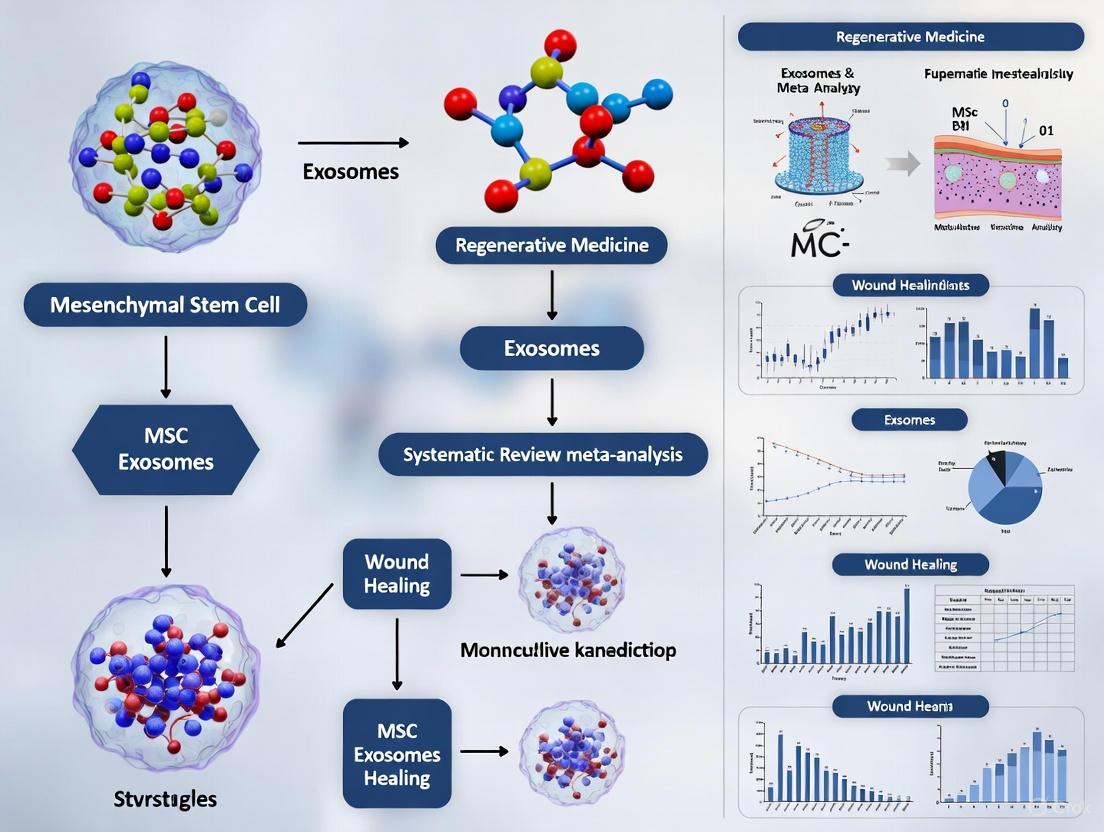
Systematic Review and Meta-Analysis of MSC Exosomes in Wound Healing: Mechanisms, Efficacy, and Clinical Translation
This systematic review and meta-analysis synthesizes current preclinical and clinical evidence on mesenchymal stem cell-derived exosomes (MSC-exosomes) for wound healing.
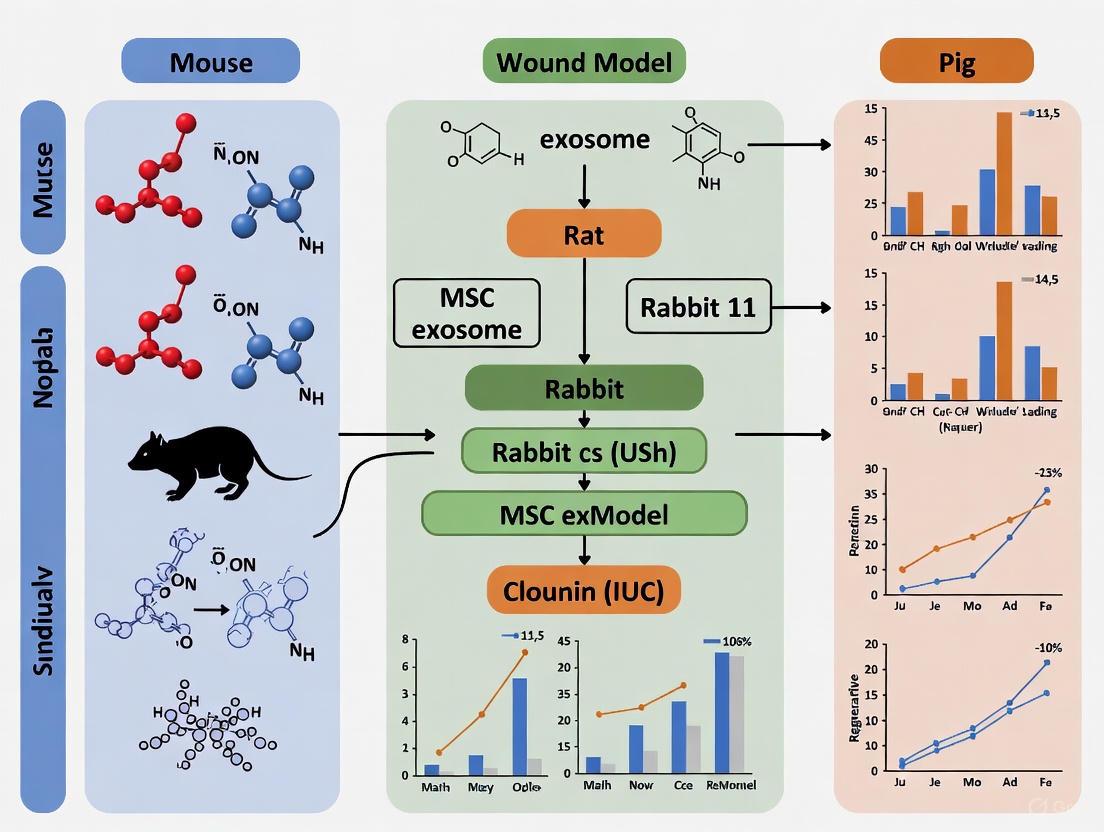
MSC Exosome Efficacy in Wound Healing: A Comparative Analysis of Performance Across Preclinical Animal Models
This article synthesizes current evidence on the therapeutic performance of mesenchymal stem cell-derived exosomes (MSC-exosomes) in various animal wound models.
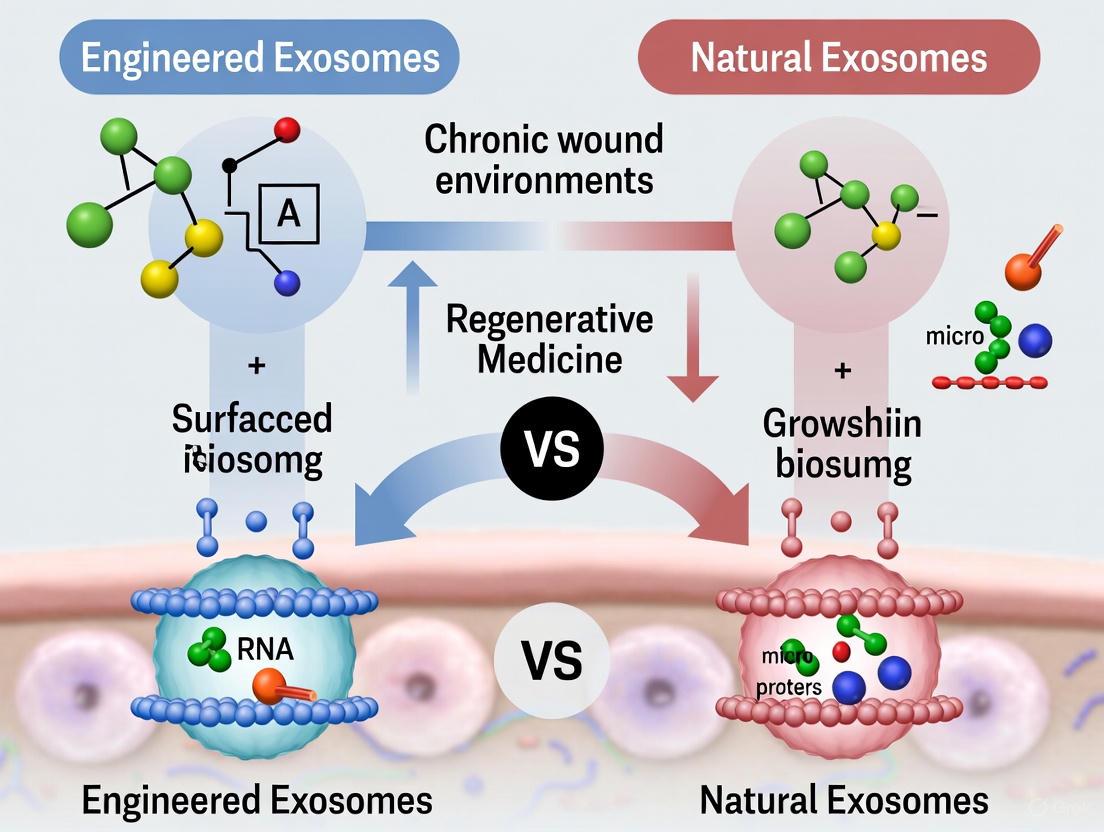
Engineered vs. Natural Exosomes in Chronic Wound Models: A Comparative Analysis for Therapeutic Development
Chronic wounds, characterized by a failure to proceed through an orderly healing process, present a significant clinical challenge.
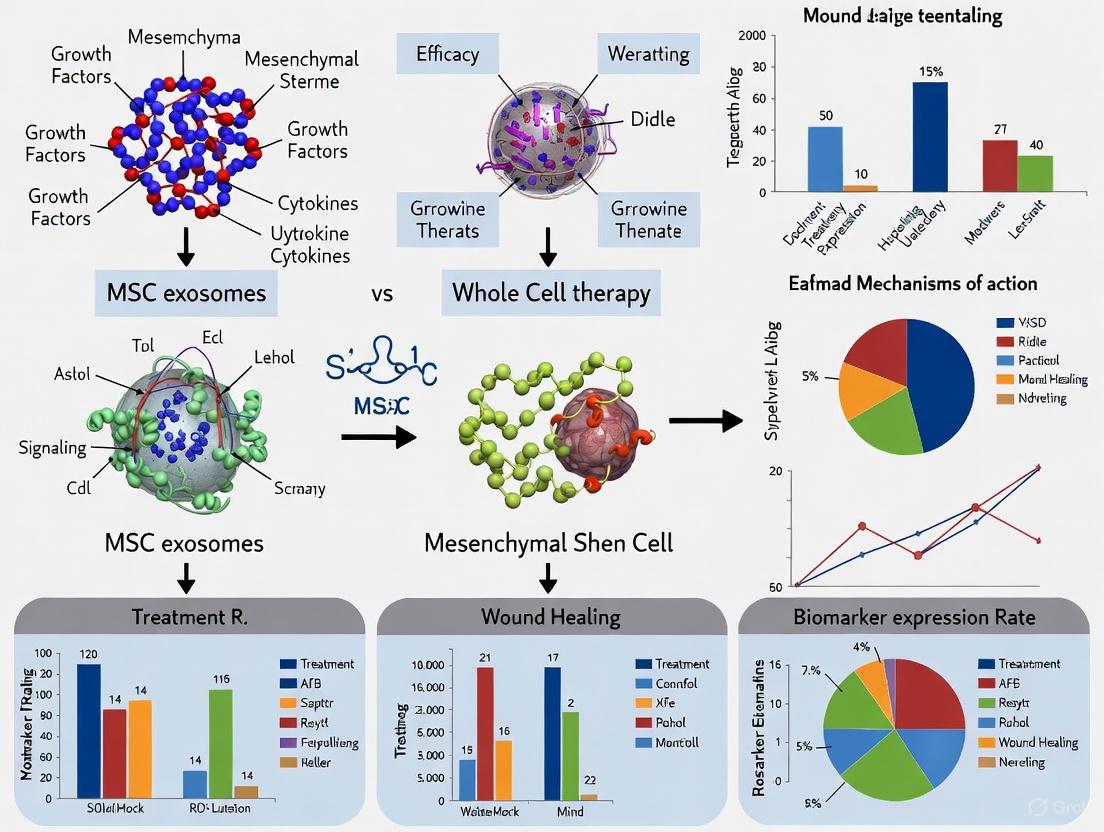
MSC Exosomes vs Whole Cell Therapy: A New Paradigm for Diabetic Ulcer Treatment
Diabetic foot ulcers (DFUs) represent a severe complication with high rates of amputation and mortality, driven by a complex microenvironment that often resists conventional care.
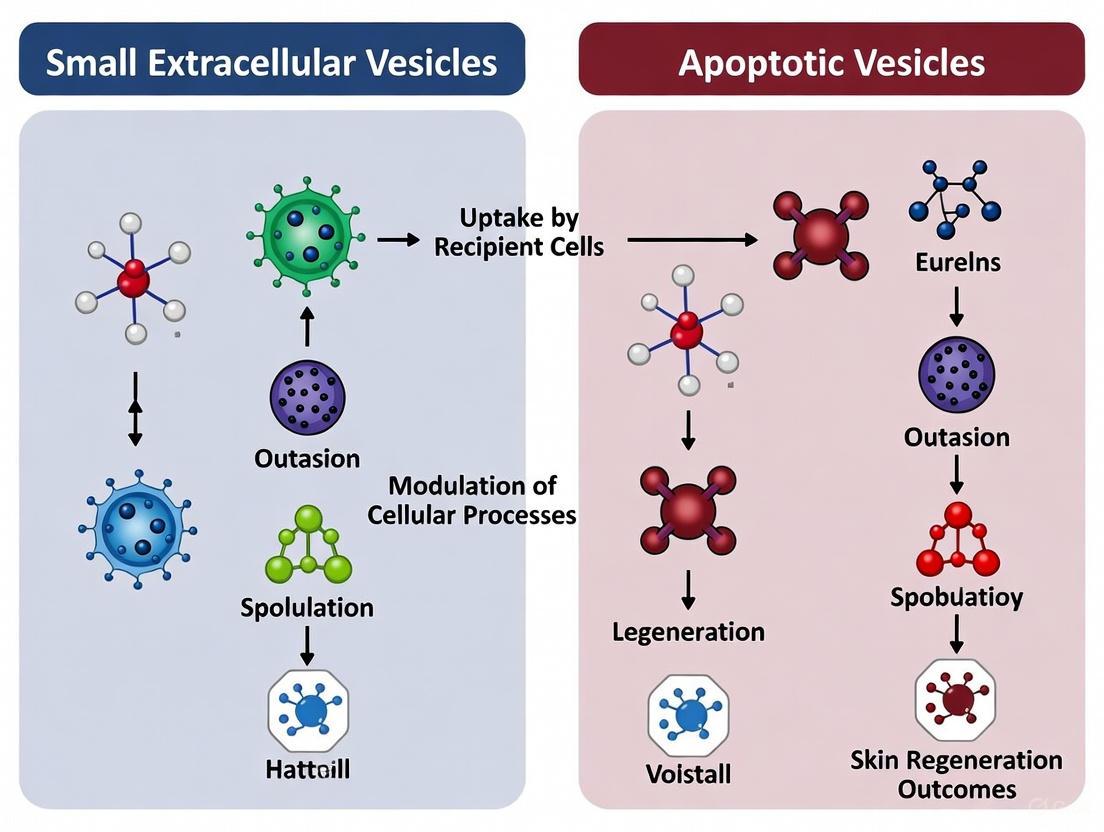
Small Extracellular Vesicles vs. Apoptotic Vesicles: A Comparative Analysis for Advanced Skin Regeneration
This article provides a comprehensive comparative analysis of two prominent classes of extracellular vesicles—small extracellular vesicles (sEVs) and apoptotic vesicles (ApoEVs)—for therapeutic skin regeneration.
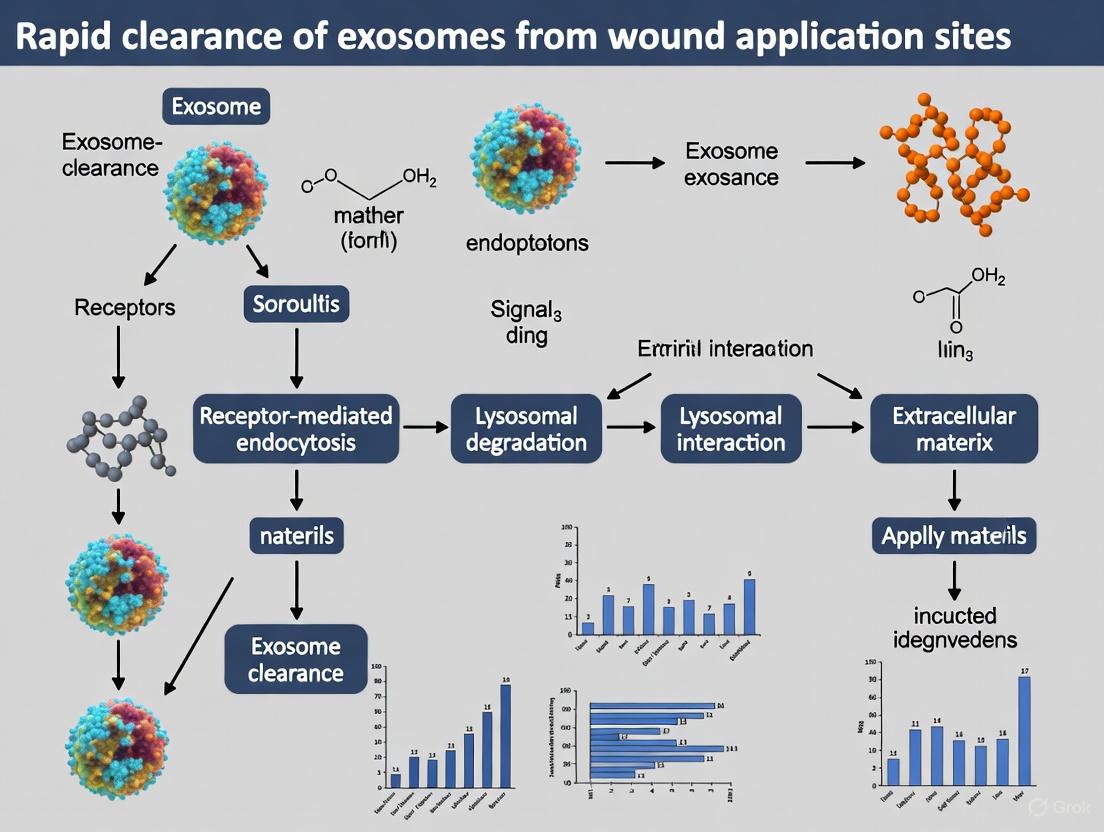
Overcoming Rapid Clearance: Engineering Strategies to Enhance Exosome Retention at Wound Sites
Exosome therapy represents a paradigm shift in regenerative medicine, offering a cell-free approach for treating chronic wounds by modulating inflammation, promoting angiogenesis, and stimulating tissue regeneration.
Scalable Production of MSC-Derived Exosomes: Optimizing Culture Conditions for Clinical Translation
This article provides a comprehensive guide for researchers and drug development professionals on scaling up mesenchymal stem cell (MSC) culture to produce therapeutic exosomes.
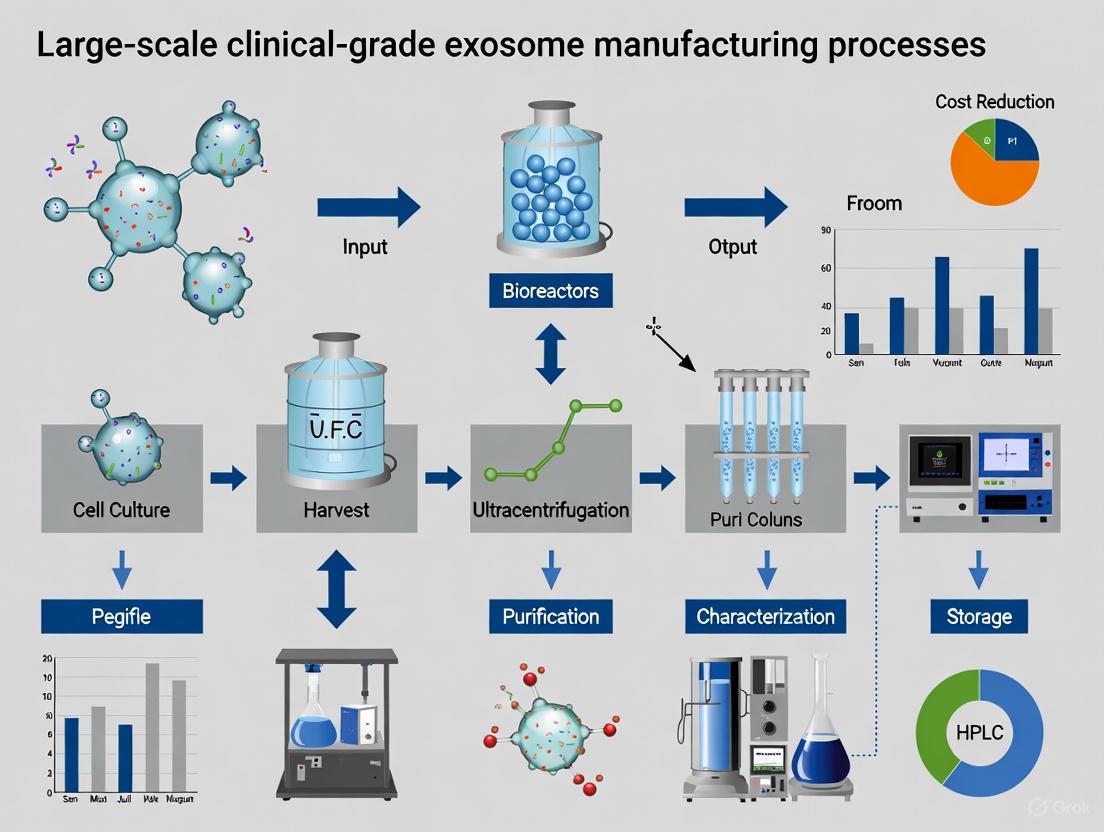
Strategies for Cost-Effective Clinical Grade Exosome Manufacturing: Scaling Production for Therapeutic Applications
This article addresses the critical challenge of high production costs in large-scale, clinical-grade exosome manufacturing, a major barrier to the commercialization of exosome-based therapeutics.
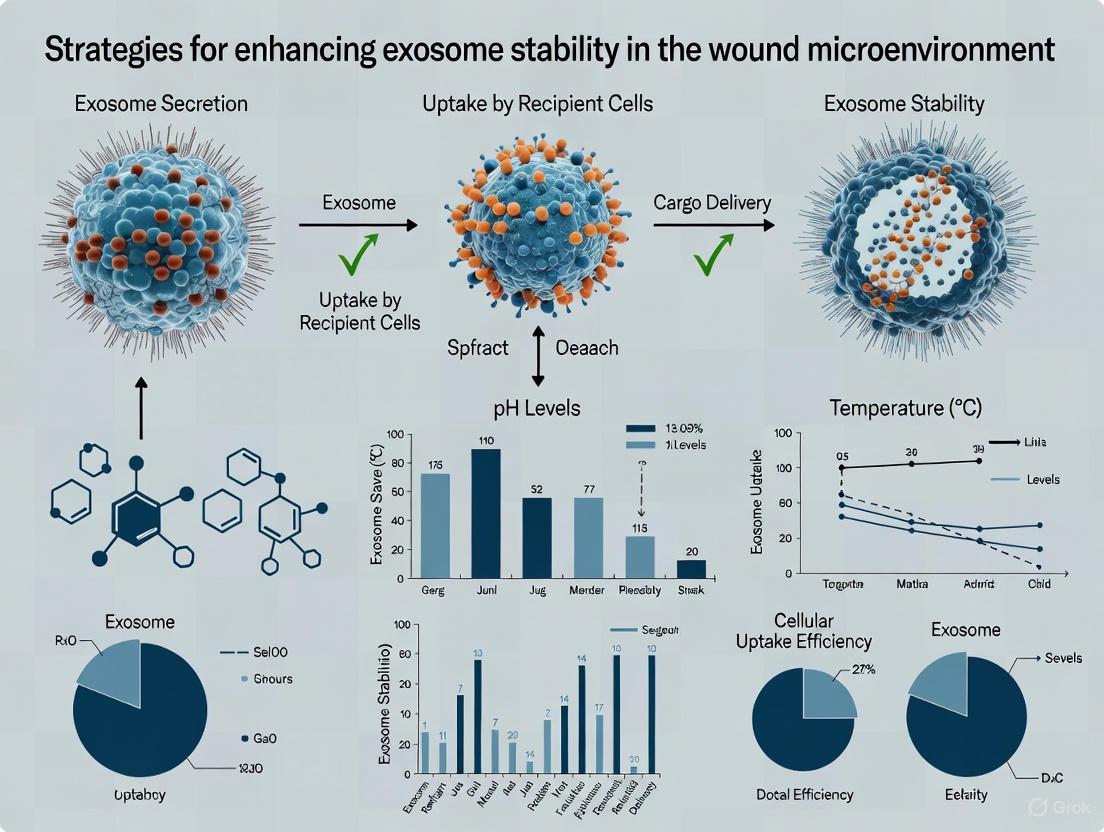
Precision Engineering and Biomaterial Strategies for Enhancing Exosome Stability in the Challenging Wound Microenvironment
Exosome-based therapeutics represent a paradigm shift in regenerative medicine, offering a cell-free approach for treating chronic wounds.
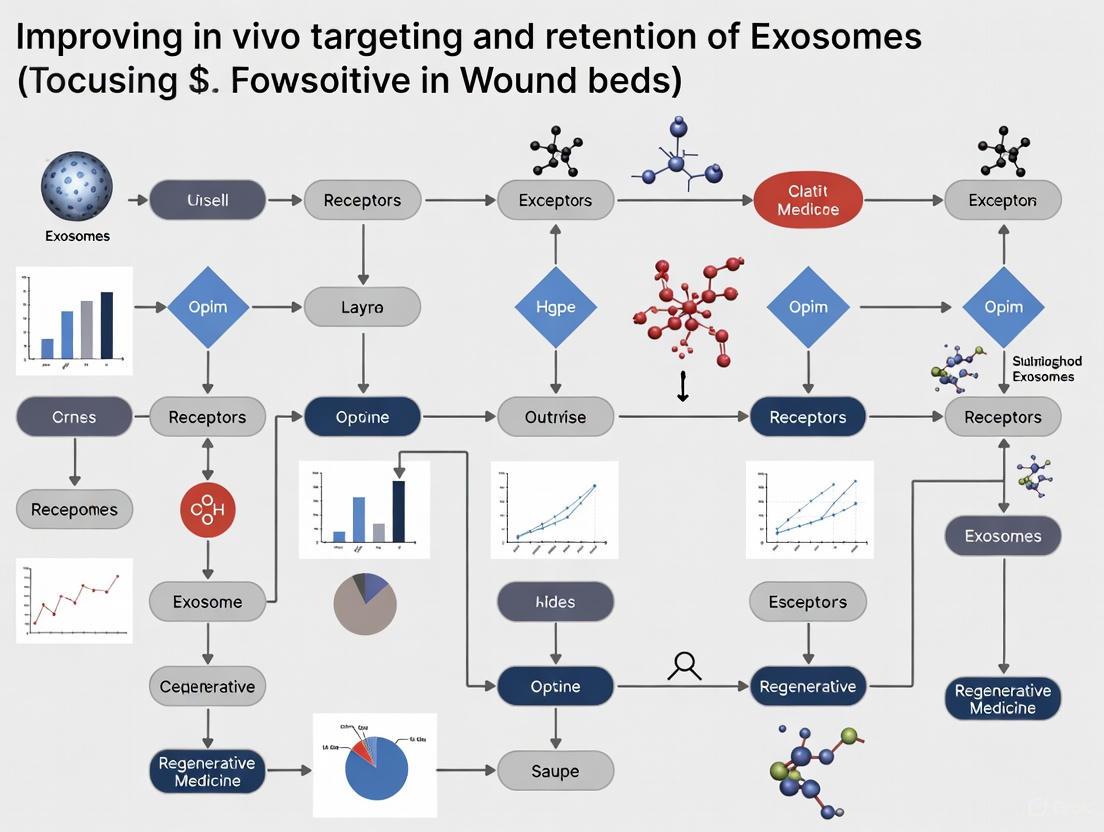
Advanced Strategies for Enhancing Exosome Targeting and Retention in Wound Beds
Exosome-based therapies represent a paradigm shift in regenerative medicine, offering a cell-free approach for promoting wound healing.