Research Articles
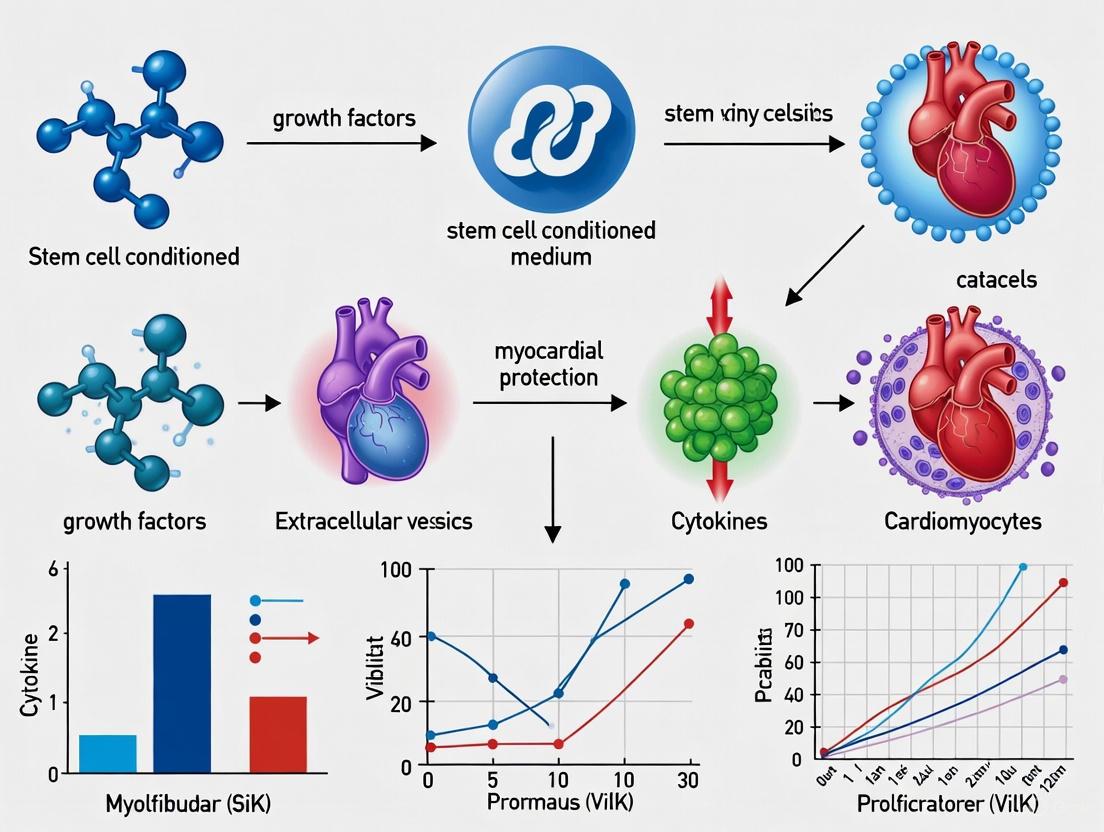
Stem Cell Conditioned Medium and Extracellular Vesicles: The Next Frontier in Myocardial Protection and Repair
This article synthesizes current research on stem cell-conditioned medium (CM) as a novel cell-free therapy for myocardial protection.
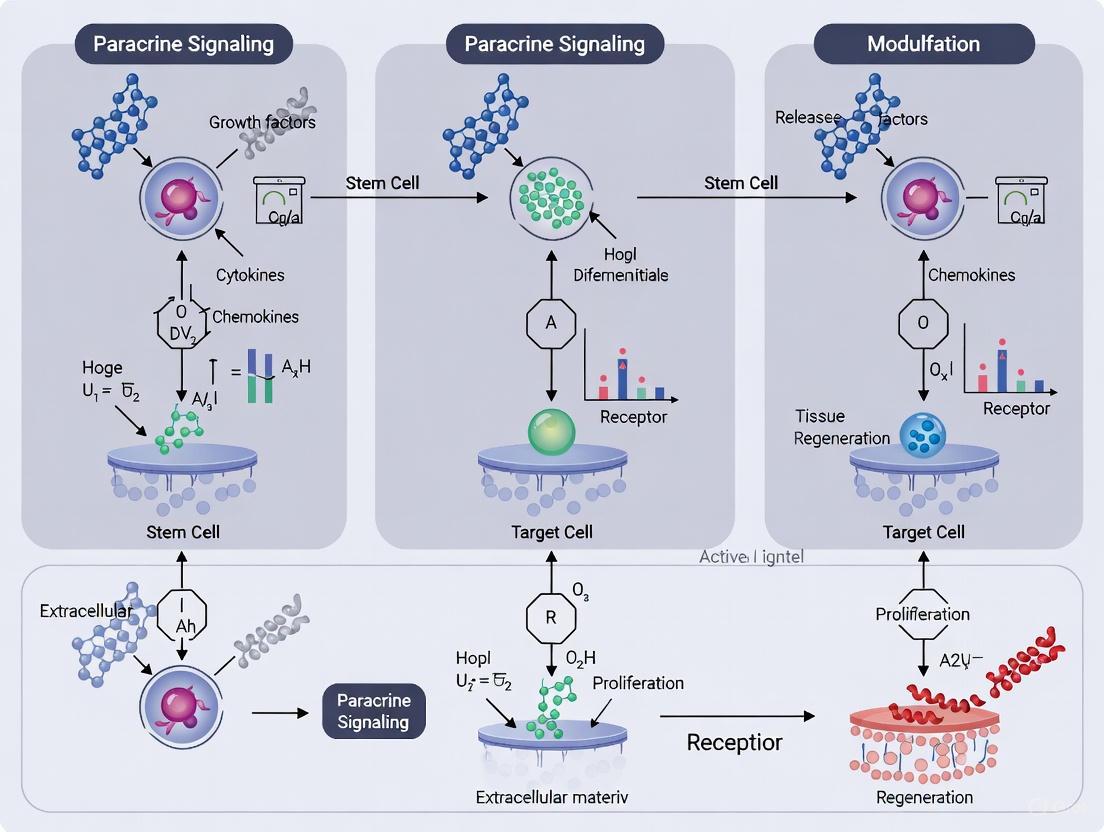
Paracrine Signaling: The Primary Mechanism Driving Adult Stem Cell Therapy
This article comprehensively reviews the paradigm shift in understanding adult stem cell therapy, where paracrine signaling is now recognized as a primary mechanism of action, surpassing the initial focus on...
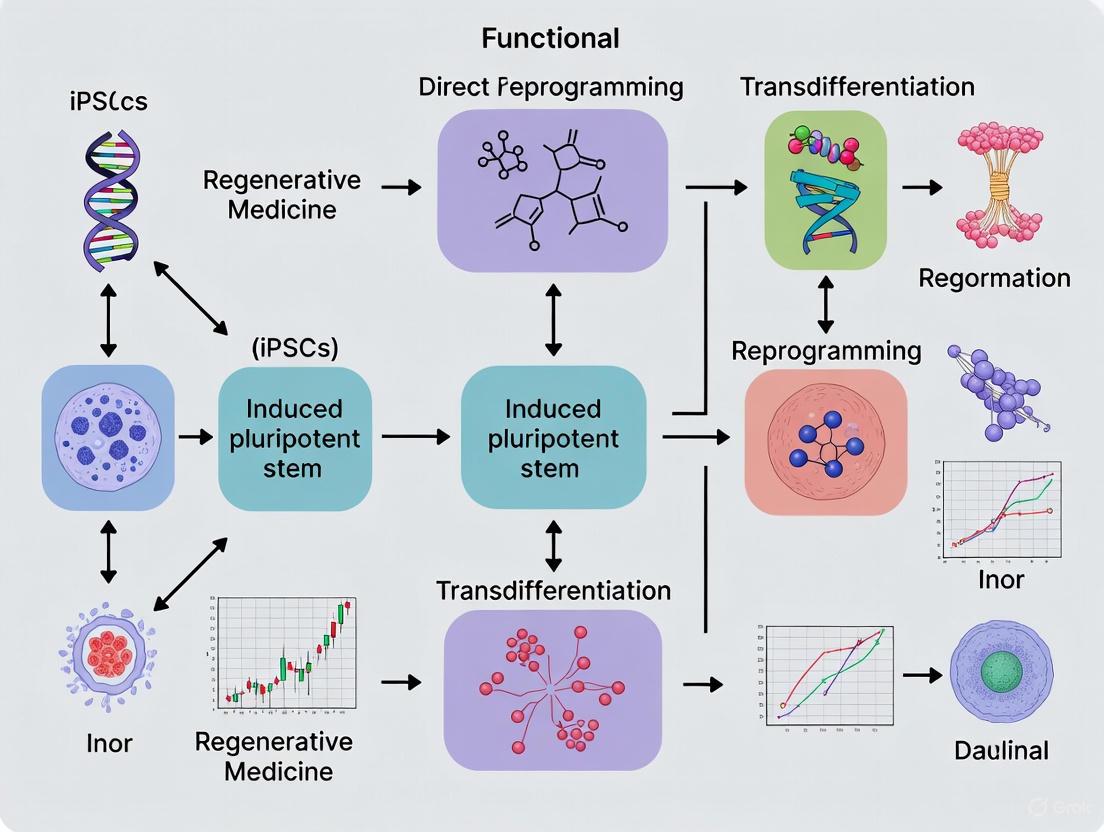
Functional Outcomes of Reprogramming Strategies: From In Vivo Rejuvenation to Targeted Transdifferentiation
This article provides a comprehensive analysis of the functional outcomes achieved by diverse cellular reprogramming strategies, tailored for researchers and drug development professionals.
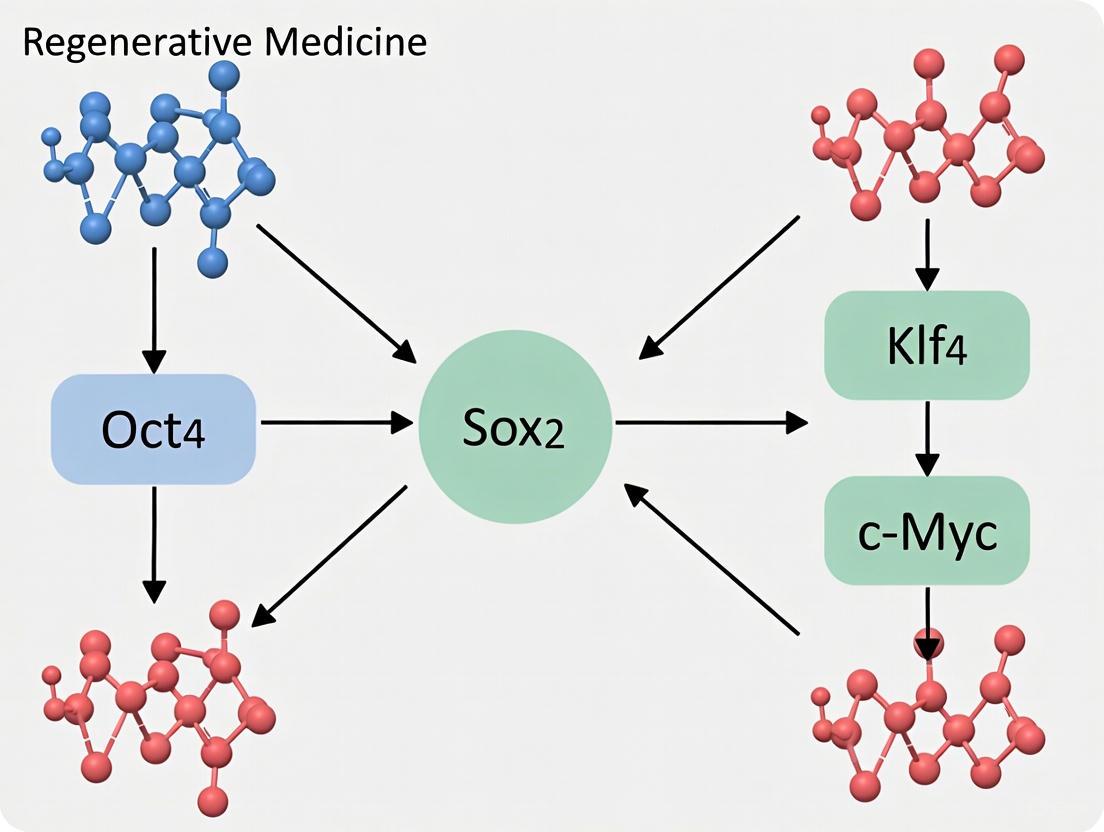
Optimizing Reprogramming: A Comprehensive Comparison of Yamanaka Factor Combinations for iPSC Generation
This article provides a systematic analysis of the efficiency, safety, and application-specific suitability of various Yamanaka factor combinations for induced pluripotent stem cell (iPSC) reprogramming.
Preventing Immune Activation in In Vivo Reprogramming: Strategies for Controlling Inflammation and Trained Immunity
In vivo reprogramming, the direct conversion of somatic cells into target lineages within a living organism, holds immense therapeutic promise for regenerative medicine.
Comparative Chromatin Accessibility in Cellular Reprogramming: From Mechanisms to Clinical Applications
This comprehensive review explores how comparative analysis of chromatin accessibility provides critical insights into cellular reprogramming mechanisms, efficiency, and outcomes.
Partial vs. Full Cellular Reprogramming: A Comparative Analysis of Mechanisms, Applications, and Clinical Translation
This article provides a comprehensive comparative analysis of partial and full cellular reprogramming, two pivotal strategies in regenerative medicine and aging research.
Reprogramming Microenvironments: From Foundational Mechanisms to Clinical Translation in Biomedicine
This article provides a comprehensive exploration of microenvironmental reprogramming, a pivotal strategy in overcoming therapeutic resistance and controlling cell fate.
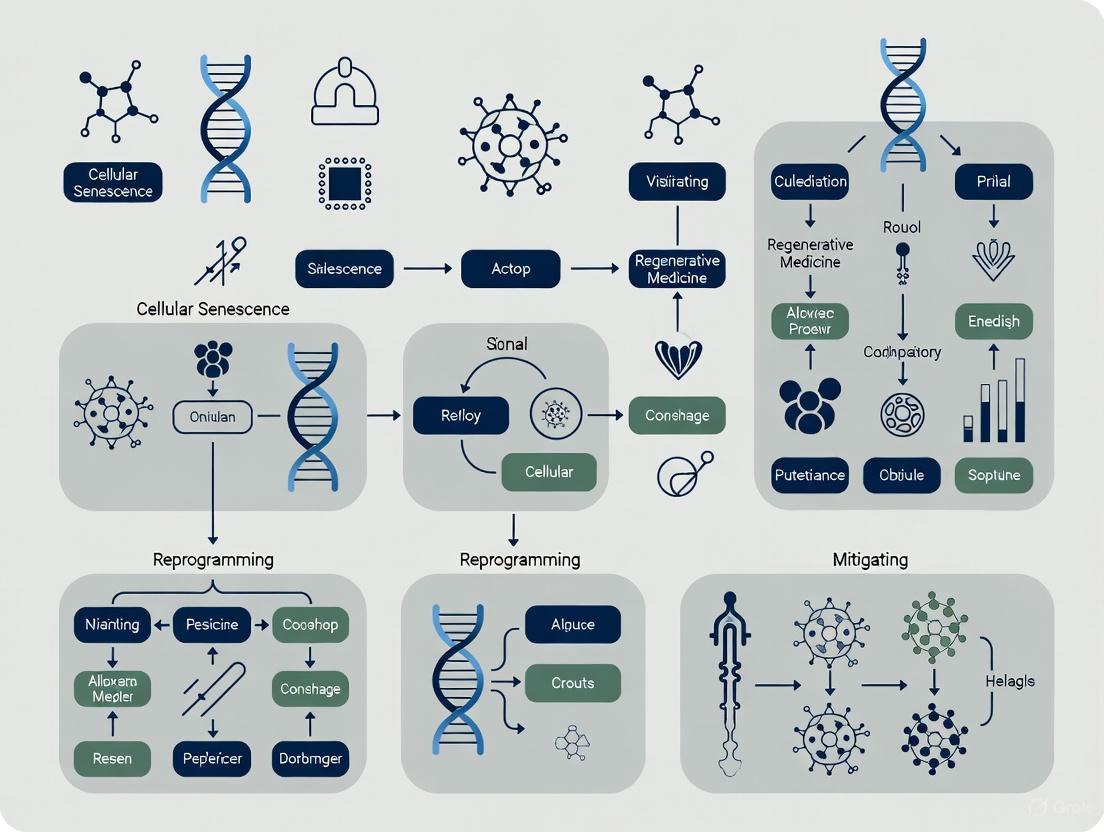
Navigating the Double-Edged Sword: Strategies to Control Cellular Senescence in Reprogramming for Regenerative Medicine
Cellular reprogramming, while holding immense potential for rejuvenation and regenerative medicine, is intrinsically linked to cellular senescence—a process that acts both as a barrier and a paradoxical facilitator.
Optimizing Dosing Regimens for Epigenetic Modulators: A Strategic Guide to Maximizing Therapeutic Windows
This article addresses the critical challenge of dosage optimization for epigenetic modulators, a pivotal factor in translating their therapeutic promise into clinical success.