Research Articles
Overcoming Impaired Paracrine Function in Administered MSCs: Strategies for Enhancing Therapeutic Efficacy
The therapeutic promise of Mesenchymal Stromal Cells (MSCs) is increasingly attributed to their paracrine activity rather than direct differentiation.
Strategic Approaches to Enhance Stem Cell Retention: From Molecular Mechanisms to Clinical Translation
This article provides a comprehensive analysis of evidence-based strategies to improve stem cell retention in target tissues, a critical challenge limiting the therapeutic efficacy of regenerative medicine.
Overcoming Poor MSC Engraftment and Survival: Advanced Strategies for Enhanced Therapeutic Efficacy
Mesenchymal stem cell (MSC) therapy holds immense promise for regenerative medicine, but its clinical translation is significantly hampered by the persistent challenge of poor cell engraftment and survival post-delivery.
MSC Conditioned Medium Collection and Concentration: A Complete Guide to Secretome Bioprocessing
This article provides a comprehensive guide for researchers and drug development professionals on the collection and concentration of mesenchymal stromal cell (MSC)-conditioned medium (CM).
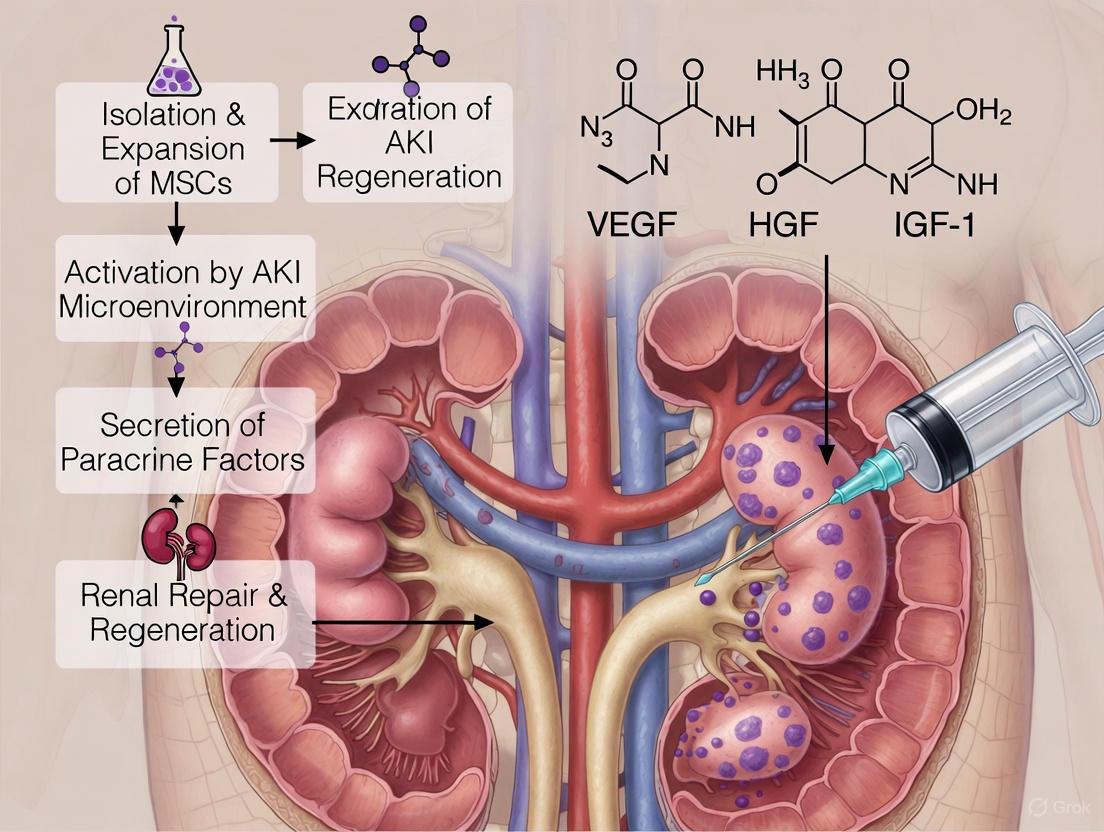
Renal Cortex Injection of MSCs for AKI: Enhancing Paracrine Therapy and Overcoming Clinical Translation Barriers
Acute kidney injury (AKI) remains a significant clinical challenge with limited treatment options.
Cytoprotective Paracrine Actions of Adrenomedullin and IGF-1: Molecular Mechanisms and Therapeutic Potential
This article synthesizes current research on the cytoprotective paracrine effects of adrenomedullin (ADM) and insulin-like growth factor-1 (IGF-1), two potent pleiotropic factors.
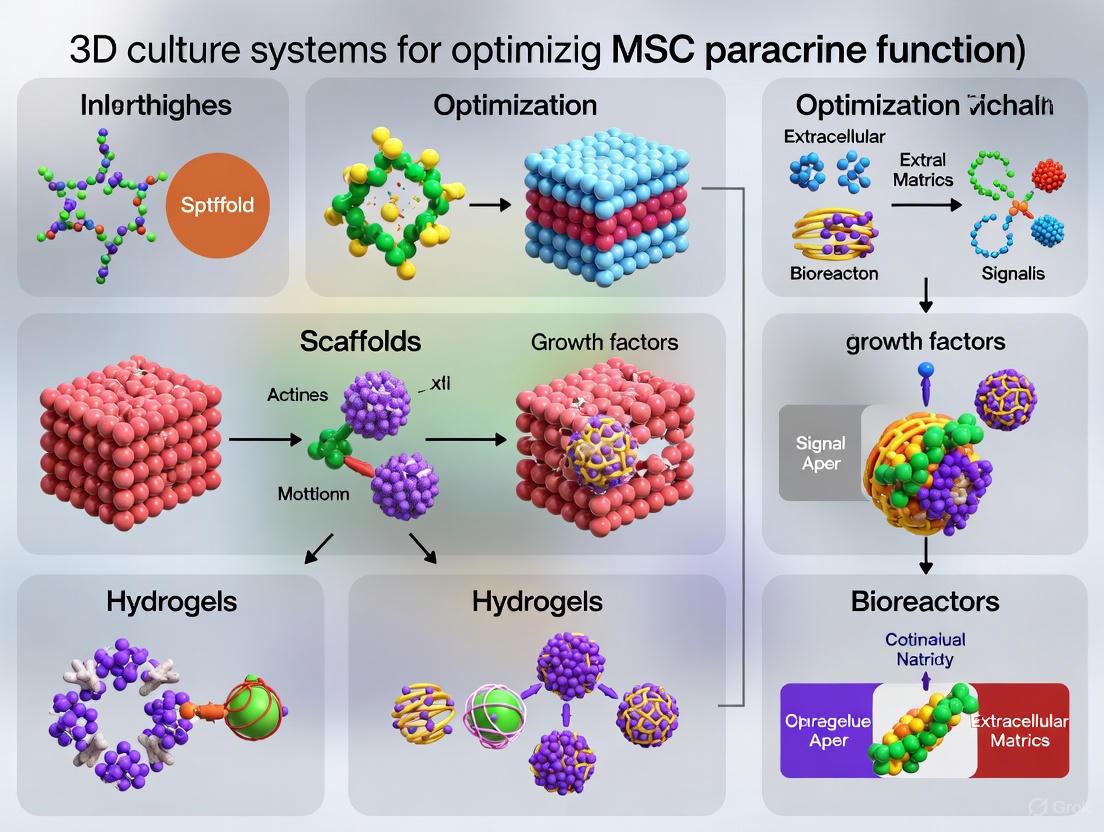
Boosting MSC Secretome: Advanced 3D Culture Systems for Enhanced Paracrine Function and Therapeutic Potency
This article comprehensively explores how three-dimensional (3D) culture systems profoundly enhance the paracrine function of Mesenchymal Stem/Stromal Cells (MSCs), a critical factor for their therapeutic efficacy in regenerative medicine.
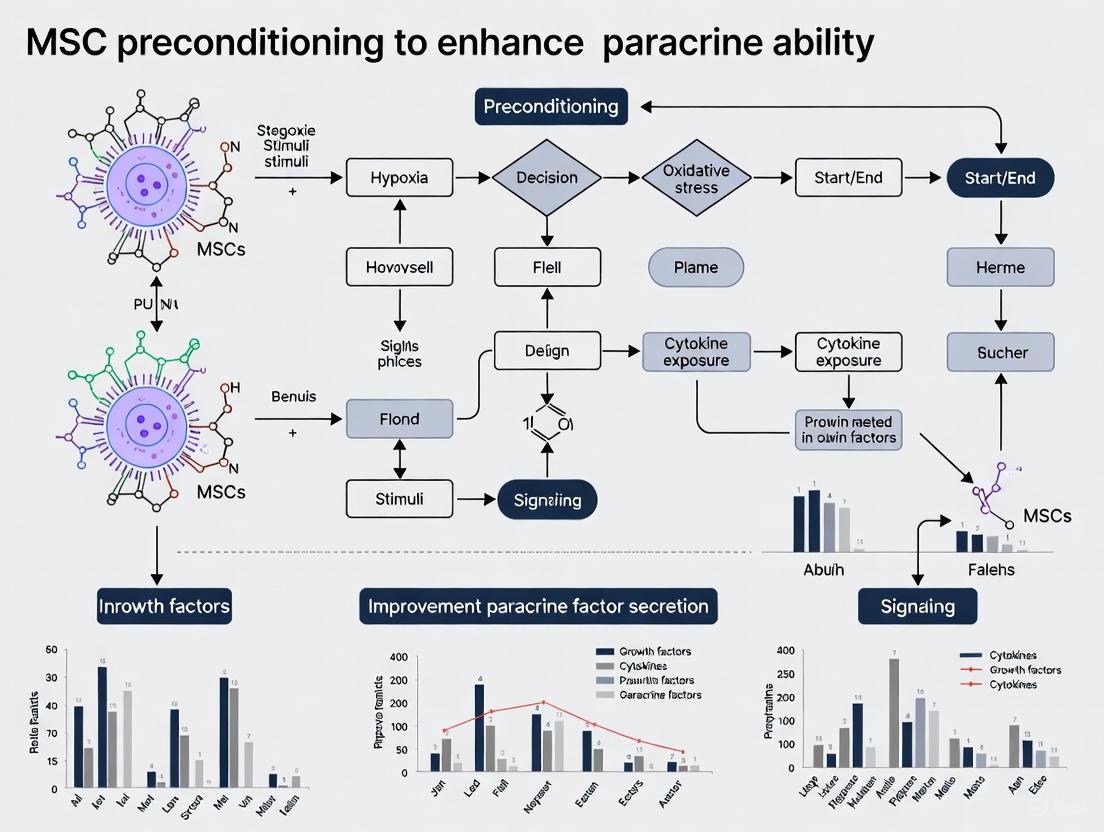
Priming for Potency: Advanced Strategies for MSC Preconditioning to Maximize Paracrine Secretome and Therapeutic Efficacy
This article provides a comprehensive analysis of mesenchymal stromal cell (MSC) preconditioning, a pivotal strategy to enhance the therapeutic potential of their paracrine activity.
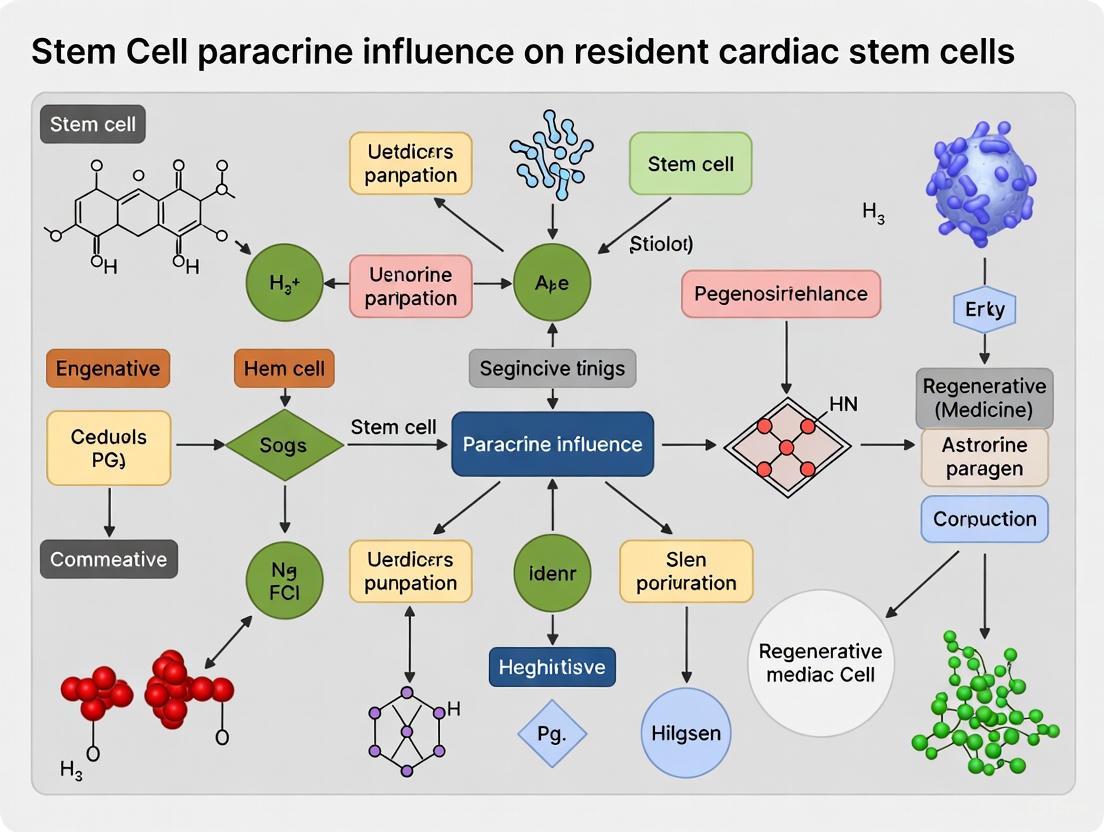
Paracrine Signaling in Cardiac Regeneration: How Stem Cell Secretomes Activate Resident Progenitors
This article synthesizes current research on the paracrine mechanisms by which transplanted stem cells activate endogenous cardiac stem and progenitor cells to promote heart repair.
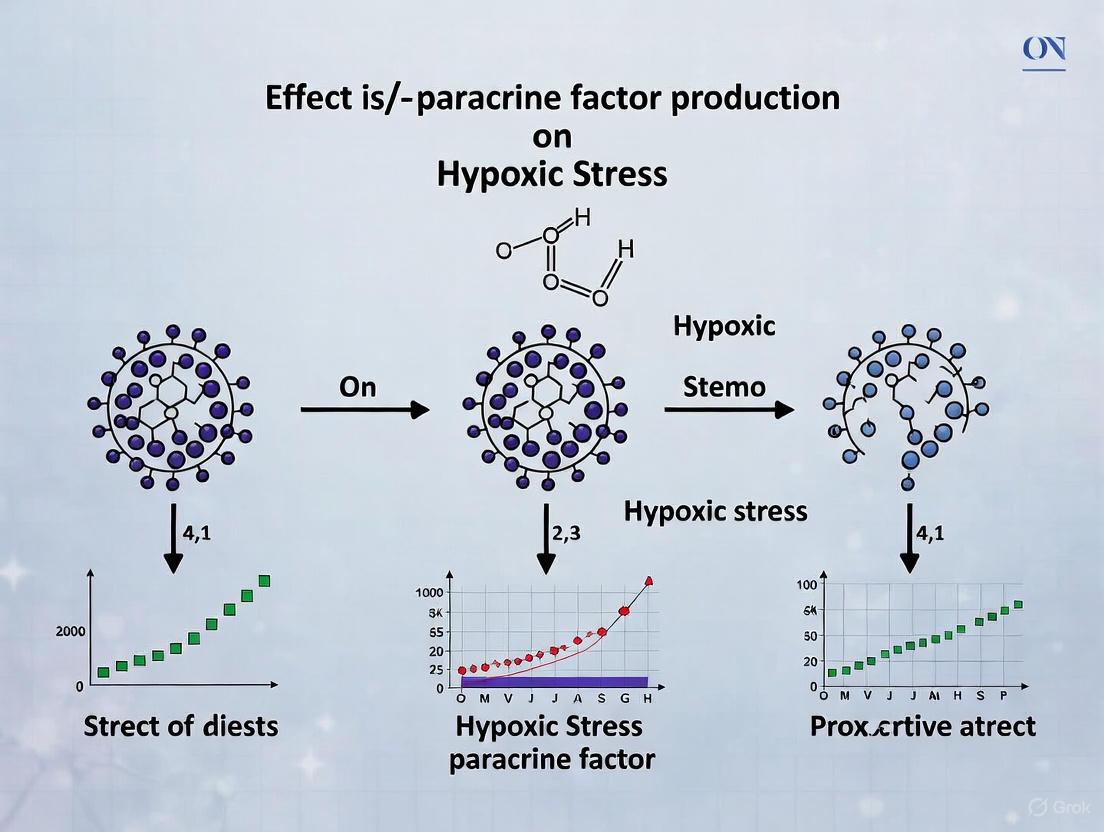
Hypoxic Preconditioning of Stem Cells: Amplifying Paracrine Factor Production for Enhanced Therapeutic Efficacy
This article synthesizes current research on how hypoxic stress modulates the production of paracrine factors from stem cells, with a focus on mesenchymal stem cells (MSCs).