Research Articles
Mini-Tissues and Microtissues in Bioprinting: Revolutionizing Drug Discovery and Disease Modeling
This article provides a comprehensive overview of 3D bioprinted mini-tissues and microtissues, engineered living constructs that replicate the structure and function of human organs.
Autonomous Self-Assembly in Bioprinting: Harnessing Developmental Biology to Build Functional Tissues
This article explores autonomous self-assembly, a scaffold-free biofabrication strategy that mimics embryonic development to create complex, functional tissues.
3D Bioprinting Complex Tissues: Principles, Methods, and Clinical Translation
This article provides a comprehensive examination of 3D bioprinting methodologies for fabricating complex tissues, addressing the critical needs of researchers, scientists, and drug development professionals.
Direct Cell Fate Conversion: mRNA vs. CRISPR Activation Efficiency for Research and Therapy
Direct cell fate conversion holds transformative potential for regenerative medicine and disease modeling.
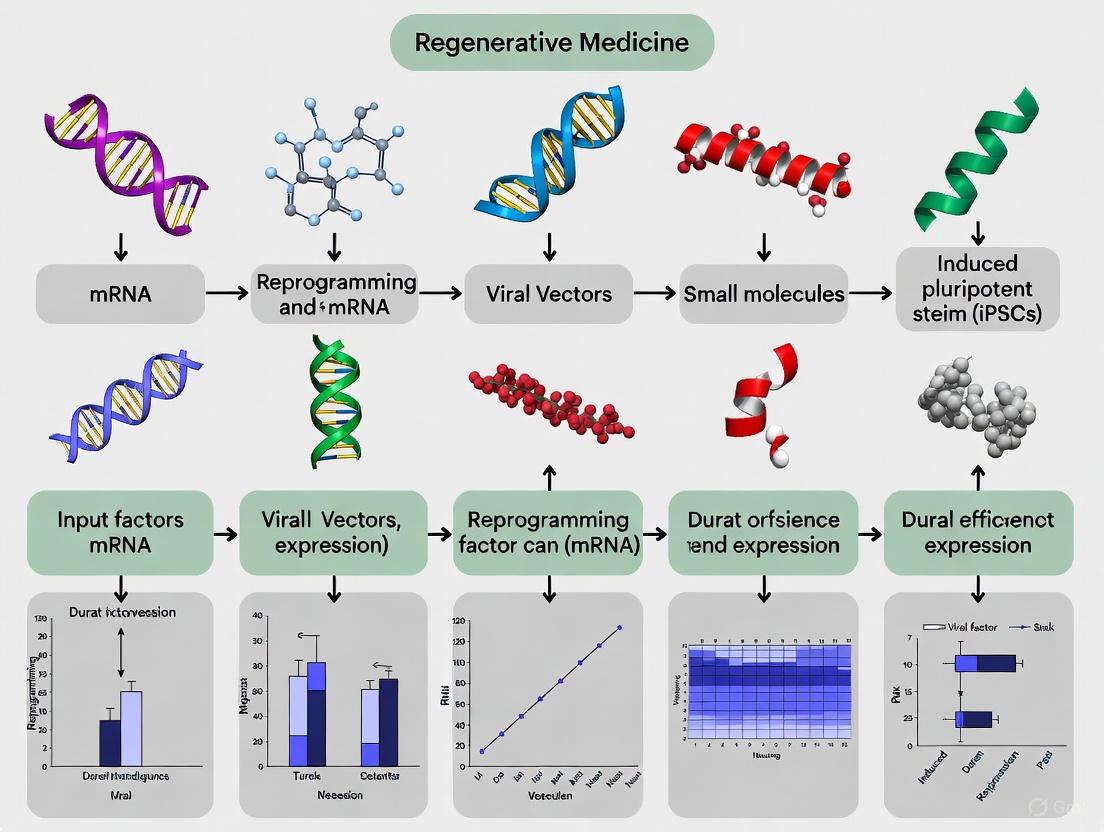
mRNA vs. Viral Delivery: Navigating the Persistence of Reprogramming Factor Expression
This article provides a comprehensive analysis for researchers and drug development professionals on a critical parameter in cellular reprogramming: the persistence of factor expression.
Global Gene Expression Profiling of RiPSCs vs. Embryonic Stem Cells: Molecular Signatures, Technical Challenges, and Clinical Translation
This article provides a comprehensive analysis of the global gene expression profiles of reprogrammed induced pluripotent stem cells (RiPSCs) compared to embryonic stem cells (ESCs).
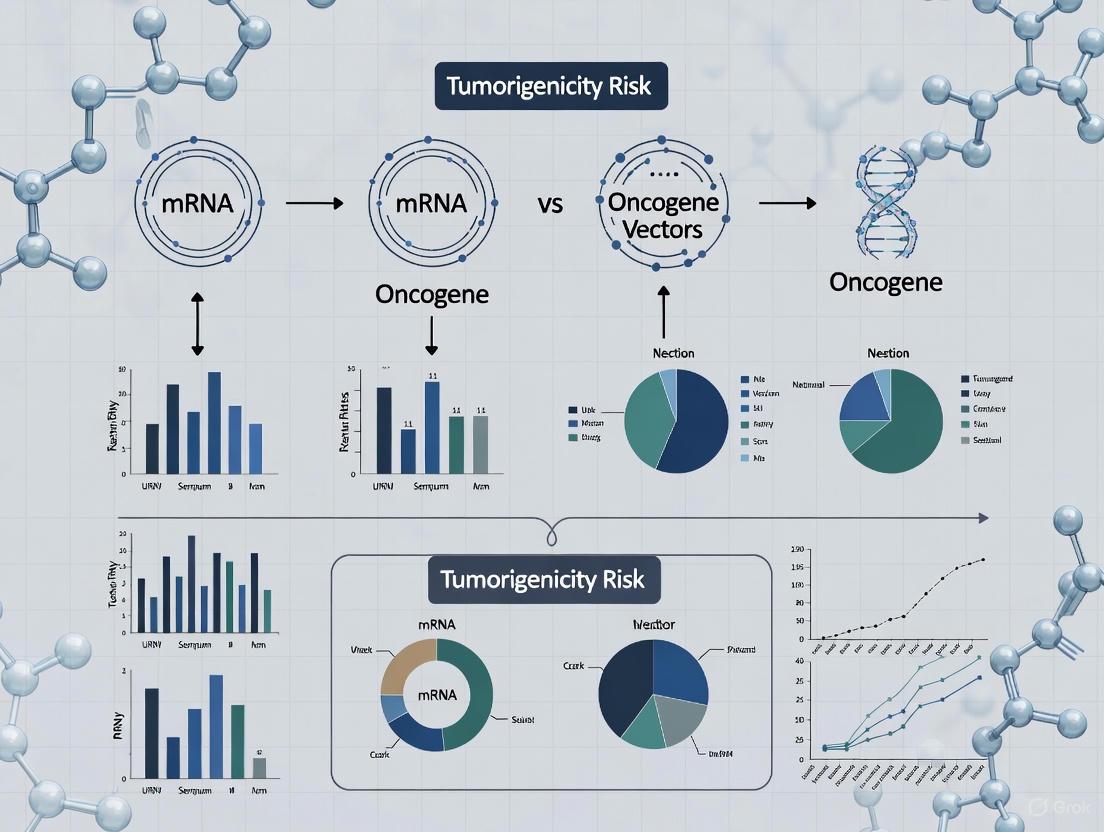
Oncogene Vectors vs. mRNA Platforms: A Comparative Analysis of Tumorigenicity Risks in Therapeutic Development
This article provides a comprehensive comparison of the tumorigenicity risks associated with mRNA-based therapeutic platforms and traditional oncogene vectors.
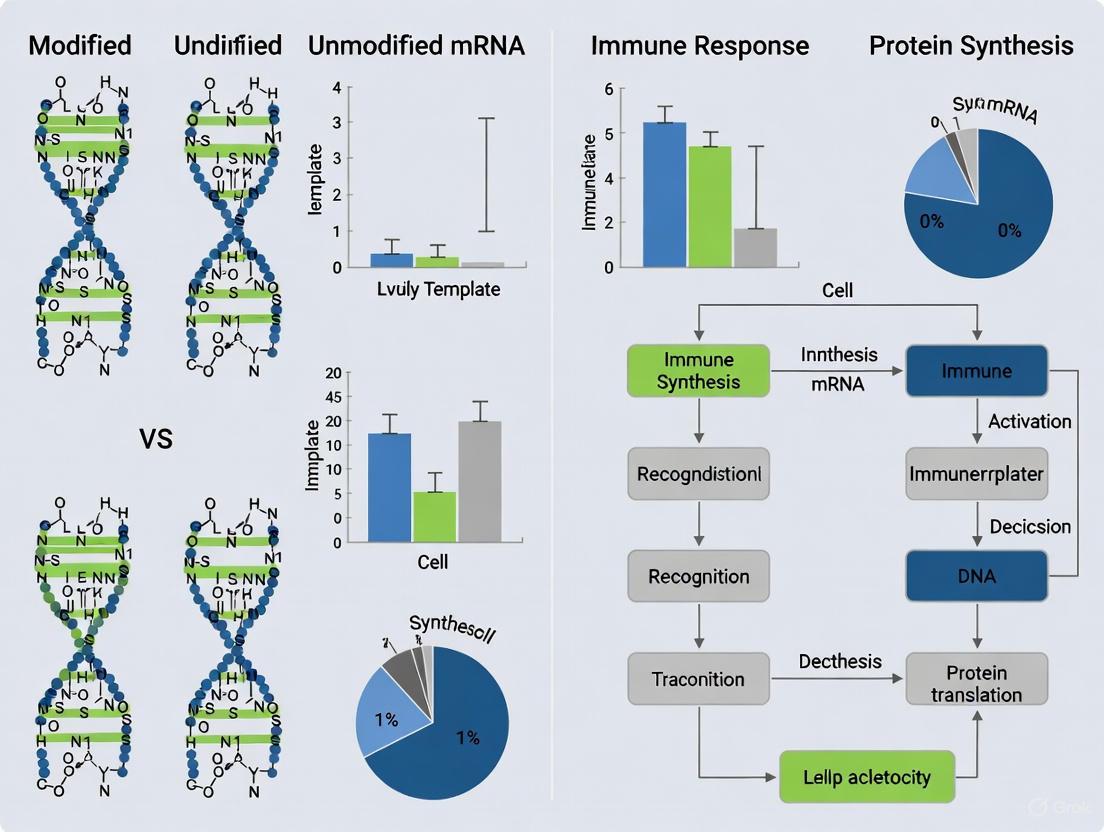
Modified vs. Unmodified mRNA: Navigating Immunogenicity for Next-Generation Therapeutics
This article provides a comprehensive analysis of the immunogenicity profiles of modified and unmodified mRNA platforms, a central consideration for therapeutic development.
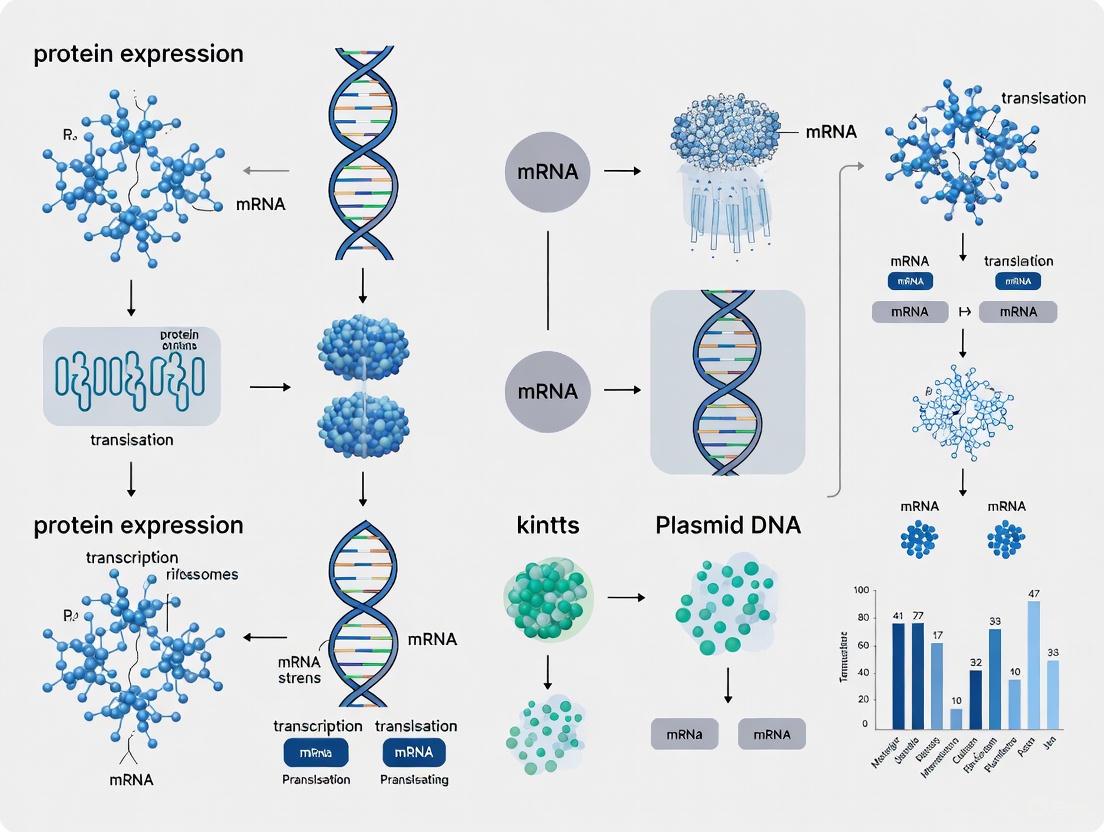
mRNA vs. Plasmid DNA: A Comparative Analysis of Protein Expression Kinetics for Therapeutic Development
This article provides a comprehensive comparison of protein expression kinetics between mRNA and plasmid DNA (pDNA) technologies, tailored for researchers and drug development professionals.
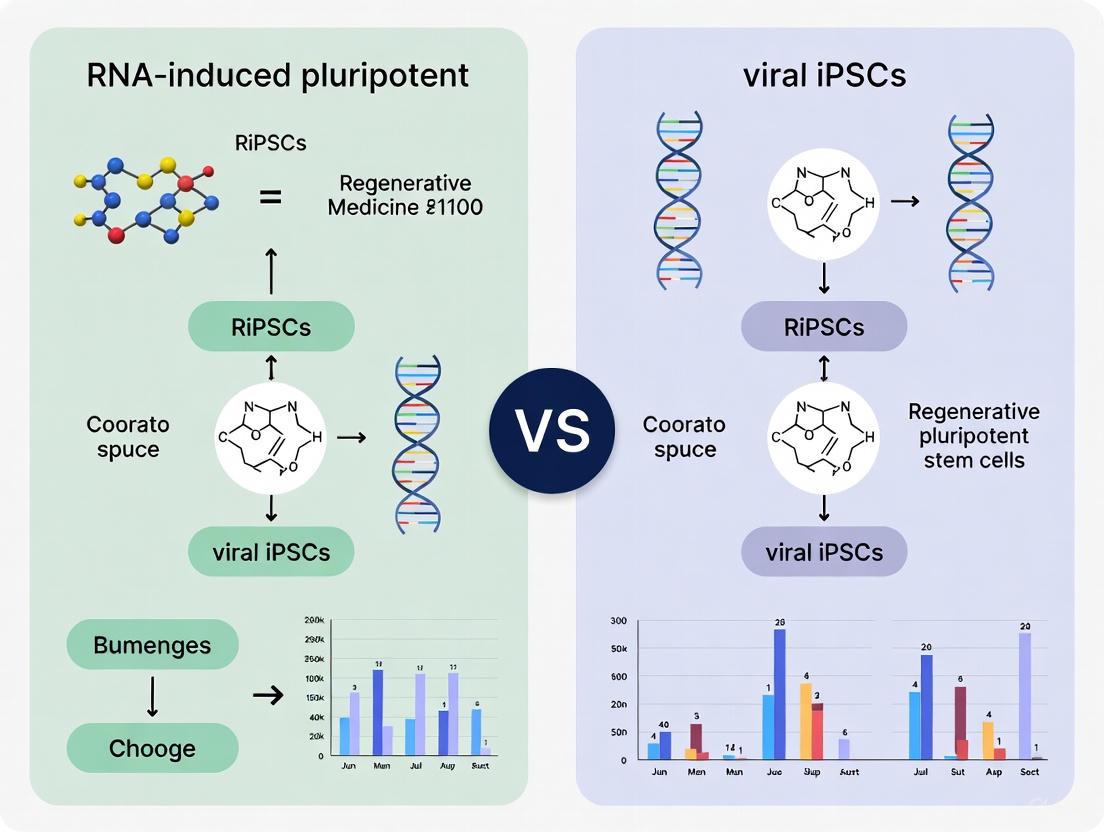
RNA-induced vs. Viral iPSCs: A Comparative Analysis of Safety, Efficacy, and Clinical Translation
This article provides a comprehensive comparison between RNA-induced pluripotent stem cells (RiPSCs) and viral vector-derived iPSCs, tailored for researchers, scientists, and drug development professionals.