Research Articles
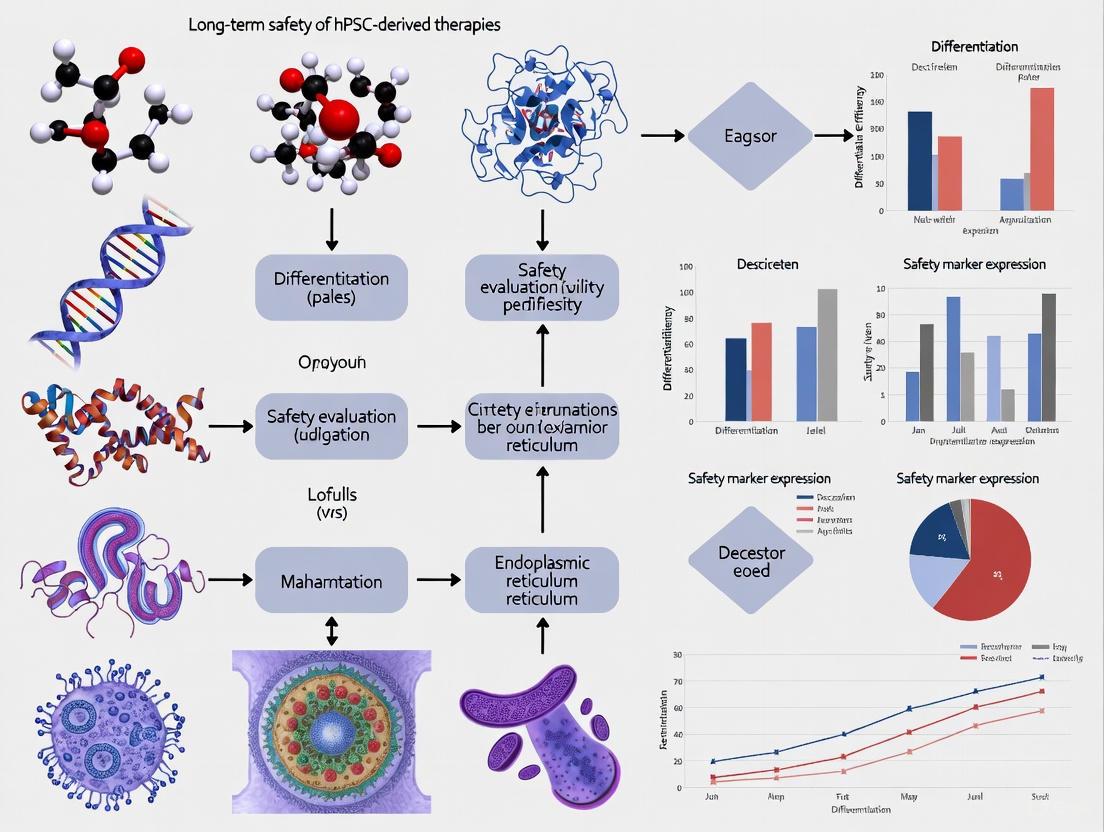
Ensuring Long-Term Safety of hPSC-Derived Therapies: A Comprehensive Roadmap for Clinical Translation
Human pluripotent stem cell (hPSC) therapies hold transformative potential for regenerative medicine but are accompanied by unique long-term safety challenges that must be rigorously addressed for successful clinical translation.
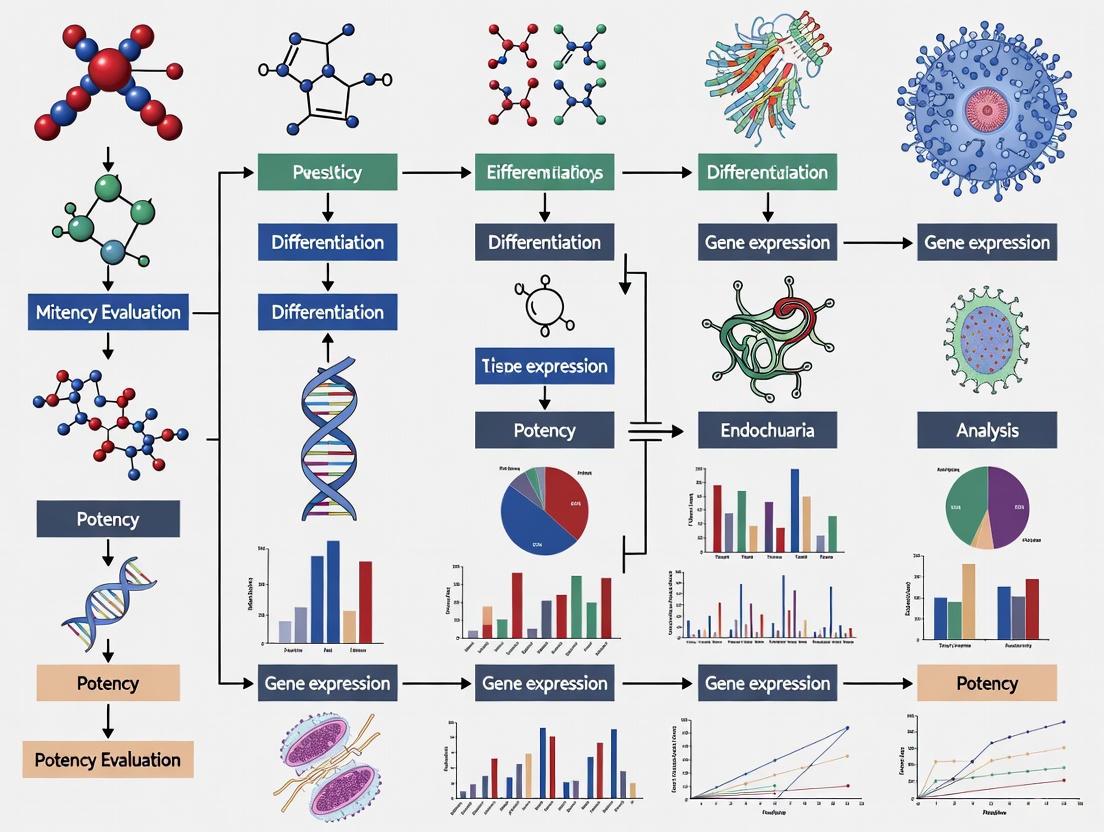
Evaluating Stem Cell Potency: A Comprehensive Guide for Advanced Disease Modeling in 2025
This article provides a comprehensive guide for researchers and drug development professionals on evaluating the potency of stem cell-based disease models.
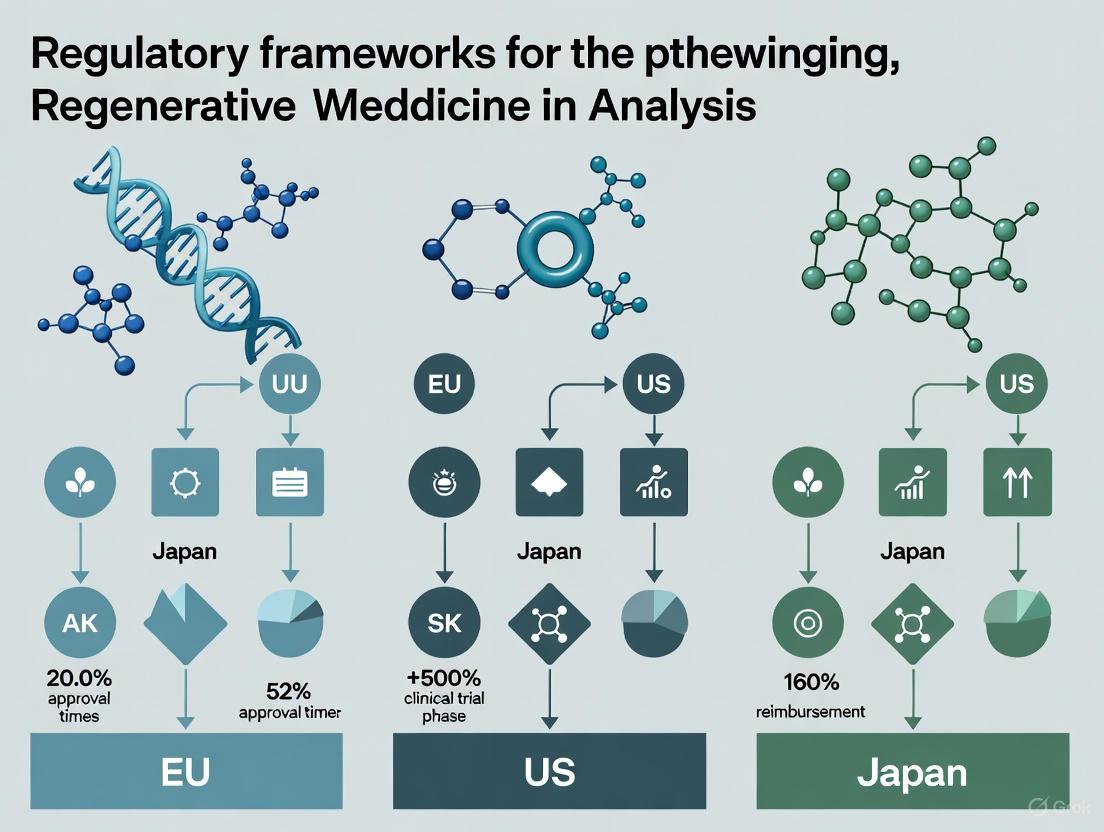
Regulatory Frameworks Compared: A 2025 Analysis of Drug Approval Pathways in the EU, US, and Japan
This article provides a comparative analysis of the pharmaceutical regulatory frameworks in the European Union, the United States, and Japan, tailored for researchers and drug development professionals.
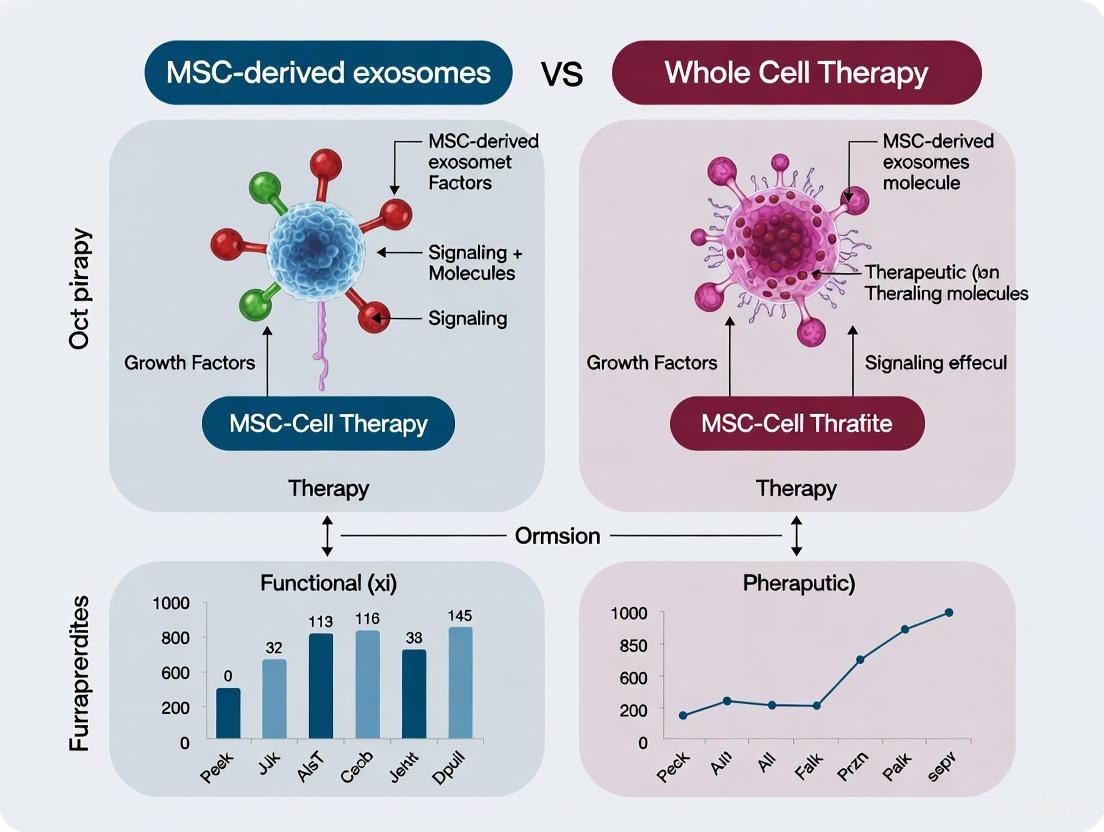
MSC-Derived Exosomes vs. Whole Cell Therapy: A Comparative Analysis of Functional Outcomes and Clinical Translation
This article provides a comprehensive analysis of the functional outcomes of mesenchymal stem cell (MSC)-derived exosomes compared to whole cell MSC therapy.
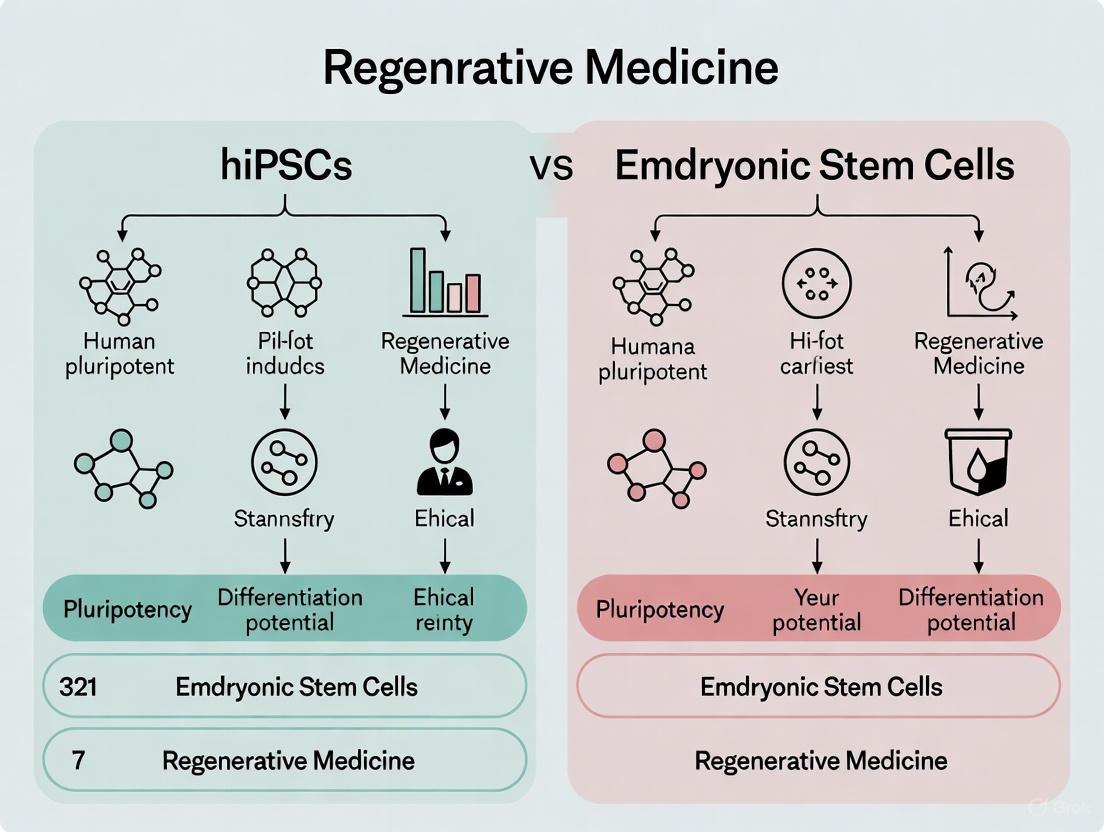
hiPSCs vs. Embryonic Stem Cells: A Comparative Analysis of Safety Profiles for Research and Clinical Translation
This article provides a comprehensive comparative analysis of the safety profiles of human induced pluripotent stem cells (hiPSCs) and embryonic stem cells (ESCs) for researchers, scientists, and drug development professionals.
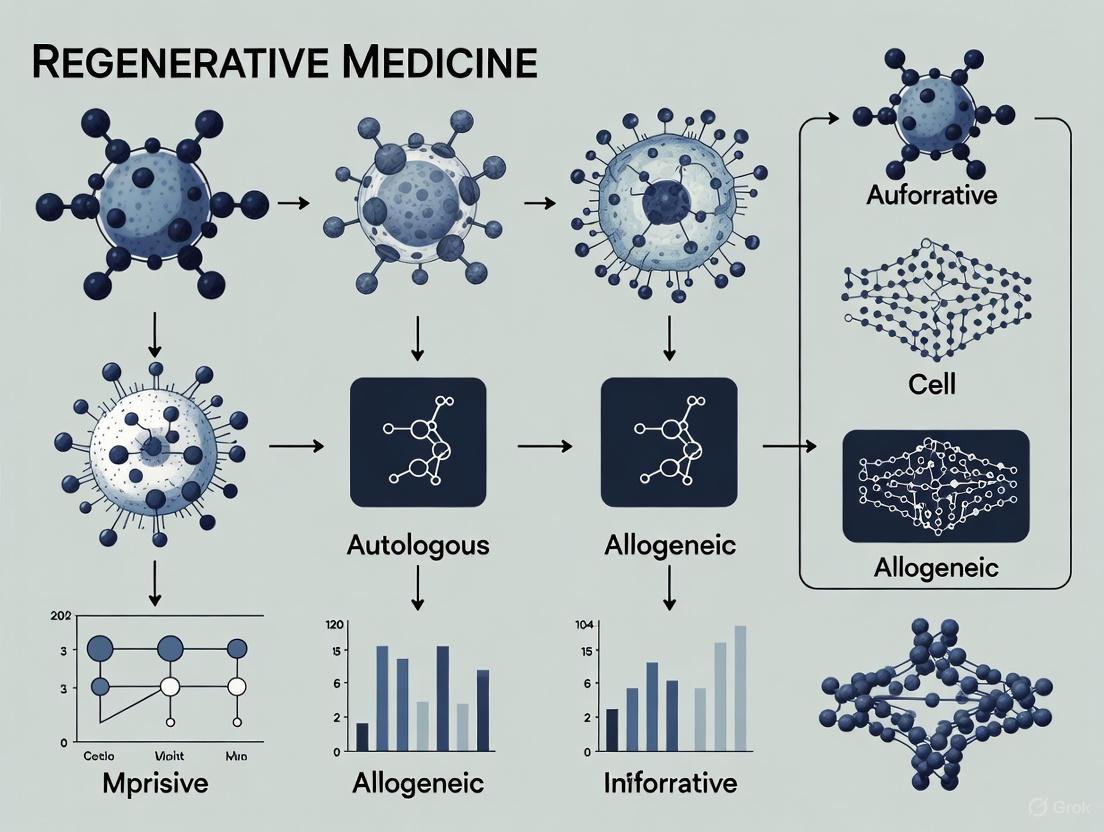
Autologous vs. Allogeneic Cell Therapy: A Comprehensive Efficacy and Application Analysis for Drug Development
This article provides a comparative analysis for researchers and drug development professionals on the efficacy, manufacturing, and clinical application of autologous and allogeneic cell therapies.
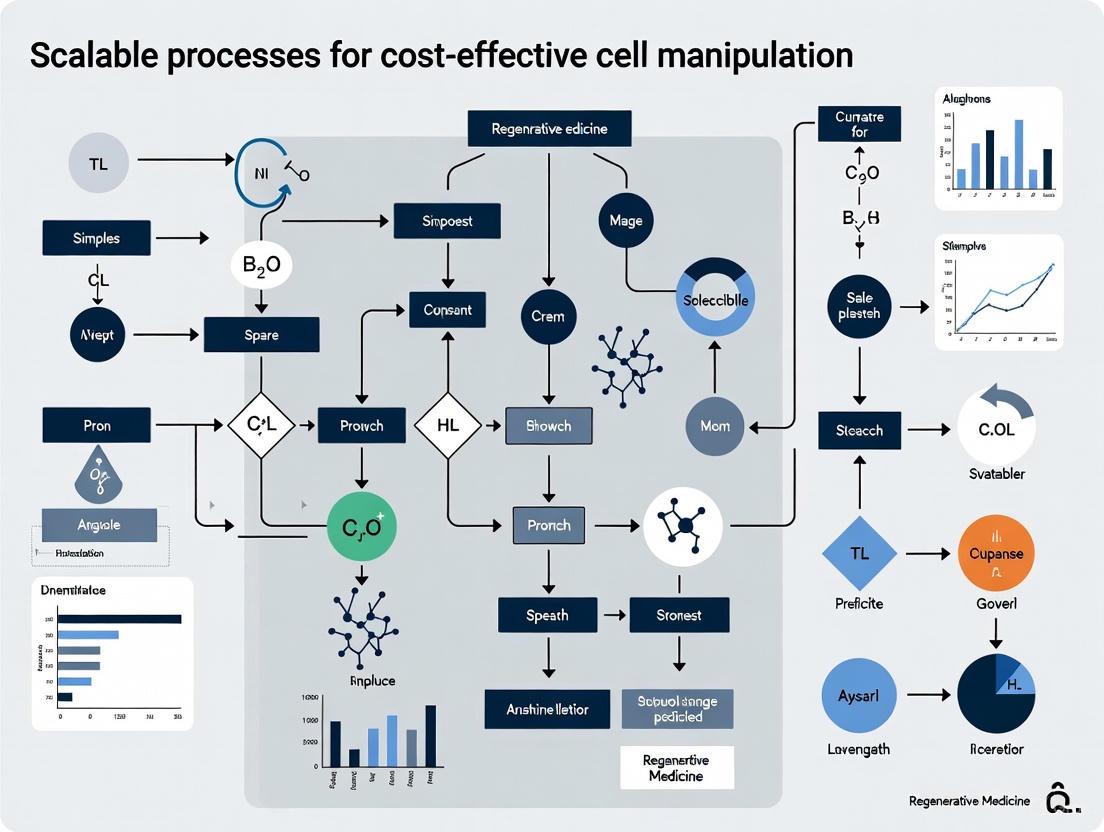
Scalable Processes for Cost-Effective Cell Manipulation: 2025 Strategies for Industrializing Advanced Therapies
This article provides researchers, scientists, and drug development professionals with a comprehensive analysis of the scalable processes and innovative technologies essential for cost-effective cell manipulation.
Breaking the Translational Barrier: A Strategic Roadmap for Advancing Regenerative Pharmacology
Regenerative pharmacology stands at a pivotal crossroads, holding immense promise for curative therapies but facing a persistent translational gap between preclinical discovery and clinical application.
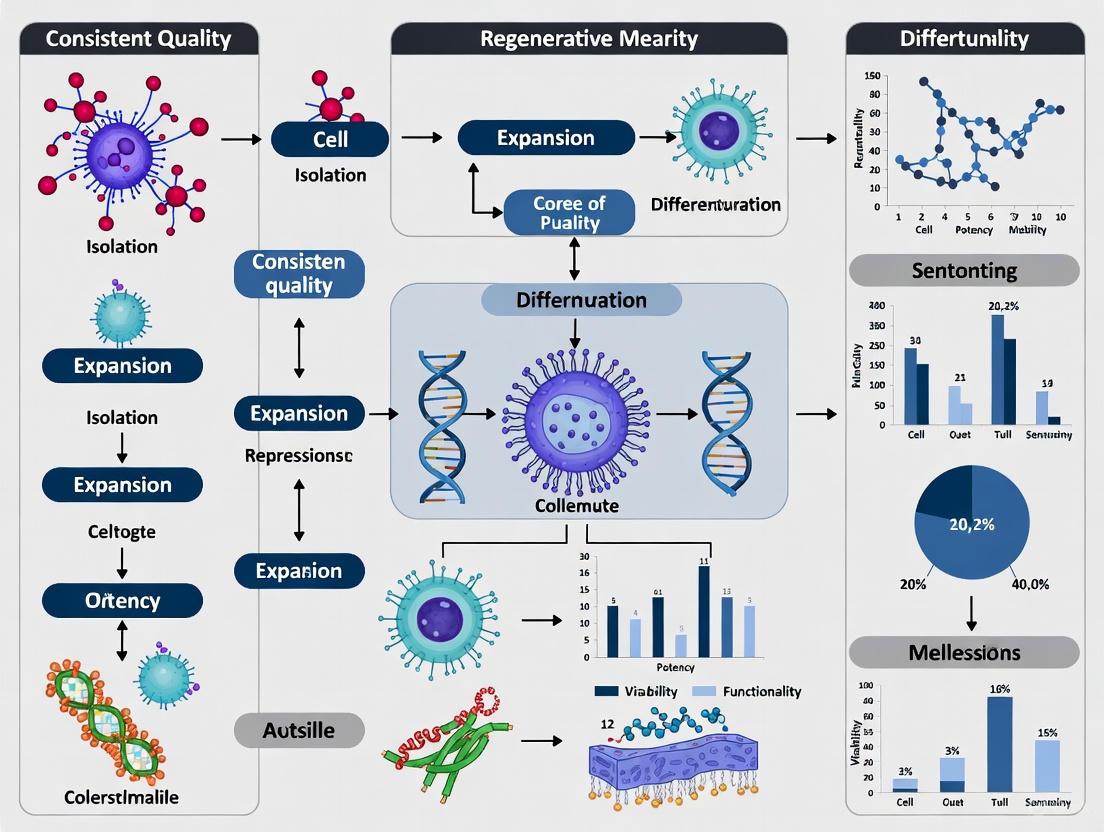
Strategic Frameworks for Consistent Quality in Autologous Cell Therapy Manufacturing
This article provides a comprehensive guide for researchers, scientists, and drug development professionals on establishing robust strategies to ensure consistent quality in autologous cell therapies.
Accelerating iPSC Reprogramming: Strategies to Shorten Timelines for Research and Therapeutics
This article provides a comprehensive analysis of current strategies and emerging technologies aimed at significantly reducing the reprogramming time for induced pluripotent stem cells (iPSCs).