Research Articles
Computational Correction of Ambient RNA in Stem Cell Suspensions: A Guide for Methods, Tools, and Best Practices
Ambient RNA contamination is a pervasive challenge in droplet-based single-cell and single-nucleus RNA sequencing of stem cell suspensions, leading to biased cell type identification and compromised differential gene expression analysis.
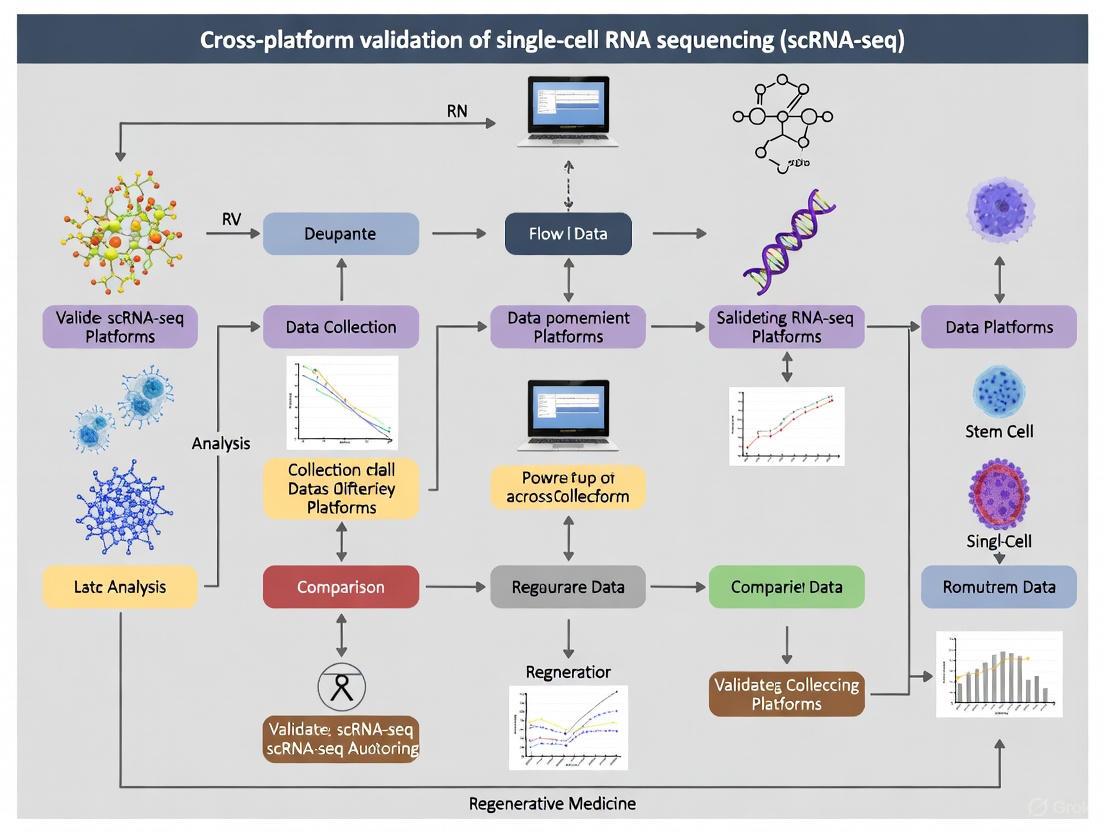
Cross-Platform Validation of Stem Cell scRNA-seq Findings: A Framework for Robustness and Reproducibility
Single-cell RNA sequencing has revolutionized stem cell research by uncovering cellular heterogeneity and developmental trajectories.
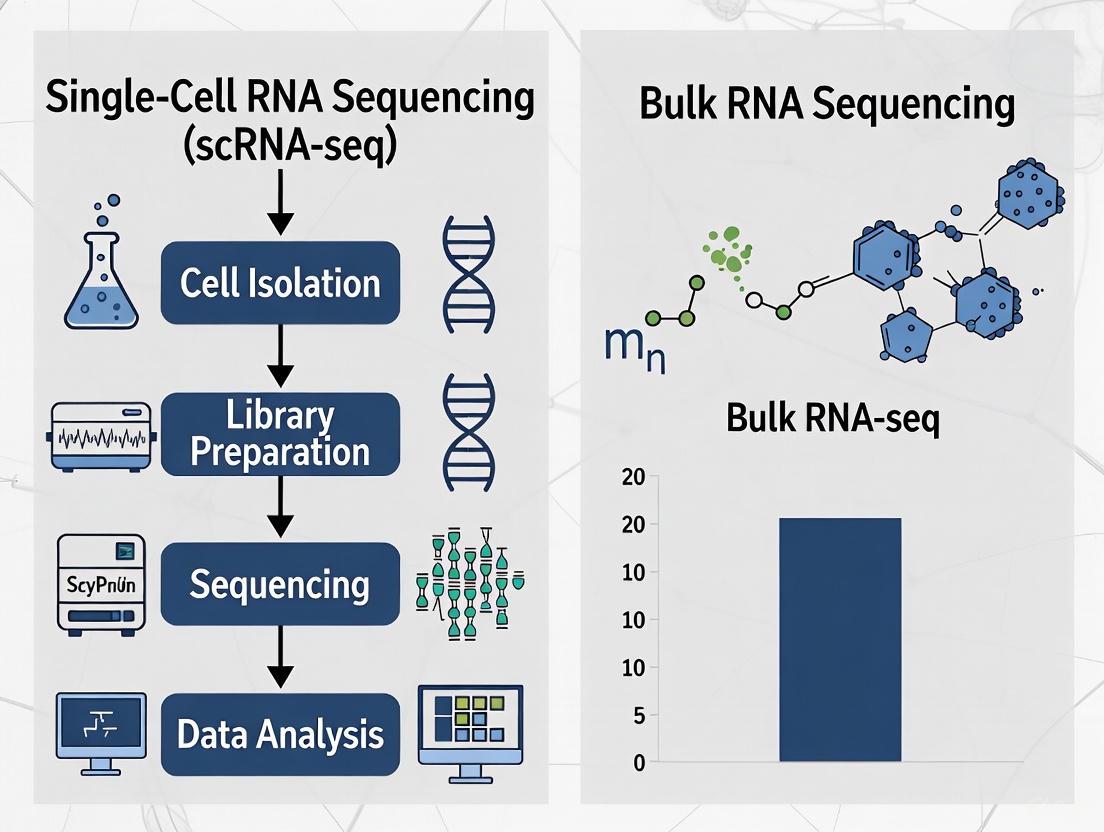
Resolving Stem Cell Heterogeneity: A Comprehensive Guide to scRNA-seq vs. Bulk RNA-seq
Stem cell populations are fundamentally heterogeneous, a characteristic crucial for development, regeneration, and disease.
Overcoming the Single-Cell Bottleneck: A Troubleshooting Guide for Robust Library Prep from Limited Stem Cells
This article provides a comprehensive guide for researchers and drug development professionals facing the significant challenge of generating high-quality sequencing libraries from limited stem cell populations.
Beyond the Noise: Advanced Strategies to Unlock the Functional Secrets of Lowly Expressed Genes in Stem Cells
Accurately capturing the expression of low-abundance genes is a critical frontier in stem cell biology, with direct implications for understanding lineage priming, differentiation bias, and therapeutic potential.
Rethinking Mitochondrial RNA Filtering in Stem Cell scRNA-seq: Strategies to Preserve Biological Insight
Single-cell RNA sequencing has revolutionized stem cell research by revealing cellular heterogeneity, but accurate data interpretation hinges on robust quality control.
Optimizing Stem Cell Viability in Single-Cell Isolation: A 2025 Guide for Robust Research and Translation
This article provides a comprehensive guide for researchers and drug development professionals on optimizing cell viability during stem cell isolation for single-cell analysis.

Conquering Noise and Bias in scRNA-seq: A Researcher's Guide to Clearer Data and Robust Biological Insights
Single-cell RNA sequencing has revolutionized biological research by enabling the transcriptional profiling of individual cells, yet technical noise and amplification bias persistently obscure true biological signals.
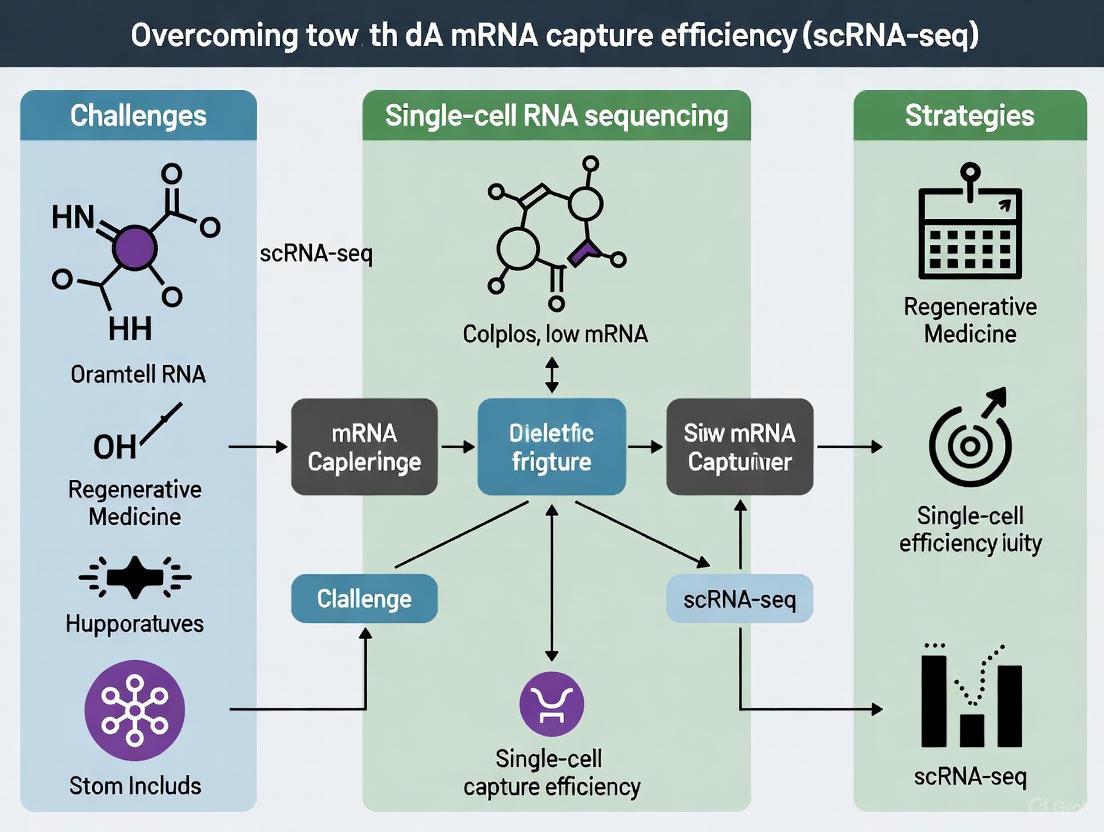
Overcoming Low mRNA Capture Efficiency in Stem Cell scRNA-seq: Strategies for Robust Single-Cell Analysis
Single-cell RNA sequencing of stem cells is pivotal for unraveling developmental biology, disease mechanisms, and regenerative medicine.
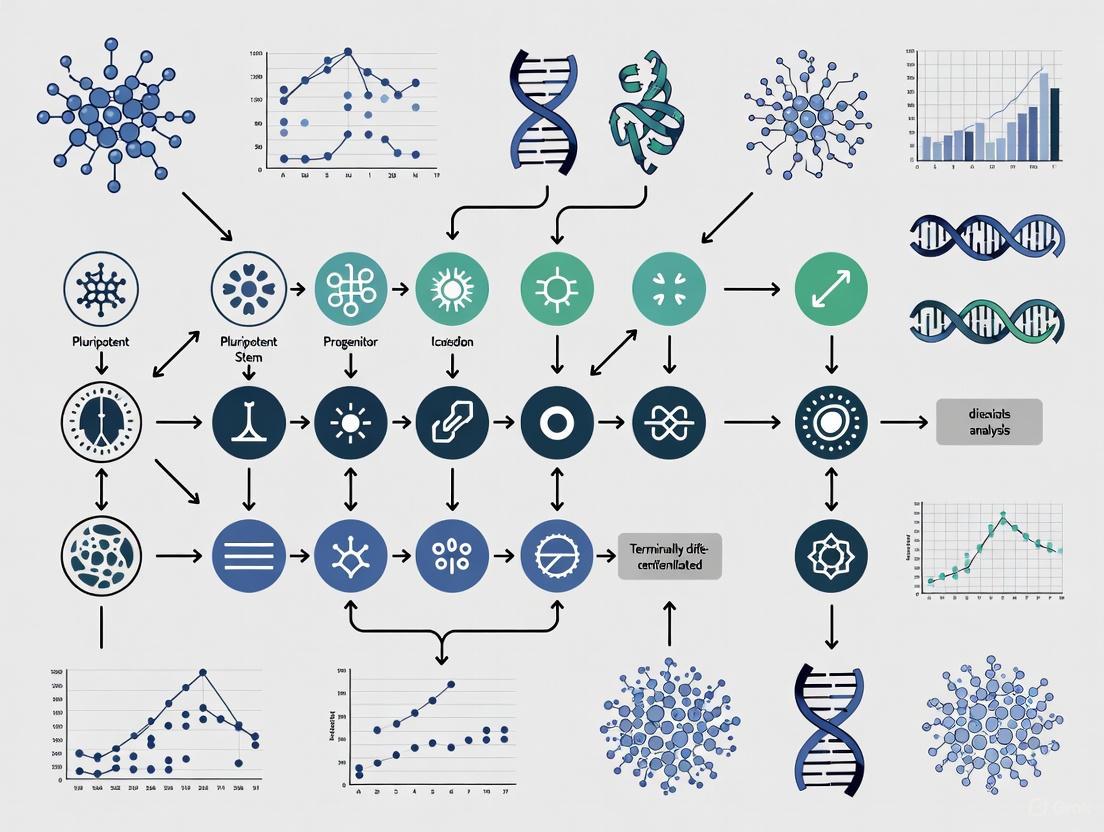
Decoding Cell Fate: A Comprehensive Guide to Pseudotime Analysis in Stem Cell Differentiation
This article provides a comprehensive overview of pseudotime analysis for reconstructing stem cell differentiation trajectories from single-cell RNA-sequencing (scRNA-seq) data.