Research Articles
Paracrine Factors for Cytoprotection and Neovascularization: Mechanisms, Applications, and Therapeutic Frontiers
This article comprehensively explores the pivotal role of paracrine factors—biologically active molecules secreted by stem cells, particularly Mesenchymal Stem Cells (MSCs)—in mediating cytoprotection and neovascularization for cardiac repair.
Breaking the Age Barrier: Strategies to Enhance Reprogramming Efficiency in Aged Somatic Cells
Reprogramming aged somatic cells into induced pluripotent stem cells (iPSCs) faces significant efficiency challenges due to entrenched aging hallmarks.
Mechano-Epigenetic Reprogramming: Engineering Biomaterial Scaffolds for Cell Fate Control and Regenerative Therapy
This article synthesizes the latest advances in scaffold-based strategies for epigenetic reprogramming, a cutting-edge approach at the intersection of biomaterials science, epigenetics, and regenerative medicine.
Overcoming Epigenetic Barriers in Tissue Regeneration: Mechanisms, Therapeutic Strategies, and Clinical Outlook
This article comprehensively reviews the dynamic role of epigenetic mechanisms—including DNA methylation, histone modifications, non-coding RNAs, and chromatin remodeling—as critical barriers and potential levers for enhancing tissue regeneration.
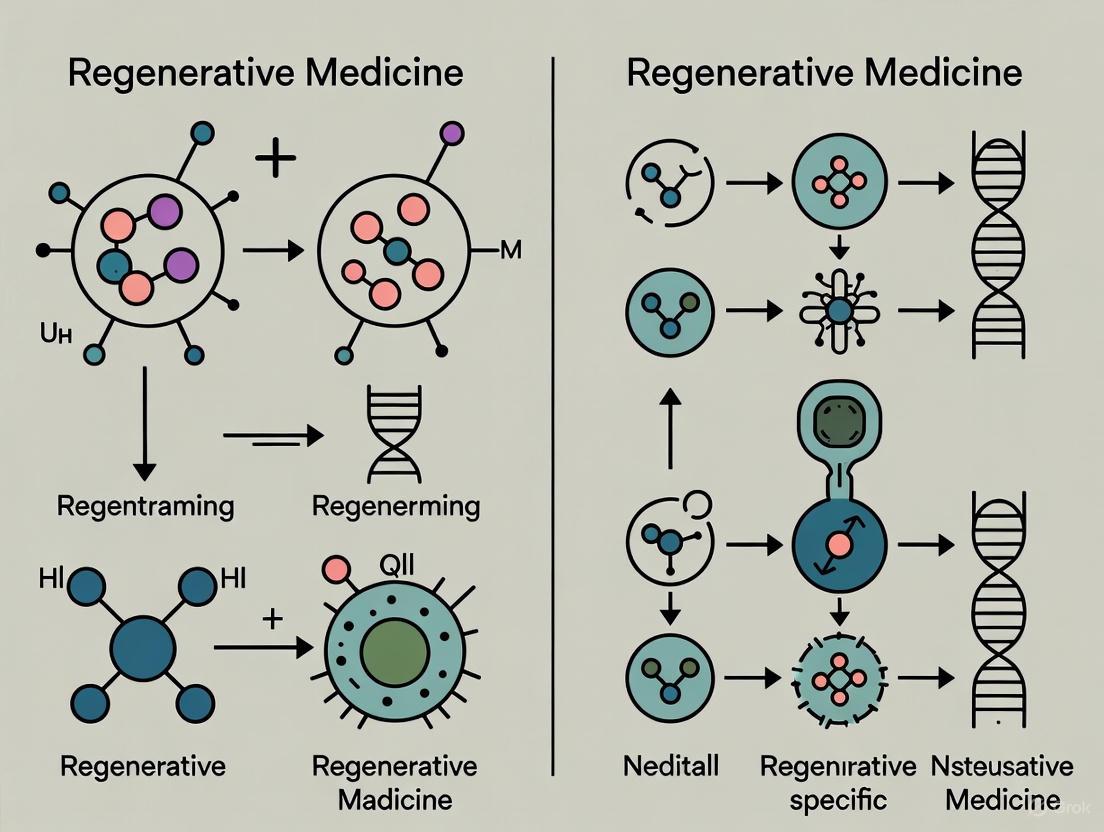
Preserving Cellular Identity: Strategies for Maintaining Tissue-Specific Function After Reprogramming
This article explores the pivotal challenge of maintaining tissue-specific function following cellular reprogramming, a central concern for researchers and drug development professionals in regenerative medicine.
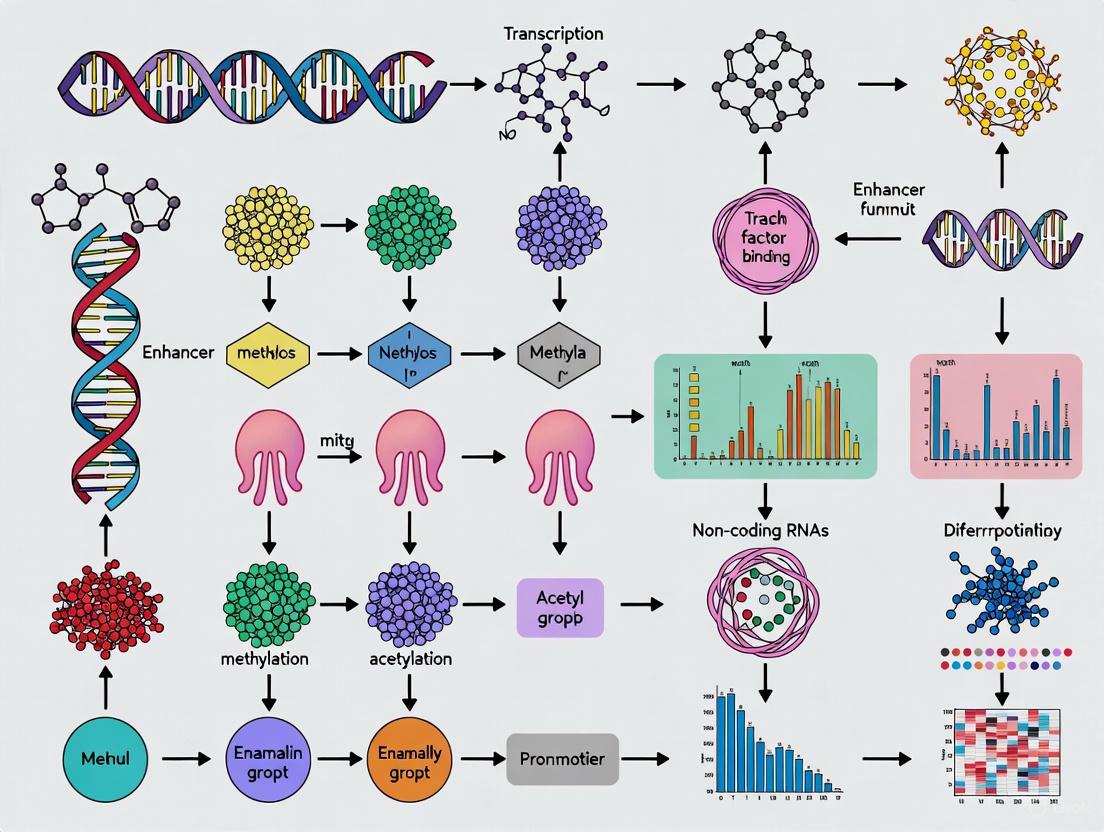
Epigenetic Regulation of Stem Cell Plasticity: Mechanisms, Disease Roles, and Therapeutic Targeting
This article comprehensively explores the epigenetic mechanisms governing stem cell plasticity, a pivotal process in development, tissue homeostasis, and disease.
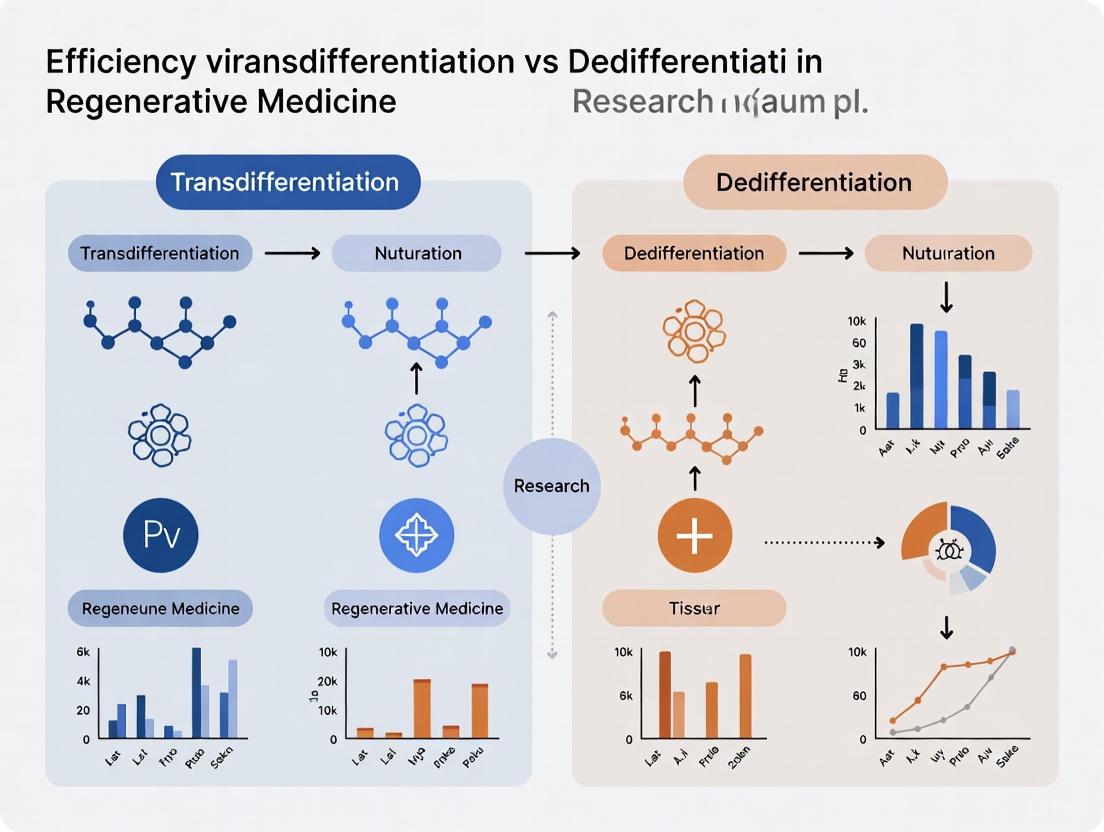
Transdifferentiation vs. Dedifferentiation: A Comparative Analysis of Efficiency and Clinical Potential in Regenerative Medicine
This article provides a comprehensive analysis of the efficiency of two primary cellular reprogramming strategies—transdifferentiation and dedifferentiation.

Engineering the Future: Genetic Modification of MSCs to Enhance Exosome Therapeutic Potential
Mesenchymal stem cell-derived exosomes (MSC-Exos) have emerged as a powerful cell-free therapeutic platform, offering the regenerative and immunomodulatory benefits of MSCs while mitigating risks such as immunogenicity and tumorigenicity.
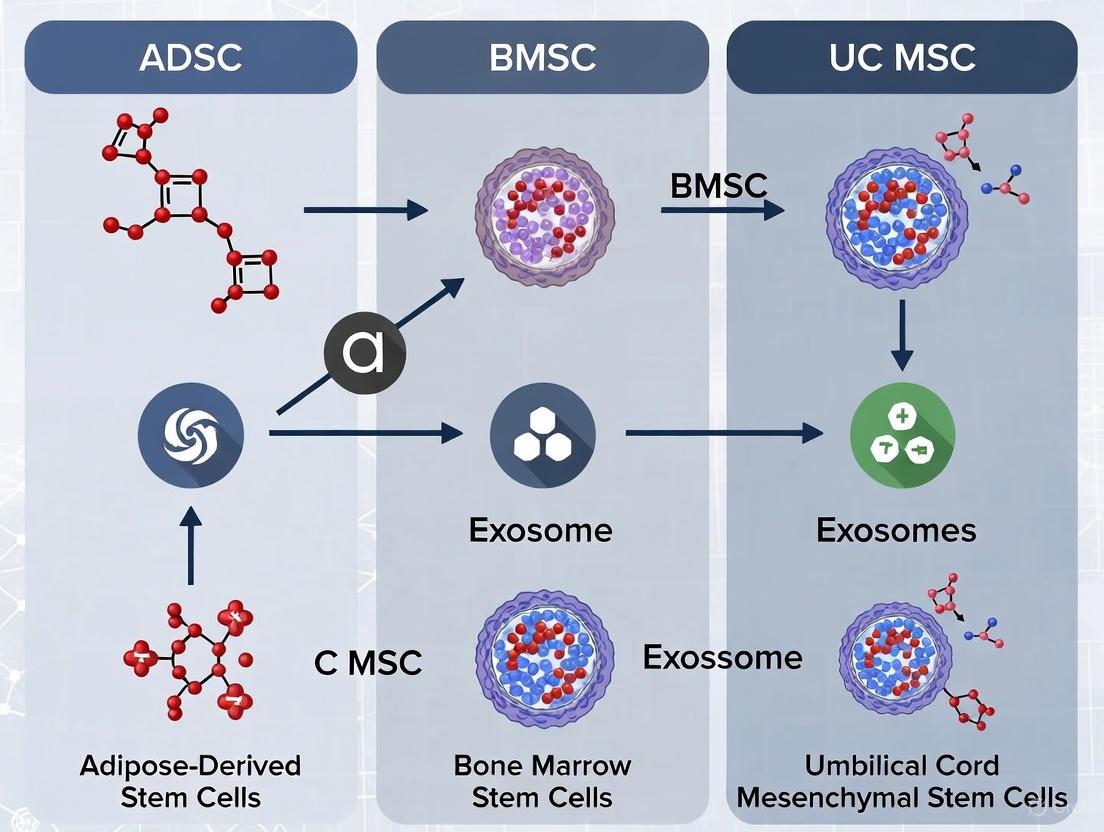
Comparative Analysis of ADSC, BMSC, and UC-MSC Exosomes for Angiogenesis: Sources, Efficacy, and Clinical Translation
Exosomes derived from mesenchymal stem cells (MSCs) are emerging as potent acellular therapeutic agents for promoting angiogenesis in regenerative medicine and drug development.
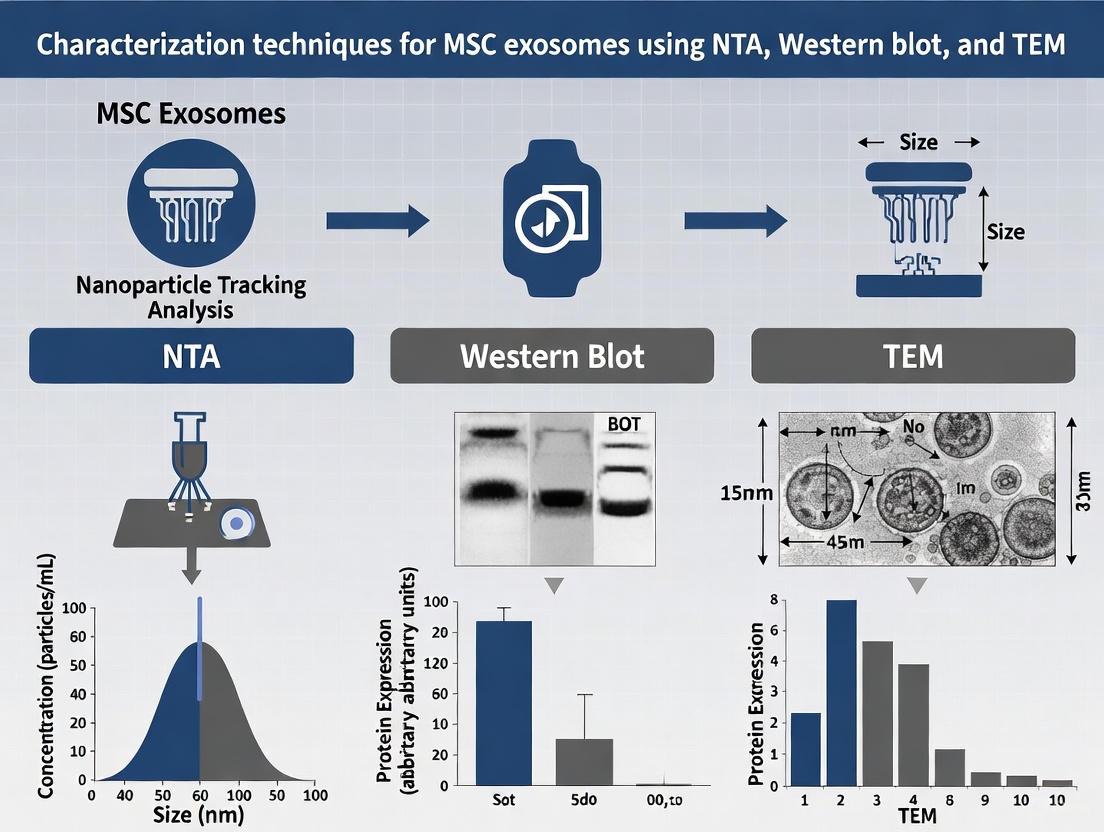
A Comprehensive Guide to MSC Exosome Characterization: Mastering NTA, Western Blot, and TEM for Therapeutic Development
This article provides a detailed guide for researchers and drug development professionals on the essential characterization techniques for Mesenchymal Stem Cell (MSC)-derived exosomes.